Image: Private collection; via Wikimedia Commons · Public domain · via Wikimedia Commons
Impressionism
Fishing Boats Leaving the Harbor, Le Havre
Claude Monet, 1874
Fishing Boats Leaving the Harbor, Le Havre is an 1874 painting by Claude Monet of sailing boats moving through the outer harbor of his hometown while crowds watch from the wet quays. It is in a private collection.
- Artist
- Claude Monet
- Date
- 1874
- Medium
- Oil on canvas
- Dimensions
- 60 × 101 cm
- Collection
- Private collection
- Movement
- Impressionism
- Catalogue
- Wildenstein 296
Painted at Étretat and the Normandy Coast
What you are looking at
A long, wide canvas looks down a busy harbor. On the left, a curving stone quay sweeps in from the bottom edge toward the distance, crowded with small figures in dark clothes: people strolling, standing in groups, a few still holding open umbrellas. Lamp posts stand along the quay, and the paving shines with large puddles. Beyond, a row of tall harbor-front houses fades into the haze.
The water fills the right half of the picture, pale gray-green and full of movement. Fishing boats with tall, pale sails crowd the channel, some moving out toward the sea, some coming in, their hulls dark against the water. A rowing boat with several men in it crosses at the lower right. In the far distance, more masts and the shapes of harbor buildings stand against a sky that is clearing after rain, pale blue breaking through streaks of gray and white cloud.
Where and when it was painted
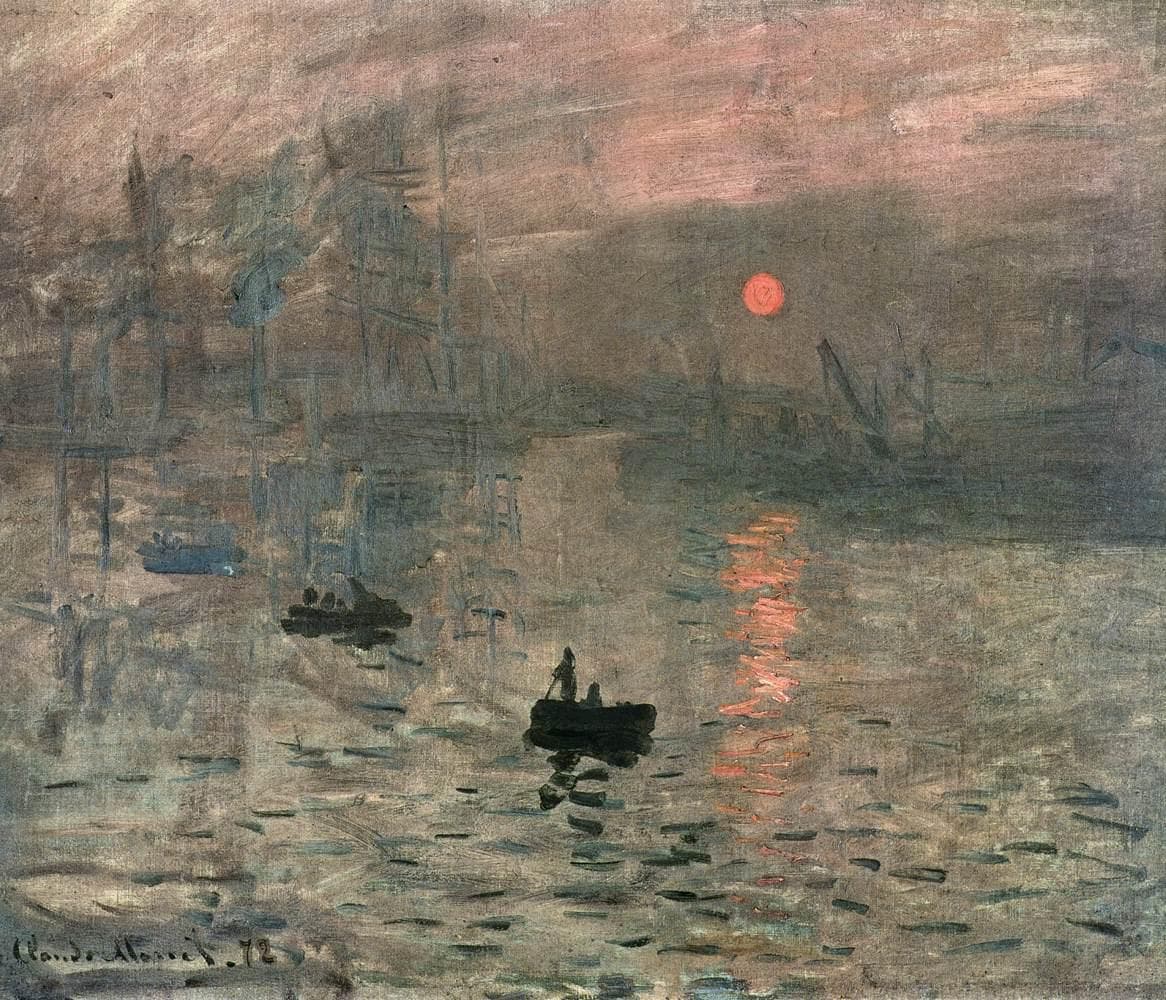
Monet grew up in Le Havre and returned there often in the early 1870s. In 1872 he painted Impression, Sunrise from a window over the harbor, the picture that would give Impressionism its name when it was shown in April 1874. This canvas, dated 1874, shows the old outer harbor (avant-port) in full daylight, looking east, at a moment when the town has come out to watch the fishing fleet.
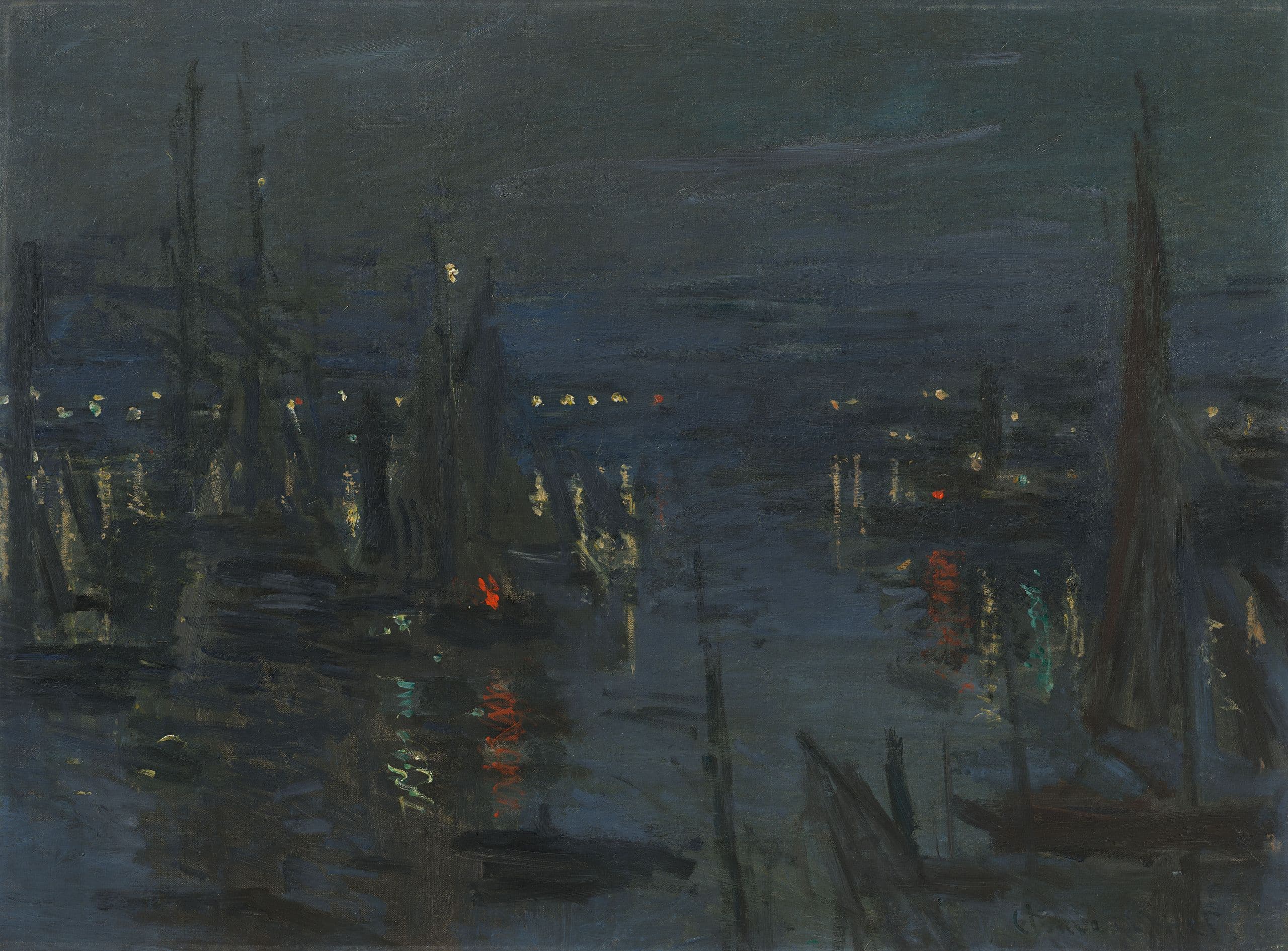
The scene belongs with the other Le Havre harbor pictures of these years, such as Embankment in Le Havre in the Hermitage and The Port of Le Havre, Night Effect. All are part of Monet's long engagement with the Normandy coast, where he had learned to paint under Boudin.
How it was painted
The puddles, the umbrellas still open and the clearing sky suggest that a heavy shower has just ended, and that the people have come out to enjoy the break while the boats take advantage of calmer water to sail. Monet records the moment with quick, sure strokes.
His brushwork follows a simple logic. The water, the reflections and the wet surface of the quay are painted with short horizontal strokes, laid side by side to suggest movement and light. The upright things, people, masts, lamp posts and sails, are painted with vertical strokes. The two directions rarely mix, and the contrast gives the scene its energy. The palette is cool, dominated by blue-grays and greens, with small accents of warmer color in the sails and the figures that make the cool tones look cooler still.
The long format, almost twice as wide as it is tall, lets Monet show the full sweep of the harbor from quay to open water. The crowd is as important as the boats: these are ordinary people on an ordinary day, the kind of modern subject the Impressionists put at the center of their work in the year of their first group exhibition.
Notice the scale of the people. Close to us on the quay they are a few centimeters high, painted with two or three strokes each; further away they shrink to single dark dots. Monet uses that diminishing crowd, and the curve of the quay, to carry the eye deep into the picture, where the masts and the haze of the far harbor take over.
Related works
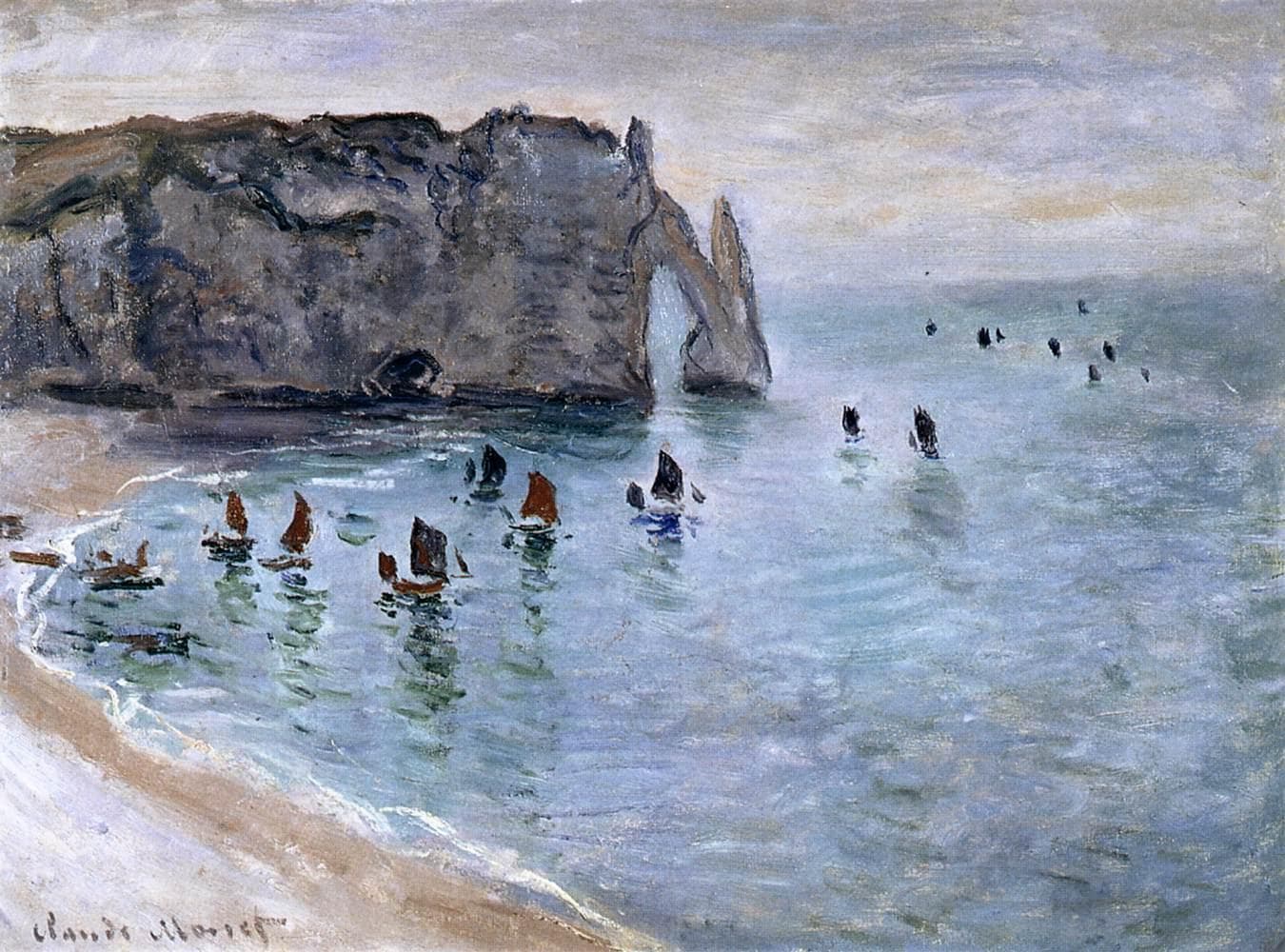
The fishing fleet setting out is a motif Monet returned to on the Normandy coast, most memorably at Étretat in Étretat, the Porte d'Aval: Fishing Boats Leaving the Harbour and The Departure of the Boats, Étretat of 1885. The Le Havre picture is earlier, busier and more urban.
Ownership
The painting is catalogued by Wildenstein as number 296. It is in a private collection and has been reported as on long-term loan to the Los Angeles County Museum of Art; its current location should be checked before visiting.
Where to see it
As a privately owned work it is not reliably on public view. For Monet's harbor and coastal pictures in public museums, see where to see Monet's paintings.
Questions & answers
Where is Monet's Fishing Boats Leaving the Harbor, Le Havre?
It is in a private collection. It has been reported as on long-term loan to the Los Angeles County Museum of Art, but its display status is not confirmed, so check before planning a visit.
When and where was it painted?
Monet painted it in 1874 in Le Havre, the Normandy port where he grew up. It shows the old outer harbor looking east, with fishing boats sailing through the channel and crowds on the quays.
What does the painting show?
Fishing boats with pale sails leaving and entering the harbor after a rain shower, with people strolling on a wet quay, some still under umbrellas, and the sky clearing overhead.
Is it related to Impression, Sunrise?
Both show the harbor of Le Havre. Impression, Sunrise was painted in 1872 from a window at dawn; this canvas of 1874 shows the harbor in daylight from the quayside, full of people and boats.
More by the artist
Claude Monet

Bridge over a Pond of Water Lilies
Claude Monet · 1899

Woman with a Parasol – Madame Monet and Her Son
Claude Monet · 1875

Sunset in Venice
Claude Monet · 1908–12

La Grenouillère
Claude Monet · 1869

Beach in Pourville
Claude Monet · 1882

Springtime
Claude Monet · 1872

Boating on the River Epte
Claude Monet · 1890

The Seine at Asnières (Hermitage)
Claude Monet · 1873
Also painted in 1874
The same year
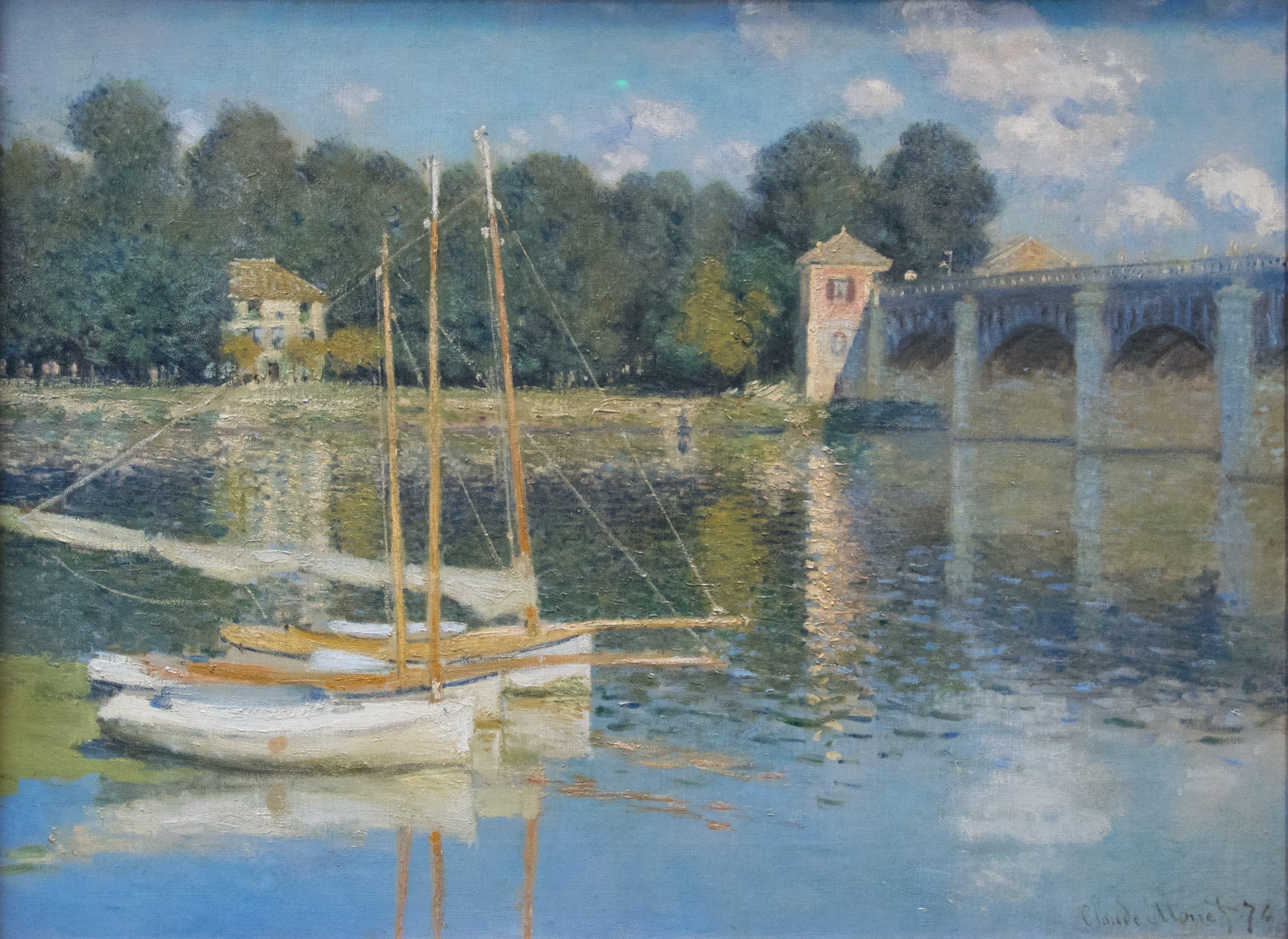
The Argenteuil Bridge
Claude Monet · 1874
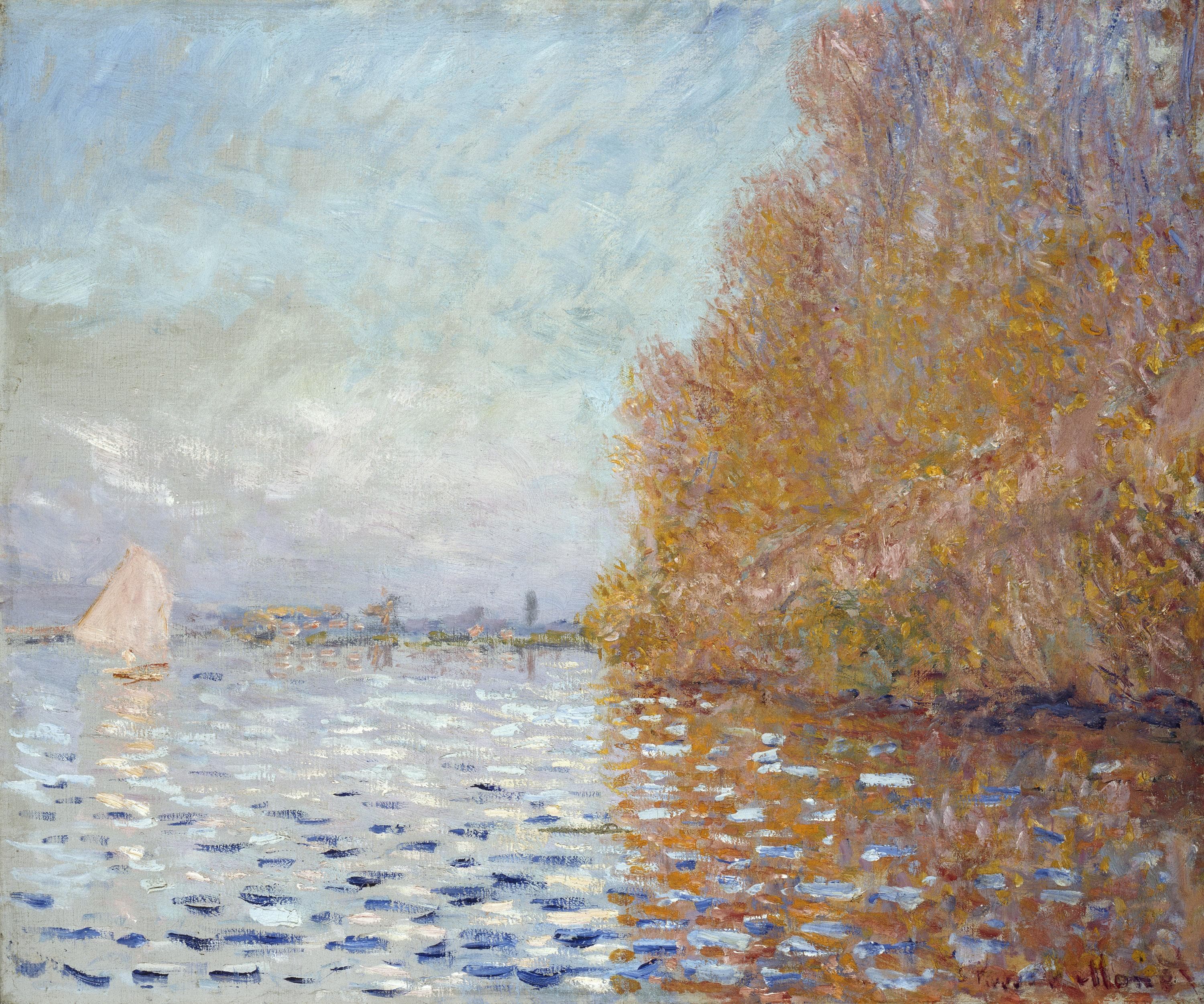
Argenteuil Basin with a Single Sailboat
Claude Monet · 1874
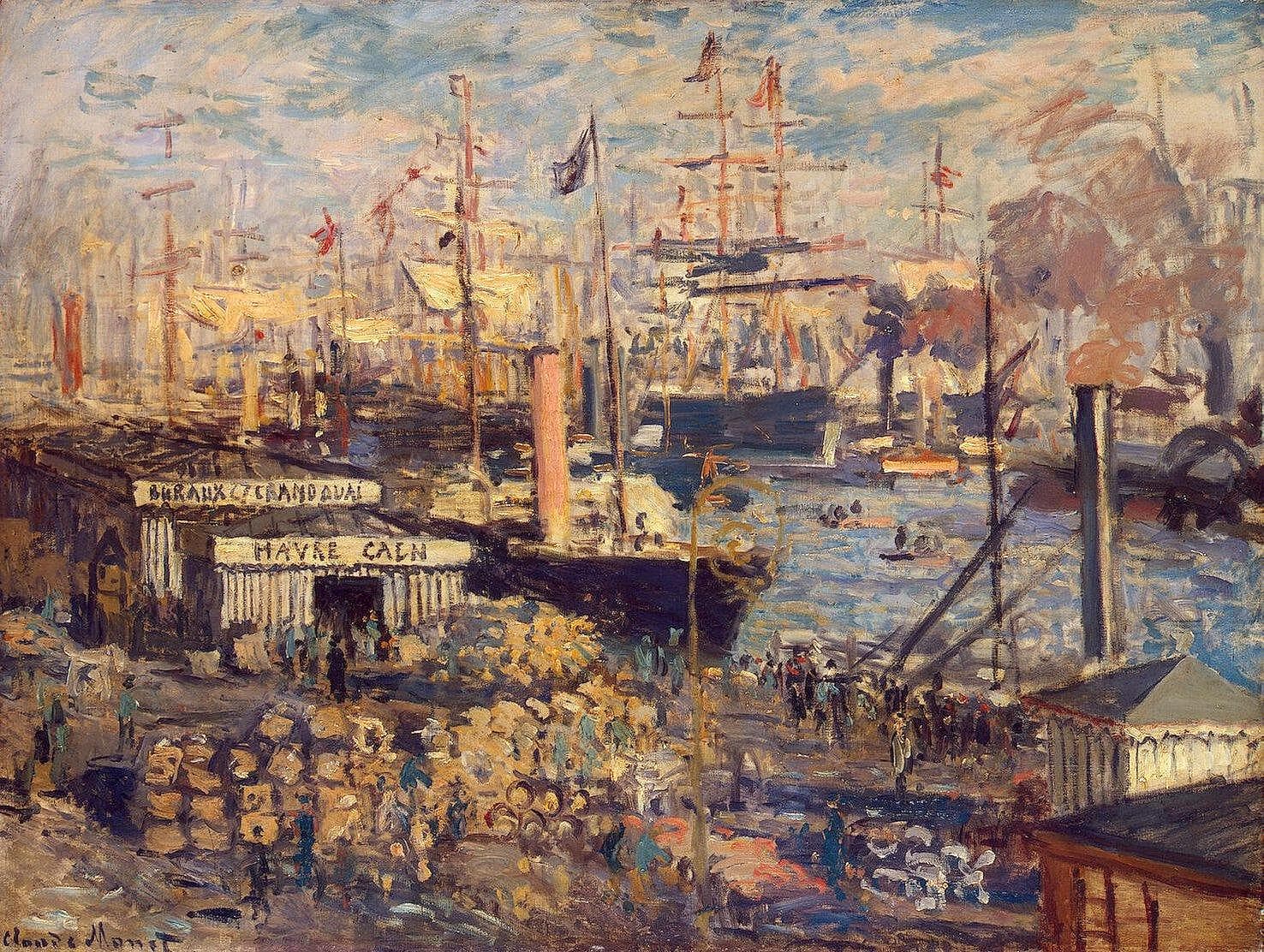
The Grand Quai at Le Havre
Claude Monet · 1874
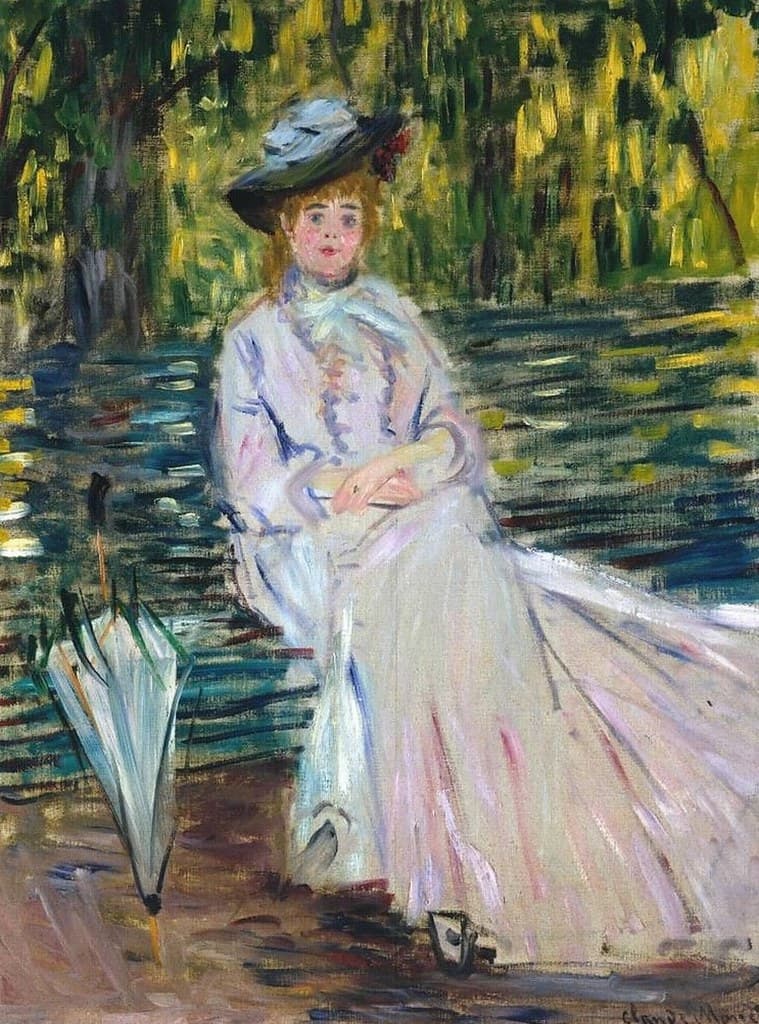
Woman Seated on a Bench
Claude Monet · c. 1874
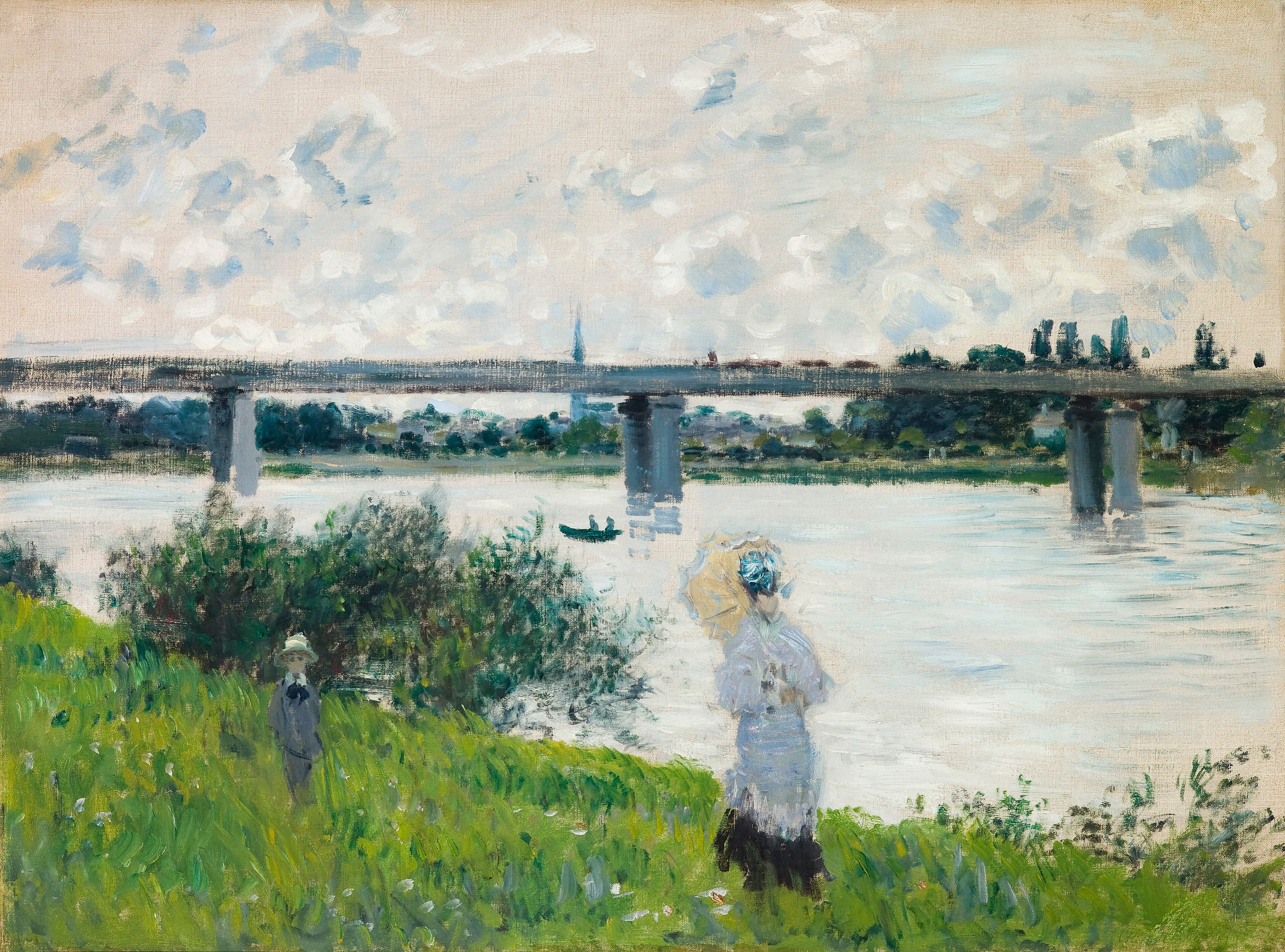
The Promenade with the Railroad Bridge, Argenteuil
Claude Monet · 1874
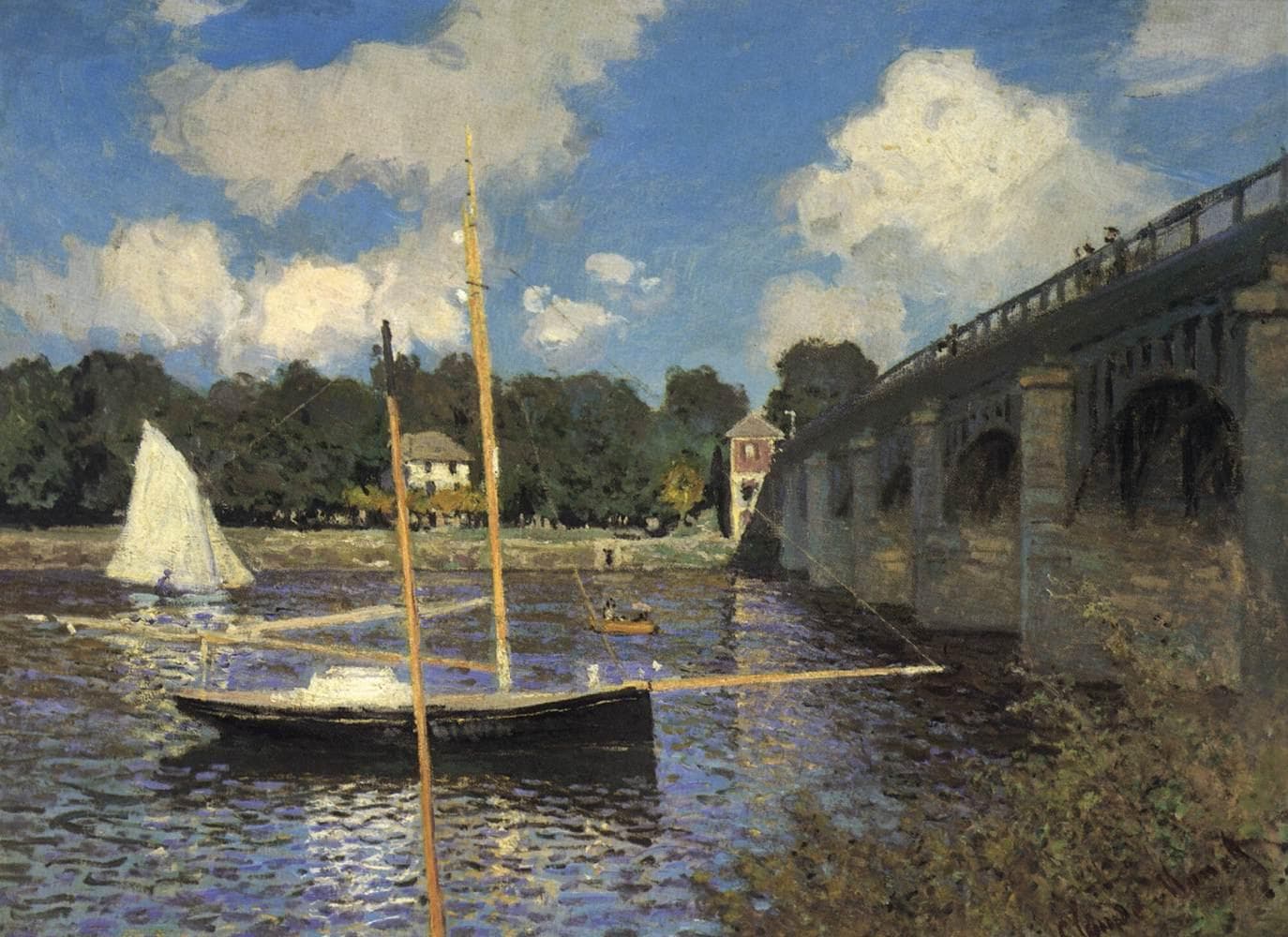
The Bridge at Argenteuil
Claude Monet · 1874
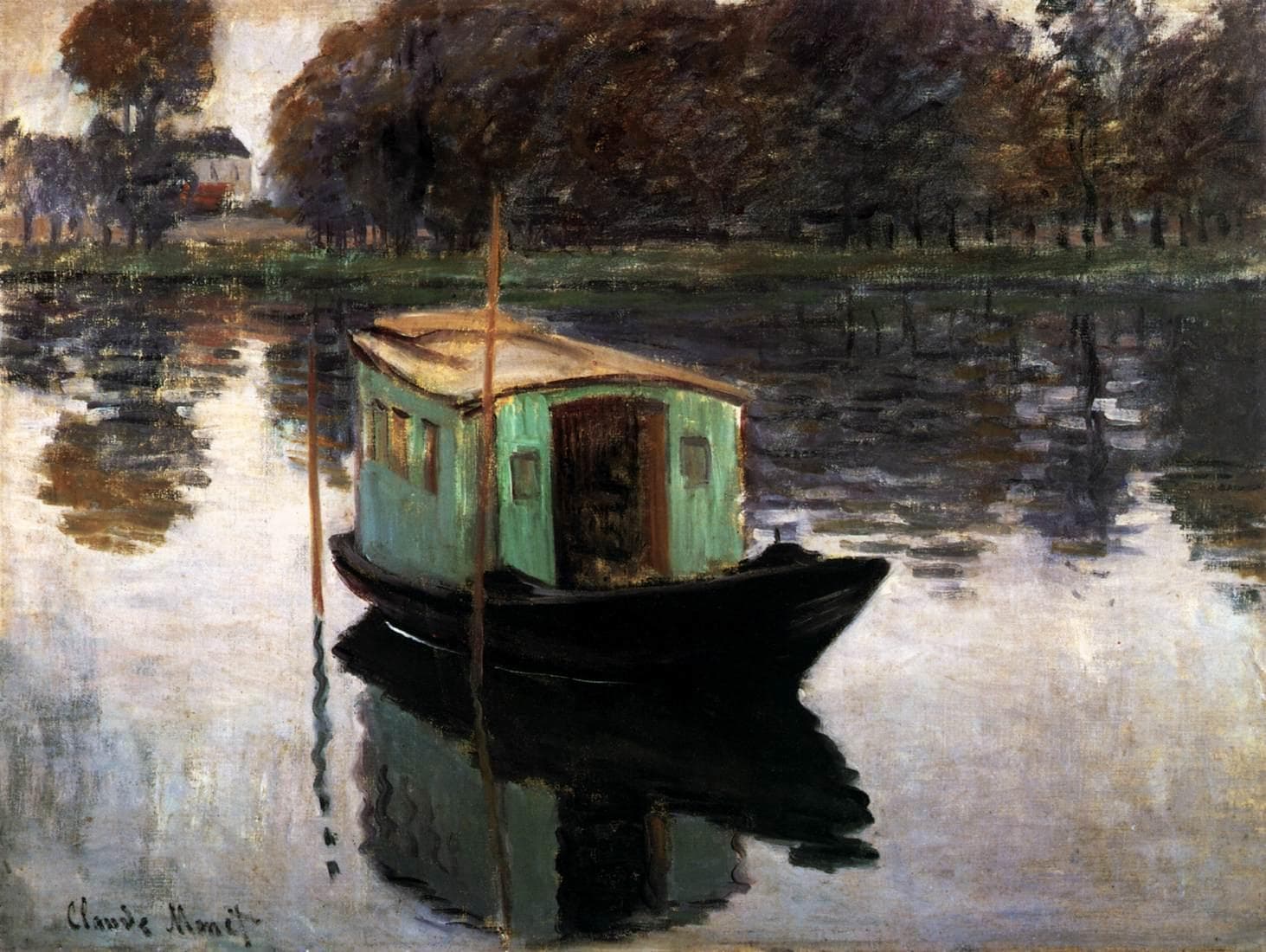
The Studio Boat
Claude Monet · 1874
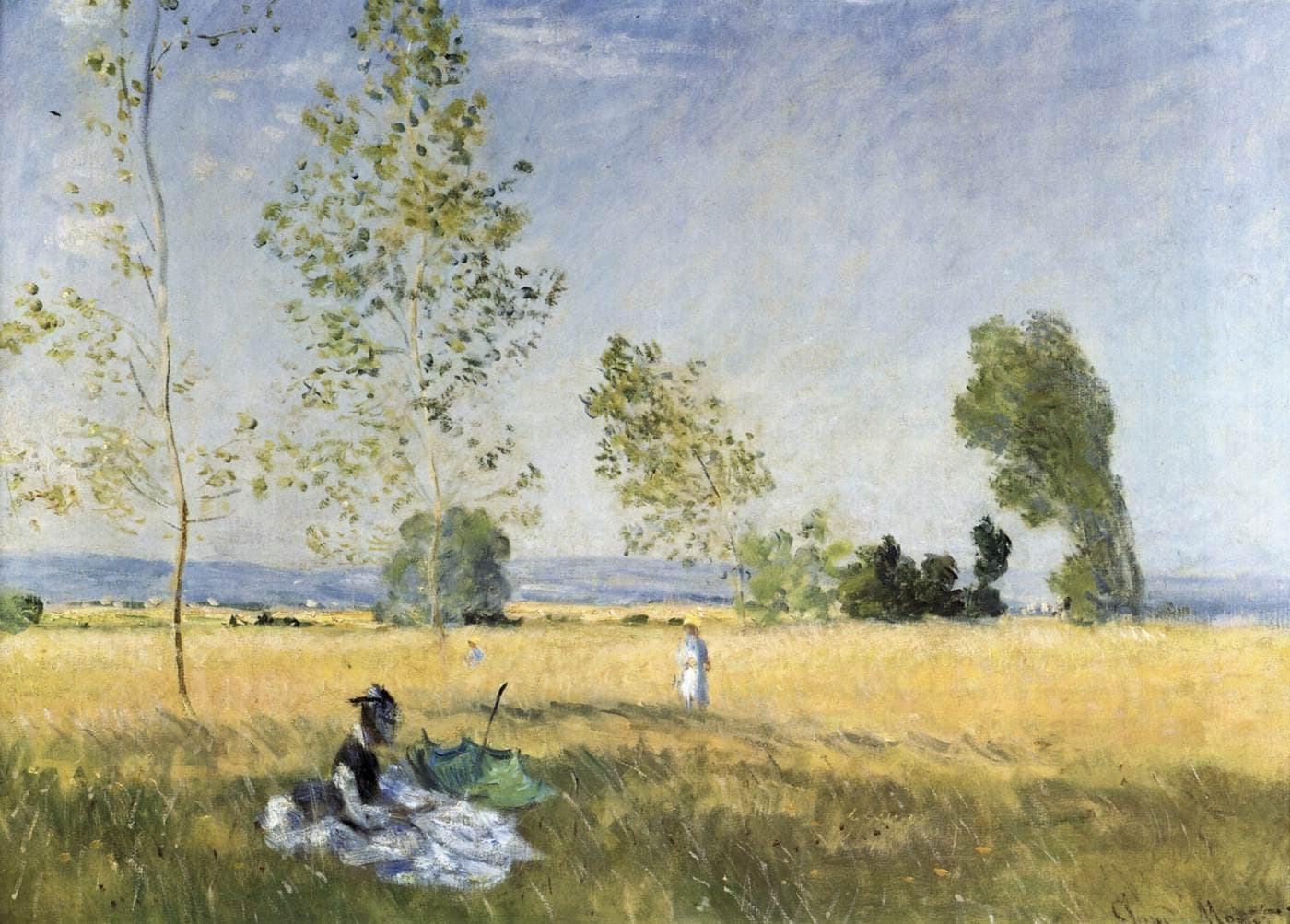
Summer (Meadow at Bezons)
Claude Monet · 1874
Kindred works
You may also study
Impression, Sunrise
Claude Monet · 1872
The Grand Quai at Le Havre
Claude Monet · 1874
The Port of Le Havre, Night Effect
Claude Monet · 1872
The Museum at Le Havre
Claude Monet · 1873
Étretat, the Porte d'Aval: Fishing Boats Leaving the Harbor
Claude Monet · 1885

Ophelia
John Everett Millais · 1851–52

The Great Wave off Kanagawa
Katsushika Hokusai · c. 1830–32
The Birth of Venus
Sandro Botticelli · c. 1484–1486