Lucifer, King of Hell
Gustave Doré, 1861
Lucifer, King of Hell is Gustave Doré's 1861 wood engraving for Dante's Inferno, Canto 34: the fallen angel, bat-winged and frozen to the chest in the lake of Cocytus, broods at the bottom of Hell while Dante and Virgil watch from a ledge of ice.
- Artist
- Gustave Doré
- Date
- 1861
- Medium
- Wood engraving
- Movement
- Romanticism
- Themes
- Angels & Demons, Literature & Poetry, The Macabre, Dark Academia, Religion & Saints
What you are looking at
A cavern of ice. Icicles hang from the top edge of the picture like broken teeth, and a frozen lake fills the floor. In the middle distance, sunk to the chest in the ice, a giant rests his folded arms on the frozen surface as if leaning on a windowsill.
Behind him two enormous wings spread almost the full width of the plate, ribbed like a bat's. His head is small for his body: horned, with tangled curls, a heavy brow and eyes that glare out from under it. One hand is raised to his mouth.
This is Lucifer, whom Dante also calls Dis. He is not shouting, flying or tempting anyone. He is sulking, and the stillness is what makes him frightening.
Look to the right. On a shelf of ice, tiny against the giant, stand two cloaked figures, one pressed close to the other: Dante clinging to Virgil. Then look down. The foreground is crowded with shades locked in the ice, some lying flat, some curled, some with only a head or an arm breaking the surface, and broken slabs of ice stacked among them like gravestones.
The passage: Inferno, Canto 34
The last canto of the Inferno brings Dante to Judecca, the innermost zone of the ninth circle, where those who betrayed their lords and benefactors are wholly covered by ice: "glimmered through like unto straws in glass," in Longfellow's translation. Virgil stops him and says, "Behold Dis, and behold the place / Where thou with fortitude must arm thyself." Then Dante sees him:
The Emperor of the kingdom dolorous From his mid-breast forth issued from the ice.
The Lucifer of the poem is grotesque rather than tragic. He has three faces, red, yellowish-white and black. Under each are two great wings, "No feathers had they, but as of a bat," and their beating makes the wind that freezes the lake. Each of his three mouths chews a traitor: Judas Iscariot in the front, "With head inside, he plies his legs without," and Brutus and Cassius on either side. He weeps from six eyes, and the tears run down mixed with blood.
How Doré staged it
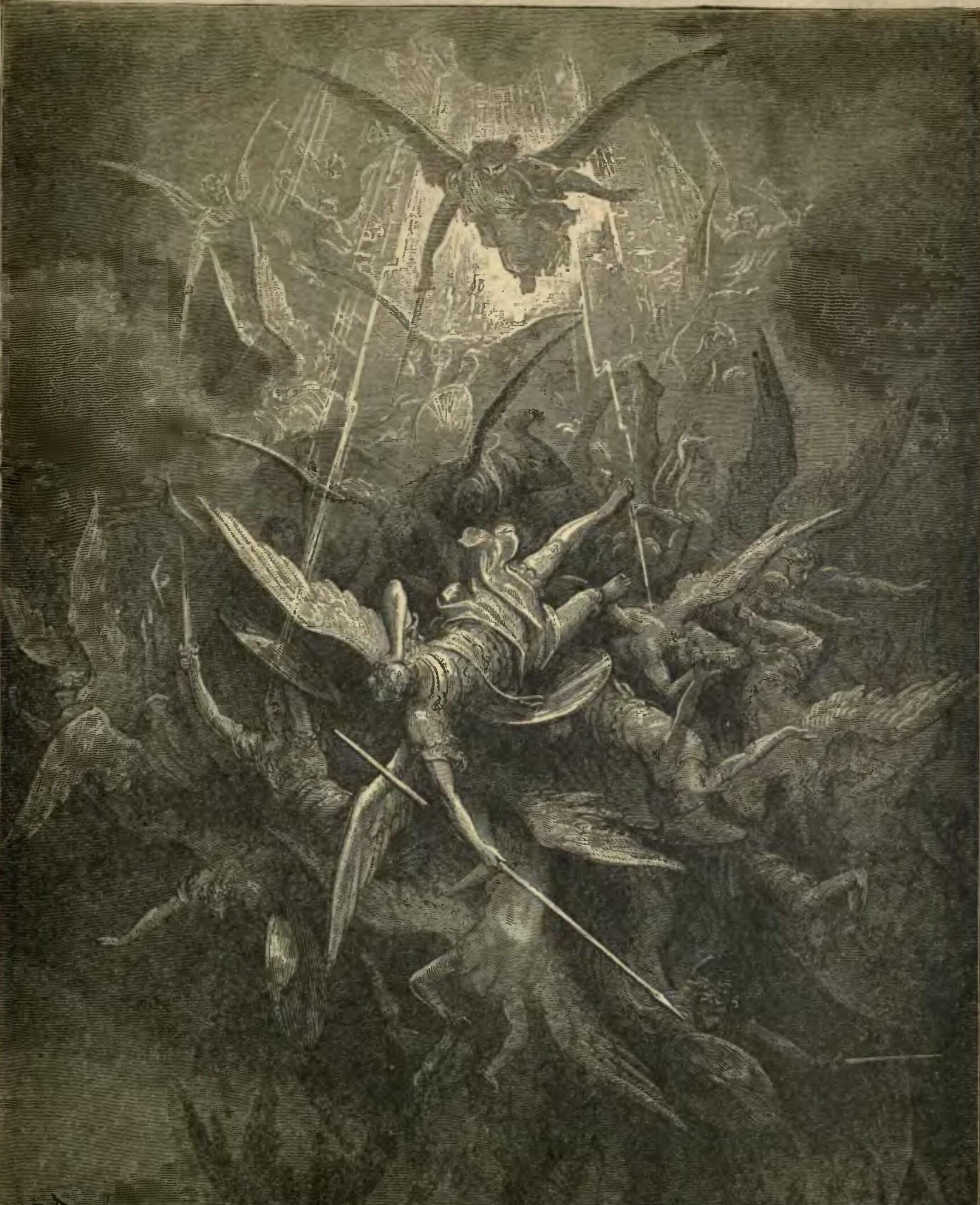
Doré keeps the ice, the bat wings and the scale, and quietly drops the rest. His Lucifer turns one face to us; the other two faces are not shown, and the front mouth is half hidden by the raised hand, beneath which a small, limp shape hangs down. The effect is to make Satan less of a monster and more of a fallen being, sullen and almost human. Doré would go on to illustrate Milton, and this brooding figure looks forward to his own Satan in the Paradise Lost plates of 1866, such as Satan Cast Out of Heaven.
The Bibliothèque nationale de France holds a separately printed, unpublished proof of a different Lucifer design by Doré, in which the giant sits upright, chewing with both hands, with the two poets standing in the snow at his feet. The design he published is the more restrained of the two.
The composition also does a quiet job of storytelling. The two poets stand on the highest point of the ice, close enough to see but far enough to be safe, and the long diagonal of frozen bodies leads the eye from them to the giant. In the next plates Dante and Virgil will climb down Lucifer's hairy flank, pass through the center of the earth, and come out under the stars.
How the engraving was made
Doré drew the scene on a boxwood block; the engraver Héliodore Pisan cut it, and his signature "PISAN" sits at lower right. The whole sky of the cave is laid in with ruled horizontal lines, close and even, which read as a flat, airless dark. Against it the engraver cut the ice in white, following the contours of each icicle, and modeled Lucifer's wings and body in curving lines that swell and thin to suggest muscle and membrane.
The plate was published in L'Enfer de Dante Alighieri by Hachette in Paris in 1861, with 75 full-page plates, the book Doré financed himself. This reproduction is from the 1870 Berlin edition published by W. Moeser, held by the National Library of Poland. It closes Doré's Inferno illustrations.
Meaning
Dante's deepest point of Hell is cold, not fiery, because the worst sin, betrayal, is the opposite of love. The wind from Lucifer's own wings keeps him frozen: evil traps itself. Doré's image makes that idea visible. The great wings, made for flight, are useless; the angel who rebelled against heaven lies immobile with his chin on his arms.
That is why this image, far more than the three-headed monster of medieval painting, became the picture of Satan for modern readers. It belongs with the fallen angels of the nineteenth century, from Doré's Milton plates to Franz von Stuck's Lucifer, who sits in the dark with the same sullen stare. To see where Dante's journey began, compare Dante Lost in the Dark Wood; for the traitors on the ice just above, see Count Ugolino and His Sons. More of Gustave Doré's work is gathered on his artist page.
Questions & answers
What does Doré's Lucifer engraving show?
It shows Lucifer, the king of Hell, frozen to the chest in the ice lake of Cocytus at the very bottom of Dante's Inferno. He rests his arms on the ice with huge bat wings spread behind him, while Dante and Virgil watch from a ledge of ice at the right and frozen traitors fill the foreground.
Which lines of Dante's Inferno does the Lucifer plate illustrate?
Canto 34, the last canto of the Inferno. In Longfellow's translation: "The Emperor of the kingdom dolorous / From his mid-breast forth issued from the ice." Virgil has just told Dante, "Behold Dis, and behold the place / Where thou with fortitude must arm thyself."
Why does Doré's Lucifer have only one face?
Dante gives Lucifer three faces, each chewing a traitor: Judas, Brutus and Cassius. Doré shows a single visible face, half covered by a raised hand, which turns the monster into a brooding fallen angel. He kept Dante's frozen lake, the bat-like wings and the giant scale.
When was Doré's Lucifer published, and who engraved it?
It appeared in L'Enfer de Dante Alighieri, published by Hachette in Paris in 1861. Doré drew the design on a woodblock and Héliodore Pisan cut it; his signature "PISAN" is at lower right. The plates were reprinted in many later editions, including the 1870 Berlin edition used here.
What does Lucifer frozen in ice mean in Dante?
For Dante the worst sin is betrayal, the opposite of love, so the center of Hell is ice rather than fire. Lucifer's own beating wings make the freezing wind. Evil imprisons itself, and Doré shows the once-glorious angel motionless, his wings useless behind him.
More by Gustave Doré
All works →
The Wood of the Suicides
Gustave Doré · 1861
The Malebranche Demons
Gustave Doré · 1861
Satan Cast Out of Heaven
Gustave Doré · 1866
The War in Heaven
Gustave Doré · 1866
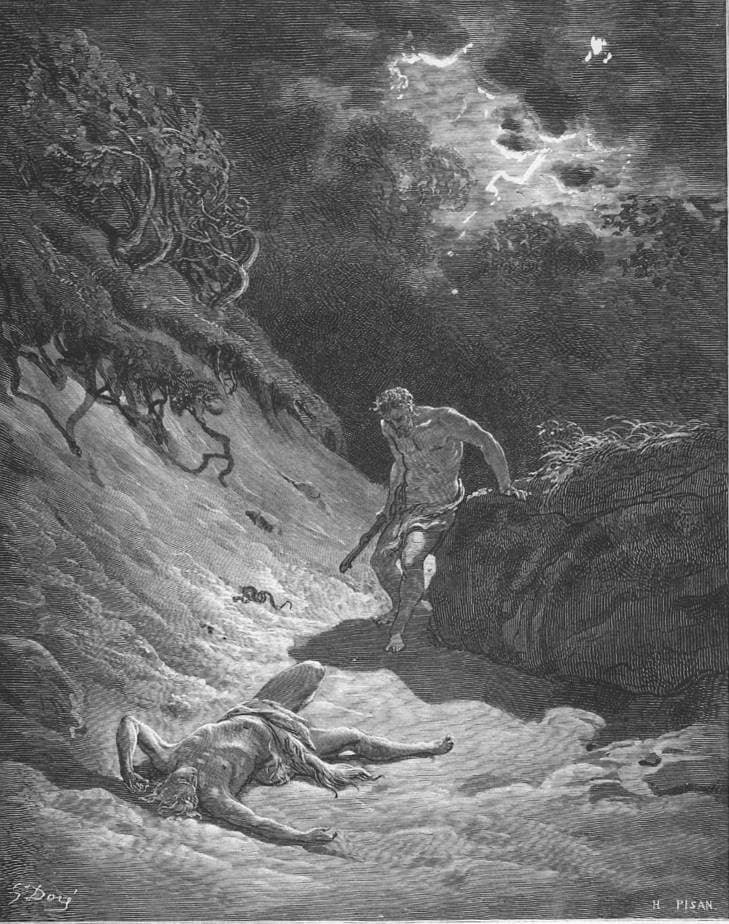
The Death of Abel
Gustave Doré · 1866
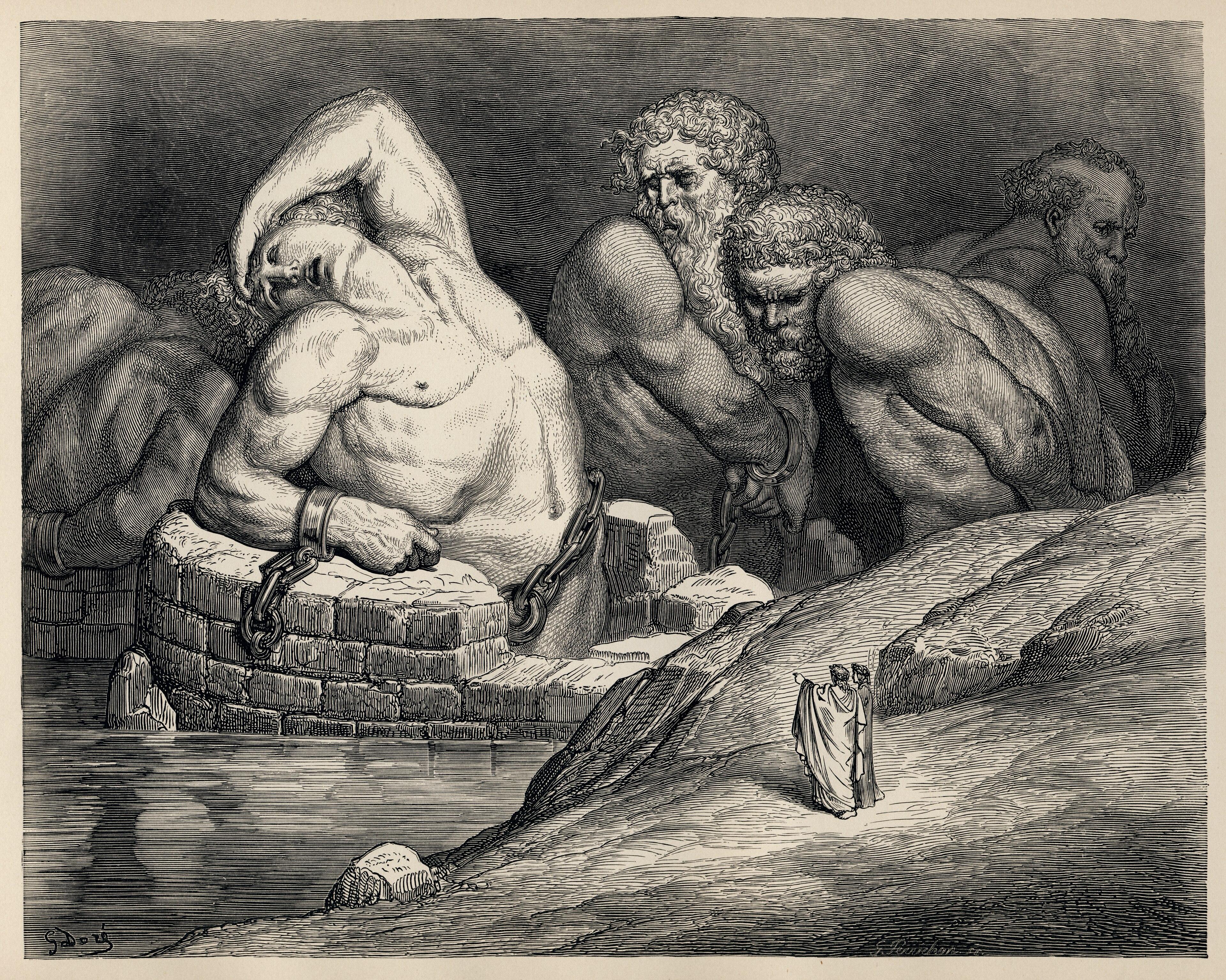
The Giants
Gustave Doré · 1861
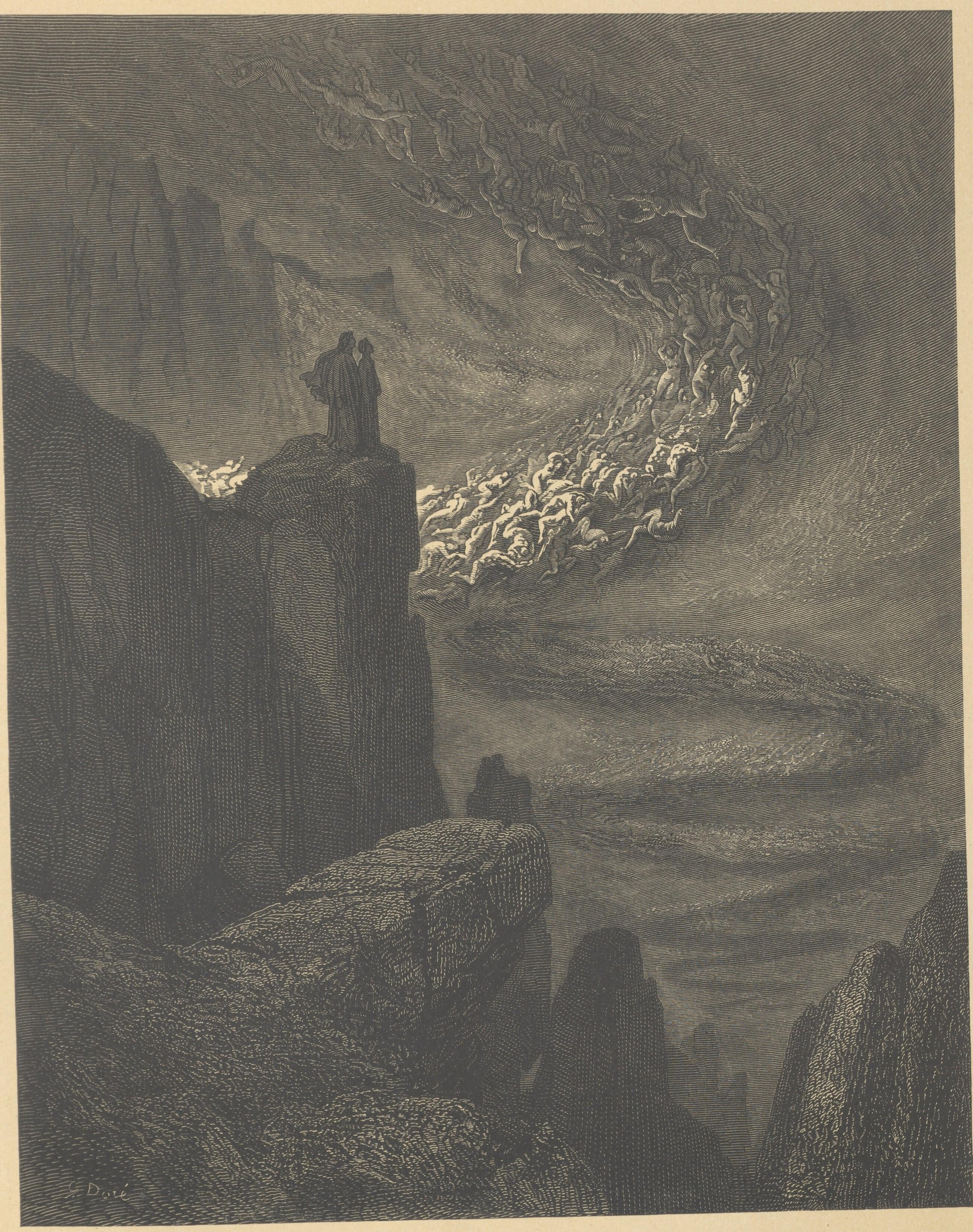
The Whirlwind of the Lustful
Gustave Doré · 1861
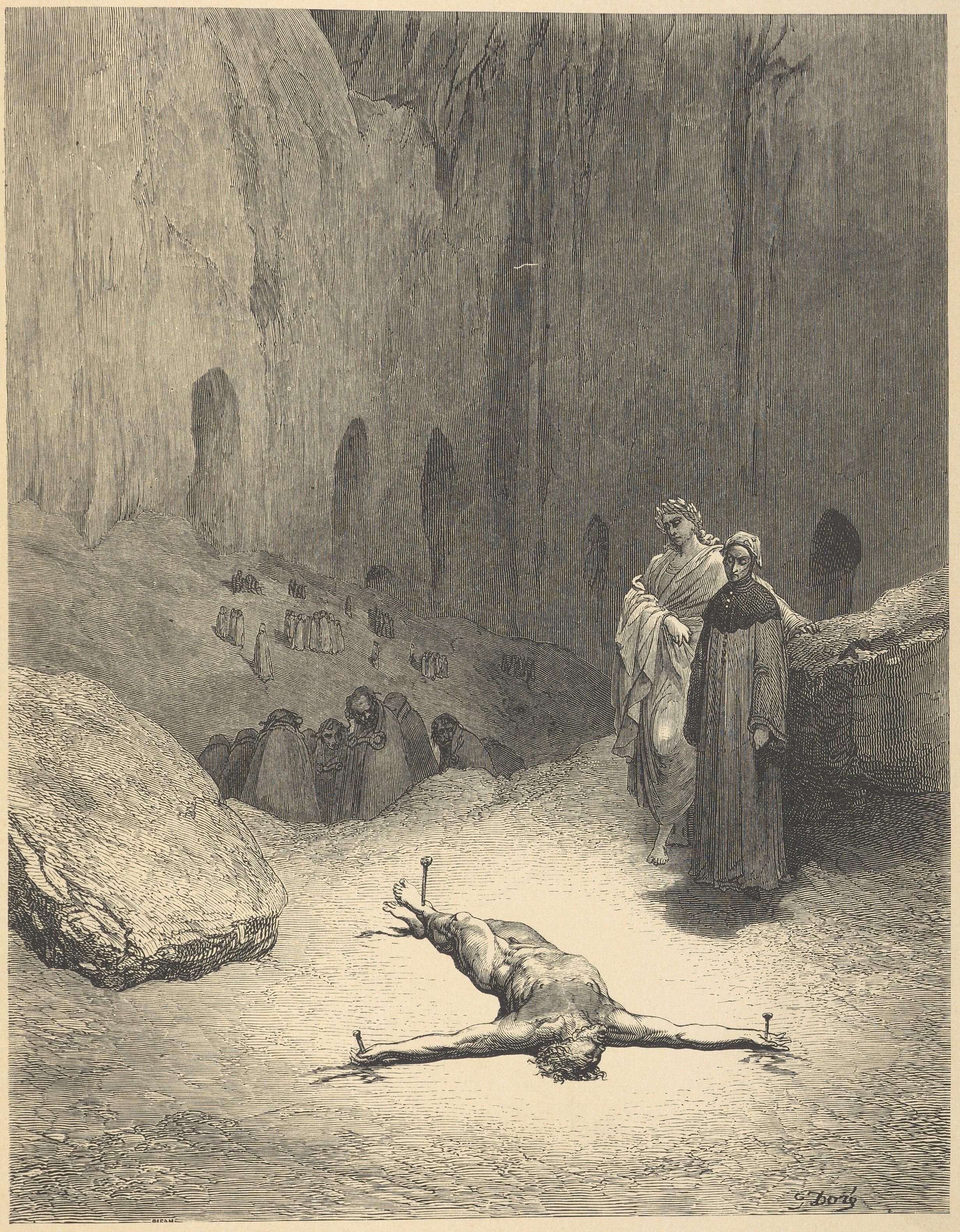
Caiaphas Crucified
Gustave Doré · 1861
Also from 1861
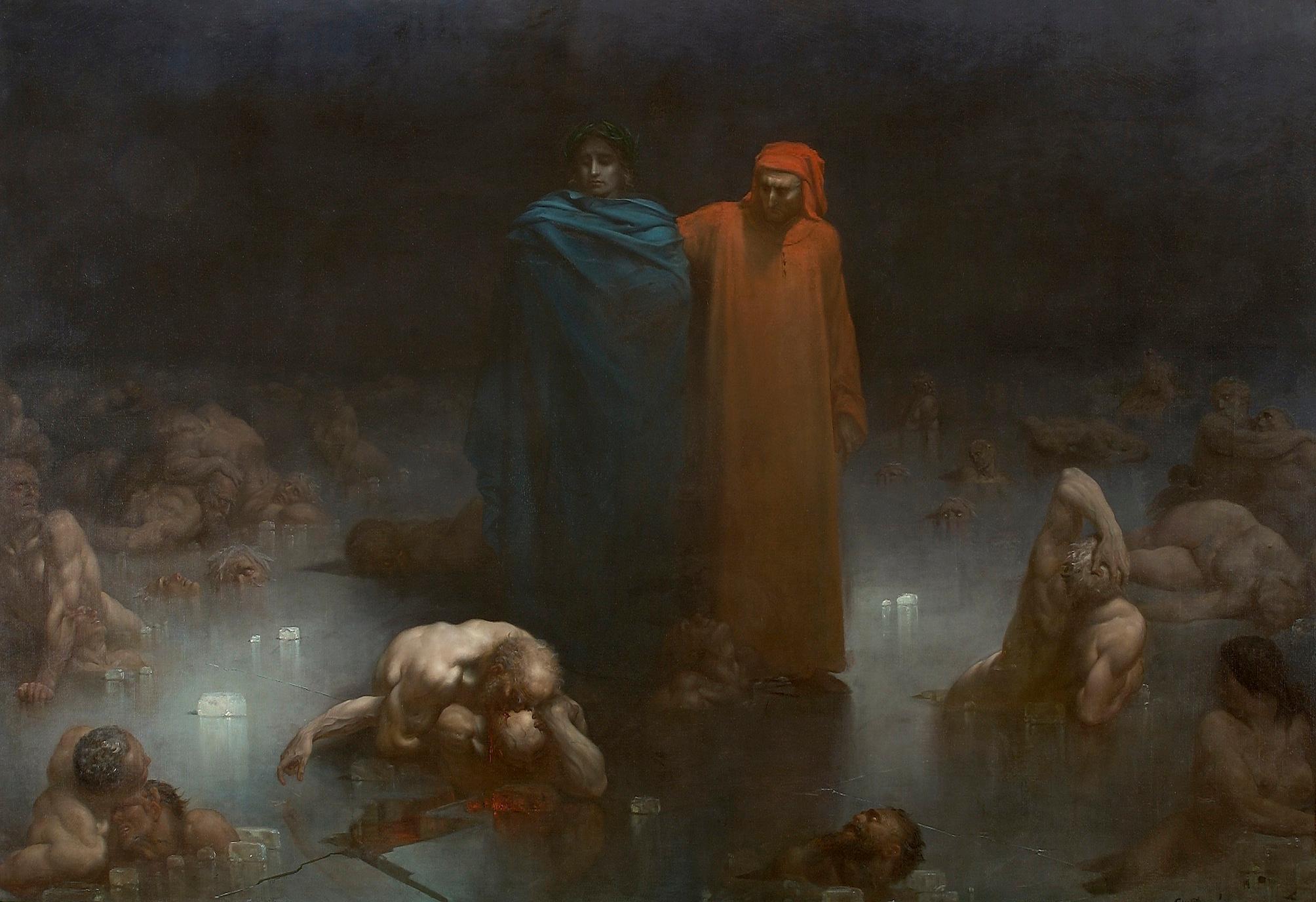
Dante and Virgil in the Ninth Circle of Hell
Gustave Doré · 1861
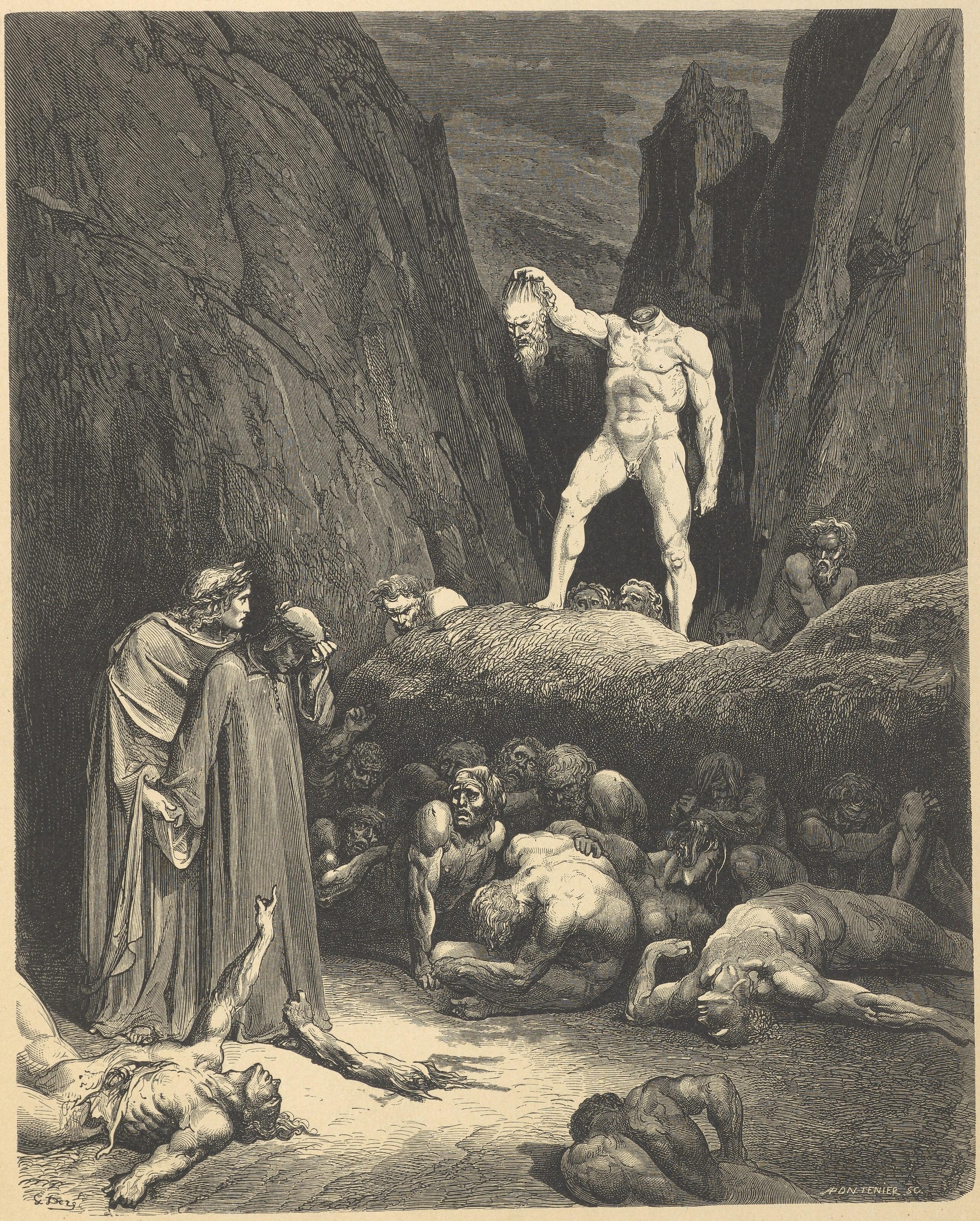
Bertran de Born Holding His Head
Gustave Doré · 1861
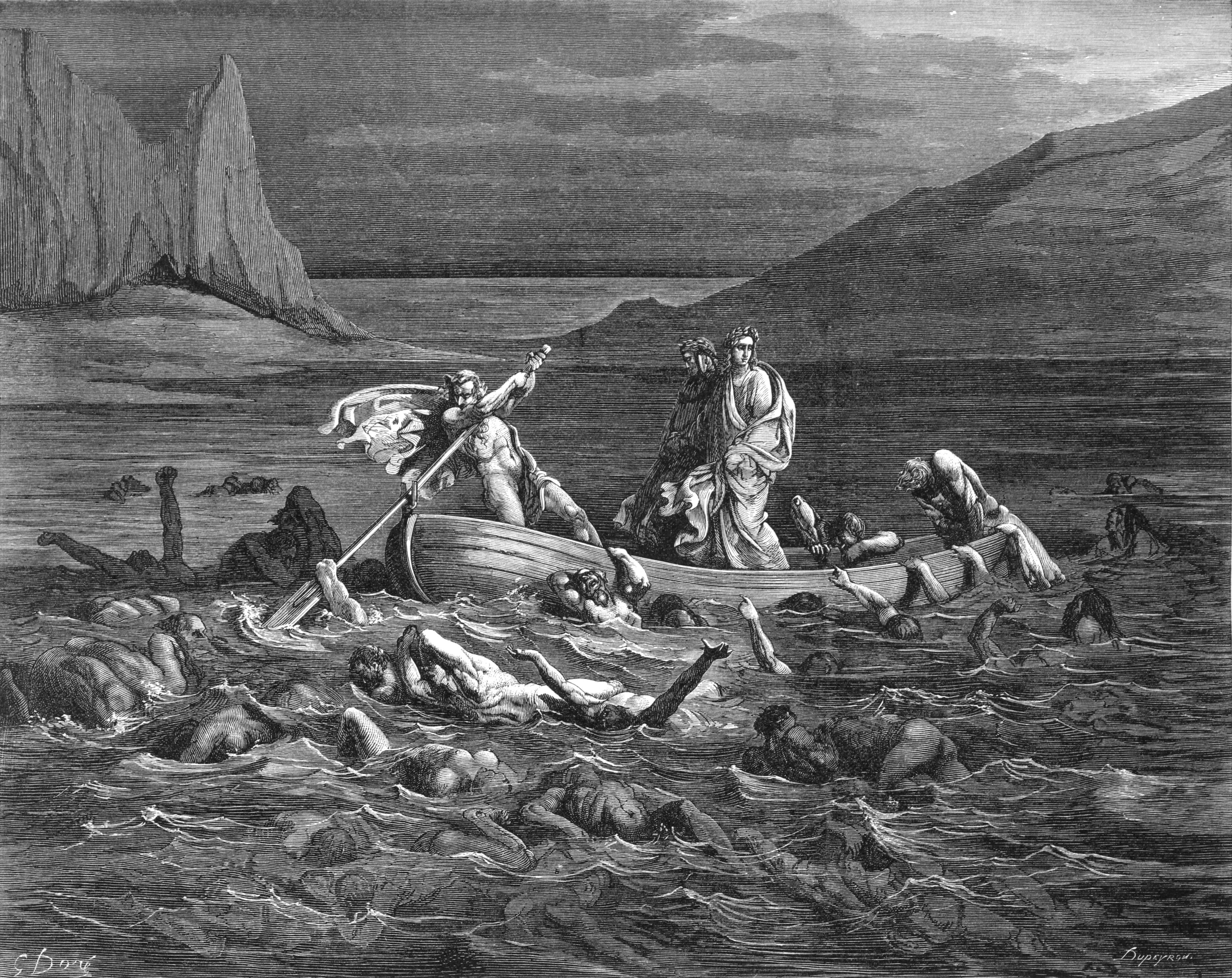
Crossing the Styx (Filippo Argenti)
Gustave Doré · 1861
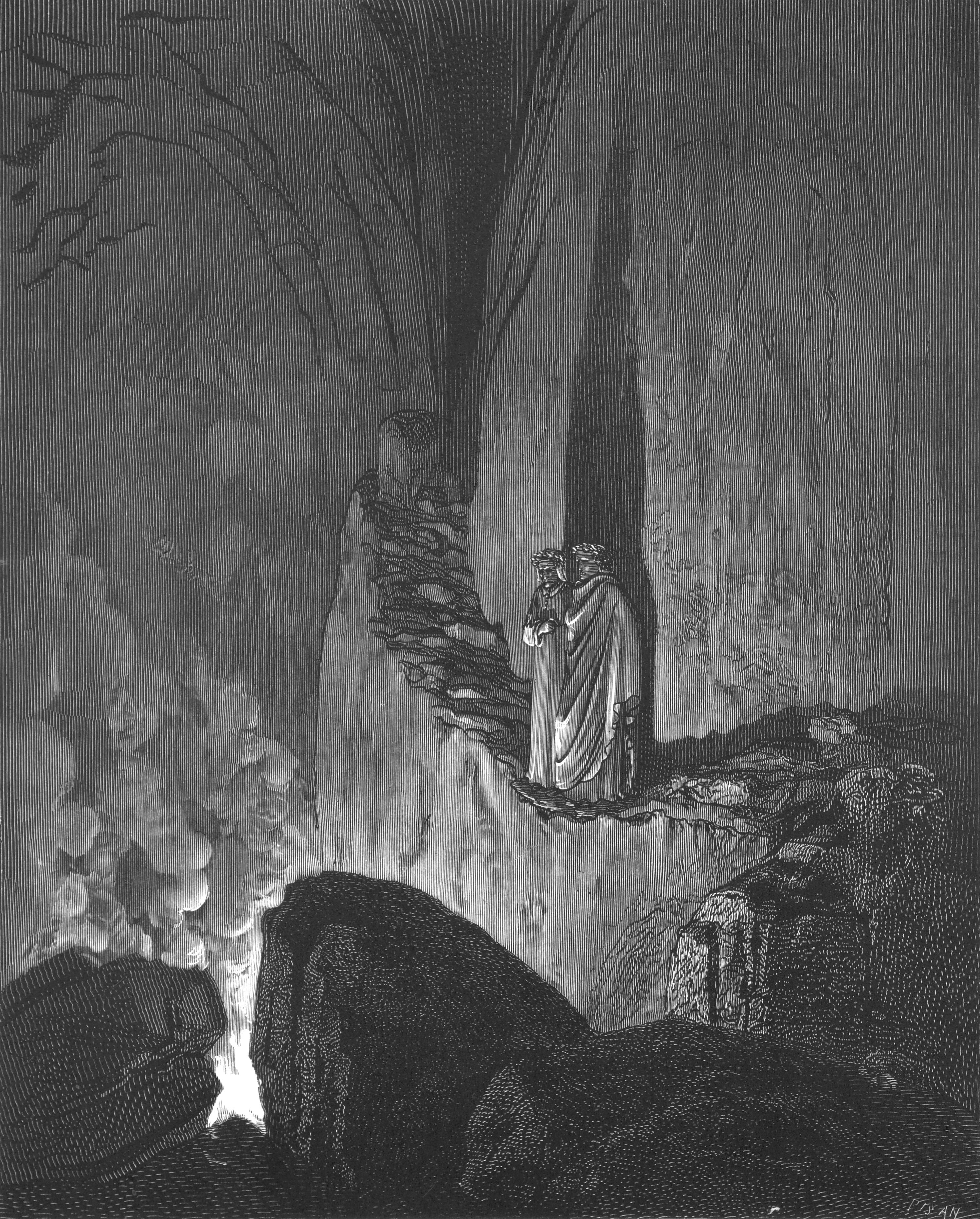
Ulysses and Diomedes
Gustave Doré · 1861
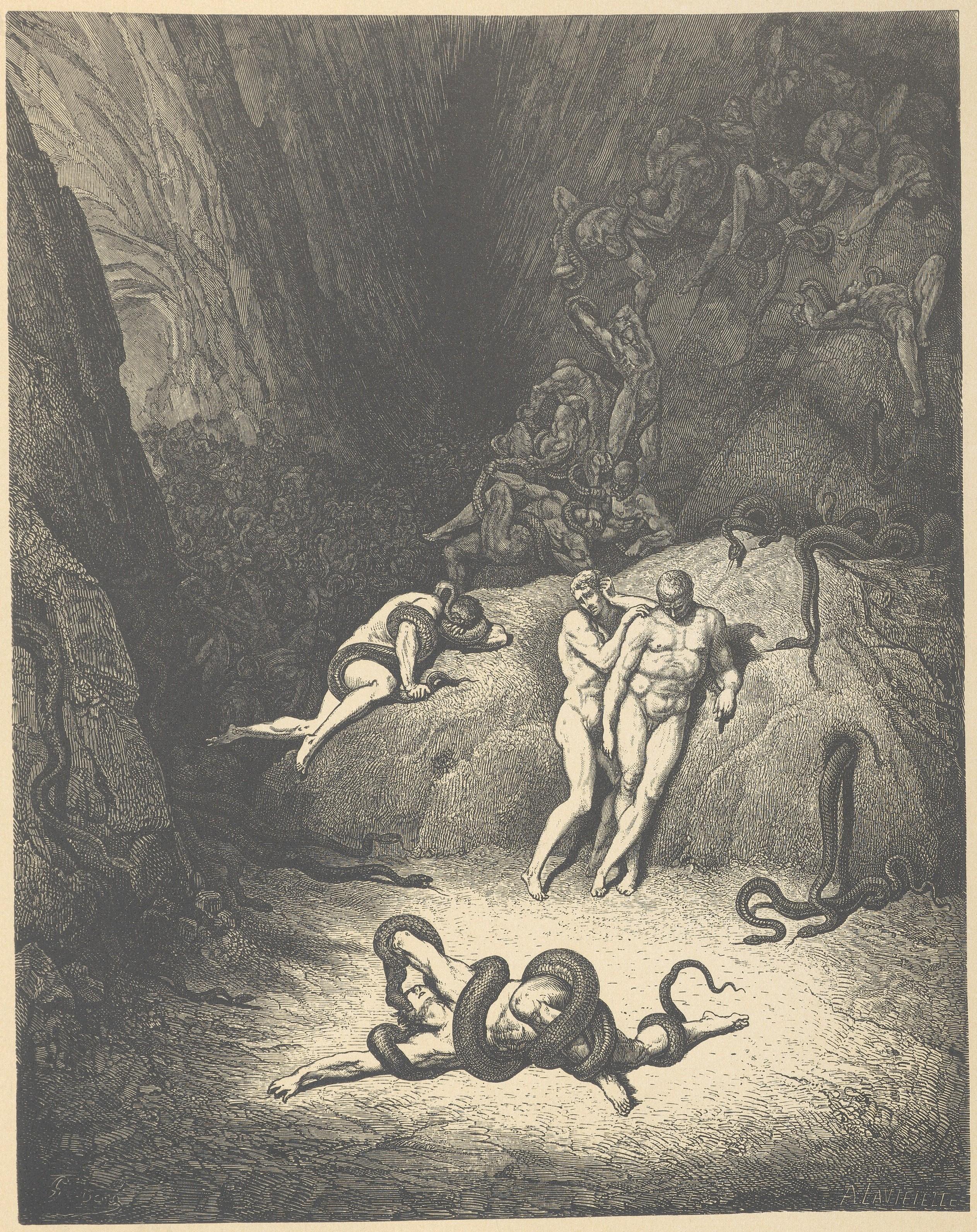
The Thieves and the Serpents
Gustave Doré · 1861
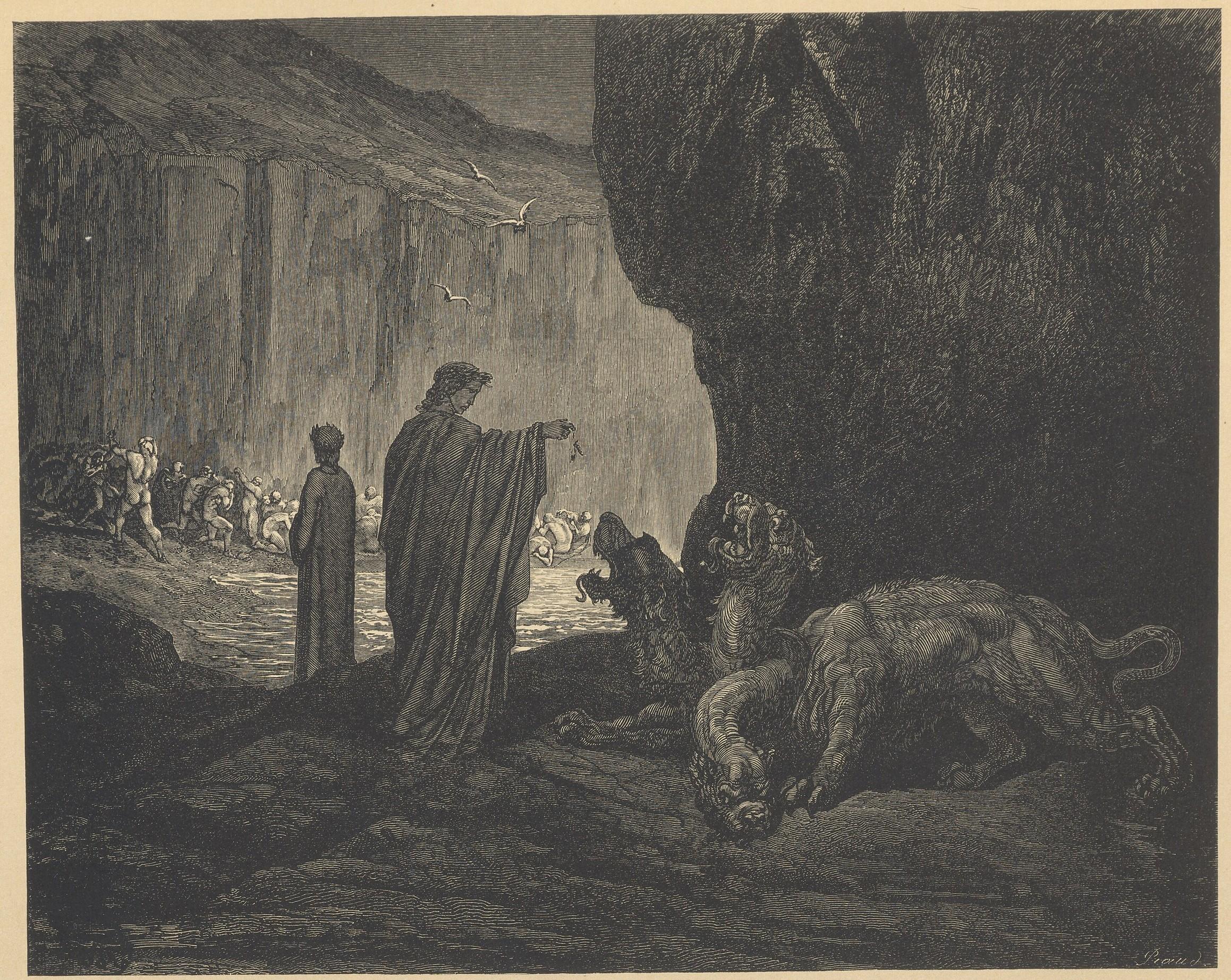
Cerberus
Gustave Doré · 1861
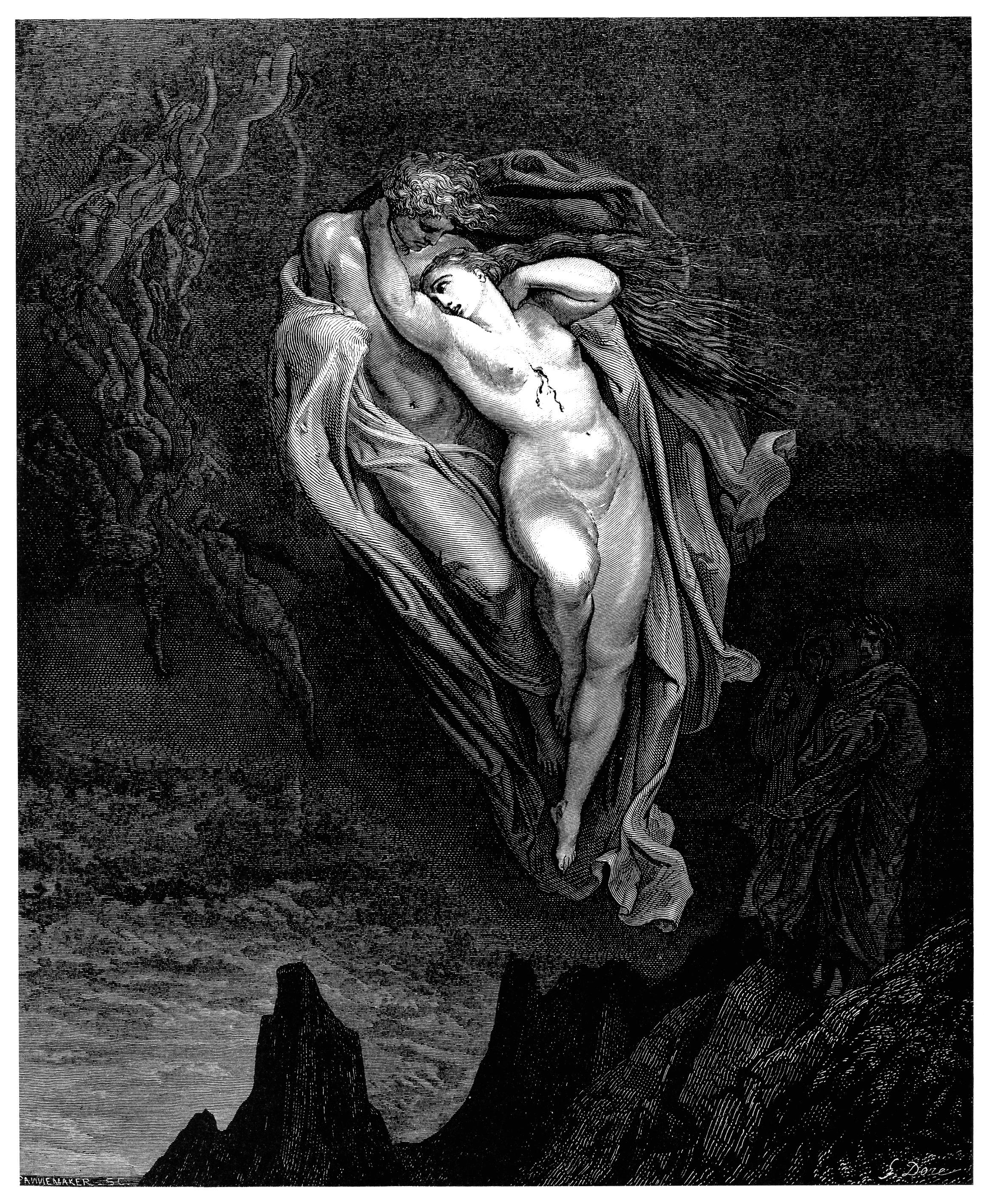
Paolo and Francesca
Gustave Doré · 1861
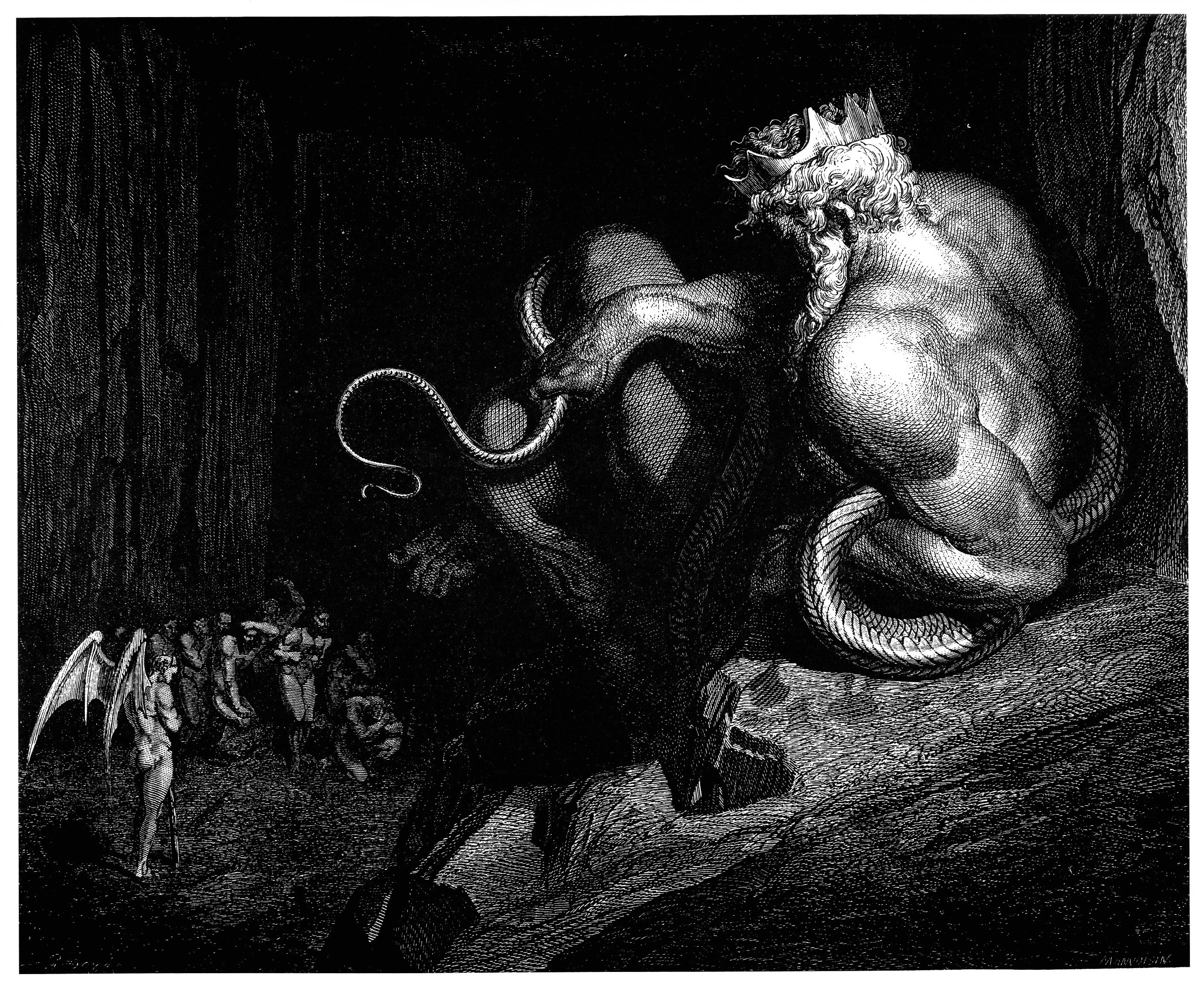
Minos, Judge of the Damned
Gustave Doré · 1861
Related works
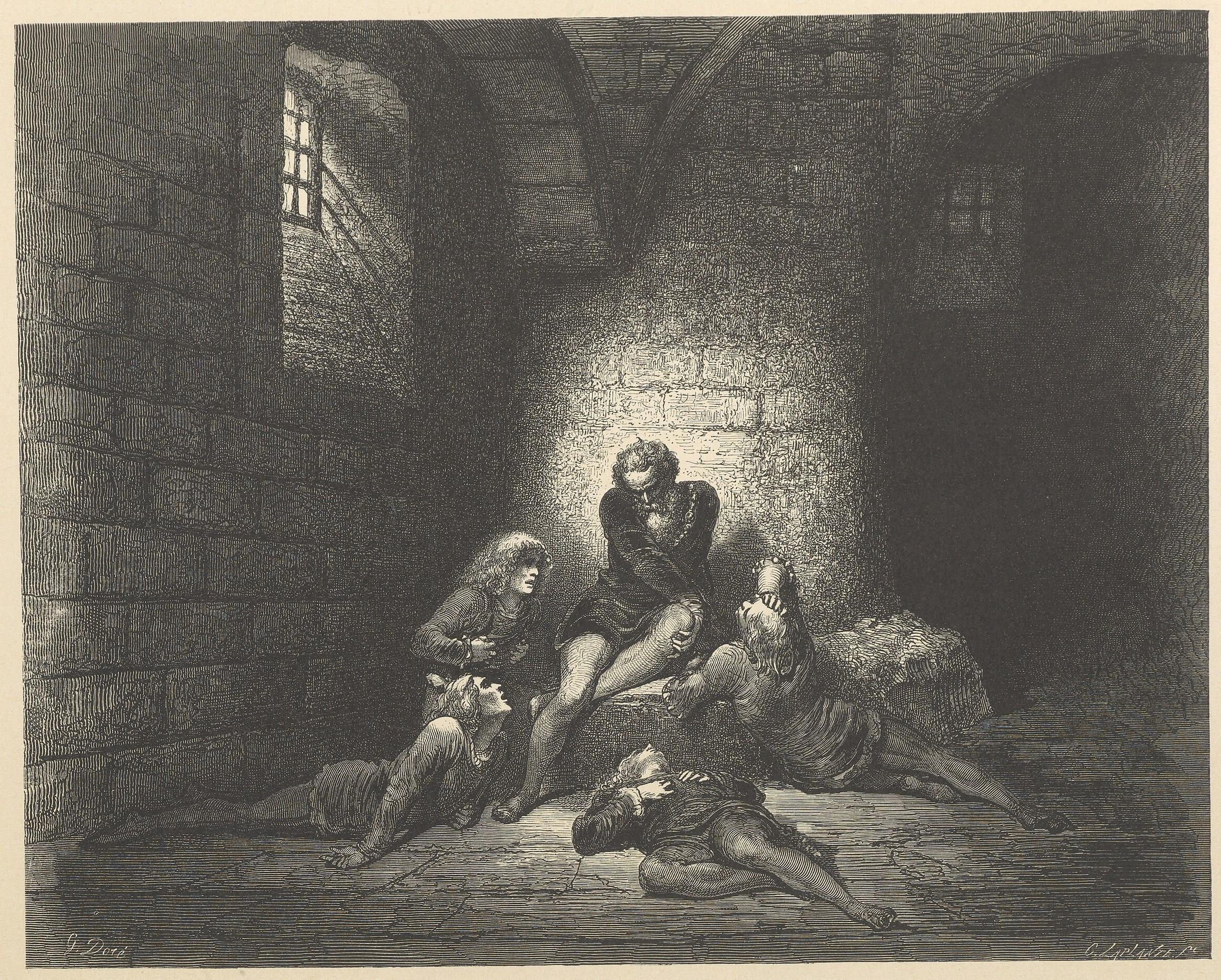
Count Ugolino and His Sons
Gustave Doré · 1861
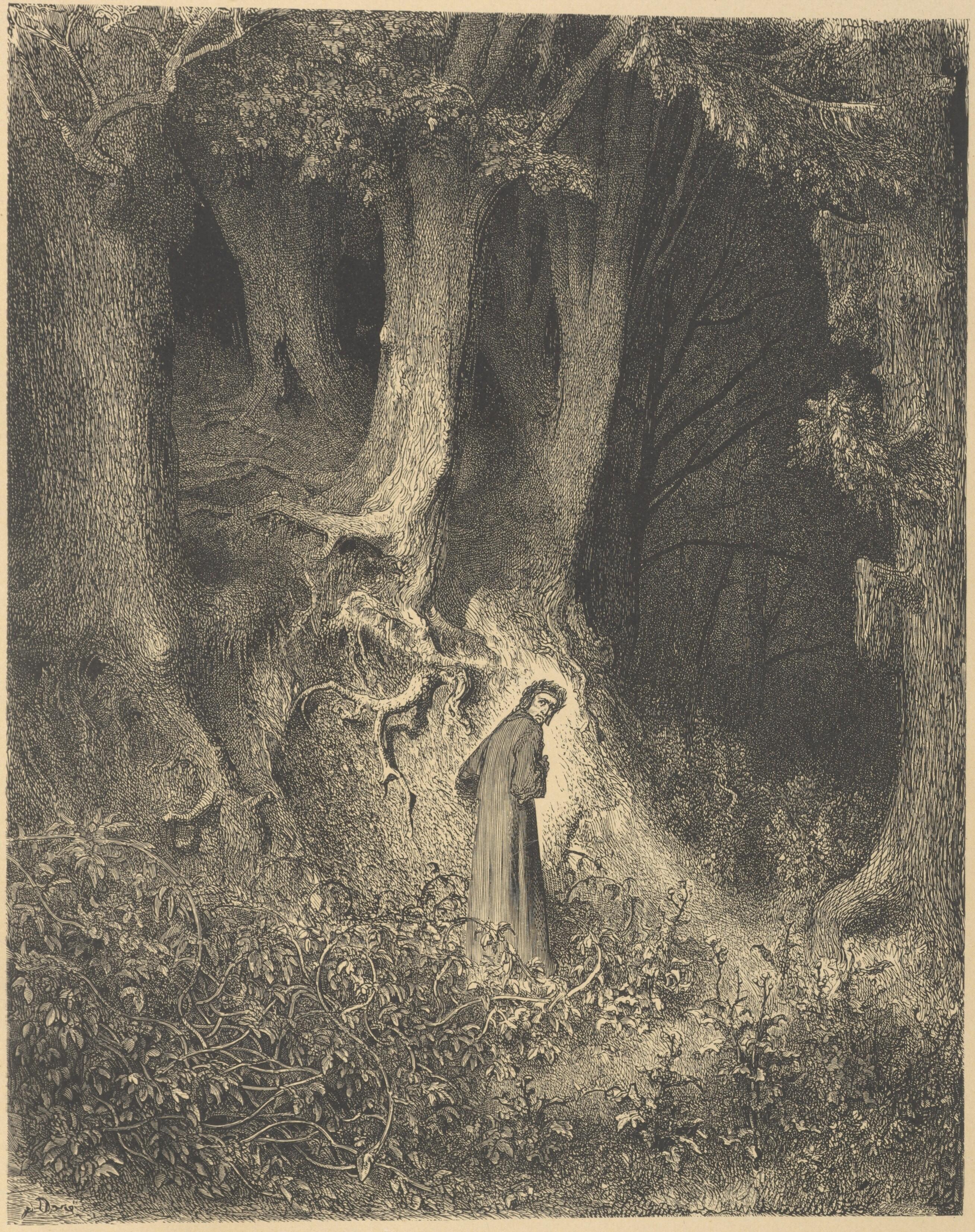
Dante Lost in the Dark Wood
Gustave Doré · 1861
Dante and Virgil in the Ninth Circle of Hell
Gustave Doré · 1861
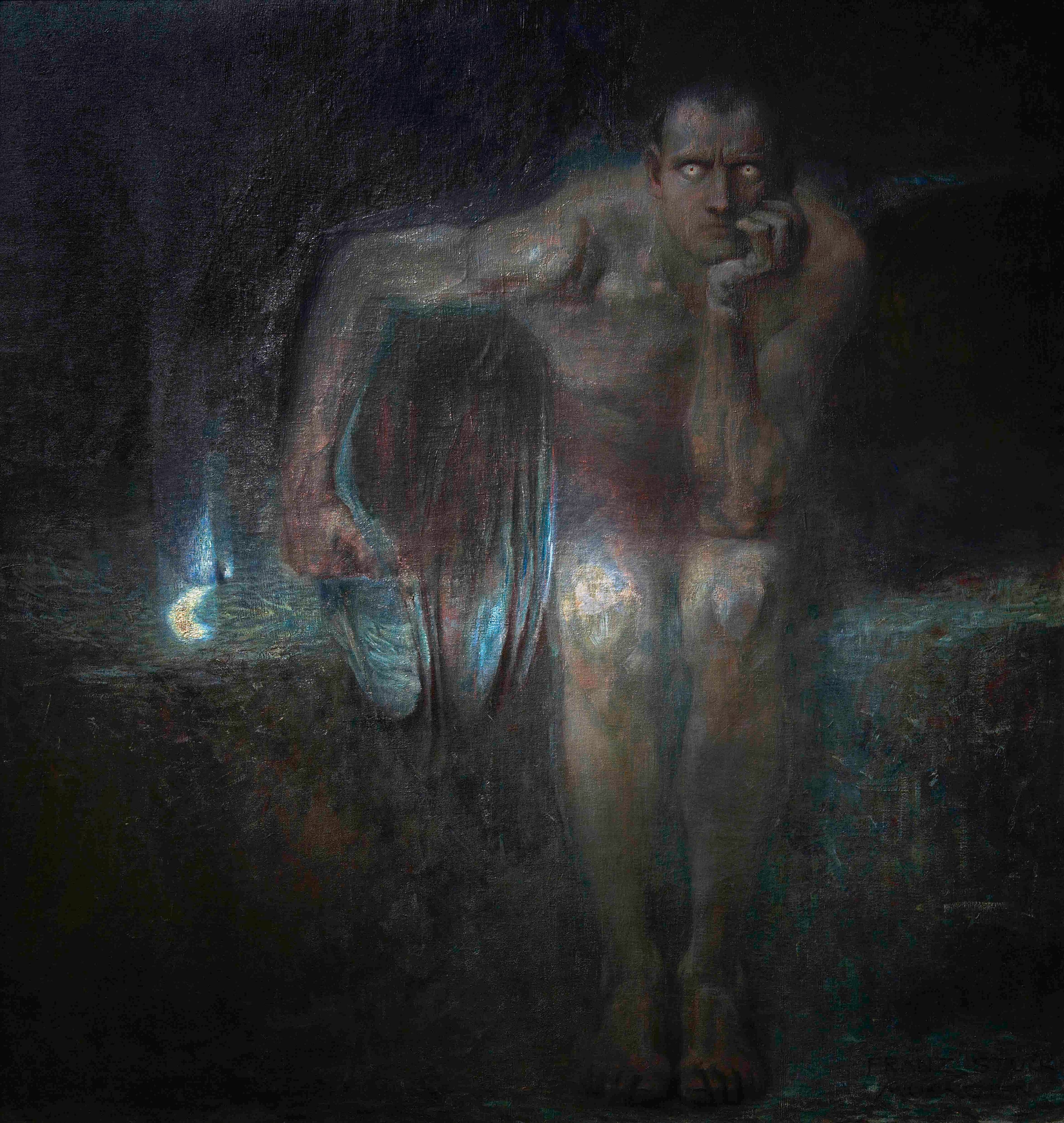
Lucifer
Franz von Stuck · 1890
Witches' Sabbath (The Great He-Goat)
Francisco Goya · c. 1819–1823
Geryon
Gustave Doré · 1861
Fallen Angel
Alexandre Cabanel · 1847
Satan’s Flight Through Chaos
Gustave Doré · 1866