Satan Cast Out of Heaven
Gustave Doré, 1866
Satan Cast Out of Heaven is the opening plate of Gustave Doré’s 1866 illustrated Paradise Lost, a wood engraving of Book I, lines 44–45: “Him the Almighty Power / Hurled headlong flaming from th’ ethereal sky,” Satan and his angels falling in a torrent of wings.
- Artist
- Gustave Doré
- Date
- 1866
- Medium
- Wood engraving
- Movement
- Romanticism
- Themes
- Angels & Demons, Literature & Poetry, Religion & Saints, War & Violence, Dark Academia
What you are looking at
The plate is a waterfall of bodies. At the top, in a burst of white light crossed by bolts of lightning, a single angel hangs with wings spread wide, the only figure in the picture that is not falling. Everything below it is plunging downward and out of the frame: dozens of angels tumbling head over heels, wings twisted, shields and spears flung loose.
At the center, larger than the rest and lit from above, is Satan. He falls head-first and on his back, in armor, his legs thrown up toward the light, one arm still gripping a long spear that points down into the dark. Around him the rebels clutch at each other or throw up their arms. Most of them still have the feathered wings of angels; only a few dark, leathery wings, like the bat wings Doré gives Satan in later plates, show among the mass.
The tonal plan is simple and violent: brilliant at the top, sinking through gray to near-black at the bottom edge, so that the eye falls with the figures. Shafts of lightning run diagonally through the whole crowd like the bars of a cage. The design is signed “G. Doré” at lower left and by the engraver Jonnard at lower right.
The lines it illustrates
Milton opens Paradise Lost by naming the serpent who deceived Eve and saying why he fell. Book I, lines 44–49, are the first image in the poem:
Him the Almighty Power Hurled headlong flaming from th’ ethereal sky, With hideous ruin and combustion, down To bottomless perdition, there to dwell In adamantine chains and penal fire, Who durst defy th’ Omnipotent to arms.
The event itself is told in full much later, at the end of Book VI, when the Son drives the rebel army to the wall of Heaven and they throw themselves over: “Nine days they fell.” Doré put the image first, as Milton did, so the book opens on the fall that the whole poem looks back to.
How Doré staged it
Milton’s lines are almost abstract, a single sentence of motion and fire. Doré turns them into a battle scene with a clear hierarchy: one radiant figure above, chaos below. The angel at the top is not identified in the caption; in Book VI it is the Son who drives the rebels out, but Doré shows a winged angel, closer to the archangel Michael, commander of the loyal army, than to the Son in his chariot.
He gives the scene no flames at all, despite Milton’s “flaming” and “combustion.” Instead the heat is carried by light: the glare at the top and the white strokes of the lightning. Satan’s pose, upside down and still beautiful, holds the paradox Milton builds in Book I, where the fallen archangel has “not lost / All her original brightness.”
How it was made and published
Doré drew the design on a block of end-grain boxwood, and a professional wood engraver, here Jonnard, cut away everything that was to print white. Doré made fifty full-page designs for the poem, commissioned by the London publishers Cassell, Petter & Galpin, who issued Milton’s Paradise Lost as a large folio in 1866, with a life of Milton by Robert Vaughan. This is the first plate in the sequence.
The scan shown here comes from a later, cheaper American reprint published by J. W. Lovell of New York, so the tones are softer than in a first-edition impression. Doré’s Milton followed his Inferno of 1861 and his Bible of 1866, and its Satan has been reproduced endlessly since. For the whole cycle see Doré’s Paradise Lost illustrations.
What the plate means
In Milton the fall is the starting point of everything: Satan’s revenge on God through mankind, the temptation in Eden, the expulsion. Doré’s plate makes the cause visible as a matter of height and light. The rebels have chosen to oppose the source of light, and the picture literally takes it away from them as they fall.
It is also a plate about scale. Satan is the largest figure, but he is one body in an avalanche, and the only stable form is the one above him. Readers who meet Satan later in Doré’s Dante will find him there frozen and monstrous in Lucifer, King of Hell; here, in Milton, he is still a fallen angel in armor. The same subject runs through the baroque, in Sebastiano Ricci’s The Fall of the Rebel Angels, and on into Franz von Stuck’s brooding Lucifer.
For the wider tradition see Fallen Angels in Art. In Doré’s sequence the story continues with Satan enthroned in Satan in Council.
Gustave Doré was in his mid-thirties when the book appeared, at the height of his fame as an illustrator.
Questions & answers
What does Doré’s Satan Cast Out of Heaven show?
Satan and the rebel angels falling headlong out of Heaven. A single winged angel hangs in a blaze of light at the top, lightning shoots down through the crowd, and Satan, in armor and upside down, falls at the center with his spear, surrounded by tumbling angels whose wings are still mostly feathered.
Which lines of Paradise Lost does it illustrate?
Book I, lines 44–45: “Him the Almighty Power / Hurled headlong flaming from th’ ethereal sky, / With hideous ruin and combustion, down / To bottomless perdition.” The fall itself is narrated in full at the end of Book VI.
When was Doré’s Paradise Lost published?
Cassell, Petter & Galpin published Milton’s Paradise Lost with Doré’s fifty full-page plates in London and New York in 1866, as a large folio with Robert Vaughan’s life of Milton. Satan Cast Out of Heaven is the first plate in the book.
Who engraved the plate?
Doré drew the design directly on a boxwood block and the engraver Jonnard cut it; his signature is at lower right, with “G. Doré” at lower left. Jonnard rendered the light at the top with almost bare white wood and the falling mass in dense dark cutting.
What does the fall of Satan symbolize in Doré’s plate?
Pride brought down: the rebels who opposed the source of light are plunged from brightness into darkness. Doré shows it through the tonal fall of the image, from glare at the top to black at the bottom, with Satan still beautiful, as Milton describes him, in the middle of the ruin.
More by Gustave Doré
All works →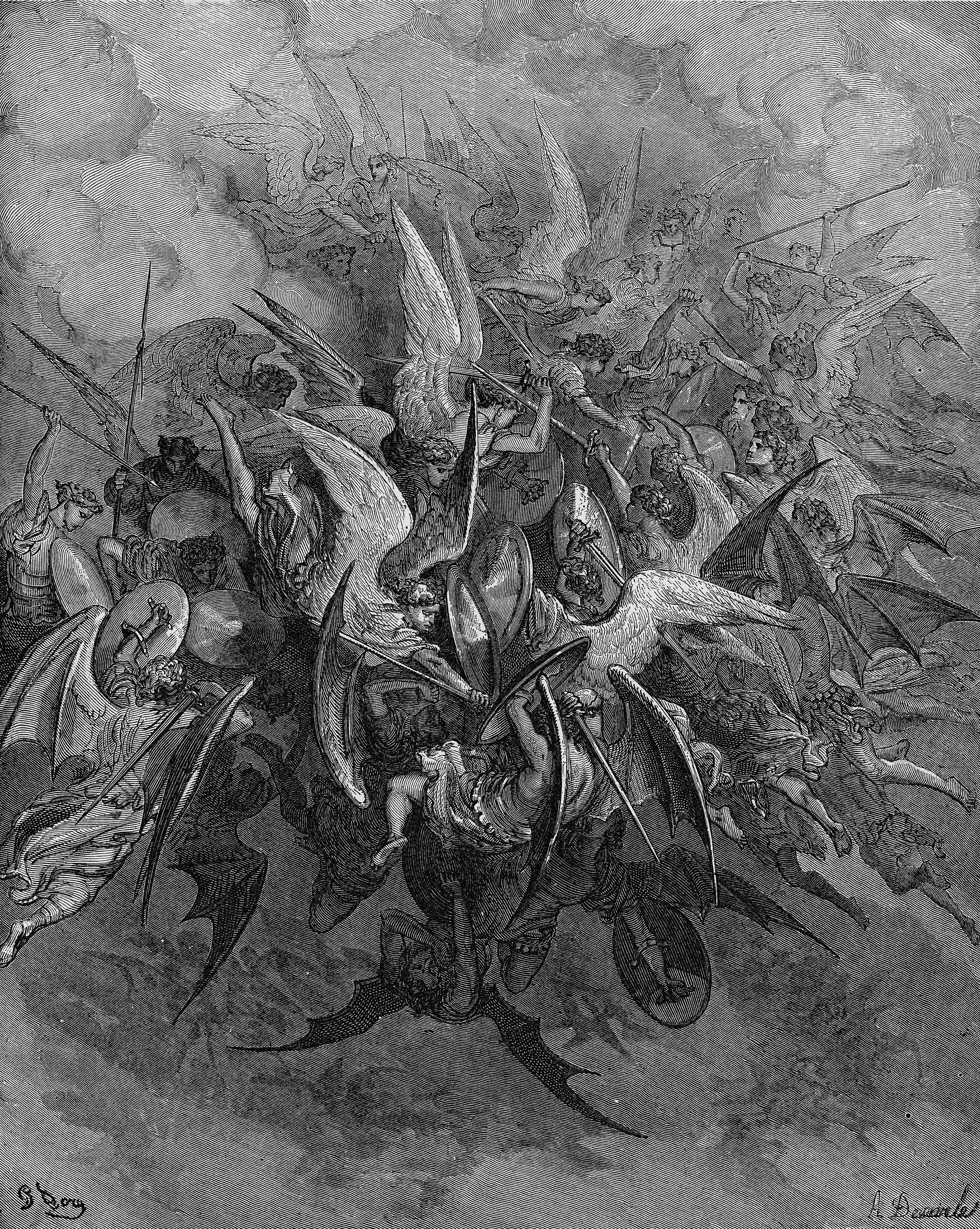
The War in Heaven
Gustave Doré · 1866
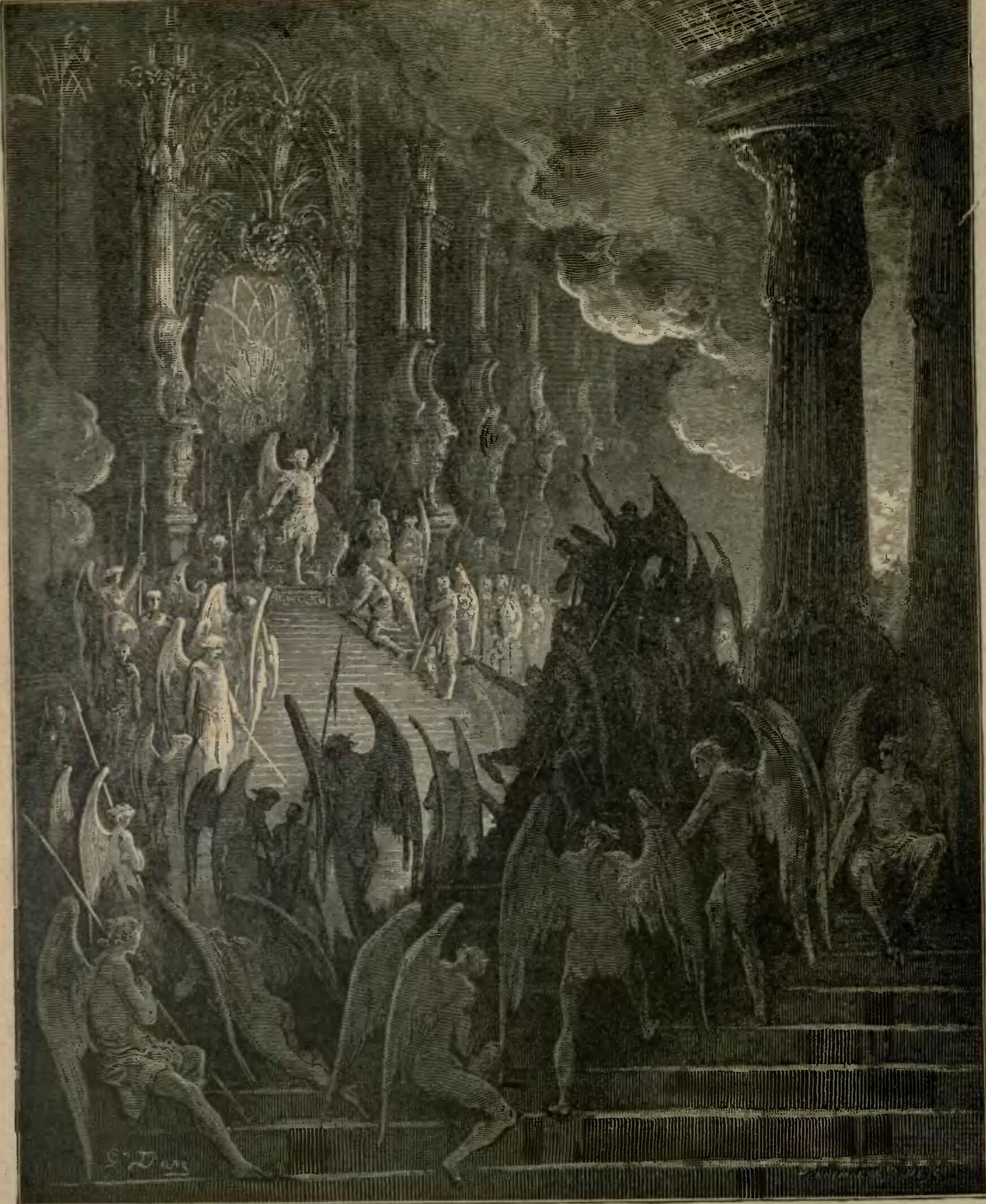
Satan in Council
Gustave Doré · 1866
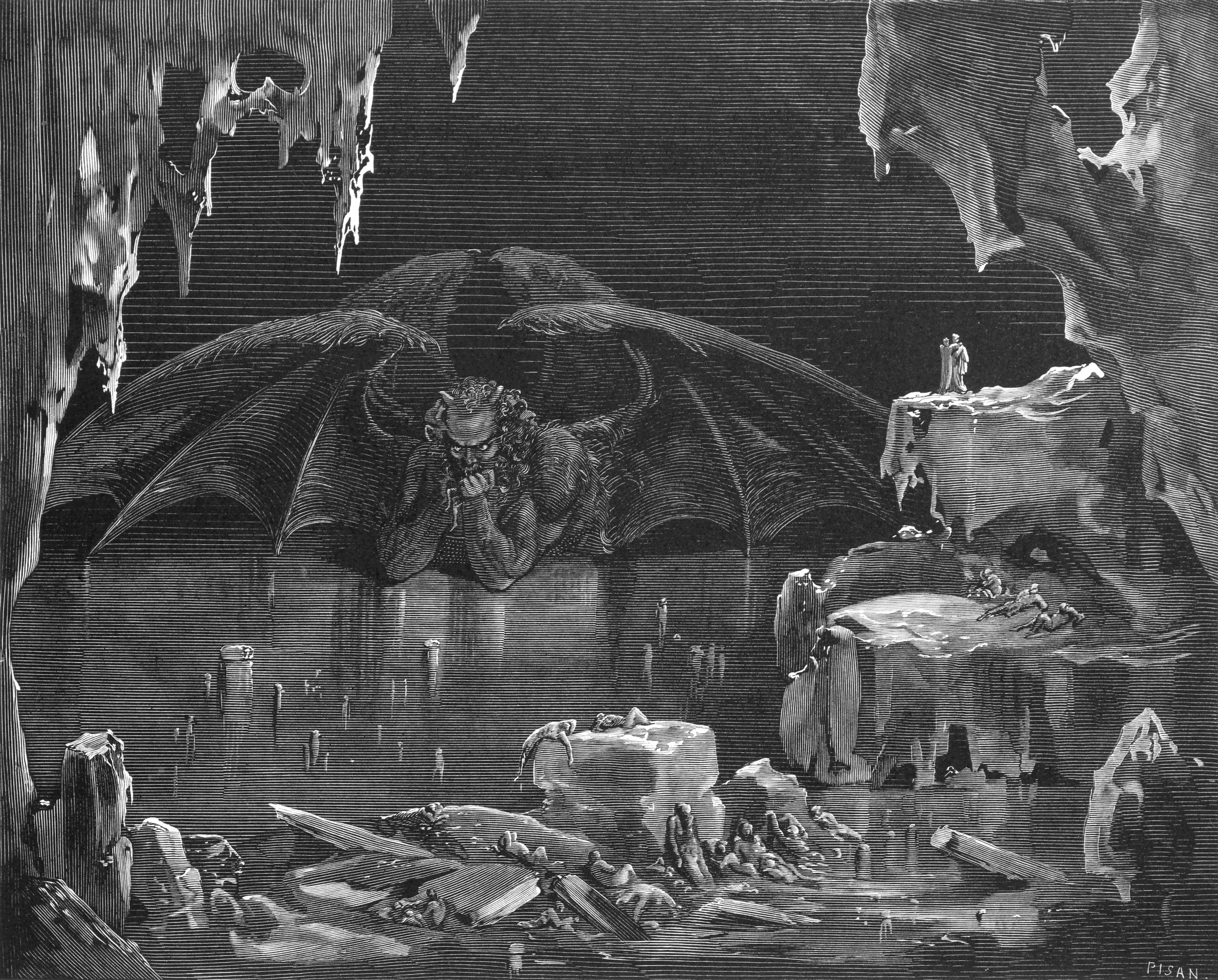
Lucifer, King of Hell
Gustave Doré · 1861
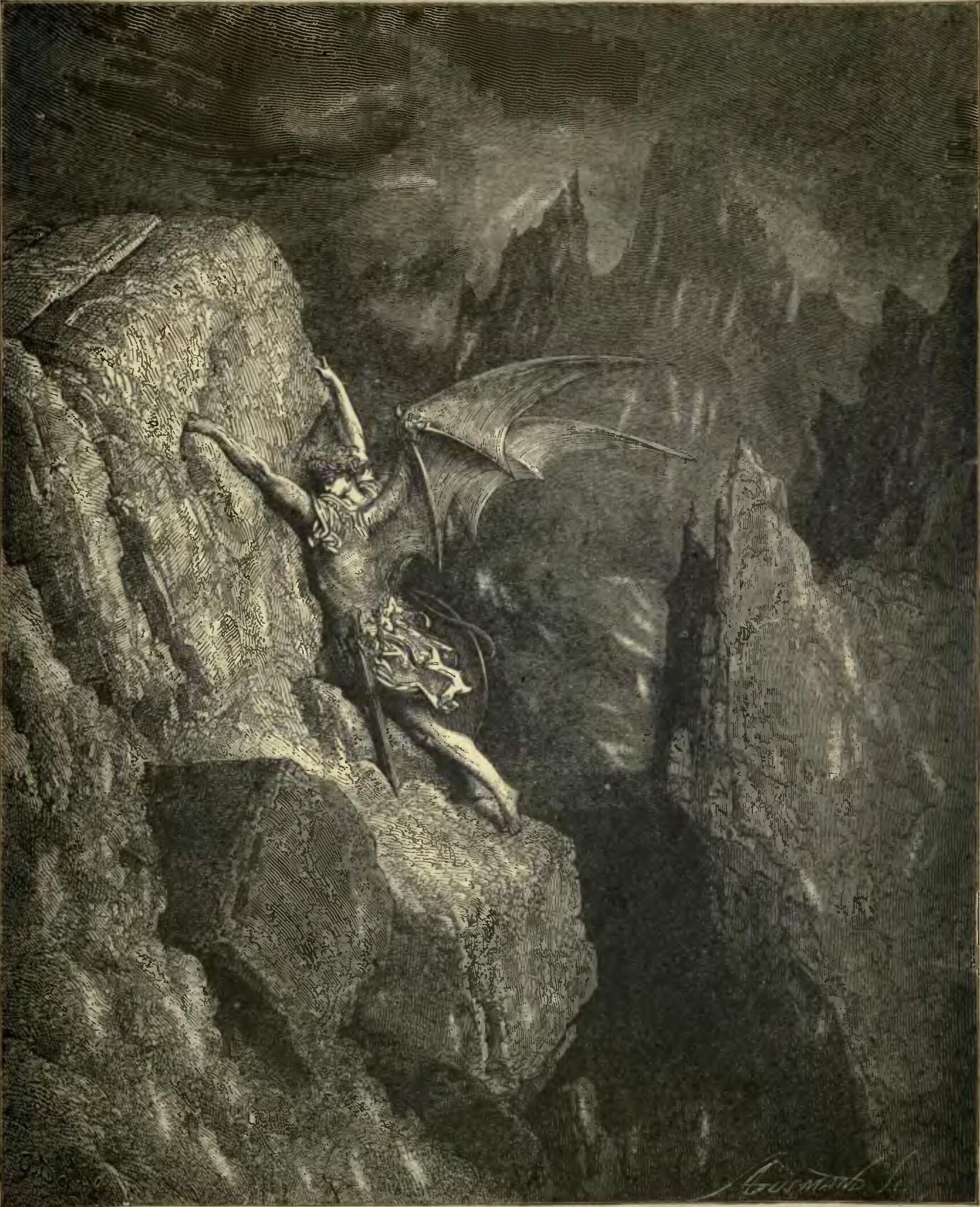
Satan’s Flight Through Chaos
Gustave Doré · 1866
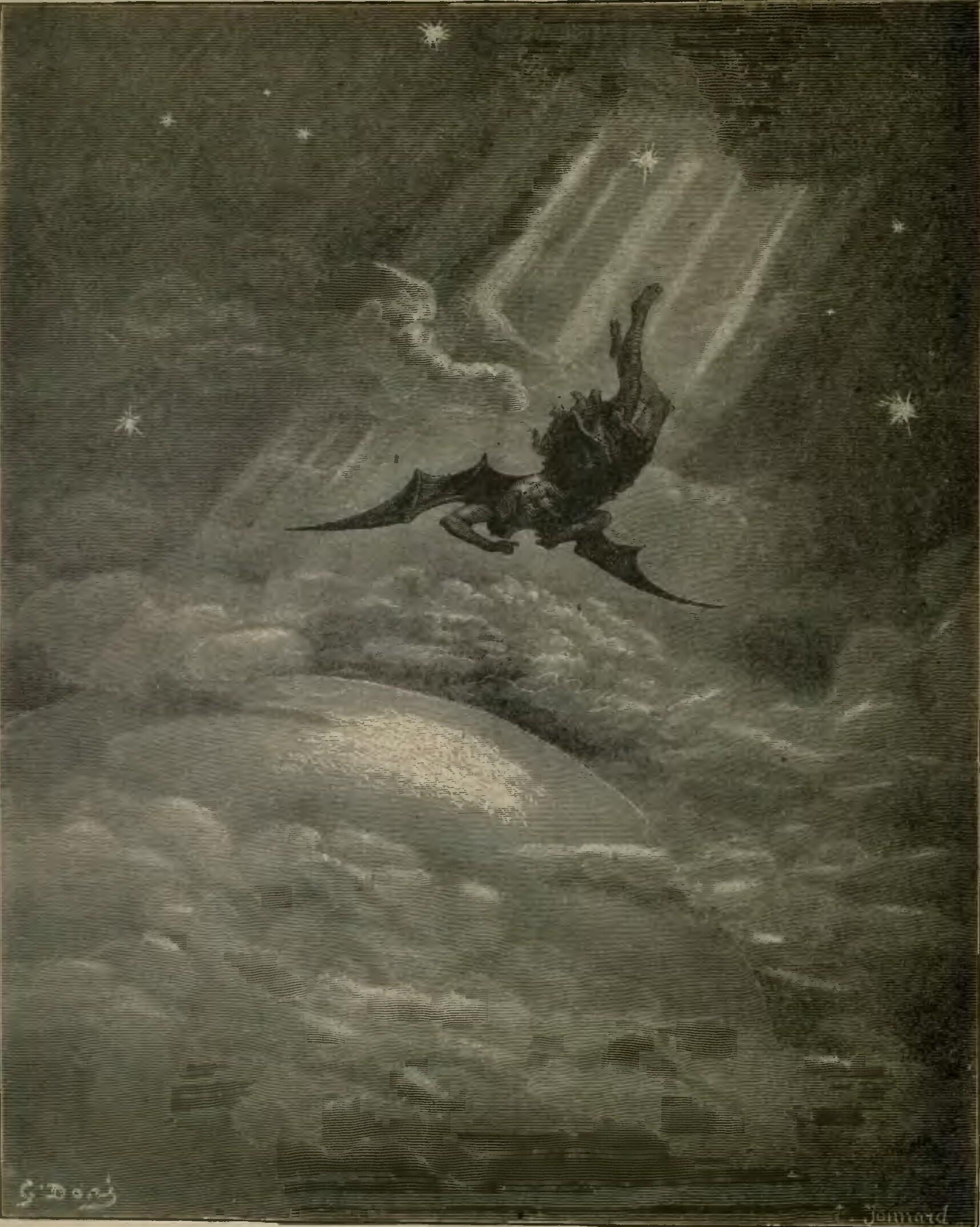
Satan Approaching the Confines of the Earth
Gustave Doré · 1866
The Death of Abel
Gustave Doré · 1866
Adam and Eve Expelled from Paradise
Gustave Doré · 1866
The Malebranche Demons
Gustave Doré · 1861
Also from 1866
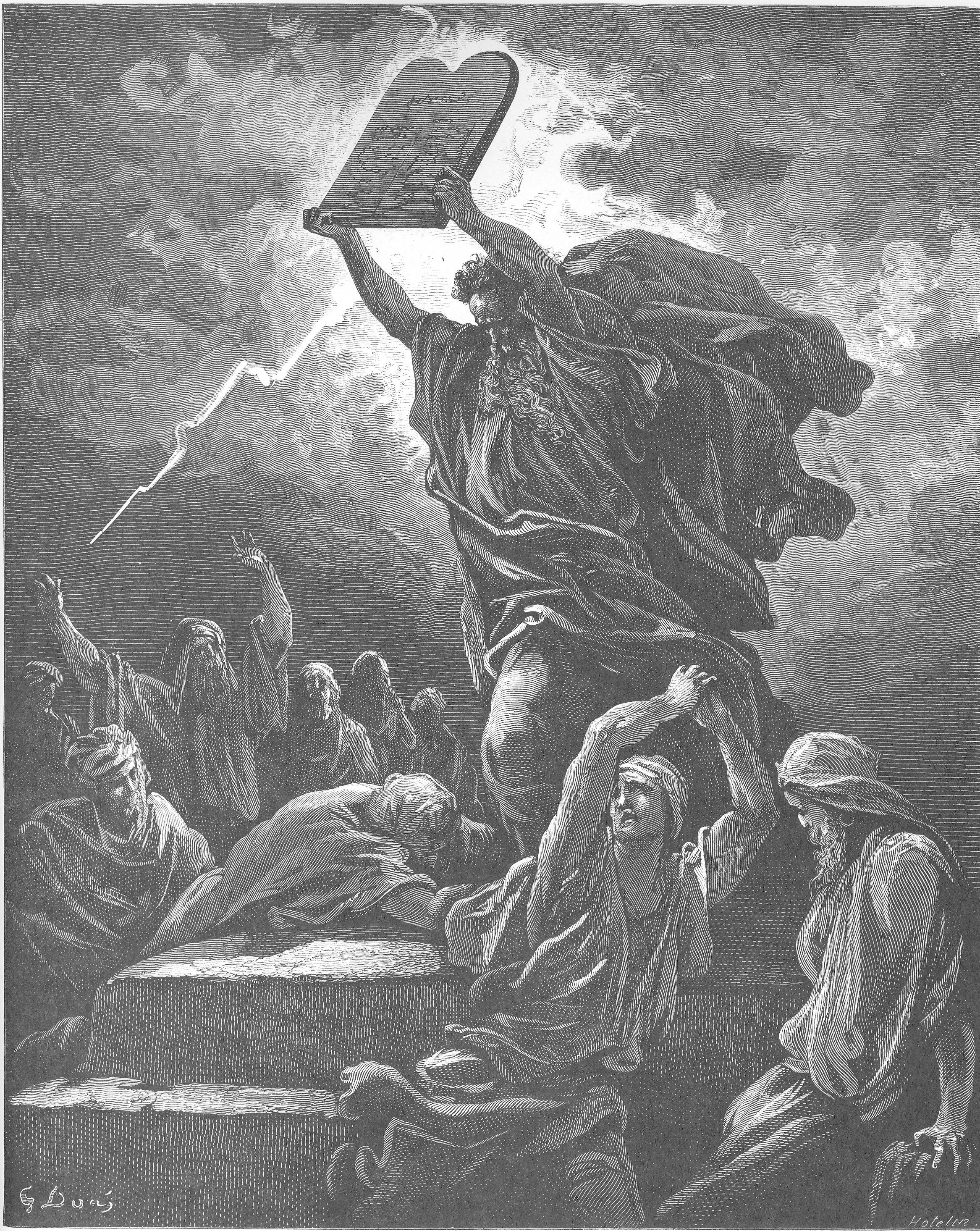
Moses Breaking the Tables of the Law
Gustave Doré · 1866
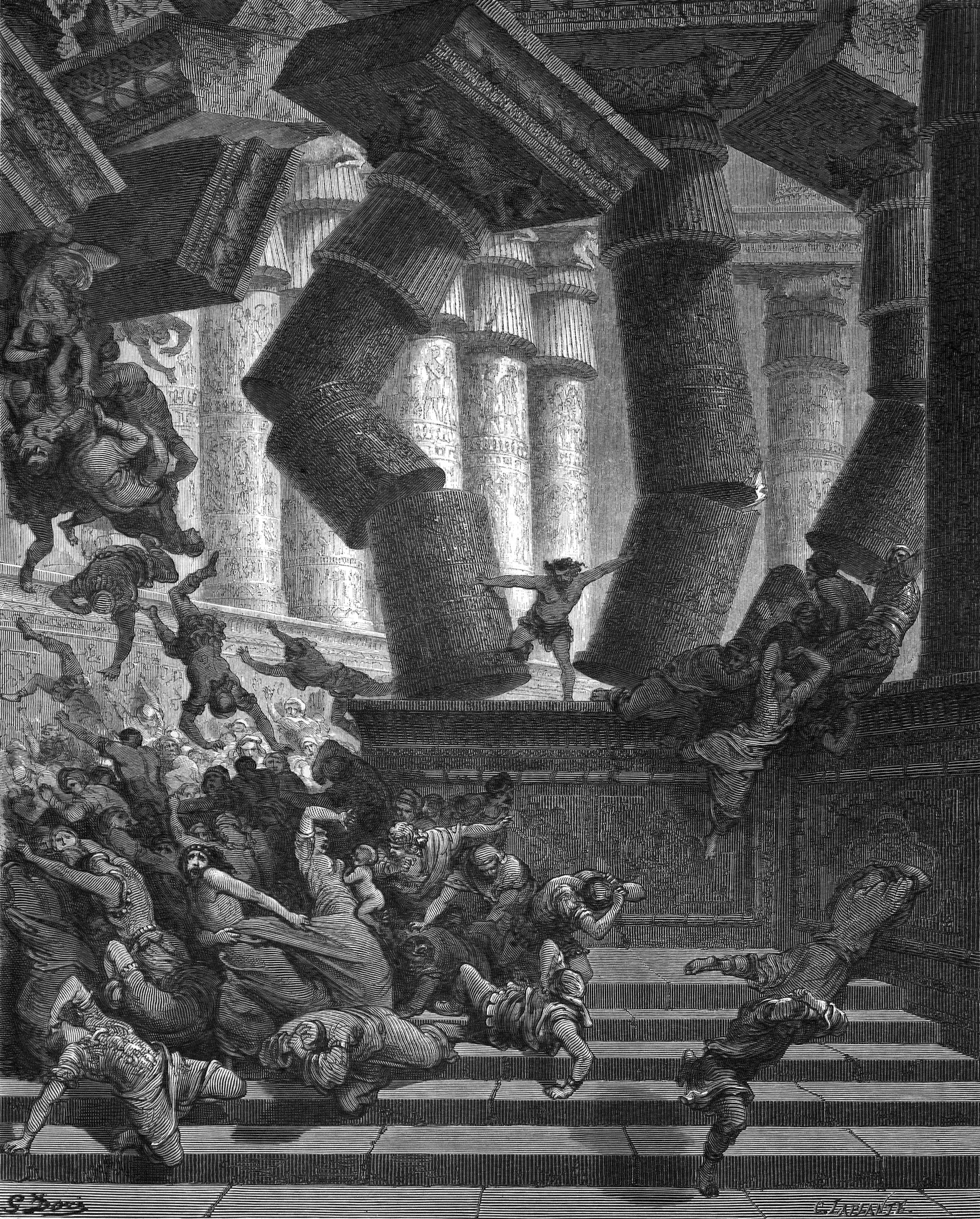
Samson Destroying the Temple
Gustave Doré · 1866
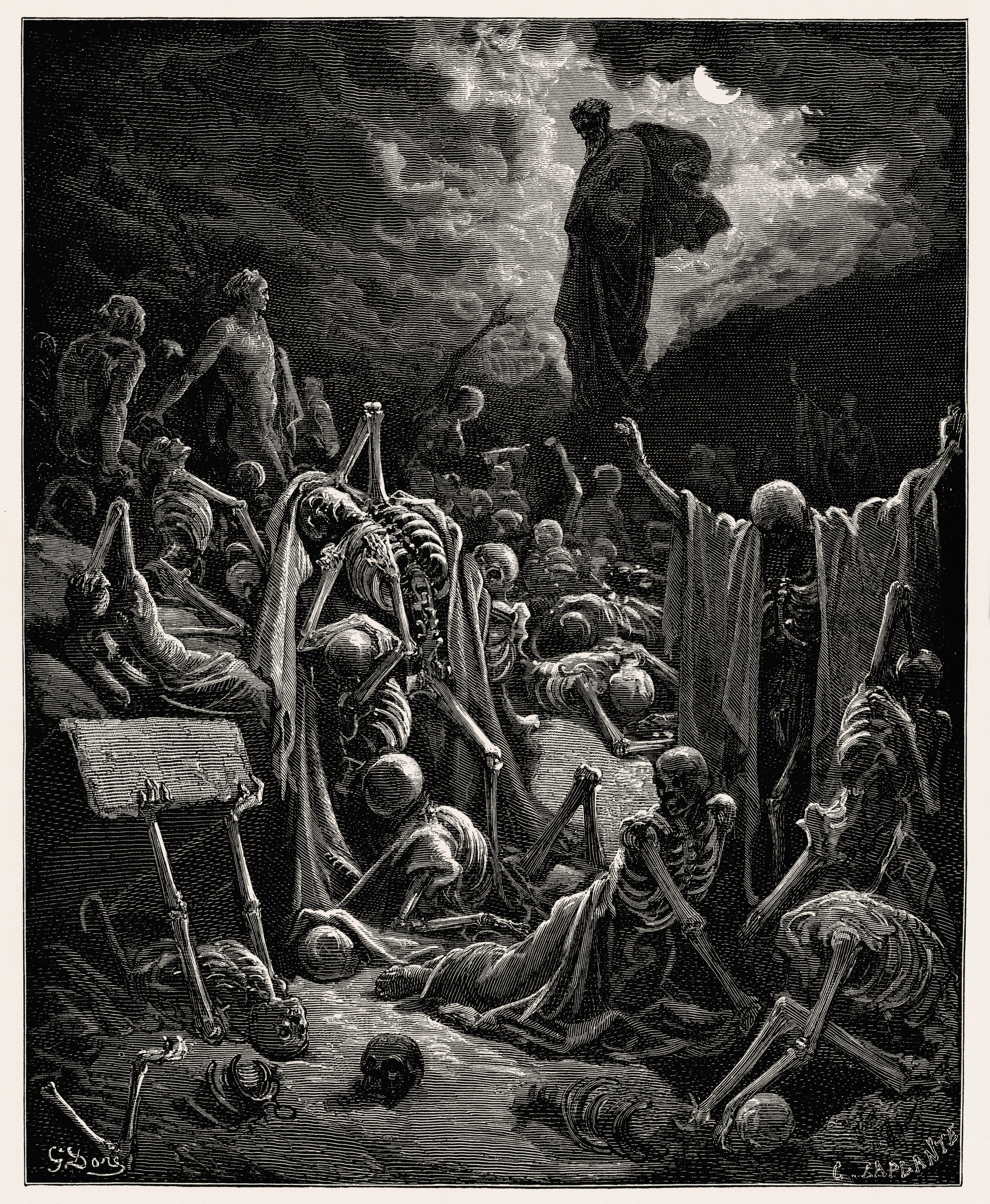
The Vision of the Valley of Dry Bones
Gustave Doré · 1866
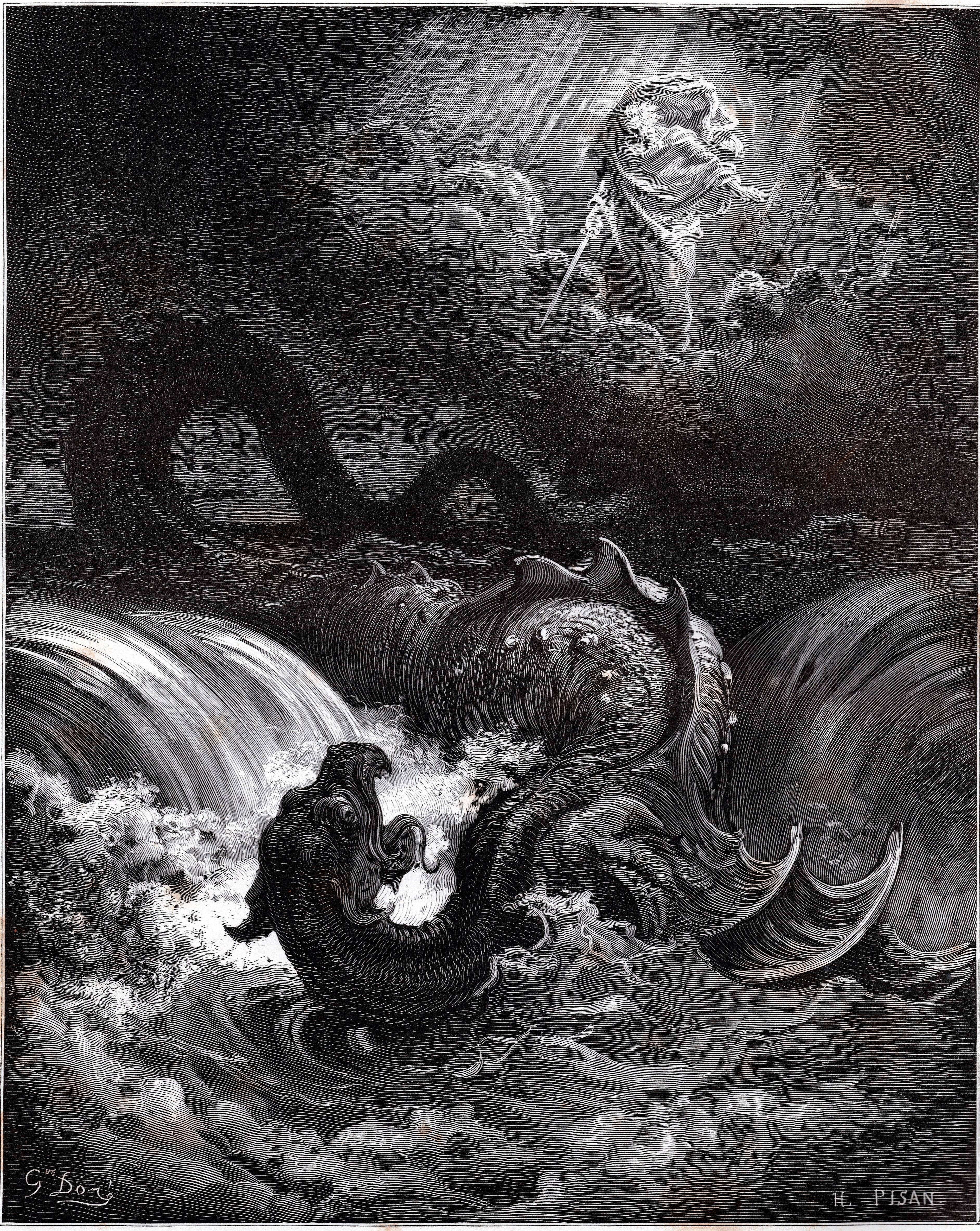
The Destruction of Leviathan
Gustave Doré · 1866
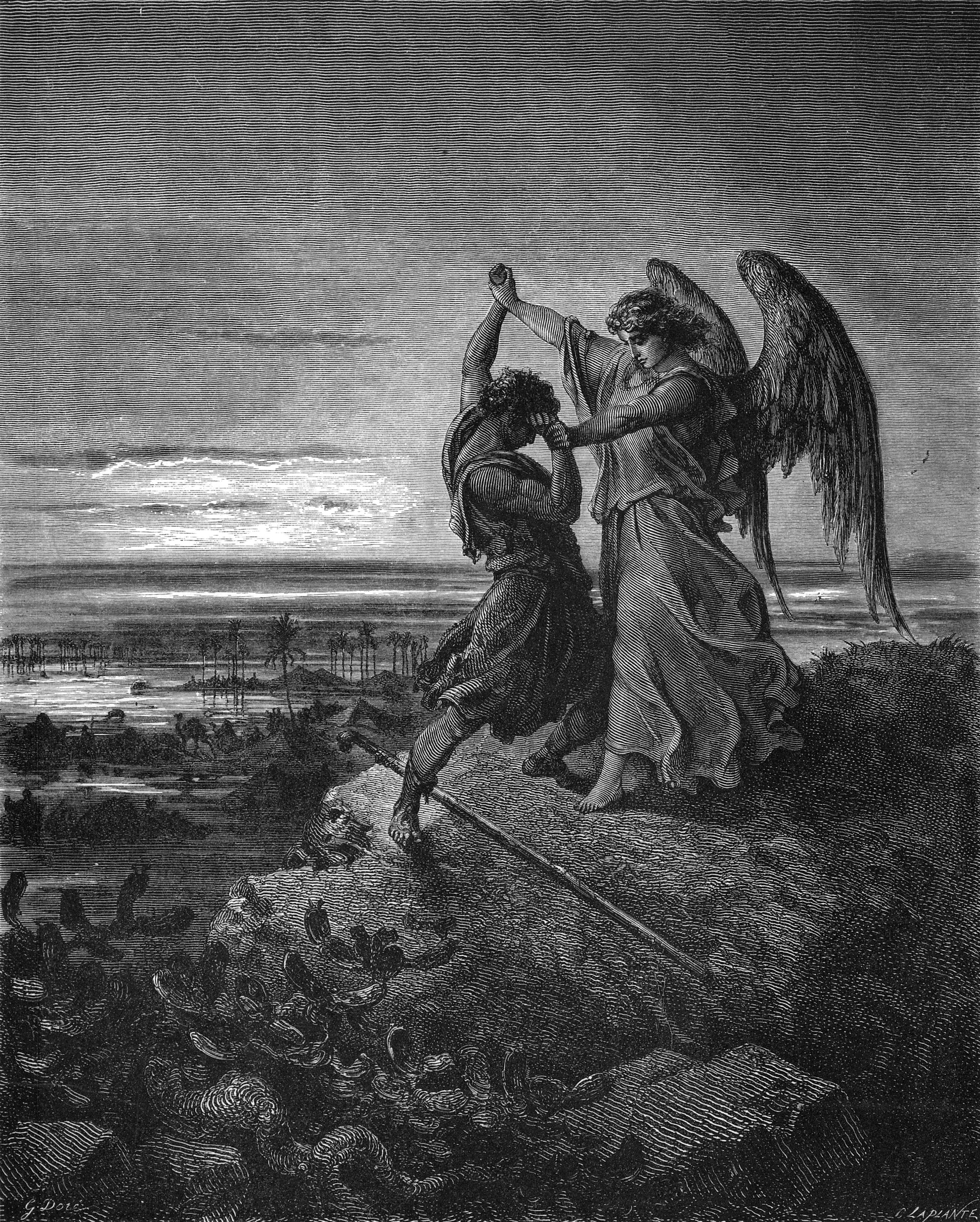
Jacob Wrestling with the Angel
Gustave Doré · 1866
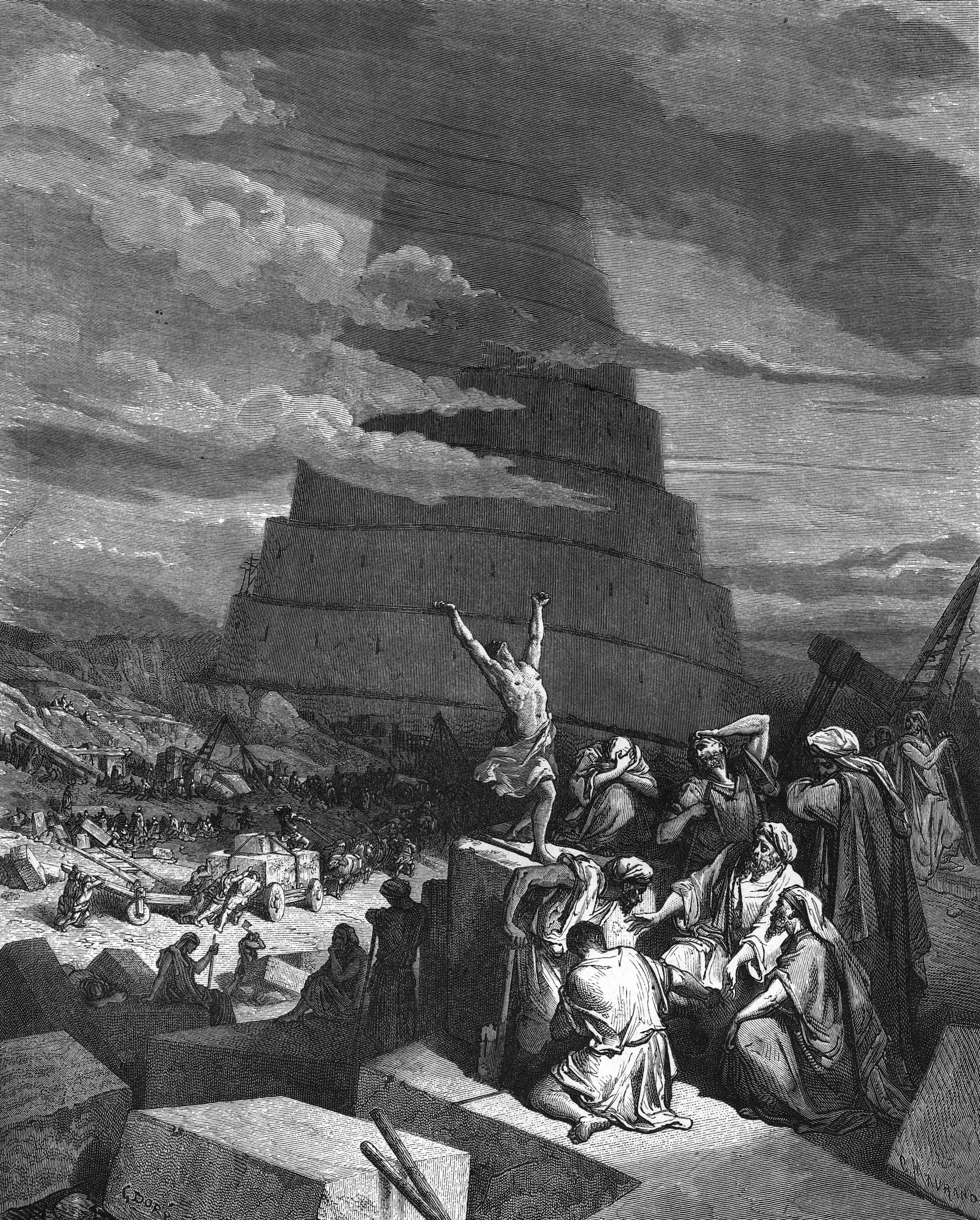
The Confusion of Tongues
Gustave Doré · 1866
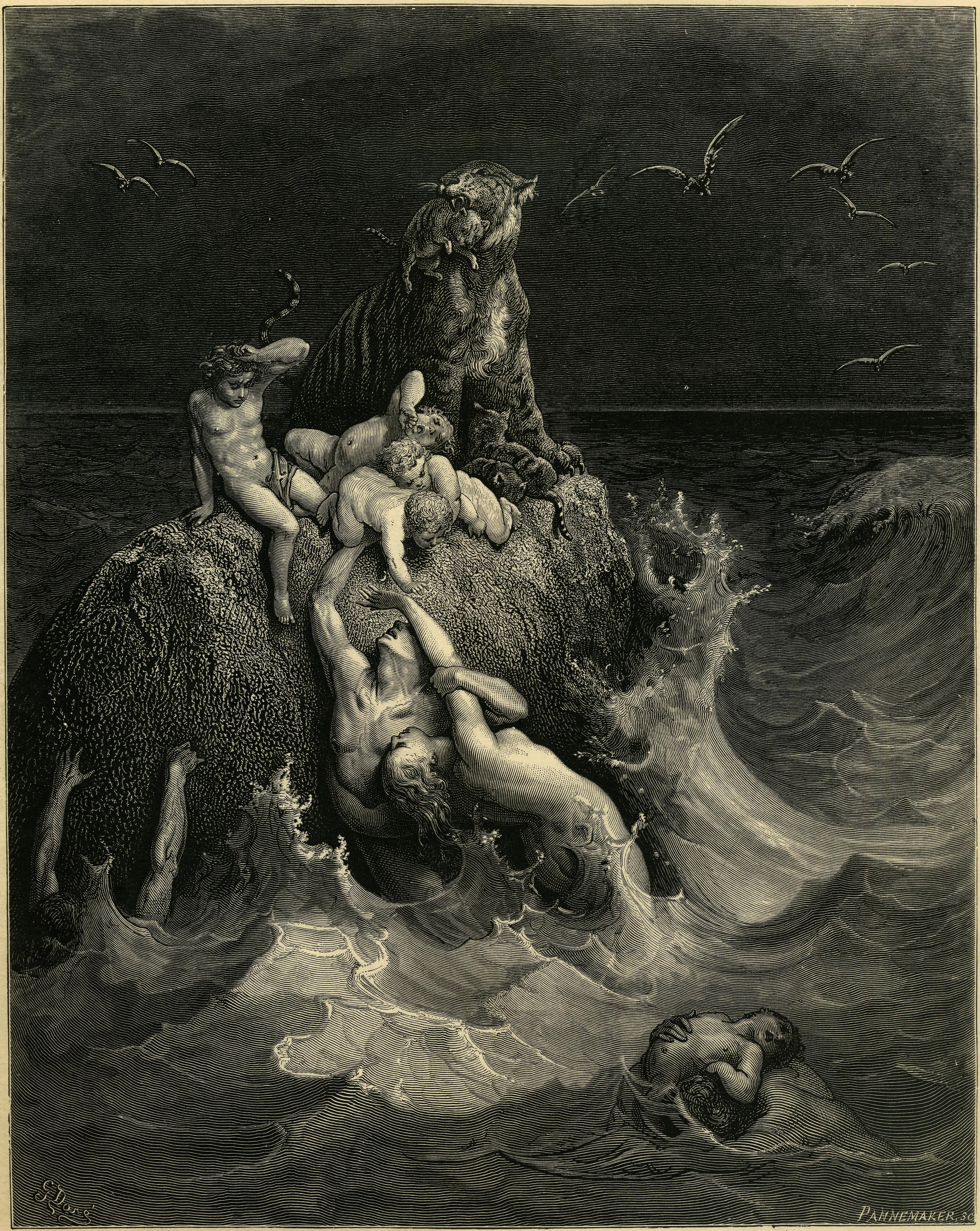
The Deluge
Gustave Doré · 1866
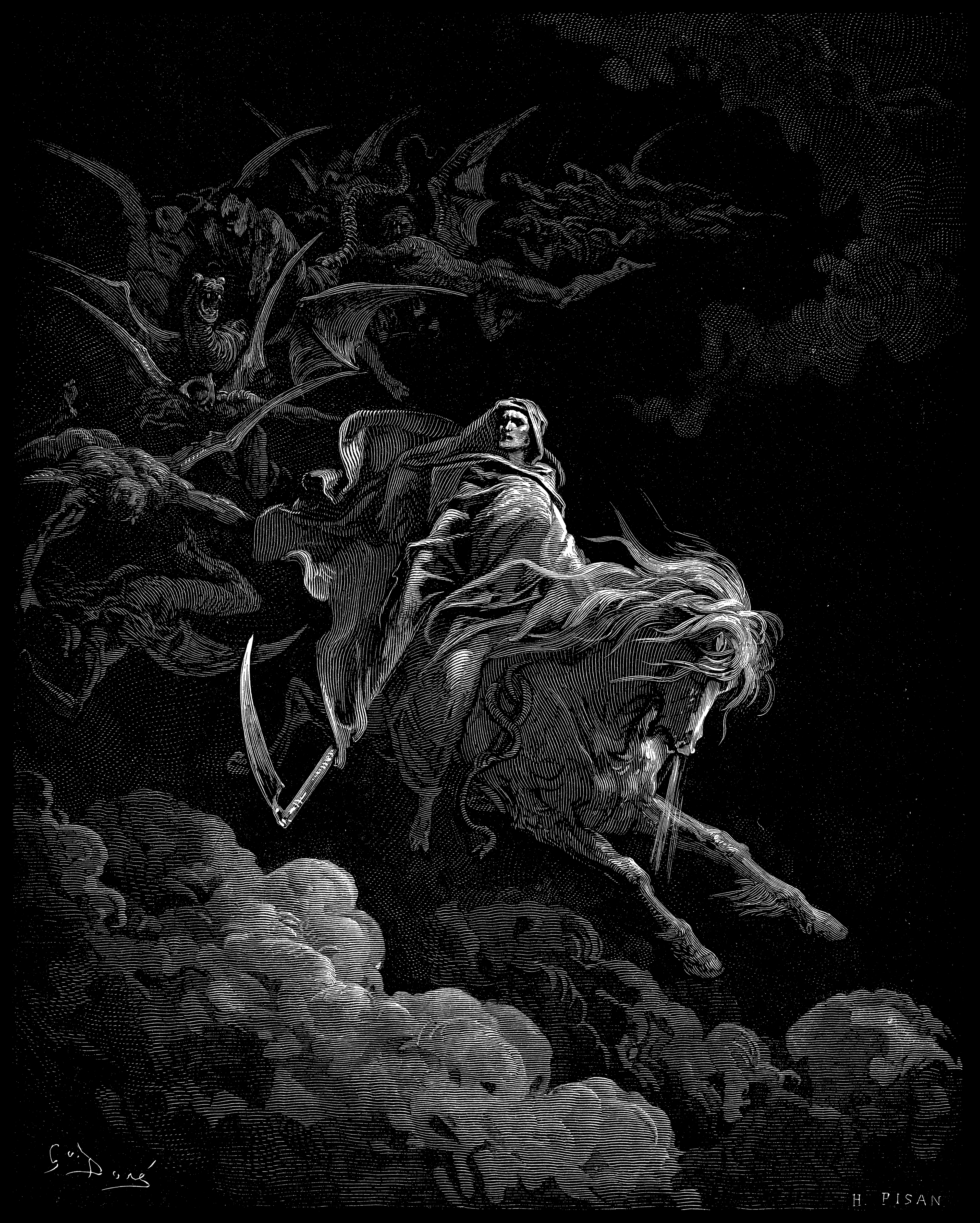
Death on the Pale Horse
Gustave Doré · 1866
Related works
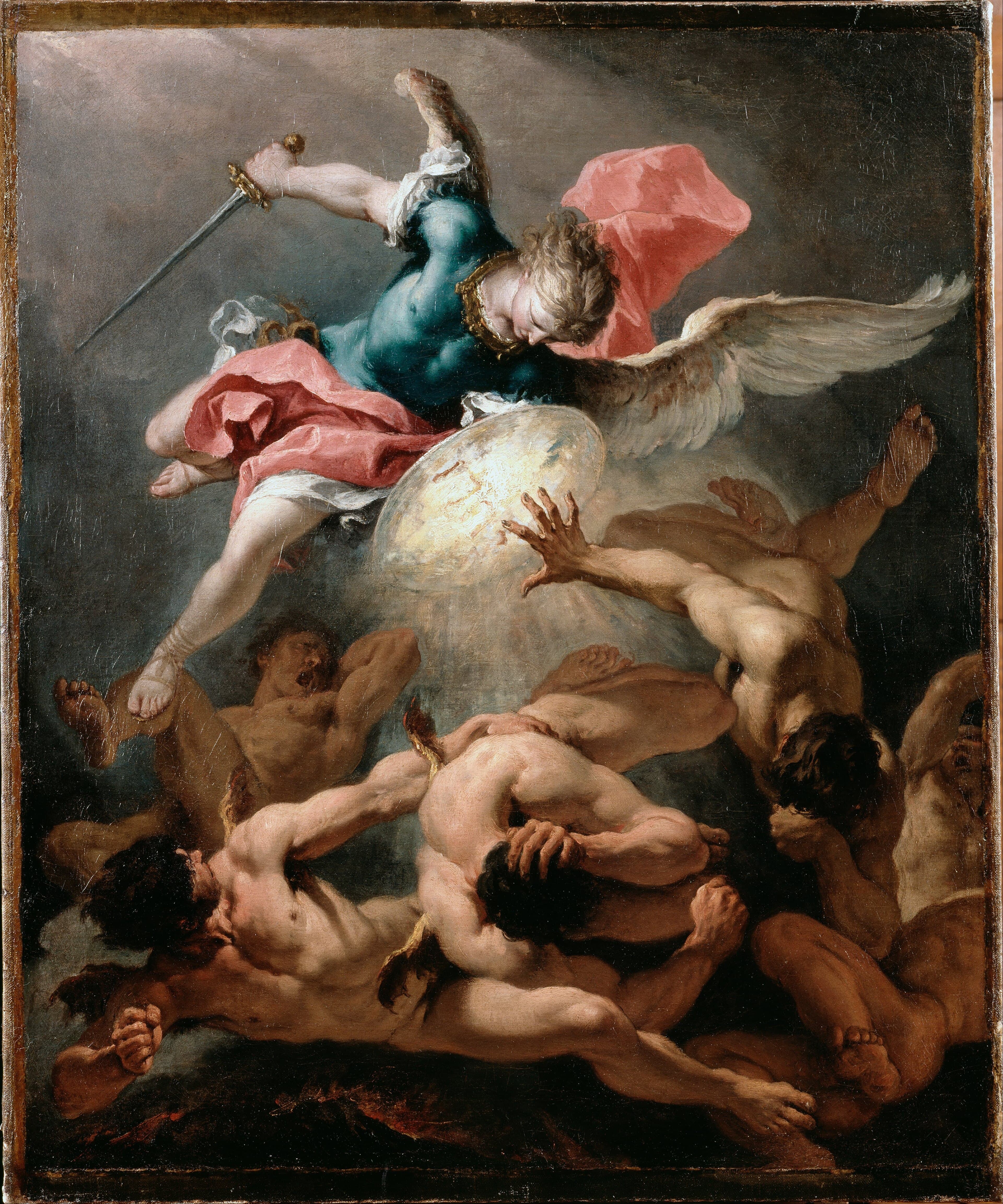
The Fall of the Rebel Angels
Sebastiano Ricci · c. 1720
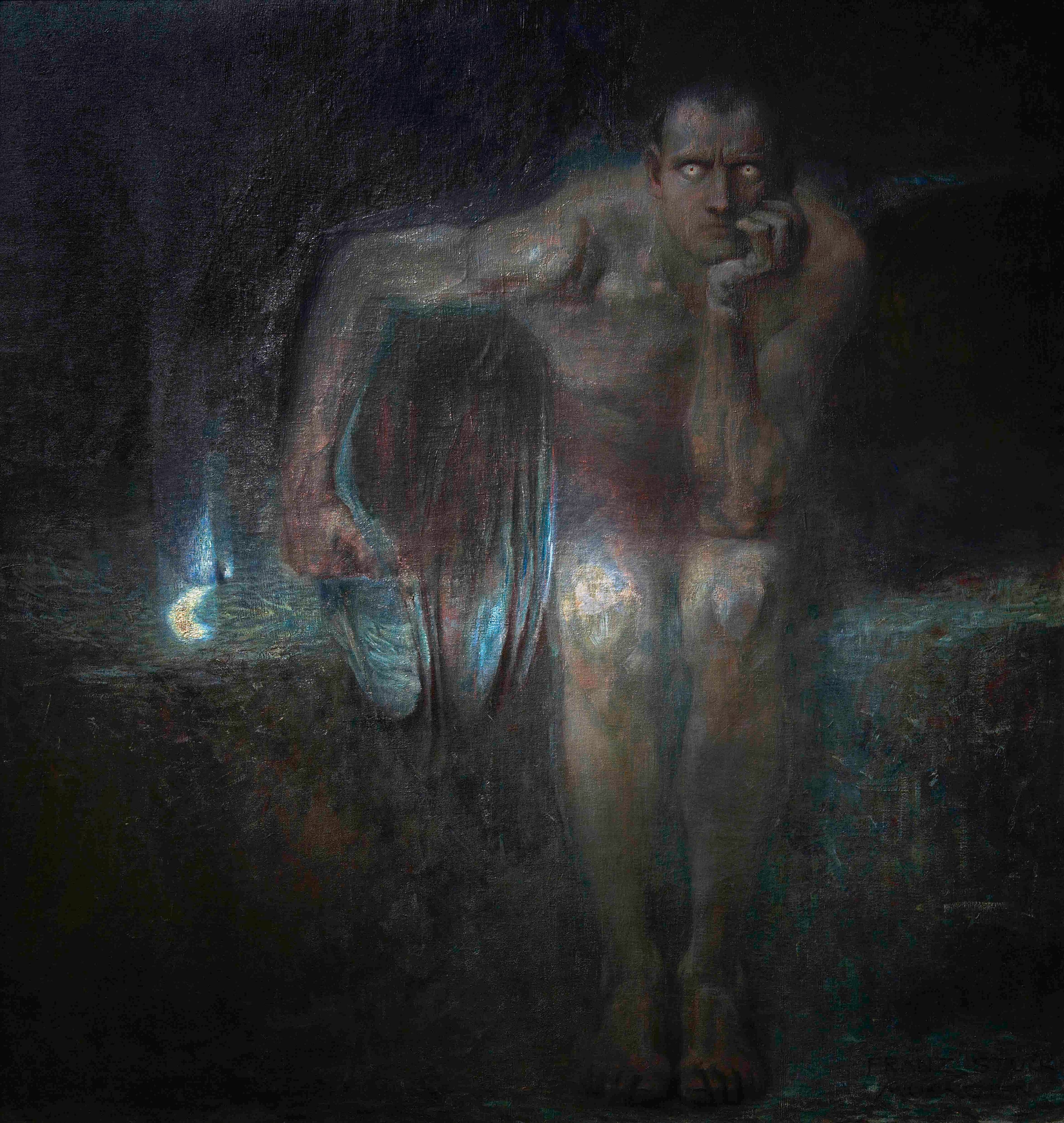
Lucifer
Franz von Stuck · 1890
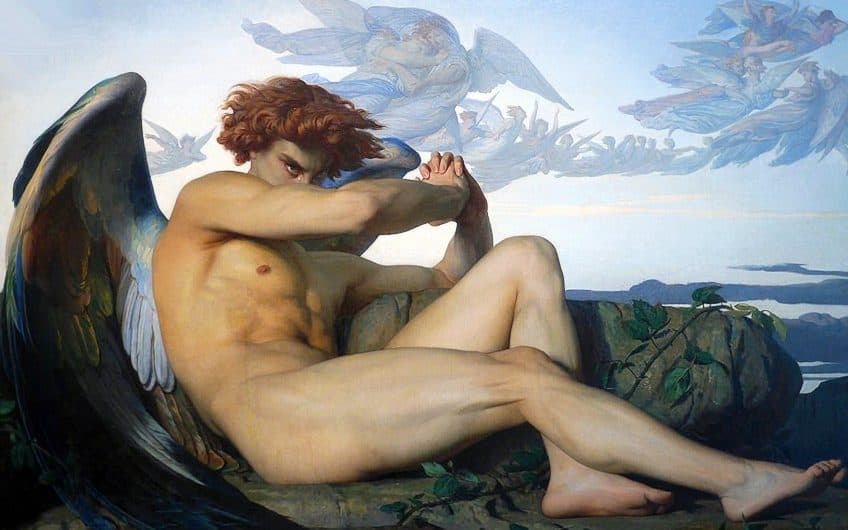
Fallen Angel
Alexandre Cabanel · 1847
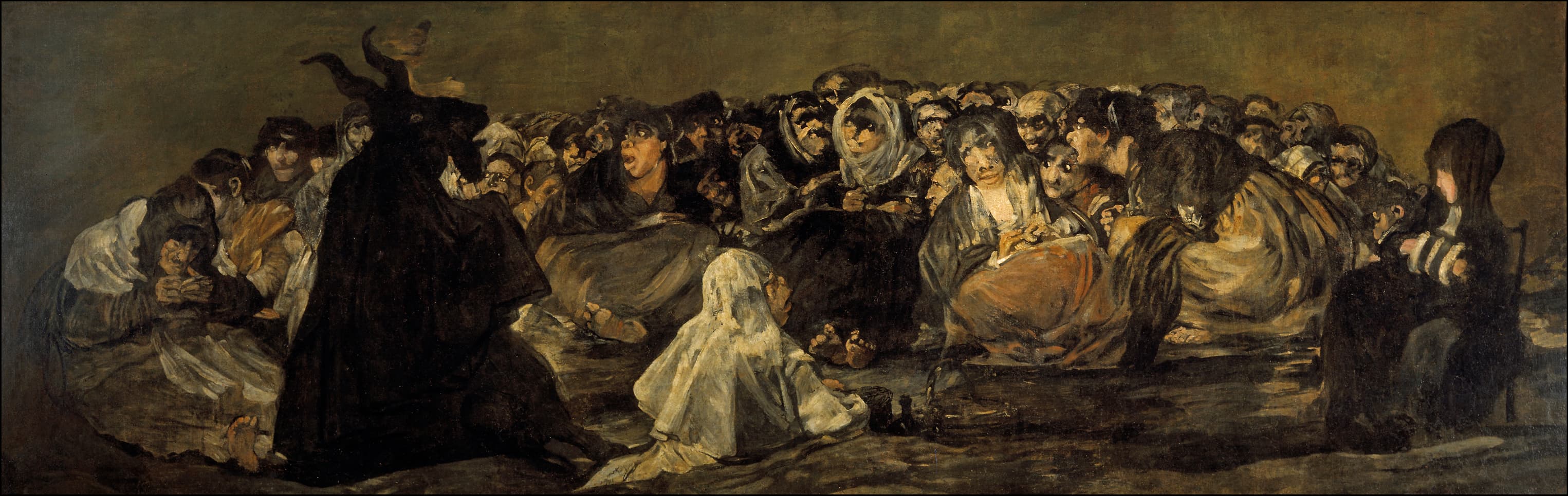
Witches' Sabbath (The Great He-Goat)
Francisco Goya · c. 1819–1823
Jacob Wrestling with the Angel
Gustave Doré · 1866
The Destruction of Leviathan
Gustave Doré · 1866
Geryon
Gustave Doré · 1861
Caiaphas Crucified
Gustave Doré · 1861