Theme
Death in Art: Famous Paintings of Death and Mourning
Skeletons, deathbeds, martyrs and islands of the dead: how artists have looked at the one subject no one escapes.
Paintings of death are among the oldest and most powerful subjects in art, from medieval dances of skeletons to Jacques-Louis David's The Death of Marat, Pieter Bruegel's The Triumph of Death, Millais's drowning Ophelia and Arnold Böcklin's Isle of the Dead. A death painting can warn, mourn, glorify or simply record: a martyr's sacrifice, a hero's last moment, a wife on her deathbed, the army of skeletons that comes for everyone.
This collection brings together the famous paintings and sculptures of death in Western art and organizes them by what they are trying to do. Some are religious lessons, some are political propaganda, and some are private acts of grief that their makers never meant to show.
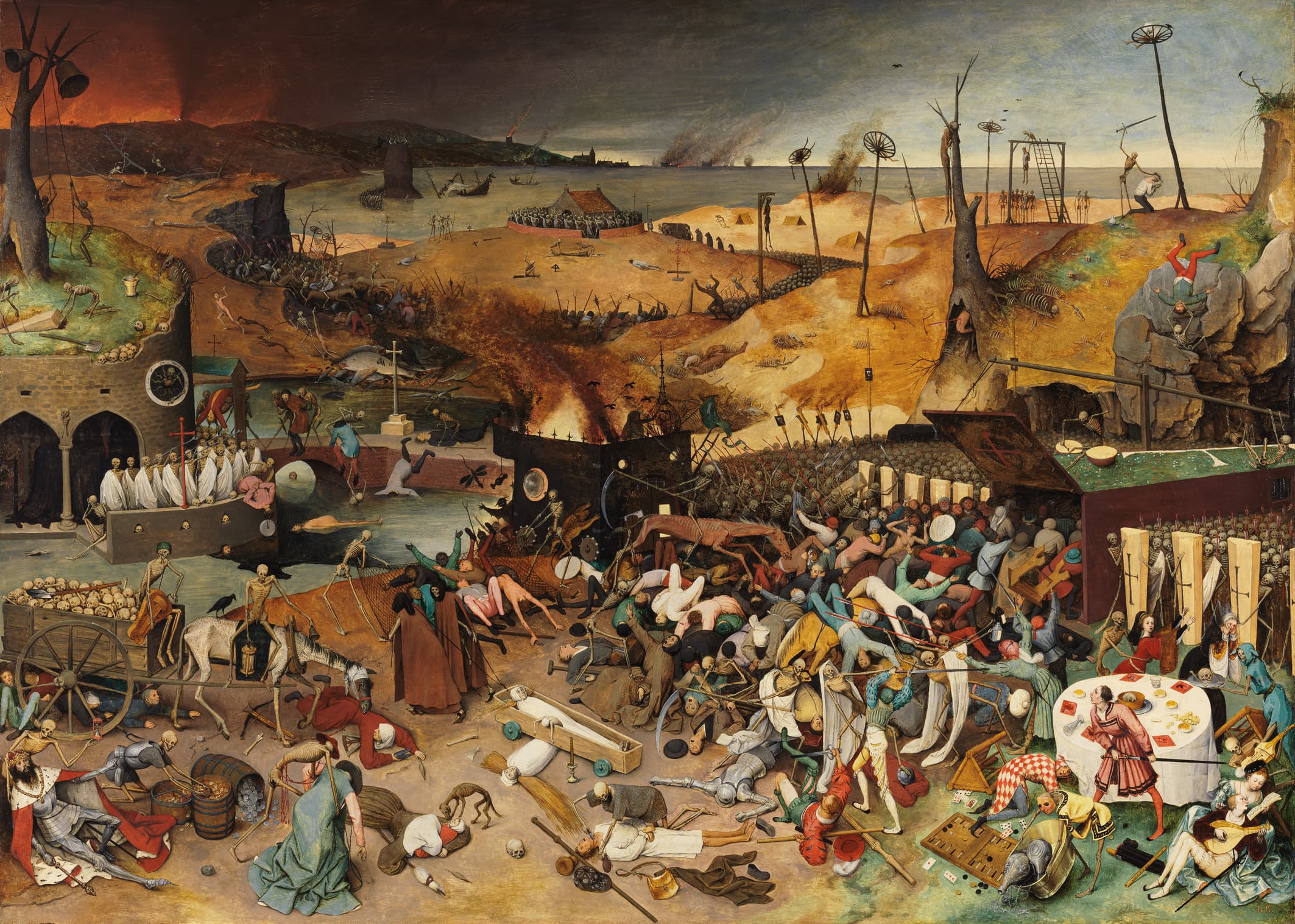
The Triumph of Death
Pieter Bruegel the Elder · c. 1562
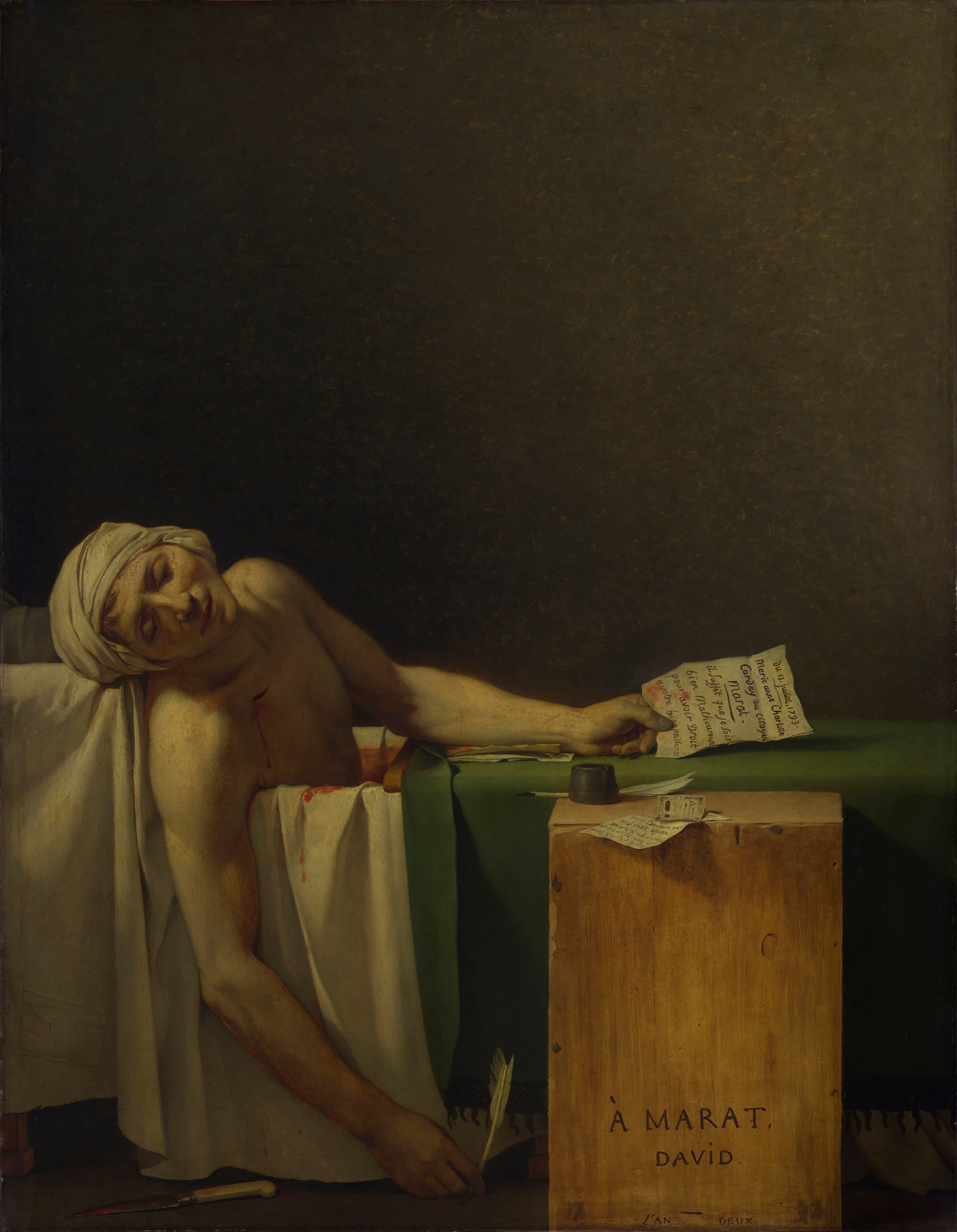
The Death of Marat
Jacques-Louis David · 1793

Ophelia
John Everett Millais · 1851–52
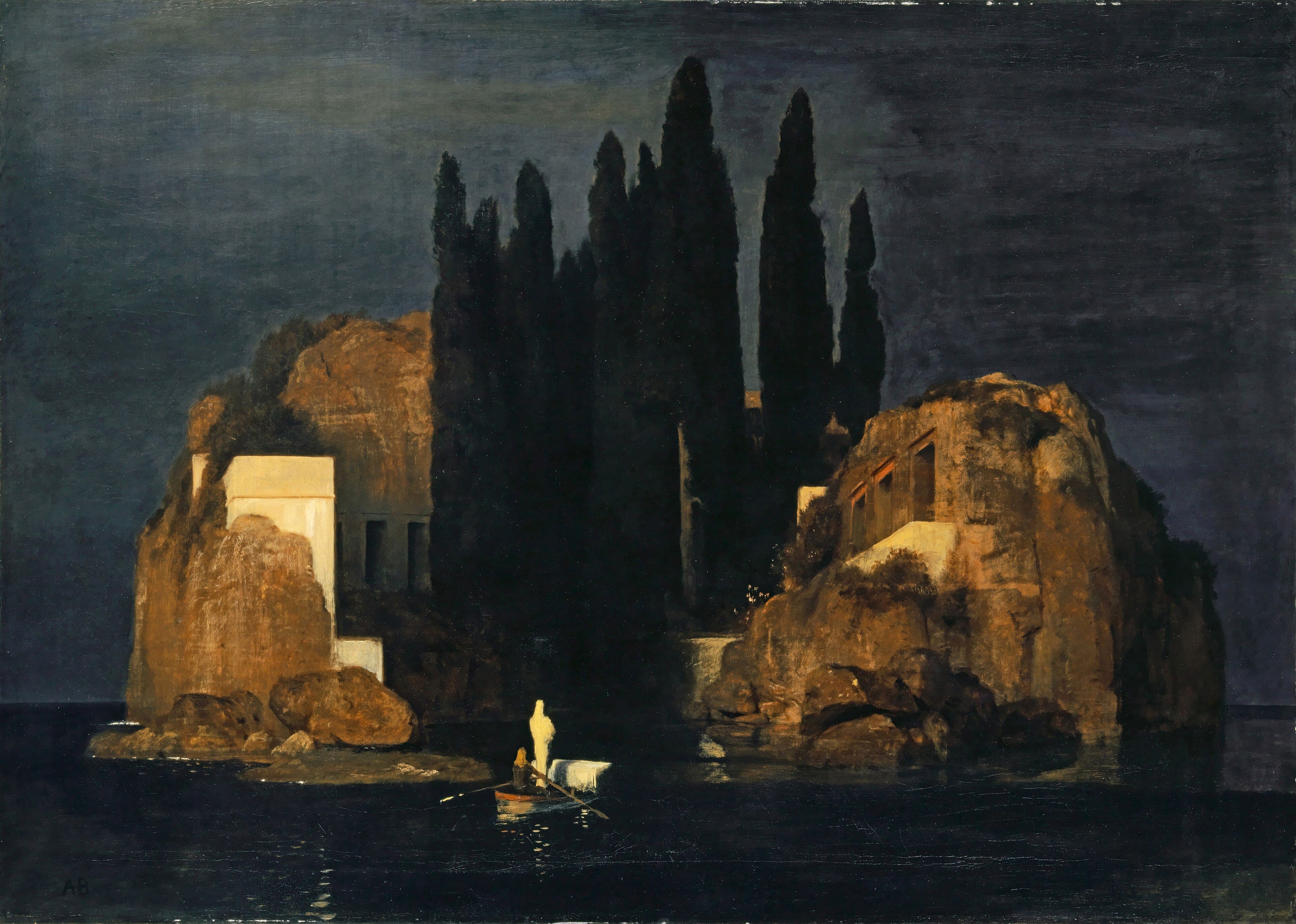
Isle of the Dead
Arnold Böcklin · 1880 (first version); five versions 1880–86
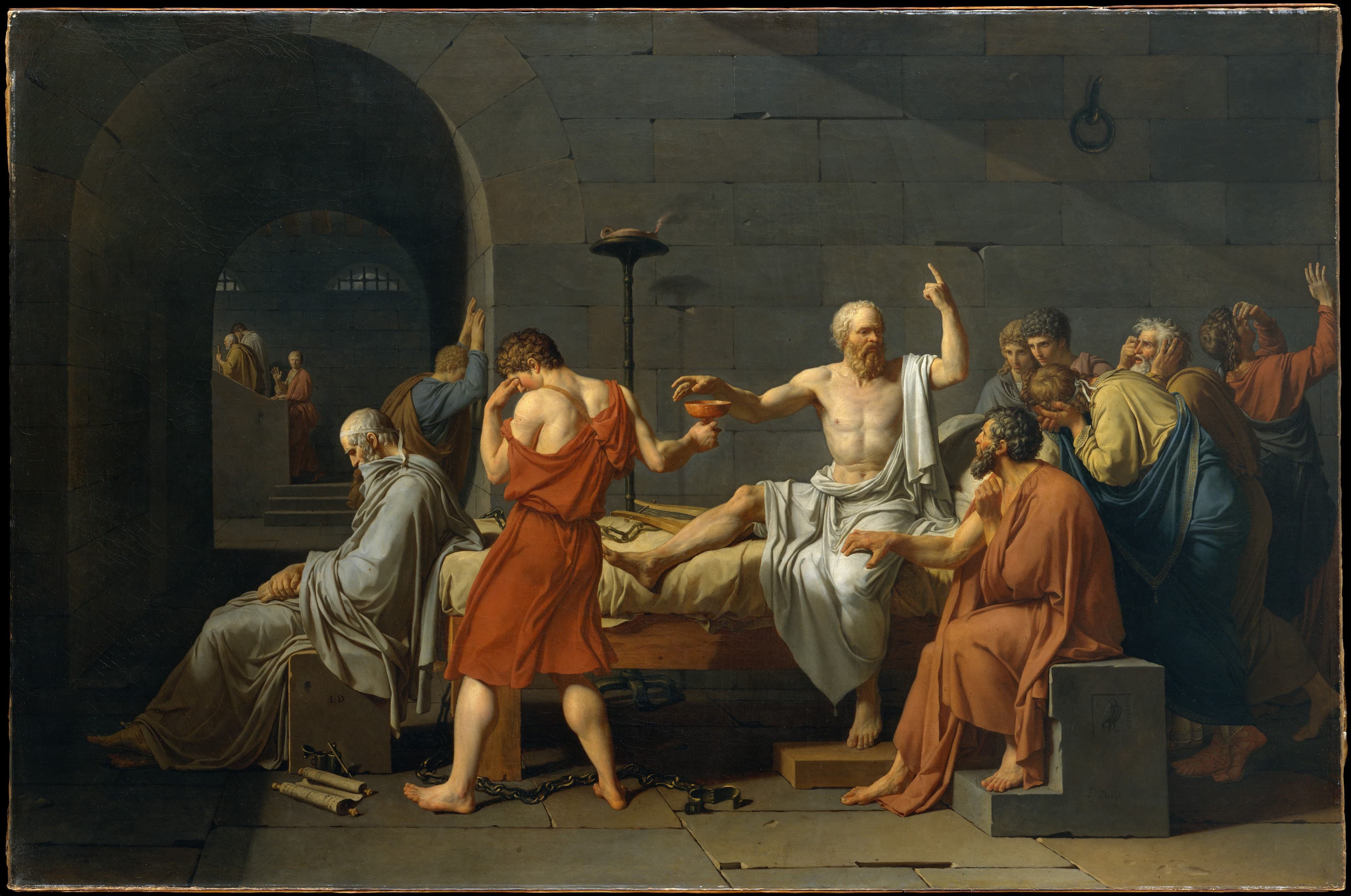
The Death of Socrates
Jacques-Louis David · 1787

Saturn Devouring His Son
Francisco Goya · c. 1819–1823
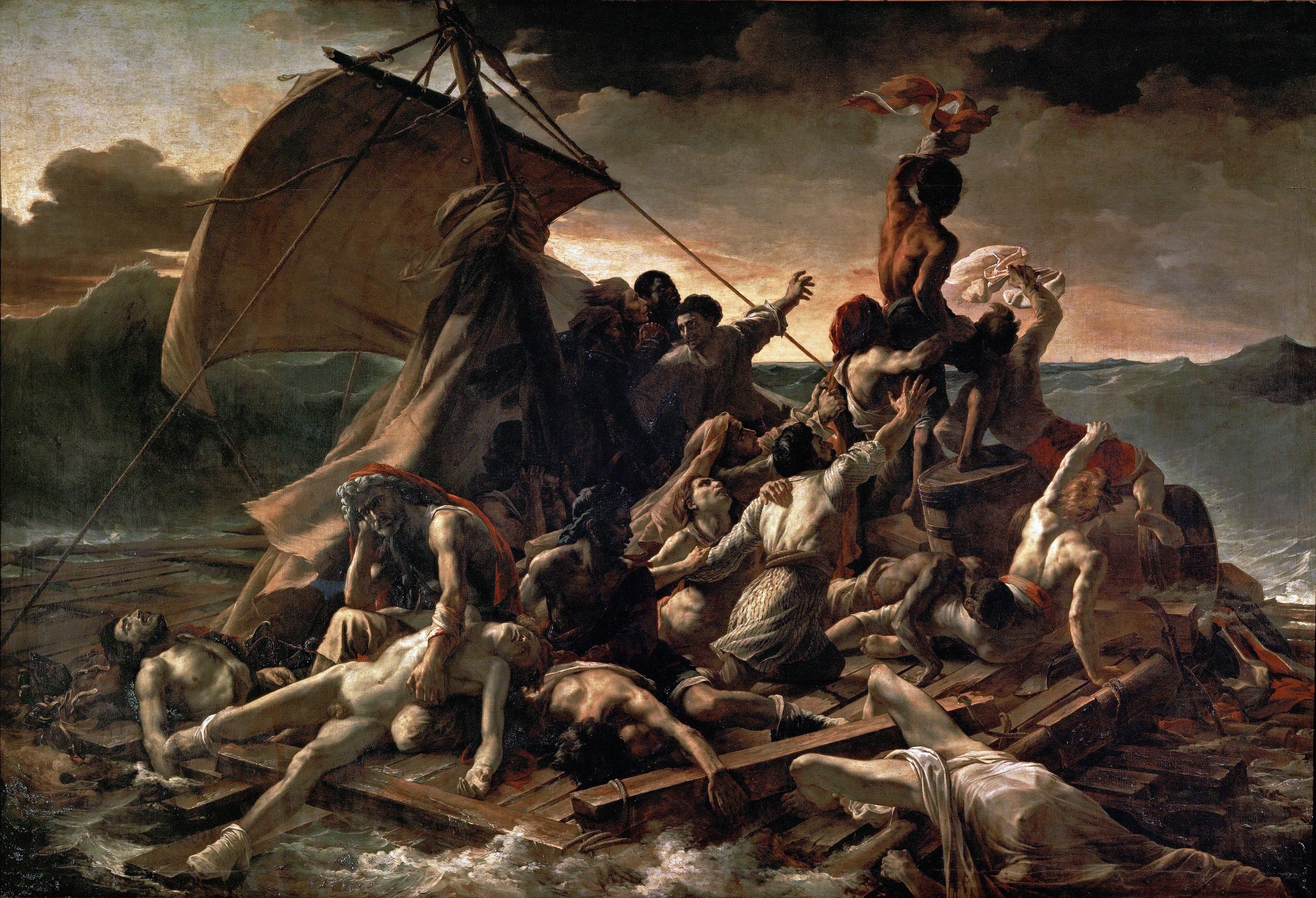
The Raft of the Medusa
Théodore Géricault · 1818–1819
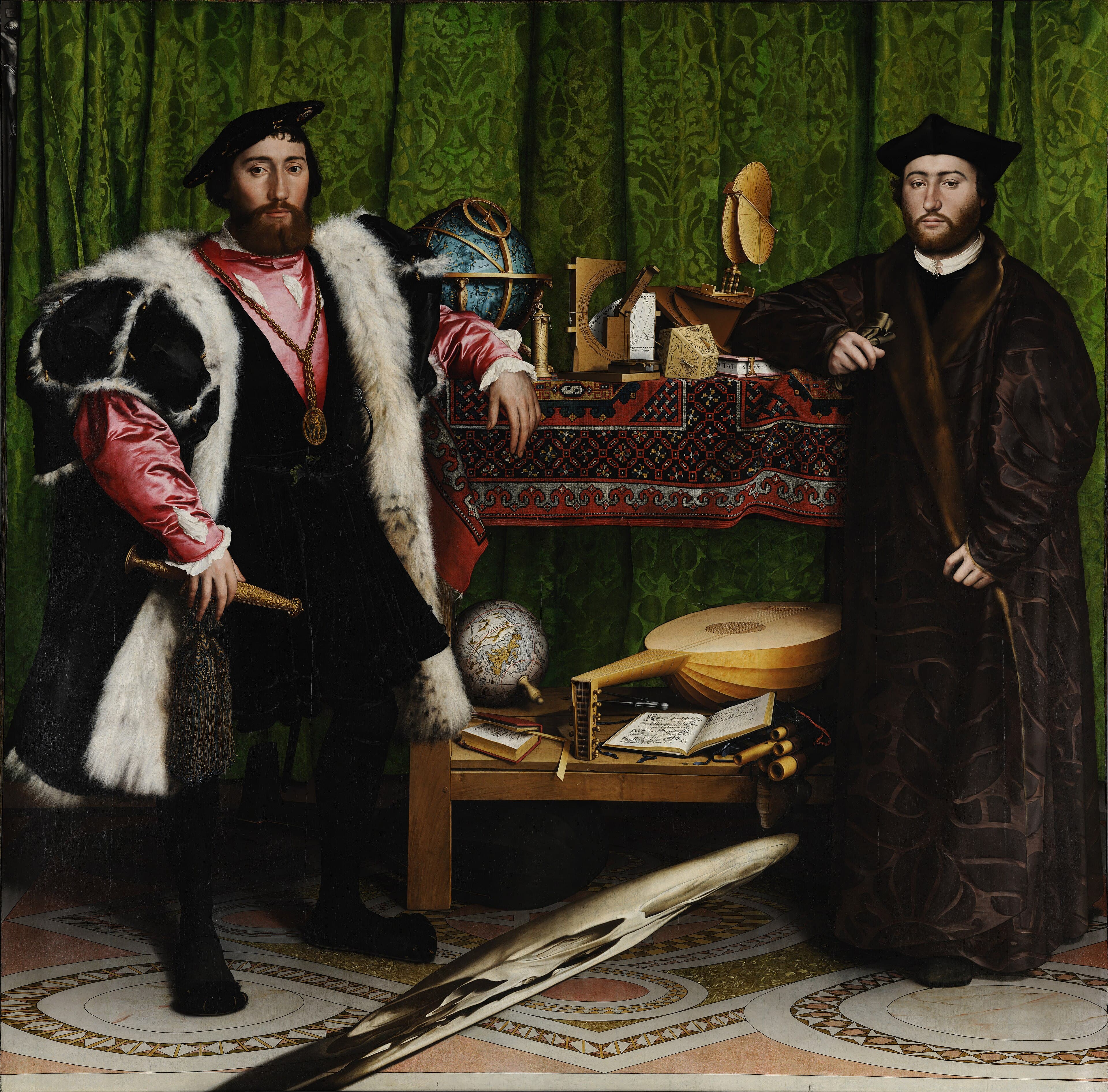
The Ambassadors
Hans Holbein the Younger · 1533
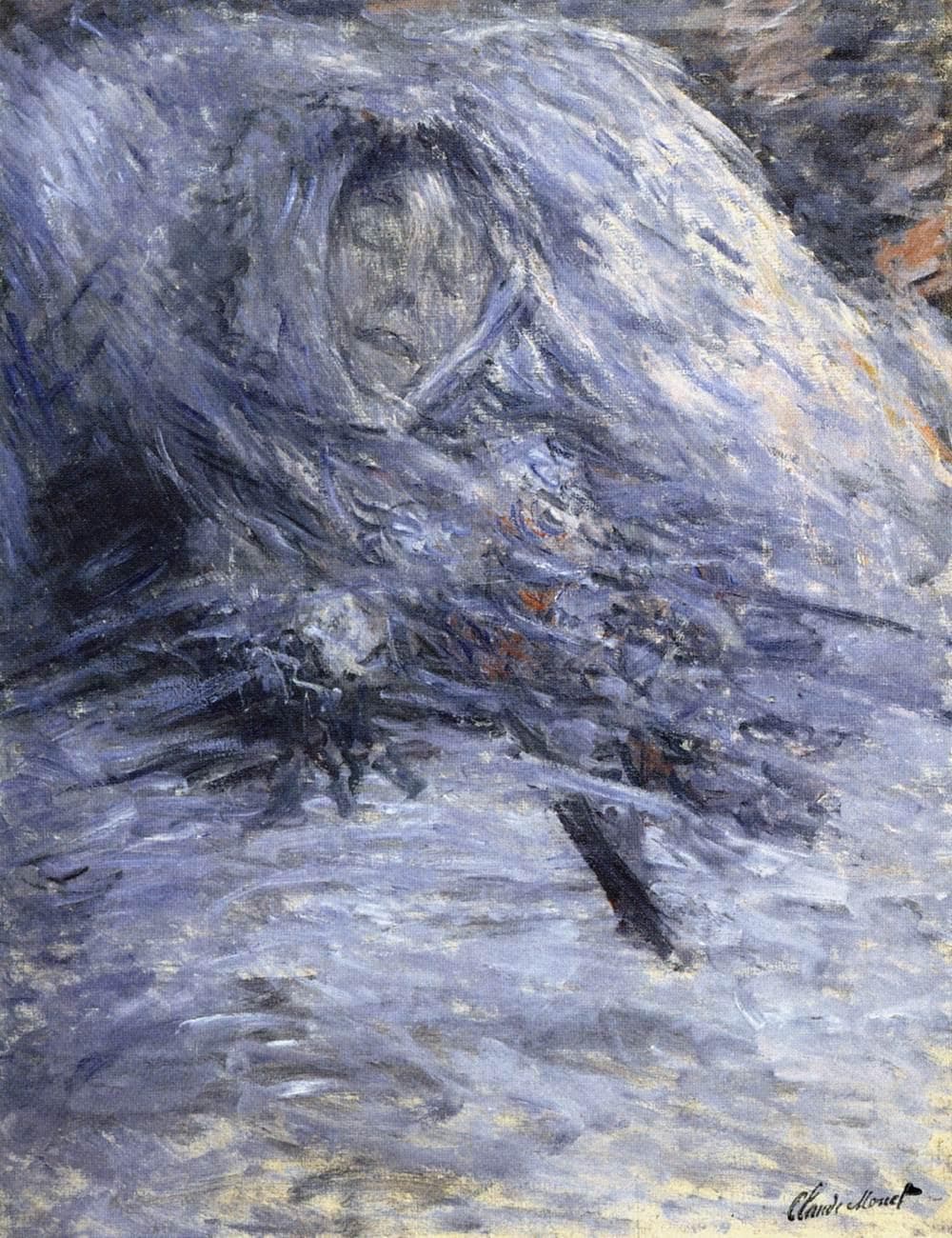
Camille Monet on Her Deathbed
Claude Monet · 1879
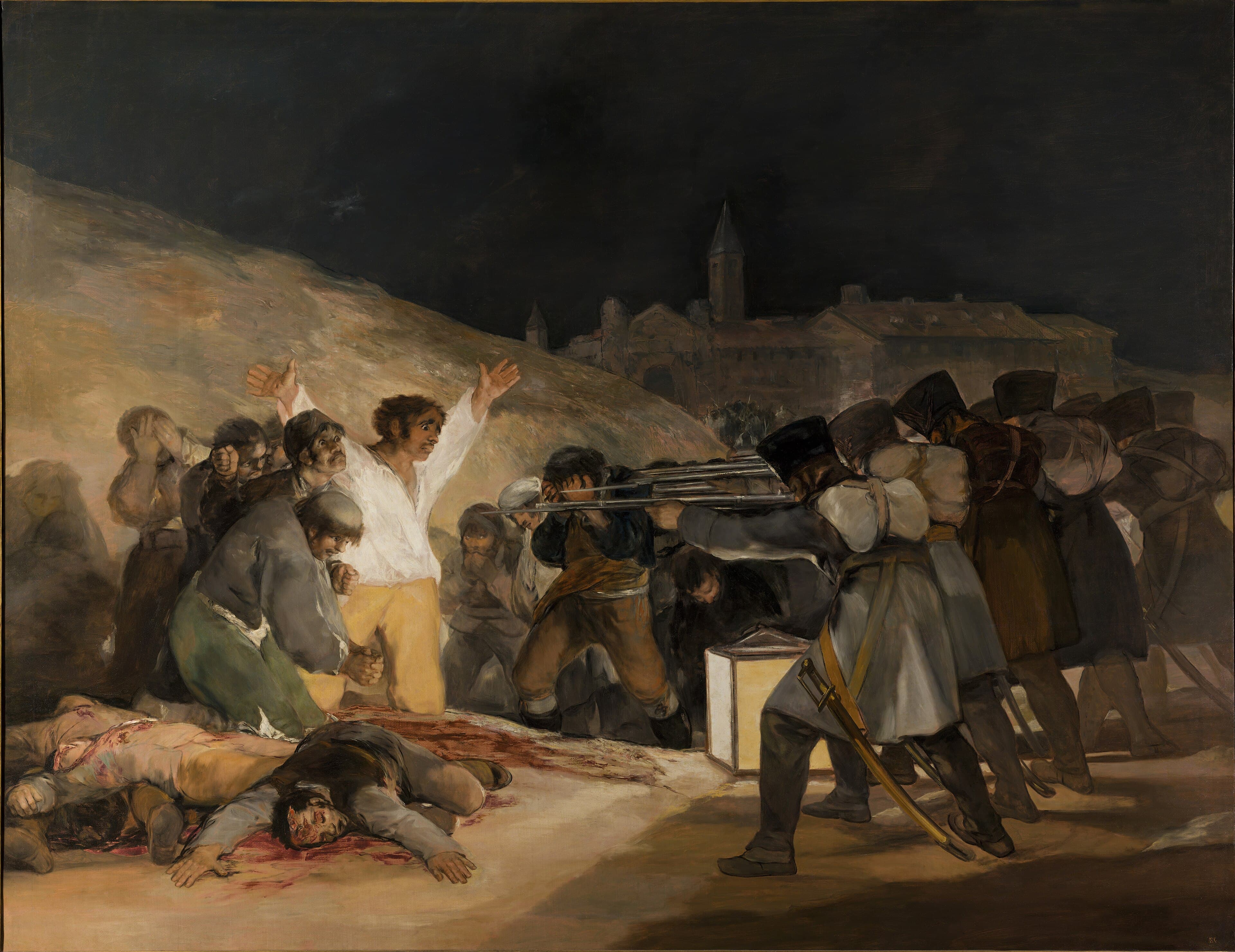
The Third of May 1808
Francisco Goya · 1814
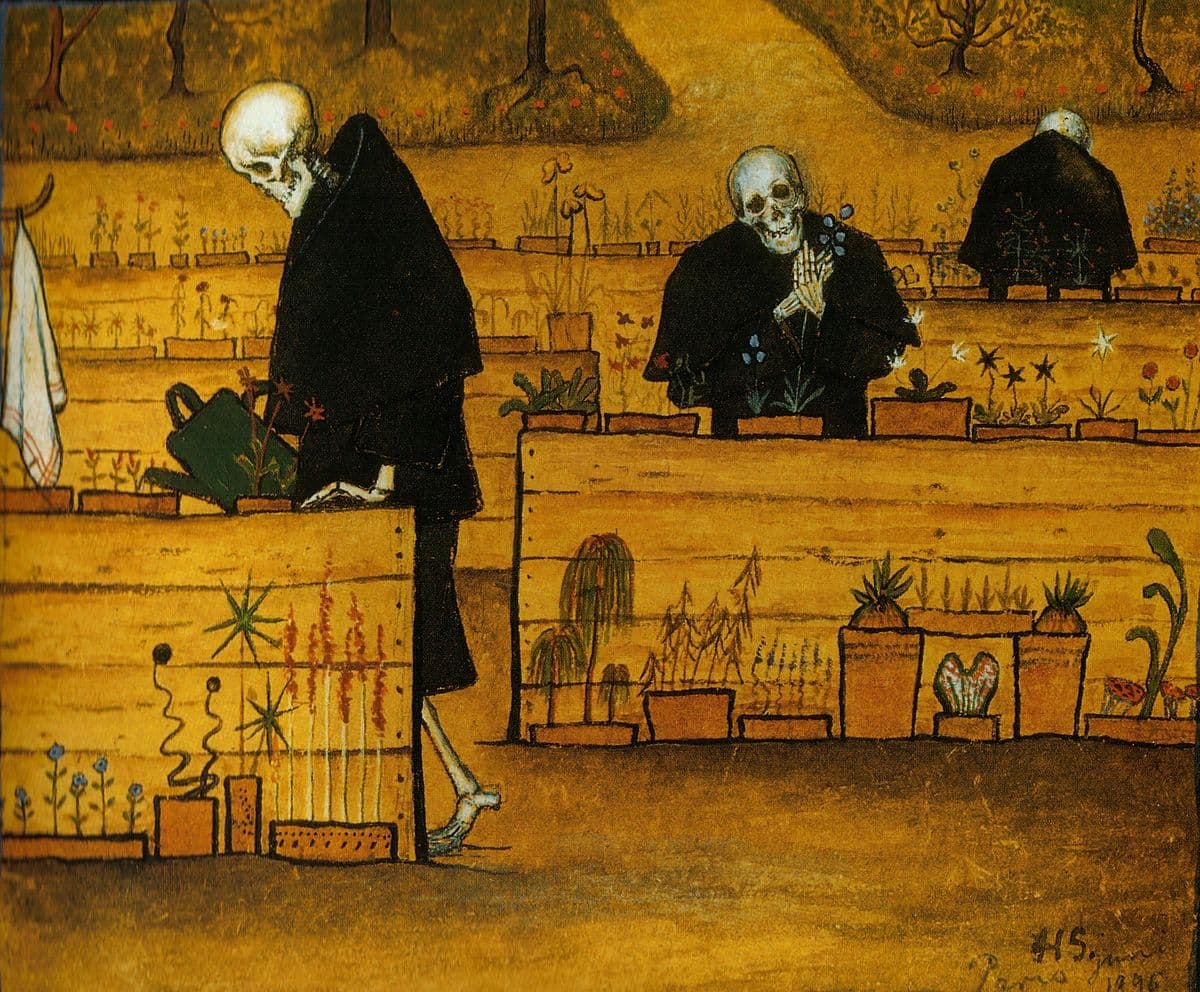
The Garden of Death
Hugo Simberg · 1896
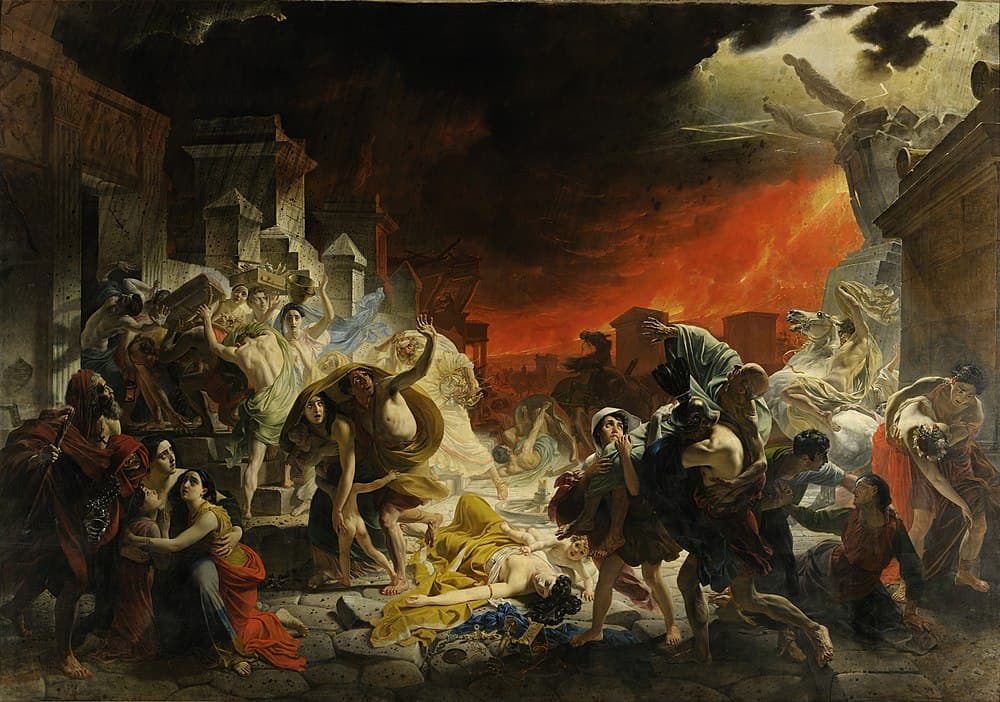
The Last Day of Pompeii
Karl Bryullov · 1830–33
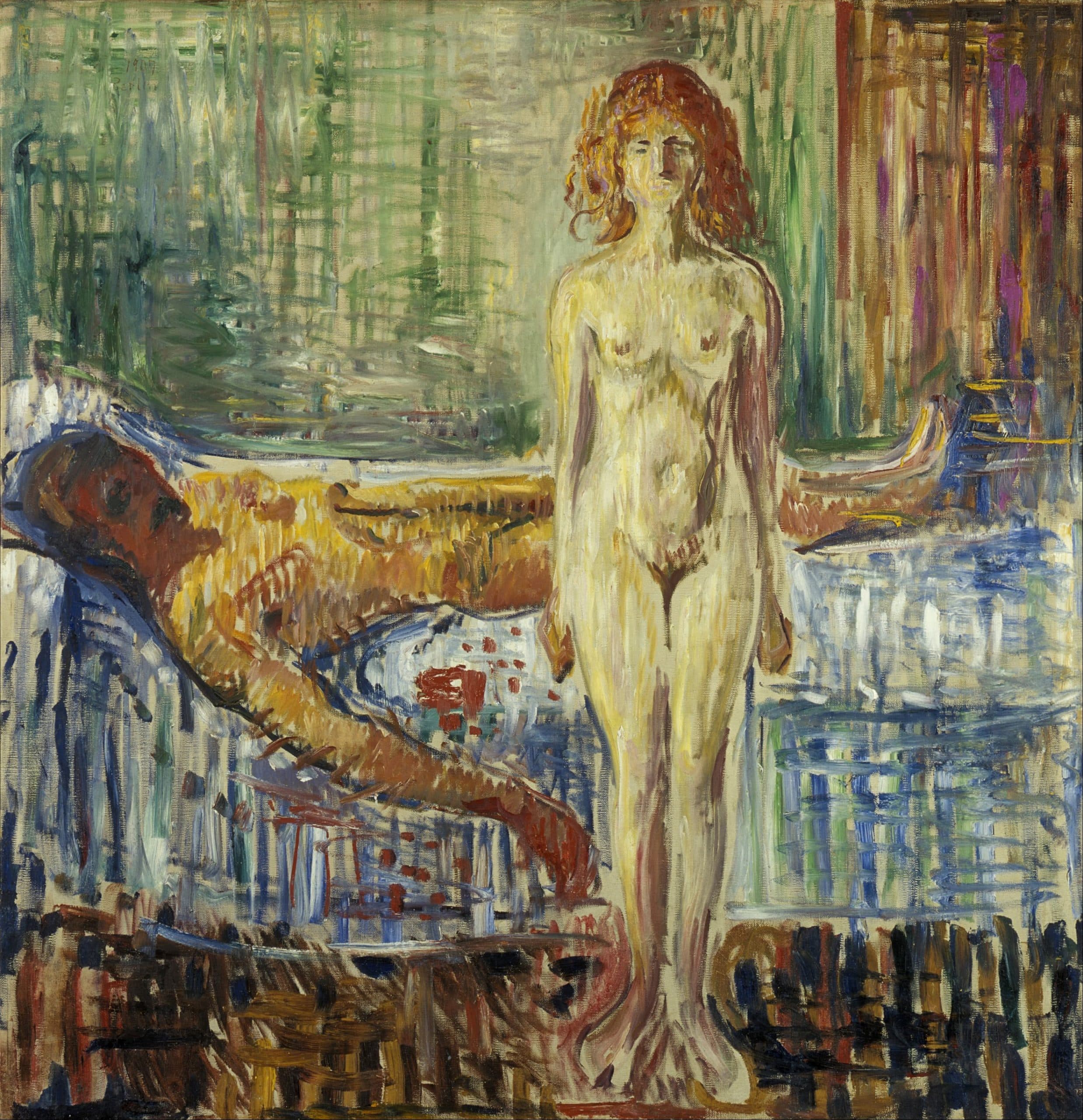
The Death of Marat
Edvard Munch · 1907
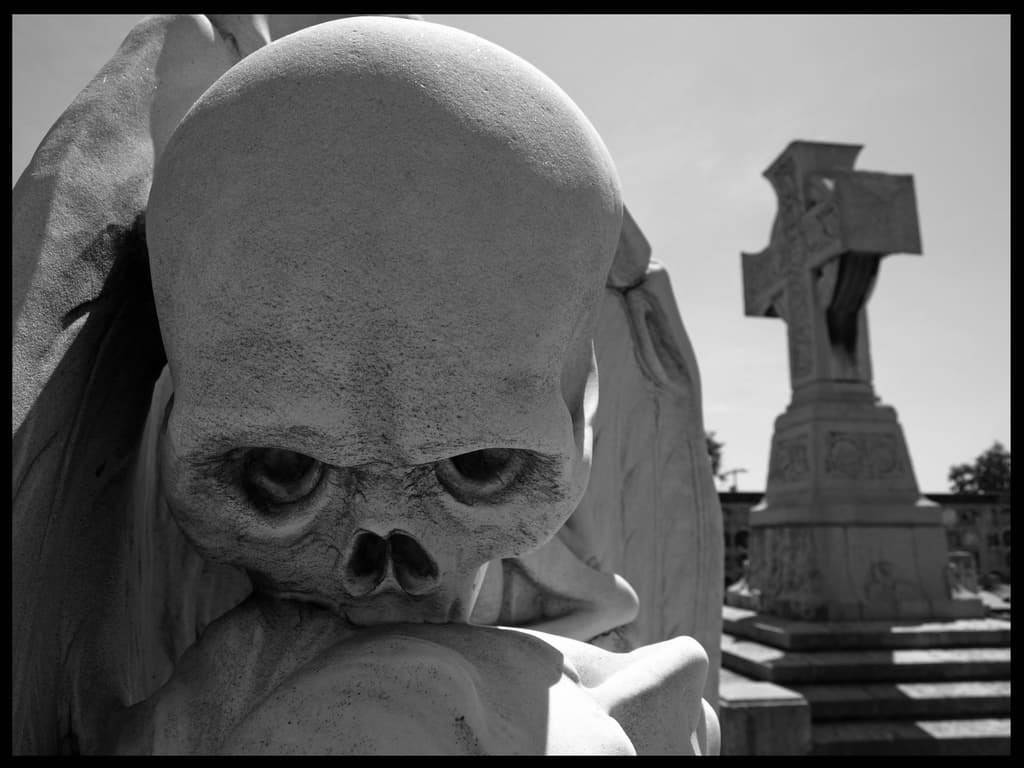
The Kiss of Death (El Petó de la Mort)
Jaume Barba & Joan Fontbernat · 1930
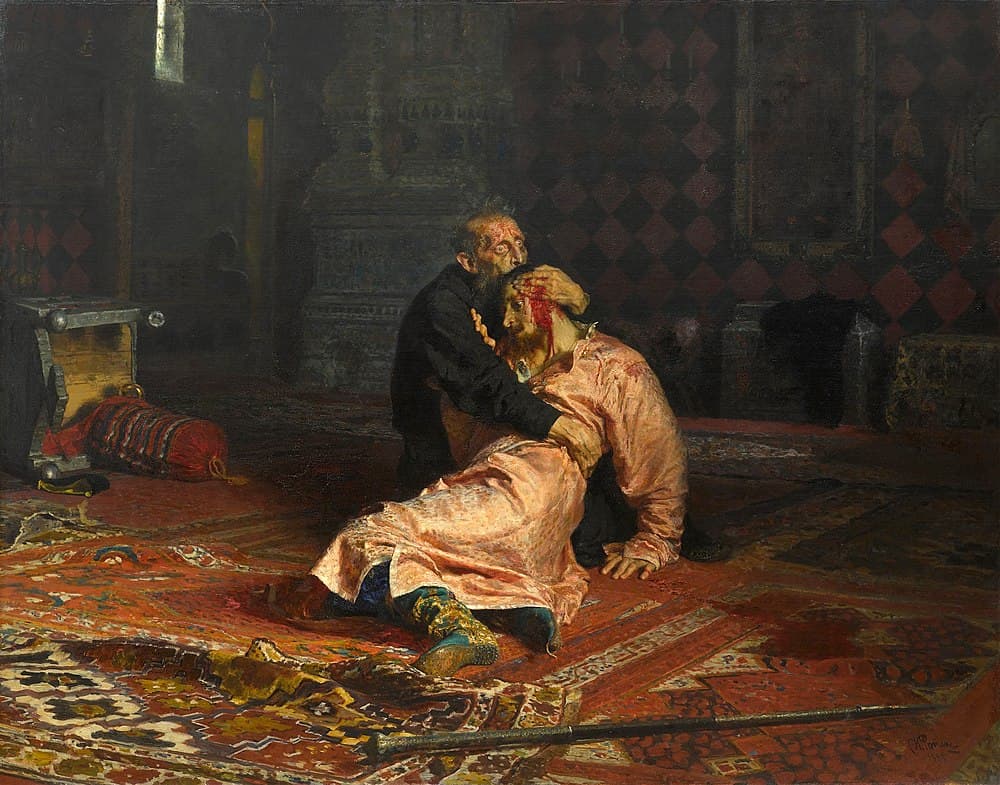
Ivan the Terrible and His Son Ivan
Ilya Repin · 1883–85
Head of a Skeleton with a Burning Cigarette
Vincent van Gogh · 1886
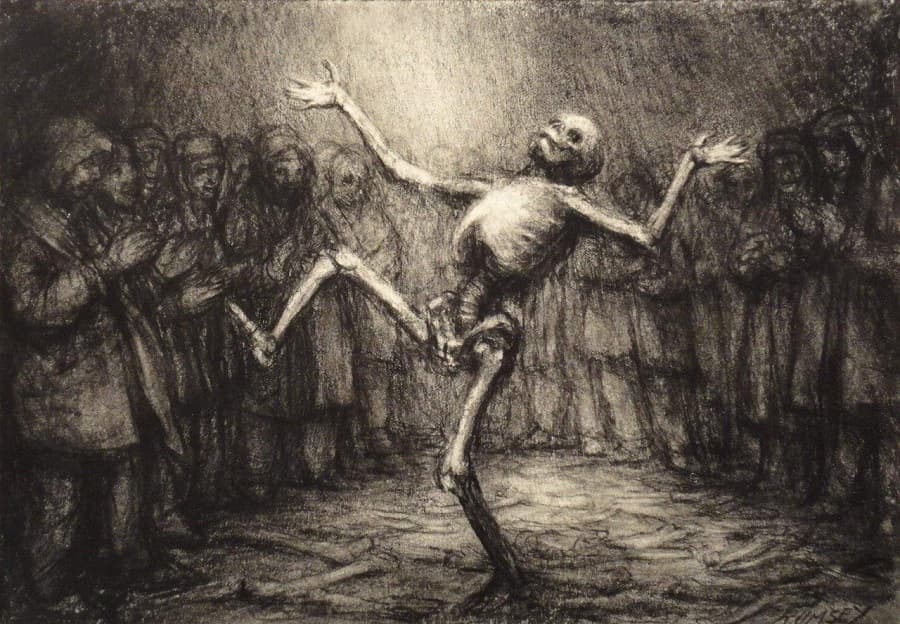
The Danse Macabre Series
Paul Rumsey
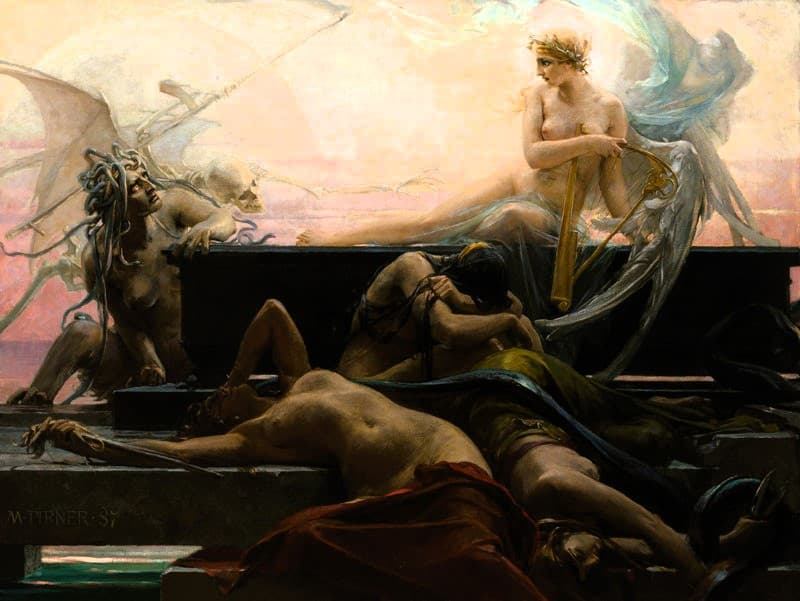
Finis (The End of All Things)
Maximilian Pirner · 1887
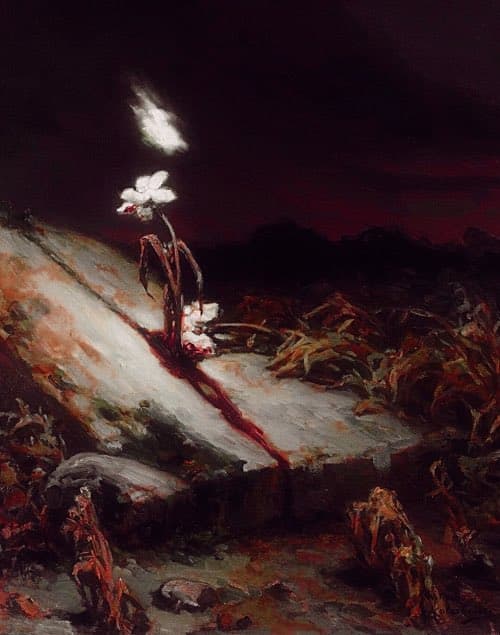
Grave of a Suicide Victim
Wilhelm Kotarbiński · c. 1900
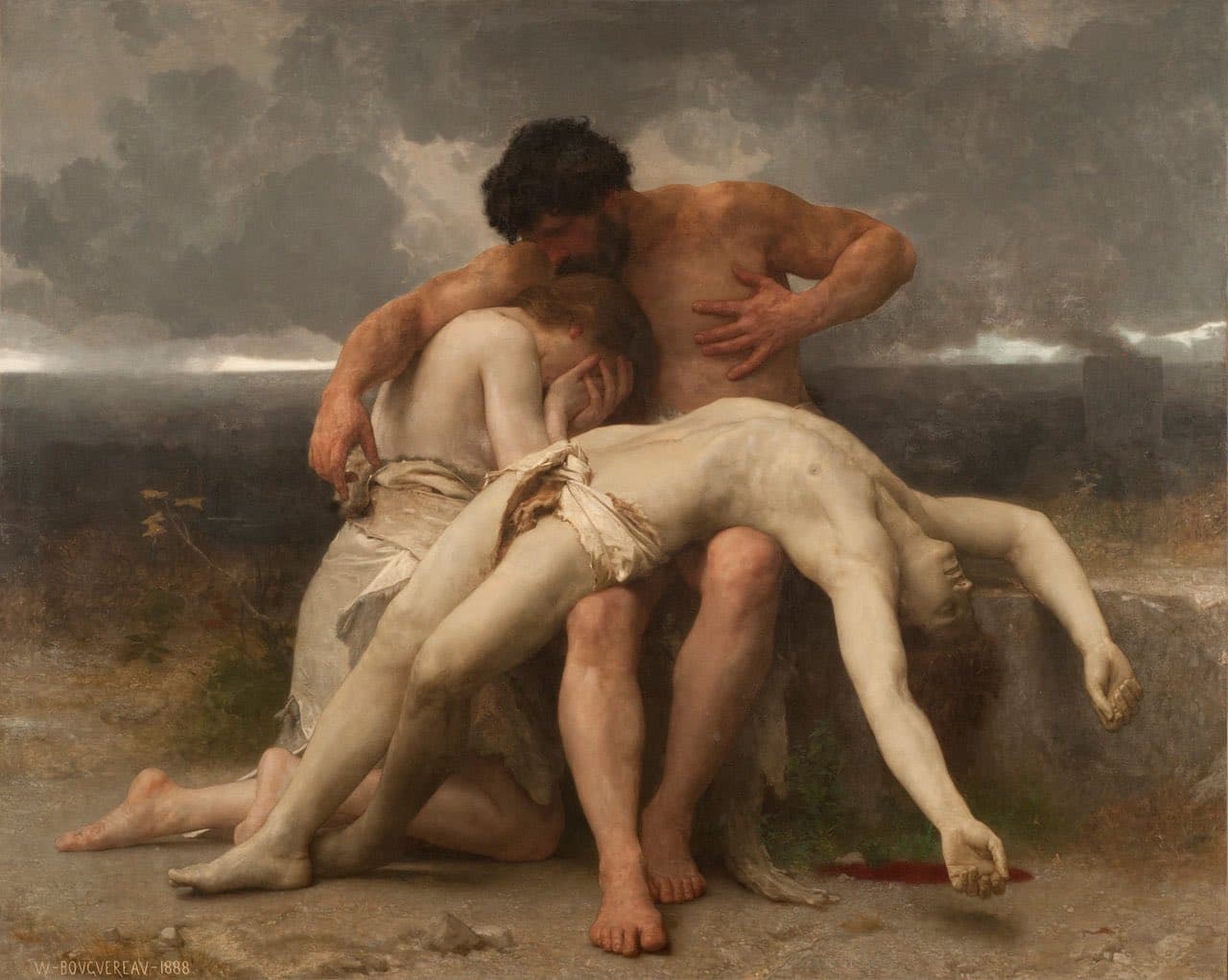
Premier Deuil
William-Adolphe Bouguereau · 1888
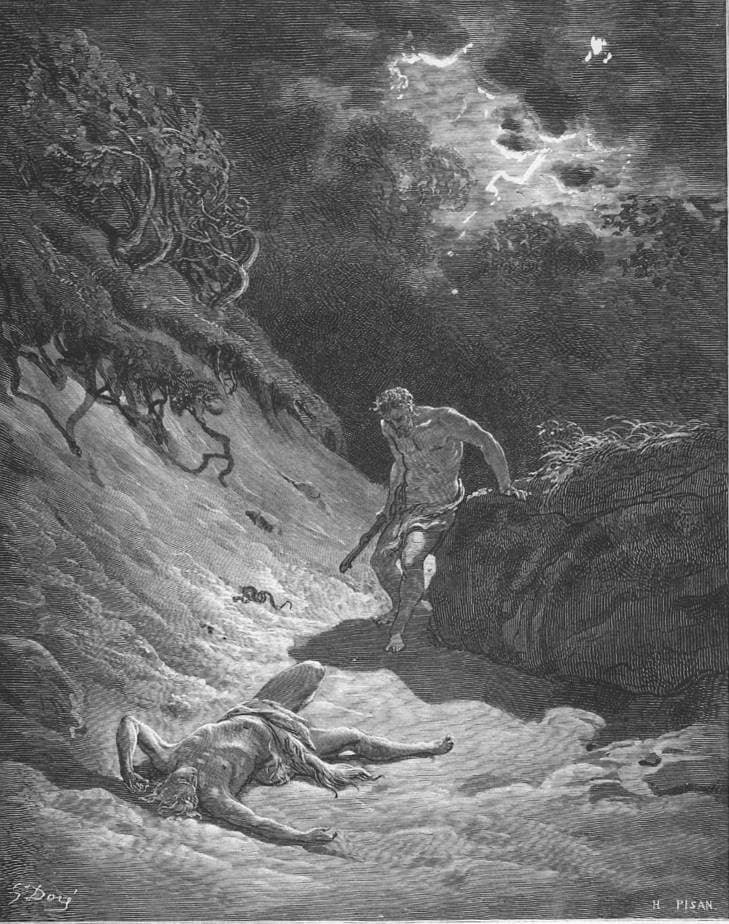
The Death of Abel
Gustave Doré · 1866
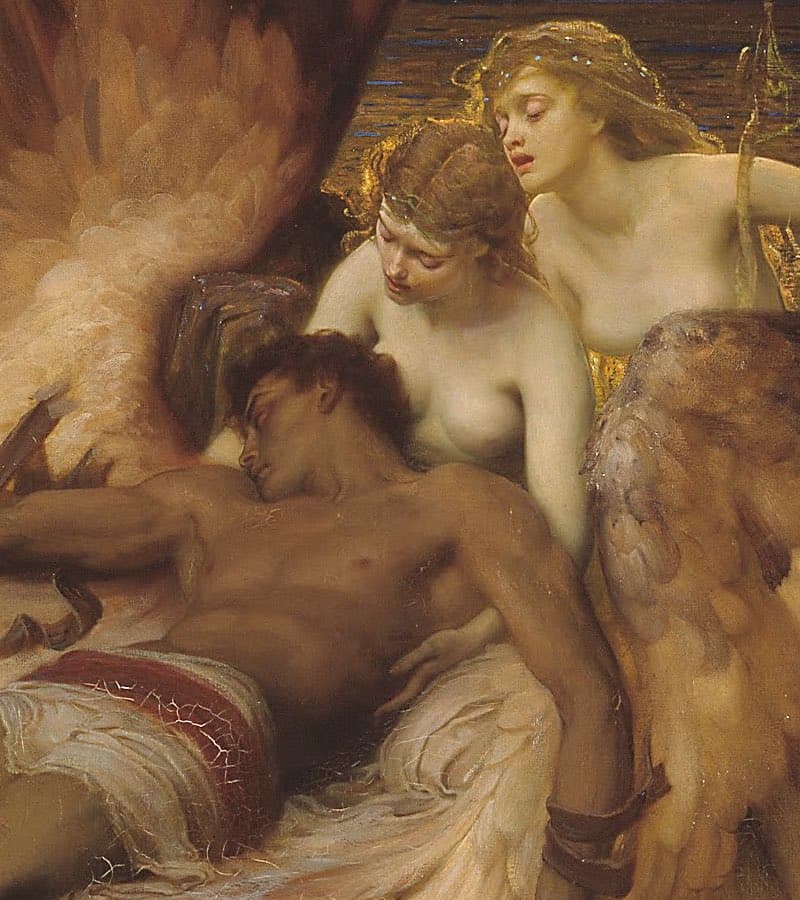
The Lament for Icarus
Herbert James Draper · 1898
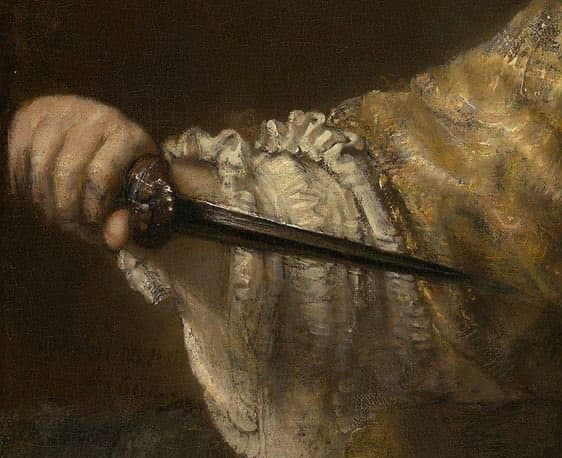
Lucretia
Rembrandt · 1664
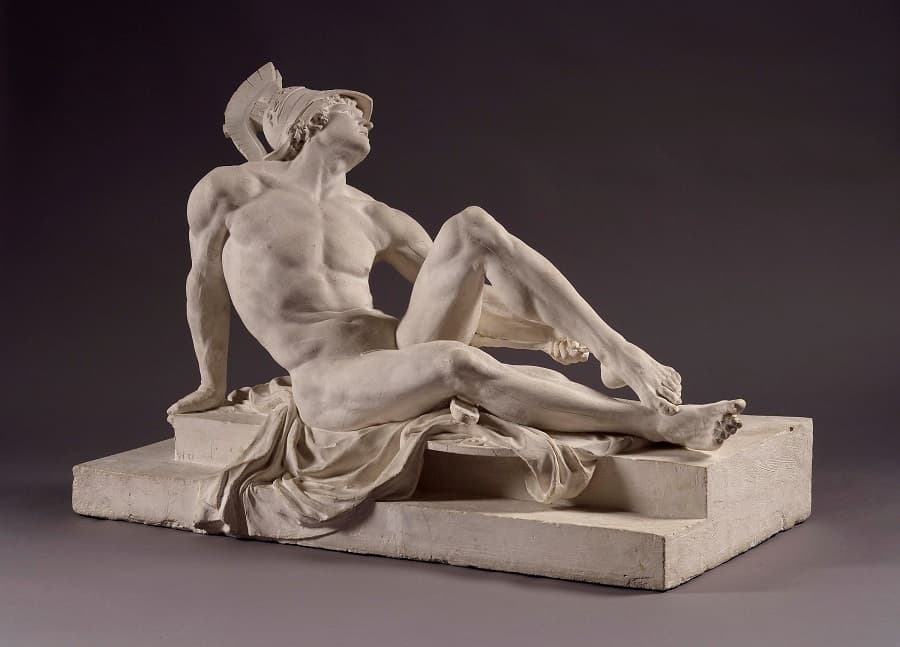
Dying Achilles
Jean-Baptiste Giraud · c. 1788–89
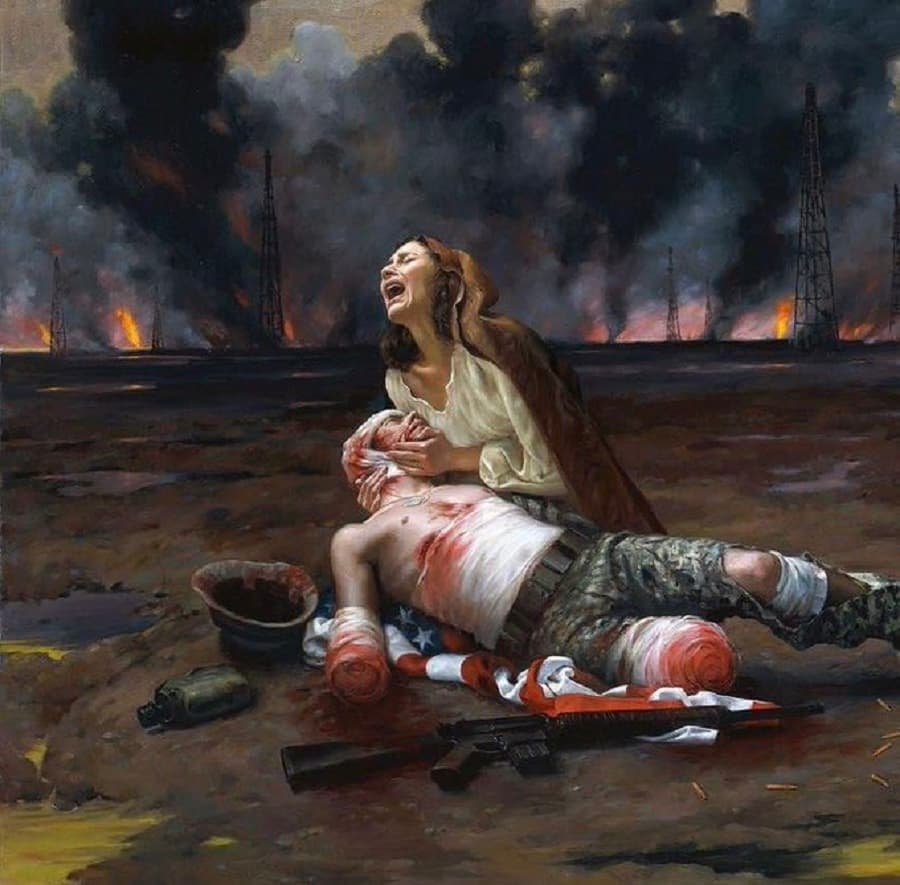
War Pietà
Max Ginsburg · 2007
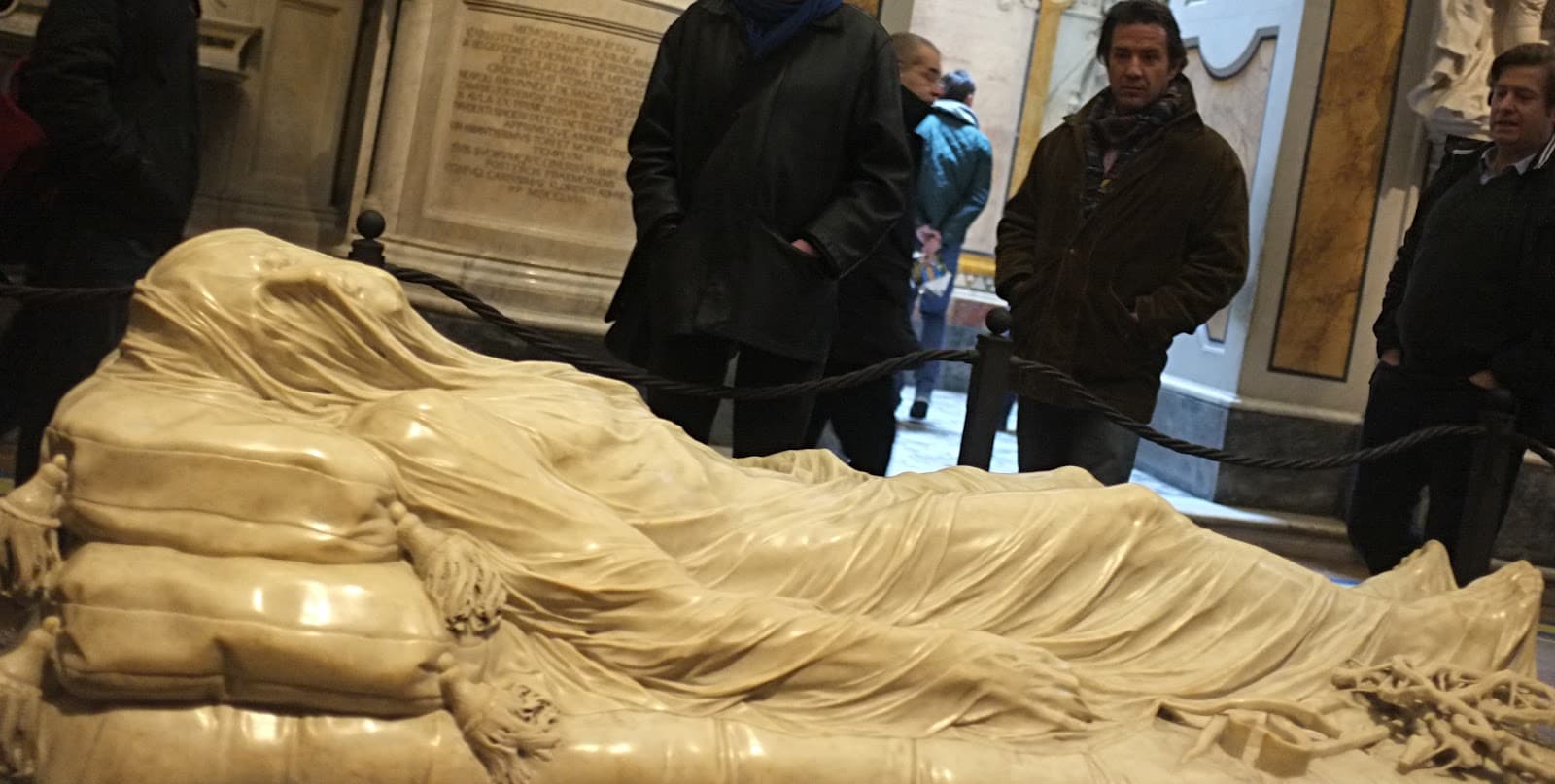
Veiled Christ
Giuseppe Sanmartino · 1753
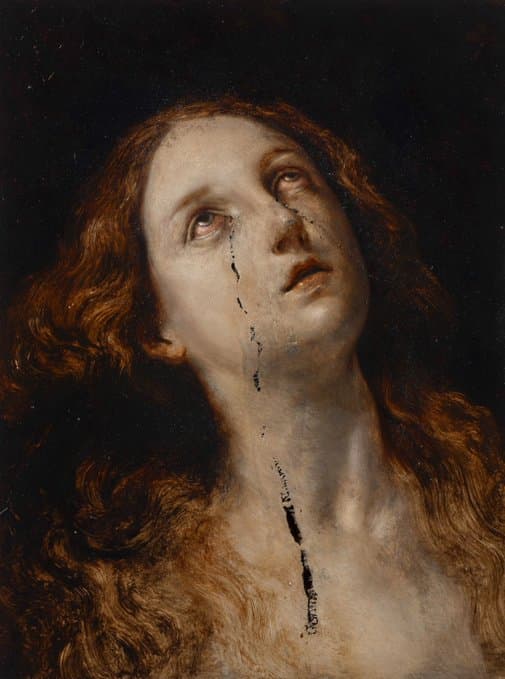
Lacrimosa
Nicola Samorì
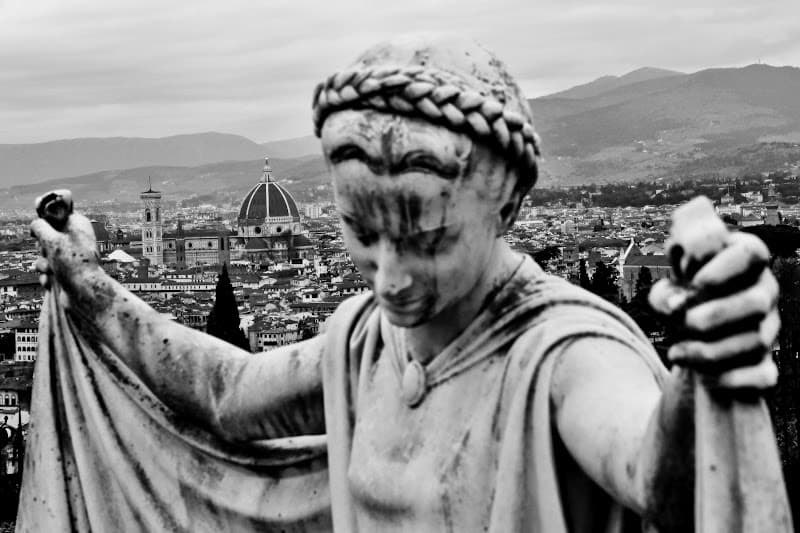
Tombstone of Silvia Marini nei De Rogati
Artist Unknown · After 1947
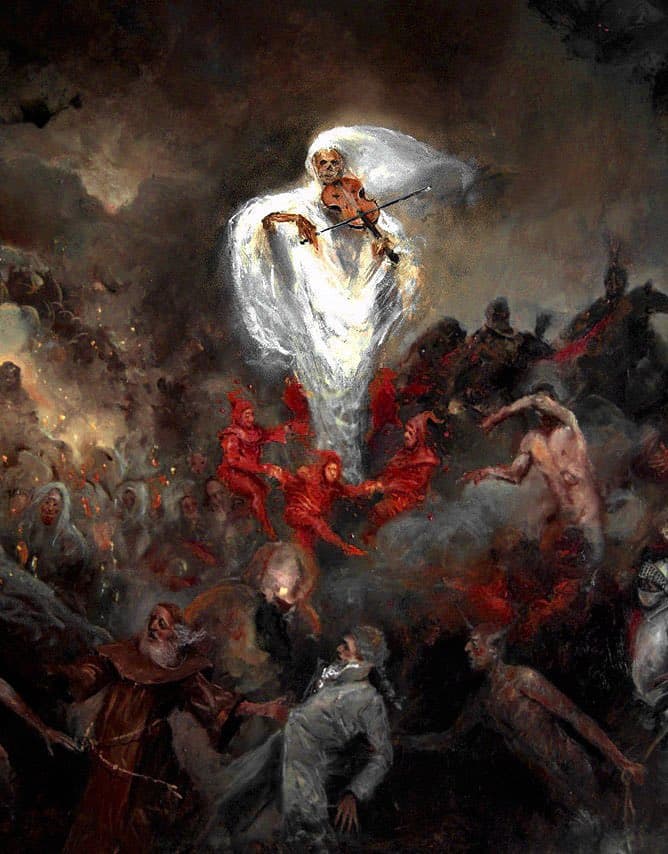
Requiem
Ignacio Trelis
Death as a lesson: the medieval and Renaissance tradition
For most of European history, images of death were meant to change how you lived. After the Black Death of 1347–51, the danse macabre spread across church walls and printed books, showing skeletons leading popes, emperors, merchants and children to the grave in a single line. The message was equality: death takes everyone.
Pieter Bruegel the Elder's The Triumph of Death (c. 1562, Museo del Prado) is the darkest culmination of that tradition. An army of skeletons sweeps across a burned landscape, herding the living into a giant coffin, hanging, drowning and cutting them down. In the corner, a pair of lovers plays music, unaware, while a skeleton accompanies them. Hans Holbein the Younger's The Ambassadors (1533, National Gallery, London) makes the same point quietly: a distorted skull floats across the floor in front of two splendid young men, readable only when you stand to one side of the picture.
Memento mori and vanitas
In the seventeenth century, especially in the Dutch Republic, the reminder became a genre. Vanitas still lifes set skulls beside hourglasses, guttering candles, books, musical instruments and wilting flowers, every object a sign that time is short and possessions worthless. The tradition is covered fully in Memento Mori & Vanitas, and it reappears in unexpected places, such as Van Gogh's student joke of a Skeleton with a Burning Cigarette (1886).
The good death and the heroic death
The eighteenth century turned the deathbed into a stage for virtue. Jacques-Louis David's The Death of Socrates (1787, Metropolitan Museum of Art) shows the philosopher, condemned by Athens, reaching for the cup of hemlock while still teaching, his followers collapsing in grief around him. Socrates is calm because he believes in what he dies for; the painting is an argument about how to die.
Six years later David painted The Death of Marat (1793, Royal Museums of Fine Arts of Belgium, Brussels). The radical journalist Jean-Paul Marat, stabbed in his bath by Charlotte Corday, slumps like Christ taken down from the cross, a quill still in his hand. The upper half of the canvas is almost empty, a rough scumble of brown that makes the room feel like a tomb. It is political propaganda and one of the most moving death paintings ever made. Edvard Munch returned to the subject in his own The Death of Marat (1907), turning it into a bitter scene about a man and a woman.
Death and disaster
Romantic painters chose death on a large scale. Théodore Géricault's The Raft of the Medusa (1818–19, Louvre) shows survivors of a real shipwreck, abandoned by their officers, on a makeshift raft where many died and some resorted to cannibalism. Géricault studied corpses and severed limbs in hospital morgues to get the flesh right. Karl Bryullov's The Last Day of Pompeii (1830–33) restages the eruption of Vesuvius as a grand tragedy, and Goya's The Third of May 1808 gives the faceless firing squad and the man in the white shirt, arms raised, the force of a martyrdom.
Mourning and private grief
Some of the most affecting death images were never meant as public statements. In 1879, Claude Monet sat beside his first wife Camille as she died, aged 32, and found himself painting her face. Camille Monet on Her Deathbed (Musée d'Orsay) is a blur of blue, gray and violet strokes, her features disappearing under a veil and flowers. Monet later told a friend he was horrified to catch himself analyzing the colors of death even in his grief.
John Everett Millais's Ophelia (1851–52, Tate Britain) is the nineteenth century's great image of a beautiful death: Shakespeare's heroine floats singing in a stream, flowers drifting from her hand, moments before she drowns. In sculpture, cemetery monuments like the Kiss of Death in Barcelona's Poblenou cemetery, where a winged skeleton kisses a young man's forehead, made private grief public and permanent.
Symbolism: death as a place
At the end of the nineteenth century, Symbolist painters stopped showing death as an event and started showing it as a place. Arnold Böcklin's Isle of the Dead, which he painted in five versions between 1880 and 1886, shows a small boat carrying a white-draped figure and a coffin toward a rocky island of cypresses and tomb doors. It has no story and no explanation, and it became one of the most reproduced images in Europe; Rachmaninoff wrote a symphonic poem about it.
Hugo Simberg's The Garden of Death (1896) imagines the afterlife as a quiet greenhouse where gentle skeletons in black robes tend the flowers that are human souls. It is the opposite of Bruegel: death as a gardener, not an army.
Violence, war and the twentieth century
Some death paintings are about a single unbearable moment. Ilya Repin's Ivan the Terrible and His Son Ivan (1883–85, Tretyakov Gallery, Moscow) shows the tsar clutching the son he has just struck with his staff, eyes wide with horror, blood running between his fingers. The picture was so disturbing that it was briefly banned, and it has been attacked by vandals twice, in 1913 and in 2018.
The wars of the twentieth century produced new forms of mourning: the anonymous war memorial, the photograph of the dead soldier, the reworked Pietà. Max Ginsburg's War Pietà sets the old Christian image of a mother holding her dead son in a modern war, and contemporary artists such as Nicola Samorì, maker of Lacrimosa, scrape, flay and erode the surfaces of Baroque-style figures so that the work itself seems to decay. Death in art no longer needs a skeleton; it can be carried by an empty room, a damaged surface or a mother's arms.
How to read a death painting
Look first for the point of view. Are you a witness, a mourner, a judge or the next victim? Then look at the light, which often separates the dead from the living or picks out a single wound. Finally, look for symbols: skulls, hourglasses, snuffed candles, cut flowers, cypress trees and the color black usually signal death, while palms, lilies and light from above suggest resurrection.
Questions & answers
What is the most famous painting of death?
Pieter Bruegel the Elder's The Triumph of Death (c. 1562, Prado) and Jacques-Louis David's The Death of Marat (1793, Brussels) are usually named first. Millais's Ophelia, Böcklin's Isle of the Dead and Géricault's The Raft of the Medusa are other famous paintings of death.
What symbols represent death in art?
The most common are the skull and skeleton, the hourglass, a snuffed or guttering candle, cut or wilting flowers, the scythe, cypress trees, black clothing and ravens or crows. In Christian art, palms and lilies can turn death into martyrdom or resurrection.
What is a memento mori painting?
A memento mori, Latin for remember that you must die, is an artwork that reminds viewers of their mortality, usually with a skull or skeleton. The Dutch vanitas still life of the 1600s, with skulls, hourglasses and fading flowers, is the best-known form.
Why did Monet paint his wife on her deathbed?
When Camille Monet died in 1879, Monet painted her face almost instinctively. He later said he was shocked to find himself studying the changing colors of her skin even in grief. The painting, Camille Monet on Her Deathbed, is in the Musée d'Orsay.
What is the Isle of the Dead painting about?
Arnold Böcklin painted five versions of Isle of the Dead between 1880 and 1886. A boat carries a white-robed figure and a coffin toward a rocky island with cypress trees and tombs. Böcklin gave no explanation, calling it a picture for dreaming.