Satan’s Flight Through Chaos
Gustave Doré, 1866
Satan’s Flight Through Chaos is Gustave Doré’s 1866 wood-engraved plate for Paradise Lost, Book II, lines 949–950: Satan, bat wings spread, claws his way up a sheer crag as he crosses the abyss of Chaos “with head, hands, wings, or feet.”
- Artist
- Gustave Doré
- Date
- 1866
- Medium
- Wood engraving
- Movement
- Romanticism
- Themes
- Angels & Demons, Literature & Poetry, Nature & Landscape, The Macabre, Dark Academia
What you are looking at
A huge slab of rock fills the left half of the plate, its face scored and fissured. Clinging to it near the center is Satan, seen from behind and slightly below, arms stretched up over his head to grip the stone, one leg braced on a lower ledge. A pair of enormous bat-like wings opens from his shoulders, half spread for balance, their ribs and membranes catching the light. A sword hangs at his hip and a short cloth is wrapped round his waist; his curly head is turned toward the rock.
Beyond him the world drops away. A chasm opens in the center of the plate, and across it rise needle-like pinnacles and a far range of jagged peaks under a sky of streaming, smoky cloud. There is no ground, no horizon, no sun; light comes from nowhere in particular and slides over the rock in long streaks.
The engraving is dense and textured, the rock rendered in short broken strokes, the sky in long sweeping lines. Doré’s signature is at lower left, and the engraver signed with a flourish at lower right: “A. Gusmand sc.”, the name of the Paris wood engraver Adolphe Gusman.
The lines it illustrates
After Sin unlocks the gates of Hell, Satan stands on the brink and looks into Chaos, “The womb of Nature, and perhaps her grave, / Of neither sea, nor shore, nor air, nor fire, / But all these in their pregnant causes mixed / Confusedly.” He launches, drops ten thousand fathoms when a void opens beneath him, is blown back up by a fiery cloud, and struggles on through bog and rock. Book II, lines 947–950, the plate’s caption:
so eagerly the Fiend O’er bog or steep, through strait, rough, dense, or rare, With head, hands, wings, or feet, pursues his way, And swims, or sinks, or wades, or creeps, or flies.
Milton’s line is a pile-up of verbs, an image of effort with every faculty at once. Doré picks the most physical of them: Satan is climbing, using hands and feet, with his wings as a counterweight.
How Doré staged it
Chaos is almost unpicturable, a place without form, and Doré solves it by borrowing from mountain scenery. His Chaos is a landscape of impossible steepness, the kind of crag and gorge he had drawn on his travels in the Pyrenees and the Alps, with the scale pushed past anything on earth. It is the one plate in the Satan sequence that reads as a landscape with a figure.
It also marks a change in Satan’s body. In the first plate of the book the fallen angels still have feathered wings; here, alone in the abyss, Satan has the membranous bat wings he wears in most of the plates that follow. The change follows the logic of the poem: the farther Satan travels from Heaven, the less he resembles what he was.
The nearest relative of the plate is Doré’s Inferno, where Dante and Virgil climb the stone ribs of Hell, but here the climber is alone and in a hurry, and he is going up, not down.
How it was made and published
Doré drew the design on a boxwood block and Gusman cut it, rendering the rock in short, broken strokes and the sky in long sweeping lines. It is the ninth of the fifty plates in Milton’s Paradise Lost, published by Cassell, Petter & Galpin in London and New York in 1866. The scan shown here is from a later American reprint by J. W. Lovell of New York, softer in tone than a first-edition impression.
In the sequence it follows Satan, Sin and Death at the Gates of Hell and leads, a few plates on, to Satan reaching the created universe in Satan Approaching the Confines of the Earth. For the full set see Doré’s Paradise Lost illustrations.
What the plate means
The crossing of Chaos is Satan’s epic voyage, Milton’s answer to the wanderings of Odysseus and Aeneas, and the moment when readers have most often found him heroic. He goes alone where no one else in Hell would go, and he endures. Doré honors that: the figure is athletic, determined, beautiful in the way of a classical nude.
But the image also makes him small and clinging, a creature on a cliff face with nowhere to fall but down. The wings that should let him fly are being used to keep from falling. It is the Romantic sublime turned into theology, the vastness that dwarfs the self here dwarfing a rebel against God. Compare the wanderer gazing over a sea of mist in Caspar David Friedrich’s Wanderer above the Sea of Fog, a free man in control of his view; Doré’s Satan has no view, only the next handhold.
For the larger story of the fallen archangel in art see Fallen Angels in Art. Gustave Doré makes the journey look like what Milton says it is: hard labor.
Questions & answers
What does Doré’s Satan’s Flight Through Chaos show?
Satan, seen from behind with huge bat-like wings half spread, clinging to the face of a sheer crag with both arms raised, a sword at his hip. Beyond him a chasm opens onto jagged pinnacles and a far range of peaks under streaming, smoky cloud.
Which lines of Paradise Lost does it illustrate?
Book II, lines 949–950, Satan’s crossing of Chaos after leaving Hell: “With head, hands, wings, or feet, pursues his way, / And swims, or sinks, or wades, or creeps, or flies.” Doré shows the climbing, the most physical of Milton’s verbs.
When was the plate made and published?
It was published in 1866 in Milton’s Paradise Lost, issued in London and New York by Cassell, Petter & Galpin with fifty full-page plates by Doré. It is the ninth plate, near the end of Book II.
Who engraved Satan’s Flight Through Chaos?
Doré drew the design on the woodblock and Adolphe Gusman cut it; the plate is signed “A. Gusmand sc.” at lower right, with Doré’s signature at lower left. The rock is cut in short, broken strokes, the sky in long sweeping lines.
What is Chaos in Paradise Lost?
The formless abyss between Hell and the created universe, “The womb of Nature, and perhaps her grave,” where the elements are mixed and at war. Satan must cross it to reach the world and mankind. Doré pictures it as an impossibly steep mountain wilderness.
More by Gustave Doré
All works →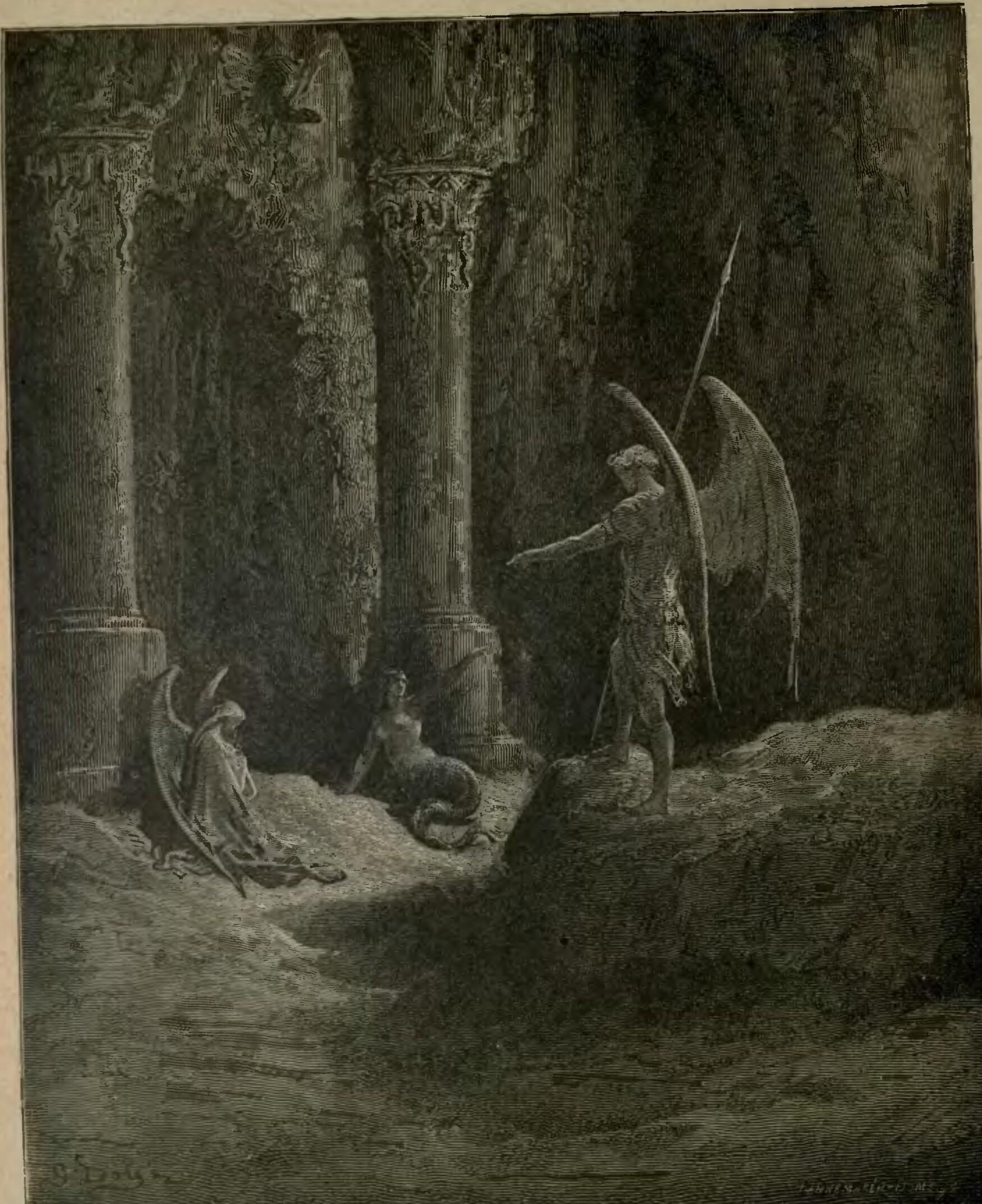
Satan, Sin and Death at the Gates of Hell
Gustave Doré · 1866
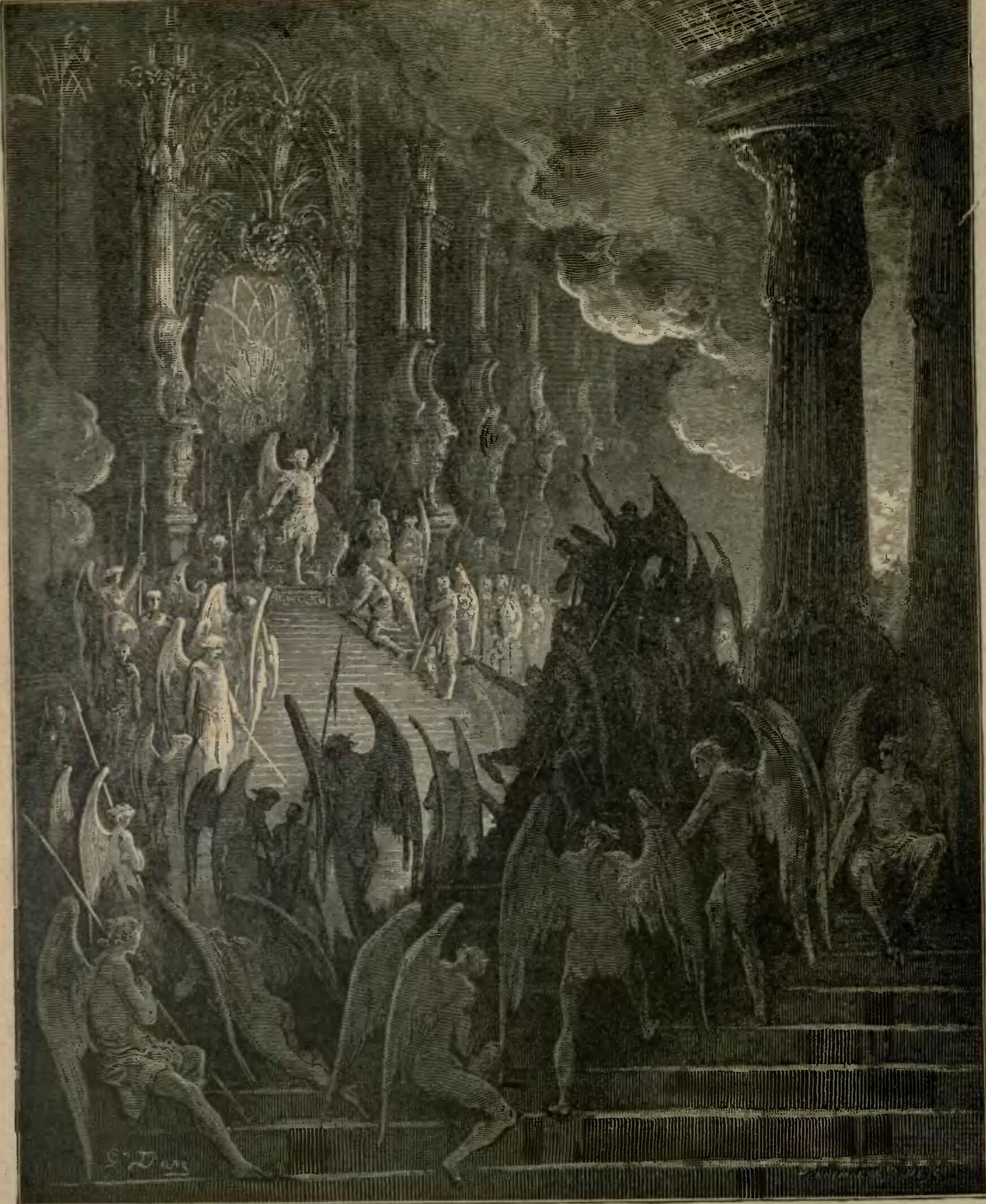
Satan in Council
Gustave Doré · 1866
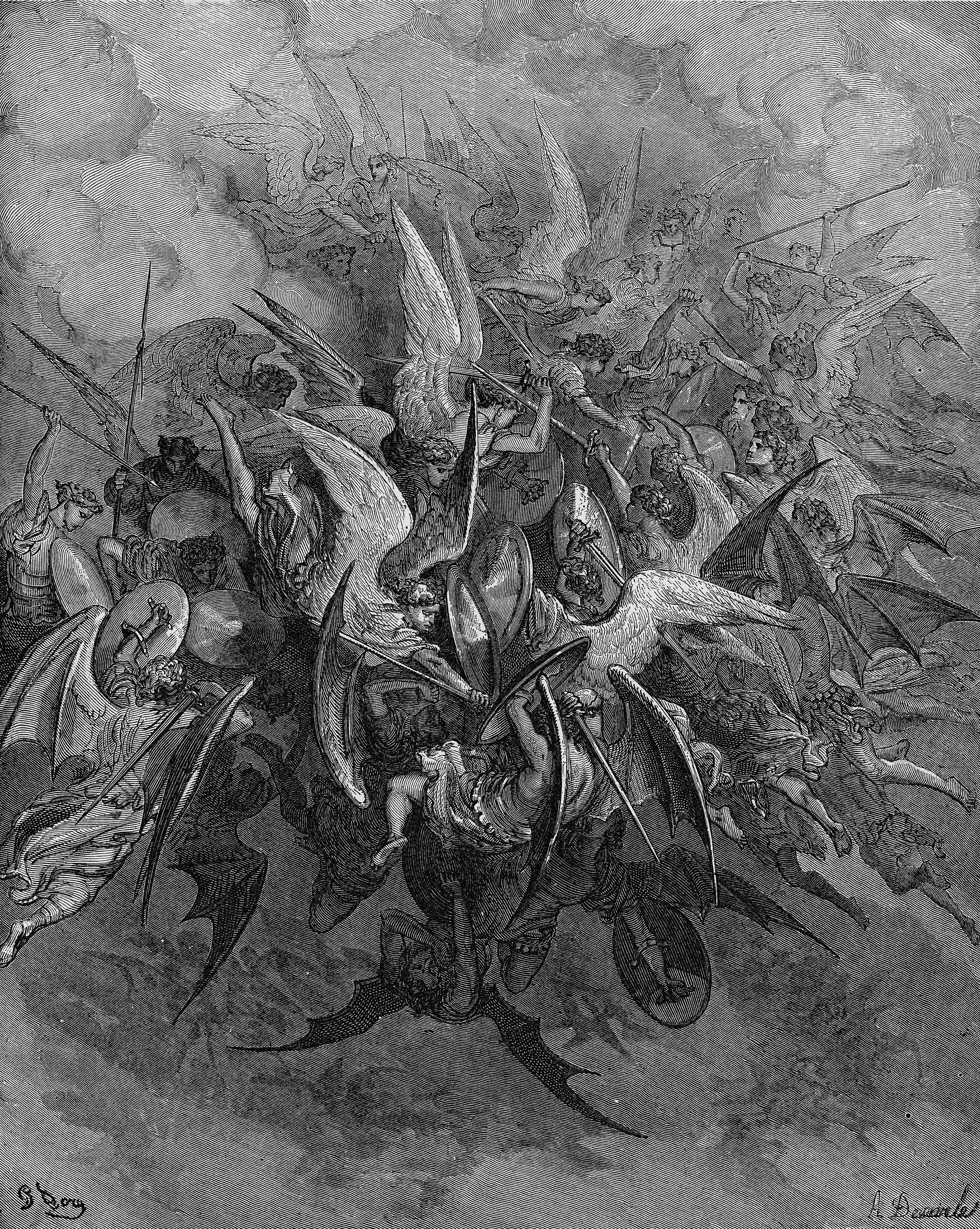
The War in Heaven
Gustave Doré · 1866
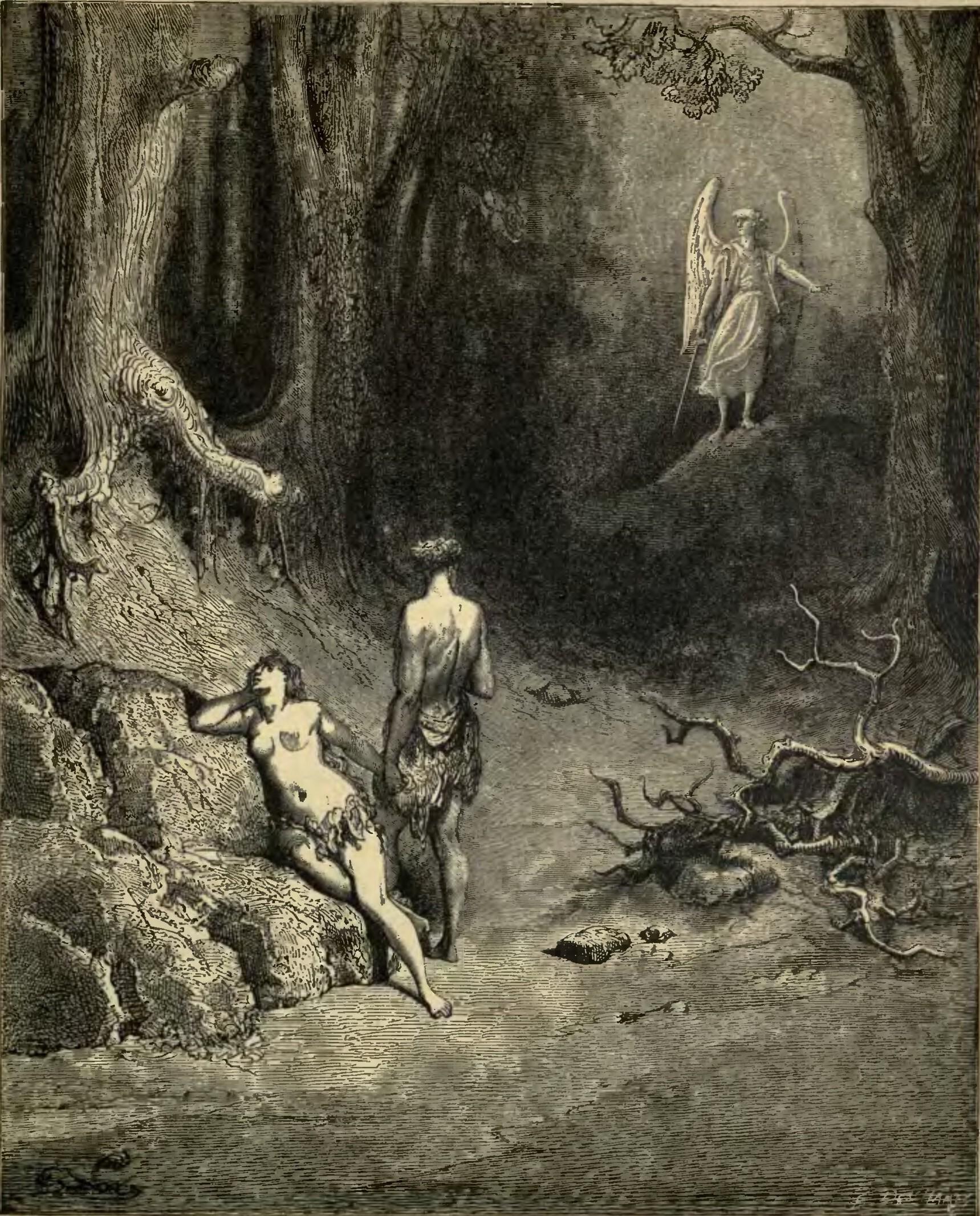
Adam and Eve Expelled from Paradise
Gustave Doré · 1866
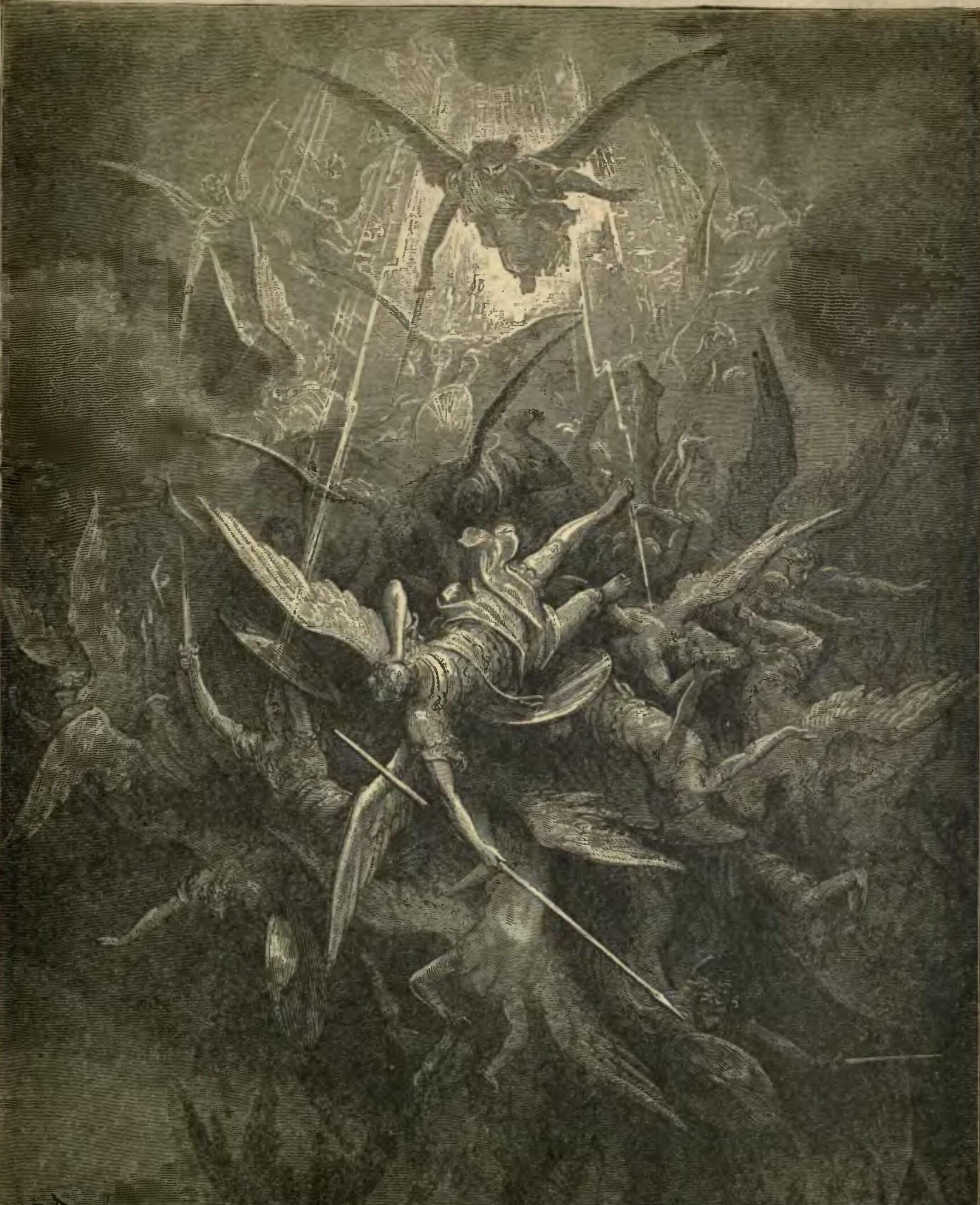
Satan Cast Out of Heaven
Gustave Doré · 1866
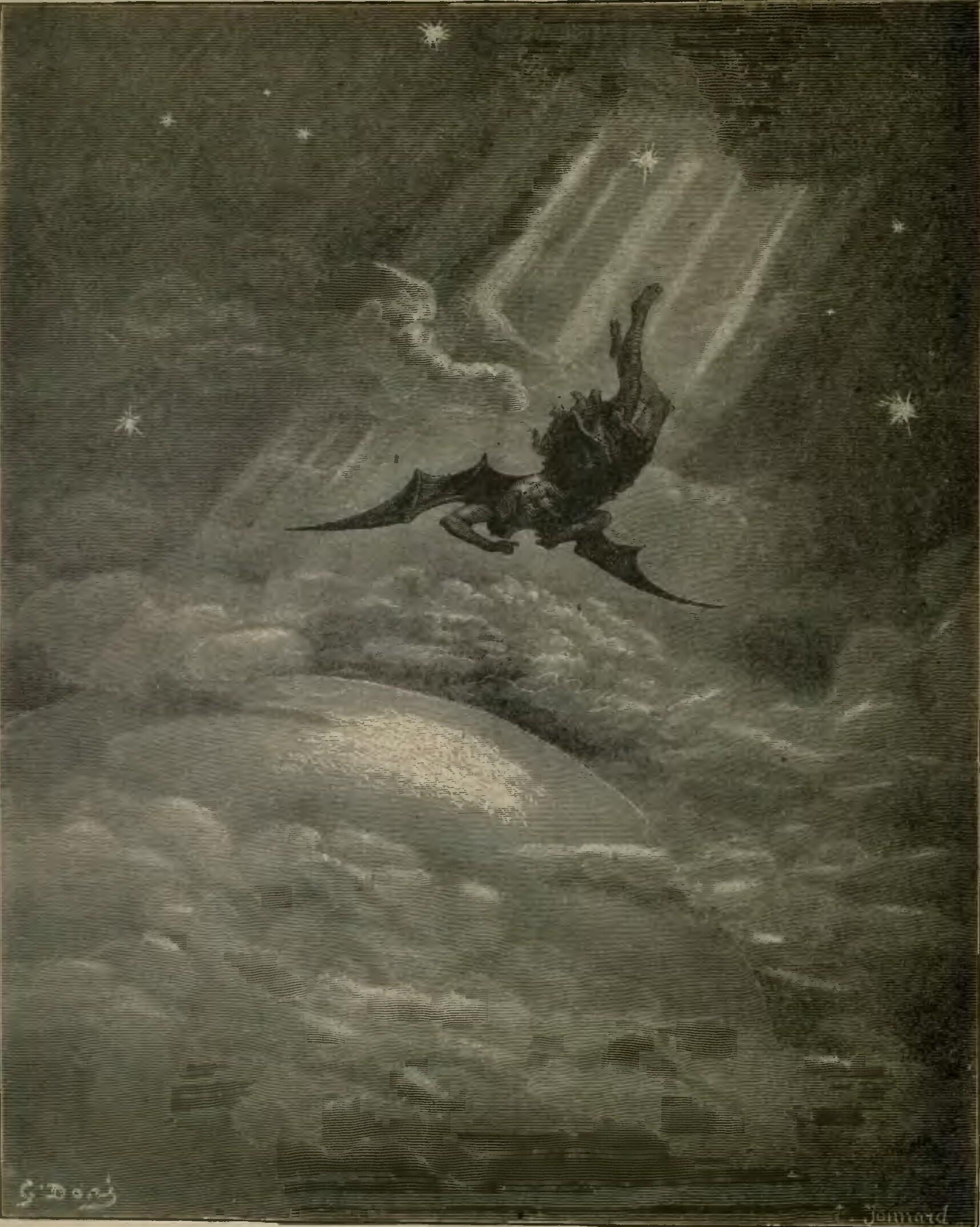
Satan Approaching the Confines of the Earth
Gustave Doré · 1866
The Destruction of Leviathan
Gustave Doré · 1866
The Death of Abel
Gustave Doré · 1866
Also from 1866
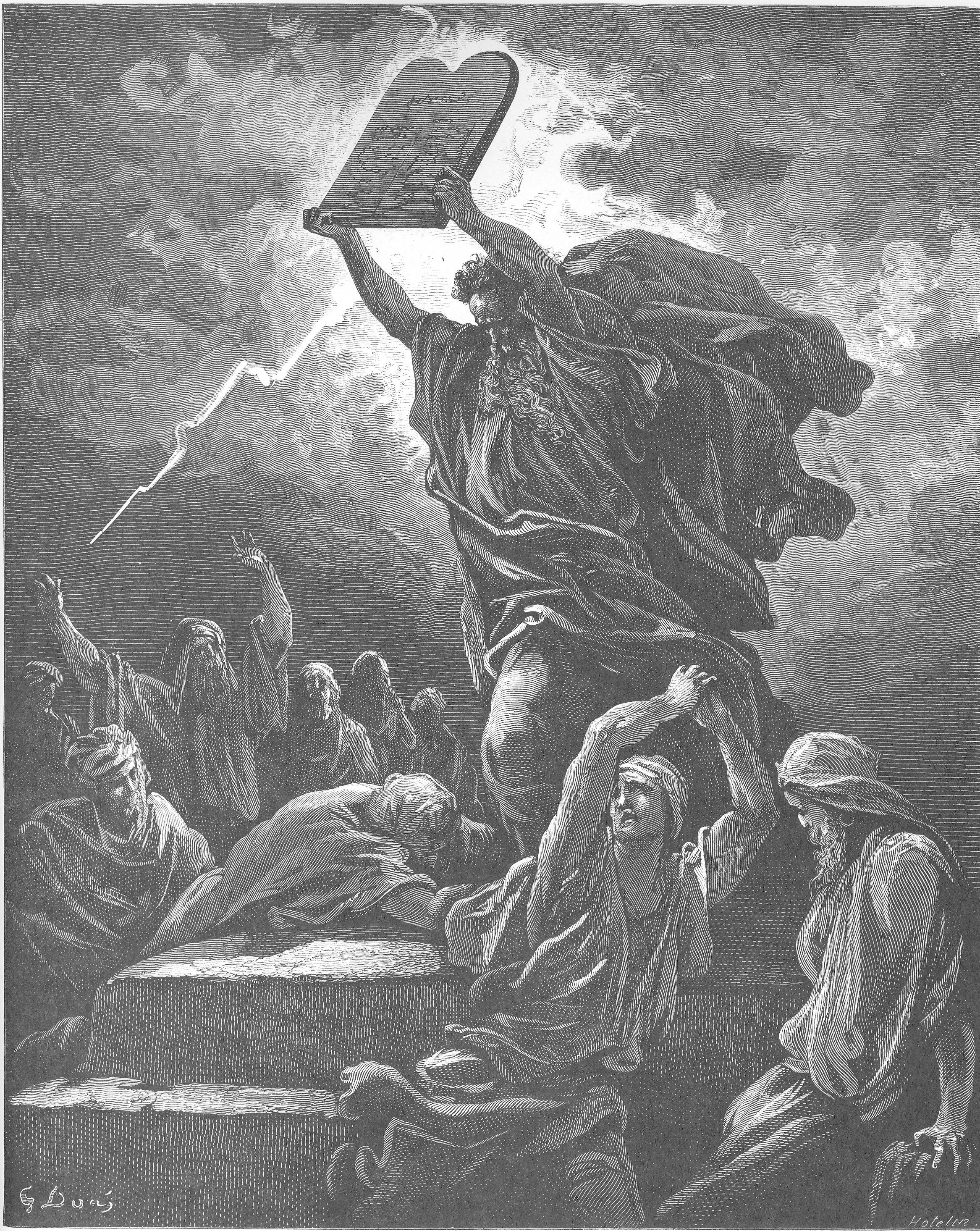
Moses Breaking the Tables of the Law
Gustave Doré · 1866
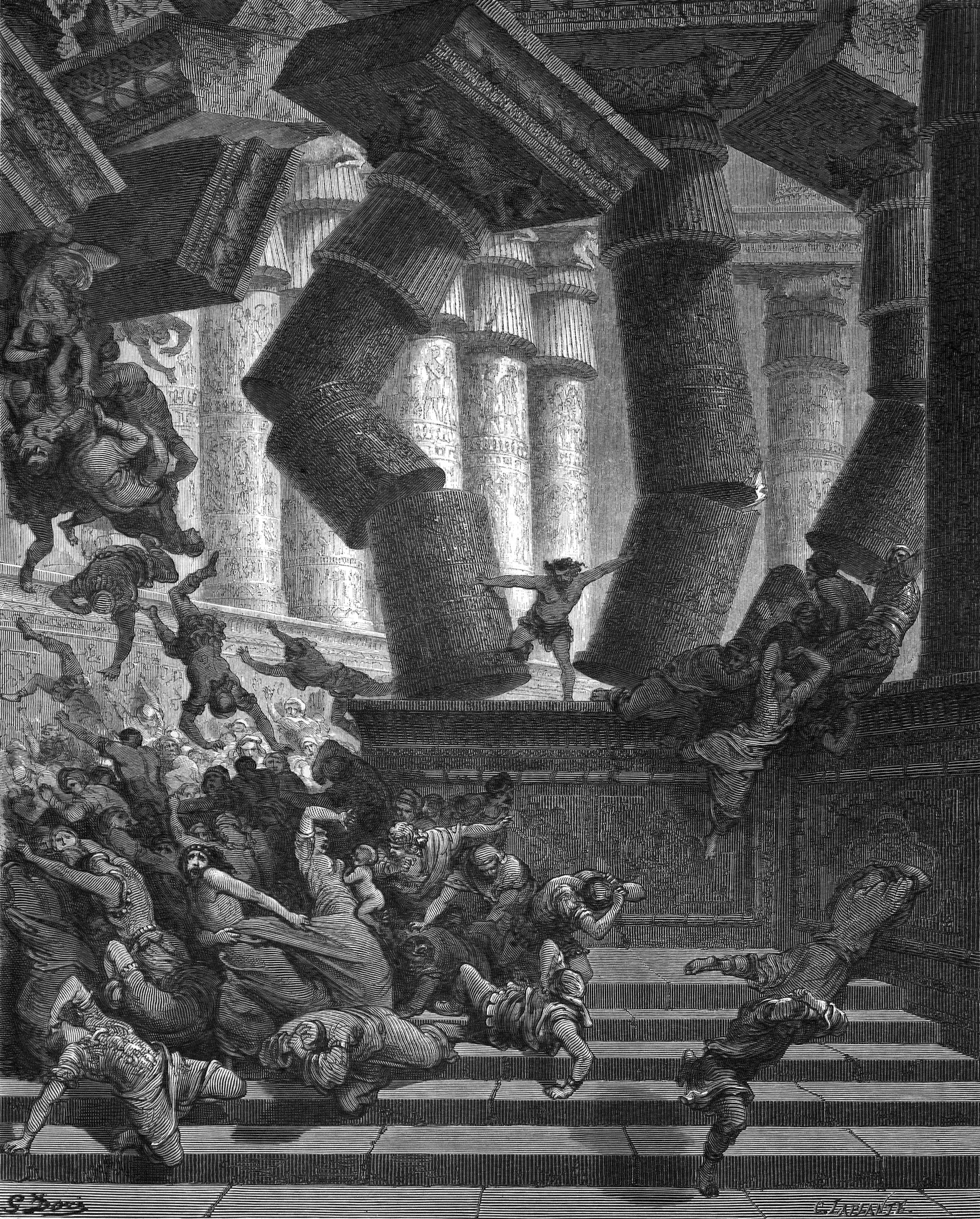
Samson Destroying the Temple
Gustave Doré · 1866
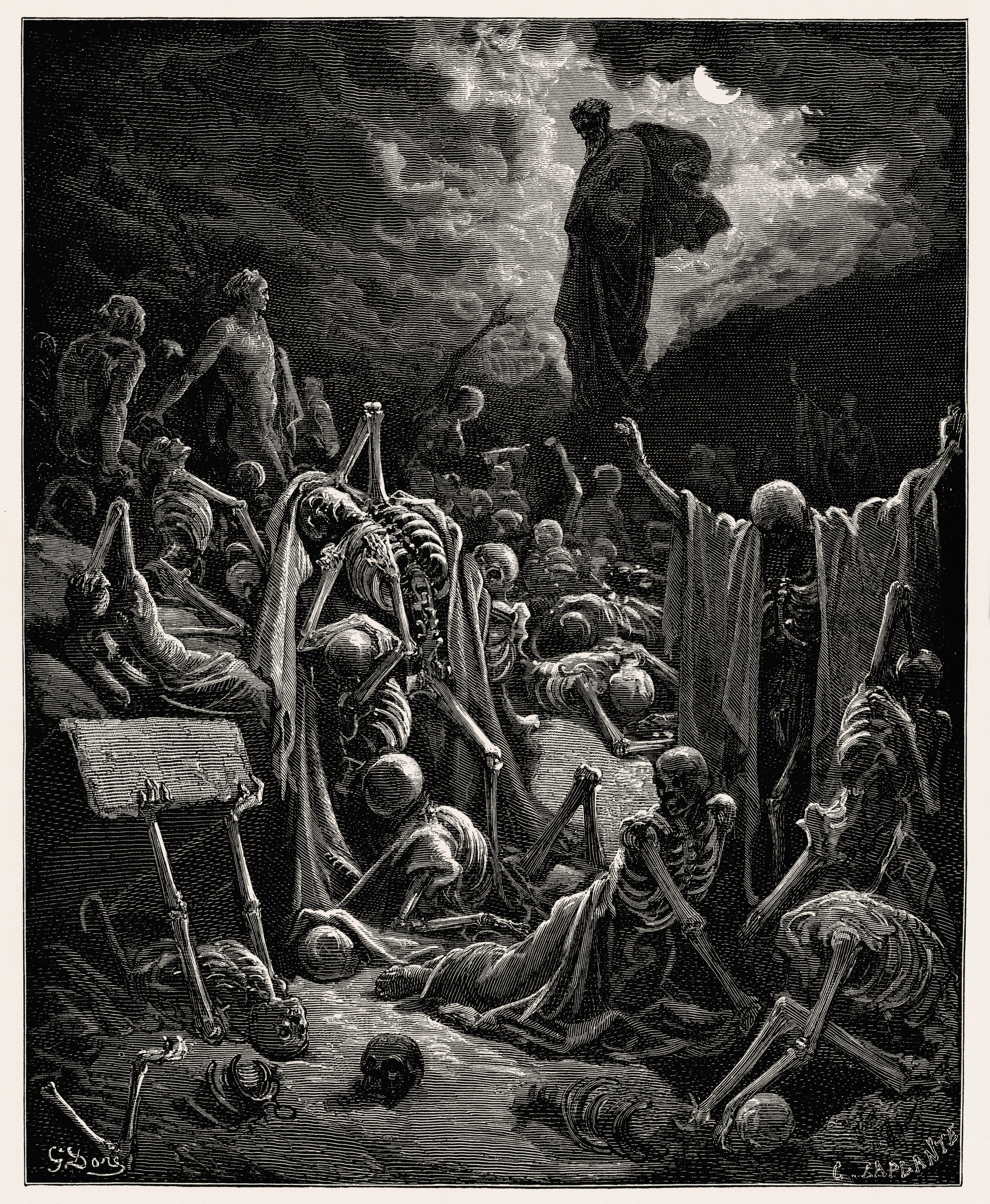
The Vision of the Valley of Dry Bones
Gustave Doré · 1866
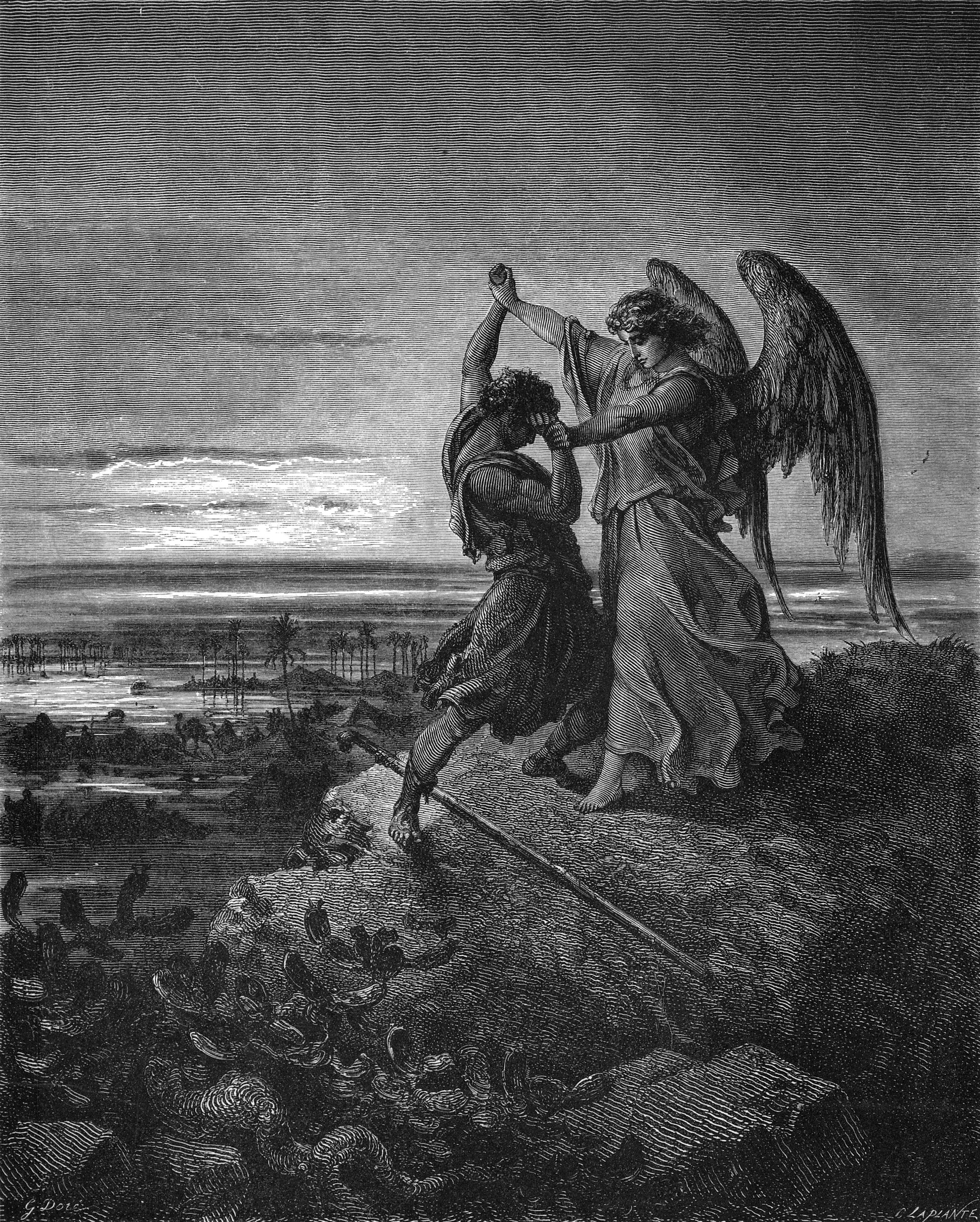
Jacob Wrestling with the Angel
Gustave Doré · 1866
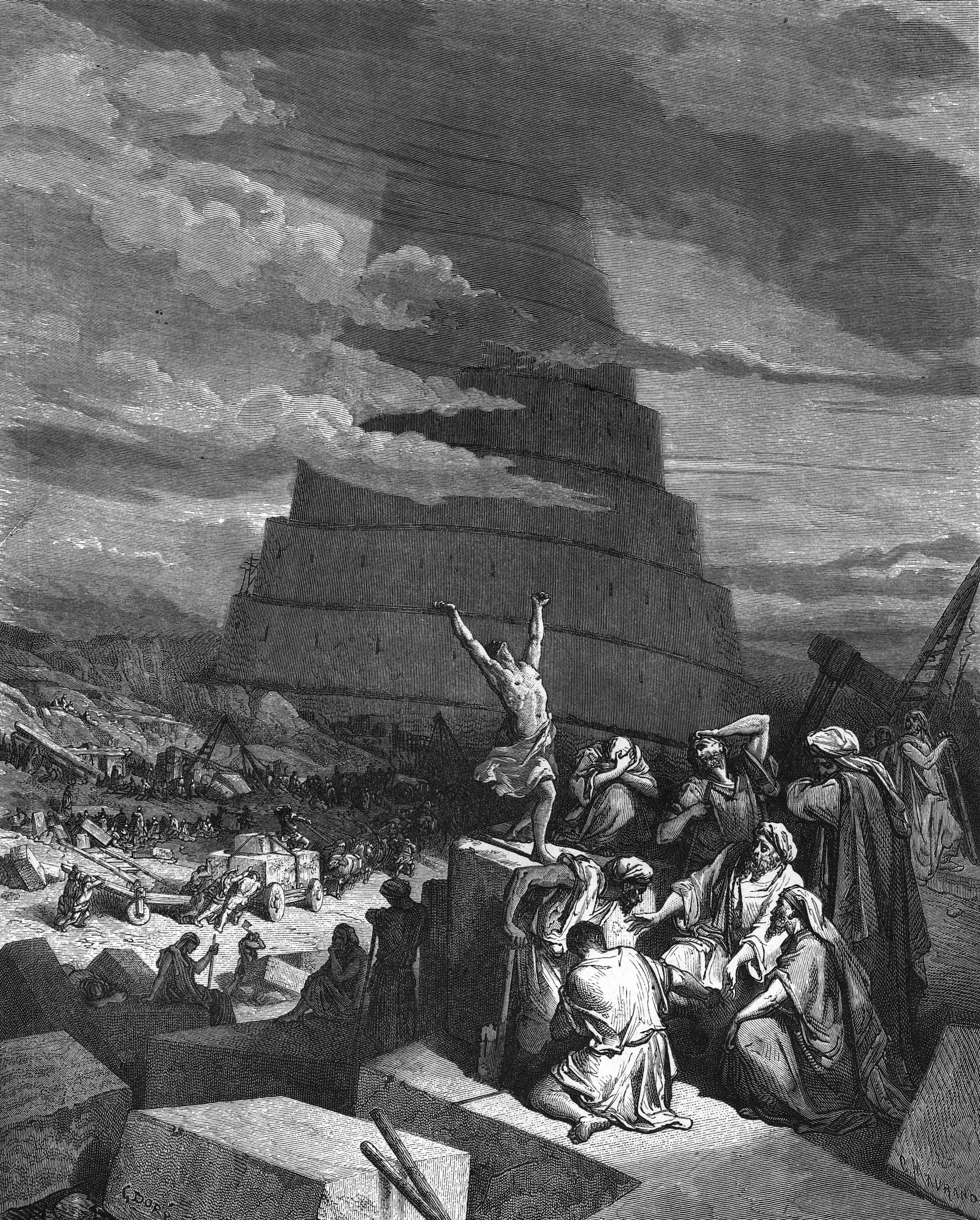
The Confusion of Tongues
Gustave Doré · 1866
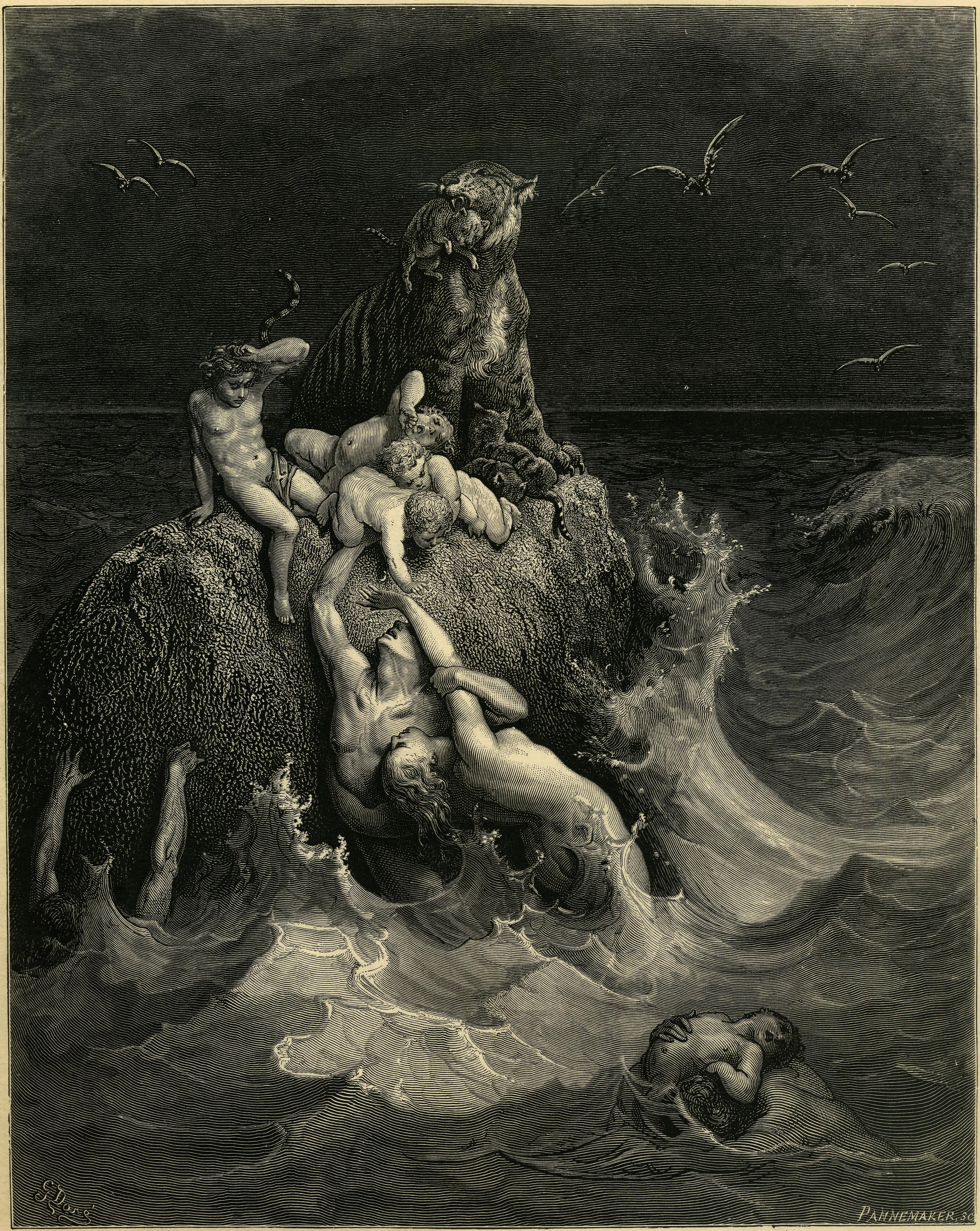
The Deluge
Gustave Doré · 1866
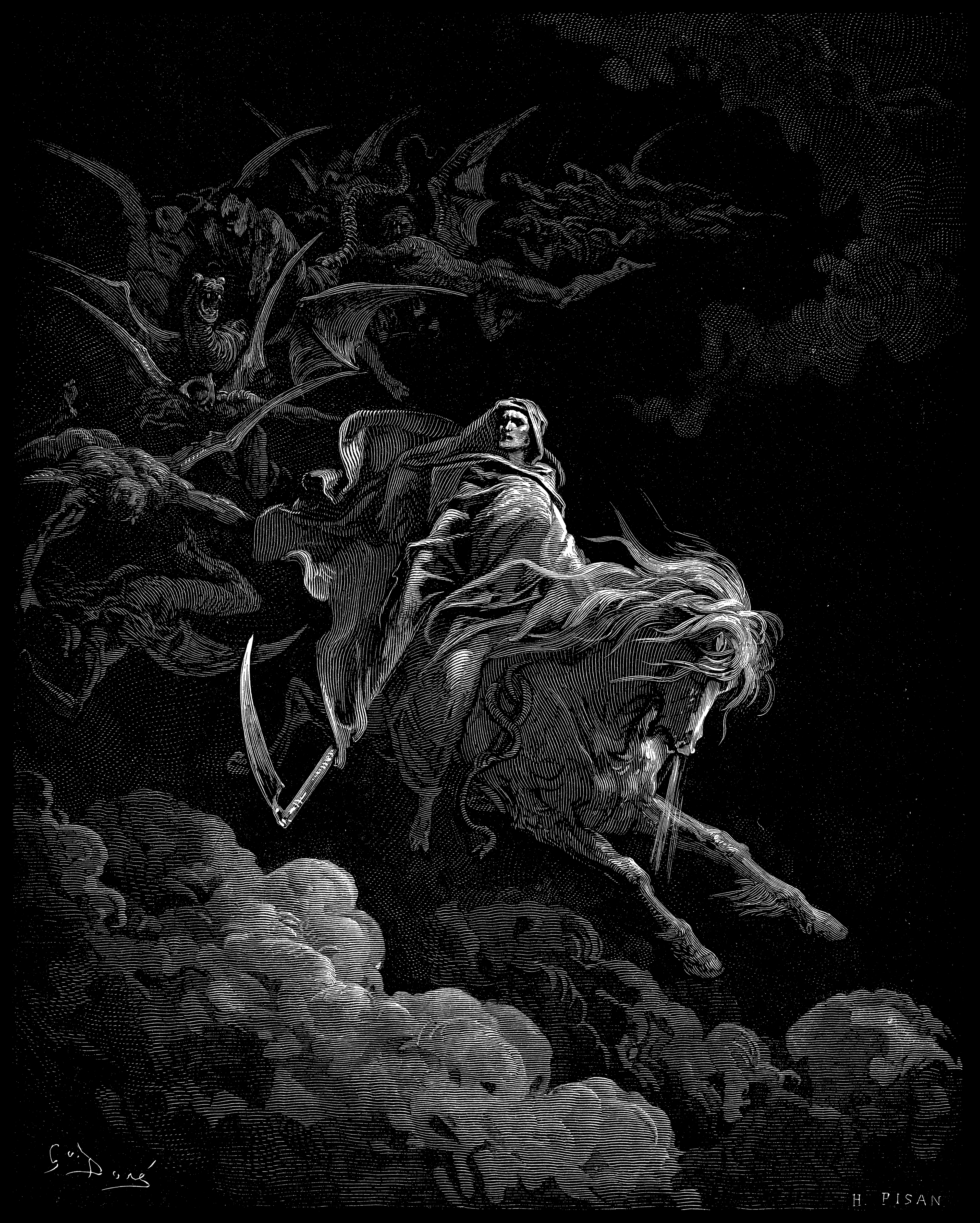
Death on the Pale Horse
Gustave Doré · 1866
Related works
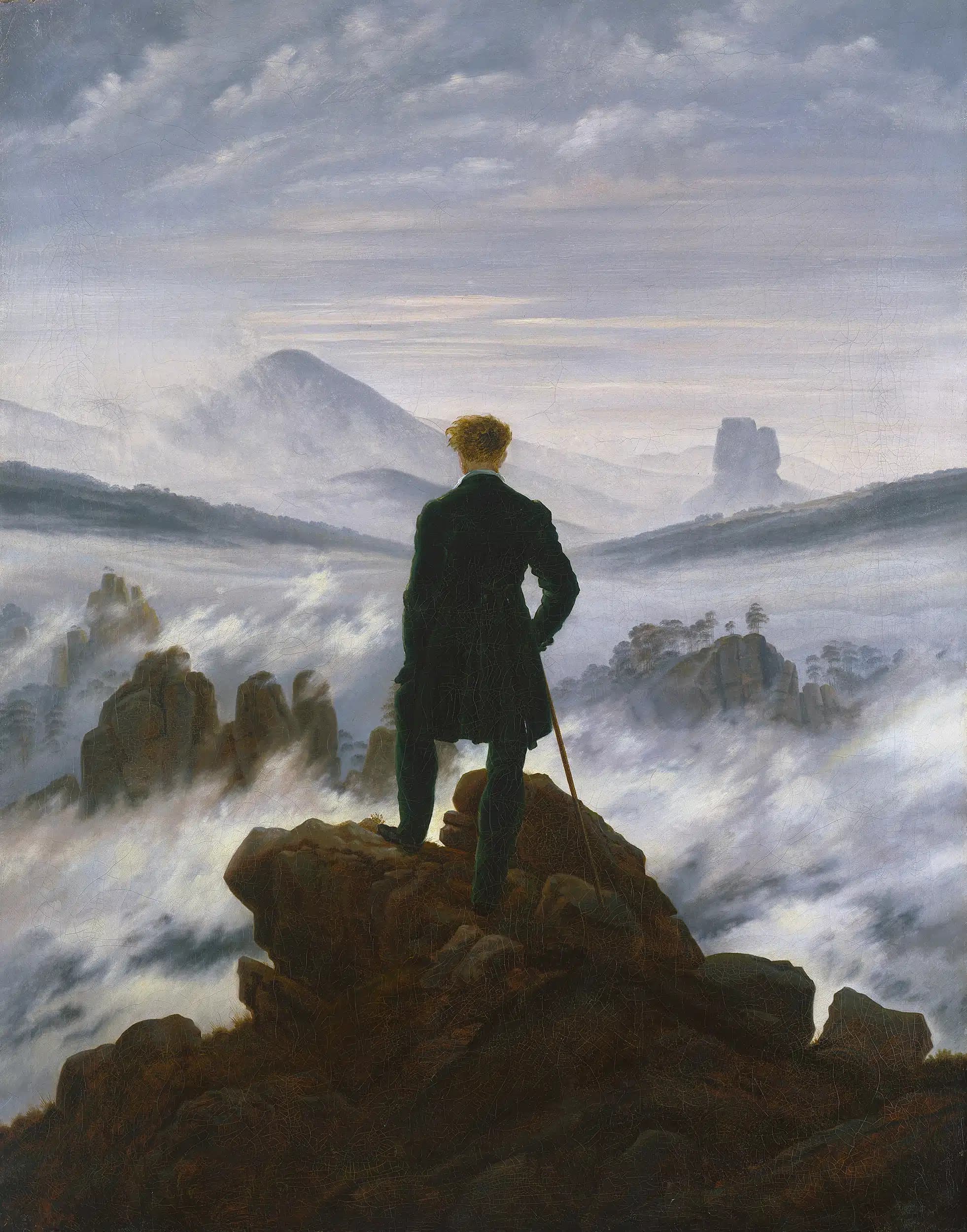
Wanderer above the Sea of Fog
Caspar David Friedrich · c. 1817
Lucifer, King of Hell
Gustave Doré · 1861
Cerberus
Gustave Doré · 1861
Geryon
Gustave Doré · 1861
The Furies at the Gates of Dis
Gustave Doré · 1861
The Malebranche Demons
Gustave Doré · 1861
The Wood of the Suicides
Gustave Doré · 1861
Witches' Sabbath (The Great He-Goat)
Francisco Goya · c. 1819–1823