The War in Heaven
Gustave Doré, 1866
The War in Heaven is Gustave Doré’s 1866 wood-engraved plate for Paradise Lost, Book VI, line 207, “Now storming fury rose”: loyal angels with feathered wings and rebels with bat wings collide in a single knot of shields, spears and bodies.
- Artist
- Gustave Doré
- Date
- 1866
- Medium
- Wood engraving
- Movement
- Romanticism
- Themes
- Angels & Demons, War & Violence, Literature & Poetry, Religion & Saints, Dark Academia
What you are looking at
The plate is one mass of struggling bodies, packed so tightly that it is hard at first to tell where one figure ends. Gradually it sorts itself out into two kinds of wing. The loyal angels have long, pale, feathered wings that sweep upward; the rebels have dark, ribbed, pointed wings like a bat’s, their tips curved into hooks. The two kinds are locked together across the center of the picture.
Everywhere there are weapons: spears raised at the left, swords swung overhead, round shields held up as bucklers, one shield edge-on like a blade. Faces show in profile, in shadow, turned upward in effort. Near the bottom center a rebel is being forced down head-first, his bat wings splayed on either side, and below him the knot of figures thins into a gray, empty haze. Above, the upper third of the plate is filled with clouds and with more angels, faint and ghostly, pouring in to join the fight.
The engraving is a showpiece of the wood engraver’s craft. The whole background is cut in fine, flowing parallel lines that curve like the grain of wood or the flow of wind, and the figures are built up against it in denser, darker cutting. Doré signed at lower left; the engraver, A. Demarle, signed at lower right.
The lines it illustrates
Book VI of Paradise Lost is the archangel Raphael’s account to Adam of the rebellion in Heaven. Satan’s army has marched north, and the loyal seraph Abdiel has struck the first blow, felling Satan to one knee. Michael sounds the trumpet and the two hosts meet. Lines 206–214:
Nor stood at gaze The adverse legions, nor less hideous joined The horrid shock. Now storming fury rose, And clamour such as heard in Heaven till now Was never; arms on armour clashing brayed Horrible discord, and the madding wheels Of brazen chariots raged; dire was the noise Of conflict; over head the dismal hiss Of fiery darts in flaming vollies flew
The battle lasts three days. The rebels invent gunpowder and cannon on the second; the loyal angels tear up mountains and hurl them; on the third the Son drives the rebels to the edge of Heaven alone.
How Doré staged it
Milton’s description is almost all sound, the clash, the bray, the hiss, the noise. Doré has to turn noise into line, and he does it with sheer density: there is no space in the middle of the plate that is not filled with a limb, a wing or a weapon.
He also leaves out what would be hard to read. There are no chariots and no fiery darts, though Milton names both; instead Doré concentrates on the hand-to-hand fight. The most important invention is the contrast of wings. In Milton the rebels have not yet changed shape at this point in the story; they are still angels, and their degradation comes after the fall. Doré gives them bat wings already, so the viewer can follow the battle at a glance and see the outcome written into their bodies.
How it was made and published
Doré drew the design on a boxwood block and the engraver Demarle cut it. It is the twenty-fourth of the fifty plates in Milton’s Paradise Lost, published by Cassell, Petter & Galpin in London and New York in 1866, at the height of Doré’s fame as an illustrator. The image here is a clean scan of the plate from the University of Adelaide’s digital edition of the poem.
The battle plates of Book VI follow Abdiel’s blow to Satan and lead to the rebels’ rout, the moment shown at the start of the book in Satan Cast Out of Heaven. For the full set see Doré’s Paradise Lost illustrations.
What the plate means
The War in Heaven is among the earliest events in Paradise Lost’s chronology, drawn from the brief mention in Revelation 12:7, “And there was war in heaven: Michael and his angels fought against the dragon.” Milton turned that verse into an epic battle; Doré turned it into an image of total confusion, where good and evil are physically entangled and the only way to tell them apart is the shape of their wings.
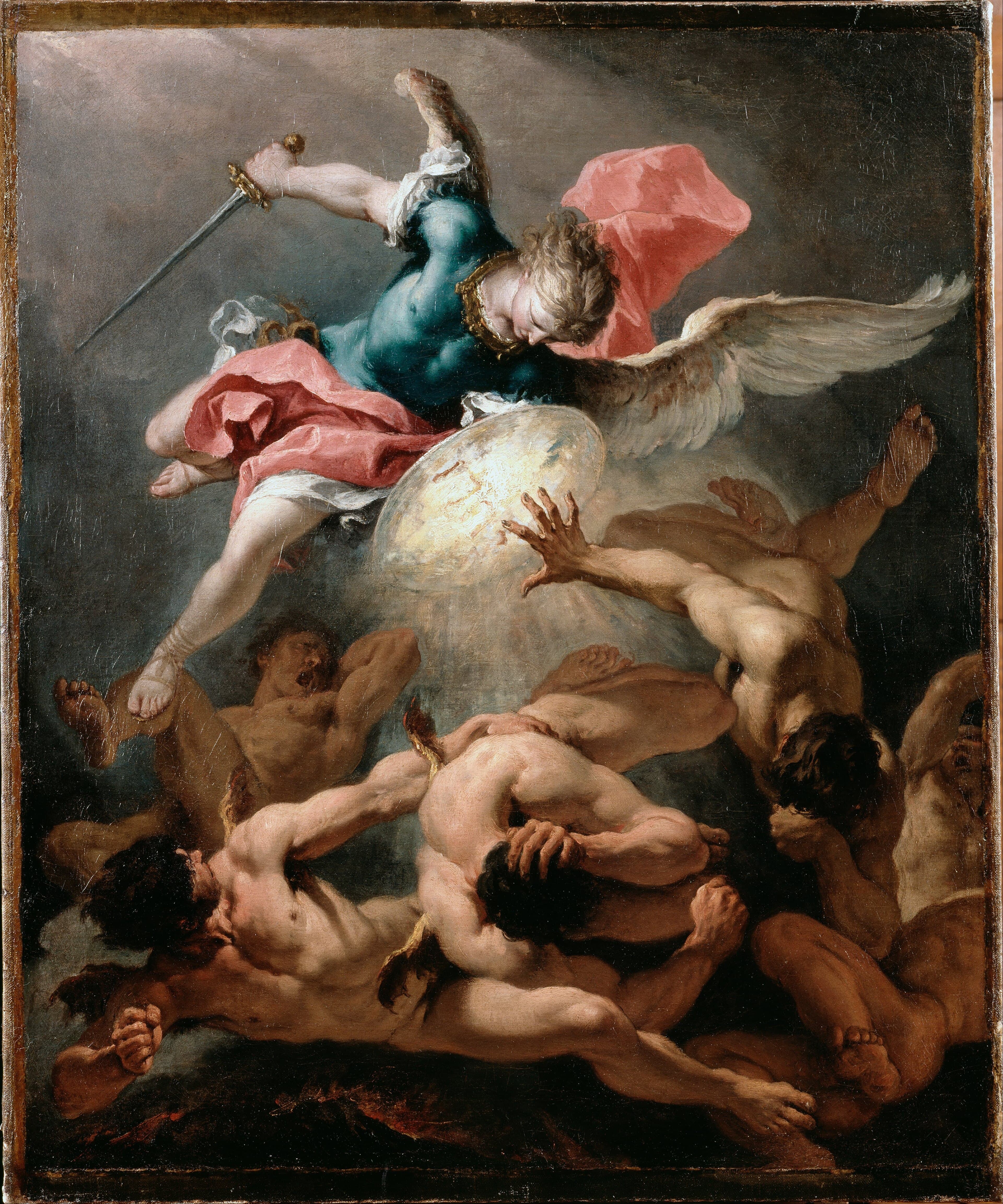
That makes the plate a close relative of the great Last Judgment and fall-of-the-angels pictures of earlier centuries, where bodies tumble in masses, such as Sebastiano Ricci’s The Fall of the Rebel Angels. For more on the subject see Fallen Angels in Art. Elsewhere in the sequence Satan is shown alone, as in Satan’s Flight Through Chaos; here he is lost in the crowd. Gustave Doré shows the war at the moment when it could still have gone either way.
Questions & answers
What does Doré’s War in Heaven show?
A dense tangle of angels in battle. Loyal angels with long feathered wings and rebels with dark, hooked bat wings fight hand to hand with spears, swords and round shields; a rebel is forced down head-first at the bottom center, and more angels stream in through the clouds above.
Which lines of Paradise Lost does it illustrate?
Book VI, lines 207–209, the first clash of the two armies: “Now storming fury rose, / And clamour such as heard in Heaven till now / Was never; arms on armour clashing brayed / Horrible discord.” The battle goes on for three days.
When was the plate made and published?
It appeared in Milton’s Paradise Lost, published by Cassell, Petter & Galpin in London and New York in 1866 with fifty full-page plates by Doré. The War in Heaven is the twenty-fourth plate, in Book VI.
Who engraved Doré’s War in Heaven?
Doré drew the composition directly on a boxwood block and the engraver A. Demarle cut it; his signature is at lower right, with Doré’s at lower left. The background is cut in fine, flowing parallel lines that make the whole sky seem to move.
Why do the rebel angels have bat wings?
It is Doré’s visual shorthand. In Milton the rebels are still angels during the war in Heaven; Doré gives them dark, hooked bat wings so the two sides can be told apart at a glance and their coming fall is already written into their bodies.
More by Gustave Doré
All works →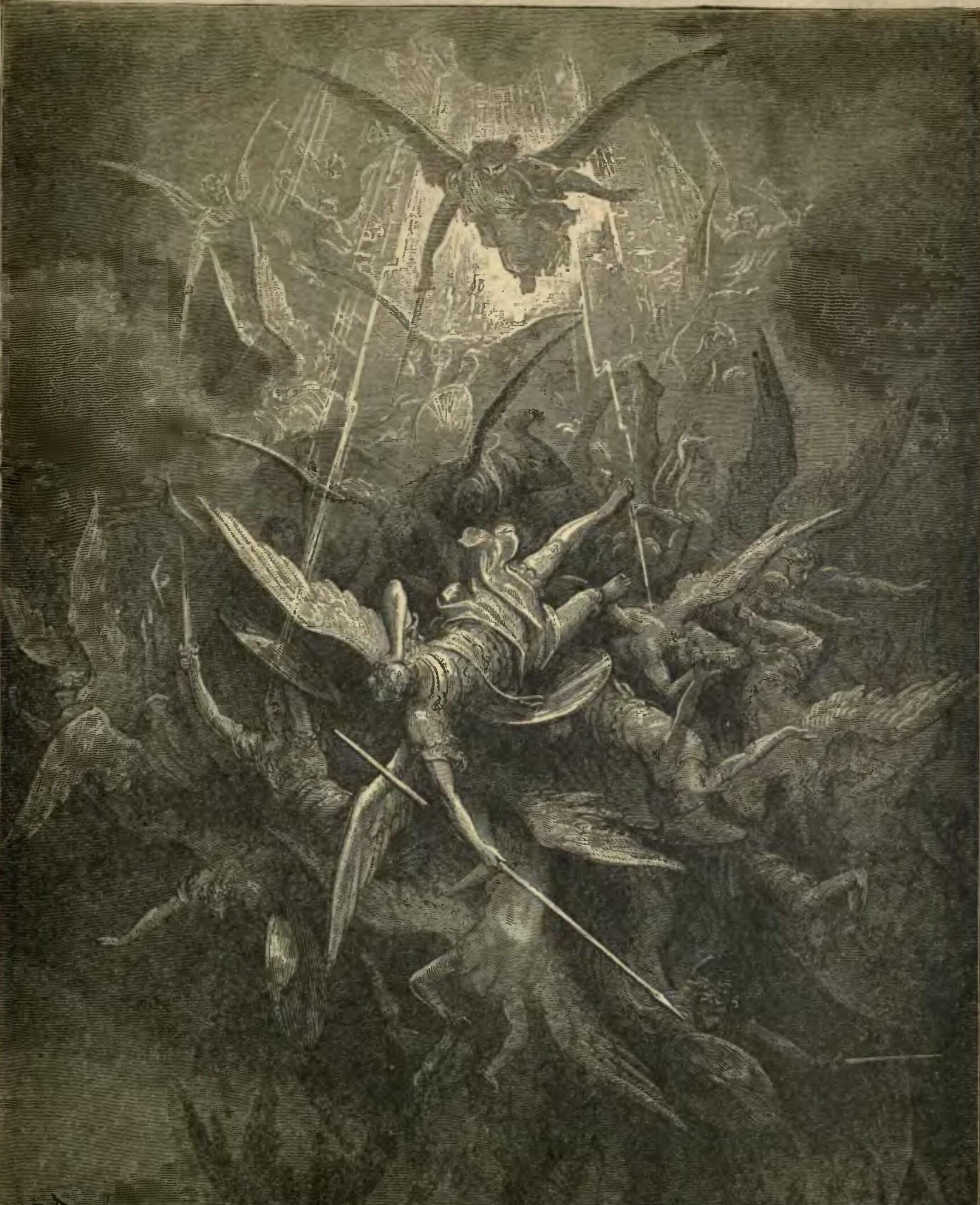
Satan Cast Out of Heaven
Gustave Doré · 1866
Satan in Council
Gustave Doré · 1866
Lucifer, King of Hell
Gustave Doré · 1861
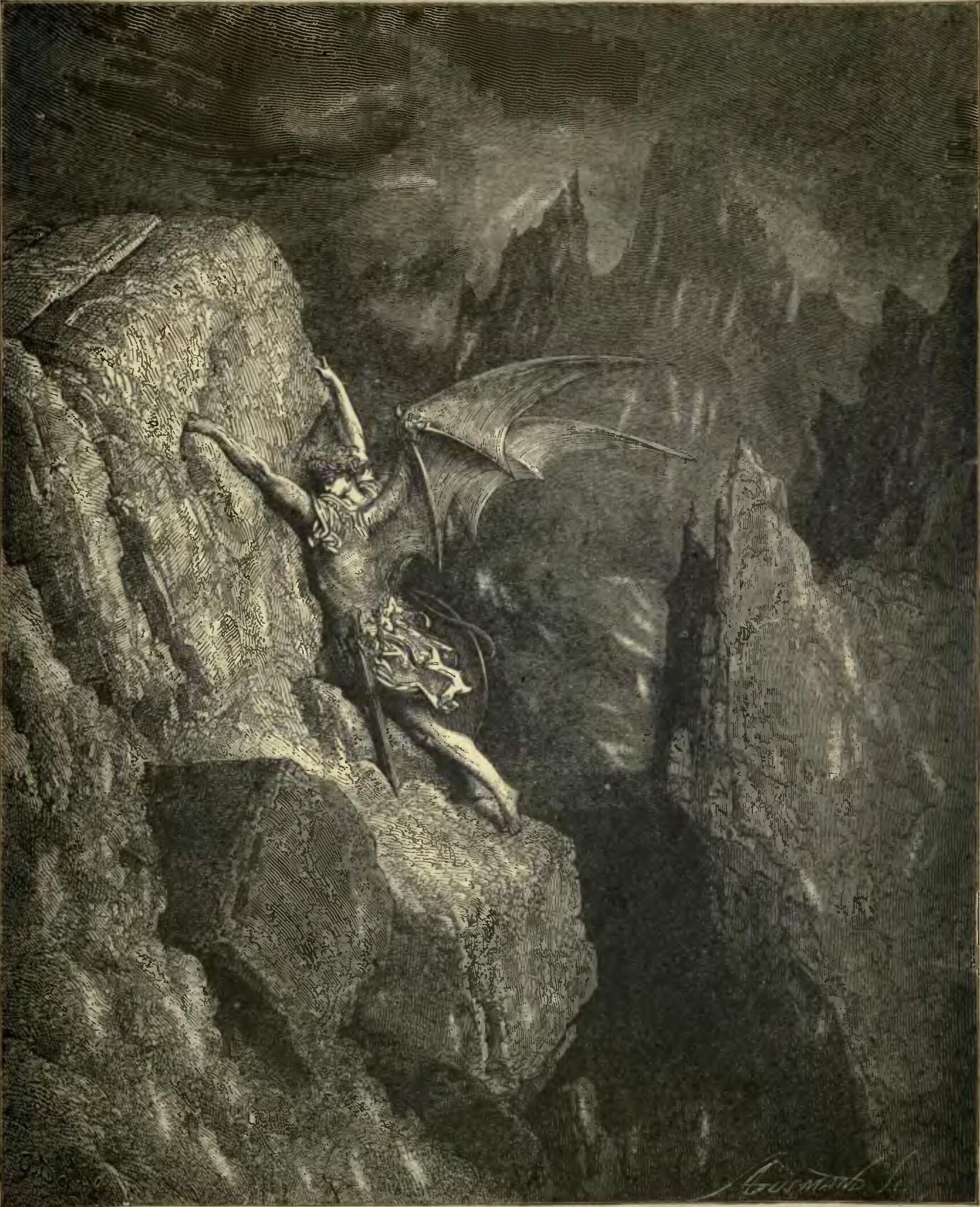
Satan’s Flight Through Chaos
Gustave Doré · 1866
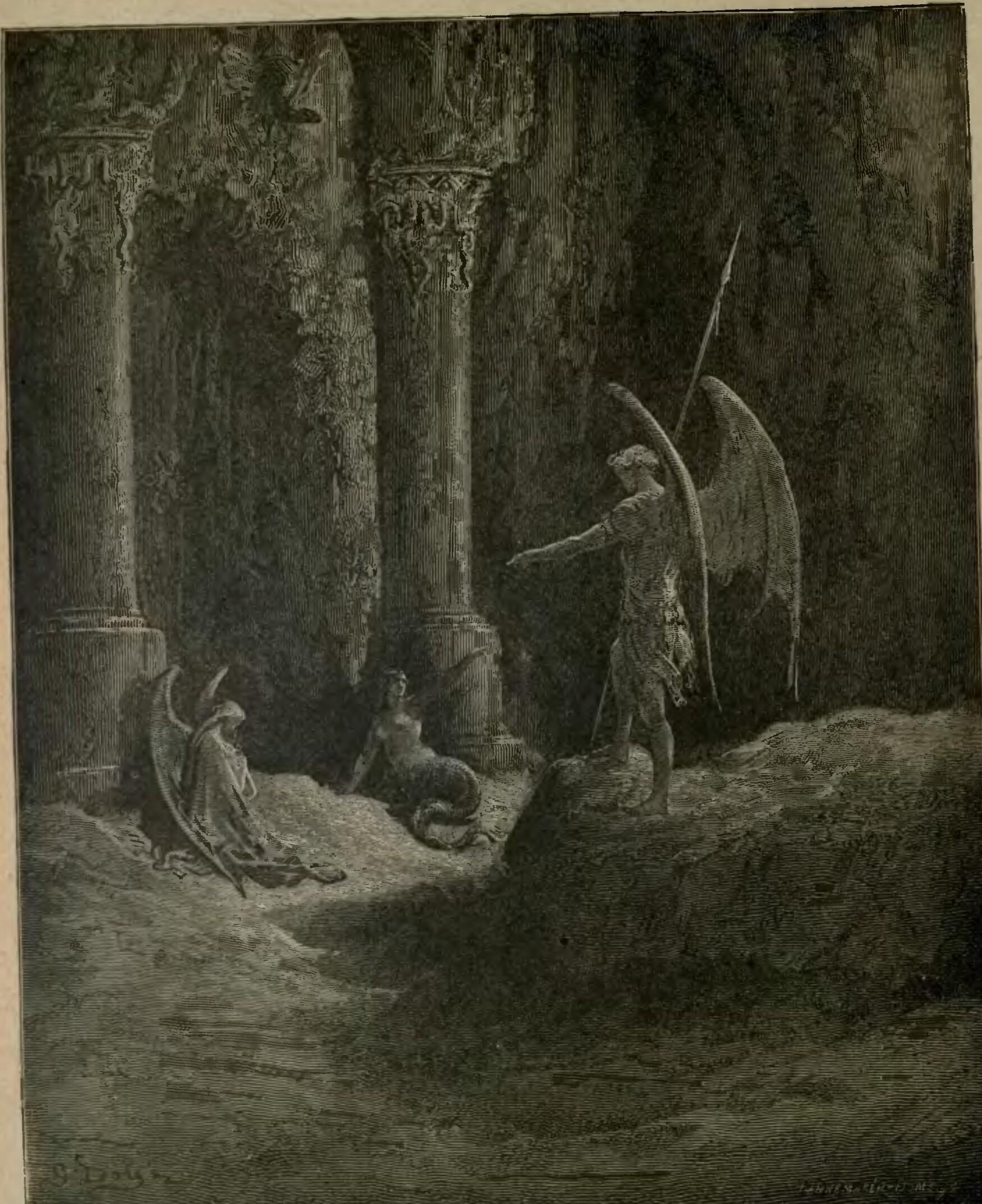
Satan, Sin and Death at the Gates of Hell
Gustave Doré · 1866
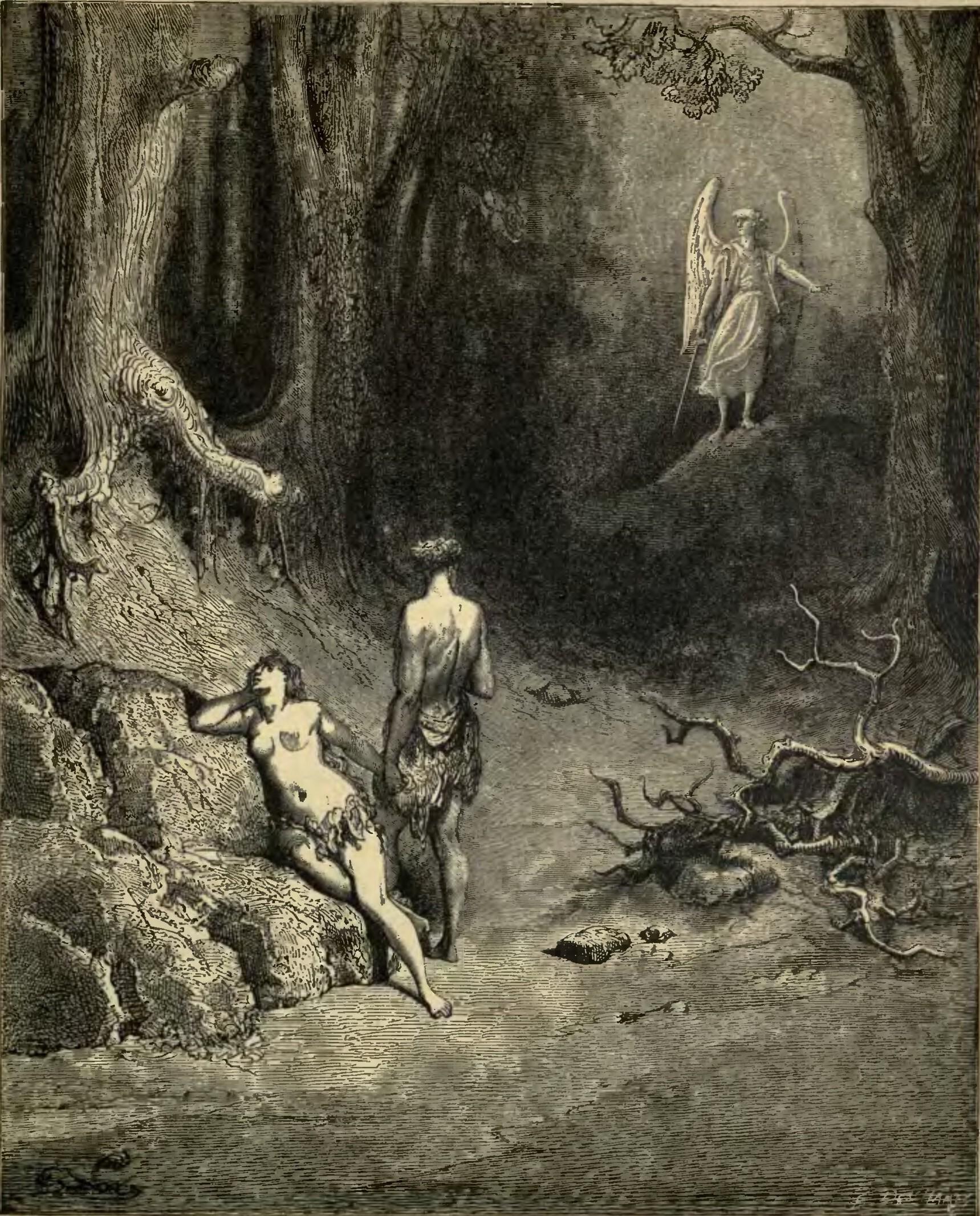
Adam and Eve Expelled from Paradise
Gustave Doré · 1866
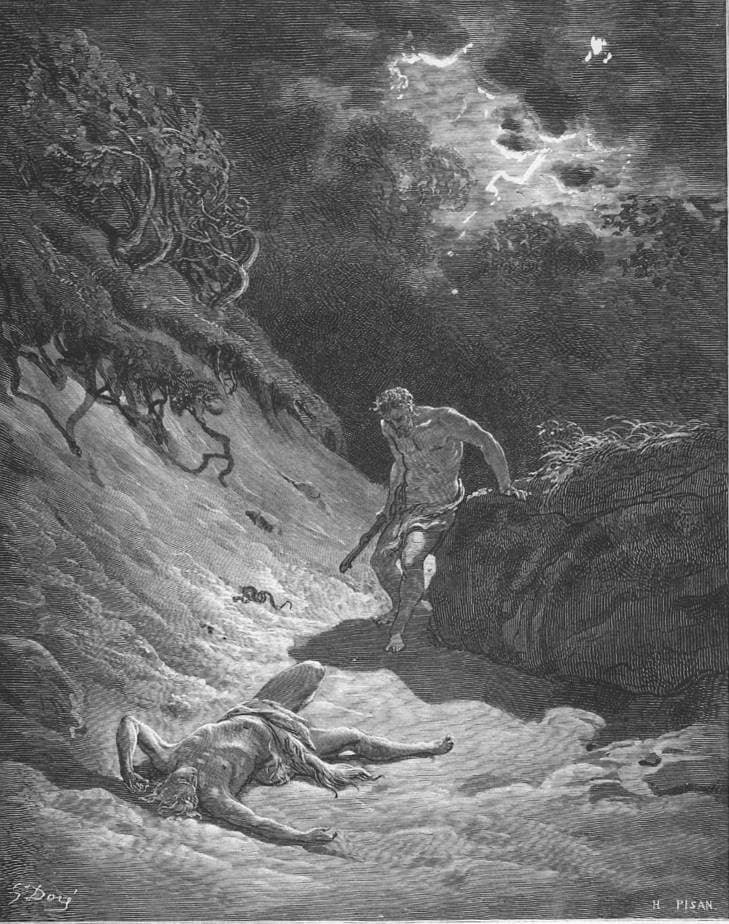
The Death of Abel
Gustave Doré · 1866
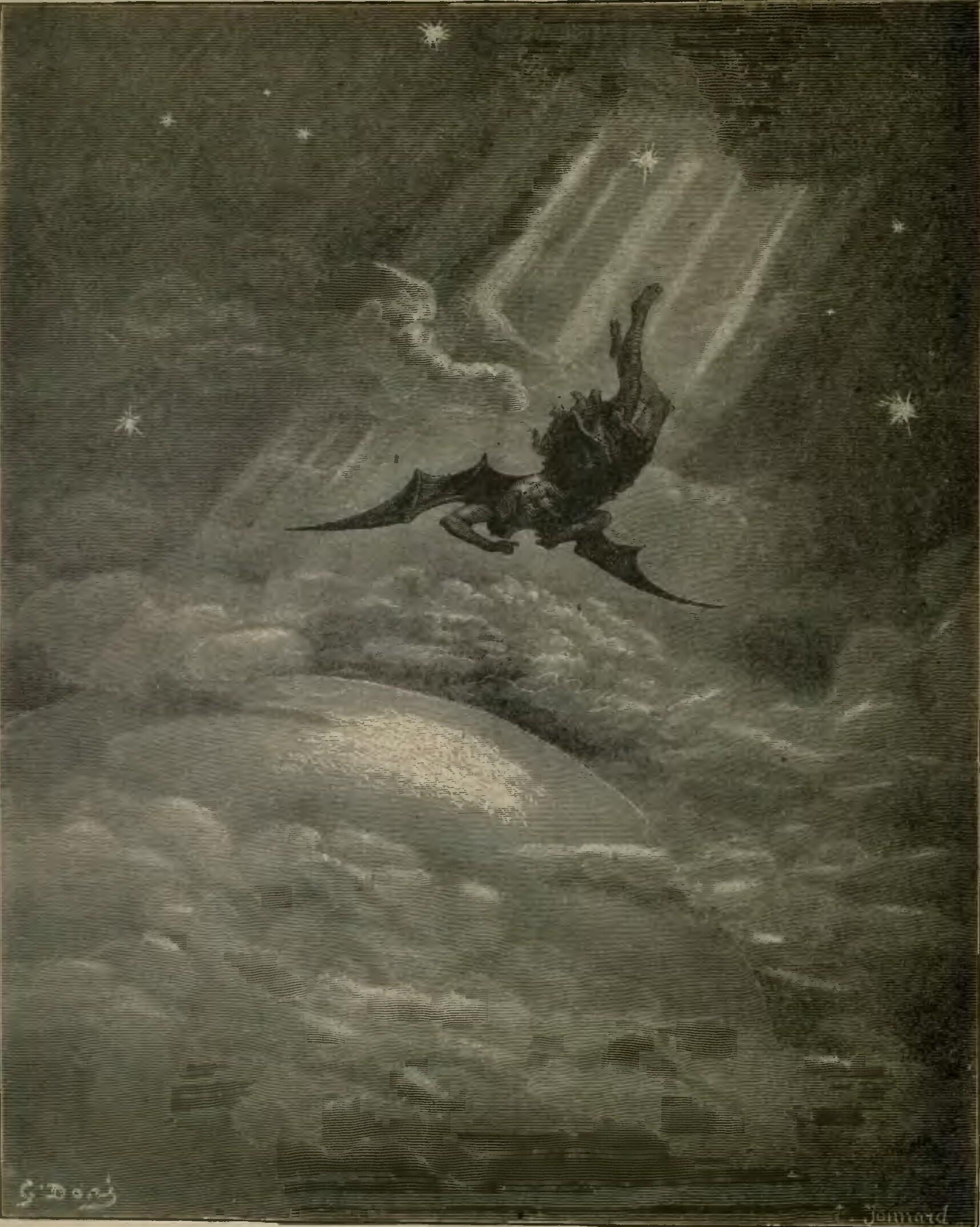
Satan Approaching the Confines of the Earth
Gustave Doré · 1866
Also from 1866
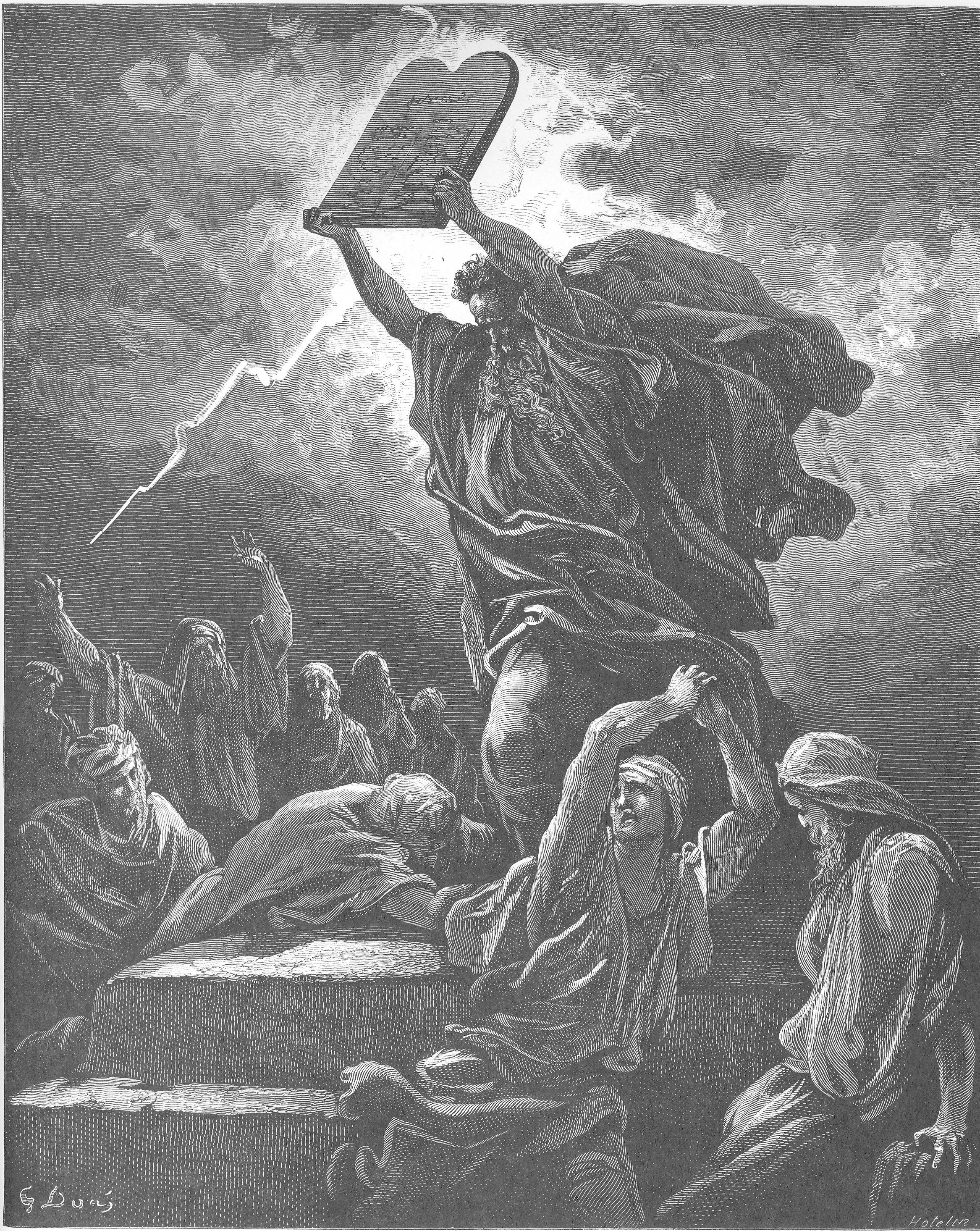
Moses Breaking the Tables of the Law
Gustave Doré · 1866
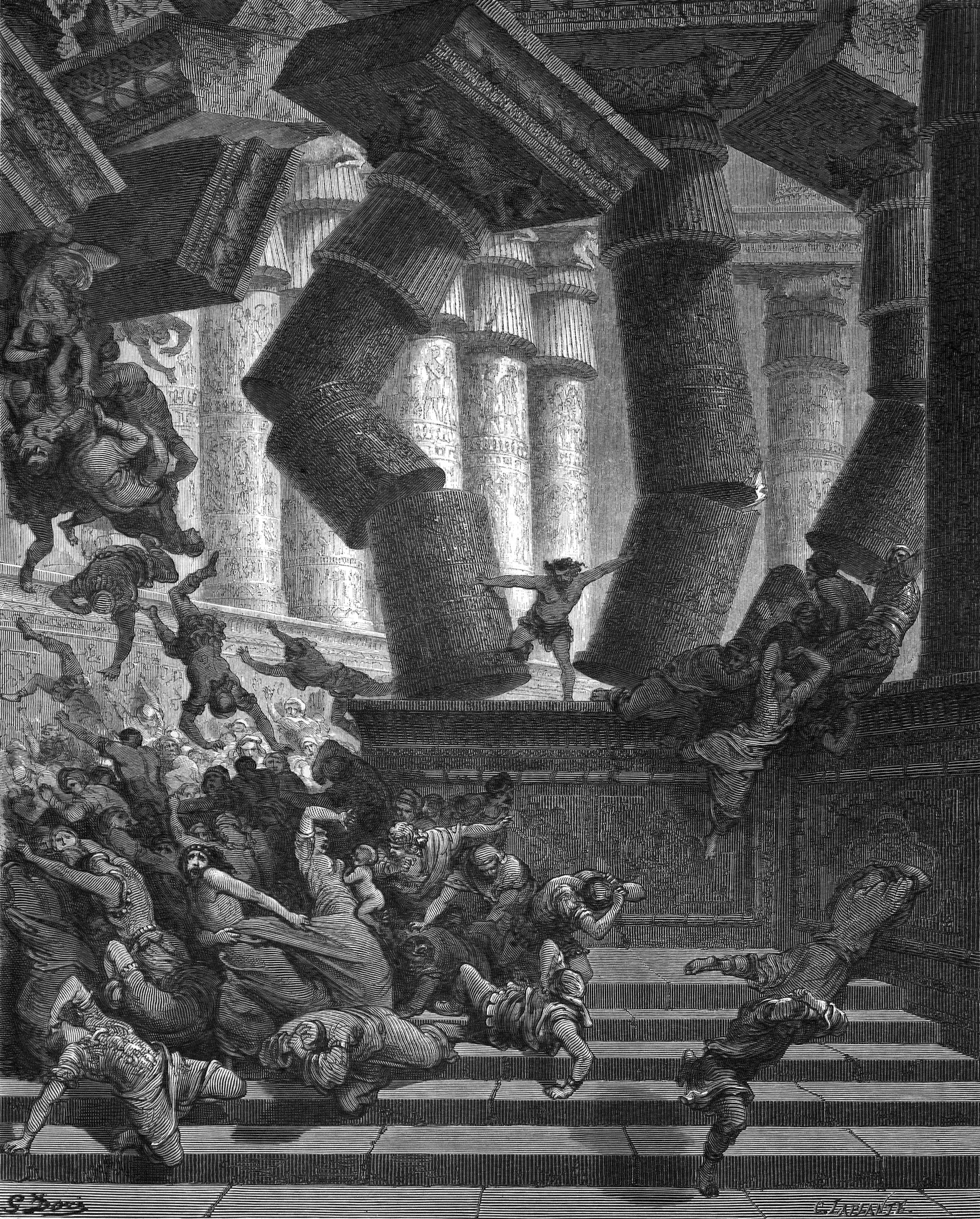
Samson Destroying the Temple
Gustave Doré · 1866
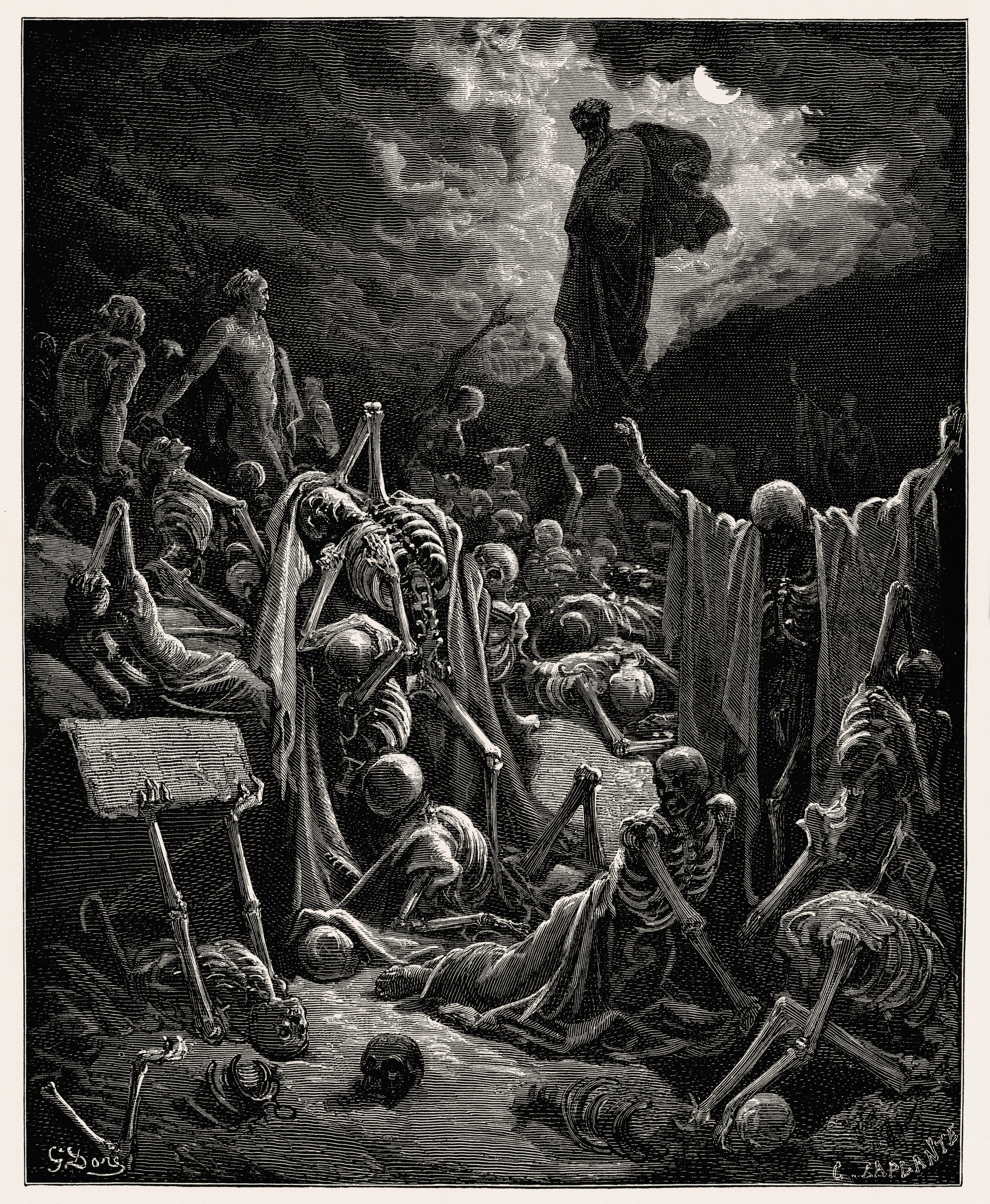
The Vision of the Valley of Dry Bones
Gustave Doré · 1866
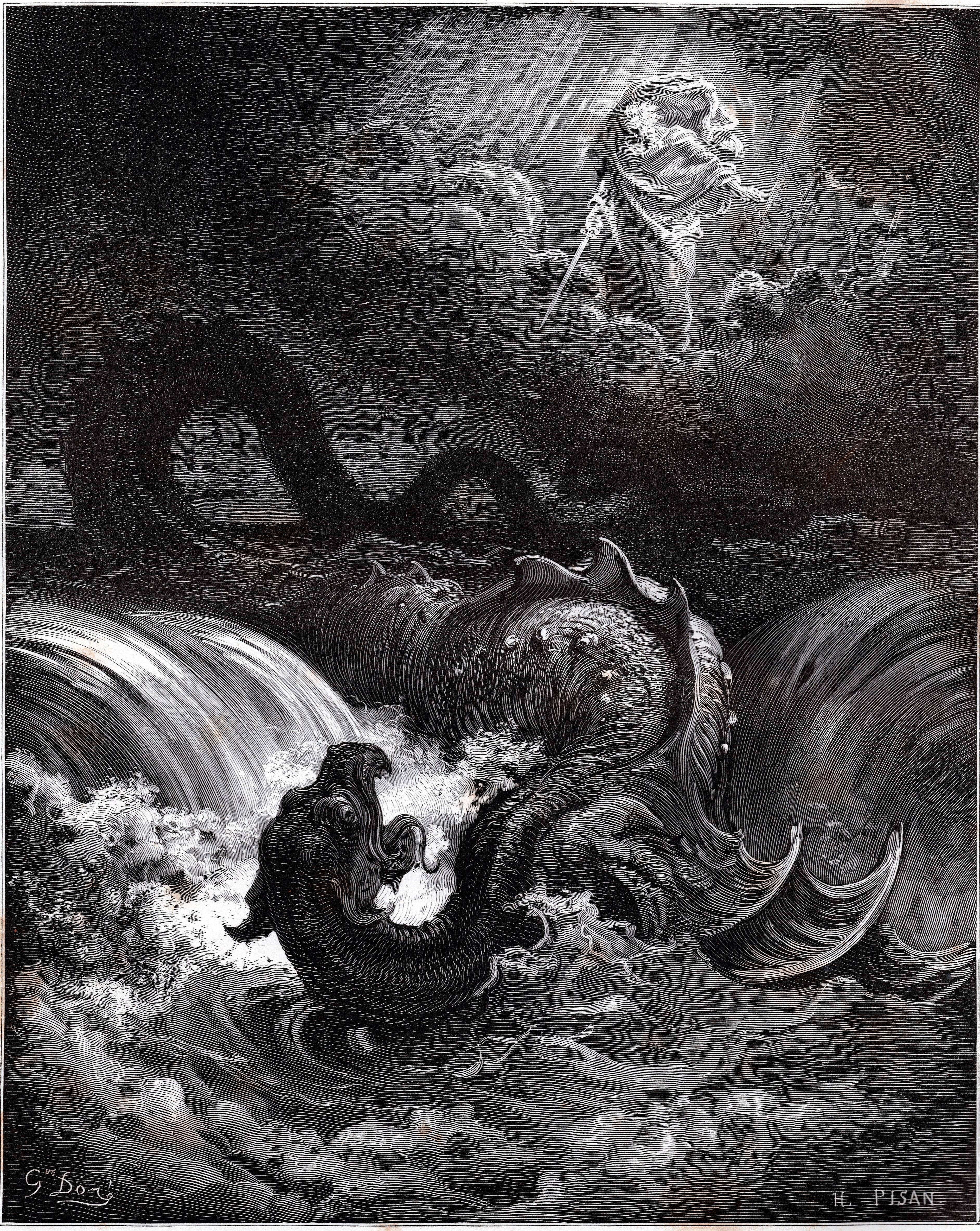
The Destruction of Leviathan
Gustave Doré · 1866
Jacob Wrestling with the Angel
Gustave Doré · 1866
The Confusion of Tongues
Gustave Doré · 1866
The Deluge
Gustave Doré · 1866
Death on the Pale Horse
Gustave Doré · 1866
Related works
The Fall of the Rebel Angels
Sebastiano Ricci · c. 1720

Fallen Angel
Alexandre Cabanel · 1847
Witches' Sabbath (The Great He-Goat)
Francisco Goya · c. 1819–1823
Cerberus
Gustave Doré · 1861
Moses Breaking the Tables of the Law
Gustave Doré · 1866
The Empyrean (Rosa Celeste)
Gustave Doré · 1868
Jacob Wrestling with the Angel
Gustave Doré · 1866
The Malebranche Demons
Gustave Doré · 1861