Farinata degli Uberti
Gustave Doré, 1861
Farinata degli Uberti is Gustave Doré's wood engraving for Inferno, Canto X, published in Paris in 1861. The Ghibelline leader rises from a burning, open tomb among the heretics while Dante and Virgil watch from the dark.
- Artist
- Gustave Doré
- Date
- 1861
- Medium
- Wood engraving
- Movement
- Romanticism
- Themes
- The Macabre, Death & Memento Mori, Literature & Poetry, Dark Academia
Farinata degli Uberti is Gustave Doré's wood engraving for Canto X of Dante's Inferno, first published in Paris in 1861 in the folio L'Enfer de Dante Alighieri. It shows the Florentine Ghibelline leader standing up inside his open, fire-filled tomb in the sixth circle of Hell, where the heretics lie, while Dante and Virgil watch from the darkness behind him. Among Doré's Inferno illustrations it is one of the darkest plates, and the reason is simple: almost all of its light comes from inside the grave.
What you are looking at
The plate is tall and nearly black. At the left, the stone lid of a sarcophagus has been raised and propped on end like a door, its face pitted and scarred. Below it the tomb itself is sunk into the floor and seen at a slant, so that its open mouth runs diagonally across the lower half of the picture. Fire and rolling smoke pour out of it toward the right.
Farinata stands in the near end of the tomb, bare to the hips, a cloth slipping from his waist. His head is thrown back and his throat and chest catch the full glare from below, while one hand rests on the rim of the grave as if he owns it. Behind and above him, on a rise of ground, stand the two poets. Virgil, laurel-crowned, turns his head toward us with wide eyes; Dante, hooded and half a step behind, keeps his arms folded close against his chest.
Look at how the engraver has cut those two figures. Their robes are built almost entirely from close horizontal lines, so they read as a dim grey veil rather than solid cloth, and the darkness around them is a field of tiny flecks. Only the faces, the edge of a sleeve and Farinata's body are cut back to bright paper. At the lower left the block is signed "PISAN", and at the lower right "G. Doré".
The passage: Canto X
Canto X takes place inside the walls of the city of Dis, in a cemetery of burning tombs. Virgil explains that here lie "Epicurus all his followers, / Who with the body mortal make the soul" (X.14–15, Longfellow's translation): the heretics who denied that the soul survives death. Then a voice calls out from one of the graves, and Virgil says: "Behold there Farinata who has risen; / From the waist upwards wholly shalt thou see him" (X.32–33).
Dante's next lines are the ones Doré drew: "And he uprose erect with breast and front / E'en as if Hell he had in great despite" (X.35–36). Farinata eyes the younger poet and asks, "Who were thine ancestors?" (X.42). Their families were on opposite sides of Florence's civil wars, and the two men trade political blows across the edge of the grave.
The historical Manente degli Uberti, called Farinata, led the Ghibellines who crushed the Florentine Guelphs at Montaperti in 1260. Afterward, when his allies proposed razing Florence, he alone spoke against it; in the poem he reminds Dante that he was "He who defended her with open face" (X.93). He died in 1264, and in 1283 the Inquisition condemned him for heresy after his death and had his remains exhumed.
How Doré staged it
Doré follows Dante's posture closely but changes the geometry. In the poem Dante comes to "the foot of his tomb" (X.40) and the conversation is close and tense. In the plate the poets stand apart, high in the shadow, and Farinata faces away from them toward the light, more like a statue on a plinth than a man in a dialogue.
He also strips the scene down. Canto X has a second speaker, Cavalcante dei Cavalcanti, who rises beside Farinata asking after his son, the poet Guido. Doré gives him no clear form; at most the smoke at the right holds a shape that might be a head. Elsewhere he drew the whole cemetery as a field of smoking graves. Here he closes in on one tomb and one figure, and lets the black around it stand for the rest.
How it was made and published
Doré drew the design directly on the surface of a boxwood block, and a professional engraver, here Héliodore Pisan, one of his principal collaborators, cut it with burins. The grey tones that Doré brushed or penciled had to be translated into lines: the closer and thicker the lines, the darker the tone. The 1861 Paris edition, printed by Hachette in a large folio format with Pier-Angelo Fiorentino's French translation, was financed by Doré himself after publishers judged it too costly. The same designs were reissued across Europe; the impression shown here comes from the Berlin edition of 1870, now digitized by the National Library of Poland.
What it means
Dante's punishment is a grim joke on the heretics' belief: those who held that the soul dies with the body are shut in tombs, yet they burn. Farinata answers with pride. Dante calls him "magnanimous" (X.73) and admires him even while placing him in Hell, a double view that nineteenth-century readers loved; the critic Francesco De Sanctis devoted a famous essay to Farinata in 1869.
Doré's lighting takes the same side. The fire that should torment Farinata instead models him, and the poets look small and grey beside him. Compare Doré's treatment of the furies just before this canto in The Furies at the Gates of Dis, and the boat crossing in Crossing the Styx; together they trace the descent into the city. For a darker painted vision of the same journey, see Gustave Courtois's Dante and Virgil in Hell, and for the wider subject, death in art.
Questions & answers
What passage of Dante does Doré's Farinata illustrate?
Inferno, Canto X, in the sixth circle where the heretics burn in open tombs. Doré shows the moment Farinata stands up to face Dante: "And he uprose erect with breast and front / E'en as if Hell he had in great despite" (X.35–36, Longfellow's translation).
Who was Farinata degli Uberti?
Farinata (died 1264) led Florence's Ghibelline faction and defeated the Guelphs at Montaperti in 1260, then refused to let his allies destroy the city. In 1283 he was posthumously condemned for heresy. Dante places him among the Epicureans, who believed the soul dies with the body.
When was the Farinata plate made and published?
Doré designed it in the late 1850s for his illustrated Inferno, published in Paris by Hachette in 1861 as L'Enfer de Dante Alighieri. Doré paid for that first folio edition himself. The plate was reprinted in many later editions, including the Berlin edition of 1870 shown here.
Who engraved Doré's Farinata?
The block is signed "PISAN" at lower left, for Héliodore Pisan, one of the leading wood engravers who worked on Doré's Dante. Doré drew the design on the woodblock; Pisan cut it, turning Doré's tones into ruled lines, as in the grey horizontal hatching of the poets' robes.
What does the Farinata plate mean?
The heretics denied life after death, so they lie in tombs that burn. Doré lights Farinata from inside the grave, making his pride visible: he stands like a statue while the poets look small and grey behind him. It echoes Dante's own mixed admiration for a magnanimous enemy.
More by Gustave Doré
All works →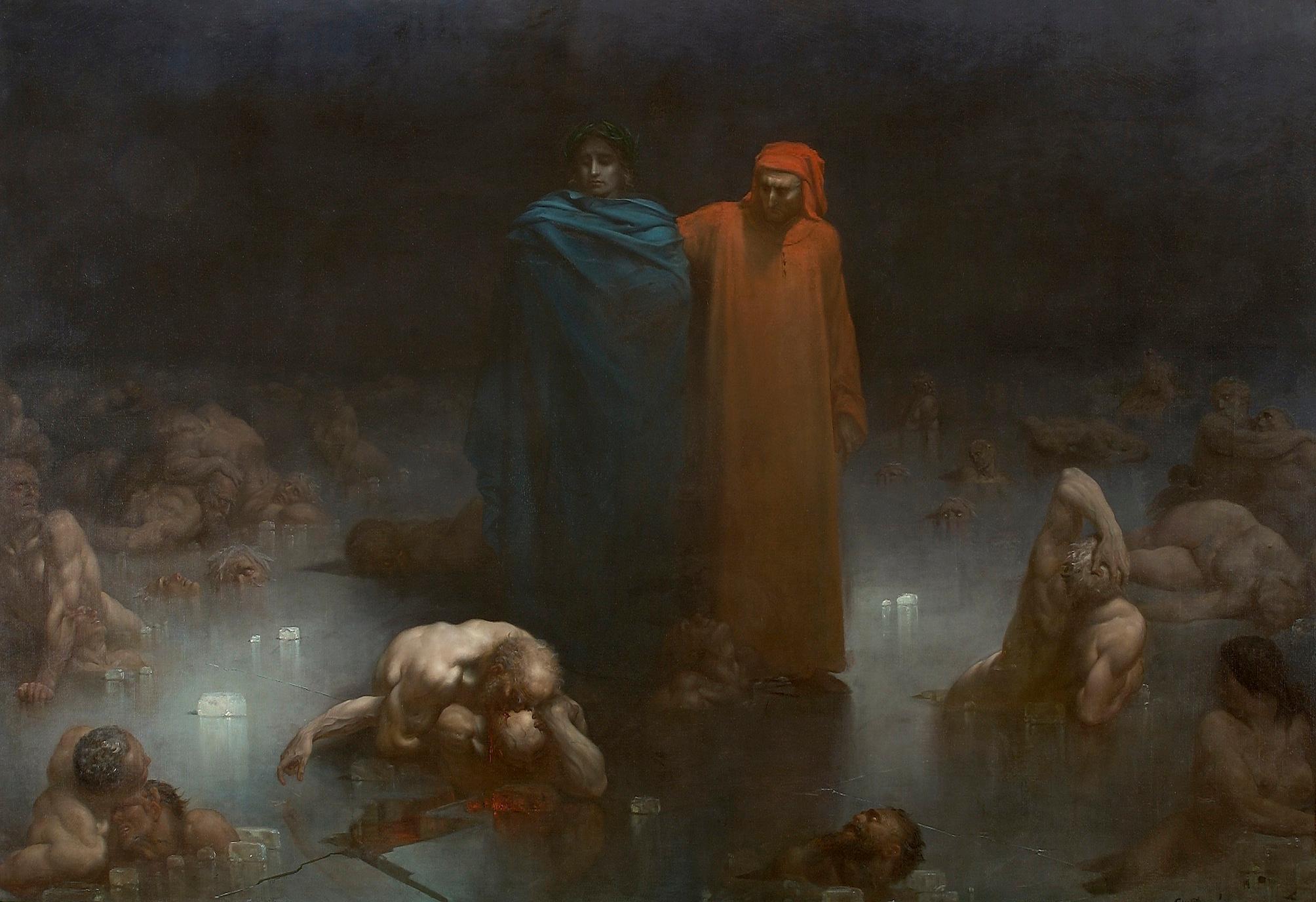
Dante and Virgil in the Ninth Circle of Hell
Gustave Doré · 1861
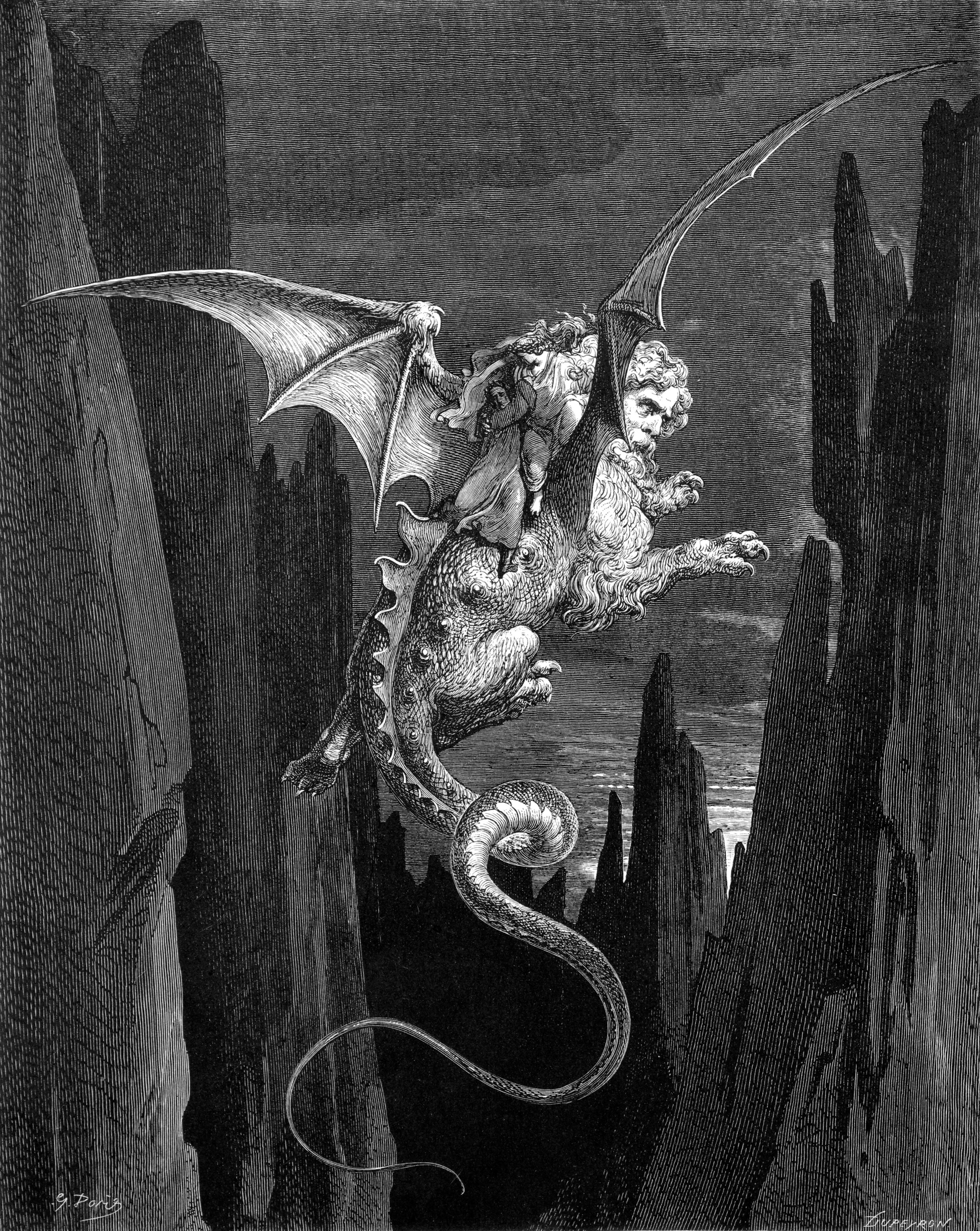
Geryon
Gustave Doré · 1861
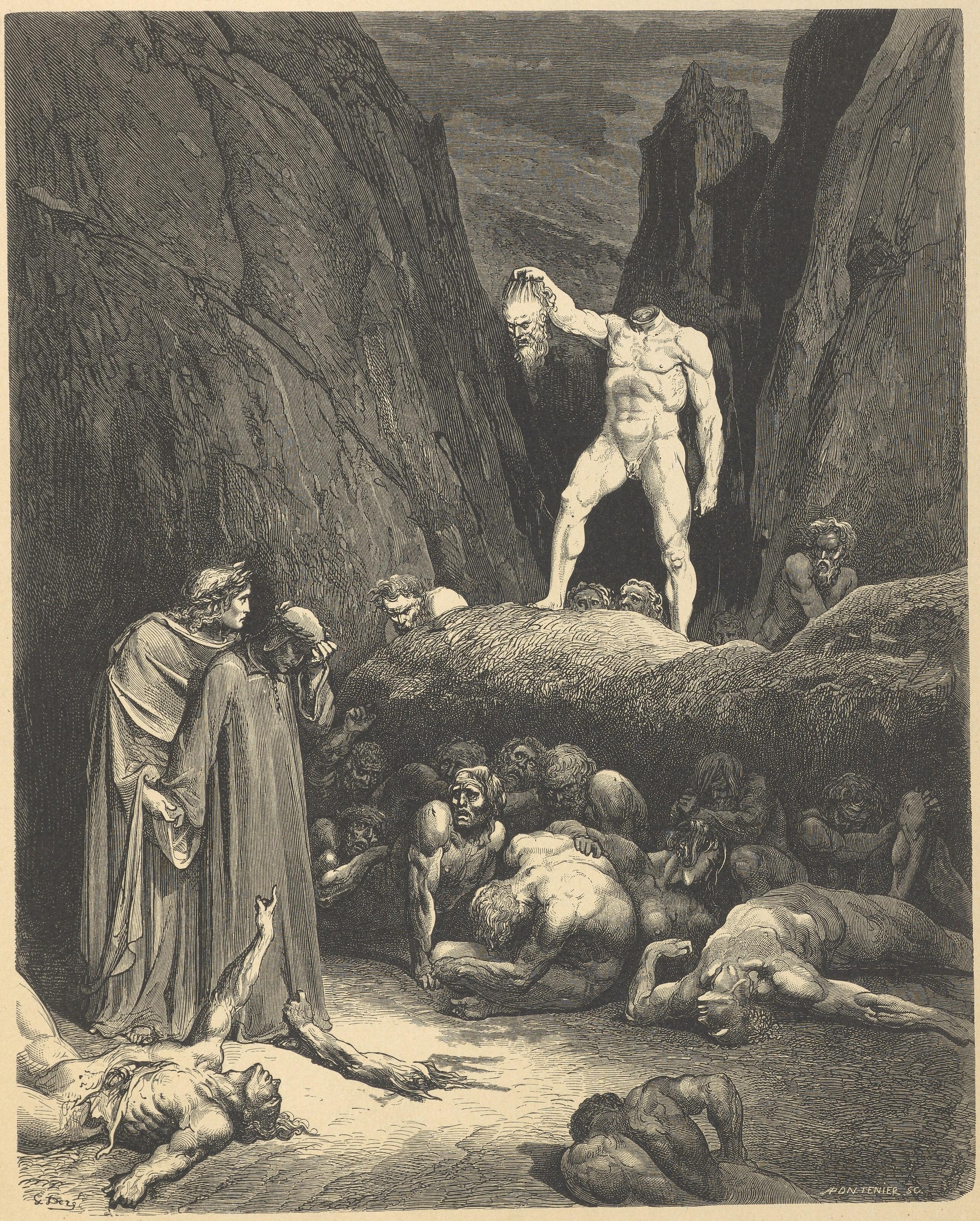
Bertran de Born Holding His Head
Gustave Doré · 1861
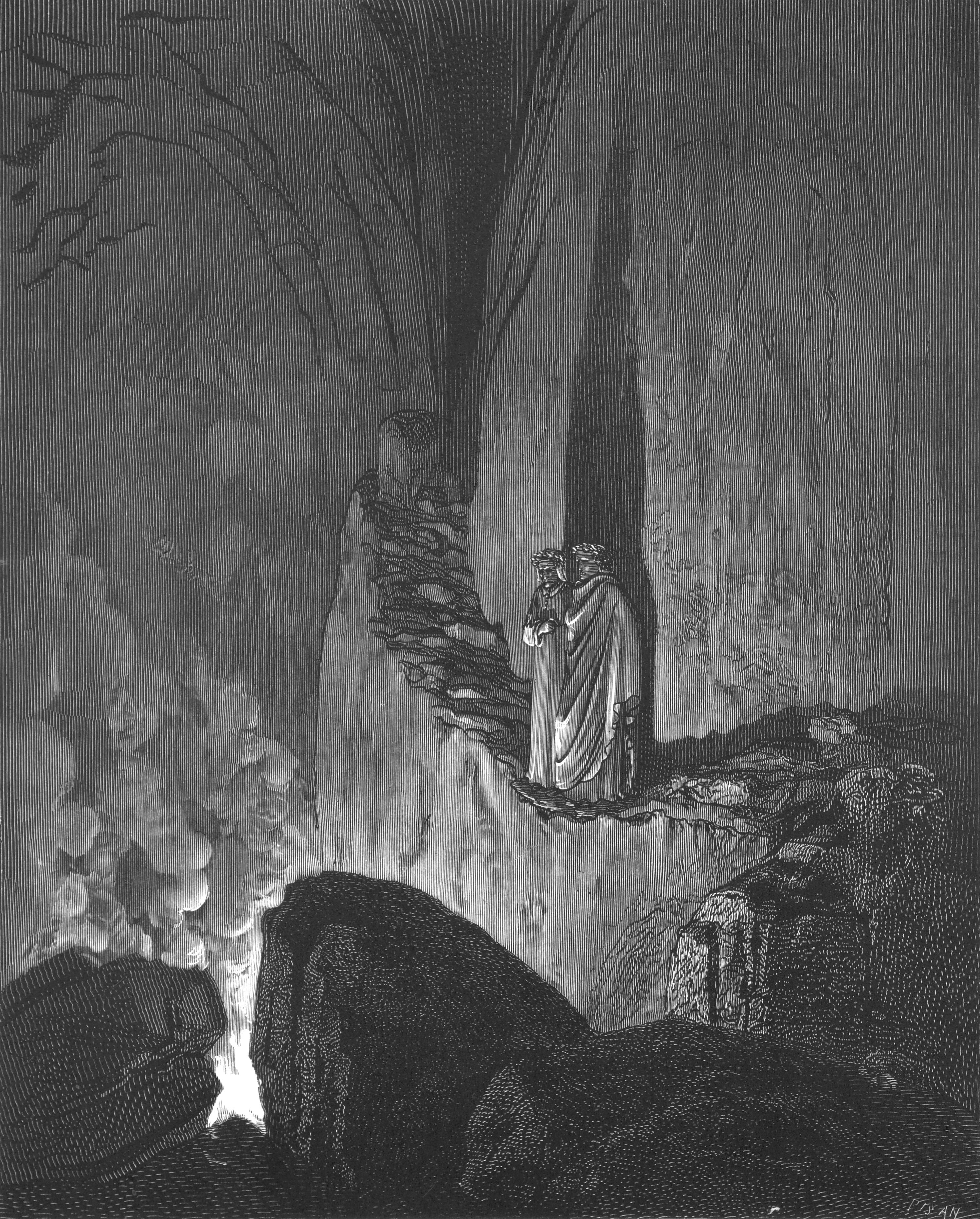
Ulysses and Diomedes
Gustave Doré · 1861
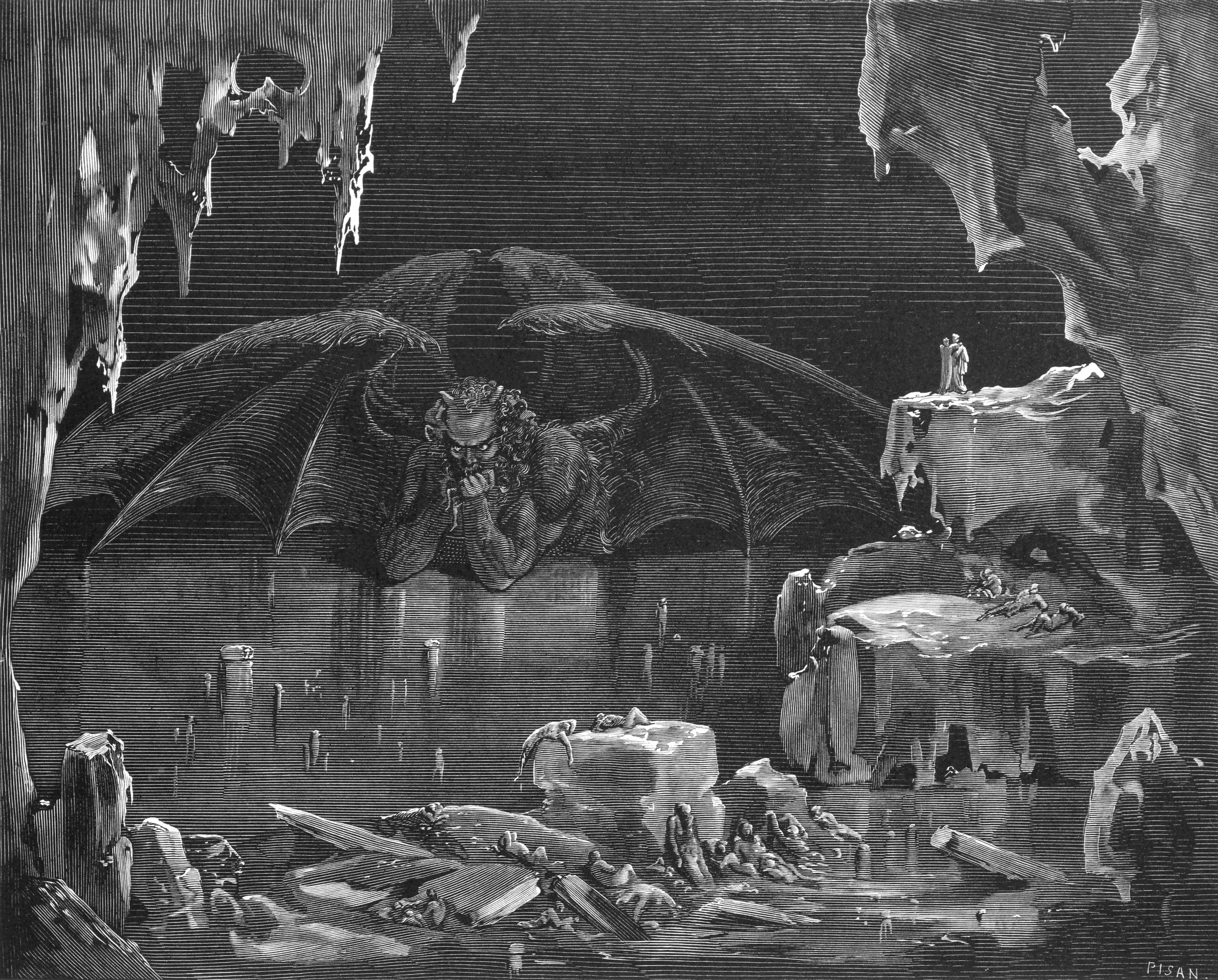
Lucifer, King of Hell
Gustave Doré · 1861
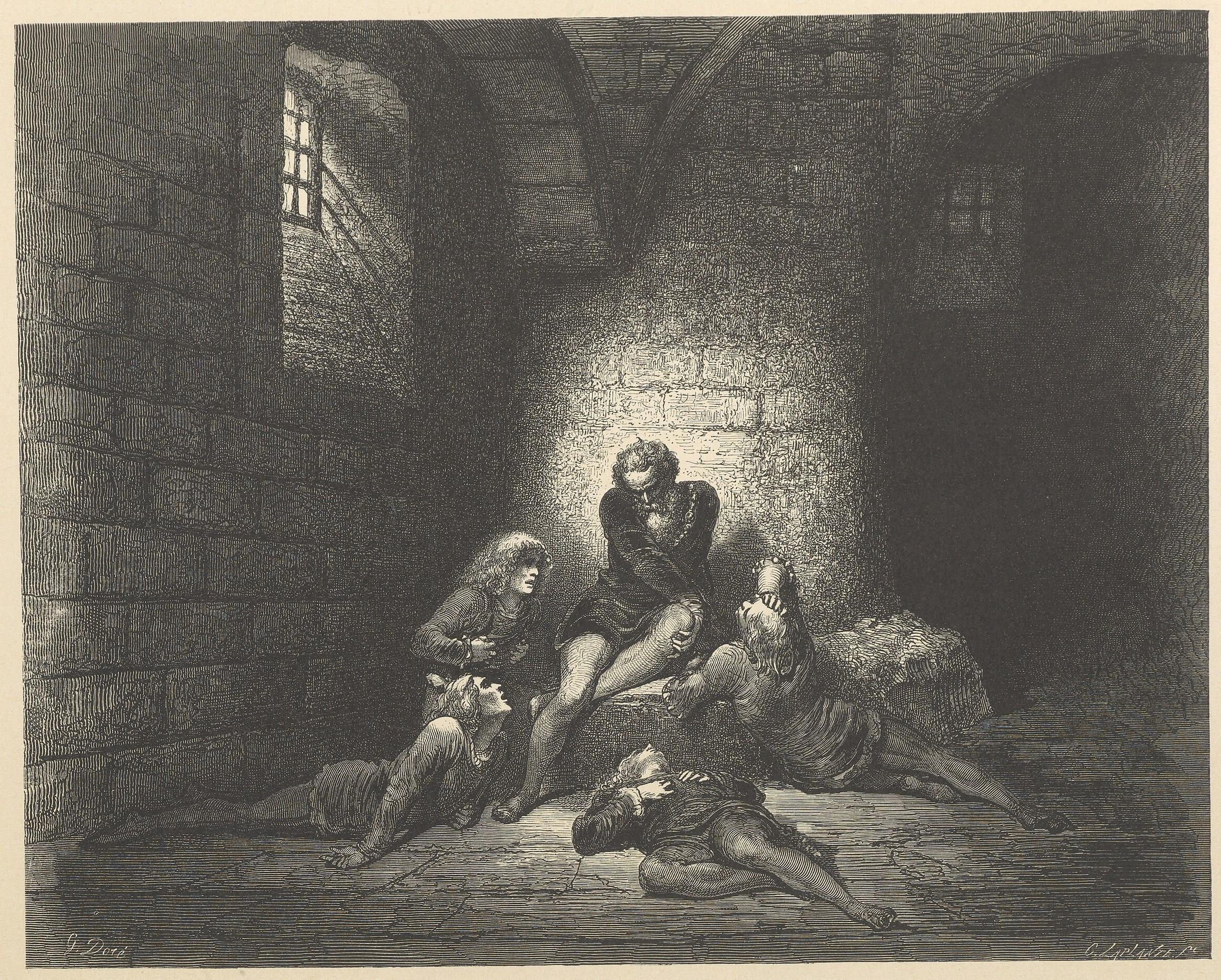
Count Ugolino and His Sons
Gustave Doré · 1861
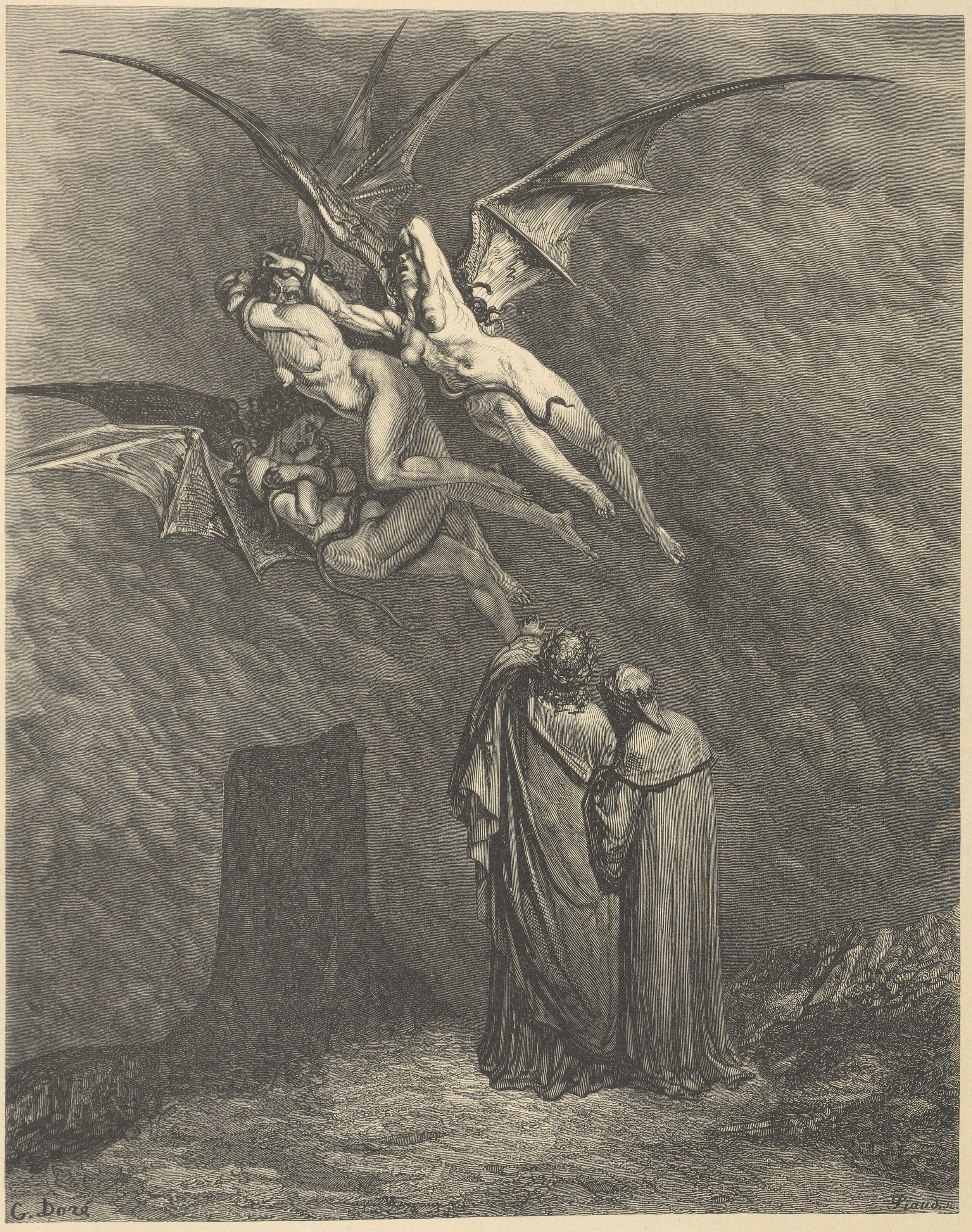
The Furies at the Gates of Dis
Gustave Doré · 1861
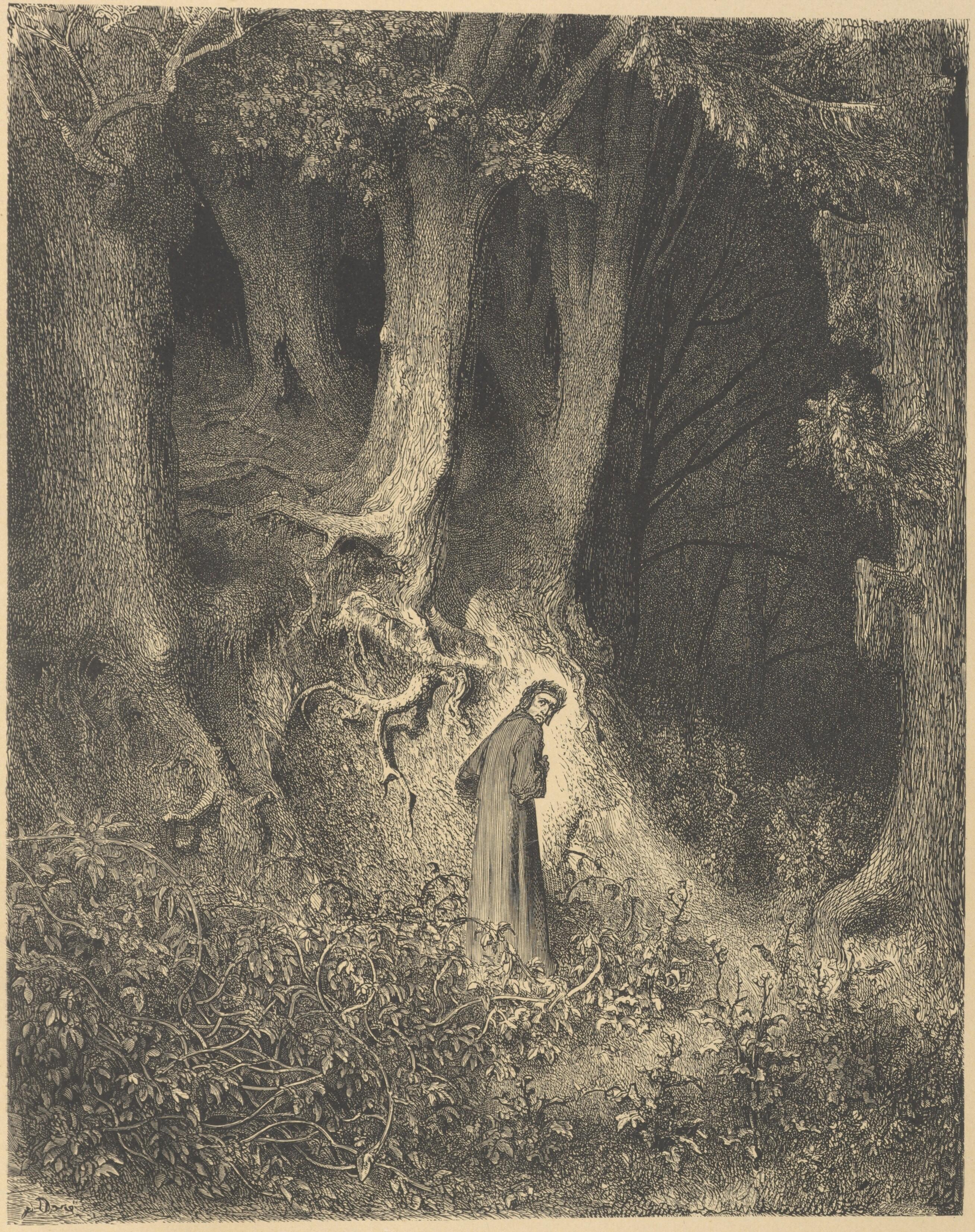
Dante Lost in the Dark Wood
Gustave Doré · 1861
Also from 1861
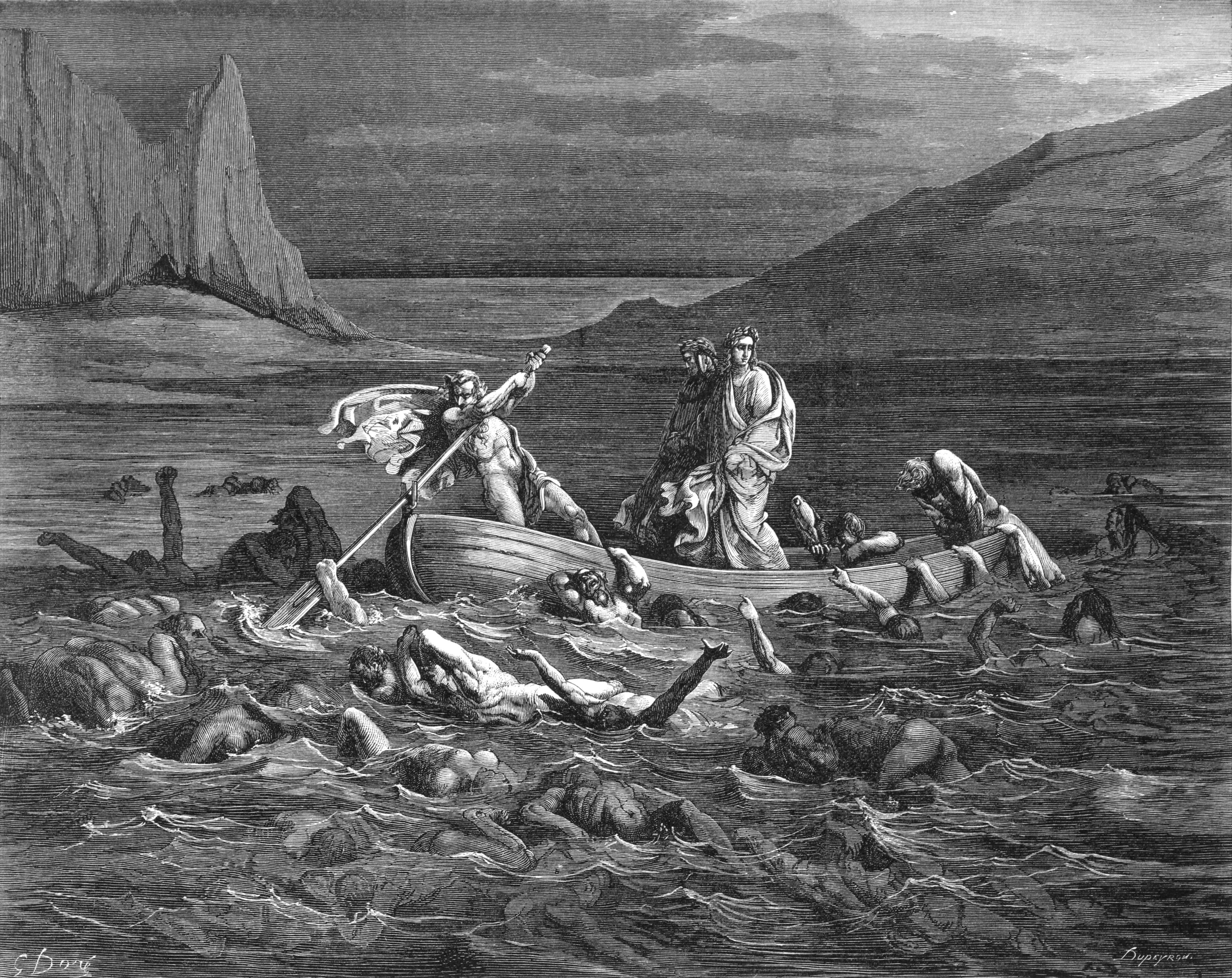
Crossing the Styx (Filippo Argenti)
Gustave Doré · 1861
The Thieves and the Serpents
Gustave Doré · 1861
Caiaphas Crucified
Gustave Doré · 1861
Cerberus
Gustave Doré · 1861
Paolo and Francesca
Gustave Doré · 1861
The Whirlwind of the Lustful
Gustave Doré · 1861
Minos, Judge of the Damned
Gustave Doré · 1861
Charon, Ferryman of the Dead
Gustave Doré · 1861
Related works
Crossing the Styx (Filippo Argenti)
Gustave Doré · 1861
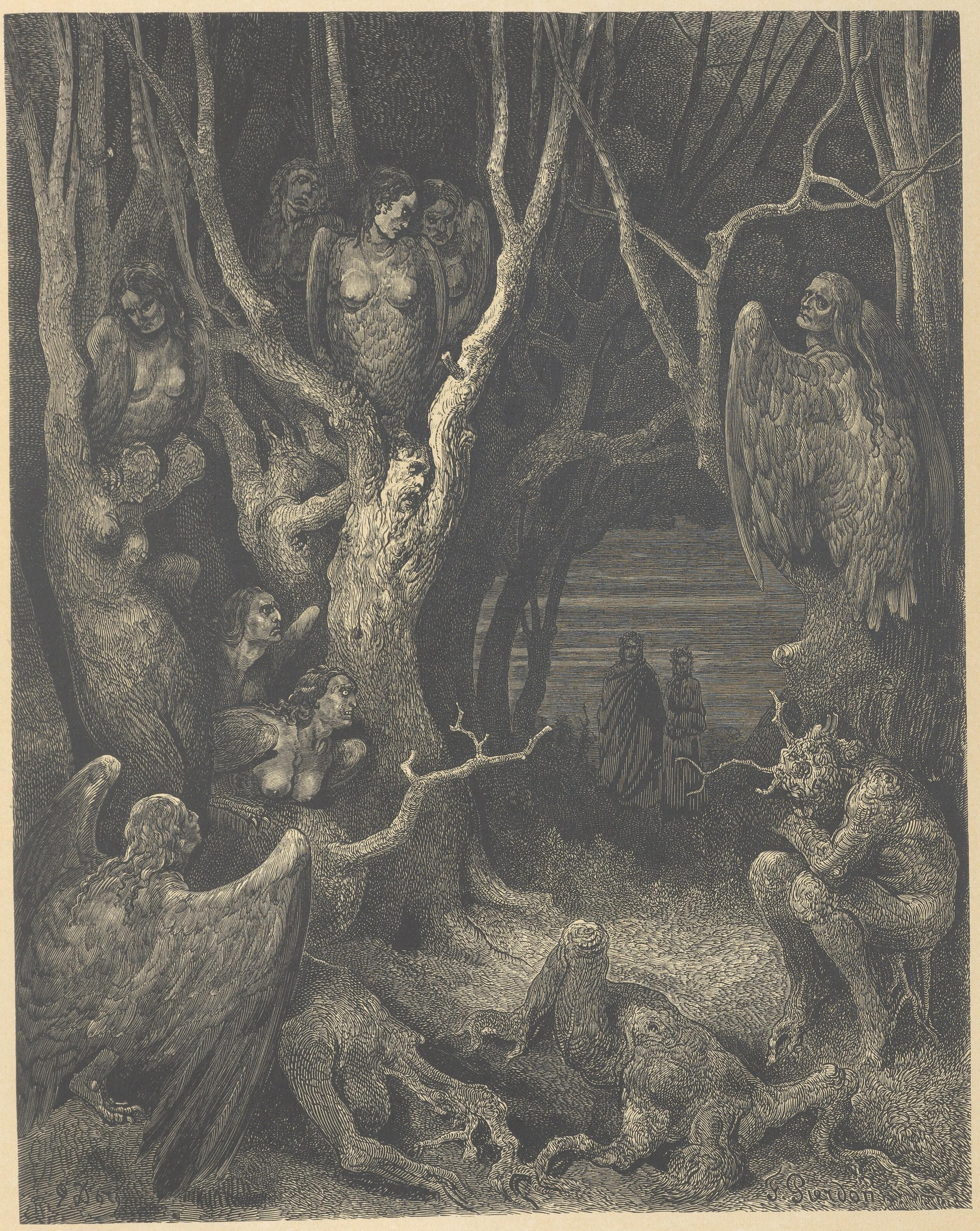
The Wood of the Suicides
Gustave Doré · 1861
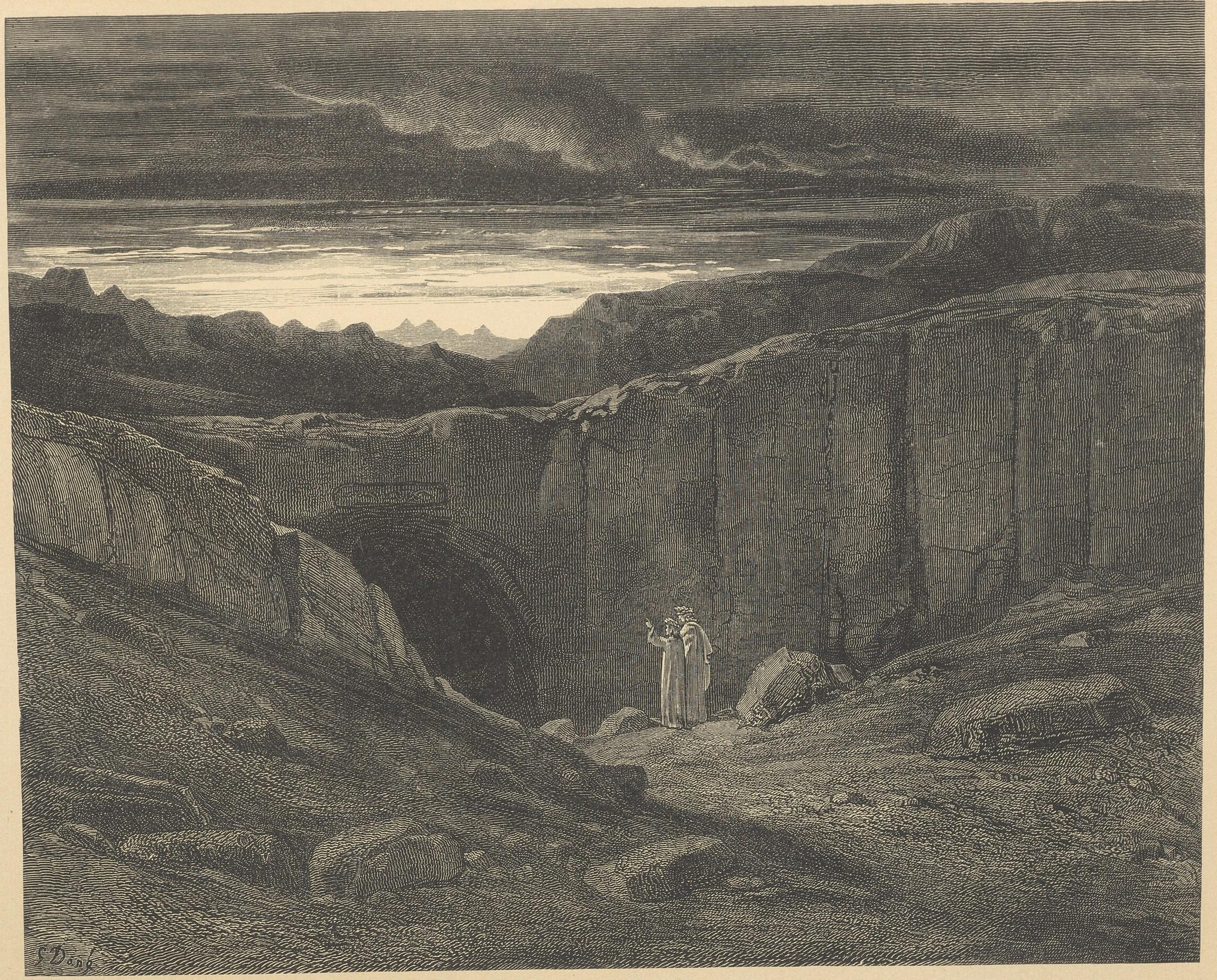
The Gate of Hell (Abandon All Hope)
Gustave Doré · 1861
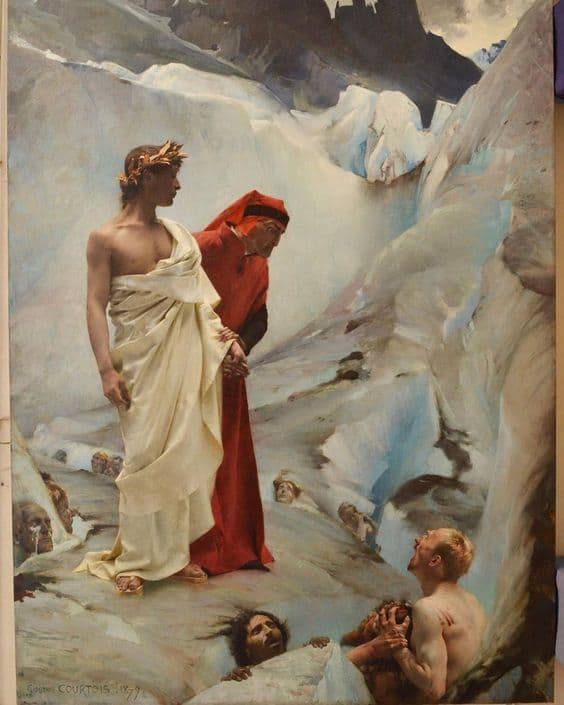
Dante and Virgil in Hell
Gustave Courtois · 1879
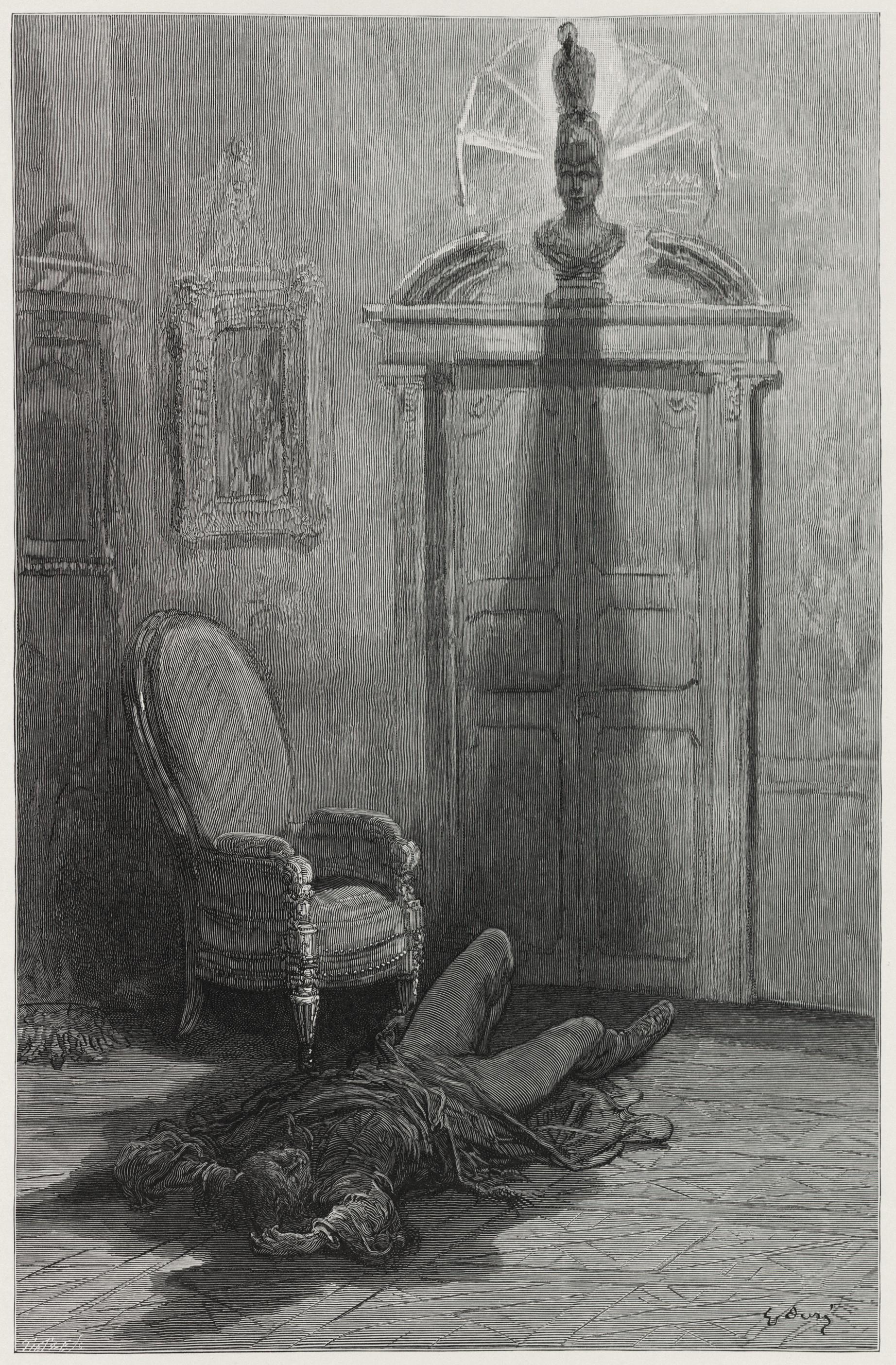
Nevermore (The Raven's Shadow)
Gustave Doré · 1884
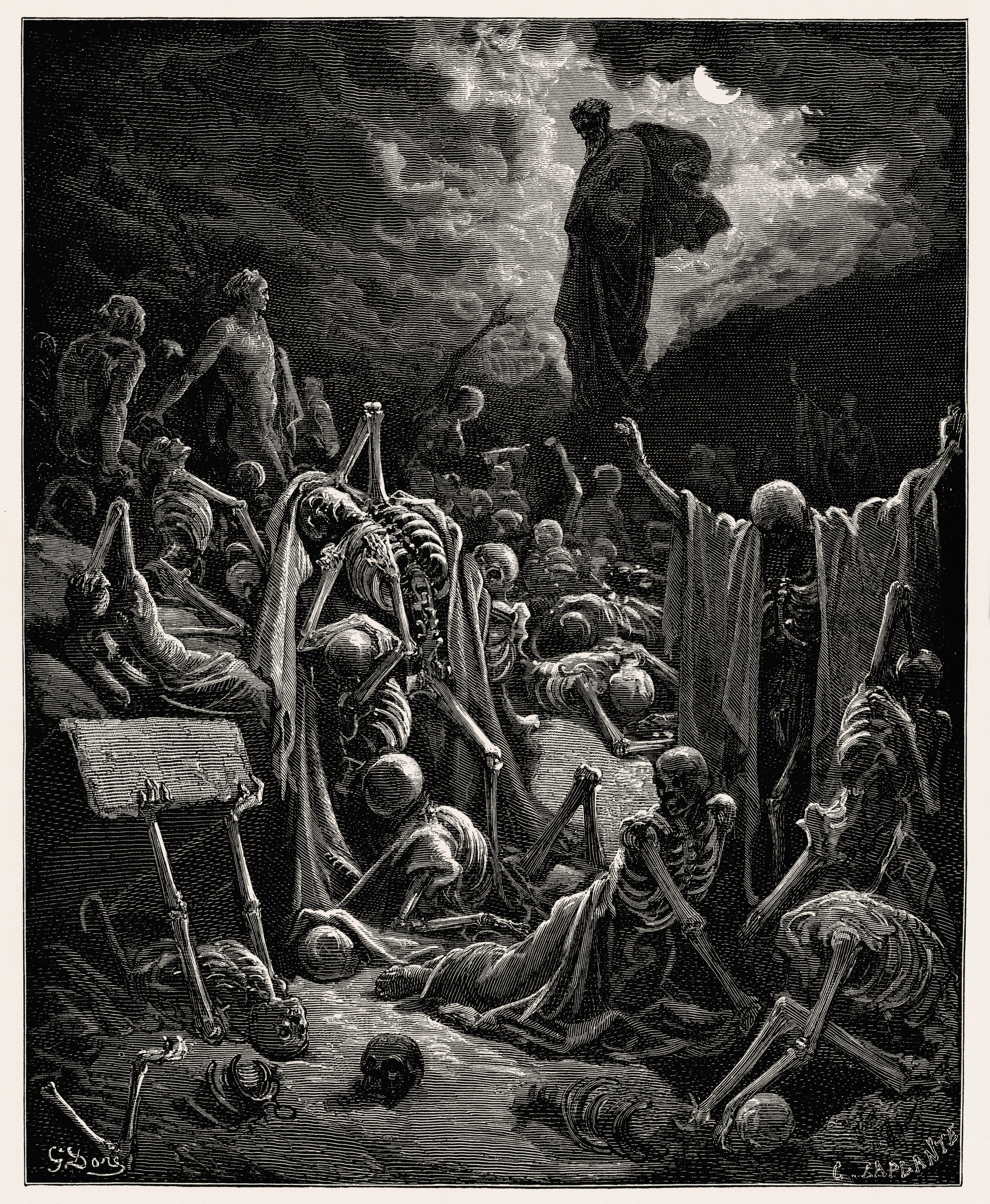
The Vision of the Valley of Dry Bones
Gustave Doré · 1866
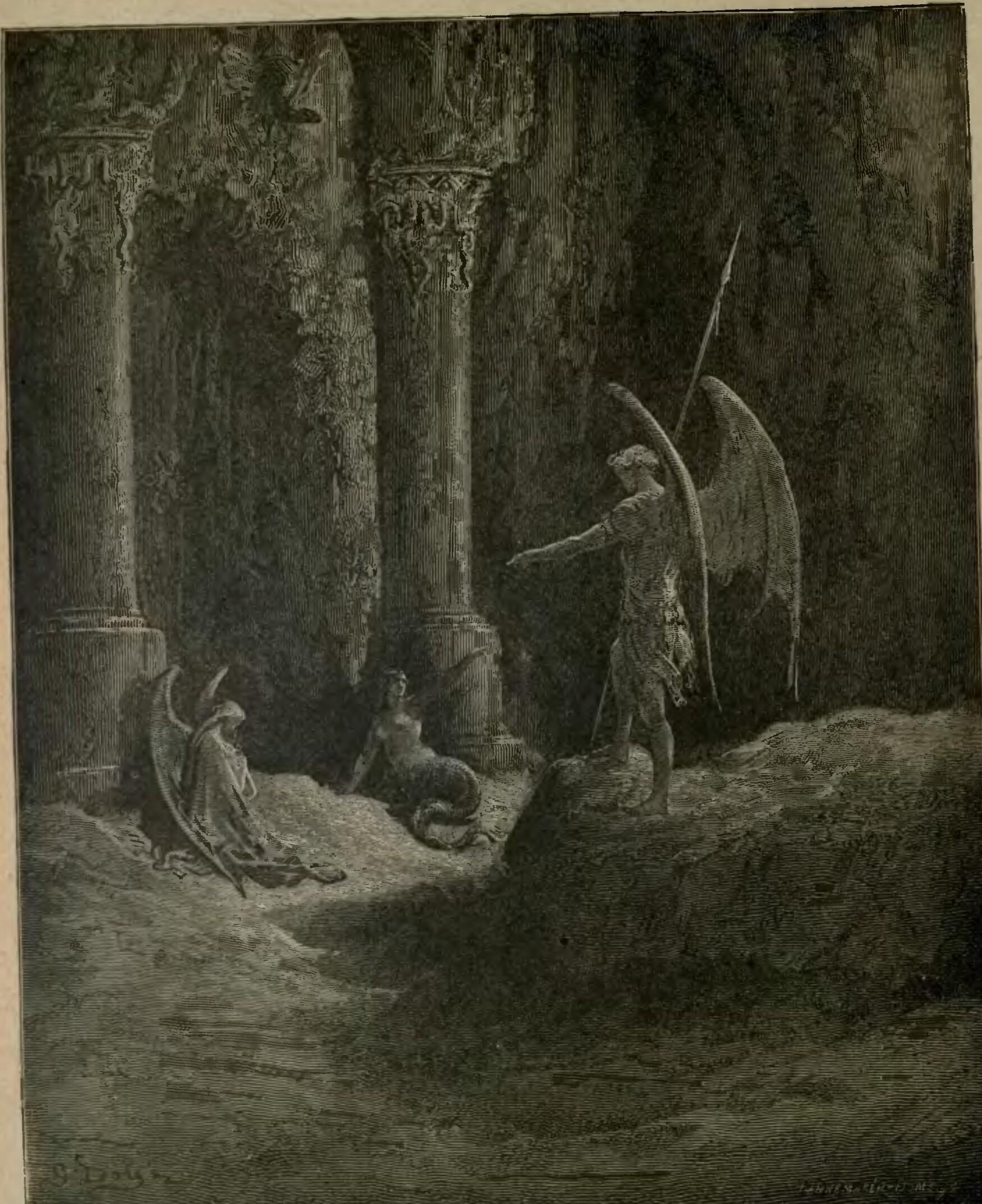
Satan, Sin and Death at the Gates of Hell
Gustave Doré · 1866
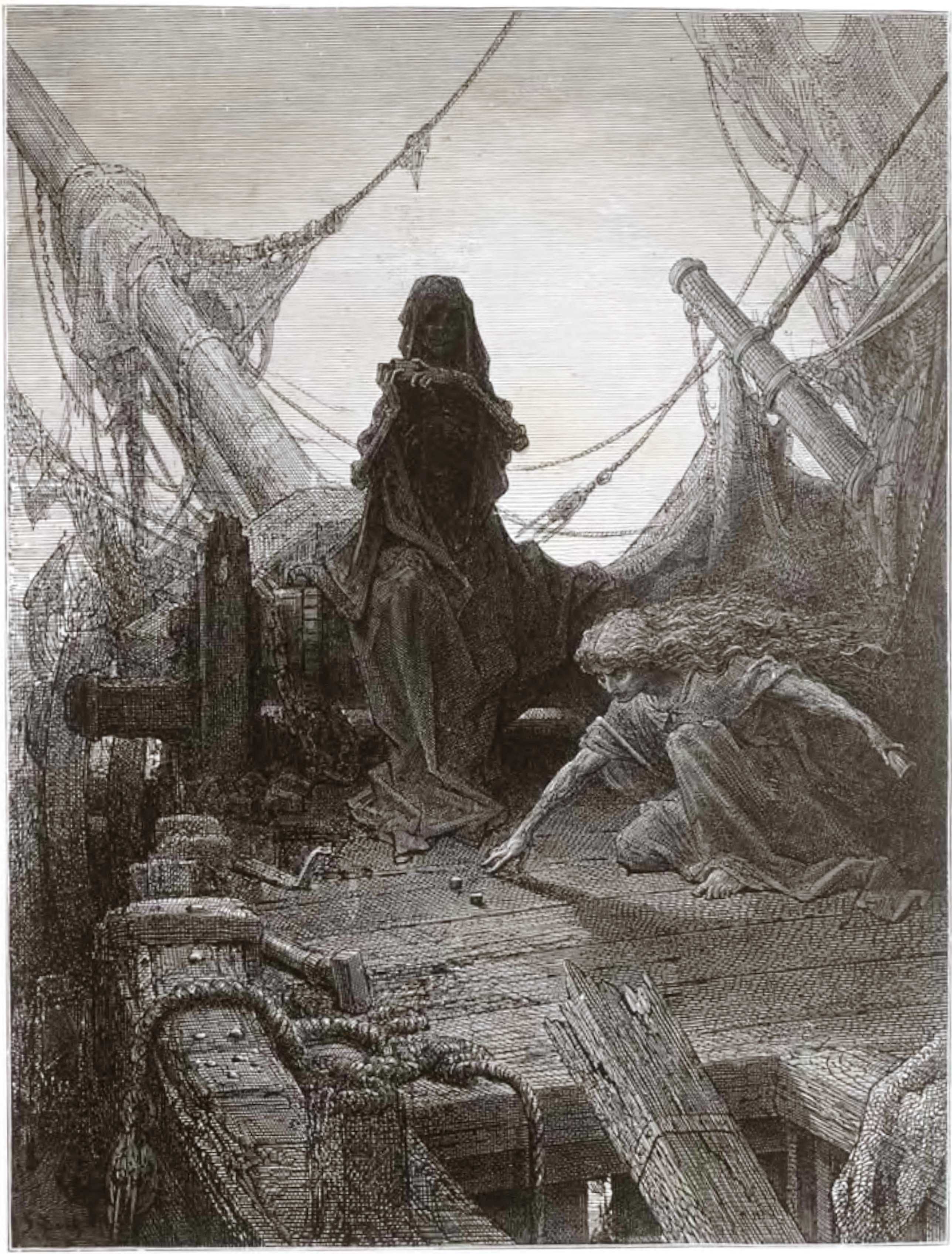
Death and Life-in-Death
Gustave Doré · 1876