Paolo and Francesca
Gustave Doré, 1861
Paolo and Francesca is Gustave Doré's 1861 wood engraving for Dante's Inferno, Canto V. The doomed lovers float locked in an embrace in the storm of the second circle, Francesca's wound still bleeding, as Dante and Virgil watch from the rocks.
- Artist
- Gustave Doré
- Date
- 1861
- Medium
- Wood engraving
- Movement
- Romanticism
- Themes
- Love & Desire, Literature & Poetry, The Nude, Death & Memento Mori, Women in Art
What you're looking at
Two naked lovers drift upward through a dark sky, wrapped together in a single long cloak that billows around them like a cocoon. The man, Paolo, holds Francesca from behind and bends his head down into her hair, so his face is almost hidden. Francesca lies back against his arm with both arms raised around his neck. Her eyes are open. She looks out of the picture, past us, with an expression that is hard to read: dazed, sad, perhaps simply exhausted.
Just below her left breast is a wound, a dark gash with blood trickling from it. It is easy to miss at first, because the eye goes to the brilliant light on her body, but it changes the picture. These are not lovers in a dream; they are two people who were killed together.
The wind is everywhere. Francesca's long hair streams out sideways to the right, and the cloak's edges whip behind them. To the left, rising in a pale, smoky column, are other souls of the circle, their bodies stretched and twisted into the shapes of the wind. At the lower right, on a dark outcrop, two figures stand half lost in shadow: Dante and Virgil, watching. Below the lovers a pale, cloudy horizon opens up between black pinnacles of rock.
The engraving is one of the most refined in the book. The lovers' bodies are modeled in fine, close parallel lines that swell and thin to follow the curve of a shoulder or thigh, and the brightest areas are left almost completely white. The background, by contrast, is a near-black field of short, dense strokes.
The passage it illustrates
The plate illustrates the moment in Inferno V when Dante, moved by pity, asks to speak with two souls who move together through the storm. In Longfellow's translation (lines 73–75):
And I began: “O Poet, willingly Speak would I to those two, who go together, And seem upon the wind to be so light.”
The pair come to him “as turtle-doves, called onward by desire.” Francesca tells their story. She and Paolo, her husband's brother, were reading the romance of Lancelot and Guinevere together; at the passage of the first kiss, Paolo “kissed me upon the mouth all palpitating,” and “that day no farther did we read therein.” Her husband killed them both. Her lines on love, “Love, that exempts no one beloved from loving,” and her verdict, “There is no greater sorrow / Than to be mindful of the happy time / In misery,” are among the most quoted in Dante. Overcome, Dante faints “even as a dead body falls.”
Historically, Francesca da Polenta of Ravenna was married to Giovanni (Gianciotto) Malatesta of Rimini; he killed her and his brother Paolo in the 1280s, only a few years before the poem's fictional date of 1300.
How Doré staged it
Dante gives no physical description of the lovers at all. Doré supplies the cloak that binds them into one shape, the visible wound that names their death, and the separation of the two faces: Paolo turned inward, Francesca turned out toward the world. In the poem it is Francesca who speaks while Paolo only weeps, and the plate quietly reflects that.
Doré devoted a run of plates to Canto V. After Minos and the whirlwind comes this one, then further plates of the lovers telling their story, including the fateful afternoon of reading, and finally Dante collapsing in a faint. This one, the fifteenth in the book, is the image people know.
The floating, entwined pair belongs to a Romantic tradition of the subject. Ary Scheffer's painting Francesca da Rimini (1835, Wallace Collection, London) had already shown the lovers drifting through darkness with the poets looking on, and Doré's version invites the comparison. Later in the century Rodin conceived The Thinker for his Gates of Hell, where his famous Kiss also began as Paolo and Francesca.
How it was made and published
Doré drew the design on a boxwood block and a professional engraver cut it. The block is signed at the lower left “Pannemaker sc.” (sculpsit, “engraved it”), identified by the Bibliothèque nationale de France as Adolphe-François Pannemaker, who cut many of Doré's designs; Doré's signature is at lower right. The plate was published in 1861 in L'Enfer de Dante Alighieri (Hachette, Paris), the folio Doré paid for himself, and reused in English, German and other editions for decades.
Meaning
The plate holds both of Dante's attitudes at once. The beauty of the bodies and the tenderness of the embrace invite the reader's pity, as Dante's own pity overwhelms him. But the lovers are in Hell, the wound is real, and the wind does not stop. They are together forever, and that is both their consolation and their punishment.
For Doré, whose Inferno is mostly a book of monsters and landscapes, this is the great exception: a love story told in a single image. It sits naturally with other images of love and death in nineteenth-century art.
Questions & answers
What does Doré's Paolo and Francesca show?
It shows the lovers Paolo and Francesca floating naked in an embrace, wrapped in one cloak, carried by the storm of the second circle of Hell, with Dante and Virgil watching from the rocks. It illustrates Inferno V, 73–75: “Speak would I to those two, who go together, / And seem upon the wind to be so light” (Longfellow).
Who were Paolo and Francesca?
Francesca da Polenta of Ravenna was married to Giovanni (Gianciotto) Malatesta of Rimini. She fell in love with his brother Paolo, and Giovanni killed them both in the 1280s. In the Inferno, Francesca tells Dante they fell in love while reading the romance of Lancelot.
Why is there a wound on Francesca in Doré's engraving?
The wound under her breast refers to her murder: her husband killed her and Paolo with a sword when he discovered them. Doré adds it to the image; Dante does not describe their bodies, only Francesca's words “Love has conducted us unto one death.”
When was Doré's Paolo and Francesca published, and who engraved it?
It was published in 1861 in L'Enfer de Dante Alighieri, Hachette's folio Inferno, which Doré financed himself. Doré drew the design on the woodblock; it was cut by the engraver Pannemaker, who signed “Pannemaker sc.” at lower left.
What does the image mean?
It balances pity and judgment. The tender embrace and beautiful bodies draw sympathy, as Francesca's story does for Dante, but the bleeding wound and endless wind make clear that the lovers are damned. Being together forever is both their comfort and their punishment.
More by Gustave Doré
All works →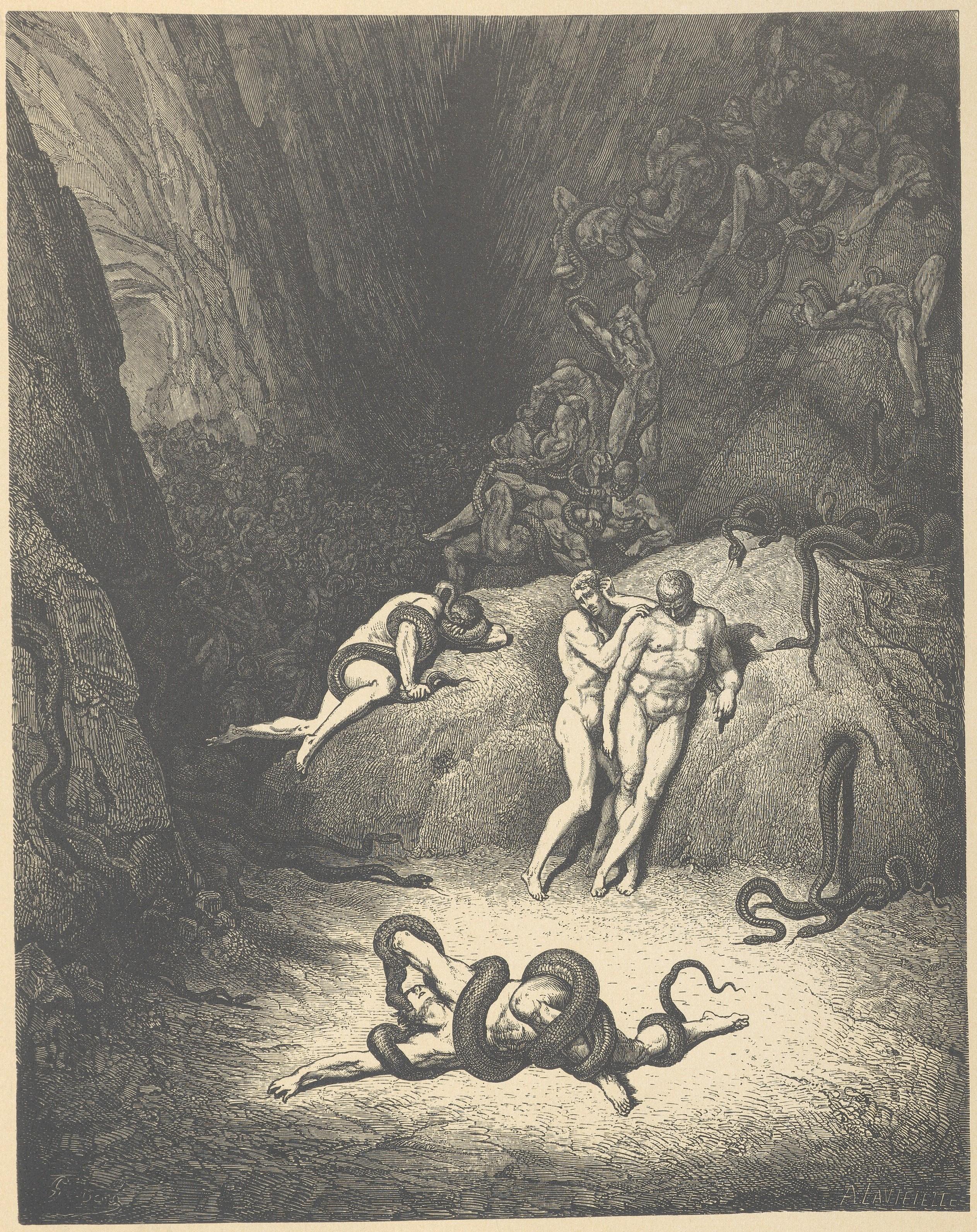
The Thieves and the Serpents
Gustave Doré · 1861
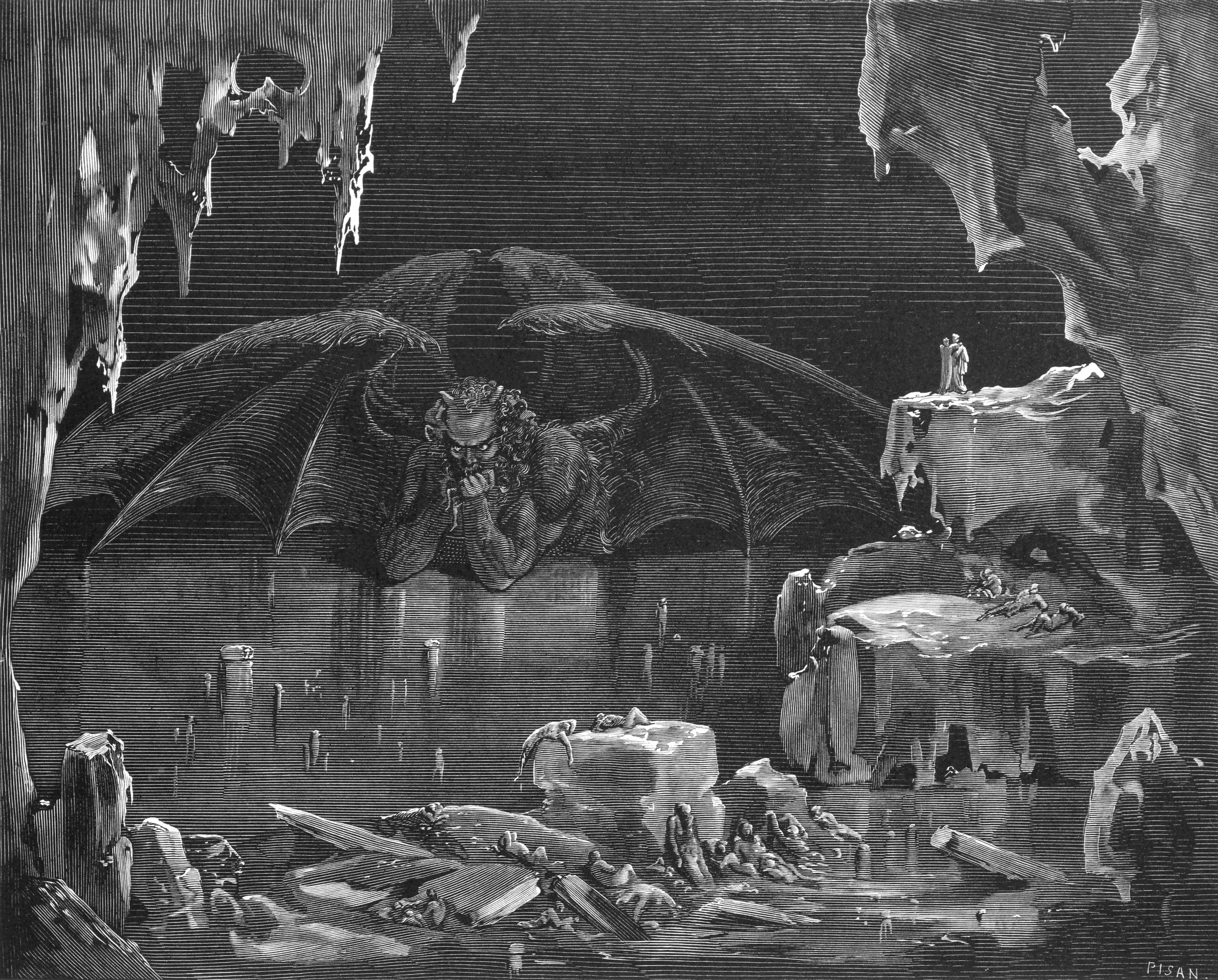
Lucifer, King of Hell
Gustave Doré · 1861
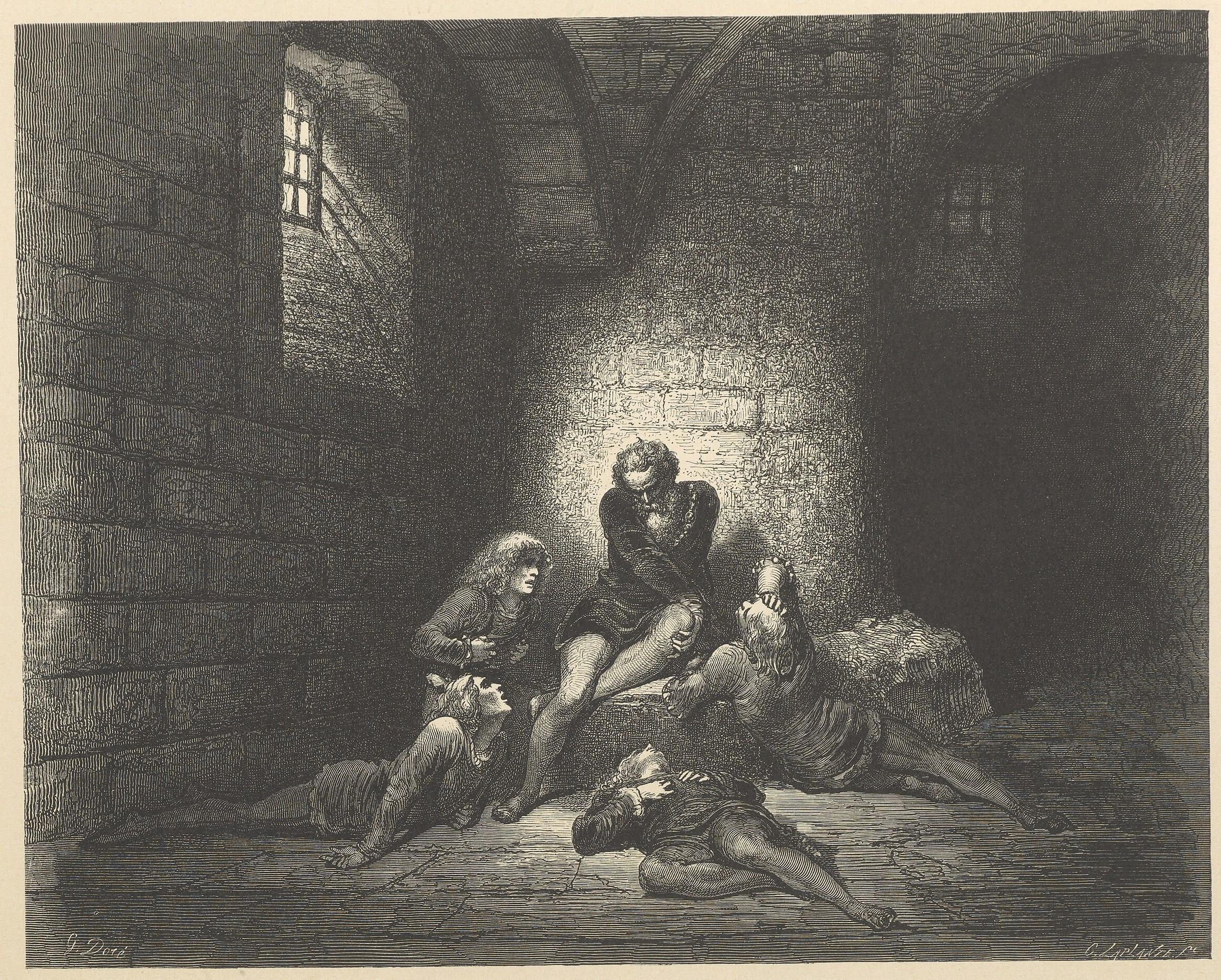
Count Ugolino and His Sons
Gustave Doré · 1861
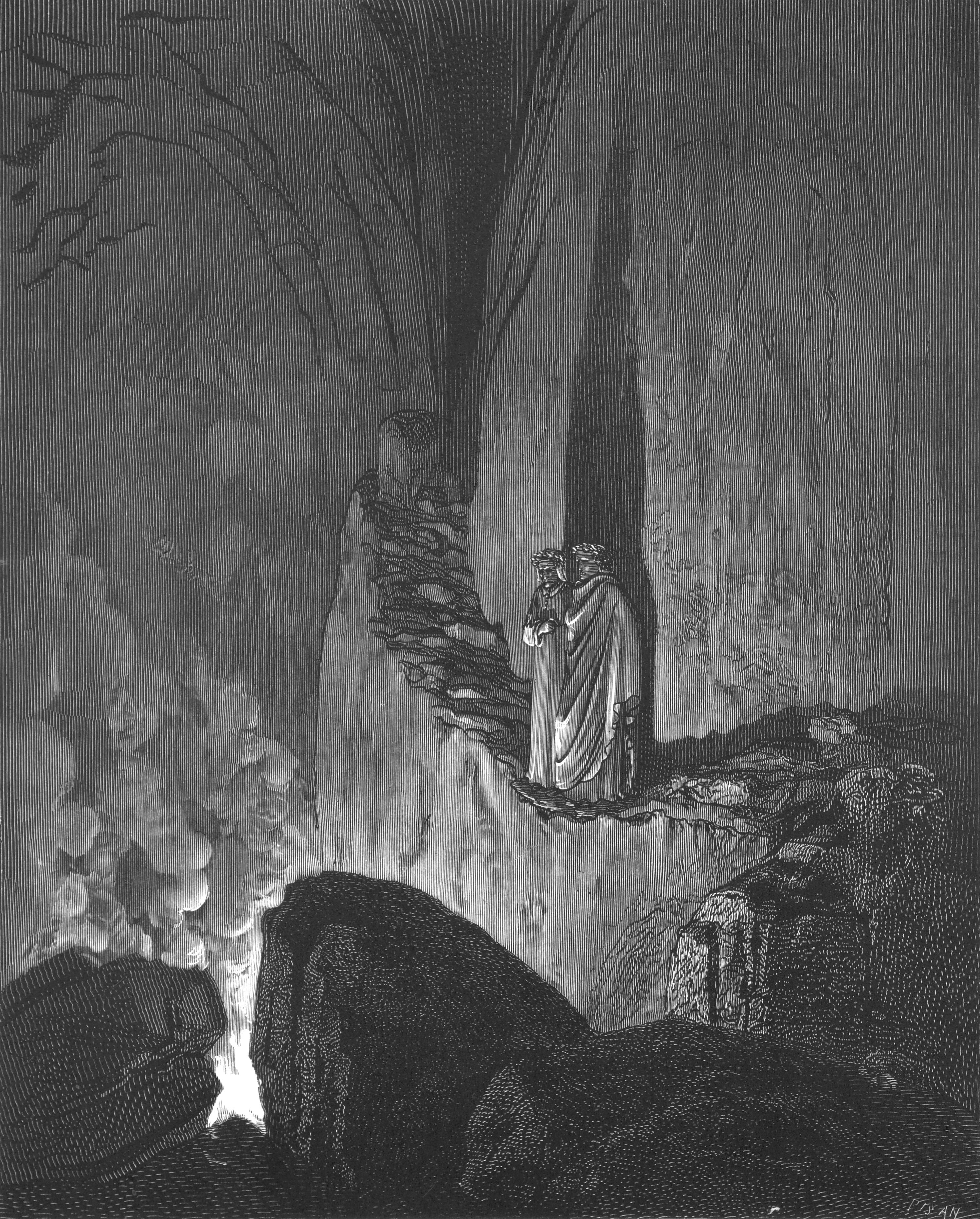
Ulysses and Diomedes
Gustave Doré · 1861
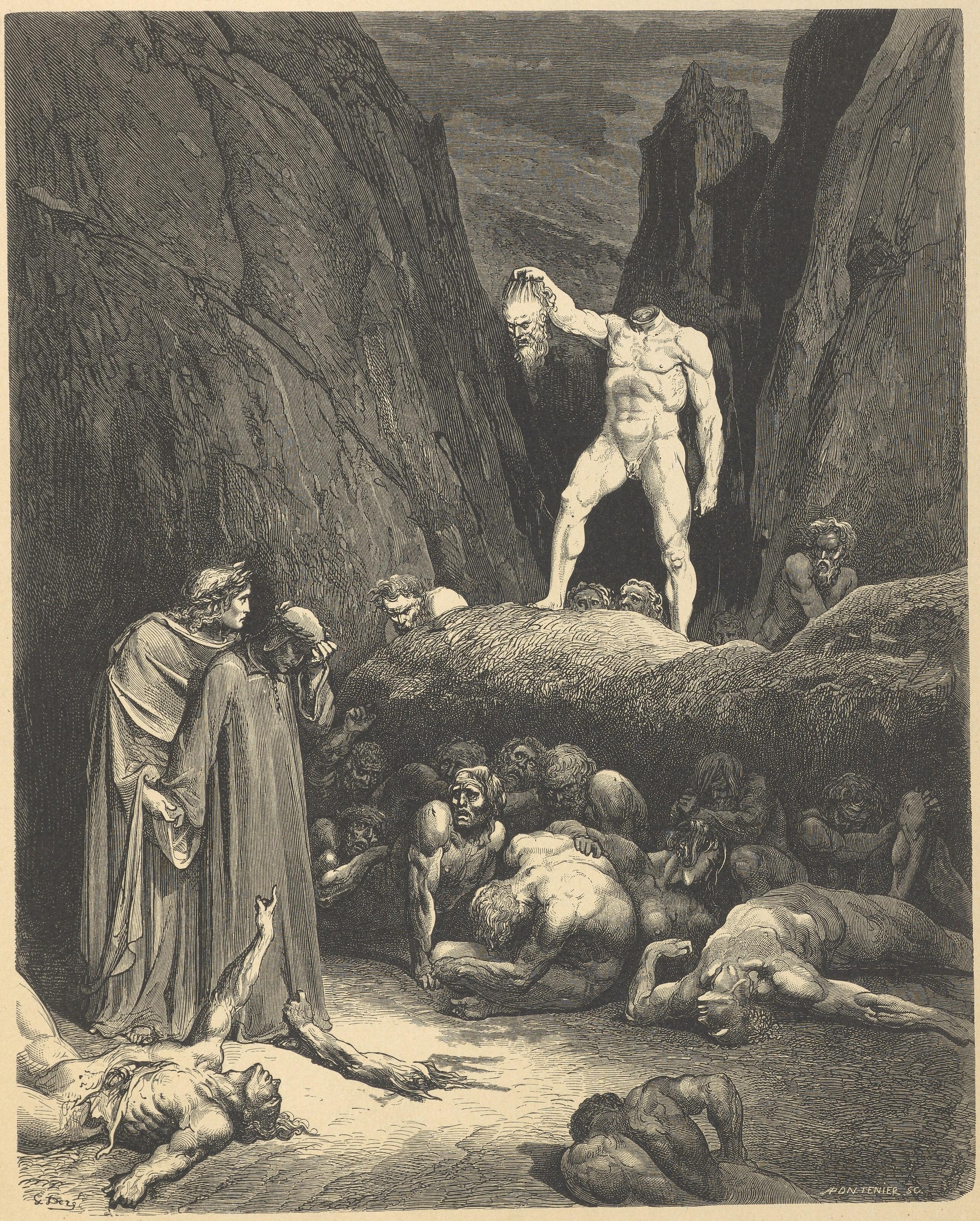
Bertran de Born Holding His Head
Gustave Doré · 1861
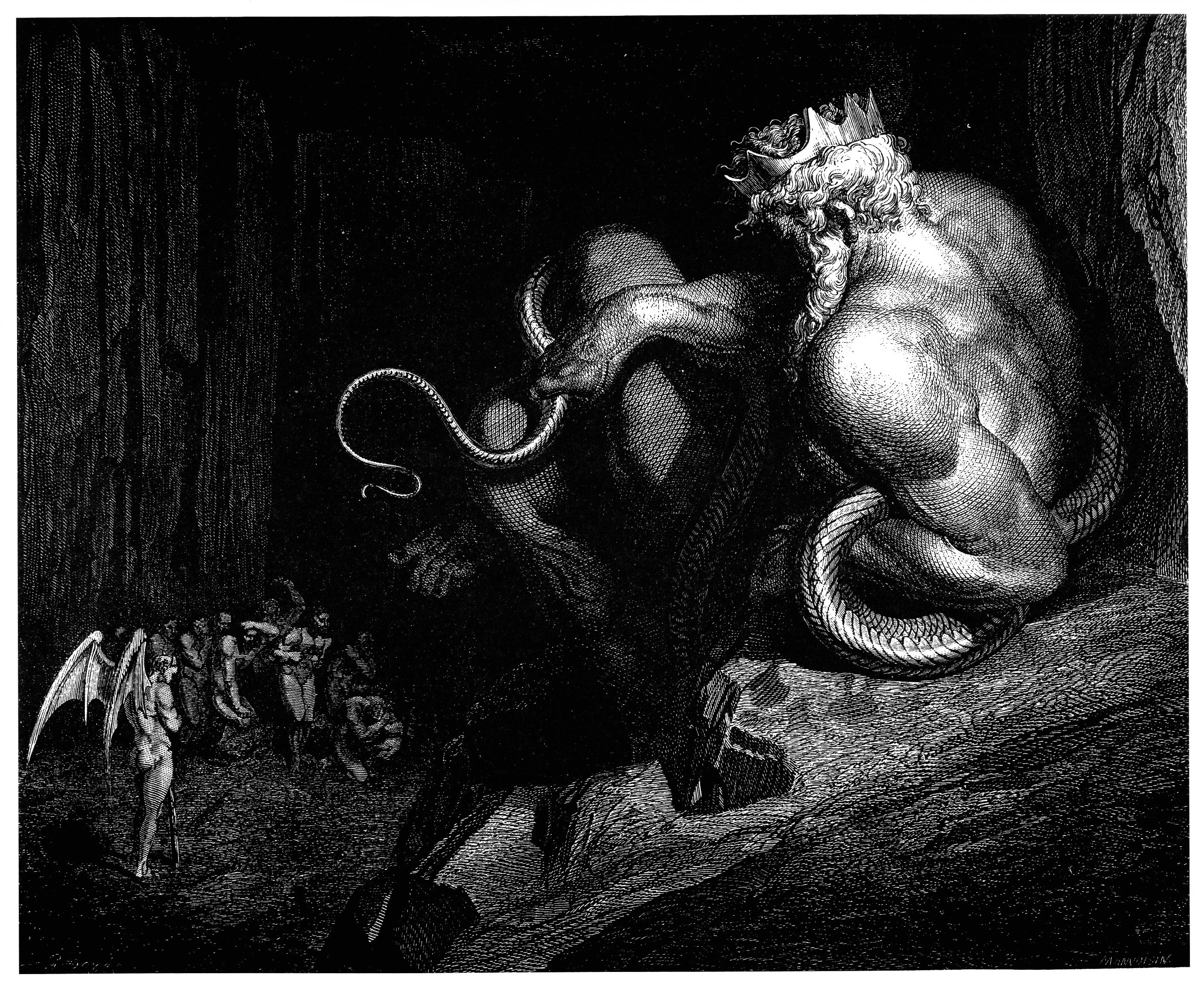
Minos, Judge of the Damned
Gustave Doré · 1861
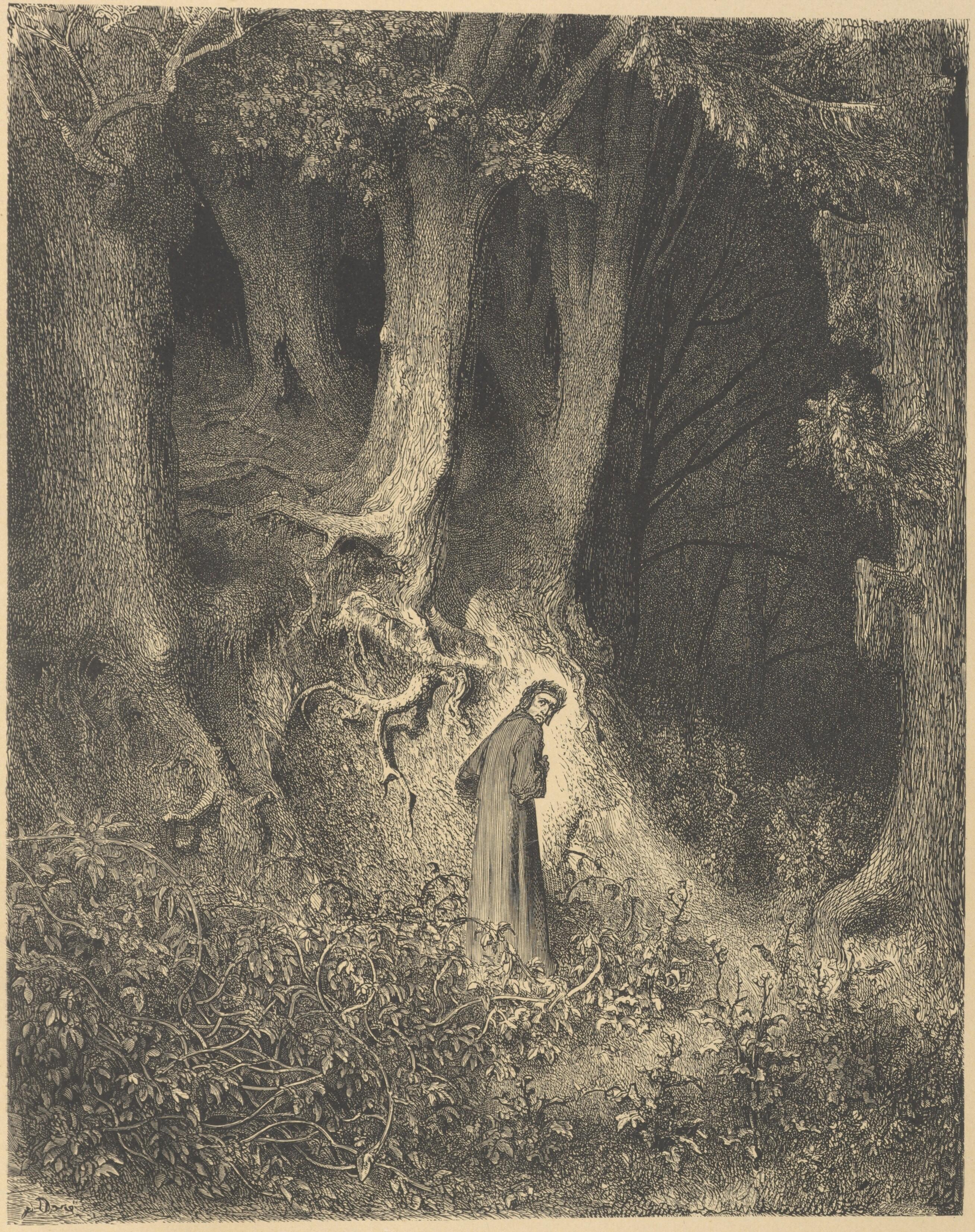
Dante Lost in the Dark Wood
Gustave Doré · 1861
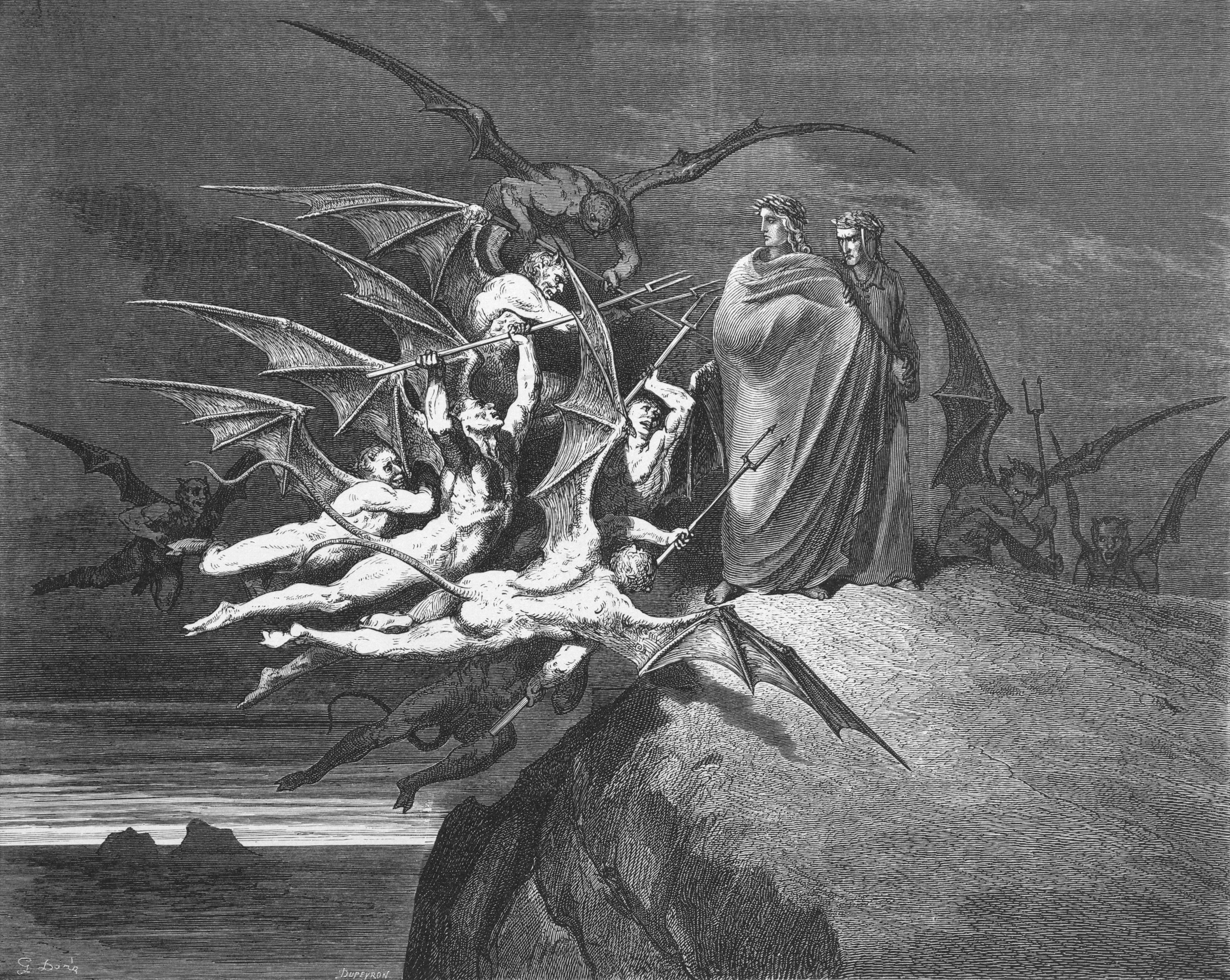
The Malebranche Demons
Gustave Doré · 1861
Also from 1861
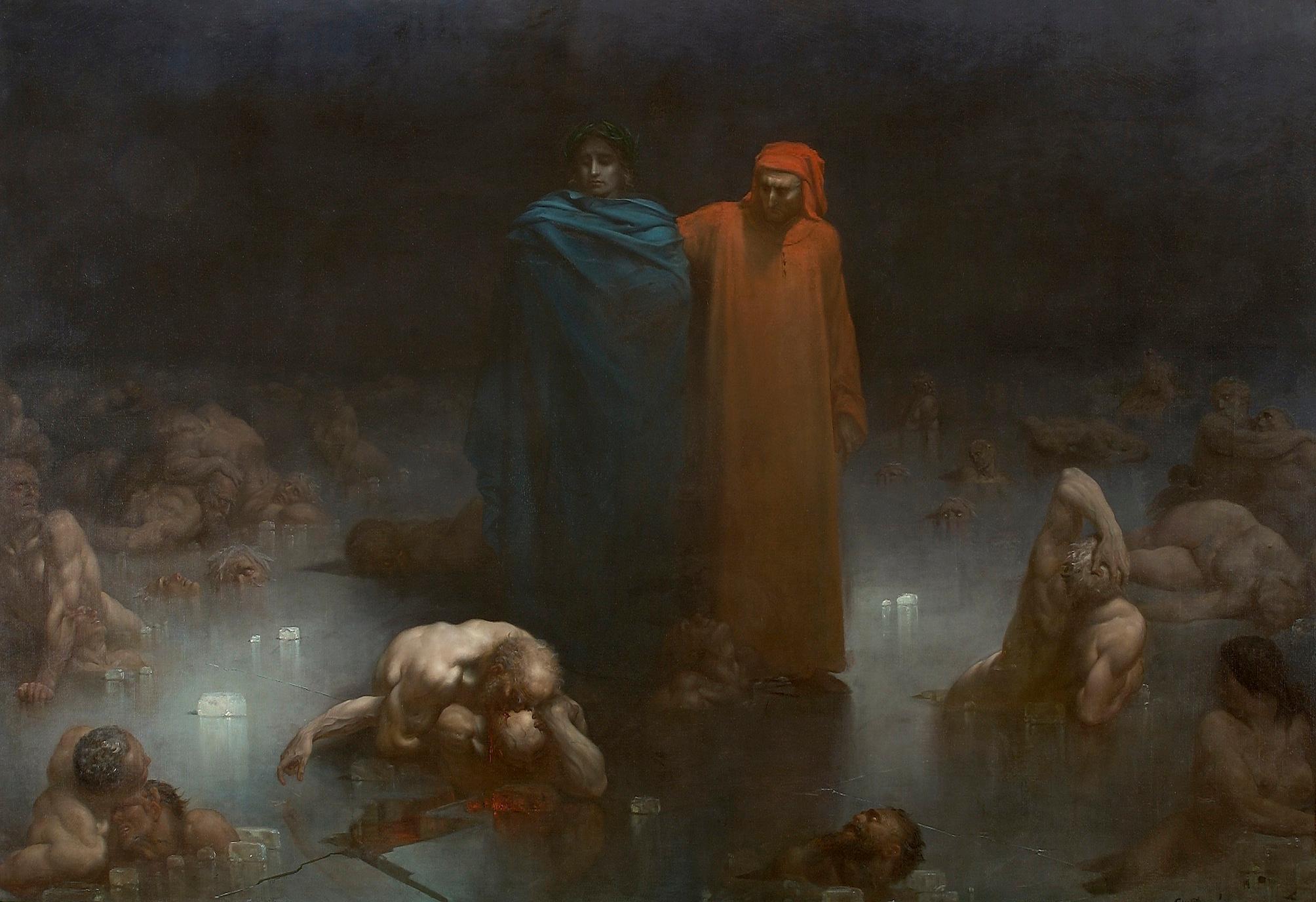
Dante and Virgil in the Ninth Circle of Hell
Gustave Doré · 1861
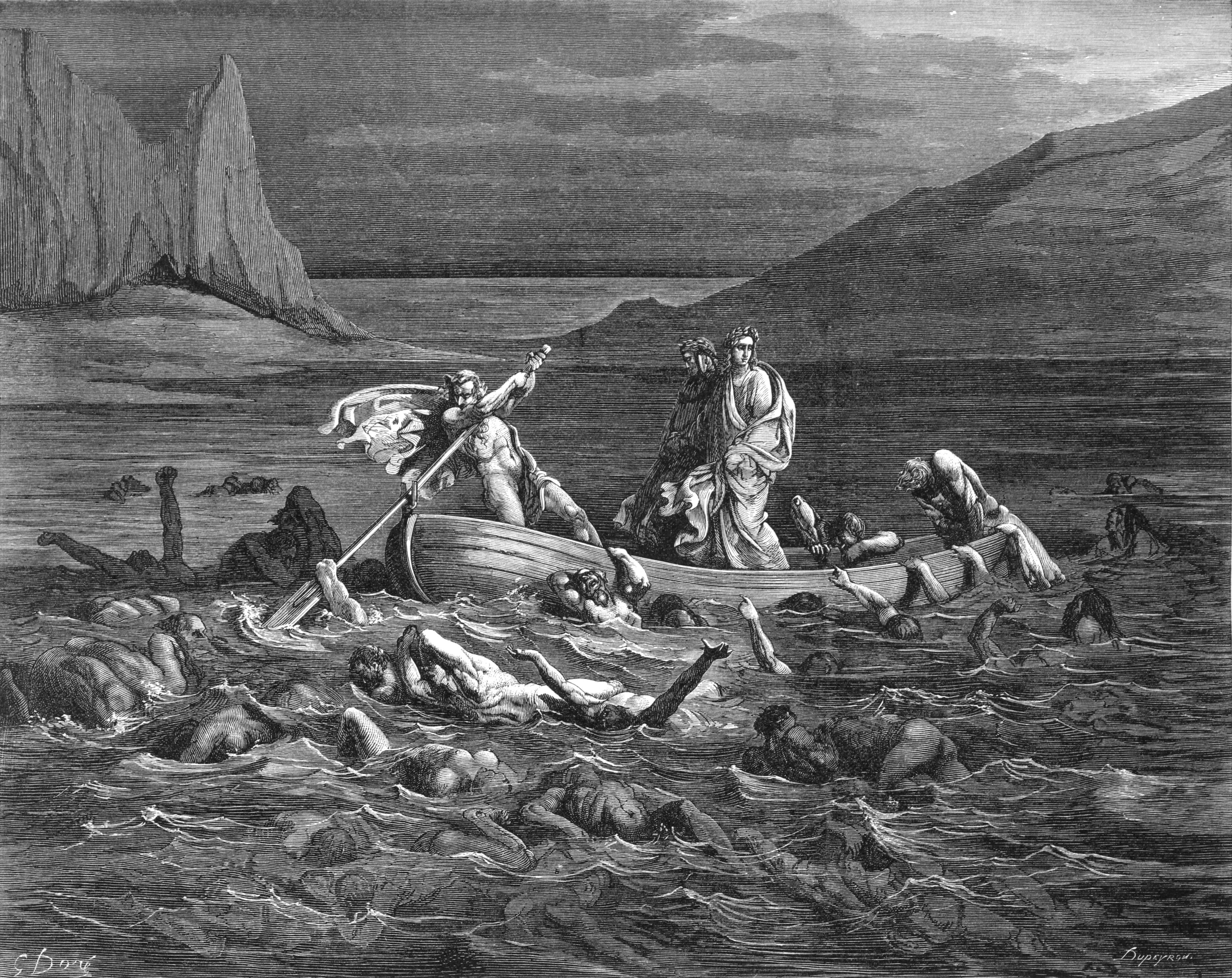
Crossing the Styx (Filippo Argenti)
Gustave Doré · 1861
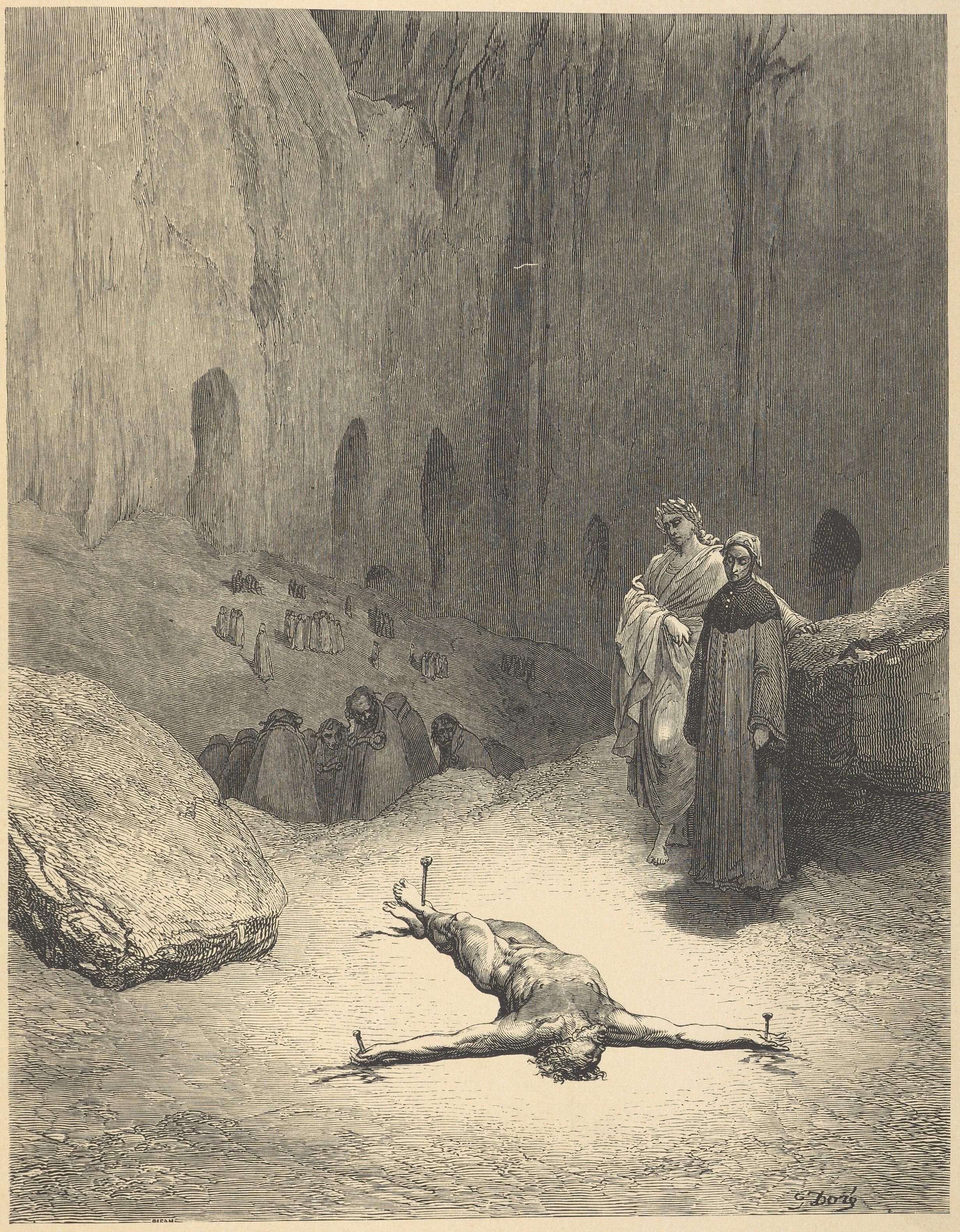
Caiaphas Crucified
Gustave Doré · 1861
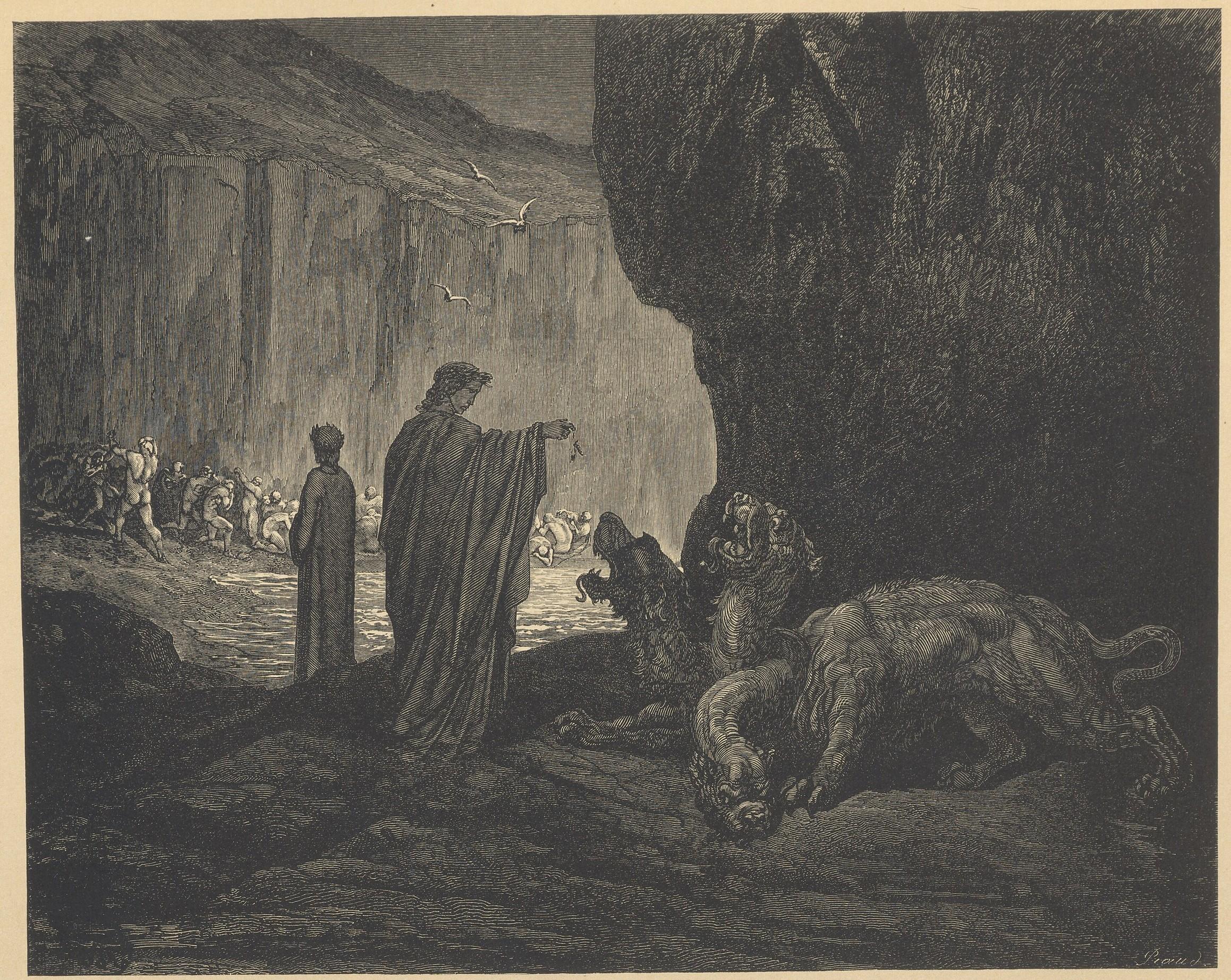
Cerberus
Gustave Doré · 1861
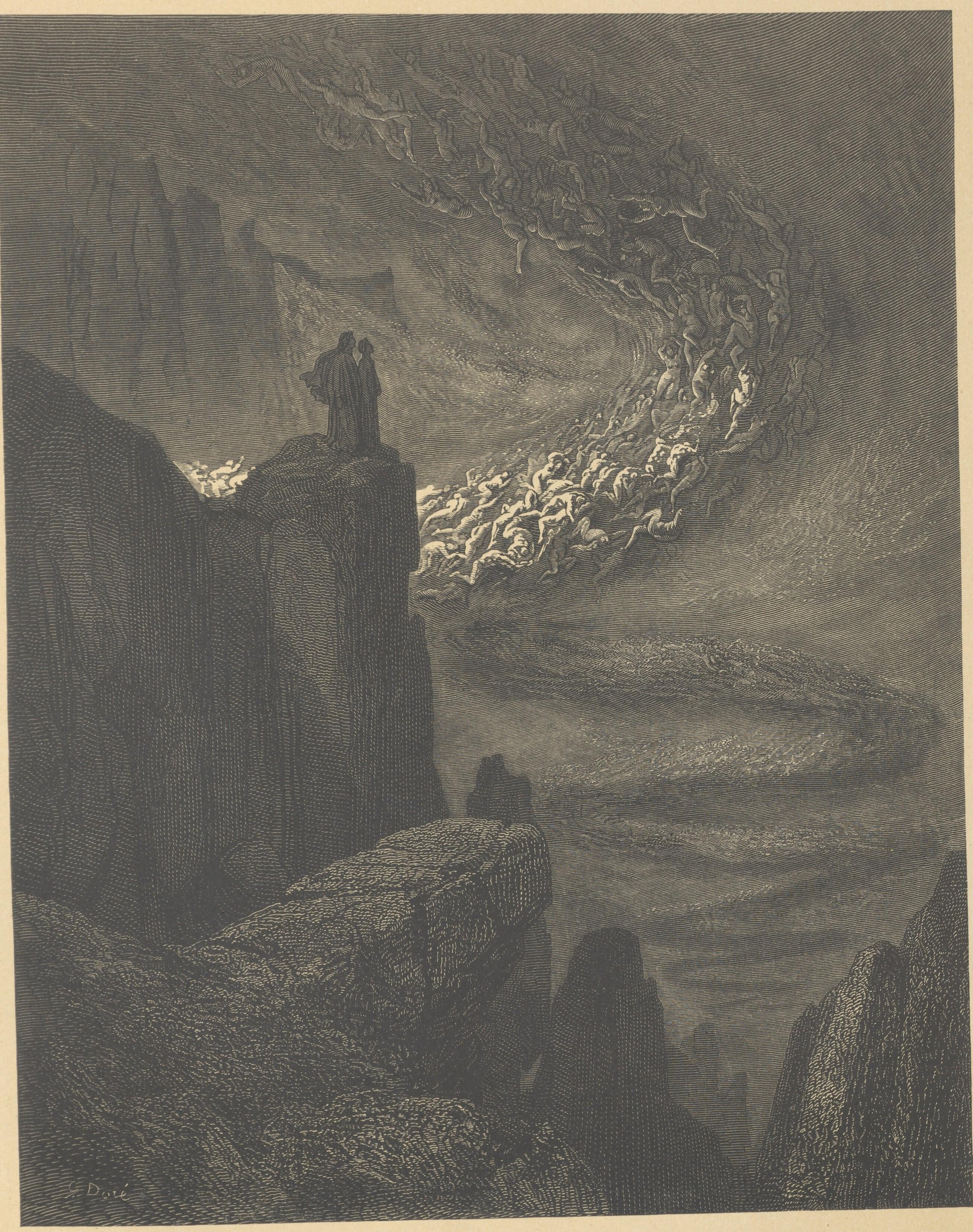
The Whirlwind of the Lustful
Gustave Doré · 1861
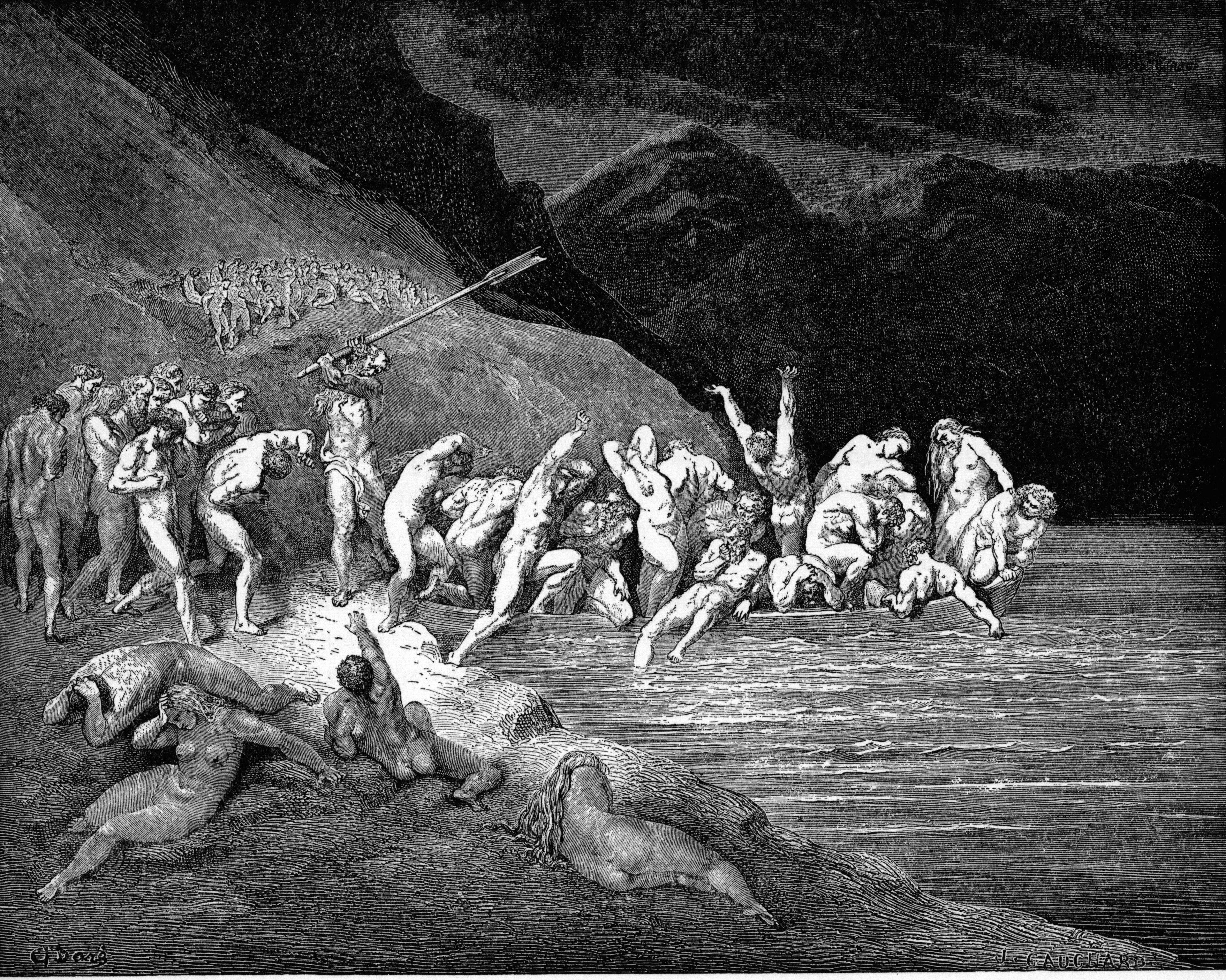
Charon, Ferryman of the Dead
Gustave Doré · 1861
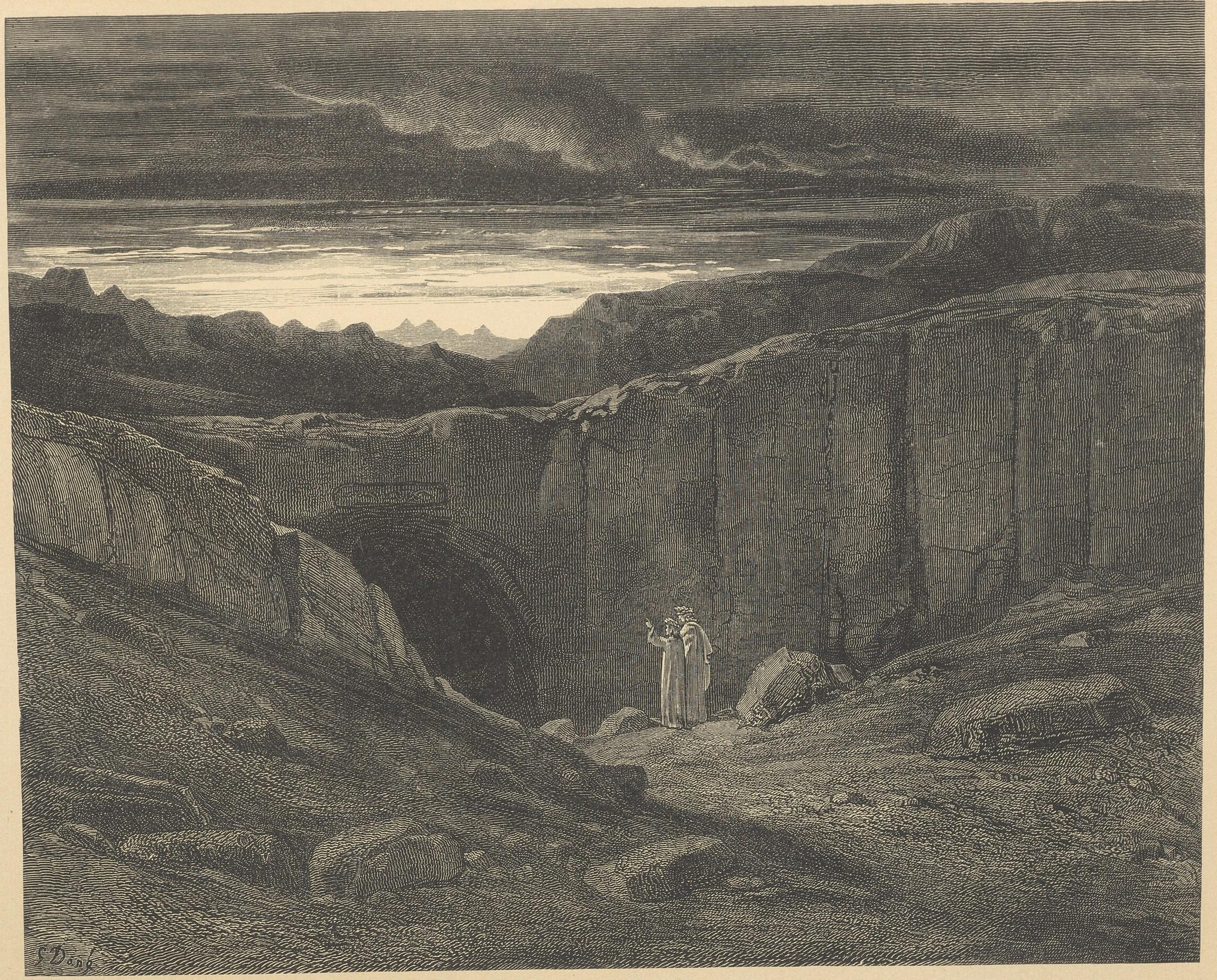
The Gate of Hell (Abandon All Hope)
Gustave Doré · 1861
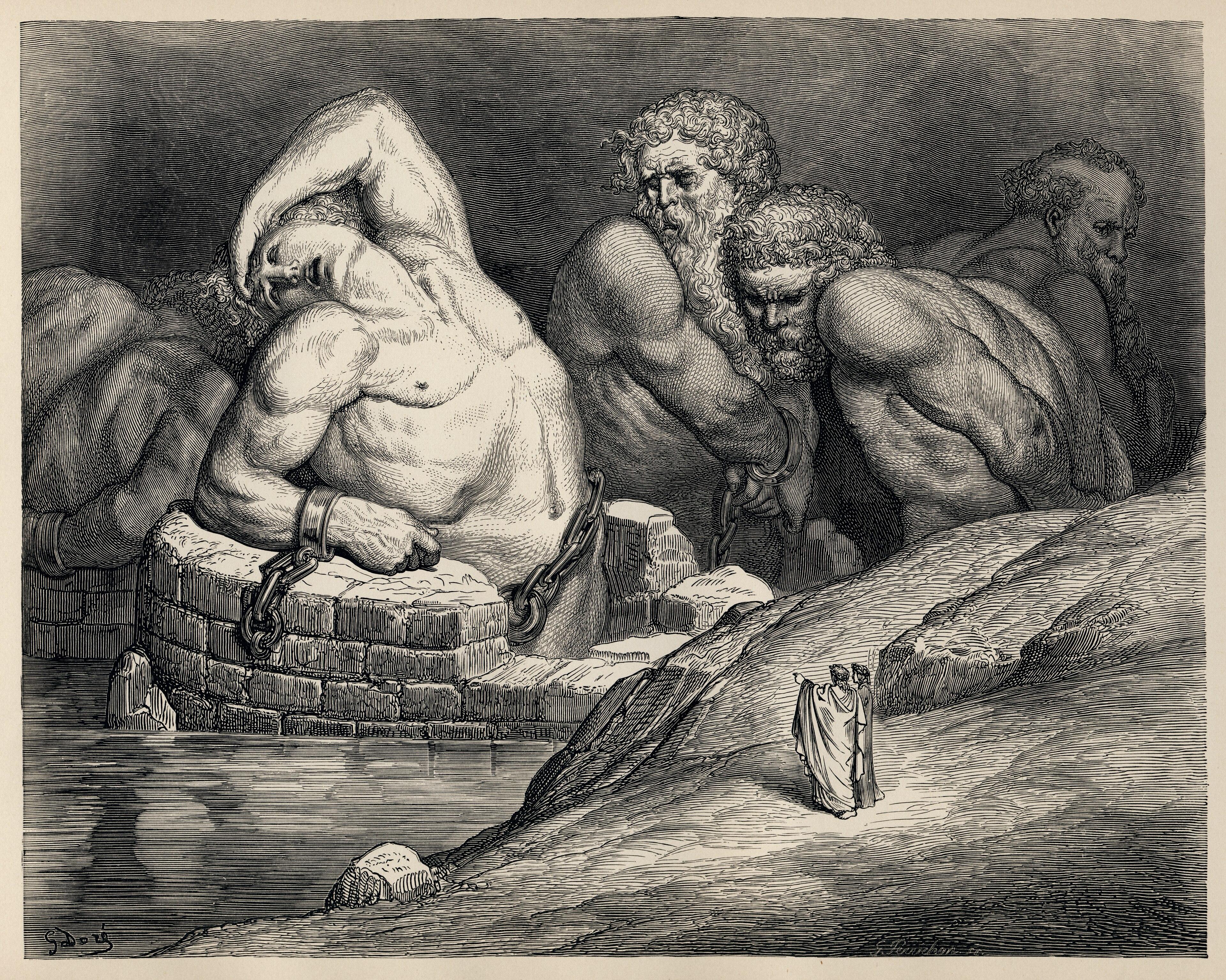
The Giants
Gustave Doré · 1861
Related works
The Whirlwind of the Lustful
Gustave Doré · 1861
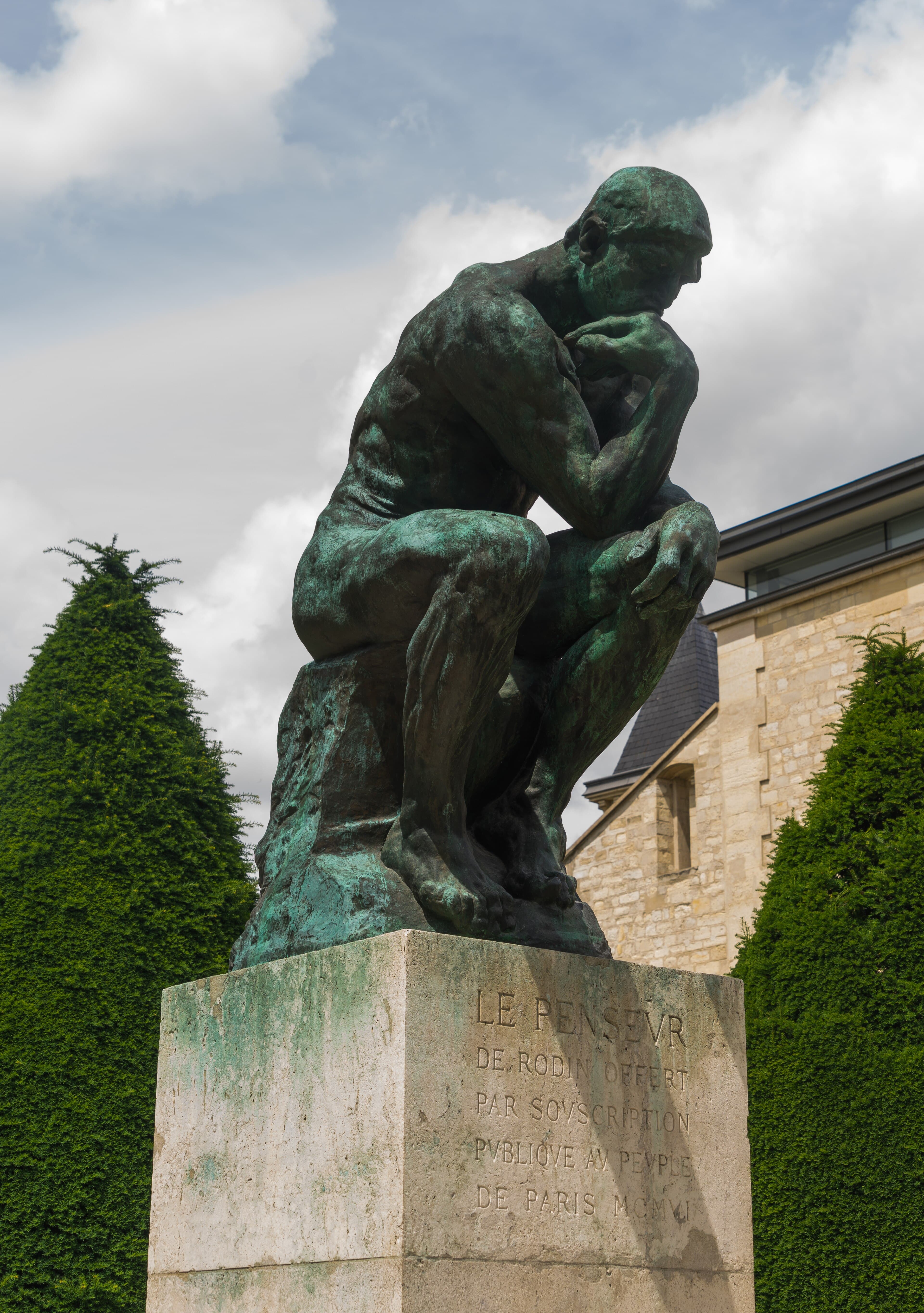
The Thinker
Auguste Rodin · Modeled 1880–82; enlarged 1902–03; this cast 1904
Apollo and Daphne
Gian Lorenzo Bernini · 1622–1625
Berenice's Tresses (La Chioma di Berenice)
Ambrogio Borghi · 1878
La Leocadia
Francisco Goya · c. 1819–1823
The Rape of Proserpina
Gian Lorenzo Bernini · 1621–1622
Hylas and the Nymphs
John William Waterhouse · 1896
Lady Godiva
John Thomas · 1861