Image: Photo: Marie-Lan Nguyen (2009); Vatican Museums · Public domain · via Wikimedia Commons
Hellenistic
Laocoön and His Sons
Agesander of Rhodes & Athenodoros of Rhodes & Polydorus of Rhodes, c. 200 BC – AD 70 (date debated); excavated 1506
Laocoön and His Sons, often simply called the Laocoon, is the ancient marble group of the Trojan priest and his two sons crushed by sea serpents, attributed by Pliny to Agesander, Athenodoros and Polydorus of Rhodes. Dug up in Rome in 1506, it is in the Vatican Museums.
- Date
- c. 200 BC – AD 70 (date debated); excavated 1506
- Medium
- Marble
- Dimensions
- 208 × 163 cm
- Collection
- Vatican Museums (Museo Pio-Clementino), Vatican City, Vatican City
- Movement
- Hellenistic
What you are looking at
A bearded man, naked and immensely muscular, half sits and half falls backward onto an altar, his body twisted in agony. Two huge serpents coil around him and around the two youths at his sides, his sons. One snake bites into Laocoön's left hip. His right arm is bent back behind his head; his left hand grips the snake's body, trying to hold it off. His head turns upward and to the side, the brows knotted, the mouth open in a groan rather than a scream.
The son on the left, smaller and younger, is already overwhelmed: the coils wrap his chest and a snake bites into his side; his head falls back and his free arm reaches weakly toward the snake. The son on the right, older, is still trying to free his foot from a coil, looking back toward his father in horror. He may still escape; the ancient texts disagree.
The composition reads best from the front, like a relief: a broad triangle of three bodies bound together by the snakes' long S-curves. The carving of Laocoön's torso, with its swollen, straining muscles and the deep furrow of the abdomen, is a showpiece of anatomical drama.
The detail most visitors miss: Laocoön's bent right arm is the original ancient arm, found only in the 20th century. For more than four hundred years the statue was displayed with a restored arm stretched heroically upward, and many copies and drawings still show it that way.
The myth of Laocoön
Laocoön was a Trojan priest of Apollo (or Poseidon, in some versions). When the Greeks left the wooden horse outside Troy, he warned the Trojans not to trust it, famously saying in Virgil's Aeneid that he feared the Greeks even when they brought gifts, and threw a spear into its side. Soon afterward two great serpents came out of the sea and killed him and his two sons. The Trojans took this as divine punishment for attacking the horse and dragged it into the city. The story was told by several Greek writers and in a lost tragedy by Sophocles, but the Aeneid, Book II, is the version everyone knew.
Who made it, and when?
The Roman writer Pliny the Elder, in his Natural History, describes a Laocoön group in the palace of the emperor Titus as a work to be preferred to all other painting and sculpture, carved by three sculptors of Rhodes: Agesander, Athenodoros and Polydorus. The Vatican statue is almost universally accepted as the work Pliny saw.
The date is still argued. The style belongs to the dramatic "Pergamene baroque" of the Hellenistic Greek world around 200 BC, the style of the Pergamon Altar. Many scholars think the Rhodian sculptors made a marble copy of an earlier bronze; others think the group is an original made for a Roman patron in the late 1st century BC or the 1st century AD. The same three names appear on the great marble groups found in 1957 at the emperor Tiberius's villa at Sperlonga, which supports a Roman-era date for the sculptors.
The discovery of 1506
In early 1506 the group was dug up in a vineyard belonging to Felice de Fredis on the Esquiline Hill in Rome. Pope Julius II sent the architect Giuliano da Sangallo to see it, and Michelangelo went with him; Sangallo is said to have recognized it at once as the statue described by Pliny. Julius bought it within weeks and set it up in the Belvedere courtyard of the Vatican, where it became the most admired sculpture in Europe.
The statue's influence on Michelangelo is visible in his twisting, muscular figures, from the Sistine Chapel ceiling onward. In 1798 French troops carried it to Paris, where it was displayed at the Louvre until it returned to the Vatican in 1816. In 1905–06 the archaeologist Ludwig Pollak found a bent marble arm in a Roman builder's yard; in the 1950s it was recognized as Laocoön's own and reattached, and the group was reassembled again in the 1980s.
What does the Laocoön mean?
At its simplest, the statue shows a man punished by the gods for telling the truth, a theme with obvious tragic power. For later viewers, it became the central exhibit in a debate about art itself. The German scholar Johann Joachim Winckelmann praised Laocoön's restraint: in the midst of terrible pain he does not shriek, and that noble calm was, for Winckelmann, the essence of Greek art. Gotthold Ephraim Lessing answered in his essay Laocoön (1766), arguing that sculpture and poetry follow different laws, and that the sculptor muted the scream because a gaping mouth would be ugly in stone, not because of stoic calm. The statue thus helped found modern aesthetics.
Where is the Laocoon today?
The group stands in the Octagonal Court (Cortile Ottagono) of the Museo Pio-Clementino in the Vatican Museums, near the Apollo Belvedere. It belongs with the great Greek statues of the Hellenistic age. It is one of the most important works in our famous sculptures collection and a model for later sculptural drama, from Bernini's The Rape of Proserpina to Rodin's The Thinker.
Questions & answers
Where is the Laocoön statue?
Laocoön and His Sons is in the Vatican Museums in Vatican City, in the Octagonal Court of the Museo Pio-Clementino. It has been in the Vatican since Pope Julius II bought it in 1506, apart from 1798–1816, when Napoleon's forces took it to the Louvre.
Who made the Laocoön?
The Roman writer Pliny the Elder attributed it to three sculptors from Rhodes: Agesander, Athenodoros and Polydorus. Whether they created an original or copied an earlier Hellenistic bronze of around 200 BC is still debated.
What is the story of Laocoön?
Laocoön was a Trojan priest who warned his people not to accept the Greeks' wooden horse and struck it with a spear. Two sea serpents then killed him and his two sons, which the Trojans took as divine punishment. The best-known account is in Virgil's Aeneid, Book II.
When was the Laocoön found?
It was excavated in early 1506 in a vineyard on the Esquiline Hill in Rome. Giuliano da Sangallo and Michelangelo saw it soon after it was unearthed, and Sangallo identified it as the work described by Pliny.
Why is Laocoön's arm bent?
Laocoön's original right arm was missing when the statue was found, and for centuries a restored, outstretched arm was used. In 1905–06 Ludwig Pollak found the ancient bent arm in Rome; it was identified and reattached in the 1950s.
Kindred works
You may also study
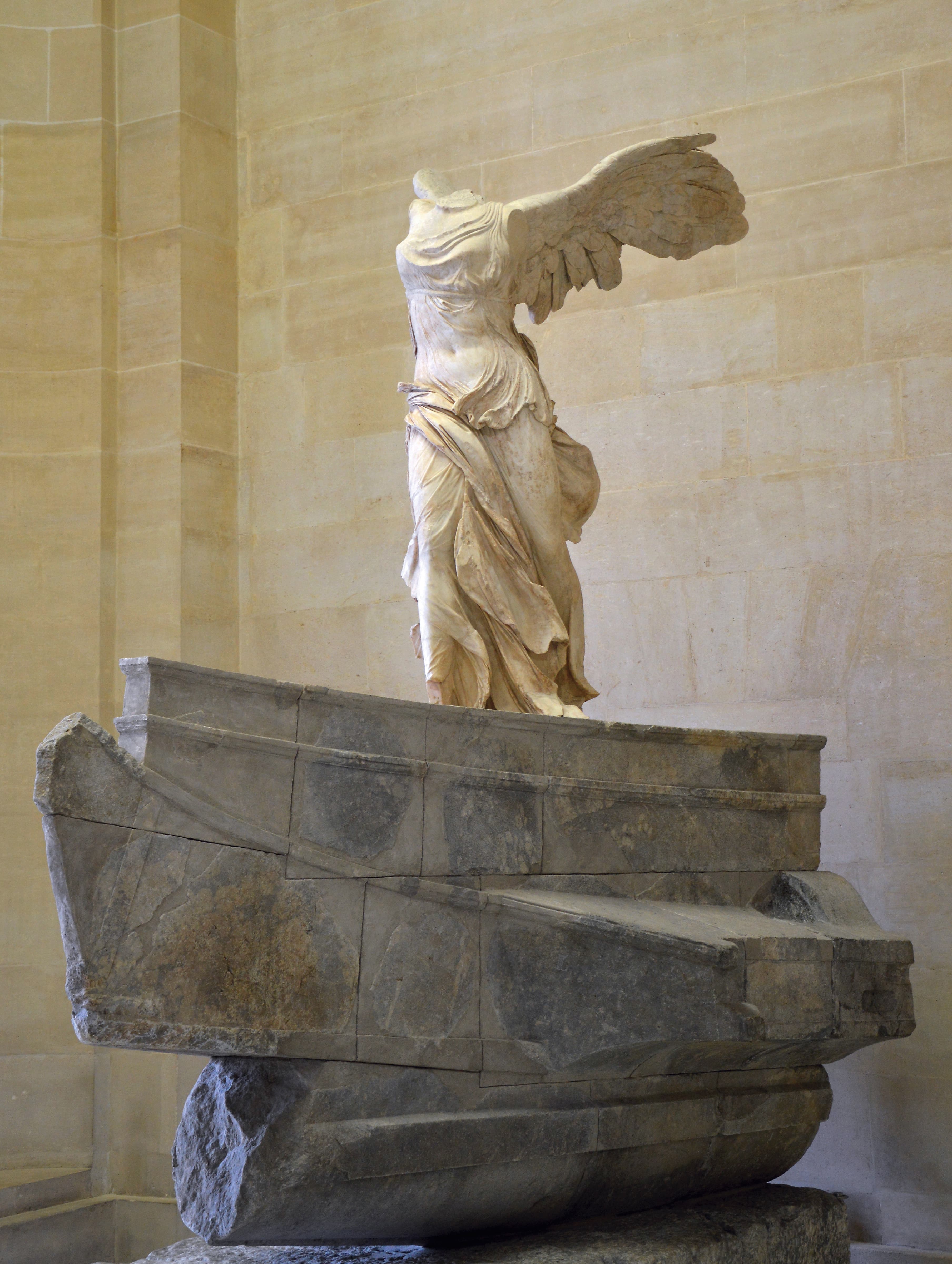
Winged Victory of Samothrace
Artist Unknown · c. 200–190 BC

Venus de Milo
Alexandros of Antioch · c. 150–125 BC
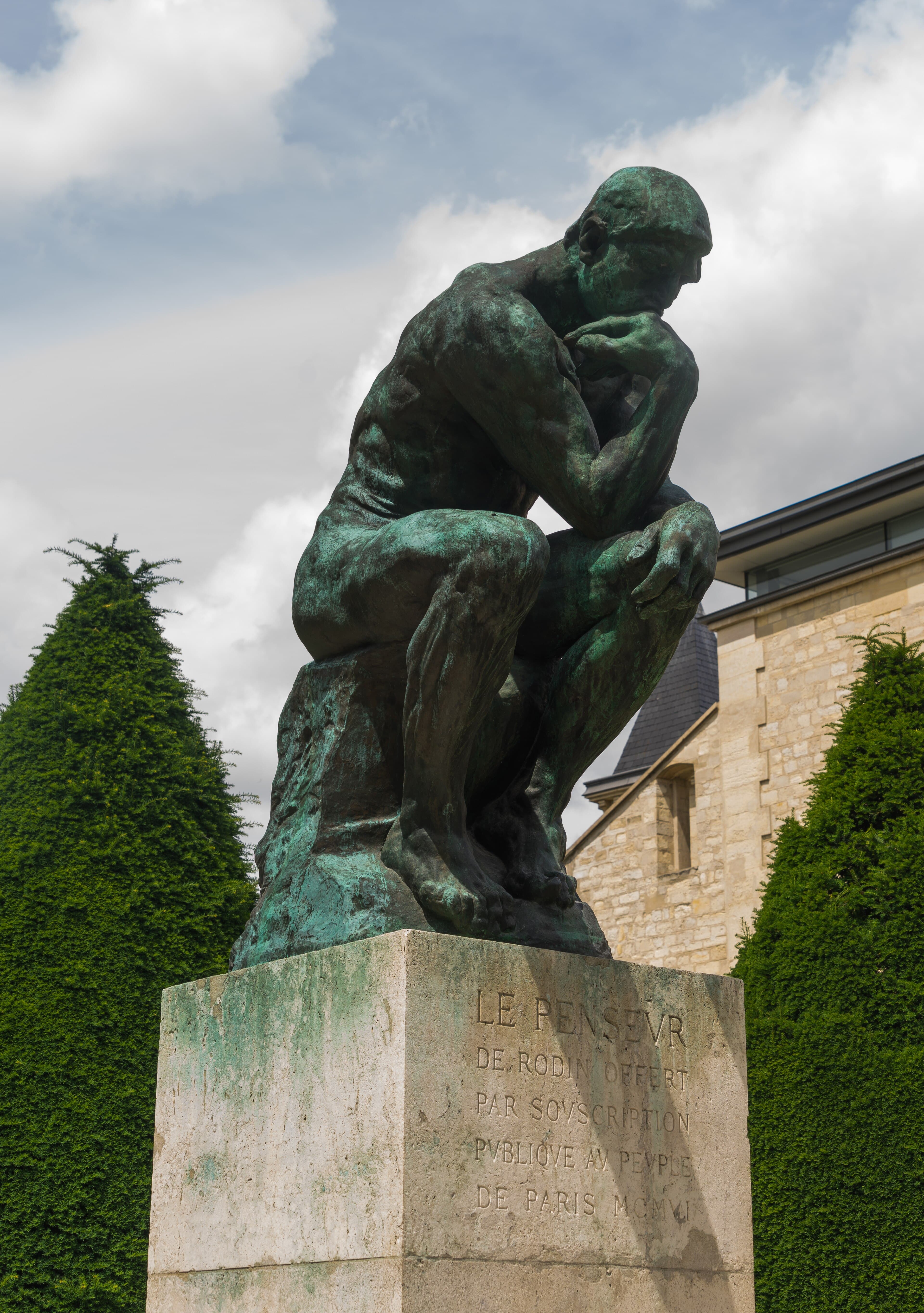
The Thinker
Auguste Rodin · Modeled 1880–82; enlarged 1902–03; this cast 1904
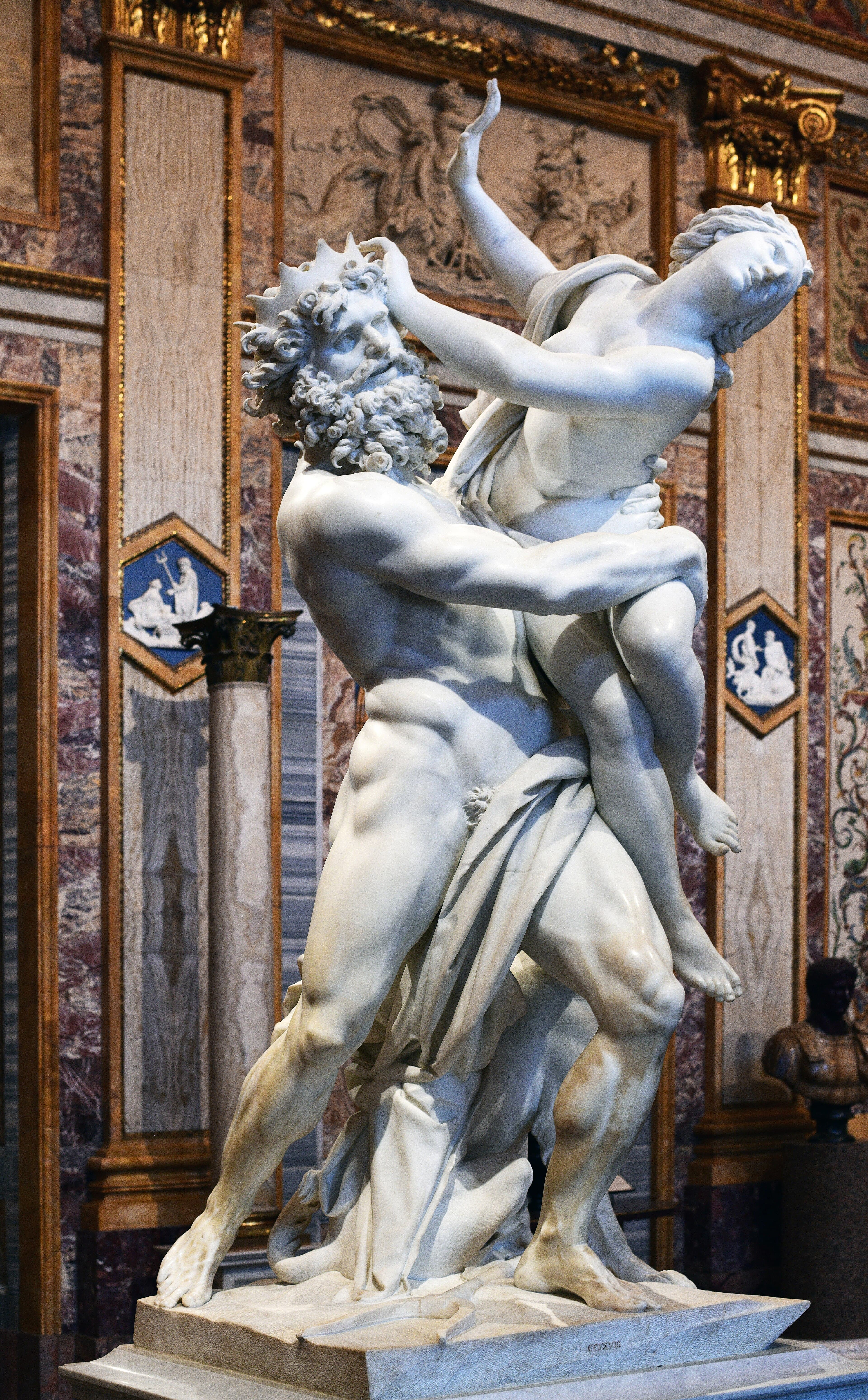
The Rape of Proserpina
Gian Lorenzo Bernini · 1621–1622
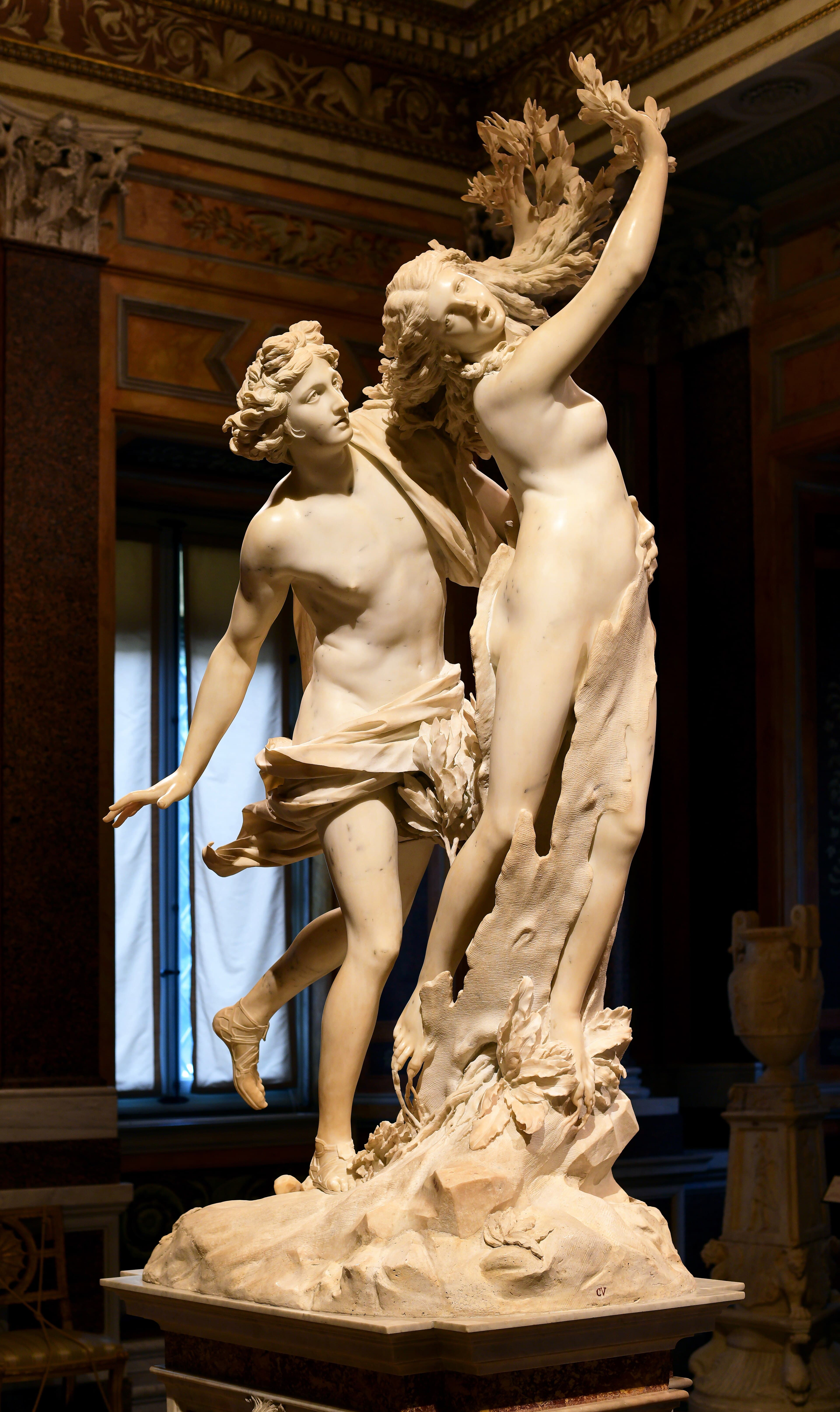
Apollo and Daphne
Gian Lorenzo Bernini · 1622–1625
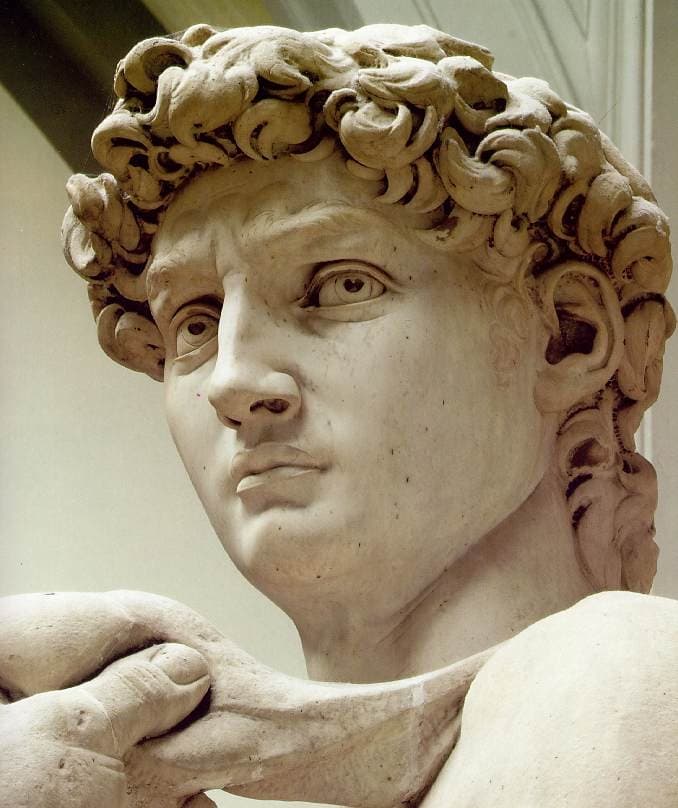
Statue of David
Michelangelo · 1501–04

Nymphs Dancing to Pan's Flute
Joseph Tomanek

The Scream
Edvard Munch · 1893