Post-Impressionism
At Eternity's Gate
Vincent van Gogh, 1890
At Eternity's Gate, also called Sorrowing Old Man, is an oil painting Vincent van Gogh made at Saint-Rémy in early May 1890, reworking a drawing of 1882. It is in the Kröller-Müller Museum, Otterlo, Netherlands.
- Artist
- Vincent van Gogh
- Date
- 1890
- Medium
- Oil on canvas
- Dimensions
- 80 × 64 cm
- Collection
- Kröller-Müller Museum, Otterlo, Netherlands
- Movement
- Post-Impressionism
At Eternity's Gate (in Dutch Treurende oude man, "Sorrowing Old Man") is an oil painting by Vincent van Gogh, made in early May 1890 at the asylum of Saint-Paul-de-Mausole in Saint-Rémy-de-Provence, about two and a half months before his death. The canvas, 80 by 64 centimeters, is in the Kröller-Müller Museum in Otterlo, in the Netherlands. It is not a new composition: Van Gogh was repainting, in color, a figure he had first drawn in The Hague eight years earlier.
What you are looking at
An old man sits on a simple yellow wooden chair beside a small fire. He is bent almost double, elbows on his knees, his clenched fists pressed into his eyes. His bald head is lowered so far that his face is completely hidden. He wears a worn blue suit, and his heavy boots are planted on a floor of reddish-brown boards.
The color is simple and stark. The blues of the clothes, laid down in long parallel strokes that follow the curve of the back and the folds of the trousers, dominate the canvas. Against them, the orange flicker of the fire at left and the warm floor make a direct complementary contrast. The wall behind is a pale cream, crossed by a dark band at the height of the fireplace. There is no window, no other object, nothing to look at except the man and his grief.
Look closely at the hands. Van Gogh paints the knuckles as hard, angular lumps of pale paint pushed into the eye sockets, and the tension runs up the forearms into the hunched shoulders. The whole figure is drawn as a single closed shape, a knot of misery.
From a drawing of 1882
In November 1882, living in The Hague, Van Gogh made a series of drawings of an elderly pensioner, Adrianus Jacobus Zuyderland, who lived in a home for old men and modeled for him for small fees. One drawing showed the man seated with his head in his hands; Van Gogh titled it Worn Out, in English. He then made a lithograph of the pose and wrote on it, again in English, "At Eternity's Gate". He had treated a similar subject in a drawing made at Etten in 1881.
The 1890 painting is a reworking of that 1882 image. During the winter and spring of 1890, Van Gogh suffered several severe attacks of his illness and for weeks could not paint from life. When he recovered, he turned to copies and variations, after Millet, Delacroix, Rembrandt and his own earlier work. At Eternity's Gate is one of those translations of an old black-and-white image into color.
What Van Gogh said about it
The title comes from Van Gogh himself, and so does the best guide to its meaning. In a letter to his brother Theo written in late November 1882, while working on the lithograph, he explained what he had tried to put into it. He argued that the expression of an old man sitting quietly by his hearth was one of the strongest proofs of "something on high" — of God and eternity — in which the painter Jean-François Millet believed. He insisted this was not theology, but the plain fact that the poorest laborer can have moments of feeling that give him a sense of an eternal home.
That letter is crucial. Van Gogh did not intend the image as a picture of despair or suicide. He meant it as a picture of grief that, in its very depth, points toward something beyond death.
Meaning and later readings
Because Van Gogh died in July 1890, the painting is often read biographically, as a self-image of the artist at the end. That reading should be handled with care. The composition dates from 1882, when Van Gogh was twenty-nine and full of plans; in 1890 he chose to repeat it, and the choice may well reflect his state of mind, but the figure is not a self-portrait.
The religious meaning Van Gogh gave the 1882 image is consistent with his background as a pastor's son and a former lay preacher, and with his reverence for Millet's devout peasant scenes. Read with his letter in mind, the old man's grief becomes a kind of prayer.
Reception and legacy
The painting entered the collection of Helene Kröller-Müller, one of the great early Van Gogh collectors, and has been in Otterlo since the museum opened in 1938. Its English title was later borrowed for Julian Schnabel's 2018 film At Eternity's Gate, with Willem Dafoe as Van Gogh, which has made the phrase widely searched, although the film covers his whole time in Arles, Saint-Rémy and Auvers.
Where to see it
The painting is in the Kröller-Müller Museum, inside the Hoge Veluwe National Park near Otterlo. The museum holds the second-largest collection of Van Gogh's work in the world after the Van Gogh Museum in Amsterdam. For more of his late work, see Wheatfield with Crows, The Starry Night, and our guide to famous Van Gogh paintings.
Questions & answers
Where is At Eternity's Gate by Van Gogh?
The painting is in the Kröller-Müller Museum in Otterlo, the Netherlands, inside the Hoge Veluwe National Park. It belonged to the collector Helene Kröller-Müller, whose museum holds the second-largest Van Gogh collection in the world after the Van Gogh Museum in Amsterdam.
When did Van Gogh paint At Eternity's Gate?
He painted it in early May 1890 at the asylum in Saint-Rémy-de-Provence, shortly before moving to Auvers-sur-Oise, where he died in July. The composition, however, comes from drawings and a lithograph he made in The Hague in November 1882. He reworked it in color.
What is the meaning of At Eternity's Gate?
In a letter to his brother Theo from 1882, Van Gogh explained that the deep feeling of an old man sitting quietly by the fire seemed to him a proof of God and eternity. The picture is about grief that points beyond death, not simply about despair.
Who is the old man in At Eternity's Gate?
The model was Adrianus Jacobus Zuyderland, an elderly pensioner and veteran who lived in an almshouse in The Hague and posed for Van Gogh in 1882. The 1890 painting repeats the pose from those drawings, so the figure is not a self-portrait.
Is the film At Eternity's Gate about this painting?
Not directly. Julian Schnabel's 2018 film At Eternity's Gate, starring Willem Dafoe, borrows the painting's English title for a portrait of Van Gogh's last years in Arles, Saint-Rémy and Auvers. The painting itself appears only as part of that larger story.
More by the artist
Vincent van Gogh
Head of a Skeleton with a Burning Cigarette
Vincent van Gogh · 1886
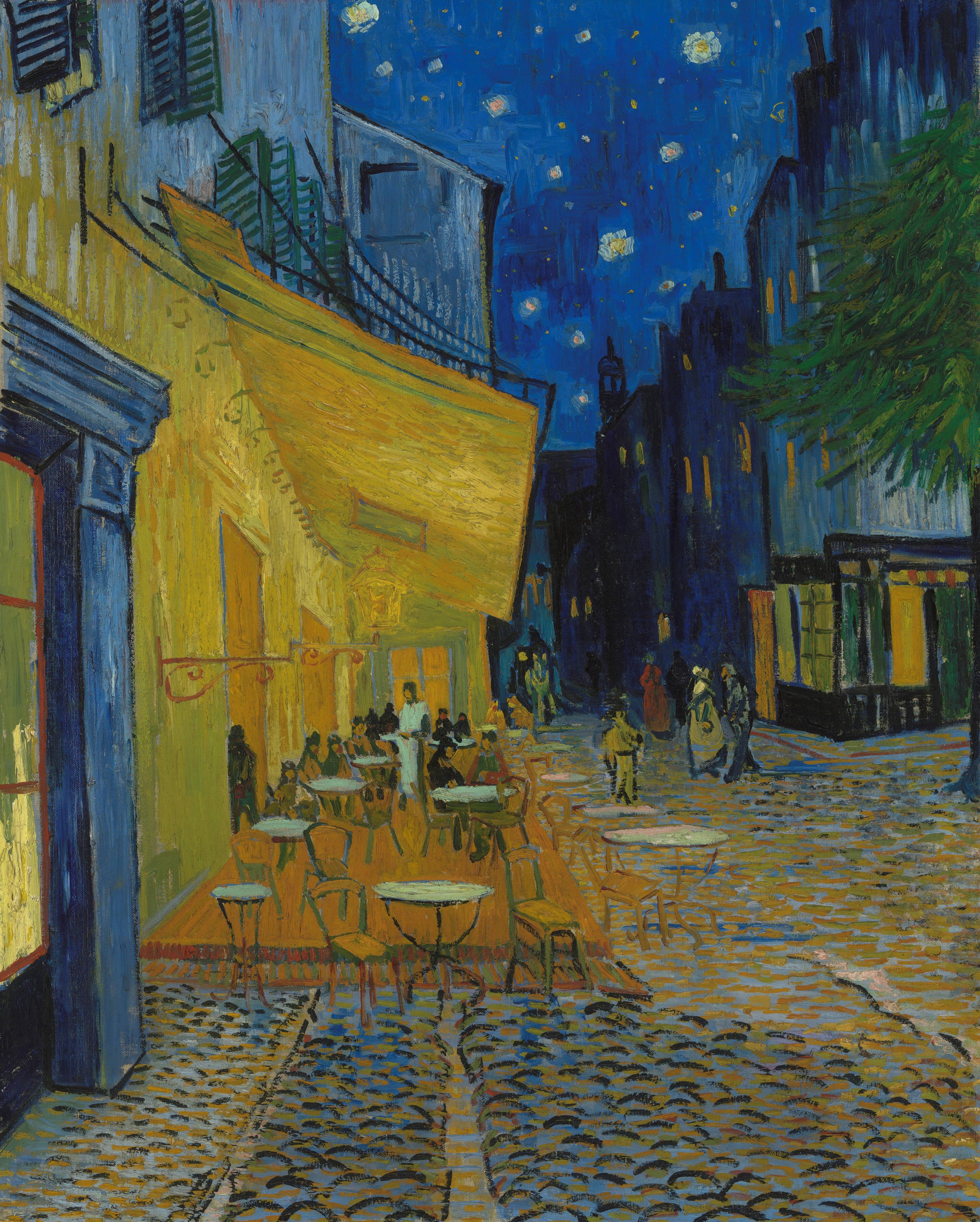
Café Terrace at Night
Vincent van Gogh · September 1888
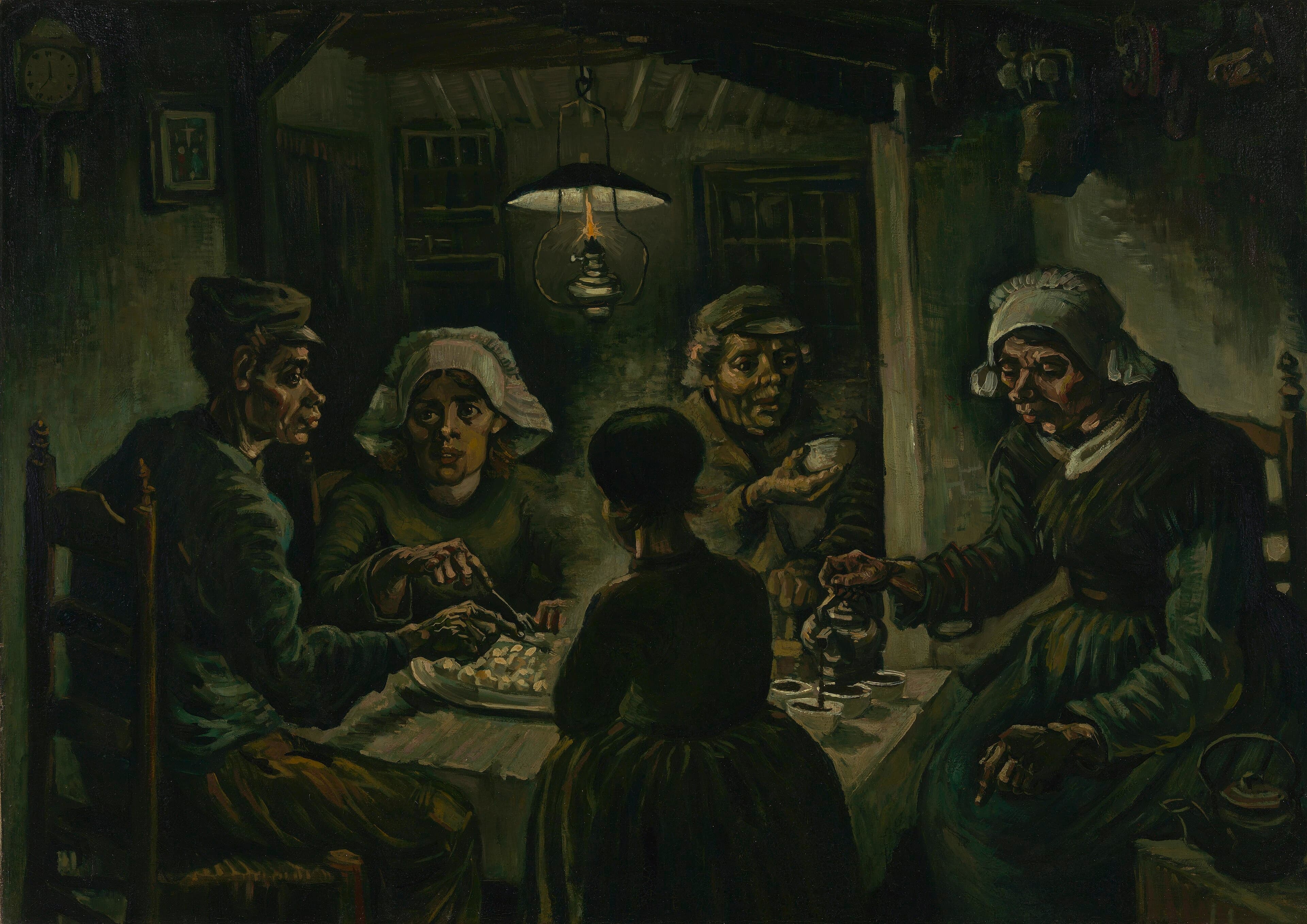
The Potato Eaters
Vincent van Gogh · April–May 1885
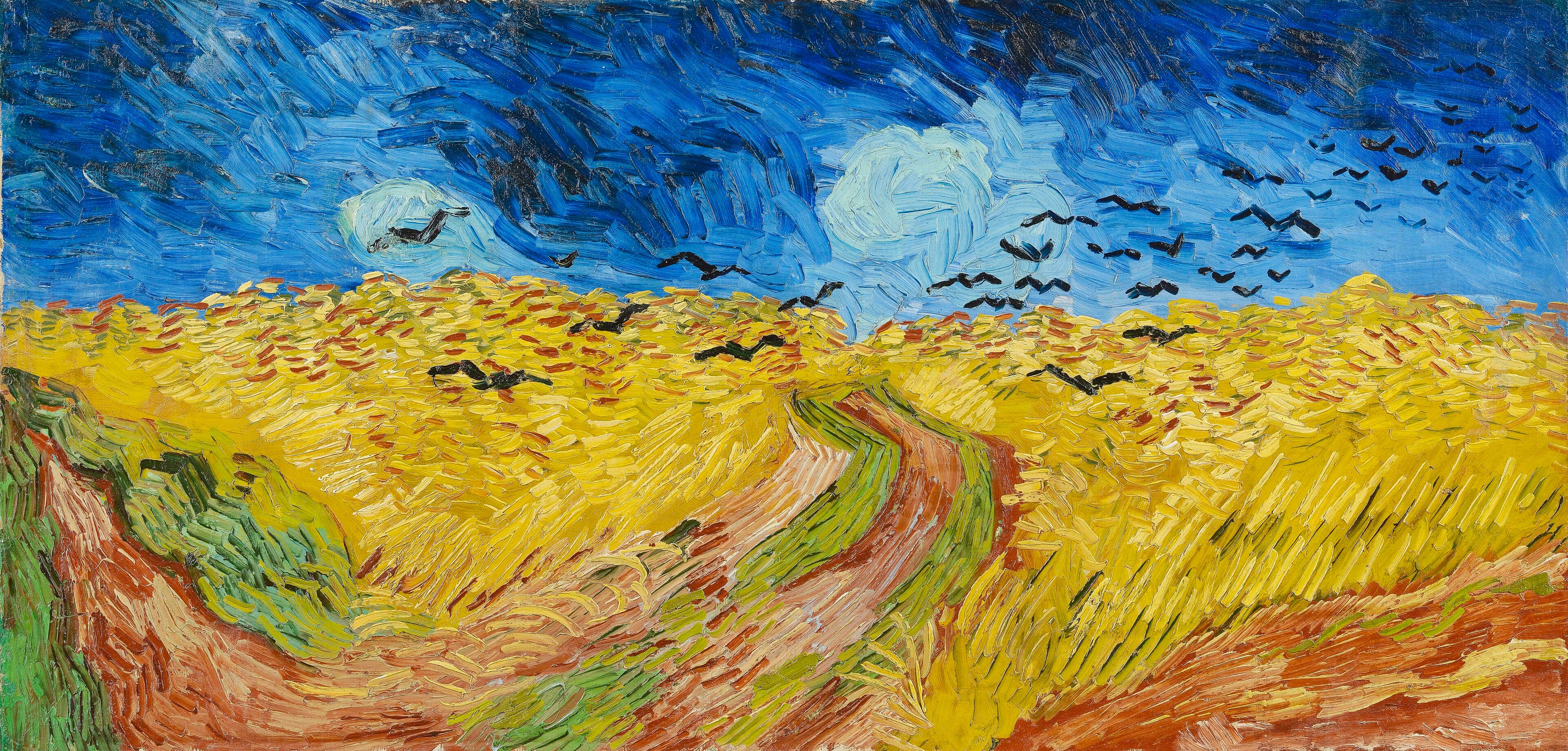
Wheatfield with Crows
Vincent van Gogh · July 1890
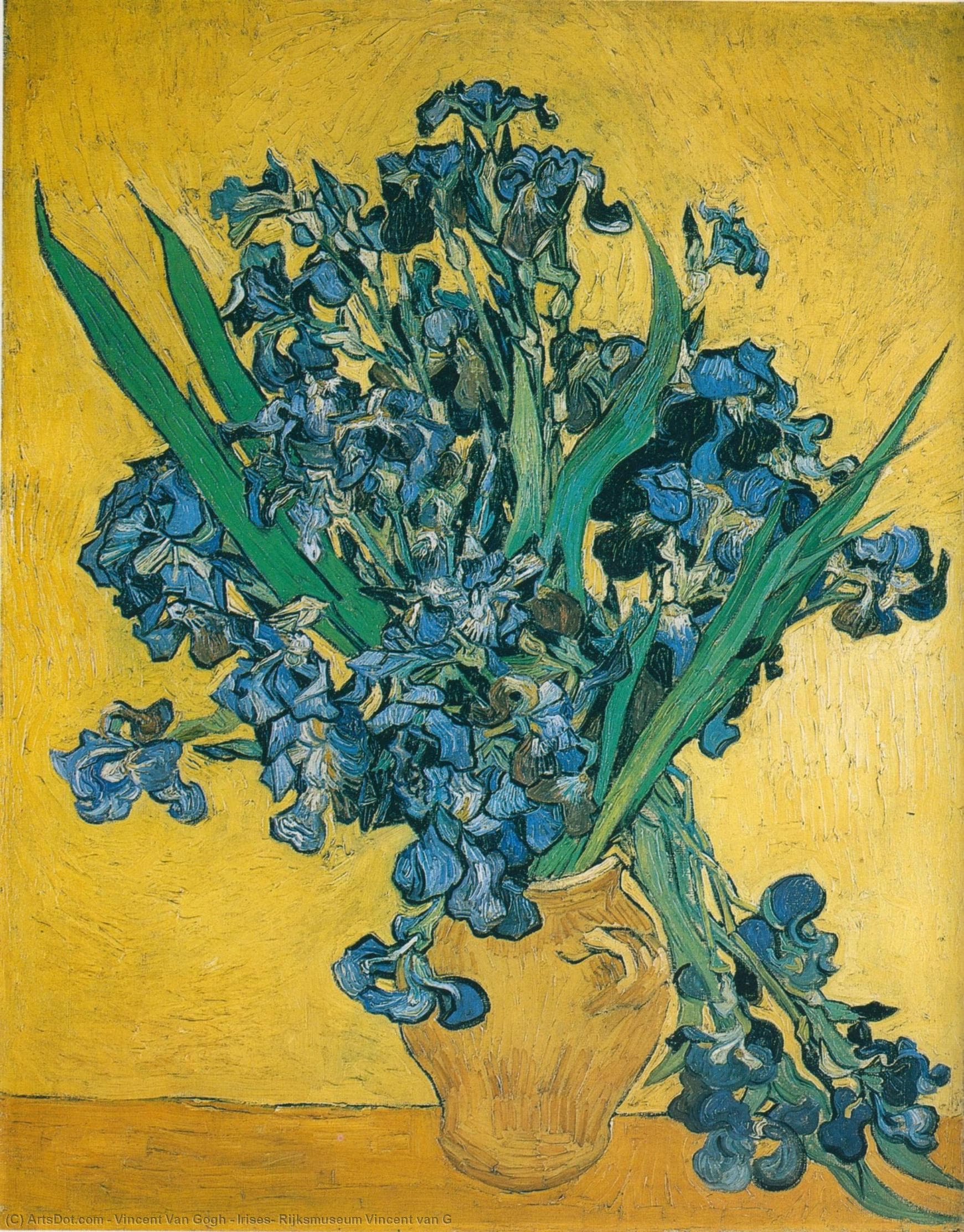
Irises (Vase with Irises Against a Yellow Background)
Vincent van Gogh · 1890
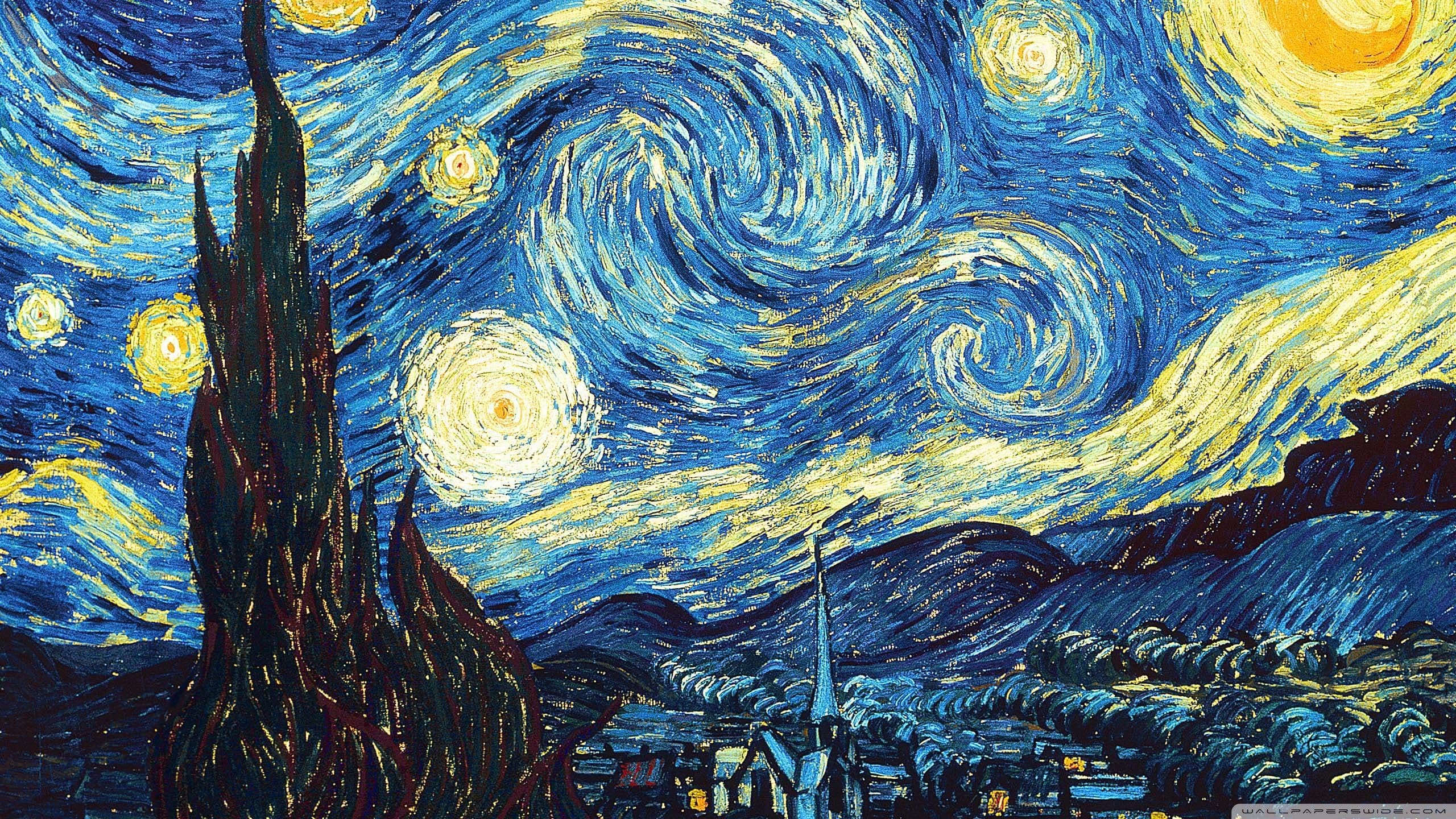
The Starry Night (van Gogh)
Vincent van Gogh · 1889
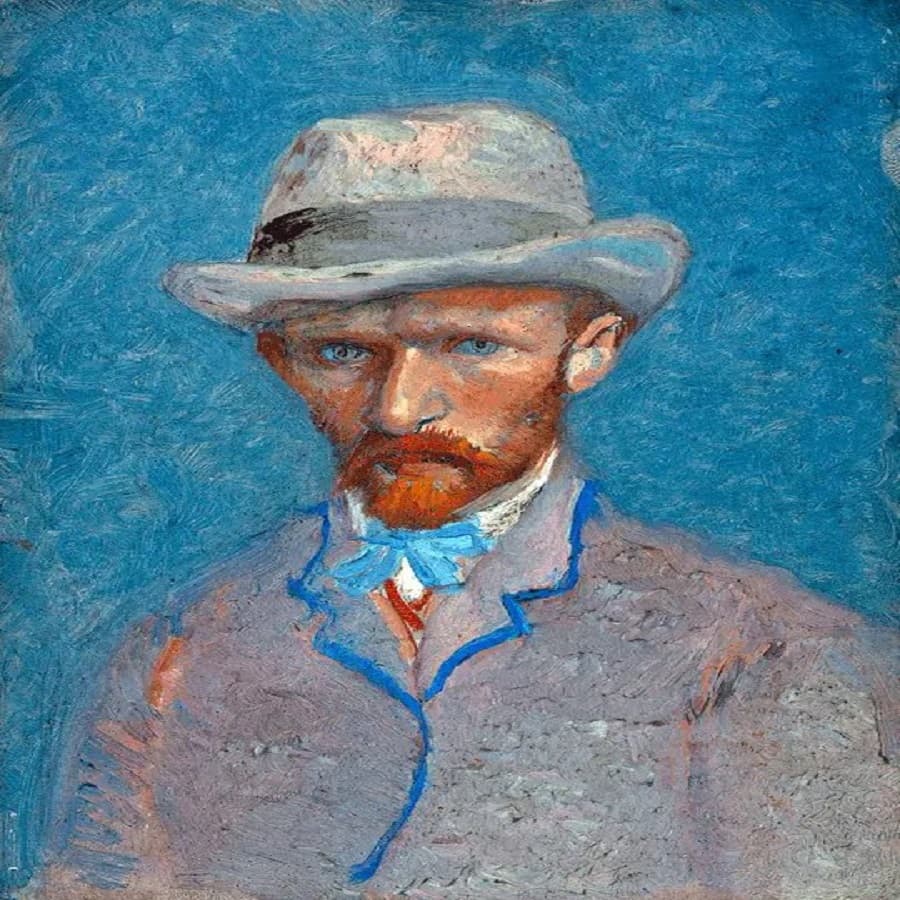
Portrait of Theo van Gogh (Self-Portrait with Grey Felt Hat)
Vincent van Gogh · 1887
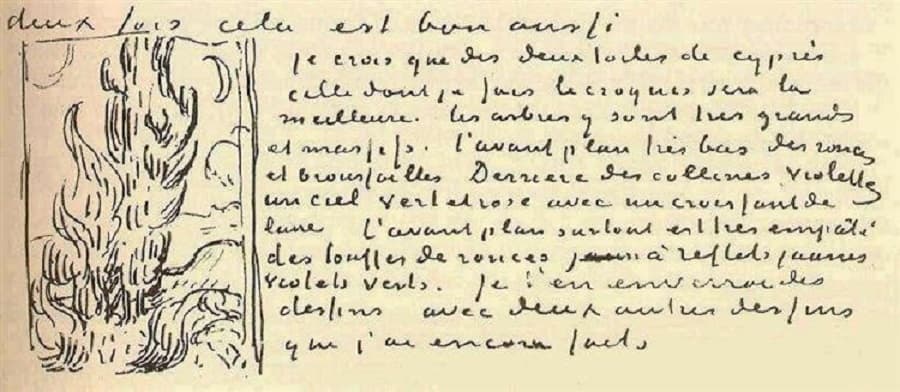
The Letters of Vincent van Gogh
Vincent van Gogh · 1872–1890
Also painted in 1890
The same year
Kindred works
You may also study
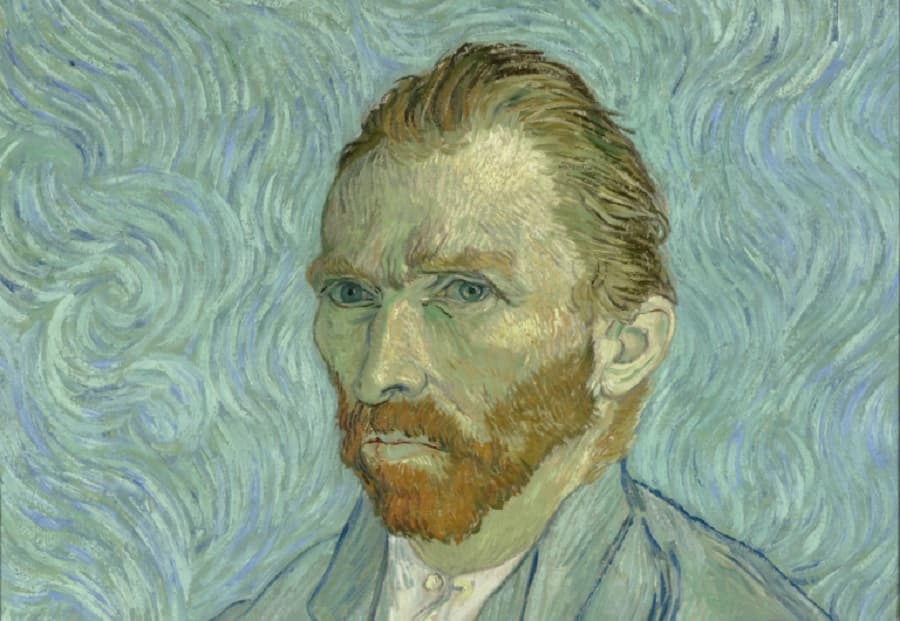
Self-Portrait (1889, Musée d'Orsay)
Vincent van Gogh · 1889
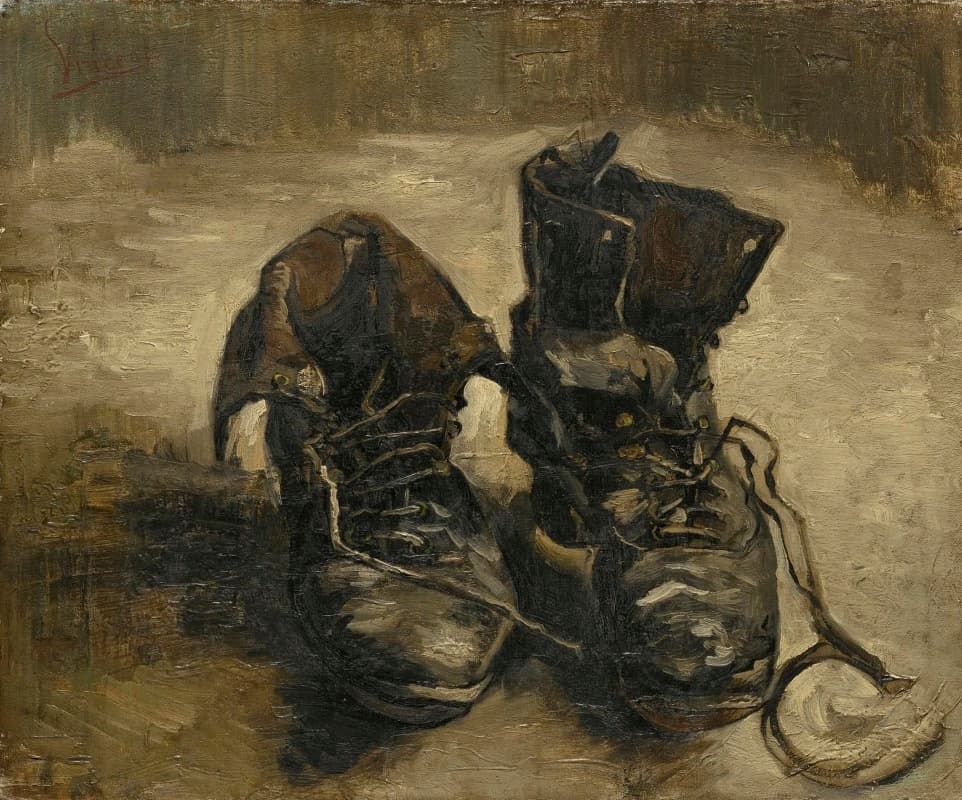
Shoes
Vincent van Gogh · 1886

The Scream
Edvard Munch · 1893

Saturn Devouring His Son
Francisco Goya · c. 1819–1823
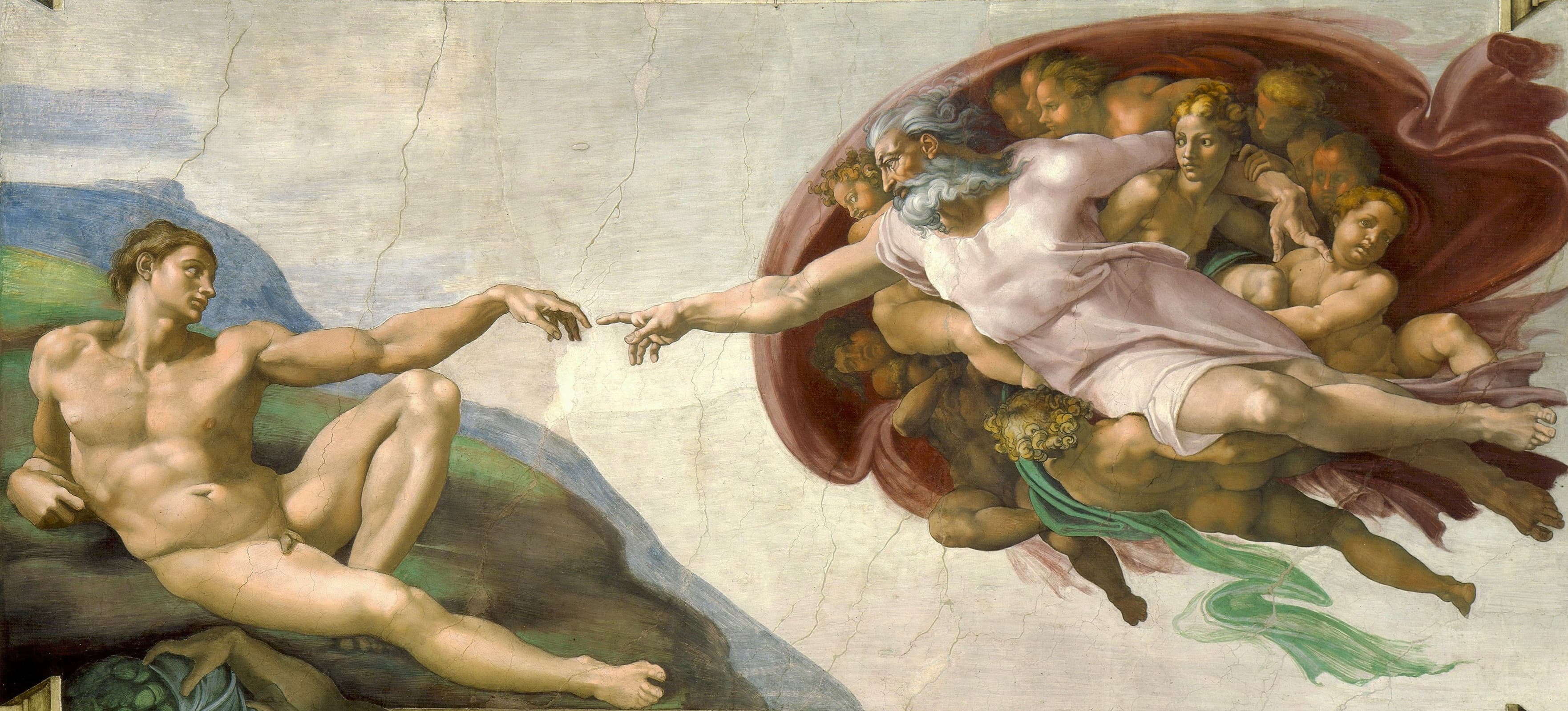
The Creation of Adam
Michelangelo · c. 1511–12

Ophelia
John Everett Millais · 1851–52

Woman with a Parasol – Madame Monet and Her Son
Claude Monet · 1875
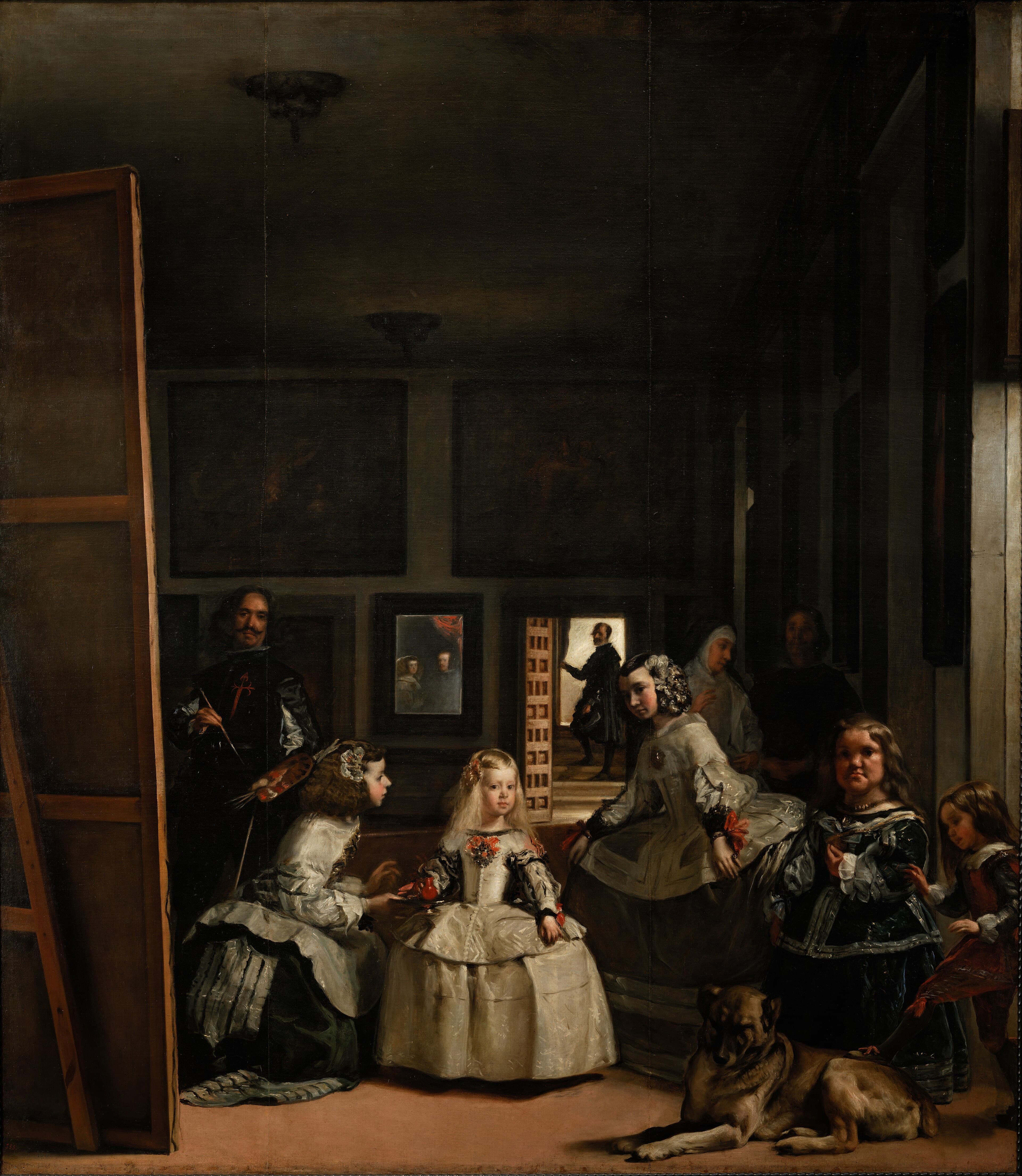
Las Meninas
Diego Velázquez · 1656