Movement
Gothic Art: Cathedrals, Light and the Medieval Imagination
Pointed arches, stained glass and gold-ground panels, and the darker Gothic that the Romantics built on top of them.
Gothic art is the art of Western Europe from about 1140 to about 1500, the period of the great cathedrals, stained glass, sculpted portals, illuminated manuscripts and gold-ground altarpieces. It began in the Île-de-France around Paris, with the rebuilding of the abbey church of Saint-Denis, and spread across the continent, from Lichfield in England to Siena in Italy.
The word also has a second life. From the eighteenth century, "Gothic" came to mean the dark, ruined and supernatural: haunted castles, Gothic novels, Gothic Revival churches and, today, a whole aesthetic of black lace and candlelit ruins. This guide covers the medieval movement first, then explains how it turned into the Gothic of the Romantic imagination, with examples from the collection for both.
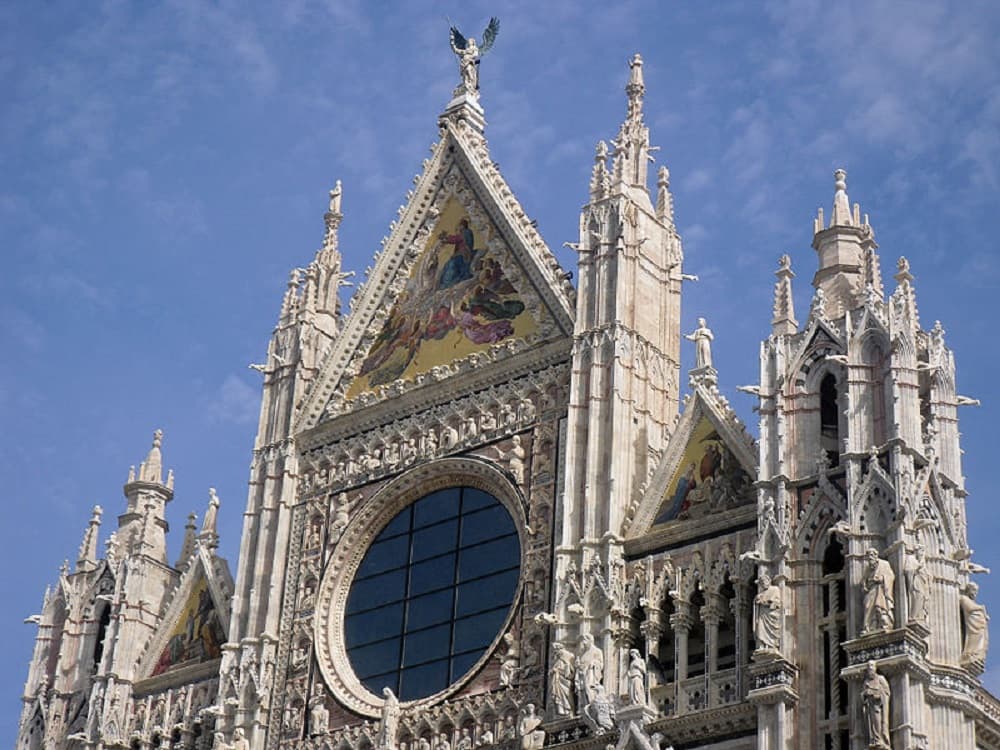
Siena Cathedral (Duomo di Siena)
Giovanni Pisano & Camaino di Crescentino & Giovanni di Agostino & Giovanni di Cecco · c. 1215–1263; facade c. 1284–late 14th century
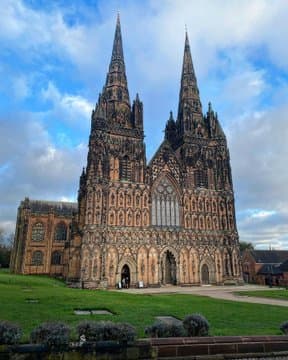
Lichfield Cathedral
Sir George Gilbert Scott · c. 1195–1340; restored 1850s–1900s
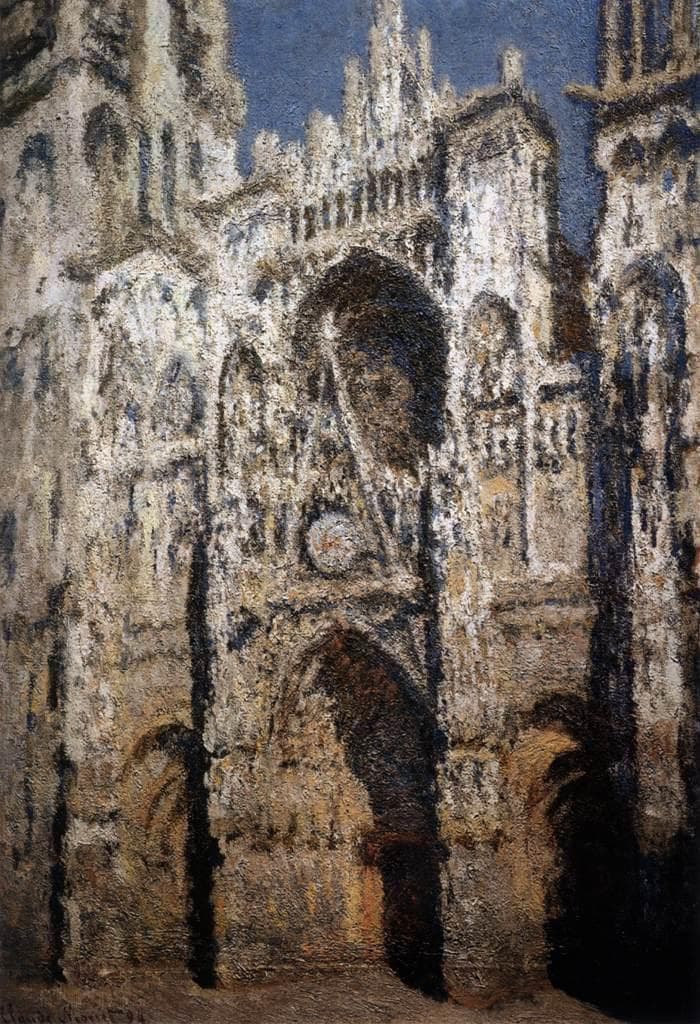
Rouen Cathedral in Full Sunlight
Claude Monet · 1893
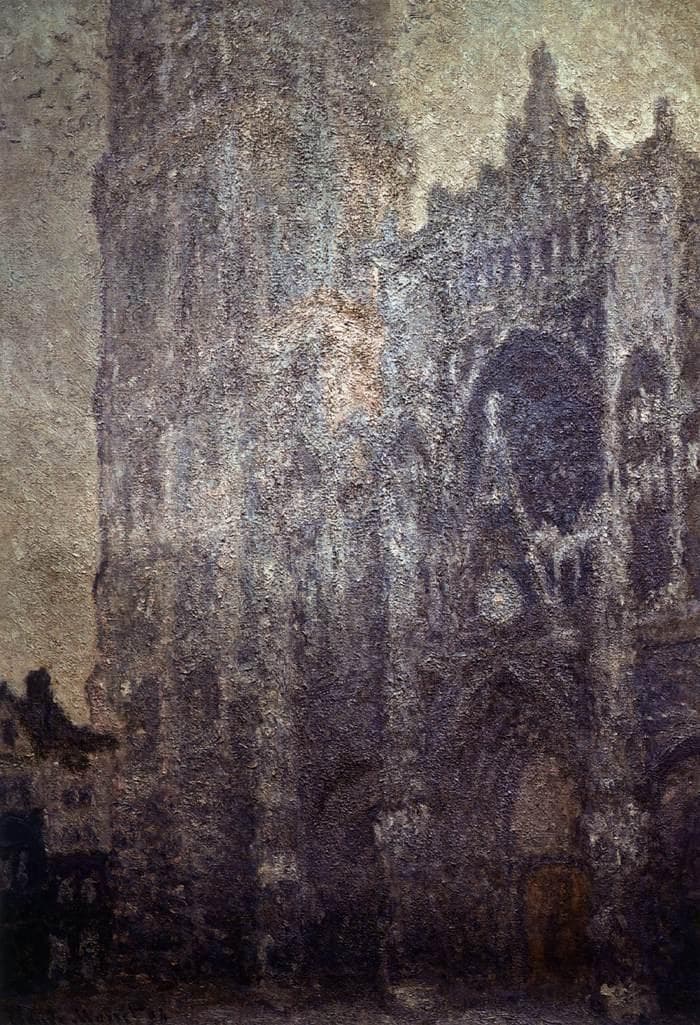
Rouen Cathedral, Effects of Morning Light
Claude Monet · 1893
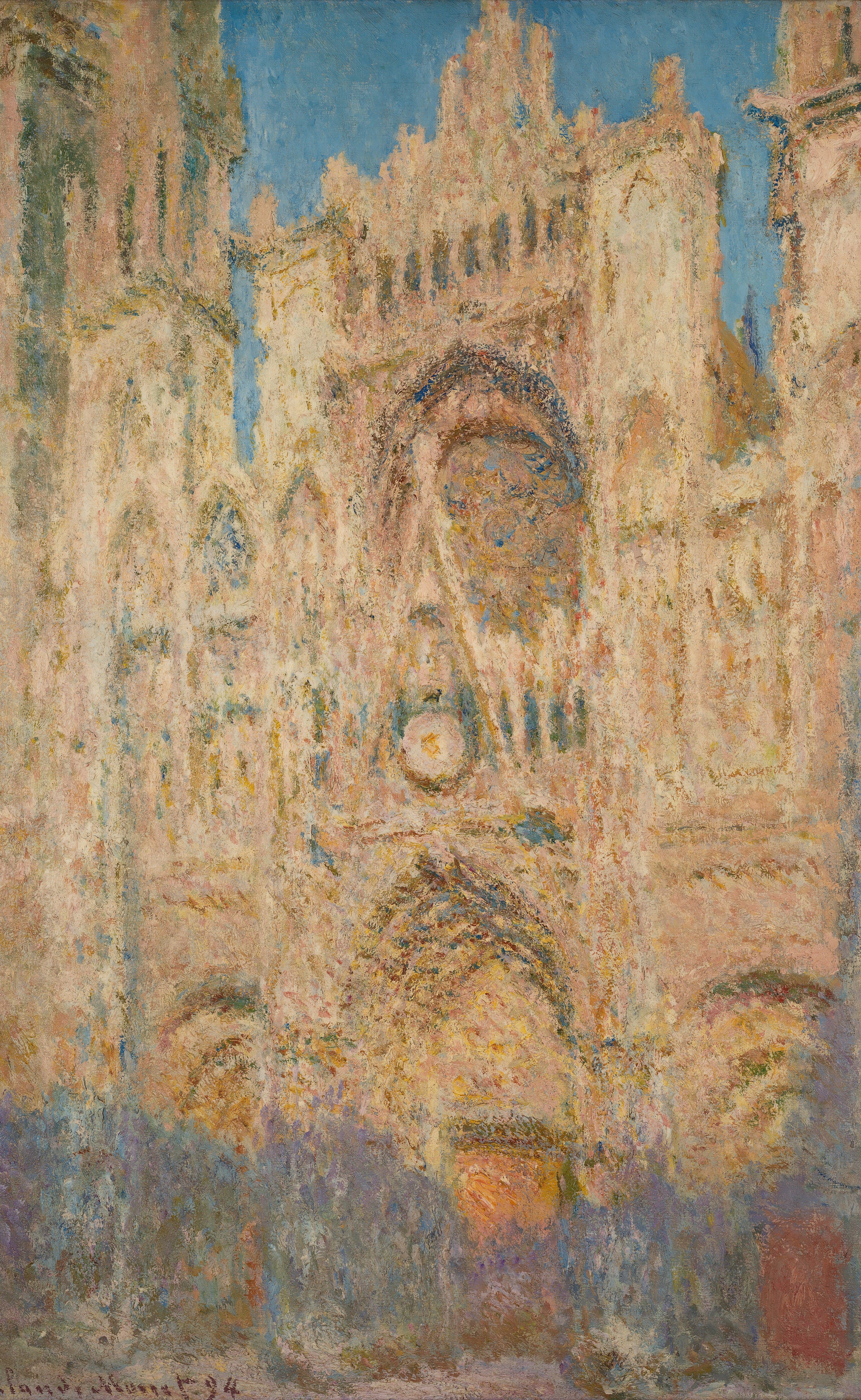
Rouen Cathedral, Evening
Claude Monet · 1894
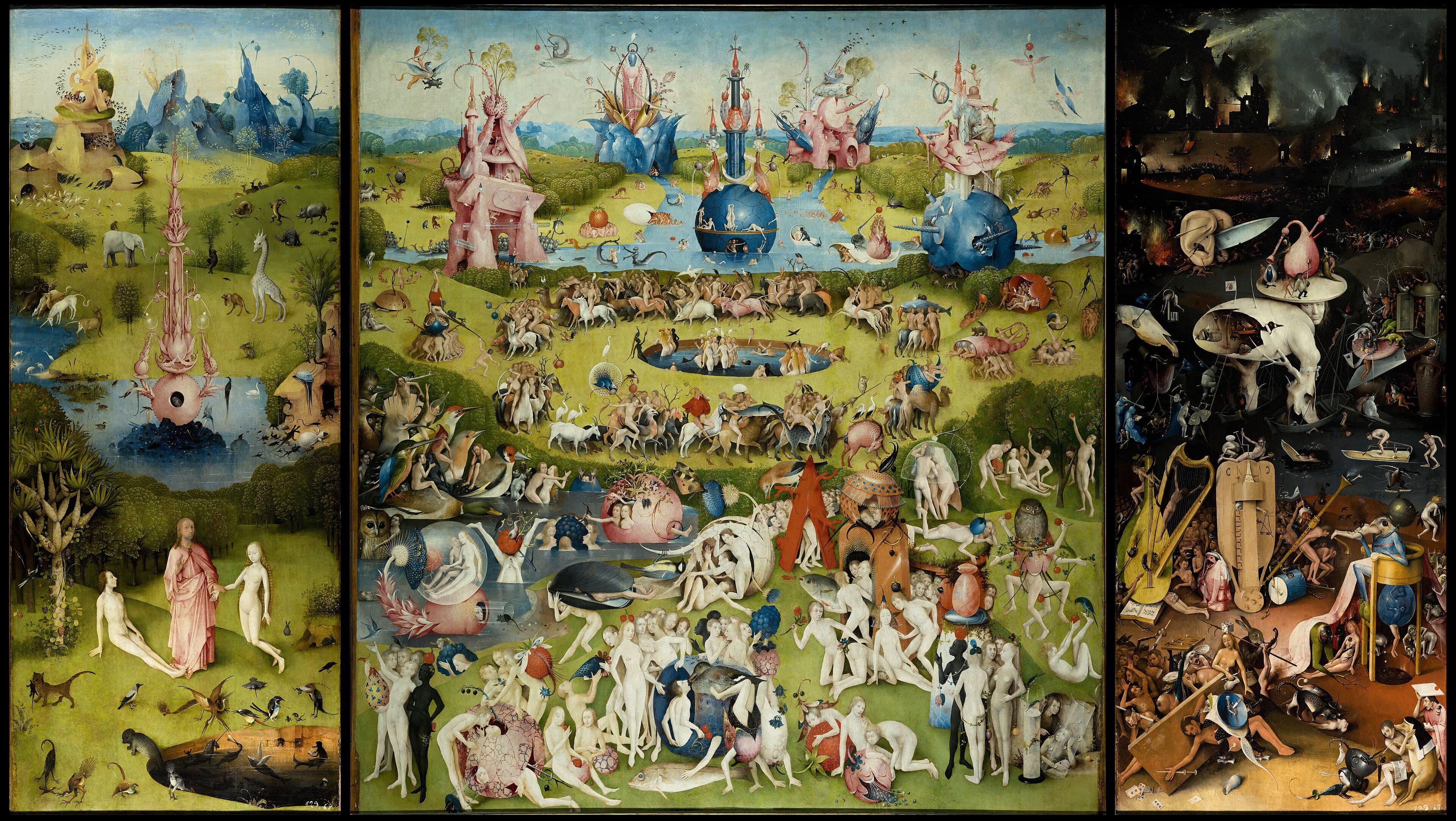
The Garden of Earthly Delights
Hieronymus Bosch · c. 1490–1510
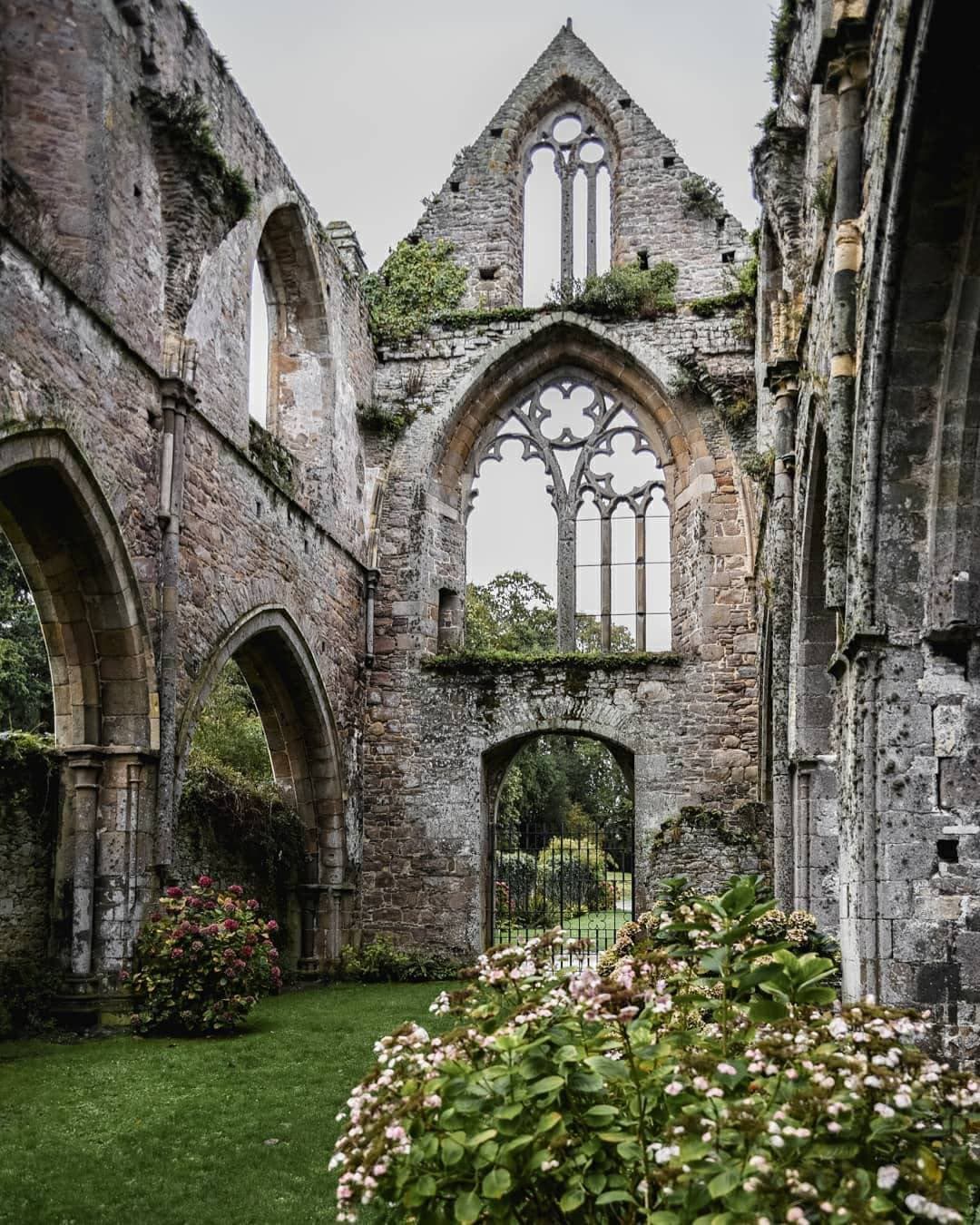
Abbaye de Beauport
Alain I of Avaugour (Alain de Goëlo) · founded 1202; 13th–15th centuries
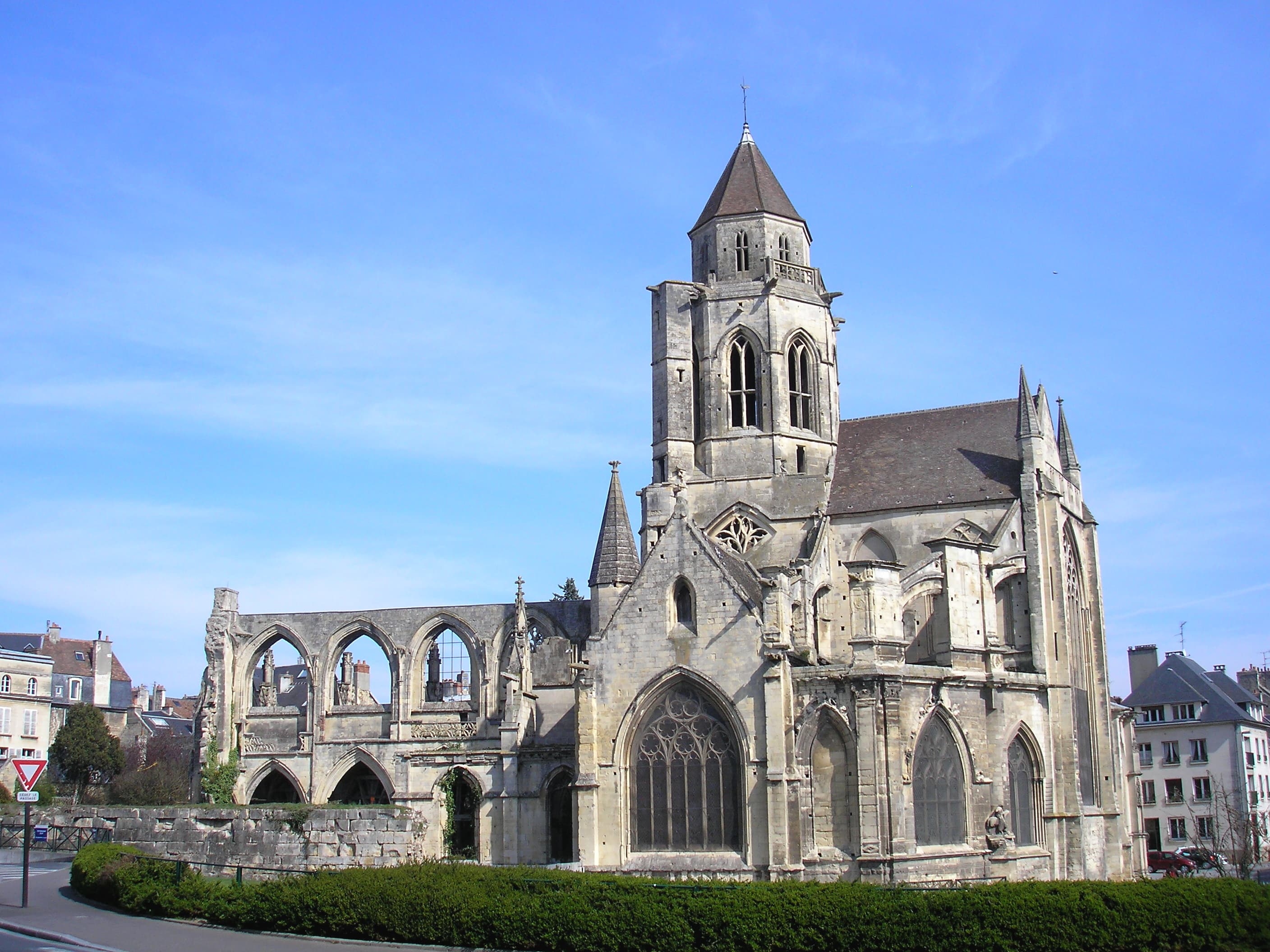
Church of Saint-Étienne-le-Vieux
The Monks Of Cluny · Founded c. 10th century; recorded c. 1067; rebuilt 15th century
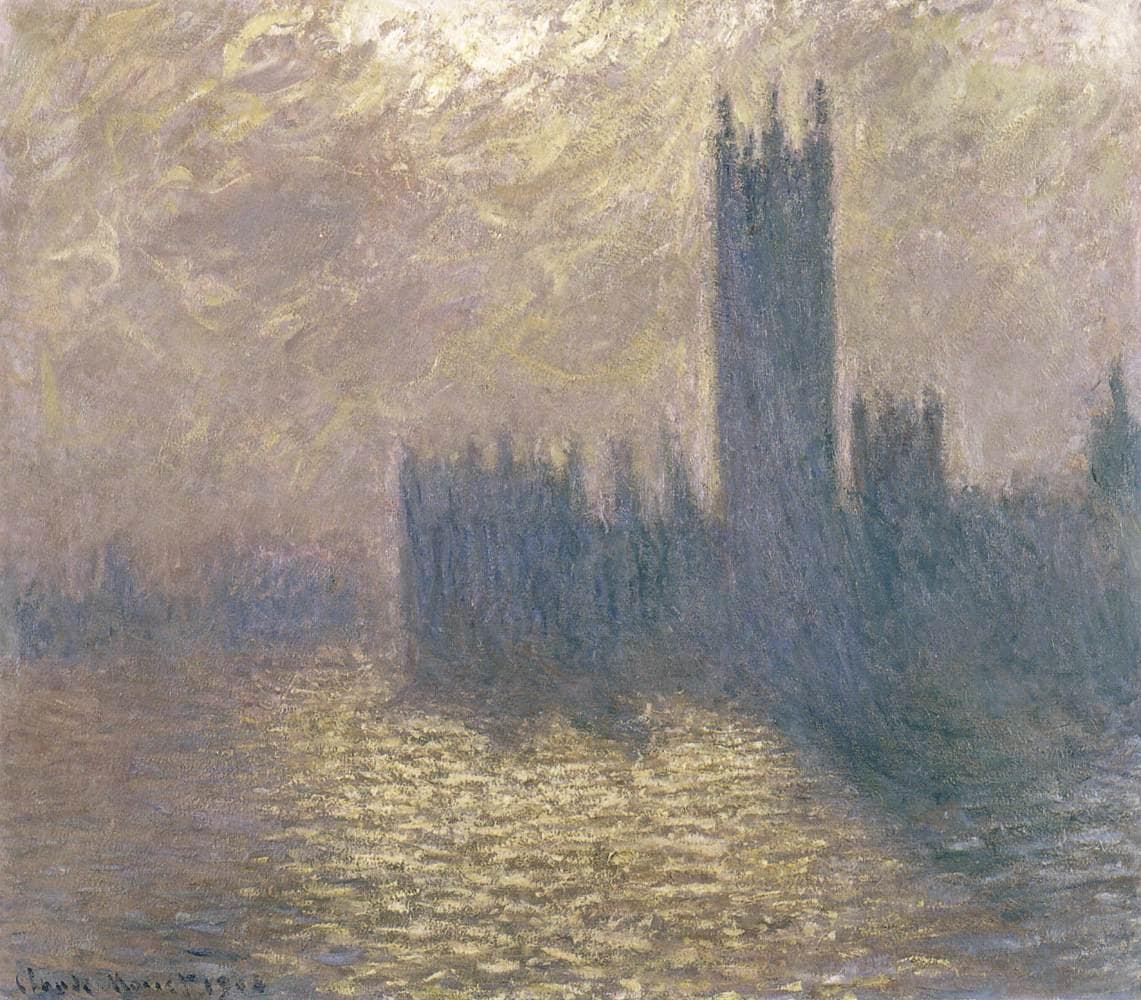
The Houses of Parliament, London
Claude Monet · 1904
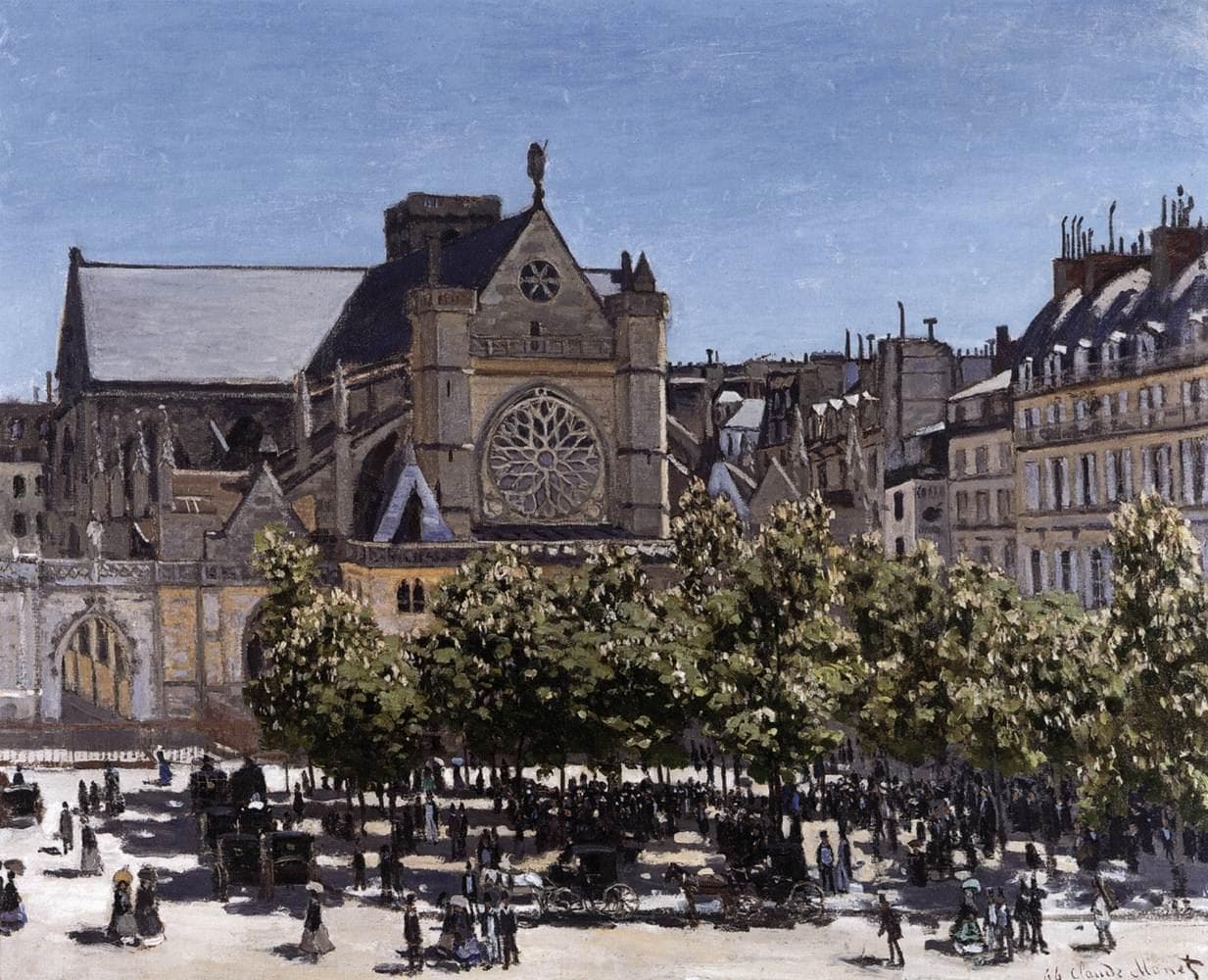
The Church of Saint-Germain-l'Auxerrois
Claude Monet · 1867
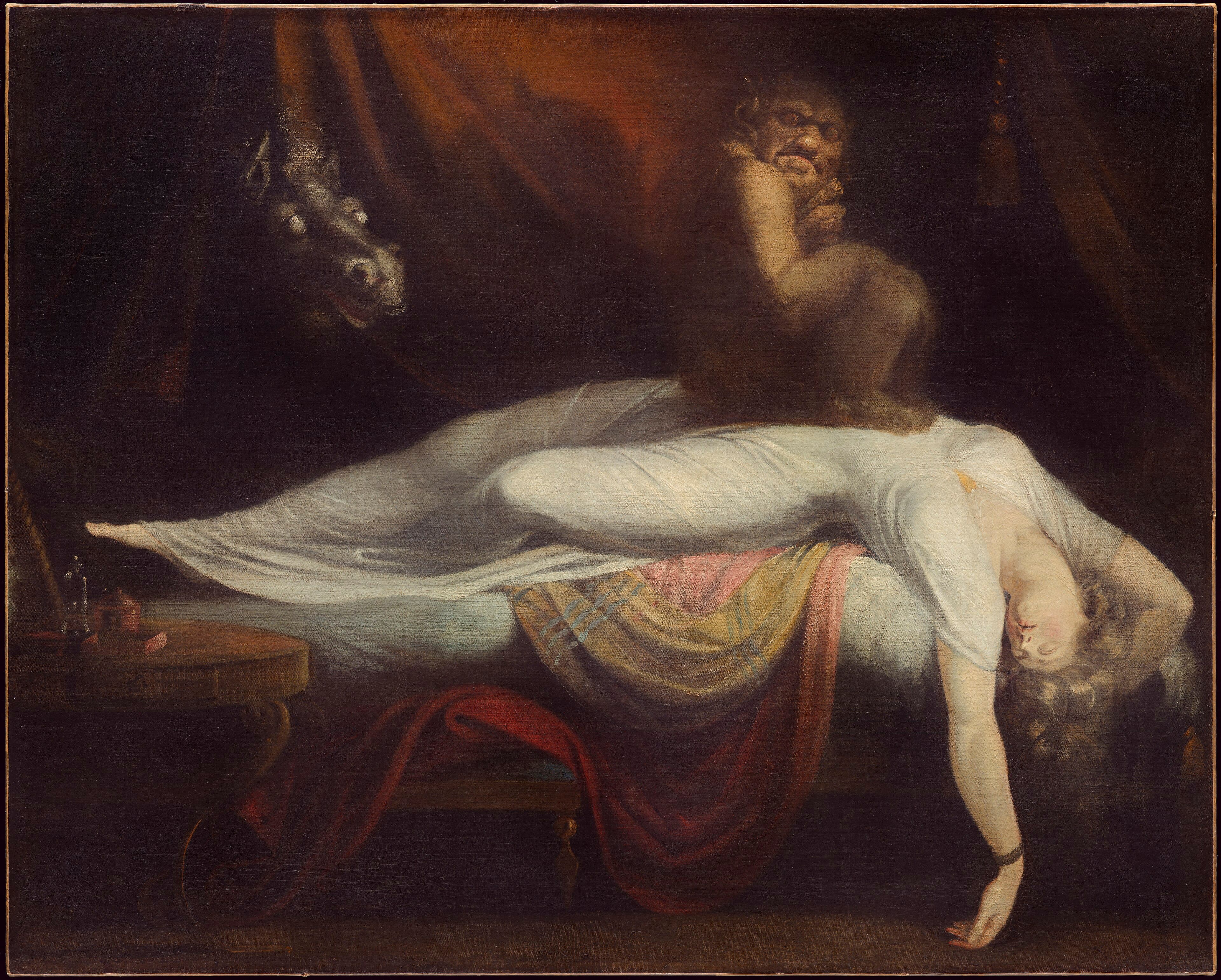
The Nightmare
Henry Fuseli · 1781
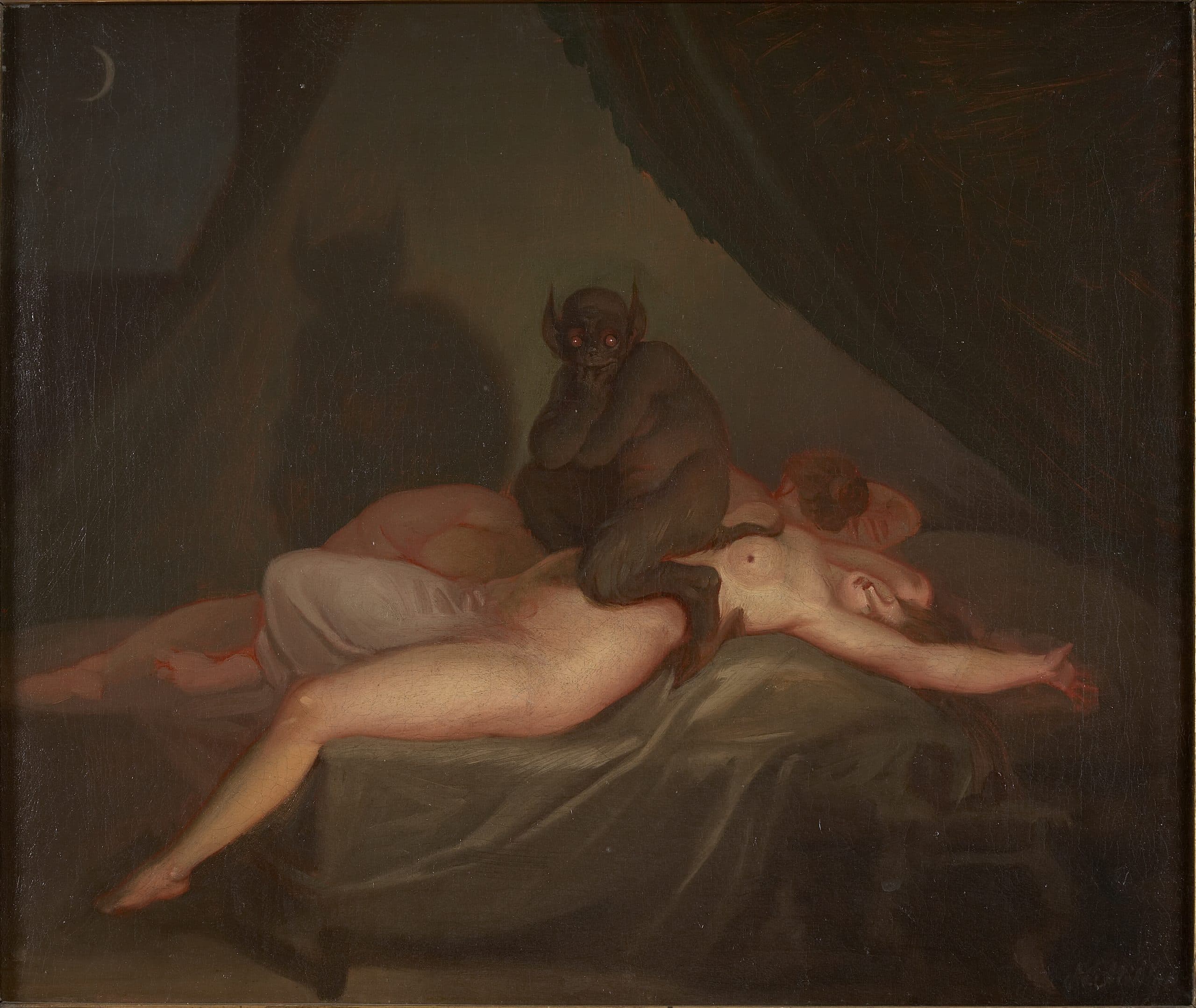
Nightmare
Nicolai Abraham Abildgaard · 1800
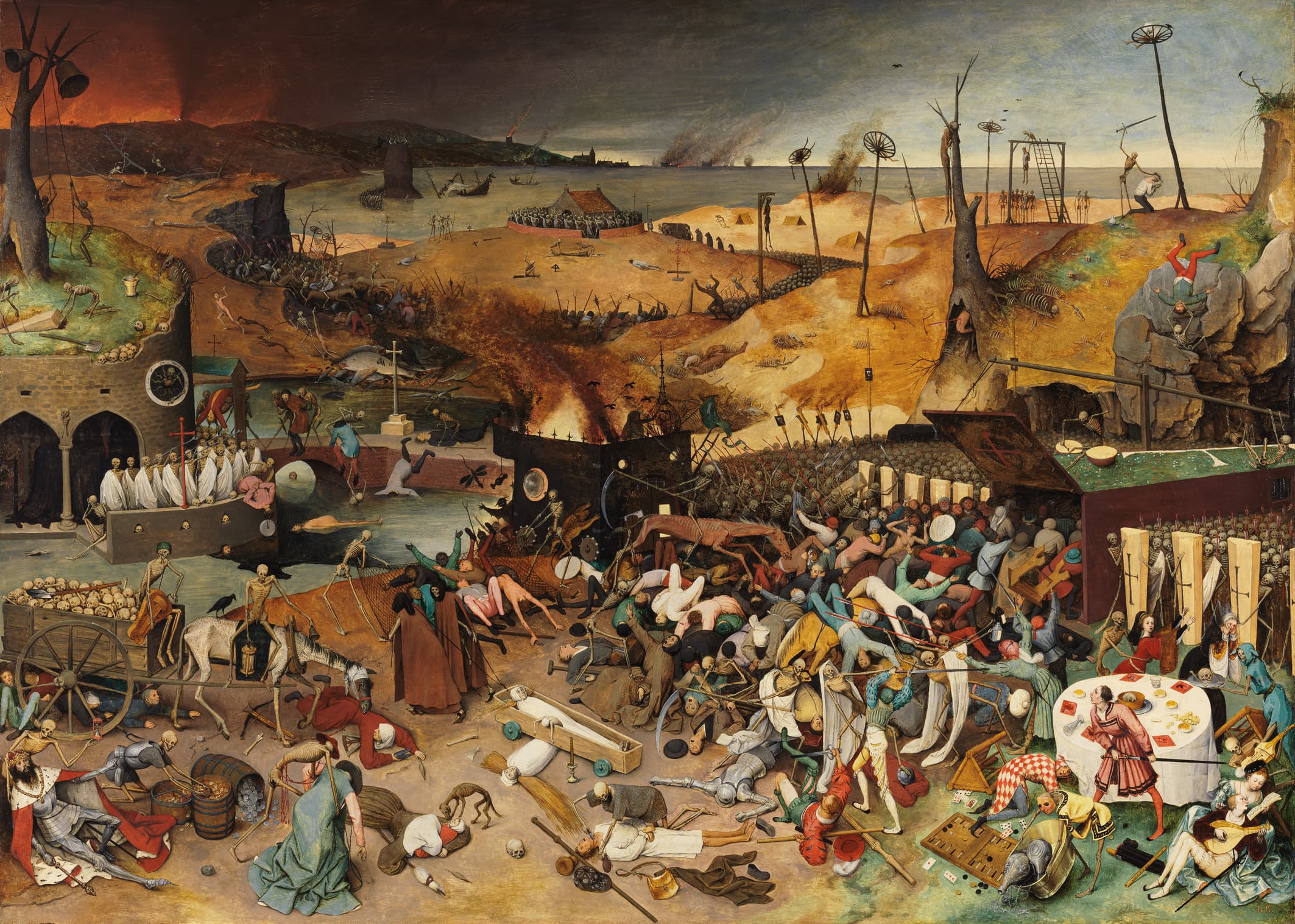
The Triumph of Death
Pieter Bruegel the Elder · c. 1562
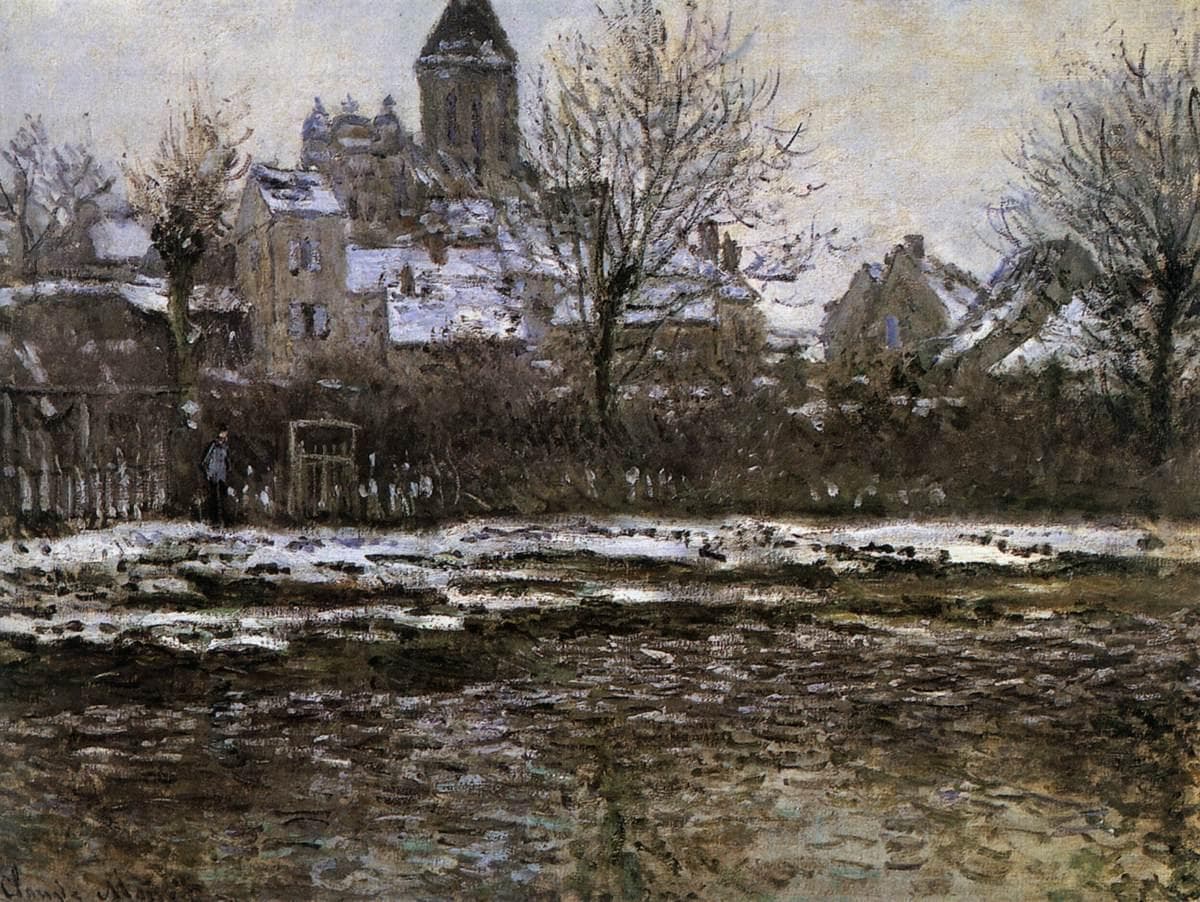
The Church in Vétheuil in Winter
Claude Monet · 1878–79
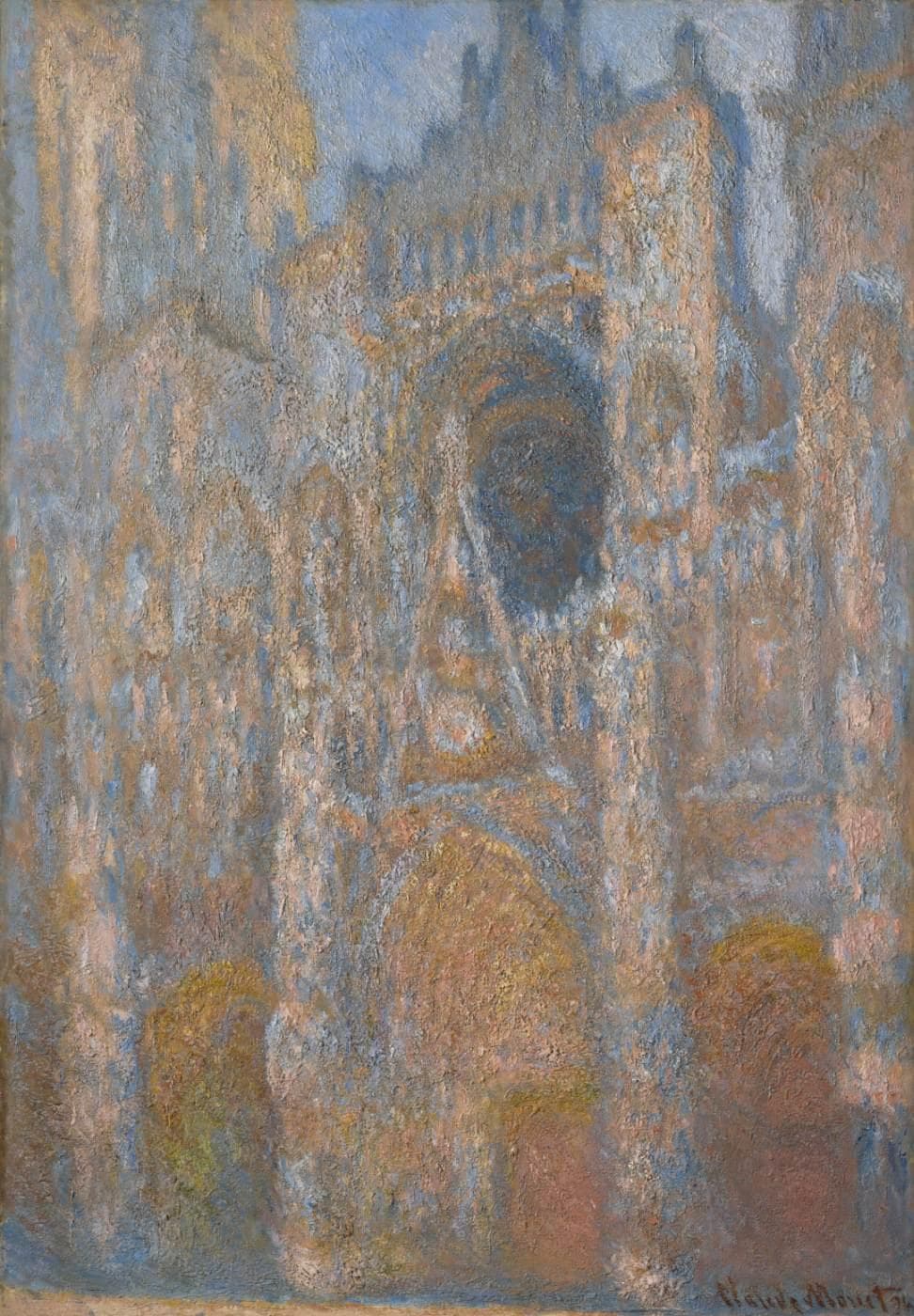
Rouen Cathedral in Sunlight
Claude Monet · c. 1892–94
Where does the name come from?
Nobody in the Middle Ages called their art Gothic. The term was coined as an insult by Italian Renaissance writers, notably Giorgio Vasari in the sixteenth century, who blamed the barbarian Goths for what he saw as a disordered, un-classical style that had replaced the architecture of ancient Rome. Medieval builders called it opus francigenum, French work. Only in the nineteenth century did "Gothic" become a neutral, and then an admiring, label.
How it began: Saint-Denis and the new light
Around 1140, Abbot Suger rebuilt the choir of the royal abbey church of Saint-Denis, just north of Paris, consecrated in 1144. Suger wanted a church filled with what he called "wonderful and uninterrupted light", and his builders combined three existing techniques to get it: the pointed arch, the ribbed vault and, soon after, the flying buttress. Together they moved the weight of the roof onto a skeleton of piers and external supports, so the walls between could be opened up into huge windows of colored glass.
The results came quickly: Notre-Dame de Paris (begun 1163), Chartres (largely rebuilt after a fire in 1194), Reims, Amiens and the Sainte-Chapelle (consecrated 1248), where the walls are almost entirely glass.
How to recognize Gothic art
In architecture, look for pointed arches, ribbed vaults, flying buttresses, tall clustered piers, rose windows and soaring spires. English Gothic, as at Lichfield, the only medieval English cathedral with three spires, tends to be long and low with elaborate vaults. Italian Gothic, as at Siena, keeps flat surfaces and color, with striped black and white marble and a carved façade by Giovanni Pisano from the 1280s and 1290s.
In sculpture, figures detach from the wall. Early Gothic portal statues, such as the column figures at Chartres, are tall and stiff; by the thirteenth century, at Reims, they turn, smile and gesture. The characteristic Gothic figure stands in a gentle S-curve, with deep, looping folds of drapery.
In painting, the key forms are stained glass, illuminated manuscripts and panel altarpieces with gold backgrounds. Figures are elegant and elongated, and space is symbolic rather than measured. Duccio's Maestà (1308–11), painted for the high altar of Siena Cathedral, and Simone Martini's Annunciation (1333, Uffizi) show the style at its most refined.
International Gothic and the end of the style
Around 1400, courts from Paris and Burgundy to Prague and Milan shared a luxurious style now called International Gothic: jewel-like color, gold, slender courtly figures and close attention to flowers, animals and fabrics. The Limbourg brothers' Très Riches Heures du Duc de Berry (c. 1412–16) and the English Wilton Diptych are its masterpieces.
Gothic did not end on a single date. In Italy, the Renaissance displaced it in the early fifteenth century, while in northern Europe Gothic building continued well into the sixteenth. Late Gothic painters in the Netherlands mixed new realism with medieval imagination; The Garden of Earthly Delights by Hieronymus Bosch, painted around 1490–1510, sits on that border, its hell panel full of the monsters of the medieval mind.
Death, devotion and the medieval imagination
Gothic art was made for a world in which death was near and the afterlife was certain. Last Judgments over cathedral doors divided the saved from the damned. After the Black Death of 1347–51, new images spread: the transi tomb, showing the deceased as a rotting corpse beneath a sculpted effigy in robes, and the Danse Macabre, in which skeletons lead popes, kings and peasants alike to the grave. These themes, more than the architecture, are what later generations meant when they called something "Gothic".
Gothic Revival: the Middle Ages rebuilt
In the eighteenth century, English writers and collectors rediscovered medieval buildings as places of mood. Horace Walpole turned his villa at Strawberry Hill into a Gothic fantasy and in 1764 published The Castle of Otranto, the first Gothic novel. Ruined abbeys became favorite subjects for painters, prized for the melancholy their broken arches suggested.
By the nineteenth century the revival was serious.
After a fire destroyed the old Palace of Westminster in 1834, Charles Barry and A. W. N. Pugin rebuilt it in Gothic style; Claude Monet painted it again and again from across the Thames, as in The Houses of Parliament, London. Architects such as Sir George Gilbert Scott restored medieval cathedrals across Britain, including Lichfield, and Monet's series of Rouen Cathedral façades (1892–94) turned a Gothic front into a study of changing light.
Monet's cathedral is worth a slow look. He rented rooms across the square and painted the west front at different hours, so that the portals, gables and tracery dissolve into thick, crusted paint: blue and violet in the morning, orange and ocher at midday, gray in fog. The stone carving that took medieval masons generations becomes a surface for light, the same light Abbot Suger had wanted inside his church.
The Gothic imagination today
The other descendant of medieval Gothic is the Gothic of nightmares. Henry Fuseli's The Nightmare (1781), with an incubus crouched on a sleeping woman, became the central image of Romantic horror and is often called the first great Gothic painting. Its heirs run through Symbolism, Victorian ghost stories, horror cinema and the modern goth and dark academia aesthetics, which borrow the pointed arches, candlelight and stone libraries of the Middle Ages and the morbid moods of the Romantics.
Gothic ruins in the collection
Two buildings in the catalogue show what time and war have done to medieval Gothic. The Abbaye de Beauport, near Paimpol on the Breton coast, was founded in 1202 for Premonstratensian canons by Alain, Count of Goëlo; its roofless church and chapter house now stand open to the sky. The Church of Saint-Étienne-le-Vieux in Caen, Normandy, rebuilt in late Gothic style after the wars of the fifteenth century, was badly damaged in the fighting of 1944 and has been left as a ruin. Both are the kind of broken arches the Romantics loved to paint.
Where to see Gothic art
For architecture, start with the cathedrals of northern France: Chartres, Reims, Amiens and the Sainte-Chapelle in Paris. In England, see Salisbury, Lincoln, York and Lichfield; in Italy, Siena, Orvieto and Milan. For painting and sculpture, the Musée de Cluny in Paris, the Museo dell'Opera del Duomo in Siena, the Victoria and Albert Museum in London and the Met Cloisters in New York hold outstanding collections.
Questions & answers
What is Gothic art?
Gothic art is the art of Western Europe from about 1140 to 1500, including cathedral architecture, stained glass, sculpture, manuscripts and panel painting. It grew out of the Romanesque style around Paris and was replaced by the Renaissance, earlier in Italy than in the north.
What are the main characteristics of Gothic art?
In architecture: pointed arches, ribbed vaults, flying buttresses, large stained glass windows and tall spires. In sculpture and painting: elongated, elegant figures in S-shaped poses, flowing drapery, gold backgrounds, rich color and symbolic rather than realistic space.
Why is it called Gothic?
Italian Renaissance writers, including Giorgio Vasari, used the word as an insult, blaming the barbarian Goths for a style they considered crude compared with classical architecture. Medieval builders called it French work. The term only became neutral in the nineteenth century.
What is the difference between Gothic art and the gothic aesthetic?
Gothic art is a historical movement of the Middle Ages. The gothic aesthetic grew from the Romantic revival of the 1700s and 1800s, which linked medieval ruins with darkness, horror and the supernatural. Gothic novels, Fuseli's The Nightmare and modern goth style descend from that revival.
What is the most famous Gothic building?
Notre-Dame de Paris and Chartres Cathedral are usually named first, along with the Sainte-Chapelle in Paris for its walls of stained glass. Cologne Cathedral, Westminster Abbey and Milan Cathedral are other landmark examples.