Image: The Metropolitan Museum of Art (Open Access) · CC0 · via Wikimedia Commons
Romanticism
The Sleep of Reason Produces Monsters
Francisco Goya, 1797–99 (published 1799)
The Sleep of Reason Produces Monsters is Francisco Goya's etching of about 1797–99, plate 43 of his series Los Caprichos: an artist asleep at his desk while owls, bats and a lynx swarm out of the dark behind him. Impressions are held by many museums, including the Prado and the Met.
- Artist
- Francisco Goya
- Date
- 1797–99 (published 1799)
- Medium
- Etching and aquatint (with drypoint and burin)
- Dimensions
- 21.5 × 15 cm (plate)
- Collection
- Impressions in many collections, including the Museo del Prado and the Metropolitan Museum of Art
- Movement
- Romanticism
What you are looking at
A man has fallen asleep at a table. He is slumped forward, his head buried in his folded arms, his face hidden. On the table lie sheets of paper and drawing tools. He is, almost certainly, an artist or a writer, and some read him as Goya himself.
Behind and above him the darkness comes alive. Owls flap toward him, their eyes wide; one perches just behind his shoulder, and another, at the far left of the desk, grips a drawing instrument and seems to hold it out to him, as if urging him to work. A dark cat with glowing eyes peers over his back. Above them, a cloud of bats spreads out into blackness. On the floor beside his chair crouches a large cat, a lynx, wide awake and staring straight out at us.
On the side of the desk, carved like an inscription on a monument, are the words that give the print its title: El sueño de la razon produce monstruos. Goya places the text inside the image, not beneath it, so the sleeper seems to be leaning on his own motto.
The print is small, about the size of a sheet of writing paper. Its power comes from the aquatint, a technique that lets the printmaker lay down tones rather than lines. Goya uses it to grade the background from pale gray near the man to deep black at the top, so the creatures seem to emerge out of the dark rather than being drawn on top of it.
How Goya made it
Francisco Goya (1746–1828) was first court painter to the Spanish crown when he produced Los Caprichos, a series of 80 etchings published in Madrid in February 1799. Plate 43 combines etching (lines bitten into a copper plate with acid) with aquatint, and touches of drypoint and burin. Preparatory drawings survive in the Prado. In early plans, Goya intended this image as the frontispiece of the whole series, under the title Sueños (Dreams); in the published set it sits in the middle, opening the second half, which moves from social satire into witchcraft and nightmare.
Goya sold the set from a shop in Madrid for only a few days before withdrawing it, probably fearing the Inquisition. In 1803 he gave the copper plates and unsold sets to the king for the Royal Calcography, which printed later editions.
The word capricho means a whim or fancy, an invention of the artist's own imagination rather than a commissioned subject. The plates that follow number 43 are crowded with witches, goblins and night creatures, many of them satirizing priests, nobles and credulous believers, so the sleeping artist works as a doorway into the darker half of the series.
What does The Sleep of Reason Produces Monsters mean?
The Spanish word sueño means both "sleep" and "dream", and the title can be read both ways: when reason sleeps, monsters appear; or, the dreams of reason produce monsters. The print supports both readings.
- The Enlightenment reading. Goya moved in liberal, reform-minded circles in Madrid. Read this way, the print warns that when reason is switched off, superstition, ignorance and vice (the owls and bats were traditional symbols of folly and darkness) take over. The whole of Los Caprichos attacks exactly those things in Spanish society.
- The imaginative reading. A manuscript commentary on the plate, preserved in the Prado and long associated with Goya's circle, says in effect that imagination abandoned by reason produces impossible monsters, but united with reason it is the mother of the arts. Here the creatures are not only threats but the raw material of art. The owl offering a drawing tool fits this reading: the nightmare is also inspiration.
The lynx, alert while the man sleeps, is often read as a figure of vigilance, or of the clear sight that the sleeper has lost.
Reception and legacy
The print has become one of the most famous images of the Romantic age and a kind of emblem for the dark side of the mind. It looks forward to Goya's own later work, the war prints The Disasters of War and the Black Paintings, including Saturn Devouring His Son, and it belongs in the same imaginative world as Fuseli's The Nightmare. Writers, filmmakers and musicians have quoted its title endlessly, and the image of the scholar asleep among his papers while the night fills with creatures has made it an icon of dark academia.
Where can you see The Sleep of Reason Produces Monsters?
Because it is a print, there is no single original. Impressions of the first edition of 1799 are held by many museums, among them the Museo del Prado in Madrid (which also holds Goya's preparatory drawings), the Metropolitan Museum of Art in New York, the British Museum and the Nelson-Atkins Museum of Art. Prints are light-sensitive and are shown only from time to time, so check the museum's collection pages before visiting. The image here is the Met's open-access impression.
Questions & answers
What does 'The Sleep of Reason Produces Monsters' mean?
In Spanish, sueño means both sleep and dream. The print warns that when reason sleeps, superstition and folly, shown as owls and bats, take over. A contemporary commentary adds that imagination joined with reason is the mother of the arts, so the monsters are also the stuff of creativity.
Where is The Sleep of Reason Produces Monsters?
It is an etching, so impressions exist in many collections, including the Museo del Prado in Madrid, which also holds Goya's preparatory drawings, the Metropolitan Museum of Art, the British Museum and the Nelson-Atkins Museum of Art. Prints are shown only occasionally because of light sensitivity.
When did Goya make The Sleep of Reason Produces Monsters?
Goya made it around 1797–98 as plate 43 of Los Caprichos, a series of 80 etchings published in Madrid in February 1799. He first planned it as the frontispiece of the series before placing it at the start of the second half.
What animals are in The Sleep of Reason Produces Monsters?
Owls and bats rise behind the sleeping man, traditional symbols of folly and darkness, while a lynx crouches wide-eyed at his feet. One owl seems to offer the sleeper a drawing tool, as if the nightmare were also urging him to create.
More by the artist
Francisco Goya

Saturn Devouring His Son
Francisco Goya · c. 1819–1823
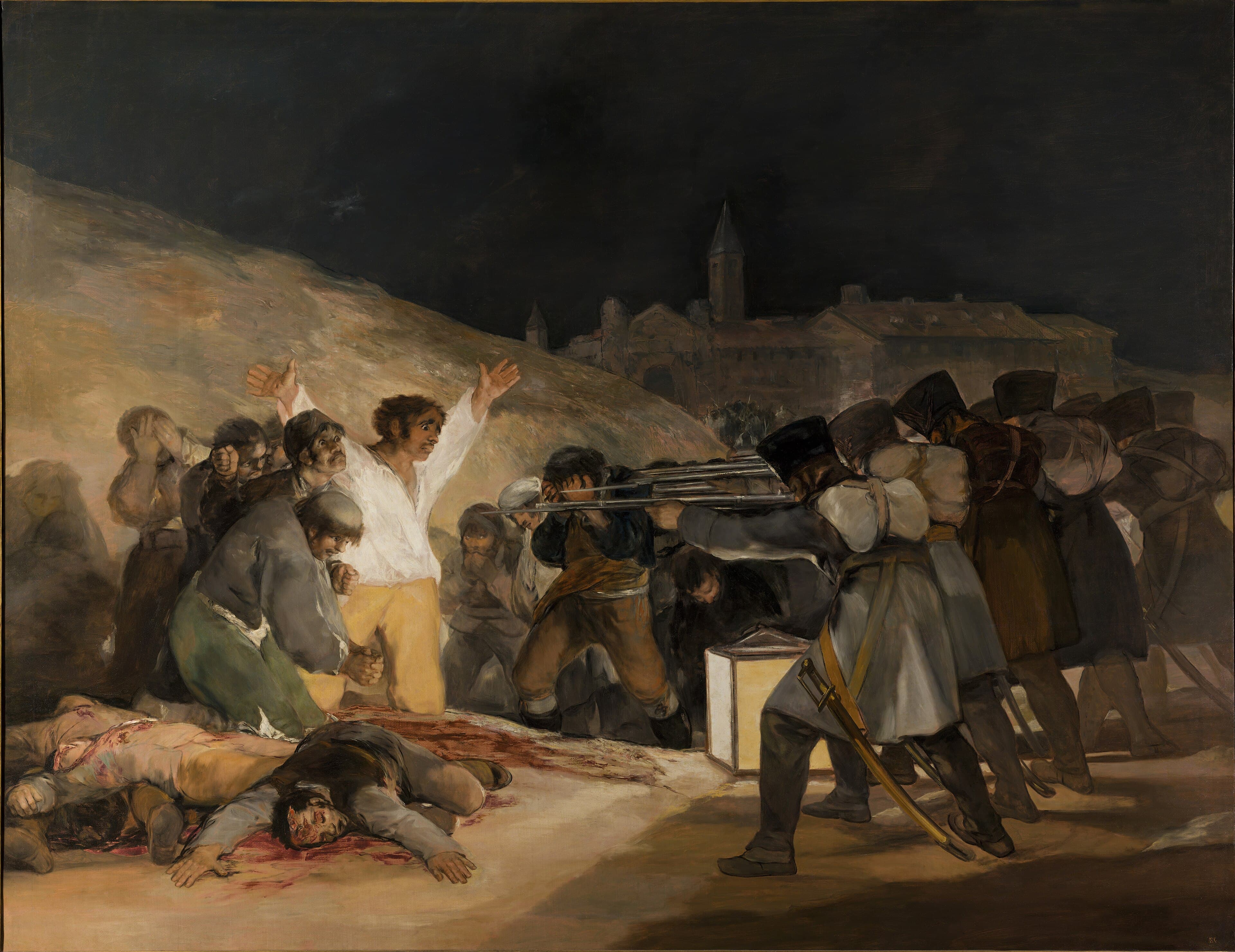
The Third of May 1808
Francisco Goya · 1814
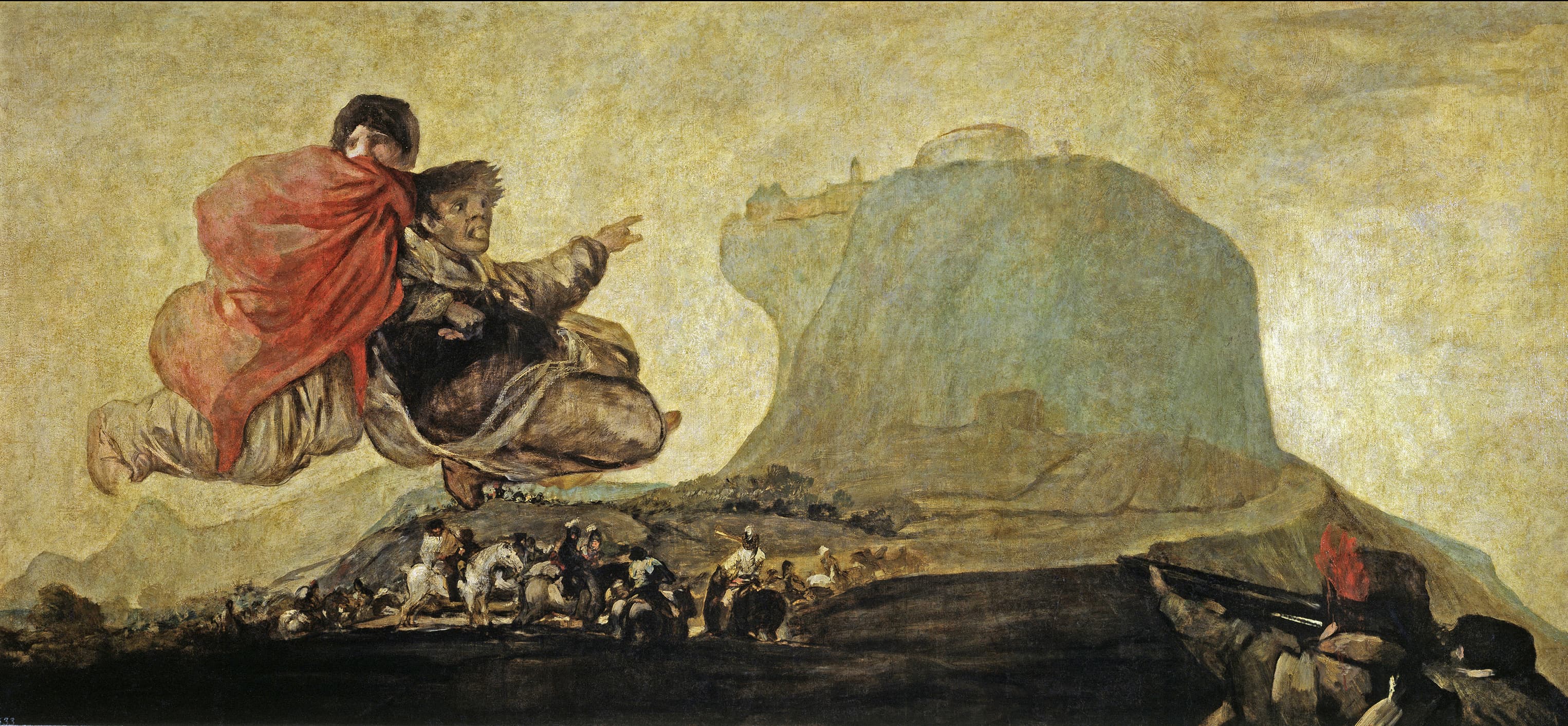
Fantastic Vision (Asmodea)
Francisco Goya · c. 1819–1823
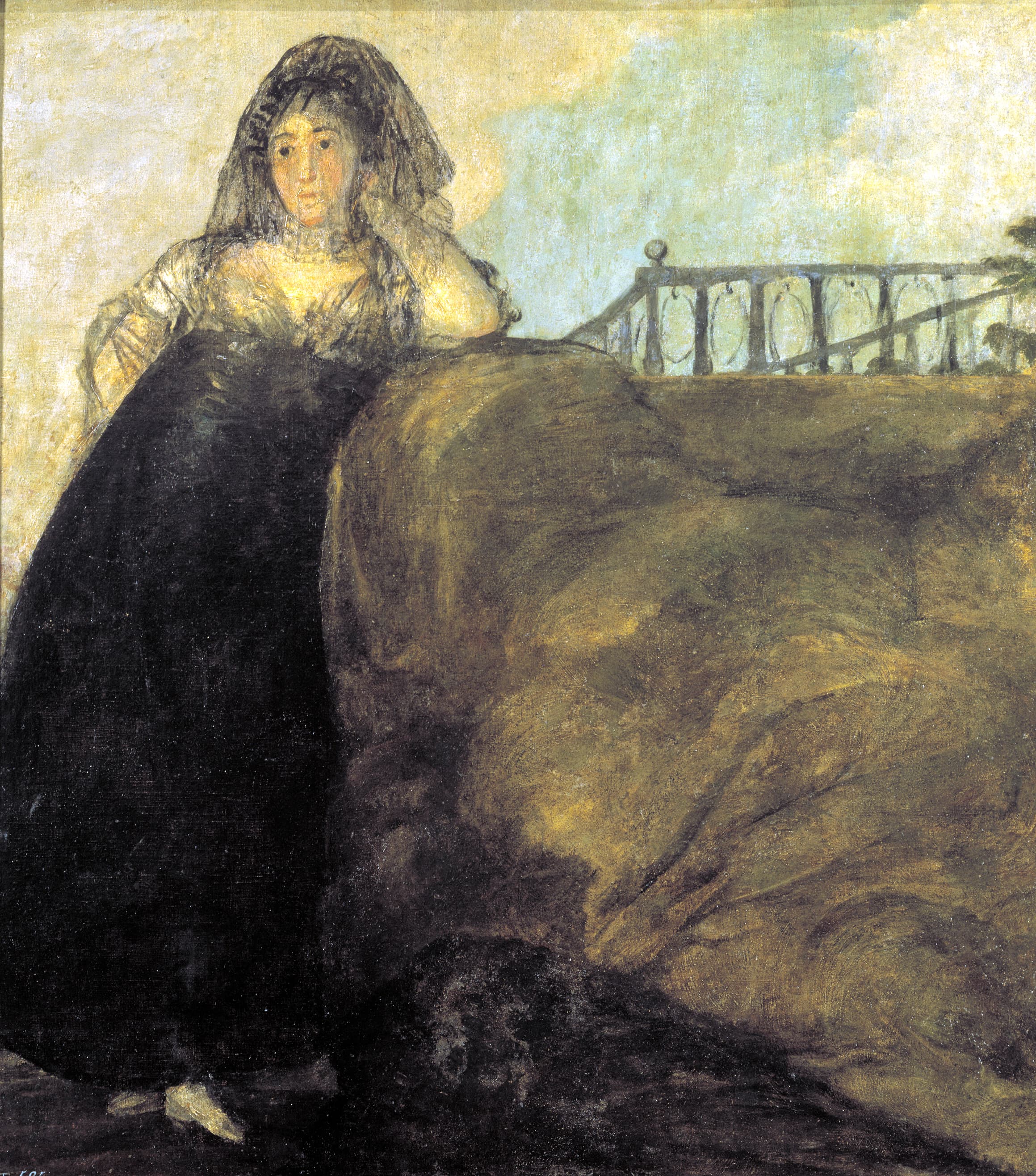
La Leocadia
Francisco Goya · c. 1819–1823
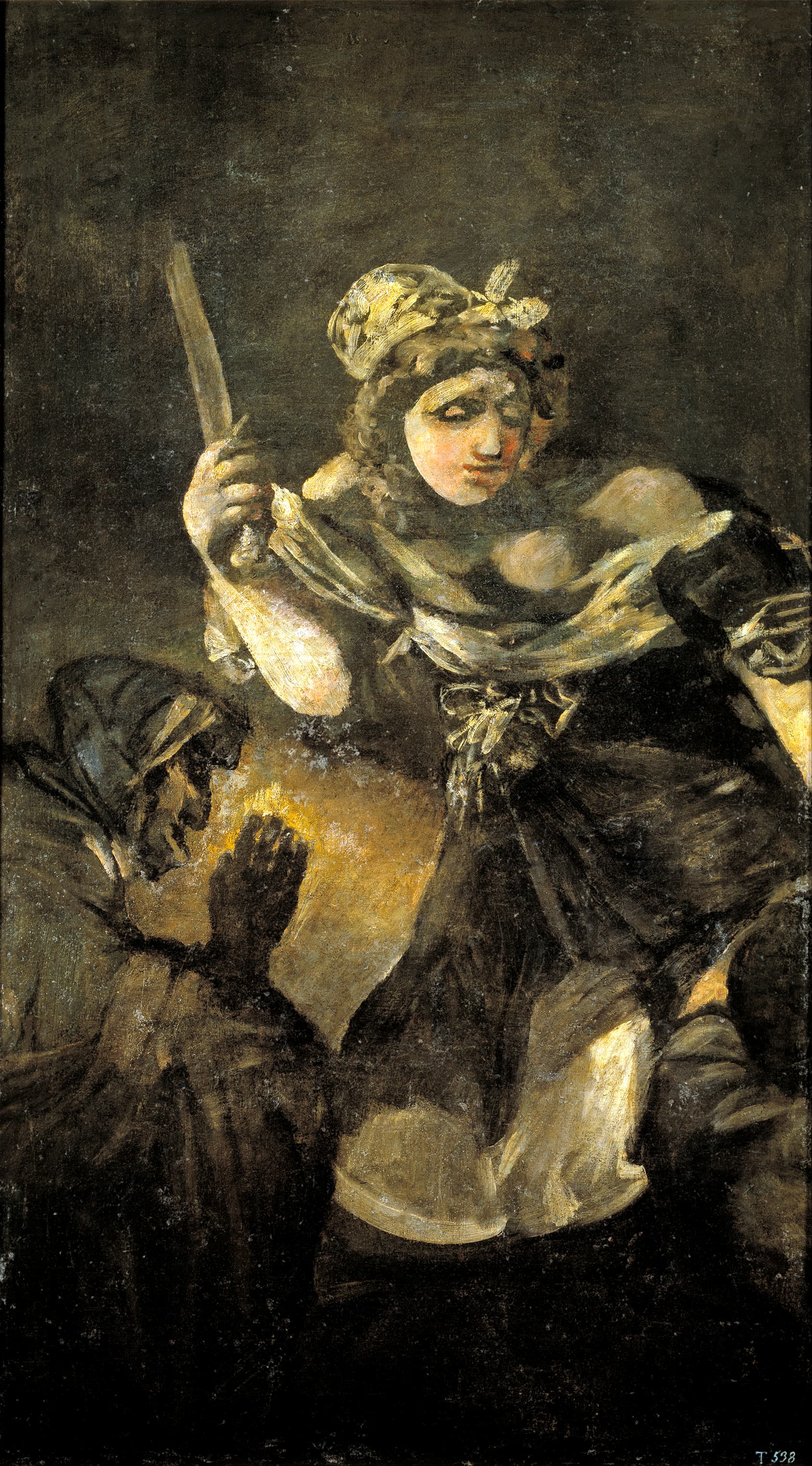
Judith and Holofernes
Francisco Goya · c. 1819–1823
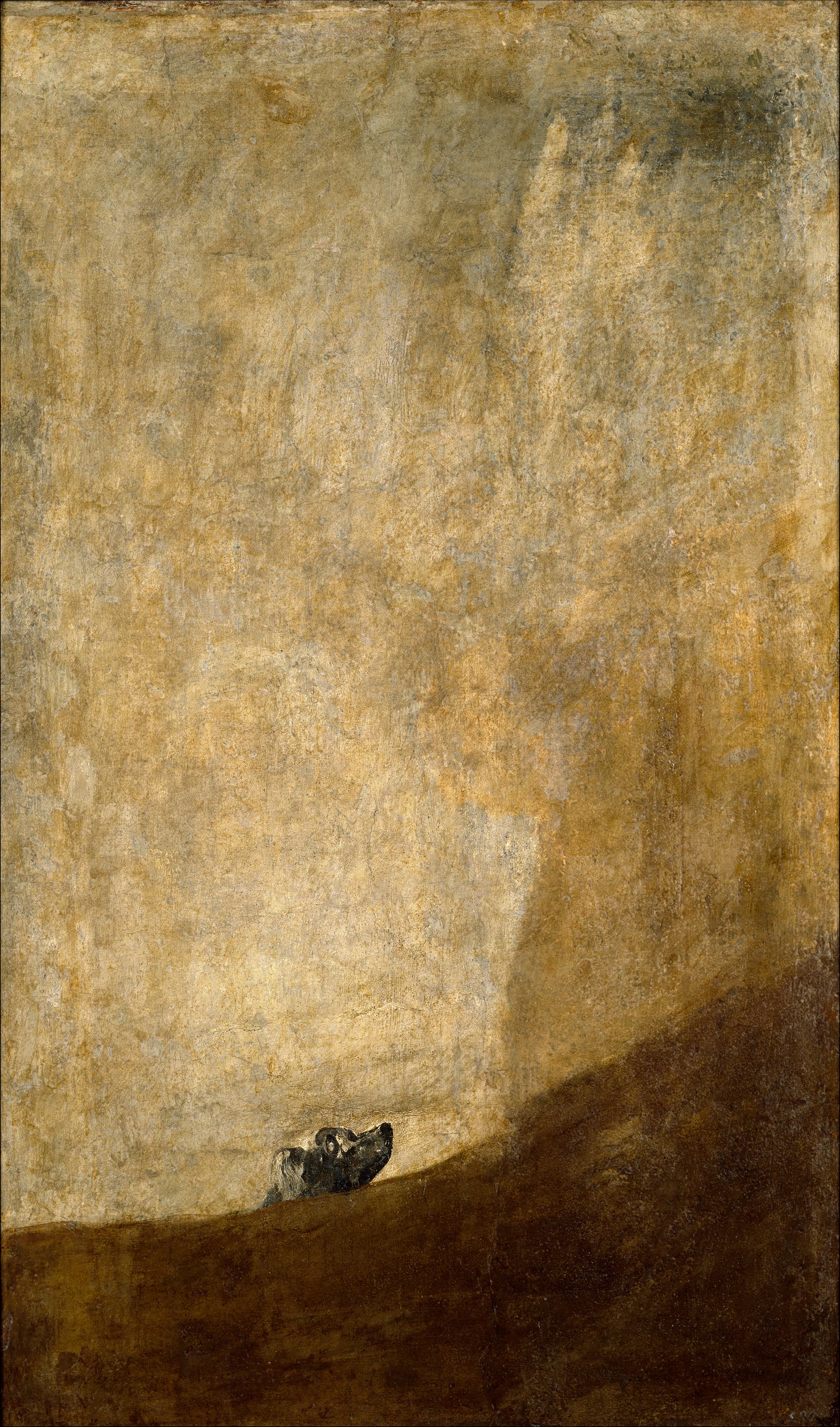
The Dog
Francisco Goya · c. 1819–1823
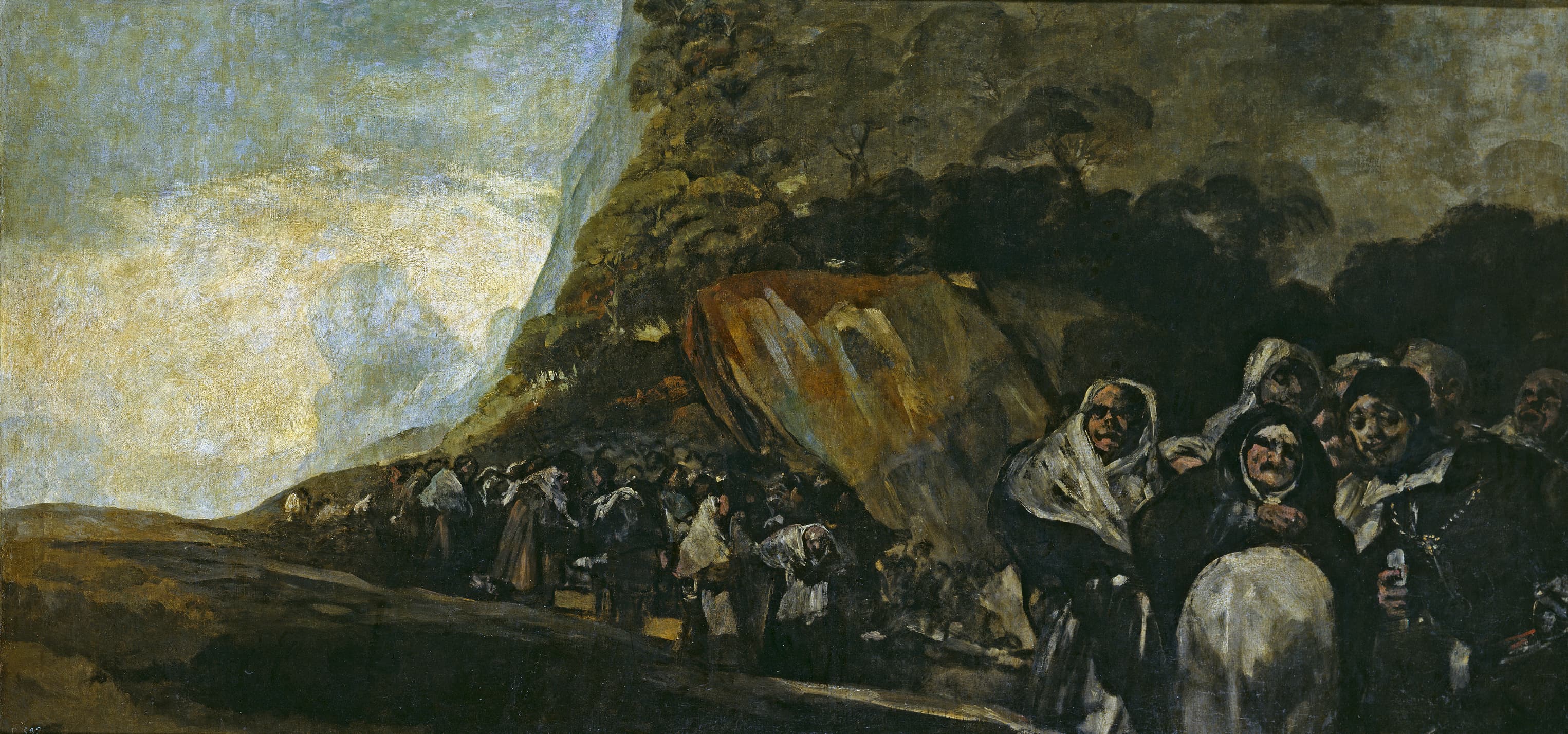
The Holy Office (Pilgrimage to the Fountain of San Isidro)
Francisco Goya · c. 1819–1823
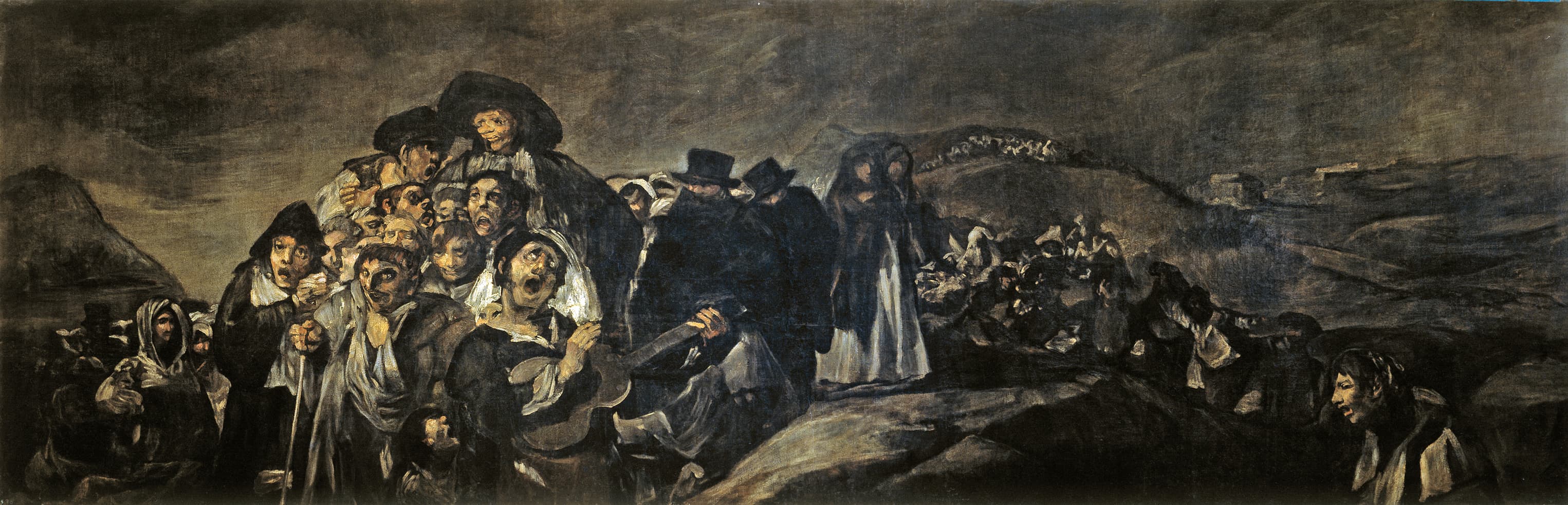
A Pilgrimage to San Isidro
Francisco Goya · c. 1819–1823
Kindred works
You may also study
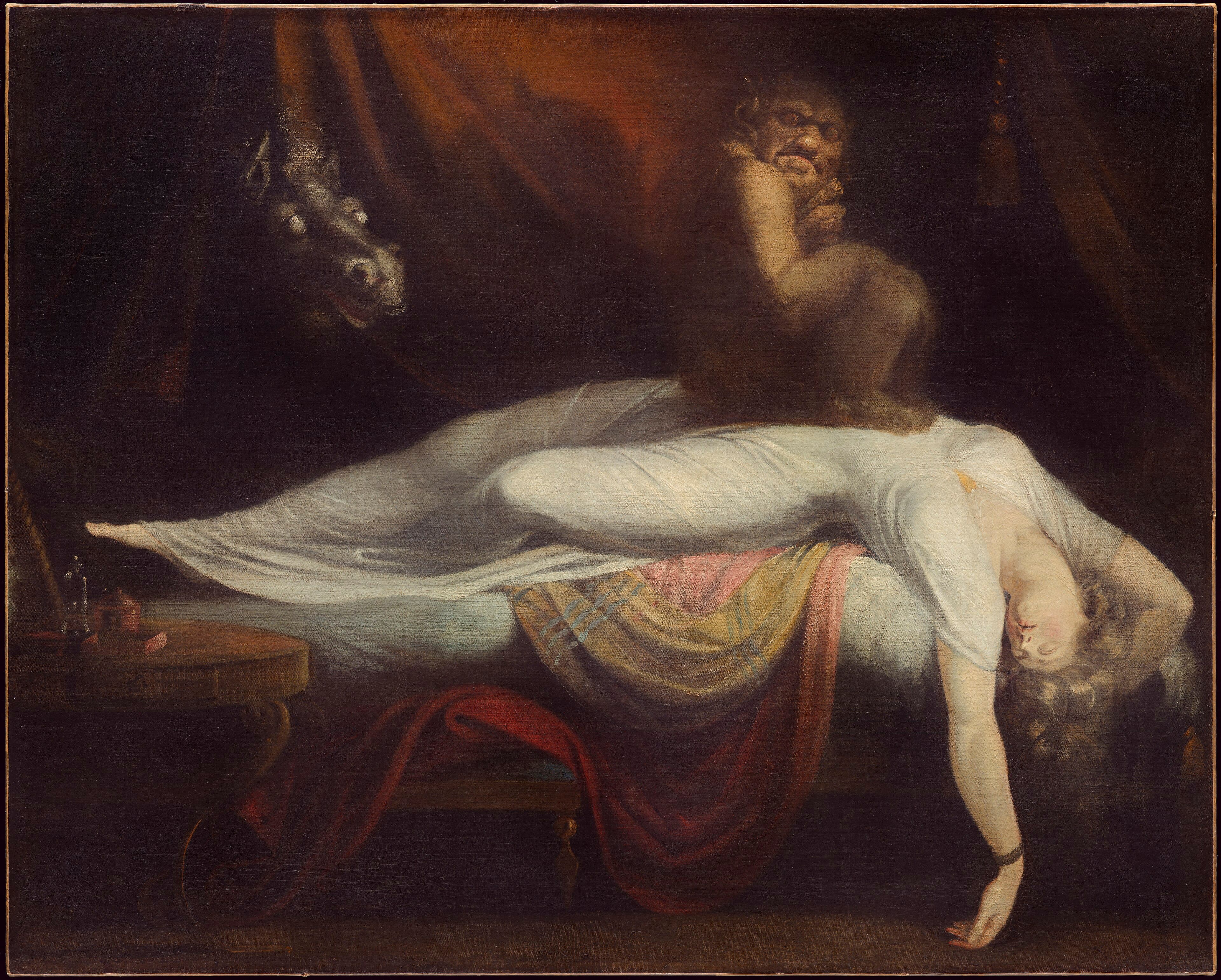
The Nightmare
Henry Fuseli · 1781
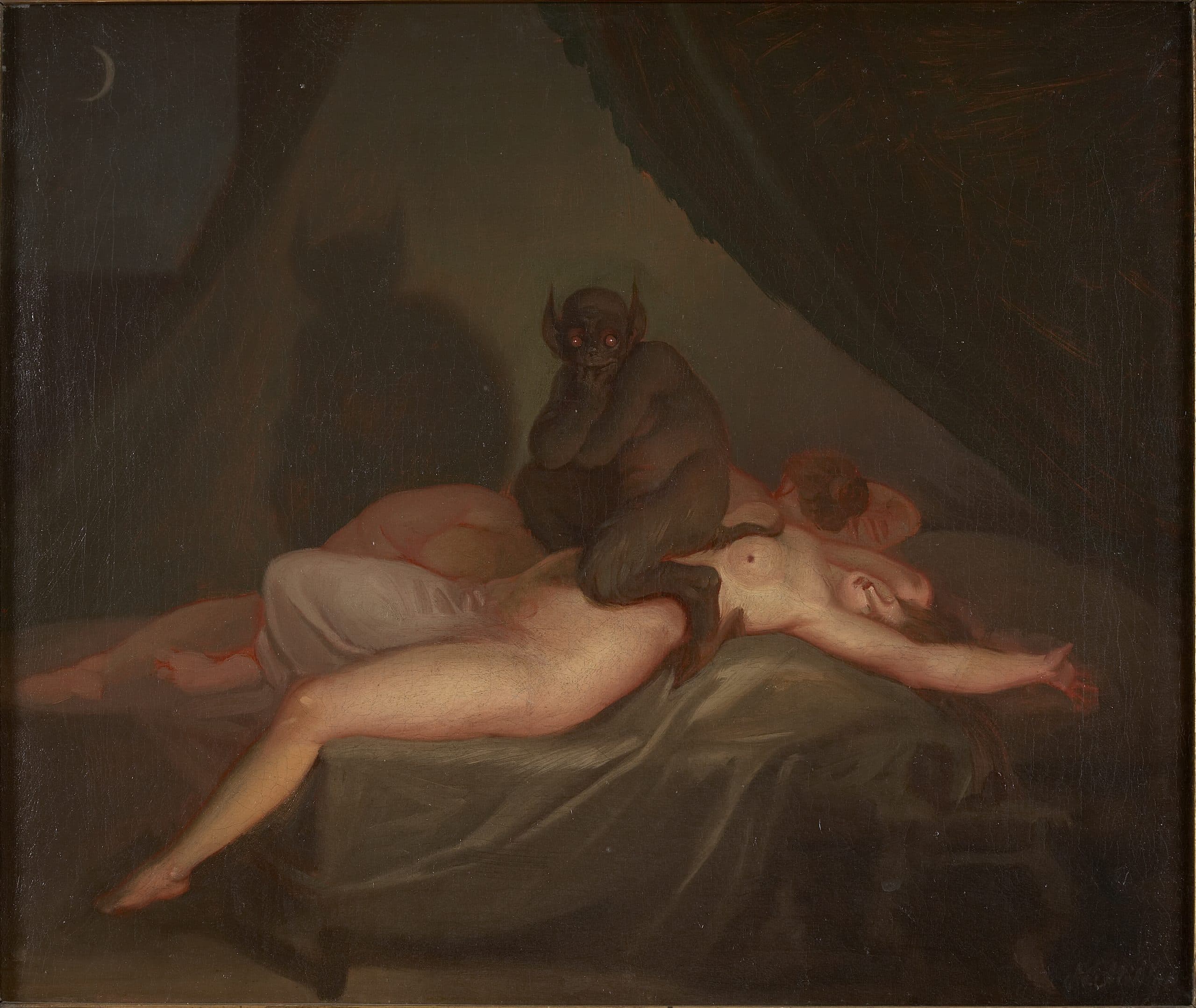
Nightmare
Nicolai Abraham Abildgaard · 1800
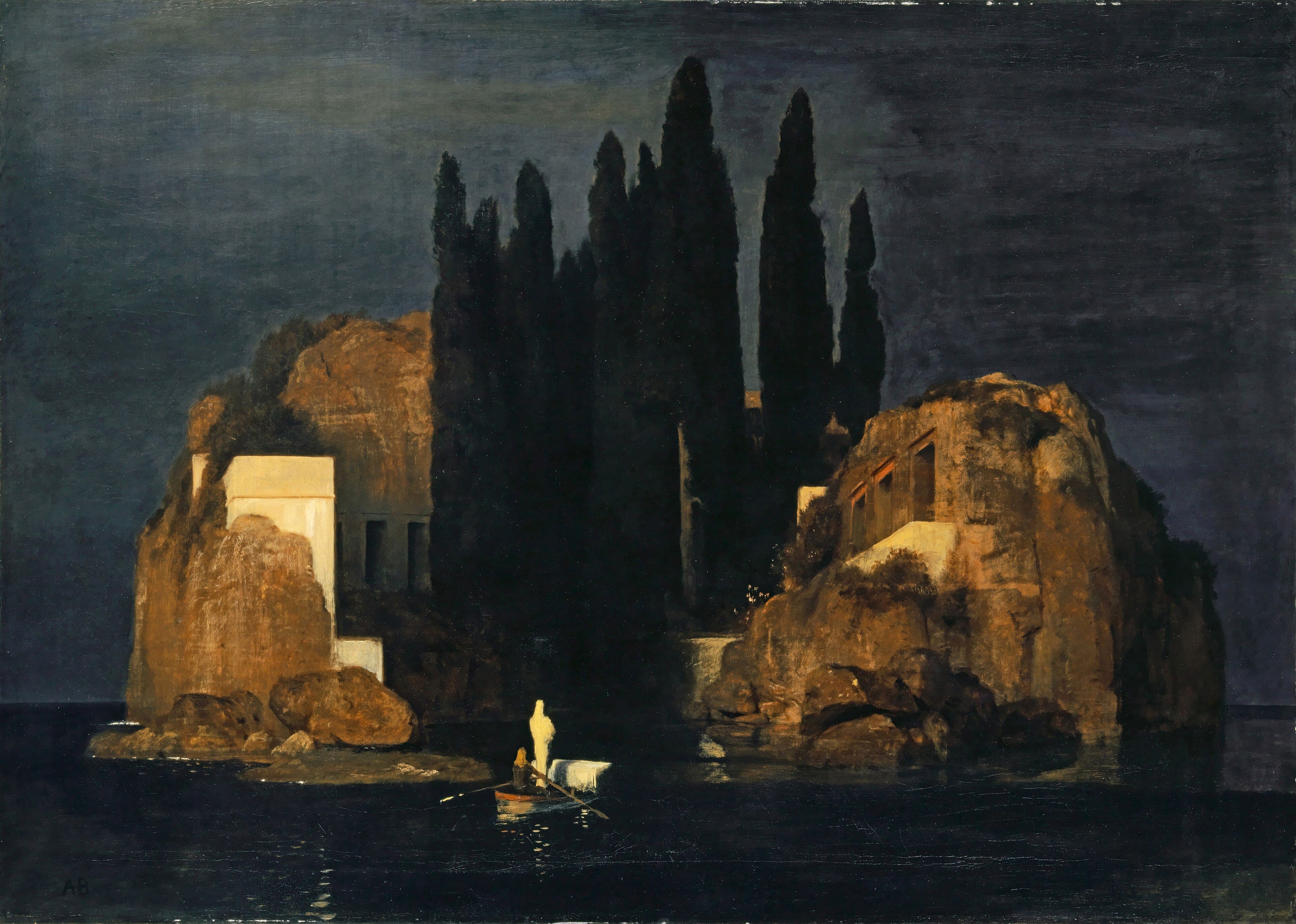
Isle of the Dead
Arnold Böcklin · 1880 (first version); five versions 1880–86

Nymphs Dancing to Pan's Flute
Joseph Tomanek

The Scream
Edvard Munch · 1893
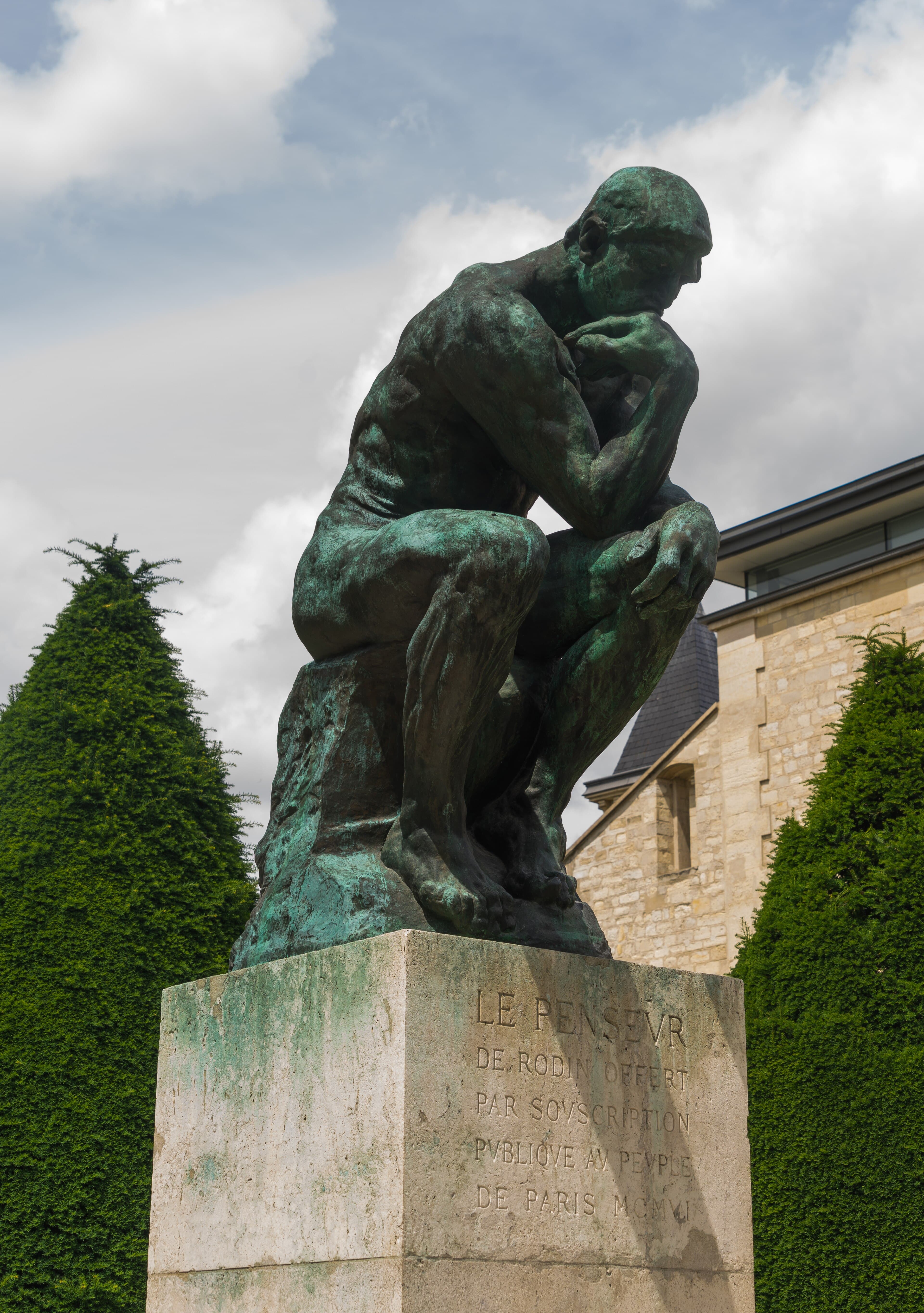
The Thinker
Auguste Rodin · Modeled 1880–82; enlarged 1902–03; this cast 1904
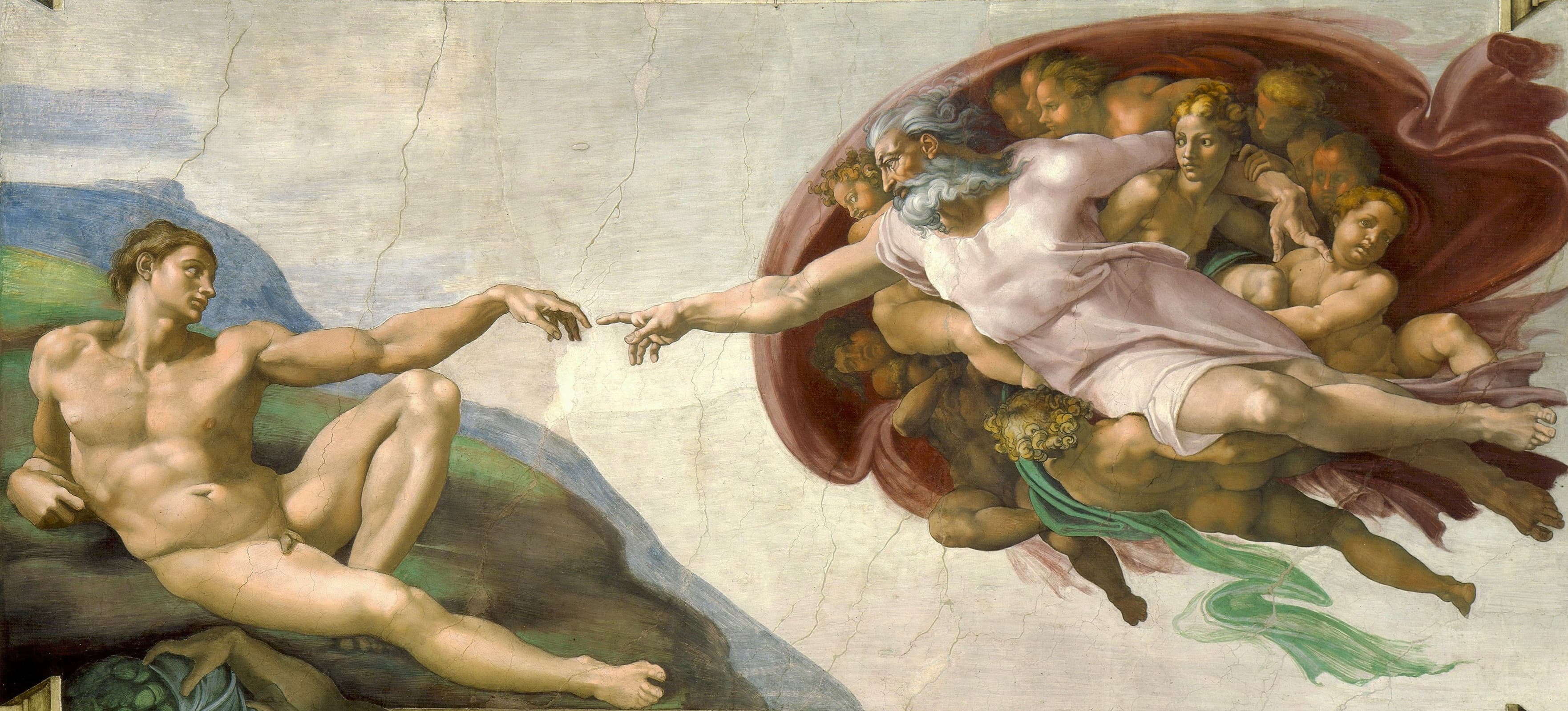
The Creation of Adam
Michelangelo · c. 1511–12

Ophelia
John Everett Millais · 1851–52