Victorian / late Pre-Raphaelite
Romeo and Juliet
Sir Frank Dicksee, 1884
Romeo and Juliet is an 1884 painting by Frank Dicksee of Shakespeare's lovers embracing on Juliet's balcony, Romeo about to leave. It belongs to Southampton City Art Gallery and is one of the best-known Victorian images of the play.
- Artist
- Sir Frank Dicksee
- Date
- 1884
- Medium
- Oil on canvas
- Collection
- Southampton City Art Gallery, Southampton, United Kingdom
- Movement
- Victorian / late Pre-Raphaelite
What you are looking at
Juliet, in a loose white nightgown, stands on tiptoe with both arms around Romeo's neck, pulling his face down to hers. Romeo, in a crimson cloak, a dark embroidered doublet with gold trim and green hose, leans in to kiss her, one hand resting on her arm. A sword hangs at his hip. They stand on a stone balcony; at right a twisted marble column is wound with a climbing vine, and beyond the balustrade a pale strip of dawn sky shows through. At lower left, white lilies bloom in the shadow.
Dicksee contrasts the two figures. Juliet is all light, her white gown and pale skin catching the glow from the open sky; Romeo is dressed in the deep reds and greens of the picture's darker half. Their heads meet at the exact point where those two zones touch. The surface is highly finished, with crisp detail in the embroidery and the stone, in the manner the Royal Academy rewarded.
Which scene is it?
The painting is usually called the balcony scene, but the details point to Act 3, Scene 5: the lovers' parting at dawn after their wedding night, when Juliet insists that the bird they hear is the nightingale, not the lark. Romeo is dressed and armed for departure, the sky behind is pale, and the embrace is a farewell. Within hours Romeo will be banished to Mantua for killing Tybalt, and they will not see each other alive again.
The artist
Frank Dicksee (1853–1928) was a precocious Royal Academy painter, elected an Academician in 1891 and President in 1924. He specialized in romantic and literary subjects, influenced by the later Pre-Raphaelites and by Frederic Leighton. Shakespeare and medieval romance were his favorite sources; his La Belle Dame sans Merci and Chivalry show the same taste for armor, velvet and doomed love.
Meaning
Dicksee shows the tragedy at its most tender. The lilies, traditional emblems of purity, suit Juliet's innocence; the sword reminds the viewer of the violence that drives the plot. The kiss is passionate but restrained, and the Victorian audience knew exactly what would follow, which gives the picture its sadness.
Where to see it
The painting belongs to Southampton City Art Gallery in England. For other lovers in the catalogue, see Francesco Hayez's The Kiss and Fabián Pérez's The Embrace II; see also the Pre-Raphaelites.
Questions & answers
Where is Romeo and Juliet by Frank Dicksee?
The painting, dated 1884, belongs to Southampton City Art Gallery in Southampton, England. Painted when Dicksee was in his early thirties, it is one of the most widely reproduced Victorian images of Shakespeare's play and of its two young lovers.
What scene from Romeo and Juliet does Dicksee's painting show?
It is often called the balcony scene, but Romeo's cloak and sword and the dawn sky suggest Act 3, Scene 5, the lovers' farewell after their secret wedding night, just before Romeo must leave Verona for exile in Mantua after killing Tybalt.
Who was Frank Dicksee?
Sir Frank Dicksee (1853–1928) was a British painter of romantic, literary and historical subjects. He was elected to the Royal Academy in 1891 and served as its President from 1924 until his death. He was influenced by the Pre-Raphaelites and Frederic Leighton.
More by the artist
Sir Frank Dicksee
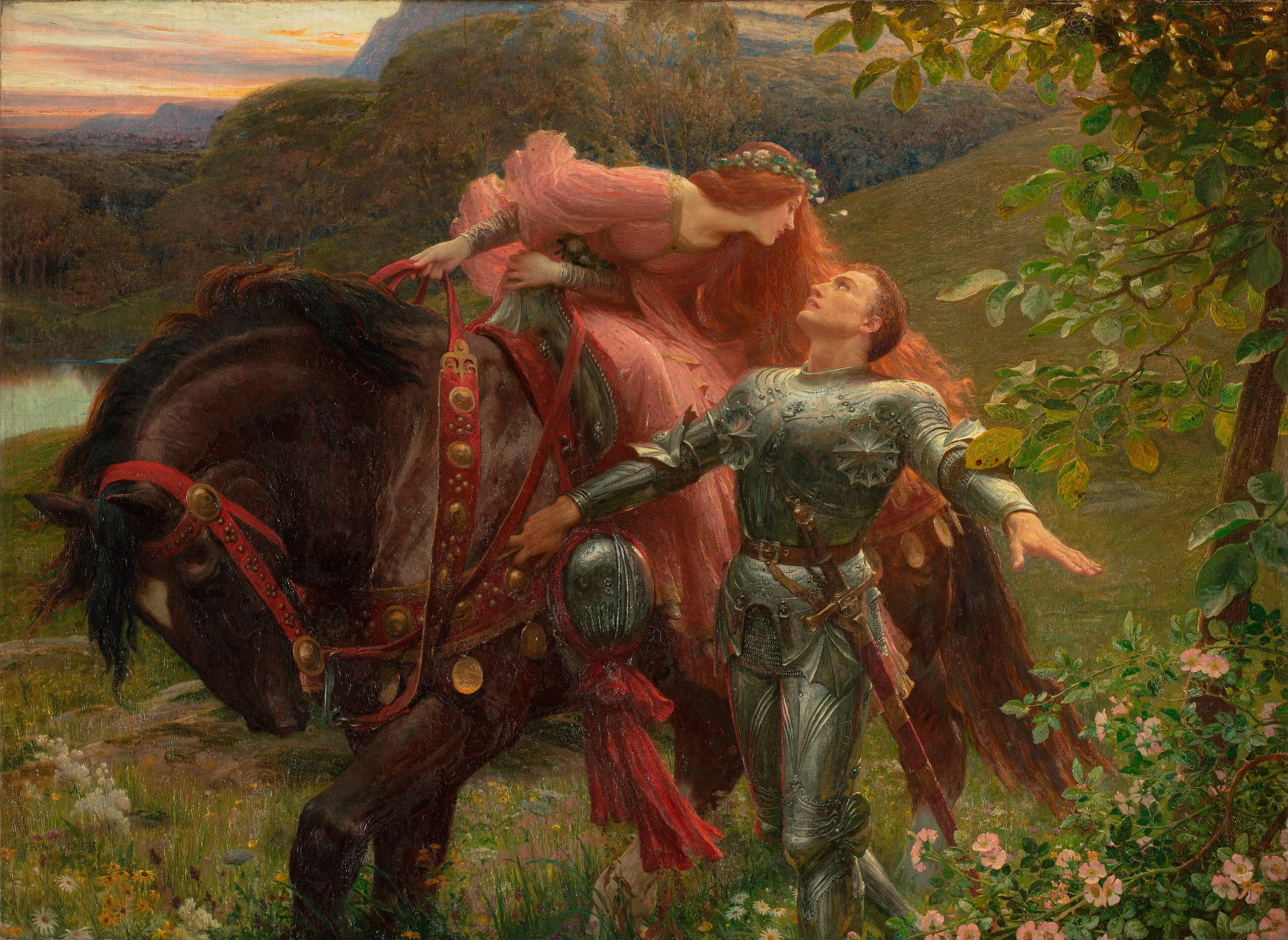
Kindred works
You may also study
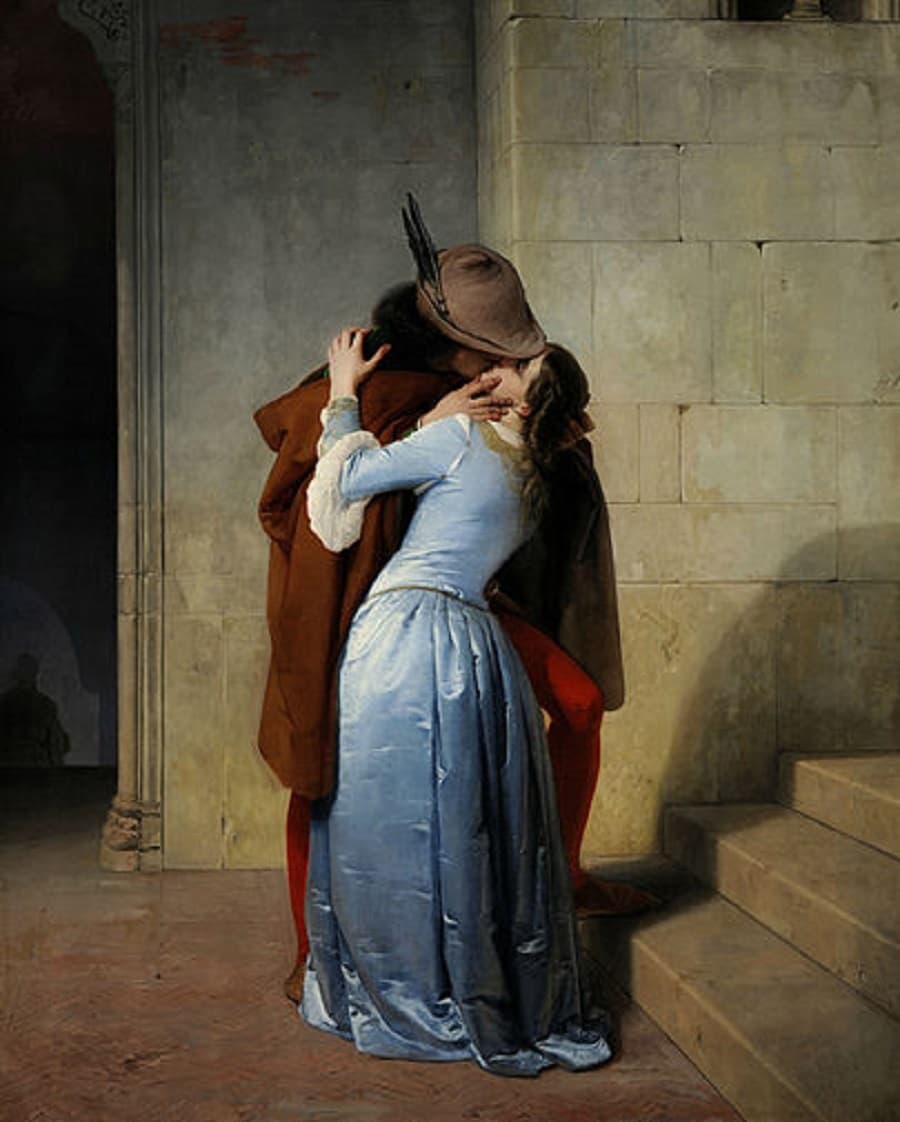
The Kiss
Francesco Hayez · 1859

The Embrace II
Fabián Pérez
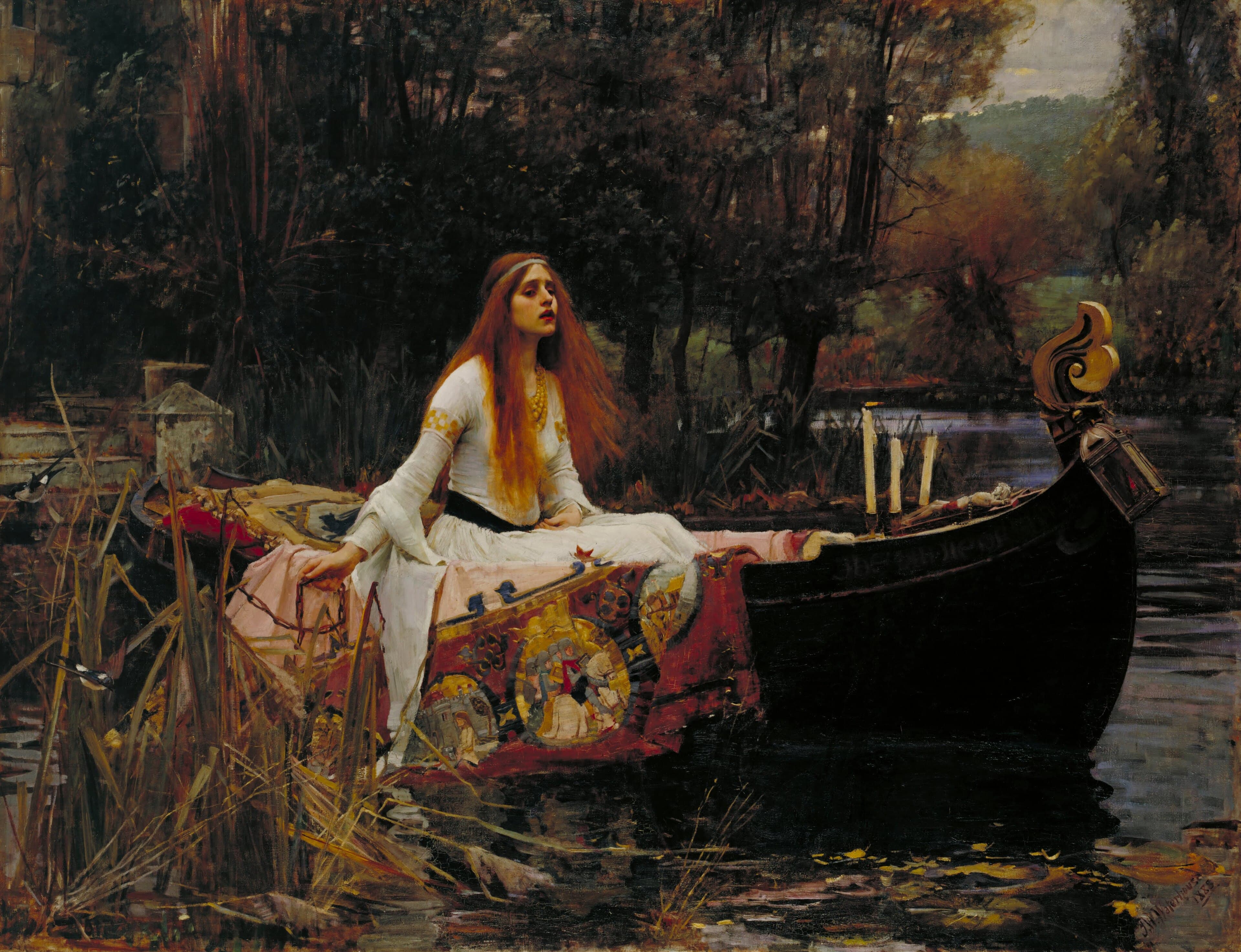
The Lady of Shalott
John William Waterhouse · 1888

Bridge over a Pond of Water Lilies
Claude Monet · 1899

Venus de Milo
Alexandros of Antioch · c. 150–125 BC

The Thinker
Auguste Rodin · Modeled 1880–82; enlarged 1902–03; this cast 1904
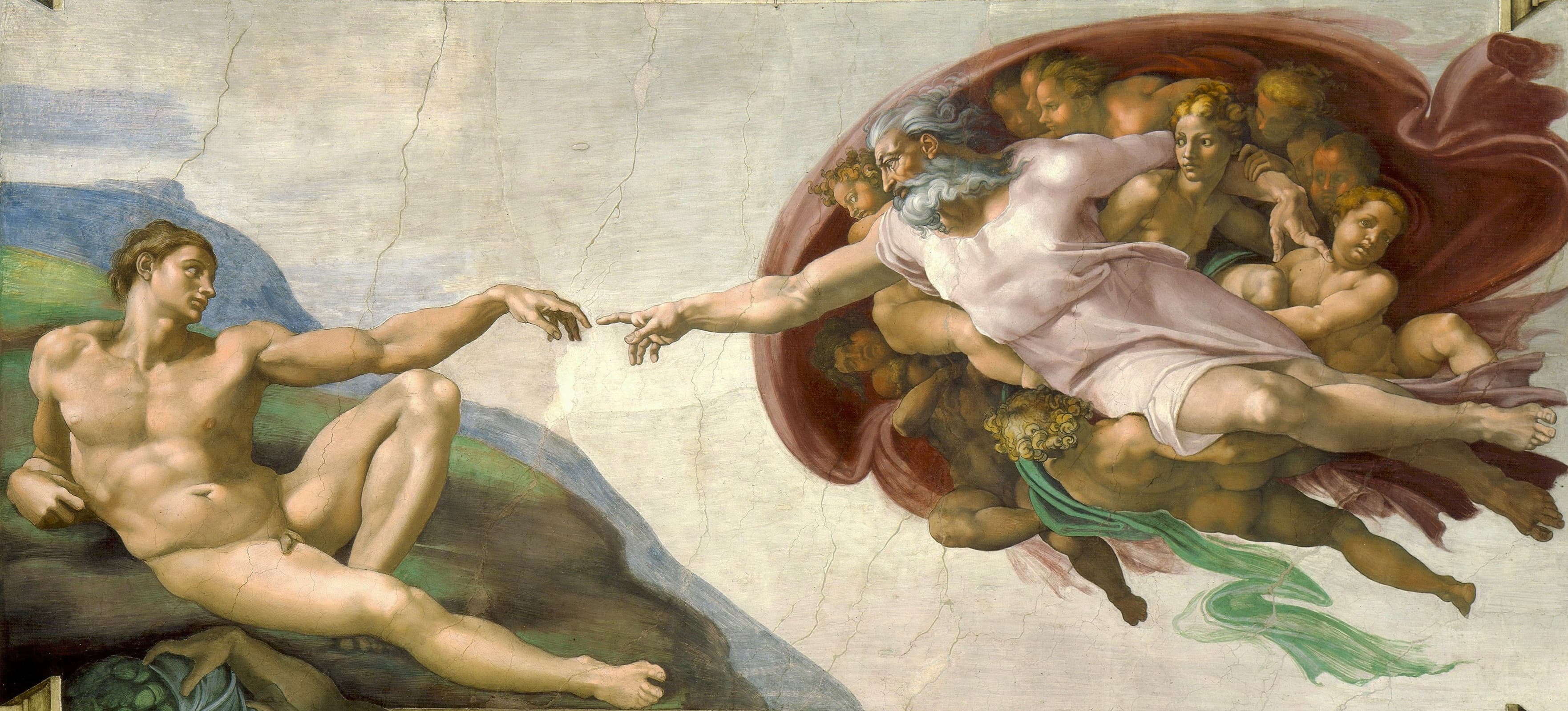
The Creation of Adam
Michelangelo · c. 1511–12

Ophelia
John Everett Millais · 1851–52