Victorian Classicism
The Lament for Icarus
Herbert James Draper, 1898
The Lament for Icarus is Herbert James Draper's 1898 painting of the dead Icarus mourned by sea nymphs on a rock, his great wings spread around him. It won a gold medal in Paris in 1900 and is in Tate Britain.
- Artist
- Herbert James Draper
- Date
- 1898
- Medium
- Oil on canvas
- Dimensions
- 182.9 × 155.6 cm
- Collection
- Tate Britain, London, United Kingdom
- Movement
- Victorian Classicism
The Lament for Icarus is the best-known painting by the British artist Herbert James Draper. Exhibited at the Royal Academy in 1898 and bought the same year for the nation through the Chantrey Bequest, it won a gold medal at the Exposition Universelle in Paris in 1900. The canvas, about 183 by 156 centimeters, is in Tate Britain, London. The image above is a close detail of the center of the composition.
What you are looking at
Icarus lies dead on a rock by the sea, his head fallen back against the shoulder of a nymph. His body is not pale like the nymphs' but deeply tanned, burned by his flight too close to the sun. A red-and-white cloth is wrapped around his hips, and around his wrist we can see the leather strap that bound the wings to his arm.
The wings are enormous. Painted in browns, creams and gold, feather by feather, they spread behind and beside him like a fallen bird's, filling the upper left and right of the picture. In this detail, one wing curves over the nymphs at right, and another rises at upper left.
Two nymphs bend over him. The nearer, red-haired, cradles his head and looks down at his face; the other, behind her, has her eyes closed and her lips parted as if singing or weeping. In the full painting a third nymph sits at the right with a lyre, and the sea, glinting gold in the low sun, stretches behind them.
The story
In Ovid's Metamorphoses, the craftsman Daedalus makes wings of feathers and wax so that he and his son Icarus can escape from Crete. He warns the boy not to fly too high; Icarus, delighted with flight, soars toward the sun, the wax melts and he falls into the sea that bears his name. Ovid has Daedalus find the body and bury it. Draper invents the scene of nymphs mourning him, giving the myth a melancholy, romantic ending.
How it was made
Draper trained at the Royal Academy Schools and in Paris and Rome, and he worked in the late Victorian classical manner of Frederic Leighton: idealized nudes, careful anatomy, rich color. The wings are a tour de force; Draper is said to have studied real birds' wings for them. Their hard detail contrasts with the soft, glowing flesh of the nymphs.
Where to see it
The painting is at Tate Britain in London. For more myth painting by Draper, see Clyties of the Mist and The Pearls of Aphrodite, and our Greek Mythology in Art collection.
Questions & answers
Where is The Lament for Icarus by Draper?
It is in Tate Britain in London. The painting was bought for the nation through the Chantrey Bequest in 1898, the year it was shown at the Royal Academy. It won a gold medal at the Exposition Universelle in Paris in 1900.
What is the story behind The Lament for Icarus?
In Ovid's Metamorphoses, Icarus flies too close to the sun on wings of feathers and wax made by his father Daedalus. The wax melts and he falls into the sea. Draper imagines his body washed onto a rock and mourned by sea nymphs, a scene not found in Ovid.
Why is Icarus so dark in Draper's painting?
Draper paints Icarus with deeply tanned, sunburned skin to show that he has flown too close to the sun. The darkness of his body contrasts with the pale skin of the nymphs around him and makes him the visual center of the composition.
More by the artist
Herbert James Draper
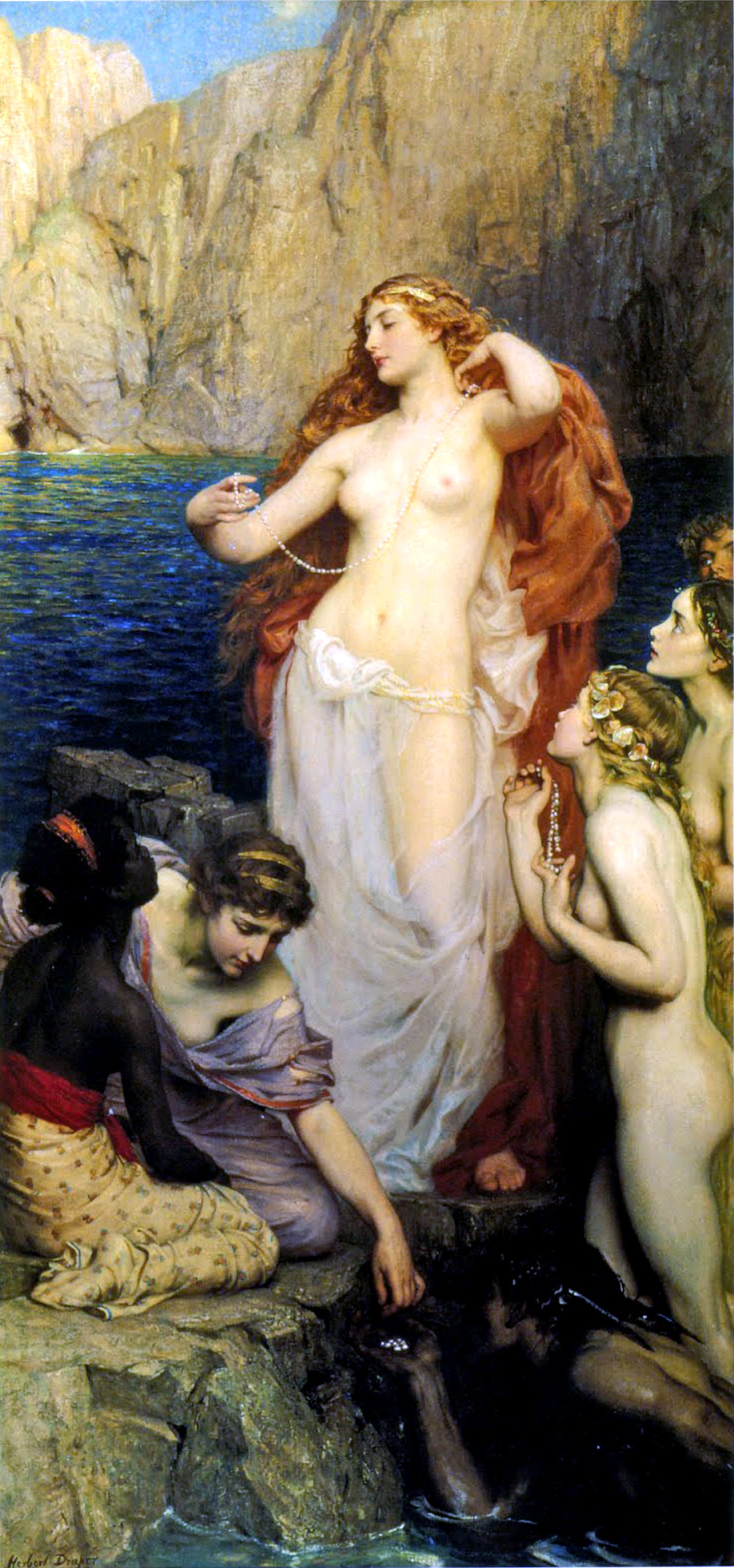
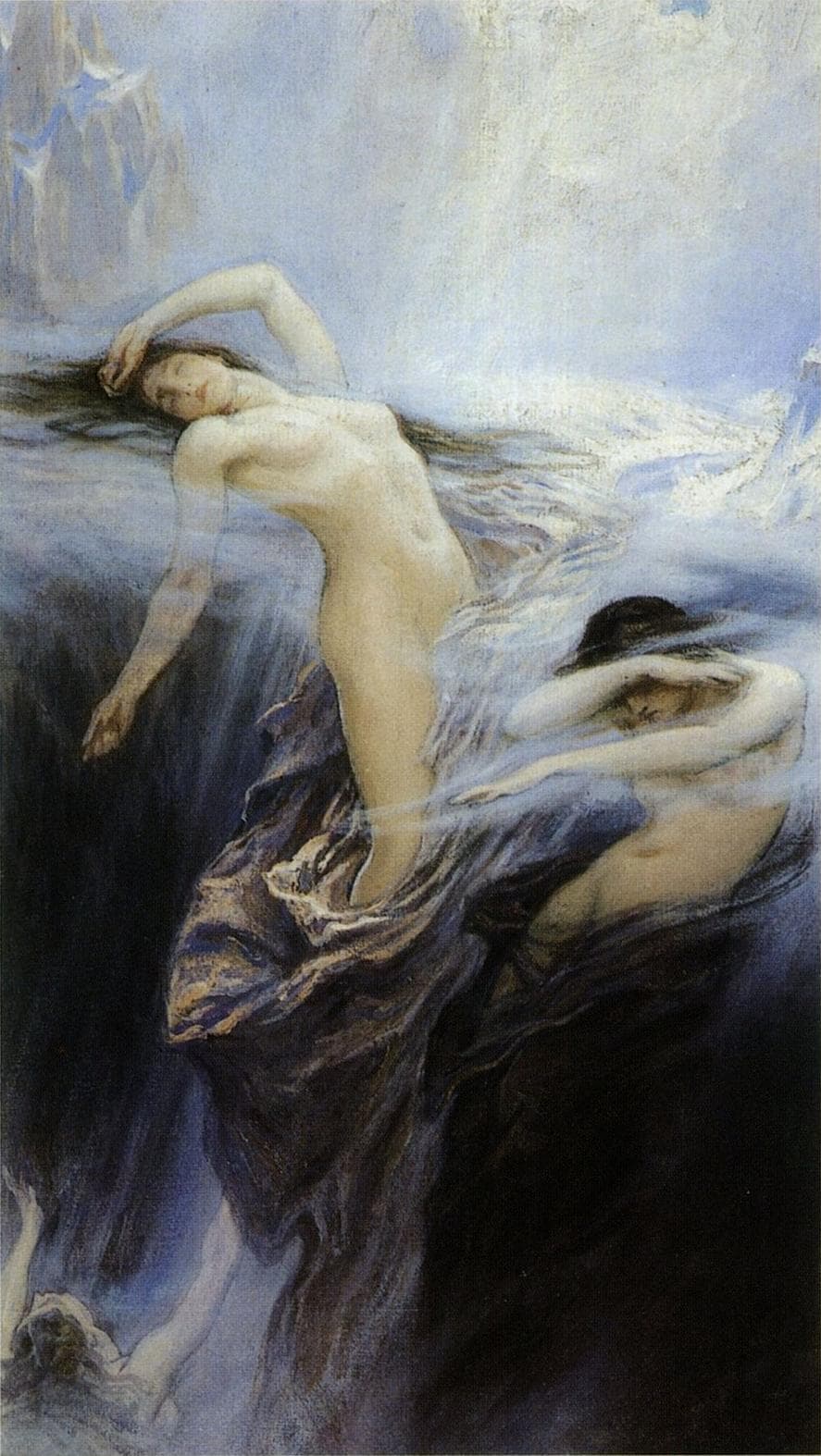
Kindred works
You may also study
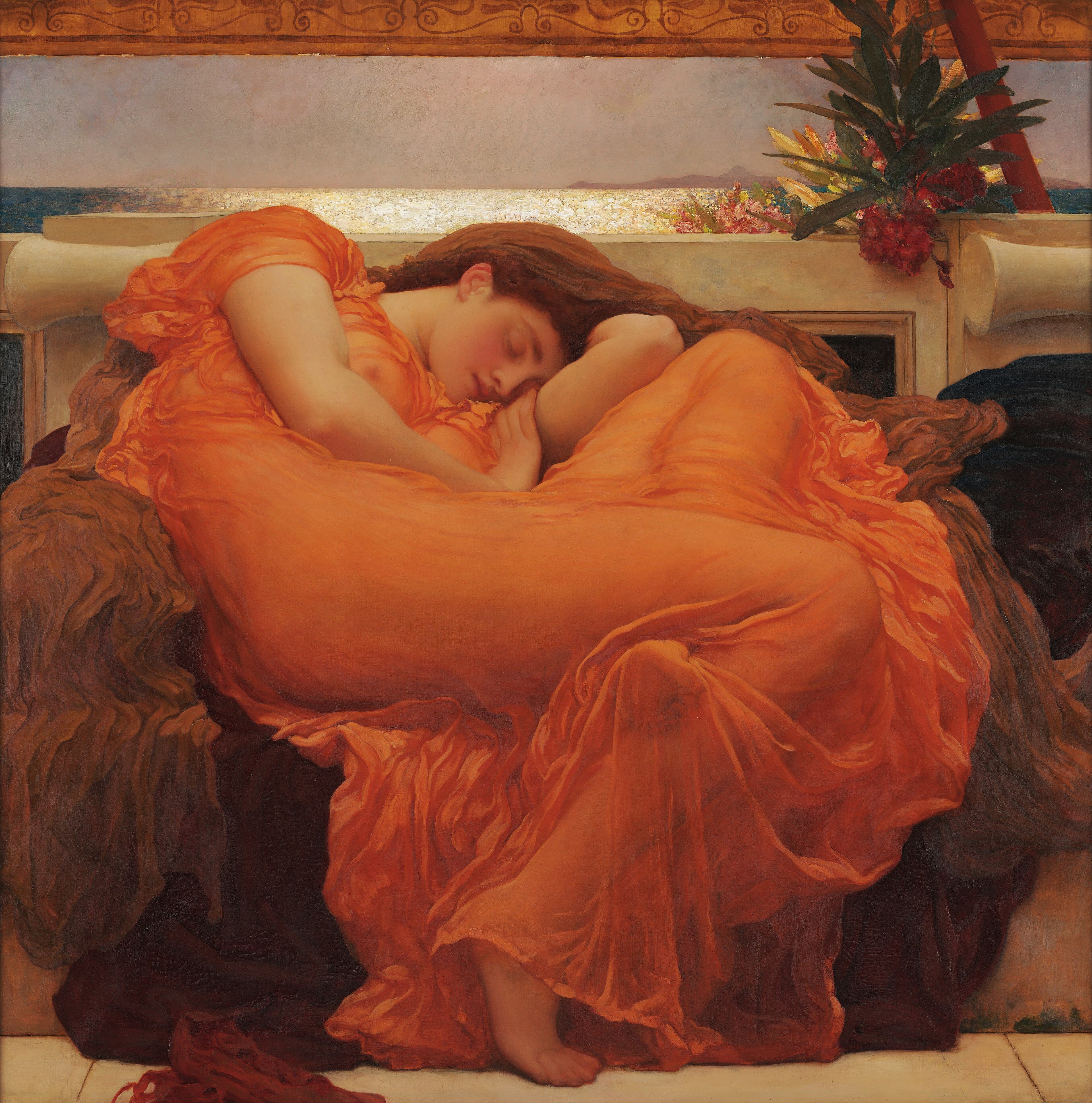
Flaming June
Frederic Leighton · 1895
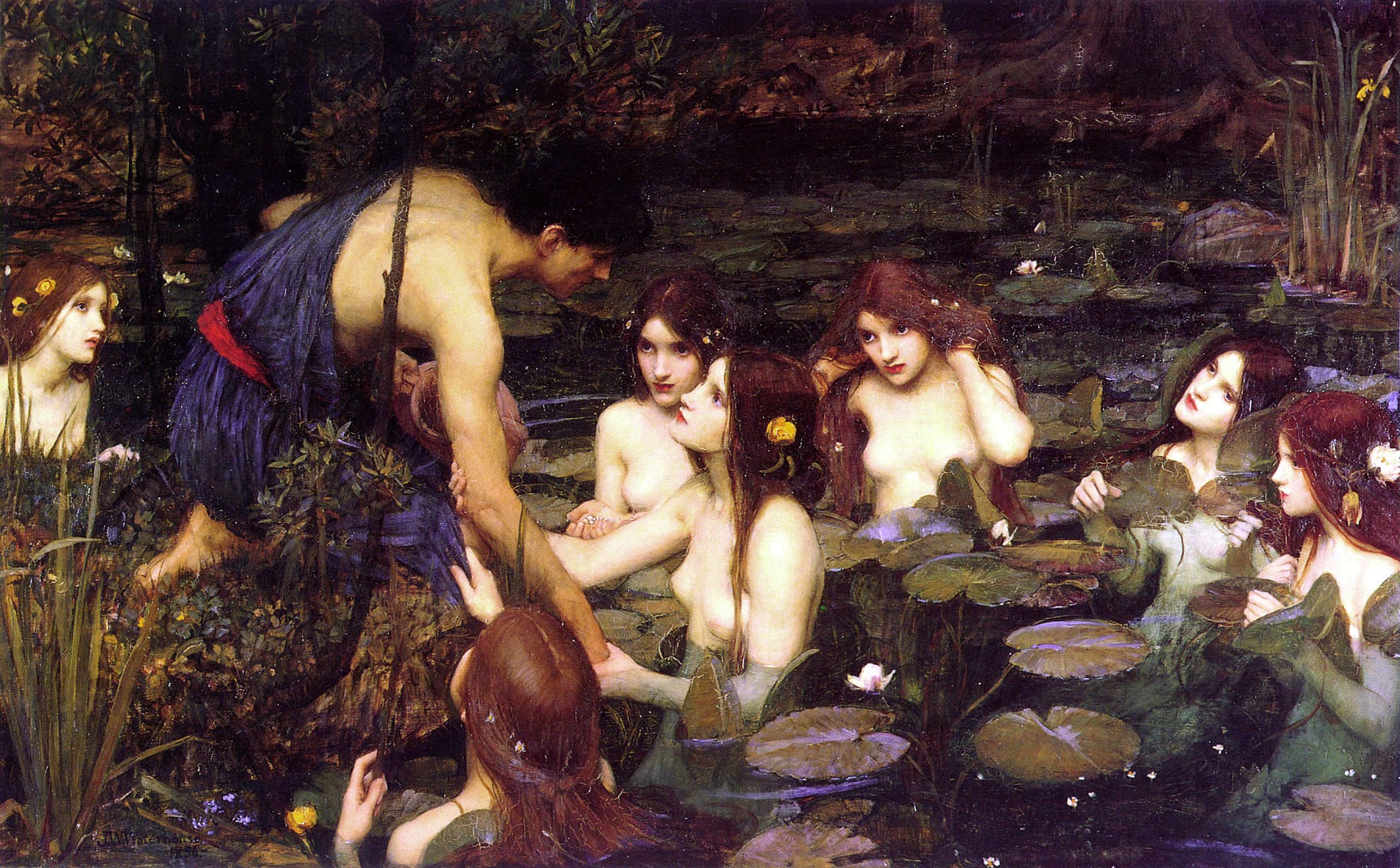
Hylas and the Nymphs
John William Waterhouse · 1896

The Lady of Shalott
John William Waterhouse · 1888

Venus de Milo
Alexandros of Antioch · c. 150–125 BC
Nymphs Dancing to Pan's Flute
Joseph Tomanek

The Scream
Edvard Munch · 1893

The Thinker
Auguste Rodin · Modeled 1880–82; enlarged 1902–03; this cast 1904

Saturn Devouring His Son
Francisco Goya · c. 1819–1823