Baroque
Medusa
Caravaggio, c. 1597–98
Medusa is Caravaggio's painting of the screaming severed head of the Gorgon on a round wooden parade shield, made around 1597–98 as a gift for the Medici Grand Duke Ferdinando I. It hangs in the Uffizi, Florence.
- Artist
- Caravaggio
- Date
- c. 1597–98
- Medium
- Oil on canvas mounted on a convex poplar shield
- Dimensions
- 60 × 55 cm
- Collection
- Uffizi Gallery, Florence, Italy
- Movement
- Baroque
Caravaggio's Medusa is a painting on a shield. Made around 1597–98, it shows the head of the Gorgon at the moment after Perseus has cut it off, painted on canvas glued to a convex poplar shield about 60 by 55 centimeters. It was commissioned by Cardinal Francesco Maria del Monte, Caravaggio's patron in Rome, as a diplomatic gift for Ferdinando I de' Medici, Grand Duke of Tuscany, and is now in the Uffizi Gallery in Florence. An earlier, slightly smaller version, sometimes called the Murtola Medusa after a poem about it, is in a private collection.
What you are looking at
A young face stares out from the center of a round green field, framed by a narrow dark border painted with gold ornament. The mouth is wide open in a scream, showing the teeth; the eyebrows are knotted, the eyes wide and glaring sideways. It is the expression of someone still alive in the instant of death.
Instead of hair, a writhing mass of snakes grows from the head, gray-brown and speckled, their heads twisting outward in every direction, some with open mouths. From the severed neck, streams of dark red blood pour downward in thin, separate jets.
Look at the shadow on the right side of the green ground. Caravaggio paints the head as if it were standing out from a flat surface and casting a shadow, even though the shield actually bulges outward. The trick makes the head seem to project toward us.
The myth
In Ovid's Metamorphoses, Medusa is a beautiful young woman who is violated by Neptune in the temple of Minerva; the goddess punishes Medusa by turning her hair into snakes and making her gaze turn people to stone. The hero Perseus kills her by looking only at her reflection in his polished shield, and Minerva later sets the head on her own shield or aegis as a protective emblem.
Caravaggio's choice to paint Medusa on a real shield turns the object into Minerva's, or Perseus's, own: a weapon whose image is meant to terrify enemies. For the Medici, it was also a flattering emblem of a ruler who defeats his foes by wisdom.
How it was made
Tradition holds that Caravaggio used his own face, studied in a mirror, as the model, which would make the picture a kind of self-portrait. That is plausible but unproven. The rendering of the snakes, the open mouth and the blood shows his intense naturalism, applied to a mythological subject.
Where to see it
The painting hangs in the Uffizi Gallery, Florence. See also Caravaggio's Saint Catherine of Alexandria, our Caravaggio paintings collection, and Medusa in later art in Perseus and the Gorgon and Medusa on Her Throne.
Questions & answers
Where is Caravaggio's Medusa?
The best-known version, painted around 1597–98 on a convex wooden shield, is in the Uffizi Gallery in Florence. It was a gift from Cardinal del Monte to Ferdinando I de' Medici. An earlier, slightly smaller version painted around 1596–97 is in a private collection.
Is Caravaggio's Medusa a self-portrait?
A long tradition says Caravaggio used his own face, observed in a mirror, as the model for the screaming Medusa. That fits his practice of painting from life and would echo Perseus using a mirror to see Medusa, but there is no documentary proof.
Why is Caravaggio's Medusa painted on a shield?
In myth, Perseus beheaded Medusa by looking at her reflection in his shield, and the goddess Minerva later placed her head on her own shield as a protective emblem. Caravaggio's parade shield was a ceremonial object meant to evoke that terrifying, protective image.
More by the artist
Caravaggio
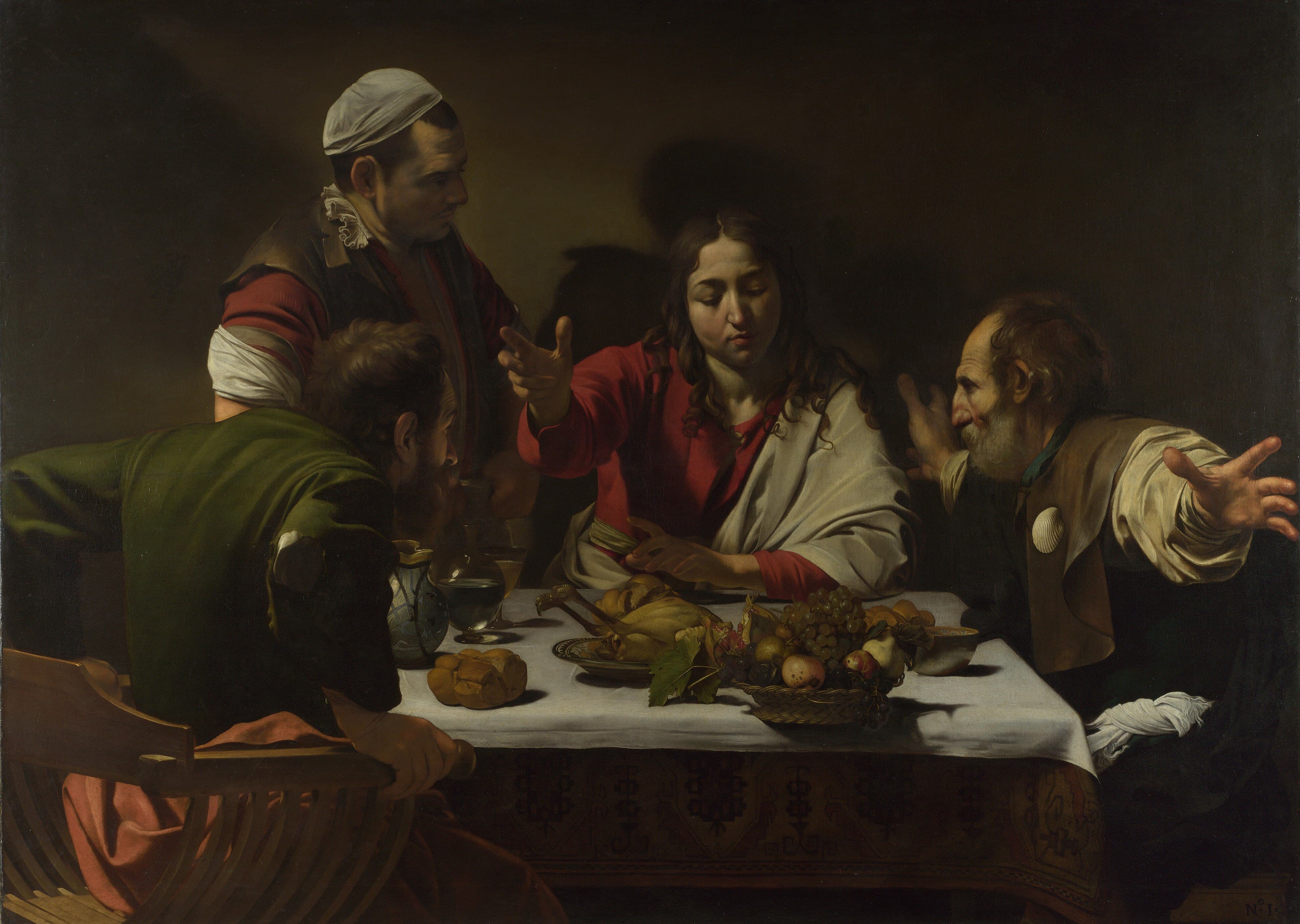
Supper at Emmaus
Caravaggio · 1601
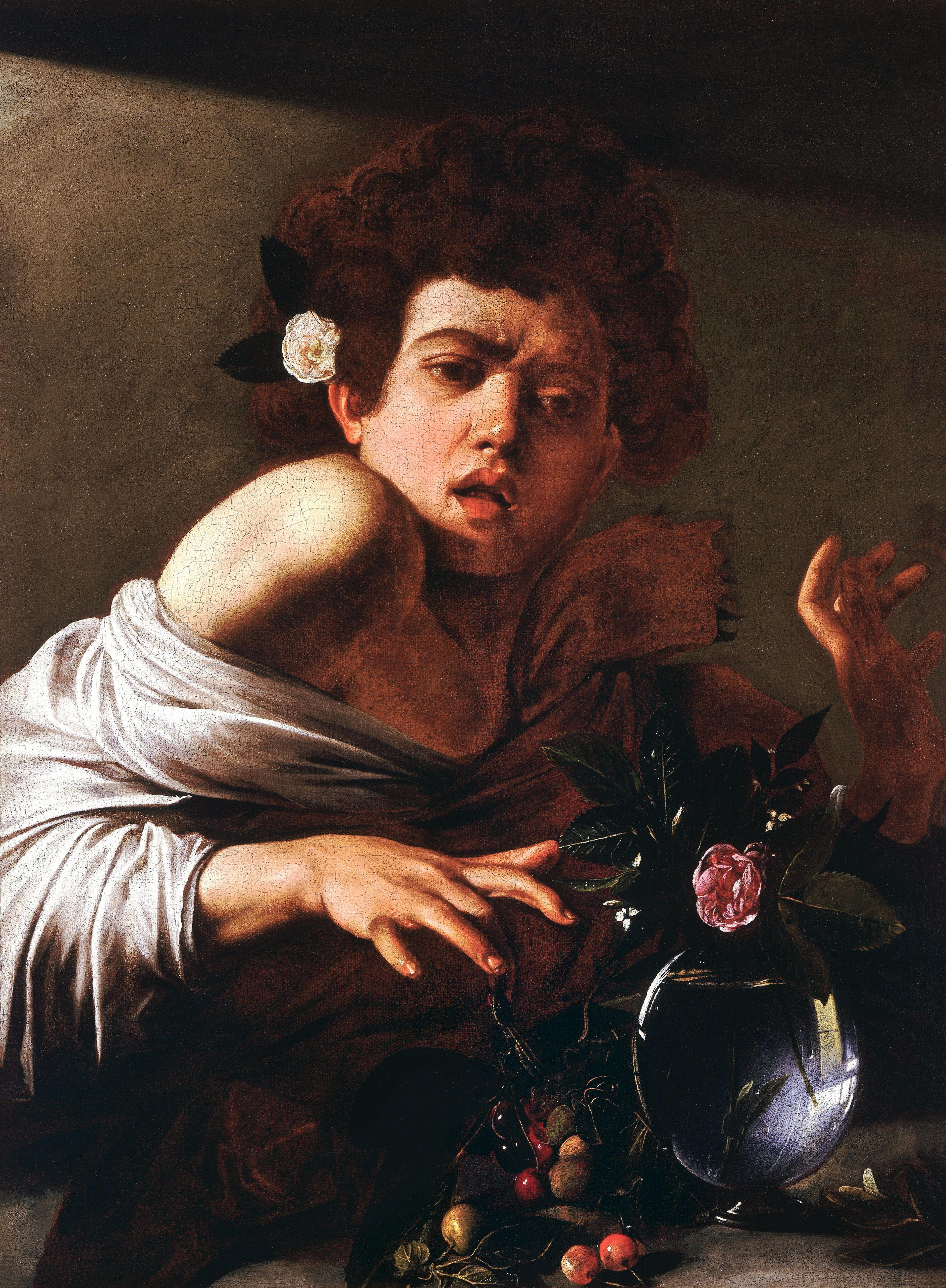
Boy Bitten by a Lizard
Caravaggio · c. 1594–95
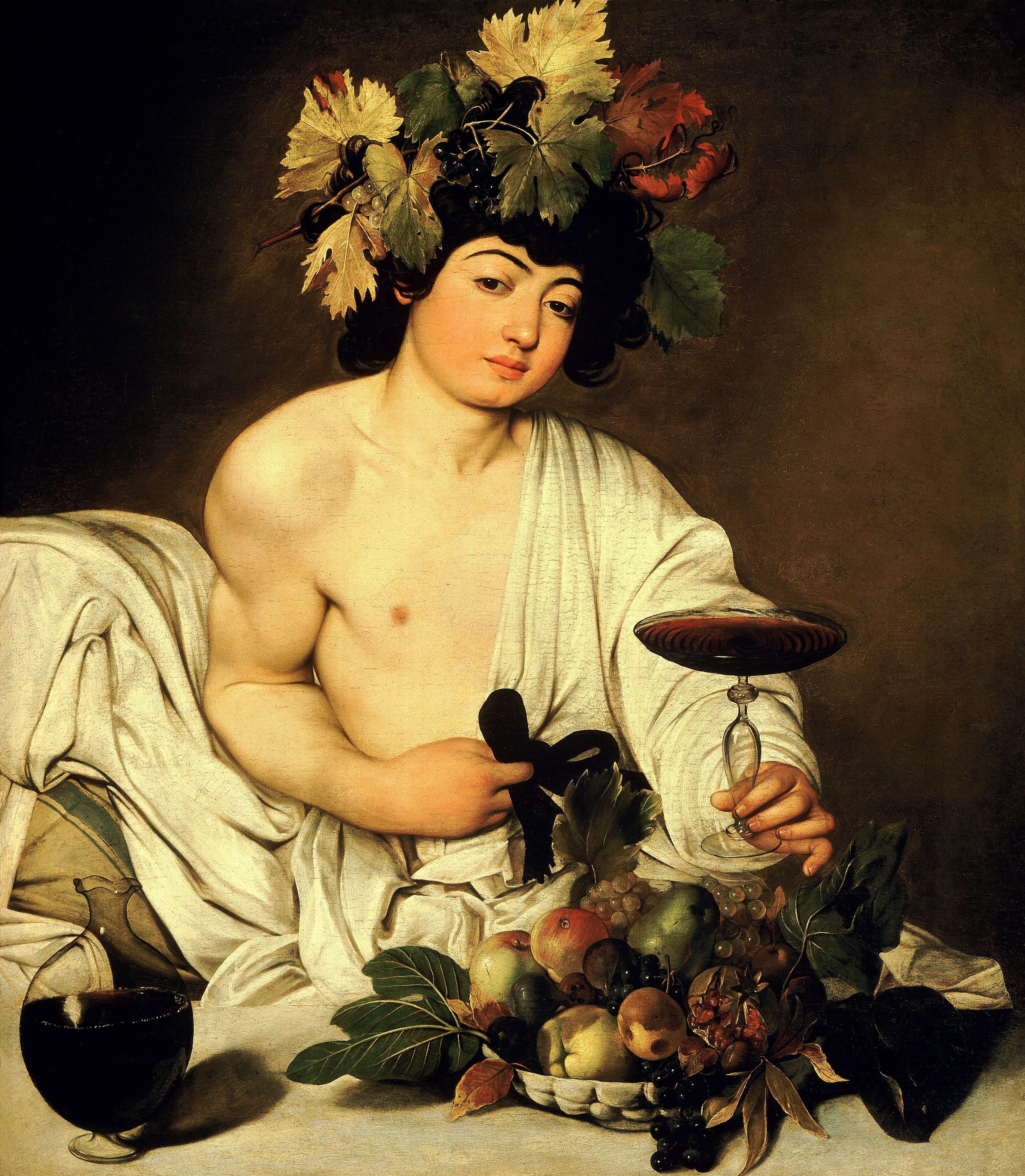
Bacchus
Caravaggio · c. 1596–98
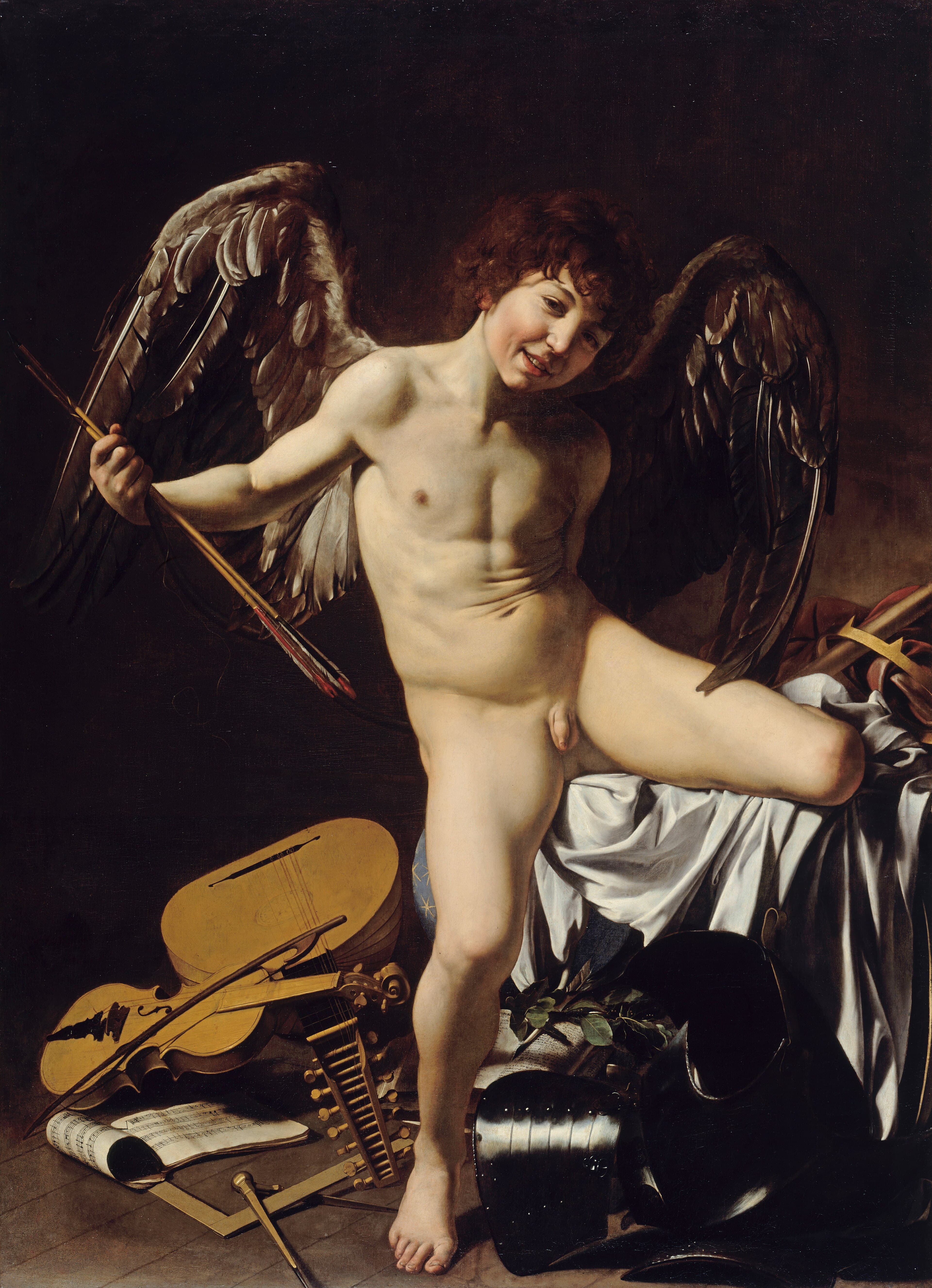
Amor Vincit Omnia
Caravaggio · 1601–02
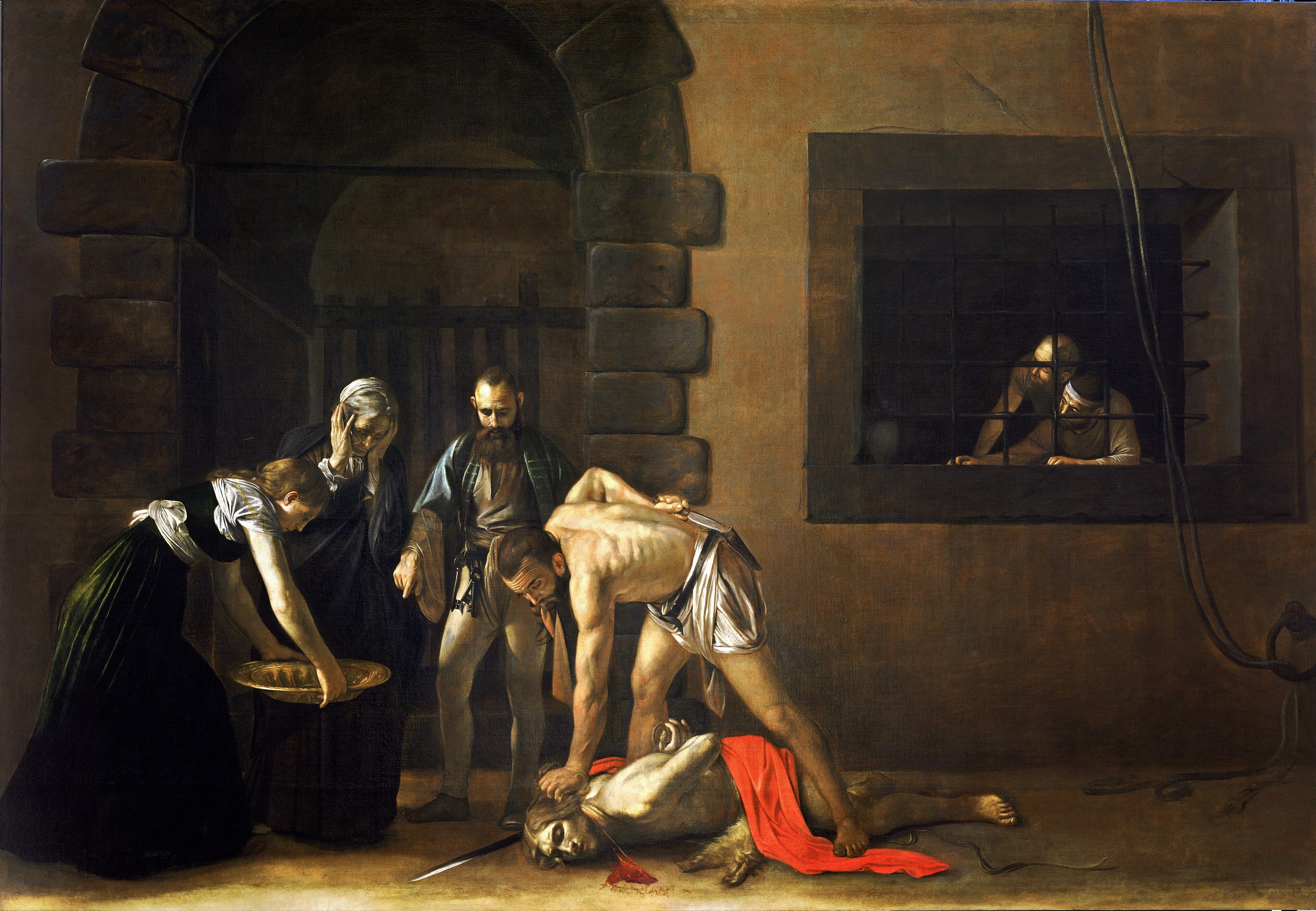
The Beheading of Saint John the Baptist
Caravaggio · 1608
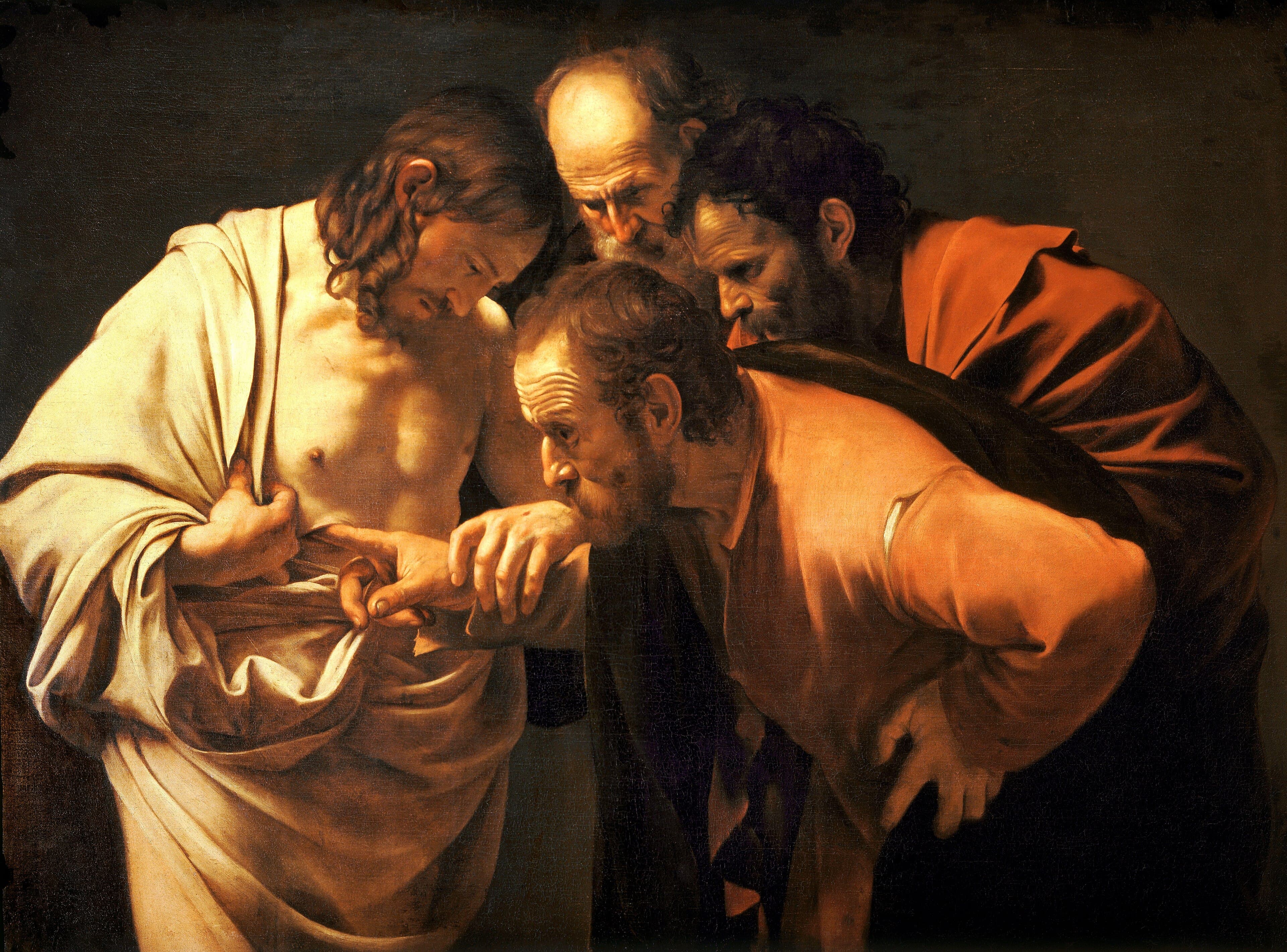
The Incredulity of Saint Thomas
Caravaggio · c. 1601–02
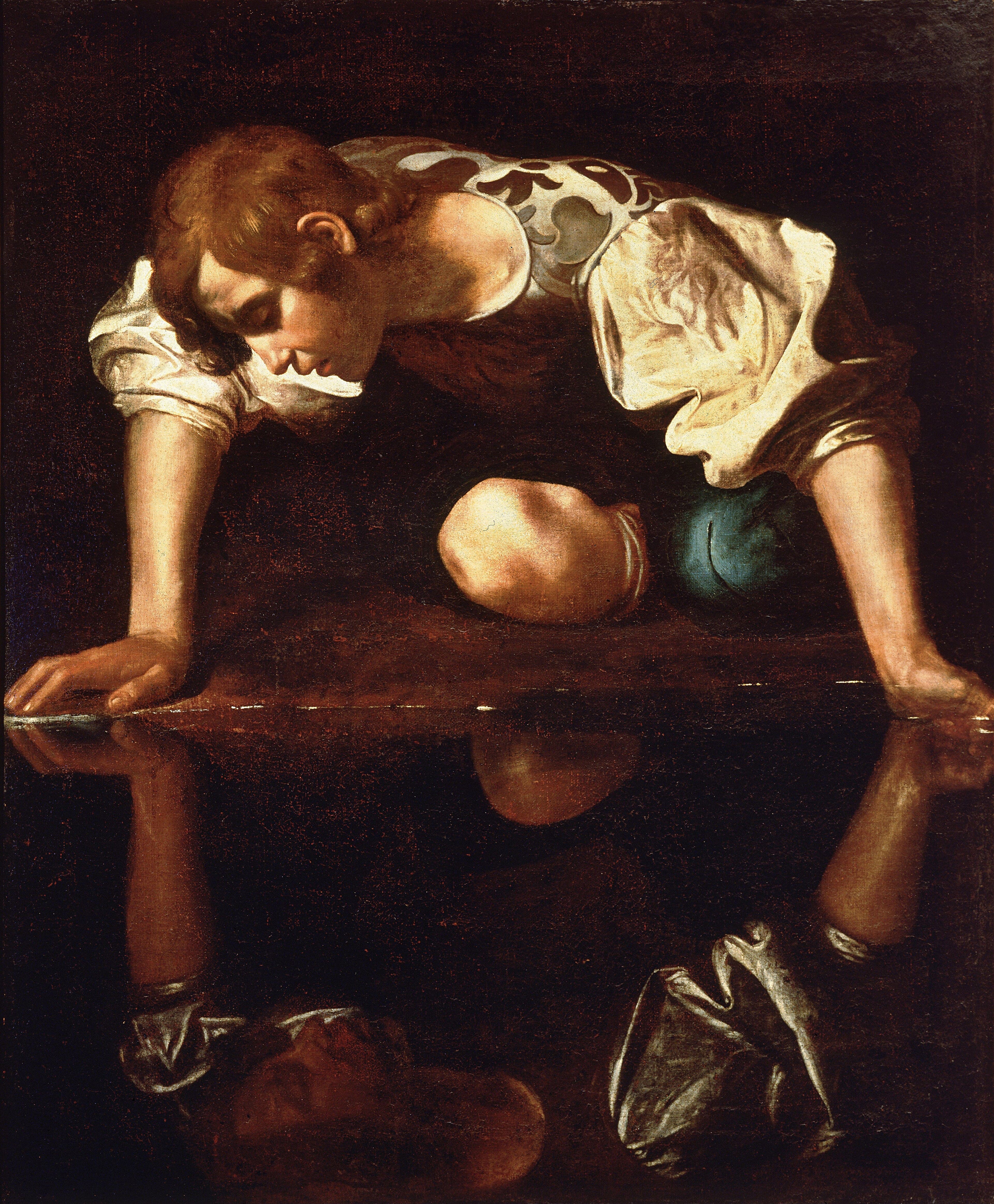
Narcissus
Caravaggio · c. 1597–99
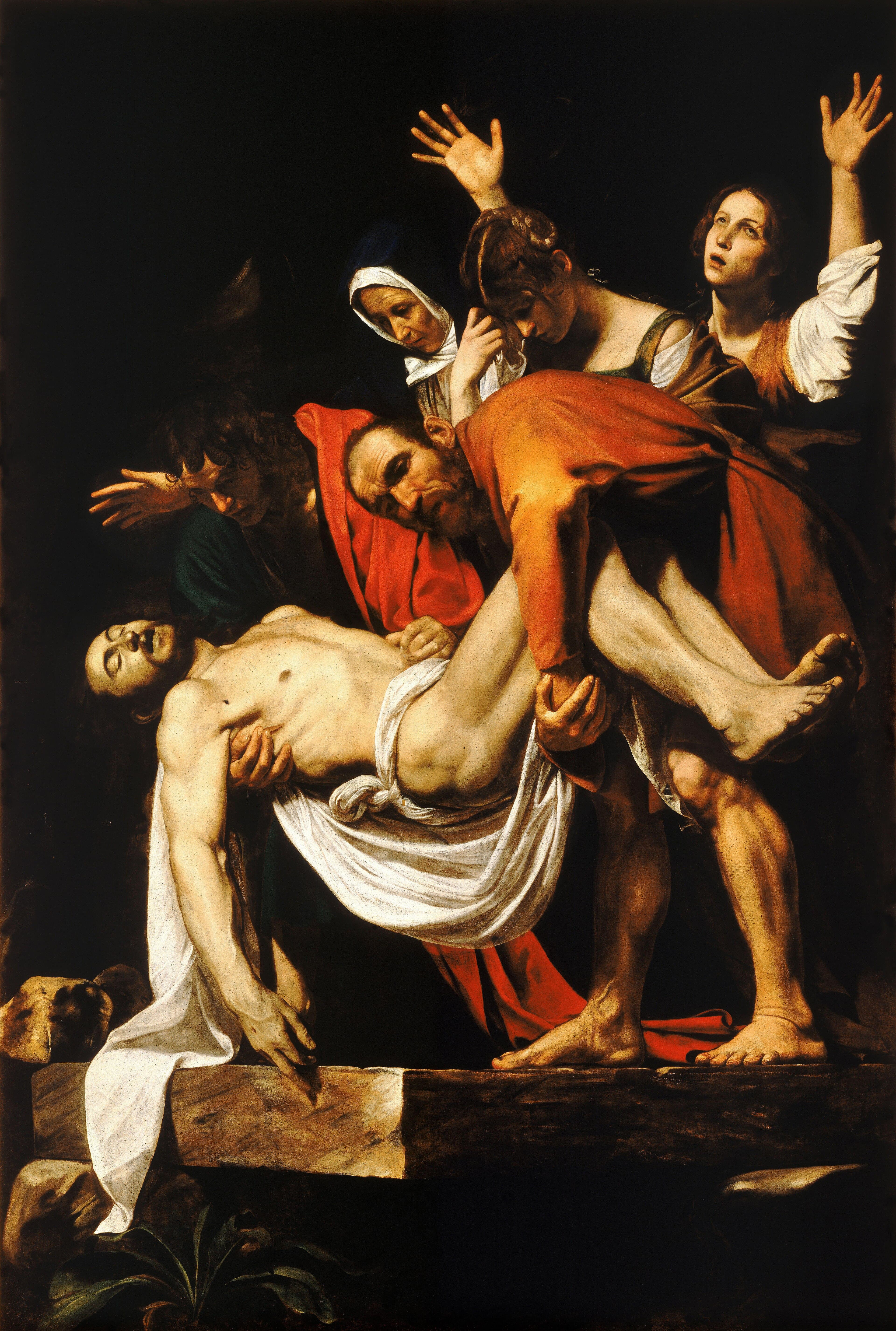
The Entombment of Christ
Caravaggio · 1603–04
Kindred works
You may also study
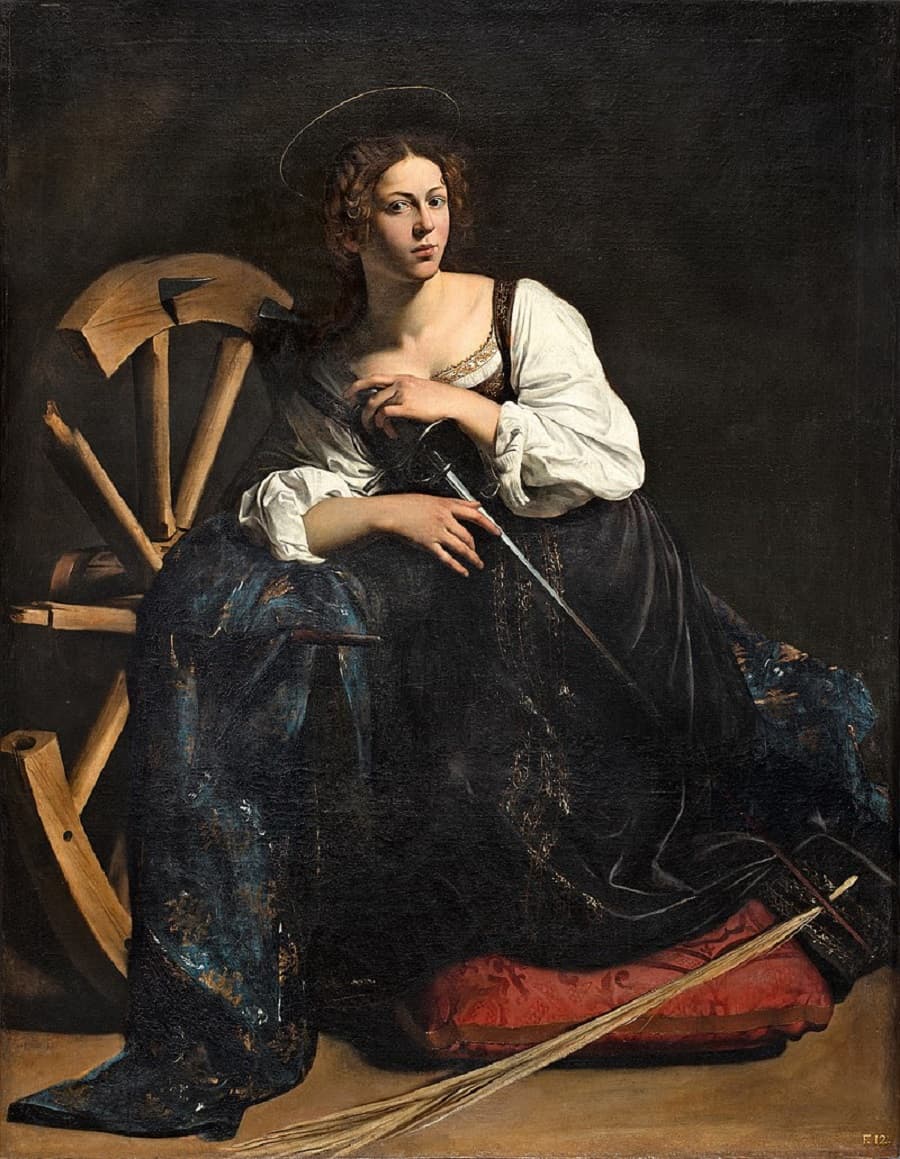
Saint Catherine of Alexandria
Caravaggio · c. 1598
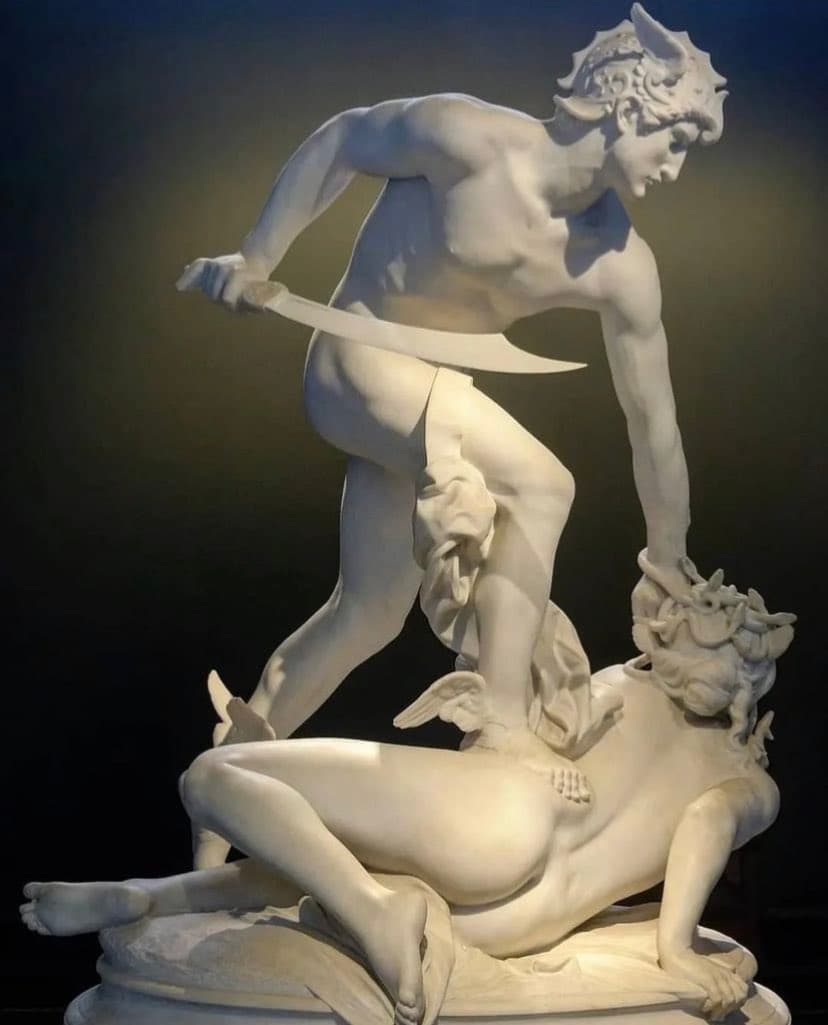
Perseus and the Gorgon
Laurent Marqueste · 1875–1903 (series); marbles 1890 and 1903
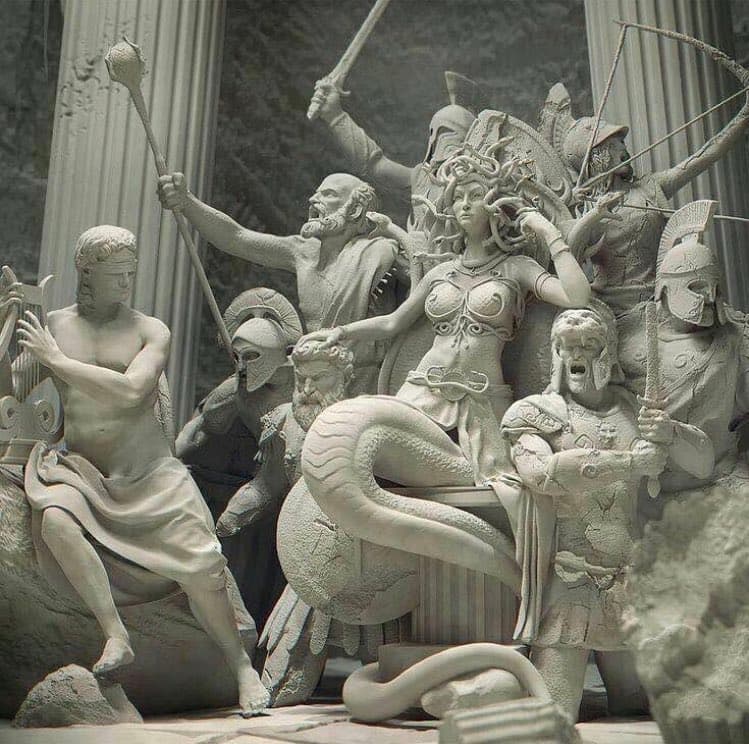
Medusa on Her Throne
Reza Sedghi · 2021

Saturn Devouring His Son
Francisco Goya · c. 1819–1823
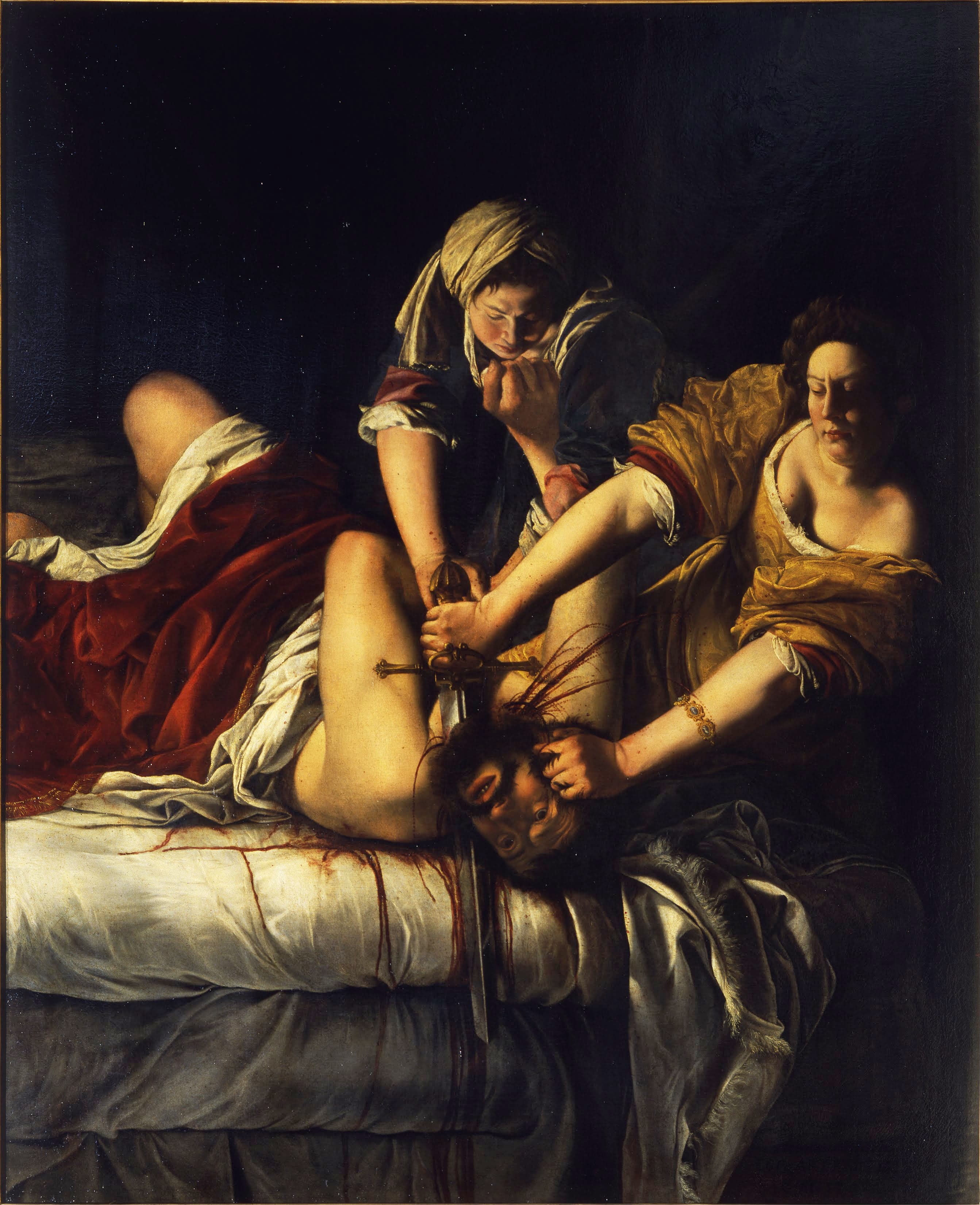
Judith Slaying Holofernes
Artemisia Gentileschi · c. 1620

Venus de Milo
Alexandros of Antioch · c. 150–125 BC

Nymphs Dancing to Pan's Flute
Joseph Tomanek

The Scream
Edvard Munch · 1893