Image: Museo del Prado · Public domain · via Wikimedia Commons
Romanticism
Saturn Devouring His Son
Francisco Goya, c. 1819–1823
Saturn Devouring His Son is one of Francisco Goya's Black Paintings, painted directly onto a wall of his house outside Madrid around 1819–1823. Transferred to canvas, it now hangs in the Museo del Prado.
- Artist
- Francisco Goya
- Date
- c. 1819–1823
- Medium
- Oil mural transferred to canvas
- Dimensions
- 143.5 × 81.4 cm
- Collection
- Museo del Prado, Madrid, Spain
- Movement
- Romanticism
What you are looking at
A giant crouches out of total darkness. His hair is a wild gray mane, his eyes are stretched so wide the whites show all the way round, and his mouth is open on the bloody stump of a body he grips in both fists. The victim has no head and is missing an arm. Goya gives us no setting, no sky and no ground line: only the black, the pale flesh and the red.
The figure is not posed. Saturn's knees bend as if he has just dropped into a crouch, and his fingers dig into the back of the small body hard enough to dent it. The proportions are wrong in the way of a bad dream: the god's head is too large, his torso folds away into shadow, and the body he eats is adult in shape though tiny in his hands. Look at the wrists and knuckles. The paint there is dragged and scrubbed rather than modeled, so the hands read as pressure rather than anatomy.
How Goya made it
Goya did not paint this for anyone. Around 1819 the aging artist, deaf since an illness in the 1790s, bought a country house on the banks of the Manzanares outside Madrid, known as the Quinta del Sordo ("House of the Deaf Man", a name it already carried from a previous owner). Between about 1819 and 1823 he covered the plaster walls of two rooms with fourteen dark murals in oil, now called the Black Paintings. Saturn was on the ground floor, reportedly in the dining room.
The pictures were never titled by Goya. The names we use come from an inventory drawn up after his death by his friend Antonio Brugada. In the 1870s the house's owner, Baron Frédéric Émile d'Erlanger, had the murals stripped from the walls and transferred to canvas by the Prado's restorer Salvador Martínez Cubells. The transfer saved them but cost them: the surface lost some detail and the pictures were retouched. D'Erlanger donated them to the Spanish state in 1881.
Technical study at the Prado has shown that several Black Paintings were laid over earlier, lighter scenes on the same walls. Photographs taken by Jean Laurent in situ, before the transfer, are still used to judge how much each image changed in the process.
The myth behind the painting
In Greek myth, Kronos (the Roman Saturn) was warned that one of his children would overthrow him, as he had overthrown his own father. So he swallowed each child at birth. His wife Rhea saved the last, Zeus, by handing Kronos a stone wrapped in swaddling clothes. Zeus grew up and fulfilled the prophecy.
Artists had painted the story before Goya, most famously Peter Paul Rubens, whose Saturn (1636–38), also in the Prado, shows the god as a bearded old man biting into the chest of a baby. Goya almost certainly knew it. The difference is the point. Rubens illustrates a myth; Goya shows a mind consumed by what it is doing. His Saturn is not hungry. He looks terrified.
What does Saturn Devouring His Son mean?
Goya left no explanation, so every reading is an interpretation. Several are well established:
- Time devours everything. Saturn was identified with Chronos, Father Time, and the myth was a standard emblem of time consuming its own creations. Goya was in his seventies, ill and isolated when he painted it.
- Spain devouring its children. Goya lived through the Peninsular War, the restoration of the absolutist Ferdinand VII and the purges that followed. Many historians read the painting as a picture of a state, or a ruler, destroying its own people.
- Age and youth, father and son. The relationship between the old and the young runs through the Black Paintings. Some writers connect it to Goya's own family, though there is no evidence he meant it that way.
- Madness. The face is close to the faces of the madhouse scenes Goya had painted earlier. The god's horror at his own act may be the most modern thing in the picture.
It is worth remembering that these were private images on the walls of rooms Goya lived in. They were not made for an audience, which is why they feel so unguarded.
Reception and legacy
The Black Paintings were barely known until they reached the Prado, and their reputation grew with the twentieth century. Expressionists, Surrealists and later painters such as Francis Bacon saw in them a freedom from finish and decorum that pointed straight toward modern art. Saturn in particular has become one of the defining images of horror in Western painting, reproduced on album covers, in films and across the dark academia aesthetic.
Read it alongside Goya's other studies of violence and unreason: the firing squad in The Third of May 1808 and the etching The Sleep of Reason Produces Monsters, made two decades earlier, where the monsters are still only bats and owls.
Where to see Saturn Devouring His Son
The painting is in the Museo del Prado in Madrid, displayed with the other Black Paintings in a room on the ground floor of the Villanueva Building. Seen in person it is smaller than many expect, under one and a half meters tall, and the surface is visibly scarred by its journey from plaster to canvas. Rubens's version hangs in the same museum, so you can compare the two on one visit.
Questions & answers
Where is Saturn Devouring His Son today?
It is in the Museo del Prado in Madrid, displayed with the rest of Goya's Black Paintings. The mural was removed from the walls of Goya's house, the Quinta del Sordo, in the 1870s, transferred to canvas and donated to the Spanish state in 1881.
What does Saturn Devouring His Son mean?
Goya never explained it. The myth of Saturn eating his children to stop them overthrowing him was a traditional emblem of time devouring all things. Many historians also read it politically, as Spain or its ruler destroying its own people after the Peninsular War, and as a picture of madness and guilt.
Why did Goya paint Saturn Devouring His Son?
He painted it for himself, directly on the wall of his own house, probably in the dining room, as one of fourteen private murals made around 1819–1823. It was never commissioned or exhibited in his lifetime, and the title was given after his death.
Is Saturn eating a child or an adult?
The headless body has the proportions of an adult, though it is tiny in Saturn's hands. That mismatch is part of the painting's disturbing effect. In the myth Saturn swallows his infant children, and Rubens painted a baby, but Goya chose an ambiguous, grown body.
How big is Saturn Devouring His Son?
It measures about 143.5 × 81.4 cm. Because it was painted on a wall and later transferred to canvas, it is a tall, narrow picture, smaller than many visitors expect from its reputation.
More by the artist
Francisco Goya
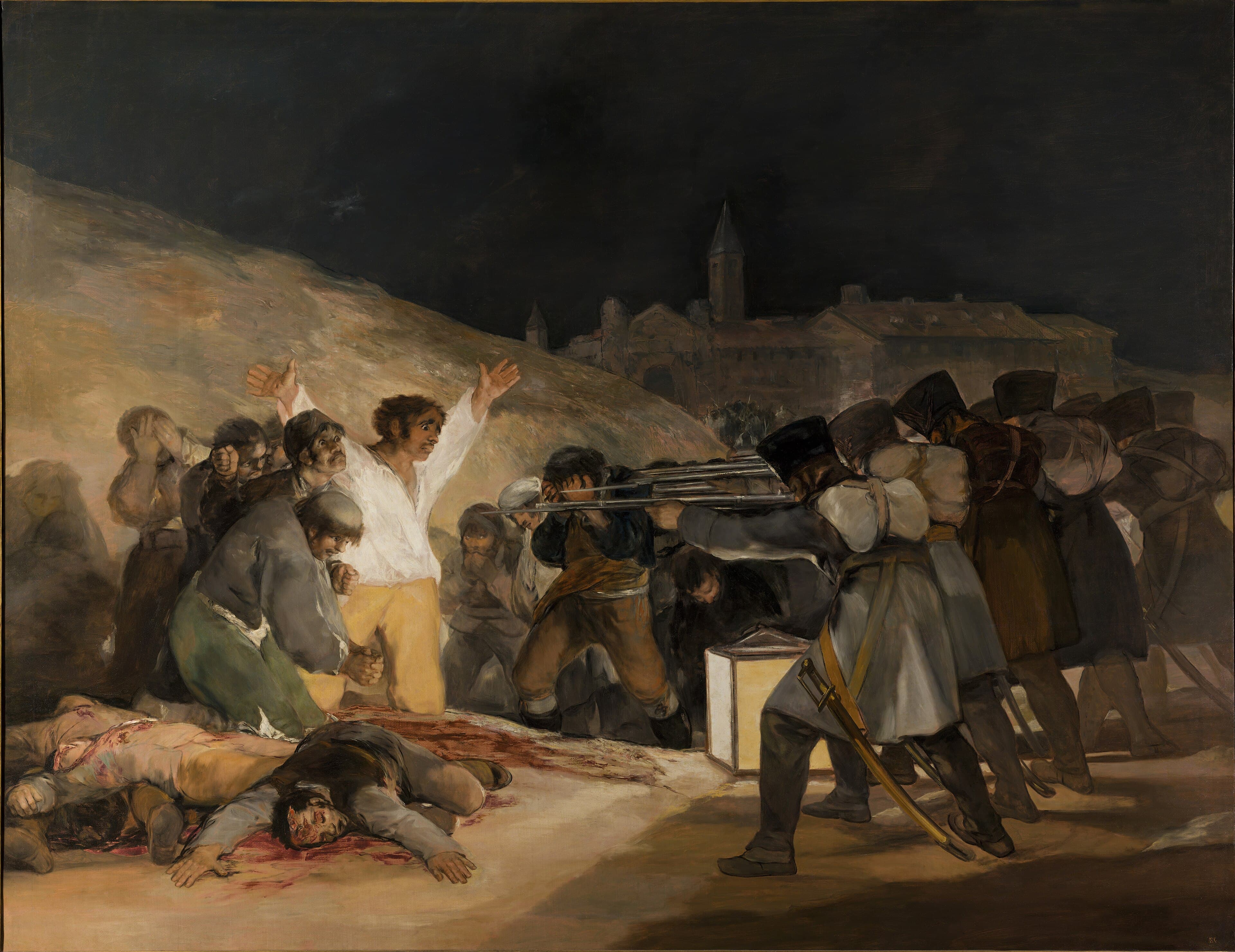
The Third of May 1808
Francisco Goya · 1814
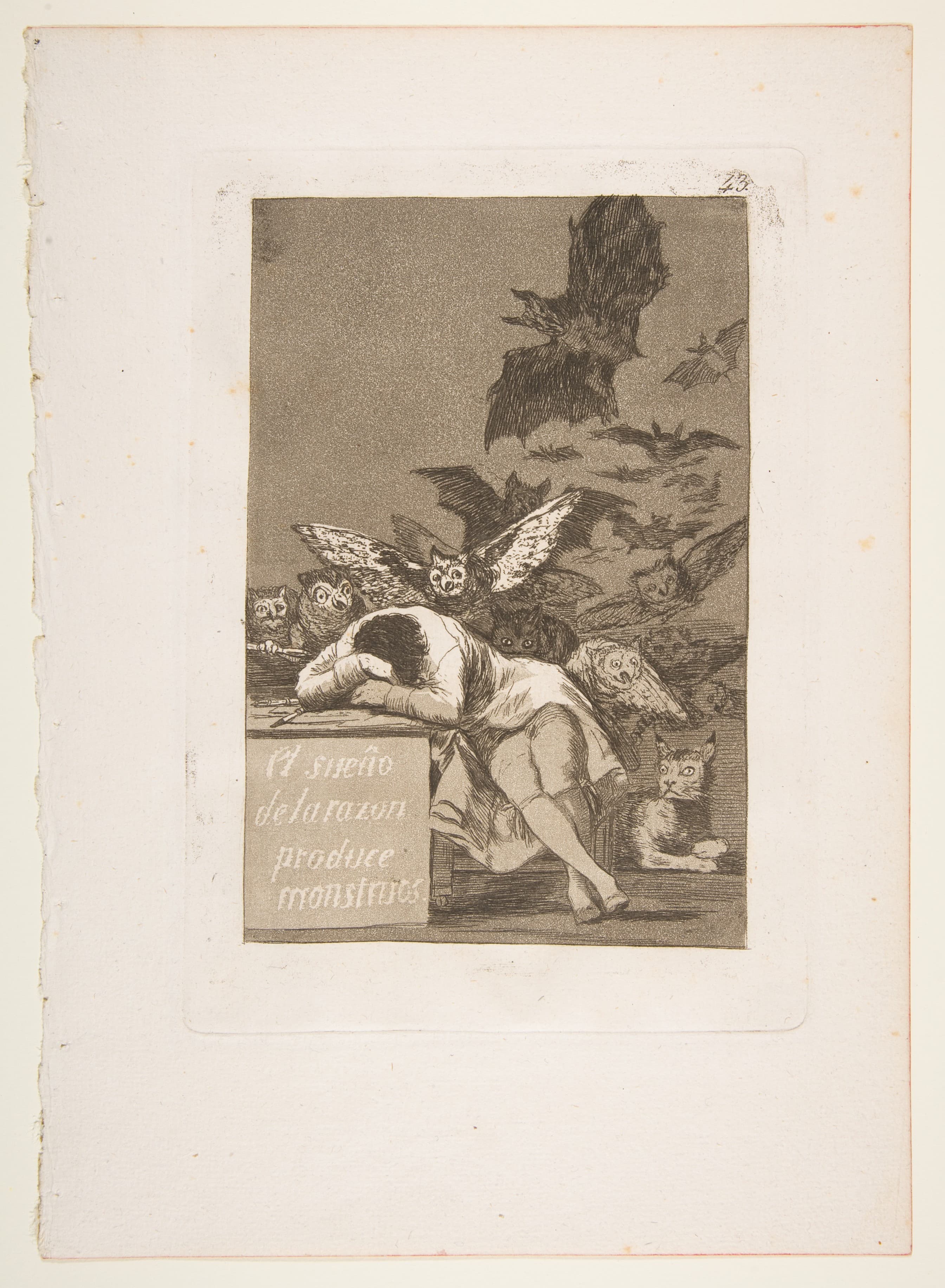
The Sleep of Reason Produces Monsters
Francisco Goya · 1797–99 (published 1799)
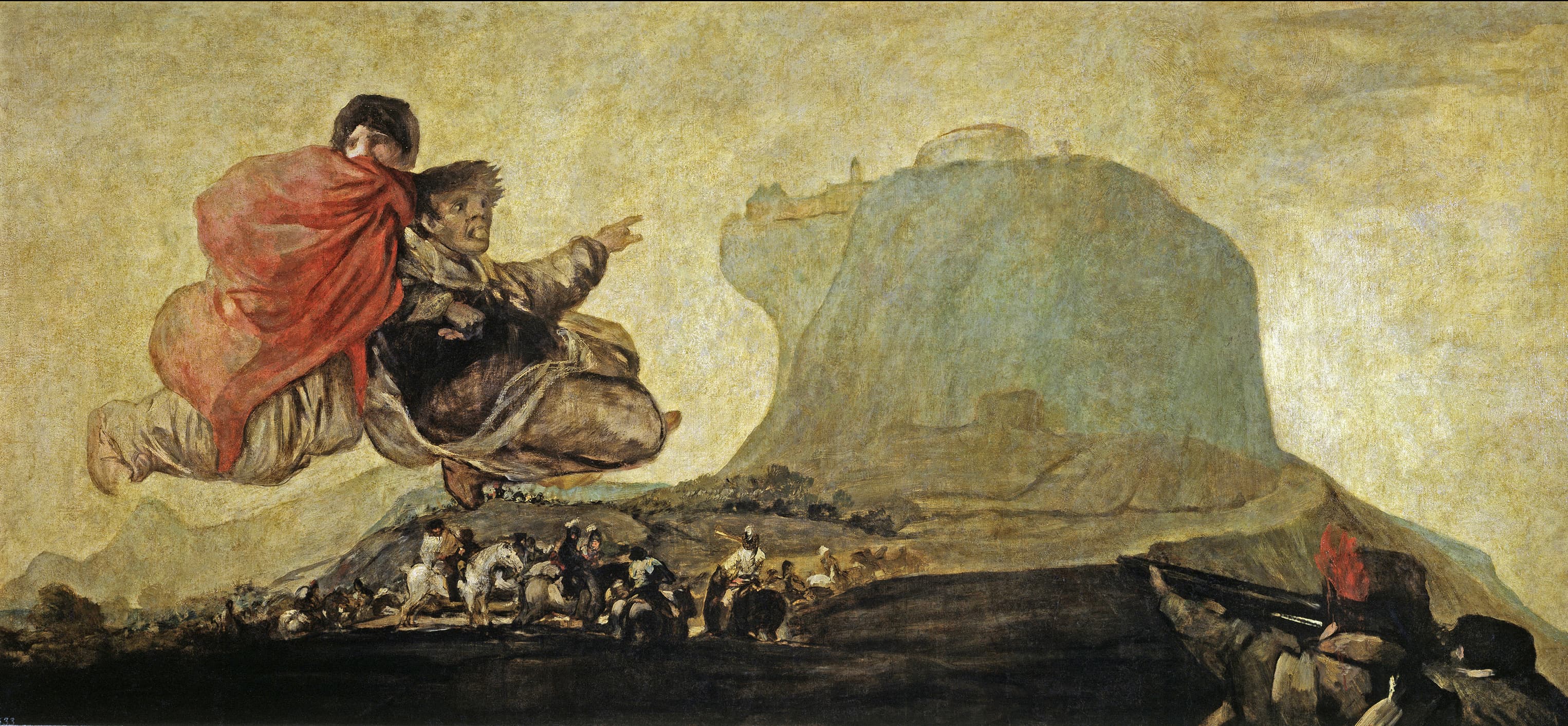
Fantastic Vision (Asmodea)
Francisco Goya · c. 1819–1823
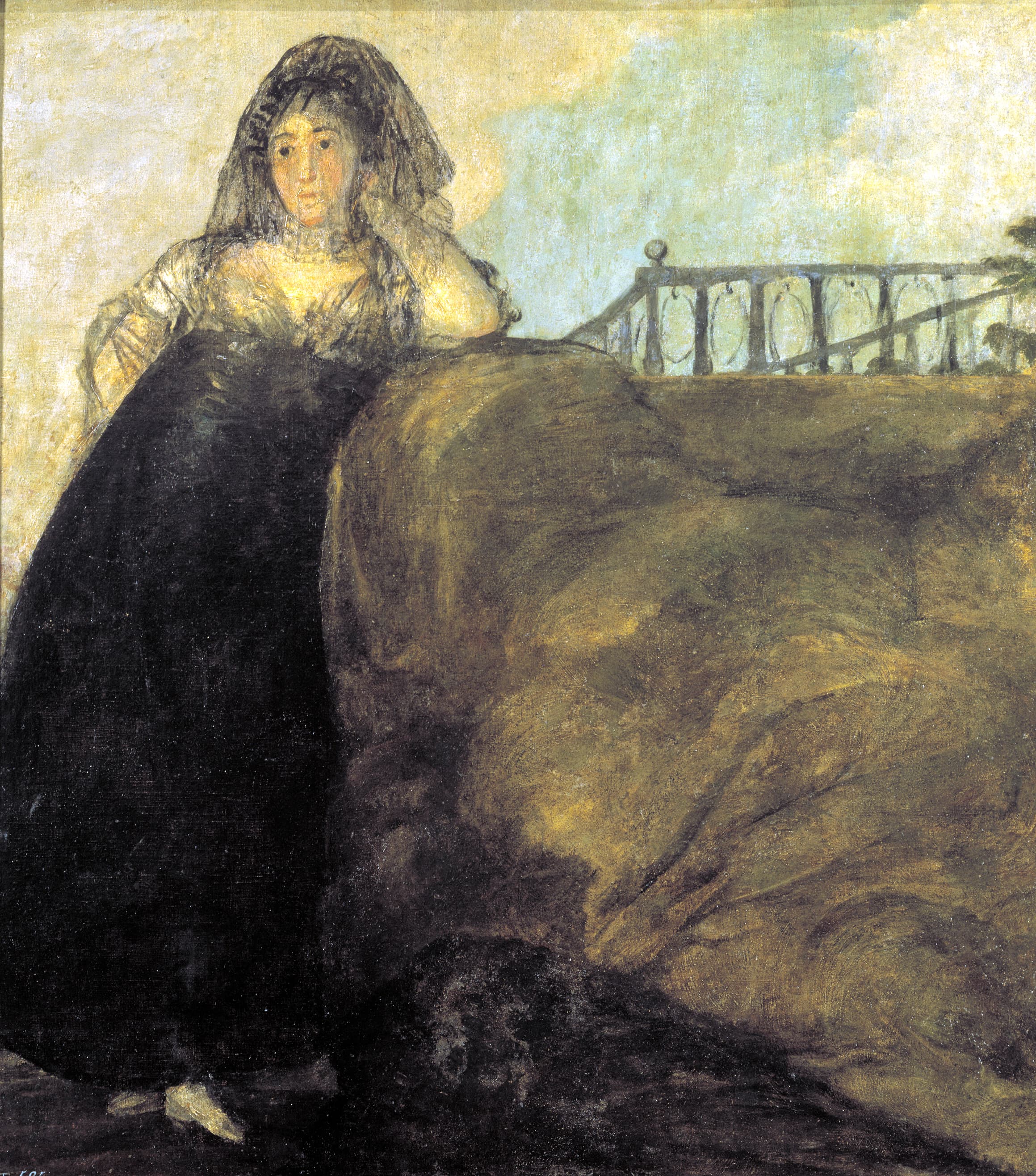
La Leocadia
Francisco Goya · c. 1819–1823
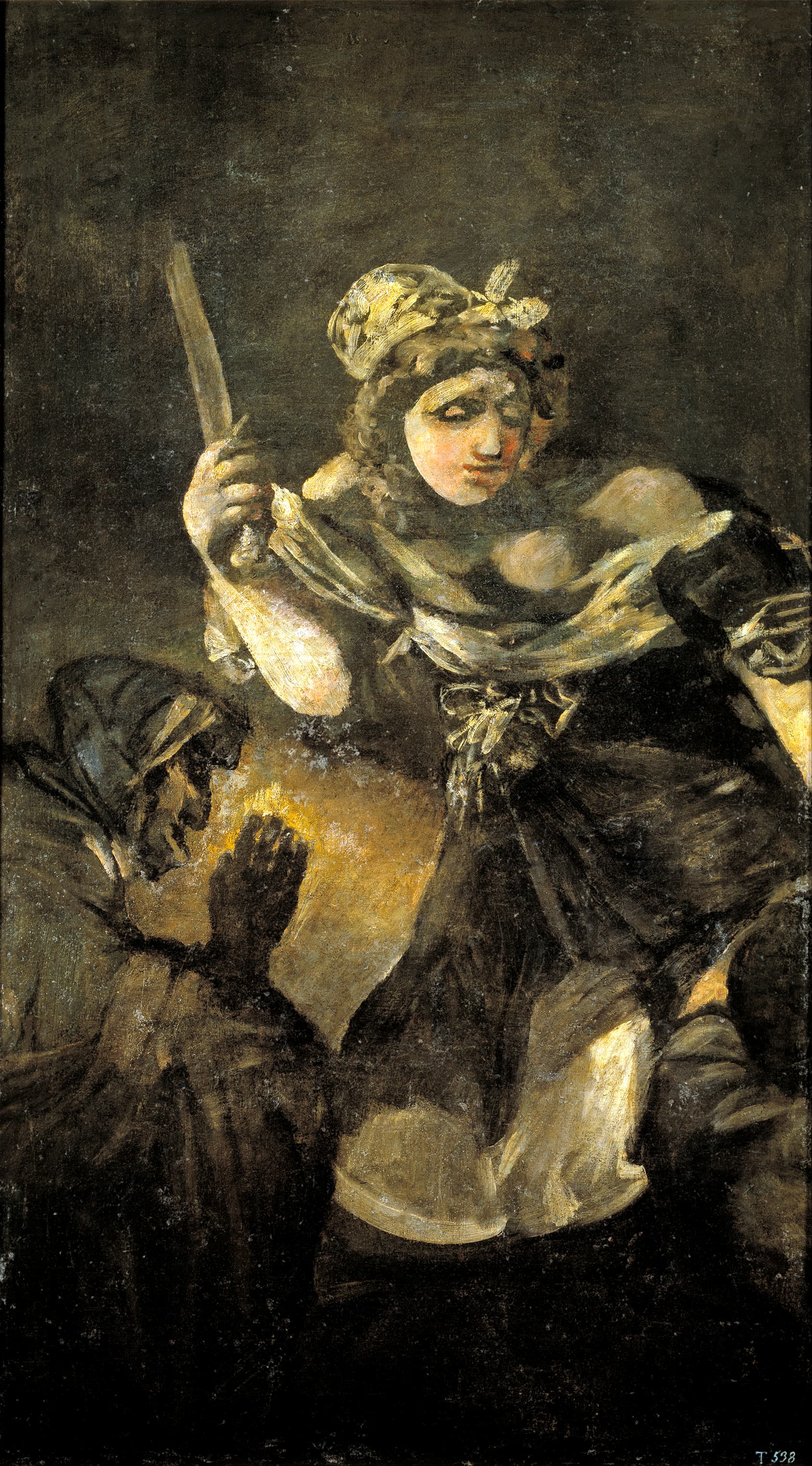
Judith and Holofernes
Francisco Goya · c. 1819–1823
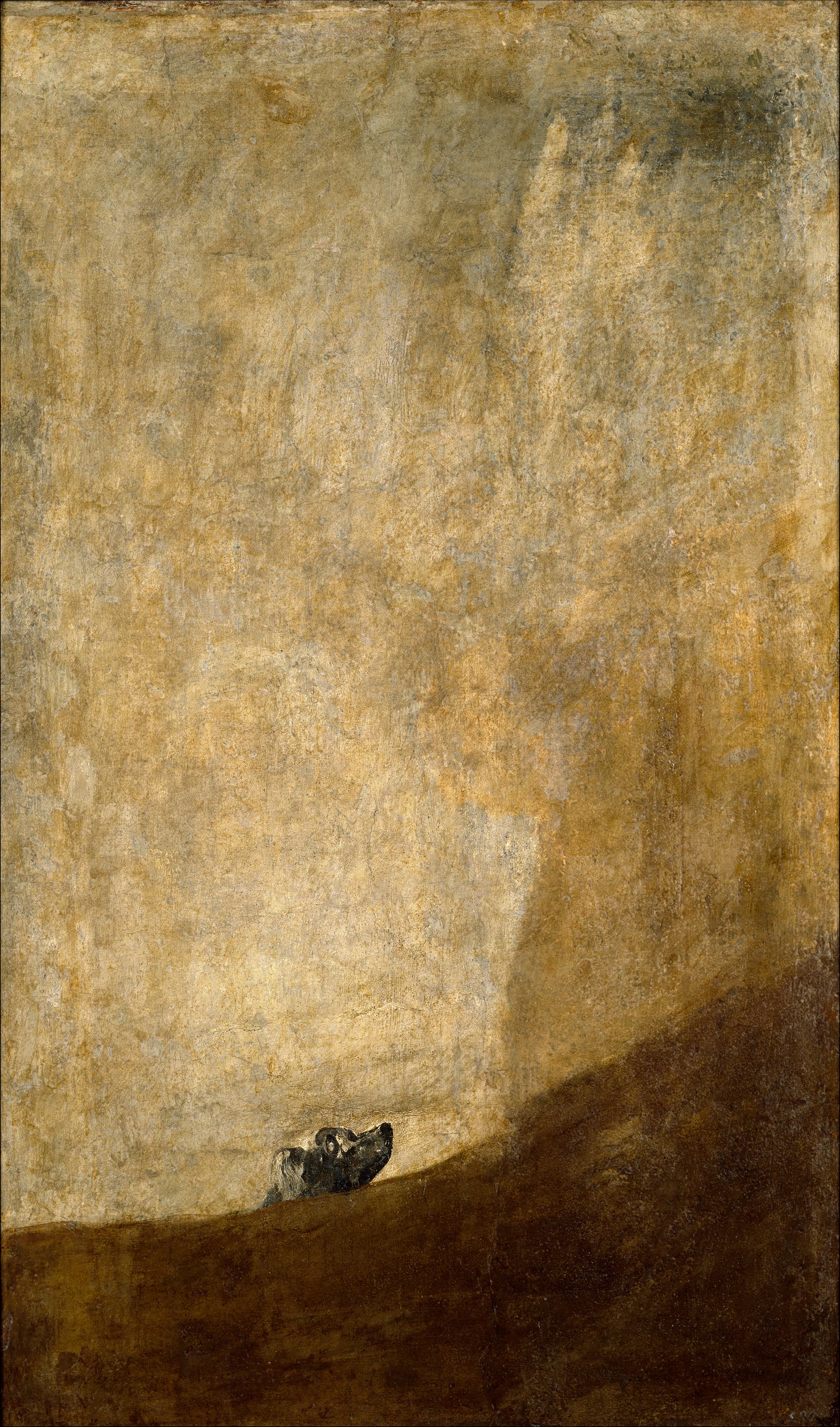
The Dog
Francisco Goya · c. 1819–1823
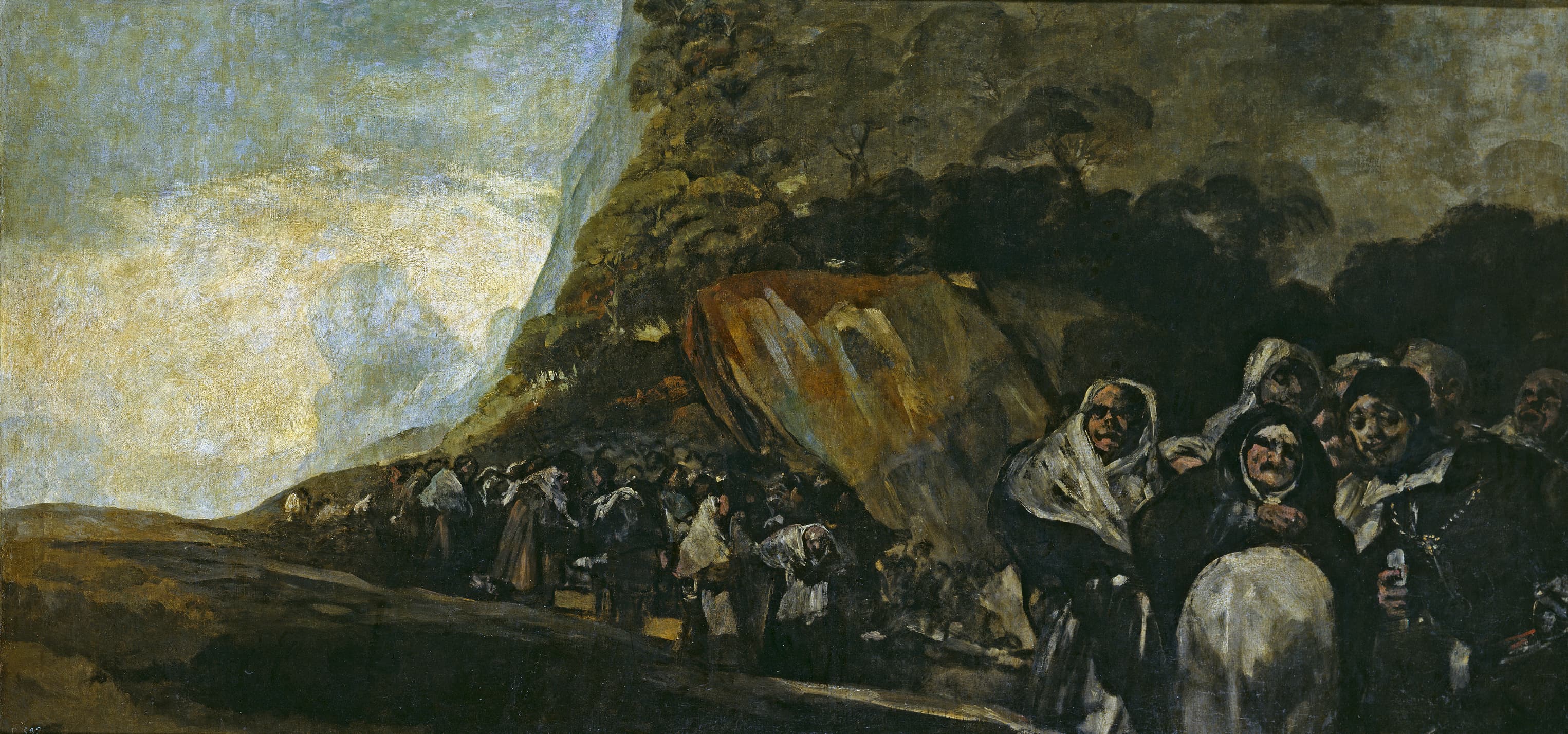
The Holy Office (Pilgrimage to the Fountain of San Isidro)
Francisco Goya · c. 1819–1823
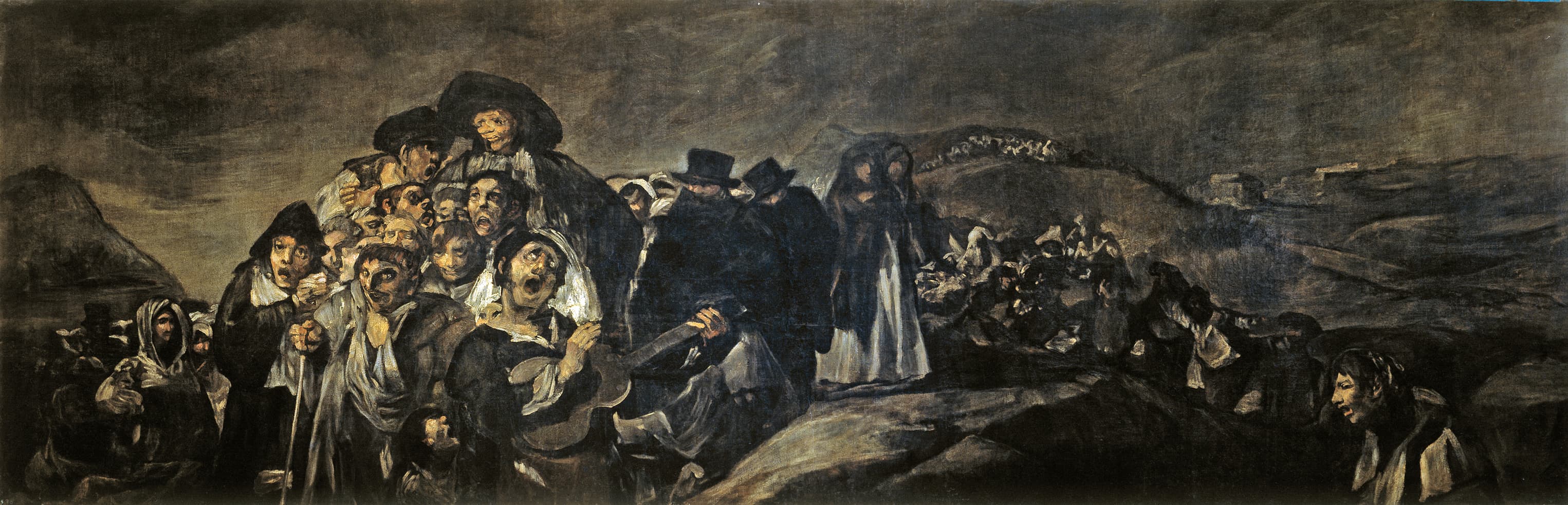
A Pilgrimage to San Isidro
Francisco Goya · c. 1819–1823
Also painted in 1820
The same year
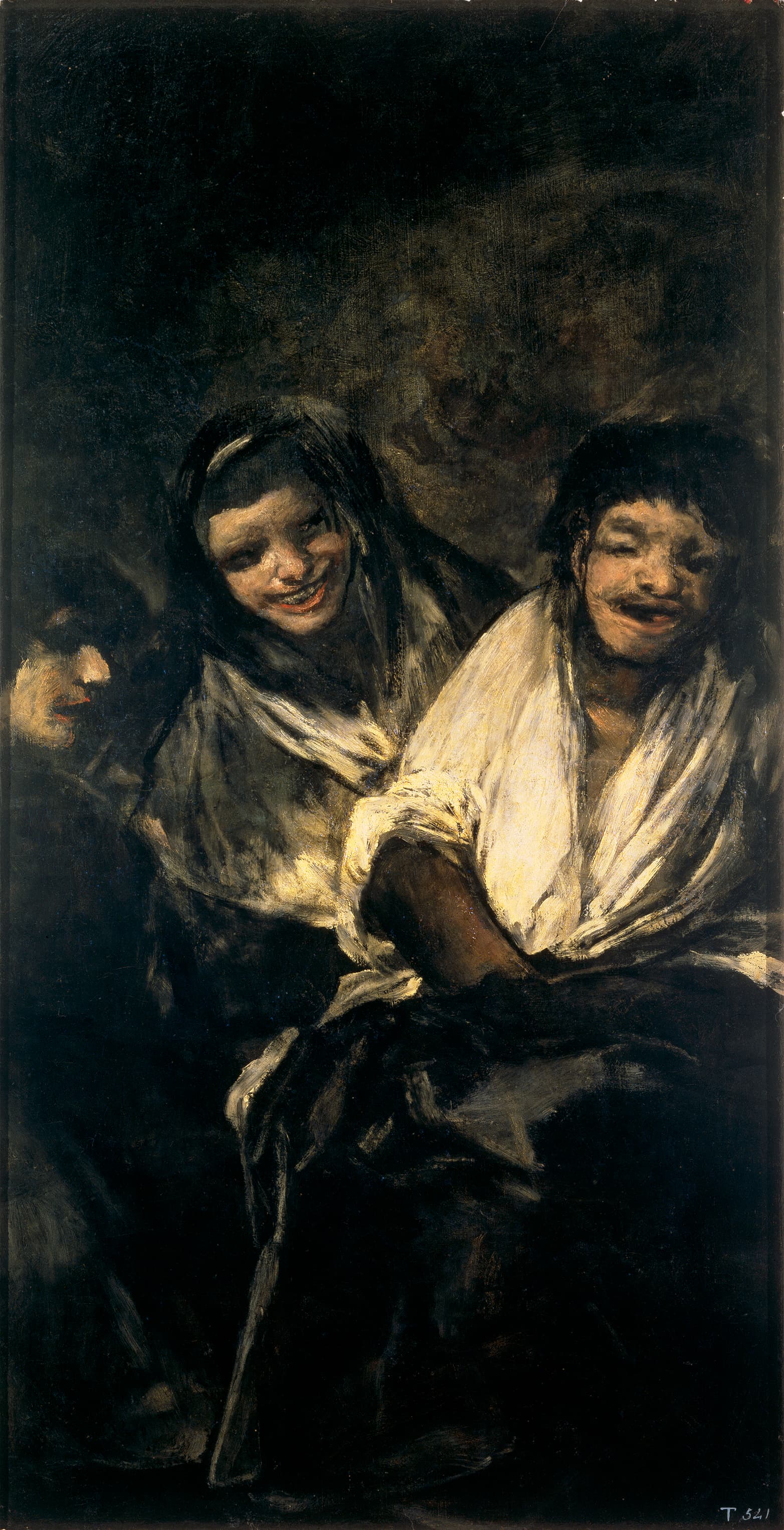
Women Laughing
Francisco Goya · c. 1819–1823
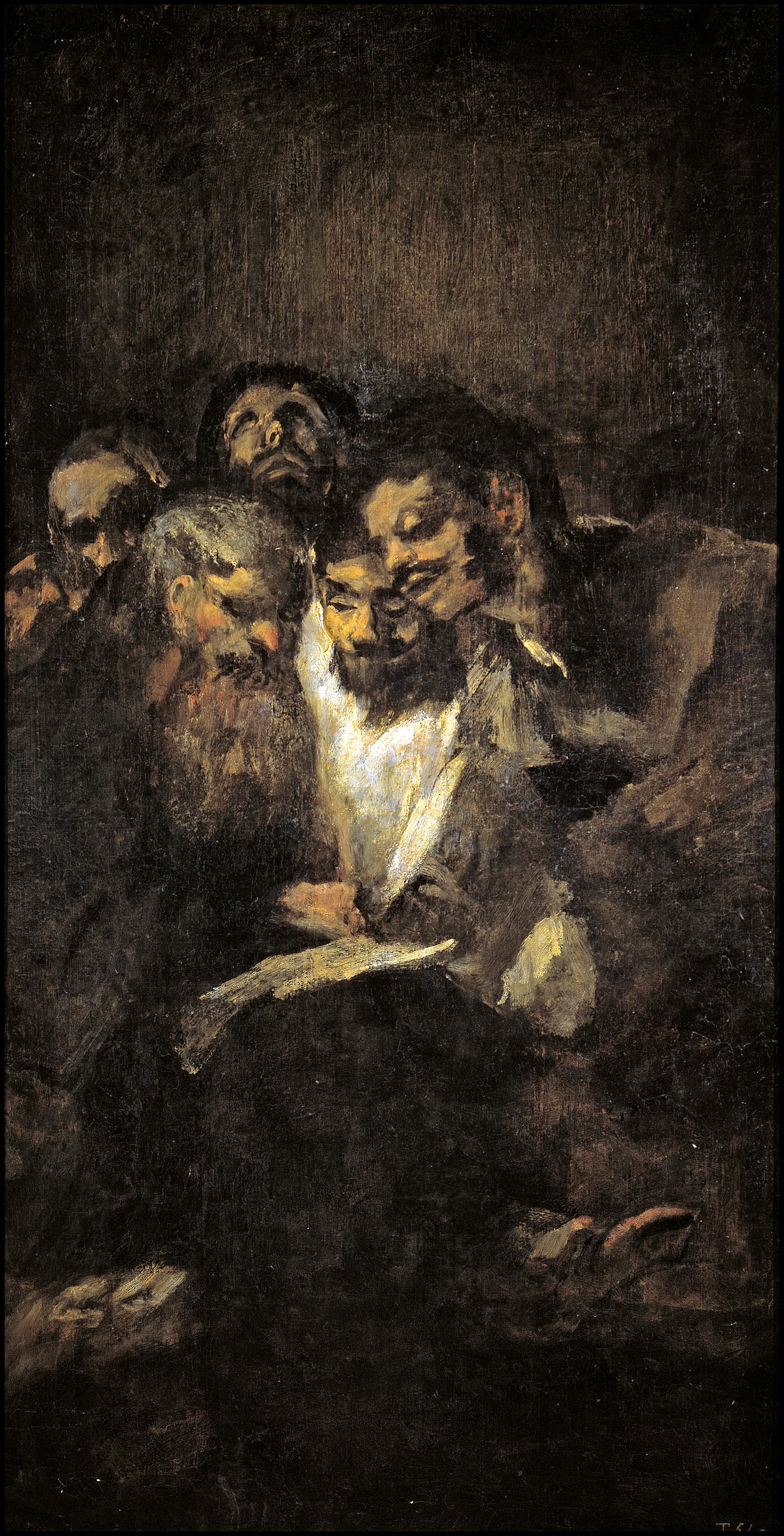
Men Reading
Francisco Goya · c. 1819–1823
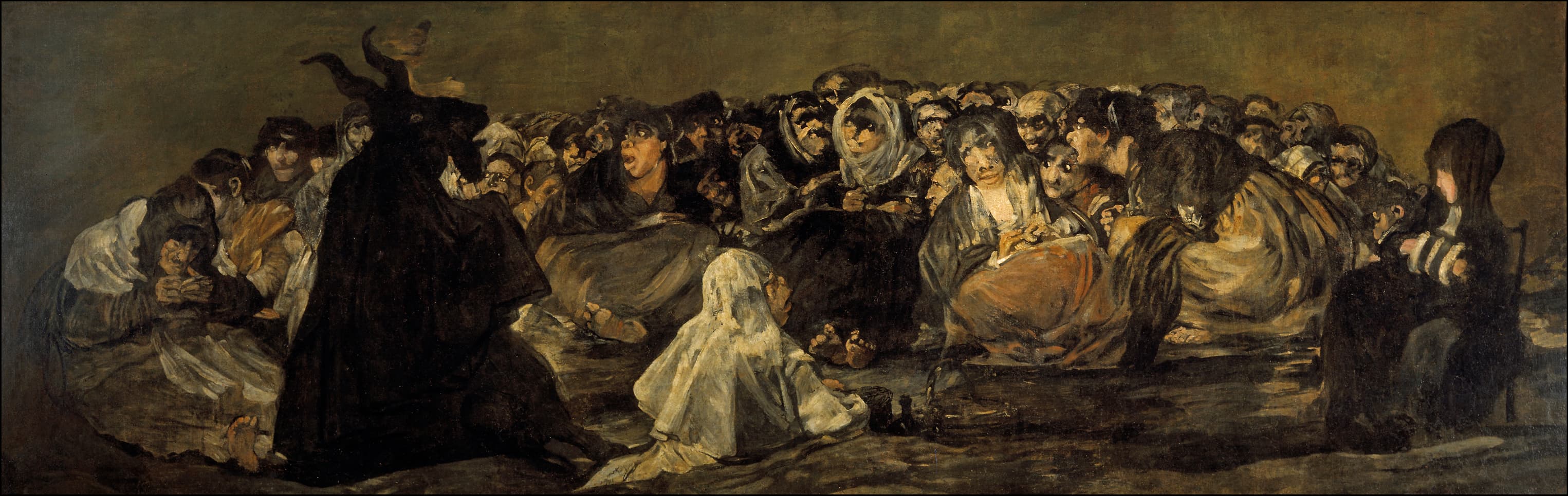
Witches' Sabbath (The Great He-Goat)
Francisco Goya · c. 1819–1823
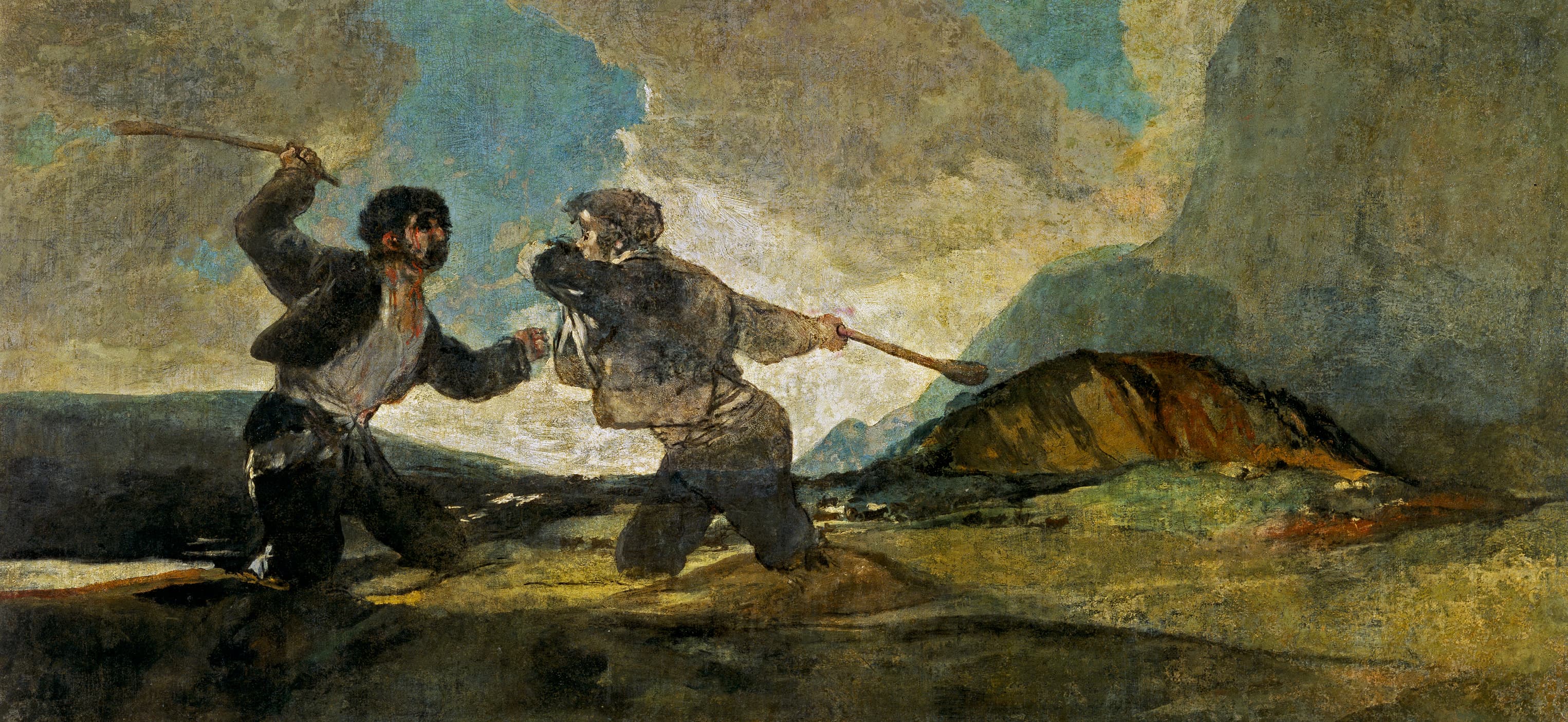
Fight with Cudgels
Francisco Goya · c. 1819–1823
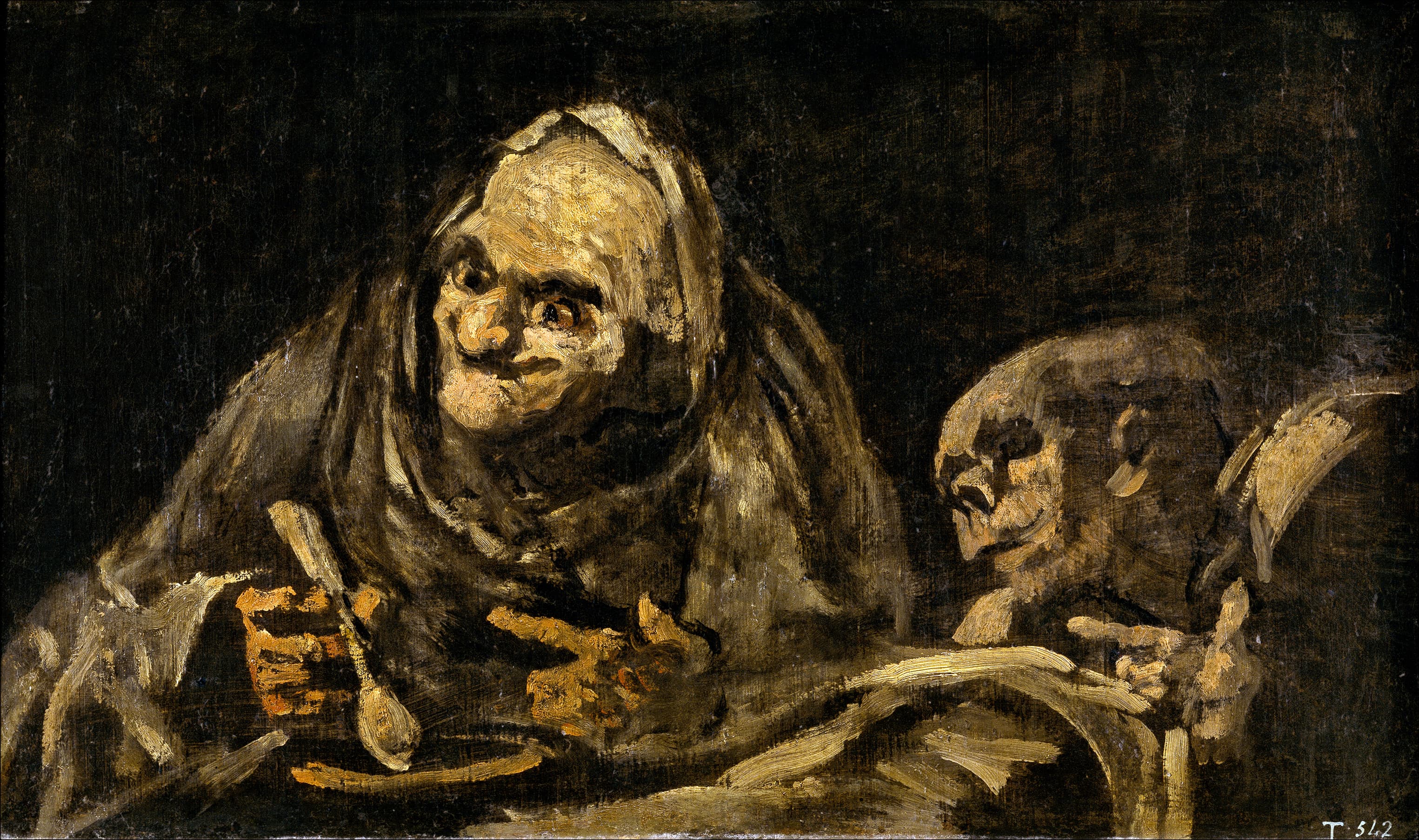
Two Old Men Eating Soup
Francisco Goya · c. 1819–1823
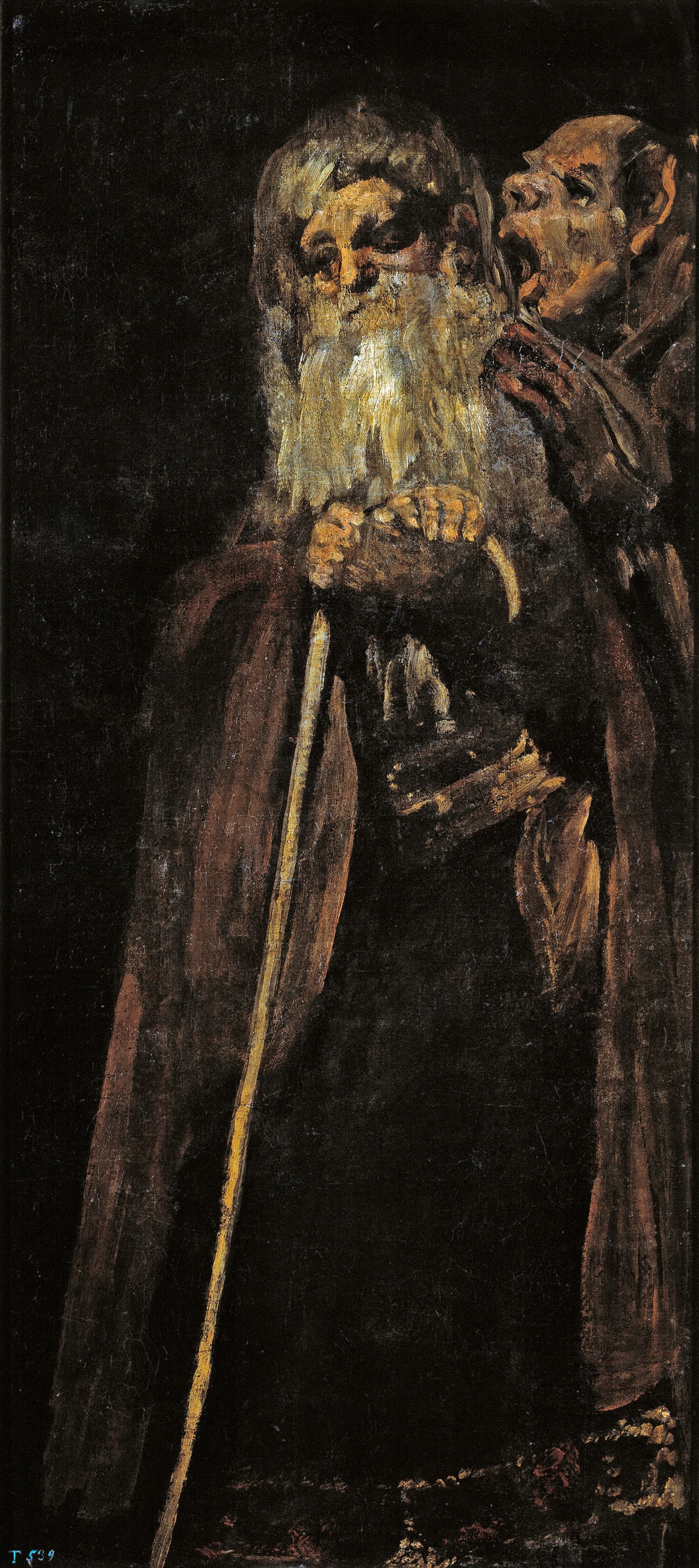
Two Old Men
Francisco Goya · c. 1819–1823
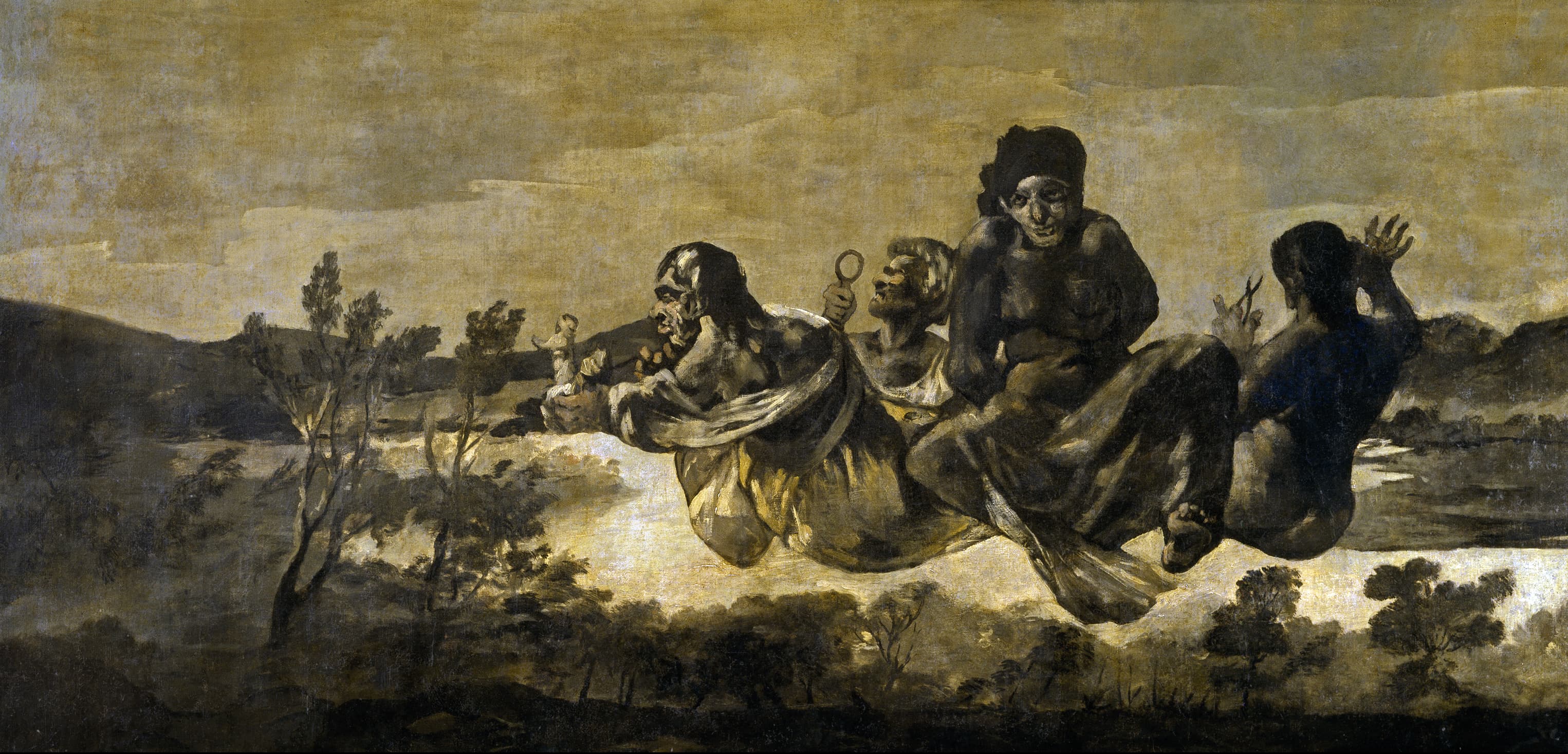
Atropos (The Fates)
Francisco Goya · c. 1819–1823
Kindred works
You may also study
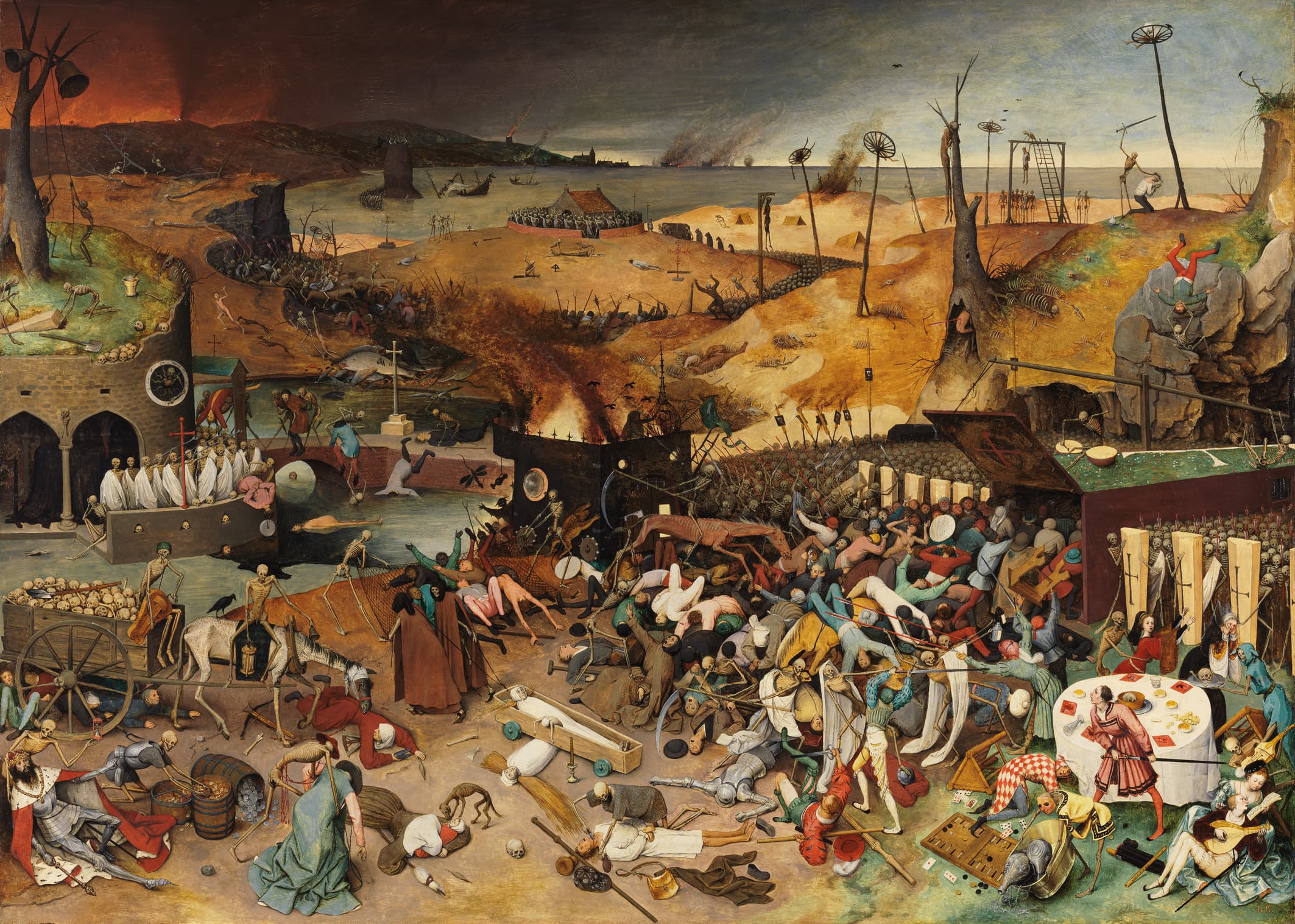
The Triumph of Death
Pieter Bruegel the Elder · c. 1562
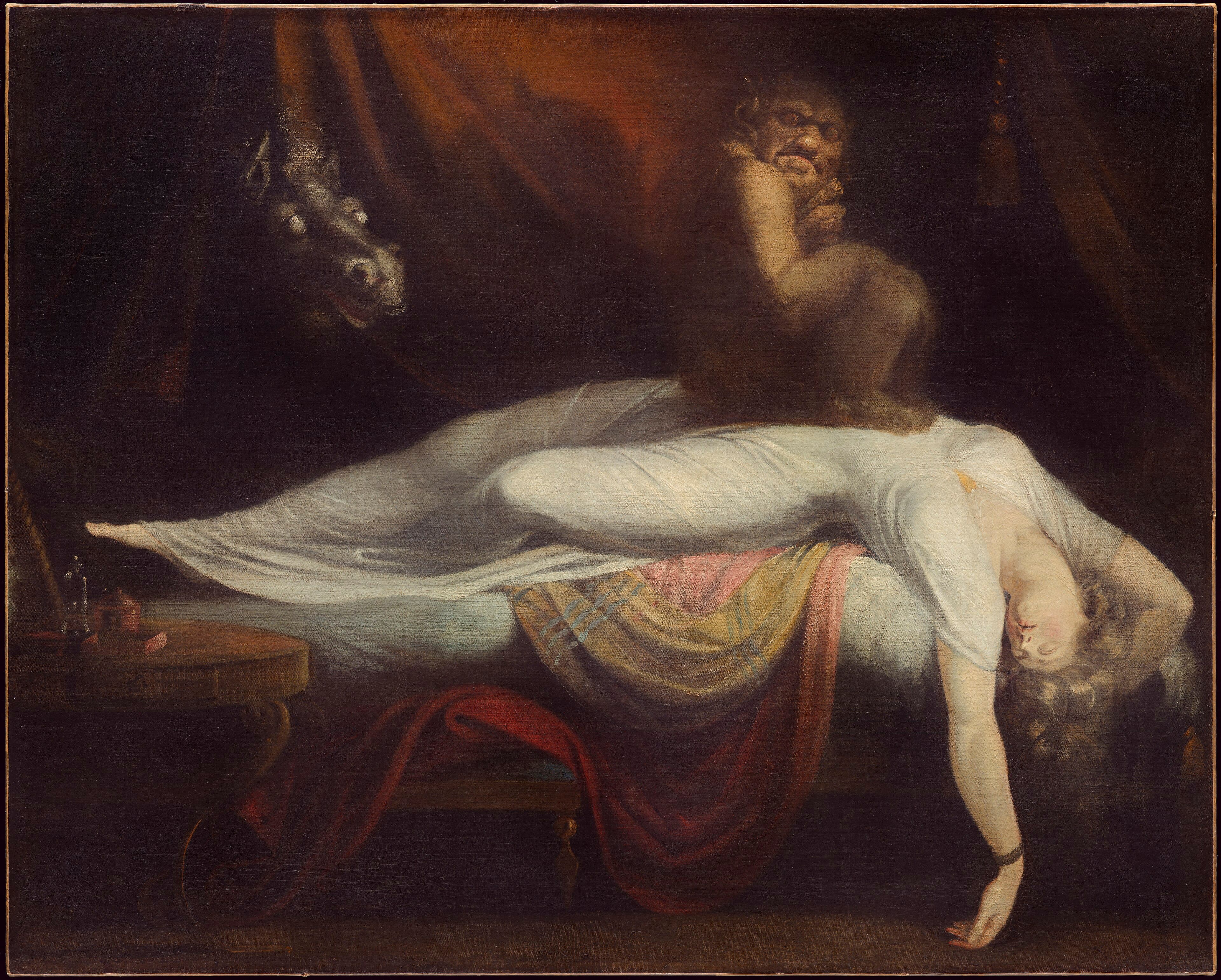
The Nightmare
Henry Fuseli · 1781
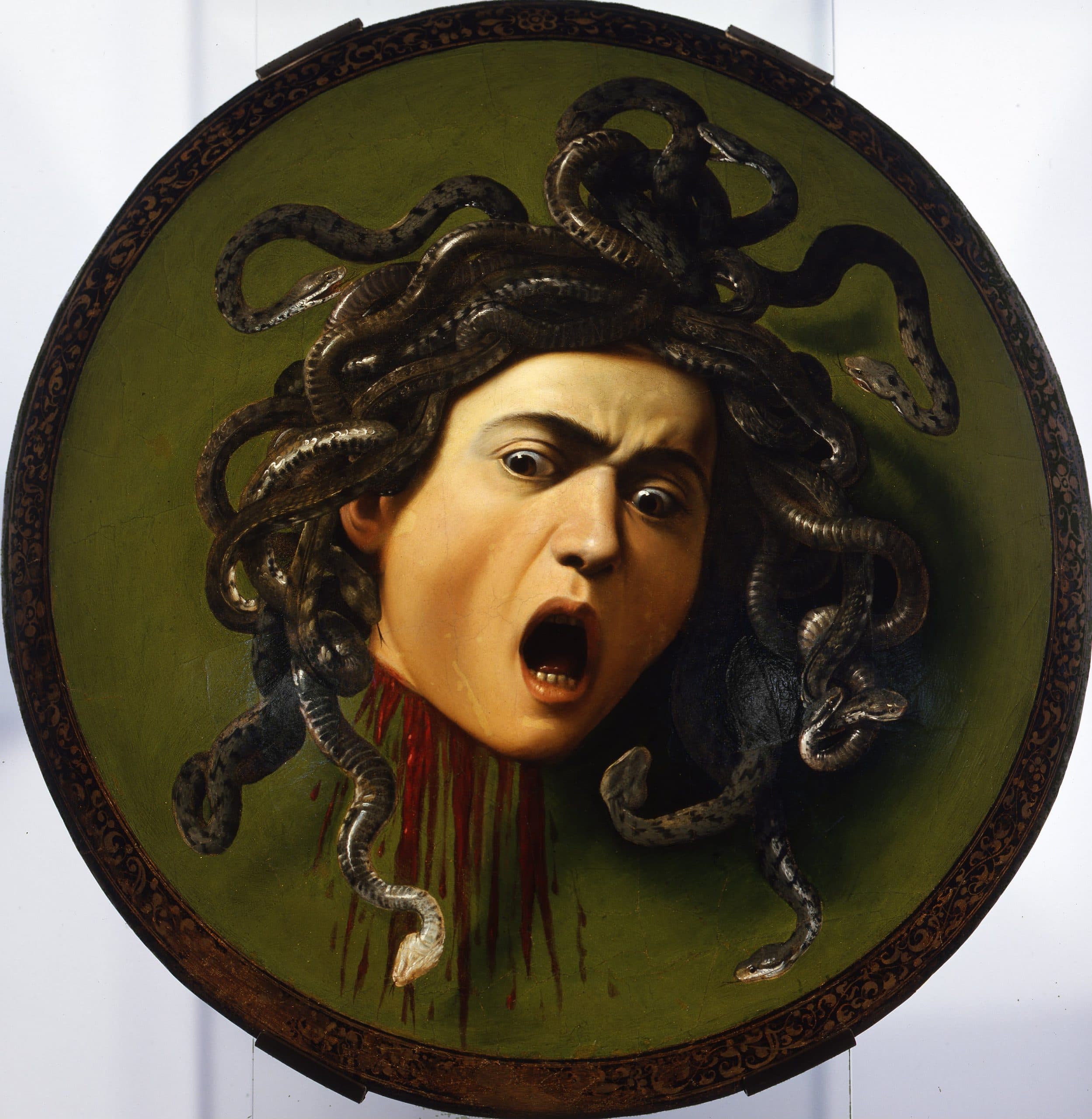
Medusa
Caravaggio · c. 1597–98

Venus de Milo
Alexandros of Antioch · c. 150–125 BC

Nymphs Dancing to Pan's Flute
Joseph Tomanek

The Scream
Edvard Munch · 1893

The Thinker
Auguste Rodin · Modeled 1880–82; enlarged 1902–03; this cast 1904

Ophelia
John Everett Millais · 1851–52