Image: Royal Museums of Fine Arts of Belgium, via Google Arts & Culture · Public domain · via Wikimedia Commons
Neoclassicism
The Death of Marat
Jacques-Louis David, 1793
The Death of Marat is Jacques-Louis David's 1793 painting of the murdered revolutionary journalist Jean-Paul Marat, slumped in his bath after Charlotte Corday stabbed him. It hangs in the Royal Museums of Fine Arts of Belgium in Brussels.
- Artist
- Jacques-Louis David
- Date
- 1793
- Medium
- Oil on canvas
- Dimensions
- 165 × 128 cm
- Collection
- Royal Museums of Fine Arts of Belgium, Brussels, Belgium
- Movement
- Neoclassicism
What you are looking at
A man lies dead in a bathtub, his head wrapped in a white cloth and tilted back onto his shoulder. His right arm hangs over the side of the tub, the fingers still holding a quill pen; his left hand, resting on a board laid across the bath, holds a letter. Below his collarbone is a small, clean stab wound. Blood stains the sheet and the water. A kitchen knife lies on the floor.
The setting is almost bare. A plain wooden crate serves as a desk, holding an inkwell, a second paper and a banknote. On the crate's front, in capital letters like those of an inscription on a tomb, David has painted: À MARAT, DAVID ("To Marat, David") and L'AN DEUX ("Year Two", in the revolutionary calendar). The whole upper half of the picture is empty: a shimmering, dark brown wall, brushed loosely and lit from the left, that pushes the figure toward us and leaves silence above him.
The murder of Marat
Jean-Paul Marat (1743–1793) was a doctor, scientist and radical journalist whose newspaper, L'Ami du peuple (The Friend of the People), called for the execution of the Revolution's enemies. He suffered from a painful skin disease and worked for hours in a medicinal bath. On 13 July 1793, Charlotte Corday, a young woman from Normandy who sympathized with the moderate Girondins Marat had helped to bring down, gained entry to his apartment in Paris by claiming to have names of traitors. She stabbed him in the chest as he sat in the bath. She was guillotined four days later.
The letter in Marat's hand is Corday's. It is dated 13 July and reads, in translation, "It is enough that I am very unhappy to have a right to your kindness." The second paper, on the crate, is Marat's own note sending money (the banknote beside it) to the widowed mother of five children whose husband had died for the nation. David has contrasted Corday's deceit with Marat's charity.
How David made it
Jacques-Louis David (1748–1825) was the leading painter of French Neoclassicism and also a politician: a Jacobin deputy in the National Convention who had voted for the execution of Louis XVI. He had visited Marat the day before the murder. The Convention asked him to commemorate the dead man, and he organized Marat's funeral as well as painting this picture, completing it within months. He presented it to the Convention in November 1793.
David idealized everything. The real Marat's skin was disfigured by disease; here it is smooth and pale. The real scene was cluttered; here it is stripped to essentials. The body's pose, with the arm hanging down, deliberately echoes images of the dead Christ, such as Caravaggio's Entombment and Michelangelo's Pietà, transforming a political murder into a secular martyrdom.
What does The Death of Marat mean?
It is propaganda, and one of the most effective images of political martyrdom ever made. David turned Marat into a saint of the Revolution, a man killed while working for the people, holding a pen rather than a weapon. Corday is absent; only her letter and knife accuse her.
Its power comes from the restraint. There is no drama of struggle, only a body and a few objects, and the empty upper half of the canvas has been read as the absence of God or the silence of death. The poet Charles Baudelaire, seeing it in Paris in 1846, wrote that it was cruel as nature yet carried all the perfume of the ideal.
Reception and legacy
After the fall of Robespierre in 1794, the painting became an embarrassment and was returned to David. When the Bourbons were restored, David, as a regicide, went into exile in Brussels, where he died in 1825. The painting stayed with his family and eventually passed to the Brussels museum. Workshop copies are in the Louvre, Versailles, Reims and Dijon.
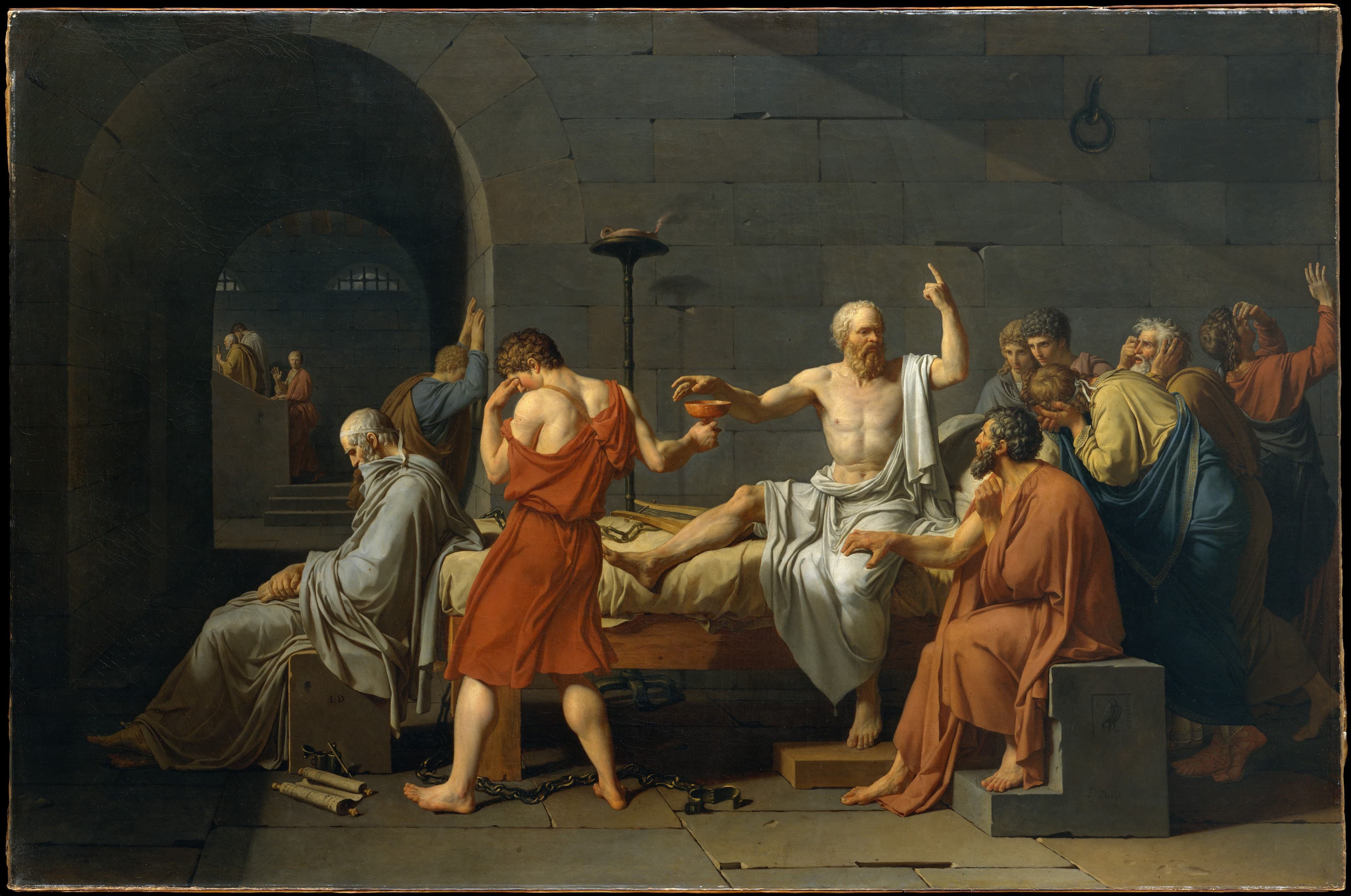
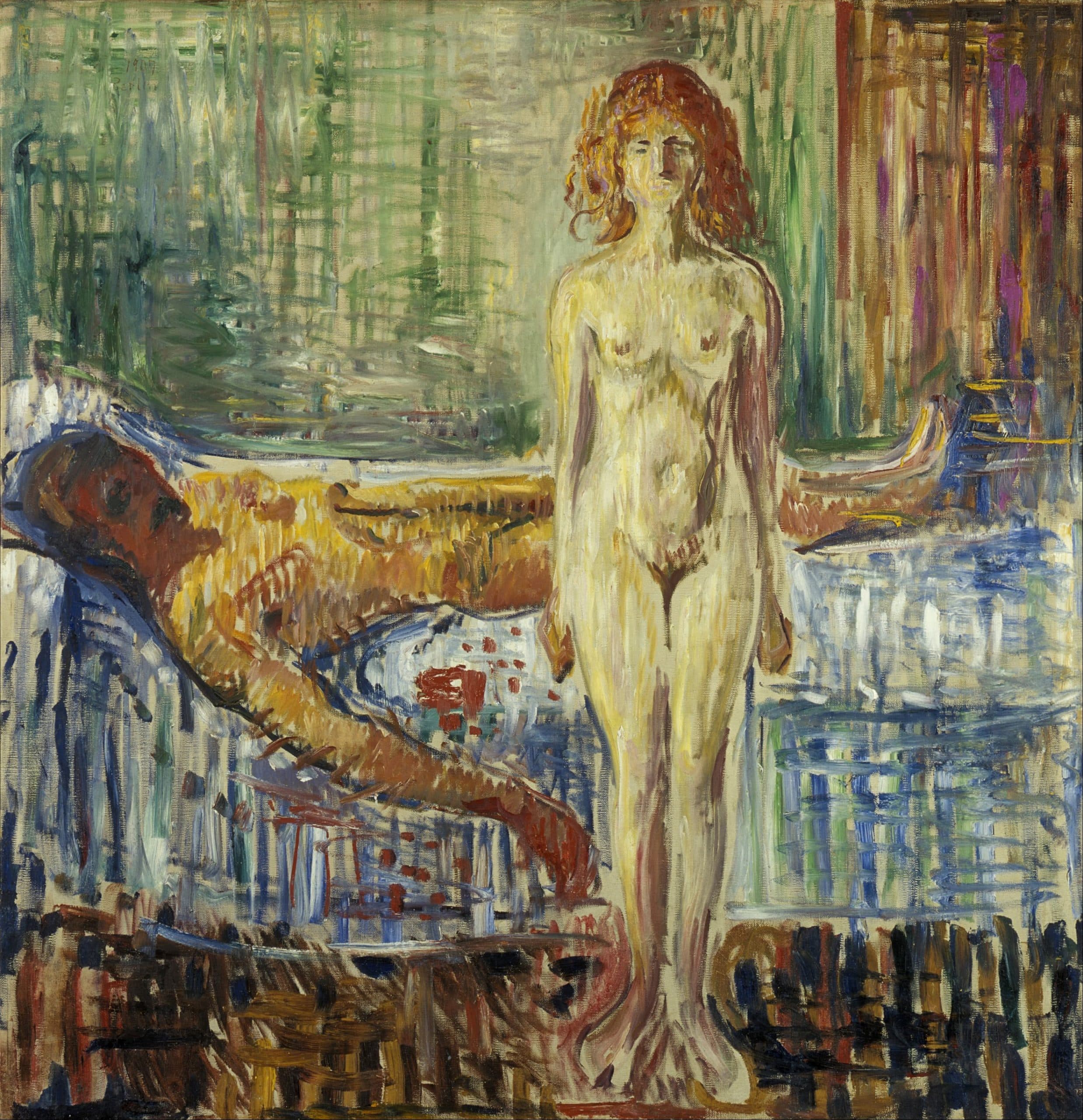
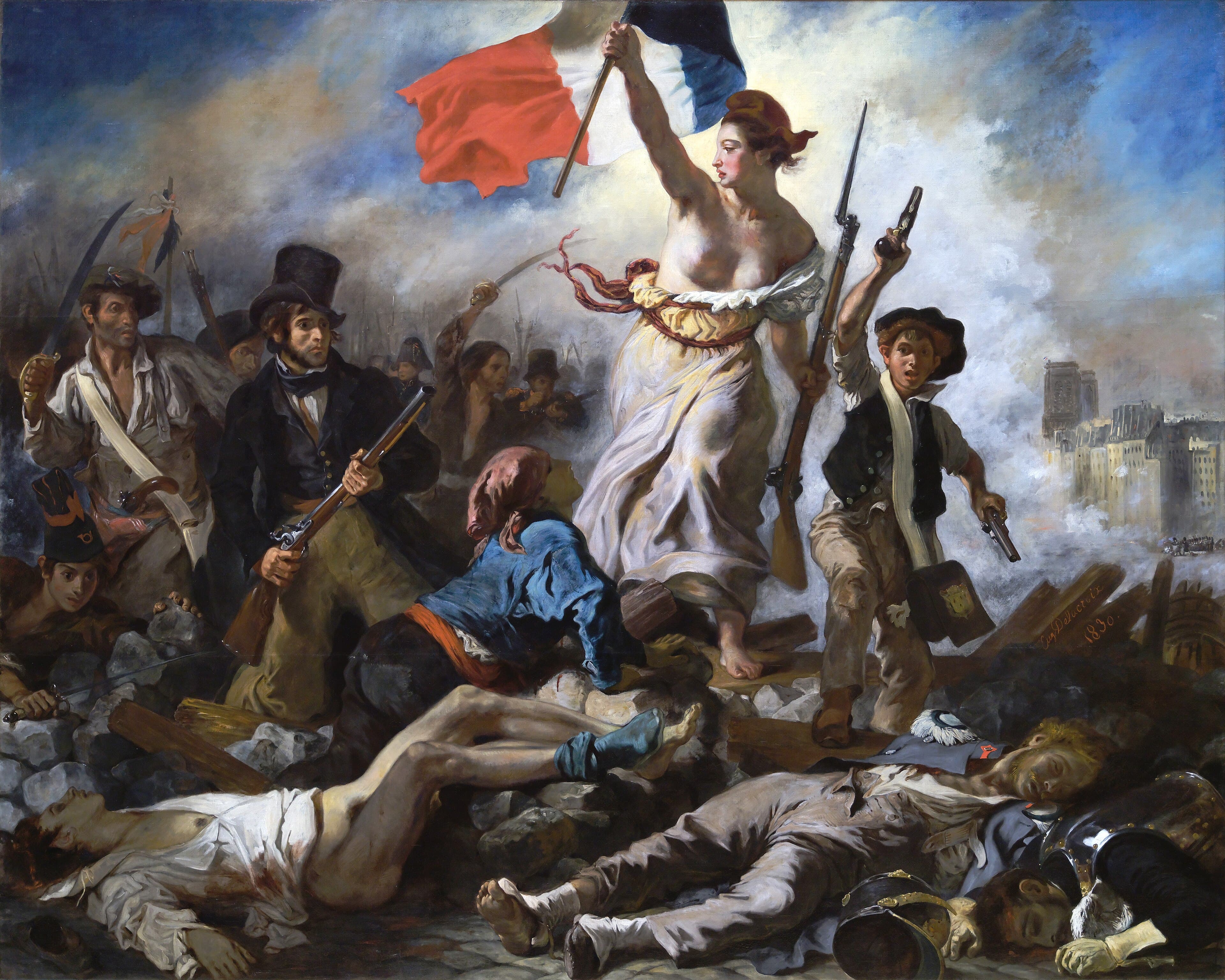
Later artists have restaged it repeatedly, from Edvard Munch's The Death of Marat, in which the murderess stands naked beside the bed, to photographers and filmmakers. Compare David's earlier, more theatrical classicism in The Death of Socrates, and set it beside Delacroix's revolutionary allegory Liberty Leading the People.
Details most viewers miss
- The patched sheet. The sheet over the tub's edge is visibly mended, a sign of the poverty David wanted to stress.
- The light. It falls from the upper left onto Marat's face and shoulder, isolating him from the dark wall as if in a chapel.
- The wound. It is small and clean, painted with restraint, so the body reads as peaceful rather than violated.
Where to see The Death of Marat
The original is in the Royal Museums of Fine Arts of Belgium in Brussels, in the Old Masters Museum. It is smaller than its fame suggests, about 1.65 meters tall, which brings the figure close to life size and makes the encounter intimate.
Questions & answers
Where is The Death of Marat by David?
The original is in the Royal Museums of Fine Arts of Belgium in Brussels. David died in exile in Brussels in 1825, and the painting remained with his family before passing to the museum. Workshop copies are in the Louvre, Versailles, Reims and Dijon.
What does The Death of Marat mean?
It turns the murdered radical journalist Jean-Paul Marat into a martyr of the French Revolution. David idealized his body, echoed images of the dead Christ and showed him holding a pen and a charitable note, presenting him as a servant of the people.
Who killed Marat?
Charlotte Corday, a 24-year-old woman from Normandy who supported the moderate Girondins. She gained access to Marat's apartment on 13 July 1793 and stabbed him in his bath. She was executed four days later.
Why was Marat in a bathtub?
He suffered from a painful chronic skin disease and spent long hours working in a medicinal bath, writing on a board laid across it. He received visitors there, which is how Corday reached him.
What does the letter in Marat's hand say?
It is Charlotte Corday's letter, dated 13 July 1793, asking for his help. The legible line translates as 'It is enough that I am very unhappy to have a right to your kindness.'
More by the artist
Jacques-Louis David
Kindred works
You may also study
The Death of Marat
Edvard Munch · 1907
Liberty Leading the People
Eugène Delacroix · 1830
The Raft of the Medusa
Théodore Géricault · 1818–1819
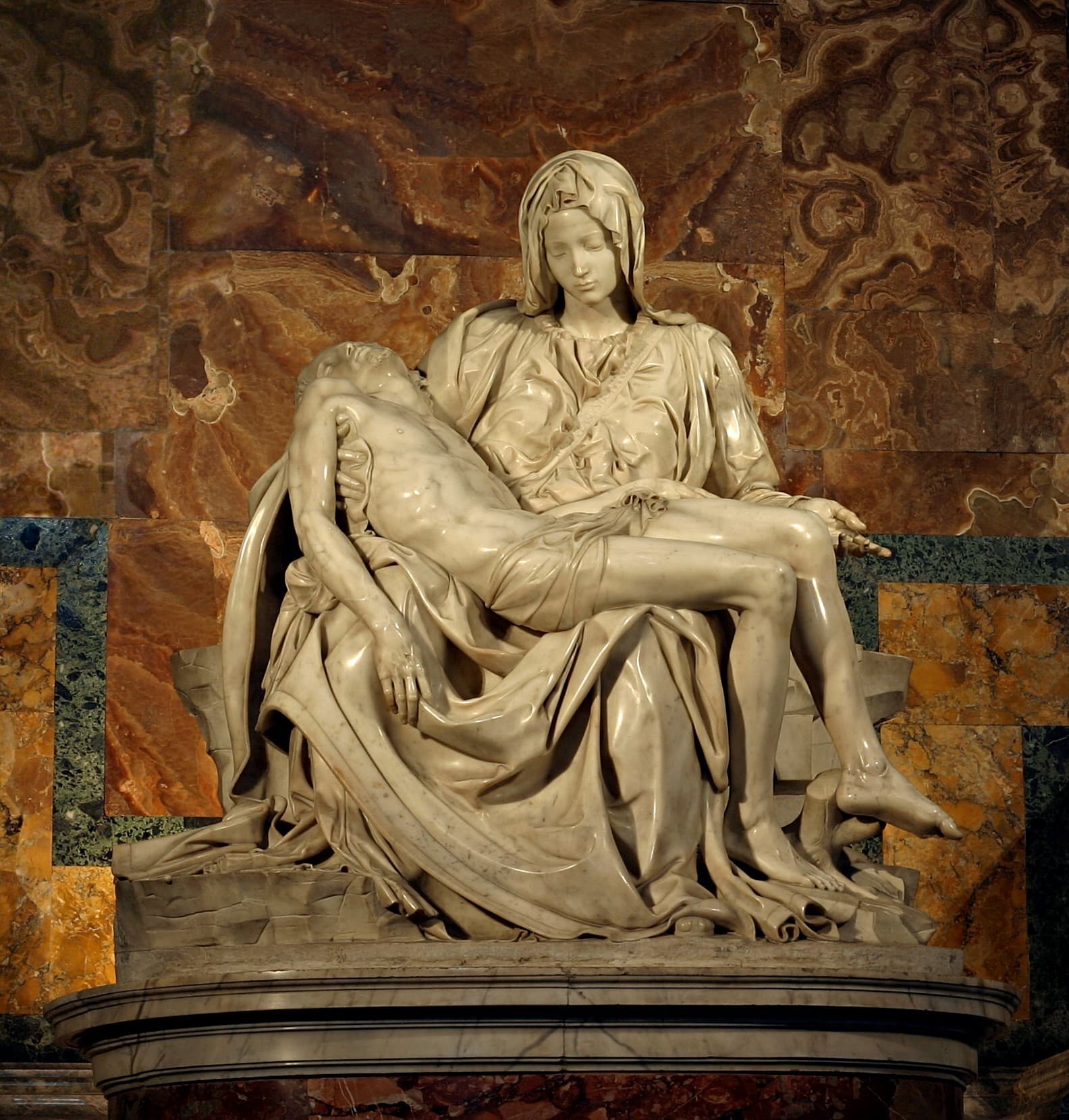
Pietà
Michelangelo · 1498–1499

The Scream
Edvard Munch · 1893

Saturn Devouring His Son
Francisco Goya · c. 1819–1823

Ophelia
John Everett Millais · 1851–52

Woman with a Parasol – Madame Monet and Her Son
Claude Monet · 1875