Image: Manchester Art Gallery · Public domain · via Wikimedia Commons
Pre-Raphaelite
Hylas and the Nymphs
John William Waterhouse, 1896
Hylas and the Nymphs is John William Waterhouse's 1896 painting of the Greek youth Hylas being lured into a lily pond by seven water nymphs. It belongs to Manchester Art Gallery, which bought it the year it was painted.
- Artist
- John William Waterhouse
- Date
- 1896
- Medium
- Oil on canvas
- Dimensions
- 98.2 × 163.3 cm
- Collection
- Manchester Art Gallery, Manchester, United Kingdom
- Movement
- Pre-Raphaelite
What you are looking at
A young man in a blue tunic with a red sash bends over the edge of a dark pond. In one hand he carries a wide-necked jar; with the other he reaches toward the water, where a ring of girls rises from among the lily pads. There are seven of them, naked to the waist or just below, pale against the black water, with auburn hair and small yellow and white flowers tucked behind their ears.
One has taken his wrist. Another holds out a handful of pearls. The rest watch him with steady, unsmiling attention.
The pond fills almost the whole canvas. Waterhouse paints the lily leaves as flat green plates, some tilted up to catch the light, and dots the surface with white water lilies and yellow flowers. The bank behind is a tangle of reeds and dark foliage; there is no sky at all. That closed, enclosed space is the point: there is nowhere else to look and, for Hylas, nowhere else to go.
The detail that unsettles people once they notice it is the faces. The nymphs look very alike, as if they were sisters or the same girl painted over and over. Waterhouse probably used just one or two models, and the repetition gives the group a strange, collective calm. They do not seem to be pleading. They seem to be waiting.
The myth of Hylas
Hylas was the young companion of Heracles on the voyage of the Argo in search of the Golden Fleece. The story is told by Apollonius of Rhodes in the Argonautica and by Theocritus in his thirteenth Idyll. When the Argonauts landed in Mysia, Hylas went to fetch water from a spring. The nymphs of the spring, struck by his beauty, pulled him under, and he was never seen again. Heracles searched for him so long that the Argo sailed without them.
Waterhouse chooses the instant before the story turns. Hylas is still on land, still leaning forward, still holding his water jar. Nothing violent has happened yet. We know how it ends; he does not.
How Waterhouse made it
John William Waterhouse (1849–1917) painted Hylas and the Nymphs in 1896, at the height of his fame, and Manchester Corporation bought it for the city's art gallery that same year. It is a large, horizontal oil, almost 1.65 meters wide. The handling is looser than in classic Pre-Raphaelite painting: the reeds and leaves are laid in with quick, broken strokes, while the faces and bodies of the nymphs are smoothed into a porcelain finish. The contrast between the brushy pond and the polished skin makes the figures seem to glow out of the water.
The composition grew from an earlier picture, A Naiad (1893), in which a single water nymph creeps up on the sleeping Hylas. Here Waterhouse multiplies the nymph into a chorus and turns a quiet idyll into a scene of temptation.
Even in a fantasy, Waterhouse looked hard at real plants. The yellow flowers on the water and in the nymphs' hair include an early painted depiction of the yellow water lily, Nuphar lutea. The picture was shown at the Royal Academy summer exhibition of 1897, after Manchester had already acquired it.
What does Hylas and the Nymphs mean?
The painting belongs to a long line of late Victorian images of the femme fatale: women who are beautiful, silent and lethal. Waterhouse returned to the theme constantly, with sirens, mermaids, Circe and La Belle Dame sans Merci, and Hylas is among the most concentrated examples. The nymphs are passive in pose but completely in control of the scene.
You can also read it more simply as a picture about beauty and loss. In the ancient sources, Hylas is not punished for anything; he is just beautiful at the wrong moment. The painting has the feel of a myth about how youth disappears, quietly and without warning, into deep water.
The 2018 controversy
In January 2018 Manchester Art Gallery took the painting down for about a week as part of a project with the artist Sonia Boyce, leaving a blank space and inviting visitors to post comments on how the gallery should present images of women's bodies. The removal provoked a fierce public reaction, with critics accusing the gallery of censorship, and the picture was rehung. The episode made Hylas and the Nymphs one of the most discussed Victorian paintings in Britain and sharpened a debate that has continued around the Pre-Raphaelites and their idealized women.
Legacy and where to see it
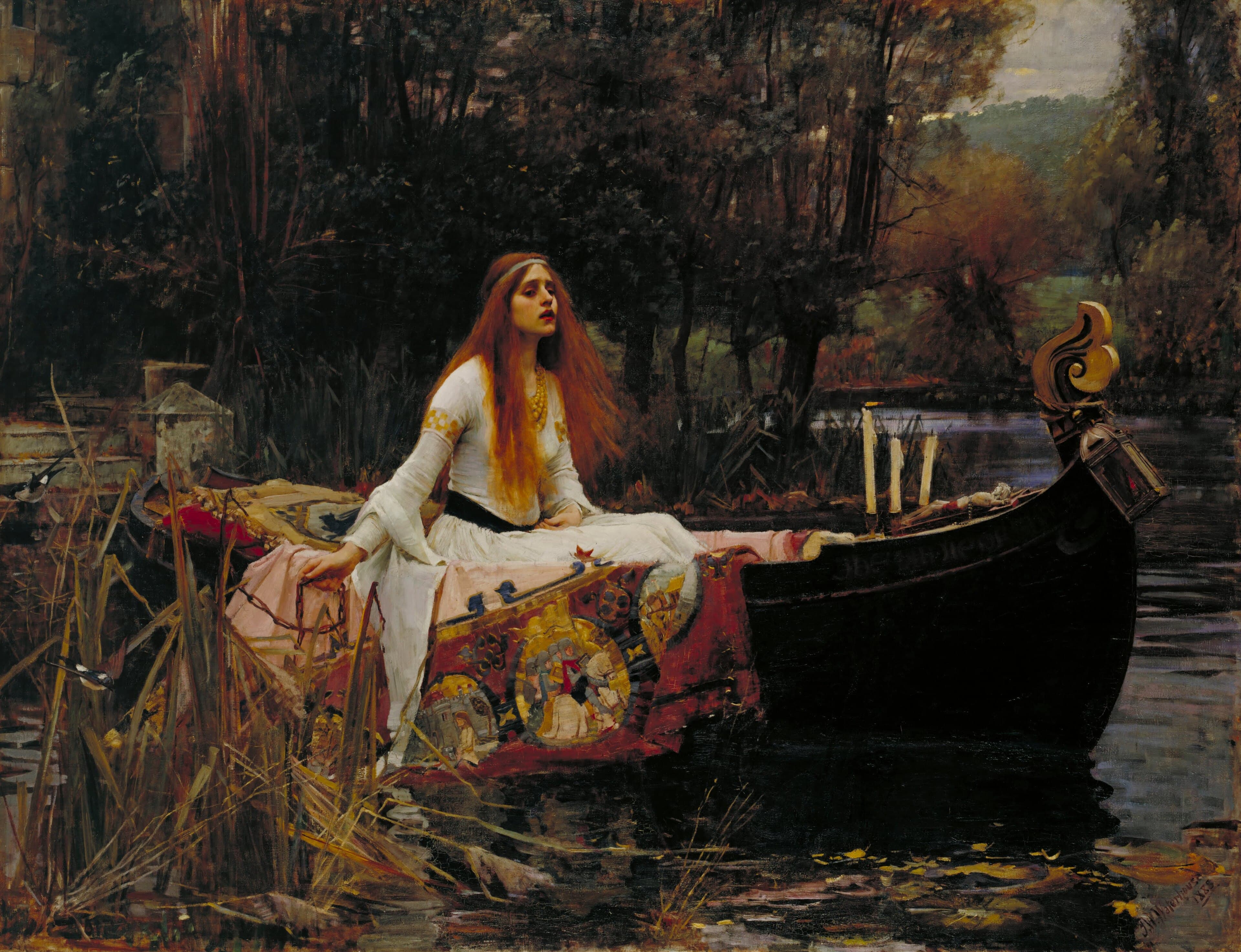
Hylas remains one of Waterhouse's most reproduced images, a staple of poster shops and of the romantic, mythological strand of mythology paintings. It sits naturally beside his The Lady of Shalott, another story of a figure drawn fatally toward water, and beside Herbert James Draper's sea-nymph pictures such as The Pearls of Aphrodite.
The painting is part of Manchester Art Gallery's permanent collection (accession 1896.15) and is normally on display there. It is in the public domain.
Questions & answers
Where is Hylas and the Nymphs?
Hylas and the Nymphs is in Manchester Art Gallery in Manchester, England. The city bought it in 1896, the year Waterhouse painted it, and it is normally on display in the gallery's Victorian rooms.
What is the story of Hylas and the Nymphs?
Hylas was the companion of Heracles on the voyage of the Argonauts. Sent to fetch water from a spring in Mysia, he was pulled into the water by the nymphs who lived there, enchanted by his beauty, and was never seen again. The story is told by Apollonius of Rhodes and Theocritus.
How many nymphs are in Hylas and the Nymphs?
There are seven nymphs rising from the lily pond around Hylas. They look strikingly alike, and Waterhouse probably based them on one or two models, which gives the group an eerie, collective calm.
Why was Hylas and the Nymphs removed in 2018?
Manchester Art Gallery took it down for about a week in January 2018 as part of a project with artist Sonia Boyce, to prompt discussion of how galleries display images of women. After strong public criticism, the painting was rehung.
More by the artist
John William Waterhouse
Kindred works
You may also study
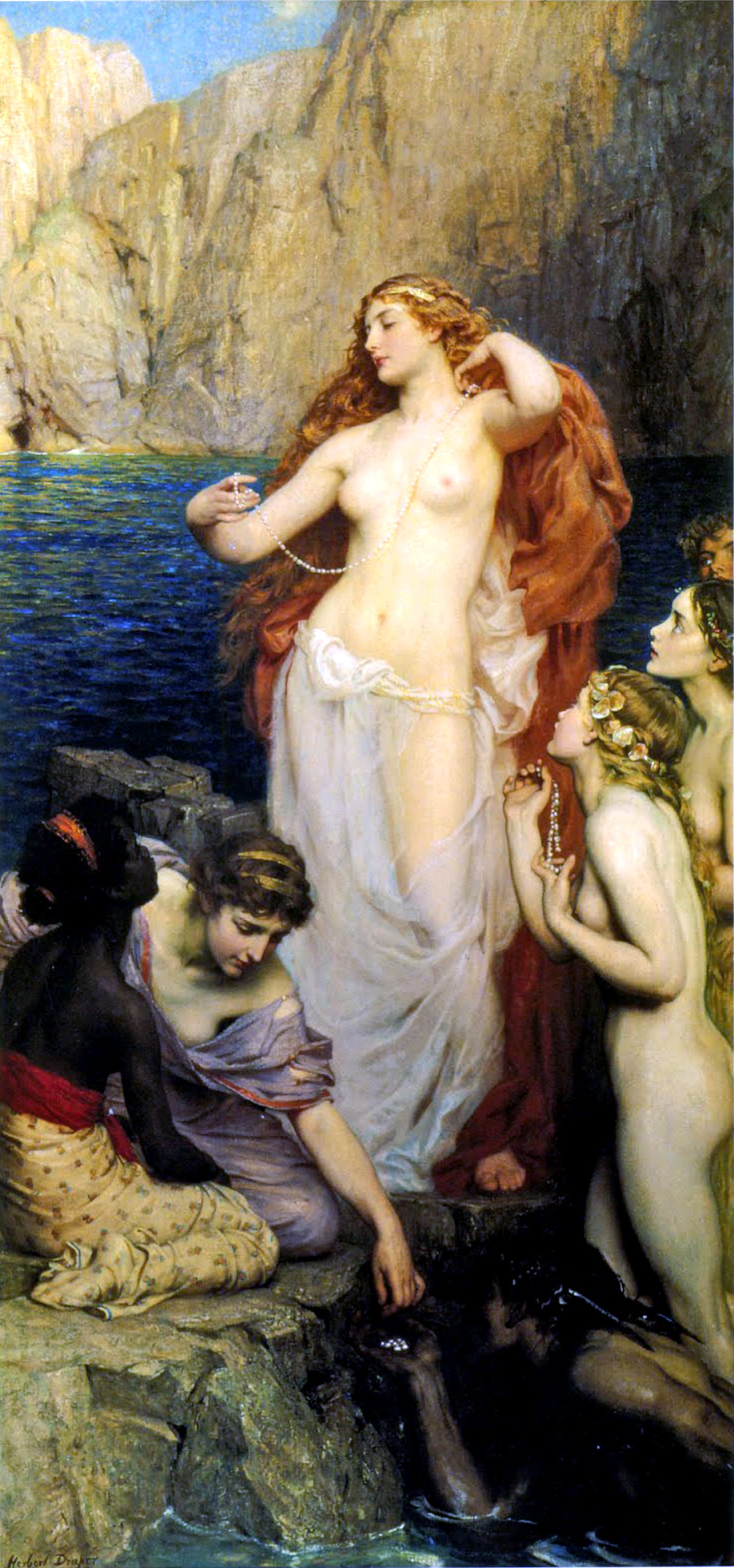
The Pearls of Aphrodite
Herbert James Draper · 1907
Clyties of the Mist
Herbert James Draper · 1912
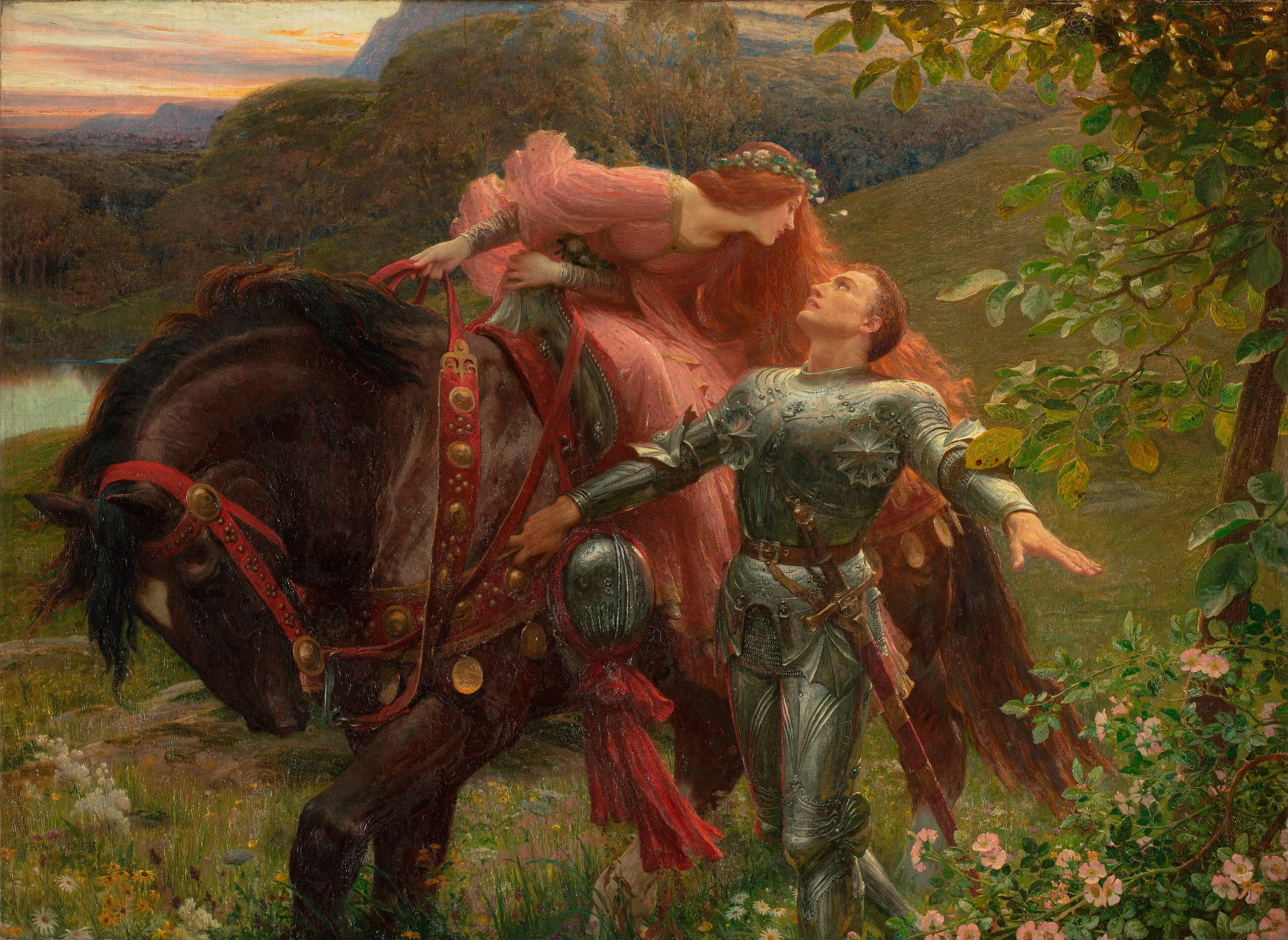
La Belle Dame sans Merci
Sir Frank Dicksee · 1901
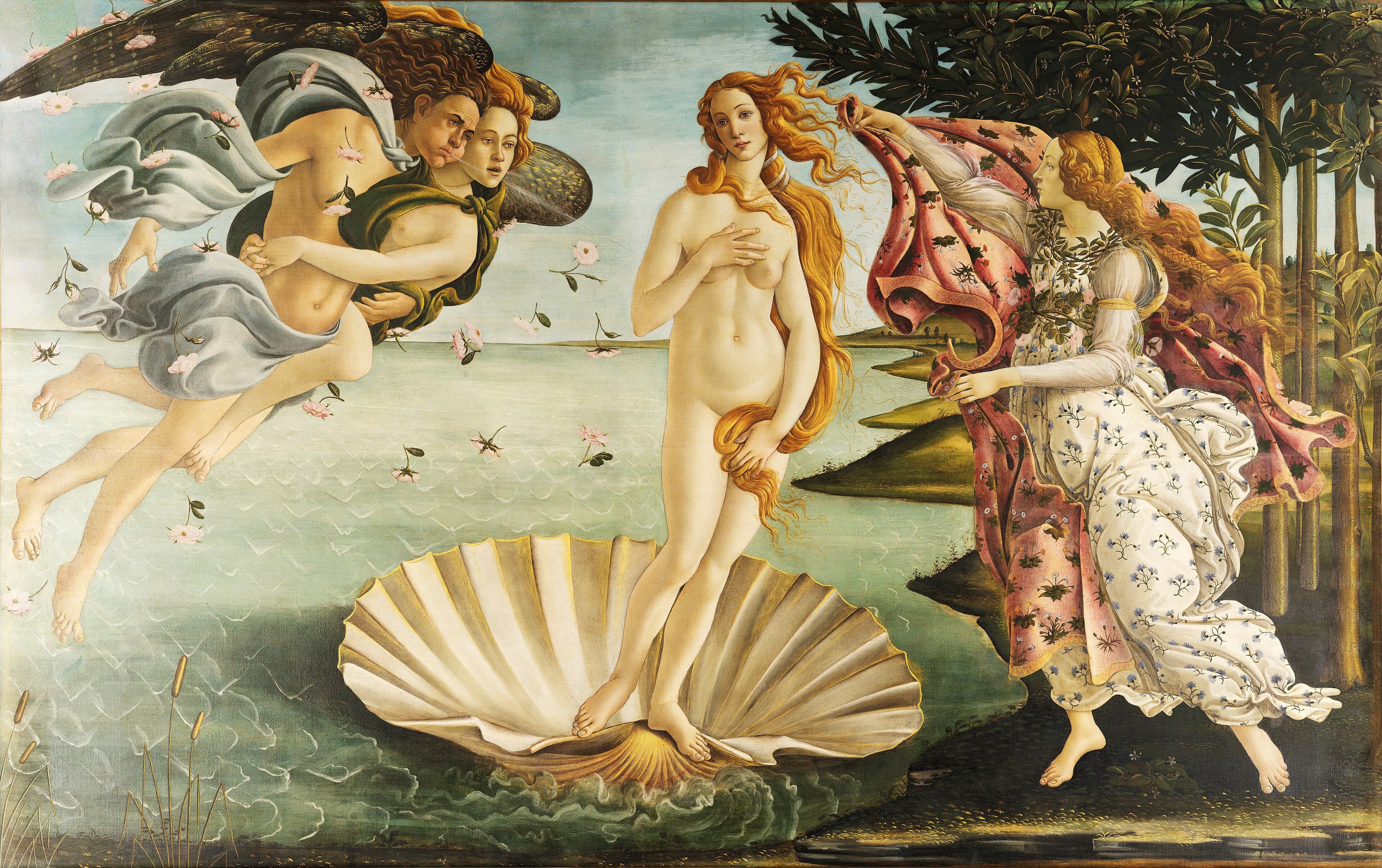
The Birth of Venus
Sandro Botticelli · c. 1484–1486

Bridge over a Pond of Water Lilies
Claude Monet · 1899

Venus de Milo
Alexandros of Antioch · c. 150–125 BC

Nymphs Dancing to Pan's Flute
Joseph Tomanek

The Thinker
Auguste Rodin · Modeled 1880–82; enlarged 1902–03; this cast 1904