The Vision of the Valley of Dry Bones
Gustave Doré, 1866
The Vision of the Valley of Dry Bones is a wood engraving after Gustave Doré for his 1866 illustrated Bible (La Grande Bible de Tours). Under a crescent moon the prophet Ezekiel watches a valley of skeletons rise from their shrouds and return to life (Ezekiel 37).
- Artist
- Gustave Doré
- Date
- 1866
- Medium
- Wood engraving
- Movement
- Romanticism
- Themes
- Religion & Saints, Death & Memento Mori, The Macabre, Night & Dreams, Literature & Poetry, Dark Academia
What you are looking at
A narrow valley at night is filled from edge to edge with the dead, and the dead are moving. Skeletons sit up in their shrouds, push themselves off the ground, raise bony arms. In the center a tall skeleton half-wrapped in a winding sheet leans back, one hand on its ribs as if feeling for a heartbeat. At right another lifts its arms high, the shroud hanging from them like a curtain. At lower left, a pair of skeletal arms pushes up a flat stone slab, a grave lid, from underneath.
The resurrection is happening at different speeds. Among the bones are bodies that already have flesh: at upper left, naked men stand upright and look around, and a figure at left, still half wrapped, arches back with its arms over its head. Scattered across the floor in front are the parts not yet claimed: a loose skull, a rib cage, a jaw, a pair of leg bones, a few clay jars.
Above it all, on a rocky height at the top of the picture, stands the prophet Ezekiel, a dark robed figure with a full beard, his head bowed toward the valley. A thin crescent moon hangs in the clouds behind him. He is the only still thing in the picture.
At lower right, the engraver's signature, "C. Laplante", is cut in spindly, knobbed letters that look almost like bones themselves.
The passage: Ezekiel 37
The plate illustrates one of the best-known visions in the Hebrew prophets. "The hand of the LORD was upon me, and carried me out in the spirit of the LORD, and set me down in the midst of the valley which was full of bones" (Ezekiel 37:1, King James Version). God asks, "Son of man, can these bones live?" and commands Ezekiel to prophesy to them.
What follows is described in stages: "as I prophesied, there was a noise, and behold a shaking, and the bones came together, bone to his bone. And when I beheld, lo, the sinews and the flesh came up upon them, and the skin covered them above: but there was no breath in them" (37:7–8). Ezekiel prophesies to the wind, "and the breath came into them, and they lived, and stood up upon their feet, an exceeding great army" (37:10).
How Doré staged it
The text unfolds in sequence; Doré compresses it into one image. Bones, half-dressed skeletons and fully fleshed bodies share the same ground, so you can read the whole miracle by moving your eye from the scattered skull in the foreground to the standing men at the back. The composition works like a timeline laid out in space.
He also made the dead return in shrouds, though the biblical bones are "very dry" and lying in the open. The winding sheets come from Christian imagery of the resurrection of the dead at the Last Judgment, and the grave slab being pushed up at left belongs to the same tradition. Doré is reading Ezekiel as Christian readers long had, as a foreshadowing of the general resurrection.
The choice of night is his, too. Ezekiel's vision has no time of day. The crescent moon and the bands of cloud give the scene the atmosphere of a churchyard rather than a battlefield.
How it was made
The plate is a wood engraving, drawn by Doré on boxwood and cut by Charles Laplante. The bones are where you see his craft. Each skull and rib is modeled with a few curved white lines on black, and the shrouds are made of long parallel strokes that thin out to bright edges. The background crowd is cut much finer and paler, so it recedes into the dark like a fog of figures, which makes the "exceeding great army" seem to go on beyond the frame.
Publication
The engraving belongs to Doré's illustrated Bible, published by Alfred Mame et Fils in Tours in 1866 and known as La Grande Bible de Tours, with an English edition from Cassell, Petter & Galpin. It sits among the plates for the prophets, near The Destruction of Leviathan. The whole series is in the Doré Bible.
Meaning
In Ezekiel the vision is explained at once: "these bones are the whole house of Israel," exiles who say their hope is lost, and God promises to bring them home. Christian tradition added a second reading, the bodily resurrection of the dead at the end of time. Doré's shrouds and grave slab lean toward the second while his crowded, rising army keeps the first in view.
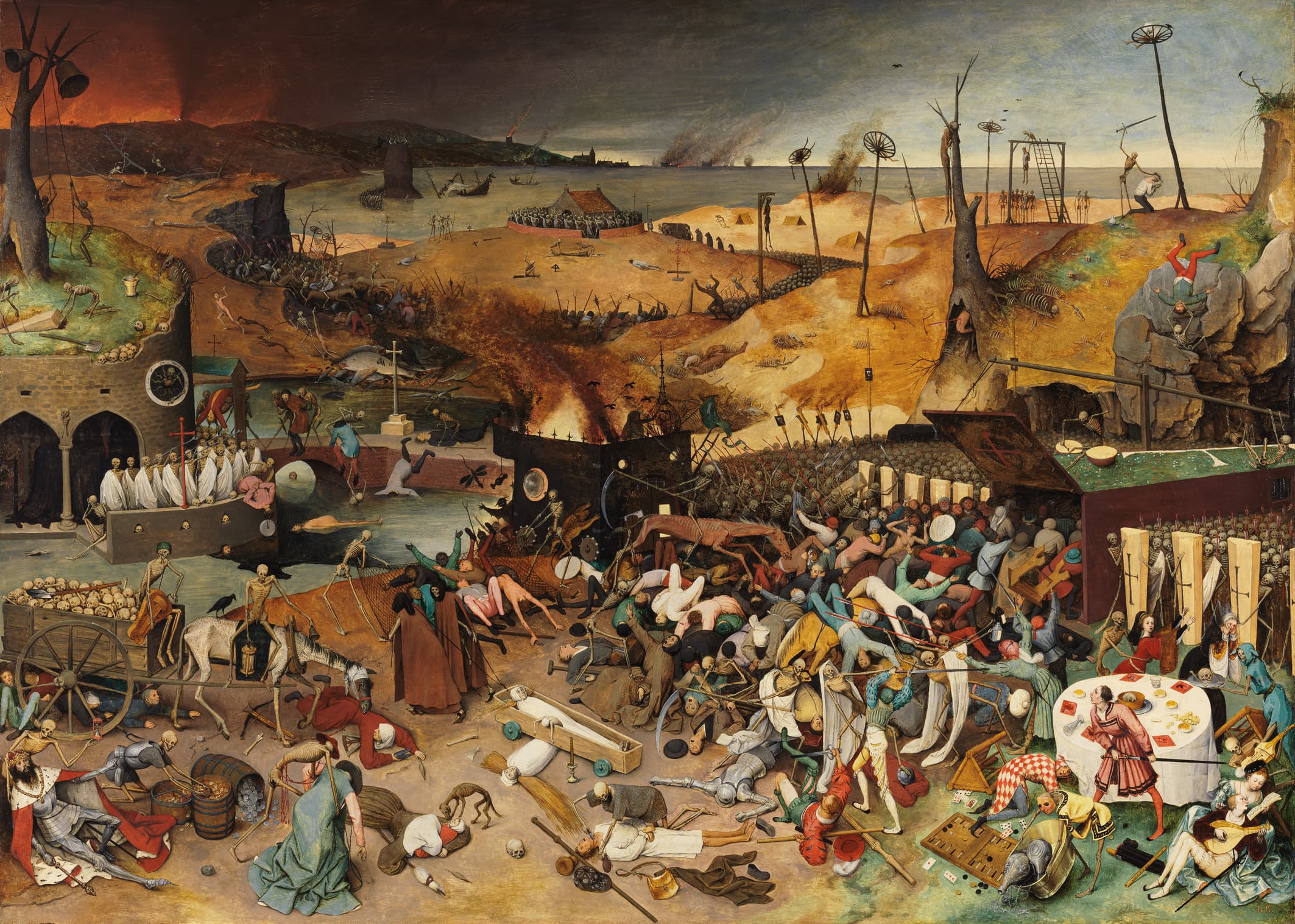
The plate also belongs to a much older line of images in which the dead dance, march or rise, from the medieval danse macabre to Pieter Bruegel's The Triumph of Death. The difference is direction. In those works skeletons come for the living; here the dead come back to life. For Doré's other night visions of death, see Death on the Pale Horse and Death and Life-in-Death, and for more of the theme, Memento Mori & Vanitas. The artist's career is on the Gustave Doré page.
Questions & answers
What does Doré's Valley of Dry Bones show?
A night valley crowded with the dead coming back to life. Skeletons sit up in their shrouds and raise their arms, one pushes up a grave slab, and at the back some bodies already have flesh and stand upright. The prophet Ezekiel watches from a height above, a crescent moon behind him.
Which Bible passage does the plate illustrate?
Ezekiel 37:1–10. In the King James Version, Ezekiel is set down "in the midst of the valley which was full of bones," and as he prophesies "the bones came together, bone to his bone," until the breath enters them "and they lived, and stood up upon their feet, an exceeding great army."
When was The Vision of the Valley of Dry Bones made?
Doré designed it for his illustrated Bible, published by Mame in Tours in 1866 and known as La Grande Bible de Tours. Cassell, Petter & Galpin issued the English edition, with the King James text, in London. It is one of the plates for the books of the prophets.
Who engraved the Valley of Dry Bones plate?
Doré drew the design on a boxwood block and Charles Laplante cut it. His signature, "C. Laplante", is at lower right in thin, knobbed letters, with Doré's signature at lower left. Laplante modeled each skull and rib with a few curved white lines cut out of the black.
What does the Valley of Dry Bones mean?
In Ezekiel the bones are "the whole house of Israel," exiles without hope whom God promises to restore. Christian readers also saw a prophecy of the resurrection of the dead. Doré combines both, adding shrouds and a lifted grave slab from Last Judgment imagery to Ezekiel's rising army.
More by Gustave Doré
All works →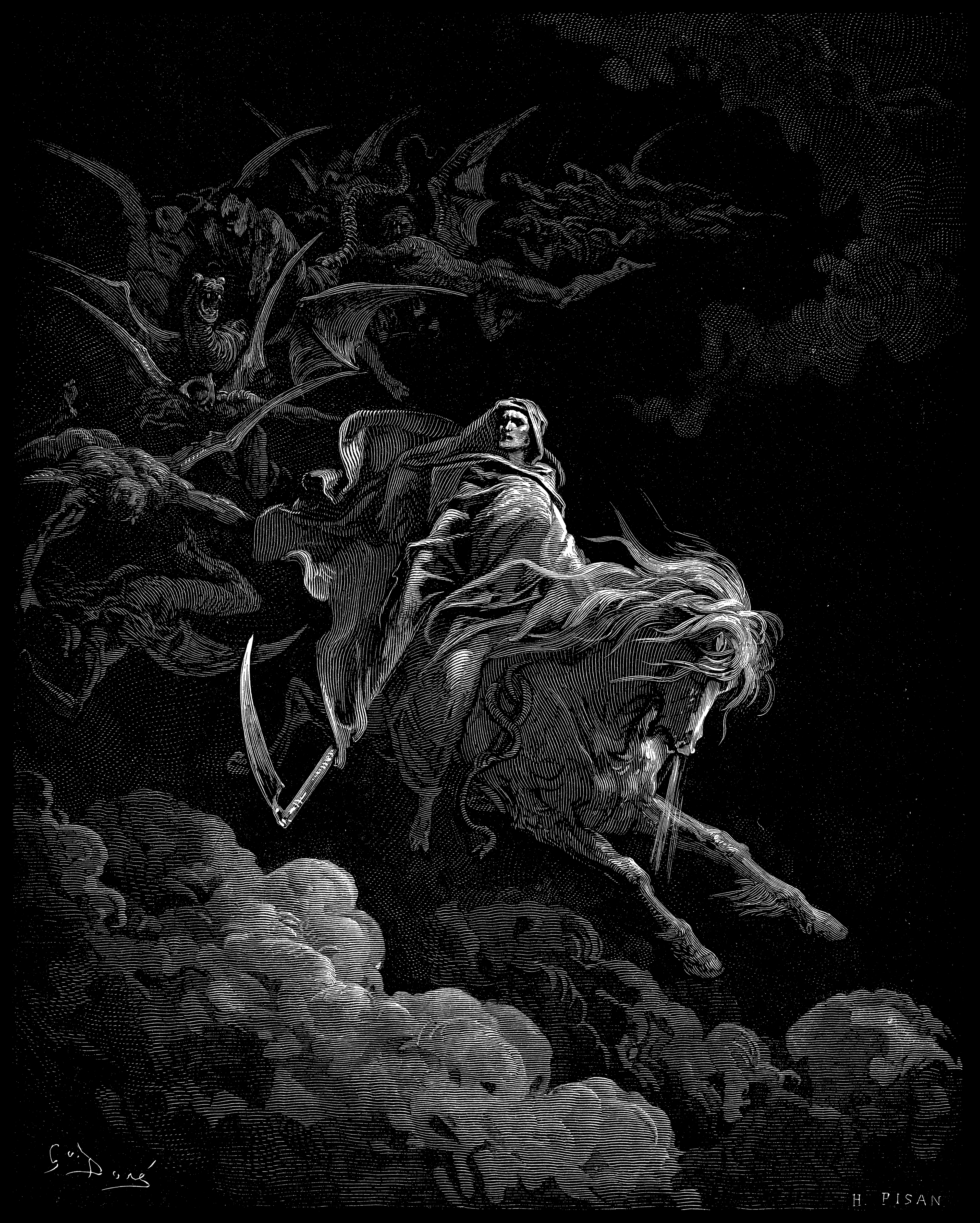
Death on the Pale Horse
Gustave Doré · 1866
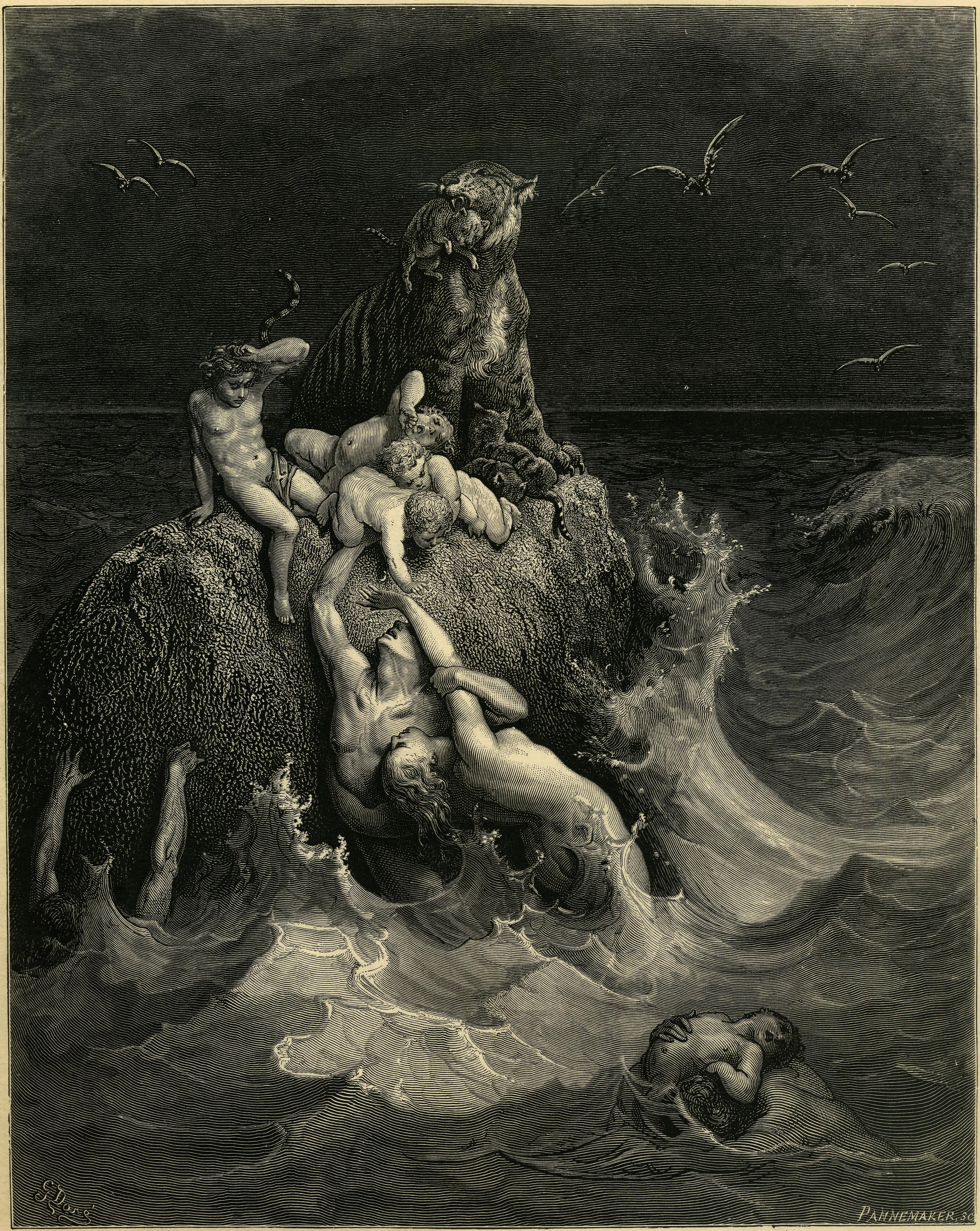
The Deluge
Gustave Doré · 1866
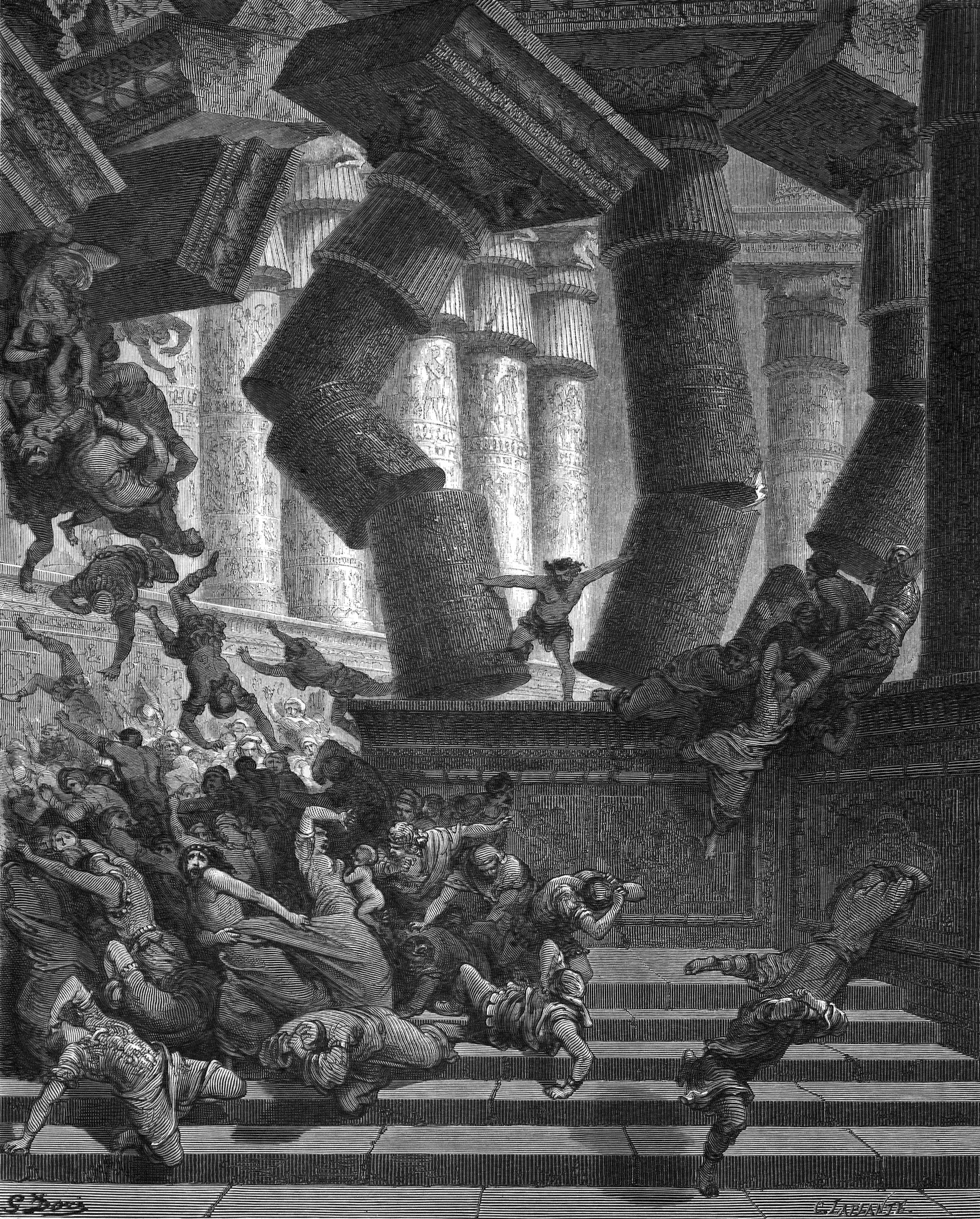
Samson Destroying the Temple
Gustave Doré · 1866
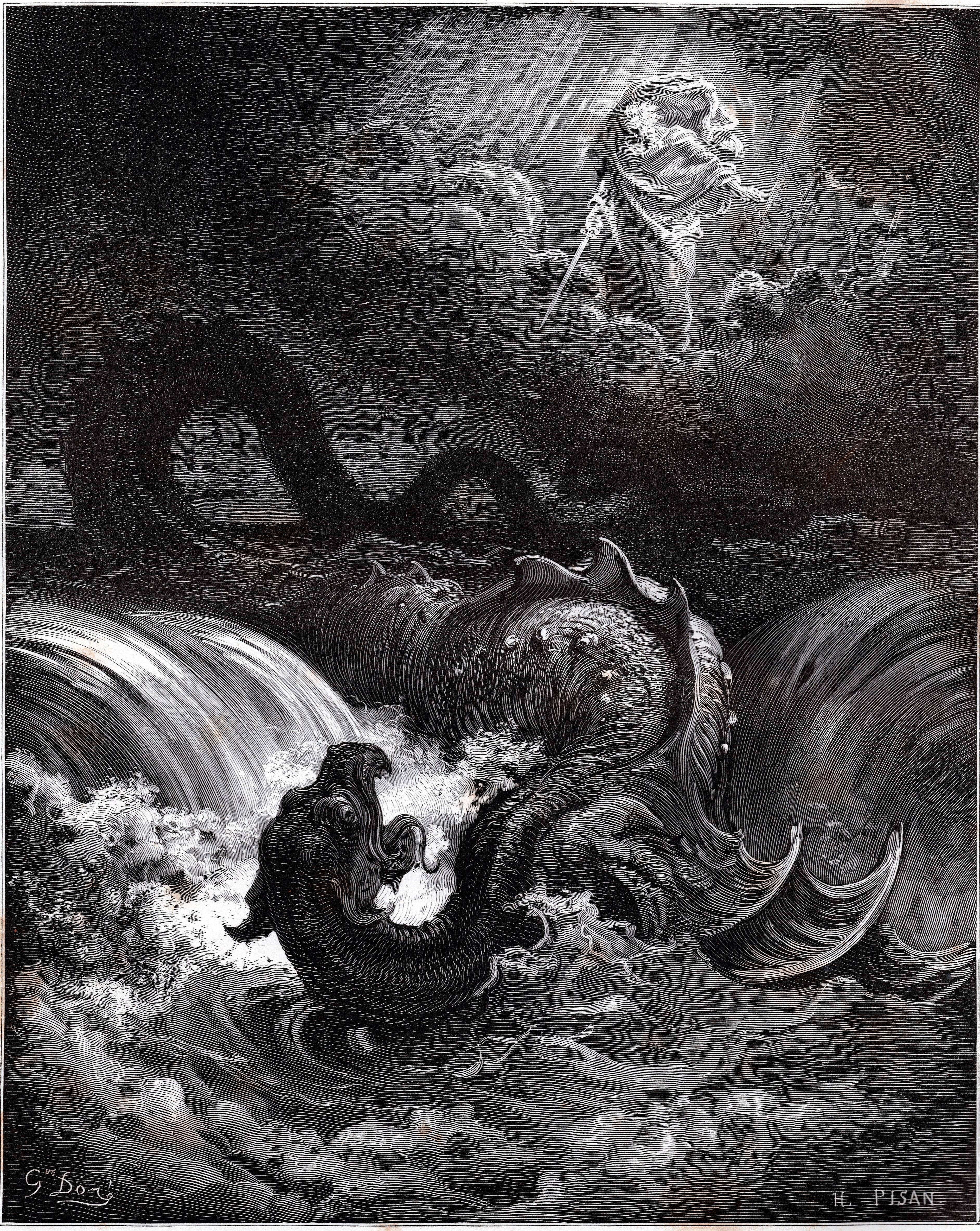
The Destruction of Leviathan
Gustave Doré · 1866
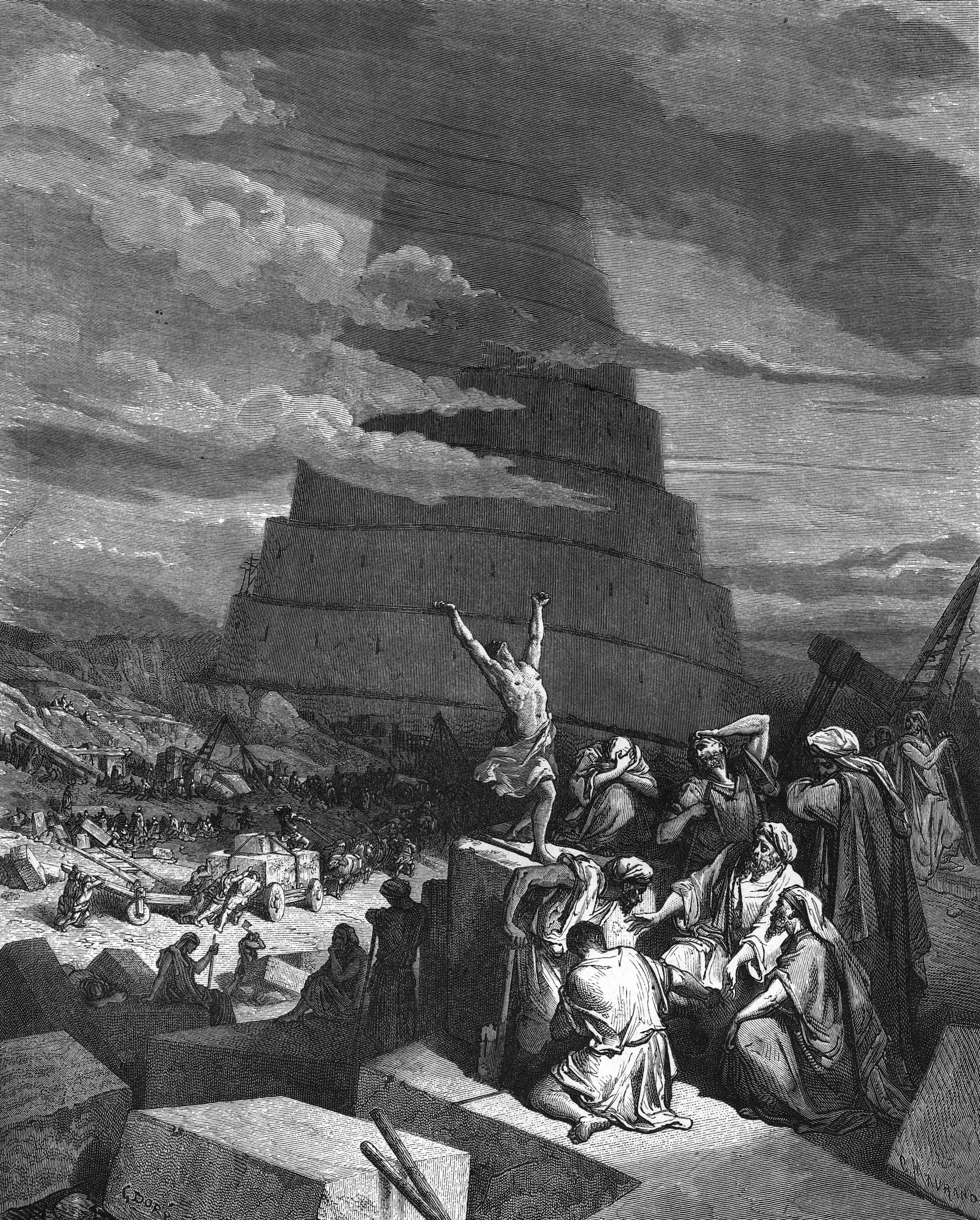
The Confusion of Tongues
Gustave Doré · 1866
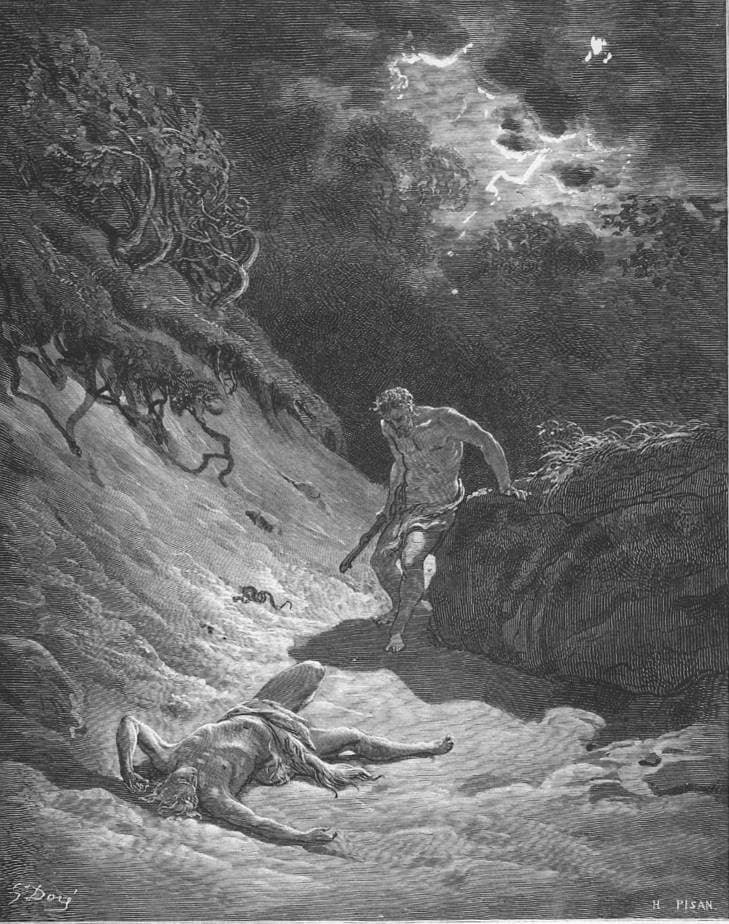
The Death of Abel
Gustave Doré · 1866
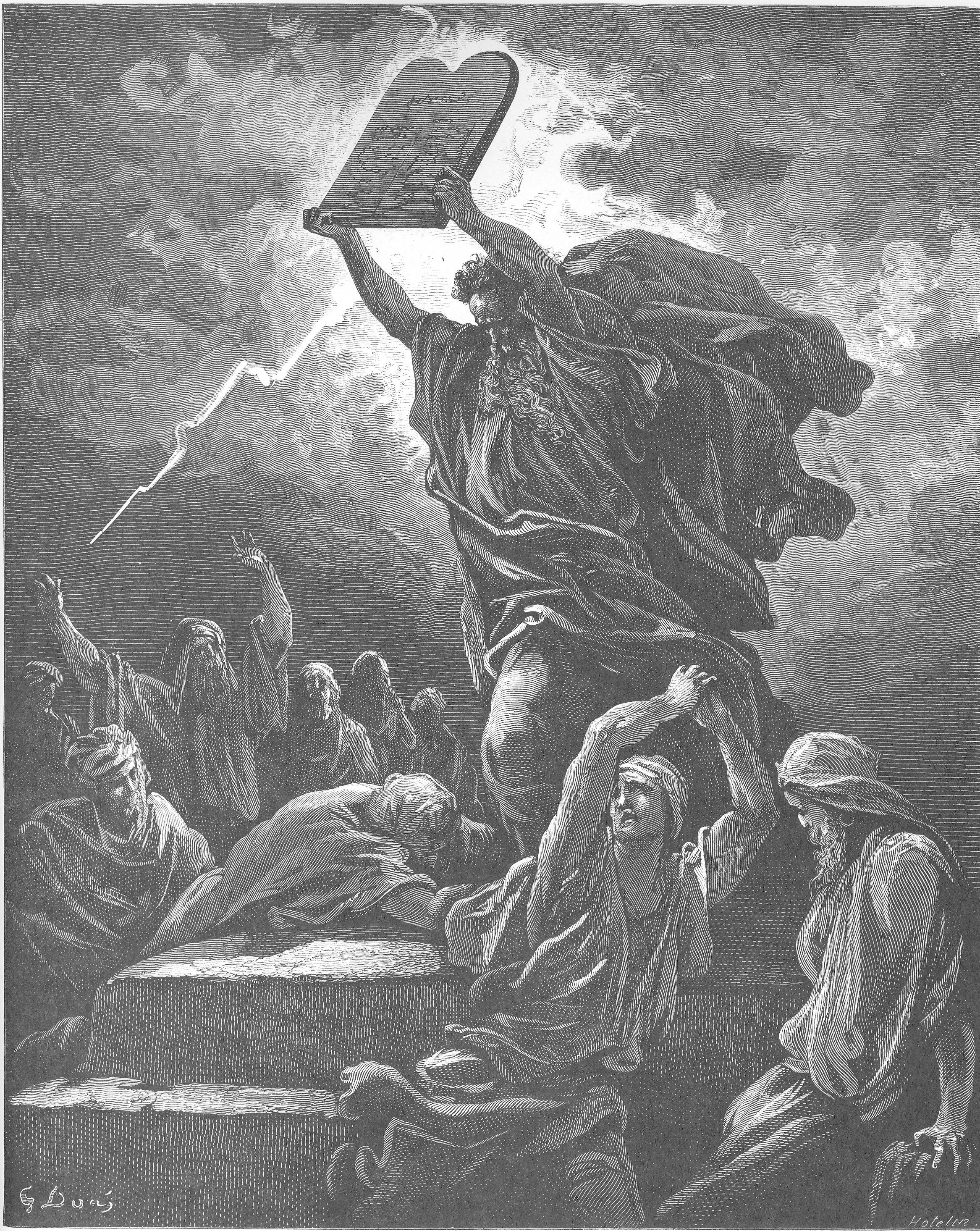
Moses Breaking the Tables of the Law
Gustave Doré · 1866
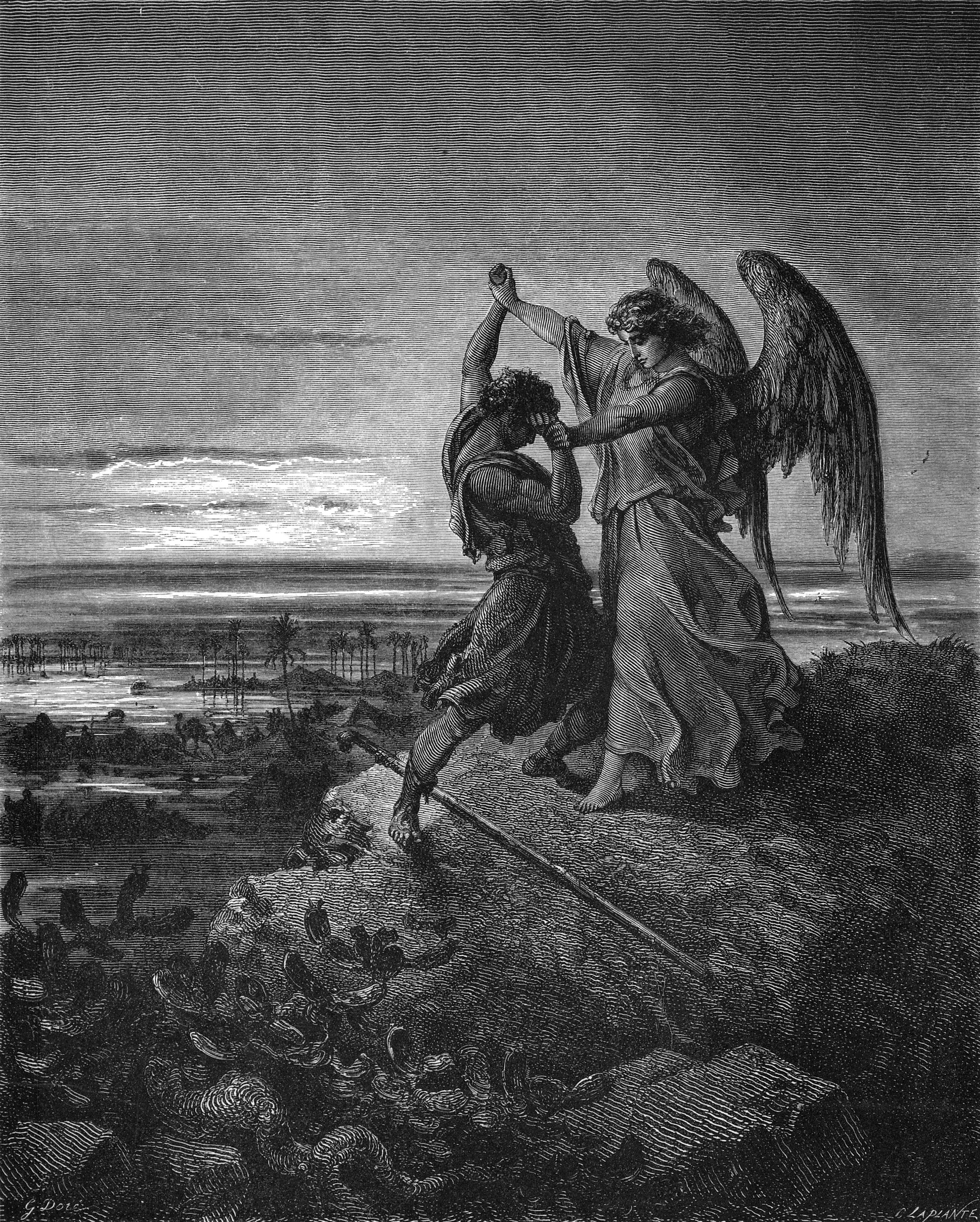
Jacob Wrestling with the Angel
Gustave Doré · 1866
Also from 1866
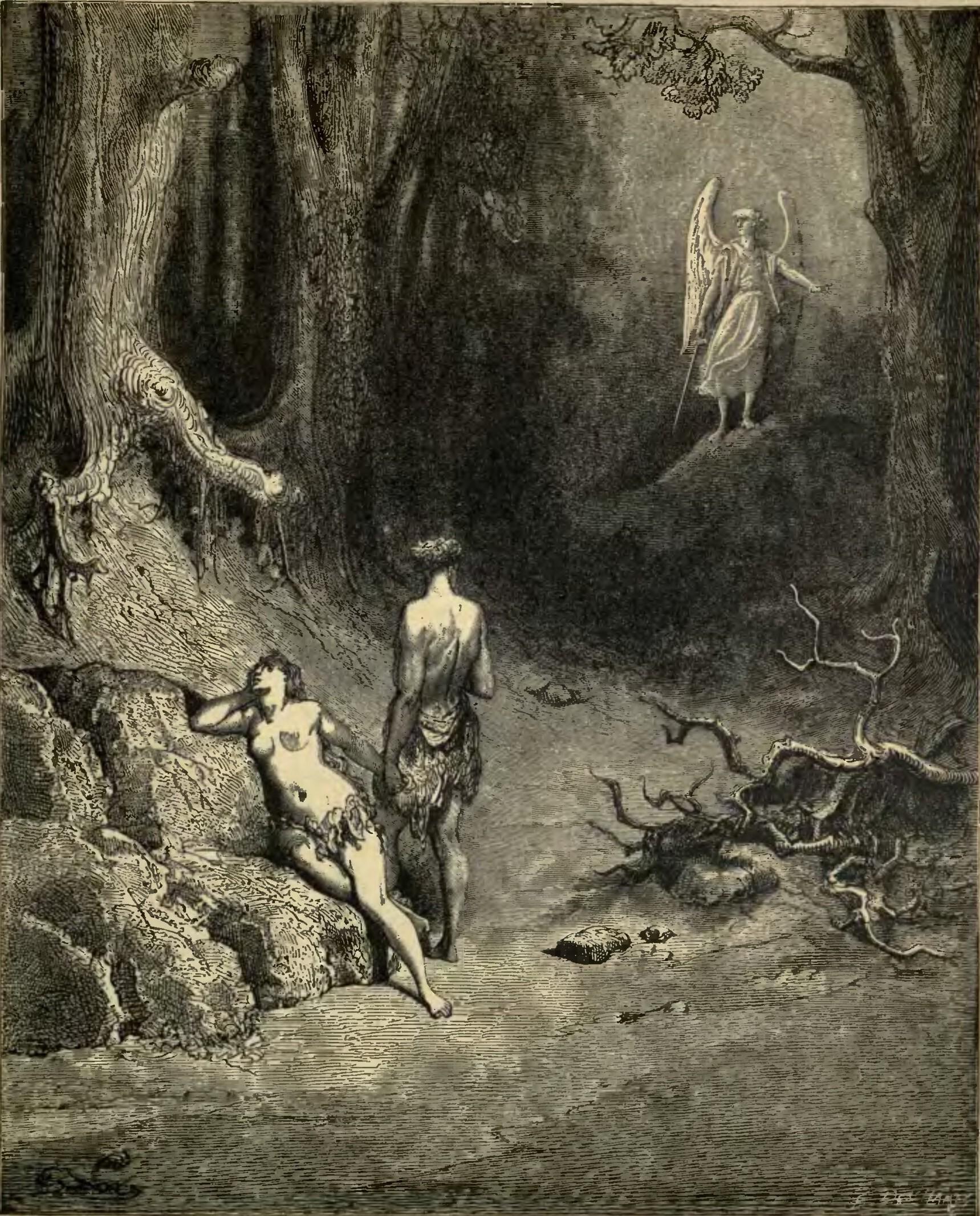
Adam and Eve Expelled from Paradise
Gustave Doré · 1866
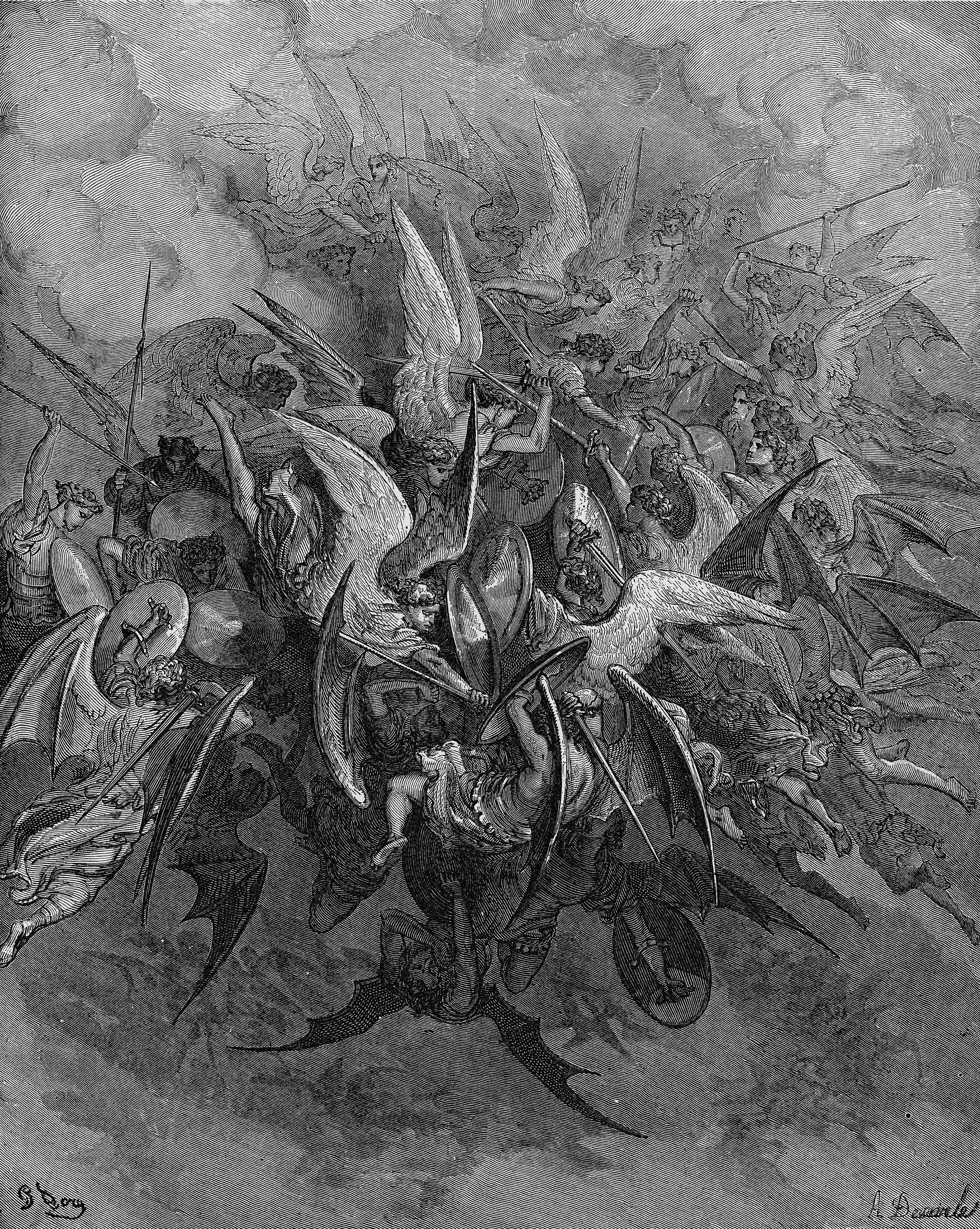
The War in Heaven
Gustave Doré · 1866
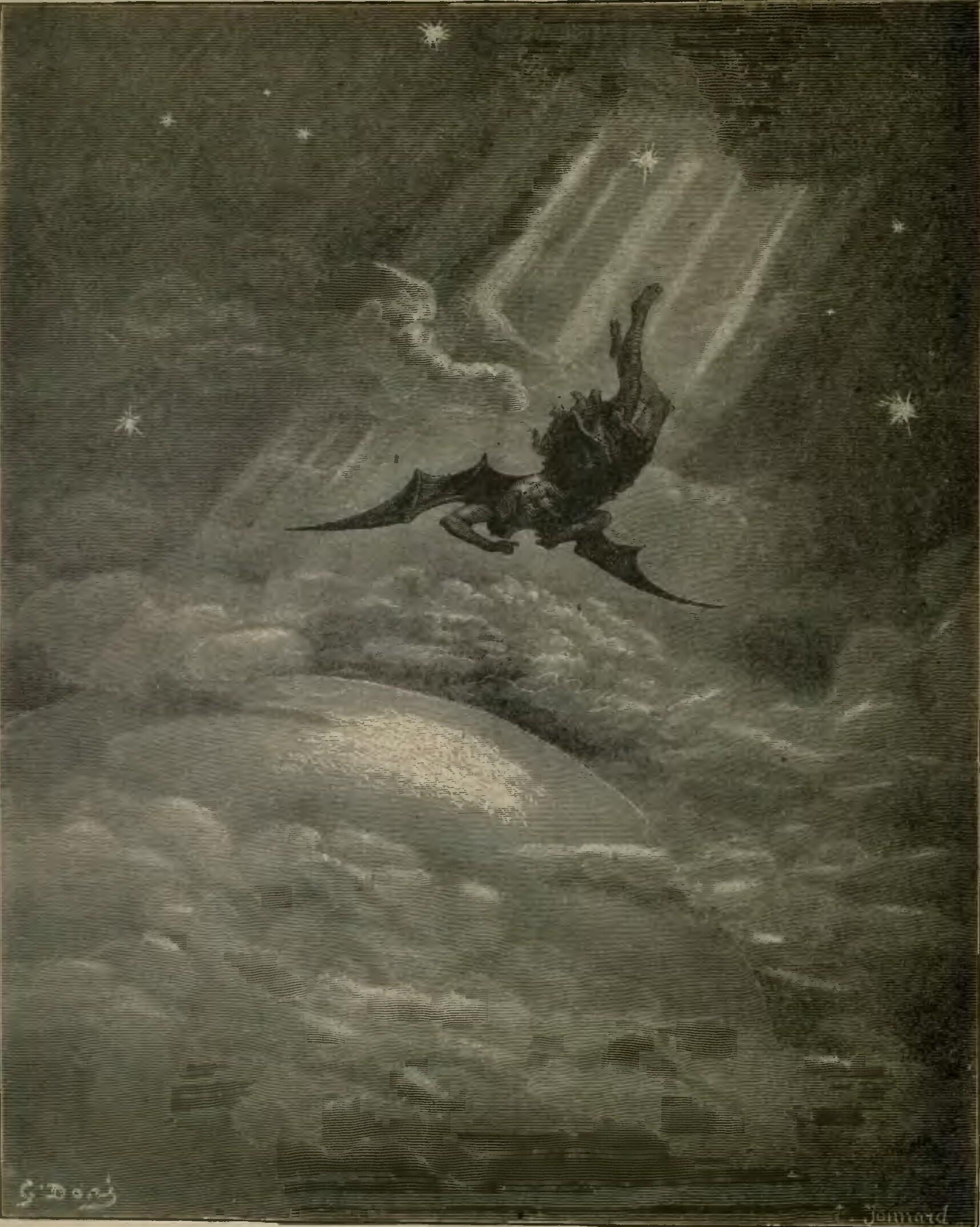
Satan Approaching the Confines of the Earth
Gustave Doré · 1866
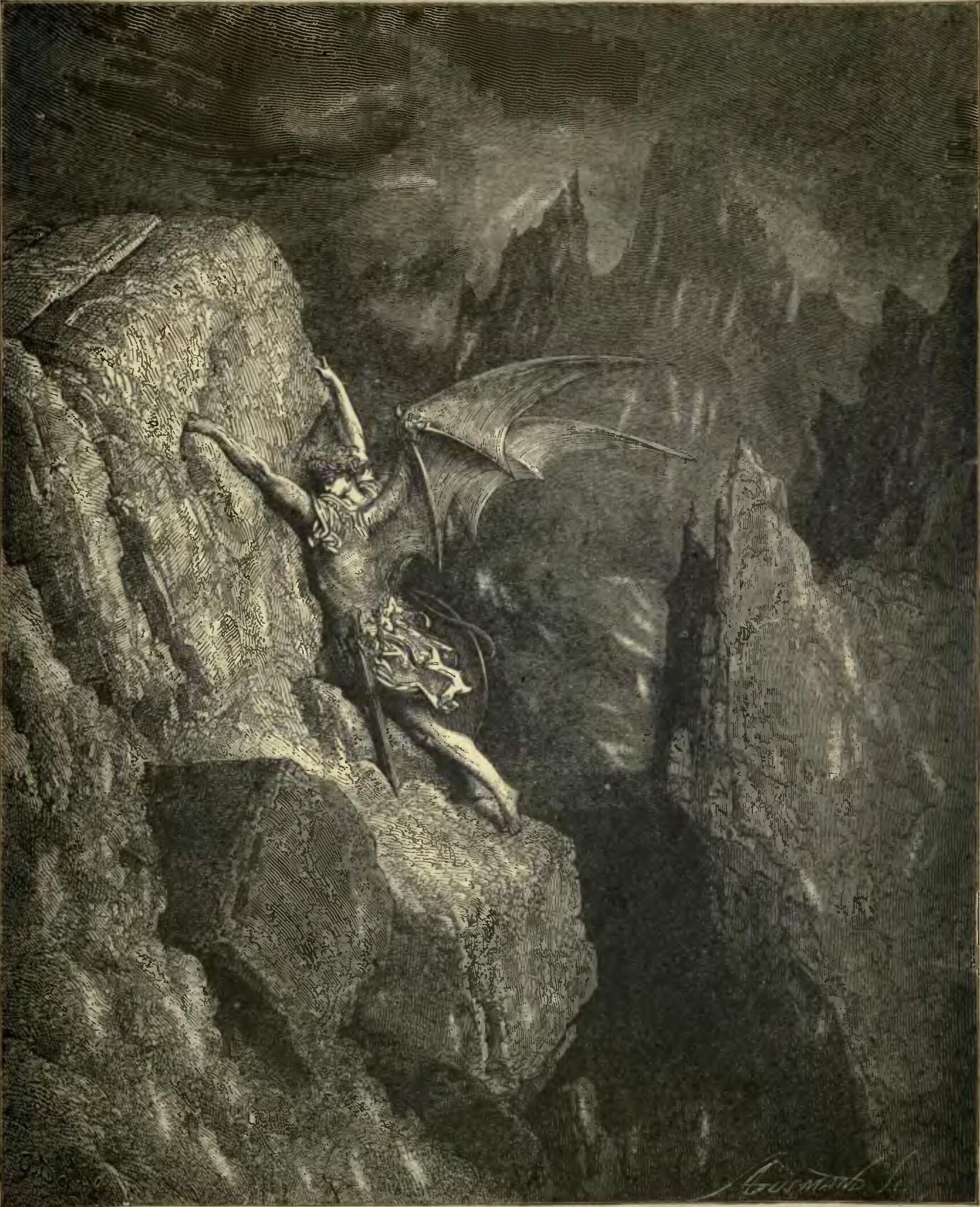
Satan’s Flight Through Chaos
Gustave Doré · 1866
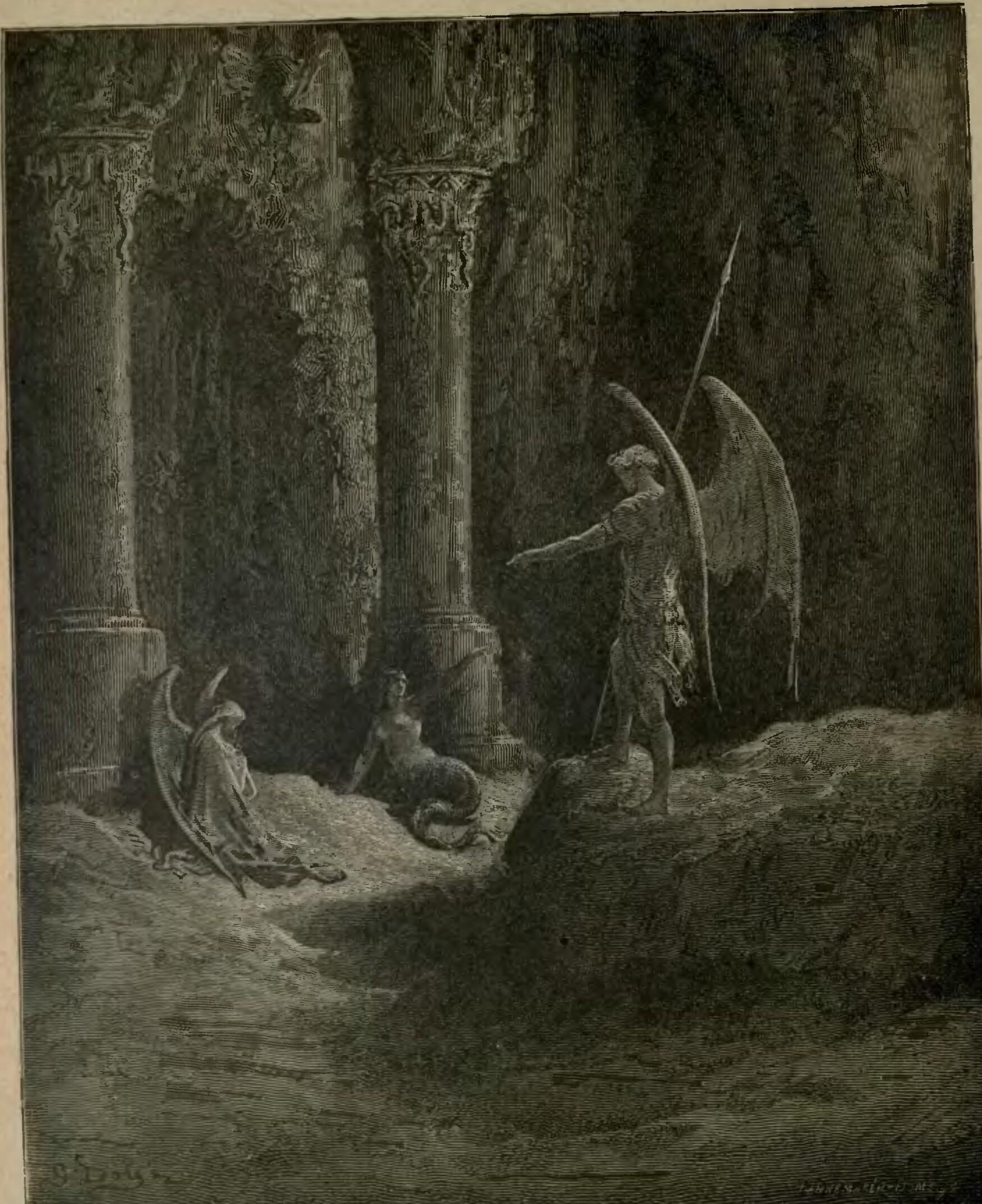
Satan, Sin and Death at the Gates of Hell
Gustave Doré · 1866
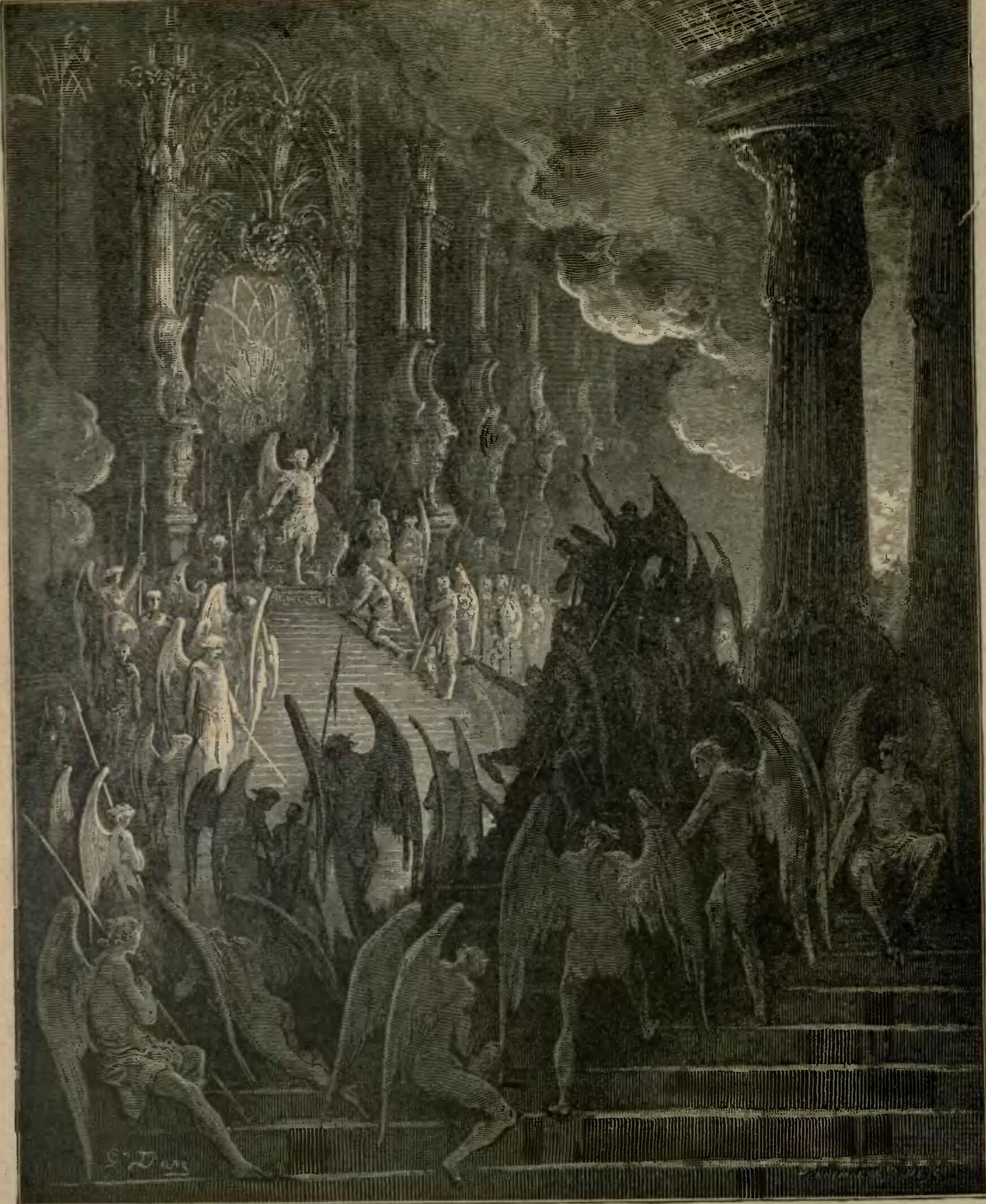
Satan in Council
Gustave Doré · 1866
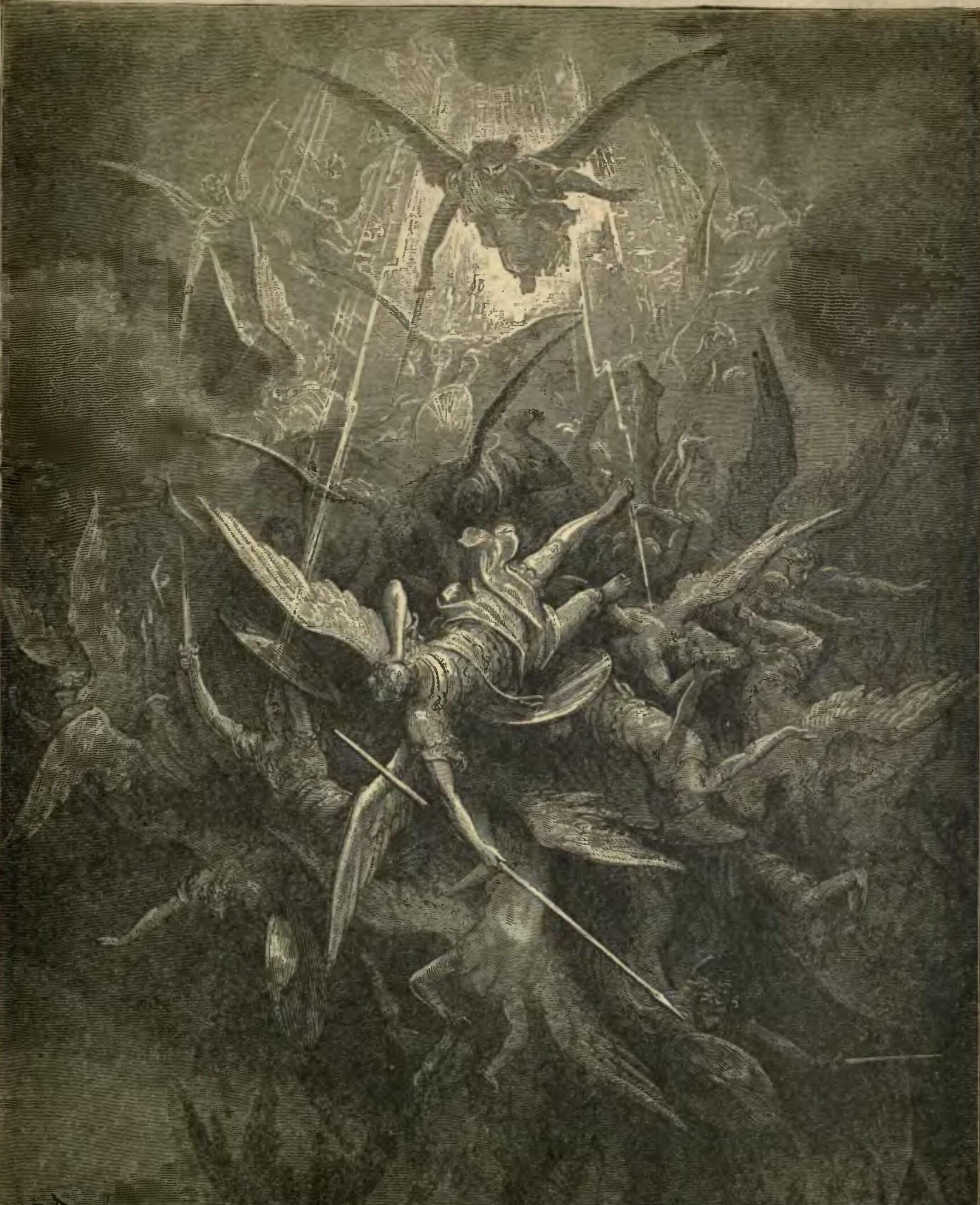
Satan Cast Out of Heaven
Gustave Doré · 1866
Related works
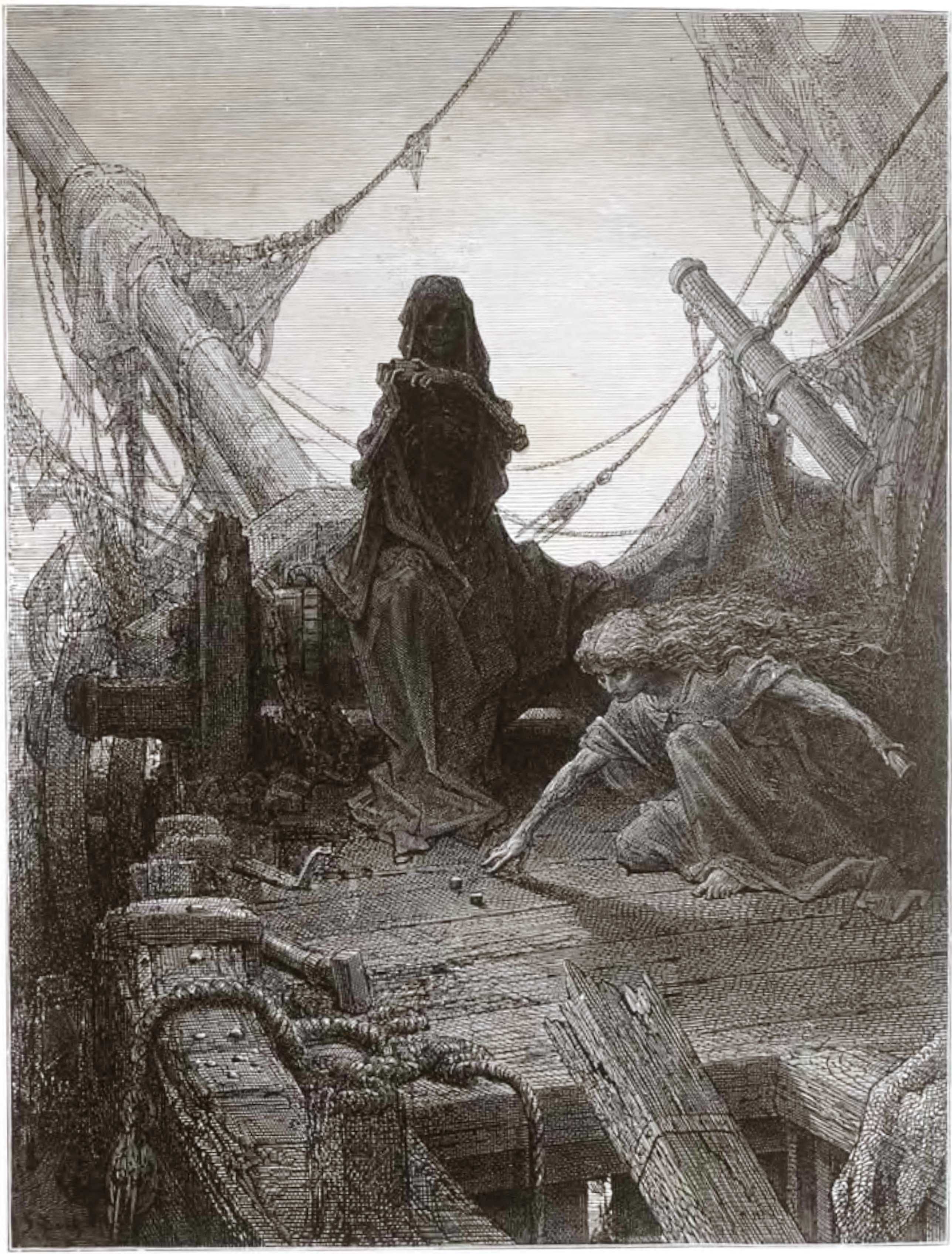
Death and Life-in-Death
Gustave Doré · 1876
The Triumph of Death
Pieter Bruegel the Elder · c. 1562
Nevermore (The Raven's Shadow)
Gustave Doré · 1884
A Pilgrimage to San Isidro
Francisco Goya · c. 1819–1823
Witches' Sabbath (The Great He-Goat)
Francisco Goya · c. 1819–1823
Atropos (The Fates)
Francisco Goya · c. 1819–1823
The Wood of the Suicides
Gustave Doré · 1861
The Dog
Francisco Goya · c. 1819–1823