Satan, Sin and Death at the Gates of Hell
Gustave Doré, 1866
Satan, Sin and Death at the Gates of Hell is Gustave Doré’s 1866 wood-engraved plate for Paradise Lost, Book II, lines 648–649: Satan, spear in hand, confronts the two shapes guarding Hell’s gate, Sin with her serpent coils and the hooded figure of Death.
- Artist
- Gustave Doré
- Date
- 1866
- Medium
- Wood engraving
- Movement
- Romanticism
- Themes
- Angels & Demons, Literature & Poetry, Death & Memento Mori, The Macabre, Dark Academia
What you are looking at
The scene is the threshold of Hell, and Doré makes it a ruined church. Two massive columns with carved capitals rise into darkness at the left, their surfaces crusted and dripping; between and beyond them the dark goes back into a cavern. The floor is rough rock and drifts of something like ash.
On a raised ledge at the right stands Satan, seen from behind and to the side, tall, muscular and winged, a long spear in his left hand. His right arm is stretched out, pointing at the two figures who sit at the foot of the columns. One is a woman, naked to the waist, half reclining, her lower body ending in a thick scaly coil; she looks up at him. The other, further left, is a shrouded figure with great dark wings, hunched and hooded, its face hidden. These are Sin and Death.
The light falls in a pale pool on the ground between them, leaving the upper half of the plate in deep shade. Most of the image is empty floor, a strip of foreground that keeps the three figures small and the gate huge. Doré’s signature is at lower left; the engraver’s credit at lower right reads “Pannemaker-Doms”.
The lines it illustrates
Leaving the council in Pandemonium, Satan flies alone to the edge of Hell to find the way out. Book II, lines 643–653 and 666–673:
At last appear Hell-bounds, high reaching to the horrid roof, And thrice threefold the gates; three folds were brass, Three iron, three of adamantine rock, Impenetrable, impaled with circling fire, Yet unconsumed. Before the gates there sat On either side a formidable Shape. The one seemed woman to the waist, and fair, But ended foul in many a scaly fold, Voluminous and vast—a serpent armed With mortal sting.
The other Shape, “If shape it might be called that shape had none,” is “black as Night, / Fierce as ten Furies, terrible as Hell,” and wears “The likeness of a kingly crown.” Death and Satan square up to fight until Sin rushes between them and reveals the truth: she sprang from Satan’s head in Heaven, and Death is the son she bore him.
How Doré staged it
Doré chose the caption lines, the first sight of the guardians, not the famous near-duel that follows. His Satan is calm and commanding, a soldier giving an order, and his Death is surprisingly quiet: not Milton’s shapeless crowned shadow brandishing a dart, but a seated, veiled, winged figure like a mourner at a tomb. The menace is held back.
He also leaves out much of Milton’s horror. There is no circling fire on the gates and no pack of hell-hounds barking from Sin’s womb, a detail Milton borrowed from the myth of Scylla. Doré keeps only the serpent tail, which identifies her at a glance. The gates themselves become columns of a Gothic nave, so the threshold of Hell looks like the door of a church gone wrong.
How it was made and published
Doré drew the scene directly on a boxwood block and the Pannemaker and Doms workshop cut it, as the signature records. It is the eighth of the fifty plates in Milton’s Paradise Lost, published by Cassell, Petter & Galpin in London and New York in 1866. The scan shown here comes from a later American reprint by J. W. Lovell of New York, with softer tones than a first-edition impression.
In the sequence it follows Satan in Council, where the journey is decided, and comes just before Satan launches into the void in Satan’s Flight Through Chaos. For the full set see Doré’s Paradise Lost illustrations.
What the plate means
Milton’s Sin and Death are an allegory dressed as a family. Sin is born from Satan’s own mind at the moment of his rebellion; Death is the child of their incest. When Satan meets them at the gate he fails at first to recognize his own offspring, which is Milton’s way of saying that evil does not know what it produces. Doré stages the instant before that recognition: Satan points, the two creatures wait.
The subject was popular with painters in Milton’s wake, from William Hogarth to Henry Fuseli and William Blake, who usually chose the confrontation. Doré’s quieter version belongs with his other images of the threshold of the underworld, like the Gothic portal in Dante’s The Gate of Hell, and with the cowled, inexorable figure of Death that recurs in his work, as in Death and Life-in-Death from The Ancient Mariner. For more on the theme see Death in Art. Gustave Doré makes the gate of Hell a place of waiting rather than of fire.
Questions & answers
What does Doré’s Satan, Sin and Death show?
Satan, winged and holding a spear, stands on a ledge at the gates of Hell and points at two figures seated by giant Gothic columns: Sin, a woman whose body ends in a serpent’s coil, and Death, a hooded, winged figure with its face hidden.
Which lines of Paradise Lost does it illustrate?
Book II, lines 648–649: “Before the gates there sat / On either side a formidable Shape.” Milton goes on to describe Sin, “woman to the waist, and fair, / But ended foul in many a scaly fold,” and Death, “black as Night” and wearing a kingly crown.
When was this plate made and published?
It was published in 1866 in Milton’s Paradise Lost, issued by Cassell, Petter & Galpin in London and New York with fifty full-page plates by Doré. It is the eighth plate, illustrating Book II.
Who engraved the plate?
Doré drew the design on the woodblock, and the engraving was cut by the workshop of Pannemaker and Doms, whose signature “Pannemaker-Doms” appears at lower right. Doré signed at lower left.
Who are Sin and Death in Paradise Lost?
Satan’s own offspring. Sin sprang from his head when he plotted rebellion in Heaven, and Death is the son she bore him. They guard Hell’s gate, and Sin holds the key. Milton uses them as an allegory of evil generating its own consequences.
More by Gustave Doré
All works →
The War in Heaven
Gustave Doré · 1866
Satan Approaching the Confines of the Earth
Gustave Doré · 1866
Satan Cast Out of Heaven
Gustave Doré · 1866
Satan’s Flight Through Chaos
Gustave Doré · 1866
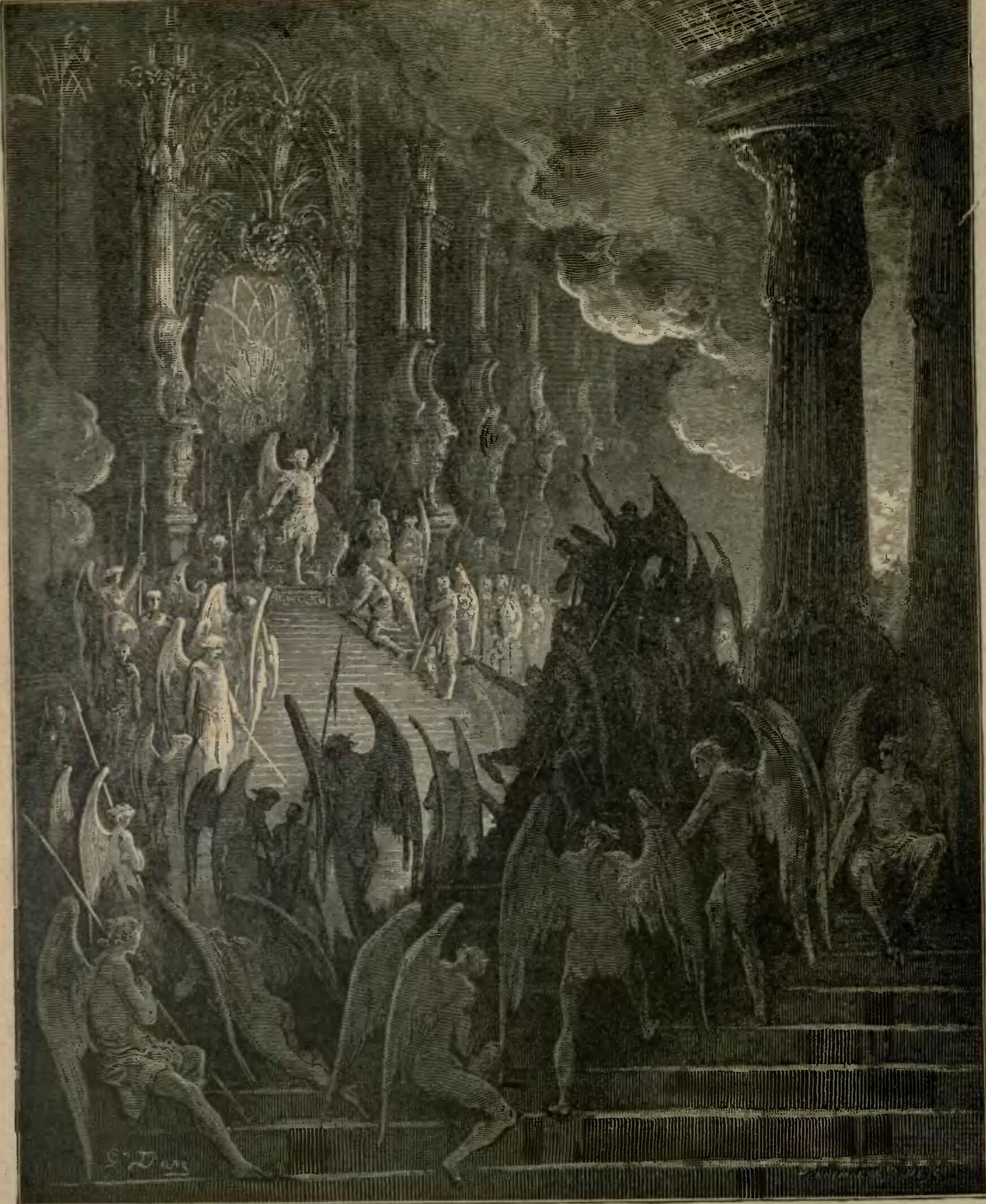
Satan in Council
Gustave Doré · 1866
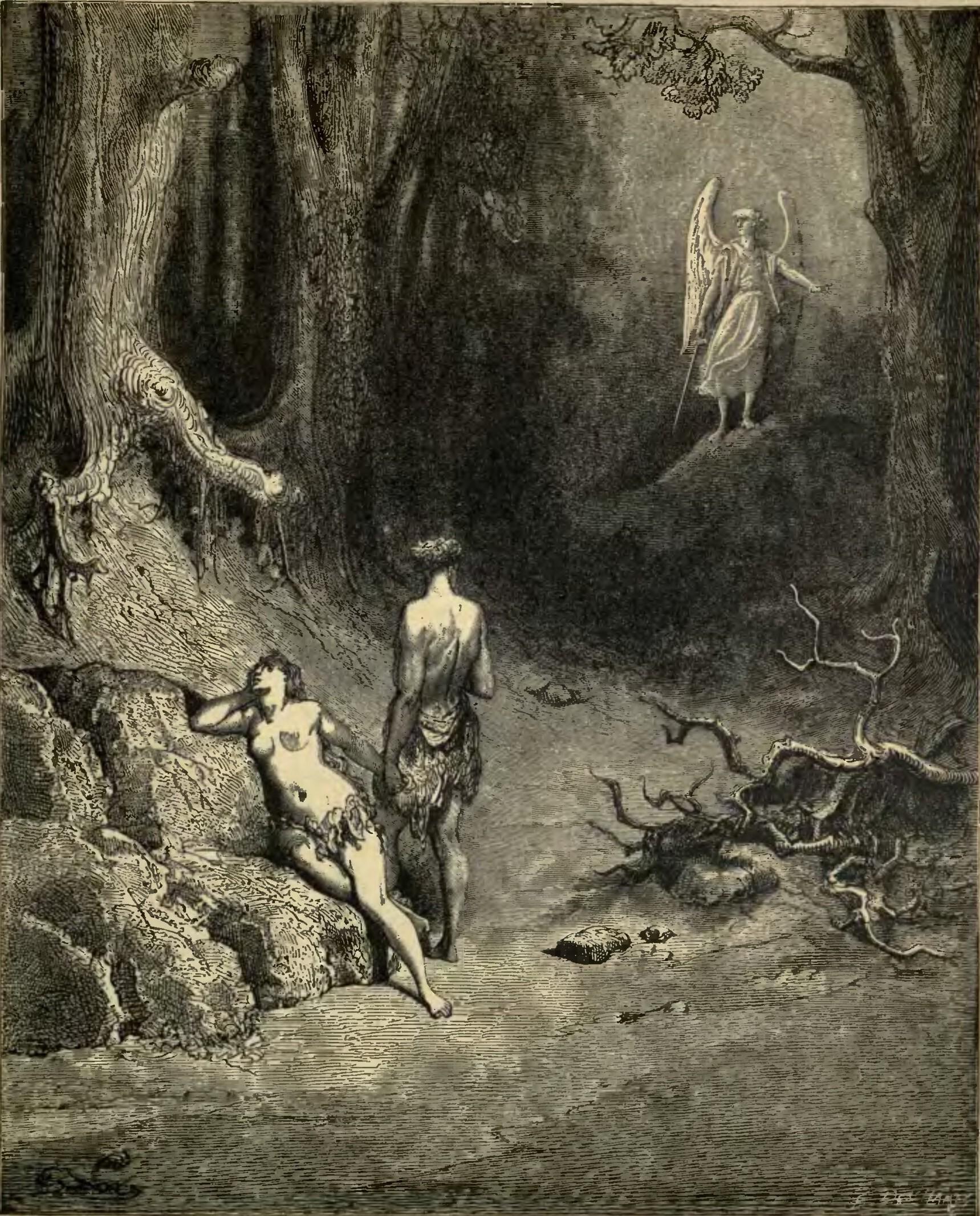
Adam and Eve Expelled from Paradise
Gustave Doré · 1866
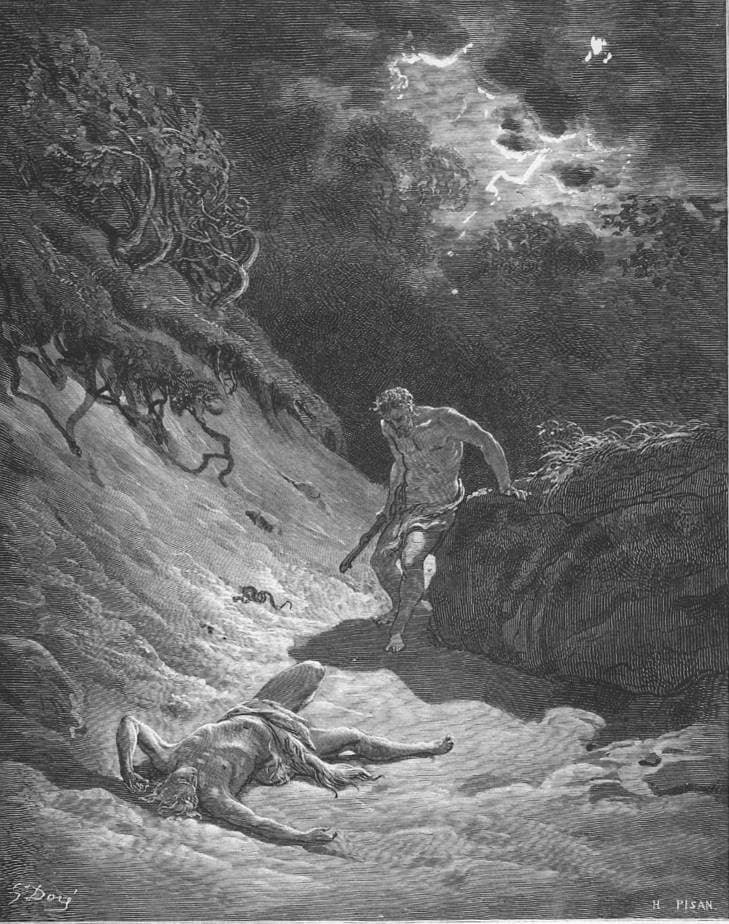
The Death of Abel
Gustave Doré · 1866
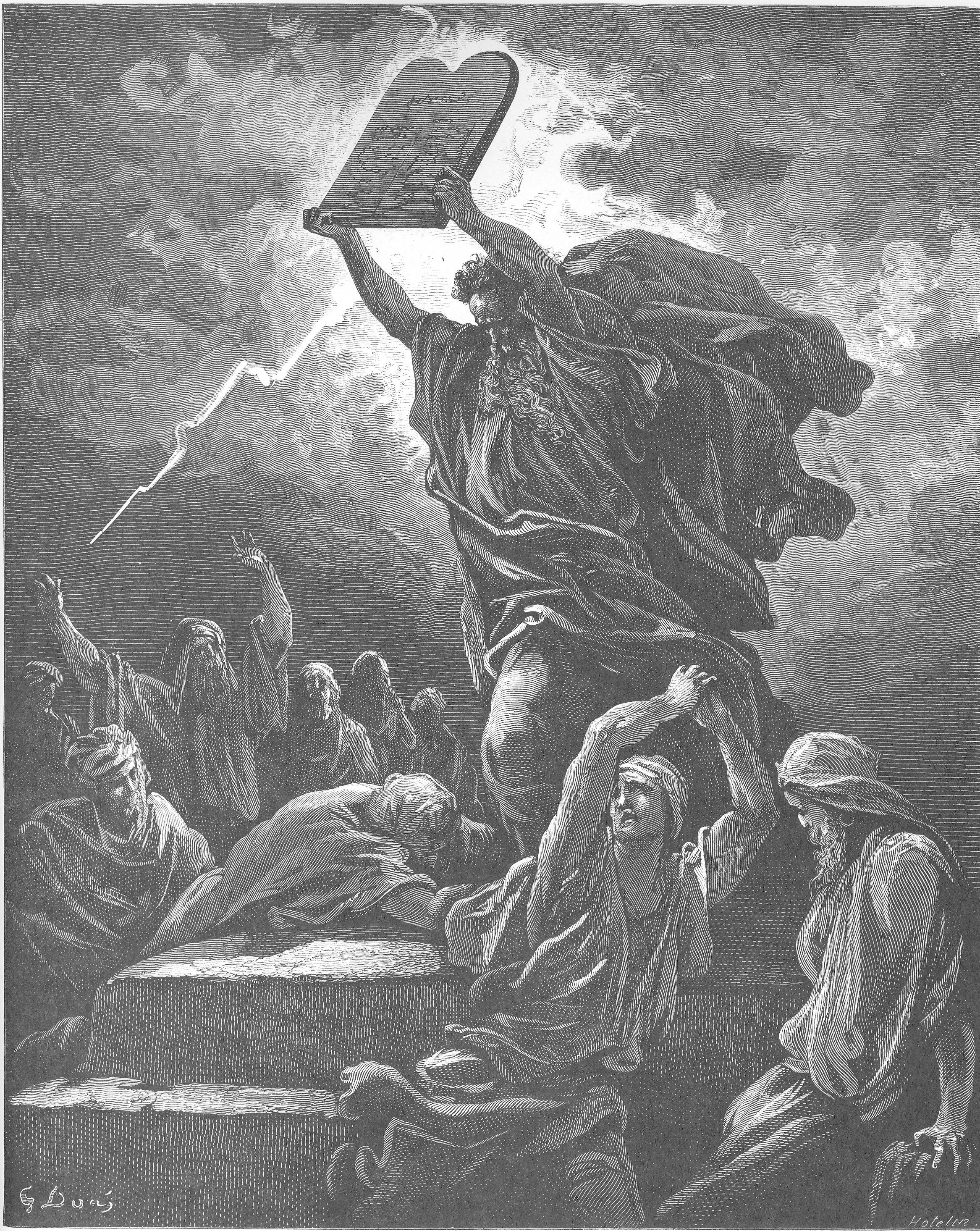
Moses Breaking the Tables of the Law
Gustave Doré · 1866
Also from 1866
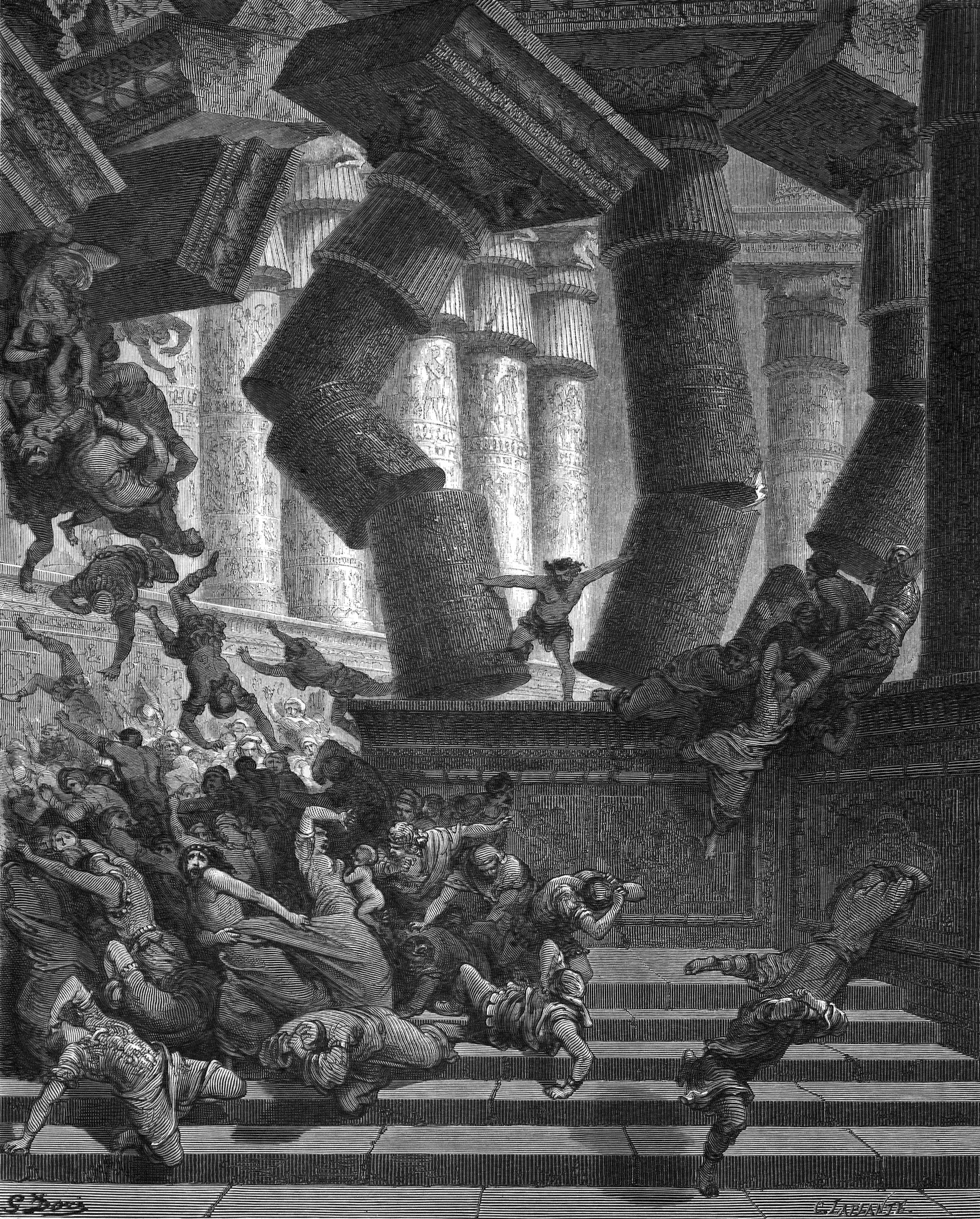
Samson Destroying the Temple
Gustave Doré · 1866
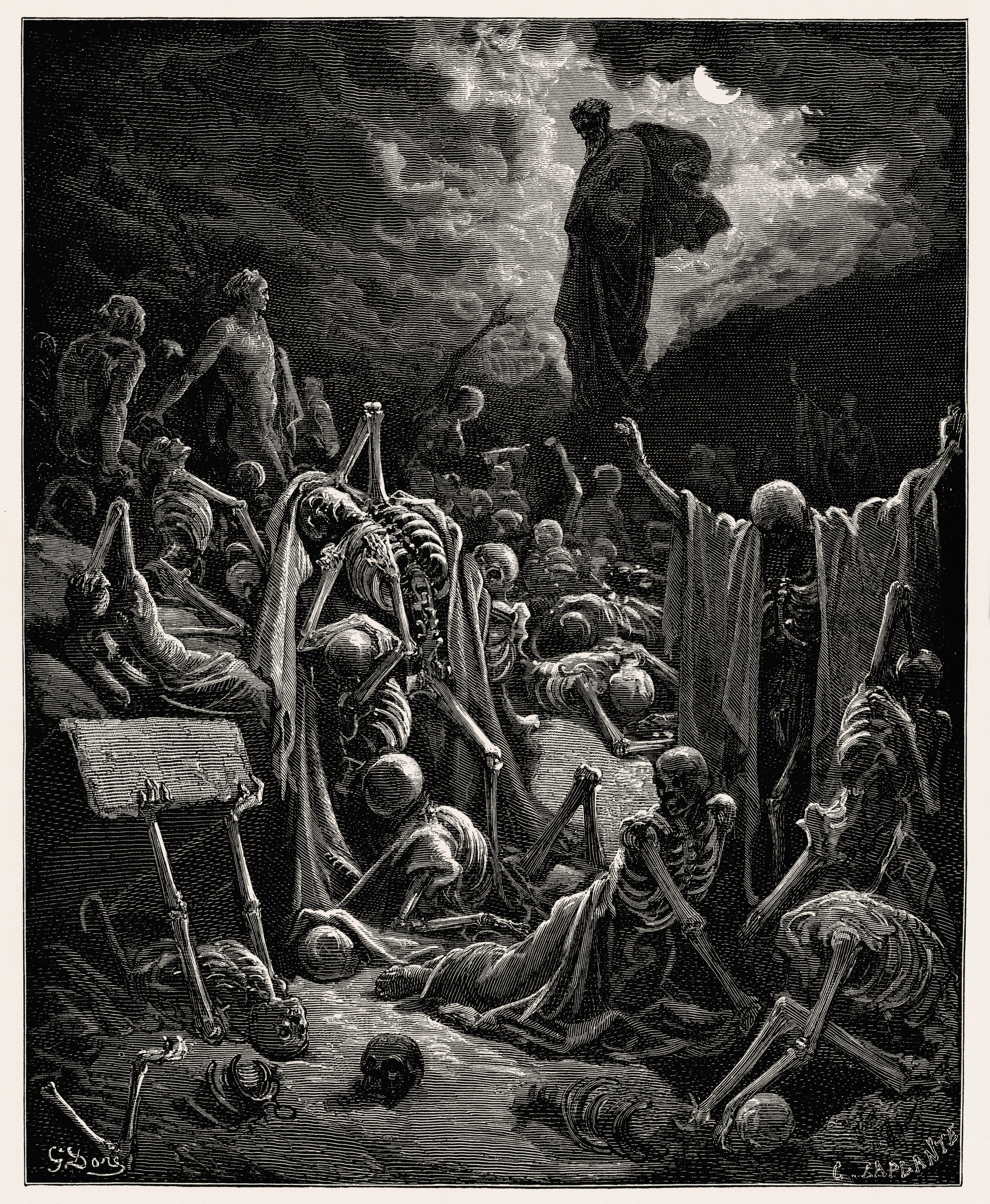
The Vision of the Valley of Dry Bones
Gustave Doré · 1866
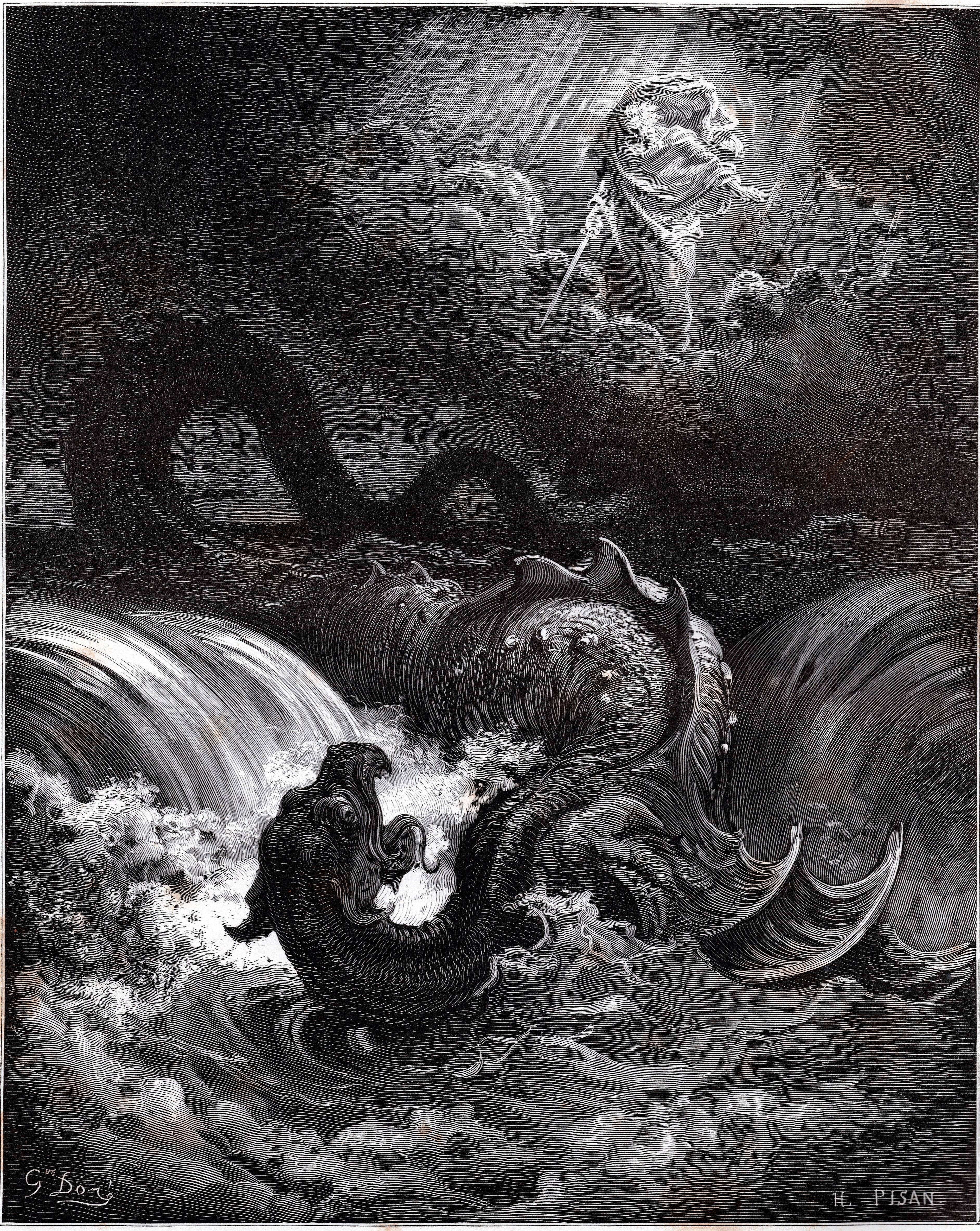
The Destruction of Leviathan
Gustave Doré · 1866
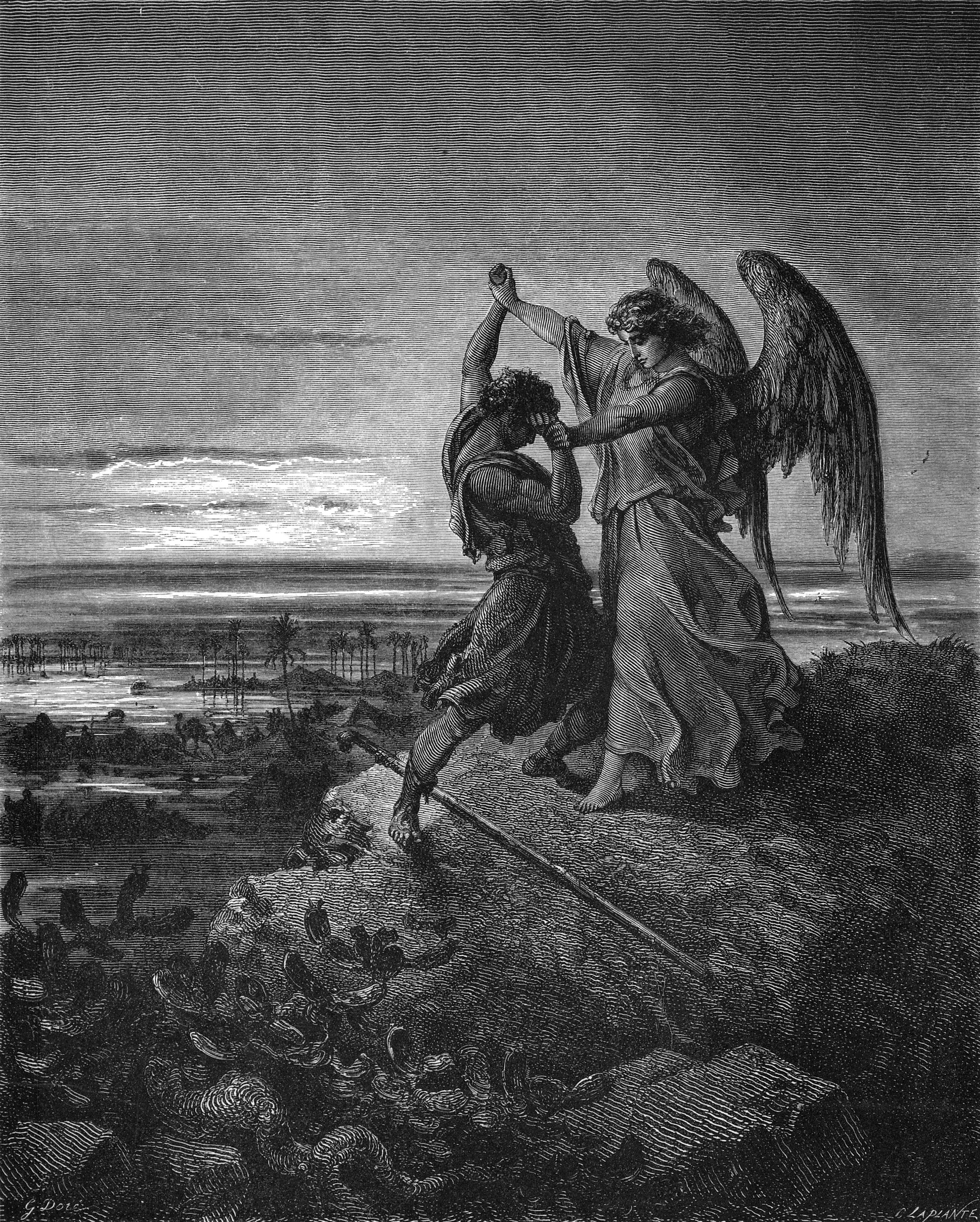
Jacob Wrestling with the Angel
Gustave Doré · 1866
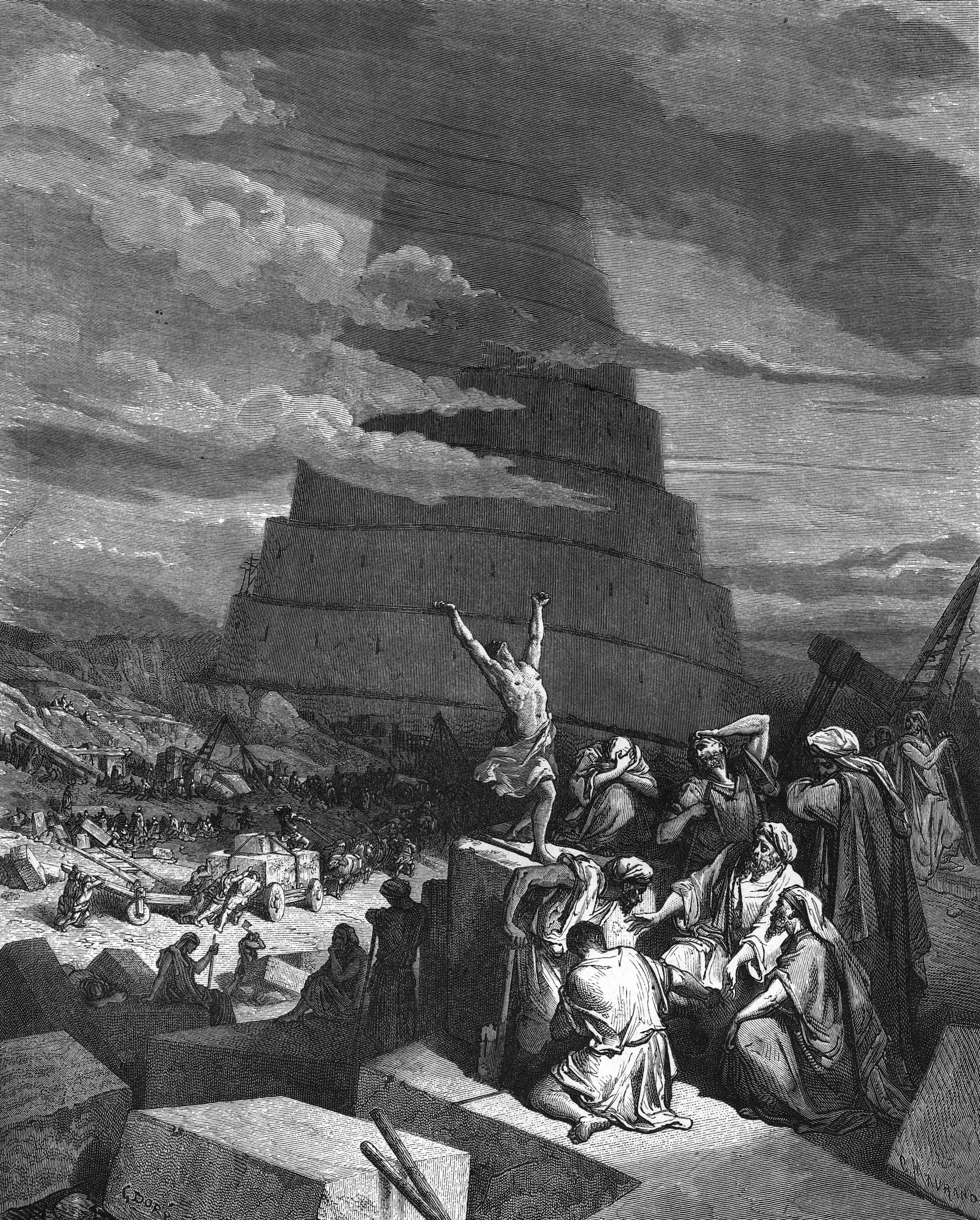
The Confusion of Tongues
Gustave Doré · 1866
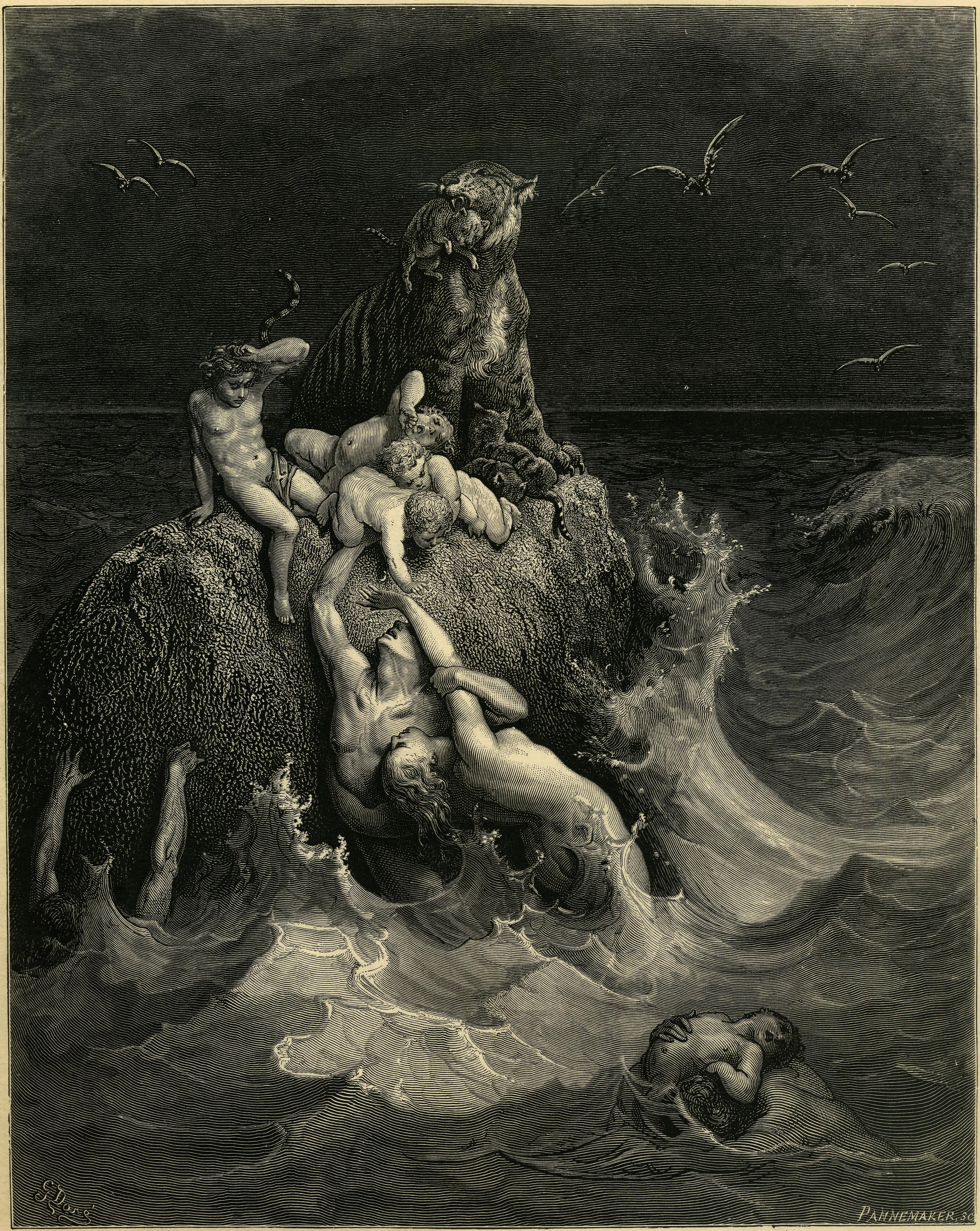
The Deluge
Gustave Doré · 1866
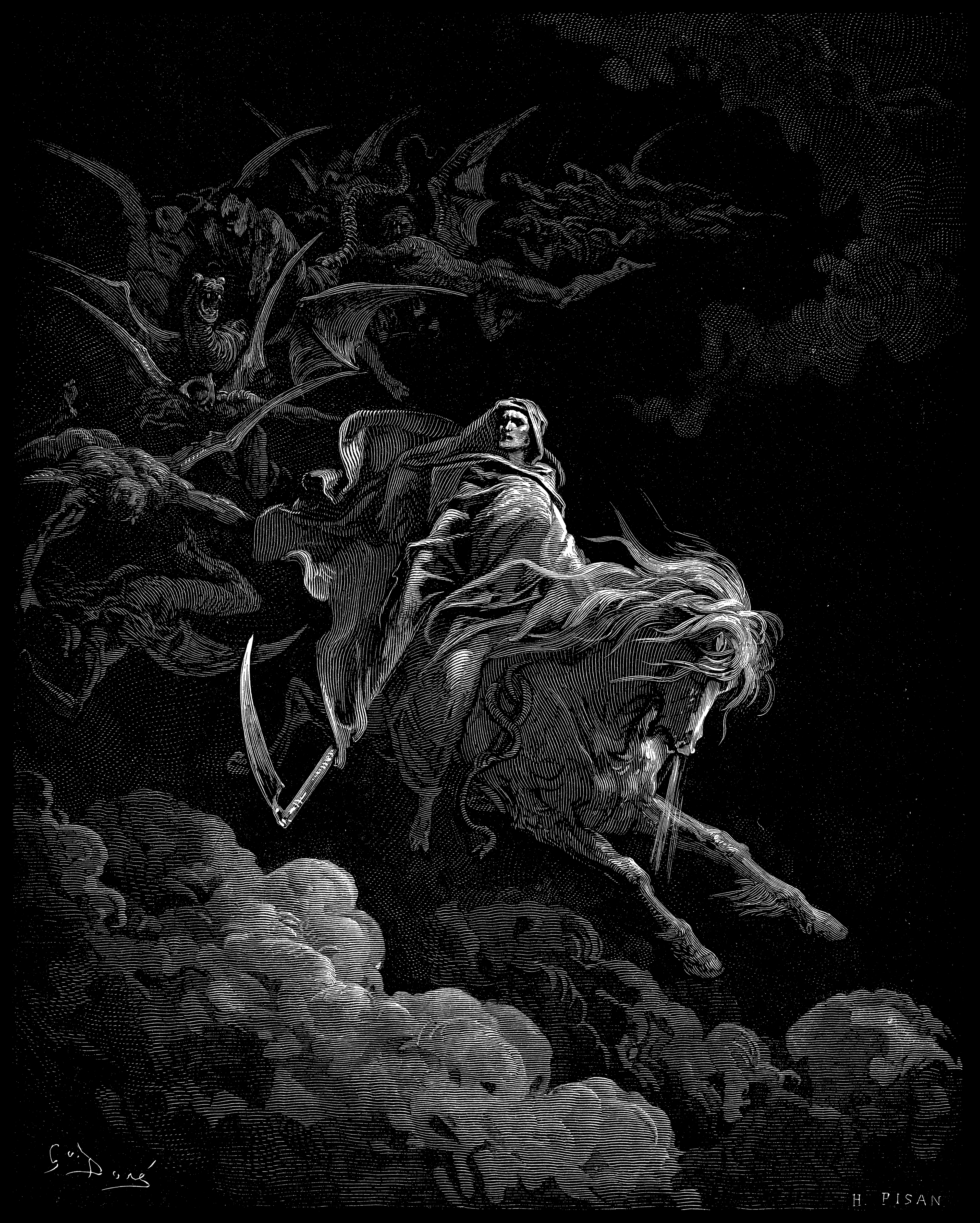
Death on the Pale Horse
Gustave Doré · 1866
Related works
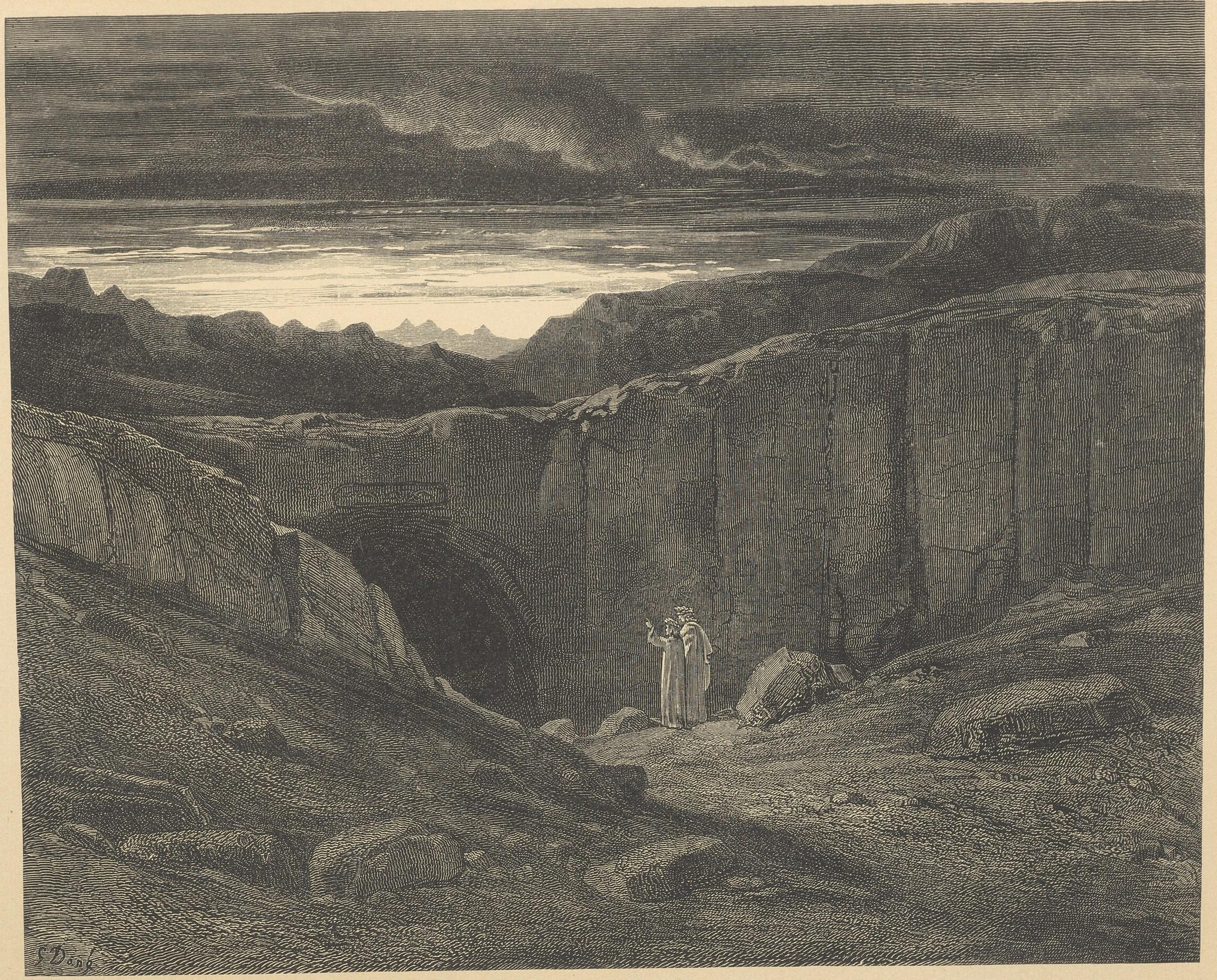
The Gate of Hell (Abandon All Hope)
Gustave Doré · 1861
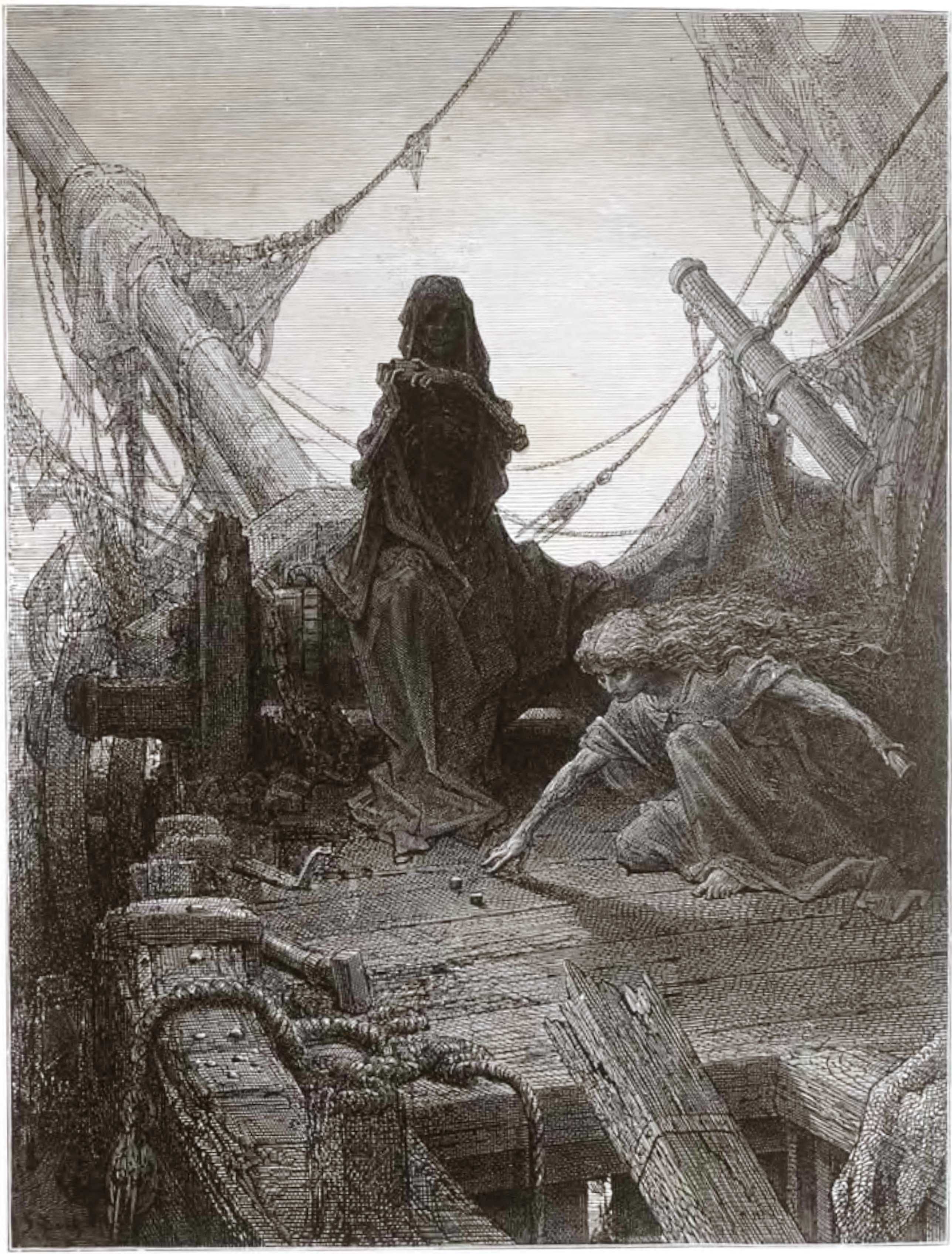
Death and Life-in-Death
Gustave Doré · 1876
Death on the Pale Horse
Gustave Doré · 1866
Dante and Virgil in the Ninth Circle of Hell
Gustave Doré · 1861
The Furies at the Gates of Dis
Gustave Doré · 1861
The Malebranche Demons
Gustave Doré · 1861
The Vision of the Valley of Dry Bones
Gustave Doré · 1866
Lucifer, King of Hell
Gustave Doré · 1861