Renaissance
Benois Madonna
Leonardo da Vinci, c. 1478–80
The Benois Madonna, or Madonna and Child with Flowers, is an early painting by Leonardo da Vinci of about 1478–80 showing a young Virgin playing with the Christ Child and a small flower. It is in the State Hermitage Museum, Saint Petersburg.
- Artist
- Leonardo da Vinci
- Date
- c. 1478–80
- Medium
- Oil on canvas, transferred from wood panel
- Dimensions
- 49.5 × 33 cm
- Collection
- State Hermitage Museum, Saint Petersburg, Russia
- Movement
- Renaissance
The Benois Madonna, also called Madonna and Child with Flowers, is one of the earliest paintings accepted as by Leonardo da Vinci, made in Florence around 1478–80. Originally on wood and later transferred to canvas, it measures about 49.5 by 33 centimeters and is in the State Hermitage Museum in Saint Petersburg.
What you are looking at
A very young Virgin Mary, almost a girl, sits holding the infant Christ on her lap. She smiles down at him with open delight, and in her fingers she holds a small sprig of flowers. The Child, plump and serious, grasps her hand and studies the flower with the concentration of a baby examining something new. Both have thin, transparent halos drawn as fine gold circles.
The setting is a dim interior. Behind them, at upper right, a double-arched window opens onto a pale, blank sky. Mary wears a dark blue-green dress with a golden-brown sleeve and a heavy blue mantle that falls across her lap, and her hair is gathered with a brooch. The figures are modeled with soft shadows that turn smoothly into light, an early sign of the technique later called sfumato.
Meaning: the cross in the flower
The flower is usually identified as a crucifer, a plant whose four petals form a small cross. The Child's absorbed gaze at it has been read as a premonition of the Passion: even in play, Christ recognizes his future death. Mary's laughter makes the moment human and intimate, far from the formal, enthroned Madonnas of earlier painting.
A note in Leonardo's hand dated 1478 records that he had begun "two Virgin Marys", and this painting is often connected with that note. The empty window, which might have been intended for a landscape, suggests that the picture may never have been completely finished.
The Benois name
The painting takes its name from its last private owners. It was long in the Sapozhnikov family of Astrakhan, and passed by inheritance to Maria Sapozhnikova, who married the architect Leon Benois. Its attribution to Leonardo was recognized in the early 20th century, and in 1914 the Benois family sold it to the Imperial Hermitage.
Where to see it
The painting hangs in the Hermitage's Leonardo room alongside the Litta Madonna. Compare it with Leonardo's other early works such as the Baptism of Christ, and with the mature Mona Lisa and Last Supper. See also Leonardo da Vinci and Renaissance art.
Questions & answers
Where is the Benois Madonna?
The Benois Madonna is in the State Hermitage Museum in Saint Petersburg, Russia, which bought it from the Benois family in 1914. It hangs in the museum's Leonardo room next to the Litta Madonna, the other painting in the collection associated with Leonardo.
What flower is in the Benois Madonna?
The small flower Mary holds is usually identified as a crucifer, a plant with four petals arranged in the shape of a cross. Christ's fascinated gaze at it is commonly interpreted as a foreshadowing of the Crucifixion, a quiet note of sorrow within a joyful scene.
Why is it called the Benois Madonna?
It is named after the Benois family, its last private owners. Maria Sapozhnikova, who had inherited the painting, married the architect Leon Benois, and the family sold it to the Imperial Hermitage in 1914 after it had been recognized as a work by Leonardo da Vinci.
More by the artist
Leonardo da Vinci
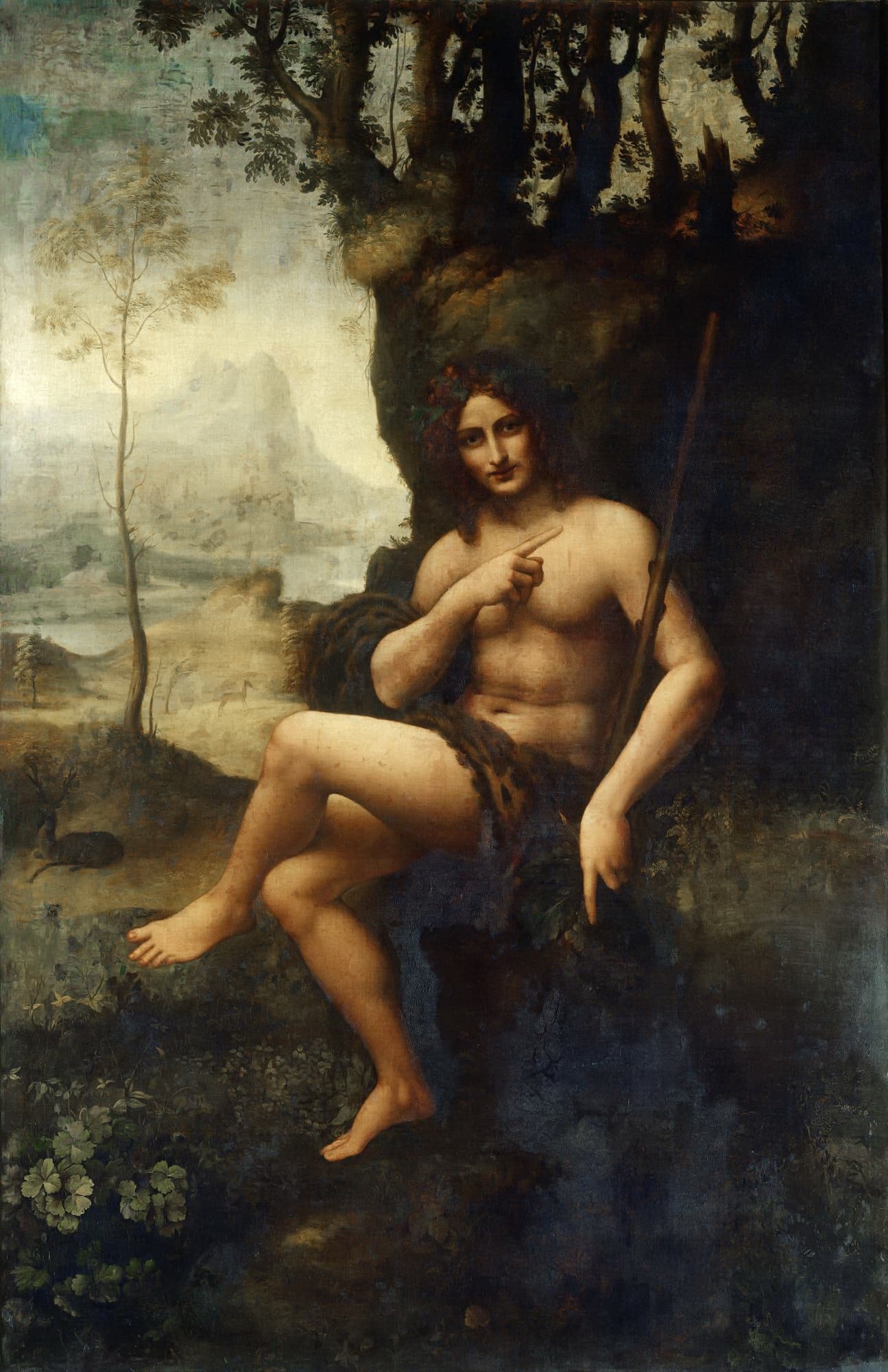
Bacchus (Saint John the Baptist)
Leonardo da Vinci · c. 1510–15; altered 1683–93
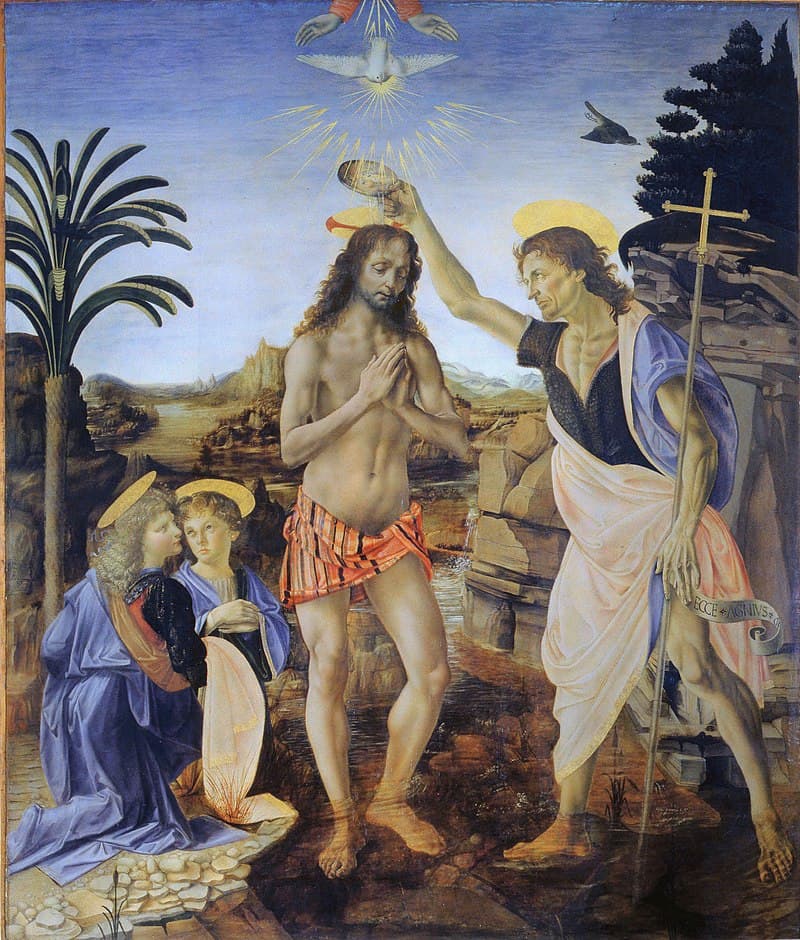
The Baptism of Christ
Andrea del Verrocchio & Leonardo da Vinci · c. 1470–75
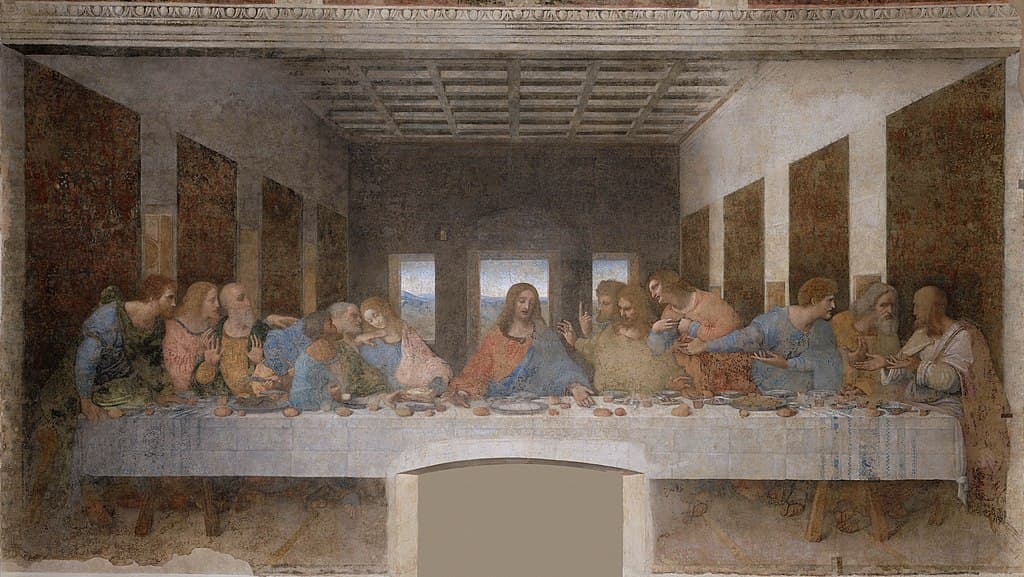
The Last Supper
Leonardo da Vinci · c. 1495–98
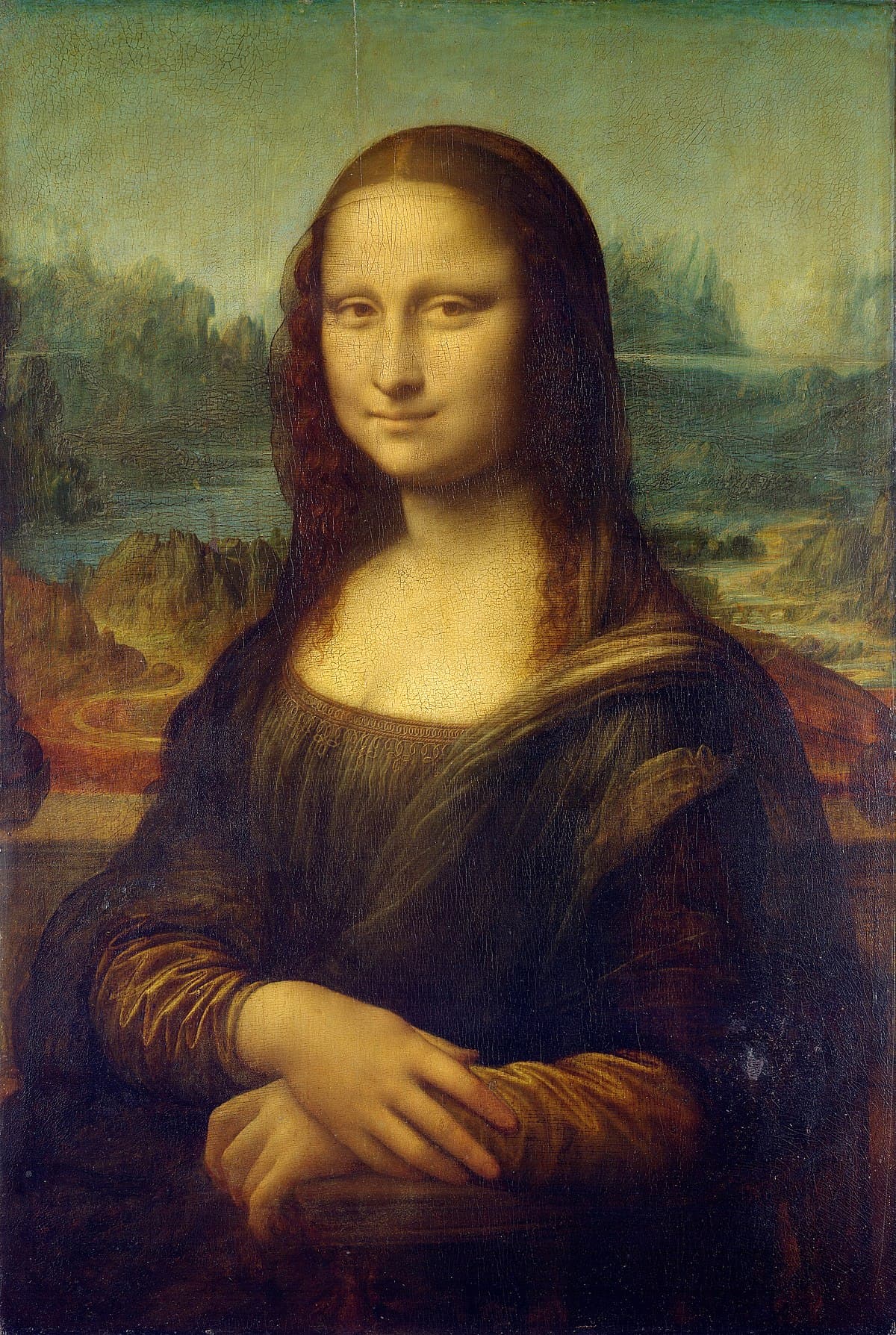
Mona Lisa
Leonardo da Vinci · c. 1503–1519
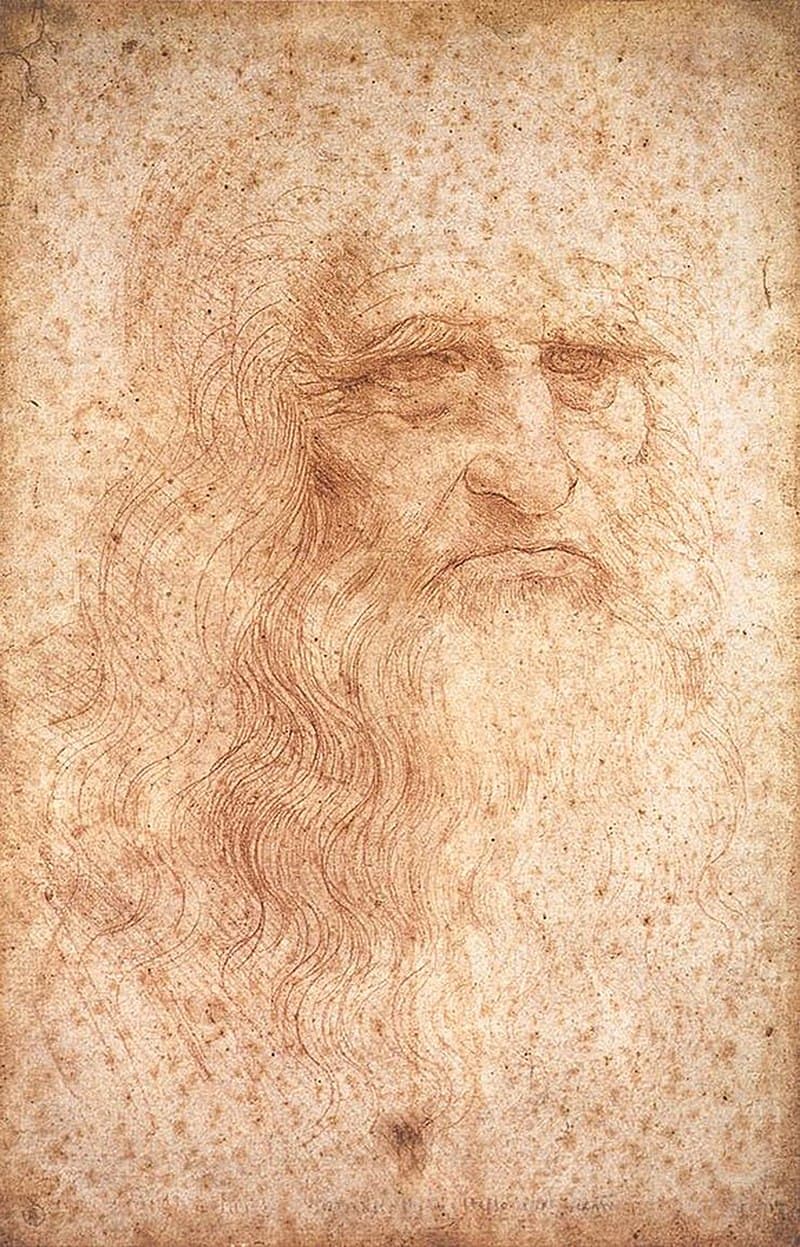
Portrait of a Man in Red Chalk
Leonardo da Vinci · c. 1512
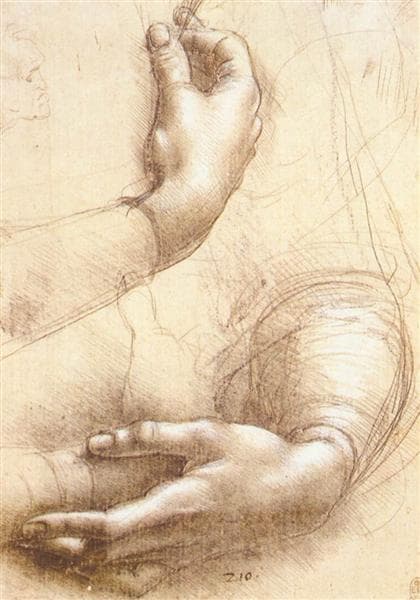
Study of Hands
Leonardo da Vinci · c. 1474–76
Kindred works
You may also study

Venus de Milo
Alexandros of Antioch · c. 150–125 BC
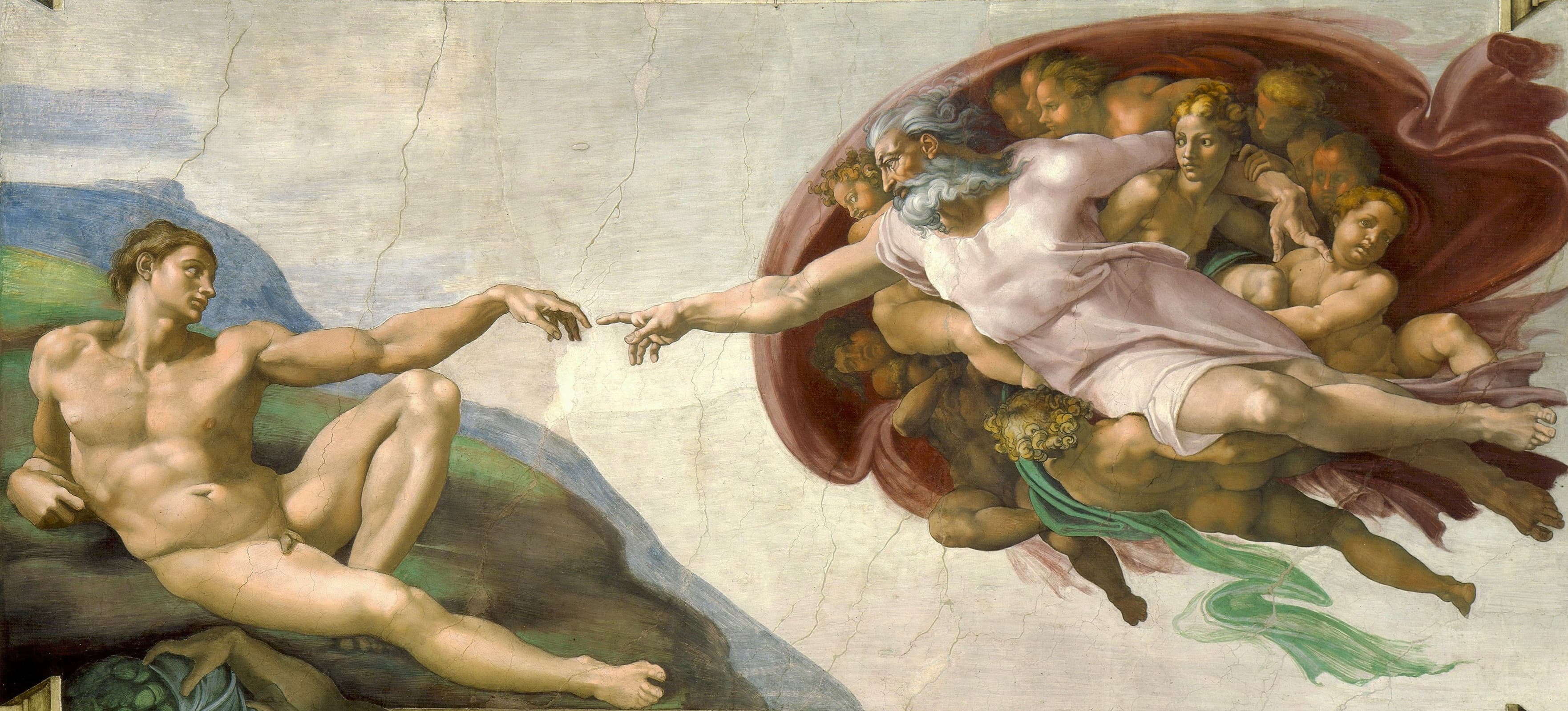
The Creation of Adam
Michelangelo · c. 1511–12

Ophelia
John Everett Millais · 1851–52

Woman with a Parasol – Madame Monet and Her Son
Claude Monet · 1875
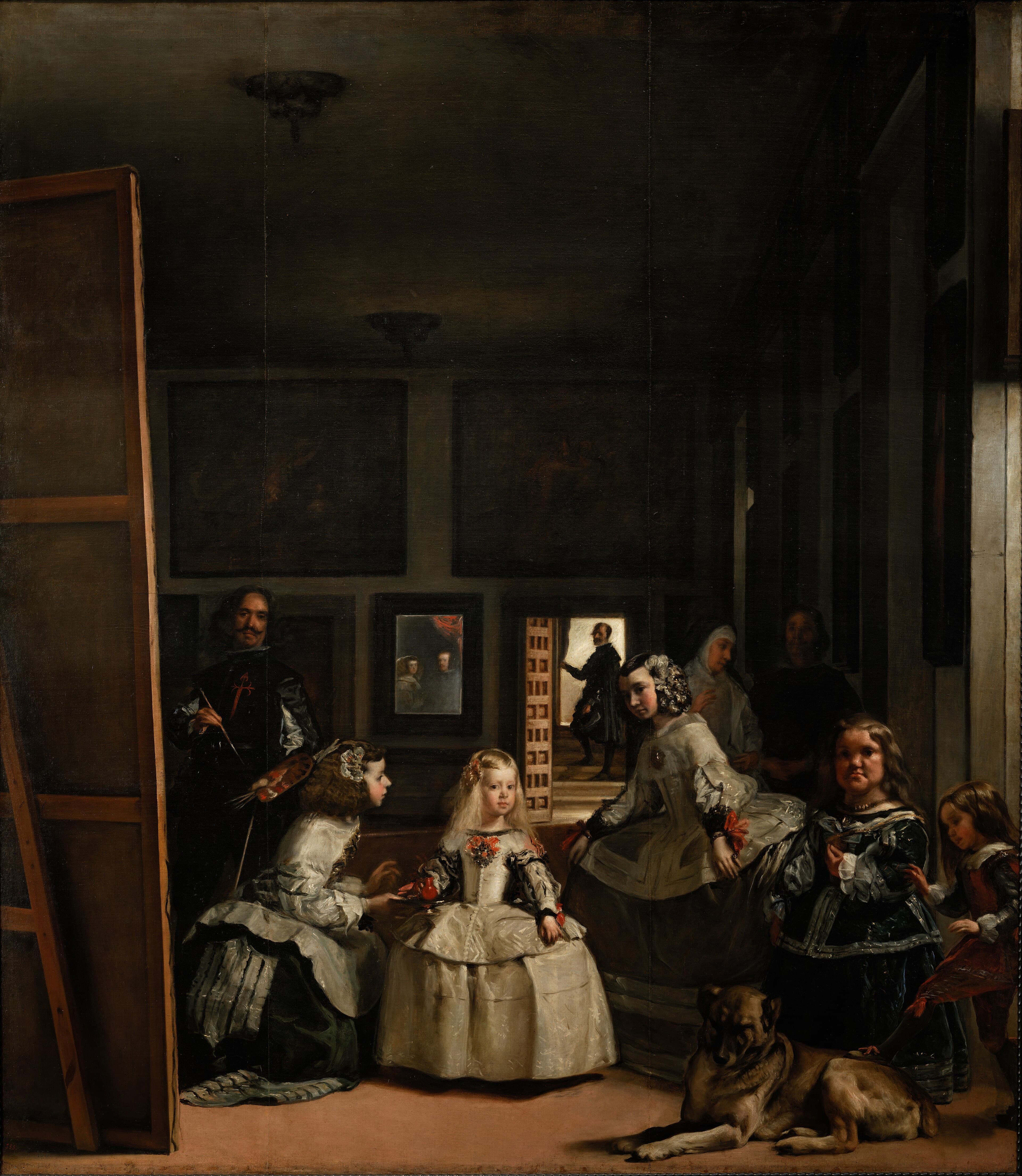
Las Meninas
Diego Velázquez · 1656
Lucifer
Franz von Stuck · 1890
The Birth of Venus
Sandro Botticelli · c. 1484–1486
The Garden of Earthly Delights
Hieronymus Bosch · c. 1490–1510