Image: The Wallace Collection, London · Public domain · via Wikimedia Commons
Rococo
The Swing
Jean-Honoré Fragonard, c. 1767
The Swing painting by Jean-Honoré Fragonard (c. 1767) shows a young woman in pink soaring on a swing while a hidden lover gazes up her skirts. The Rococo masterpiece hangs in the Wallace Collection in London.
- Artist
- Jean-Honoré Fragonard
- Date
- c. 1767
- Medium
- Oil on canvas
- Dimensions
- 81 × 64.2 cm
- Collection
- The Wallace Collection, London, United Kingdom
- Movement
- Rococo
What you are looking at
In a leafy, overgrown garden, a young woman flies toward us on a swing. Her pink silk dress balloons around her, her straw hat is tilted back, and her left leg kicks up so sharply that her slipper has flown off and is sailing through the air. Below her, half hidden in a rose bush, a young man lies back on one elbow, his hat held out toward her, staring straight up her petticoats. Behind her, in the shadows, an older man works the swing's ropes, apparently unaware.
The garden is as much a character as the people. Trees billow around the scene like stage curtains, a shaft of light breaks through onto the woman, and the background dissolves into blue-green haze. On the left a statue of Cupid raises a finger to his lips: hush. Beneath the swing, two stone putti cling to a dolphin and look up as if startled. A small dog at the lower right barks at the scene.
The story behind the commission
We know an unusual amount about how The Swing began, thanks to the diary of the playwright Charles Collé. In 1767 he recorded that a gentleman of the court had approached the history painter Gabriel-François Doyen. The gentleman wanted a picture of his mistress on a swing, pushed by a bishop, with himself placed where he could see her legs. Doyen, shocked, declined and suggested Fragonard. The patron is usually identified as the Baron de Saint-Julien, a financial official of the French clergy, though the identification rests on later tradition.
In the finished painting the man pushing the swing is not a bishop but an older layman, possibly a husband. Fragonard kept the joke and softened the scandal.
How Fragonard painted it
Jean-Honoré Fragonard (1732–1806) trained with François Boucher and Jean-Baptiste-Siméon Chardin and won the Prix de Rome, but he turned away from grand history painting toward small, private pictures for wealthy collectors. The Swing shows why. The brushwork is quick and feathery in the foliage, smooth and luminous in the woman's skin, and loaded with thick, buttery highlights on the silk of her dress. The color moves from the cool greens and blues of the garden to the hot pink at the center.
A cleaning and restoration by the Wallace Collection, completed in 2021, removed layers of discolored varnish and revealed details lost for decades, including the brightness of the sky and the sharpness of the young man's face.
What does The Swing painting mean?
It is a picture about desire, deception and the pleasure of looking, and nearly every detail plays a part:
- The flying slipper: a classic eighteenth-century sign of lost innocence or abandoned modesty.
- The swing itself: a familiar image of inconstancy and, in the period's erotic imagination, of lovemaking.
- The hushing Cupid: a version of Étienne-Maurice Falconet's sculpture Menacing Love, warning us to keep the secret.
- The lover's hat: held out toward the woman in a gesture that has been read as a sexual joke.
- The barking dog: traditionally a symbol of fidelity, here protesting what fidelity cannot stop.
The woman is not a victim. She looks down at her lover, knowingly. The joke is on the man in the shadows, and on the viewer, who shares the lover's position.
Reception and legacy
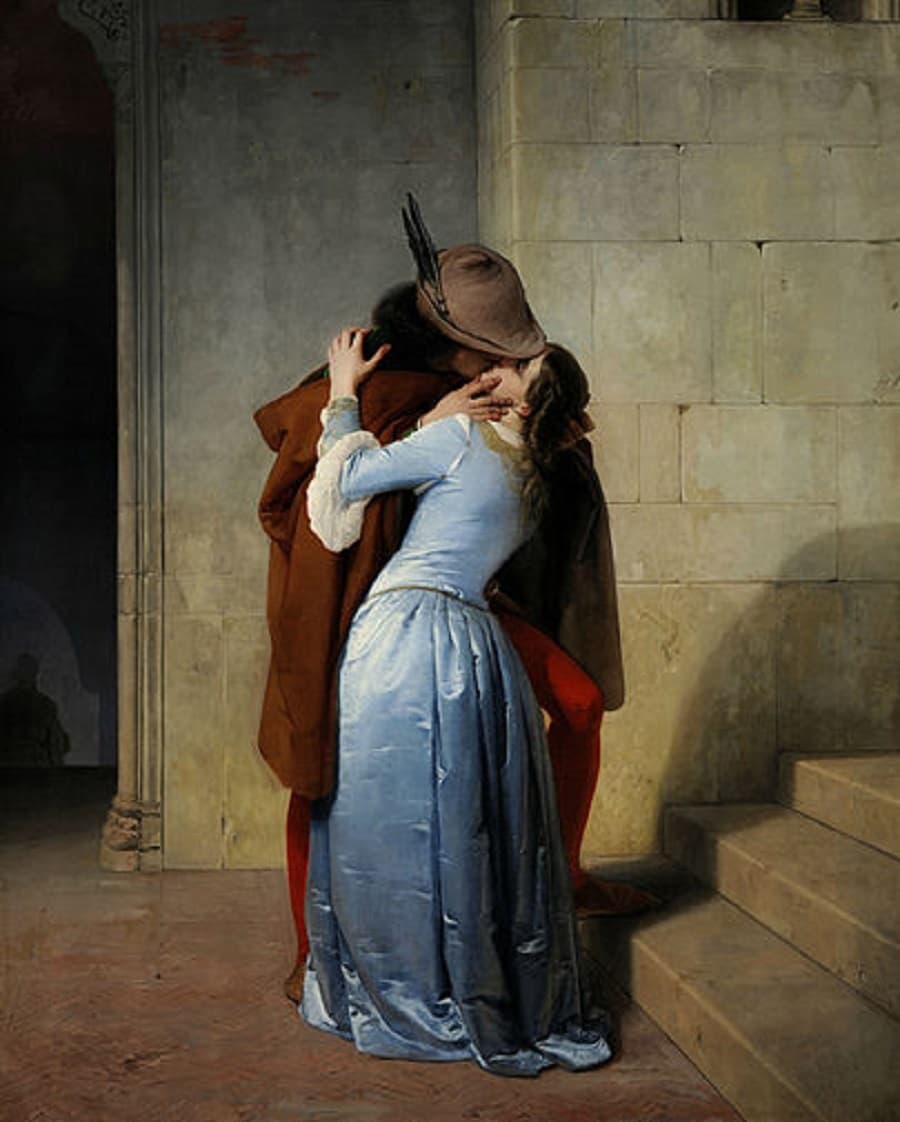
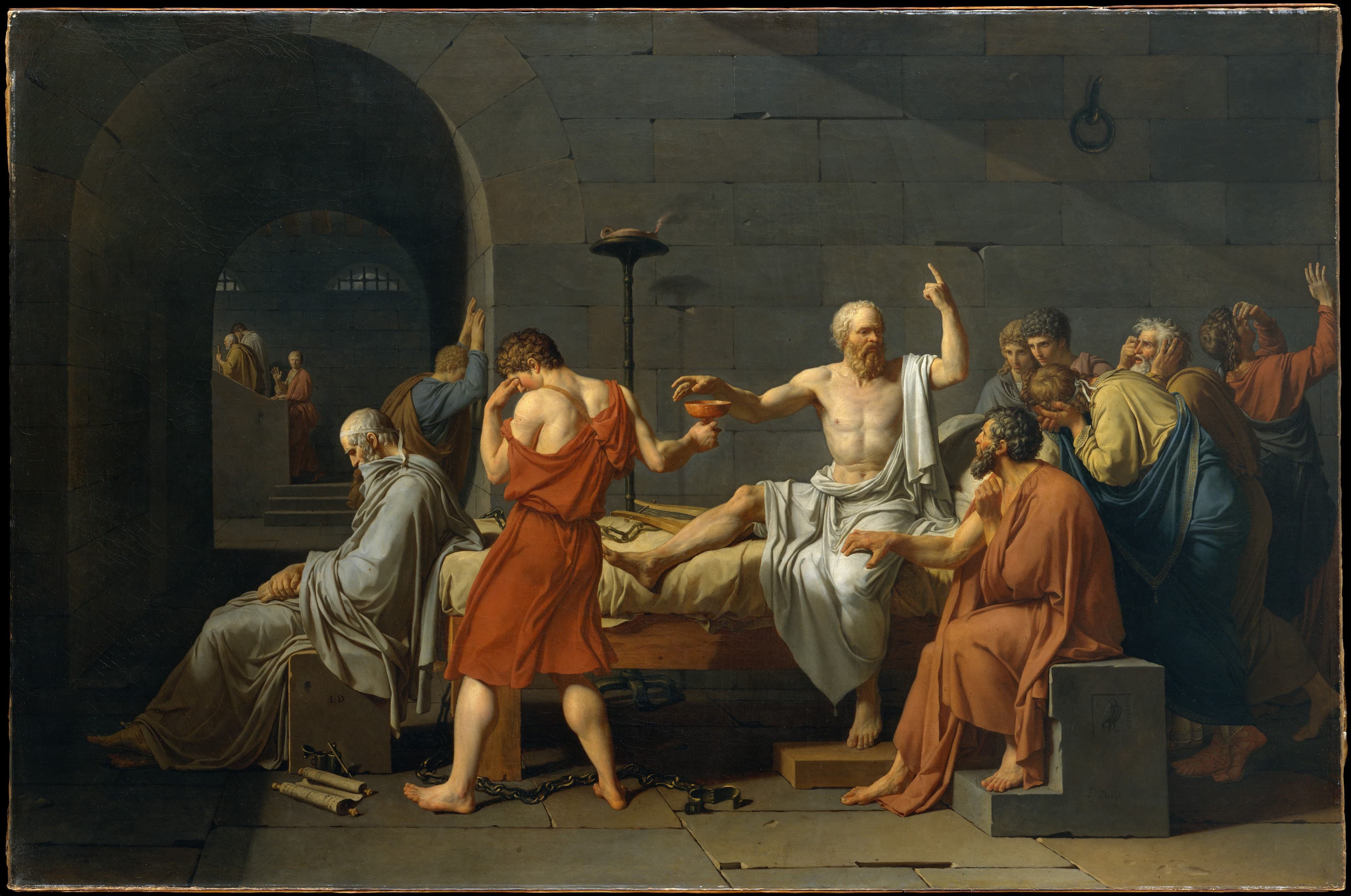
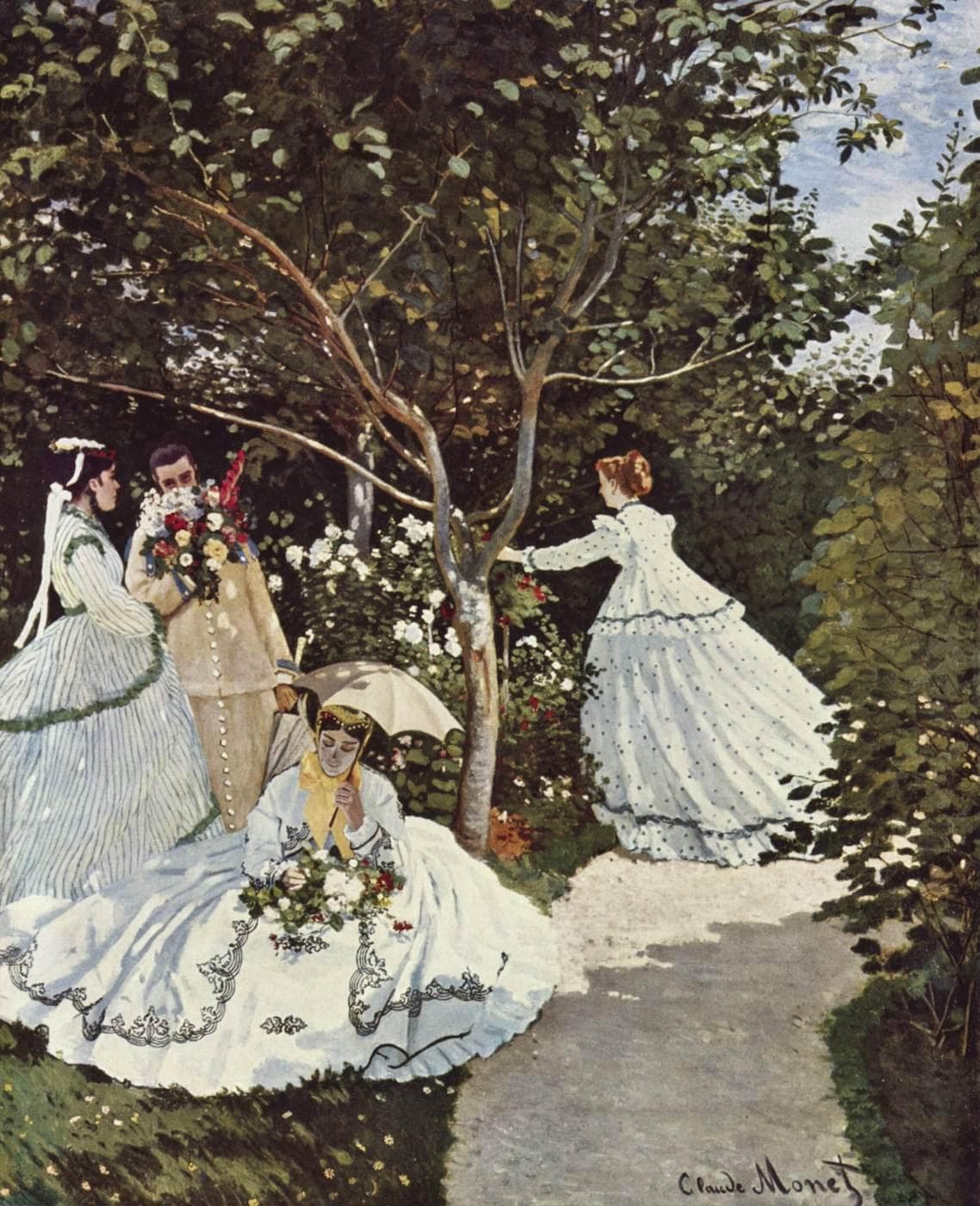
The Swing became the emblem of the Rococo: frivolous, sensual, aristocratic. After the French Revolution that style fell into disgrace, and the painting was seen for a century as a symbol of the decadence of the old regime. Its rehabilitation came through collectors like the 4th Marquess of Hertford, who bought it in 1865; his heirs' collection was bequeathed to the British nation in 1897 by Lady Wallace. It has since been reinterpreted endlessly, from Disney's Frozen to the sculptor Yinka Shonibare's headless 2001 restaging. For the period's opposite pole, the stern classicism that replaced it, see Jacques-Louis David's The Death of Socrates. For other gardens of love, see Claude Monet's Women in the Garden or Francesco Hayez's The Kiss.
Details most viewers miss
- The rope. The older man pulls the swing with a rope from the shadows; he never touches the woman directly.
- The putti. The two stone cherubs on the base under the swing look upward with alarm, as if they too are watching.
- The light. A single opening in the trees spotlights the woman, while both men stay in shade, one innocent, one guilty.
- The size. The picture is small and was designed for a private room, which is part of the joke: the owner is now the hidden voyeur.
Where to see The Swing
The painting hangs in the Wallace Collection at Hertford House, Manchester Square, London, a free museum that keeps its collection in a grand domestic setting. It is surprisingly small, about 81 cm tall, and intended for close, private viewing.
Questions & answers
Where is The Swing painting by Fragonard?
It is in the Wallace Collection at Hertford House in London. The 4th Marquess of Hertford bought it in 1865, and the collection was bequeathed to the nation by Lady Wallace in 1897. Admission is free.
What is the meaning of The Swing?
It is a playful picture of illicit love. A woman on a swing kicks off her slipper so her hidden lover can look up her skirts, while an older man pushes the swing unaware. The hushing Cupid, flying shoe and barking dog all reinforce the theme of secret desire.
Who commissioned The Swing?
According to the playwright Charles Collé's diary, a courtier asked the painter Doyen for a picture of his mistress on a swing, pushed by a bishop; Doyen declined and suggested Fragonard. The patron is traditionally identified as the Baron de Saint-Julien.
Why does the woman in The Swing lose her shoe?
The flying slipper is deliberate. In eighteenth-century imagery a lost shoe signaled abandoned modesty. It also gives the hidden lover his excuse and the viewer the painting's focal point.
Was The Swing restored?
Yes. The Wallace Collection completed a restoration in 2021 that removed discolored varnish, brightening the sky and foliage and recovering fine details such as the lover's face.
Kindred works
You may also study
The Kiss
Francesco Hayez · 1859
The Death of Socrates
Jacques-Louis David · 1787
The Birth of Venus
Sandro Botticelli · c. 1484–1486
Women in the Garden
Claude Monet · 1866–67
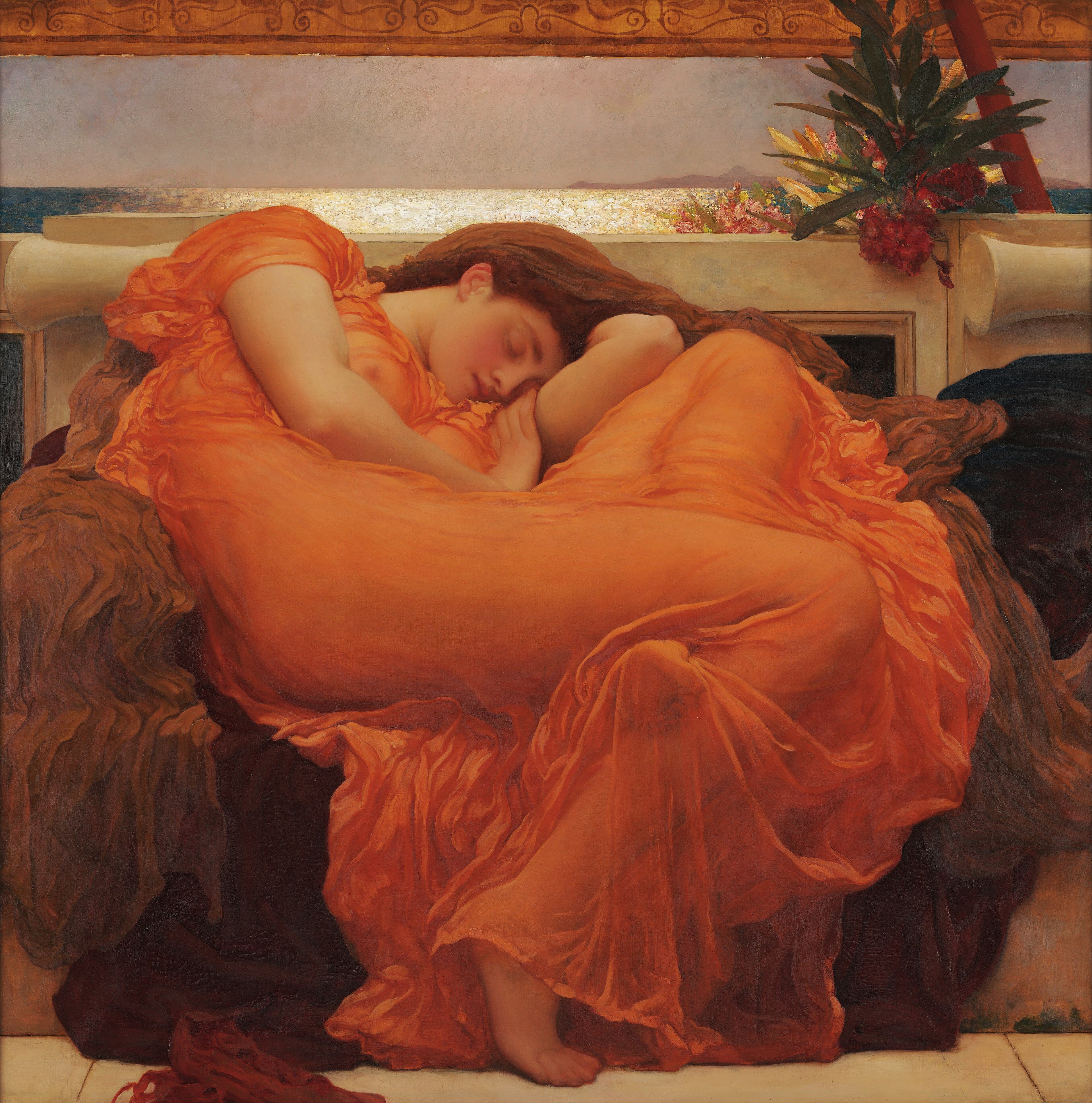
Flaming June
Frederic Leighton · 1895

Bridge over a Pond of Water Lilies
Claude Monet · 1899

Venus de Milo
Alexandros of Antioch · c. 150–125 BC

The Scream
Edvard Munch · 1893