Post-Impressionism
Sunflowers
Vincent van Gogh, 1888–89
Sunflowers is a series of still lifes of sunflowers in a vase painted by Vincent van Gogh in Arles in 1888–89. The best-known version, from August 1888, is in the National Gallery, London; a January 1889 repetition is in the Van Gogh Museum, Amsterdam.
- Artist
- Vincent van Gogh
- Date
- 1888–89
- Medium
- Oil on canvas
- Dimensions
- 92.1 × 73 cm (London version)
- Collection
- National Gallery, London, United Kingdom
- Movement
- Post-Impressionism
What you are looking at
The image here pairs two of the most famous versions side by side. On the left is the canvas Vincent van Gogh painted in Arles in August 1888, now in the National Gallery, London. On the right is the repetition he made of it in January 1889, now in the Van Gogh Museum, Amsterdam. Both show the same earthenware vase on the same narrow table, crowded with sunflowers at every stage of life: a few fresh heads with bright petals, others turning to seed, some drooping on their stalks with their petals curled and brown.
This is a picture made almost entirely of yellow. Van Gogh set yellow flowers in a yellow vase against a yellow wall, separated only by a band of ochre for the table and a thin blue-green line. He signed it on the vase itself: "Vincent," in blue.
The series
There are seven versions of sunflowers in a vase from Arles. Van Gogh painted four in August 1888 to decorate the room of the Yellow House where his friend Paul Gauguin would stay. One of those was destroyed in Japan in 1945; another is in a private collection; one, with a blue-green background, is in the Neue Pinakothek, Munich; and the fourth is the London canvas. In January 1889, after the crisis in which he cut his ear, he made three repetitions: the Amsterdam picture, one in the Philadelphia Museum of Art and one in the Sompo Museum of Art, Tokyo.
He did not regard these as copies. He wrote to his brother Theo that he wanted the sunflowers to hang as the wings of a triptych beside his portrait of Madame Roulin, La Berceuse.
Looking closely
The difference between the two versions is worth the side-by-side look. In London the background is a paler, greener yellow and the brushwork is crisp; in Amsterdam the background is a warmer, more saturated yellow and the paint is a little flatter. The seed heads in both are built from thick, raised dabs of paint, so the centers literally stand out from the canvas. Some of the yellow, made with chrome yellow, has darkened over time, which is why parts of the London picture look browner than Van Gogh intended.
What do the sunflowers mean?
For Van Gogh sunflowers stood for gratitude and for the south, and he associated them with Gauguin's friendship. The wilting heads in the same vase as fresh ones also carry a quiet reminder of transience, an old theme of still-life painting.
Where to see them
London's National Gallery and Amsterdam's Van Gogh Museum show their versions permanently. See also Irises, Almond Blossoms and The Starry Night.
Questions & answers
Where are van Gogh's Sunflowers paintings?
Five of the seven Arles vase versions are in public or known collections: the National Gallery, London; the Van Gogh Museum, Amsterdam; the Neue Pinakothek, Munich; the Philadelphia Museum of Art; and the Sompo Museum of Art, Tokyo. One is privately owned, and one was destroyed in Japan in 1945.
Why did van Gogh paint so many Sunflowers?
He painted the first four in August 1888 to decorate the guest room of the Yellow House in Arles for Paul Gauguin. In January 1889 he made three repetitions, partly to recover after his breakdown and because he planned to hang them as a triptych with his portrait La Berceuse.
What do van Gogh's Sunflowers symbolize?
Van Gogh linked sunflowers with gratitude, with the light of the south and with his friendship with Gauguin. Showing fresh, fading and seeding heads together also echoes the still-life tradition of transience, though Van Gogh's letters stress color and decoration more than symbolism.
More by the artist
Vincent van Gogh
Head of a Skeleton with a Burning Cigarette
Vincent van Gogh · 1886
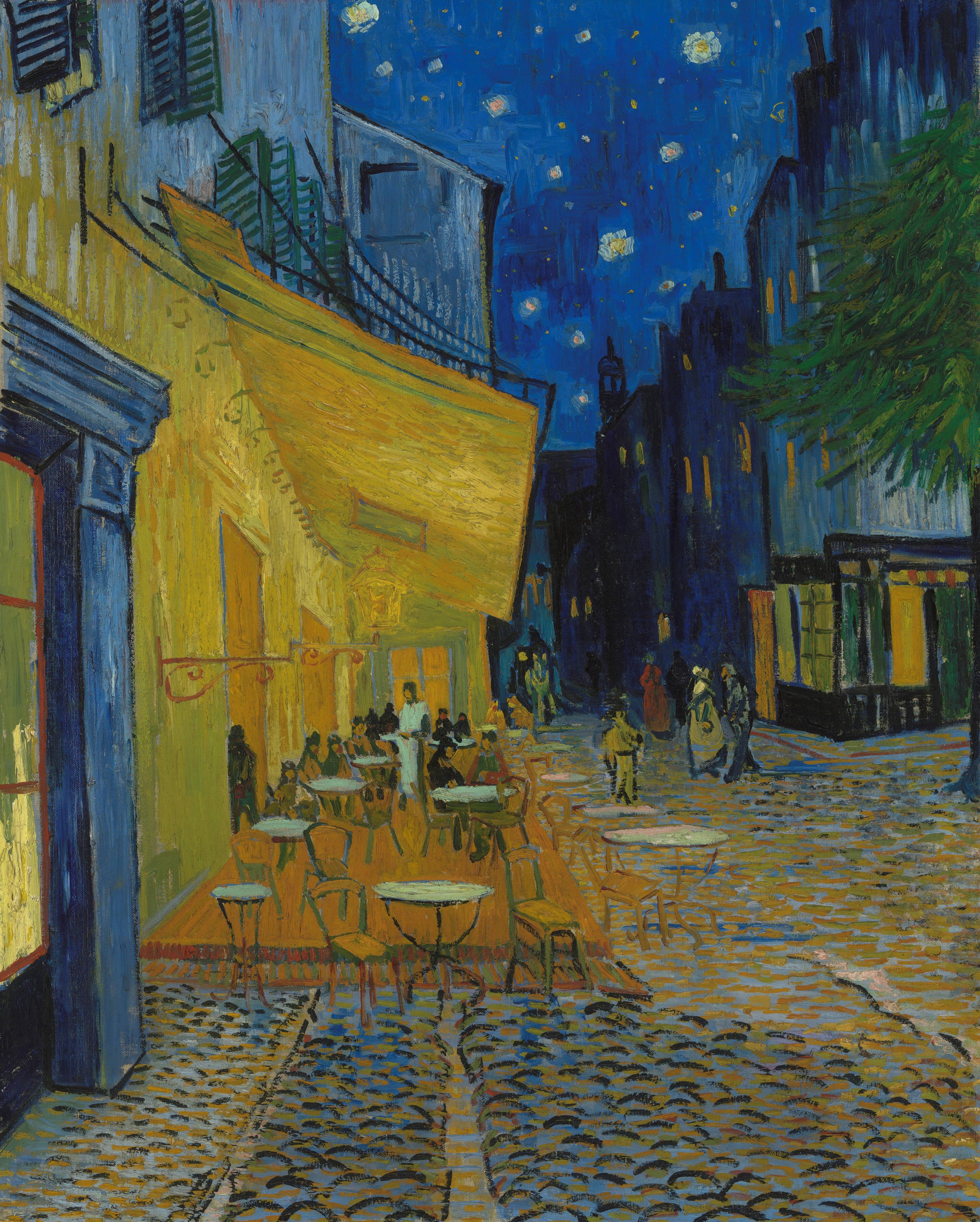
Café Terrace at Night
Vincent van Gogh · September 1888
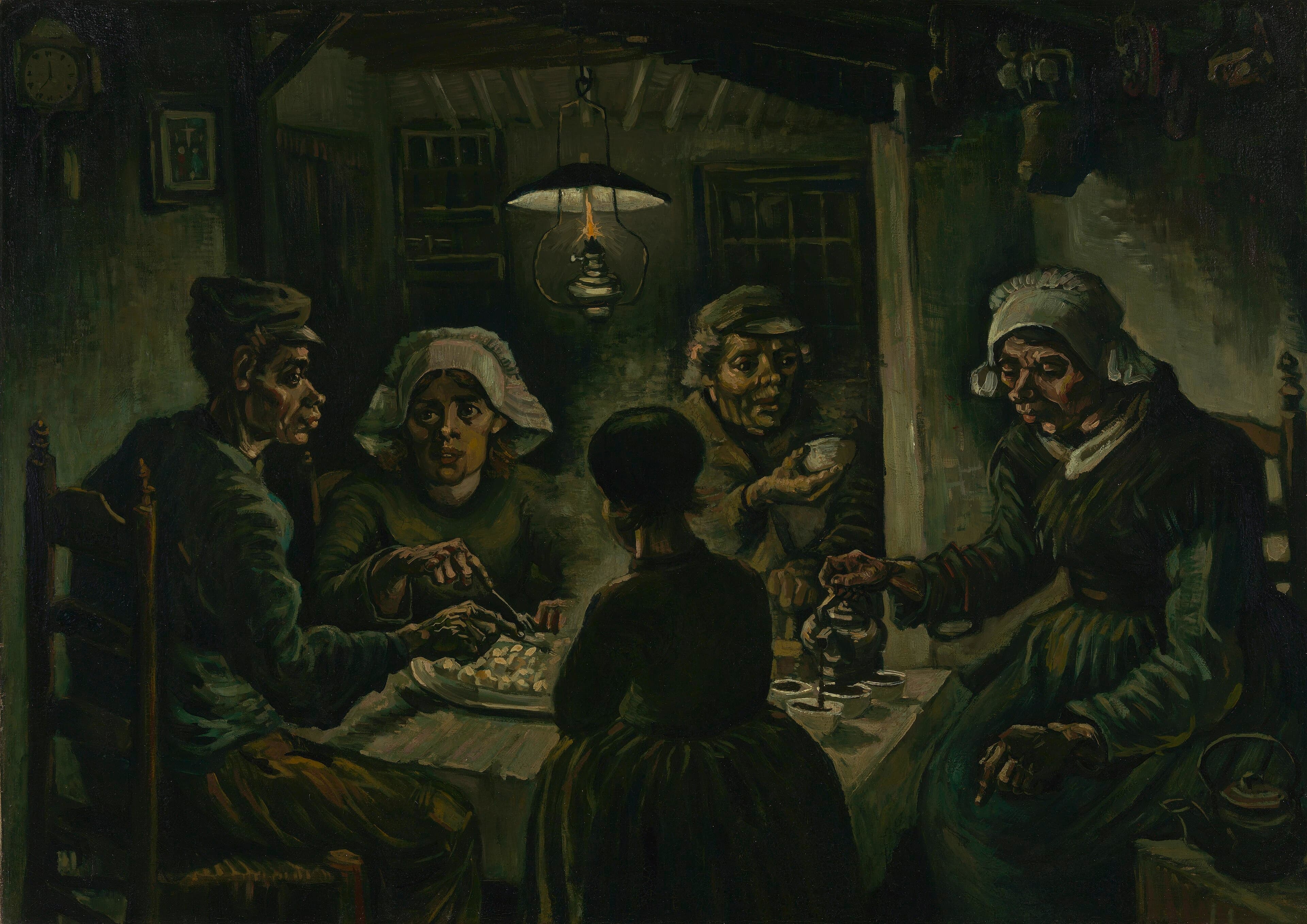
The Potato Eaters
Vincent van Gogh · April–May 1885
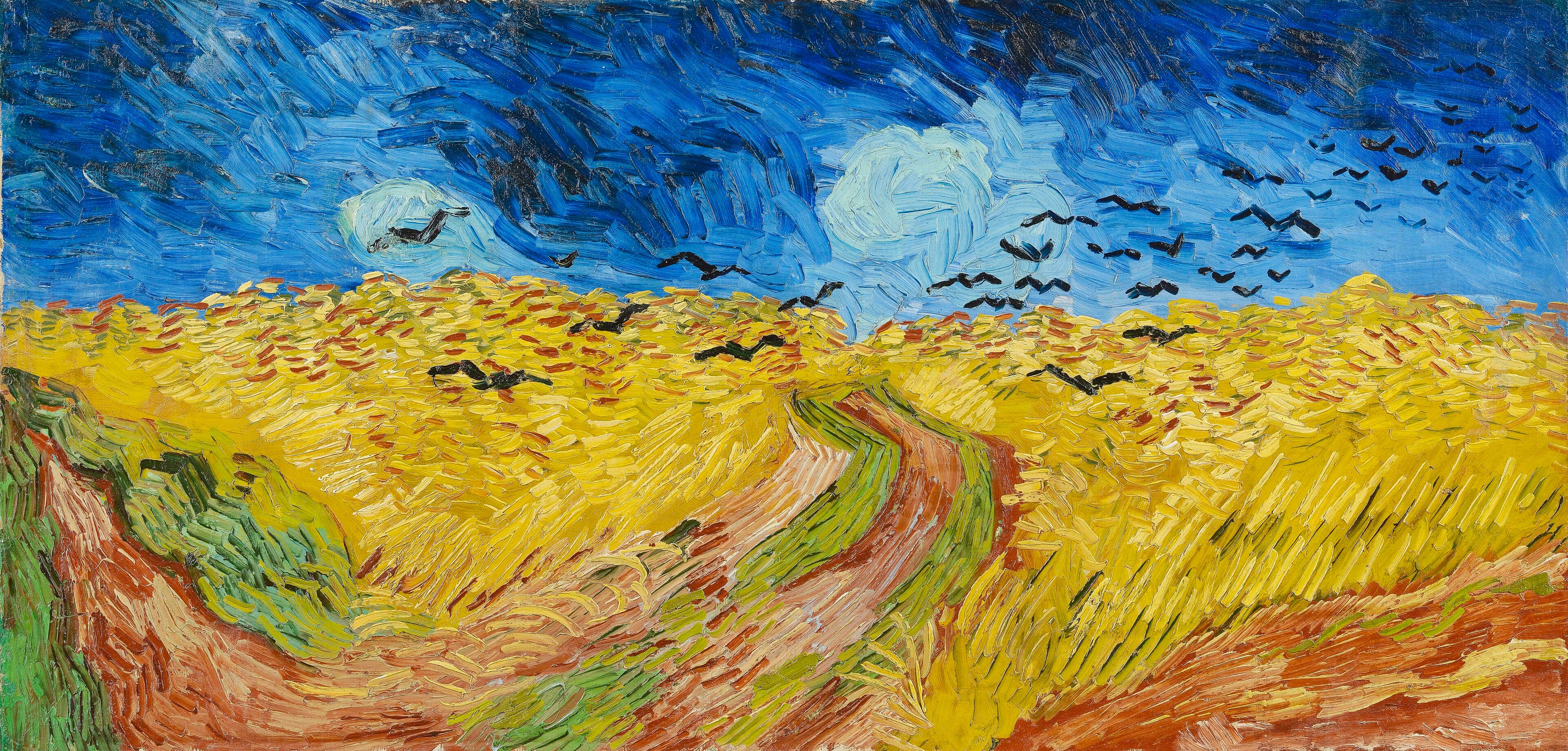
Wheatfield with Crows
Vincent van Gogh · July 1890
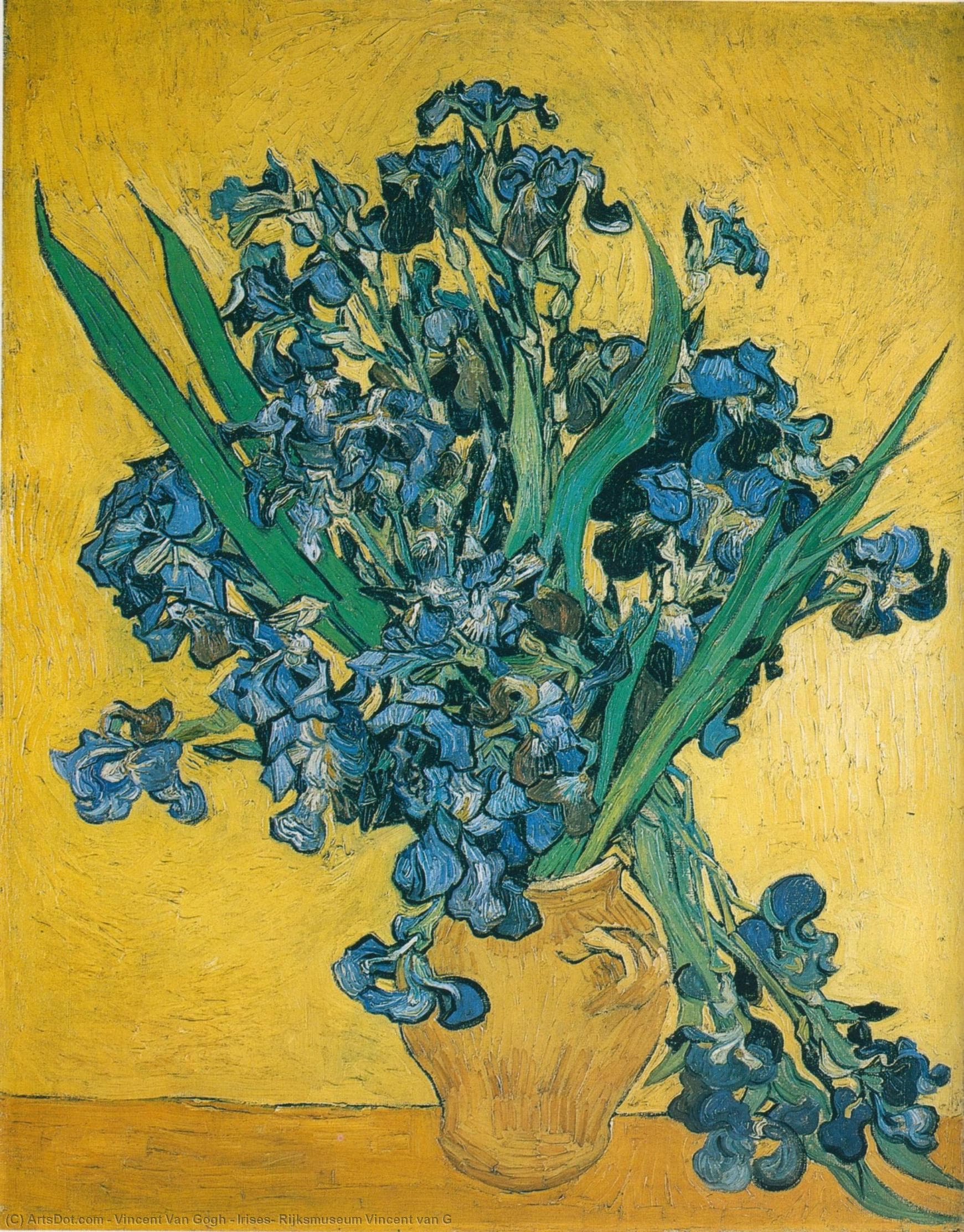
Irises (Vase with Irises Against a Yellow Background)
Vincent van Gogh · 1890
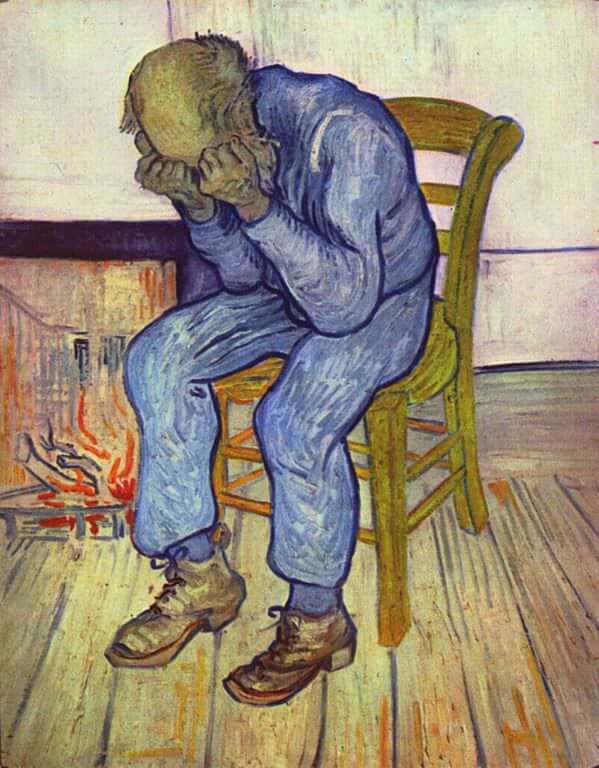
At Eternity's Gate
Vincent van Gogh · 1890
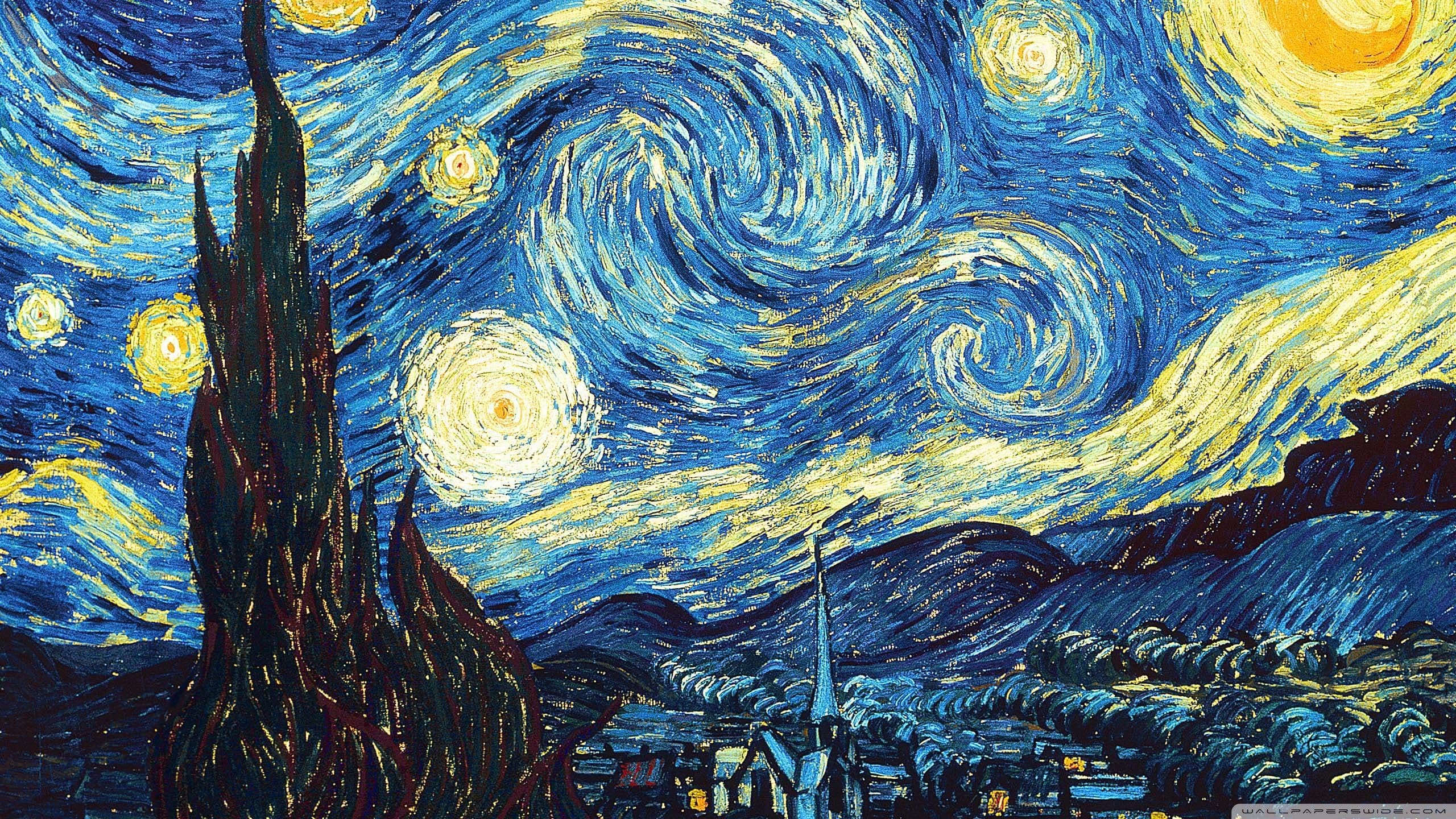
The Starry Night (van Gogh)
Vincent van Gogh · 1889
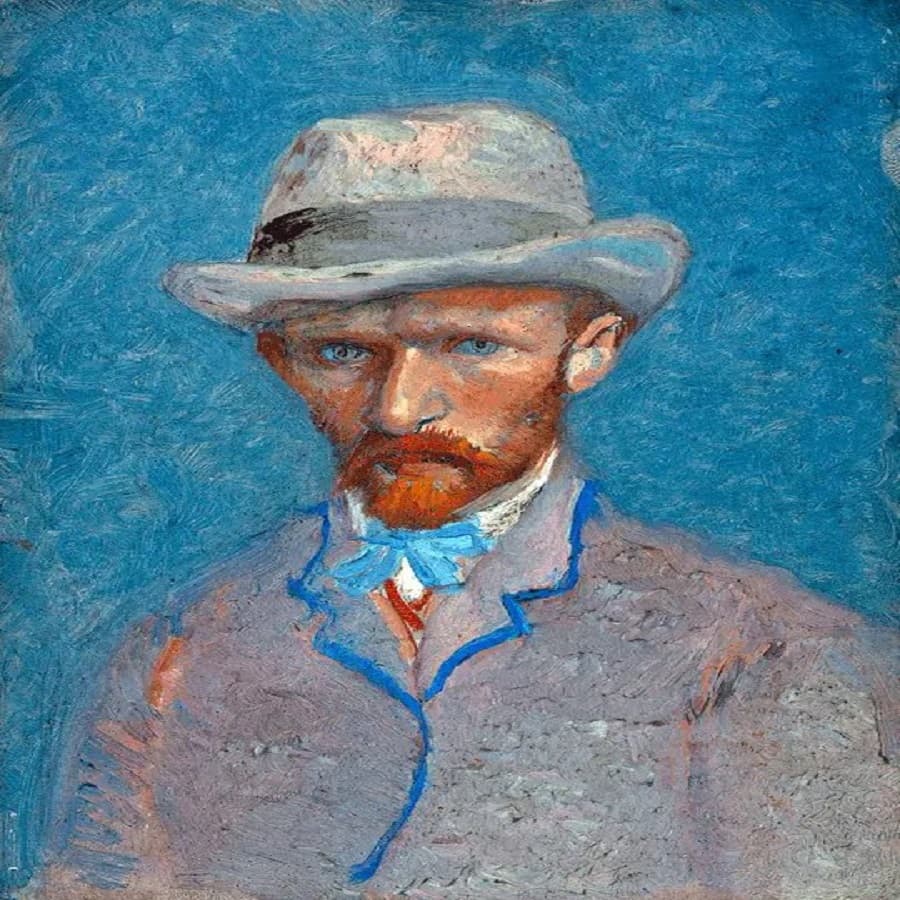
Portrait of Theo van Gogh (Self-Portrait with Grey Felt Hat)
Vincent van Gogh · 1887
Also painted in 1888
The same year
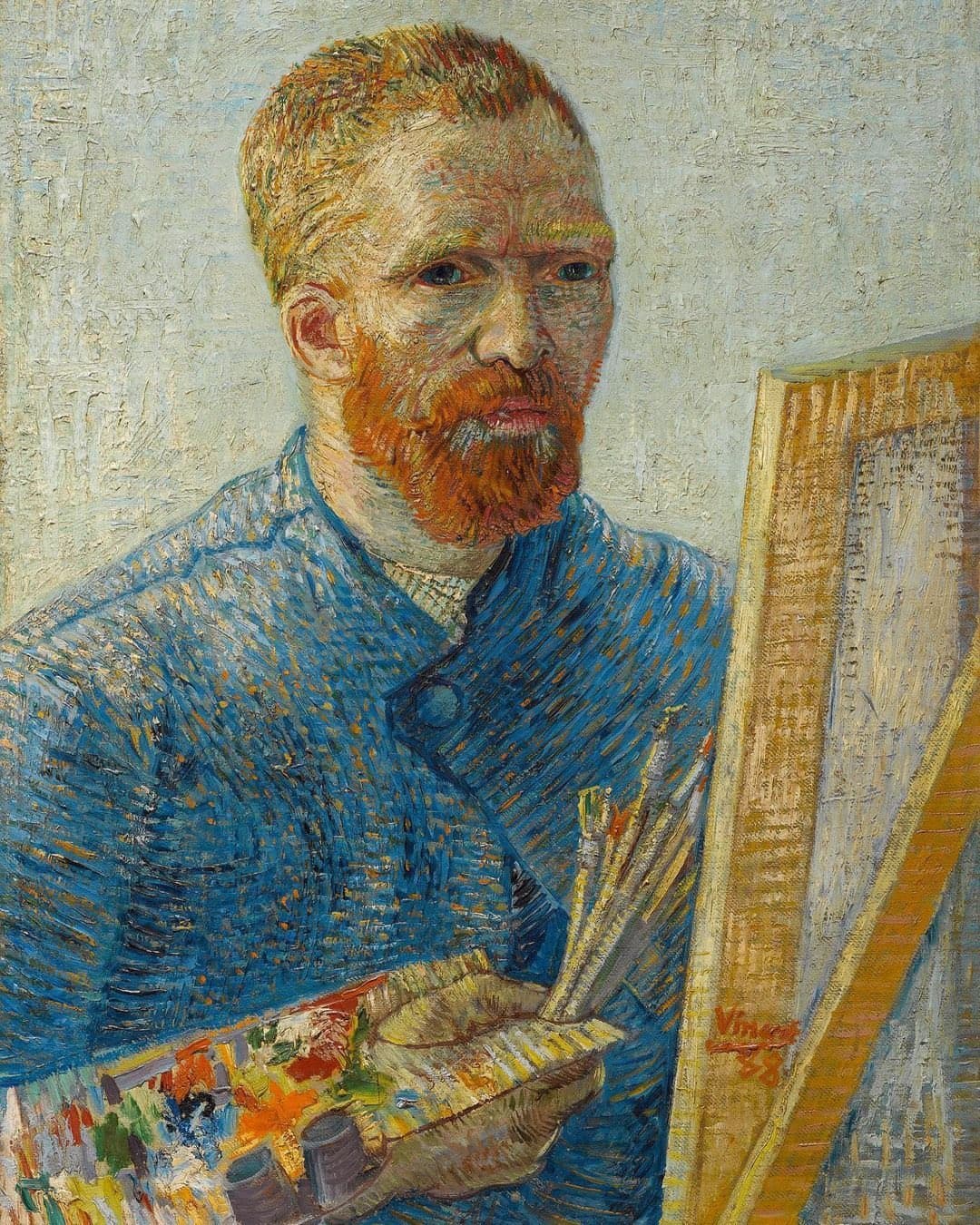
Kindred works
You may also study
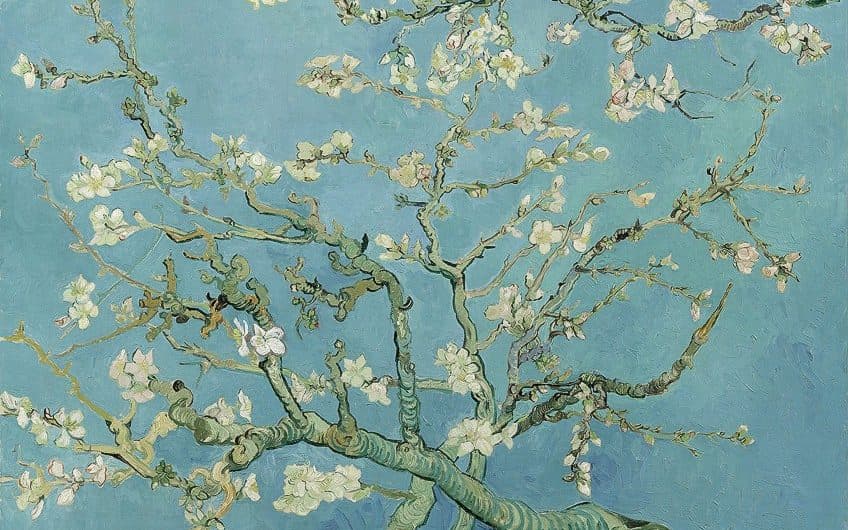
Almond Blossom
Vincent van Gogh · 1890
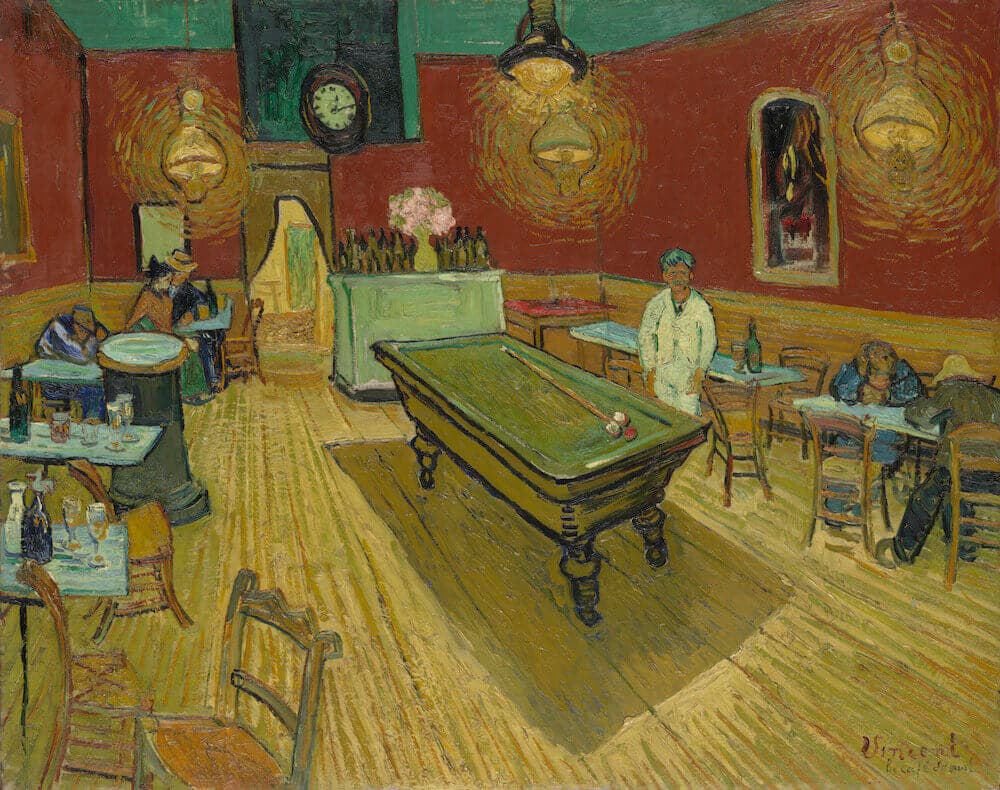
The Night Café
Vincent van Gogh · 1888
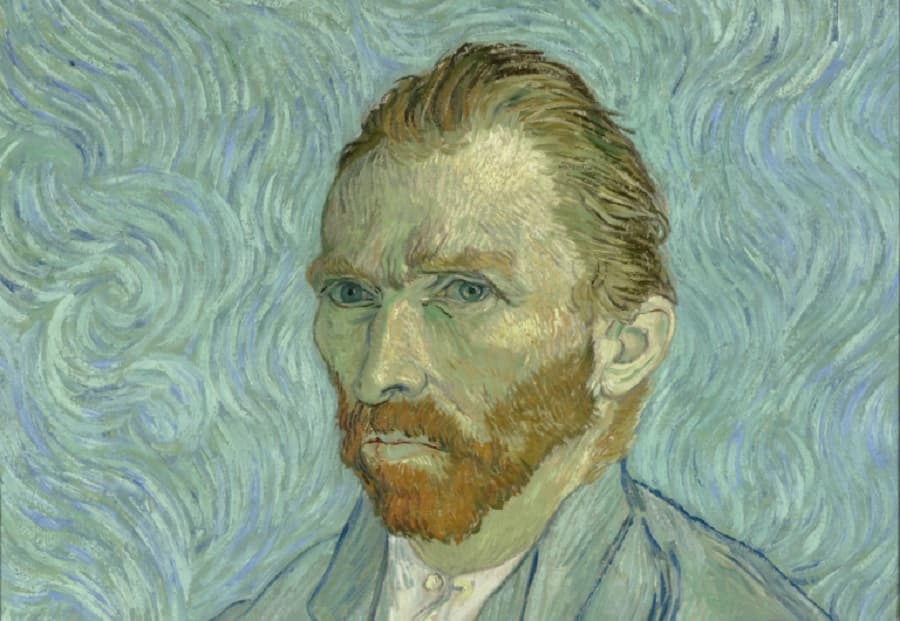
Self-Portrait (1889, Musée d'Orsay)
Vincent van Gogh · 1889

Bridge over a Pond of Water Lilies
Claude Monet · 1899

The Scream
Edvard Munch · 1893

Saturn Devouring His Son
Francisco Goya · c. 1819–1823

Ophelia
John Everett Millais · 1851–52

Woman with a Parasol – Madame Monet and Her Son
Claude Monet · 1875