Post-Impressionism
Almond Blossom
Vincent van Gogh, 1890
Almond Blossom is a painting by Vincent van Gogh from February 1890 of white almond branches against a blue sky, made at Saint-Rémy to celebrate the birth of his nephew. It is in the Van Gogh Museum, Amsterdam.
- Artist
- Vincent van Gogh
- Date
- 1890
- Medium
- Oil on canvas
- Dimensions
- 73.3 × 92.4 cm
- Collection
- Van Gogh Museum, Amsterdam, Netherlands
- Movement
- Post-Impressionism
Almond Blossom was painted by Vincent van Gogh in February 1890 at the asylum of Saint-Paul-de-Mausole in Saint-Rémy-de-Provence, as a gift for his newborn nephew and namesake. The canvas, 73.3 by 92.4 centimeters, is in the Van Gogh Museum in Amsterdam, which grew out of the family's own collection.
What you are looking at
There is no tree, no ground and no horizon: only branches seen from below against a flat, luminous sky. The boughs enter from the lower left and spread across the whole canvas in a network of knotted, crooked limbs, outlined in dark blue and filled with green, ochre and brown. Along them open almond flowers, white with pink centers, some fully spread and others still in tight buds. A few petals are touched with red.
The sky is a single field of turquoise blue, painted in short, multidirectional strokes that keep it alive. The branches cut across it in sharp silhouettes and are cropped at every edge, as if the view continued well beyond the frame.
A Japanese-inspired composition
Van Gogh collected Japanese woodblock prints in Paris, and the close-up view of blossoming boughs against plain color, the bold outlines and the cropping all come from that source. He had painted flowering orchards at Arles in the spring of 1888, including a small branch of almond blossom in a glass, but here the motif becomes monumental, filling the canvas like a decorative screen.
A gift for a nephew
On 31 January 1890 Vincent's brother Theo and his wife Jo became parents of a son, whom they named Vincent Willem. Vincent wrote that he immediately began a painting for them to hang in their bedroom: big branches of white almond blossom against a blue sky. Almond trees flower early in Provence, in late winter, so the picture also reads as a sign of new life and hope. Shortly after he finished it, Vincent suffered a severe relapse of his illness. He died five months later, in July 1890.
The nephew grew up to found the Vincent van Gogh Foundation, and the painting passed with the family collection into the Van Gogh Museum, which opened in 1973.
Where to see it
The painting is on permanent display in the Van Gogh Museum in Amsterdam, near Sunflowers and the late landscapes. Compare its calm with the swirling sky of The Starry Night and the bright garden of Irises, both painted at the same asylum. More works appear in famous Van Gogh paintings and on the page for Vincent van Gogh.
Questions & answers
Where is Van Gogh's Almond Blossom?
Almond Blossom is in the Van Gogh Museum in Amsterdam. It belonged to Theo van Gogh's family, passed to the Vincent van Gogh Foundation established by the nephew it was painted for, and has been on permanent display in the museum since it opened in 1973.
What is the meaning of Almond Blossom?
Van Gogh painted it to celebrate the birth of his nephew Vincent Willem in January 1890. Almond trees are among the first to bloom in late winter in Provence, so the flowering branches against a blue sky symbolize new life, renewal and hope. It was meant to hang above the parents' bed.
When did Van Gogh paint Almond Blossom?
He painted it in February 1890 at the asylum in Saint-Rémy-de-Provence, where he had been a voluntary patient since May 1889. It was one of the last works he made before a serious relapse of his illness that spring. He died in July 1890 at Auvers-sur-Oise.
More by the artist
Vincent van Gogh
Head of a Skeleton with a Burning Cigarette
Vincent van Gogh · 1886
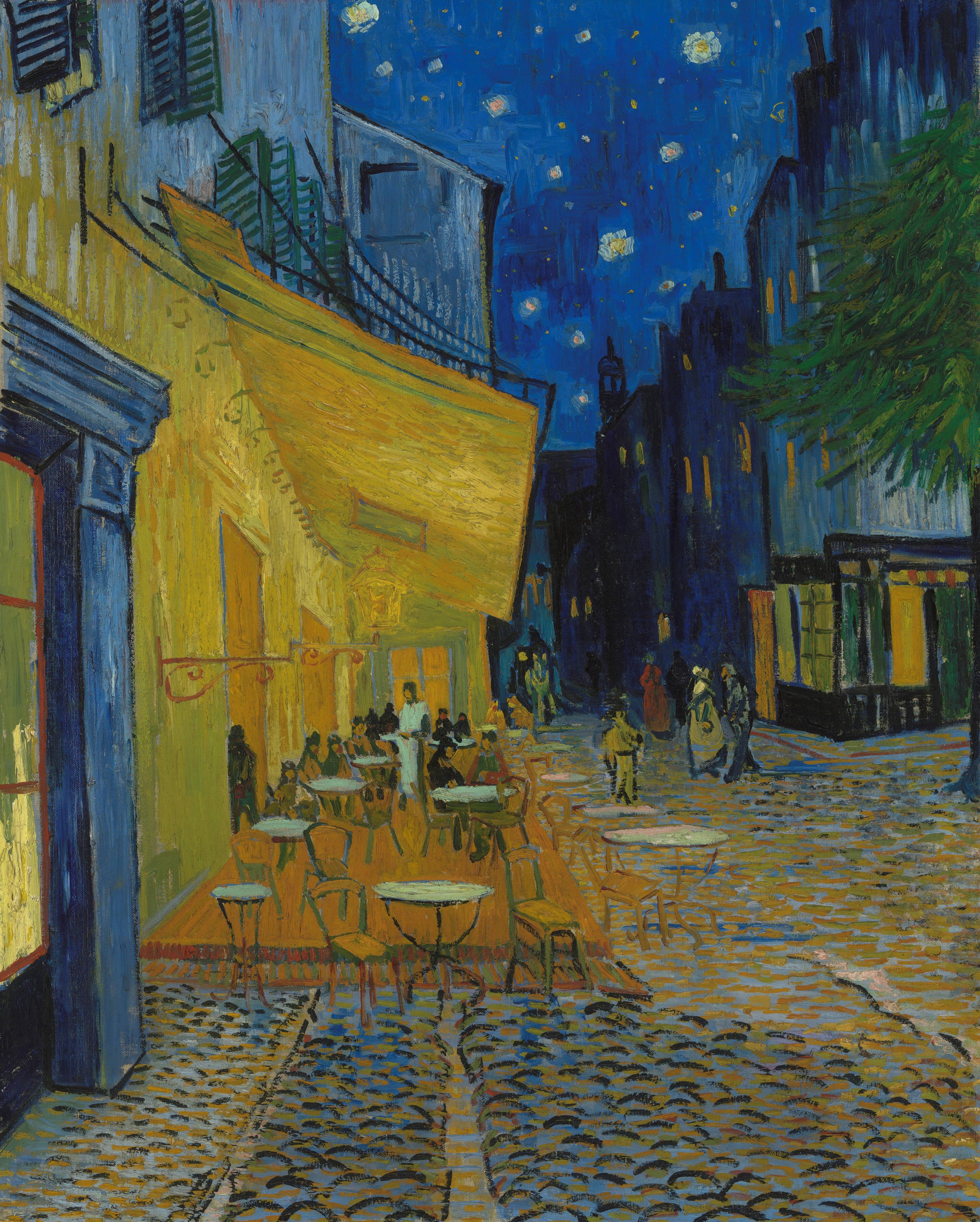
Café Terrace at Night
Vincent van Gogh · September 1888
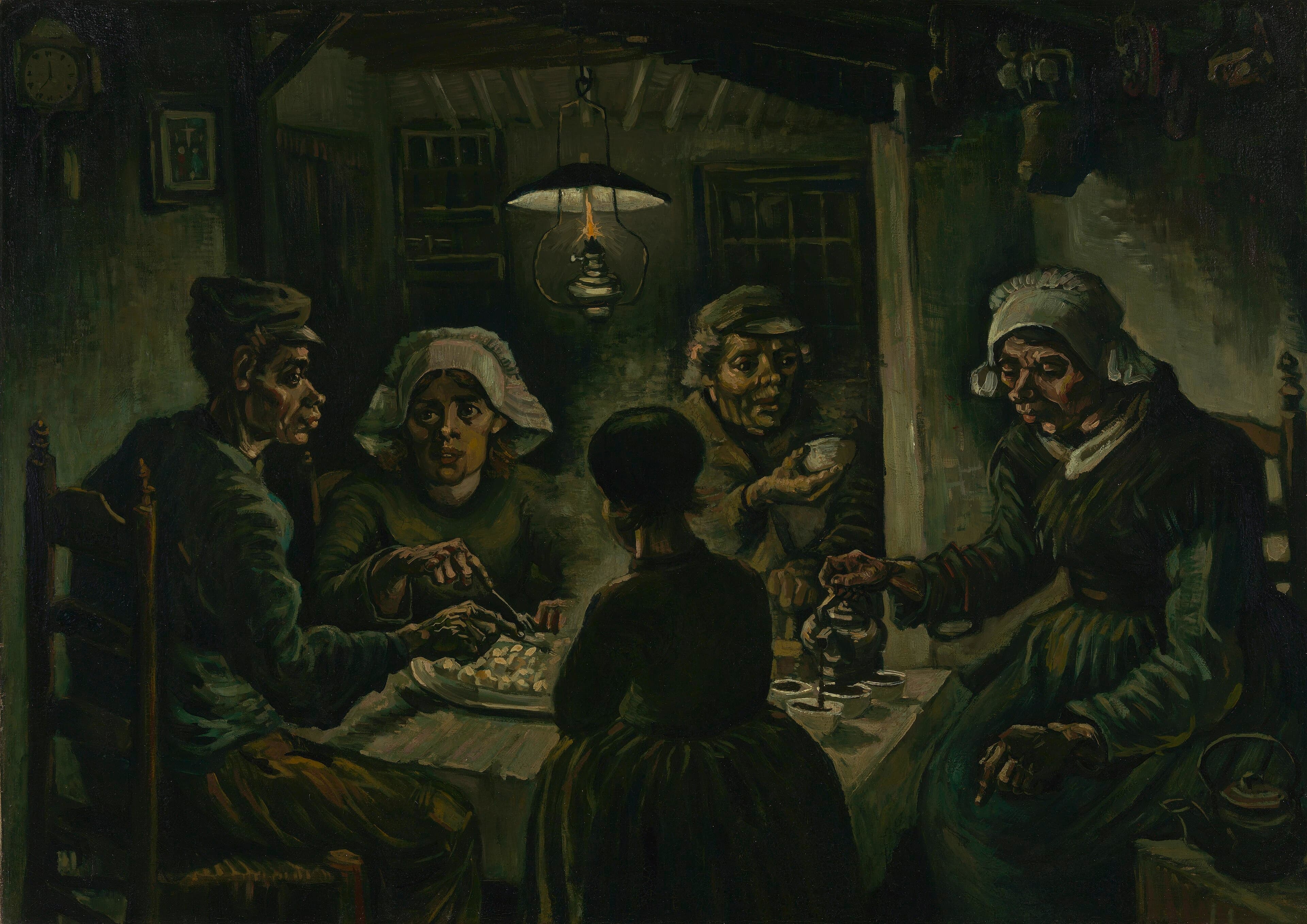
The Potato Eaters
Vincent van Gogh · April–May 1885
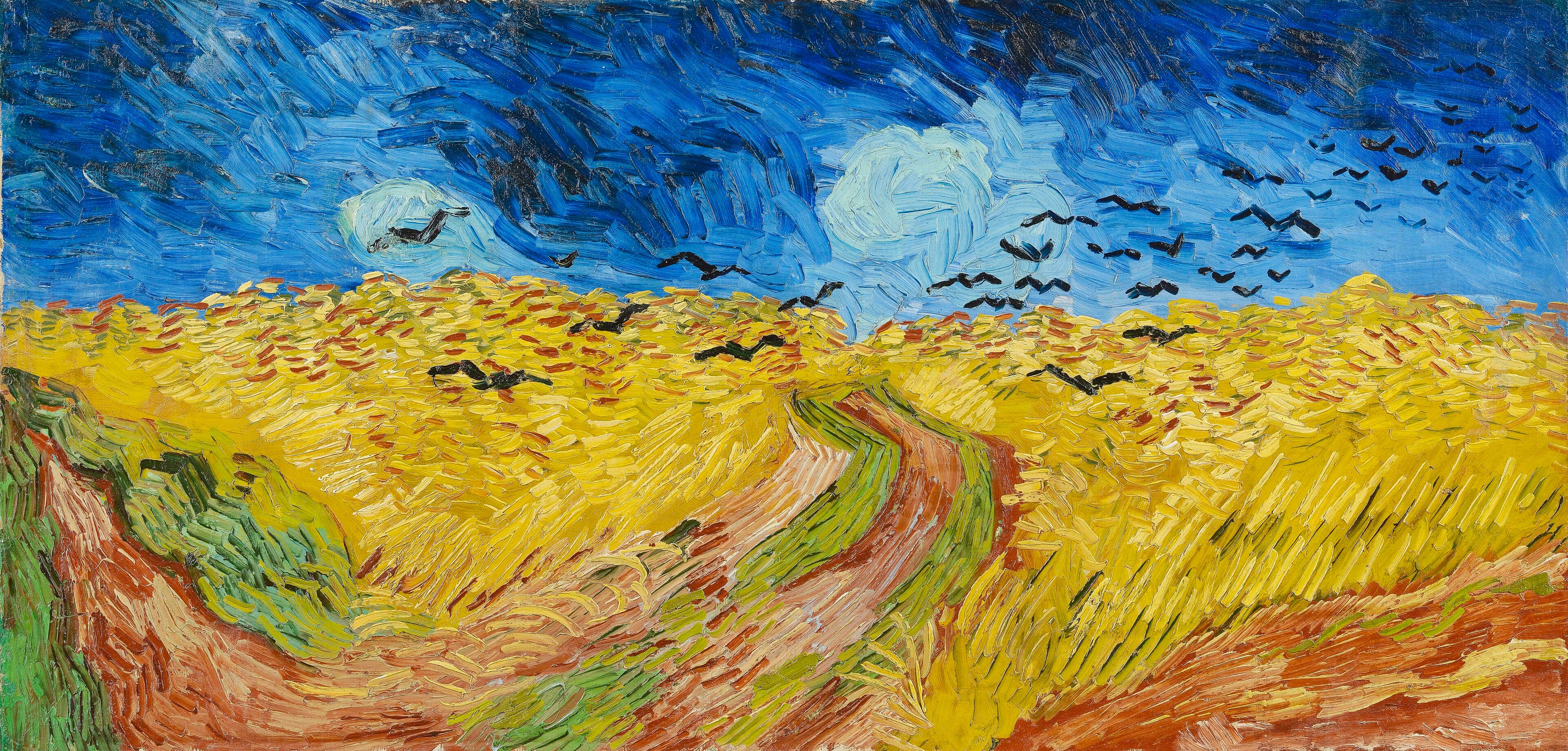
Wheatfield with Crows
Vincent van Gogh · July 1890
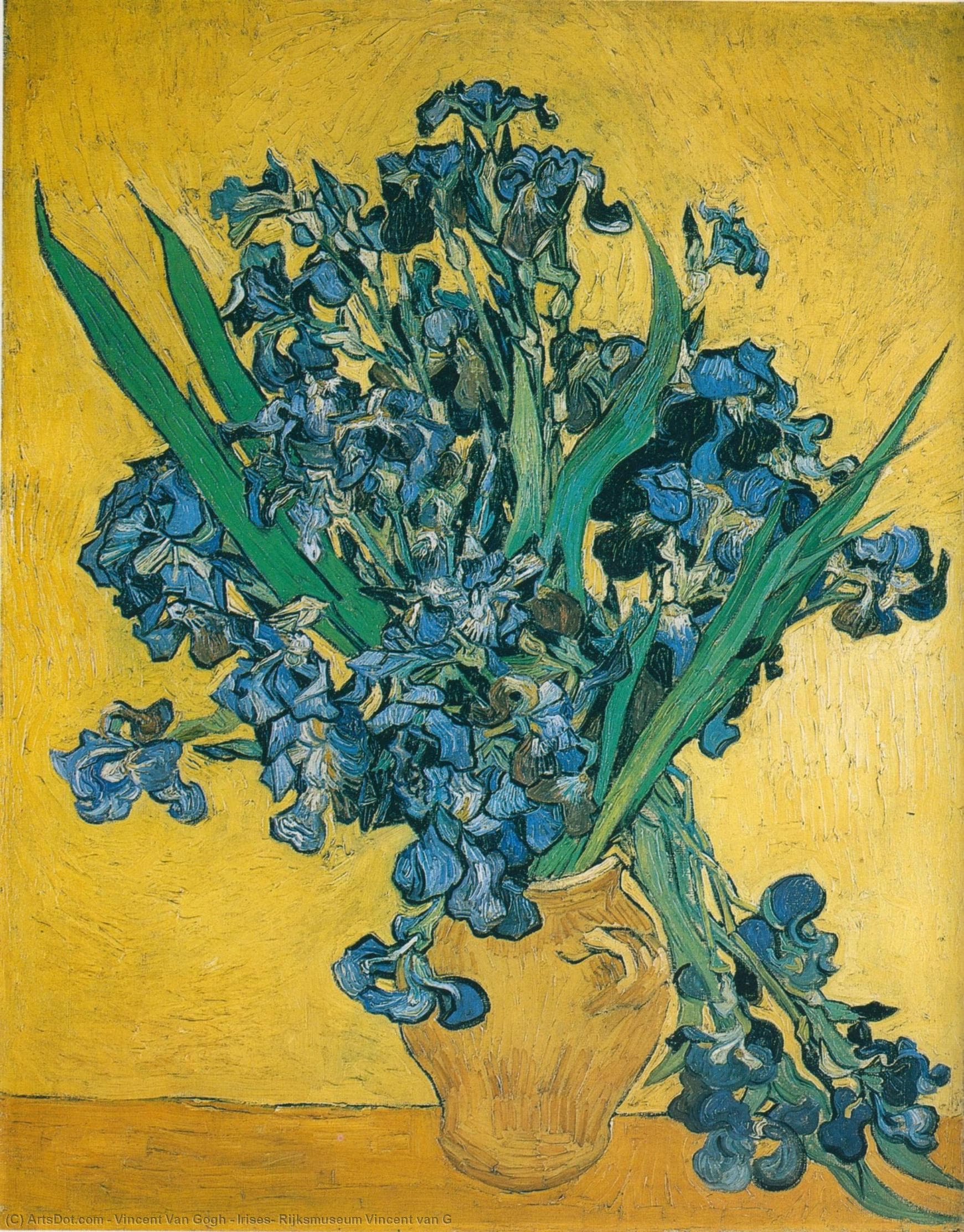
Irises (Vase with Irises Against a Yellow Background)
Vincent van Gogh · 1890
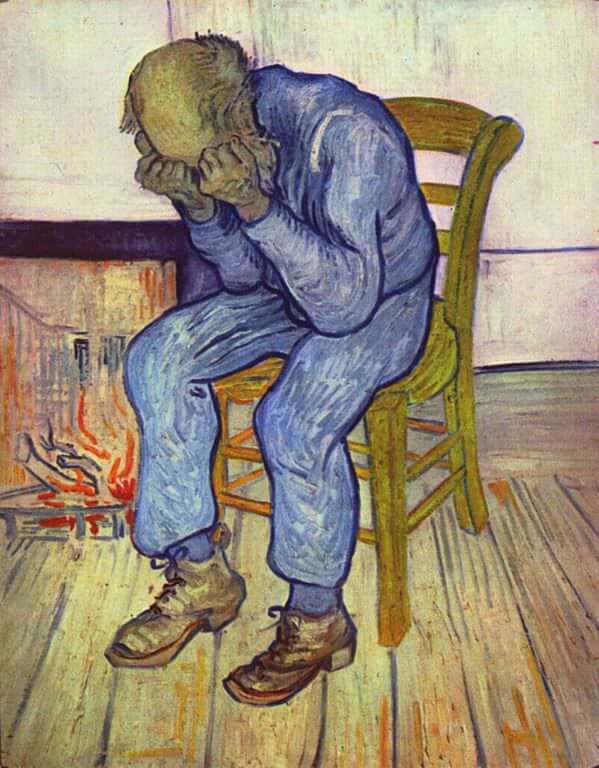
At Eternity's Gate
Vincent van Gogh · 1890
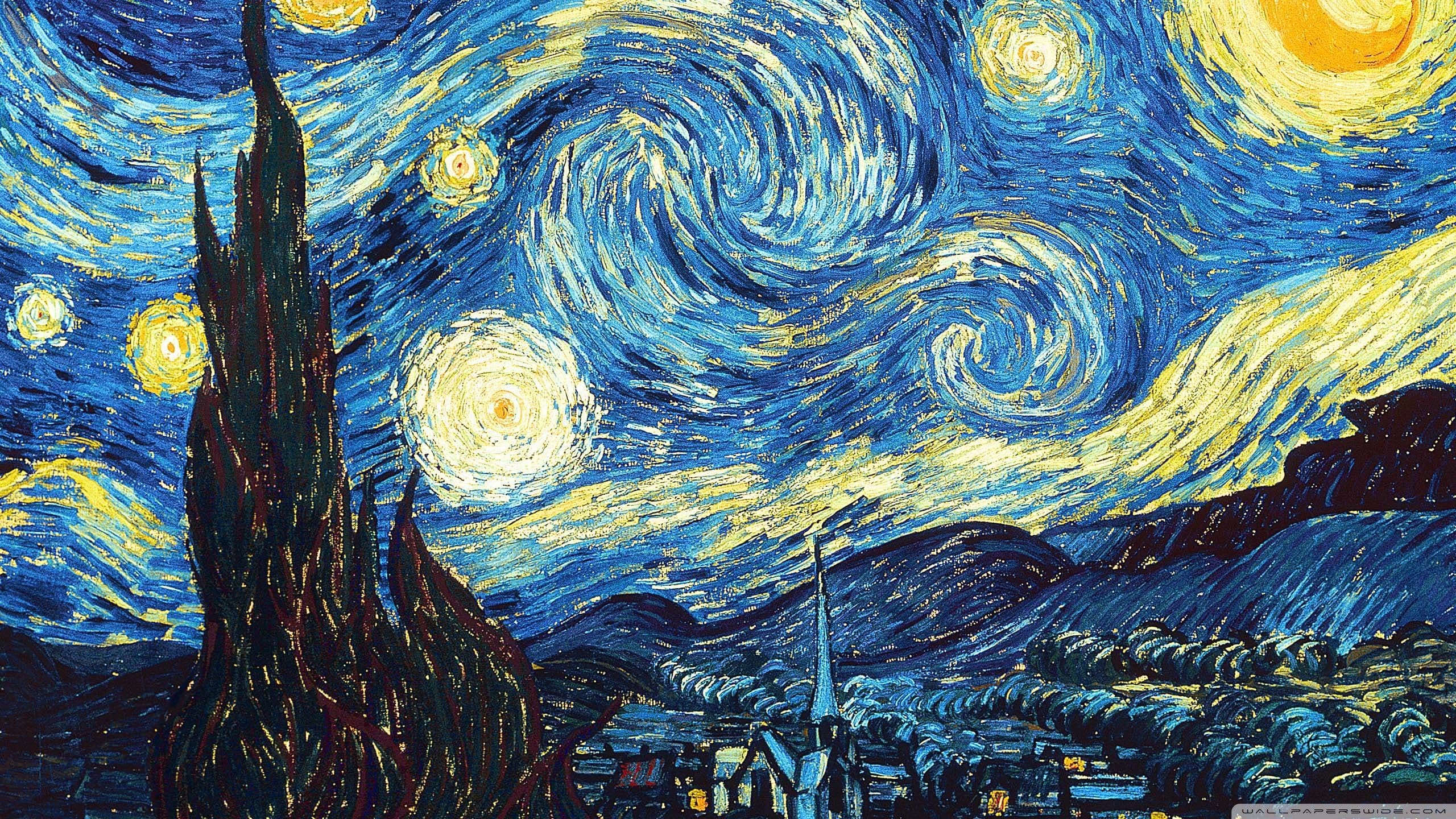
The Starry Night (van Gogh)
Vincent van Gogh · 1889
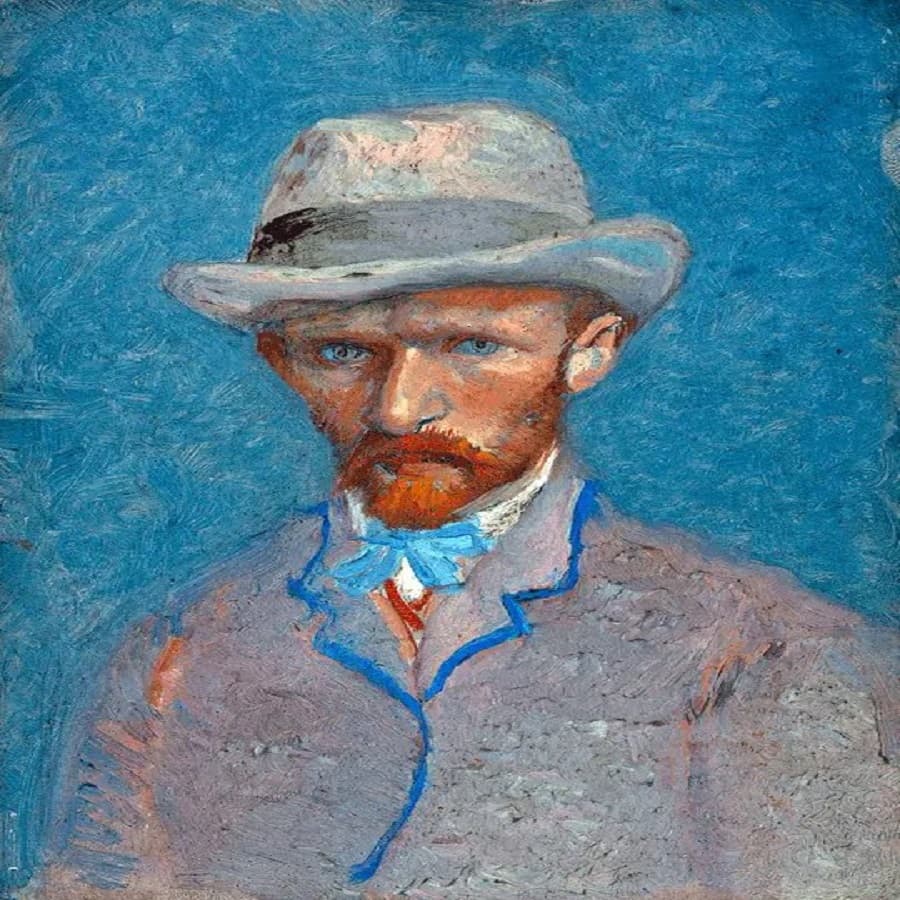
Portrait of Theo van Gogh (Self-Portrait with Grey Felt Hat)
Vincent van Gogh · 1887
Kindred works
You may also study
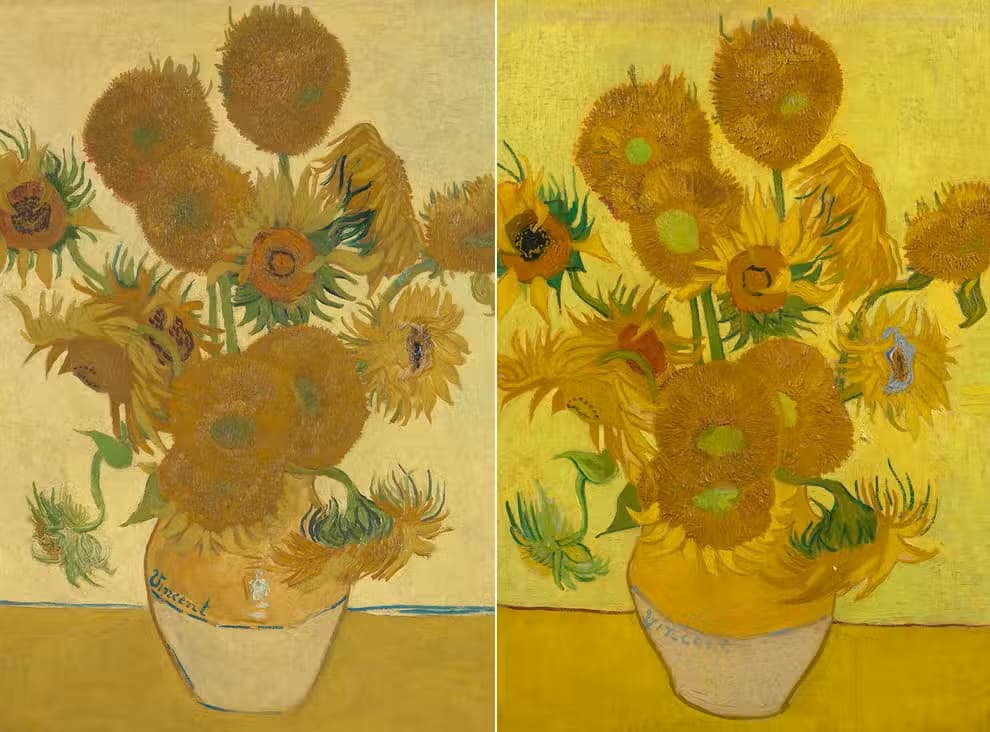
Sunflowers
Vincent van Gogh · 1888–89
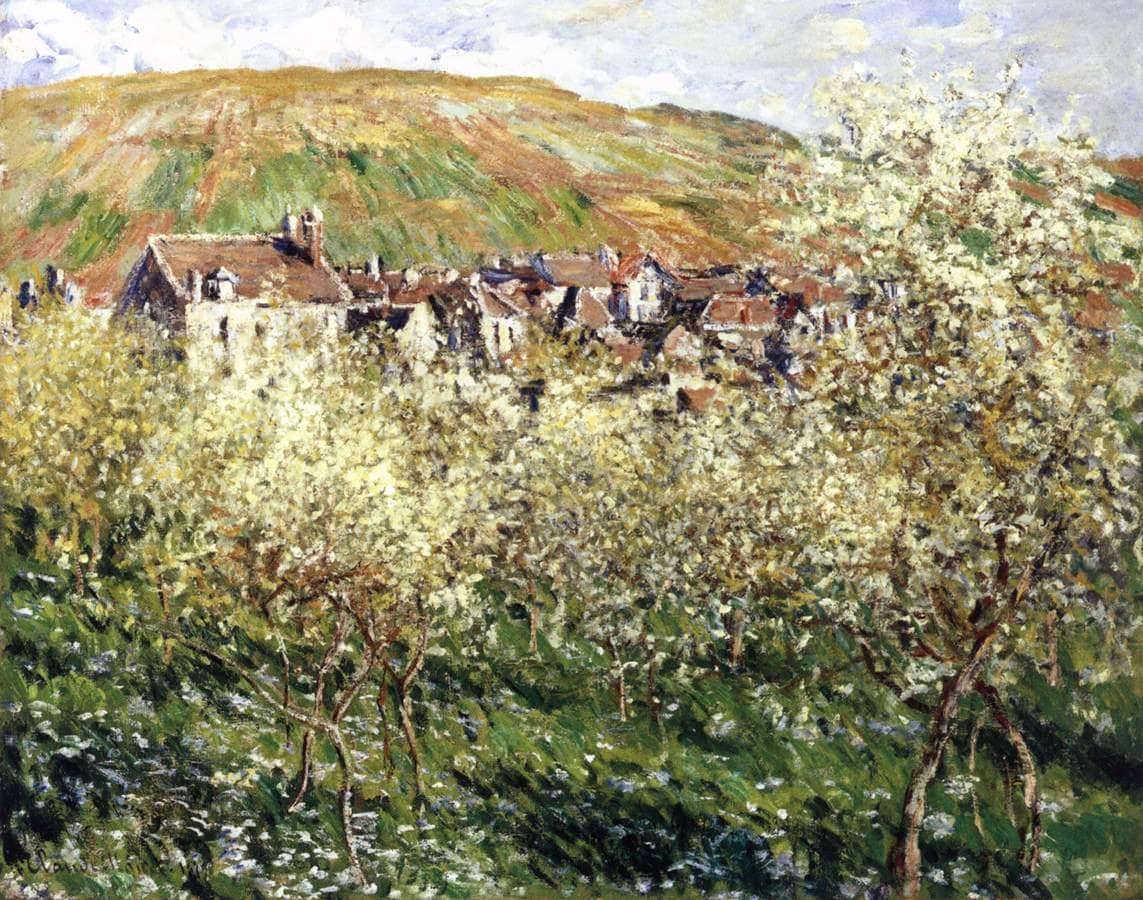
Plum Trees in Bloom
Claude Monet · 1879

Bridge over a Pond of Water Lilies
Claude Monet · 1899

Venus de Milo
Alexandros of Antioch · c. 150–125 BC

The Scream
Edvard Munch · 1893

Ophelia
John Everett Millais · 1851–52

Woman with a Parasol – Madame Monet and Her Son
Claude Monet · 1875

The Great Wave off Kanagawa
Katsushika Hokusai · c. 1830–32