Ancient Roman (after a Classical Greek model)
Seated Zeus (Statue of Jupiter, Hermitage)
Artist Unknown & Phidias, Late 1st century AD (after Phidias's Zeus, c. 435 BC)
This colossal seated Jupiter in the Hermitage, 3.47 m high, is a Roman statue of the late 1st century AD modeled on Phidias's lost gold-and-ivory Statue of Zeus at Olympia, one of the Seven Wonders of the ancient world.
- Artist
- Artist Unknown & Phidias
- Date
- Late 1st century AD (after Phidias's Zeus, c. 435 BC)
- Medium
- Marble and bronzed plaster
- Dimensions
- 347 cm high
- Collection
- State Hermitage Museum, Saint Petersburg, Russia
- Movement
- Ancient Roman (after a Classical Greek model)
What you are looking at
A giant bearded god sits enthroned in a marble-walled hall. His torso is bare and powerfully modeled, his hair and beard a mass of deep curls. A heavy mantle, colored dark bronze, falls over his left shoulder and wraps his lap and legs.
In his raised left hand he holds a tall scepter; on the open palm of his right hand stands a small winged Victory on a globe, holding up a wreath. Beside his right foot an eagle with half-opened wings looks up at him. The statue rests on a rough-hewn stone base and rises well above the heads of visitors.
The photograph shows the colossal Statue of Jupiter in the State Hermitage Museum, Saint Petersburg, displayed in the hall named after it. It is a Roman work, but it exists because of a Greek one: the seated Zeus that Phidias made for the god's temple at Olympia, which is lost.
The Hermitage Jupiter
The statue stands about 3.47 m high and weighs around 16 tonnes. It is dated to the late first century AD and is made of marble combined with bronzed plaster: the body is ancient marble, while the dark drapery and several attributes are restorations in plaster and metal given a bronze finish. It was found among the ruins of a villa of the emperor Domitian near Rome and entered the famous collection of the Marquis Giampietro Campana. After Campana's financial ruin, part of his collection was bought for Russia, and the Jupiter was delivered to the Hermitage in 1861.
Roman sculptors made many such images of Jupiter, the Roman Zeus, as cult statues and as symbols of imperial power. Its composition, the enthroned king of the gods with scepter, Victory and eagle, follows the type made famous by Phidias.
Phidias's Zeus at Olympia
Around 435 BC the people of Elis, who ran the Olympic Games, commissioned Phidias, the sculptor of the Athena Parthenos in Athens, to make a cult statue for the new Temple of Zeus at Olympia. The result became one of the Seven Wonders of the ancient world. It was chryselephantine: the flesh was ivory and the robe and ornaments gold, attached to a wooden core.
The god sat on a throne of cedar inlaid with ebony, ivory, gold and precious stones; he held a Victory in his right hand and a scepter topped by an eagle in his left, much as in the Roman version here. The statue was about 12 m high and filled the end of the temple. The geographer Strabo remarked that if Zeus stood up he would unroof the building.
Archaeologists excavating at Olympia in the 1950s found Phidias's workshop, including terracotta molds for the gold drapery and a small cup inscribed "I belong to Pheidias." The statue itself was lost in late antiquity: it was destroyed either in a fire at Olympia or, according to one account, after being carried to Constantinople, in a fire there in the fifth century AD. No full-size copy survives; its appearance is known from descriptions, especially Pausanias, and from coins of Elis.
Close looking
Look at the contrast of materials in the Hermitage statue. The white marble of the face and torso is carved with great softness, the chest broad and slightly fleshy, the beard drilled into deep, shadowed curls. The bronzed drapery is heavier and flatter, its folds falling in long vertical channels.
That two-tone effect, light flesh and dark robe, unintentionally echoes the ivory and gold of Phidias's original. The Victory on the hand is tiny compared with the god, and the eagle at his feet looks up, establishing the scale. The face is calm and remote, the expression of a ruler, not a storm god.
The Campana collection
Giampietro Campana, Marquis of Cavelli, assembled one of the largest private collections of antiquities in nineteenth-century Rome, including thousands of vases, sculptures and paintings, much of it restored by his workshops. In 1857 he was arrested for embezzlement from the papal pawn bank he directed, and his collection was sold off. Napoleon III bought the largest share for France, now in the Louvre, while Russia acquired a selection of the finest marbles for the Hermitage, among them this colossal Jupiter. Restorations of the kind seen in the bronzed drapery were typical of the collection and are part of the statue's history.
What it means
Zeus, Jupiter to the Romans, was king of the gods and guarantor of justice, oaths and order. Phidias's image fixed how the Greek and Roman world imagined him: majestic, seated, mild in expression but immense. Ancient writers said seeing it could console the grieving. Later artists, from Roman sculptors to the painters of Napoleon's throne portraits, borrowed the pose to express sovereign power.
Related works
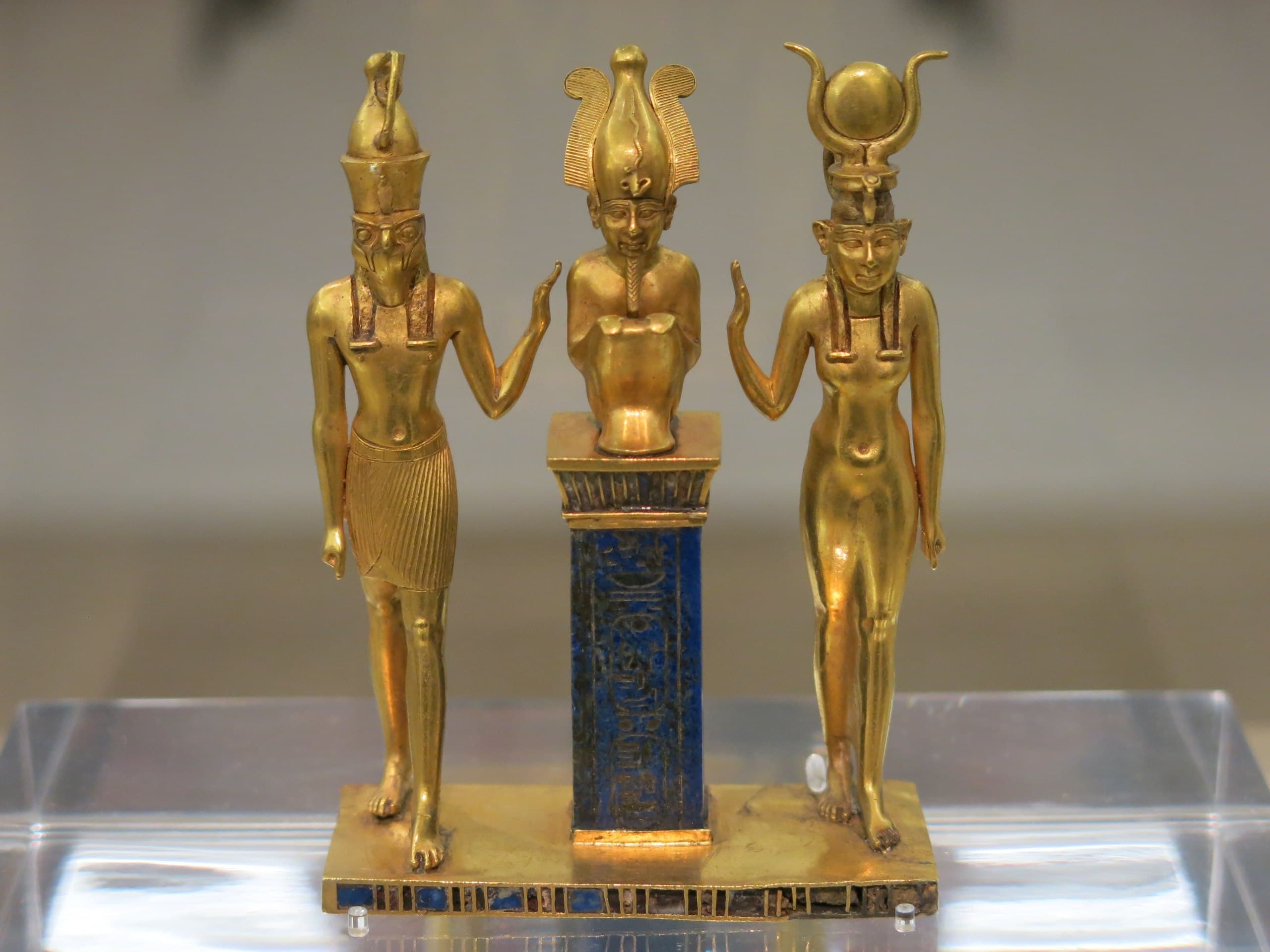
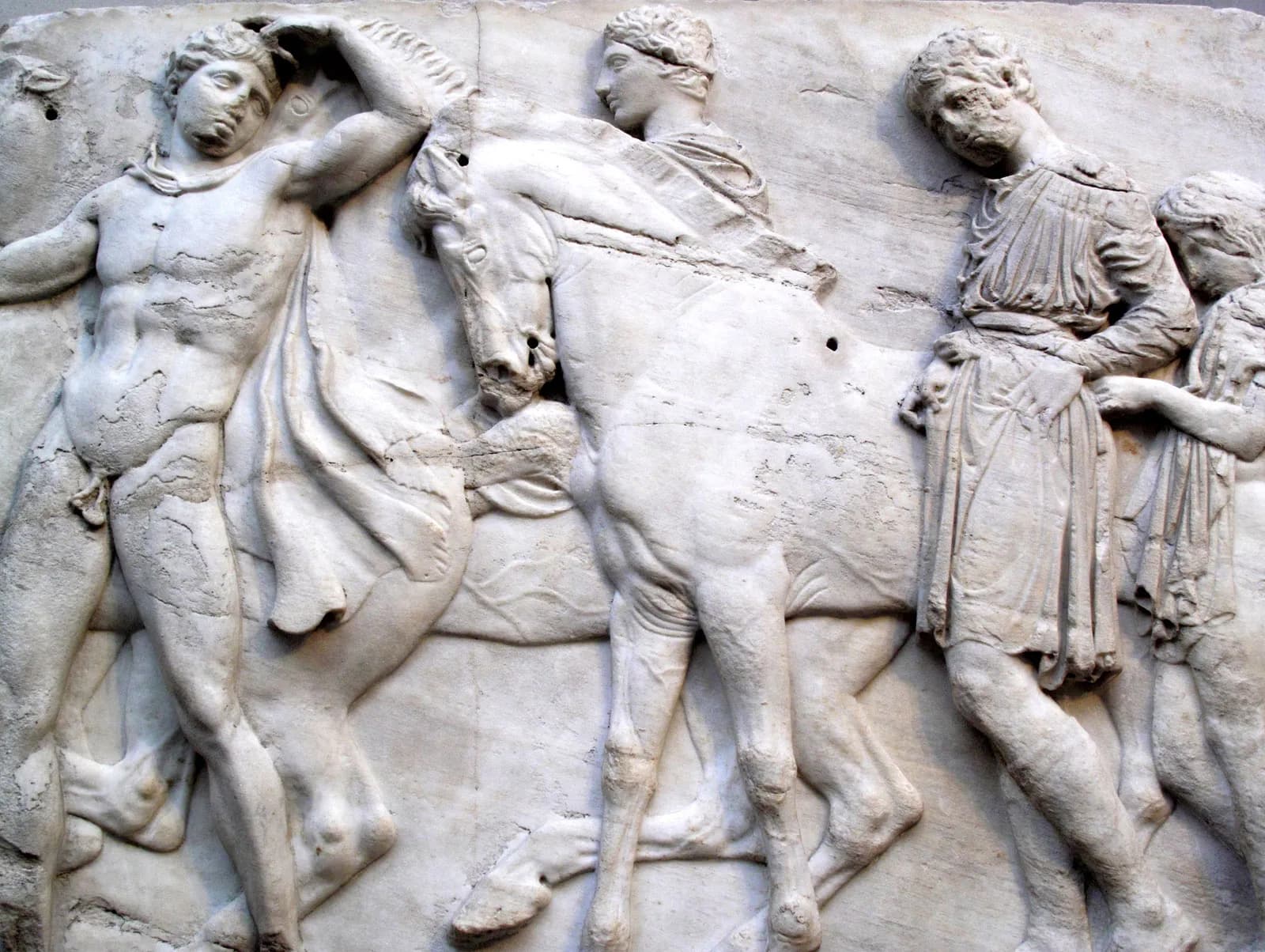
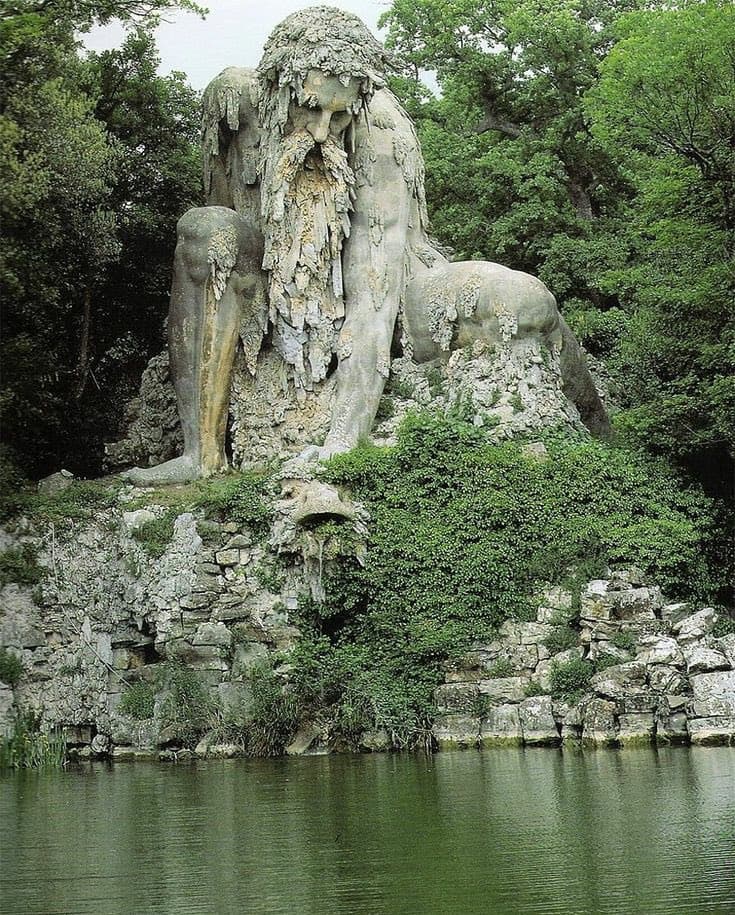
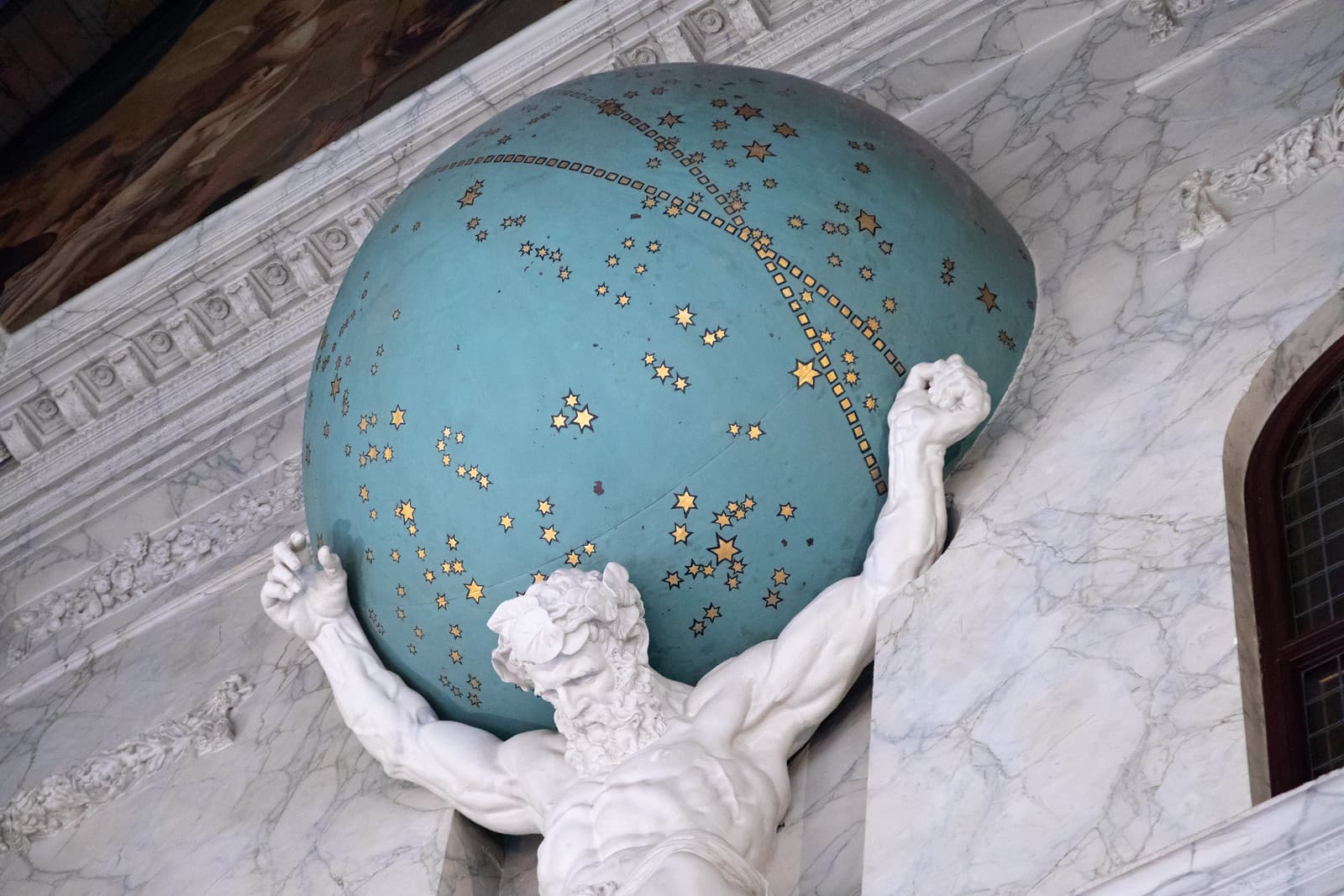
See Phidias's surviving work in the Parthenon Frieze, other ancient sculpture in Greek Statues, and the Egyptian divine family of the Triad of Osorkon. Another colossus is Giambologna's Apennine Colossus; the Titan who carries the heavens is in the Statue of Atlas.
Where to see it
The Statue of Jupiter is in the State Hermitage Museum, Saint Petersburg, in the antiquities galleries of the New Hermitage. Phidias's original Zeus does not survive; the site of the temple can be visited at Olympia, Greece, with finds from the workshop in the Archaeological Museum of Olympia.
Questions & answers
Where is the statue of Seated Zeus shown here?
The photograph shows the colossal Statue of Jupiter in the State Hermitage Museum, Saint Petersburg. It is a Roman marble and bronzed-plaster statue of the late first century AD, about 3.47 m high, delivered to the Hermitage in 1861 from the Campana collection.
Does Phidias's Statue of Zeus at Olympia still exist?
No. Phidias's gold-and-ivory Zeus, made around 435 BC for the Temple of Zeus at Olympia, was destroyed in late antiquity, probably by fire in the fifth century AD. It is known from ancient descriptions, coins and finds from Phidias's workshop at Olympia.
How big was the Statue of Zeus at Olympia?
Ancient sources suggest it was about 12 m high, seated on a throne and filling the end of the temple. Strabo wrote that if Zeus had stood up he would have unroofed the building. The Hermitage's Roman Jupiter is 3.47 m high.
What is the Statue of Zeus at Olympia made of?
It was chryselephantine: ivory for the flesh and gold for the robe and ornaments, attached to a wooden framework, with a throne of cedar, ebony, ivory, gold and precious stones. The Hermitage's Roman version is marble with bronzed plaster restorations.
What is Zeus holding?
Like Phidias's original, the Hermitage Jupiter holds a small winged Victory in his right hand and a tall scepter in his left, with an eagle, the bird of Zeus, at his feet. These attributes signal victory and sovereignty.
More by the artist
Artist Unknown
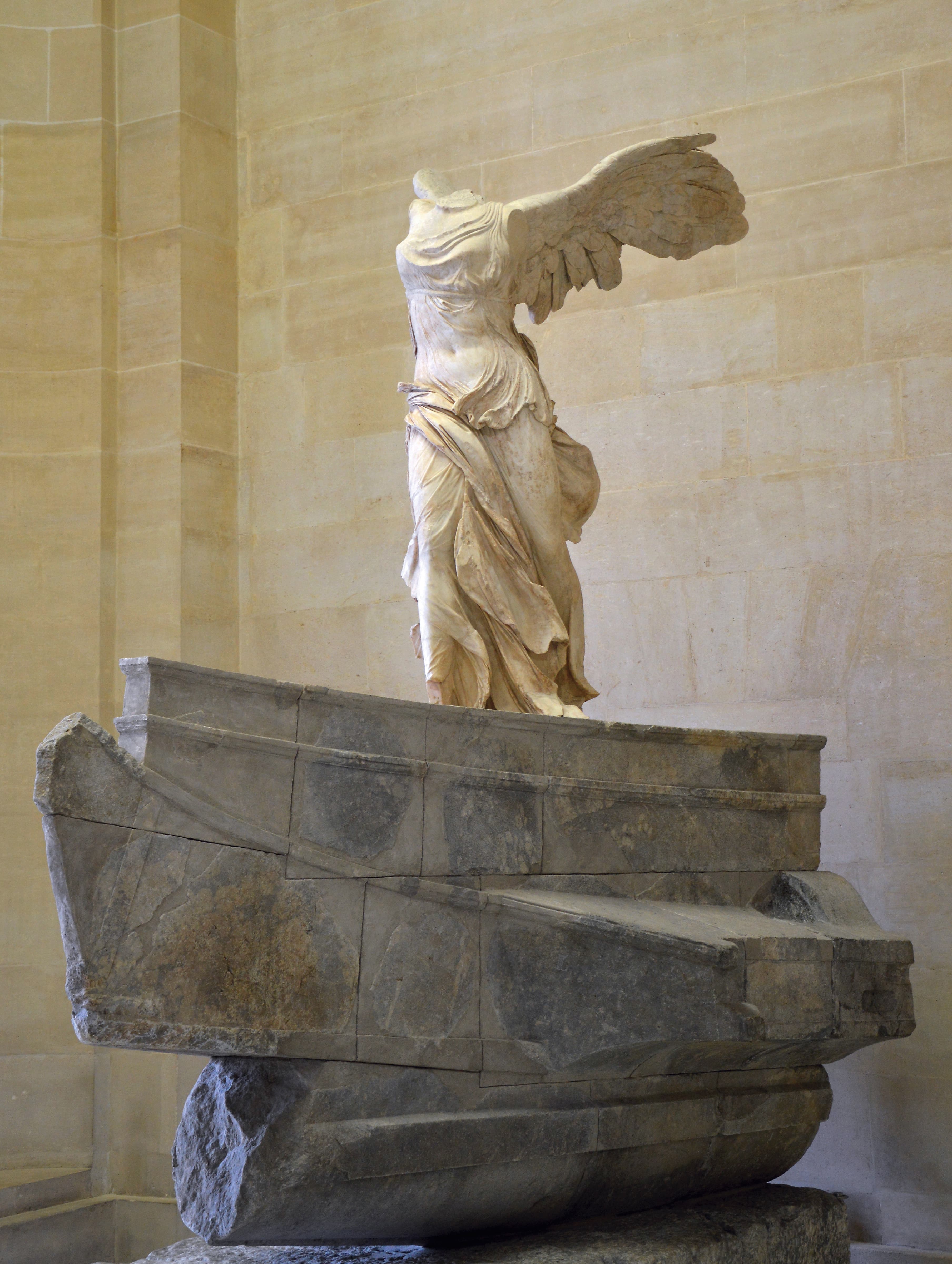
Winged Victory of Samothrace
Artist Unknown · c. 200–190 BC
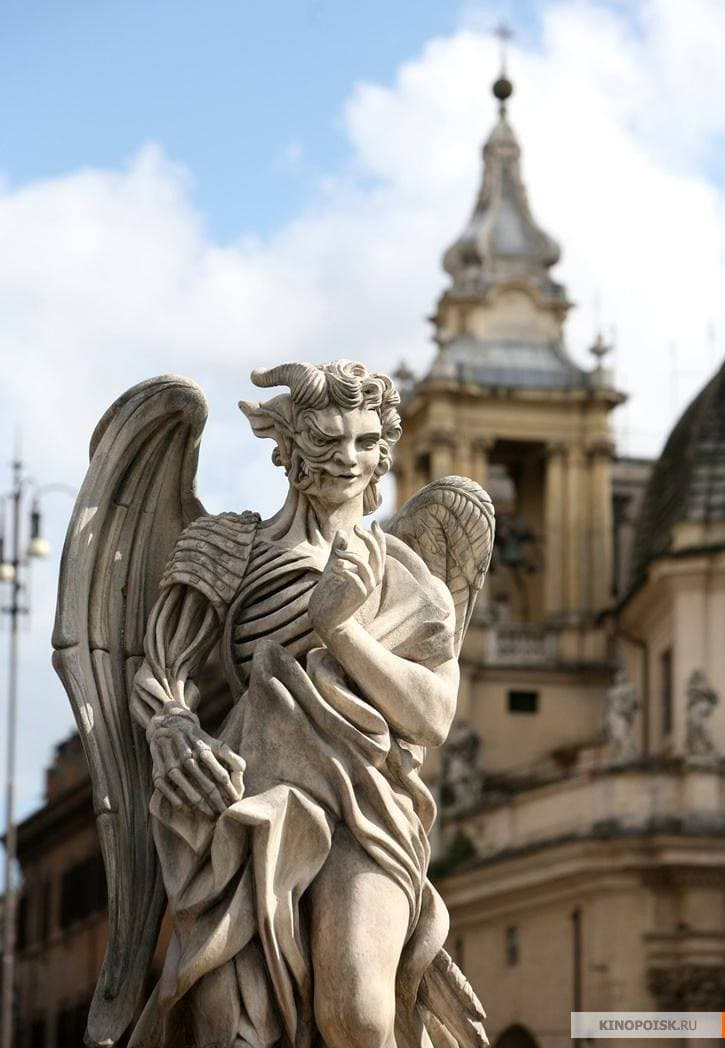
Angels and Demons – The Movie Prop
Artist Unknown & Gian Lorenzo Bernini · 2008
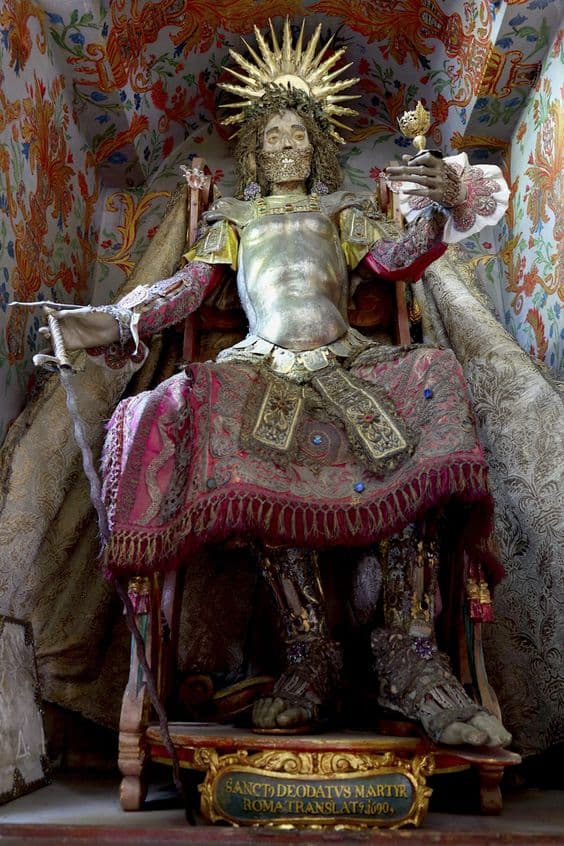
Bejeweled Skeleton of Saint Deodatus
Artist Unknown & Paul Koudounaris · Translated from Rome 1690
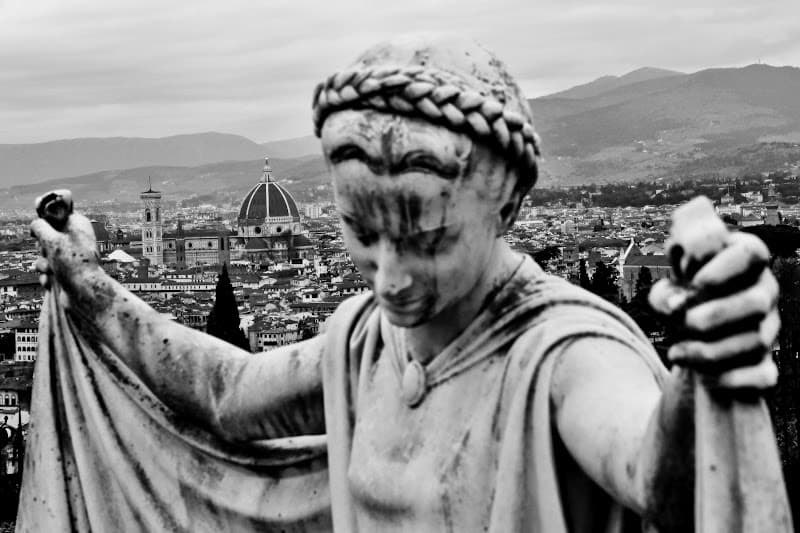
Tombstone of Silvia Marini nei De Rogati
Artist Unknown · After 1947

Sock and Buskin
Artist Unknown
Artificial Wings
Artist Unknown · c. 2008
Triad of Osorkon II: Osiris, Isis and Horus
Artist Unknown · c. 874–850 BC (reign of Osorkon II)
Parthenon Frieze
Phidias · c. 443–437 BC
Kindred works
You may also study
Apennine Colossus
Giambologna · c. 1579–80
Atlas, Royal Palace Amsterdam
Artus Quellinus & Jacob van Campen & Daniël Stalpaert · c. 1662–63

Venus de Milo
Alexandros of Antioch · c. 150–125 BC

Nymphs Dancing to Pan's Flute
Joseph Tomanek

Saturn Devouring His Son
Francisco Goya · c. 1819–1823
Las Meninas
Diego Velázquez · 1656
The Birth of Venus
Sandro Botticelli · c. 1484–1486
The School of Athens
Raphael · 1509–1511