Jacob Wrestling with the Angel
Gustave Doré, 1866
Jacob Wrestling with the Angel is a wood engraving after Gustave Doré for his 1866 illustrated Bible (La Grande Bible de Tours). At daybreak on a hilltop, Jacob strains against a calm, winged angel, his camp spread out on the plain below (Genesis 32).
- Artist
- Gustave Doré
- Date
- 1866
- Medium
- Wood engraving
- Movement
- Romanticism
- Themes
- Religion & Saints, Angels & Demons, Literature & Poetry, Nature & Landscape
What you are looking at
Two figures grapple on a bare hilltop at first light. On the left is Jacob, stocky and dark, his head bowed and buried against his opponent's arm, his whole weight driven forward through bent knees. One fist is thrust high into the air, gripped at the wrist. On the right is an angel, tall, barefoot and robed, with great feathered wings half open behind. The angel holds Jacob's raised arm and, with the other hand, presses against his head.
The contrast between them is the subject. Jacob strains; the angel barely seems to. Its face, turned down toward the man, is calm, almost tender, and its robe swings around its legs as if it were dancing rather than fighting.
Behind them the land drops away to a wide plain. A river or ford catches the dawn light, lined with palm trees, and down on the flat ground you can make out pointed tents and camels: Jacob's camp, sent ahead across the water. Jacob's staff lies abandoned on the ground at his feet. In the dark foreground, paddle-shaped cactus pads crowd the rocks.
The horizon is low and the sky enormous, ruled in fine horizontal lines that brighten toward a band of light. Day is breaking, which matters to the story.
The passage: Genesis 32
On his way home to face his estranged brother Esau, Jacob sends his family and possessions across the ford of the Jabbok and stays behind. "And Jacob was left alone; and there wrestled a man with him until the breaking of the day" (Genesis 32:24, King James Version).
The stranger cannot overcome him, and touches the hollow of his thigh, putting it out of joint. "And he said, Let me go, for the day breaketh. And he said, I will not let thee go, except thou bless me" (32:26). The stranger renames him Israel, "for as a prince hast thou power with God and with men, and hast prevailed," and blesses him. Jacob calls the place Peniel, "for I have seen God face to face, and my life is preserved."
How Doré staged it
Genesis says only "a man." Jewish and Christian tradition long identified the wrestler as an angel, following the prophet Hosea, who says that Jacob "had power over the angel, and prevailed" (Hosea 12:4). Doré follows the tradition and gives the figure wings, and in doing so makes the mismatch visible. The angel is serene and effortless; any victory Jacob wins is one he is allowed to win.
He also chose a particular moment: dawn, with the camp visible below. The breaking day is the angel's reason for wanting to leave, and the tents remind us of everything Jacob has sent ahead and must now go to meet. The discarded staff, the traveler's tool, suggests a man who has stopped journeying for one night.
The cactus is Doré's own addition, and a telling one. These paddle-shaped plants resemble the prickly pear, which is native to the Americas and was later naturalized around the Mediterranean, where a French artist would have seen it as part of any "Eastern" landscape. It is a reminder that Doré's Holy Land was built from nineteenth-century travel imagery as much as from the Bible.
How it was made
This is a wood engraving. Doré drew the composition on a boxwood block, and it was cut by Charles Laplante, whose signature "C. Laplante" is at lower right; Doré's is at lower left. Laplante cut several of the Bible's most admired plates.
Notice how the engraver handles the two bodies differently. Jacob is built from short, dense, crossing strokes that make him dark and heavy. The angel's robe is made of long, flowing, widely spaced lines that leave a lot of white, so the figure seems lit from within and almost weightless. The wings are drawn feather by feather in a darker, crisper line.
Publication
The plate is from Doré's illustrated Bible, published by Alfred Mame et Fils in Tours in 1866 and known as La Grande Bible de Tours; Cassell, Petter & Galpin issued the English edition in London. The scan shown here comes from the Polish edition, Pismo Święte Starego i Nowego Testamentu (1873), digitized by the National Library of Poland. It sits in the Genesis sequence after The Confusion of Tongues, and the full cycle is gathered in the Doré Bible.
Meaning
Jacob's night at the Jabbok has been read for centuries as a picture of prayer as struggle, of a person holding on to God until a blessing is given. It is also a story about identity: Jacob, whose name was linked with supplanting his brother, comes out of the fight with a new name and a permanent limp.
Doré's plate leans toward the first reading. Jacob's bowed head and locked grip look as much like pleading as fighting, and the angel's downcast gaze looks like compassion. For his other great angels, at war rather than at rest, see Milton's The War in Heaven and the rebels of Satan Cast Out of Heaven, or the wider survey Angels and Demons in Art. More of his work is on the Gustave Doré page.
Questions & answers
What does Doré's Jacob Wrestling with the Angel show?
It shows Jacob grappling with a tall winged angel on a hilltop at dawn. Jacob, head bowed, strains with one fist raised while the angel, calm and barefoot, holds his arm. Below them stretches a plain with palm trees, a river and Jacob's tents and camels, and his staff lies dropped on the ground.
Which Bible passage does the plate illustrate?
Genesis 32:24–30. The King James Version reads: "And Jacob was left alone; and there wrestled a man with him until the breaking of the day." Jacob refuses to let go "except thou bless me," and is renamed Israel. Doré follows Hosea 12:4 and tradition in making the wrestler an angel.
When was Jacob Wrestling with the Angel made?
Doré designed it for his illustrated Bible, published by Mame in Tours in 1866 and known as La Grande Bible de Tours, with an English edition from Cassell, Petter & Galpin in London. The plates were reissued many times, including in a Polish edition of 1873.
Who engraved Doré's Jacob Wrestling with the Angel?
Doré drew the design on a boxwood block, and the wood engraver Charles Laplante cut it; his signature, "C. Laplante", is at lower right and Doré's at lower left. Laplante built Jacob from dense, dark crossing strokes and the angel from long open lines, so the angel looks lighter and almost weightless.
What does Jacob wrestling the angel mean?
The episode is traditionally read as prayer as struggle: Jacob holds on to God until he is blessed, and comes away with a new name, Israel, and a lasting limp. Doré stresses the inequality of the contest, showing an effortless angel and a straining, bowed Jacob whose grip looks like pleading.
More by Gustave Doré
All works →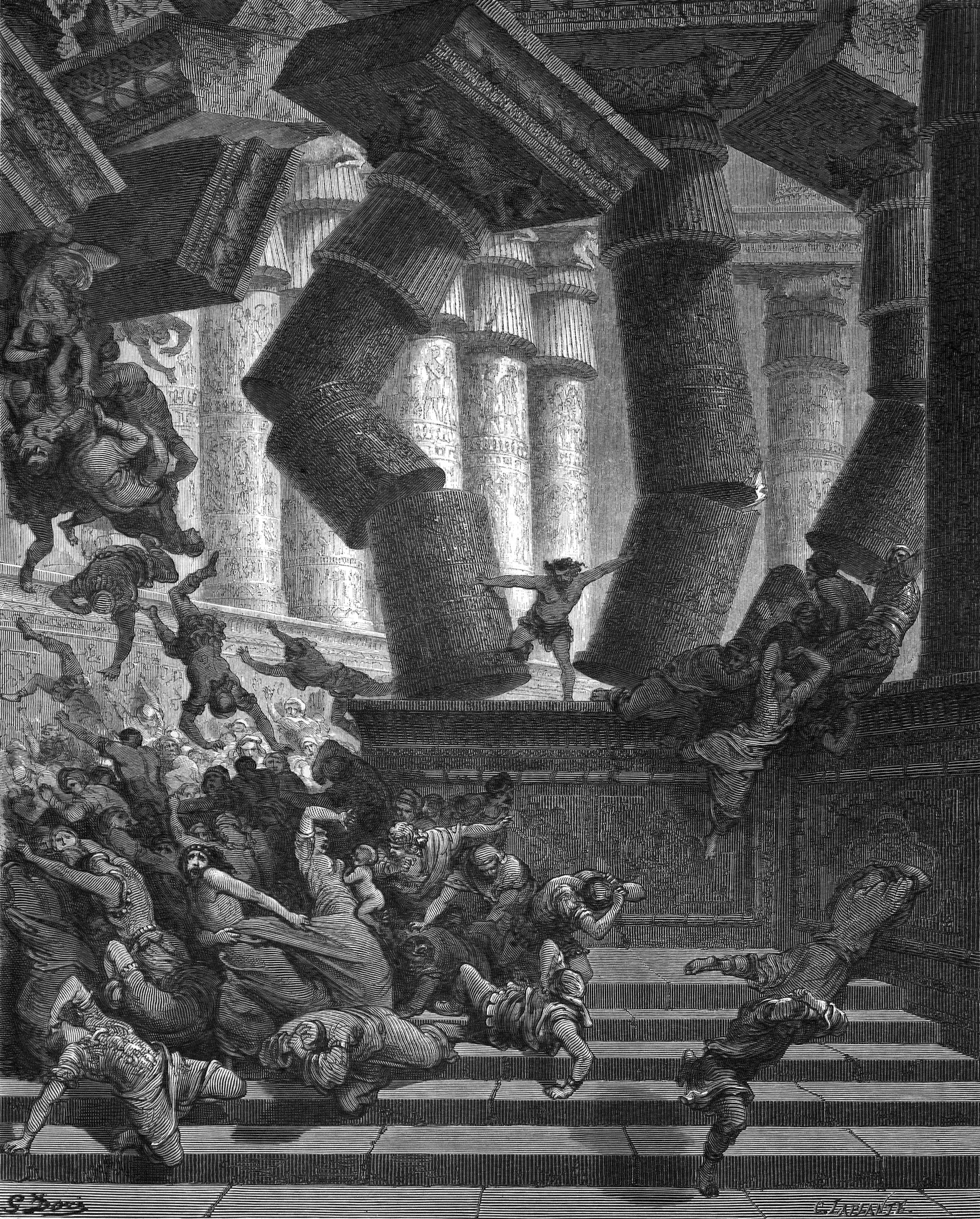
Samson Destroying the Temple
Gustave Doré · 1866
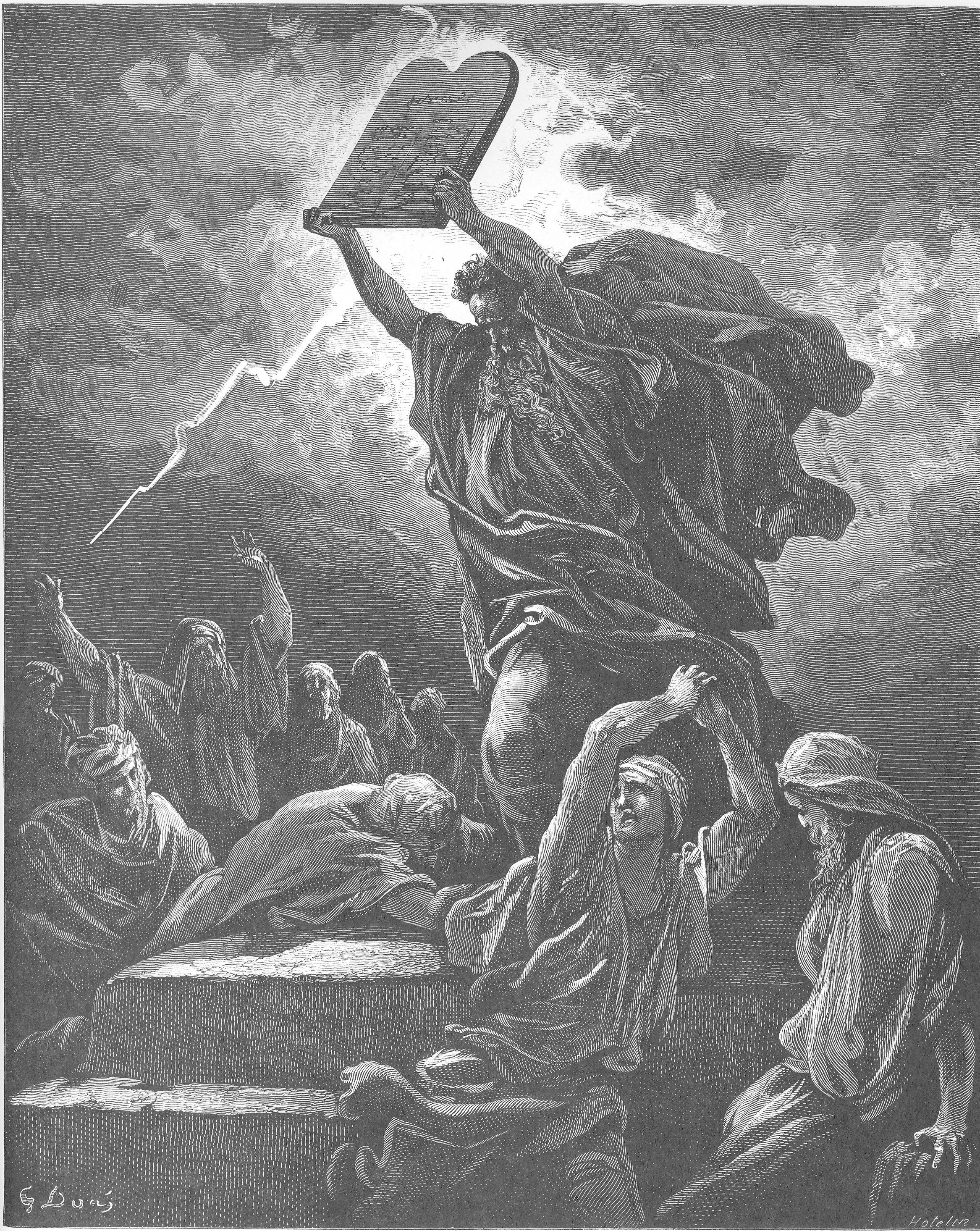
Moses Breaking the Tables of the Law
Gustave Doré · 1866
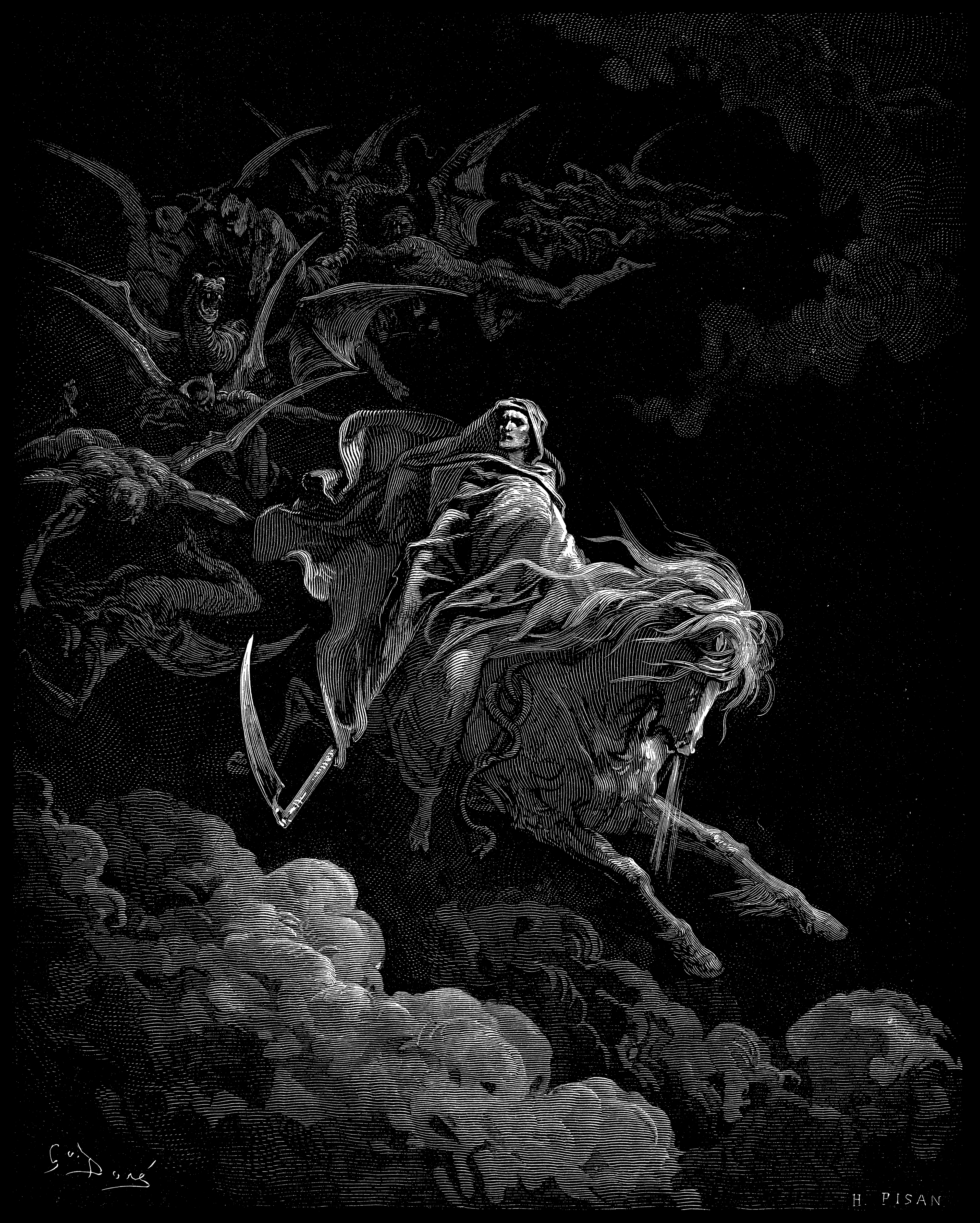
Death on the Pale Horse
Gustave Doré · 1866
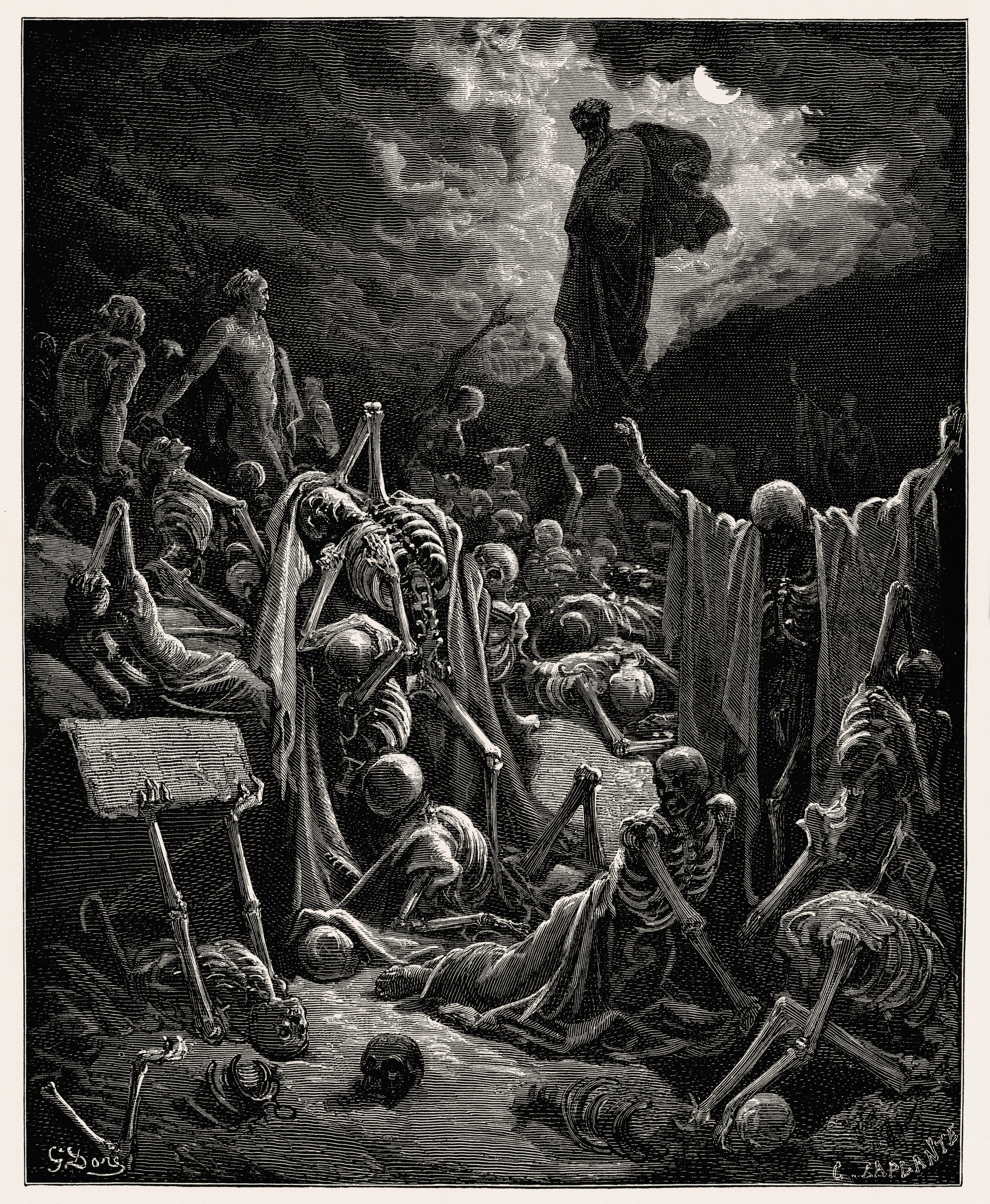
The Vision of the Valley of Dry Bones
Gustave Doré · 1866
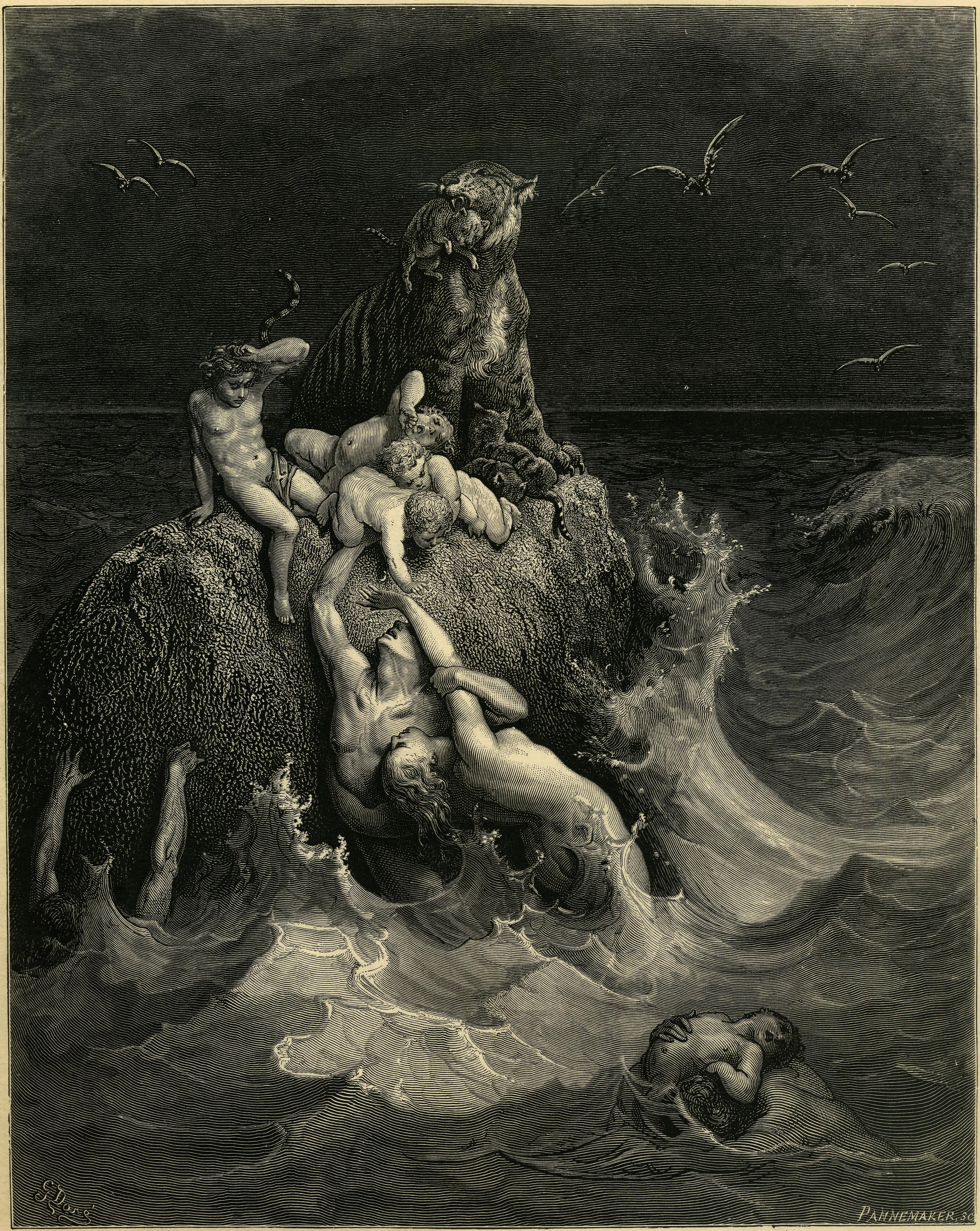
The Deluge
Gustave Doré · 1866
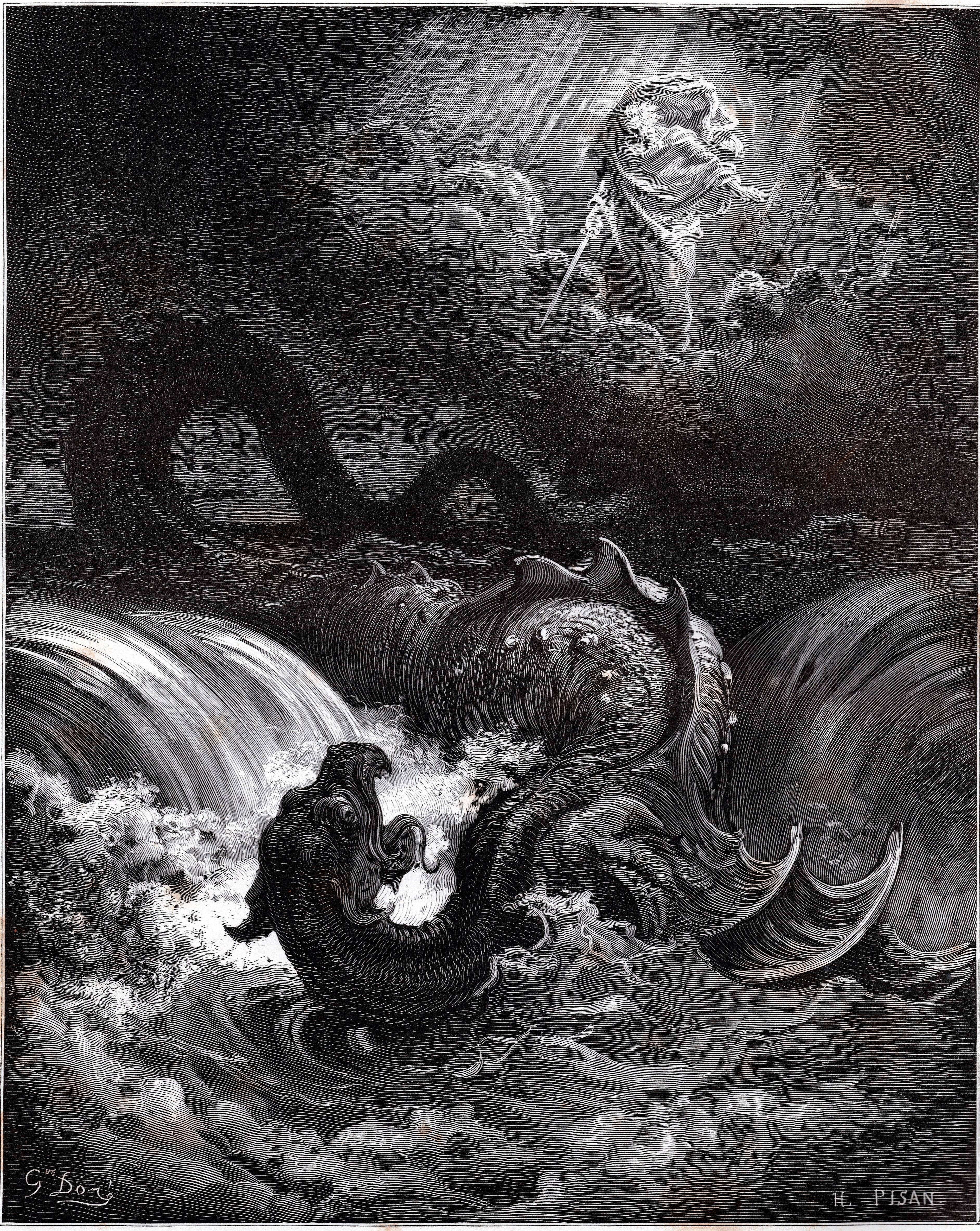
The Destruction of Leviathan
Gustave Doré · 1866
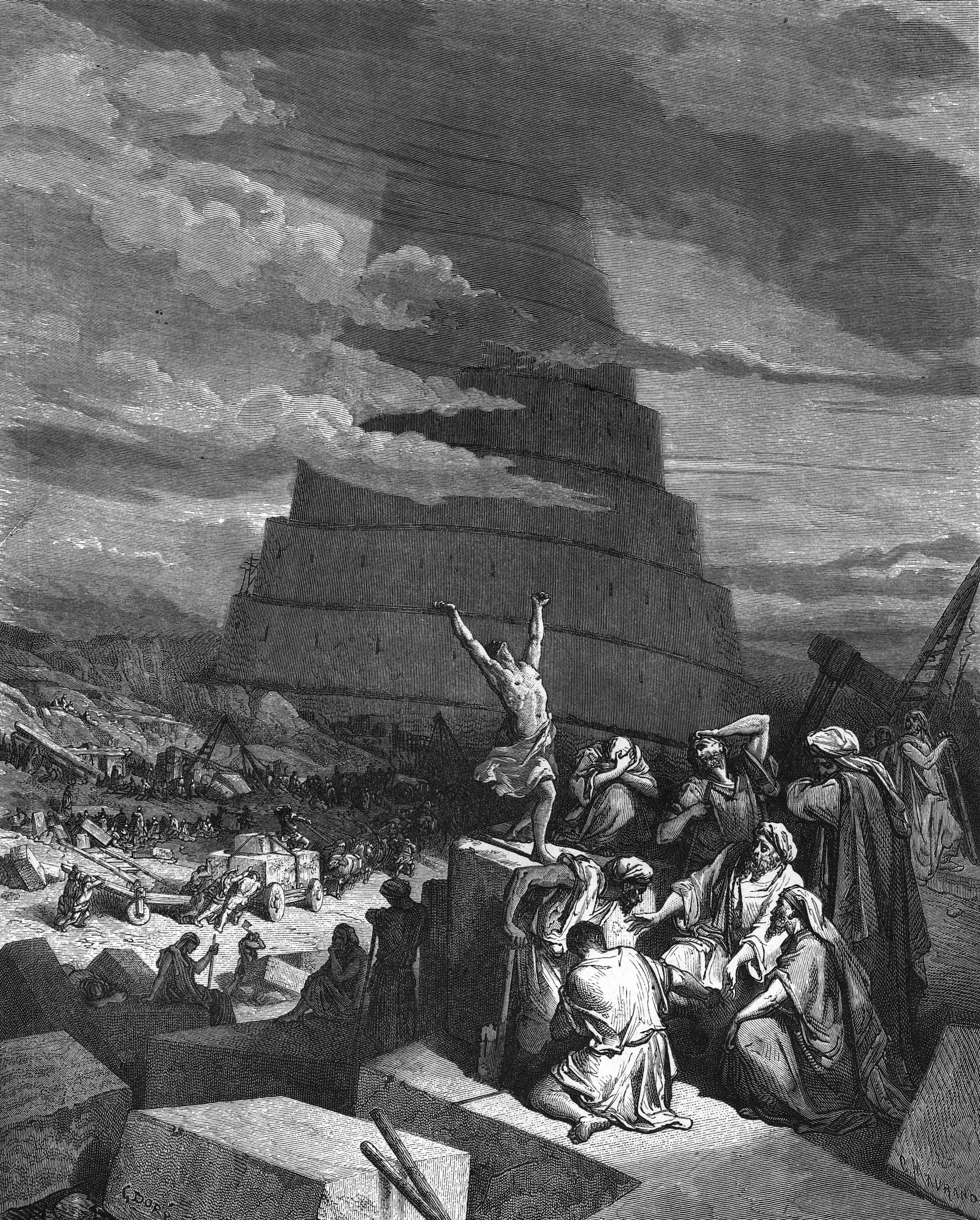
The Confusion of Tongues
Gustave Doré · 1866
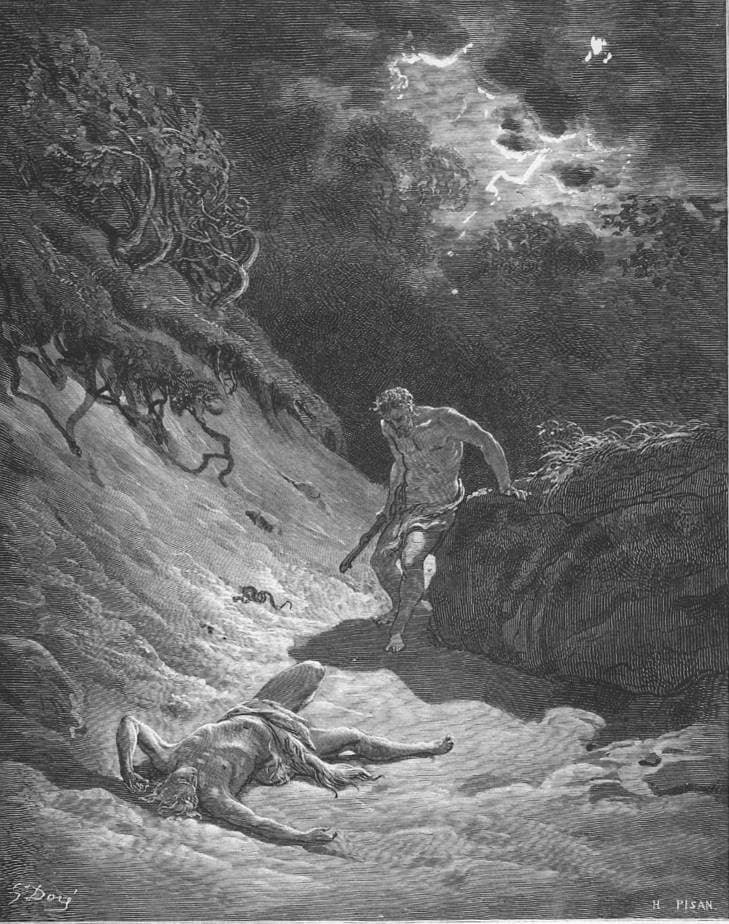
The Death of Abel
Gustave Doré · 1866
Also from 1866
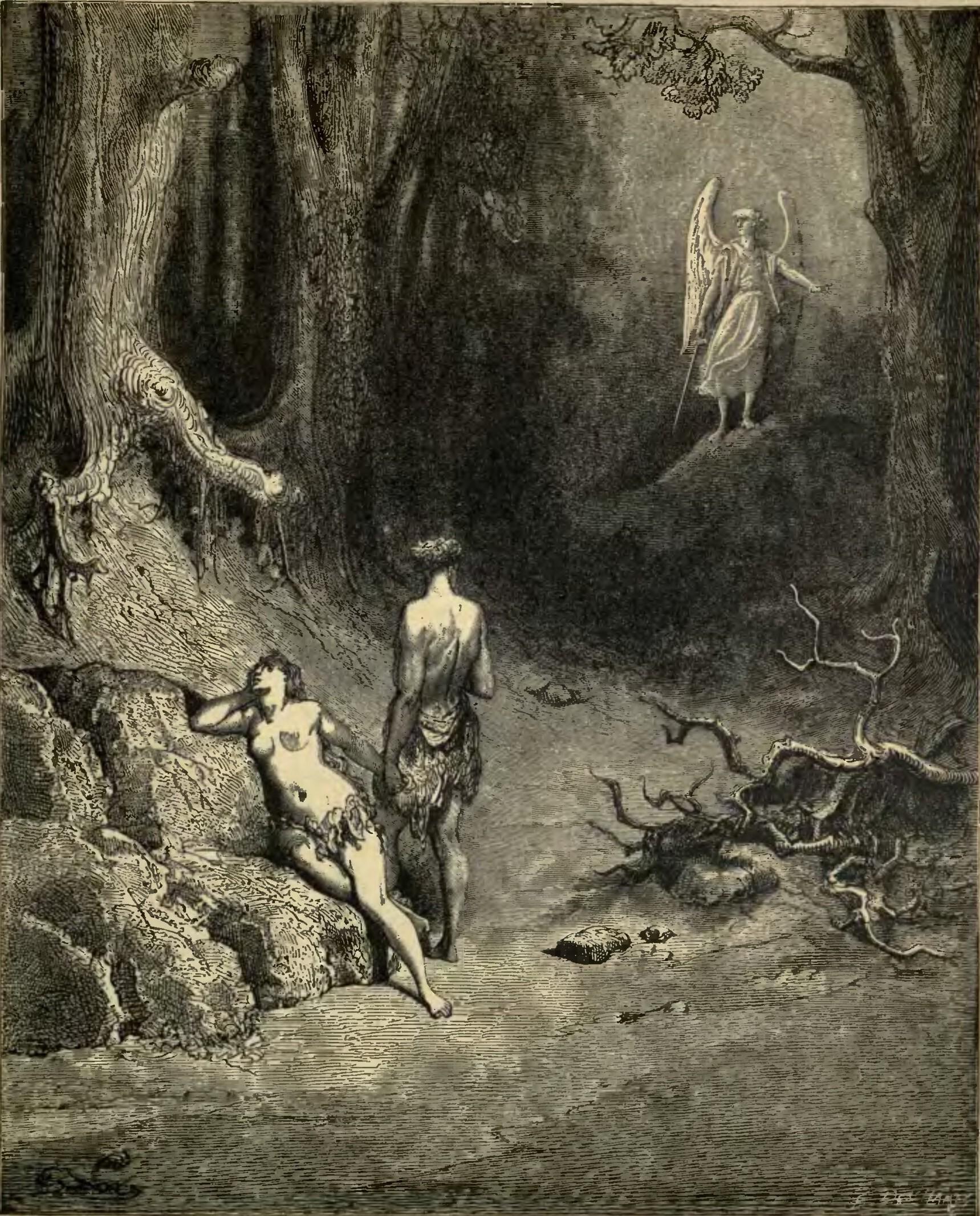
Adam and Eve Expelled from Paradise
Gustave Doré · 1866
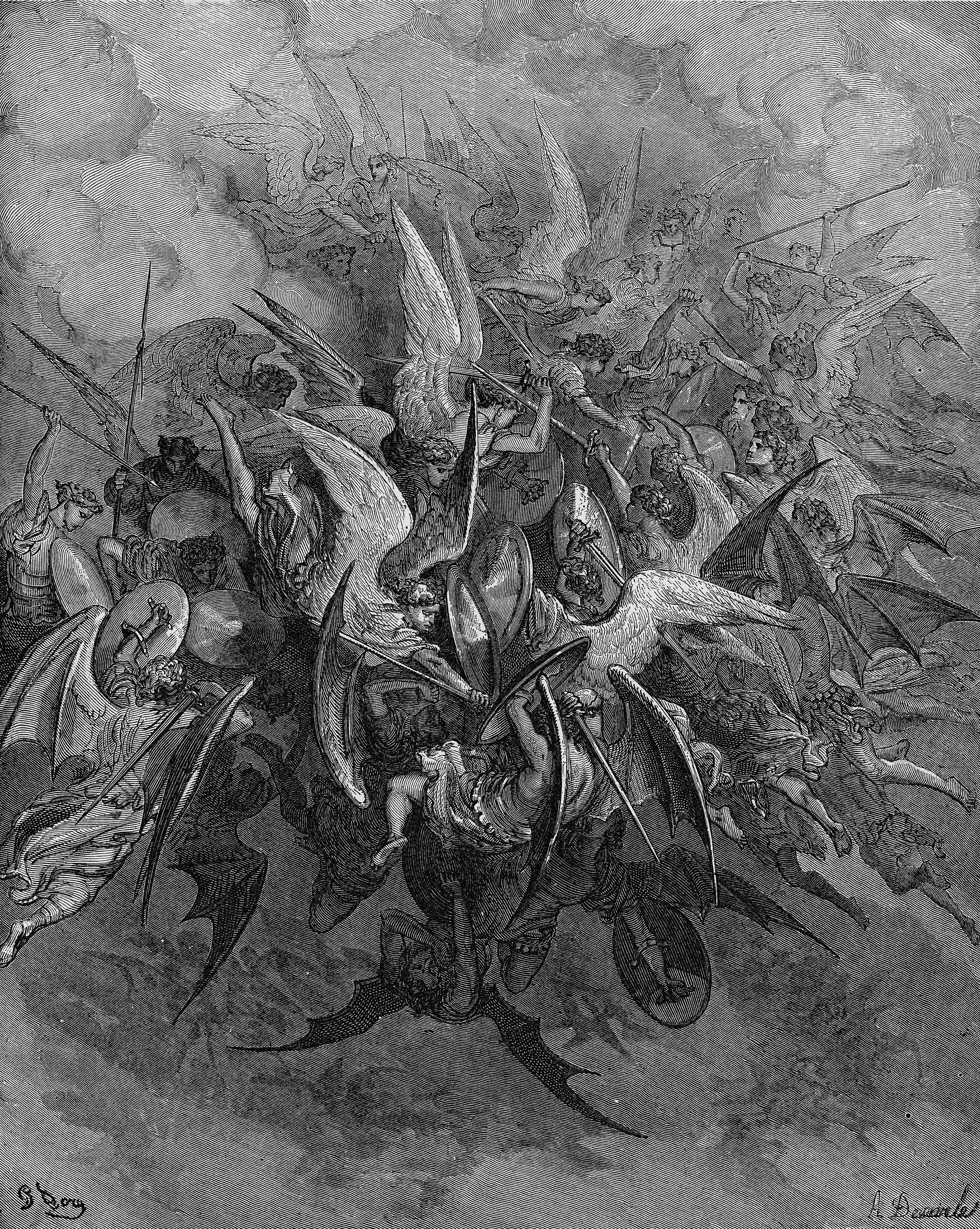
The War in Heaven
Gustave Doré · 1866
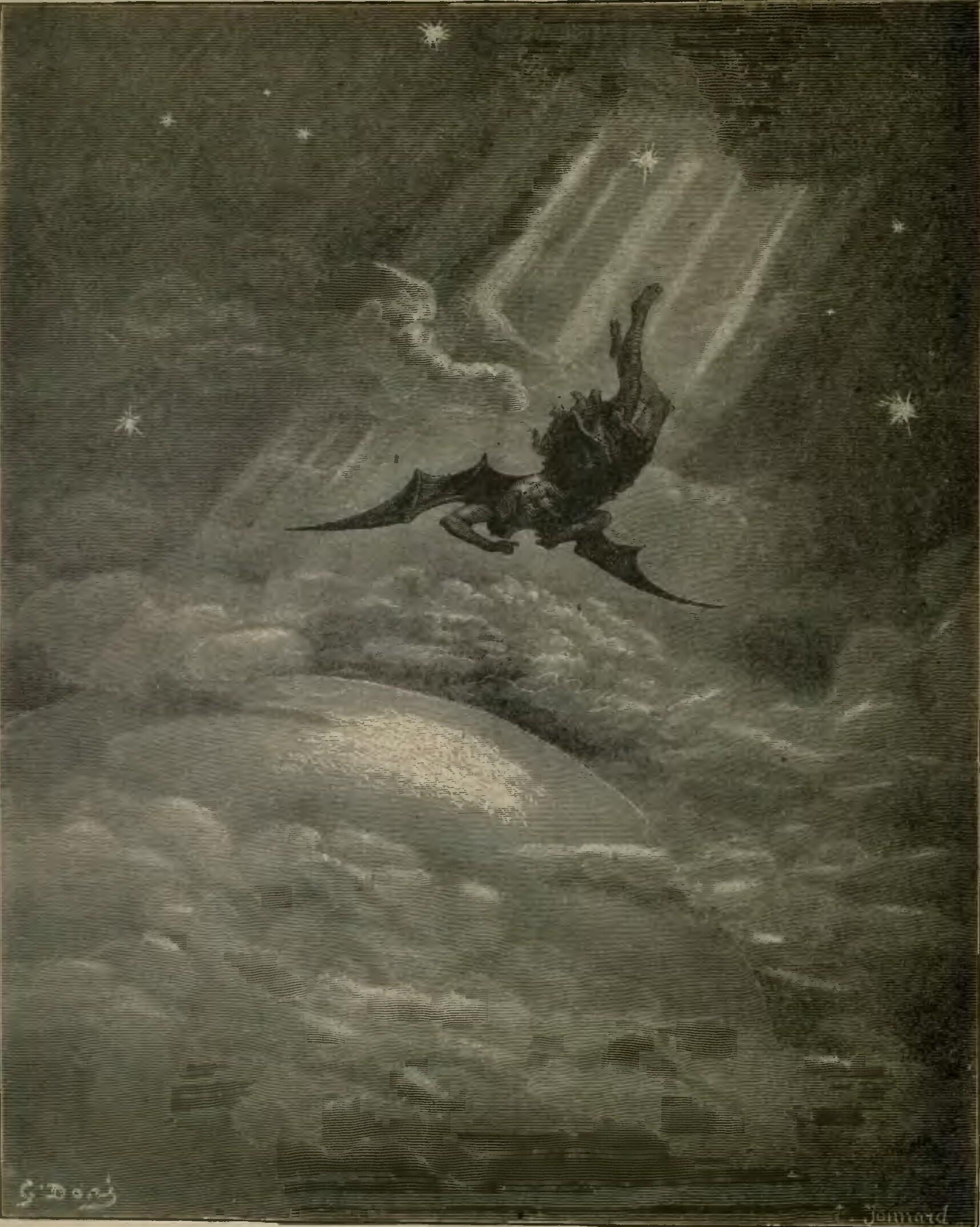
Satan Approaching the Confines of the Earth
Gustave Doré · 1866
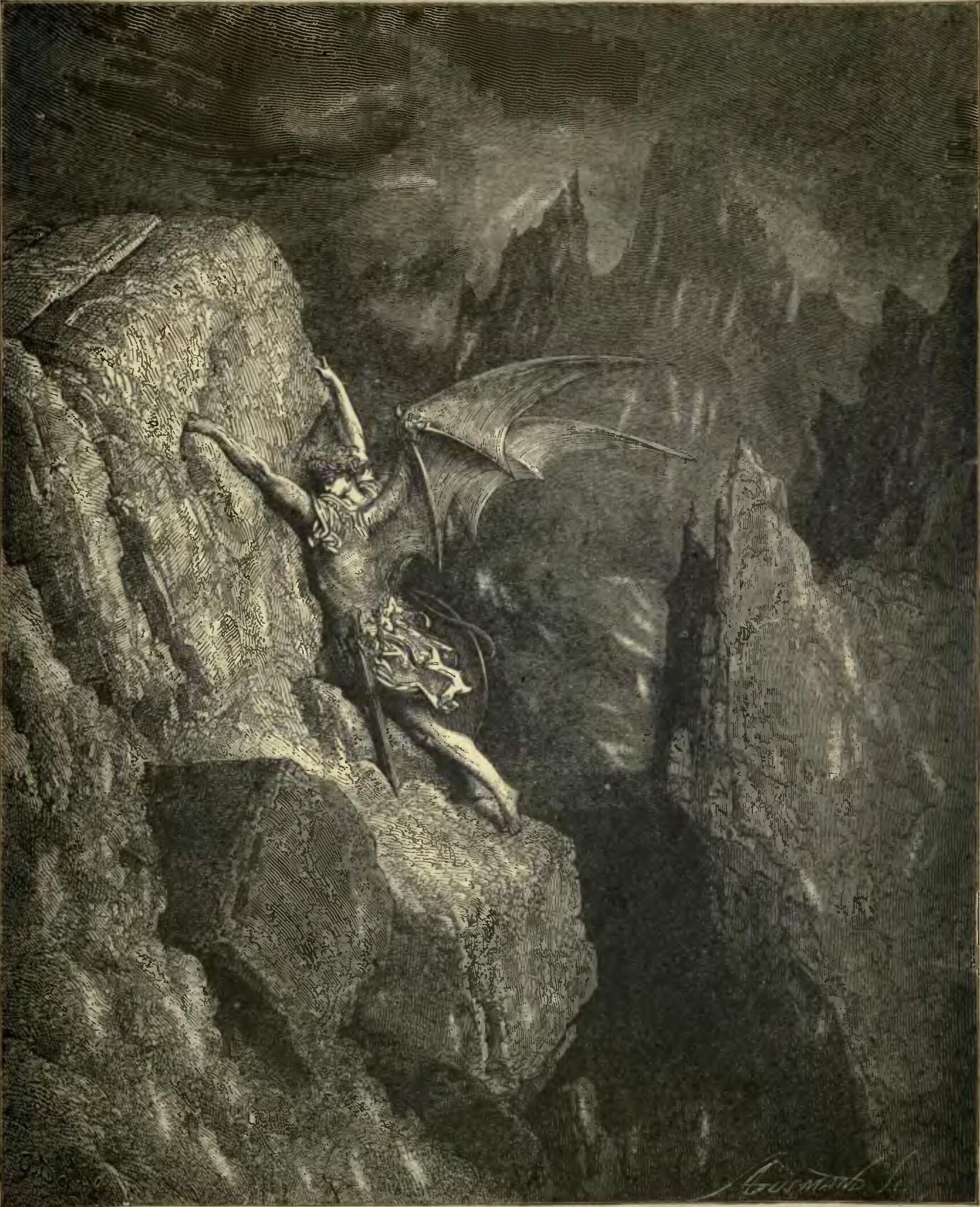
Satan’s Flight Through Chaos
Gustave Doré · 1866
Satan, Sin and Death at the Gates of Hell
Gustave Doré · 1866
Satan in Council
Gustave Doré · 1866
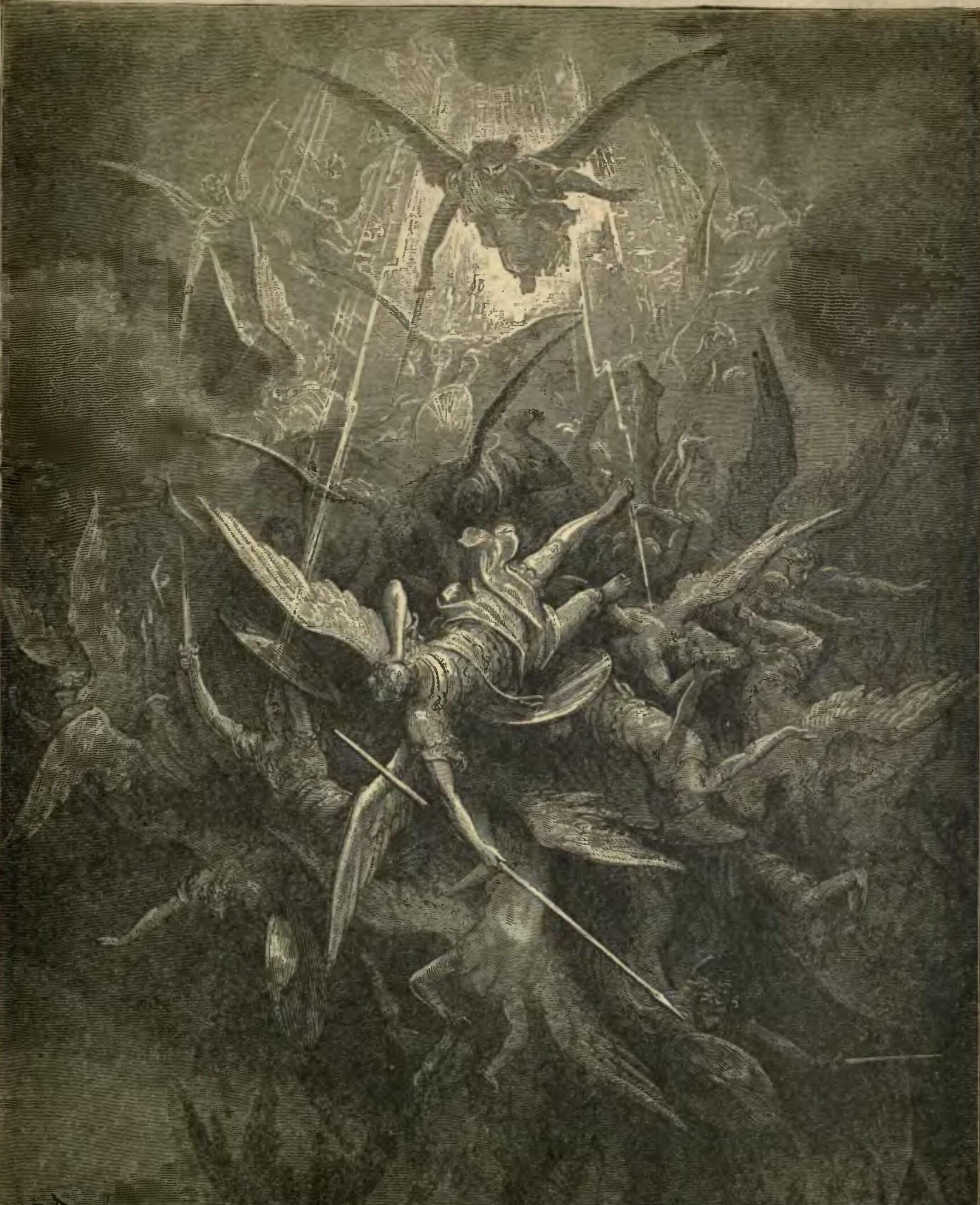
Satan Cast Out of Heaven
Gustave Doré · 1866
Related works
The War in Heaven
Gustave Doré · 1866
Satan Cast Out of Heaven
Gustave Doré · 1866
Adam and Eve Expelled from Paradise
Gustave Doré · 1866
Fantastic Vision (Asmodea)
Francisco Goya · c. 1819–1823
Fallen Angel
Alexandre Cabanel · 1847
Lucifer, King of Hell
Gustave Doré · 1861
Satan’s Flight Through Chaos
Gustave Doré · 1866
The Empyrean (Rosa Celeste)
Gustave Doré · 1868