Satan in Council
Gustave Doré, 1866
Satan in Council is Gustave Doré’s 1866 wood-engraved plate for Paradise Lost, Book II, lines 1–2, “High on a throne of royal state”: Satan stands at the top of a vast stair in Pandemonium, addressing the fallen angels massed below him.
- Artist
- Gustave Doré
- Date
- 1866
- Medium
- Wood engraving
- Movement
- Romanticism
- Themes
- Angels & Demons, Literature & Poetry, Power & History, Architecture & Ruins, Dark Academia
Appears in
What you are looking at
We stand at the foot of a great staircase in a hall of impossible size. The stair climbs from the lower right toward the upper left, and at its summit, small against a blazing oval of light, stands Satan with his wings raised and one arm lifted as he speaks. The glowing shape behind him is the back of his throne, worked like a jeweled fan or a sunburst, framed by twisted columns and palm-like ornament.
The hall is crowded. Ranks of angels with spears line the left side of the stair, pale and attentive. Across the middle of the picture a dark, bristling mass of figures with bat-like wings surges toward the throne, one arm raised among them as if in answer. In the foreground more of the fallen sit or sprawl on the lowest steps, wings folded, some turned to talk to each other. At the right, a single enormous column rises the full height of the plate, and smoke rolls through the open roof.
Doré builds the depth with light: the throne is the brightest point, the foreground figures the darkest, and every step of the stair is a band of horizontal cutting that pulls the eye up toward the speaker. Doré’s signature is at lower left; the engraver’s credit at lower right reads “Pannemaker-Doms”.
The lines it illustrates
Book II of Paradise Lost opens with the fallen angels gathered in Pandemonium, the palace they built at the end of Book I, for a debate on what to do next:
High on a throne of royal state, which far Outshone the wealth of Ormus and of Ind, Or where the gorgeous East with richest hand Showers on her kings barbaric pearl and gold, Satan exalted sat, by merit raised To that bad eminence
What follows is the great council scene. Moloch argues for open war, Belial for doing nothing, Mammon for building a rival kingdom in Hell, and Beelzebub, prompted by Satan, proposes the plan that drives the rest of the poem: to strike at God through his new creation, mankind.
How Doré staged it
Milton’s Satan sits. Doré’s stands, with his arm raised, at the moment of addressing the host. It is a small change that turns a portrait of power into a scene of persuasion, which is what Book II is about. Doré also shrinks him. The throne is the visual center, but Satan is a small pale figure at the top of the stair, and the real subject is the crowd and the architecture around him.
The hall is Doré’s invention, assembled from many sources: Gothic clustered piers, Indian-looking ornament that answers Milton’s “Ormus and Ind,” and a classical column on the right big enough to dwarf everything else. Milton’s Pandemonium, built by Mulciber, has Doric pillars and golden architrave; Doré’s is darker and stranger, more cathedral than temple. The contrast between the pale angels on the left and the dark winged mass on the right hints at a hierarchy within Hell itself.
How it was made and published
Doré drew the composition on a boxwood block for professional engravers to cut; this plate is signed by the workshop of Pannemaker and Doms. It is the sixth of the fifty plates in Milton’s Paradise Lost, published by Cassell, Petter & Galpin in London and New York in 1866 as a large folio. The scan shown here is from a later American reprint issued by J. W. Lovell of New York, so the tones are softer than in a first-edition impression.
The plate follows Satan Cast Out of Heaven in the sequence and comes shortly before Satan leaves the council to face the guardians of the gate in Satan, Sin and Death. For the full set see Doré’s Paradise Lost illustrations.
What the plate means
The council is where Milton’s Satan is most admired and most dangerous: eloquent, brave, “by merit raised / To that bad eminence.” Doré gives that ambiguity a setting. The throne glows like a halo, a deliberate echo of Heaven, while the audience below is half angelic and half monstrous. It is a court built in imitation of the one they have lost.
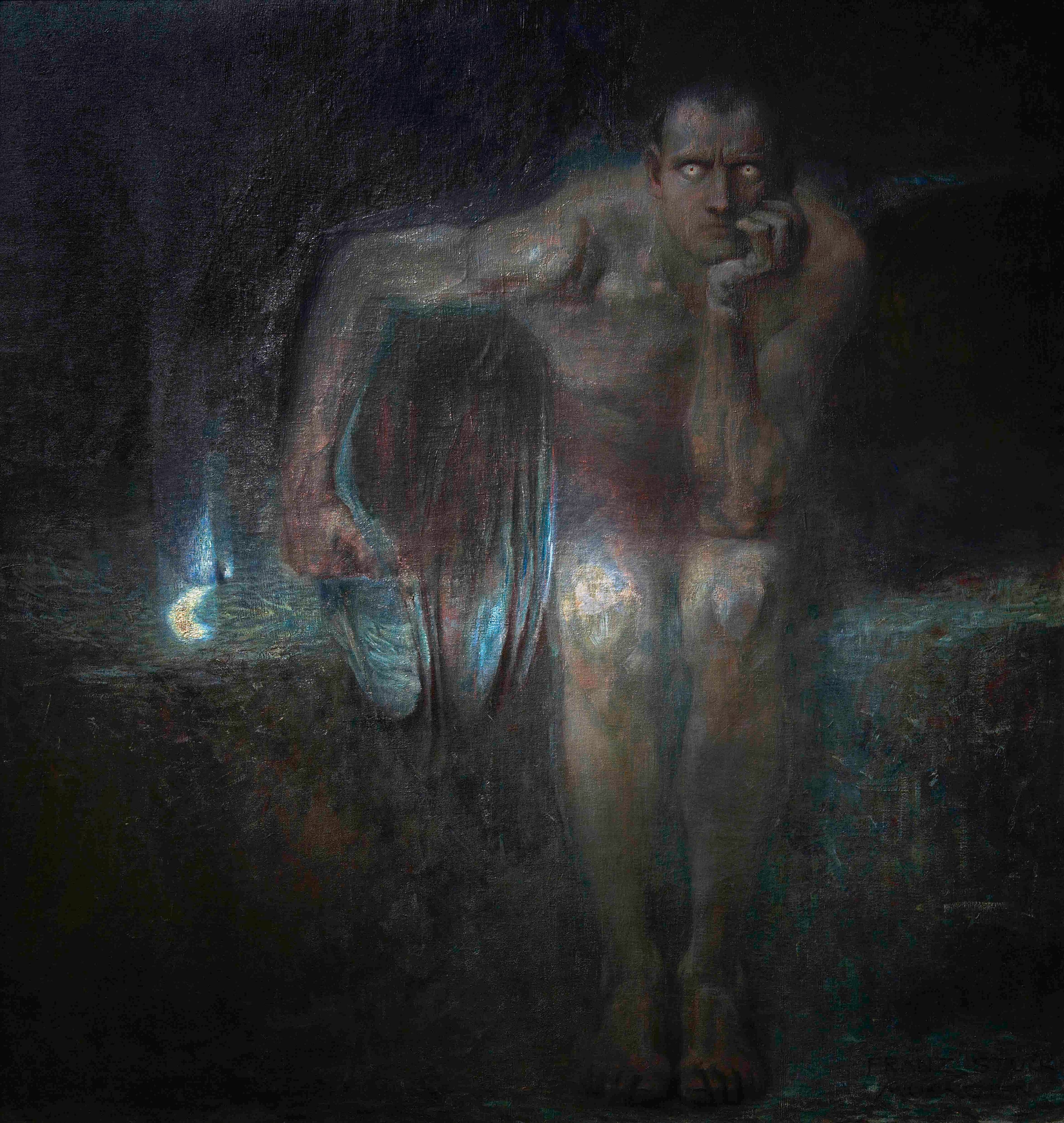
Read with Doré’s other images of the devil, the plate shows a ruler at the height of his power. Compare the same figure in Dante’s Hell, wordless and frozen to the chest in ice, in Lucifer, King of Hell, and the brooding loner of Franz von Stuck’s Lucifer. For the wider tradition of images of Satan and his angels see Angels and Demons in Art. Gustave Doré shows Hell not as a pit but as a capital city, with a government.
Questions & answers
What does Doré’s Satan in Council show?
Satan standing before a blazing fan-shaped throne at the top of a vast staircase in Pandemonium, arm raised as he addresses the fallen angels. Pale angels with spears line the stair, a dark mass of bat-winged demons surges toward him, and a giant column rises at right.
Which lines of Paradise Lost does it illustrate?
The opening of Book II, lines 1–5: “High on a throne of royal state, which far / Outshone the wealth of Ormus and of Ind … Satan exalted sat, by merit raised / To that bad eminence.” The council that follows decides to attack God through mankind.
When was the plate published?
It appeared in Milton’s Paradise Lost, published by Cassell, Petter & Galpin in London and New York in 1866 with fifty full-page plates by Doré. Satan in Council is the sixth plate in the sequence, at the opening of Book II.
Who engraved Satan in Council?
Doré drew the design directly on the woodblock, and the engraving was cut by the workshop of Pannemaker and Doms, whose joint signature, “Pannemaker-Doms,” appears at lower right. Doré’s own signature is at lower left.
Why is Satan standing when Milton says he ‘sat’?
Doré shows the moment of address rather than the static portrait: Satan rises with his arm lifted to speak to the assembled host. It shifts the scene from kingship to persuasion, which is the real business of Book II’s infernal debate.
More by Gustave Doré
All works →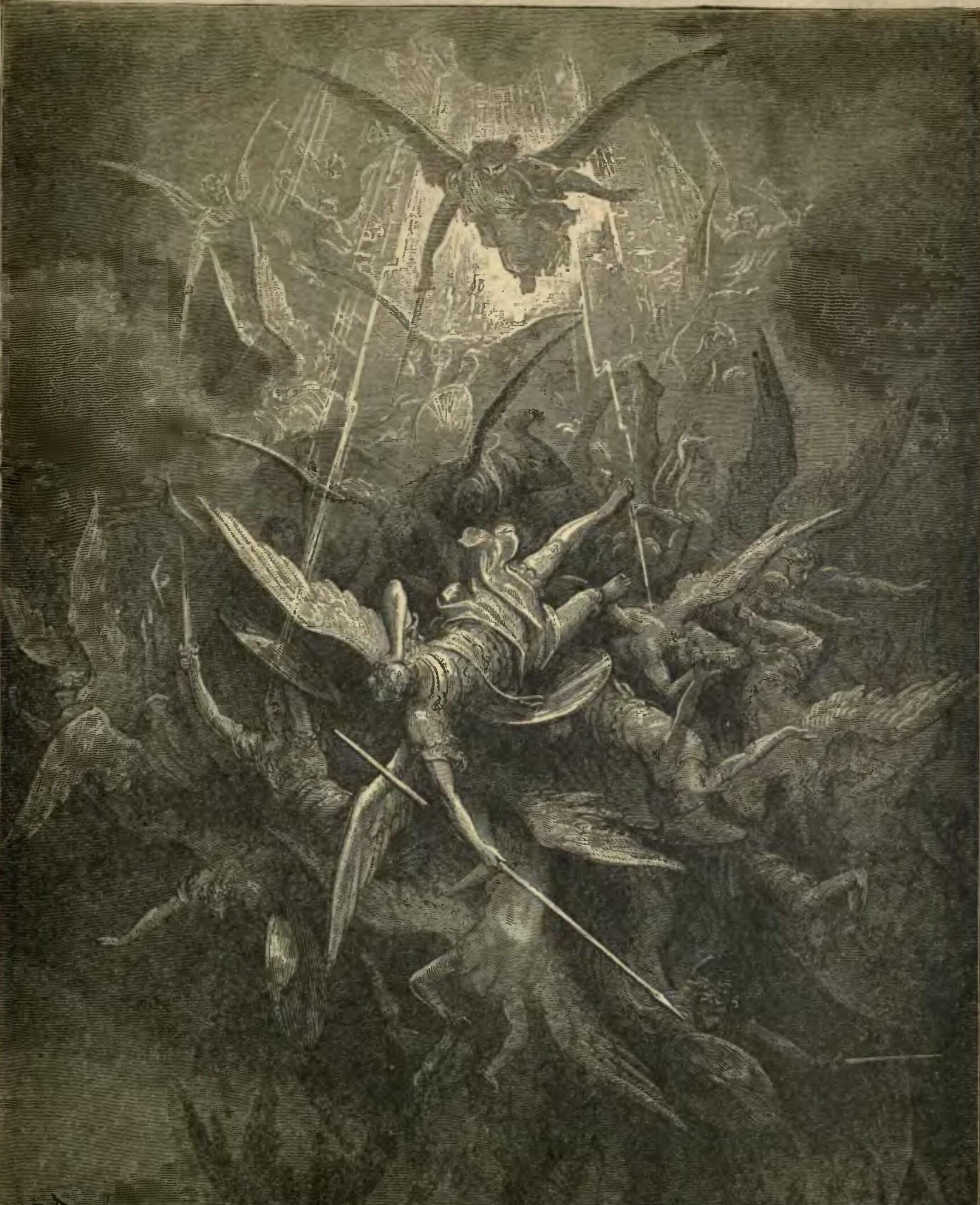
Satan Cast Out of Heaven
Gustave Doré · 1866
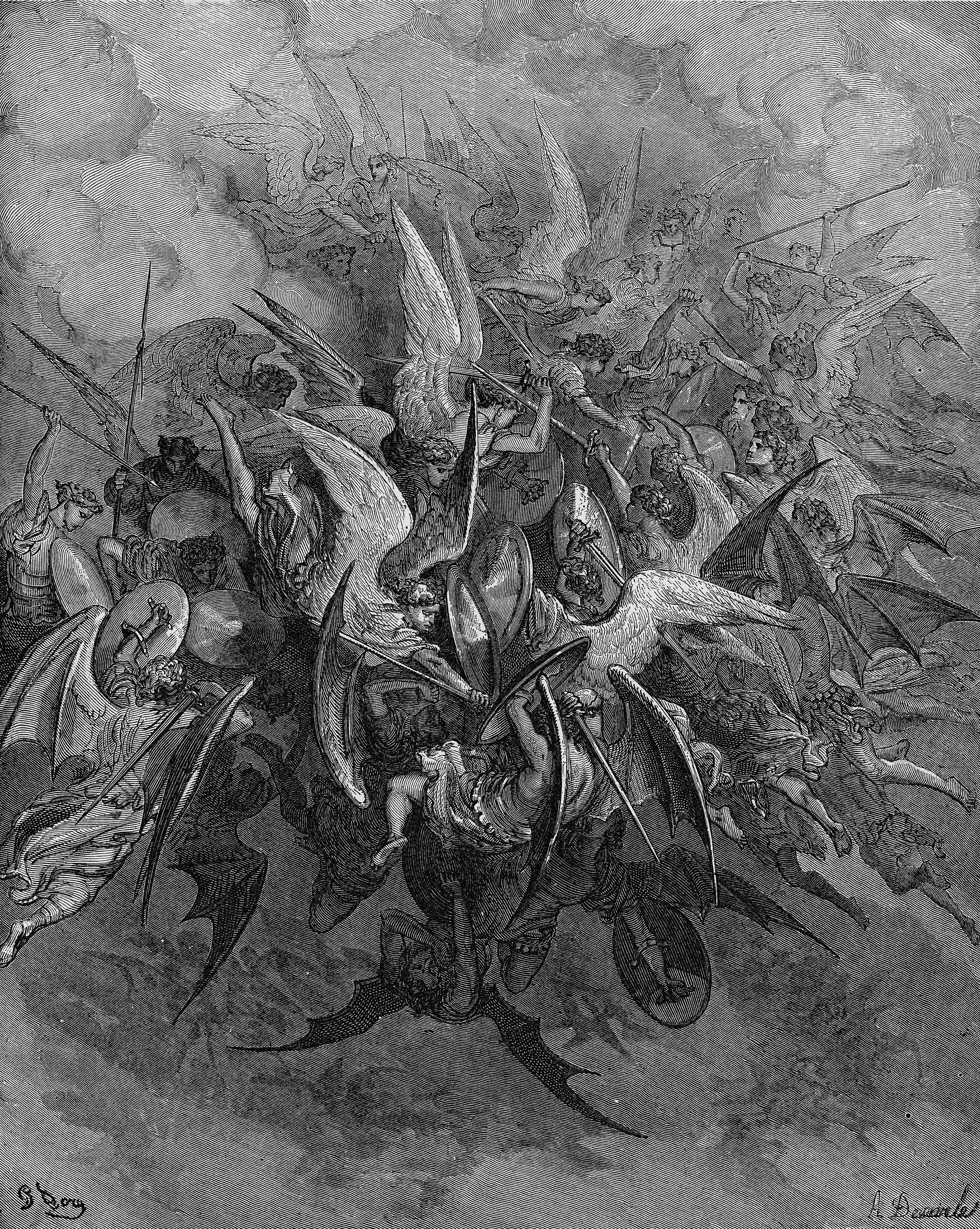
The War in Heaven
Gustave Doré · 1866
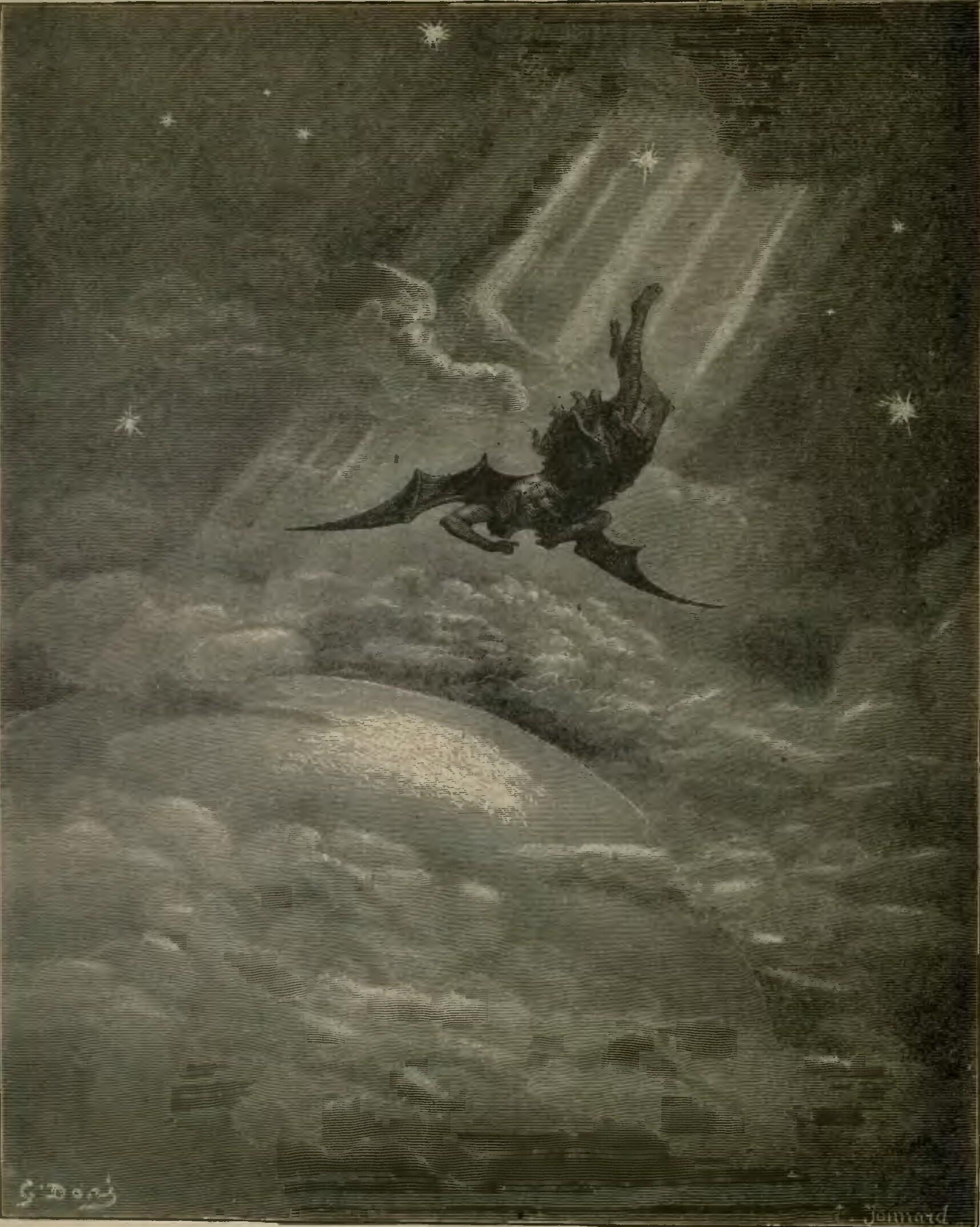
Satan Approaching the Confines of the Earth
Gustave Doré · 1866
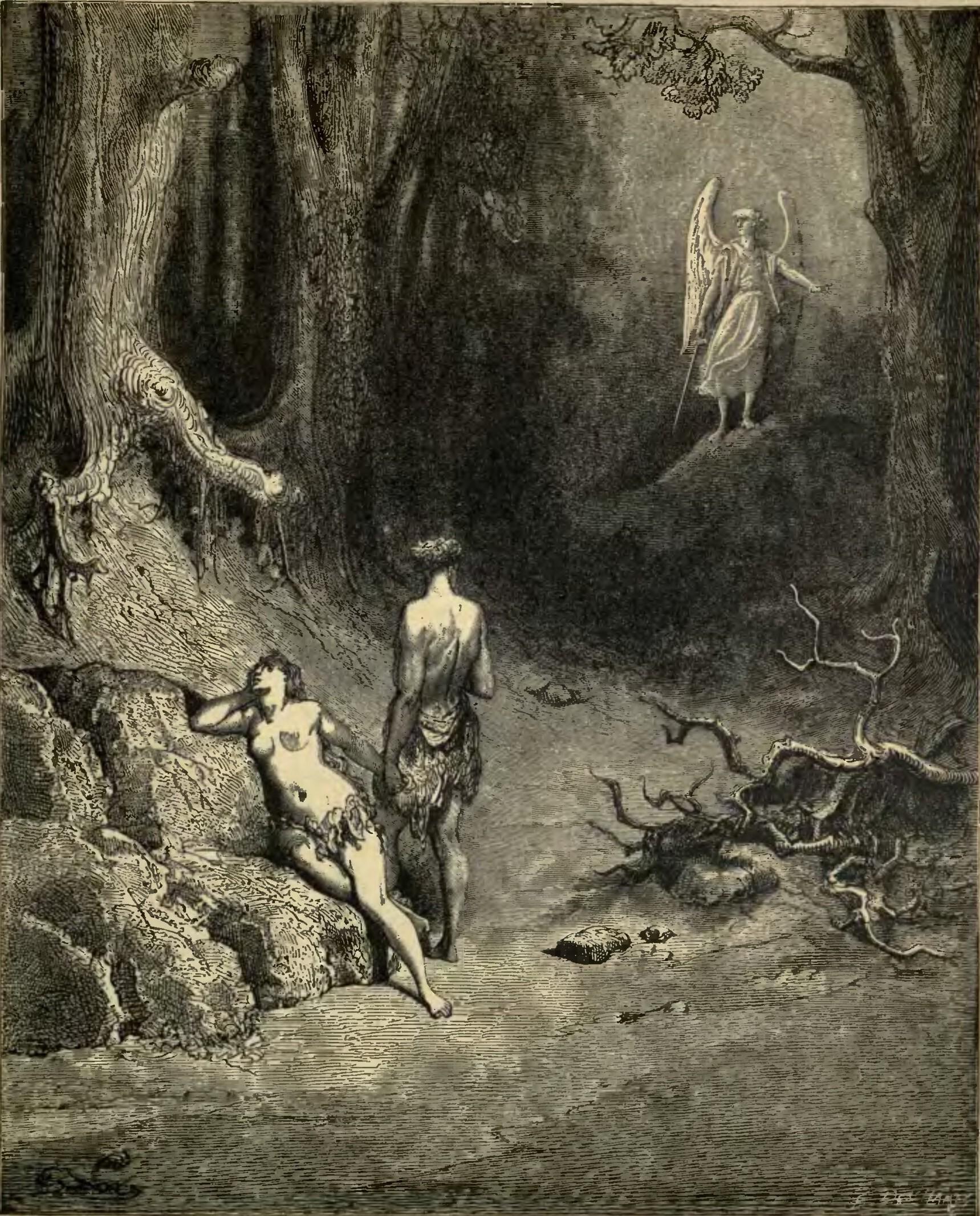
Adam and Eve Expelled from Paradise
Gustave Doré · 1866
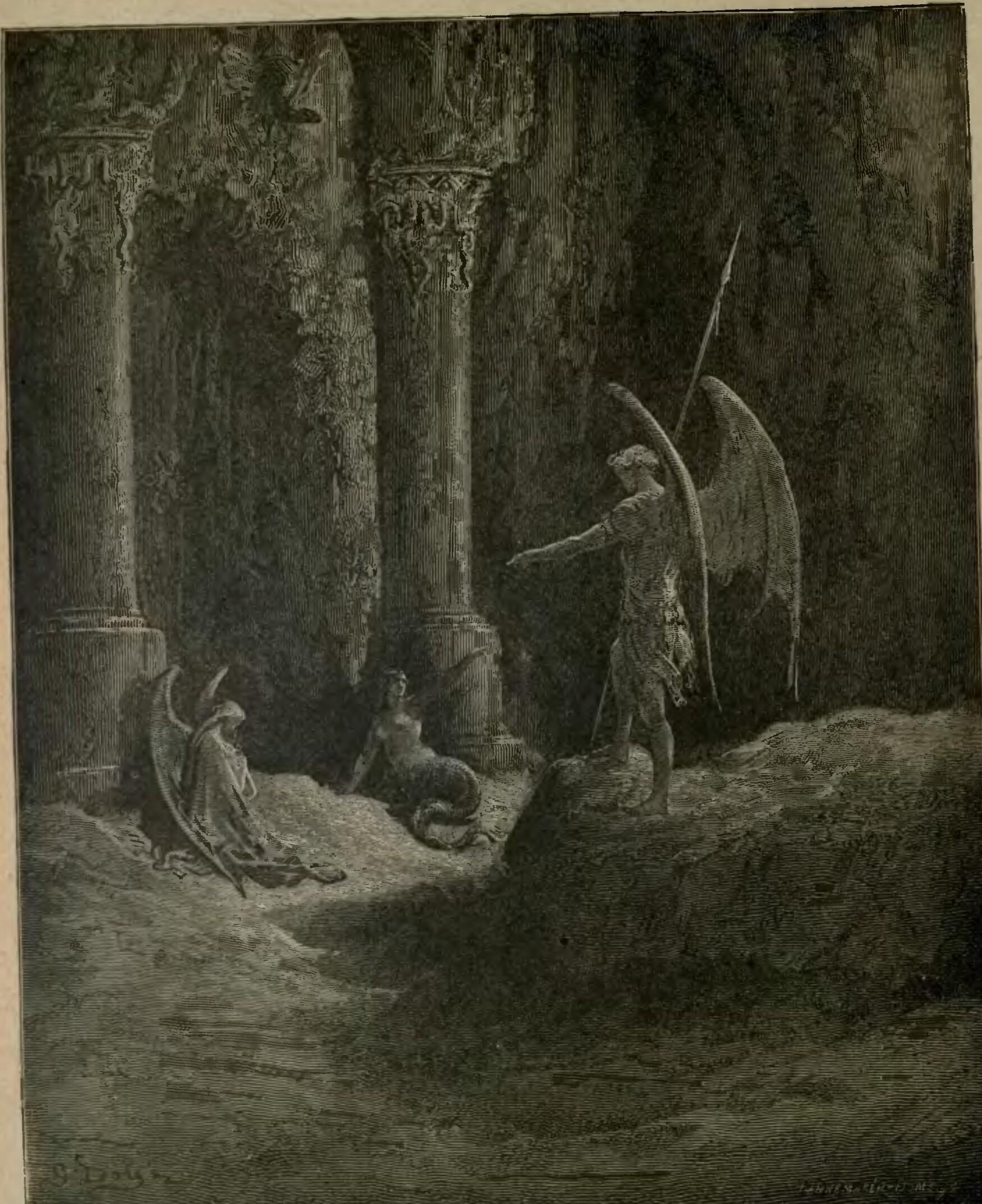
Satan, Sin and Death at the Gates of Hell
Gustave Doré · 1866
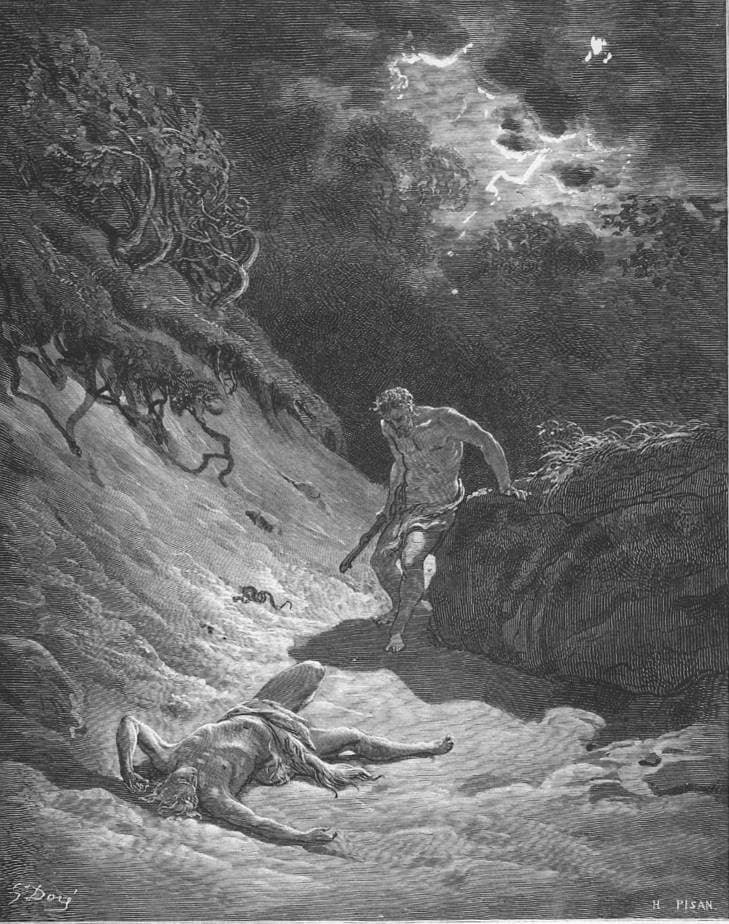
The Death of Abel
Gustave Doré · 1866
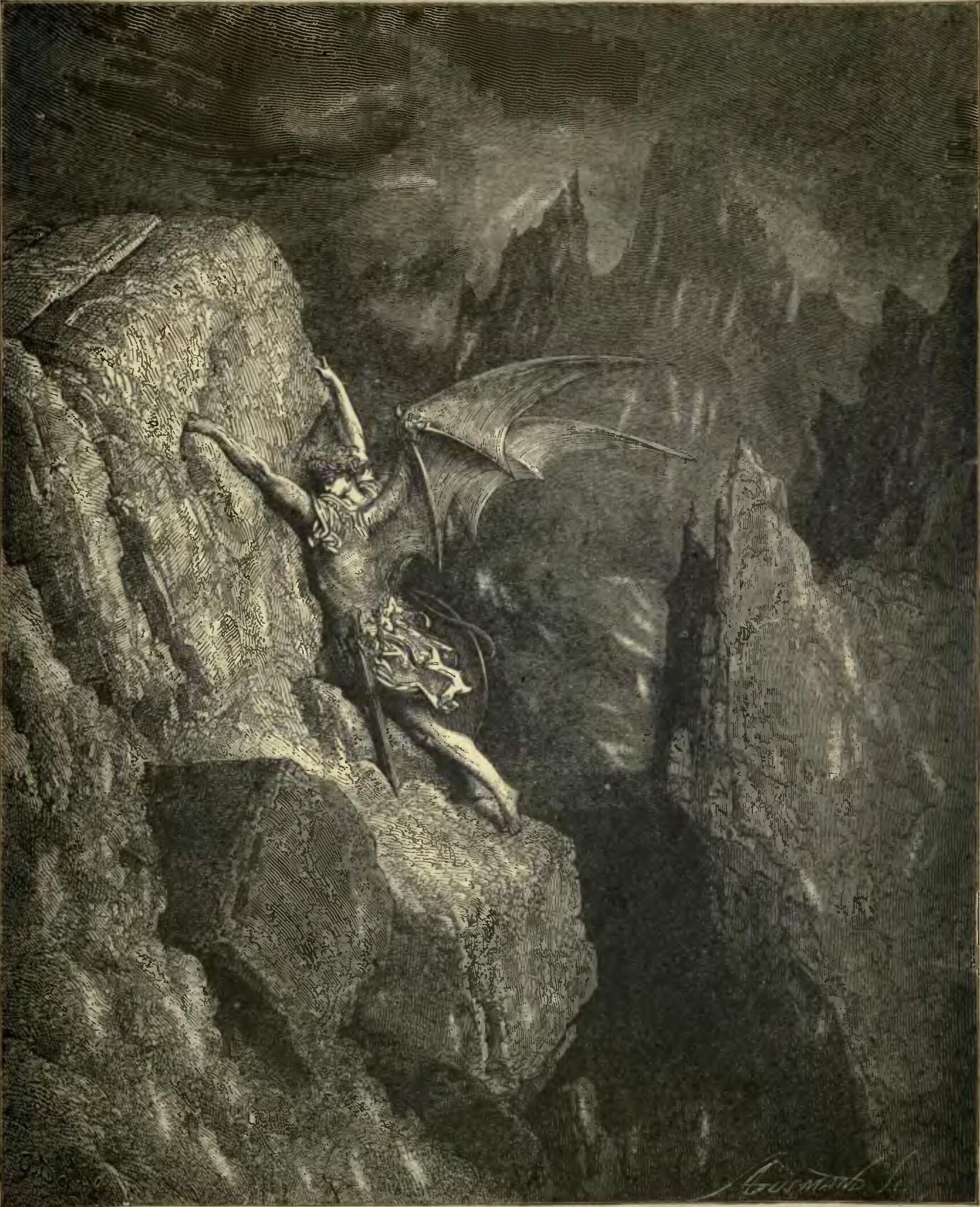
Satan’s Flight Through Chaos
Gustave Doré · 1866
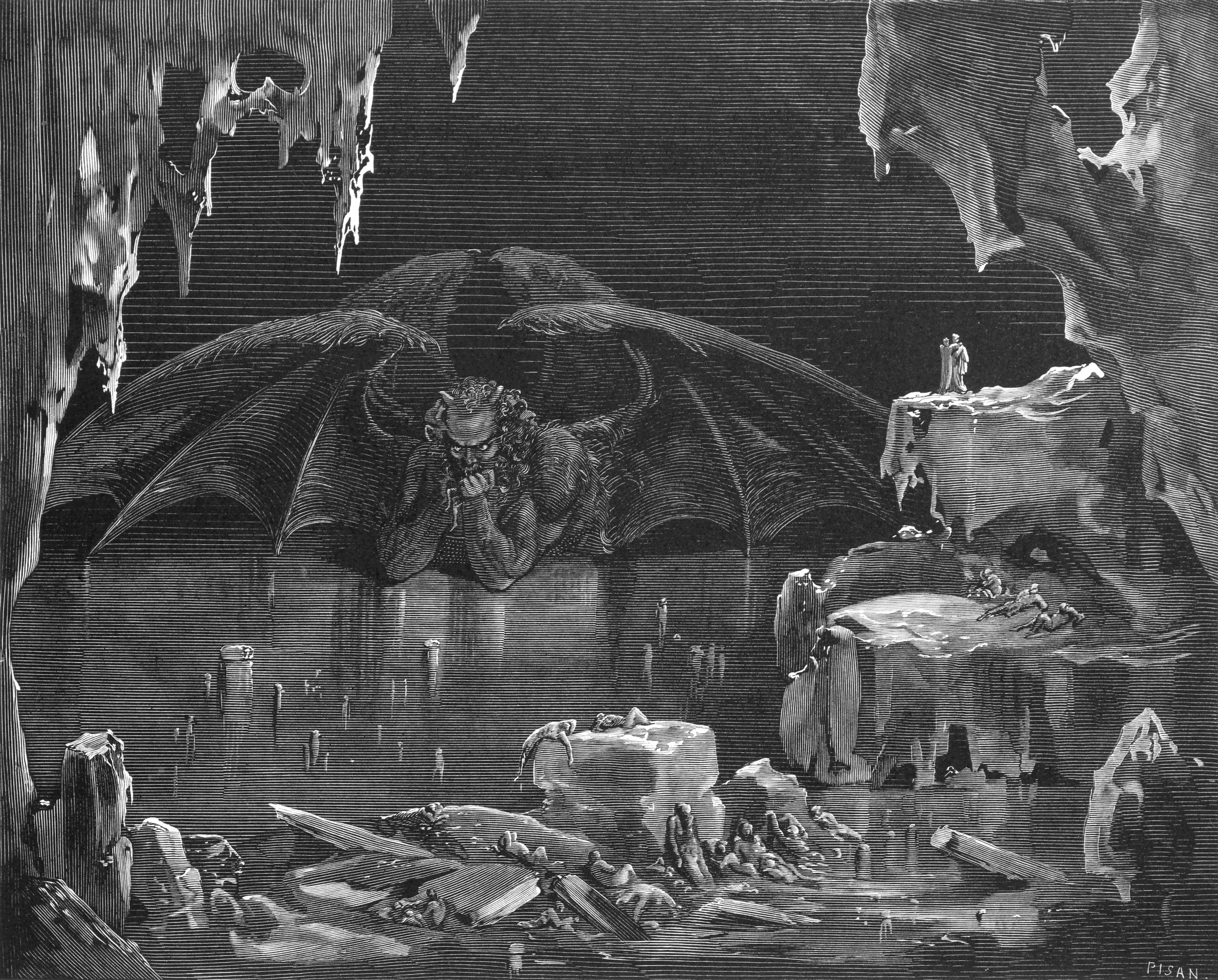
Lucifer, King of Hell
Gustave Doré · 1861
Also from 1866
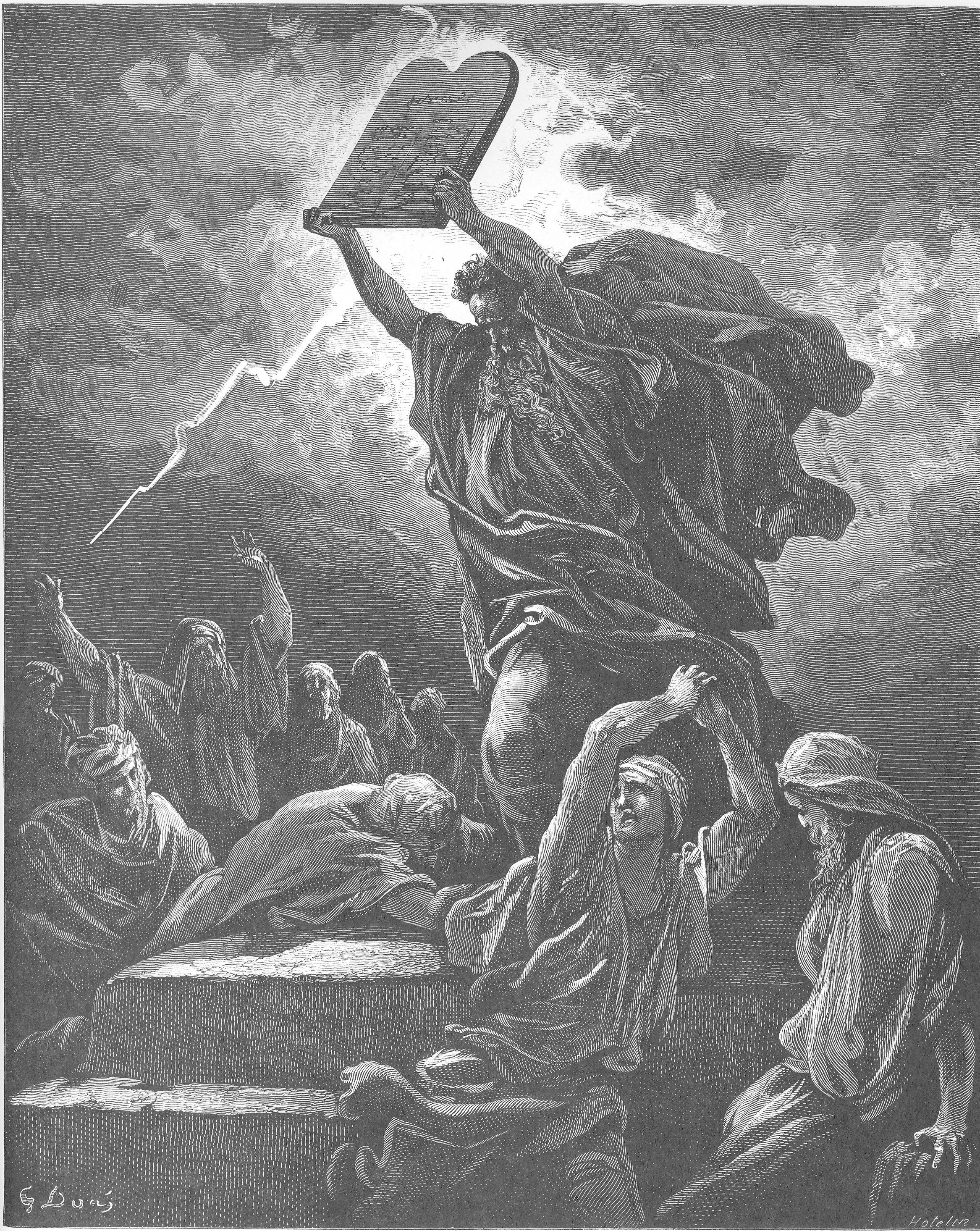
Moses Breaking the Tables of the Law
Gustave Doré · 1866
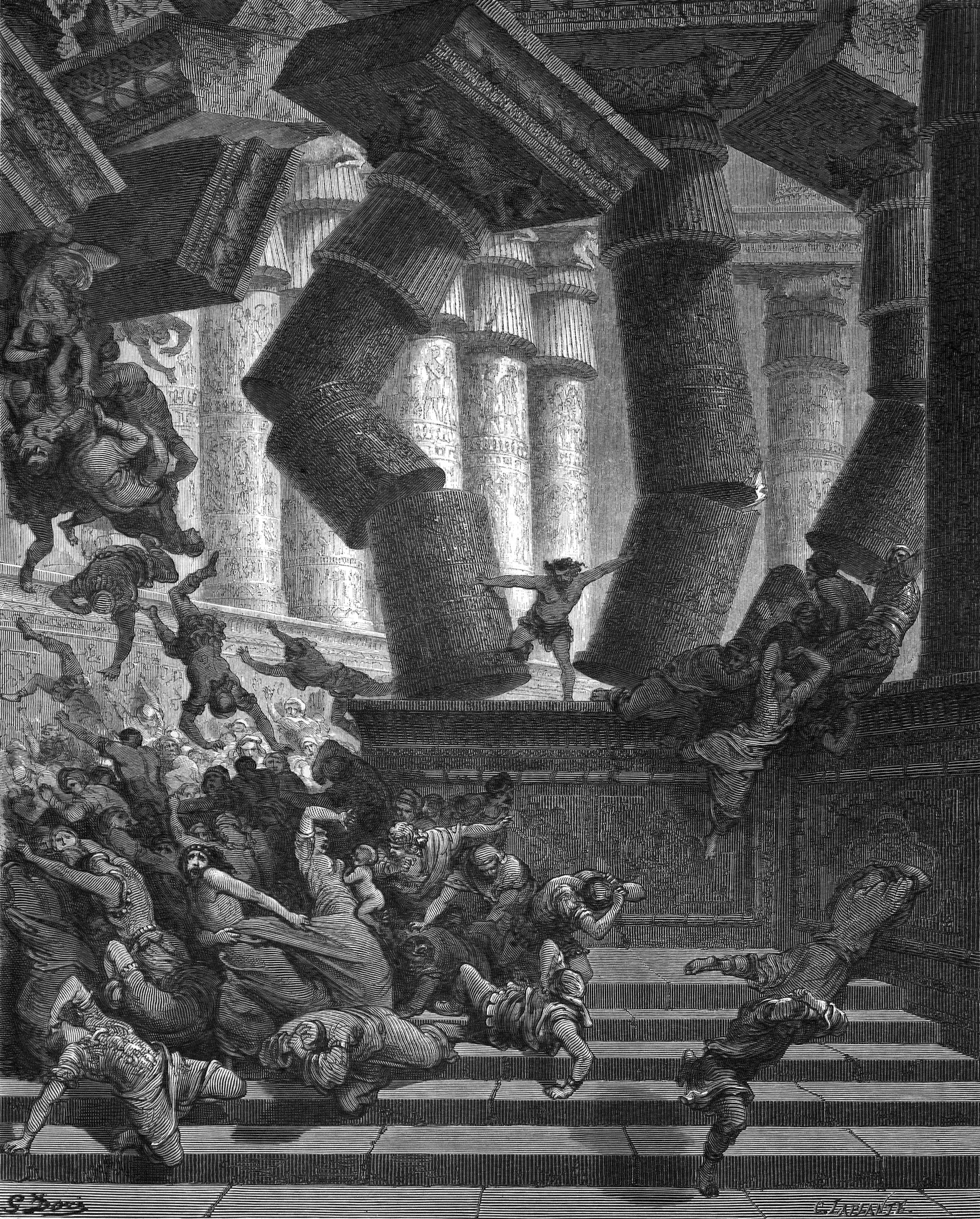
Samson Destroying the Temple
Gustave Doré · 1866
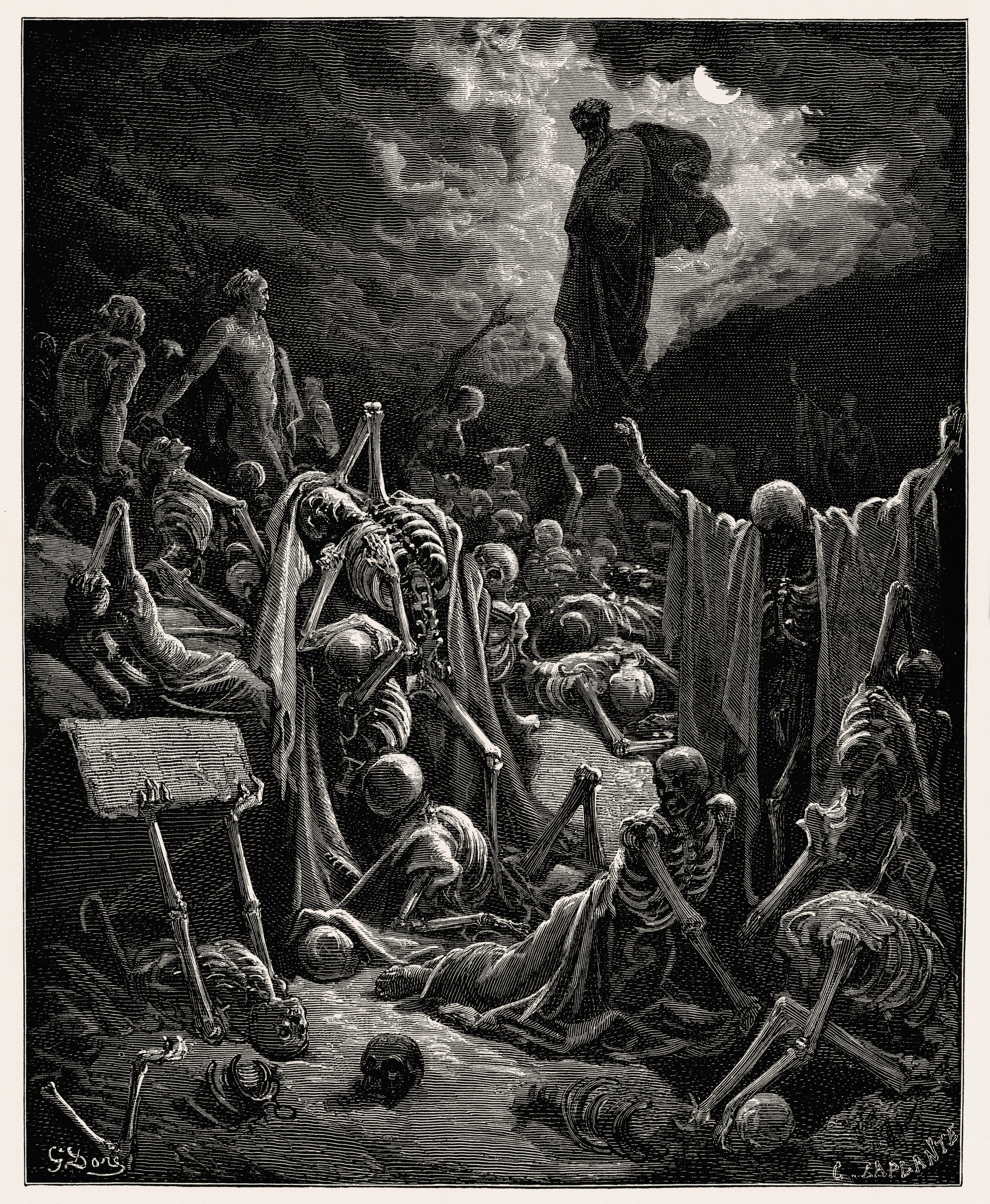
The Vision of the Valley of Dry Bones
Gustave Doré · 1866
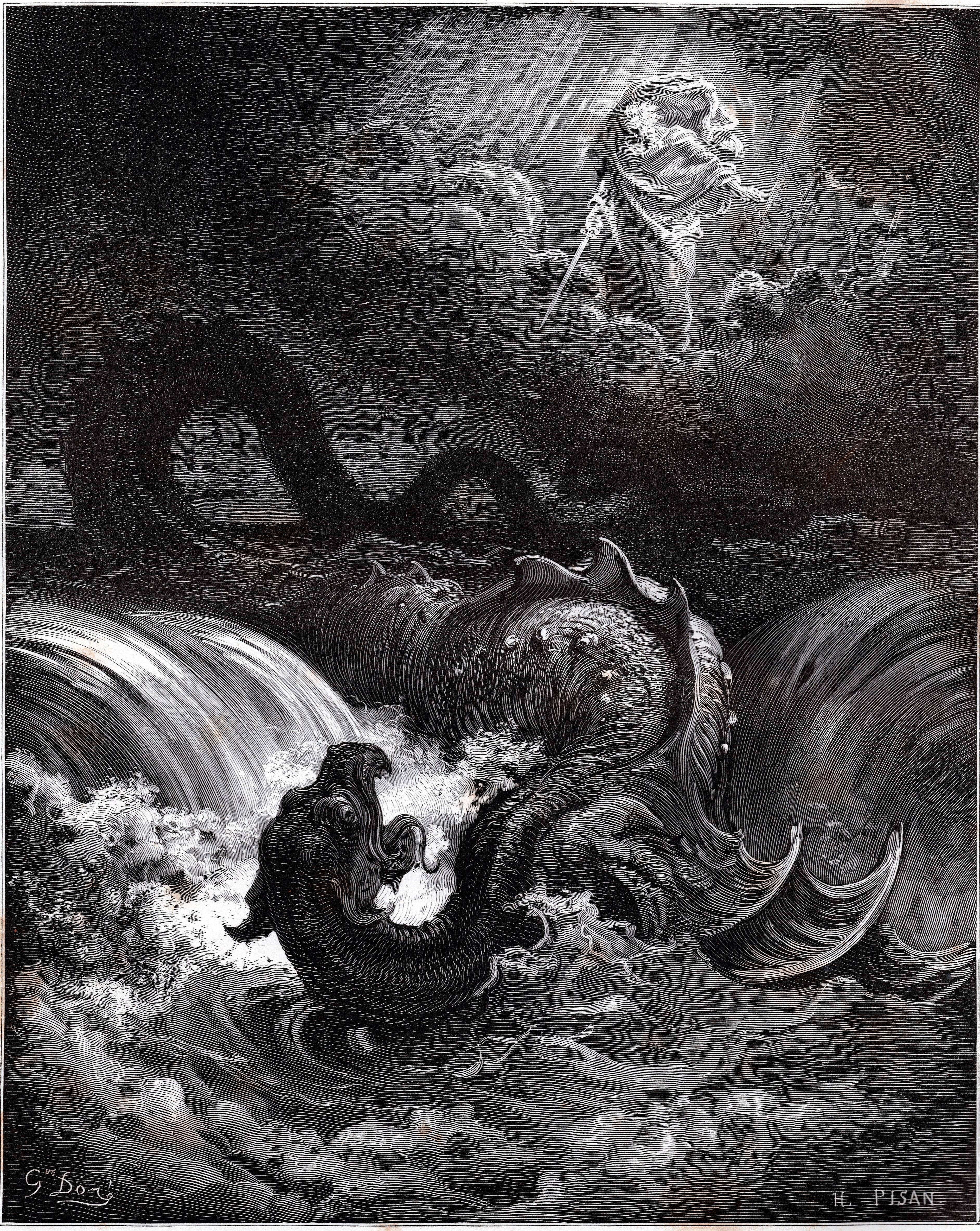
The Destruction of Leviathan
Gustave Doré · 1866
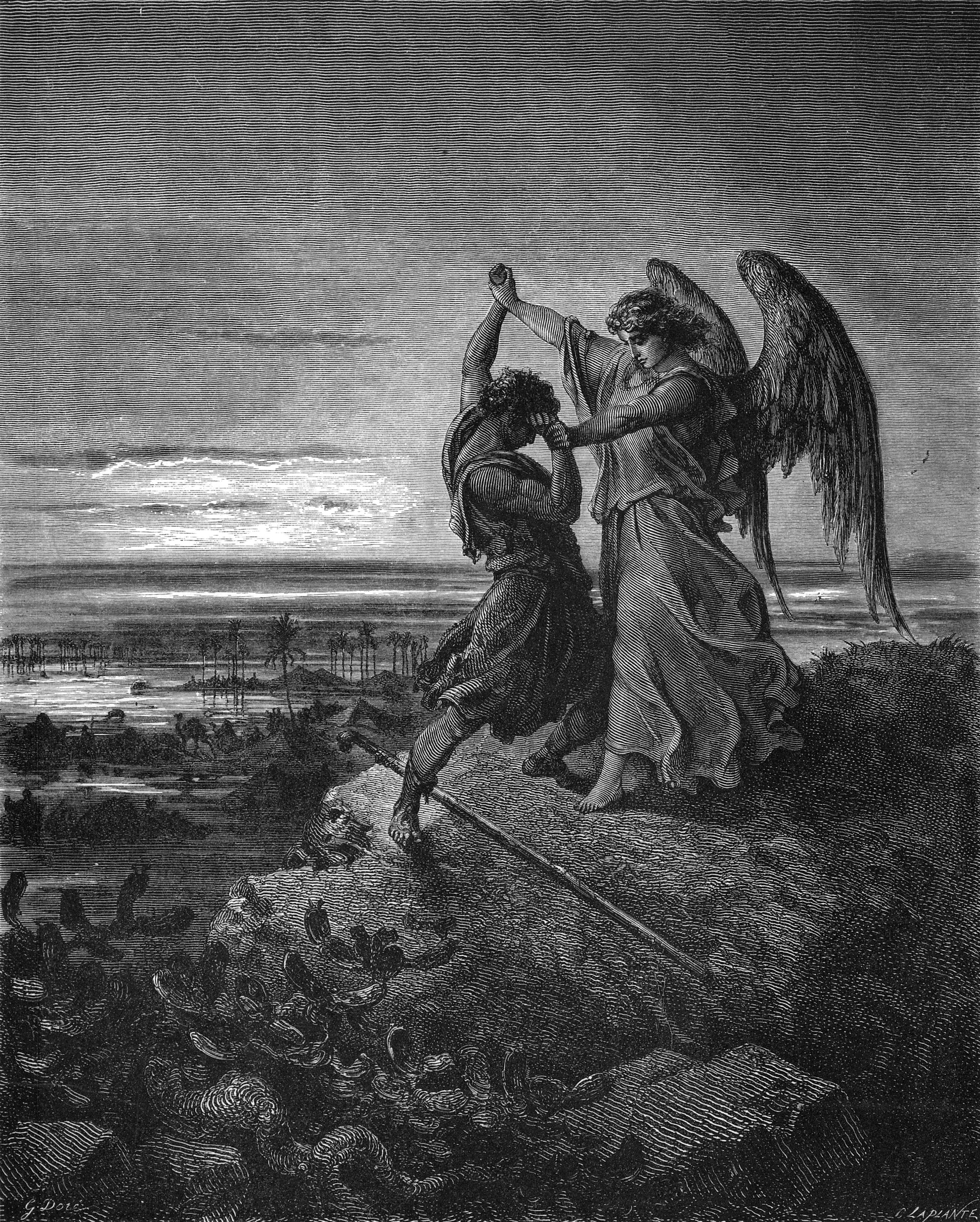
Jacob Wrestling with the Angel
Gustave Doré · 1866
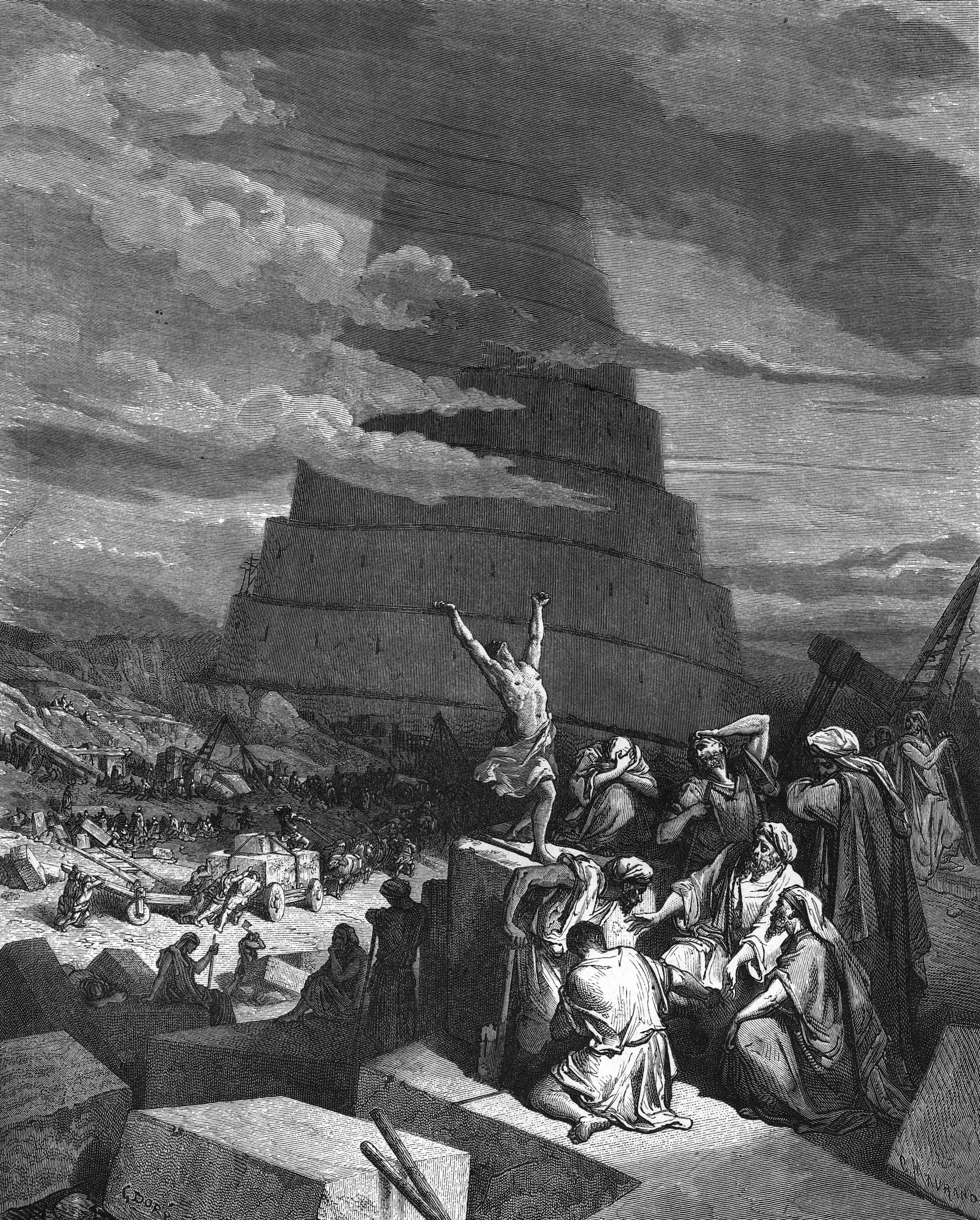
The Confusion of Tongues
Gustave Doré · 1866
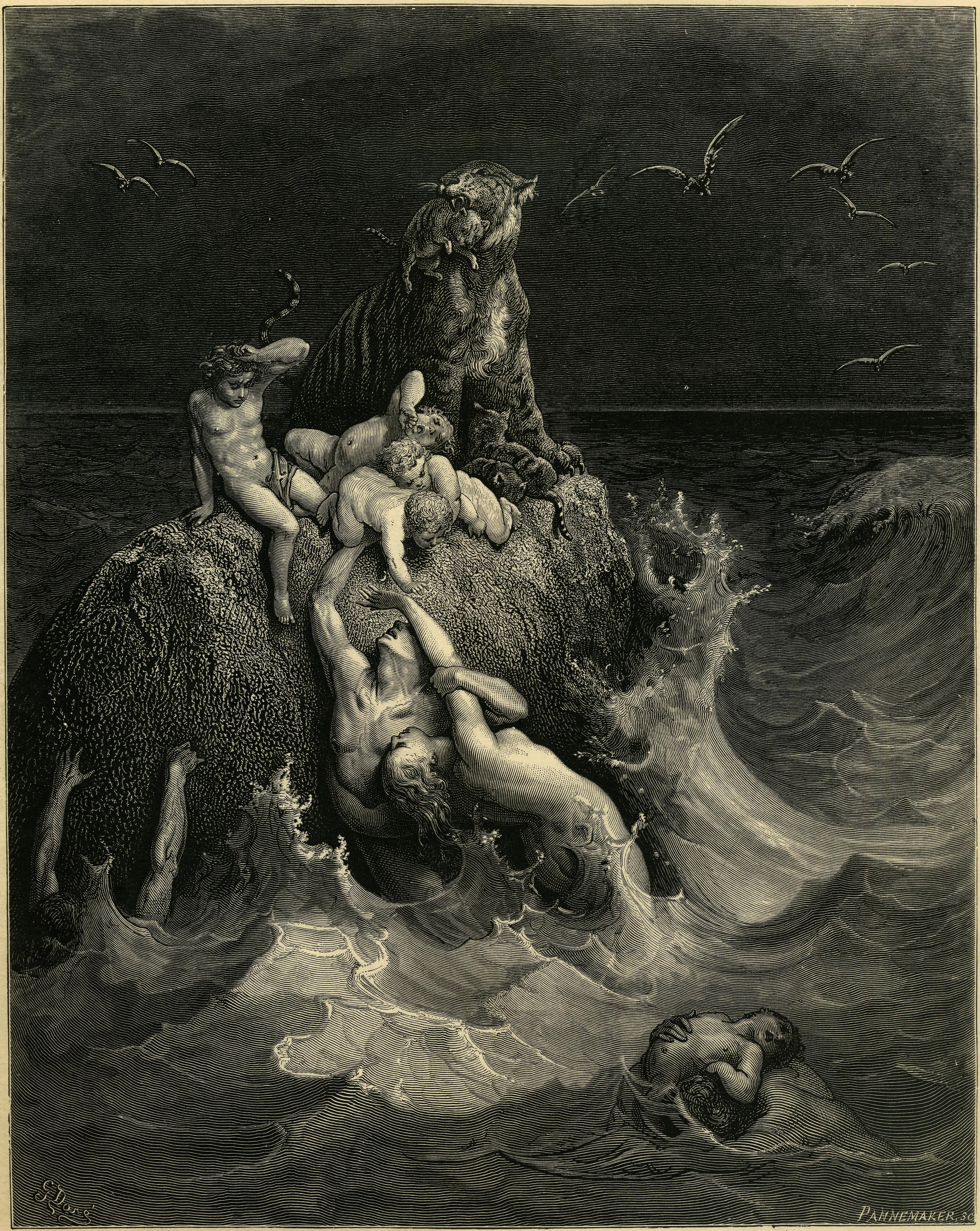
The Deluge
Gustave Doré · 1866
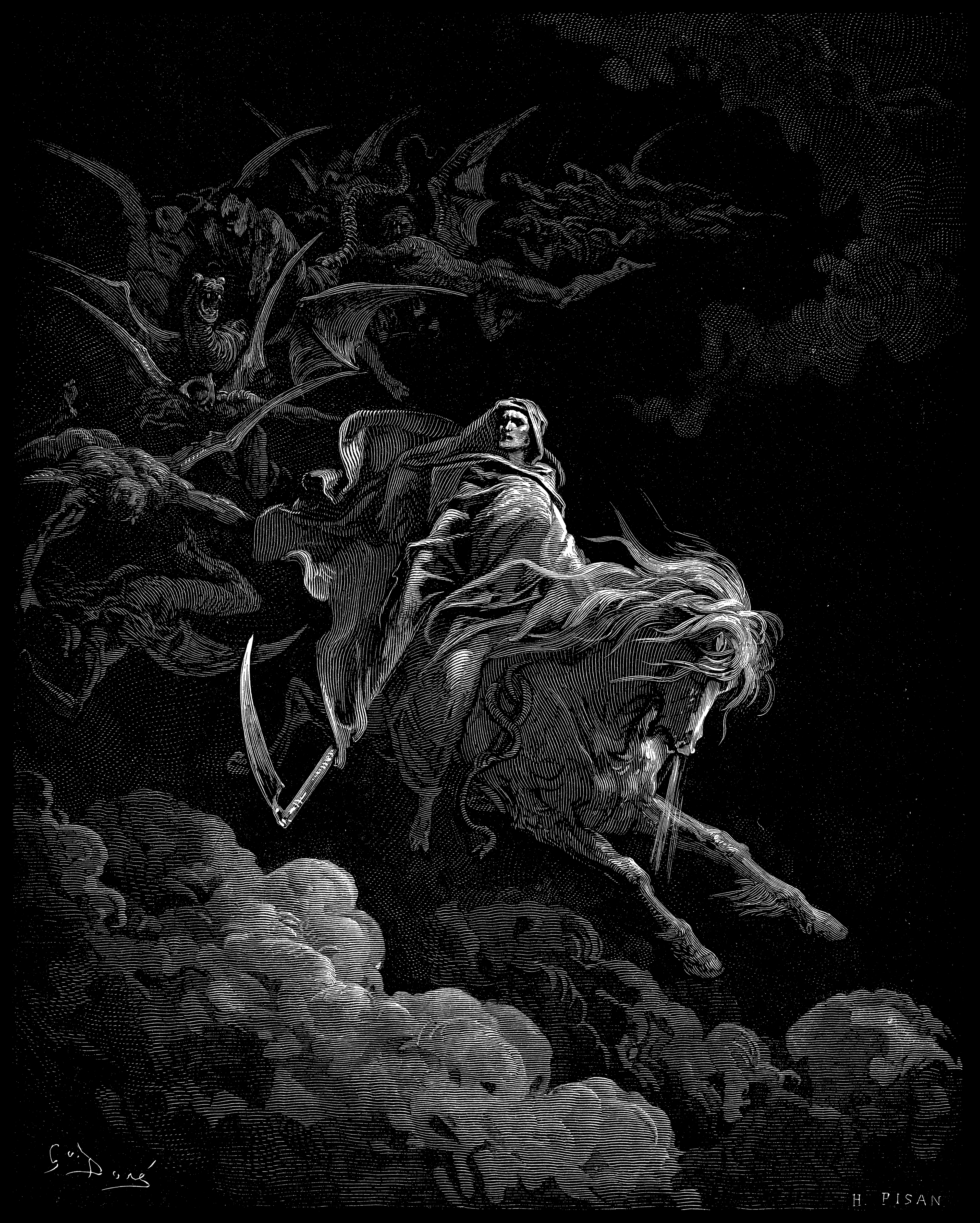
Death on the Pale Horse
Gustave Doré · 1866
Related works
Lucifer
Franz von Stuck · 1890
The Confusion of Tongues
Gustave Doré · 1866
Men Reading
Francisco Goya · c. 1819–1823
The Giants
Gustave Doré · 1861
The Course of Empire: Destruction
Thomas Cole · 1836
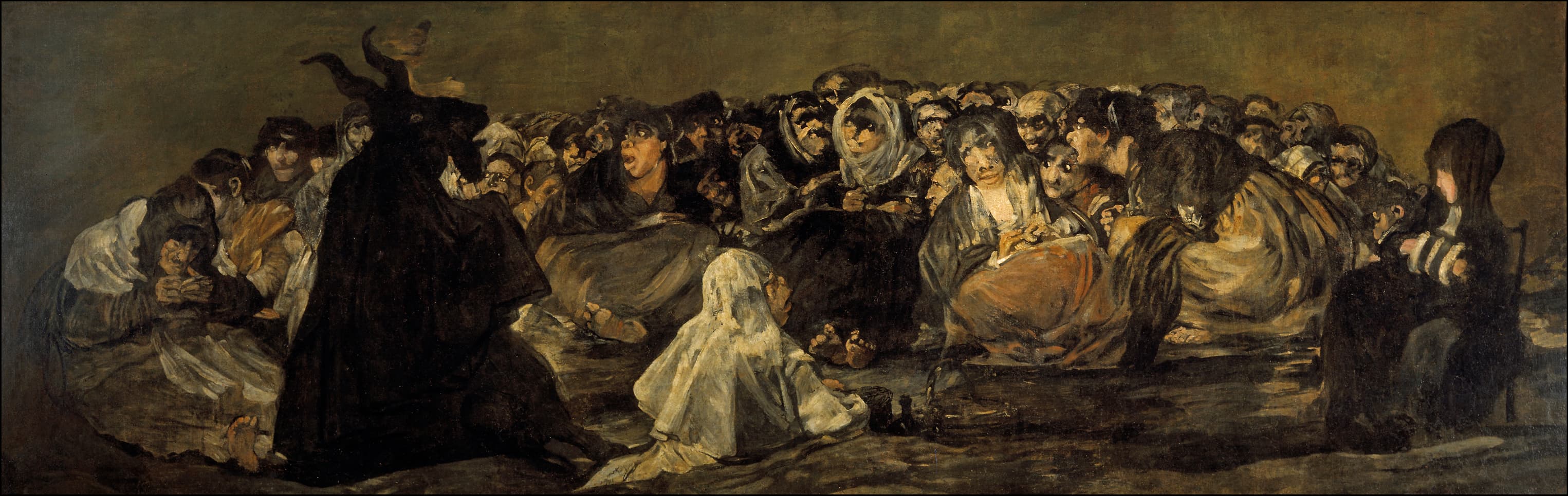
Witches' Sabbath (The Great He-Goat)
Francisco Goya · c. 1819–1823
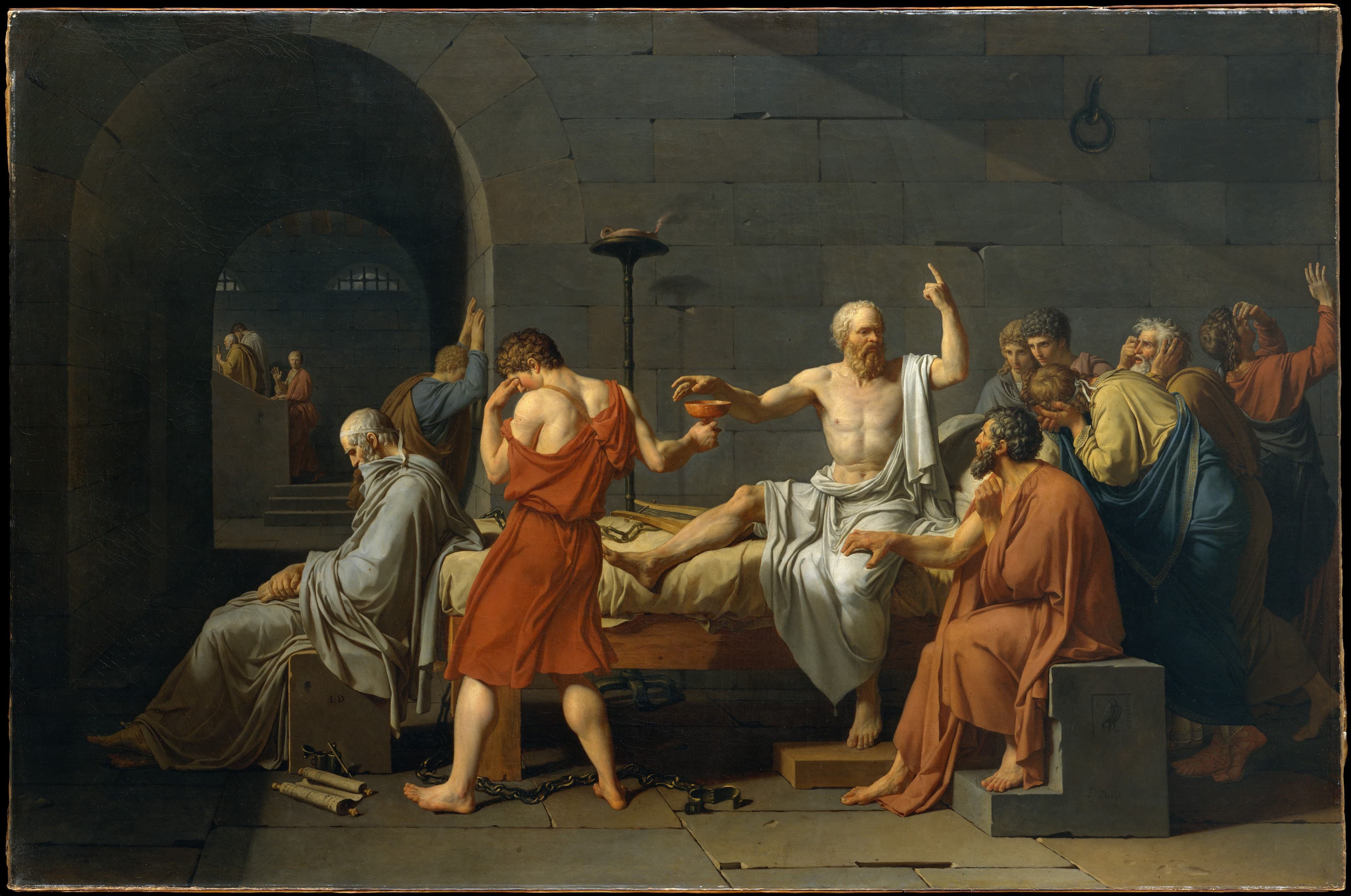
The Death of Socrates
Jacques-Louis David · 1787
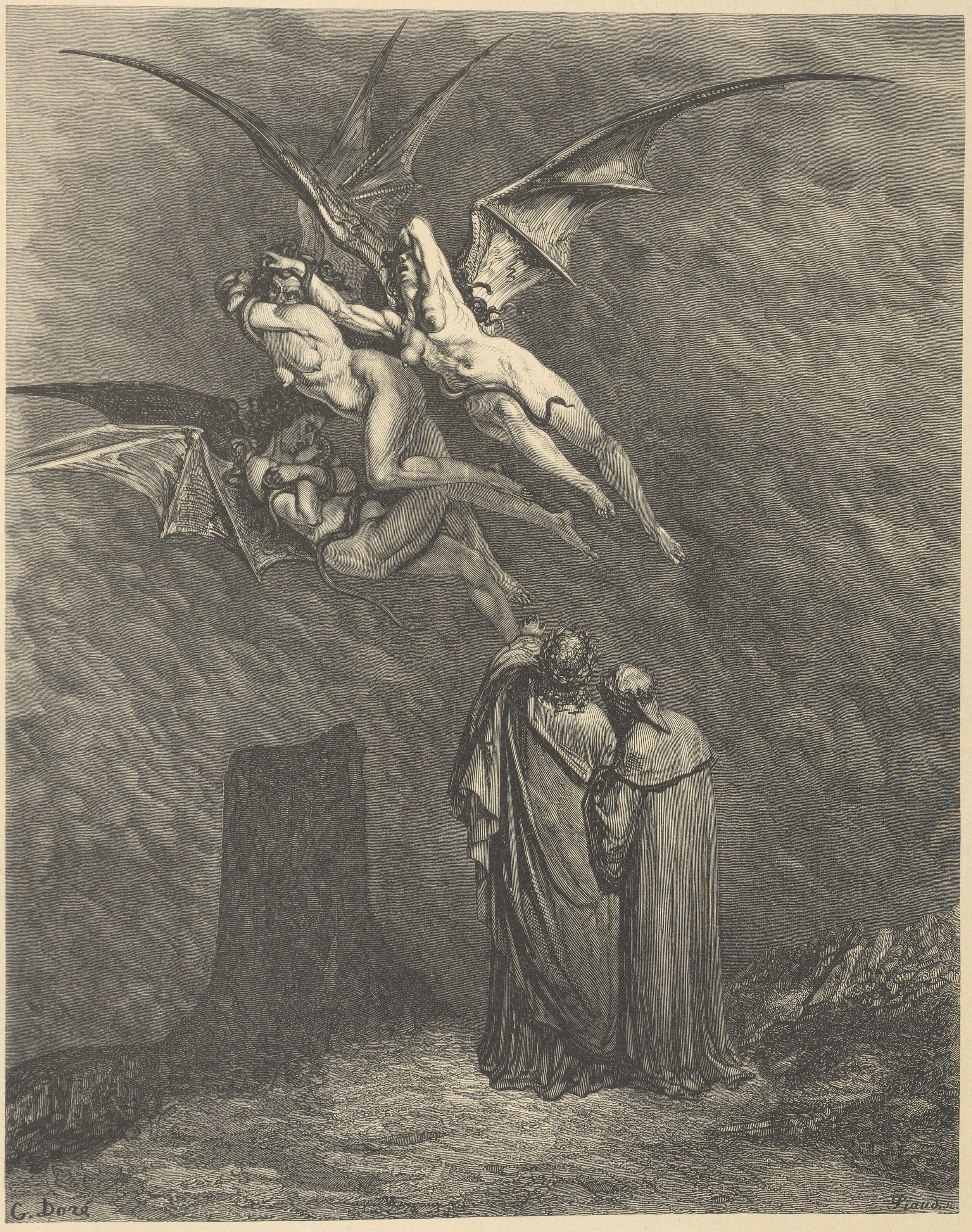
The Furies at the Gates of Dis
Gustave Doré · 1861