Late Baroque / Rococo
The Fall of the Rebel Angels
Sebastiano Ricci, c. 1720
The Fall of the Rebel Angels is a painting by the Venetian artist Sebastiano Ricci from about 1720, showing the archangel Michael driving the rebel angels out of heaven. It is in Dulwich Picture Gallery, London.
- Artist
- Sebastiano Ricci
- Date
- c. 1720
- Medium
- Oil on canvas
- Collection
- Dulwich Picture Gallery, London, United Kingdom
- Movement
- Late Baroque / Rococo
What you are looking at
The archangel Michael swoops down from the top of the canvas, sword raised high in his right hand, wings spread wide. He wears a blue breastplate and a billowing rose-pink cloak, and he plants one foot on a pale sphere of light. Beneath him, the rebel angels fall. They are heavy, muscular, naked men, their skin darkening as they tumble into shadow, arms thrown over their heads, bodies twisting over one another into a writhing heap at the bottom of the picture. One, at the right, still reaches up toward Michael.
The painting is by Sebastiano Ricci (1659–1734), one of the most successful Venetian painters of his generation, and dates from about 1720. It is in Dulwich Picture Gallery in south London.
The story
The war in heaven comes from the Book of Revelation (12:7–9): "Michael and his angels fought against the dragon... and the great dragon was cast out, that old serpent, called the Devil, and Satan... and his angels were cast out with him." Later tradition, and Milton's Paradise Lost, made the rebels a host of angels led by Lucifer, thrown down for their pride.
Ricci shows the moment of victory. Michael does not even need to strike; the rebels are already falling, and his raised sword is a gesture of command.
Looking closely
The composition is a steep diagonal from Michael's sword at top left to the tangle of bodies at bottom right. Notice the contrast of color and light. Michael is painted in high, clear Venetian colors, blue, pink and white, and set against the glowing sphere behind him, which may stand for heaven or the world. The falling angels are painted in warm browns and greys and sink into a smoky darkness.
Ricci's rebels are not monsters. They have no horns, tails or bat wings, only the bodies of athletes. That choice, which goes back to Michelangelo and the Venetian tradition of Tintoretto, makes the fall a tragedy rather than a spectacle.
Context
Ricci worked across Europe, including London from about 1712 to 1716, where he painted for aristocratic patrons and competed for the commission to decorate the dome of St Paul's Cathedral. His light palette and fluent brushwork helped shape the Rococo, and his influence runs directly to Giambattista Tiepolo.
Where to see it
The painting is in Dulwich Picture Gallery. See also The Fall of the Damned and Fallen Angels in Art and Baroque Art.
Questions & answers
Where is Sebastiano Ricci's The Fall of the Rebel Angels?
Ricci's Fall of the Rebel Angels, painted around 1720, is in Dulwich Picture Gallery in south London, England's oldest purpose-built public art gallery. It shows the archangel Michael, sword raised, casting the rebel angels down from heaven.
What story does The Fall of the Rebel Angels show?
It illustrates the war in heaven described in the Book of Revelation 12:7–9, where the archangel Michael and his angels defeat the dragon, identified with Satan, and cast him and his angels out of heaven. Later tradition named their leader Lucifer.
Who was Sebastiano Ricci?
Sebastiano Ricci (1659–1734) was a Venetian painter who worked across Italy and in Vienna, Paris and London, where he spent several years around 1712–16. His bright colors and fluent, airy brushwork helped create the Rococo style and influenced Giambattista Tiepolo.
Kindred works
You may also study
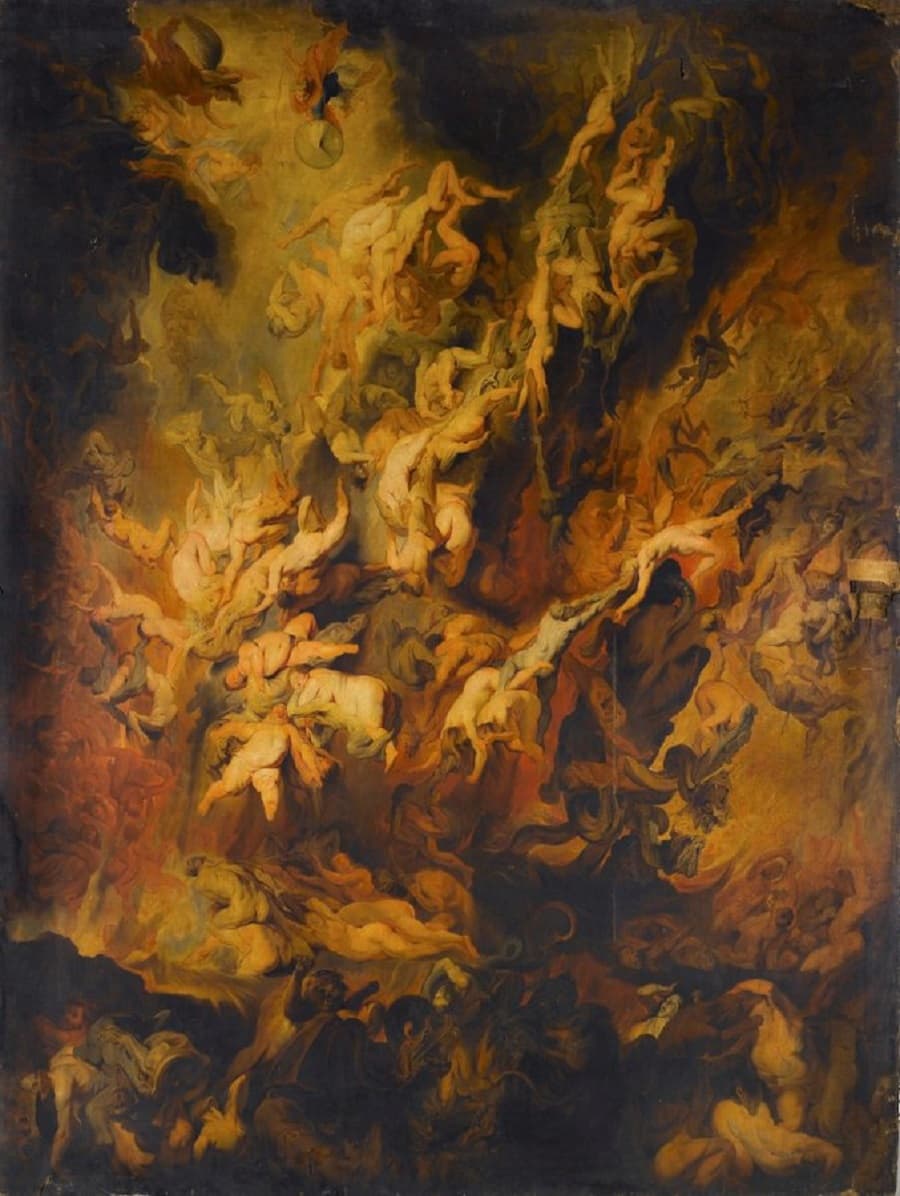
The Fall of the Damned
Guy Head · before 1799
Tamara and Demon
Konstantin Makovsky · 1889
Humanity Against Evil
Gaetano Cellini · 1906–08
The Angel, the Death, and the Devil
Roberto Ferri · 2018

Venus de Milo
Alexandros of Antioch · c. 150–125 BC
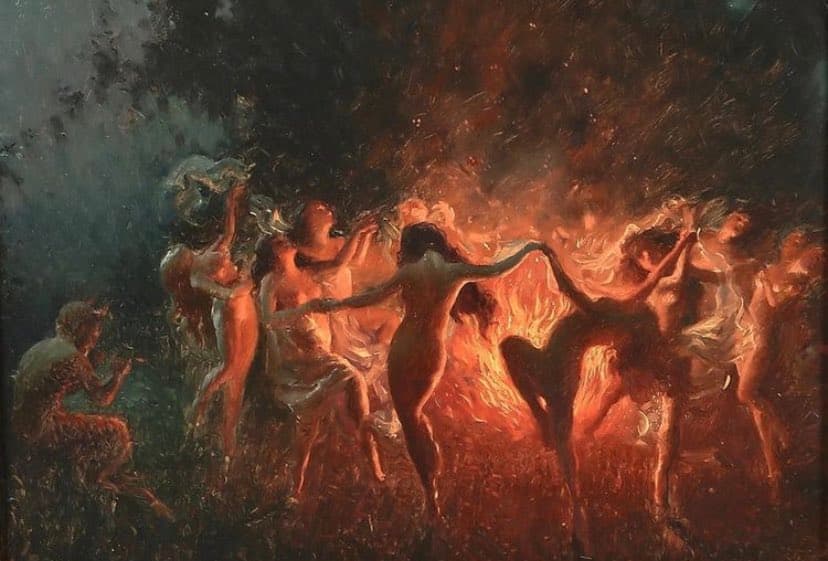
Nymphs Dancing to Pan's Flute
Joseph Tomanek
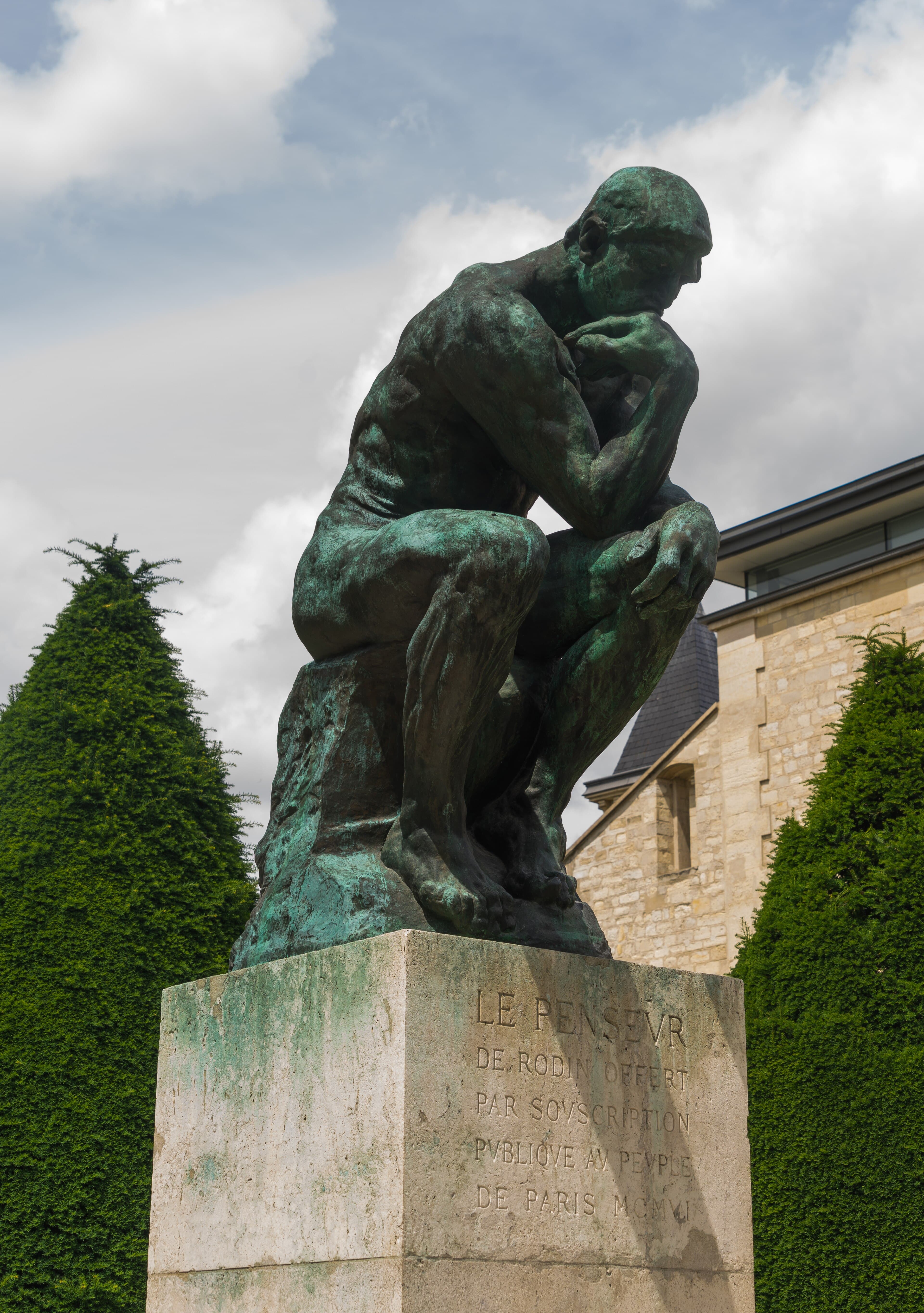
The Thinker
Auguste Rodin · Modeled 1880–82; enlarged 1902–03; this cast 1904

Saturn Devouring His Son
Francisco Goya · c. 1819–1823