Post-Impressionism
Head of a Skeleton with a Burning Cigarette
Vincent van Gogh, 1886
Head of a Skeleton with a Burning Cigarette is a small oil painting by Vincent van Gogh, made in Antwerp in early 1886 while he studied at the art academy there. It is in the Van Gogh Museum, Amsterdam.
- Artist
- Vincent van Gogh
- Date
- 1886
- Medium
- Oil on canvas
- Dimensions
- 32.3 × 24.8 cm
- Collection
- Van Gogh Museum, Amsterdam, Netherlands
- Movement
- Post-Impressionism
Head of a Skeleton with a Burning Cigarette, often searched as Skull of a Skeleton with Burning Cigarette, is a small oil sketch that Vincent van Gogh painted in Antwerp in January or February 1886. It shows the skull and upper vertebrae of an anatomical skeleton with a lit cigarette clamped between its teeth. The canvas measures just 32.3 × 24.8 cm and belongs to the Van Gogh Museum in Amsterdam (Vincent van Gogh Foundation).
What you're looking at
The skull is seen from the side against a flat, very dark background, with the neck vertebrae and the top of the spine hanging beneath it and the bones of the shoulder at the bottom edge. Light falls across the cranium, so its dome reads as a pale, chalky gray-white while the eye socket and the hollows of the face sink into near-black.
The palette is restricted to blacks, browns, grays and bone whites, the somber Dutch tones Van Gogh had used in Nuenen for The Potato Eaters the year before. The only warm accent in the whole picture is the tiny orange tip of the cigarette, with a thin thread of smoke rising from it. It is a single point of life in a picture of death, and it is placed almost exactly where a living mouth would draw breath.
Look at the mouth: the skull is not grinning in the cartoon sense. The cigarette is simply clamped between the teeth, which are picked out with quick touches of lighter paint. The brushwork overall is fluent and direct, more confident than the careful drawing his academy teachers demanded.
How it was made, and why
Van Gogh enrolled at the Royal Academy of Fine Arts in Antwerp in January 1886 and stayed only a few weeks before leaving for Paris at the end of February. Drawing from a skeleton was a standard exercise in nineteenth-century academies, part of learning anatomy before working from the live model. Painting one, however, was not part of the curriculum, so the Van Gogh Museum suggests this picture was made outside lessons.
The cigarette turns a dry exercise into a joke. Most writers read it as a student's irreverent comment on the academy's routine: the skeleton every pupil had to draw has been given a smoke, as if taking a break between poses. Van Gogh never wrote about the picture, so this reading rests on context rather than on his own words.
Meaning: joke, vanitas or self-portrait?
Three interpretations are commonly offered, and they can coexist.
A student prank. The most direct reading, supported by the circumstances: a bored, older student (he was nearly 33) mocking the academic diet of plaster casts and bones.
A vanitas. Skulls have stood for mortality in European art for centuries, especially in Dutch still life, a tradition Van Gogh knew well (see Memento Mori & Vanitas). Smoke and a burning taper or pipe were standard vanitas symbols of life's brevity. Whether or not he intended it, the cigarette fits that language exactly.
A personal note. Van Gogh was a heavy smoker of pipe and cigarettes, and in Antwerp his health was poor; letters to his brother Theo from these months describe exhaustion, bad teeth and an inadequate diet. Some writers therefore see a wry self-reference in the picture. This is a modern reading, plausible but speculative.
A cartoonish taste for the macabre also ran through Belgian art of the period, notably in the work of Félicien Rops and, slightly later, James Ensor, whose skeletons smoke, dance and squabble. There is no evidence Van Gogh was responding to either artist directly, but the painting belongs to the same northern European fondness for death as a comic figure.
Place in Van Gogh's work
The picture is a hinge between two phases. Its dark palette looks back to the Netherlands; within weeks of painting it, Van Gogh was in Paris, where contact with Impressionism and Neo-Impressionism transformed his color. By 1887 he was painting in bright, broken strokes, and by 1888 in Arles he had arrived at the style of Sunflowers and The Night Café. The skeleton is a rare example of humor in an oeuvre more often associated with intensity and anguish.
It remained in the family after his death in 1890 and passed, with the bulk of his estate, to the Vincent van Gogh Foundation, whose collection is on permanent loan to the Van Gogh Museum.
Legacy and popularity
The painting has had an unusually long afterlife on posters, T-shirts and tattoos, helped by its small, iconic format and its blend of gallows humor and art-historical pedigree. It is frequently used in anti-smoking messages, though Van Gogh certainly did not intend it that way. It also appears in many lists of famous Van Gogh paintings and death in art.
Where to see it
The painting is in the Van Gogh Museum, Museumplein, Amsterdam (inventory s0083V1962), and is often on display in the galleries devoted to his early years. Because it is small and light-sensitive works rotate, check the museum's website before visiting. The image is in the public domain.
Questions & answers
Where is Head of a Skeleton with a Burning Cigarette?
It is in the Van Gogh Museum in Amsterdam, part of the collection of the Vincent van Gogh Foundation. The painting is small, just 32.3 × 24.8 cm, and is frequently shown in the galleries covering Van Gogh's early work in the Netherlands and Belgium.
What is the meaning of Skull of a Skeleton with Burning Cigarette?
It is usually read as a student joke: Van Gogh painted it in early 1886 while at the Antwerp academy, where drawing skeletons was routine, and gave the anatomical model a cigarette. It also echoes the vanitas tradition, in which skulls and smoke symbolize the shortness of life. Van Gogh left no explanation.
When did Van Gogh paint the skeleton with a cigarette?
He painted it in Antwerp in January or February 1886, during his brief enrollment at the Royal Academy of Fine Arts. Within weeks he left for Paris, where his palette brightened dramatically, so this dark little picture marks the end of his Dutch-influenced early style.
Was Van Gogh making an anti-smoking statement?
No. Van Gogh was himself a heavy smoker of pipe and cigarettes, and nothing in his letters suggests a warning about tobacco. The painting has been used in modern anti-smoking campaigns, but that is a later appropriation rather than his intention.
More by the artist
Vincent van Gogh
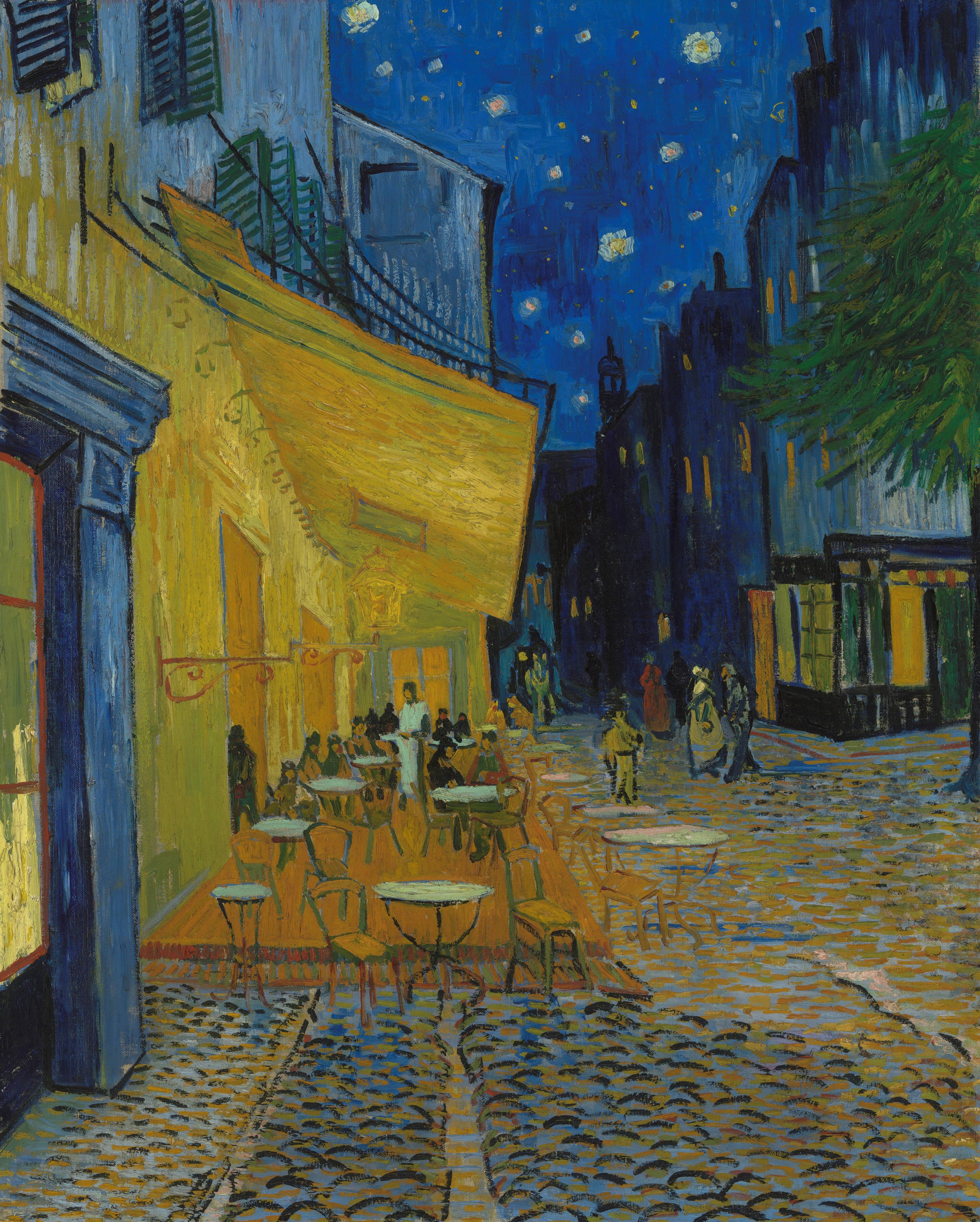
Café Terrace at Night
Vincent van Gogh · September 1888
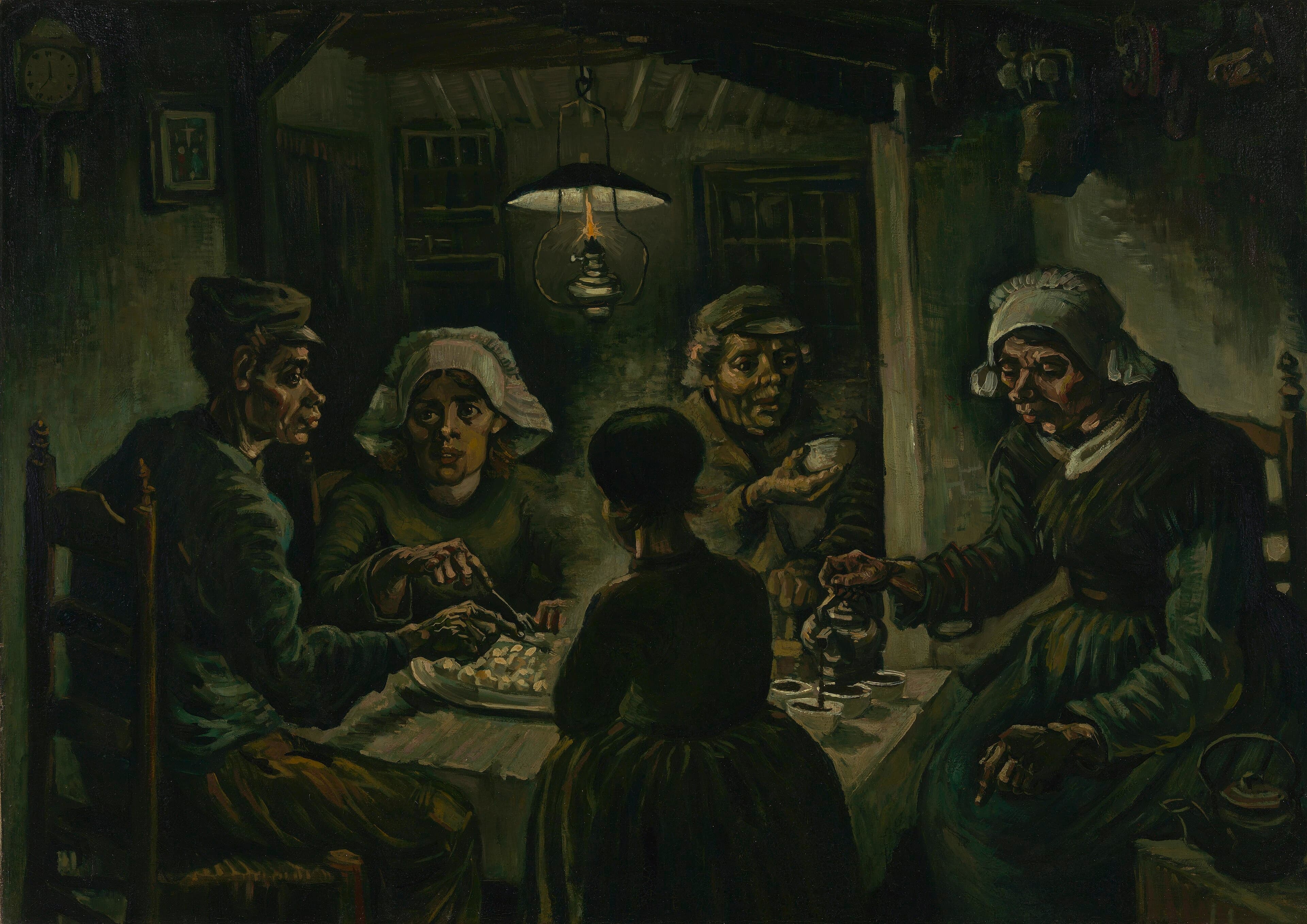
The Potato Eaters
Vincent van Gogh · April–May 1885
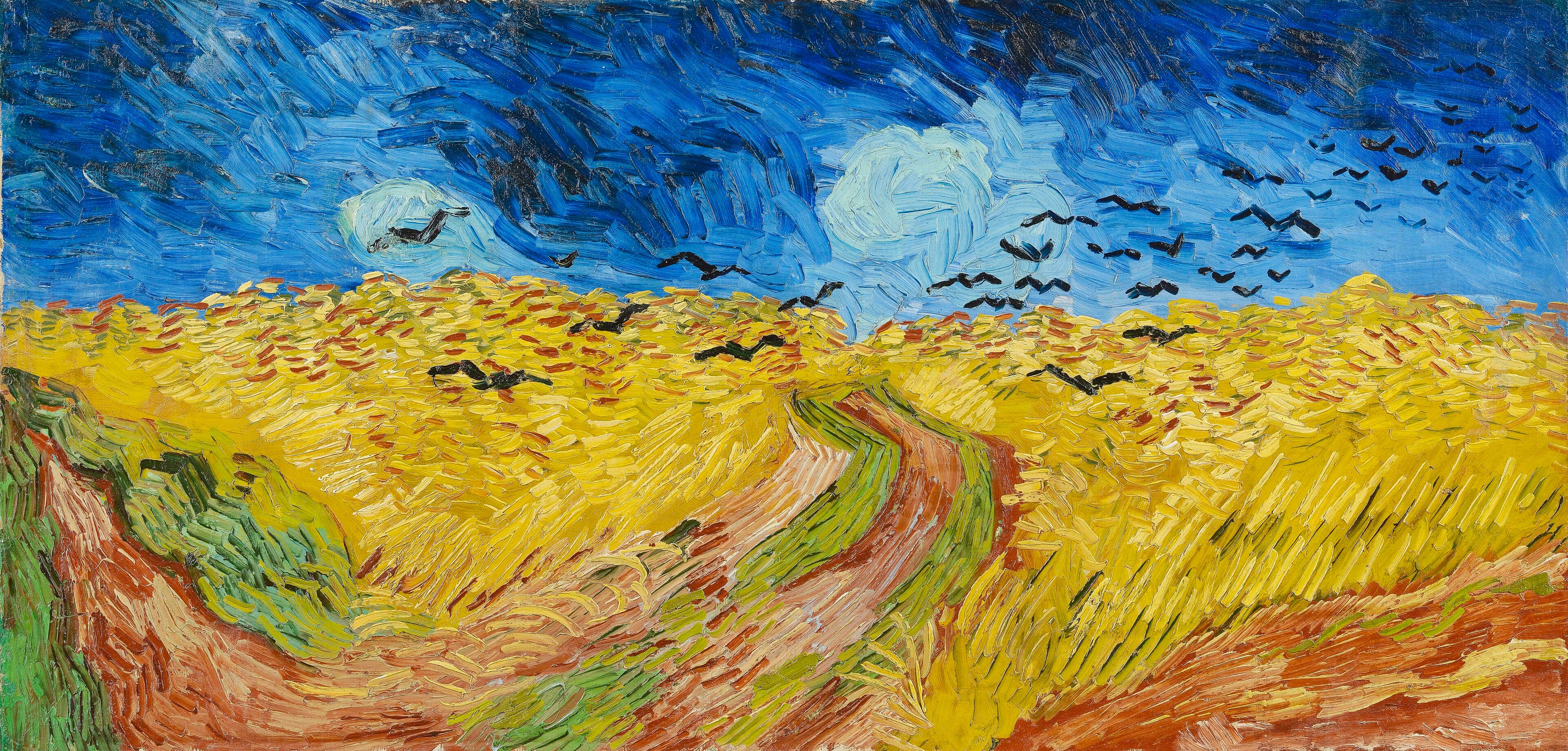
Wheatfield with Crows
Vincent van Gogh · July 1890
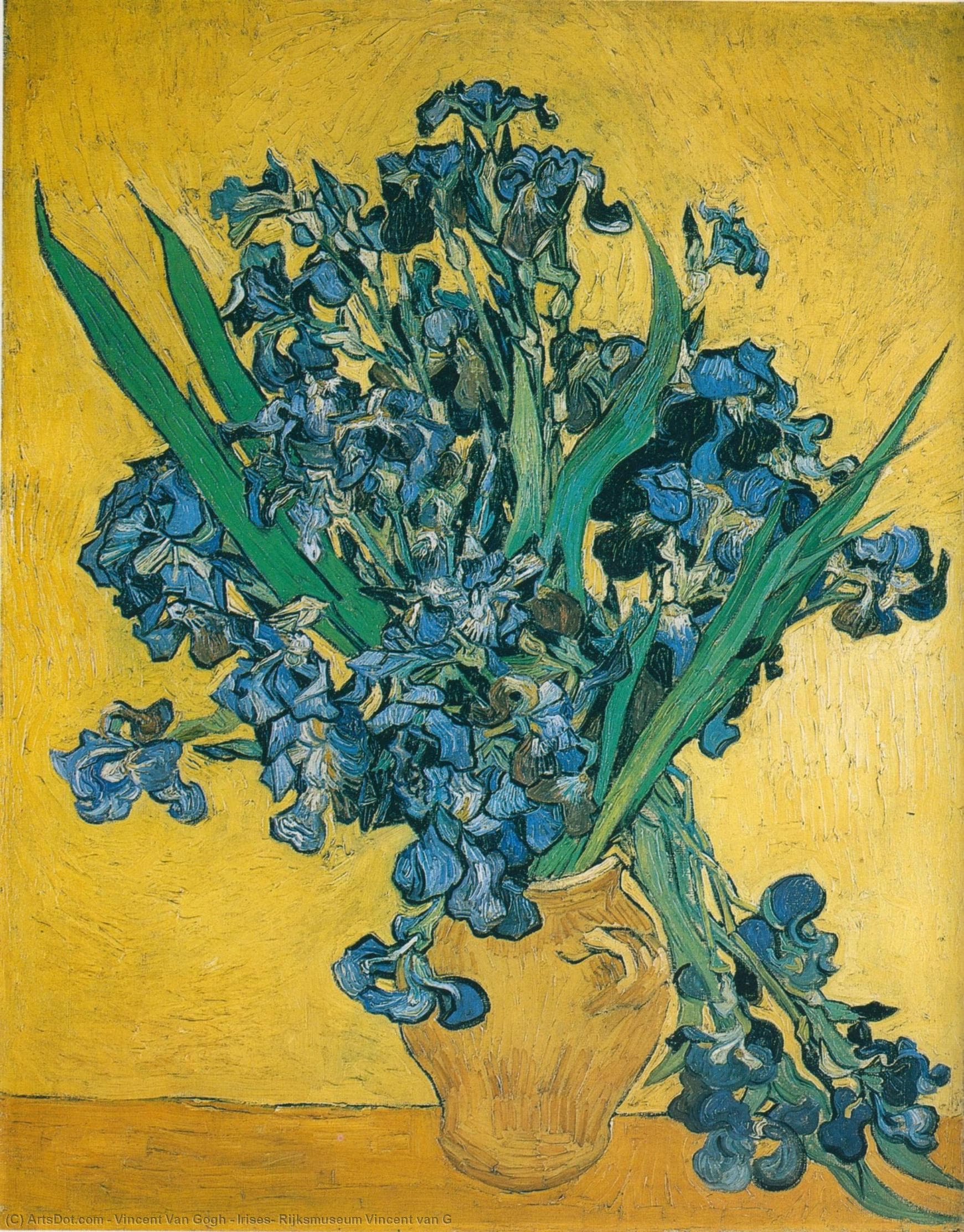
Irises (Vase with Irises Against a Yellow Background)
Vincent van Gogh · 1890
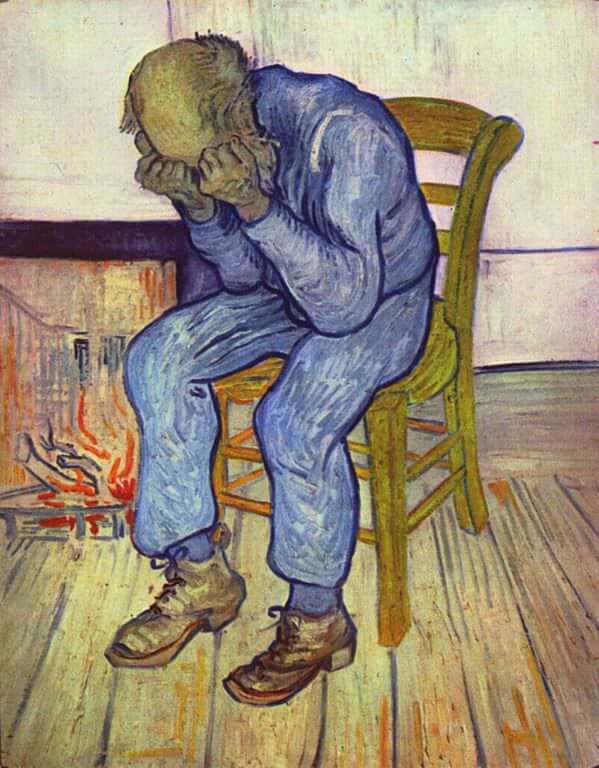
At Eternity's Gate
Vincent van Gogh · 1890
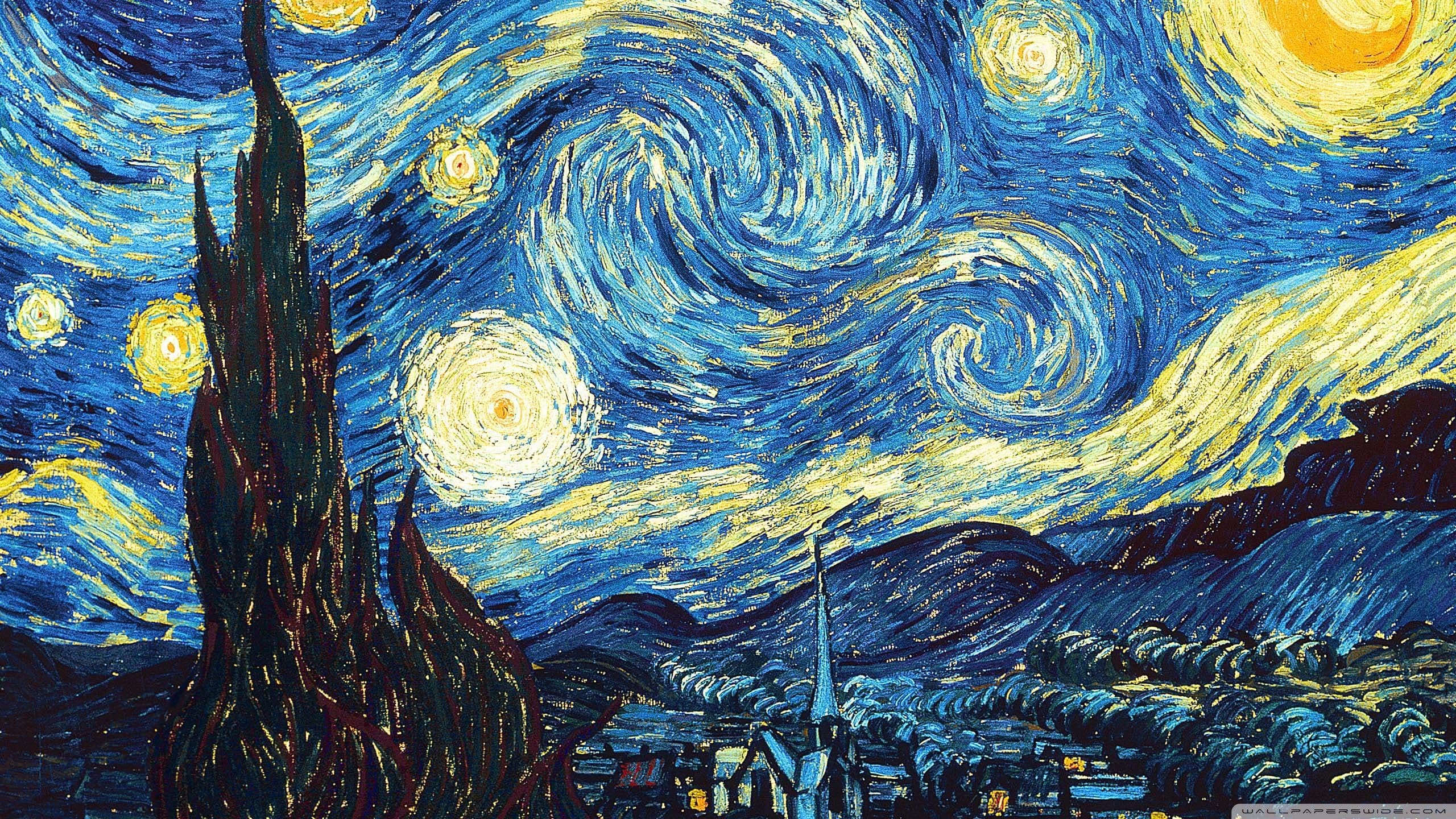
The Starry Night (van Gogh)
Vincent van Gogh · 1889
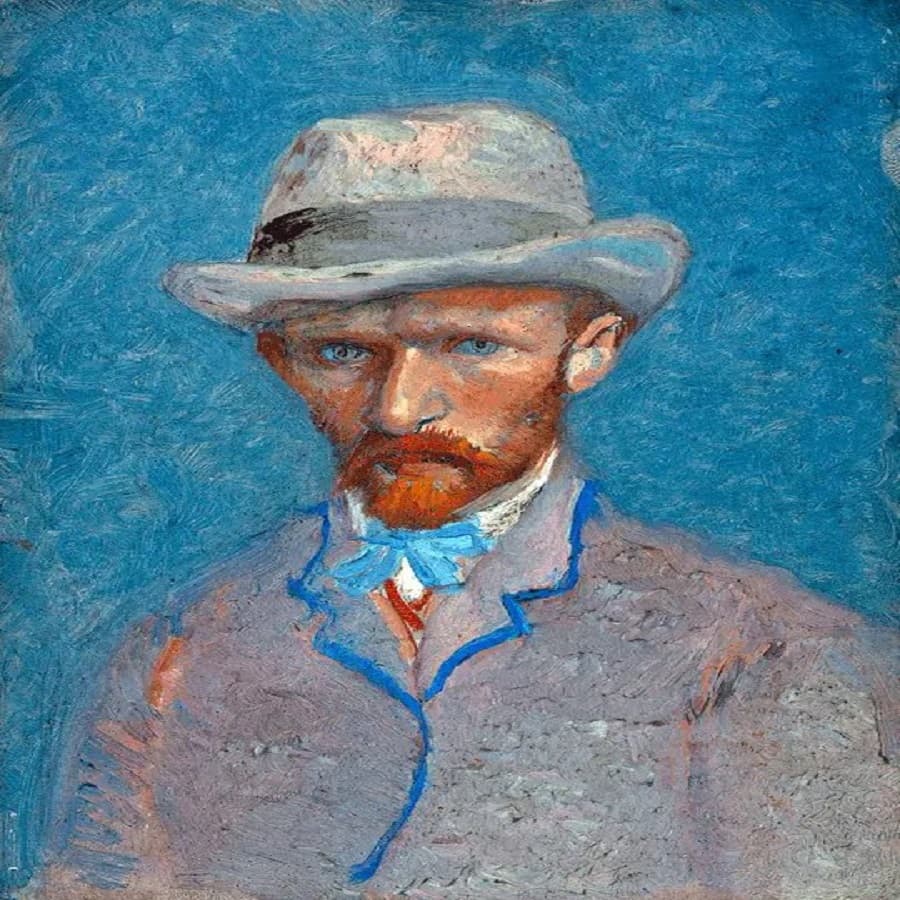
Portrait of Theo van Gogh (Self-Portrait with Grey Felt Hat)
Vincent van Gogh · 1887
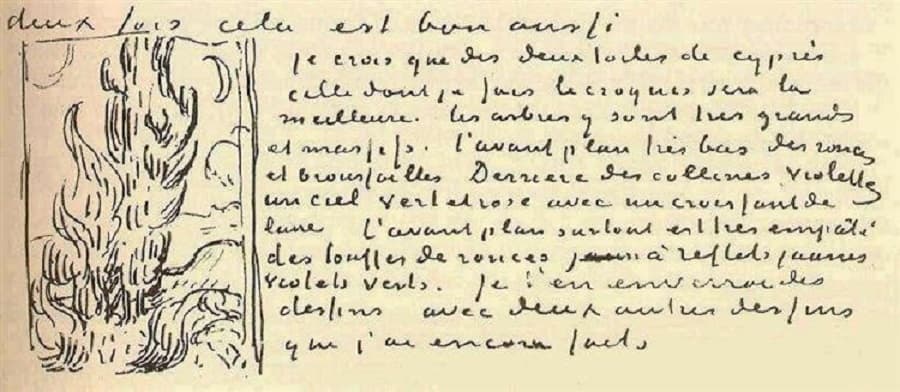
The Letters of Vincent van Gogh
Vincent van Gogh · 1872–1890
Also painted in 1886
The same year
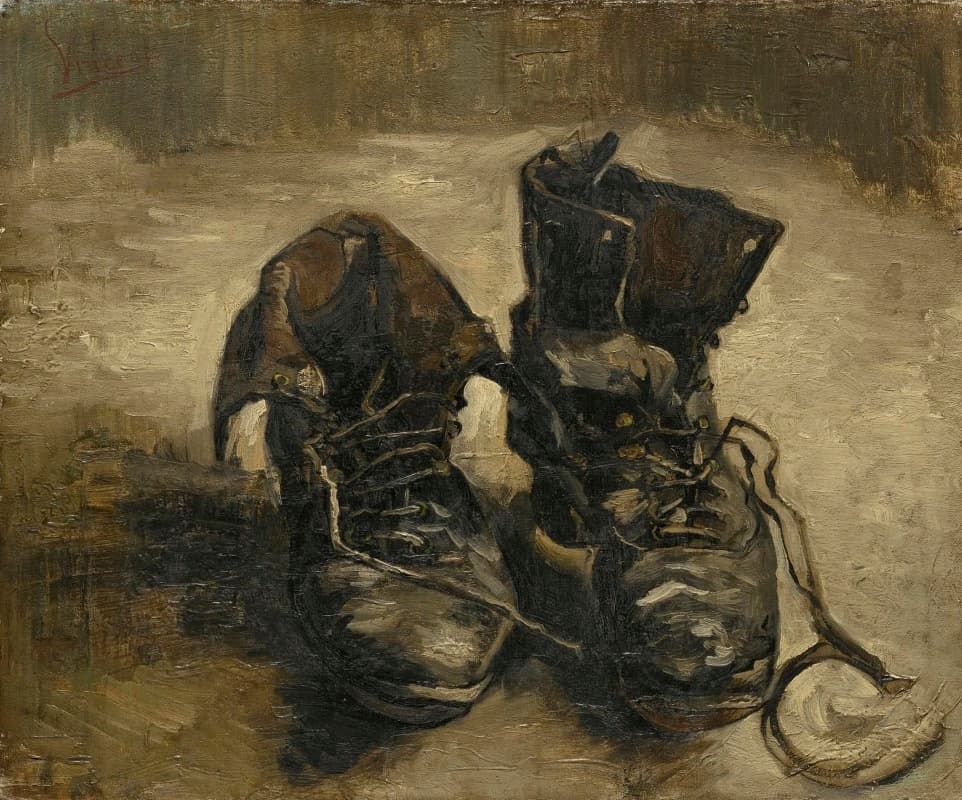
Kindred works
You may also study
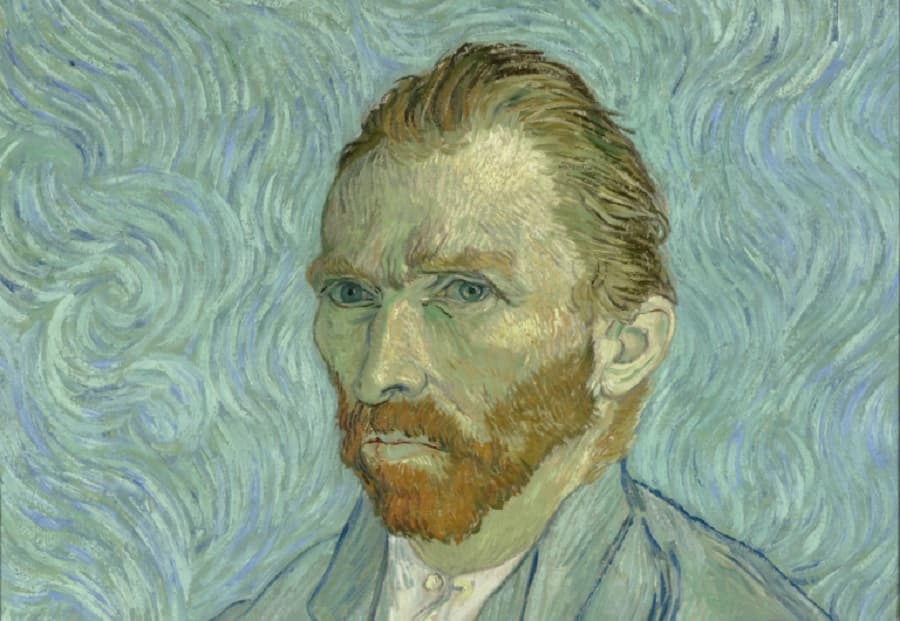
Self-Portrait (1889, Musée d'Orsay)
Vincent van Gogh · 1889
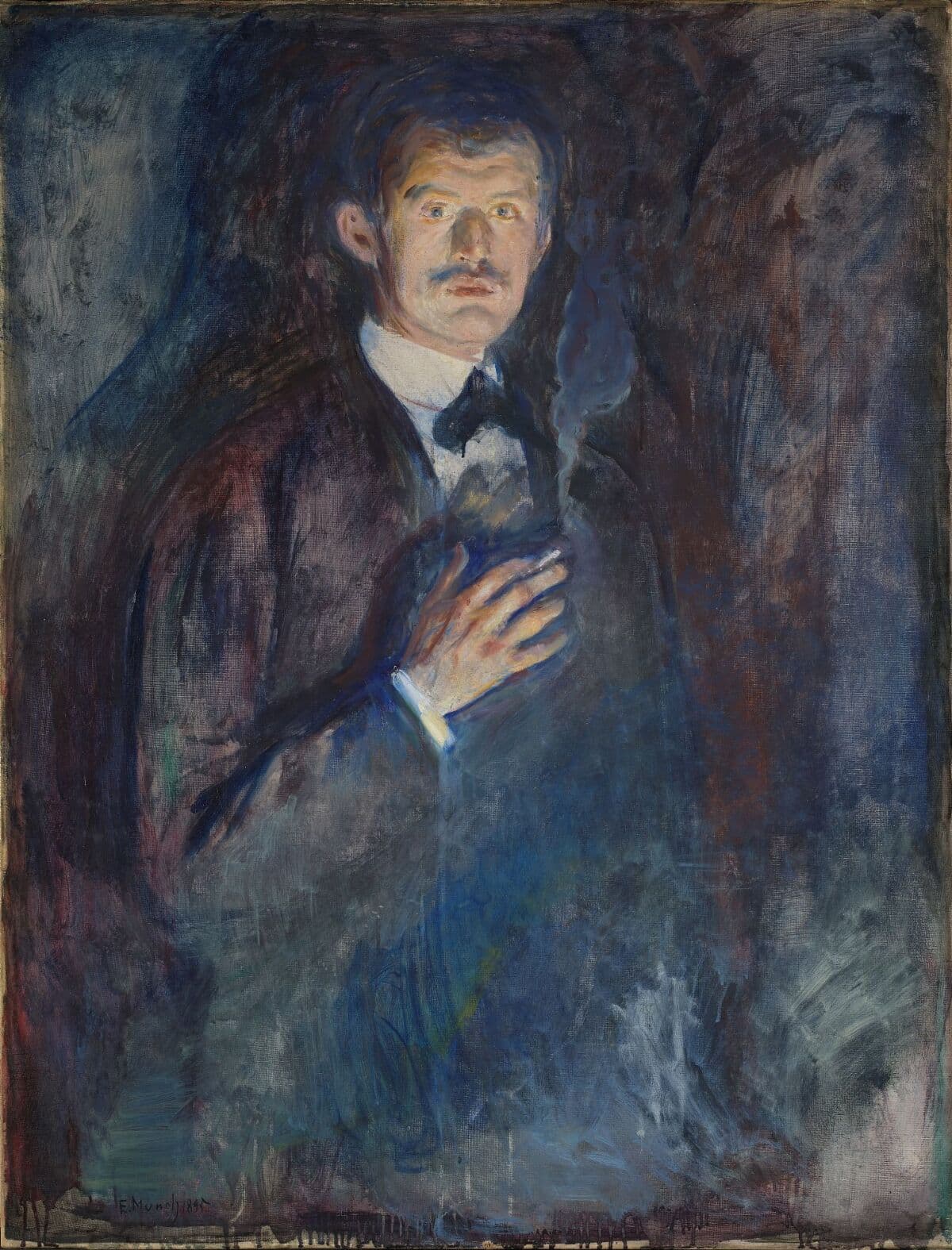
Self-Portrait with Cigarette
Edvard Munch · 1895
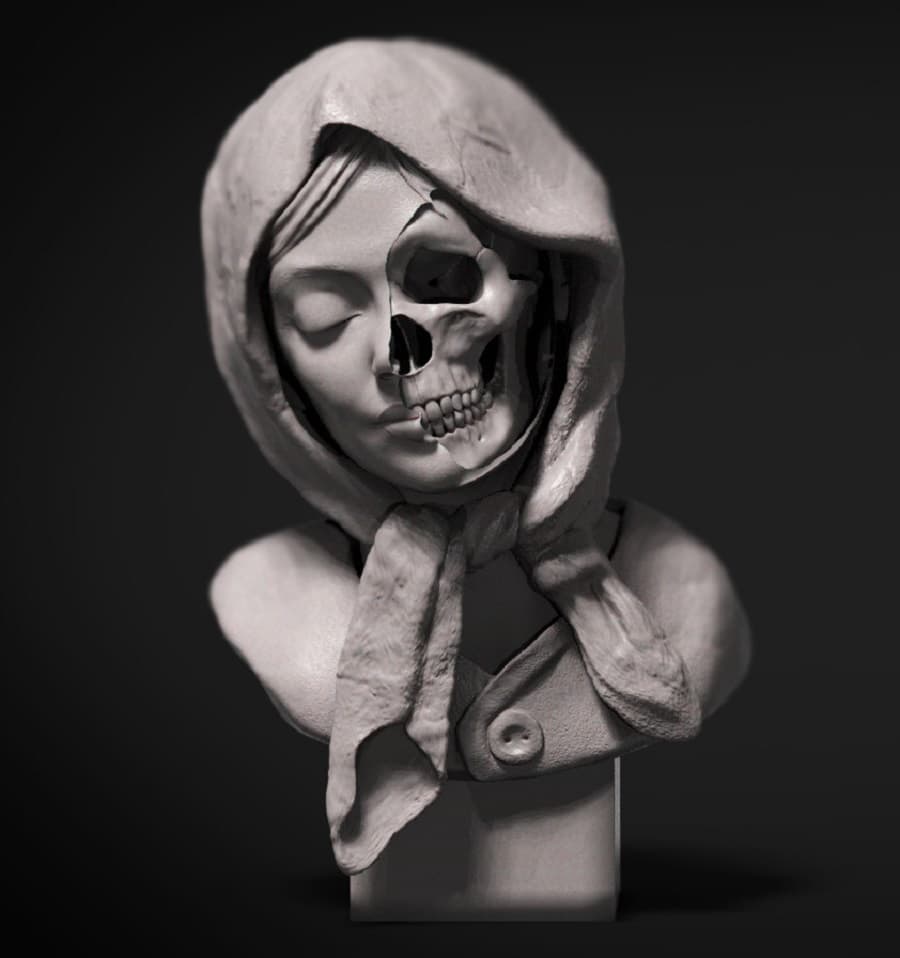
Vanitas Sculpture (Hooded Bust with Skull)
Various Artists or Collaborations

The Scream
Edvard Munch · 1893

The Thinker
Auguste Rodin · Modeled 1880–82; enlarged 1902–03; this cast 1904

Saturn Devouring His Son
Francisco Goya · c. 1819–1823

Ophelia
John Everett Millais · 1851–52
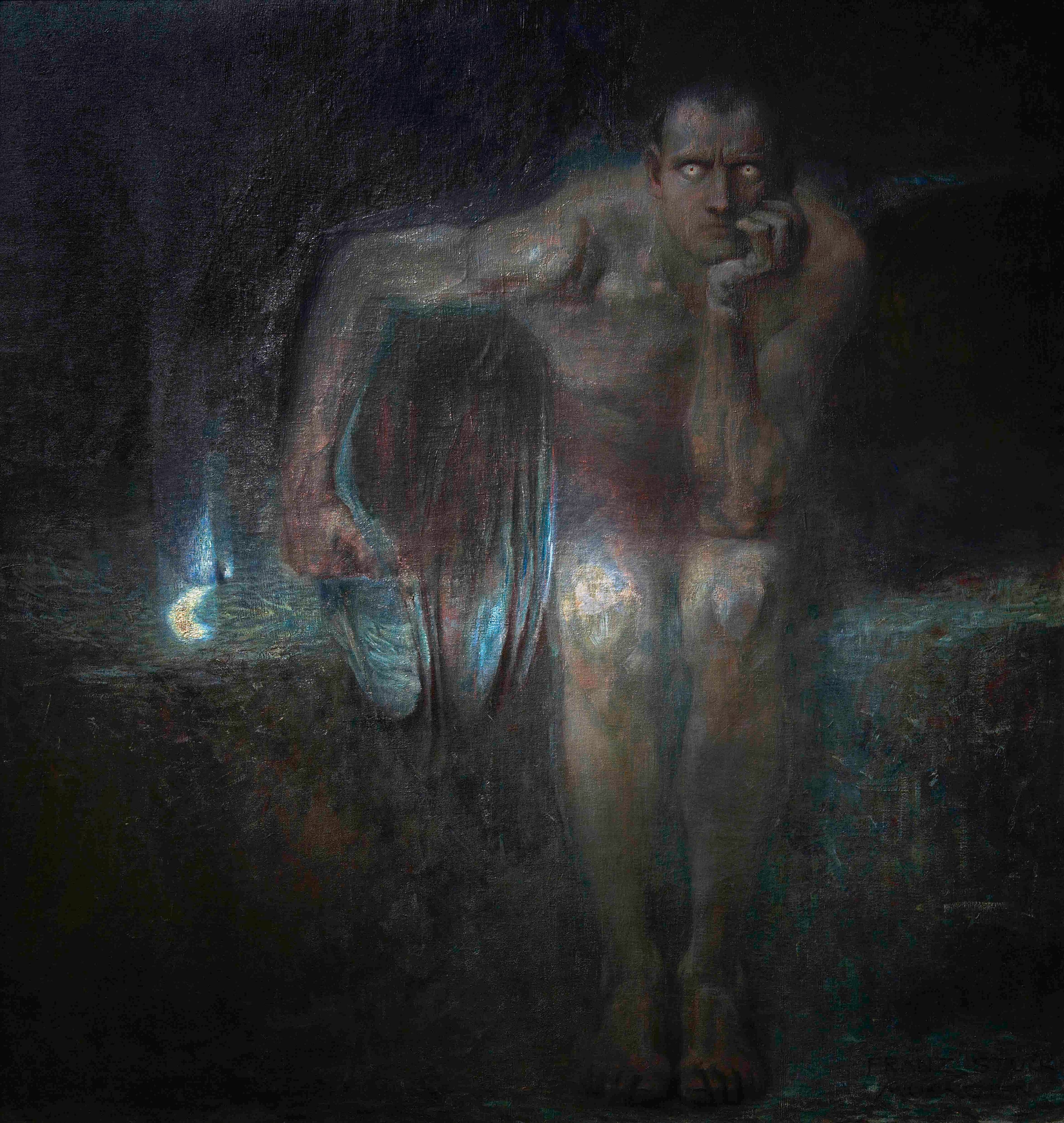
Lucifer
Franz von Stuck · 1890