Image: Museo del Prado (Google Earth Prado exhibition) · Public domain · via Wikimedia Commons
Romanticism
The Third of May 1808
Francisco Goya, 1814
The Third of May 1808 is Francisco Goya's 1814 painting of Spanish civilians being shot by a French firing squad the morning after the Madrid uprising against Napoleon's troops. It hangs in the Museo del Prado in Madrid.
- Artist
- Francisco Goya
- Date
- 1814
- Medium
- Oil on canvas
- Dimensions
- 268 × 347 cm
- Collection
- Museo del Prado, Madrid, Spain
- Movement
- Romanticism
What you are looking at
It is night, on a bare hillside outside Madrid. On the right, a row of French soldiers, seen from behind, leans into their rifles in perfect unison. Their faces are hidden; their bodies form a single gray machine of shakos, coats and bayonets. On the left, a few feet from the barrels, a group of Spanish men faces death. At their center a man in a white shirt and yellow trousers kneels with his arms flung up and out, his eyes wide, his mouth open.
The only light comes from a large square lantern on the ground between the two groups. It throws the soldiers into shadow and blazes on the white shirt. Around the central man, others cover their faces, clench their fists or pray; a tonsured friar clasps his hands. In the foreground, the already dead lie in a pool of blood, one with his arms spread like the man about to die. Behind, a line of new victims climbs the hill, and the dark silhouette of the city and a church tower rises against the black sky.
The events of 2 and 3 May 1808
In 1808 Napoleon's armies occupied Spain, and his brother Joseph was soon made king. On 2 May, the people of Madrid rose against the French garrison. The revolt was crushed within hours, and that night and the next morning French troops under Marshal Joachim Murat executed hundreds of suspected rebels at several sites around the city, including the hill of Príncipe Pío. The uprising began the Peninsular War, a brutal six-year struggle that ended with the expulsion of the French in 1814.
Goya (1746–1828), court painter to the Spanish crown, lived in Madrid through the occupation. In February 1814, after the French had gone, he petitioned the regency government for support to "perpetuate by means of the brush the most notable and heroic actions of our glorious insurrection against the tyrant of Europe". The result was two large canvases: The Second of May 1808, showing the street fighting against the Mamluk cavalry, and this painting of its aftermath.
How Goya made it
Goya painted fast and broadly, with loose, scumbled brushwork in the dark background and thick, almost sculptural white on the shirt. He compressed the space so the soldiers' bayonets nearly touch their victims. Look at the central man's right palm: there is a mark like a wound, an allusion to the stigmata of Christ. His pose, arms raised in a V, recalls the Crucifixion. The lantern, a humble object at the center of the composition, functions like the source of divine light in a religious painting, except here it lights a murder.
What does The Third of May 1808 mean?
Earlier war paintings celebrated generals and glory. Goya shows the anonymous victims of state violence, and the killers have no faces at all. The art historian Kenneth Clark called it the first great picture that could be called revolutionary in every sense: in style, subject and intention.
The painting is often read as a secular martyrdom: the central figure is a Christ of the common people, dying not for a doctrine but for a city. It is also profoundly ambiguous about heroism. There is no rescue and no meaning given to the deaths, only the endless line of new victims coming up the hill. That bleakness connects it with Goya's etching series The Disasters of War, made in the same years, and with the private despair of the later Black Paintings such as Saturn Devouring His Son.
Reception and legacy
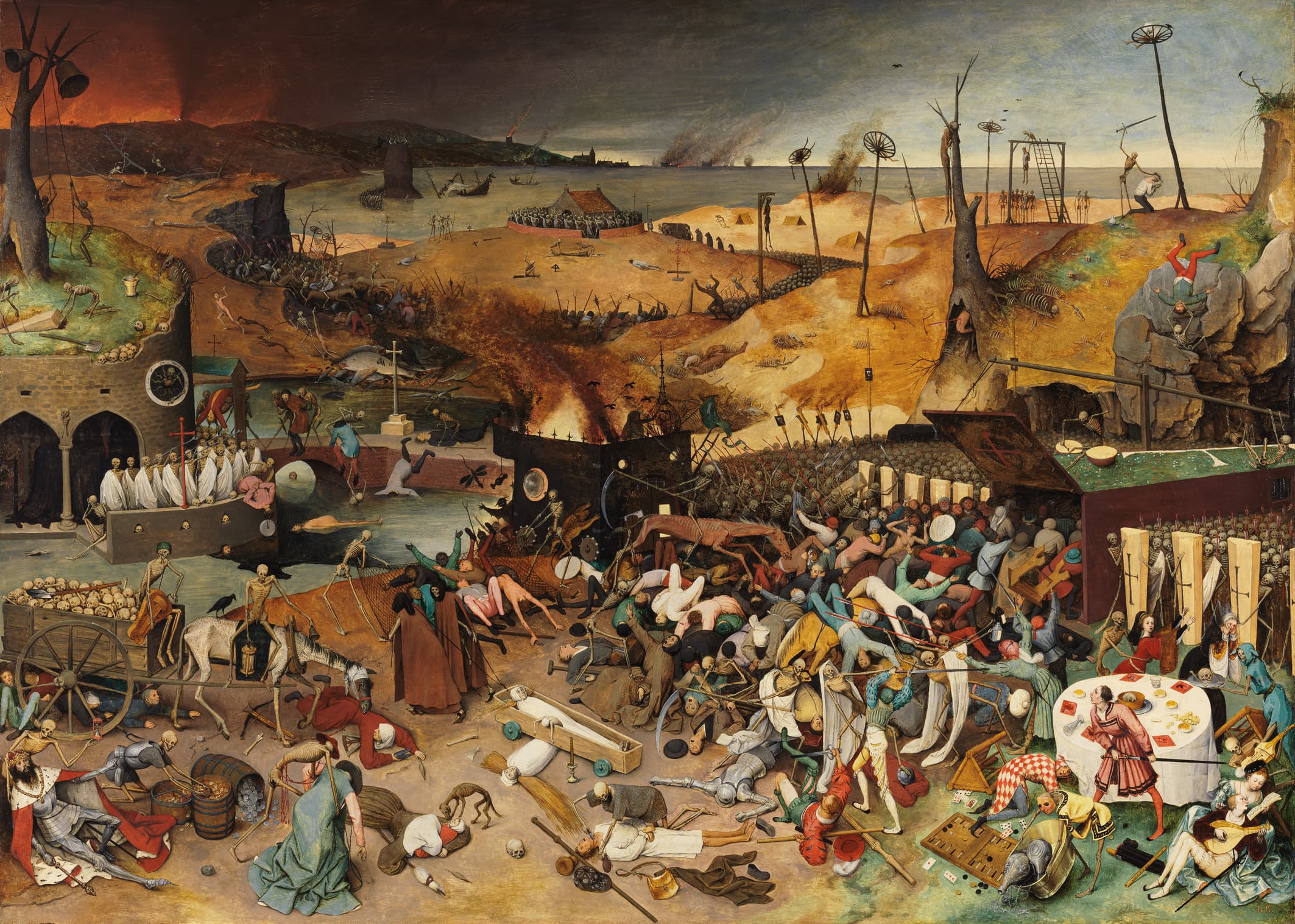
The painting was not celebrated at first. The restored king Ferdinand VII had no wish to commemorate a popular uprising, and the picture was not hung at the Prado until decades later. Its influence, once seen, was enormous. Édouard Manet built The Execution of Emperor Maximilian (1867–69) directly on its composition, and Pablo Picasso returned to it in Massacre in Korea (1951) and, many believe, in Guernica. It remains the model for paintings and photographs of atrocity. For an earlier vision of mass death, see Pieter Bruegel's The Triumph of Death in the same museum; for a contemporary contrast, Delacroix's heroic Liberty Leading the People.
Details most viewers miss
- The wound in the palm. The central man's right hand shows a mark like a stigma, one of the clearest Christian references in the picture.
- The friar. A tonsured monk kneels in prayer among the condemned, a sign that the clergy too were victims.
- The unseen faces. Not a single French soldier's face is visible. Goya shows them only as a line of coats, backs and rifles.
- The city. Madrid's buildings and church tower sit dark against the night sky, offering no light and no help.
Where to see The Third of May 1808
The painting is in the Museo del Prado in Madrid, displayed beside its companion, The Second of May 1808. Both were damaged in a truck accident in 1936, when they were evacuated from Madrid during the Spanish Civil War, and were restored; The Second of May was restored again in 2008, the bicentenary of the uprising.
Questions & answers
Where is The Third of May 1808?
It is in the Museo del Prado in Madrid, hung beside its companion piece, The Second of May 1808. Both were painted for the Spanish government after the French were expelled in 1814.
What is happening in The Third of May 1808?
French soldiers are executing Madrid civilians by firing squad on the night after the uprising of 2 May 1808 against Napoleon's occupation. The central man in white raises his arms as the soldiers aim at him.
What does The Third of May 1808 mean?
It condemns war and state violence by focusing on anonymous victims rather than heroes. The central figure's raised arms and wounded palm recall Christ, presenting him as a martyr, while the faceless soldiers become a killing machine.
Why did Goya paint The Third of May 1808?
In 1814, after the French left Spain, Goya asked the regency government for support to commemorate the Spanish insurrection. He painted it with The Second of May 1808, six years after the events he had lived through in Madrid.
What paintings did The Third of May influence?
Édouard Manet based The Execution of Emperor Maximilian on it, and Pablo Picasso's Massacre in Korea quotes its composition. It is widely seen as the first modern painting of war atrocity.
More by the artist
Francisco Goya

Saturn Devouring His Son
Francisco Goya · c. 1819–1823
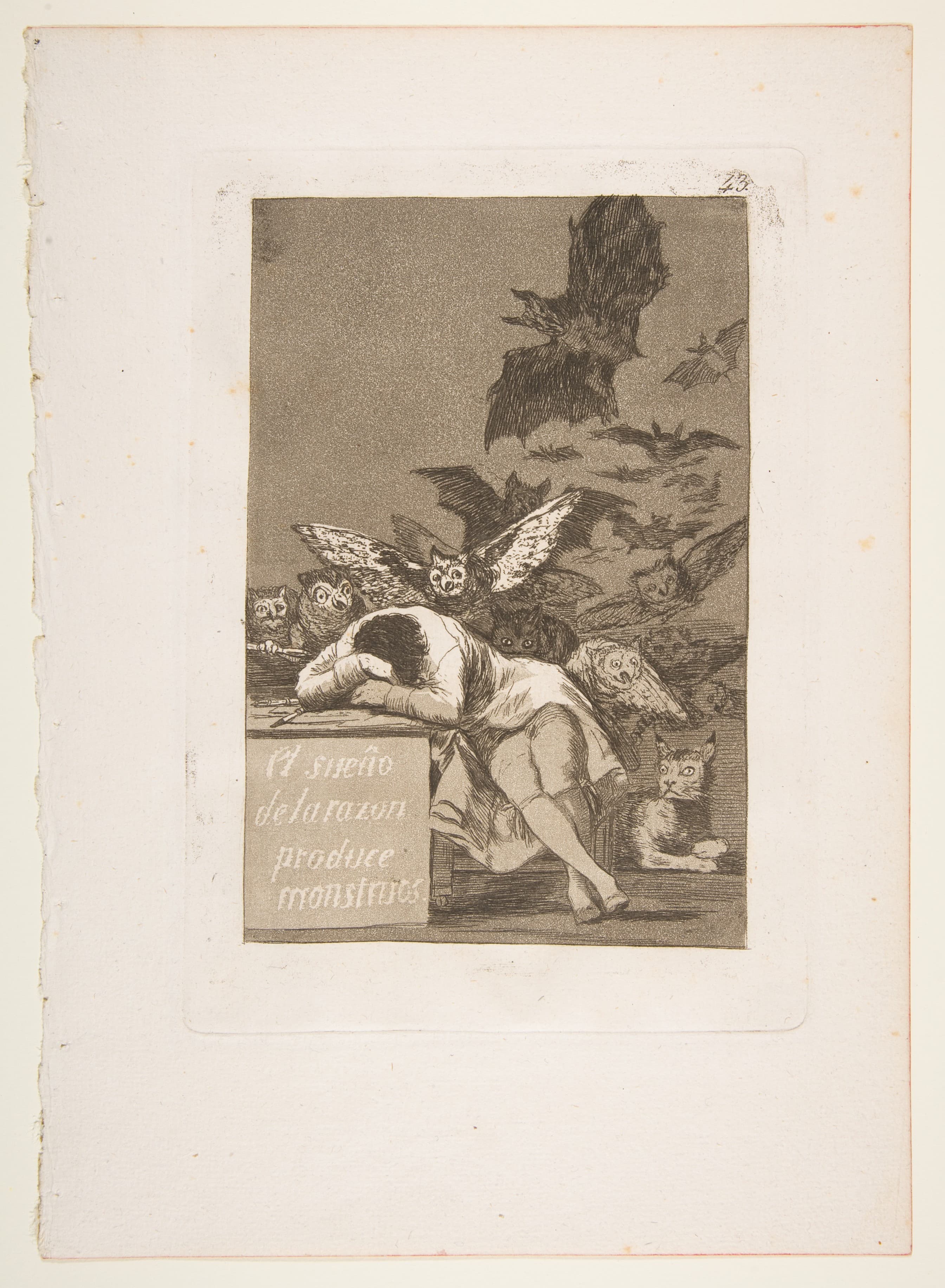
The Sleep of Reason Produces Monsters
Francisco Goya · 1797–99 (published 1799)
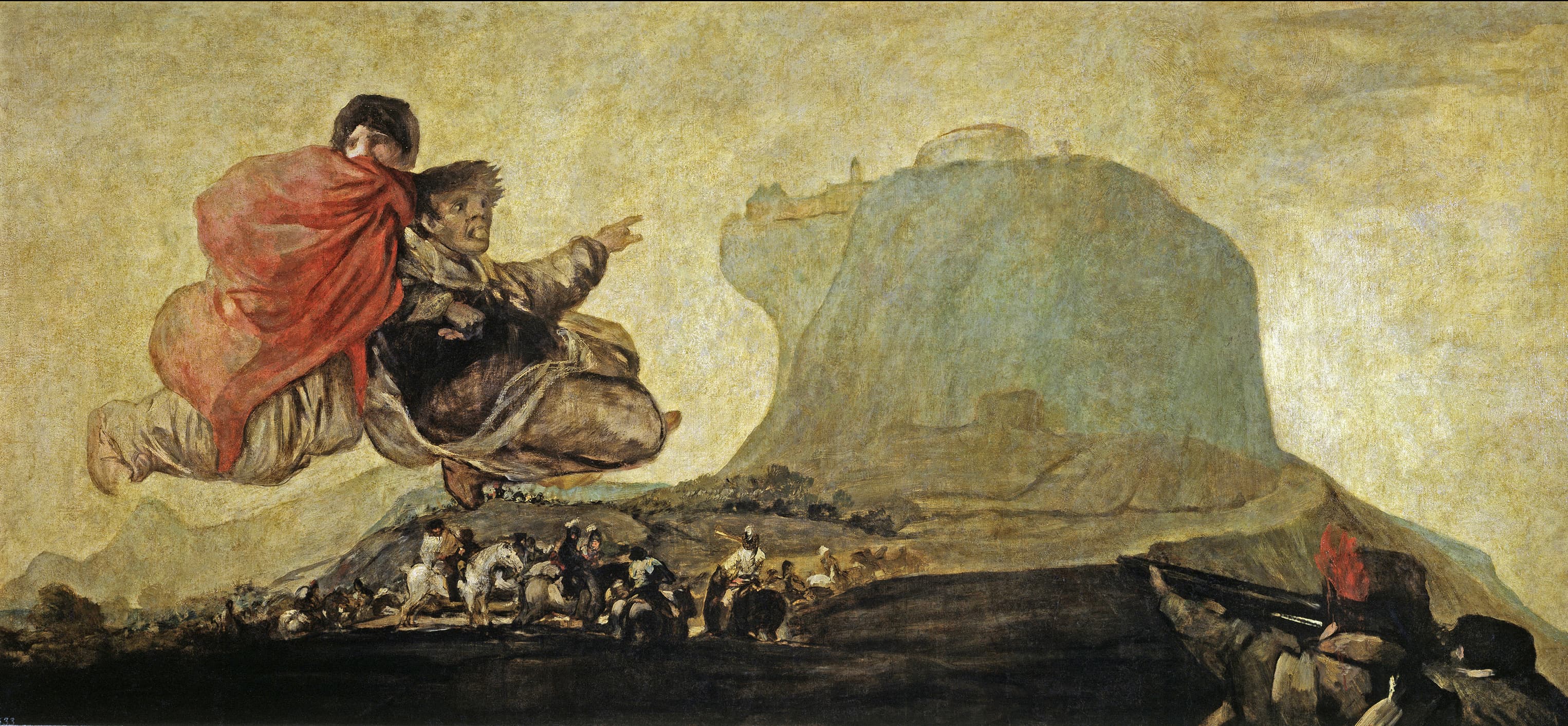
Fantastic Vision (Asmodea)
Francisco Goya · c. 1819–1823
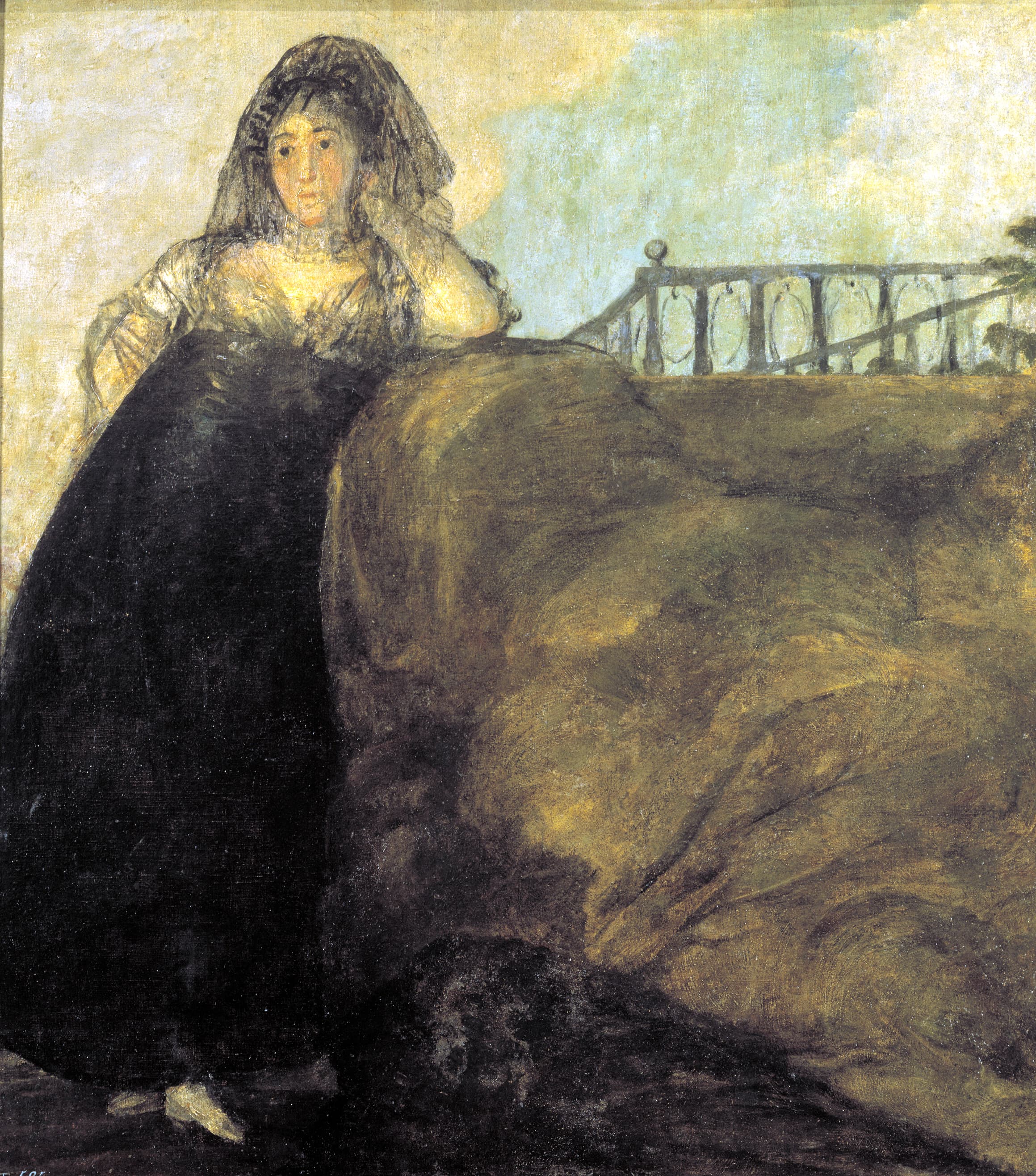
La Leocadia
Francisco Goya · c. 1819–1823
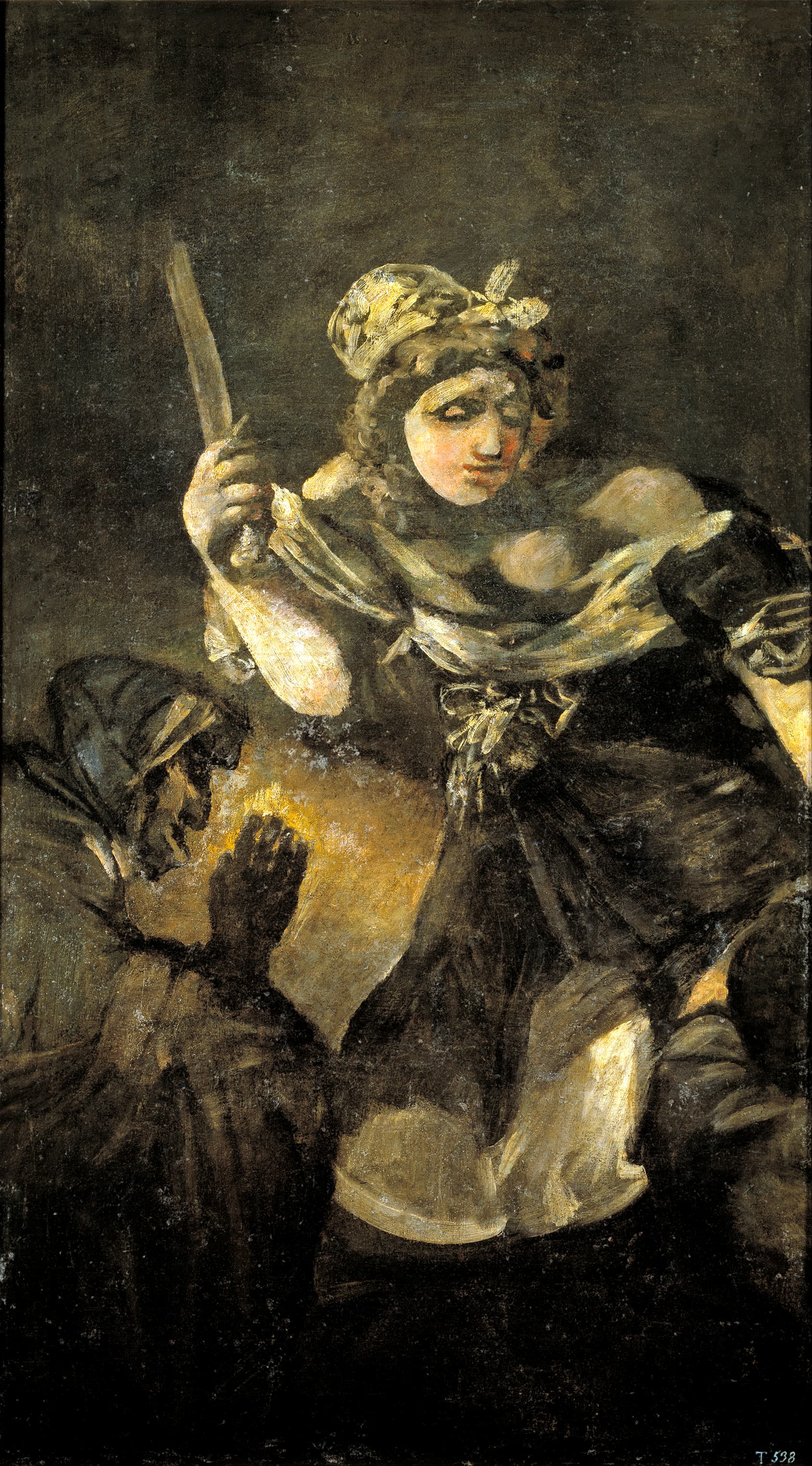
Judith and Holofernes
Francisco Goya · c. 1819–1823
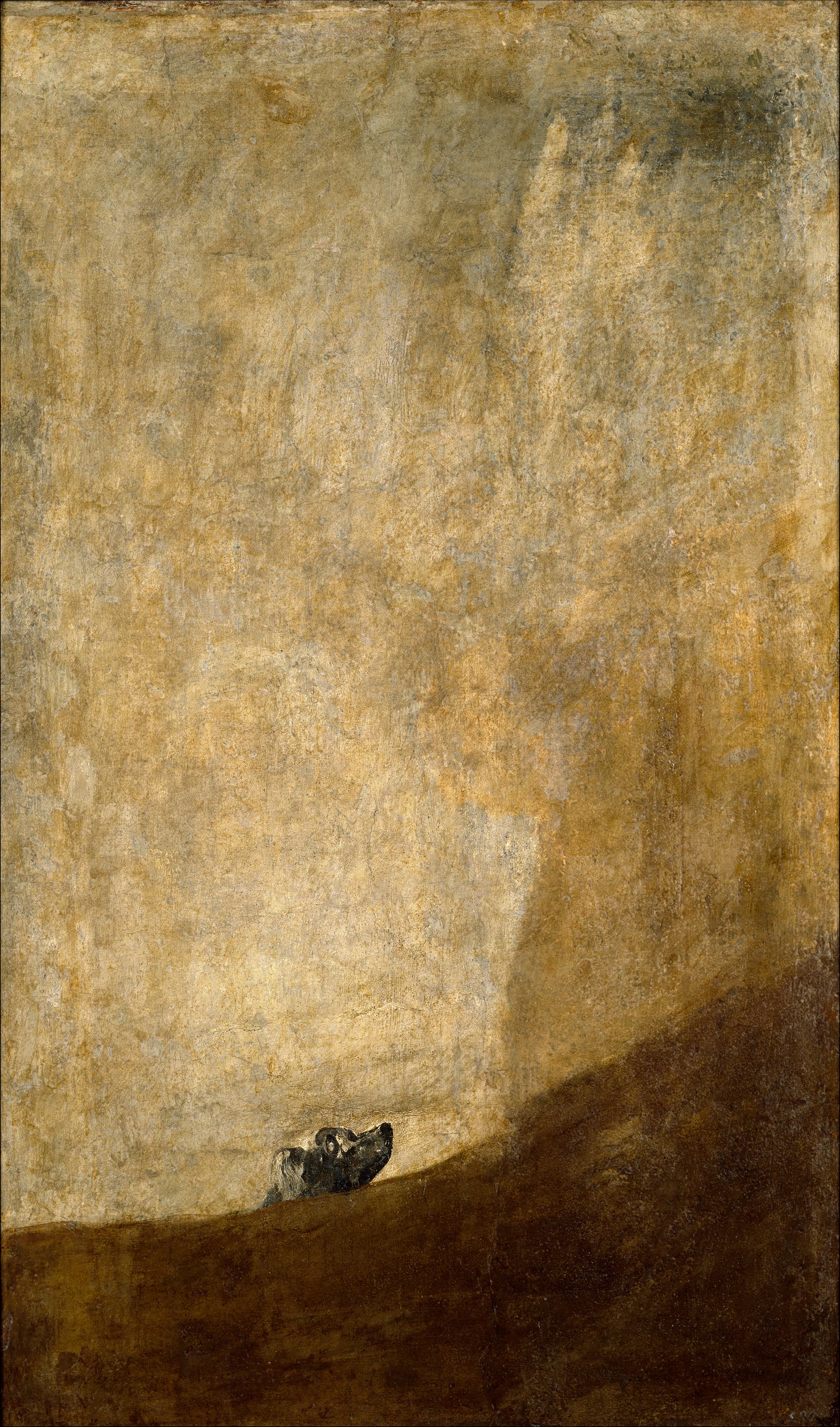
The Dog
Francisco Goya · c. 1819–1823
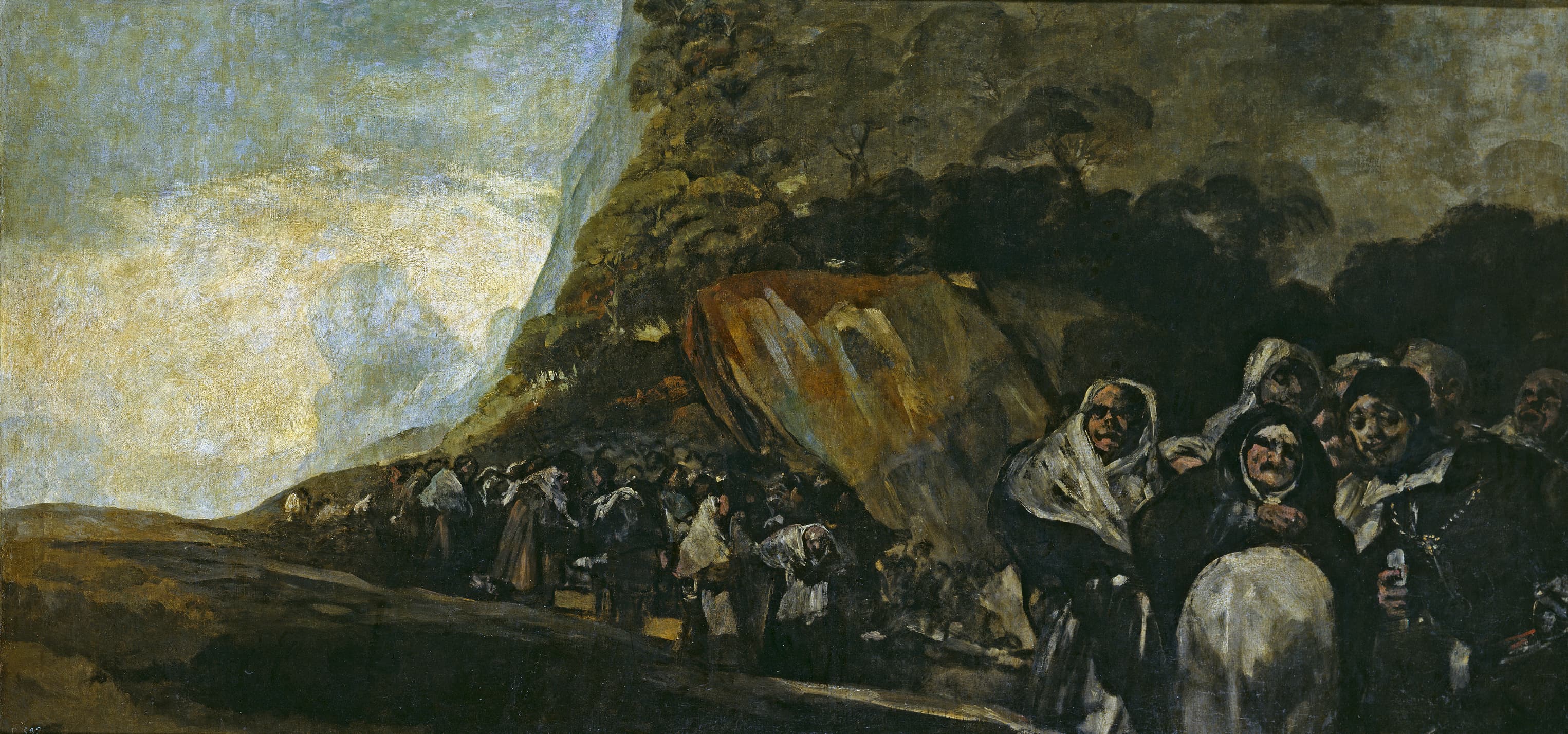
The Holy Office (Pilgrimage to the Fountain of San Isidro)
Francisco Goya · c. 1819–1823
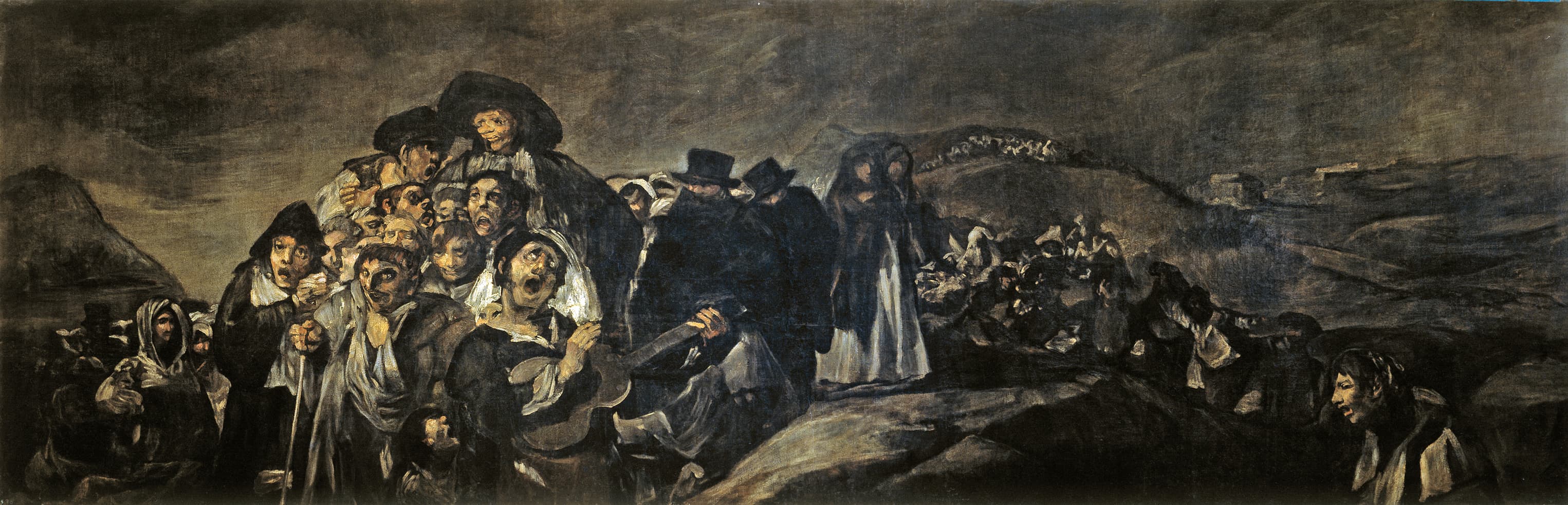
A Pilgrimage to San Isidro
Francisco Goya · c. 1819–1823
Kindred works
You may also study
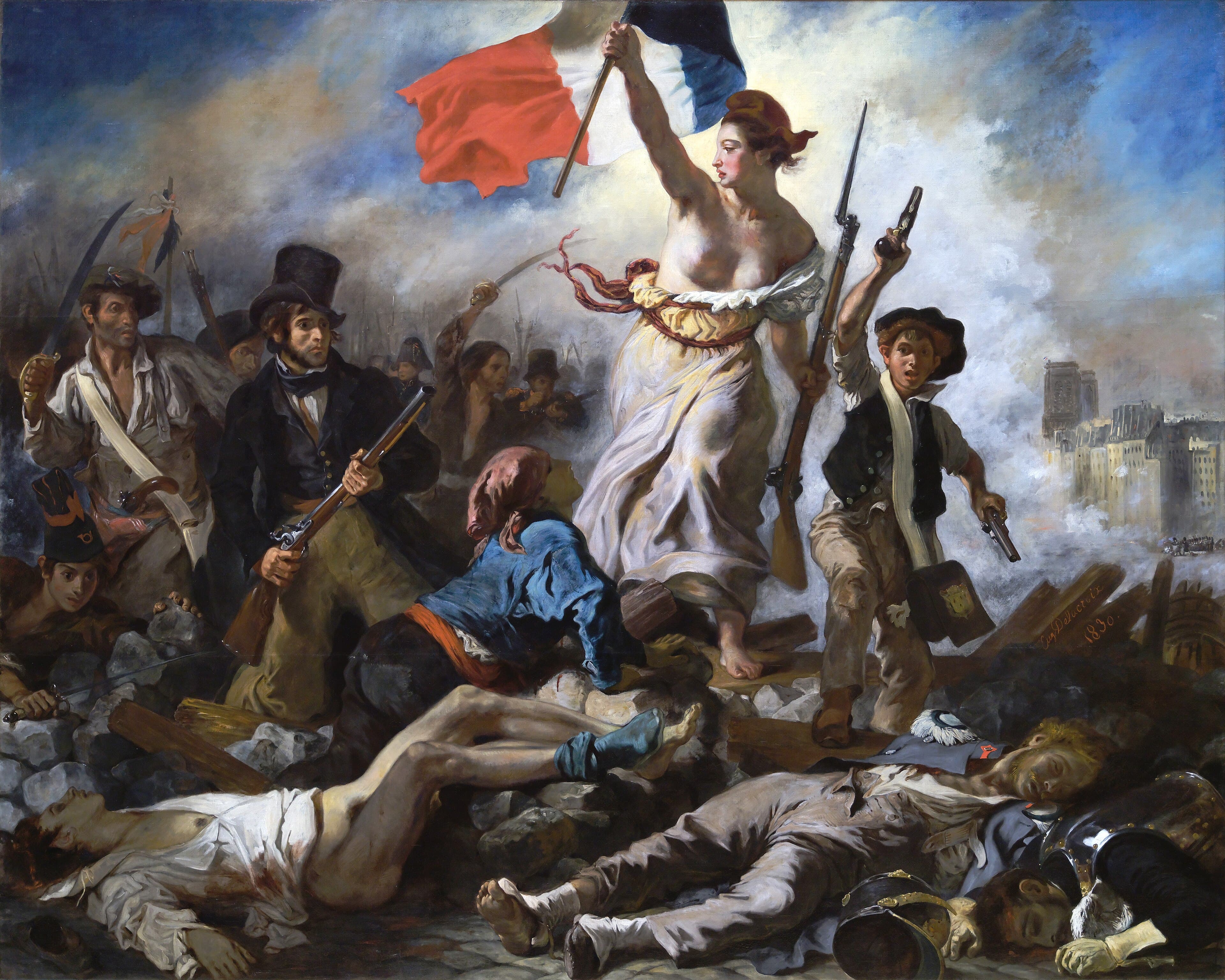
Liberty Leading the People
Eugène Delacroix · 1830
The Triumph of Death
Pieter Bruegel the Elder · c. 1562
The Raft of the Medusa
Théodore Géricault · 1818–1819

Nymphs Dancing to Pan's Flute
Joseph Tomanek

The Scream
Edvard Munch · 1893

Ophelia
John Everett Millais · 1851–52
Las Meninas
Diego Velázquez · 1656
Lucifer
Franz von Stuck · 1890