Image: The Athenaeum (as stated on Commons) · Public domain · via Wikimedia Commons
The Japanese Bridge or The Lily Pond
Claude Monet, 1900
The Japanese Bridge or The Lily Pond is a 1900 painting by Claude Monet of the pale footbridge over his Giverny water-lily pond, framed by willow and purple irises above a red-tinted path. It is in a private collection.
- Artist
- Claude Monet
- Date
- 1900
- Medium
- Oil on canvas
- Dimensions
- 89 × 92 cm
- Collection
- Private collection
- Movement
- Impressionism
- Catalogue
- Wildenstein 1631
- Nature & Landscape
- Water & Sea
The Japanese Bridge or The Lily Pond is a painting by Claude Monet dated 1900, from the second group of views of the wooden footbridge over the water-lily pond in his garden at Giverny. It is in a private collection. Public catalogue data give it the Wildenstein number 1631 and a size of about 89 by 92 centimeters. The image published under this title shows a version with a garden path and a bank of purple irises in the foreground, a combination that also appears in neighboring numbers of the catalogue, so its exact identity needs checking against the catalogue raisonné.
What you're looking at
The bridge crosses the pond in a shallow arch from the center of the canvas to the right edge. Its rails are painted in white, pale gray and lilac, and it catches the light against the dense greenery behind it.
Above the bridge, a weeping willow pours down from the top left in long, ribbon-like strokes of yellow-green, olive, blue and red. To its left, a patch of pink sky shows between trees. On the far bank the foliage is a wall of green, gold and rust.
The foreground is crowded with color. A bank of irises fills the lower center and right, their flowers painted in purple, magenta and pink on tall green leaves. At the lower left, a path curves into the picture, painted in strong red and orange, so that the ground itself seems to glow. On the pond, under the bridge, the water is red-orange too, crossed by horizontal bands of lily pads in green and pink.
The 1900 bridge: what makes this version distinct
Monet first painted the footbridge in a group of about a dozen canvases in 1899, in cool, even greens, such as the Met's Bridge over a Pond of Water Lilies and the National Gallery of Art's The Japanese Footbridge. In 1900 he returned to it and widened the view. The new canvases take in more of the banks, the willow and the flowers, and they are often much warmer, with reds, pinks and oranges flooding the greens.
This picture is one of the hottest of the group. The red path and the reddish water give it an almost sunset intensity, and the irises turn the foreground into a flower garden rather than a simple bank. Compared with Philadelphia's Japanese Footbridge and the Water Lily Pool, Giverny of 1899, it is far less symmetrical and far more crowded.
The garden at Giverny
Monet bought the land across the road from his house in 1893 and diverted a stream to create a pond, which he planted with water lilies and crossed with a wooden footbridge in the Japanese style, inspired by the woodblock prints he collected. Irises, willows and bamboo grew along the banks. By 1900 the garden had matured, and it became his main subject for the rest of his life.
How it was painted
The canvas was painted in the garden, in summer light. The willow is laid in long, loaded strokes that follow the hanging branches; the irises in short, vertical touches; the lily pads in horizontal dashes. Monet set warm and cool colors side by side, red against green, purple against yellow, to make the scene vibrate.
Where to see it
The painting is in a private collection and is not on public view. Related bridges in museums are gathered in our Japanese Footbridge series hub and Where to See Monet. For the garden see Giverny, and for the painter Claude Monet.
Questions & answers
Where is Monet's The Japanese Bridge or The Lily Pond?
It is in a private collection and not on public view. Several other footbridge paintings from 1899–1900 are in museums, including the Metropolitan Museum of Art, the National Gallery of Art and the Musée d'Orsay.
When and where was it painted?
Monet painted it in 1900 in his water garden at Giverny, across the road from his house. It belongs to his second group of footbridge pictures, which take in more of the banks and flowers than the 1899 group.
What does the painting show?
A pale, arched wooden footbridge over a red-tinted lily pond, framed by a weeping willow, with a bank of purple irises and a glowing red path in the foreground.
Why is the bridge called Japanese?
Monet built it in the style of bridges he saw in Japanese woodblock prints, which he collected. The arched wooden footbridge became one of the most famous motifs of his Giverny garden.
More by the artist
Claude Monet
Charing Cross Bridge (Indianapolis)
Claude Monet · c. 1900
Waterloo Bridge (Kerry Stokes Collection)
Claude Monet · 1899–1901
Charing Cross Bridge (Overcast Day)
Claude Monet · 1900
Waterloo Bridge, Overcast Weather
Claude Monet · 1900
Charing Cross Bridge (Shelburne Museum)
Claude Monet · 1899
Charing Cross Bridge
Claude Monet · 1899
Waterloo Bridge, London, Sun Effect
Claude Monet · 1899–1901
Waterloo Bridge, Morning Fog
Claude Monet · 1901
Also painted in 1900
The same year
Houses of Parliament, London
Claude Monet · 1900–01
Houses of Parliament, Symphony in Rose
Claude Monet · 1900
Waterloo Bridge (Santa Barbara Museum of Art)
Claude Monet · 1900
Waterloo Bridge, Gray Weather
Claude Monet · 1900
Waterloo Bridge, Effect of Sun in the Mist
Claude Monet · c. 1900–03
Charing Cross Bridge, Reflections on the Thames
Claude Monet · c. 1900
Charing Cross Bridge (Cardiff)
Claude Monet · c. 1900 (dated 1902)
Charing Cross Bridge, London (Marmottan study)
Claude Monet · c. 1899–1901
Kindred works
You may also study
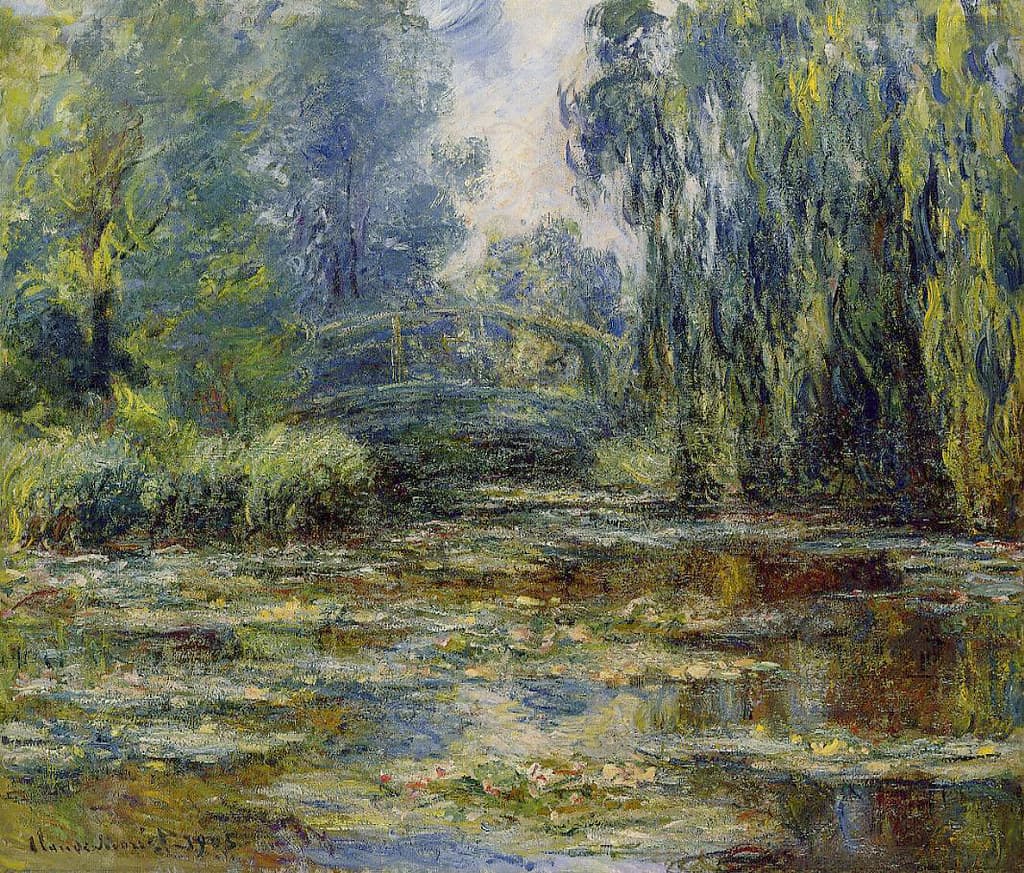
The Water-Lily Pond and Bridge
Claude Monet · 1905

Bridge over a Pond of Water Lilies
Claude Monet · 1899
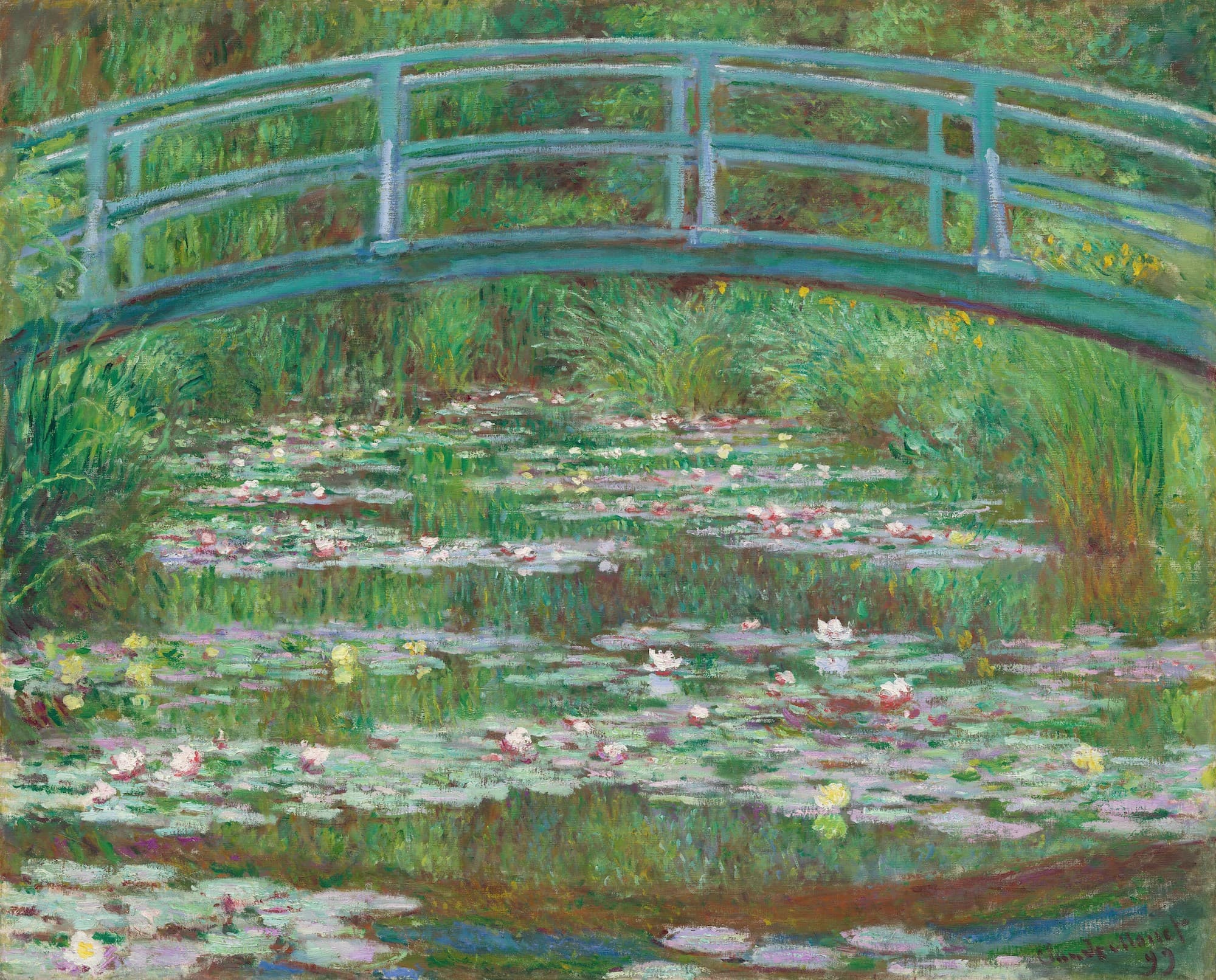
The Japanese Footbridge
Claude Monet · 1899
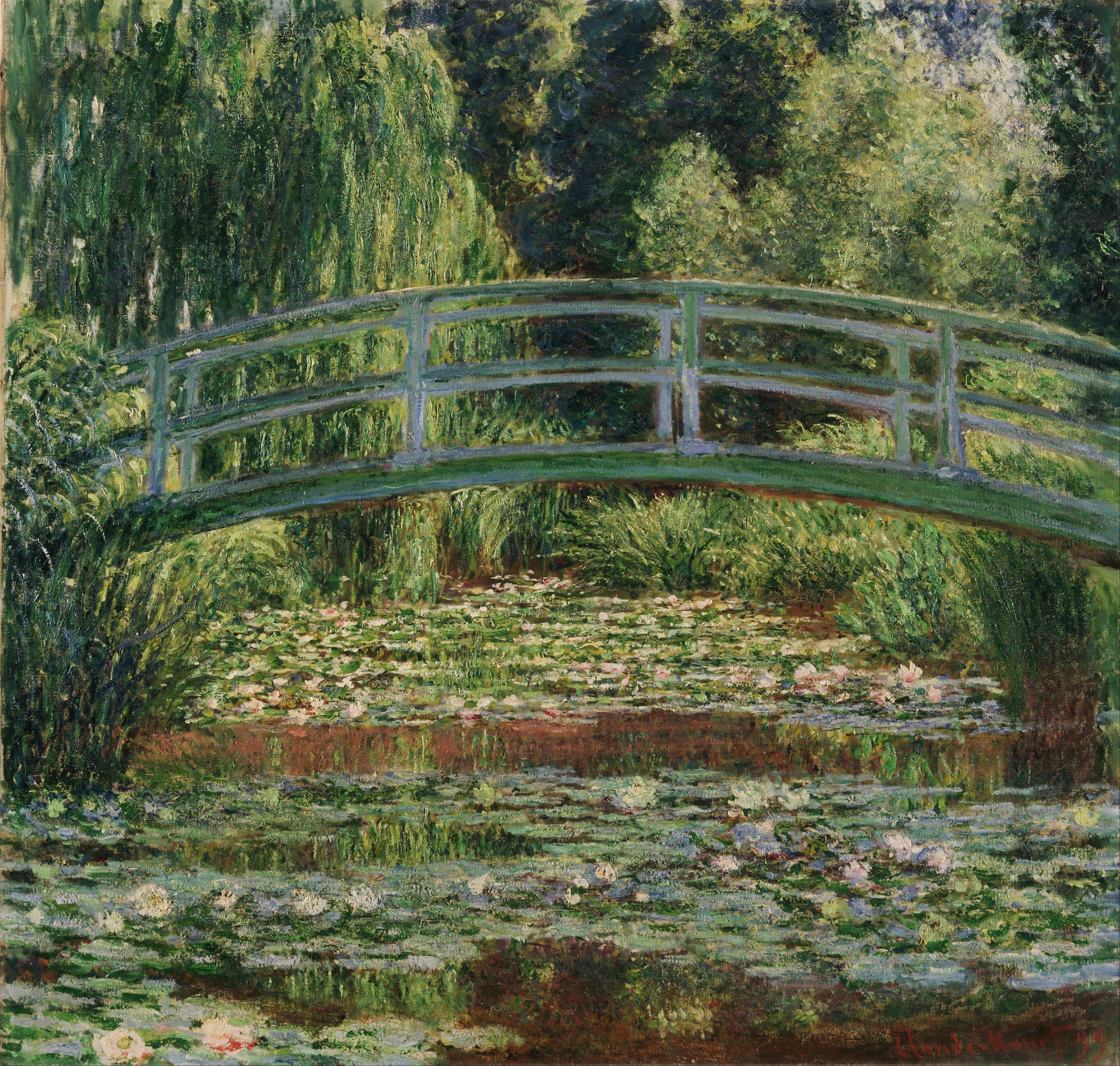
The Japanese Footbridge and the Water Lily Pool, Giverny
Claude Monet · 1899
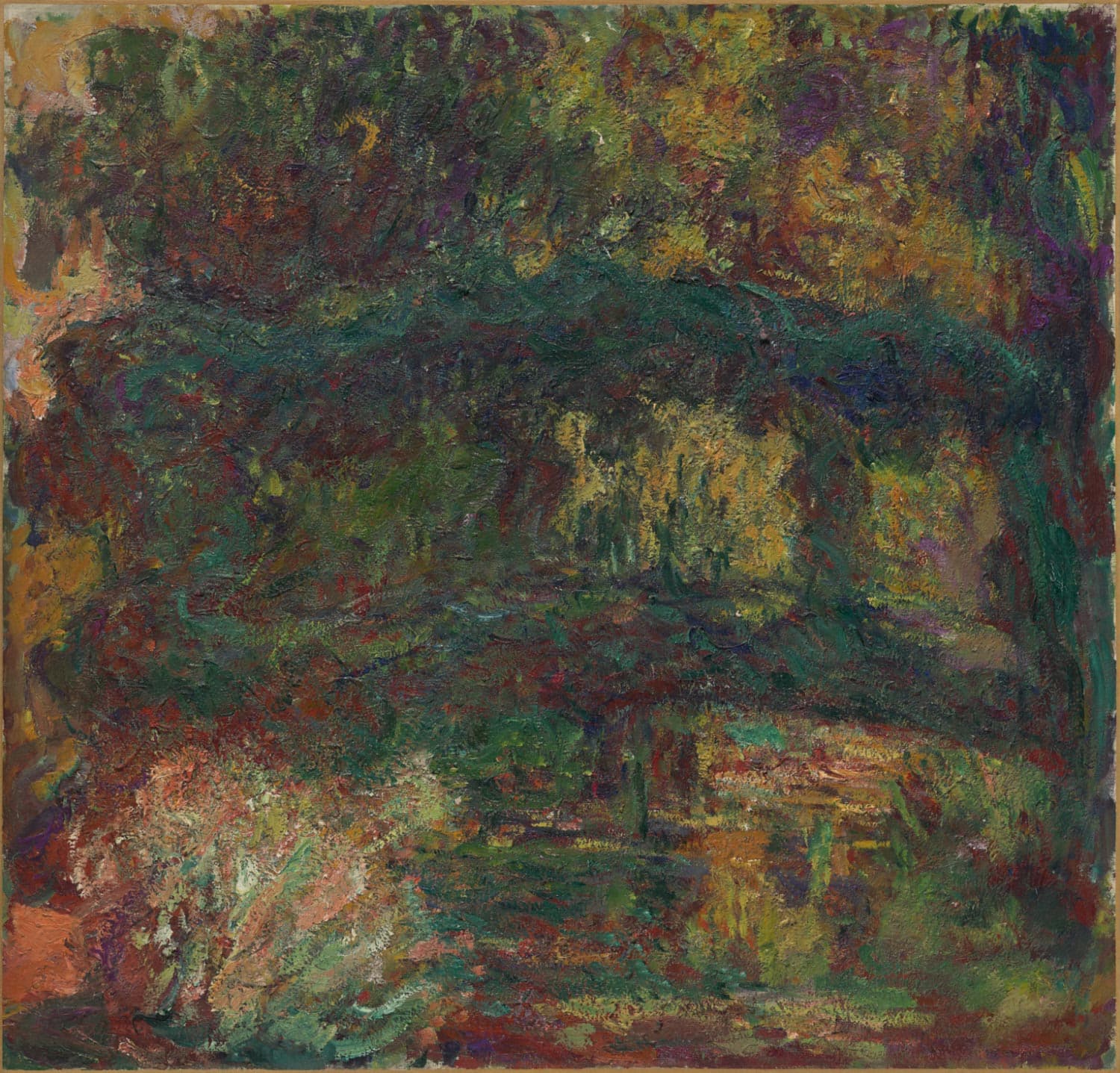
Nymphéas, Japanese Bridge
Claude Monet · 1918–26
The Japanese Bridge
Claude Monet · 1918–24
Le pont japonais
Claude Monet · 1918–24
Water Lilies: Setting Sun
Claude Monet · 1914–26