Image: Pola Museum of Art, Hakone (catalogue reproduction, as stated on Commons) · Public domain · via Wikimedia Commons
Houses of Parliament, Symphony in Rose
Claude Monet, 1900
Houses of Parliament, Symphony in Rose is a 1900 painting by Claude Monet of the Palace of Westminster as a gray-violet silhouette in rose-colored mist over the Thames. It is in the Pola Museum of Art, Hakone, Japan.
- Artist
- Claude Monet
- Date
- 1900
- Medium
- Oil on canvas
- Dimensions
- 82 × 92.6 cm
- Collection
- Pola Museum of Art, Hakone, Japan
- Movement
- Impressionism
- Catalogue
- Wildenstein 1599
- The City
- Water & Sea
- Architecture & Ruins
Houses of Parliament, Symphony in Rose (Le Parlement, symphonie en rose) is a painting by Claude Monet dated 1900, from his series of views of the Palace of Westminster across the Thames. It shows the building as a gray-violet silhouette dissolving in a haze of pink and mauve. The canvas measures 82 by 92.6 centimeters and is in the Pola Museum of Art in Hakone, Japan. Wildenstein lists it as number 1599, immediately before the Art Institute of Chicago's cooler Houses of Parliament, London.
What you're looking at
The composition is the classic one of the series. The palace runs across the middle of the canvas, its great square tower rising left of center and a row of thinner pinnacles at right. The forms are flat and soft-edged, painted in gray-blue and violet, darker near the water and fading into the air above.
Everything else is rose. The sky is a cloudy field of pink, lilac and gray, painted in loose, circling strokes. Low at right, behind the pinnacles, a patch of warmer pink and pale yellow suggests where the sun is setting. The river, filling the lower third, repeats the sky's colors so closely that the reflection of the palace is just a slightly darker band. A faint boat shape, a pale triangle of sail, is barely visible in the water at center right.
The signature, "Claude Monet," is at lower right.
Symphony in rose: what makes this version distinct
The musical title belongs to a tradition Monet knew well. The American painter James McNeill Whistler gave his Thames pictures titles like Nocturne and Symphony, insisting that a painting was an arrangement of color, like music, rather than a record of a place. Monet admired Whistler and had visited London at his invitation in 1887. Calling a Parliament canvas a symphony in rose announces that its real subject is the single dominant color.
Within the series, it pairs naturally with two others. Chicago's version of the same years has nearly the same layout in turquoise and blue; the High Museum's Houses of Parliament, Symphony in Blue carries the same musical label in a different key. Compared with the dramatic sunsets of 1903–04, such as Houses of Parliament, Sunset in Zurich, this is a quiet, muted picture: no visible sun, no strong contrast, just a single atmosphere.
How it was painted
Monet painted the Parliament views from St Thomas' Hospital, across the river from Westminster, in the late afternoons of 1900 and 1901, working on many canvases at once and returning to each as its light reappeared. He finished most of them at Giverny in 1903–04. The surface here is thin and soft, with the paint scumbled over the ground so that the texture of the canvas plays a part. The reproduction available online is an older printed scan with visible lines; the original surface is smoother.
The Pola Museum
The Pola Museum of Art opened in 2002 in Hakone, in the mountains southwest of Tokyo, to show the collection formed by Suzuki Tsuneshi, the head of the Pola cosmetics company. It holds one of Japan's largest groups of Monet paintings, including an early stack picture, Haystacks at Giverny.
Where to see it
The painting is in the Pola Museum of Art in Hakone, Japan, often on view in its Impressionist galleries. See our Houses of Parliament series hub, Monet in London, Where to See Monet and Claude Monet.
Questions & answers
Where is Monet's Houses of Parliament, Symphony in Rose?
It is in the Pola Museum of Art in Hakone, Japan, which was founded on the collection of Suzuki Tsuneshi of the Pola company and holds one of Japan's largest groups of Monet's paintings.
When was it painted?
The museum dates it to 1900, the year Monet began painting the Houses of Parliament from St Thomas' Hospital in London. Like most of the series, it may have been reworked later at Giverny.
Why is it called Symphony in Rose?
The musical title, used for a single dominant color, echoes James McNeill Whistler, who called his Thames paintings nocturnes and symphonies. It signals that the painting is an arrangement of pinks and mauves as much as a view of London.
How many Houses of Parliament paintings did Monet make?
About nineteen, all seen from the same viewpoint across the Thames and most measuring about 81 by 92 centimeters. They range from pale fogs to dark silhouettes against red sunsets.
More by the artist
Claude Monet
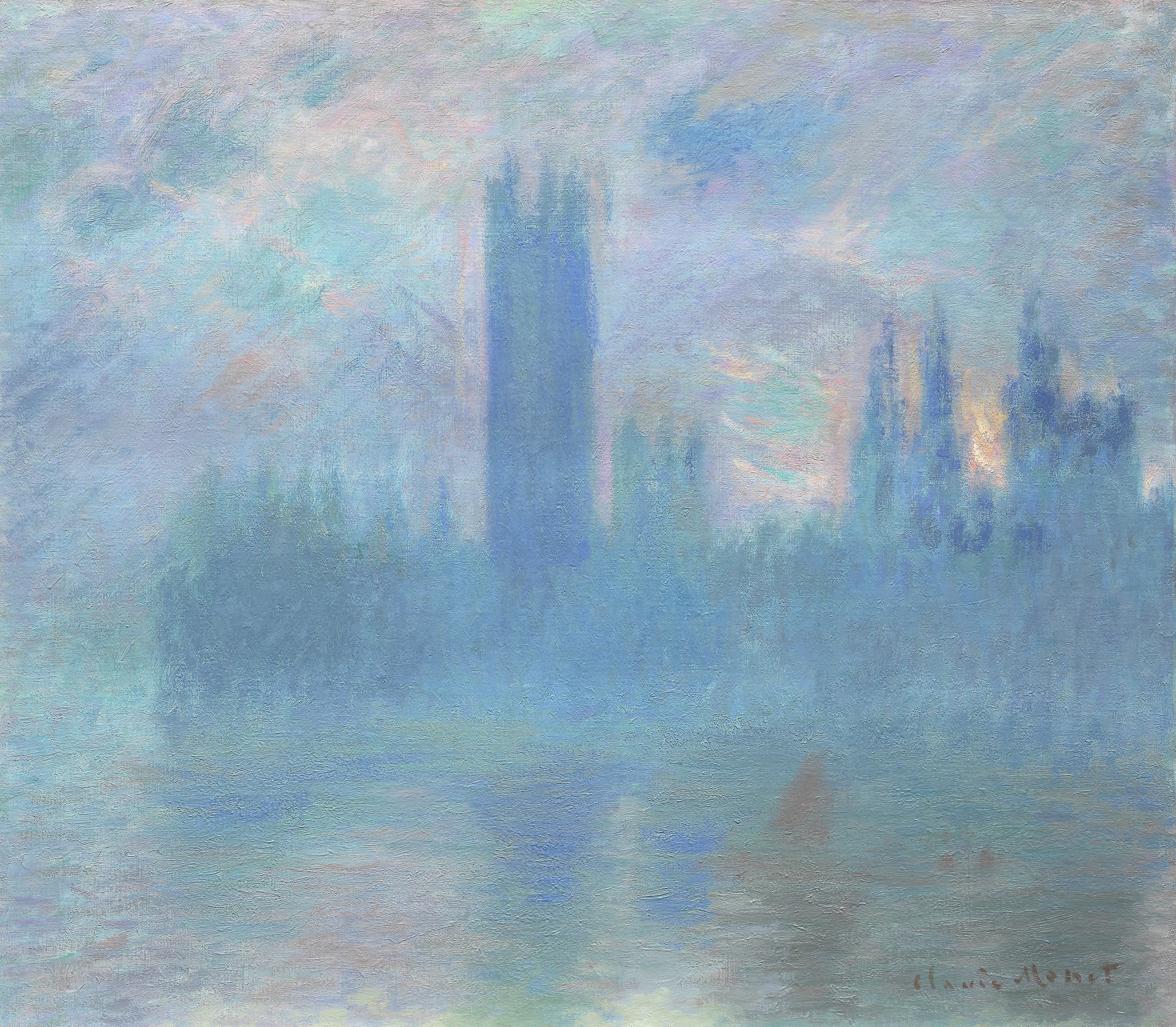
Houses of Parliament, London
Claude Monet · 1900–01
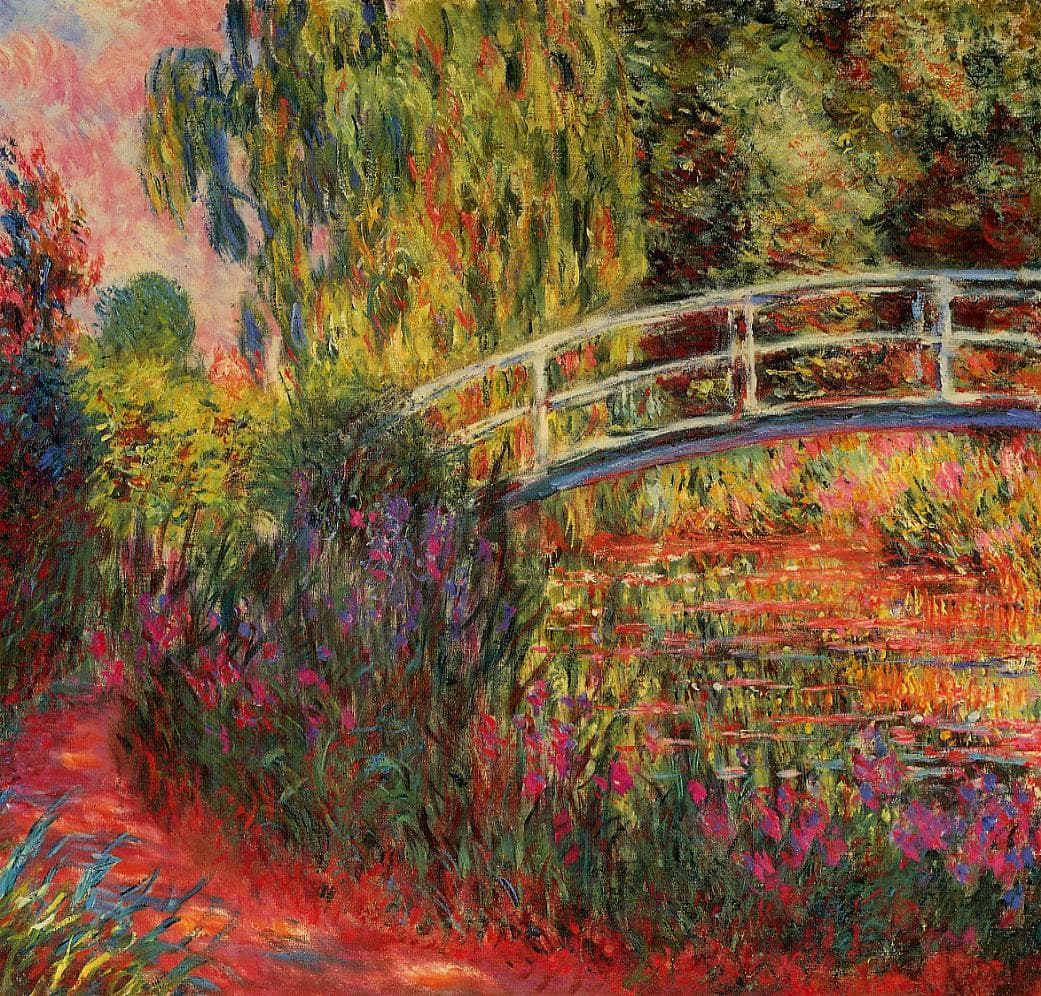
The Japanese Bridge or The Lily Pond
Claude Monet · 1900
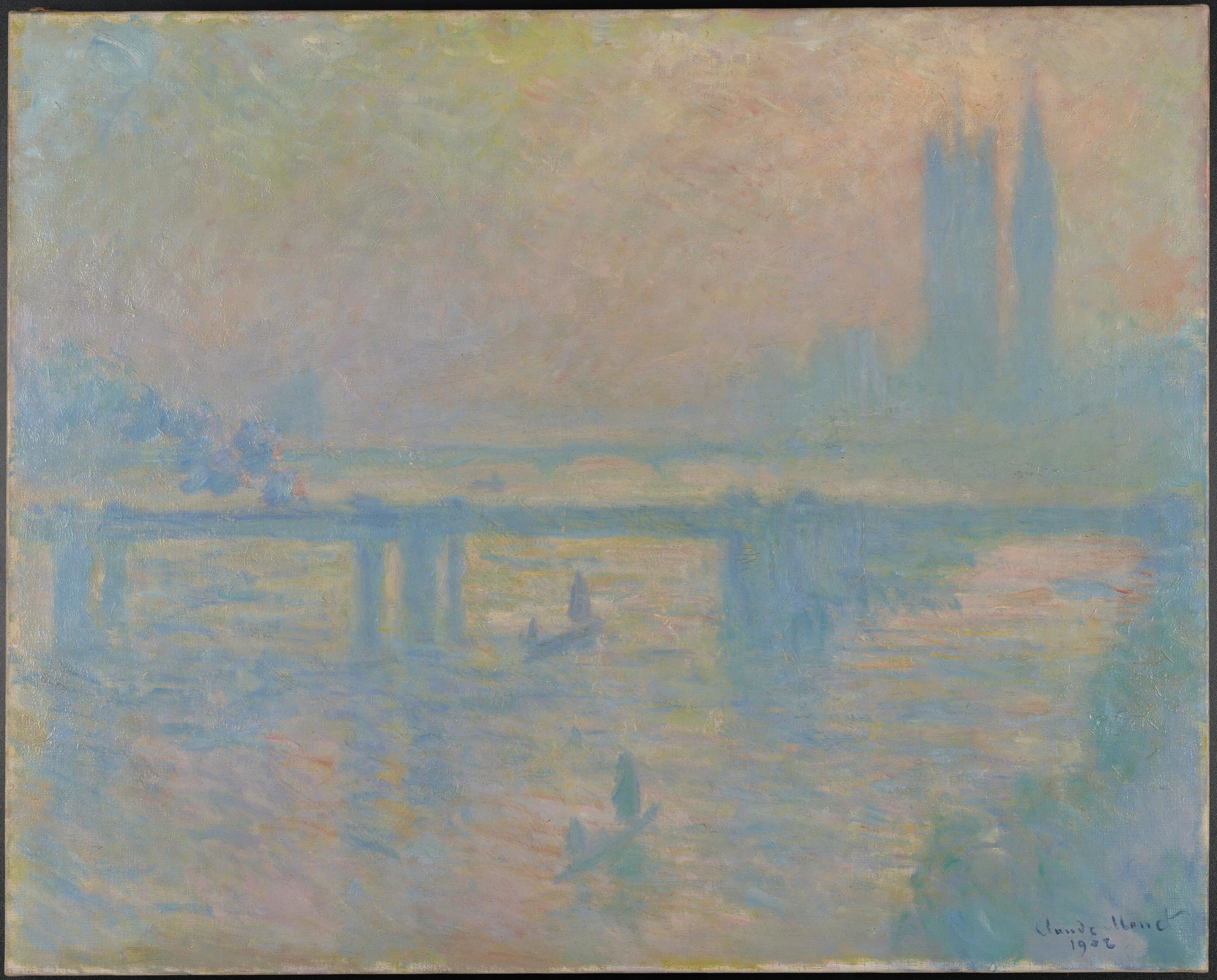
Charing Cross Bridge (Cardiff)
Claude Monet · c. 1900 (dated 1902)
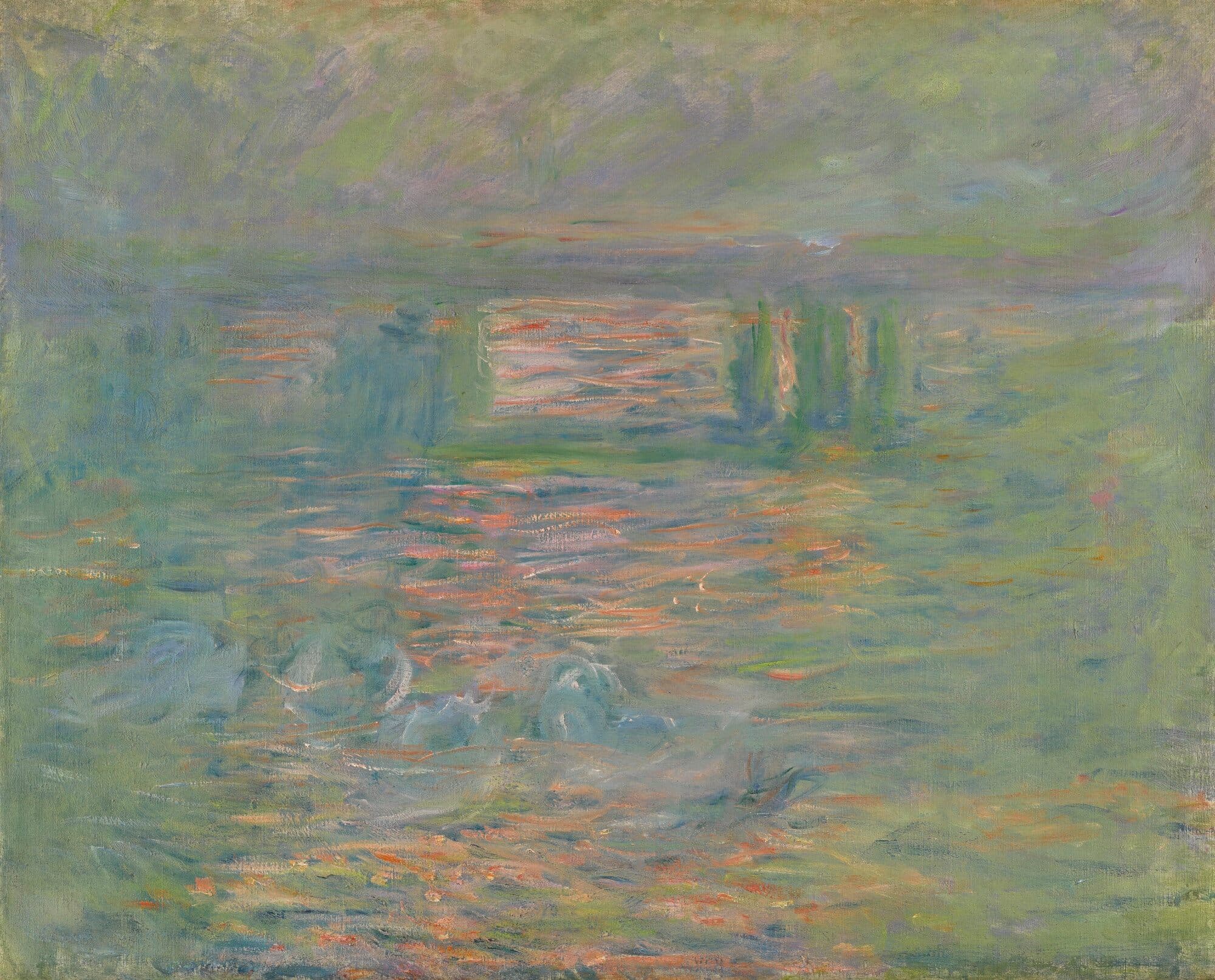
Charing Cross Bridge (private collection, c. 1900)
Claude Monet · c. 1899–1901
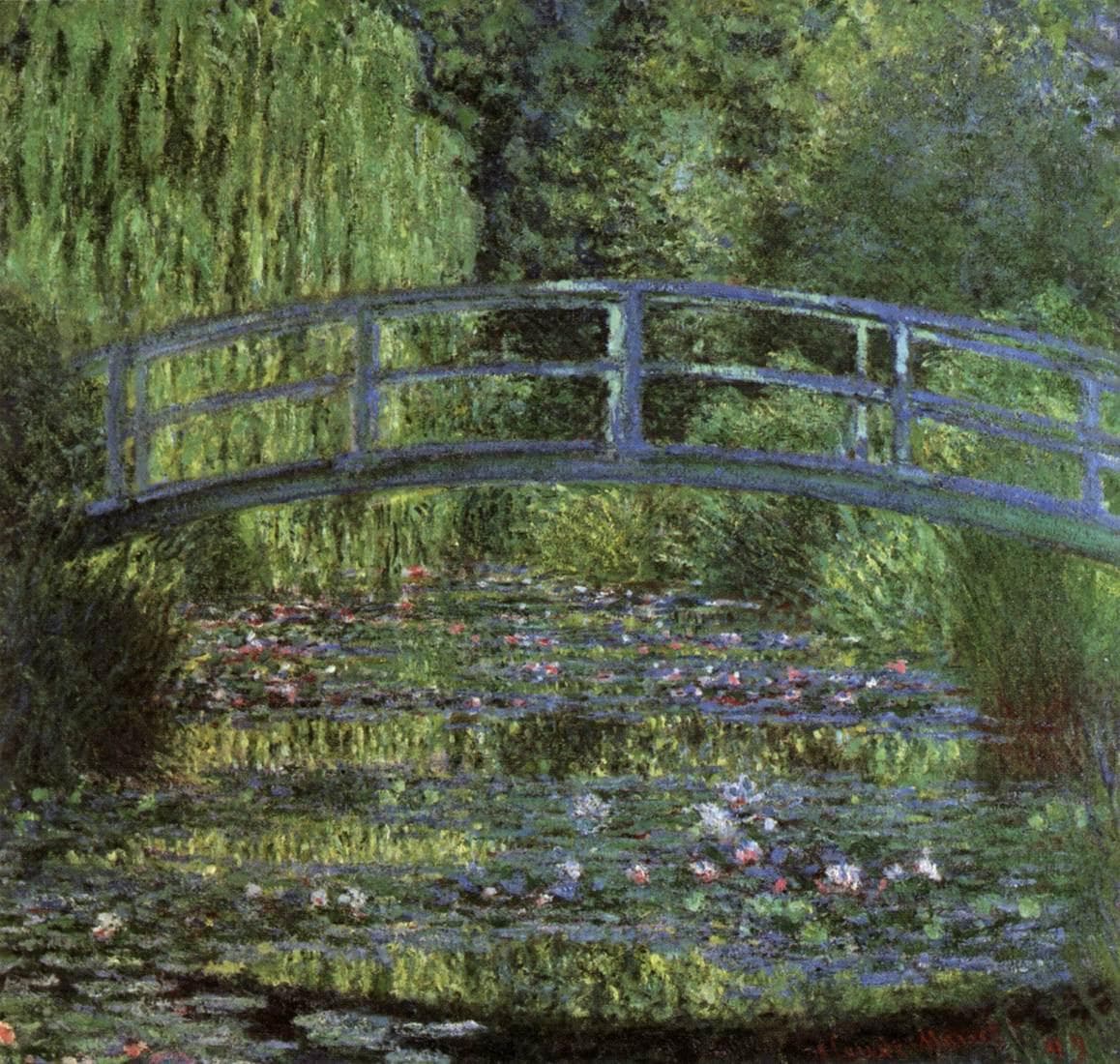
Water Lily Pond, Green Harmony
Claude Monet · 1899
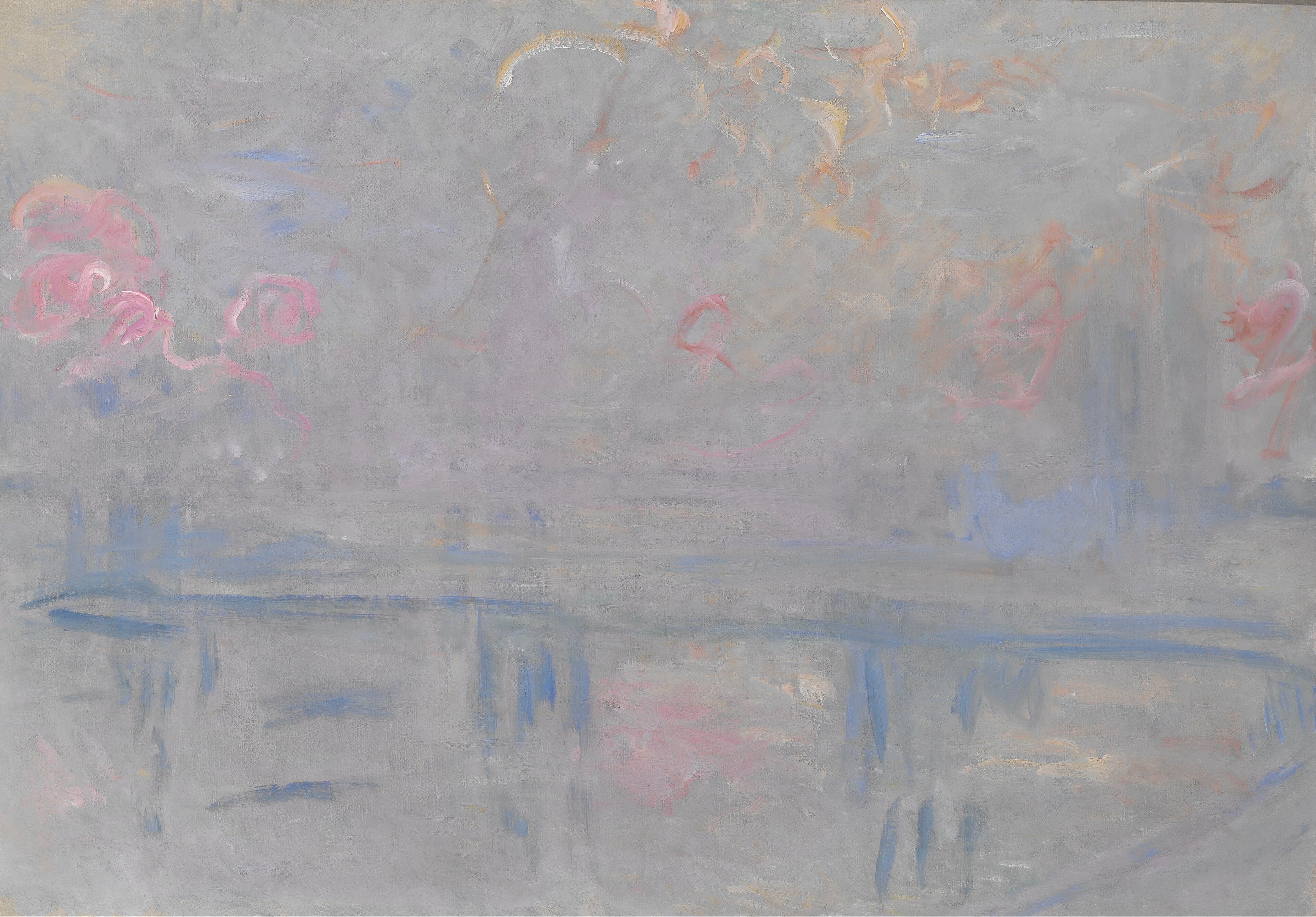
Charing Cross Bridge (Indianapolis)
Claude Monet · c. 1900
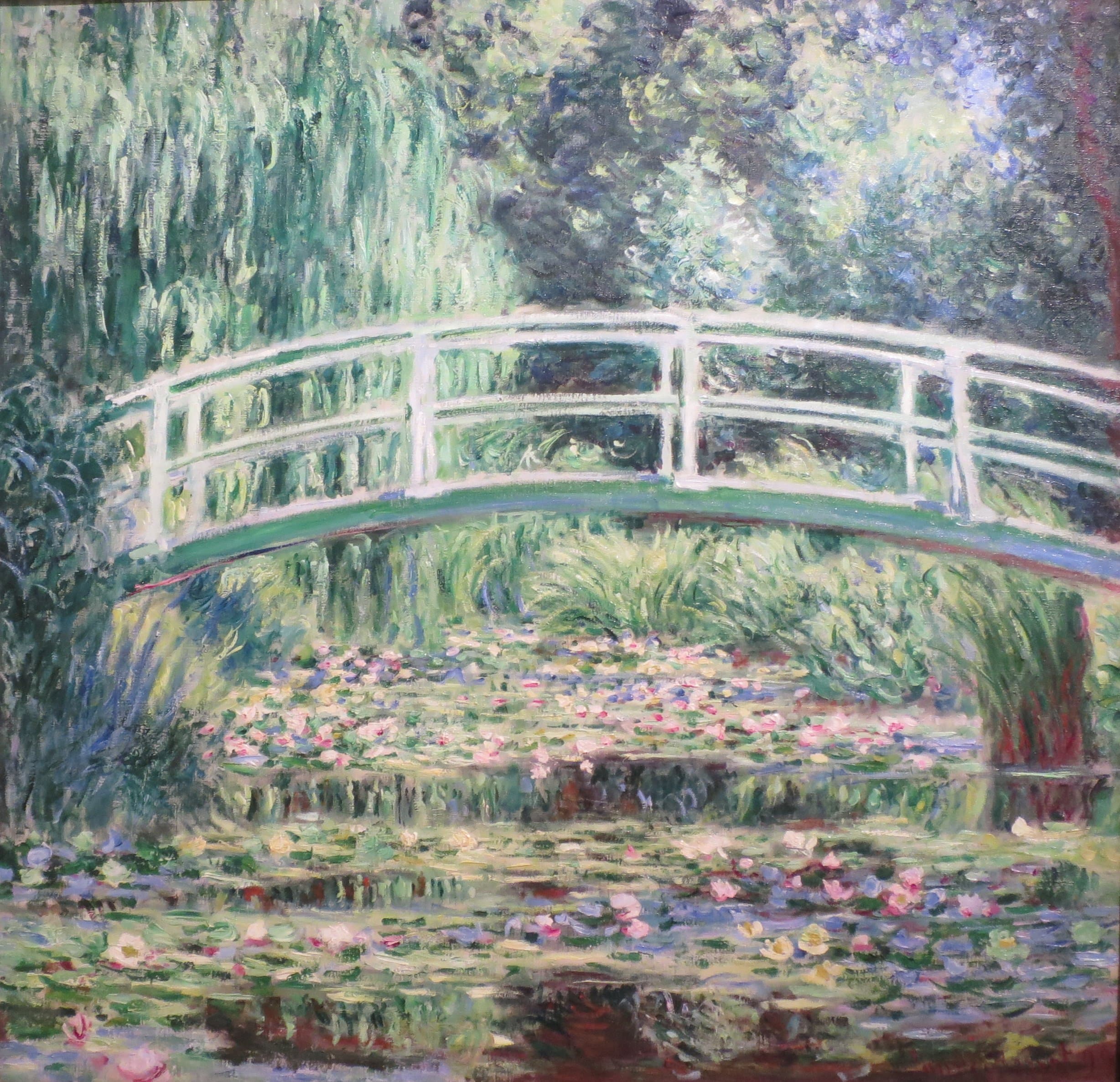
White Water Lilies
Claude Monet · 1899
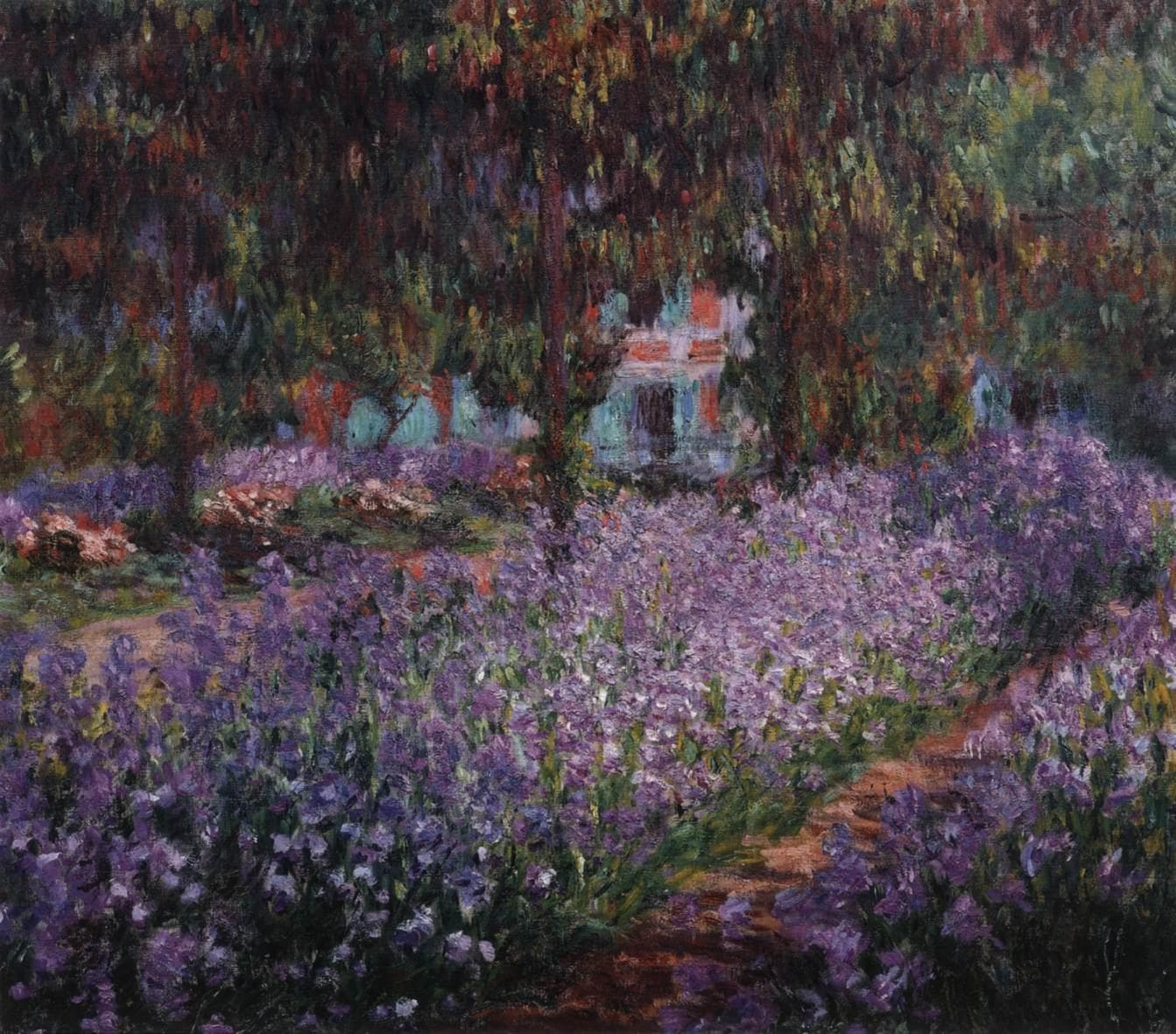
Irises in Monet's Garden at Giverny
Claude Monet · 1900
Also painted in 1900
The same year
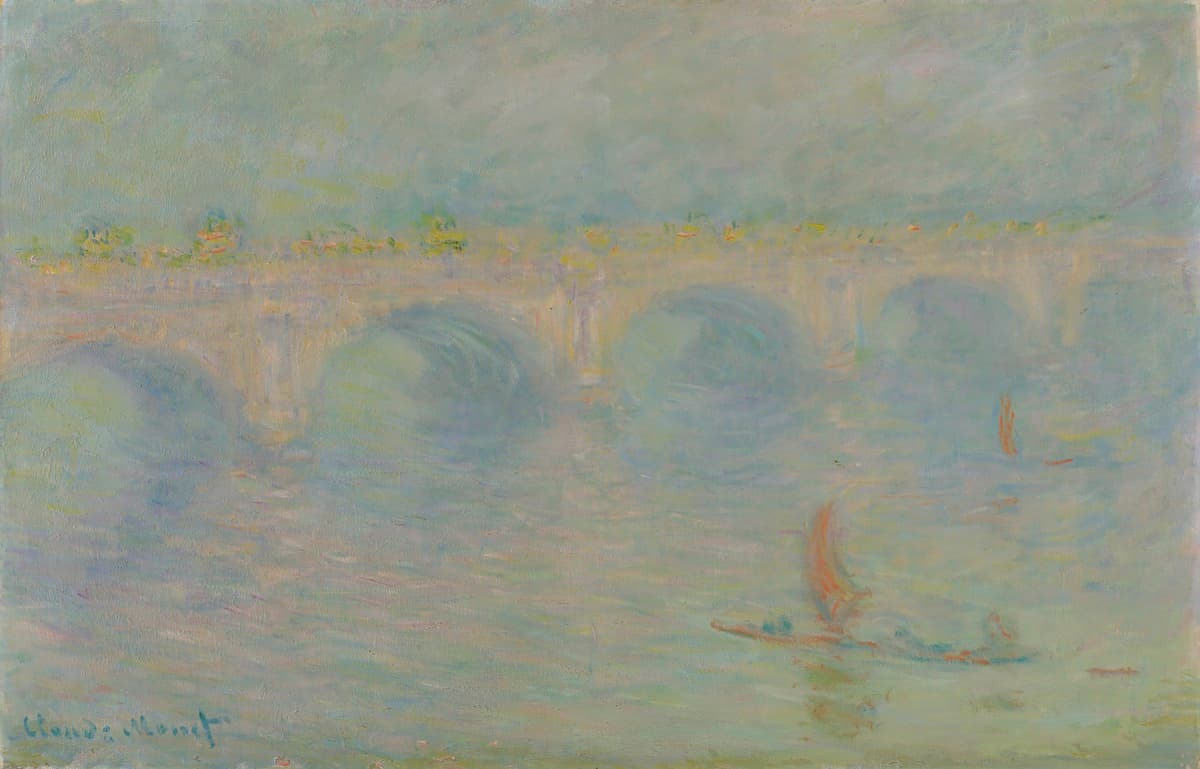
Waterloo Bridge, London, Sun Effect
Claude Monet · 1899–1901
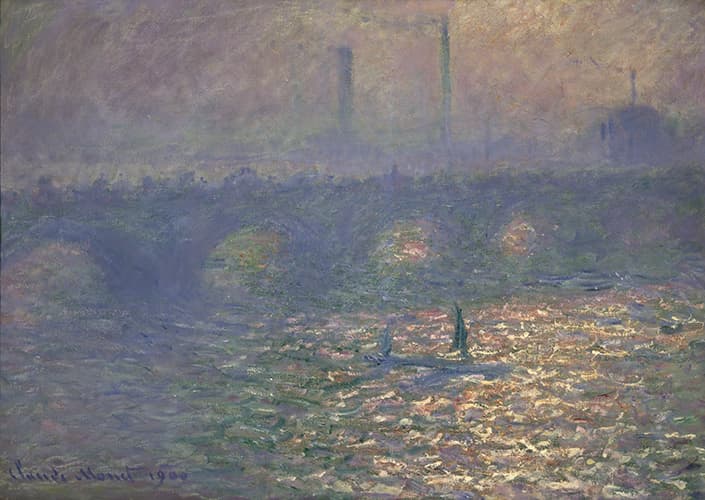
Waterloo Bridge (Santa Barbara Museum of Art)
Claude Monet · 1900
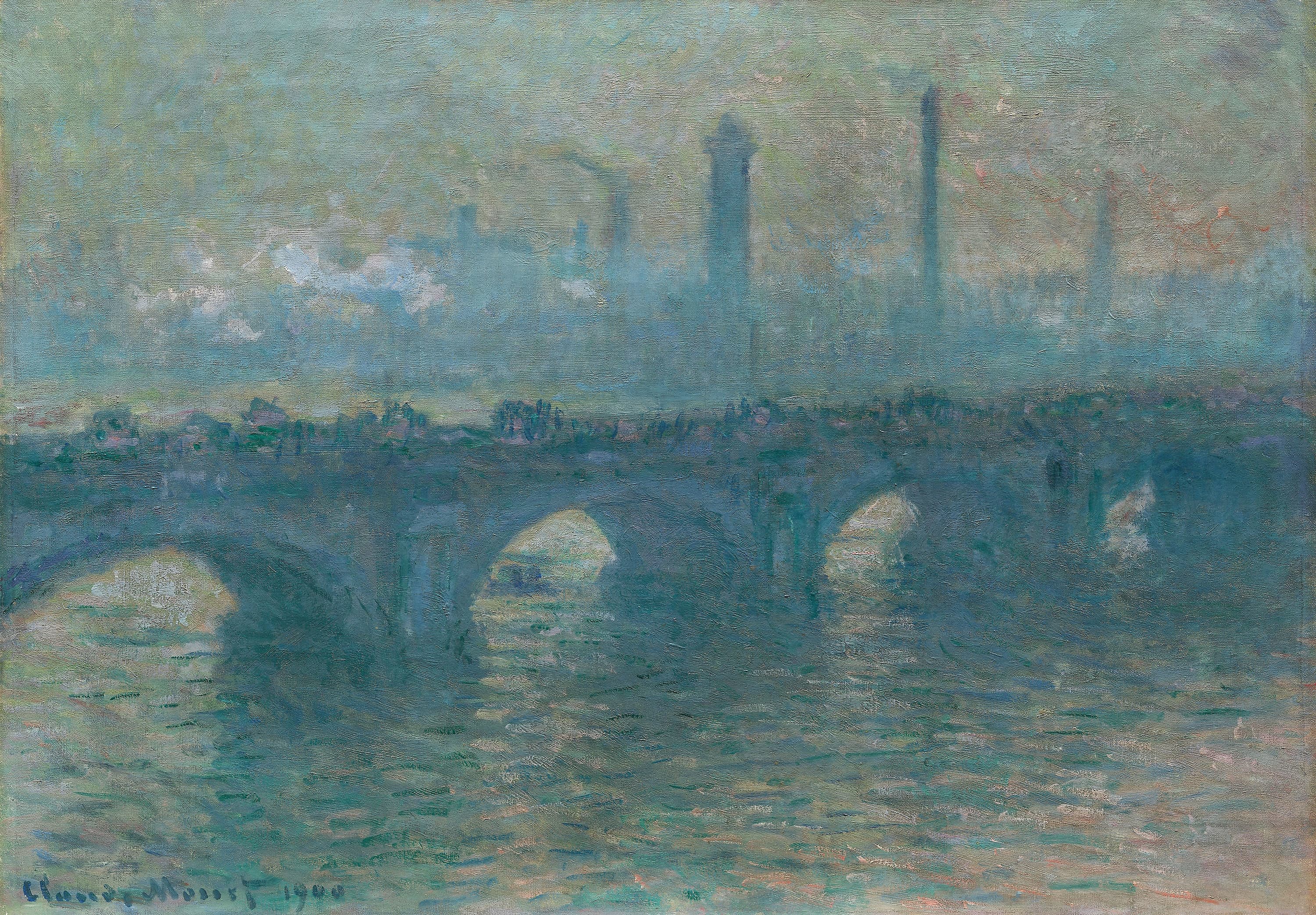
Waterloo Bridge, Gray Weather
Claude Monet · 1900
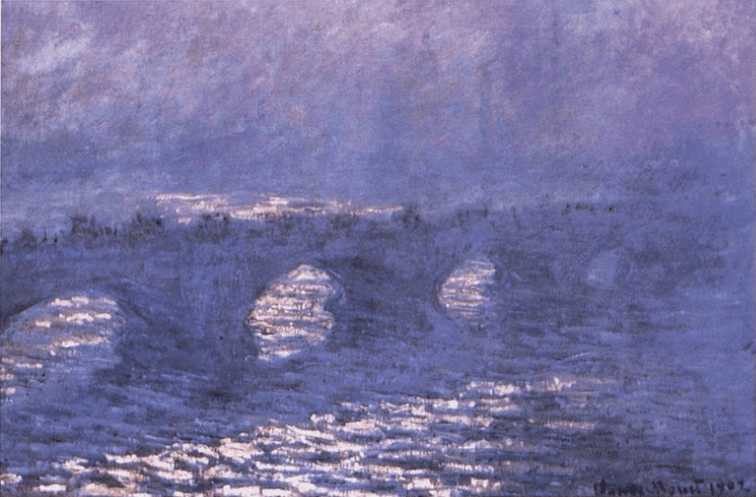
Waterloo Bridge, Effect of Sun in the Mist
Claude Monet · c. 1900–03
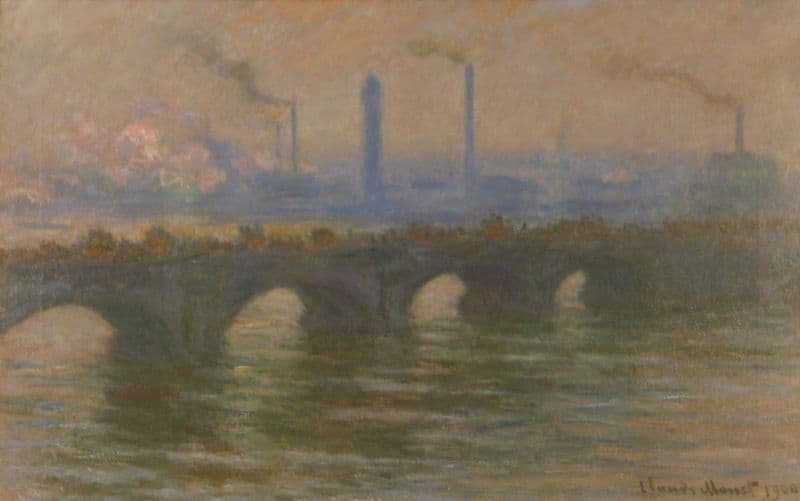
Waterloo Bridge, Overcast Weather
Claude Monet · 1900
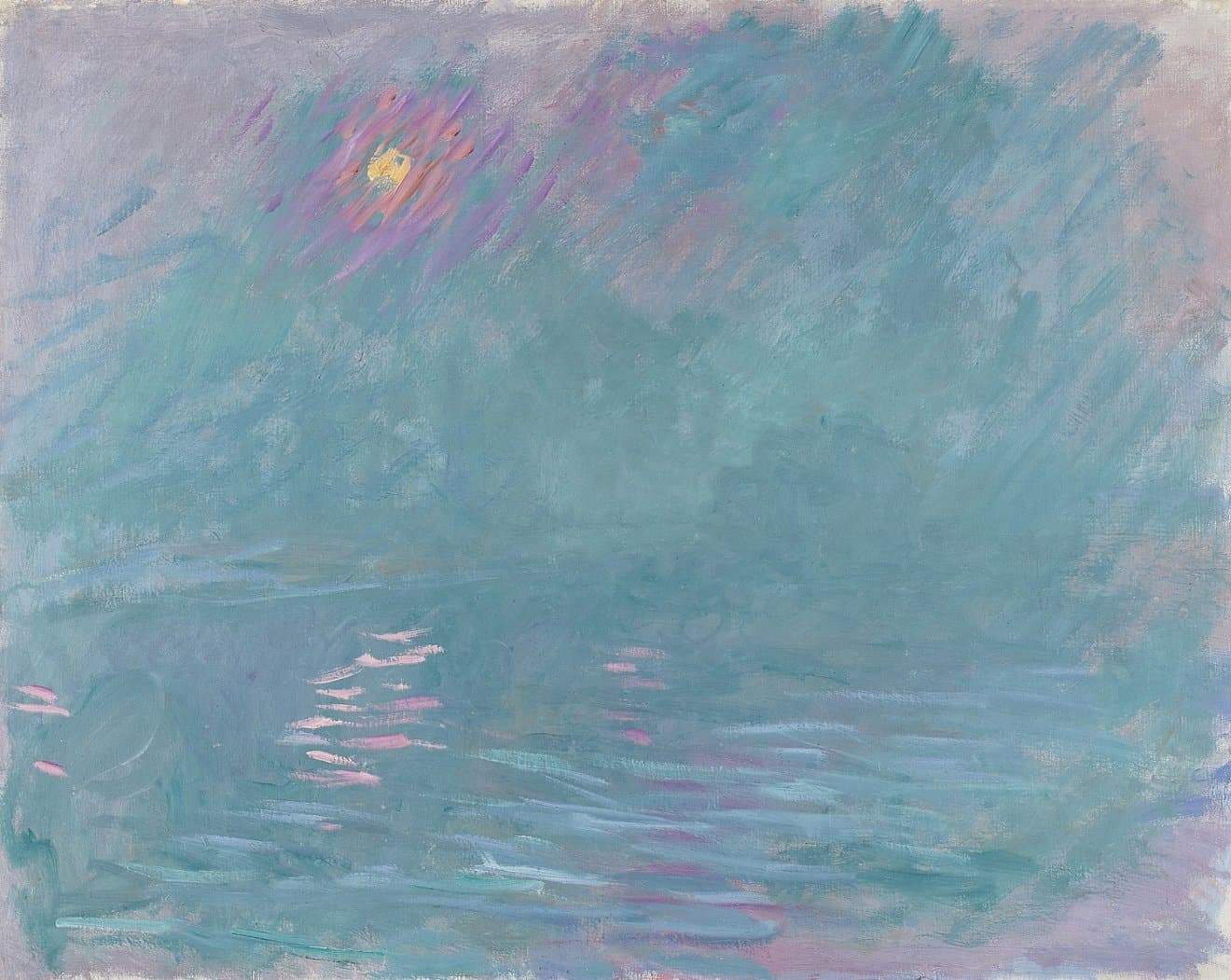
Waterloo Bridge (Kerry Stokes Collection)
Claude Monet · 1899–1901
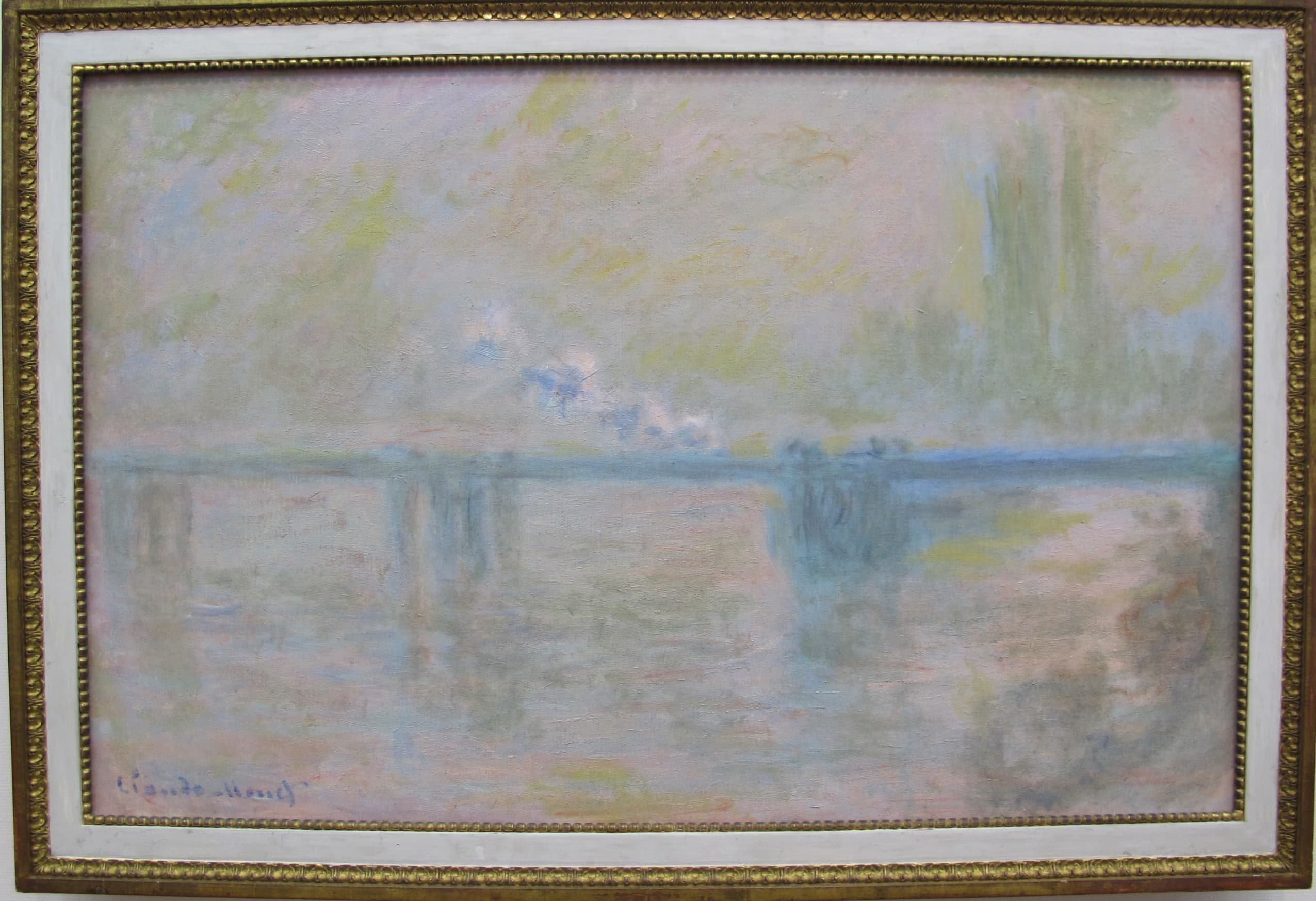
Charing Cross Bridge (Overcast Day)
Claude Monet · 1900
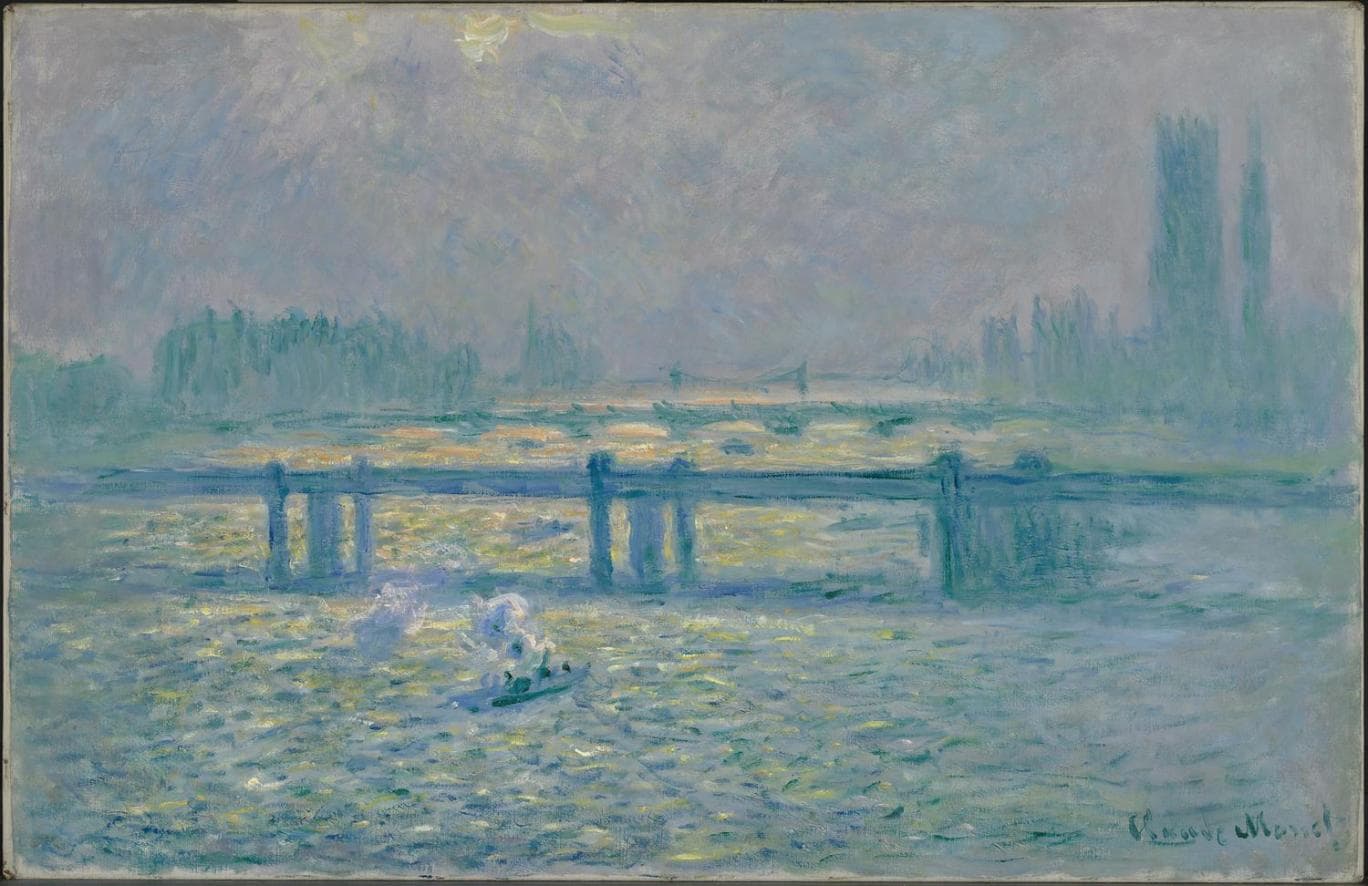
Charing Cross Bridge, Reflections on the Thames
Claude Monet · c. 1900
Kindred works
You may also study
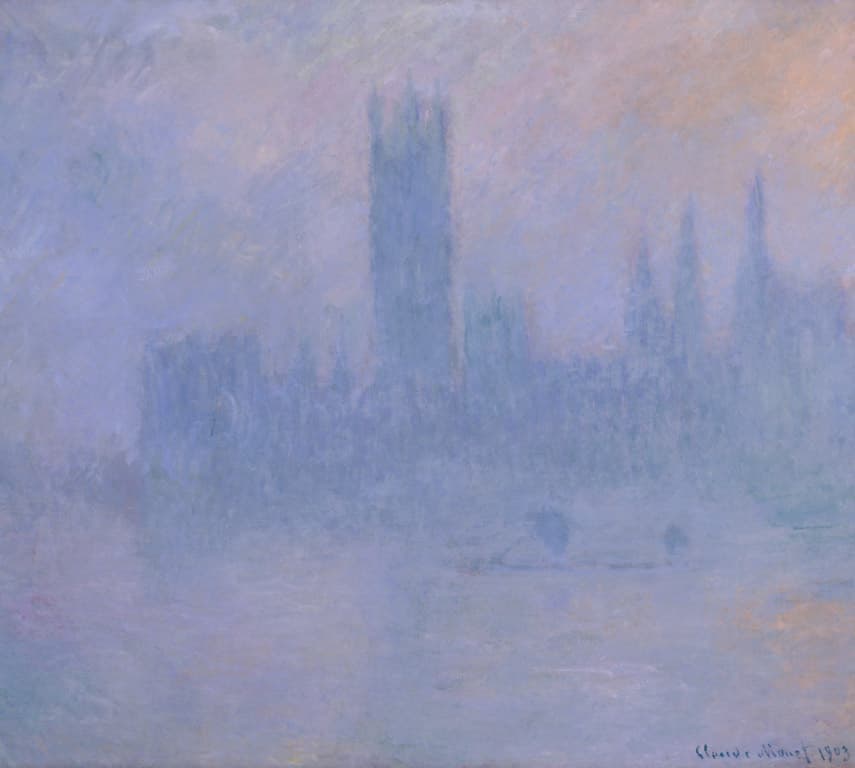
Houses of Parliament, Symphony in Blue
Claude Monet · 1903
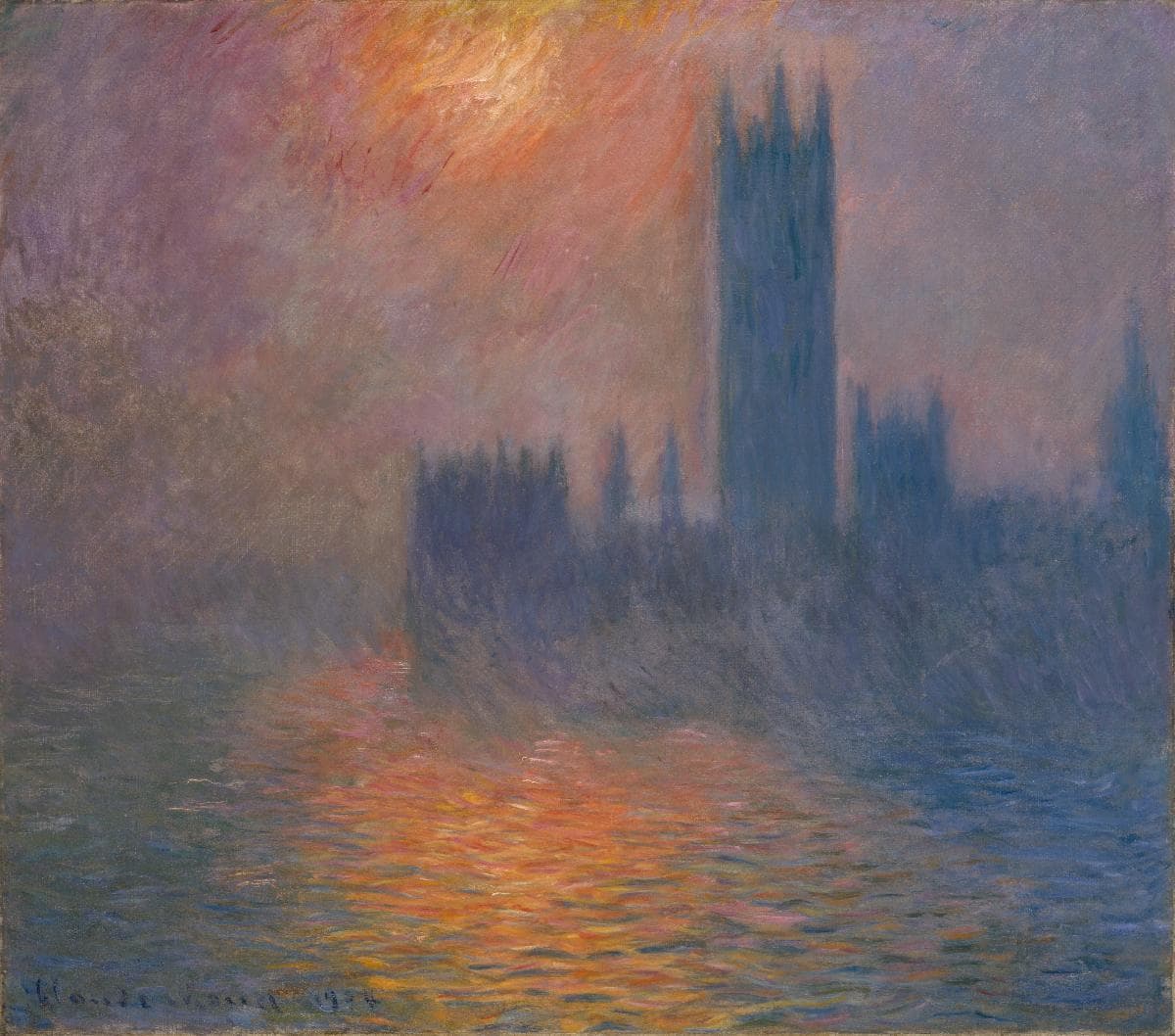
Houses of Parliament, Sunset
Claude Monet · 1904
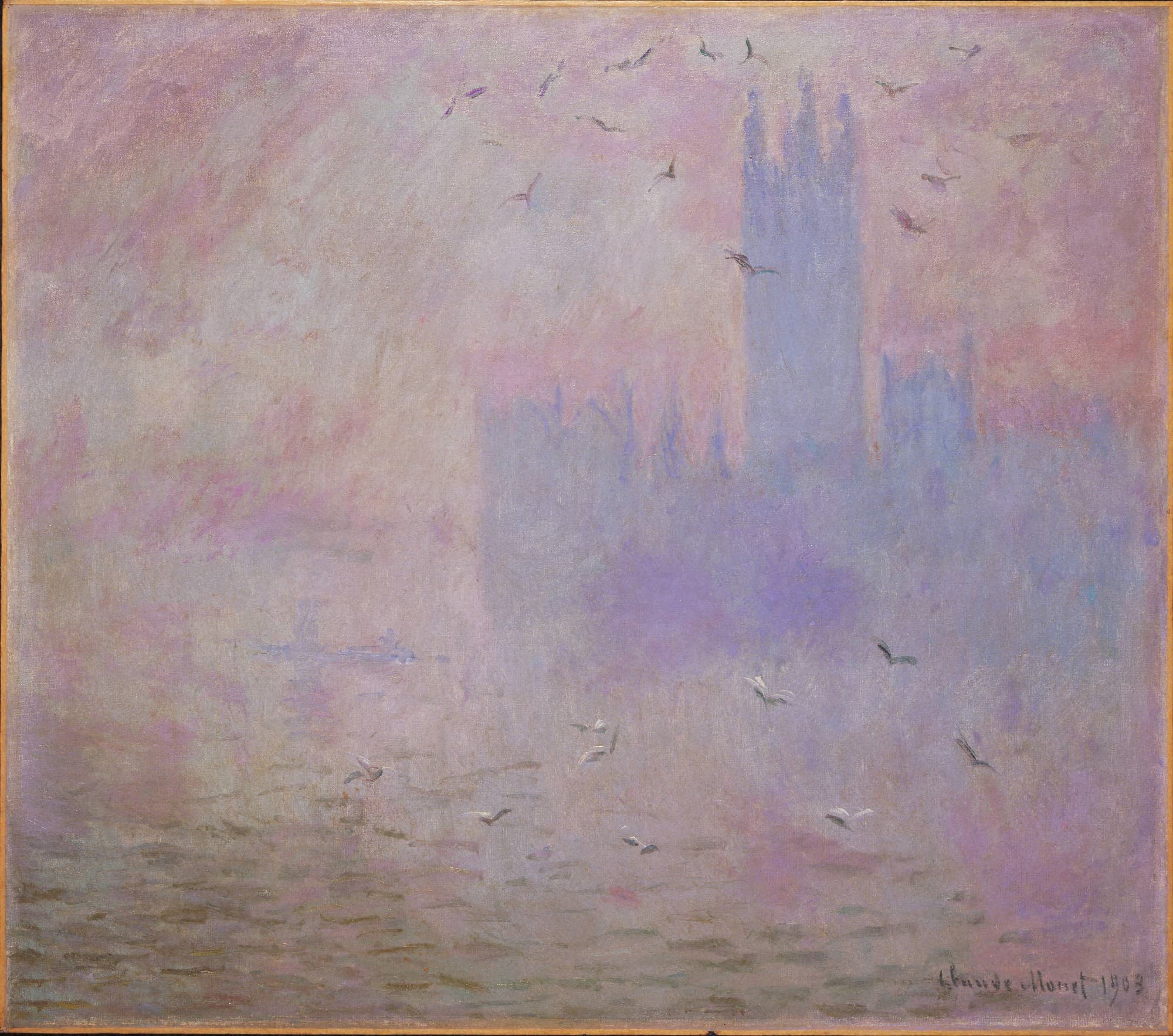
The Houses of Parliament, Seagulls
Claude Monet · 1903
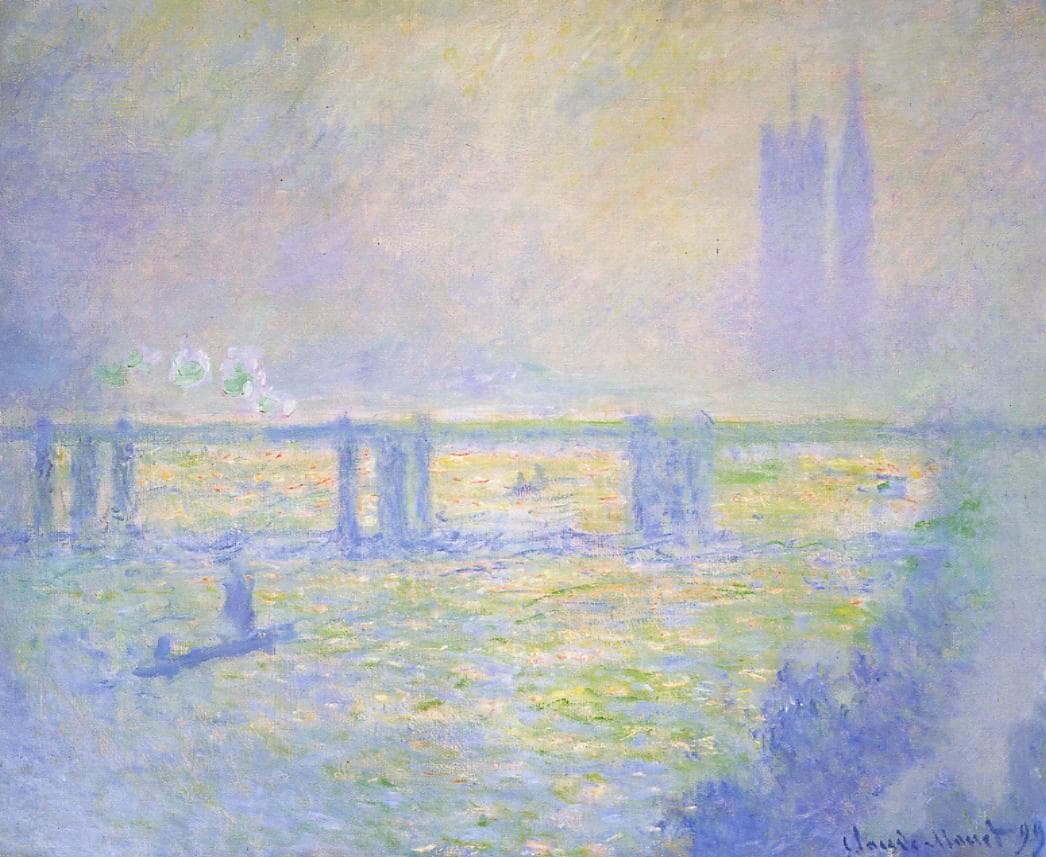
Charing Cross Bridge
Claude Monet · 1899
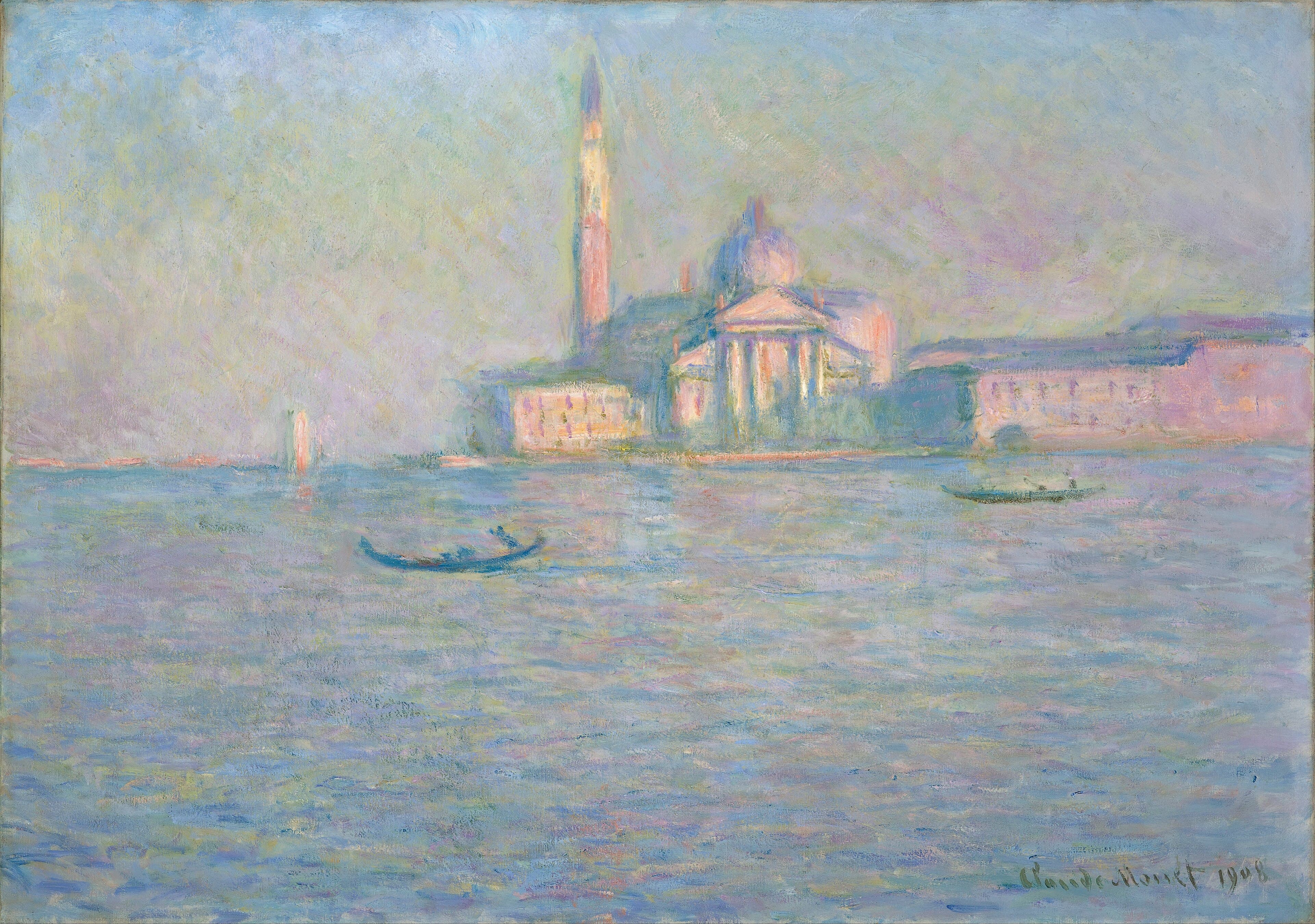
The Church of San Giorgio Maggiore, Venice
Claude Monet · 1908
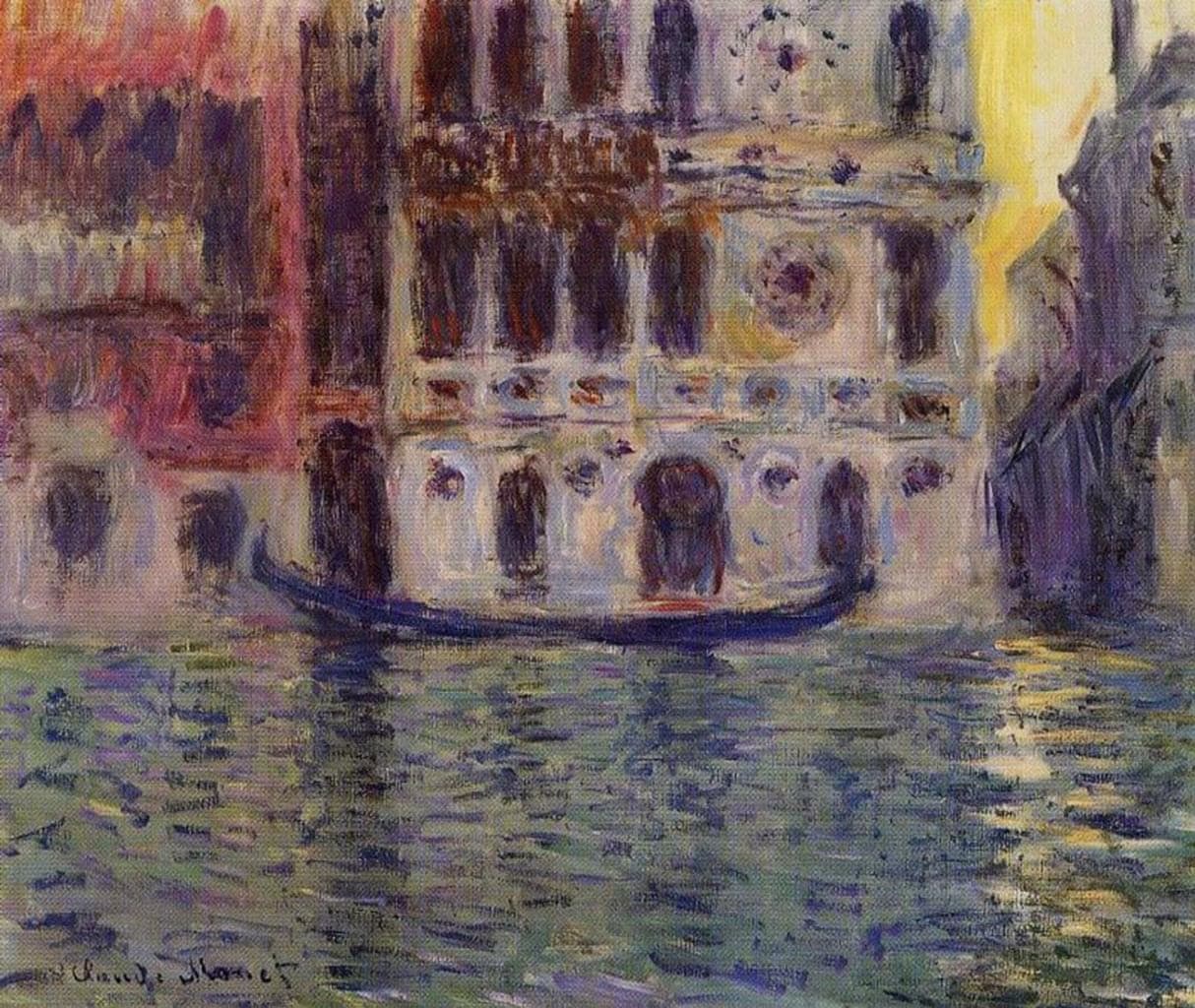
Le Palais Dario
Claude Monet · 1908
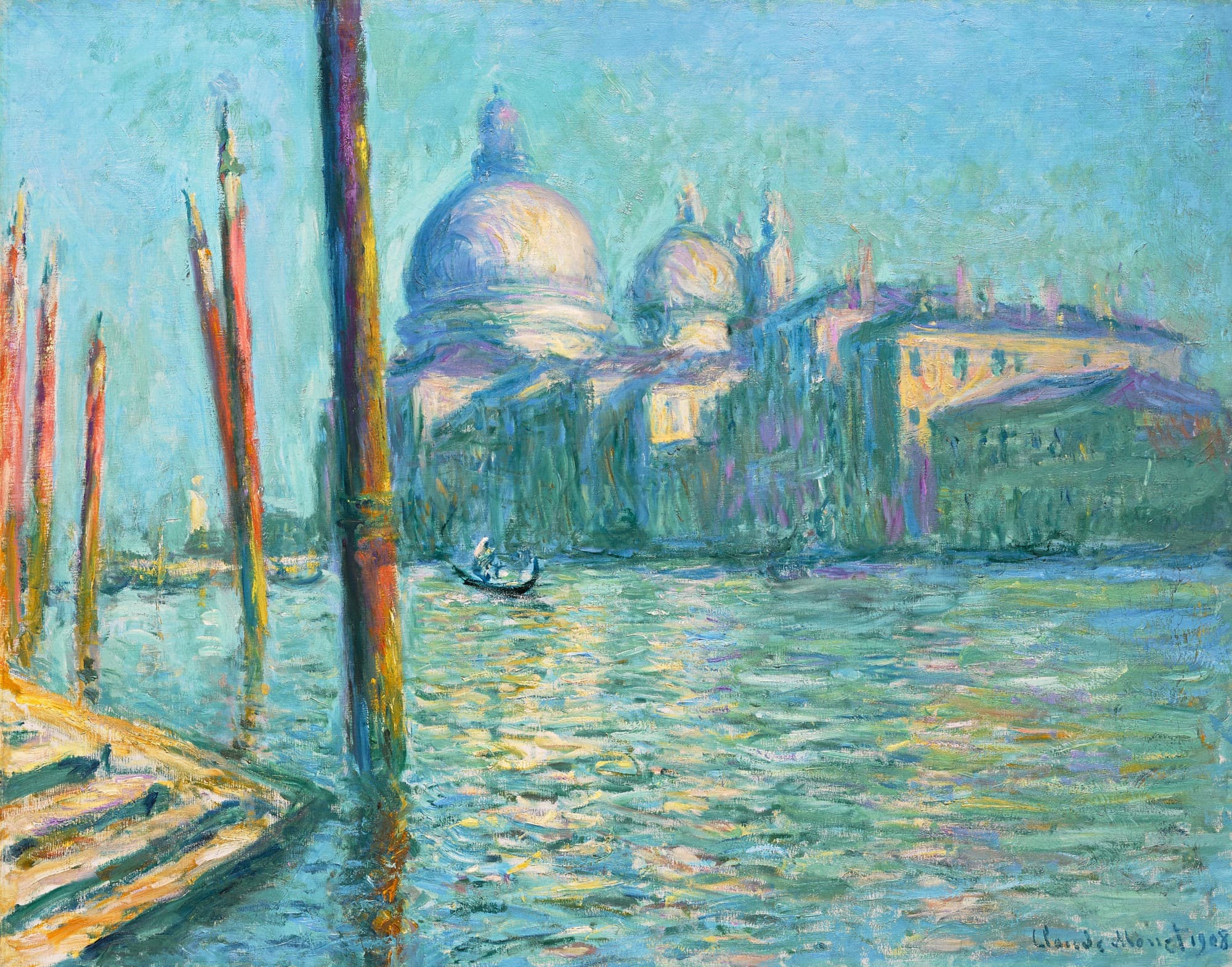
Le Grand Canal et Santa Maria della Salute
Claude Monet · 1908

Sunset in Venice
Claude Monet · 1908–12