Image: Dublin City Gallery The Hugh Lane · Public domain · via Wikimedia Commons
Waterloo Bridge, Overcast Weather
Claude Monet, 1900
Waterloo Bridge, Overcast Weather is an 1900 Claude Monet painting of the bridge under a smoky, rose-and-amber sky, its arches dark above a green river. Hugh Lane bought it in 1905 for Dublin; it is in the Hugh Lane Gallery.
- Artist
- Claude Monet
- Date
- 1900
- Medium
- Oil on canvas
- Dimensions
- 65 × 100 cm
- Collection
- Hugh Lane Gallery, Dublin, Ireland
- Movement
- Impressionism
- Catalogue
- Wildenstein 1556
- The City
- Water & Sea
Waterloo Bridge, Overcast Weather is one of Claude Monet's views of the Thames from the Savoy Hotel, signed and dated 1900 at lower right. It measures 65 × 100 cm and is number 1556 in the Wildenstein catalogue raisonné. Hugh Lane bought it from Durand-Ruel in 1905, with funds from the London donor Ella Fry, for the collection of the new Municipal Gallery of Modern Art in Dublin, now the Hugh Lane Gallery (Reg. 304).
What you're looking at
The sky is the color of dirty brass: amber, rose and grey-brown, thick with smoke. Across it, on the far bank, stand the chimneys and shot tower of the south bank, painted in muted blue-grey, with trails of dark smoke blowing to the right. At the left, a mass of pink and white billows, steam or smoke lit by the hidden sun, gives the only bright note.
The bridge is a dark, olive-brown band, more solid here than in most versions. Its arches are deep shadowed hoops, and along the top runs a row of rusty touches, the crowded traffic of carts and omnibuses. Beneath, the Thames is a dull green streaked with reflected amber, with darker green under the arches.
This version is distinct for its heaviness and warmth. It is London as a working industrial city on a dull day, the air full of coal smoke, with none of the dreamlike blues and lilacs of the fog pictures.
Where and when it was painted
In his London visits of 1899–1901, Monet painted Waterloo Bridge from the Savoy each morning, recording how smoke and weather changed the view. He finished the canvases at Giverny and showed thirty-seven Thames views at Durand-Ruel in Paris in May–June 1904; Durand-Ruel bought this one from him that June.
How it was painted
The sky is laid in broad, mixed strokes, with the smoke trails painted wet into it as darker drags. The bridge and chimneys are firmer, with clearer edges. The water is built from short horizontal touches of green and amber. The tonal range is narrow and warm, which gives the picture its oppressive mood.
How this version differs
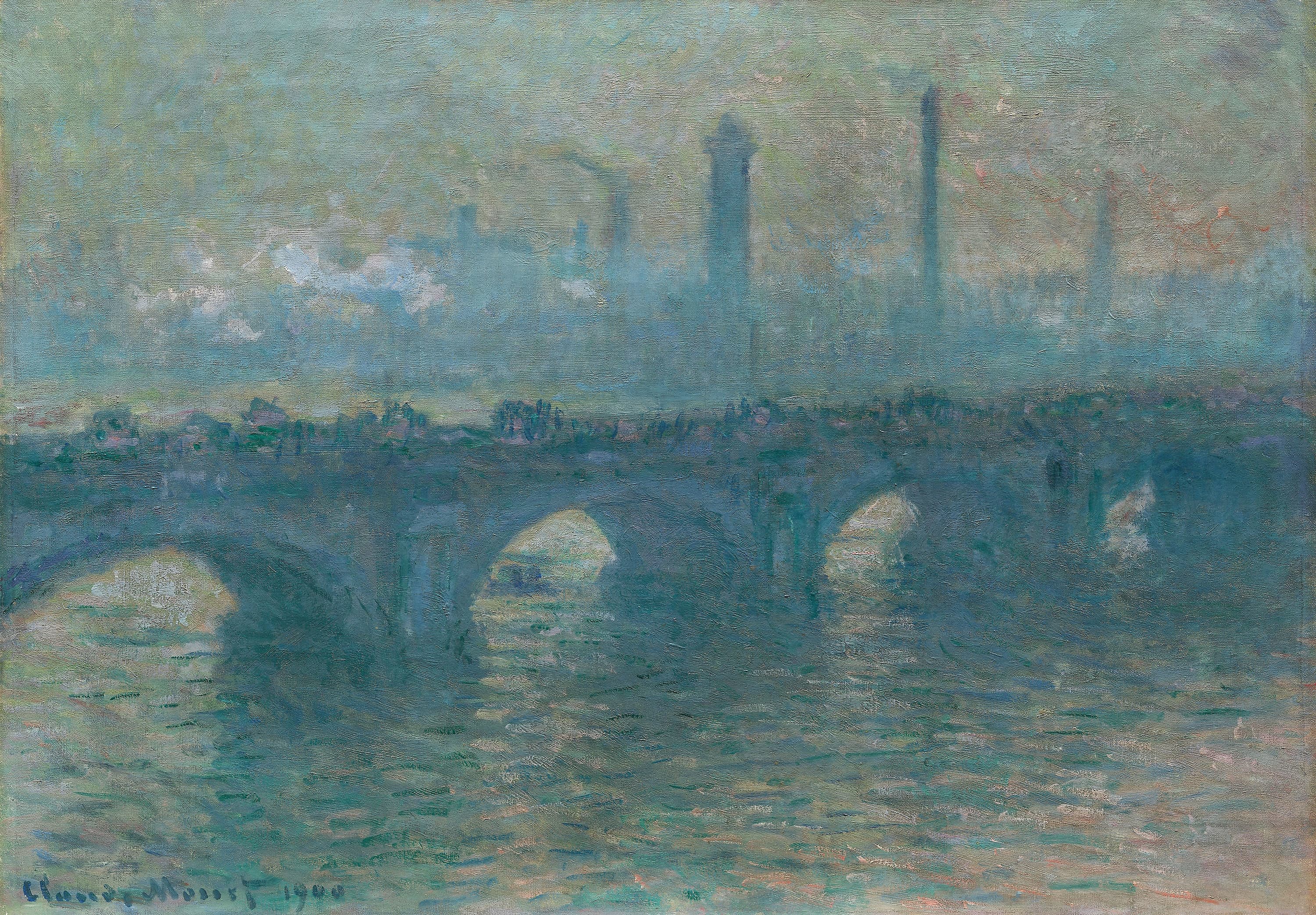
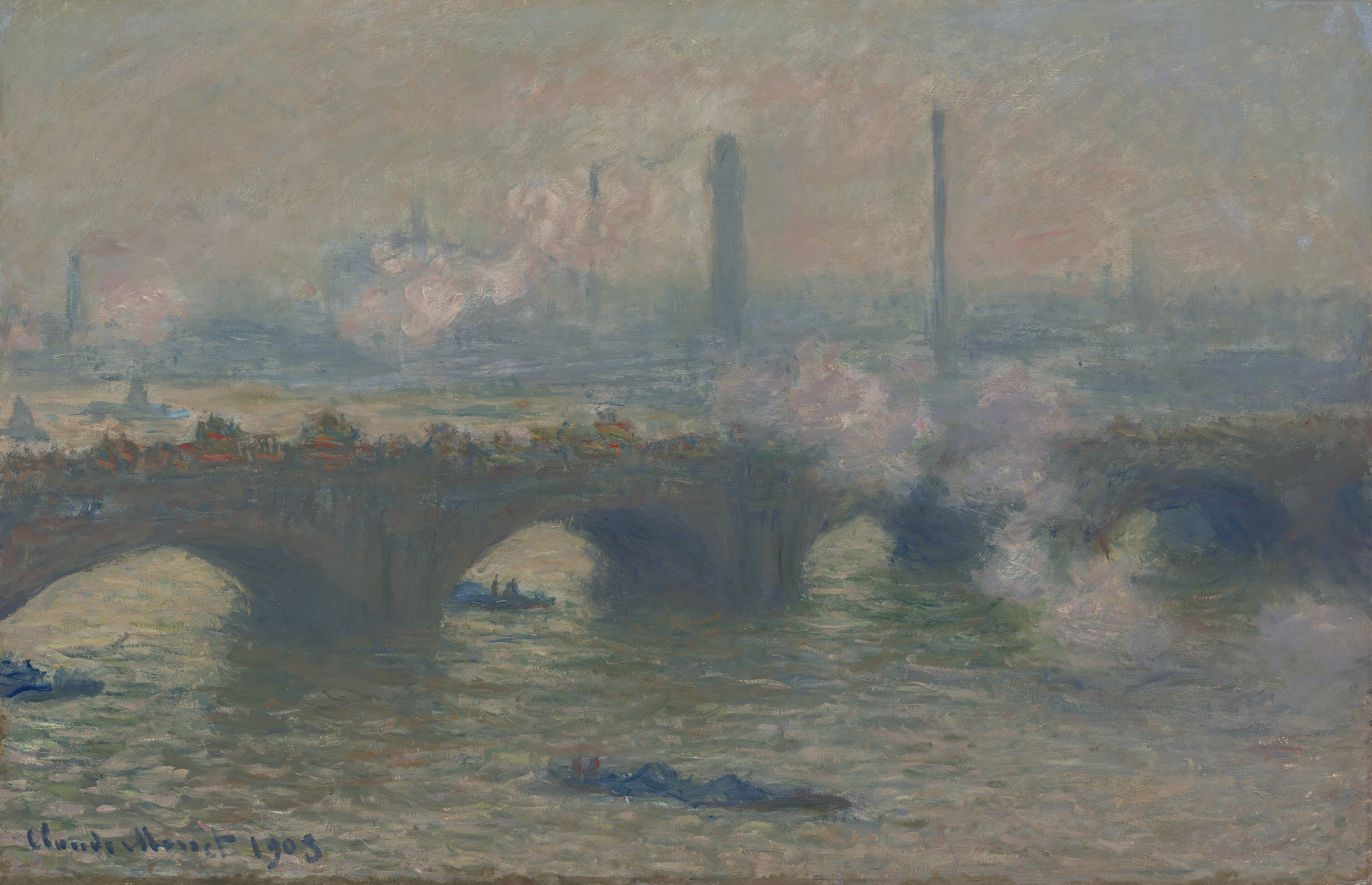
In the Waterloo Bridge series, the closest companions are the Art Institute of Chicago's Waterloo Bridge, Gray Weather, cooler and greener, and the National Gallery of Art's Waterloo Bridge, Gray Day of 1903. Dublin's canvas is the smokiest and brownest of the three, the one in which industry is most visible.
A detail to look for
At the far left of the sky, a large billow of pink and white smoke rises from behind the south bank, the brightest form in the picture. It is probably steam or smoke from one of the riverside factories, lit by the hidden sun. Monet paints it in soft, swirling strokes that contrast with the hard verticals of the chimneys beside it. The effect is curious: the most beautiful thing in this industrial scene is pollution. Monet made no political point of this, but the picture records with unusual honesty how the London of 1900 looked, and why its light was unlike anywhere else.
Ownership and where to see it
Hugh Lane, the Irish dealer and collector, was assembling a modern collection for Dublin when he bought the painting in April 1905; the gallery credits it as donated by Ella Fry. It was lent to the Courtauld Gallery's Monet and London: Views of the Thames in 2024–25. The Hugh Lane Gallery, in Charlemont House on Parnell Square, shows its Impressionist paintings free of charge. See Monet in London and where to see Monet's paintings; for the artist, Claude Monet.
Hugh Lane bought the painting for a gallery that did not yet have a permanent home. The Municipal Gallery of Modern Art opened in temporary premises on Harcourt Street in 1908, and only moved to Charlemont House in 1933. The Monet has been part of the collection throughout, one of its founding pictures.
Questions & answers
Where is Monet's Waterloo Bridge in Dublin?
It is in the Hugh Lane Gallery (Dublin City Gallery The Hugh Lane), Charlemont House, Parnell Square, registration number 304. The gallery credits it as donated by Ella Fry in 1905.
How did the painting come to Dublin?
Durand-Ruel bought it from Monet in June 1904. Hugh Lane bought it from them in April 1905, with funds from Ella Fry, for the Municipal Gallery of Modern Art he was creating in Dublin.
When was it painted?
It is signed and dated 1900. Monet painted it from the Savoy Hotel in London during his stays of 1899–1901 and finished it at Giverny before the 1904 exhibition of his Thames views.
What does the painting show?
Waterloo Bridge on a dull, smoky day: dark arches above a green river, chimneys and smoke on the south bank, and a heavy amber-rose sky. It shows London's industrial air more plainly than most of the series.
More by the artist
Claude Monet
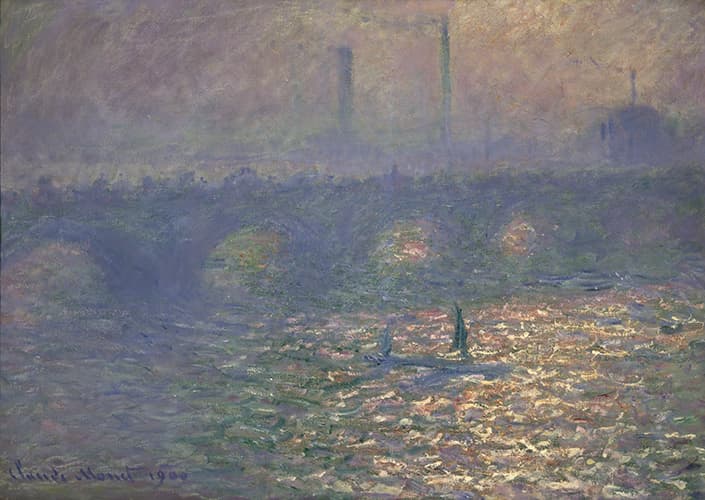
Waterloo Bridge (Santa Barbara Museum of Art)
Claude Monet · 1900
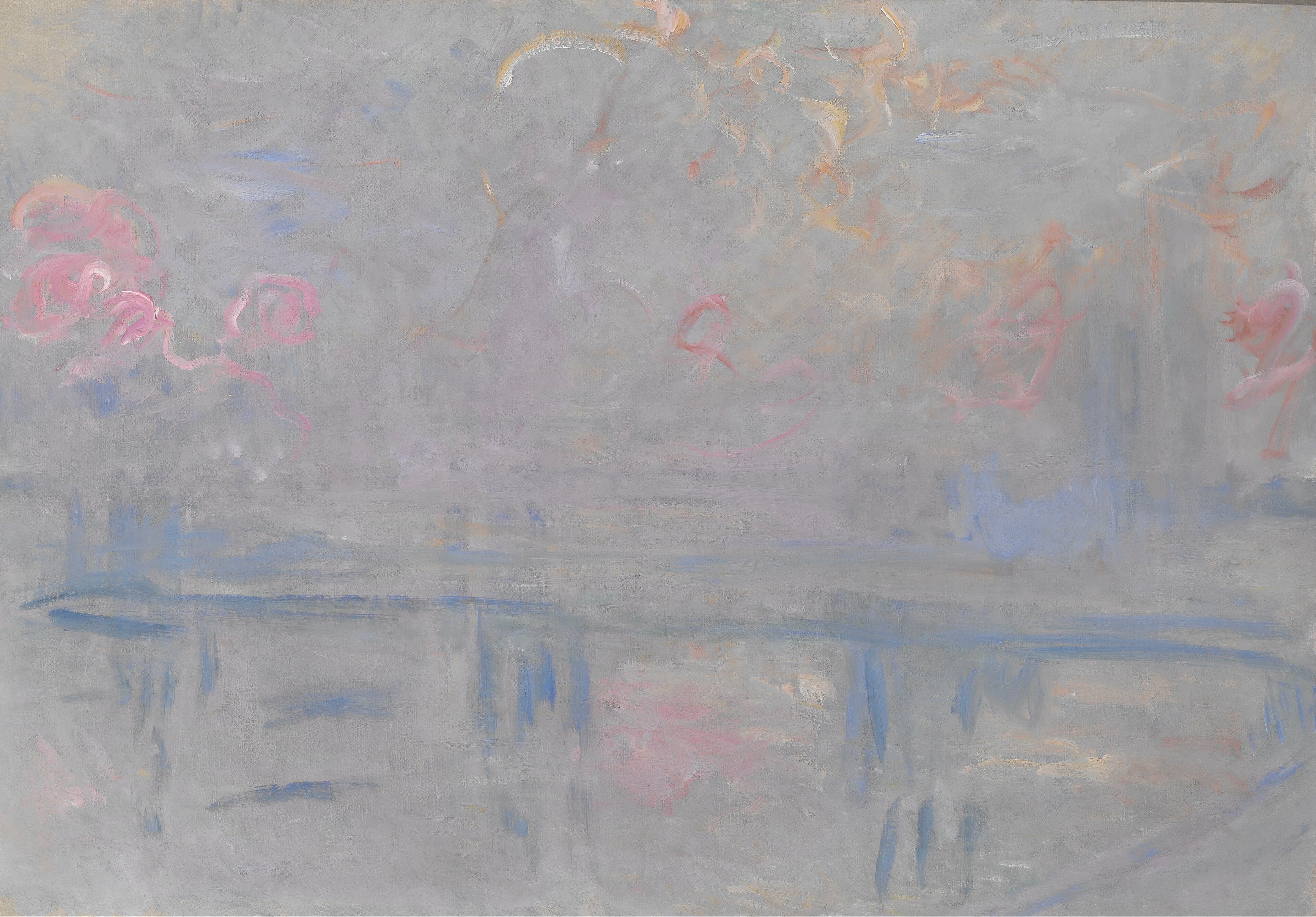
Charing Cross Bridge (Indianapolis)
Claude Monet · c. 1900
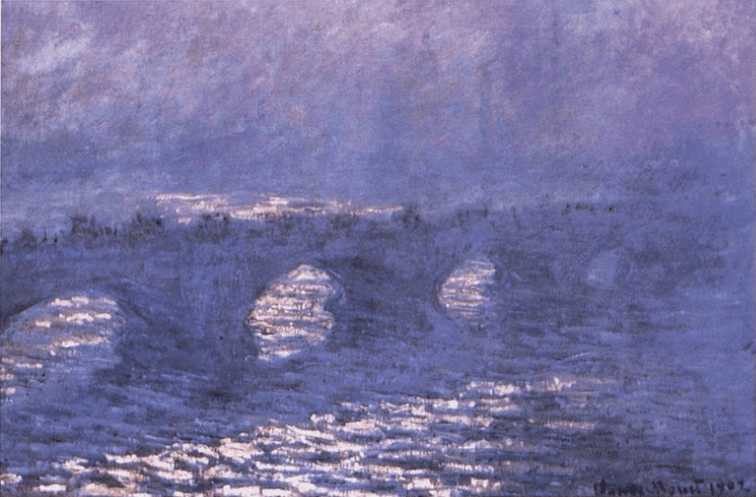
Waterloo Bridge, Effect of Sun in the Mist
Claude Monet · c. 1900–03
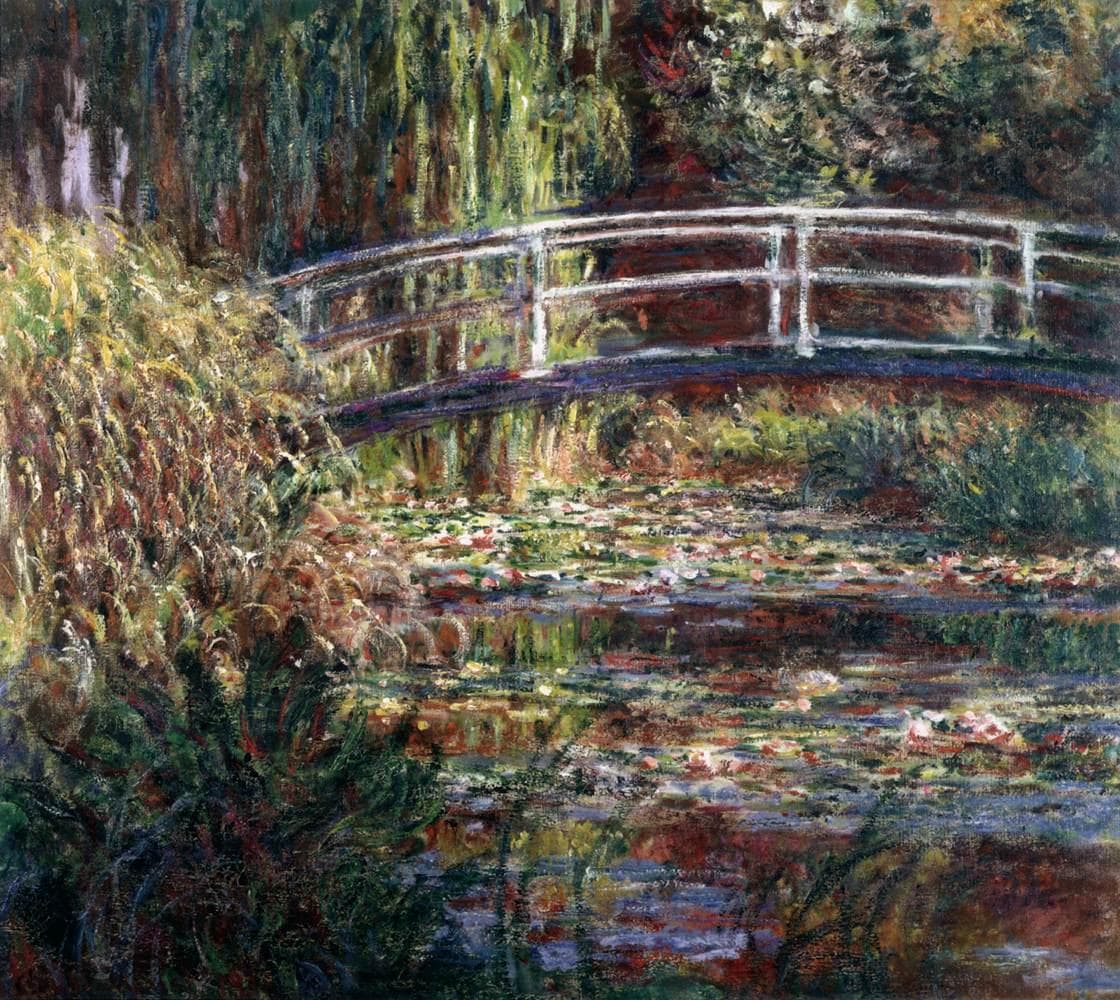
The Water Lily Pond, Harmony in Rose
Claude Monet · 1900
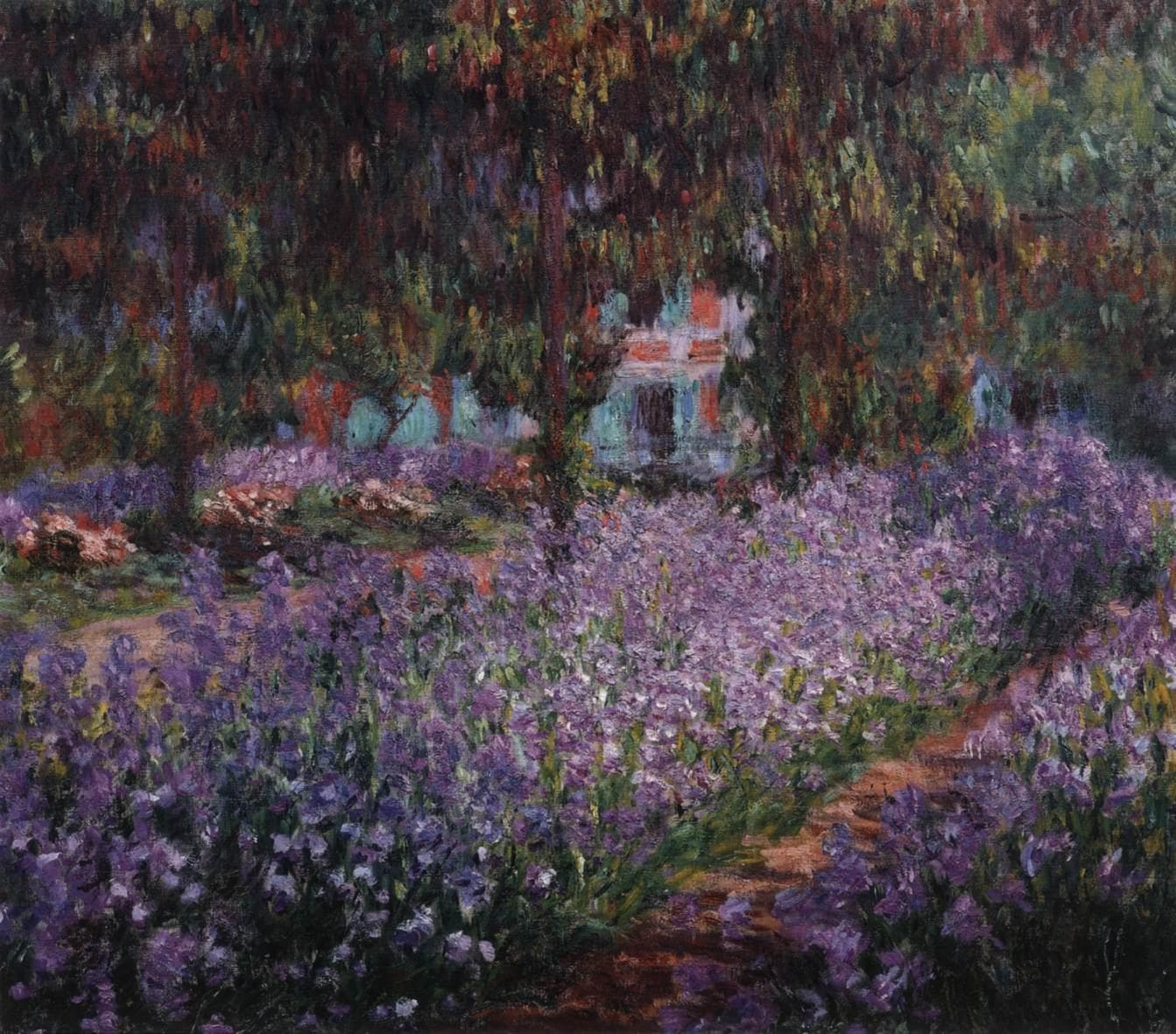
Irises in Monet's Garden at Giverny
Claude Monet · 1900
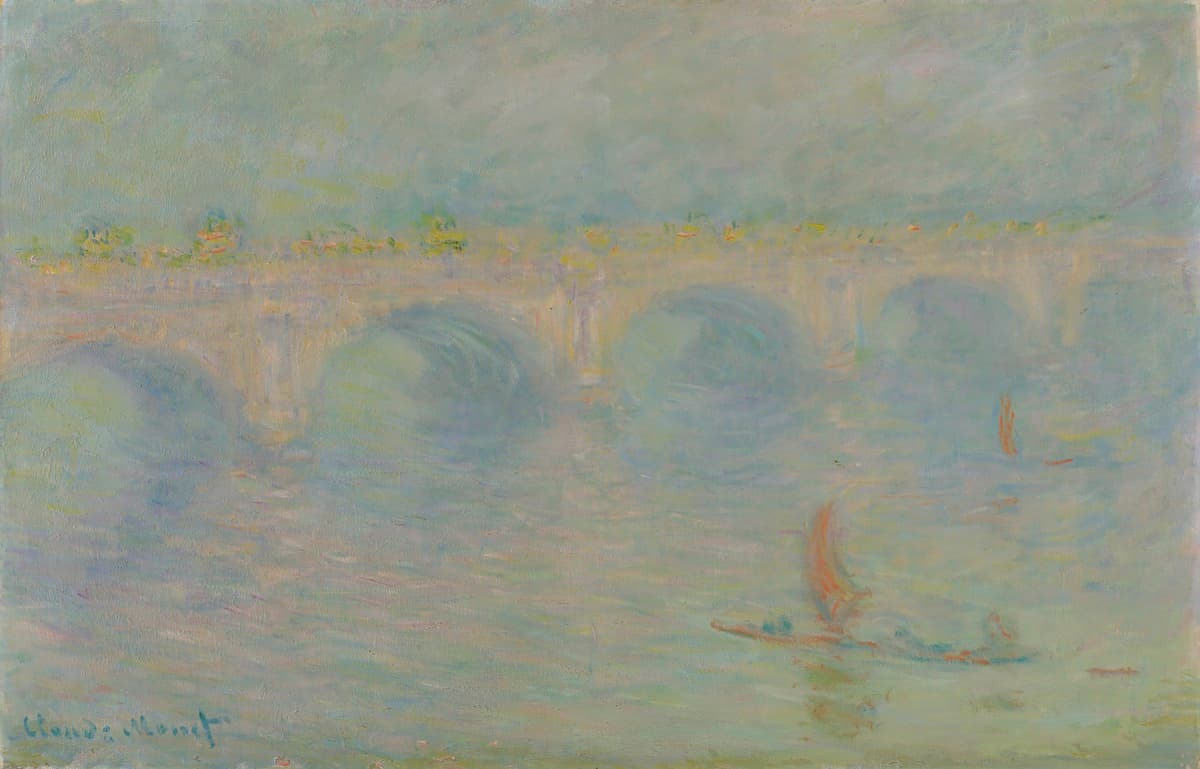
Waterloo Bridge, London, Sun Effect
Claude Monet · 1899–1901
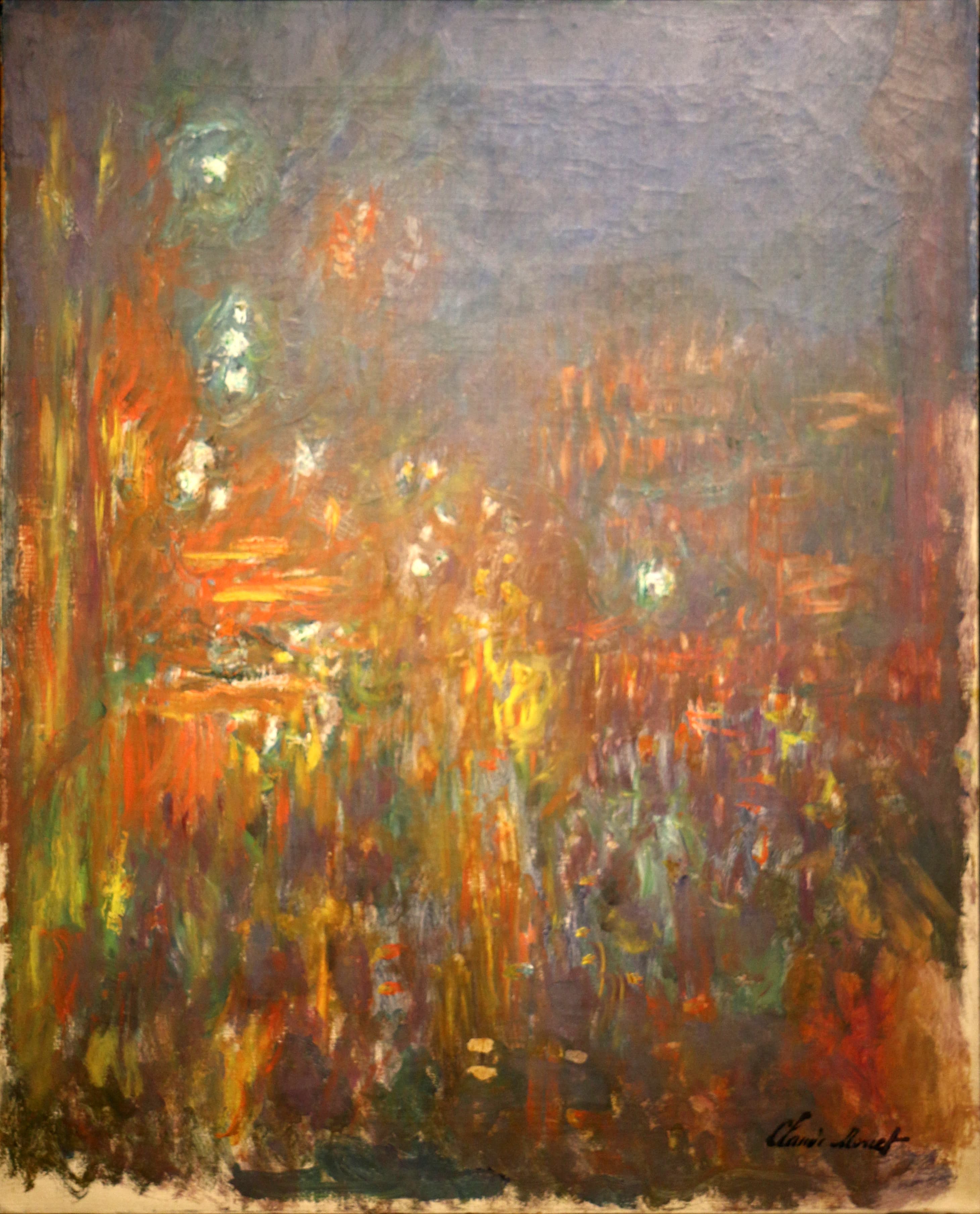
Leicester Square, by Night
Claude Monet · 1901
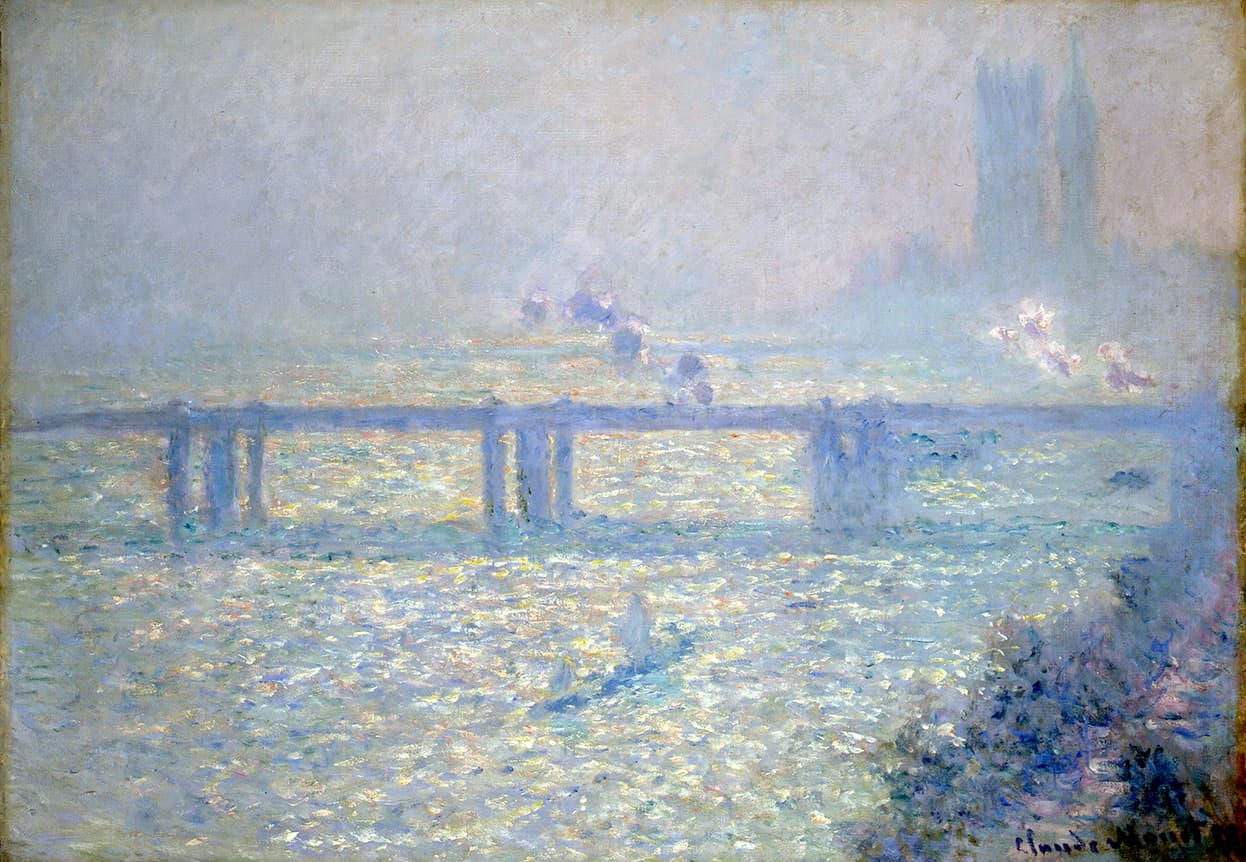
Charing Cross Bridge (Shelburne Museum)
Claude Monet · 1899
Also painted in 1900
The same year
Houses of Parliament, London
Claude Monet · 1900–01
Houses of Parliament, Symphony in Rose
Claude Monet · 1900
The Japanese Bridge or The Lily Pond
Claude Monet · 1900
Waterloo Bridge, Gray Weather
Claude Monet · 1900
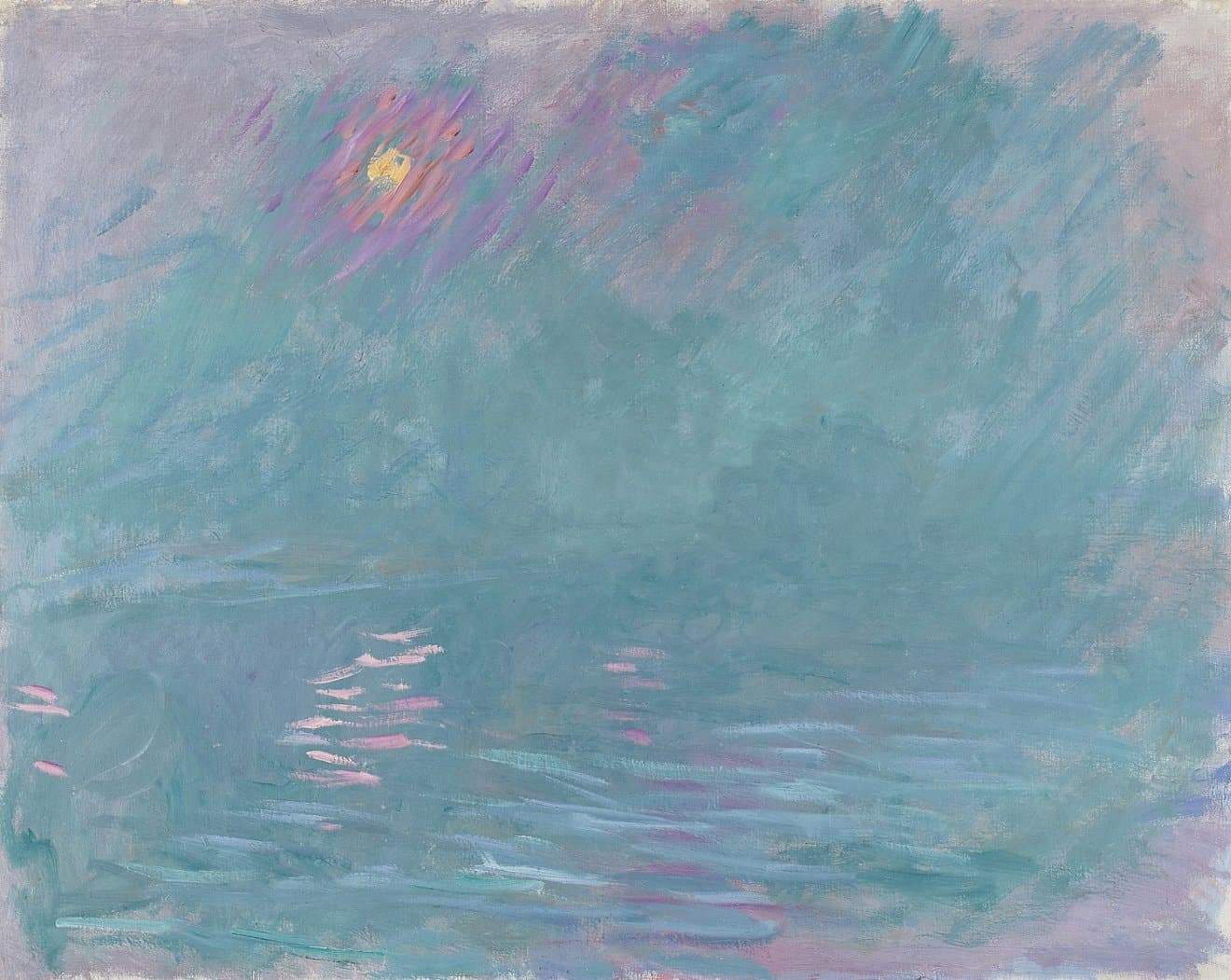
Waterloo Bridge (Kerry Stokes Collection)
Claude Monet · 1899–1901
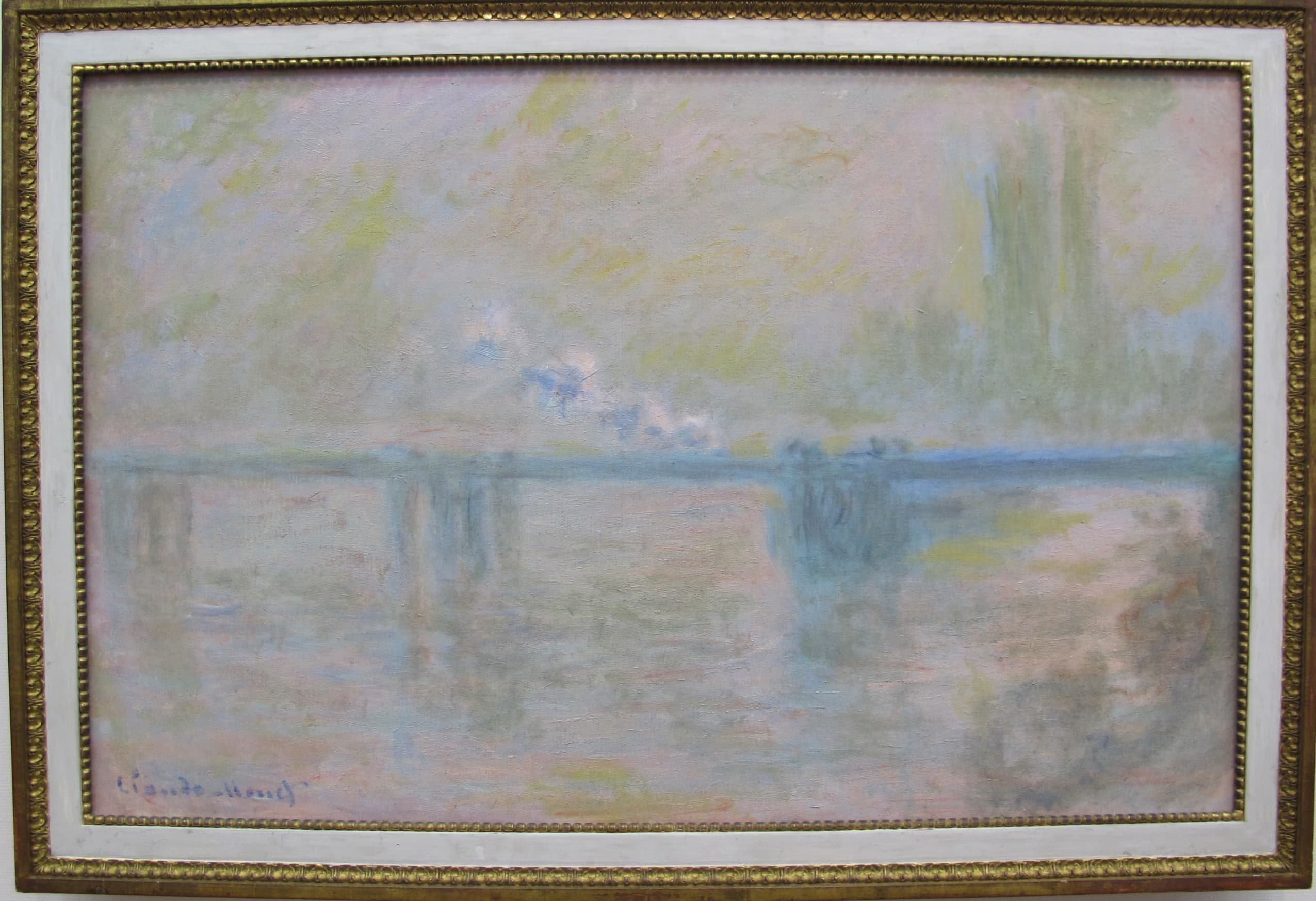
Charing Cross Bridge (Overcast Day)
Claude Monet · 1900
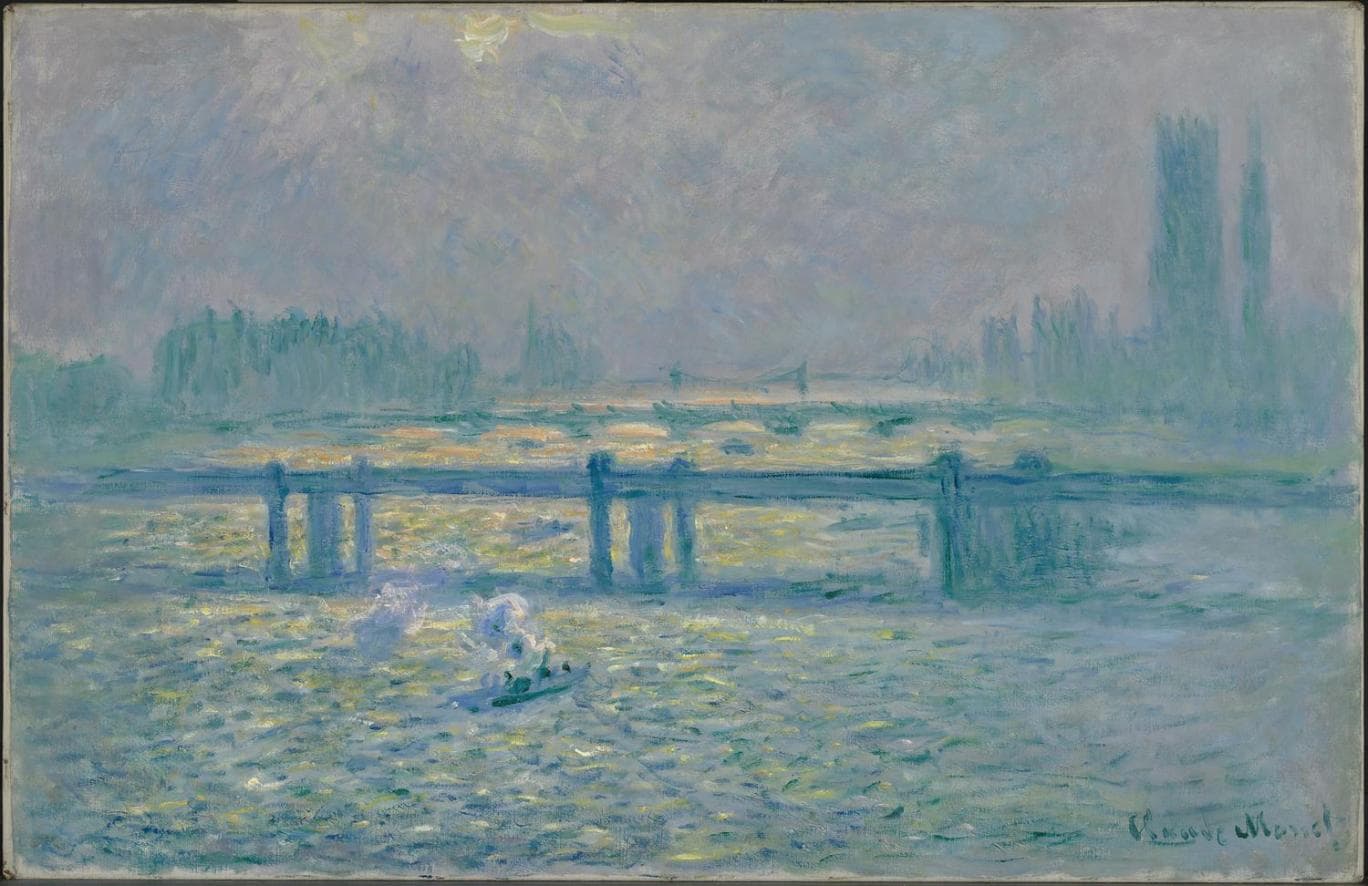
Charing Cross Bridge, Reflections on the Thames
Claude Monet · c. 1900
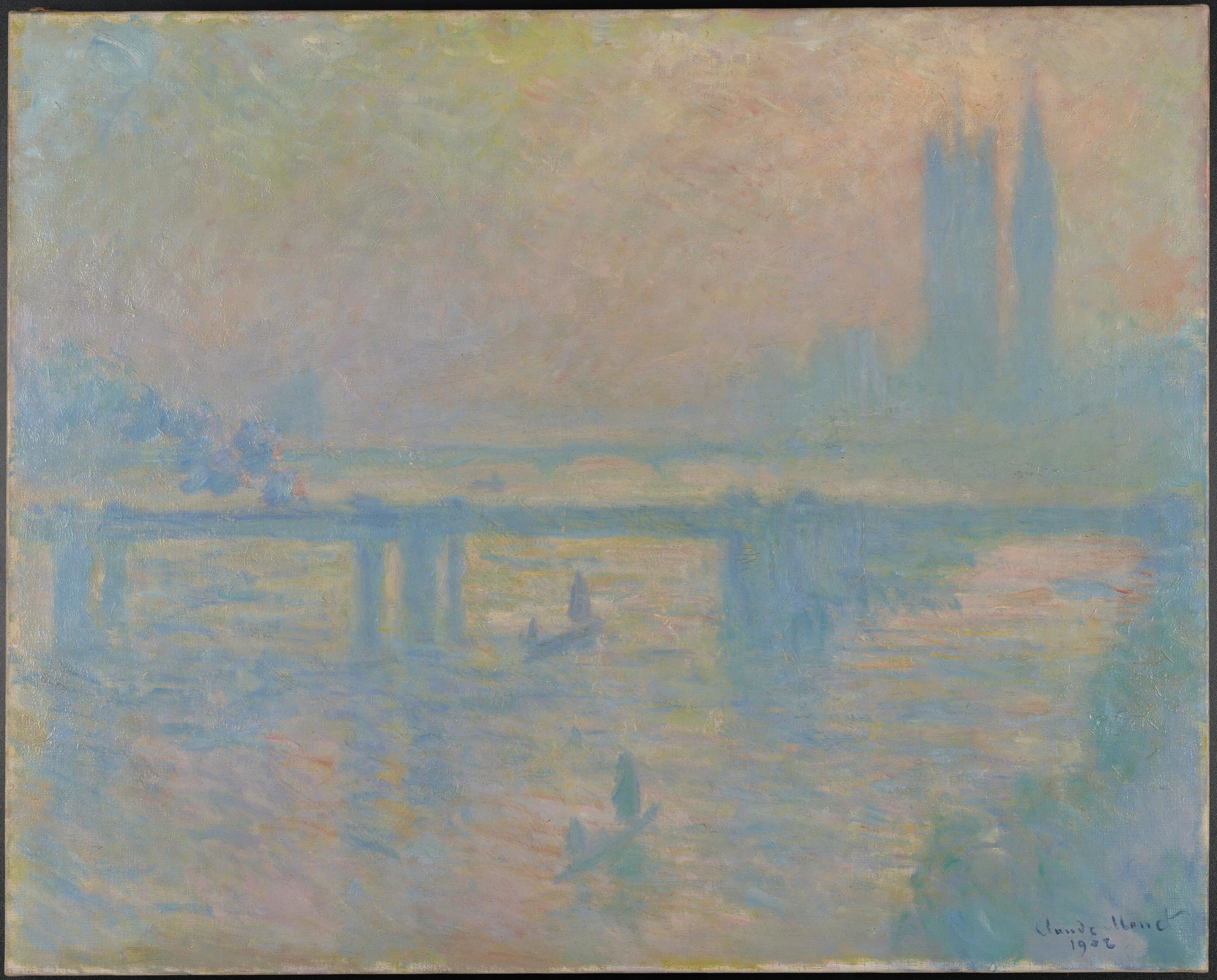
Charing Cross Bridge (Cardiff)
Claude Monet · c. 1900 (dated 1902)
Kindred works
You may also study
Waterloo Bridge, Gray Weather
Claude Monet · 1900
Waterloo Bridge, Gray Day
Claude Monet · 1903
Waterloo Bridge, Gray Day (Ordrupgaard)
Claude Monet · 1903
Waterloo Bridge, Morning Fog
Claude Monet · 1901
Le Palais Contarini (Potsdam)
Claude Monet · 1908
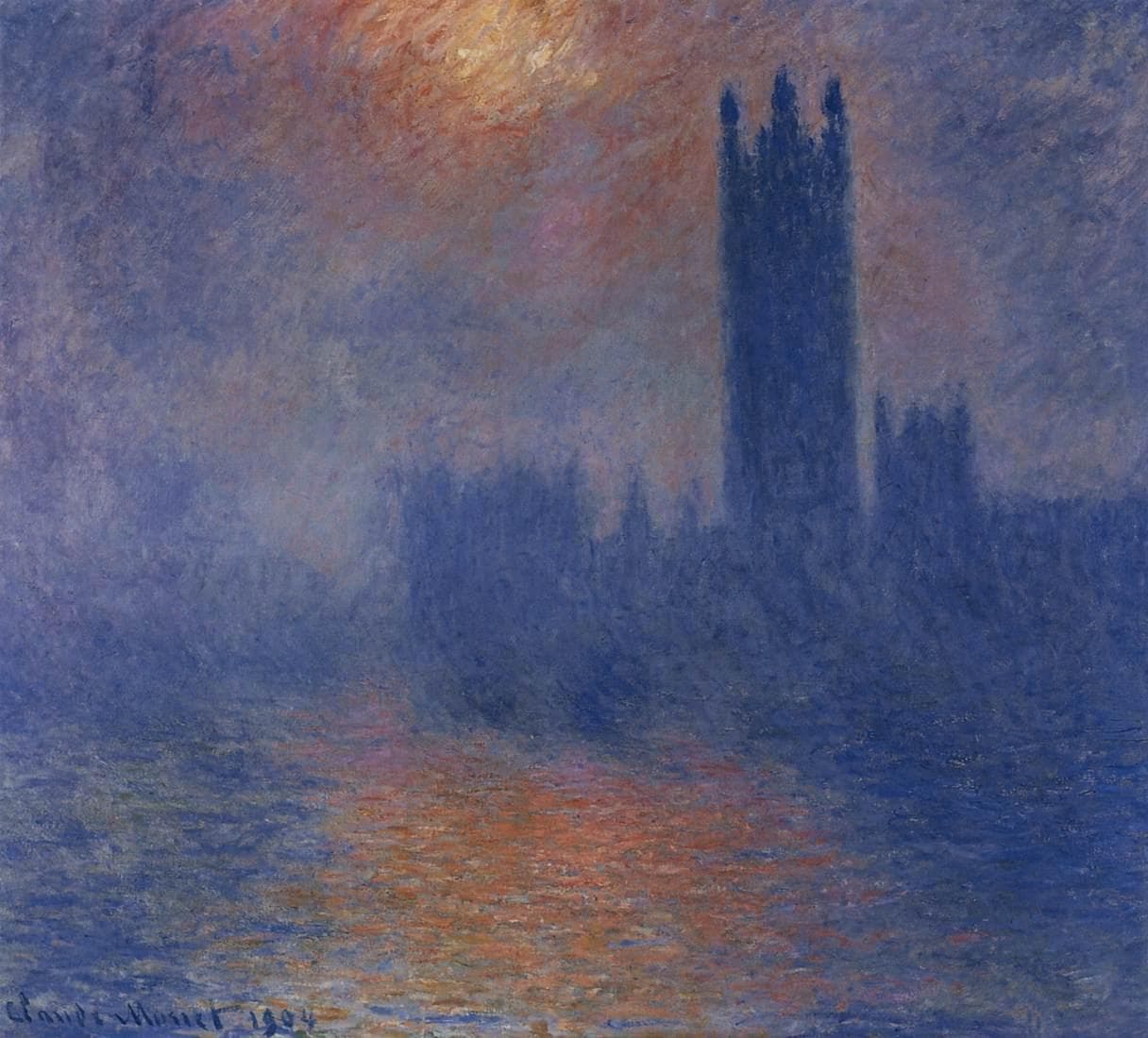
The Houses of Parliament in London
Claude Monet · 1904
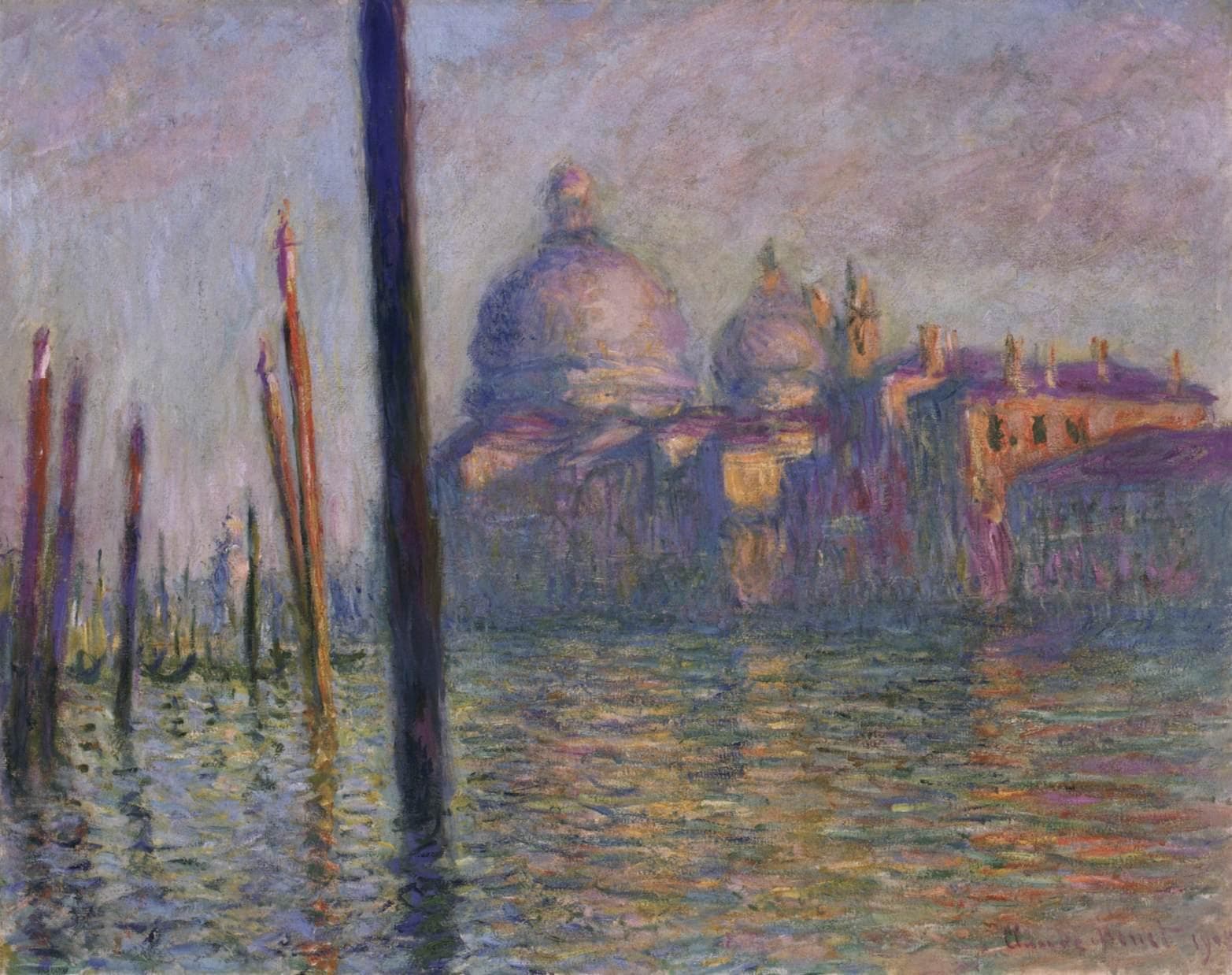
The Grand Canal in Venice
Claude Monet · 1908
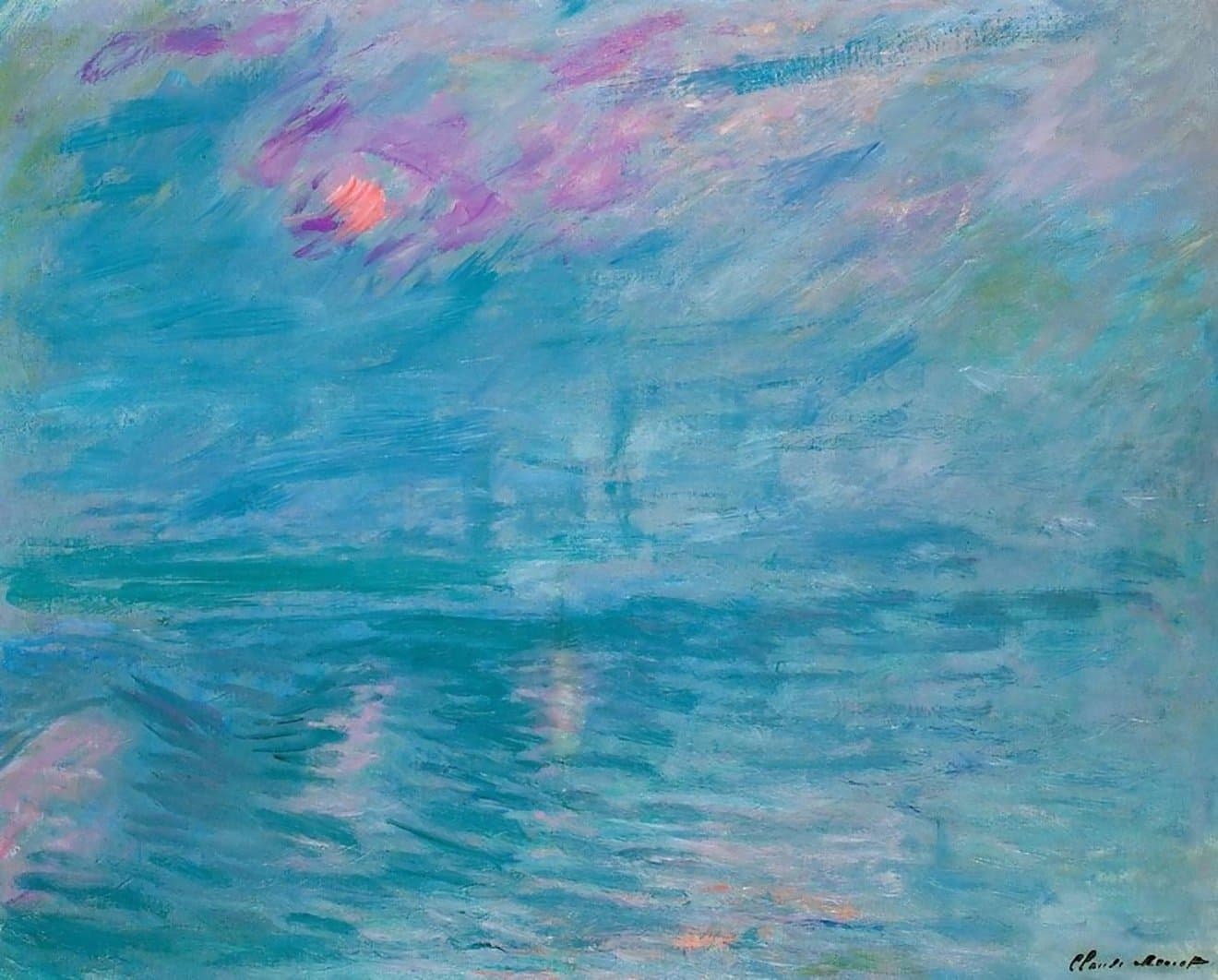
Waterloo Bridge (Davis Museum)
Claude Monet · 1899–1903