Image: Philadelphia Museum of Art · CC BY-SA 4.0 · via Wikimedia Commons
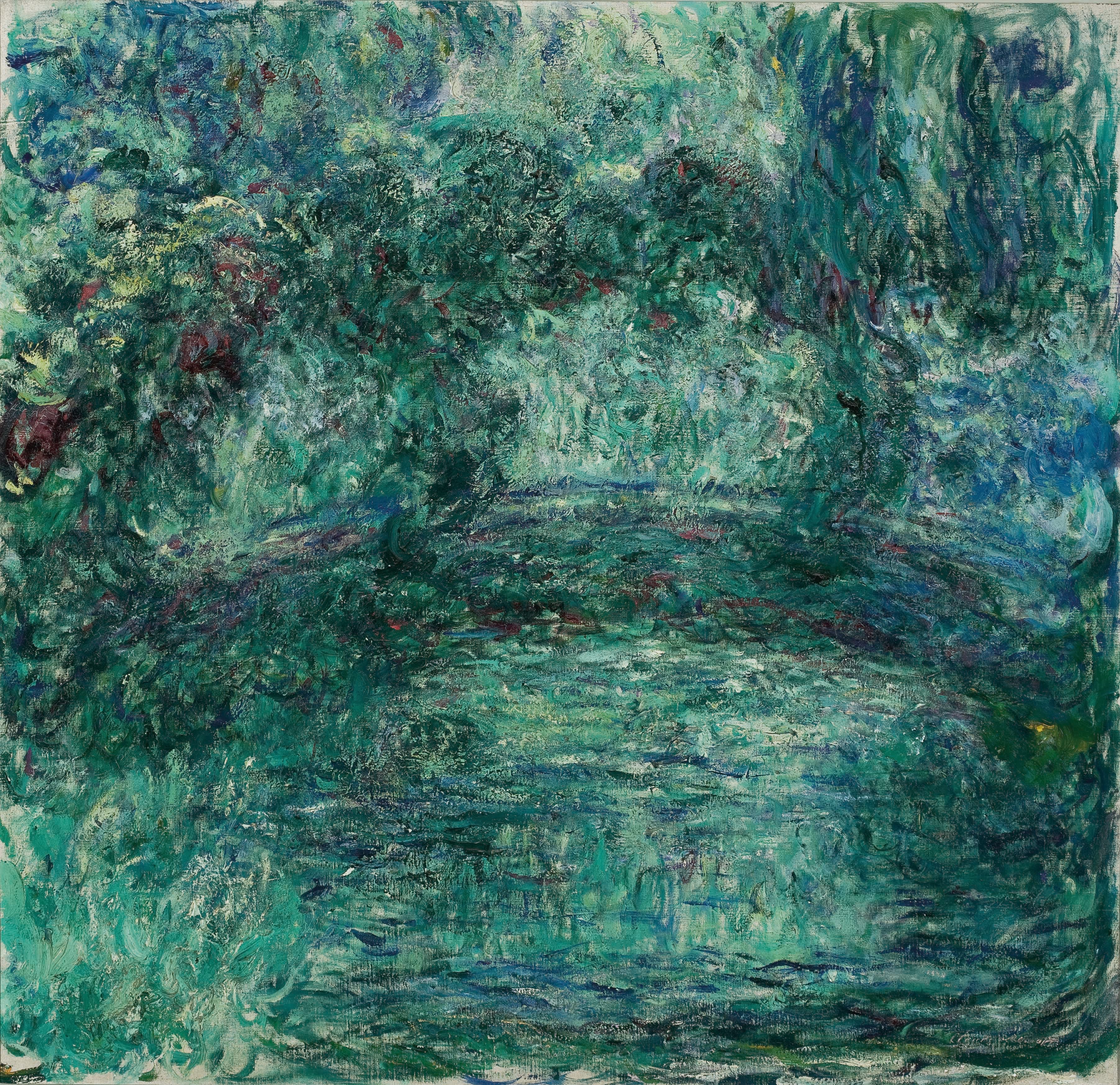
Nymphéas, Japanese Bridge
Claude Monet, 1918–26
Nymphéas, Japanese Bridge is a late painting by Claude Monet, dated 1918–26, of his Giverny footbridge almost lost under wisteria in thick, dark greens and reds. It is in the Philadelphia Museum of Art.
- Artist
- Claude Monet
- Date
- 1918–26
- Medium
- Oil on canvas
- Dimensions
- 89 × 91 cm
- Collection
- Philadelphia Museum of Art, Philadelphia, United States
- Movement
- Impressionism
- Catalogue
- Wildenstein 1930
- Nature & Landscape
- Water & Sea
Nymphéas, Japanese Bridge is a late painting by Claude Monet of the wooden footbridge over the water-lily pond in his garden at Giverny. The Philadelphia Museum of Art dates it 1918–26, the last years of the artist's life. Nearly square, about 89 by 91 centimeters, it shows the bridge as a dark arch almost buried under foliage, painted in thick, caked strokes of green, red, ocher and violet. Wildenstein lists it as number 1930, among the many late versions of the motif.
What you're looking at
The bridge is there, but you have to look for it. A broad, dark green arch sweeps across the canvas from left to right, about a third of the way down. Above it, a mass of foliage in olive, gold, rust and plum fills the top of the picture: the wisteria that by then grew over a trellis on the bridge, together with the trees beyond.
Under the arch, the pond is a dark, glowing space. Reflections of the bridge and the plants drop down into it as vertical streaks of green, red and yellow, and a few horizontal touches suggest lily pads on the surface. A patch of yellow-green light gleams just below the arch, in the center of the picture, where the sky shows through the leaves and bounces off the water.
At the lower left, the bank is a tangle of pale green, pink and white strokes, perhaps flowering plants. At the bottom left corner, a patch of orange-red adds a hot accent. The edges of the canvas are dark and dense, so the eye is pulled into the center, under the bridge.
The late bridge: what makes this version distinct
Monet first painted the footbridge in 1899 as a clear, graceful arch in summer greens, as in the Met's Bridge over a Pond of Water Lilies and Philadelphia's own Japanese Footbridge and the Water Lily Pool, Giverny. Twenty years later, the subject had changed. The bridge was covered in wisteria, and Monet's eyesight had been damaged by cataracts, which distorted his perception of color, especially blues. The late bridges are painted in reds, browns, ochers and deep greens, with the forms dissolved into dense, almost abstract surfaces.
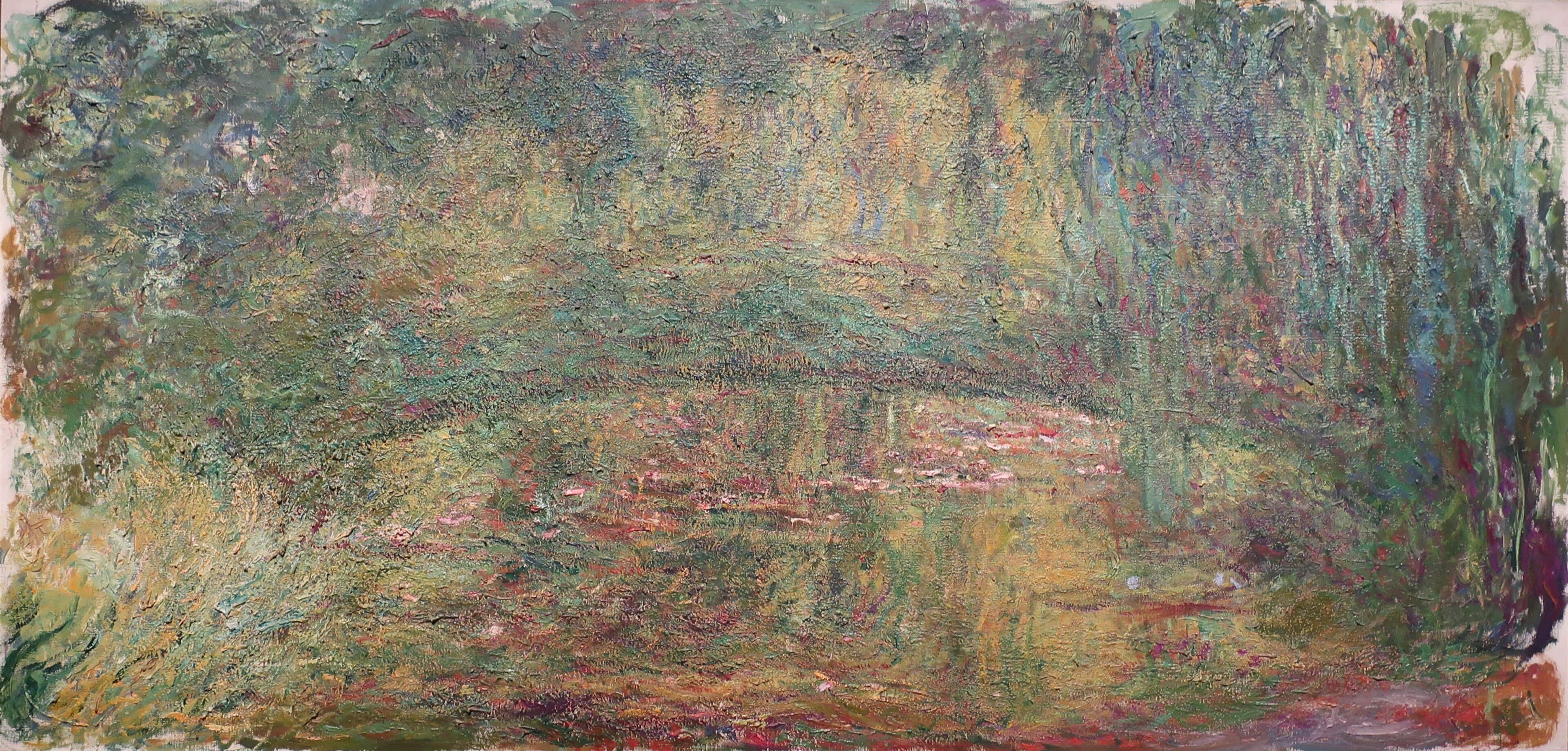
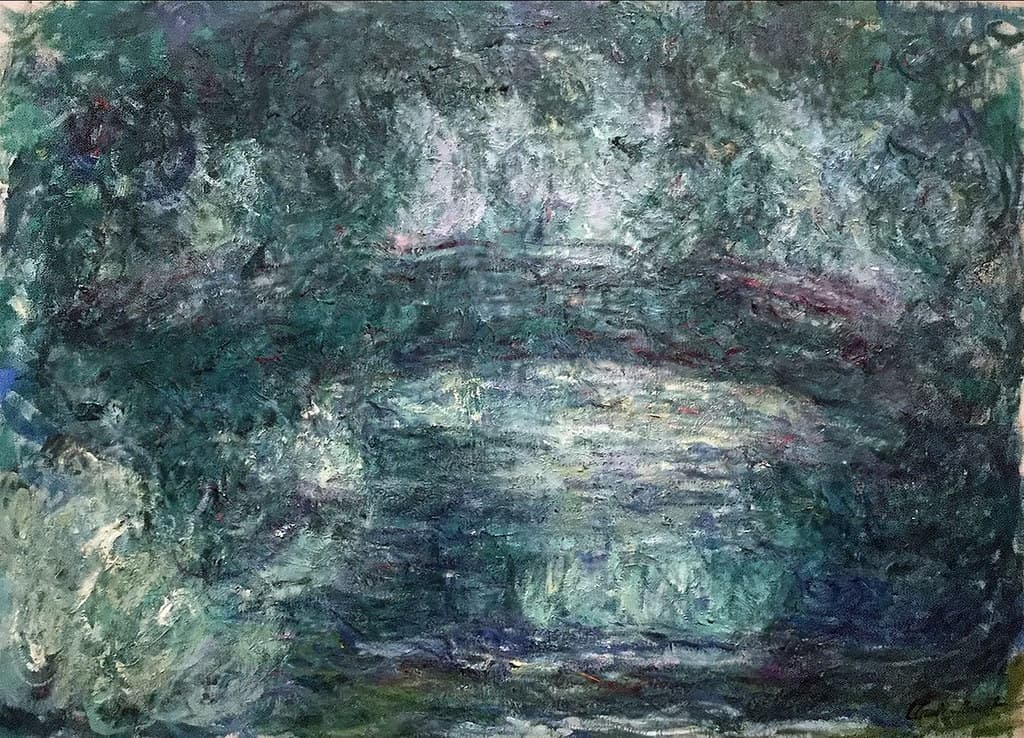
This version is among the darker and more enclosed. Compared with Mia's The Japanese Bridge of about 1923–25, where the arch is still a readable shape, the Philadelphia bridge is nearly submerged in its surroundings. Compared with the Marmottan's horizontal The Japanese Bridge of 1918, it is tighter and heavier.
How it was painted
The museum's description stresses the thick, caked-on paint. Monet built up the surface in many layers, often wet into dry, so that colors sit on top of each other without fully mixing. He worked with large brushes and dragged the paint, leaving ridges and gaps. These late canvases were painted in the garden and in his large studio at Giverny, where he was also working on the great water-lily panels later installed at the Orangerie.
Monet's last years
After the death of his wife Alice in 1911 and his son Jean in 1914, Monet withdrew into his garden and his work. His cataracts worsened from about 1912, and he was operated on in 1923. The late bridge pictures, many of which stayed in his studio until his death in 1926, were long seen as the work of a failing artist. After 1945, painters such as the Abstract Expressionists found in them a direct ancestor, and their reputation rose sharply.
Where to see it
The painting is in the Philadelphia Museum of Art, which also holds several earlier Monets. See our Japanese Footbridge series hub, Giverny, Where to See Monet and Claude Monet.
Questions & answers
Where is Monet's Nymphéas, Japanese Bridge?
It is in the Philadelphia Museum of Art. The museum also owns an earlier Monet view of the same bridge from 1899, Japanese Footbridge and the Water Lily Pool, Giverny, so the two phases of the motif can be compared in one collection.
When was it painted?
The museum dates it 1918–26, the last years of Monet's life, when he painted the footbridge over his water-lily pond at Giverny many times in dark, dense colors.
Why do Monet's late Japanese Bridge paintings look so different?
By then the bridge was overgrown with wisteria, and cataracts had distorted Monet's color vision. He painted in reds, browns and deep greens with thick, loose strokes, so the forms dissolve into dense surfaces.
How many Japanese Bridge paintings did Monet make?
About a dozen around 1899–1900 and a large group of late versions from about 1918–24. Wildenstein's catalogue numbers this one 1930, among the late group.
More by the artist
Claude Monet
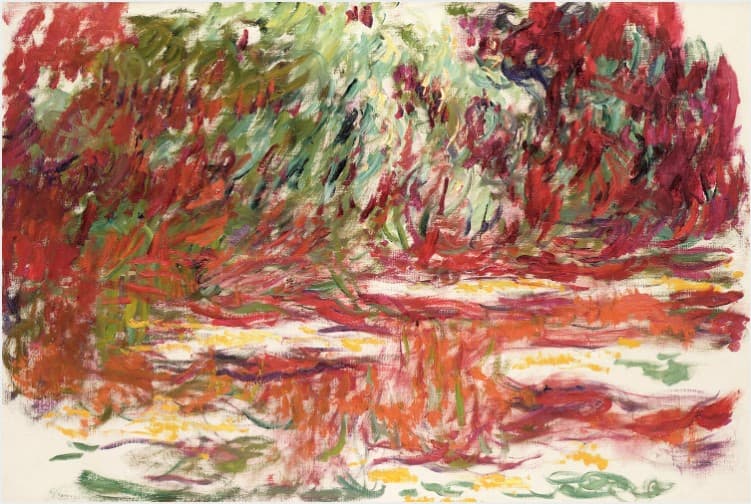
Water-Lily Pond (Bassin aux nymphéas, 1918–19)
Claude Monet · 1918–19
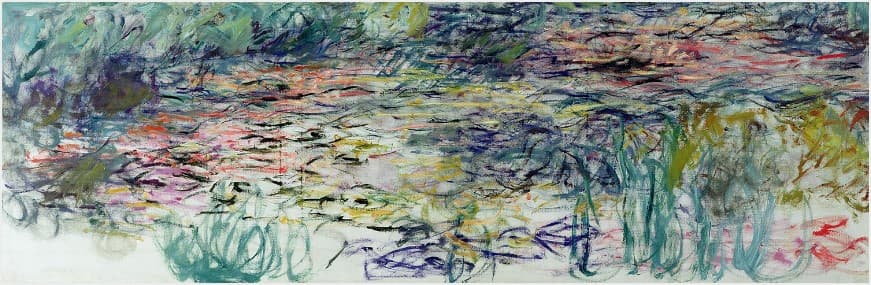
Nymphéas (Musée Marmottan Monet, 1917–19)
Claude Monet · 1917–19
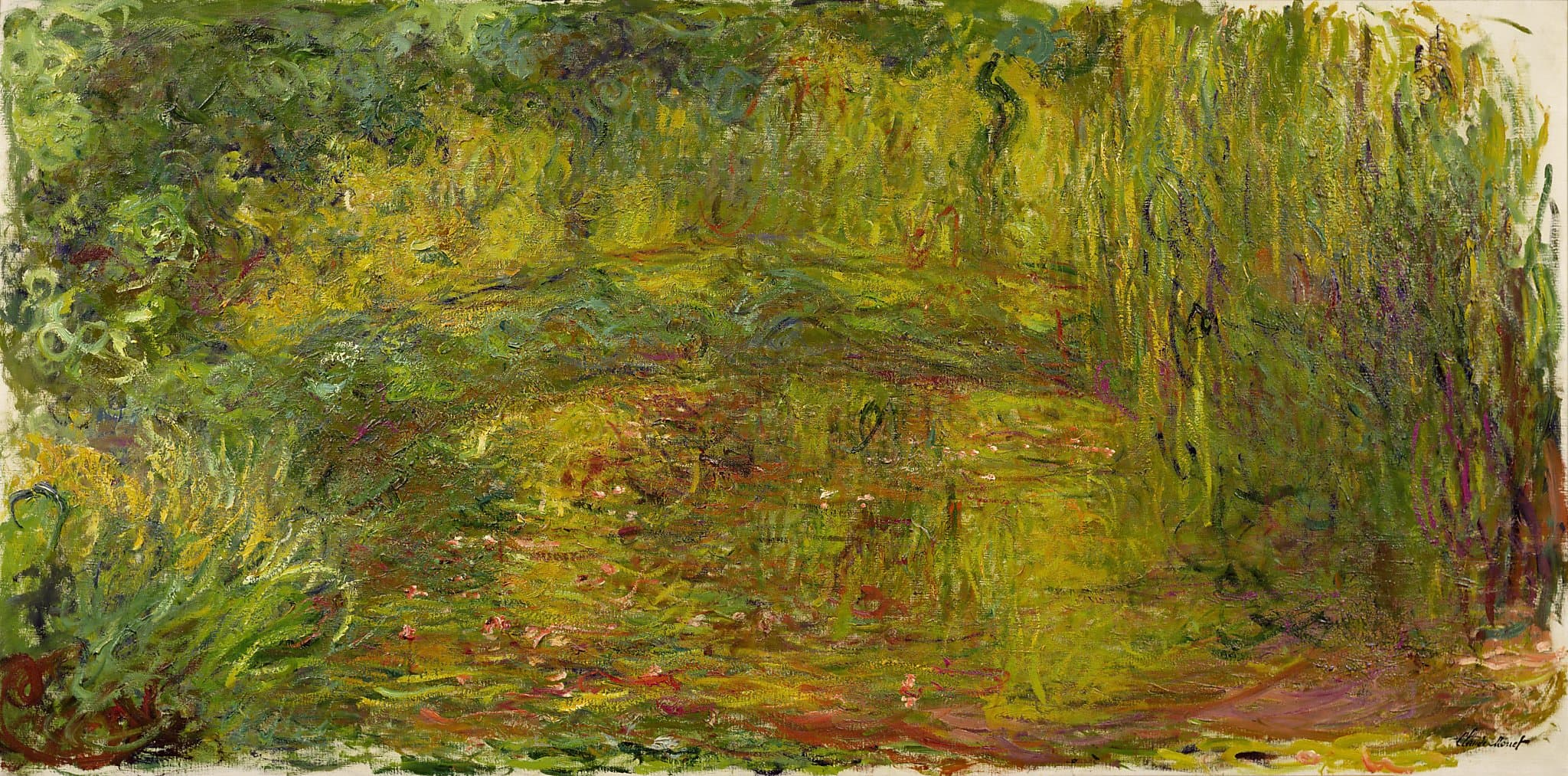
Le Pont japonais (The Japanese Bridge)
Claude Monet · 1918
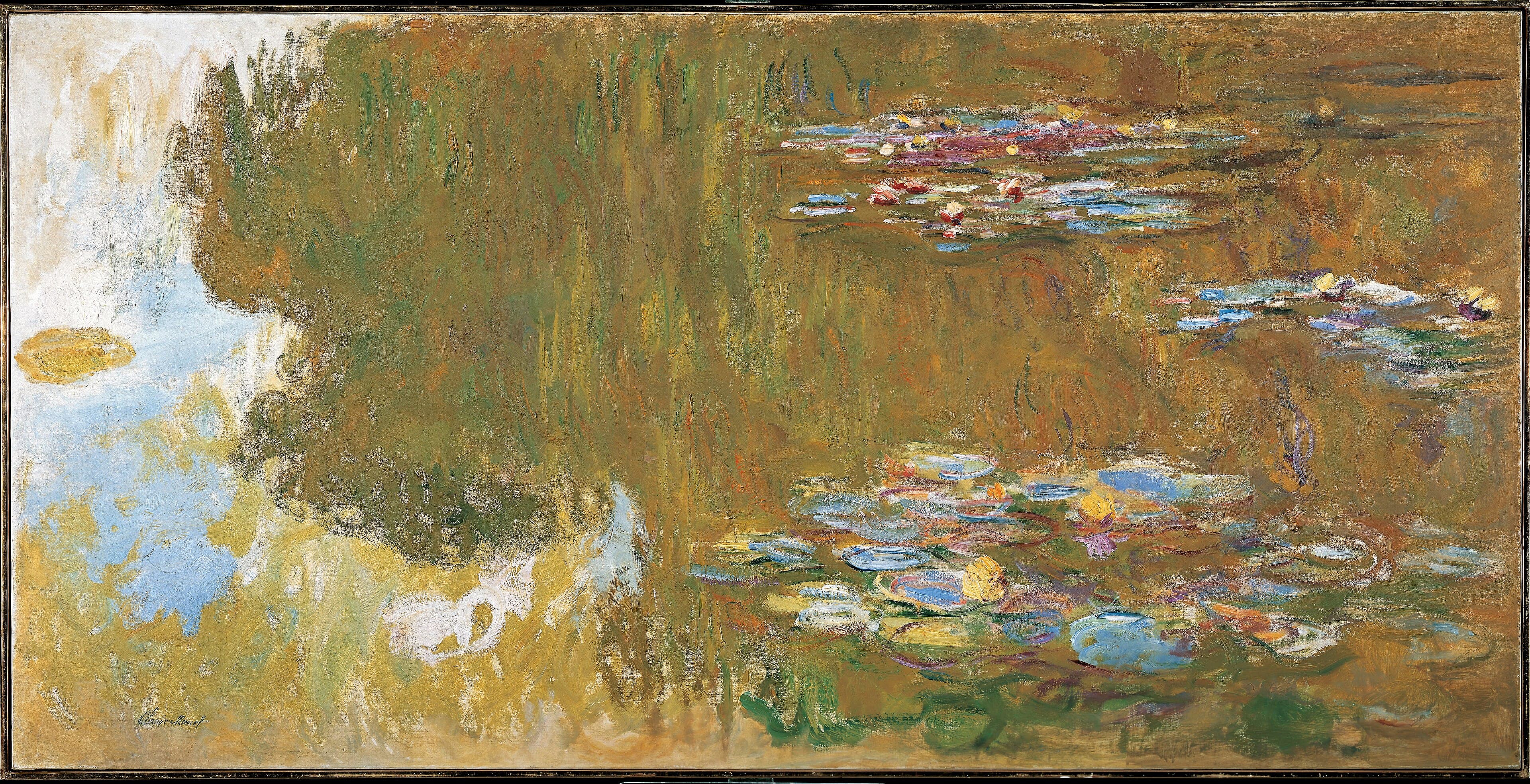
The Water Lily Pond (Albertina)
Claude Monet · 1917–19
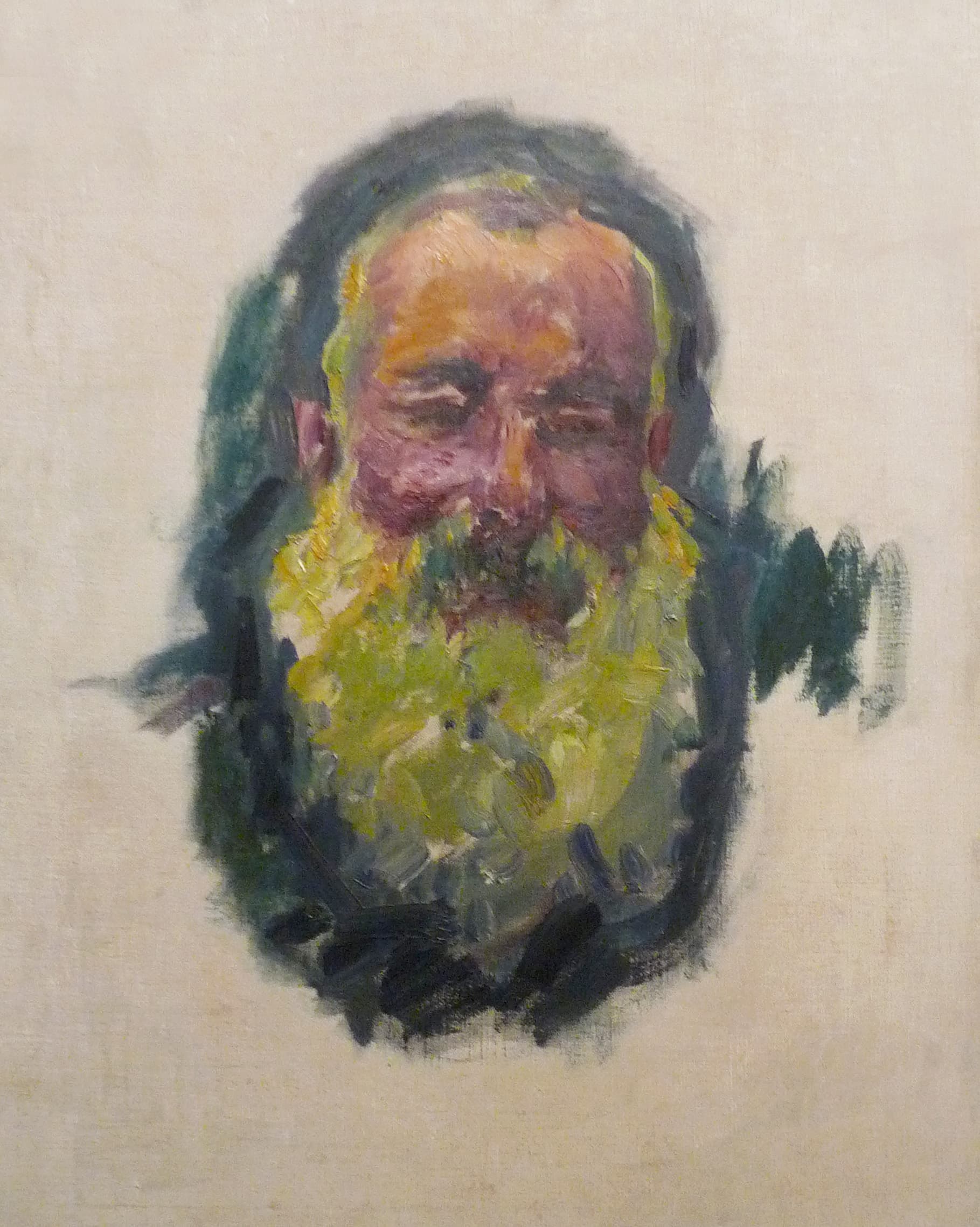
Self-Portrait (1917)
Claude Monet · 1917
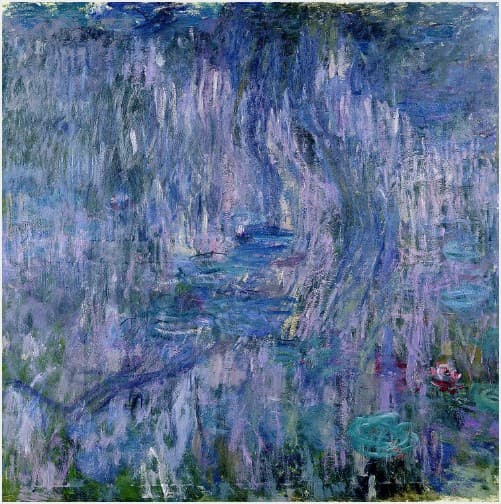
Water-Lilies, Reflection of a Weeping Willow
Claude Monet · 1916–19
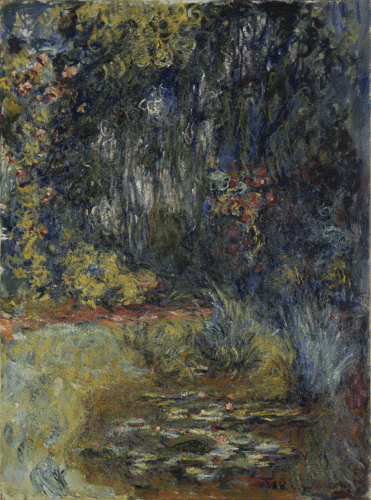
Corner of the Water-Lily Pond
Claude Monet · 1918
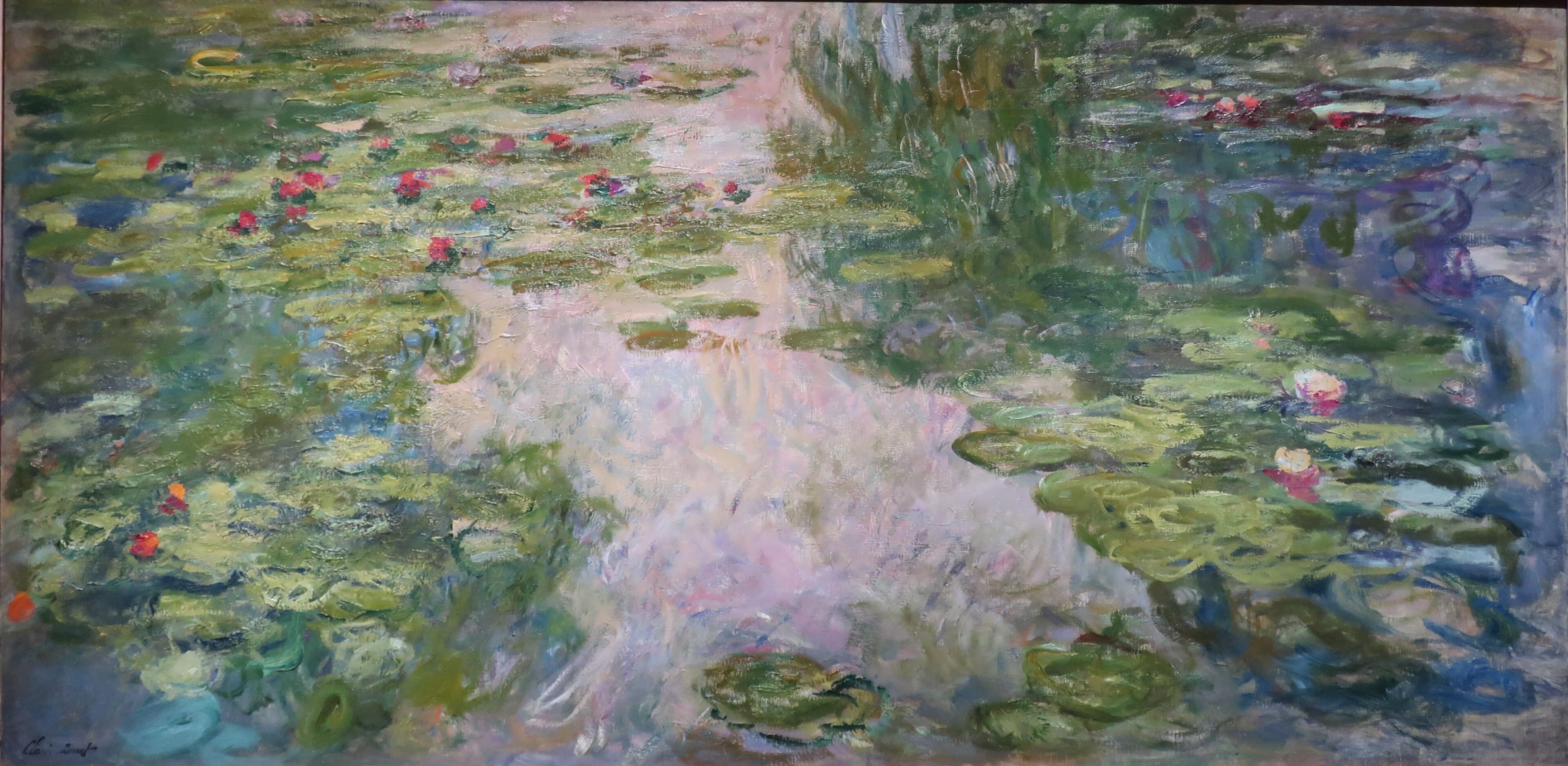
Water Lilies (Honolulu Museum of Art)
Claude Monet · 1917–19
Also painted in 1918
The same year
Kindred works
You may also study
The Japanese Bridge
Claude Monet · c. 1923–25
The Japanese Bridge
Claude Monet · 1918
Japanese Bridge
Claude Monet · 1918–19
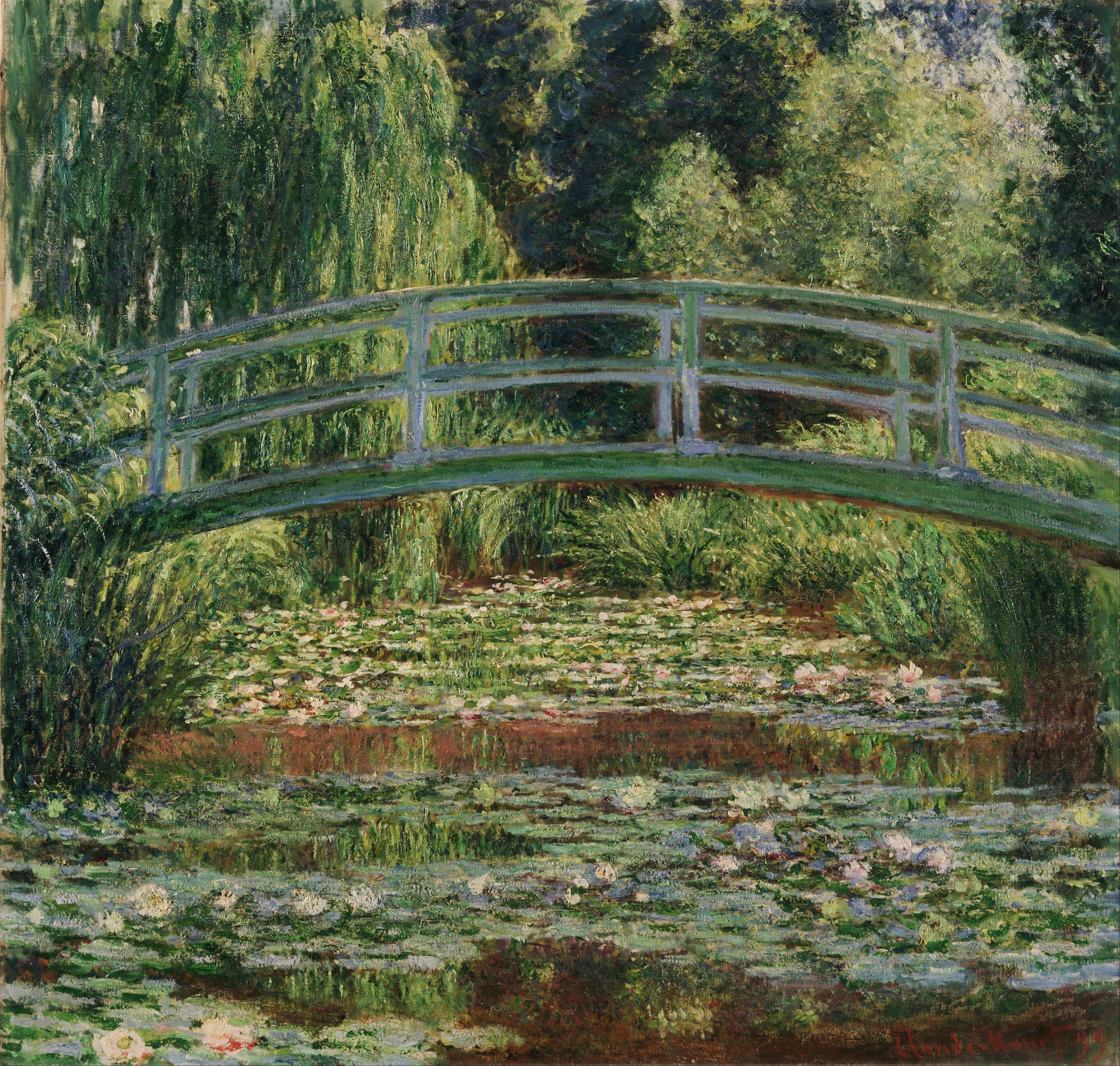
The Japanese Footbridge and the Water Lily Pool, Giverny
Claude Monet · 1899

Bridge over a Pond of Water Lilies
Claude Monet · 1899
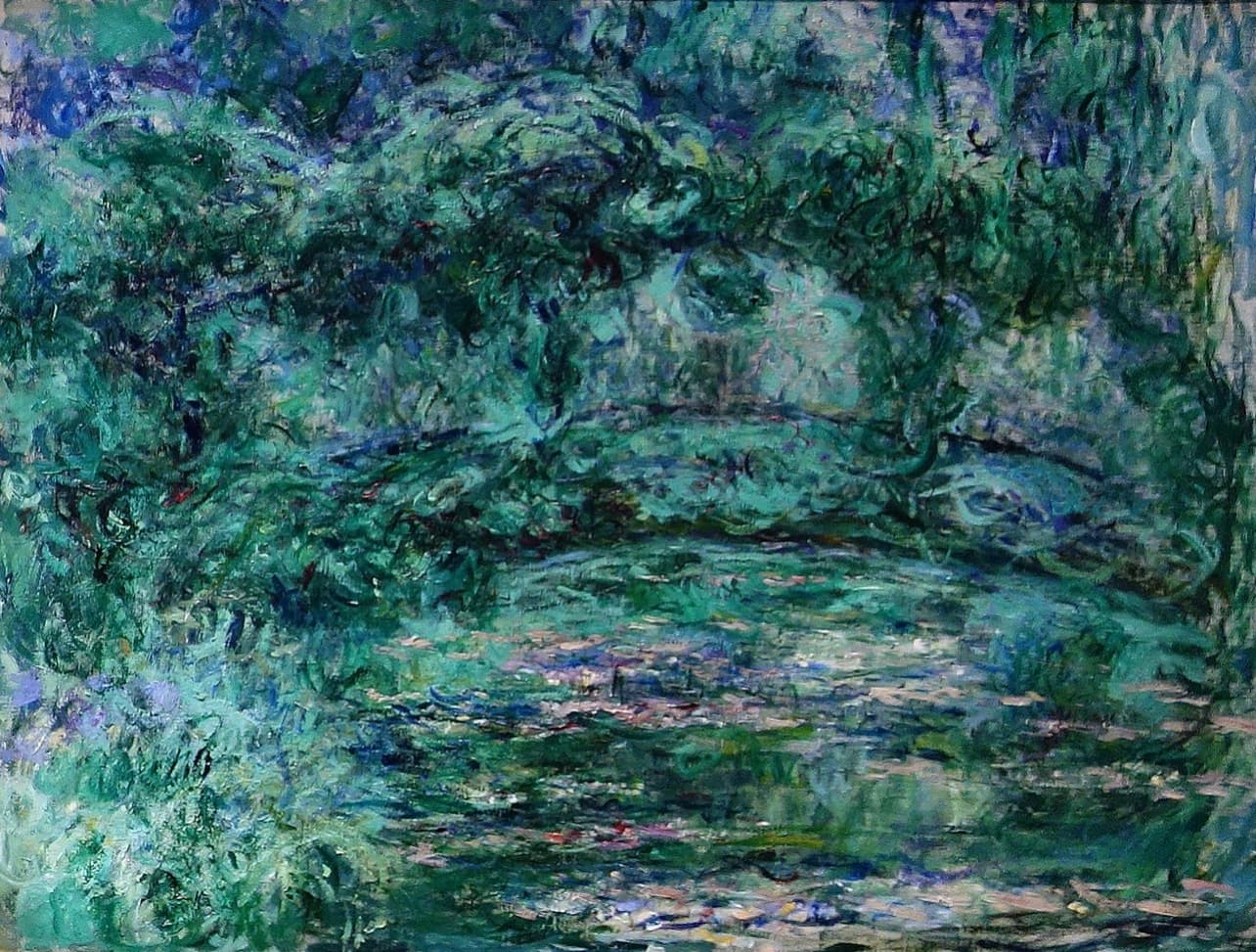
The Japanese Bridge
Claude Monet · c. 1919–24
The Japanese Bridge over the Water-Lily Pond in Giverny
Claude Monet · 1920–24
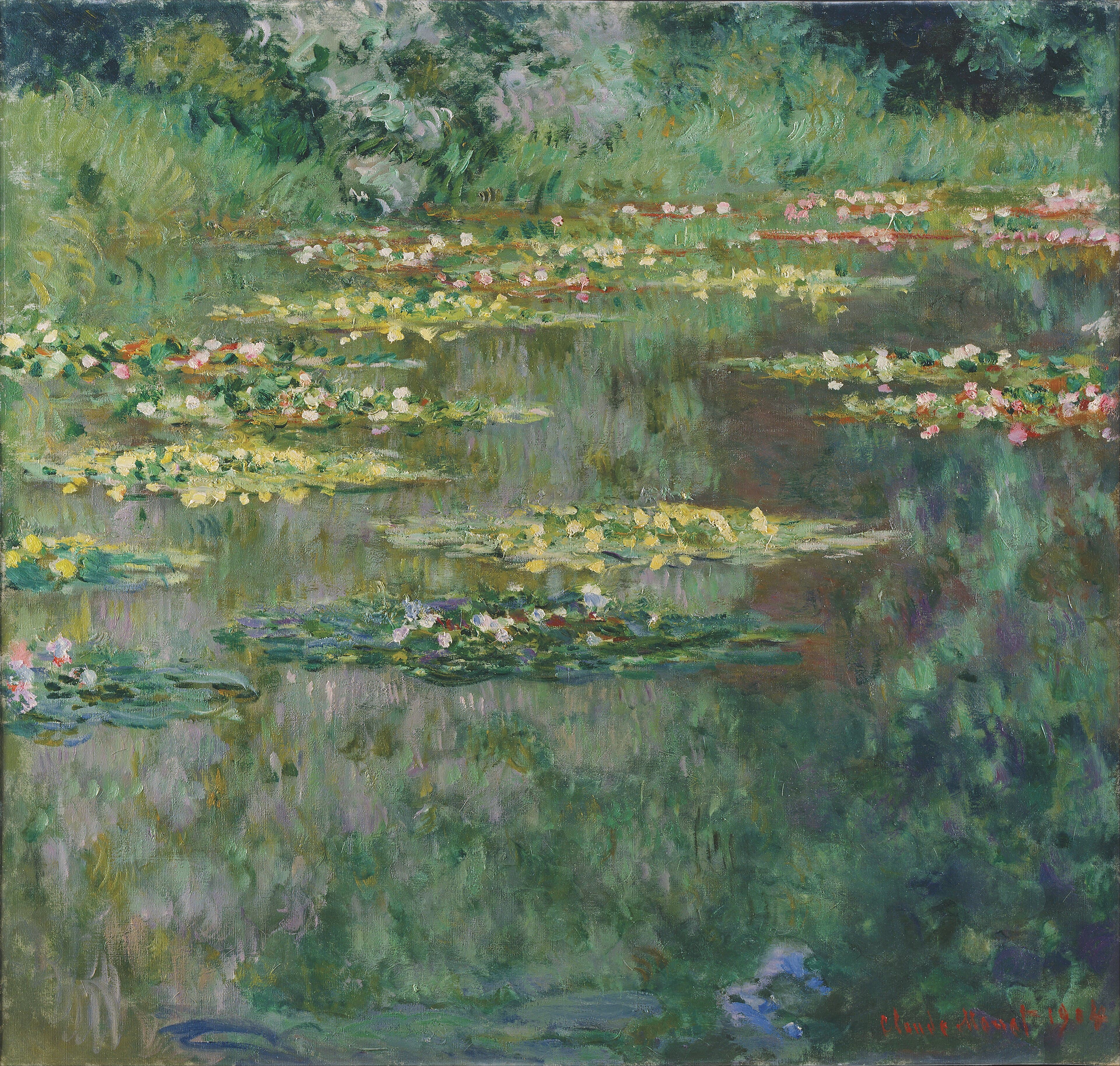
Le Bassin des Nymphéas (Denver)
Claude Monet · 1904