Image: Indianapolis Museum of Art at Newfields, via Google Arts & Culture · Public domain · via Wikimedia Commons
Charing Cross Bridge (Indianapolis)
Claude Monet, c. 1900
Charing Cross Bridge (c. 1900) is a sketch-like Thames view by Claude Monet, the bridge drawn in a few blue strokes over a bare gray ground with loops of pink smoke above. It is in the Indianapolis Museum of Art at Newfields.
- Artist
- Claude Monet
- Date
- c. 1900
- Medium
- Oil on canvas
- Dimensions
- 66 × 92.7 cm (26 × 36 1/2 in.)
- Collection
- Indianapolis Museum of Art at Newfields, Indianapolis, United States
- Movement
- Impressionism
- Catalogue
- Wildenstein 1530
- The City
- Water & Sea
Charing Cross Bridge in Indianapolis is one of the most revealing canvases in Claude Monet's London series, because it was left at an early stage. Painted around 1900 from the Savoy Hotel, it shows the railway bridge over the Thames as a few strokes of blue on a pale gray ground, with looping curls of pink and orange smoke above and almost nothing else. It belongs to the Indianapolis Museum of Art at Newfields (inv. 65.15), which acquired it in 1965.
What you are looking at
Much of the canvas is a flat, cool gray: the priming and a thin first layer of paint, left largely bare. Across the middle, Monet laid a long horizontal of dark blue for the bridge deck, with a few vertical dashes beneath for the piers and their reflections. On the right a cluster of blue strokes hints at the towers of Westminster.
The liveliest marks are in the upper half. At left, three or four rounded swirls of rose pink are the smoke of a train crossing the bridge; at center and right, thin loops of pale orange and pink spiral across the sky, as if the smoke were drifting and unraveling in the wind. Below the bridge, on the water, a patch of salmon pink and a few horizontal blue dashes suggest reflections and a boat. The lower right corner shows a curving gray line, perhaps the edge of the Embankment. There is very little else.
Where and when it was painted
Monet painted the Thames from the Savoy Hotel during three stays: autumn 1899, February to April 1900, and January to April 1901. From his window he looked upriver to Charing Cross Bridge and downriver to Waterloo Bridge. He worked on dozens of canvases simultaneously, picking up whichever matched the light of the moment, and carried many back to Giverny for finishing. Our Monet in London hub follows those trips.
Some canvases never got past the first session. This one, dated around 1900 by the museum and Wikidata, appears to be one of them: a record of the effect blocked in within minutes, before the fog shifted.
How it was painted
Because it is unfinished, the picture shows the order in which Monet built a London canvas. First came a light, neutral ground, here a cool gray. Then the main structure, the bridge, laid in with a single confident sweep of blue. Then the transient effect, the smoke, caught in quick calligraphic loops of warm color. In finished versions these marks would be buried under layer after layer of tinted strokes that unify the surface; here they sit alone on the bare ground.
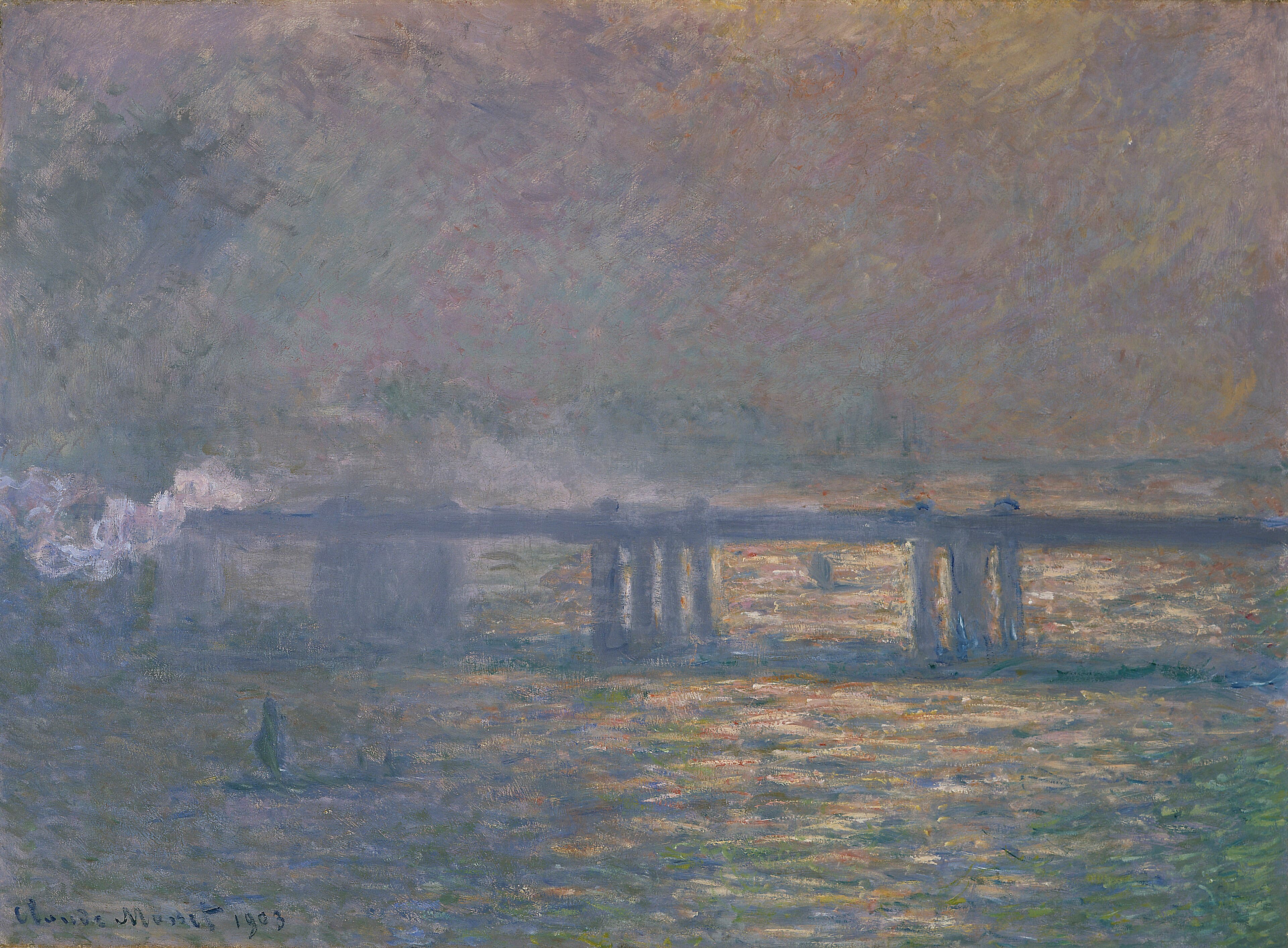
The result looks surprisingly modern. The curling smoke lines are as free as drawing, and the large areas of untouched canvas let the picture breathe. Viewers who know the dense, worked surfaces of the Charing Cross pictures in Chicago or Saint Louis will find this a useful key to how those were started.
How this version differs
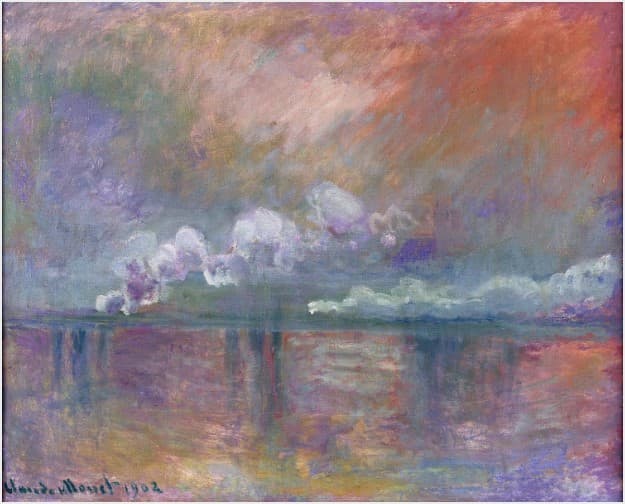
Most of the Charing Cross Bridge series consists of heavily reworked, signed canvases that Monet sold through Durand-Ruel. A smaller group of unsigned or lightly worked sketches survives, including the dark study in the Musée Marmottan Monet, which stayed with the artist's family. The Indianapolis canvas belongs with those working pictures. Its pink smoke recalls the colored plumes in Charing Cross Bridge, Smoke in the Fog of 1902, where the same motif is carried through to a finished, saturated harmony.
Why sketches survive
Monet was famously strict about what left his studio. He destroyed canvases he judged failures and kept back many that he felt were unresolved. Some of the unfinished London pictures stayed at Giverny until his death in 1926 and passed to his son Michel; others were sold later by the family or by dealers. Those that reached museums are prized precisely because they show stages the finished paintings conceal. In the Indianapolis canvas you can count the strokes, follow the order in which they were laid, and see how little Monet needed to fix a motif before the light changed.
Where to see it
The painting is in the European collection of the Indianapolis Museum of Art at Newfields, whose holdings of French painting also include works by Monet's Impressionist circle and Post-Impressionists. Galleries rotate, so check the museum's online collection for current display. For other collections, see where to see Monet's paintings.
Questions & answers
Where is Monet's Charing Cross Bridge in Indianapolis?
It is in the Indianapolis Museum of Art at Newfields (inv. 65.15), which acquired it in 1965. Galleries rotate, so check the museum's online collection to see if it is currently on view.
Is the Indianapolis Charing Cross Bridge unfinished?
It appears to be a working canvas left at an early stage. Much of the gray ground is bare, the bridge is a few strokes of blue and the smoke is drawn in loose pink loops, without the dense reworking of Monet's finished London pictures.
When was it painted?
Around 1900, during Monet's London campaigns of 1899–1901, when he painted the Thames from the Savoy Hotel. He worked on many canvases at once and finished most at Giverny, but some, like this one, stayed as sketches.
What does it show?
Charing Cross railway bridge on the Thames, seen from the Savoy, with curling pink and orange smoke from passing trains above it and faint suggestions of the Houses of Parliament at right.
More by the artist
Claude Monet
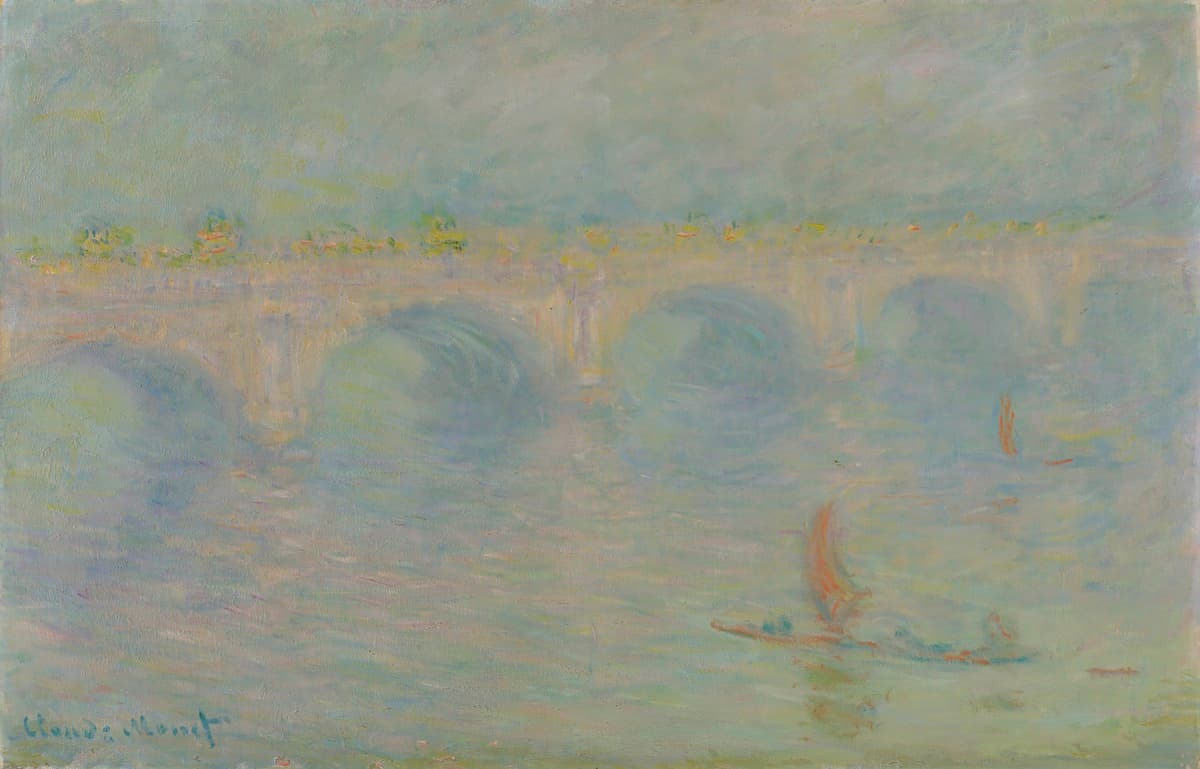
Waterloo Bridge, London, Sun Effect
Claude Monet · 1899–1901
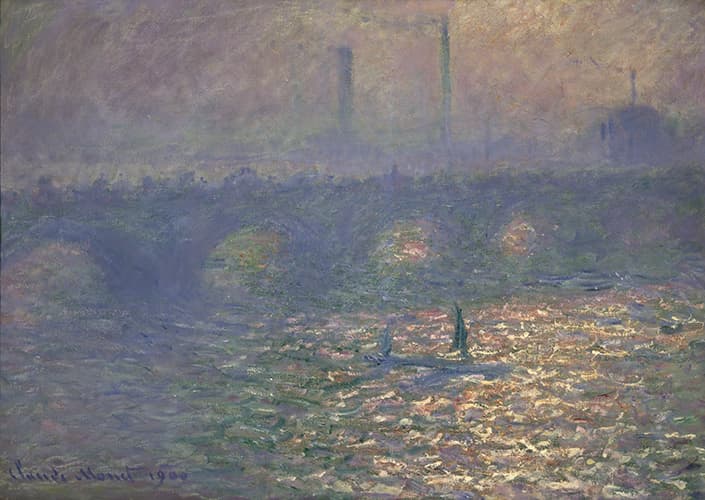
Waterloo Bridge (Santa Barbara Museum of Art)
Claude Monet · 1900
Houses of Parliament, Symphony in Rose
Claude Monet · 1900
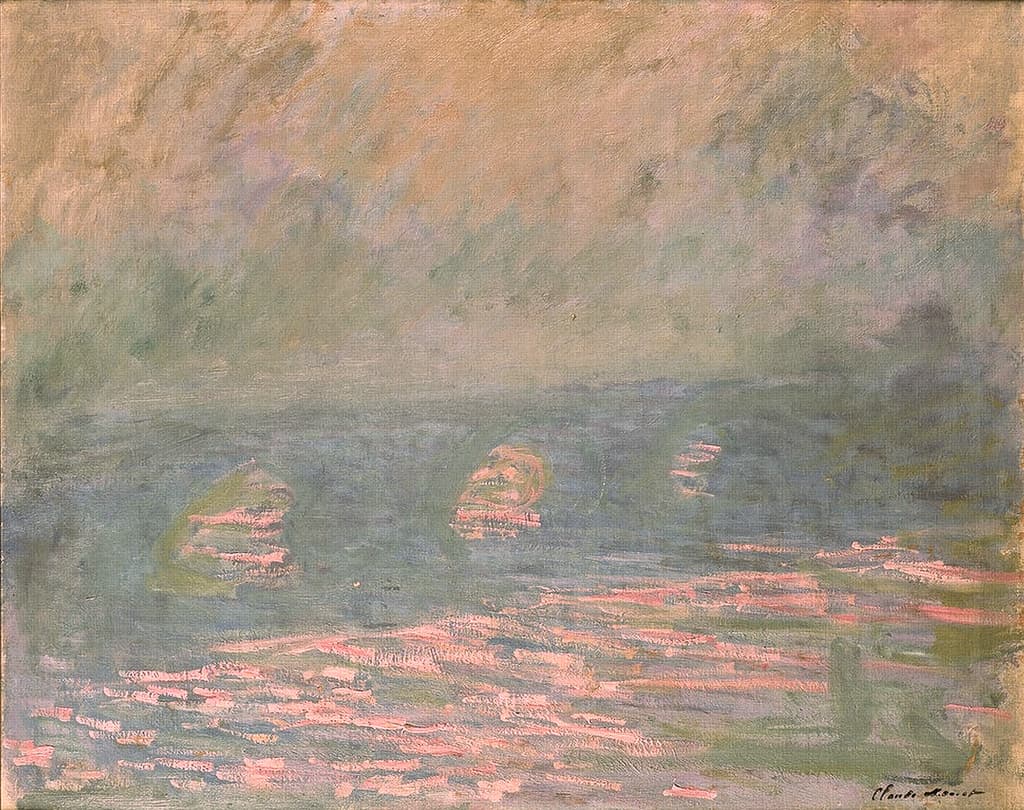
Waterloo Bridge (Matsushita Museum of Art)
Claude Monet · 1899–1901
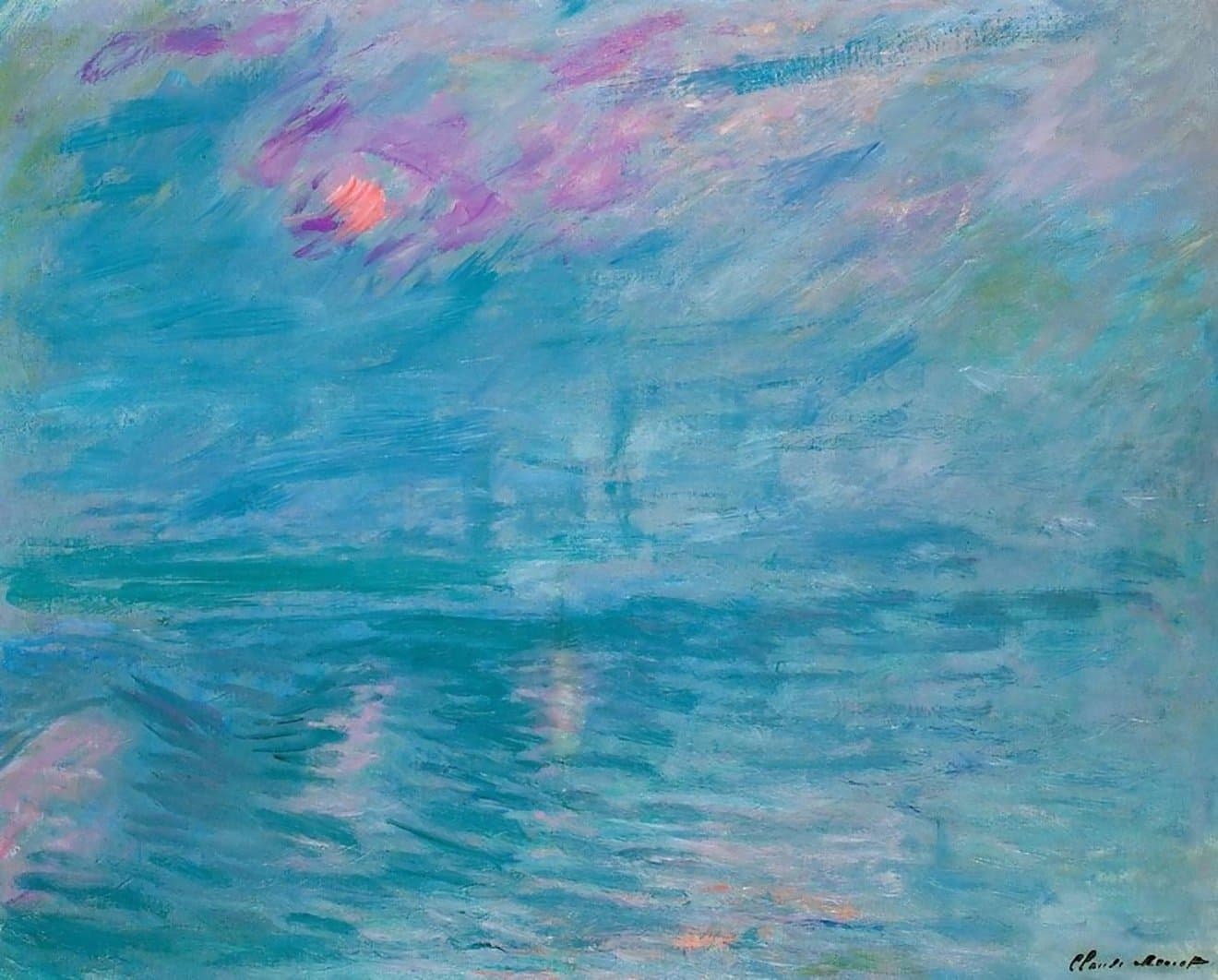
Waterloo Bridge (Davis Museum)
Claude Monet · 1899–1903
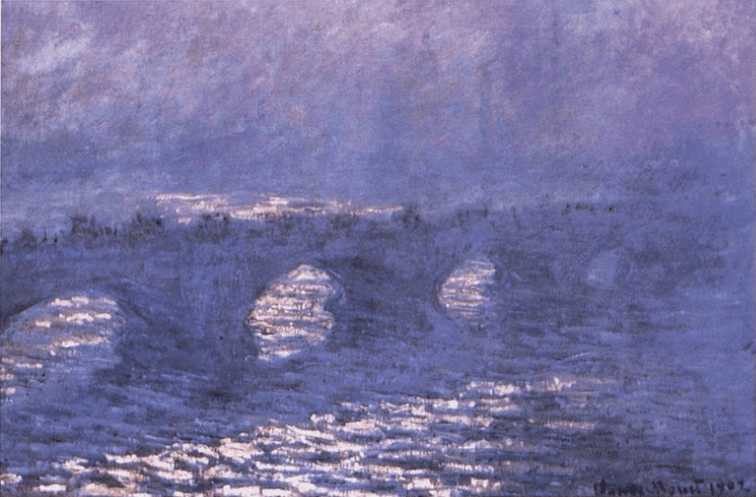
Waterloo Bridge, Effect of Sun in the Mist
Claude Monet · c. 1900–03
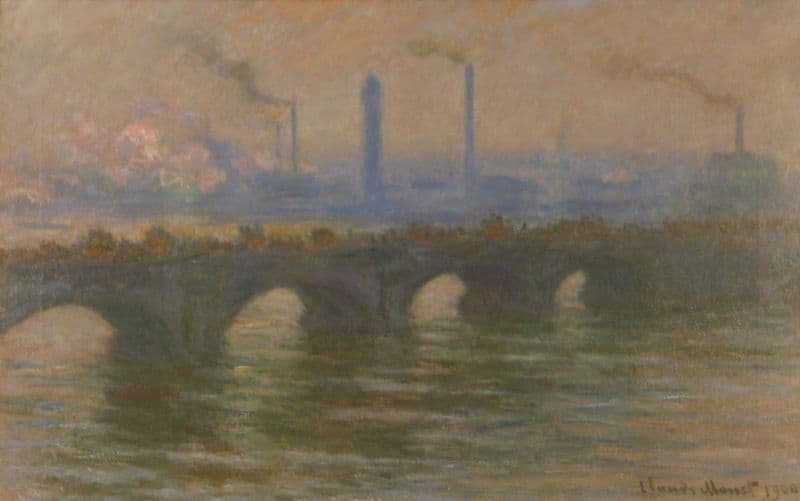
Waterloo Bridge, Overcast Weather
Claude Monet · 1900
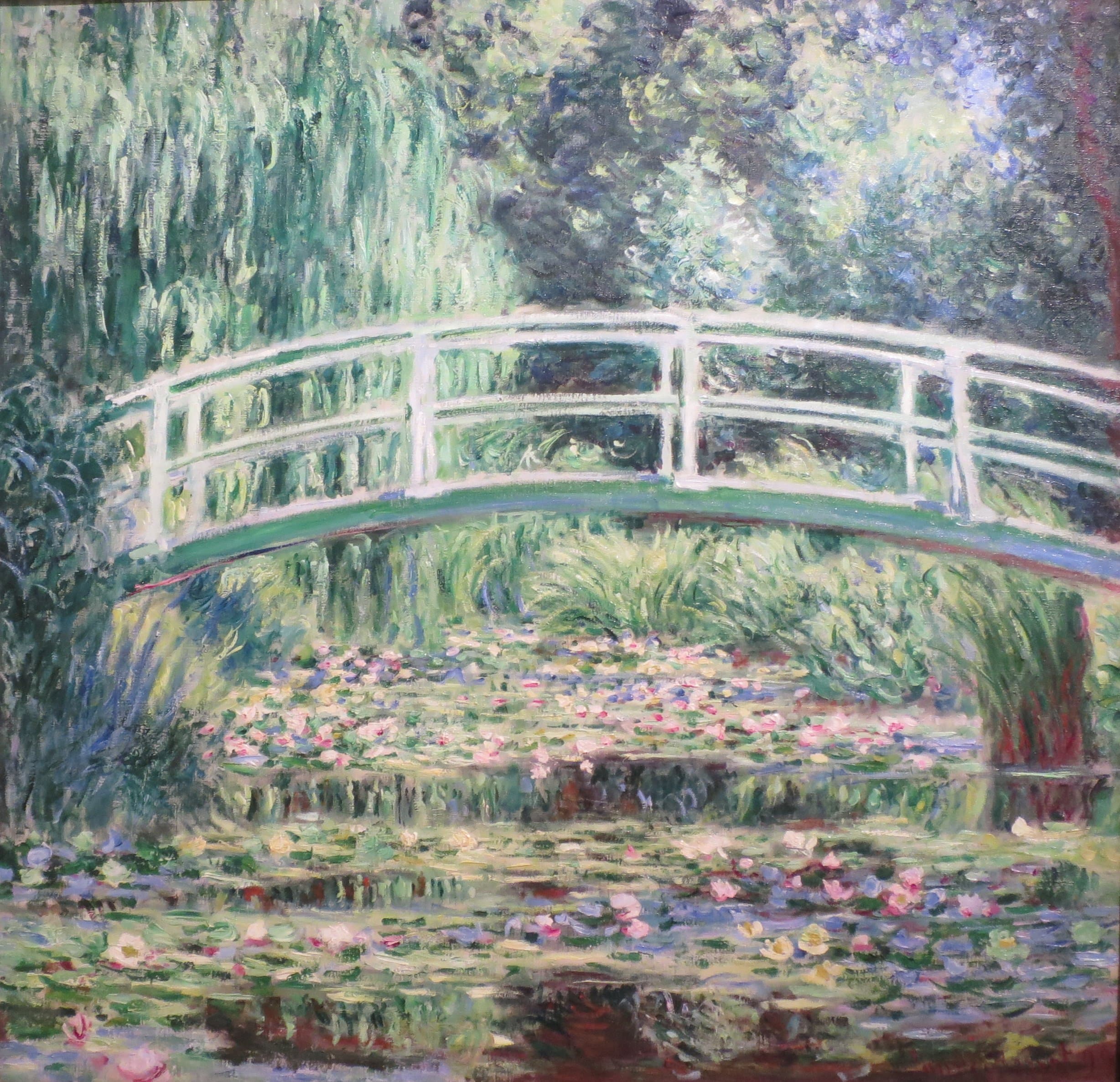
White Water Lilies
Claude Monet · 1899
Also painted in 1900
The same year
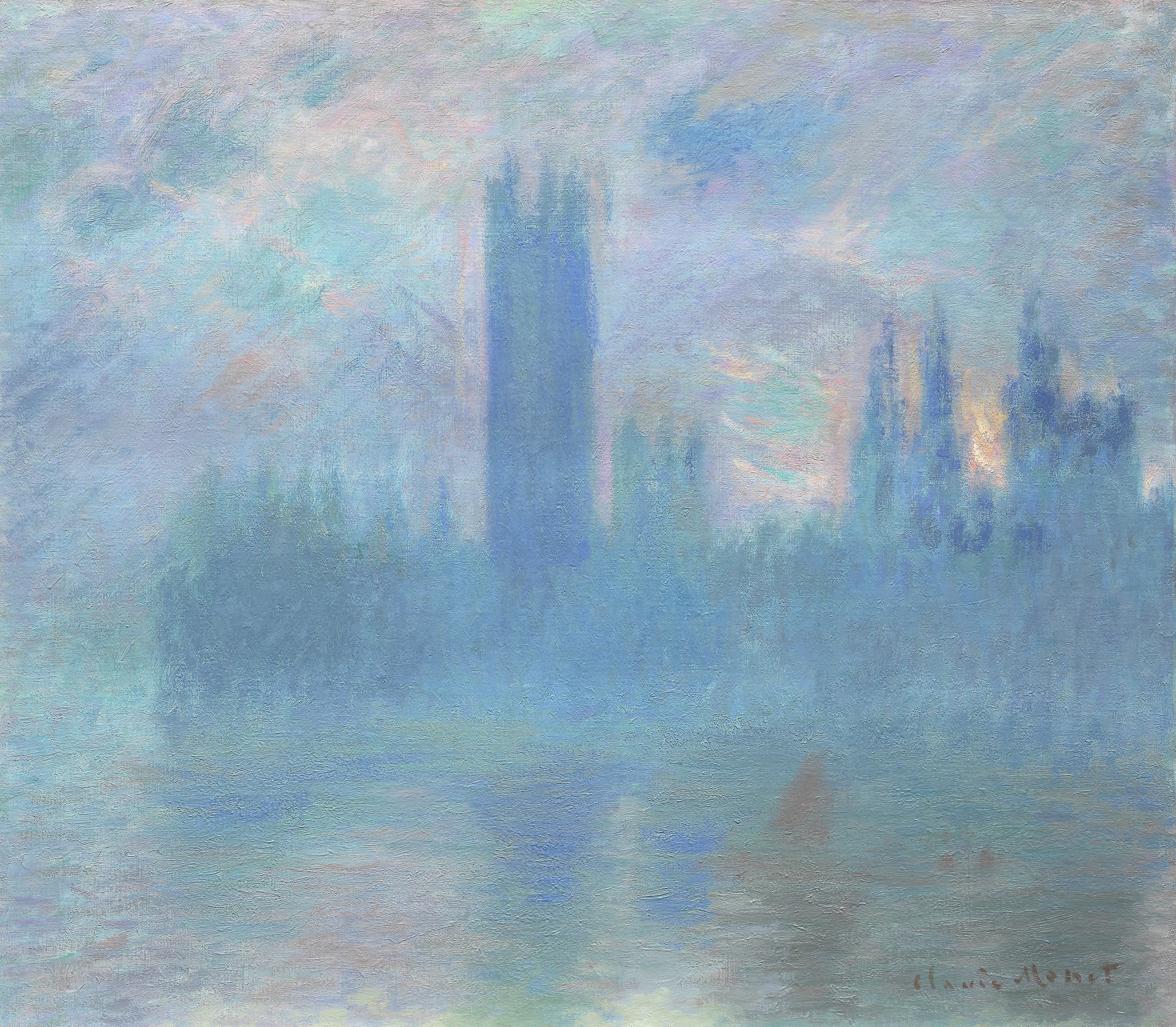
Houses of Parliament, London
Claude Monet · 1900–01
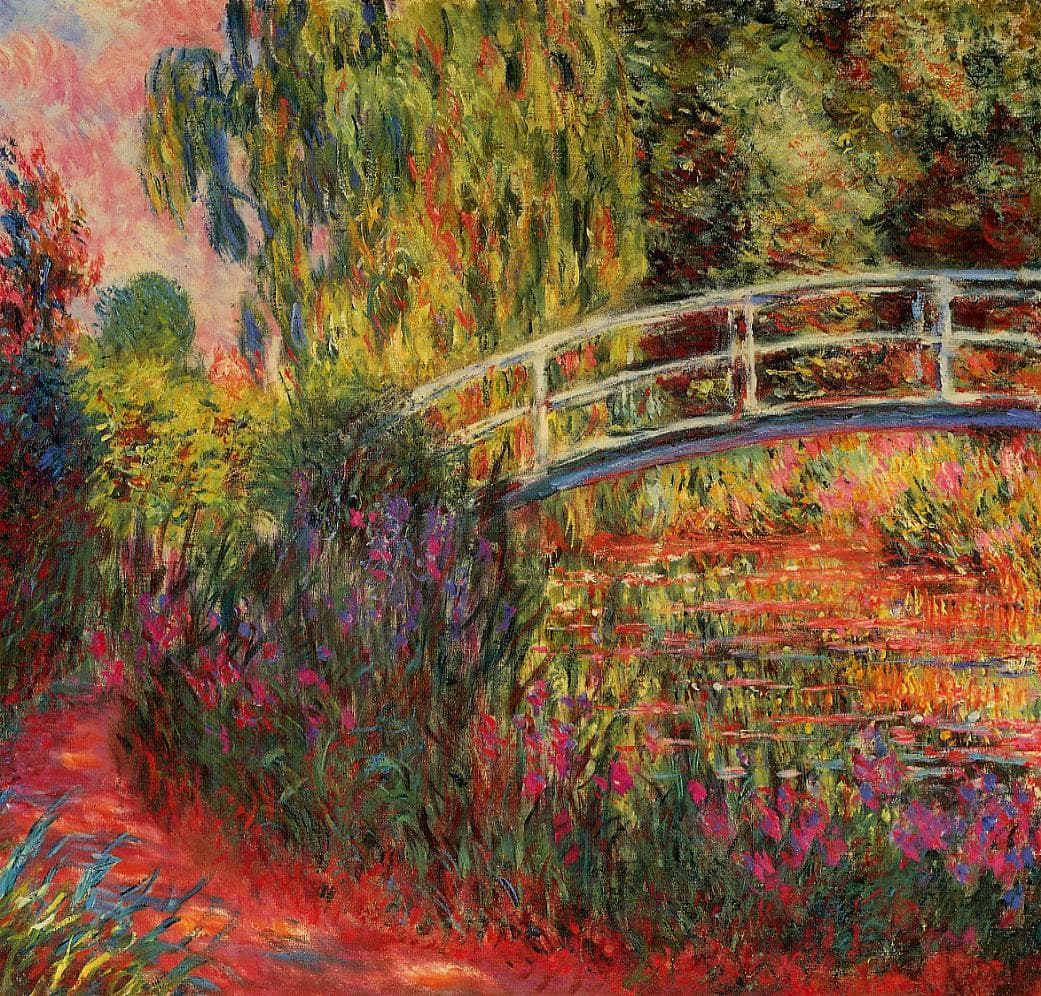
The Japanese Bridge or The Lily Pond
Claude Monet · 1900
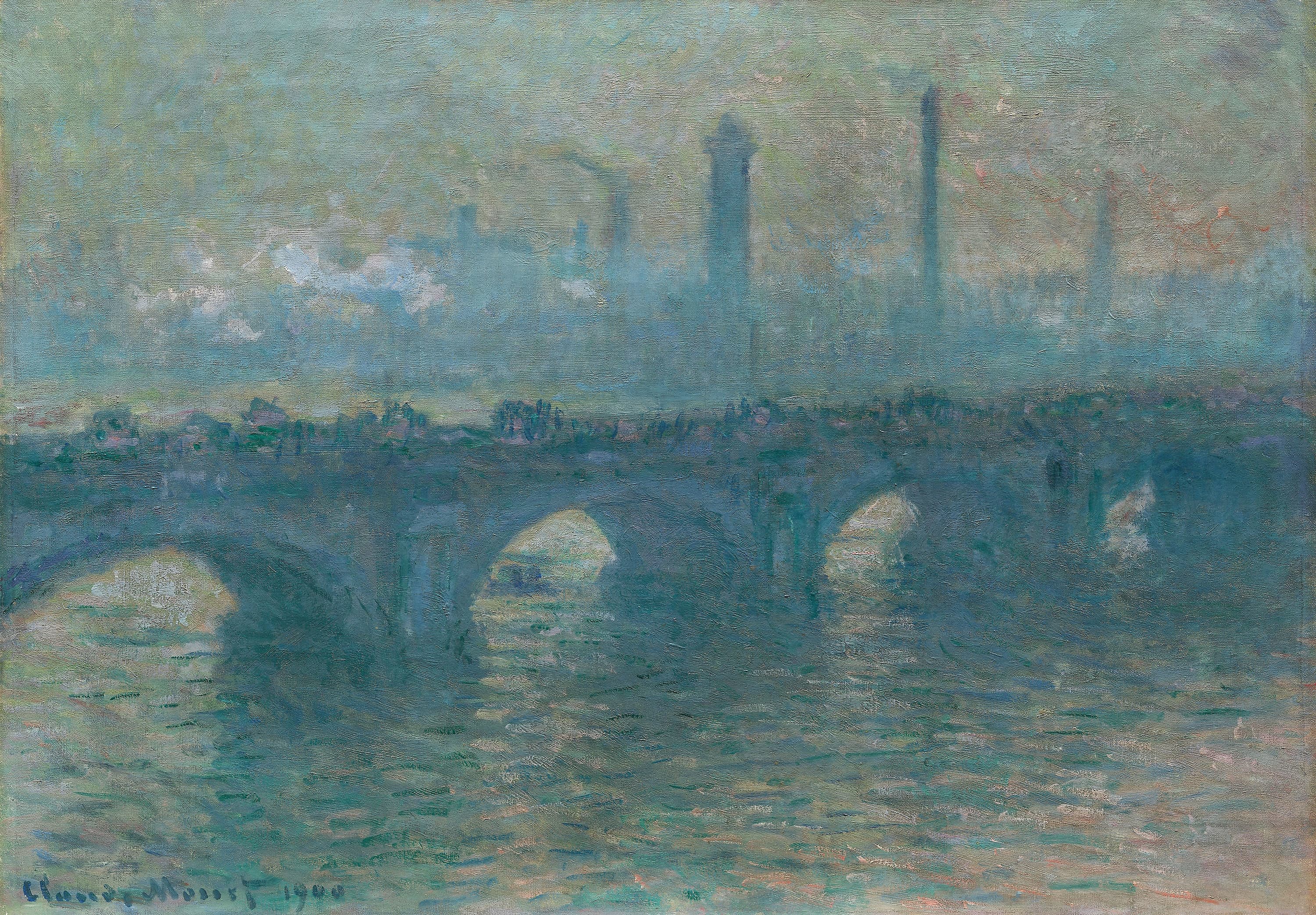
Waterloo Bridge, Gray Weather
Claude Monet · 1900
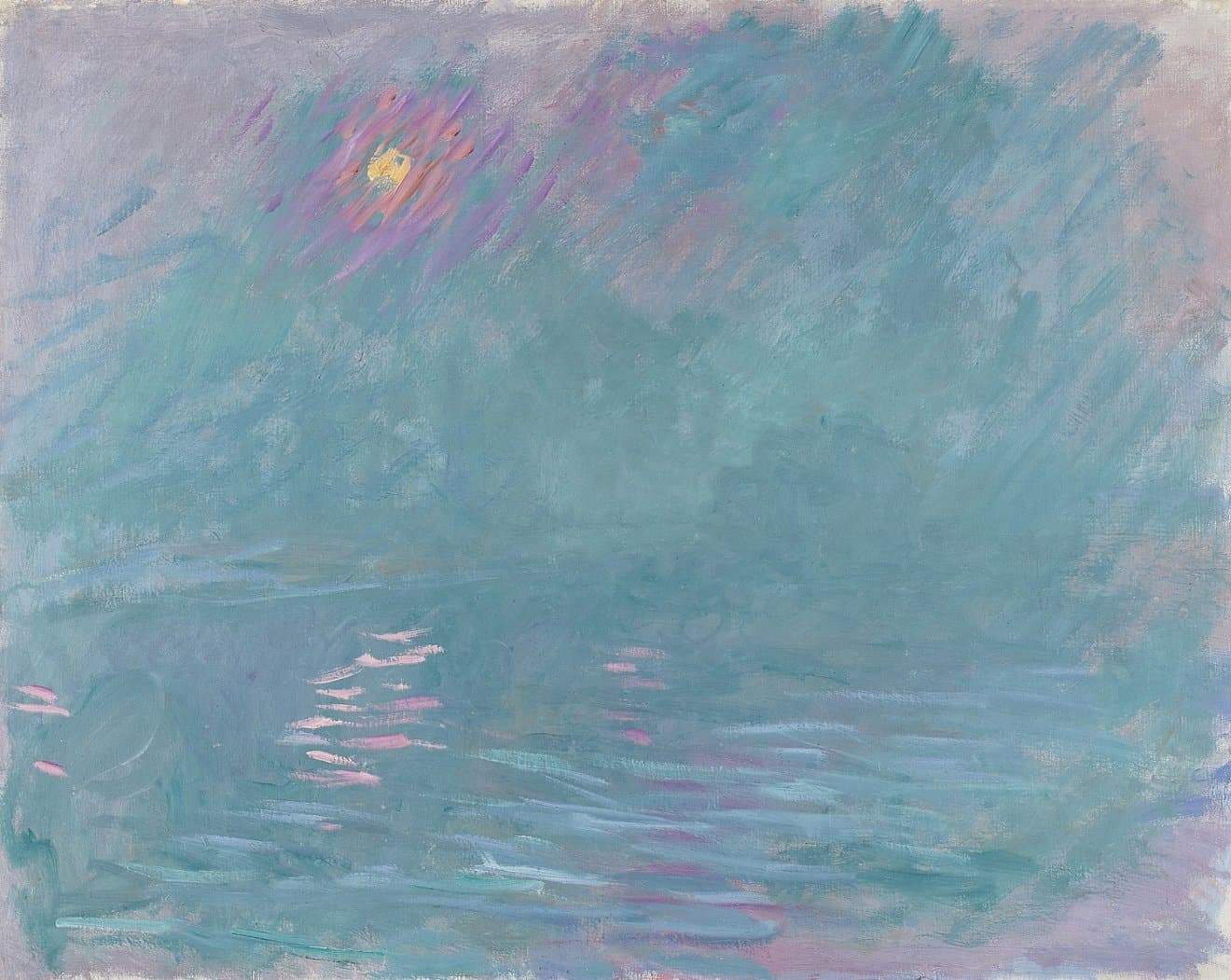
Waterloo Bridge (Kerry Stokes Collection)
Claude Monet · 1899–1901
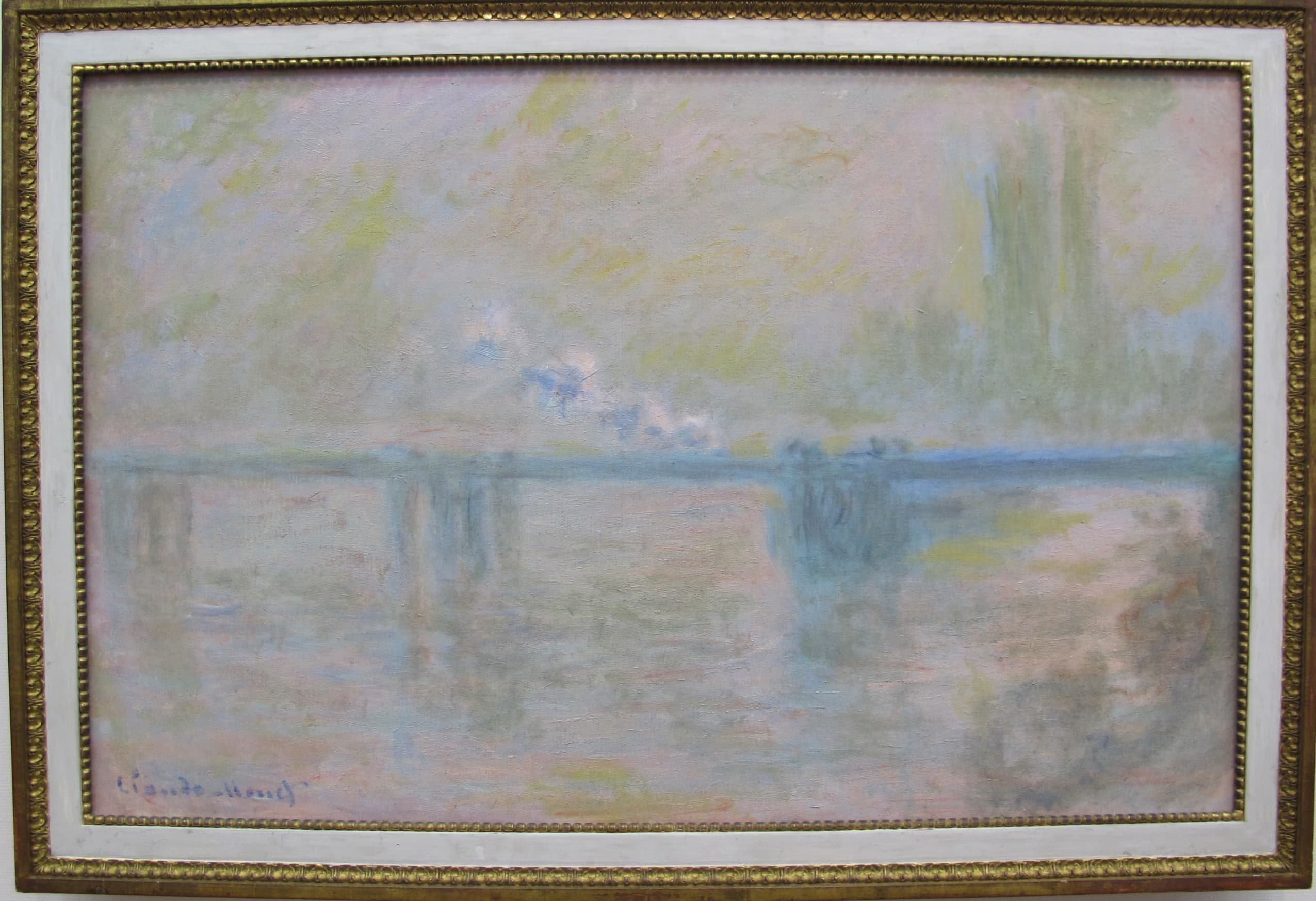
Charing Cross Bridge (Overcast Day)
Claude Monet · 1900
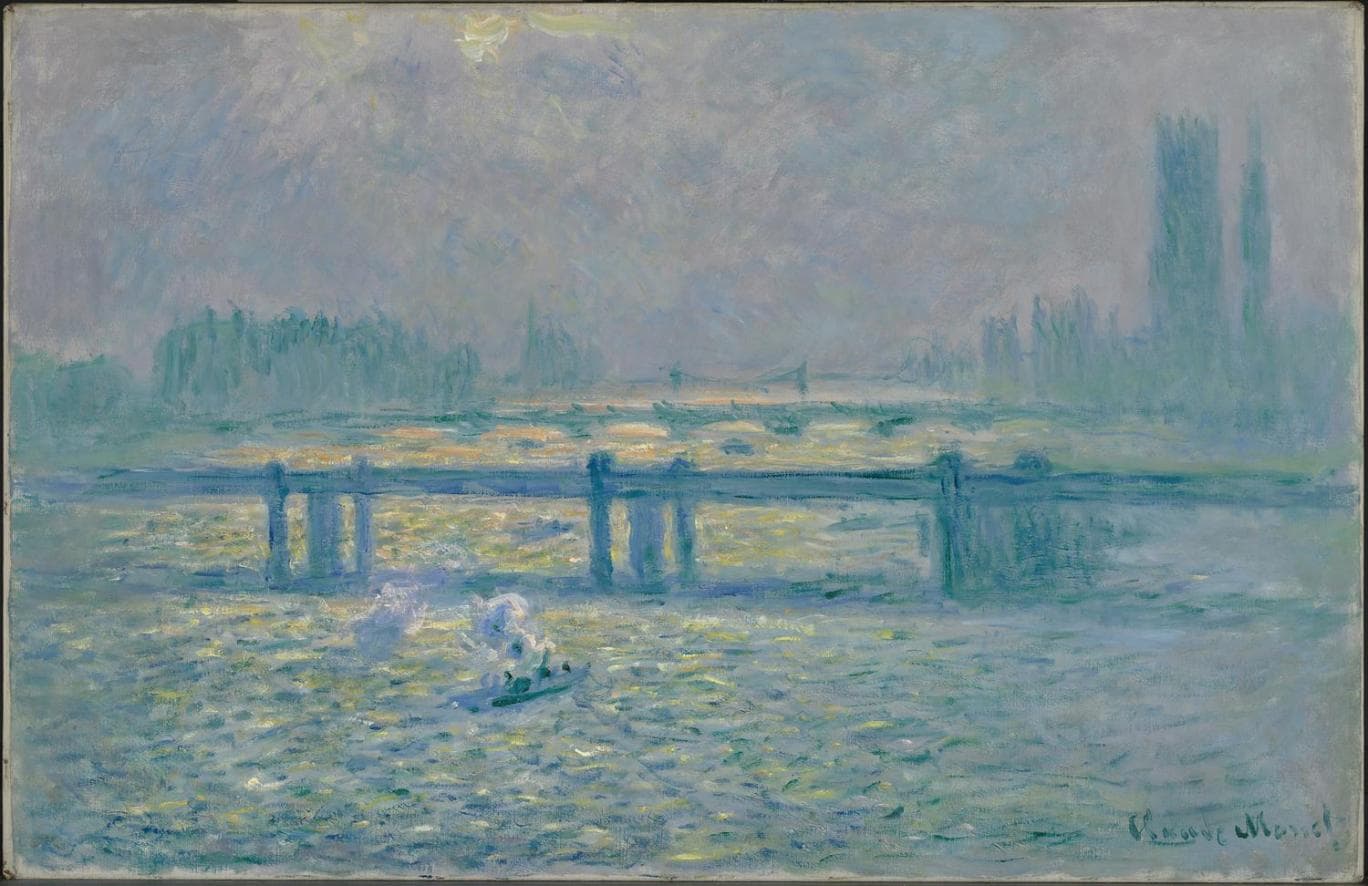
Charing Cross Bridge, Reflections on the Thames
Claude Monet · c. 1900
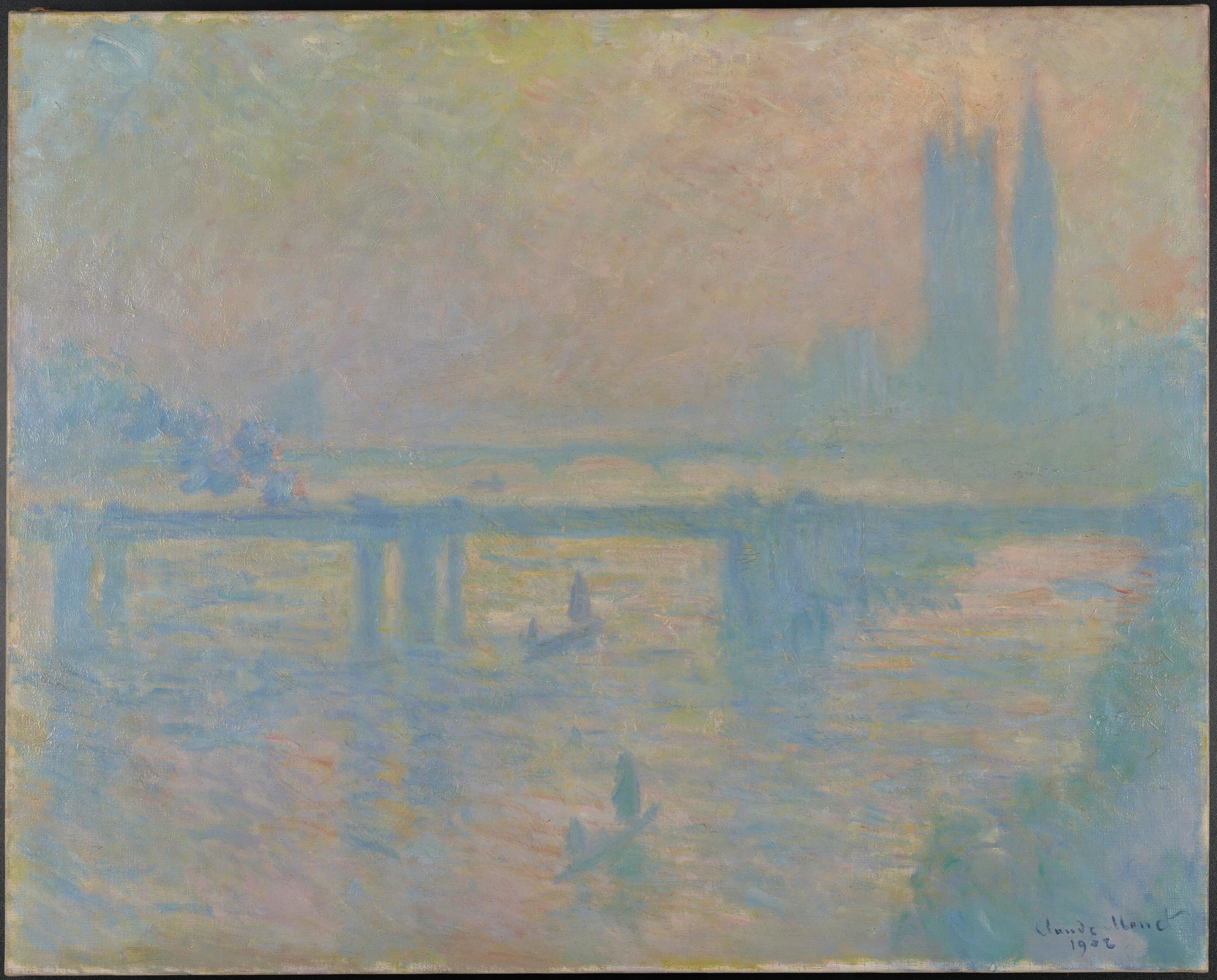
Charing Cross Bridge (Cardiff)
Claude Monet · c. 1900 (dated 1902)
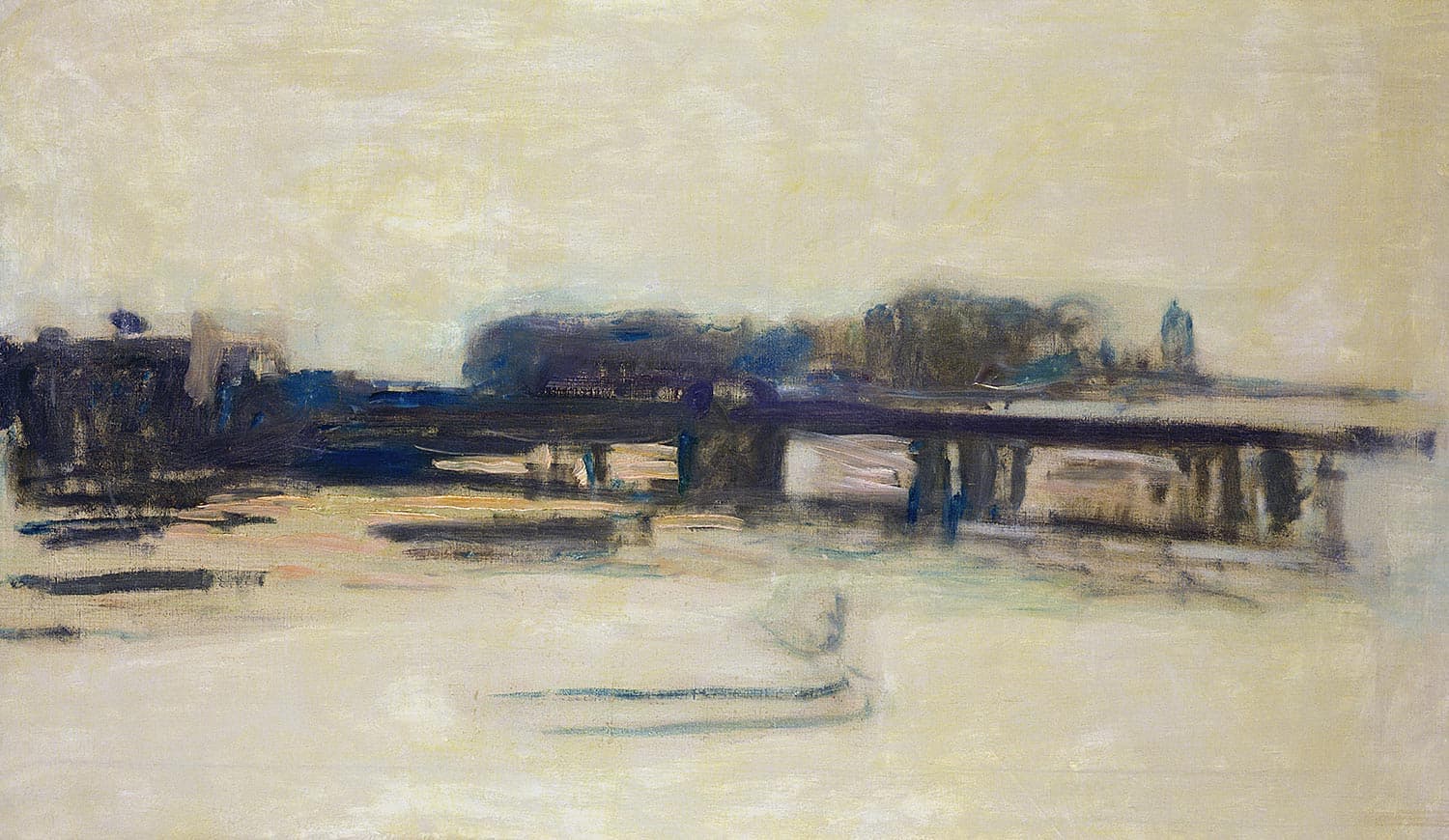
Charing Cross Bridge, London (Marmottan study)
Claude Monet · c. 1899–1901
Kindred works
You may also study
Charing Cross Bridge, London (Marmottan study)
Claude Monet · c. 1899–1901
Charing Cross Bridge, Smoke in the Fog, Impression
Claude Monet · 1902
Charing Cross Bridge, London
Claude Monet · 1901
Charing Cross Bridge (Saint Louis)
Claude Monet · 1903
Waterloo Bridge, Effect of Fog
Claude Monet · 1903
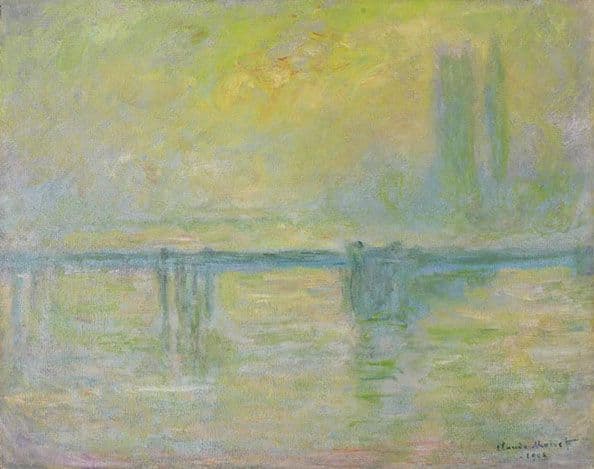
Charing Cross Bridge, Fog
Claude Monet · 1902–03
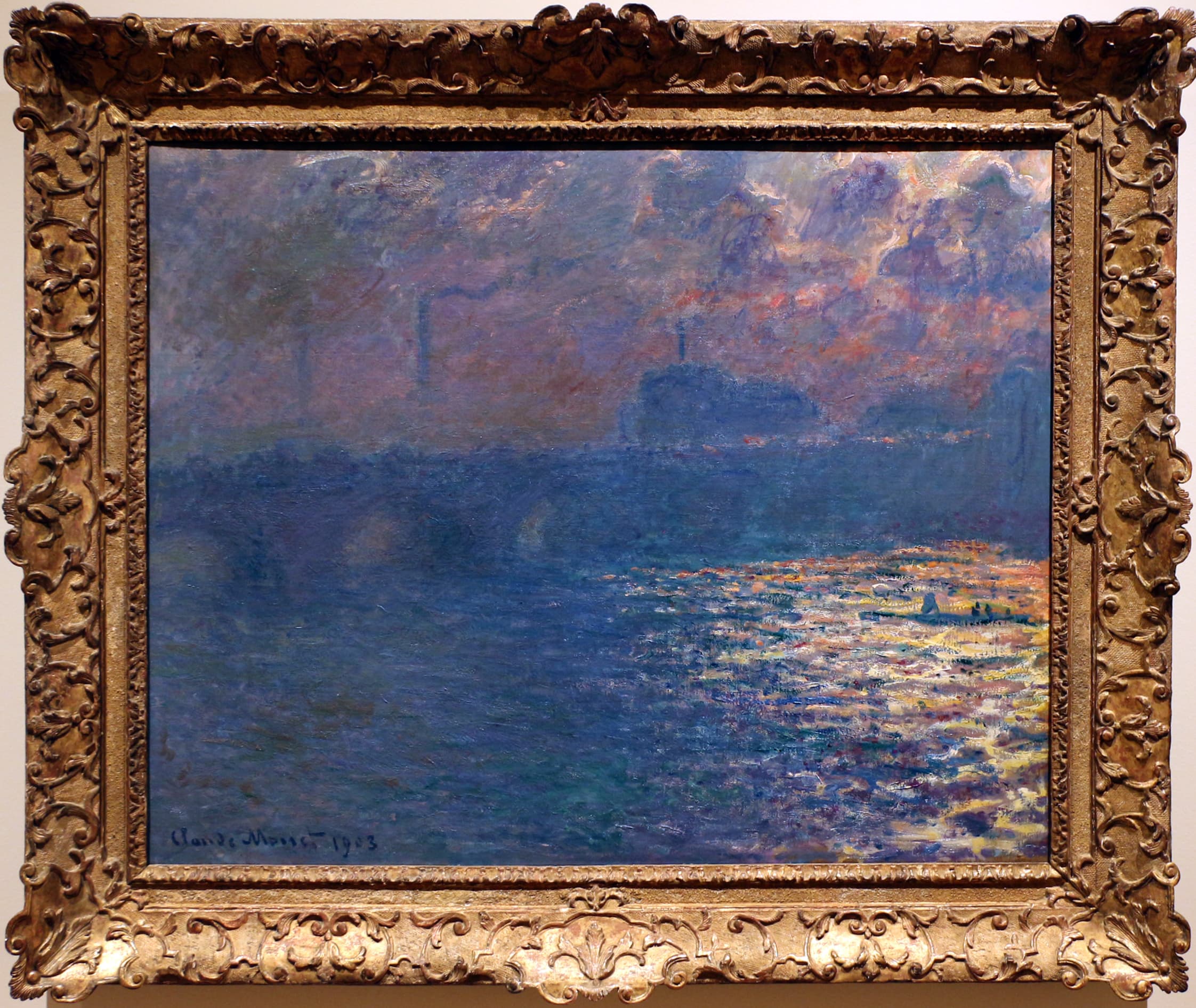
Waterloo Bridge, Sunlight Effect
Claude Monet · c. 1900 (dated 1903)
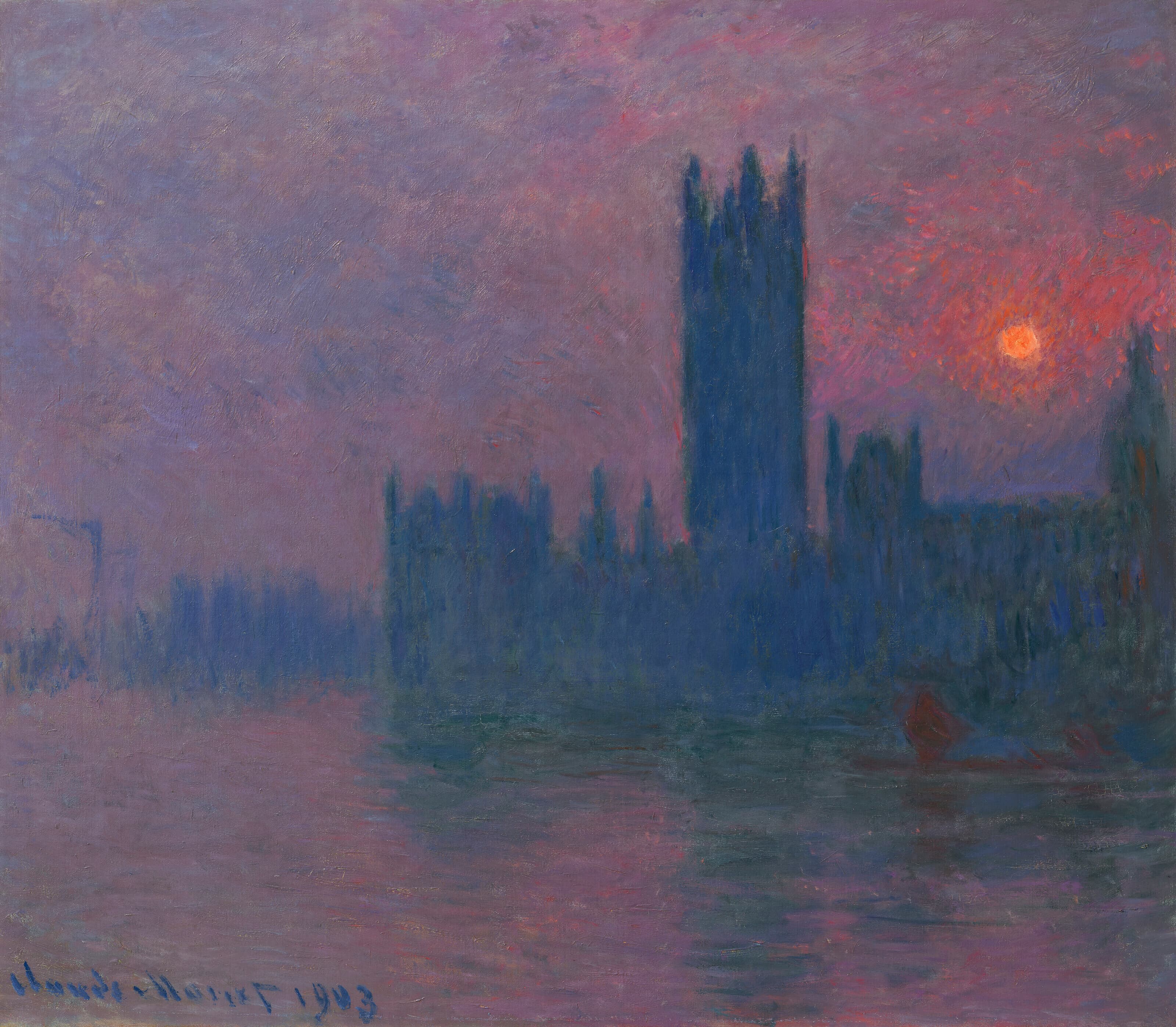
Houses of Parliament, Sunset
Claude Monet · 1903