Image: Philadelphia Museum of Art, via Google Arts & Culture · Public domain · via Wikimedia Commons
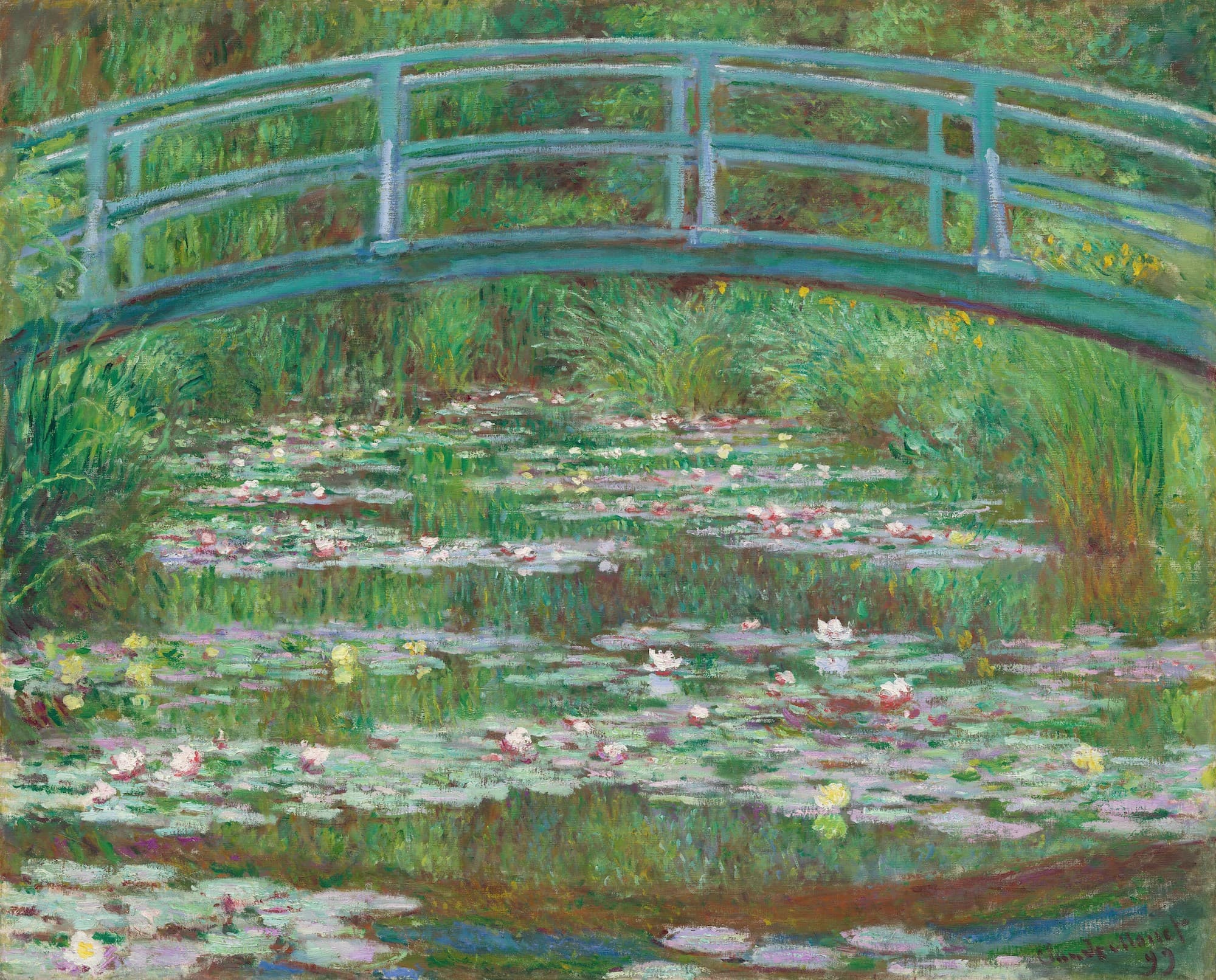
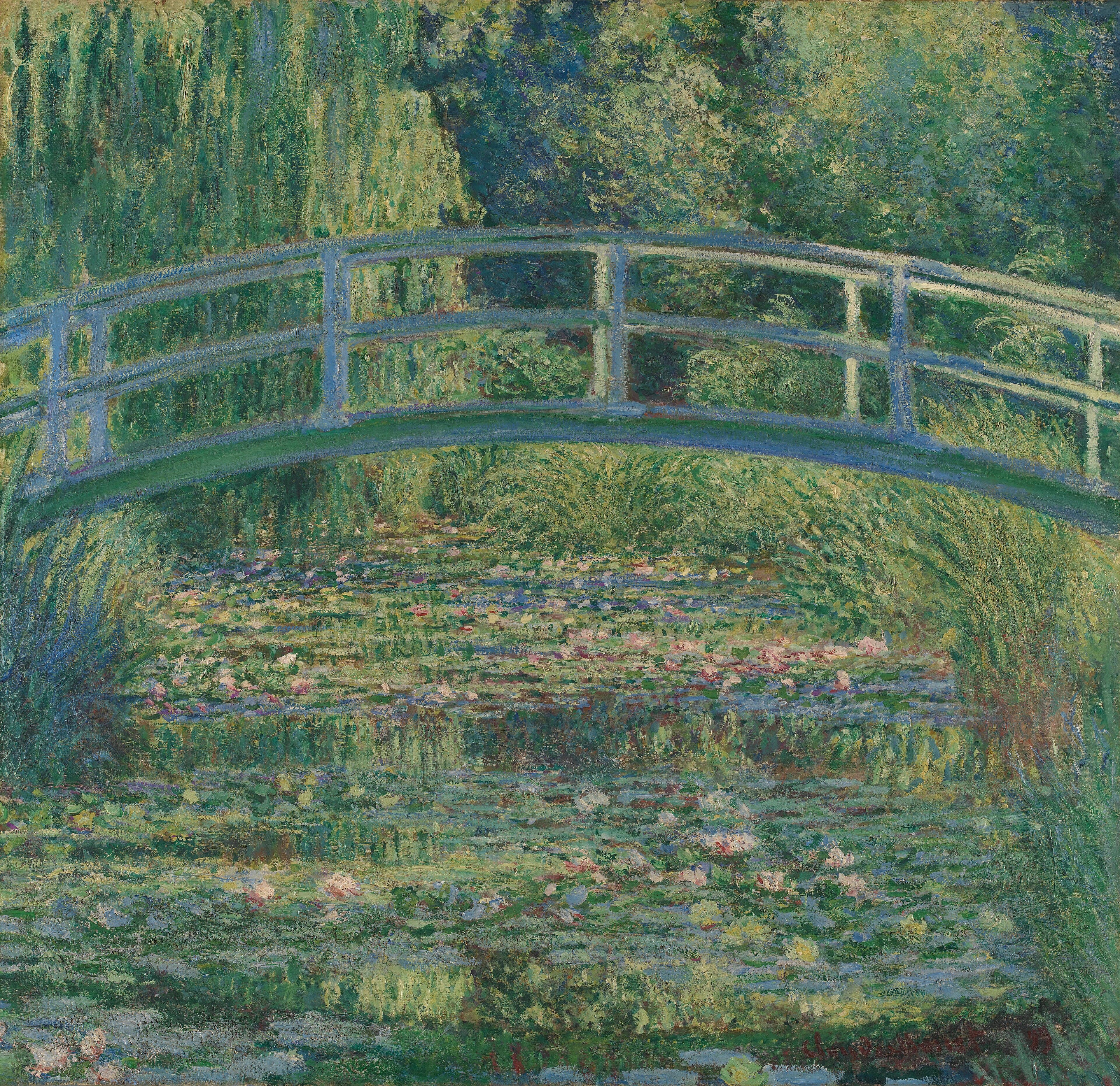
The Japanese Footbridge and the Water Lily Pool, Giverny
Claude Monet, 1899
The Japanese Footbridge and the Water Lily Pool, Giverny is an 1899 painting by Claude Monet of the arched green bridge over his lily pond, framed by willow and dense foliage. It is in the Philadelphia Museum of Art.
- Artist
- Claude Monet
- Date
- 1899
- Medium
- Oil on canvas
- Dimensions
- 89.2 × 93.3 cm
- Collection
- Philadelphia Museum of Art, Philadelphia, United States
- Movement
- Impressionism
- Catalogue
- Wildenstein 1512
- Nature & Landscape
- Water & Sea
The Japanese Footbridge and the Water Lily Pool, Giverny is one of the canvases Claude Monet painted in 1899 of the wooden bridge across the lily pond in his garden. Measuring 89.2 by 93.3 centimeters, it is in the Philadelphia Museum of Art, part of the Mr. and Mrs. Carroll S. Tyson, Jr., Collection, which came to the museum in 1963 (1963-116-11).
What you're looking at
The bridge crosses the canvas from edge to edge in a shallow arch, about a third of the way down. It is painted in cool green and blue-gray, with its railings drawn as a rhythm of uprights and rails, and it is cut off at both sides so that we see neither where it starts nor where it lands. Behind it, the far bank is a wall of vegetation: the long drooping fronds of a weeping willow at the upper left, then dense masses of darker green trees, and in the top right corner a patch of light breaking through the leaves.
Below the bridge, the pond fills the lower two thirds. Its surface is covered with lily pads, painted as small flat dabs of yellow-green and olive, arranged in horizontal bands that recede toward the bridge. Among them, flowers in white, pink and rose sit as single touches of thicker paint. Between the bands of pads, open water carries dark reflections of the trees, reds and browns of the reeds, and a few streaks of pale sky. At the right edge, a clump of reeds rises from the bank.
The picture is almost square, and that format, together with the bridge cutting straight across, gives it a calm, decorative symmetry.
The pond in 1899
Monet had rented the house at Giverny since 1883 and bought it in 1890. In 1893 he acquired a strip of marshy land across the road and railway, and received permission to divert a small arm of the Epte to feed a pond, which he stocked with hardy and tropical water lilies and crossed with a wooden bridge in the Japanese manner. The bridge was in place by the mid-1890s, and wisteria would later be trained over it. In the summer of 1899 Monet painted a sequence of about a dozen views of it from nearly the same spot on the bank, and several of them were shown at the Galerie Durand-Ruel in Paris late in 1900.
How this version differs
The 1899 bridge pictures look alike at first glance, and the differences are of tone. The Met's Bridge over a Pond of Water Lilies is lighter and brighter, with a cooler bridge. The National Gallery's The Water-Lily Pond in London is darker and greener, and the Pushkin's White Water Lilies is the most luminous, with sunlit blue patches in the trees. Philadelphia's version stands between them: full, saturated greens, a bridge that reads clearly against the foliage, and a busy, richly flowered pond. The Orsay's Water Lily Pond, Green Harmony shows the same view.
How it was painted
Monet built the foliage from vertical and diagonal strokes, longest in the willow, shorter and denser in the trees beyond. The pads are laid in horizontal touches that grow smaller toward the bridge, so the pond appears to recede even though there is no horizon. The bridge itself is painted with long, clean strokes, the firmest drawing in the picture.
Where to see it
The painting is in the Philadelphia Museum of Art's European paintings collection; check the museum's website, as it may not always be on view. This bridge belongs to the Japanese Footbridge pictures and to the larger Water Lilies series; for the garden see Giverny. For other Monet collections, see Where to See Monet's Paintings.
Questions & answers
Where is this Monet Japanese footbridge painting?
It is in the Philadelphia Museum of Art, part of the Mr. and Mrs. Carroll S. Tyson, Jr., Collection, which entered the museum in 1963 (1963-116-11). It may not always be on view.
When and where was it painted?
In 1899, in Monet's water garden at Giverny, Normandy. He painted about a dozen views of the bridge that summer from nearly the same spot on the bank.
What does it show?
The green wooden footbridge arching across Monet's lily pond, with a weeping willow and dense trees behind and a surface of lily pads and pink and white flowers below.
How many Japanese bridge paintings did Monet make?
About a dozen in 1899, a further group in 1900, and later, freer versions around 1918–24. Others from 1899 are in the Met, the National Gallery London, the Pushkin Museum and the Musée d'Orsay.
More by the artist
Claude Monet
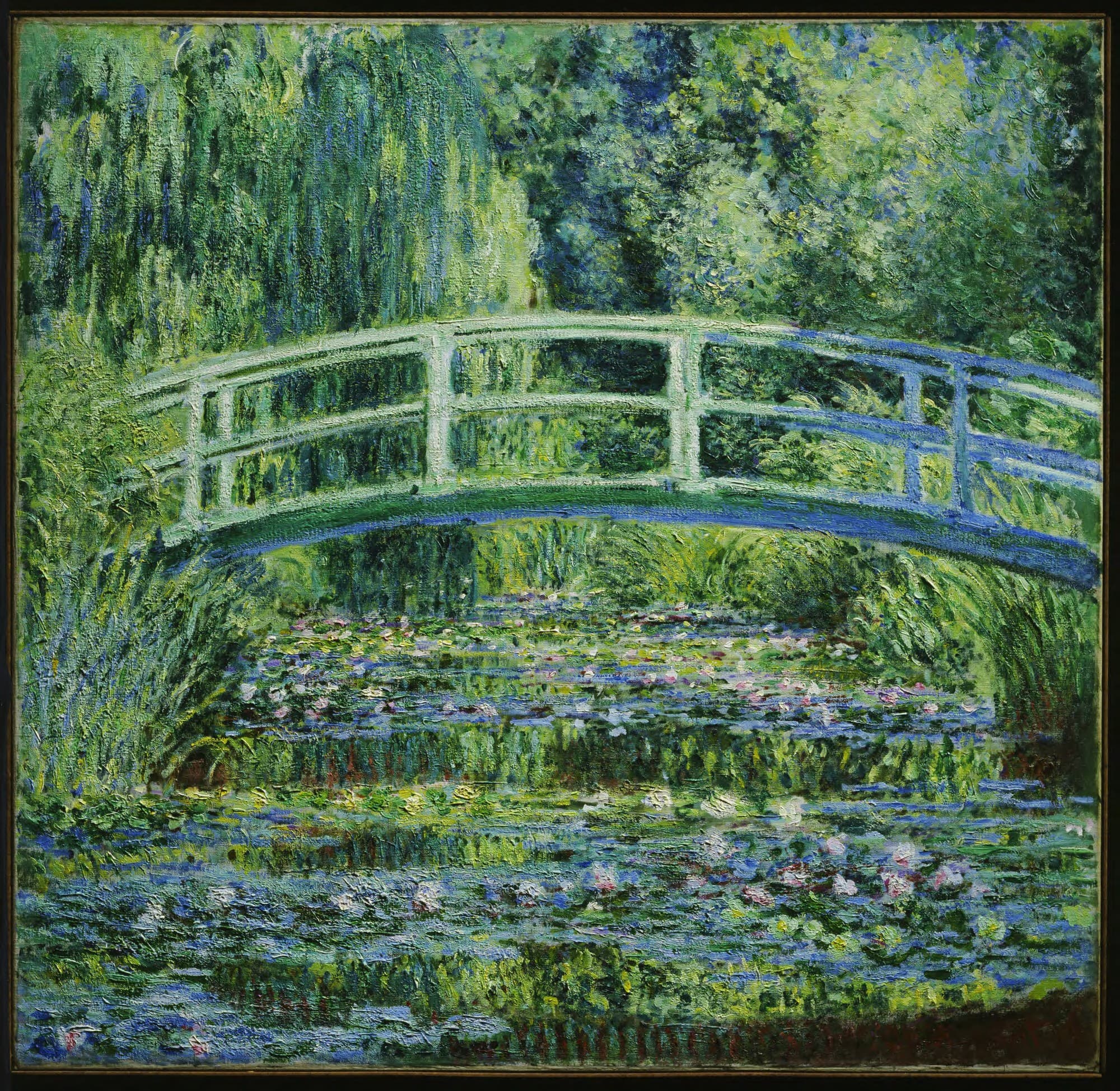
Water Lilies and Japanese Bridge
Claude Monet · 1899
The Japanese Footbridge
Claude Monet · 1899
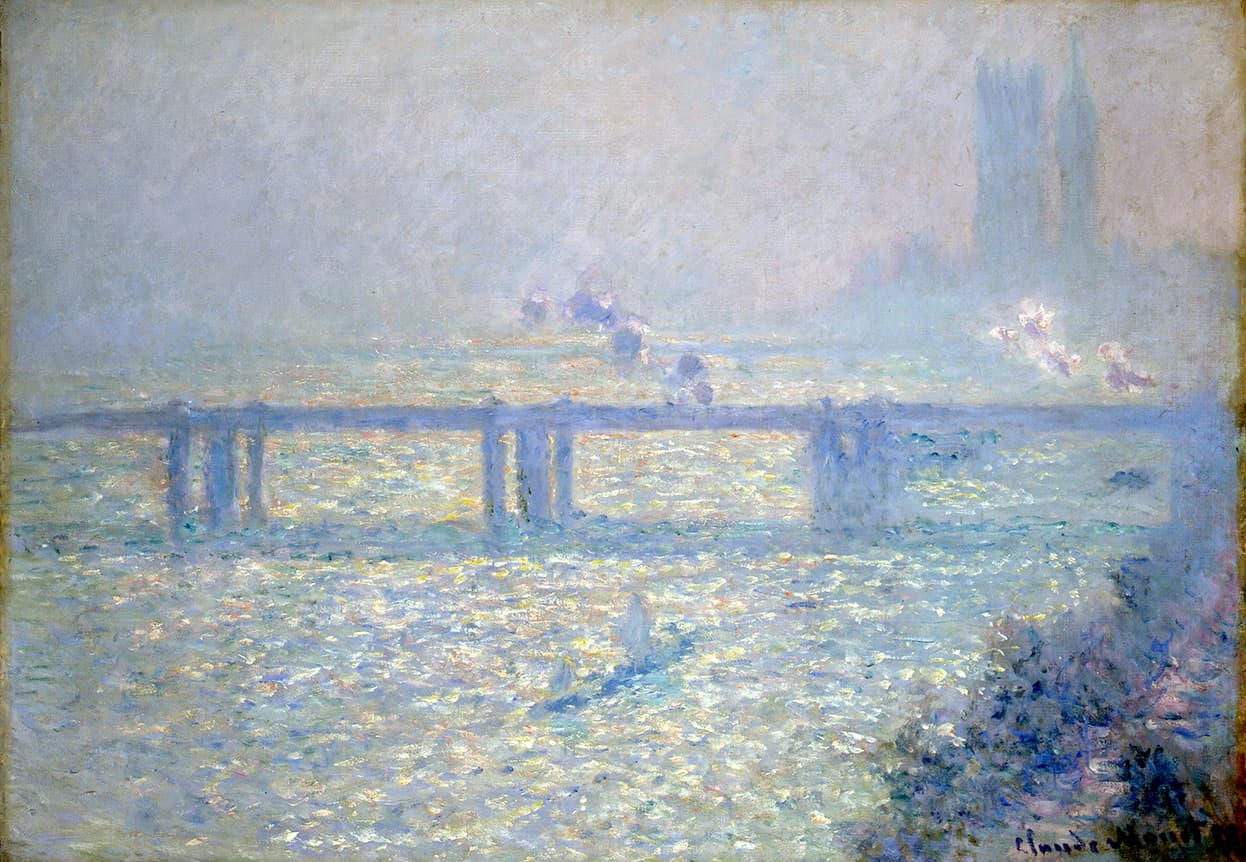
Charing Cross Bridge (Shelburne Museum)
Claude Monet · 1899
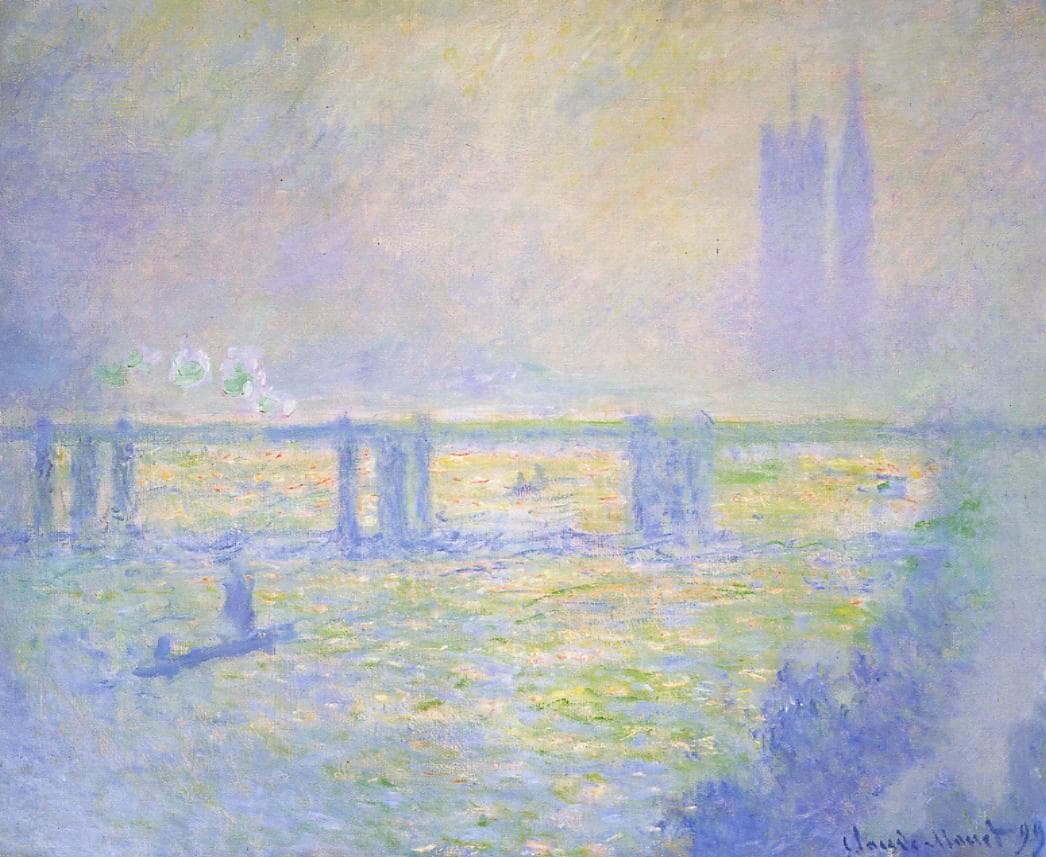
Charing Cross Bridge
Claude Monet · 1899
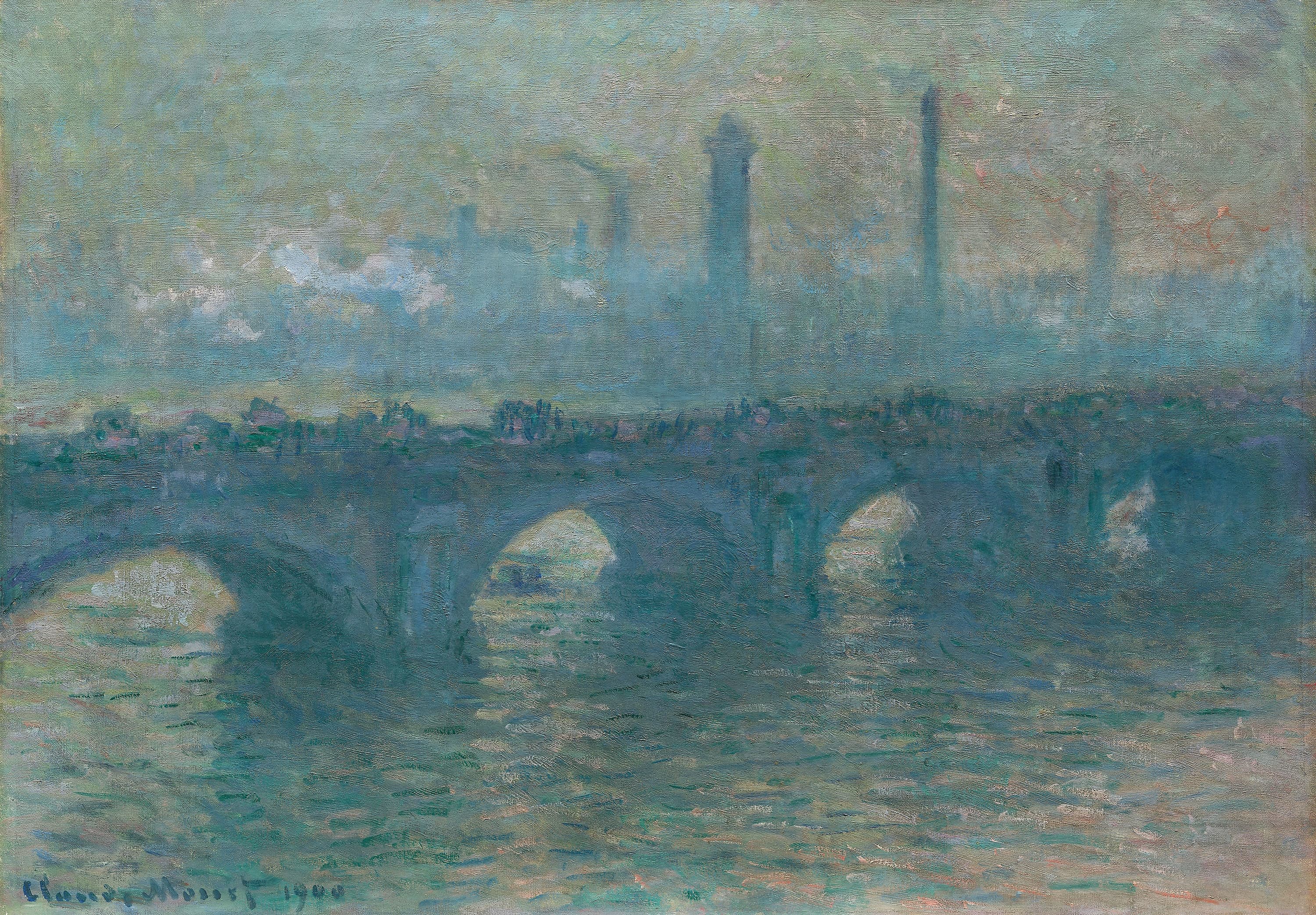
Waterloo Bridge, Gray Weather
Claude Monet · 1900
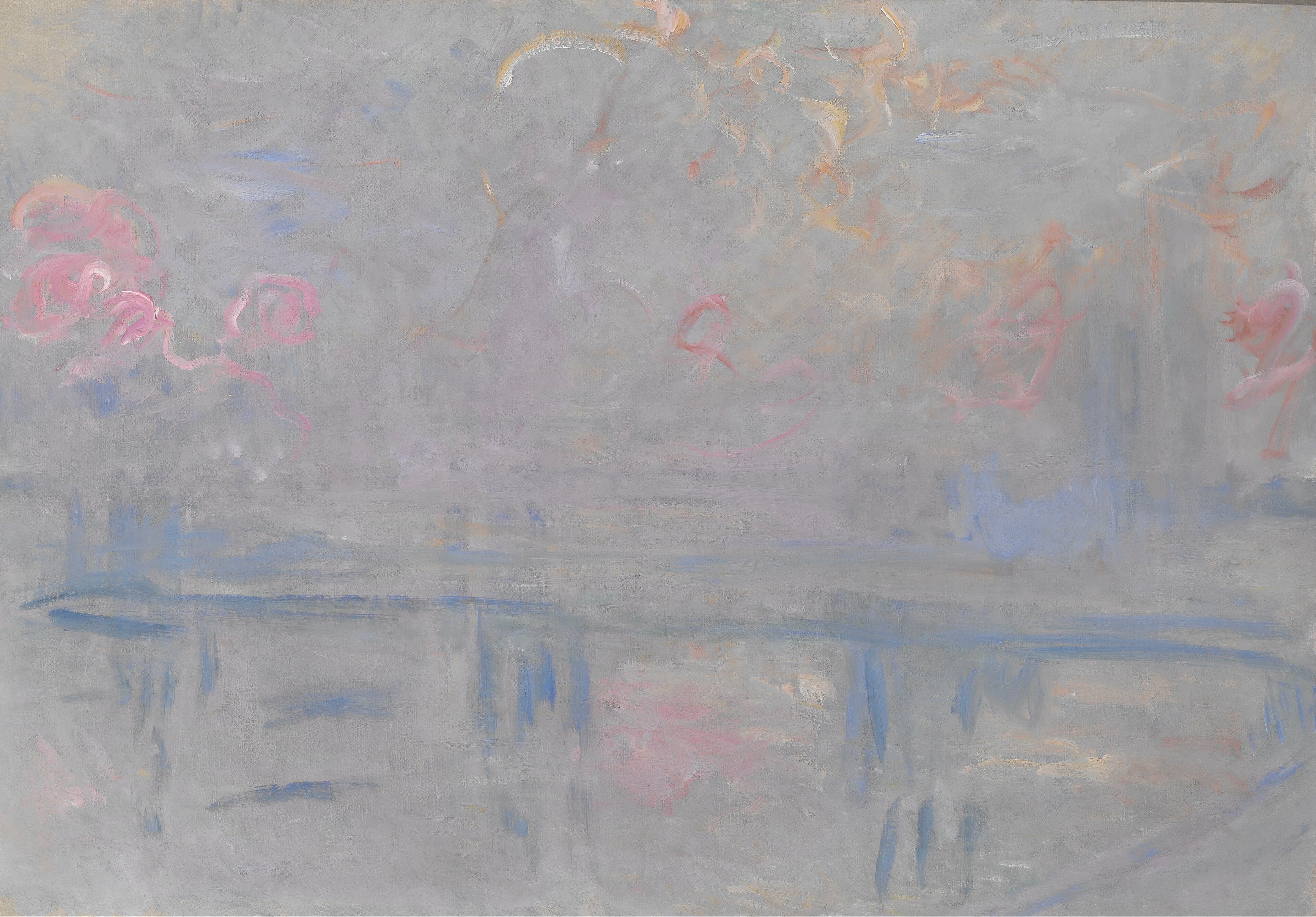
Charing Cross Bridge (Indianapolis)
Claude Monet · c. 1900

Bridge over a Pond of Water Lilies
Claude Monet · 1899
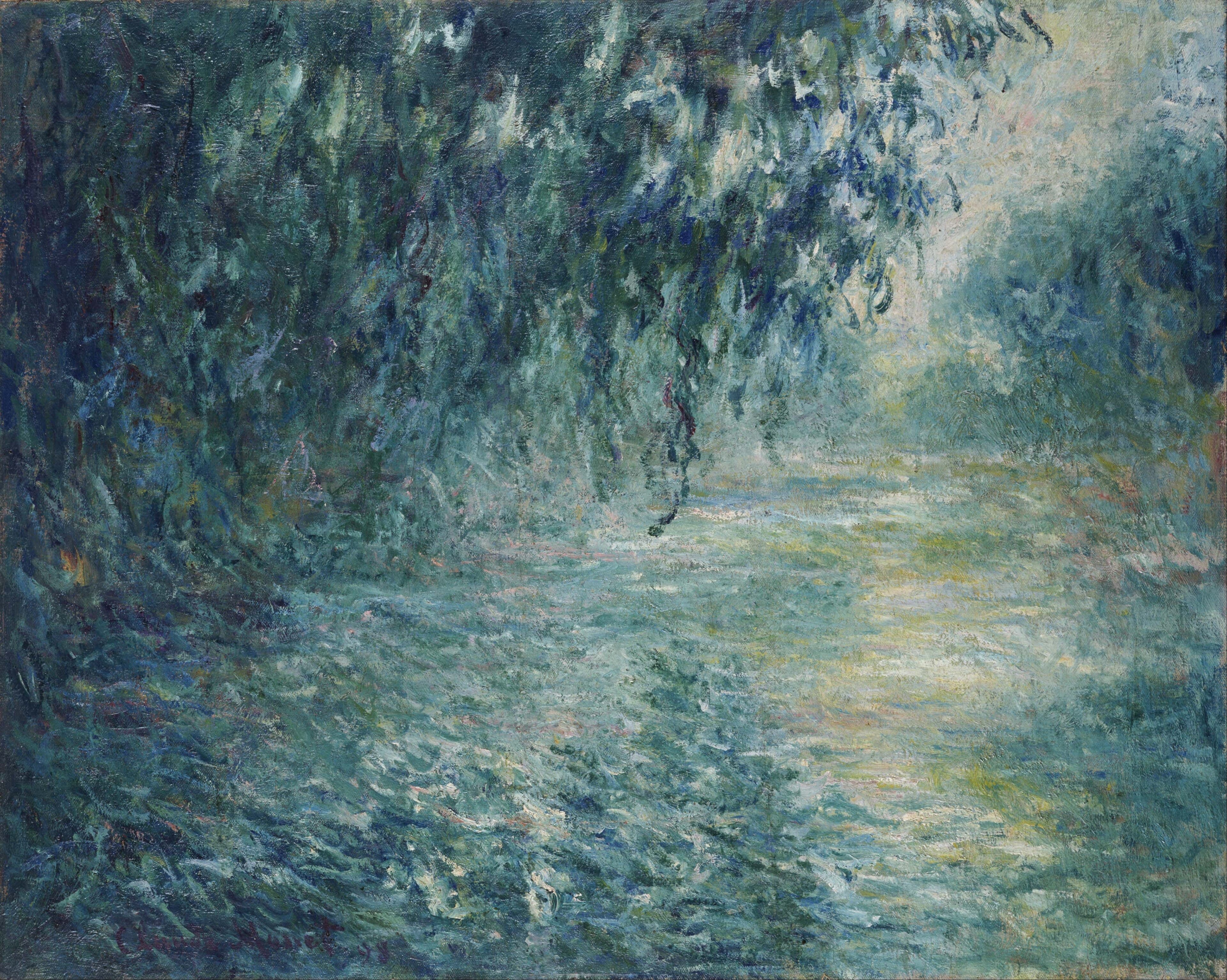
Morning on the Seine
Claude Monet · 1898
Also painted in 1899
The same year
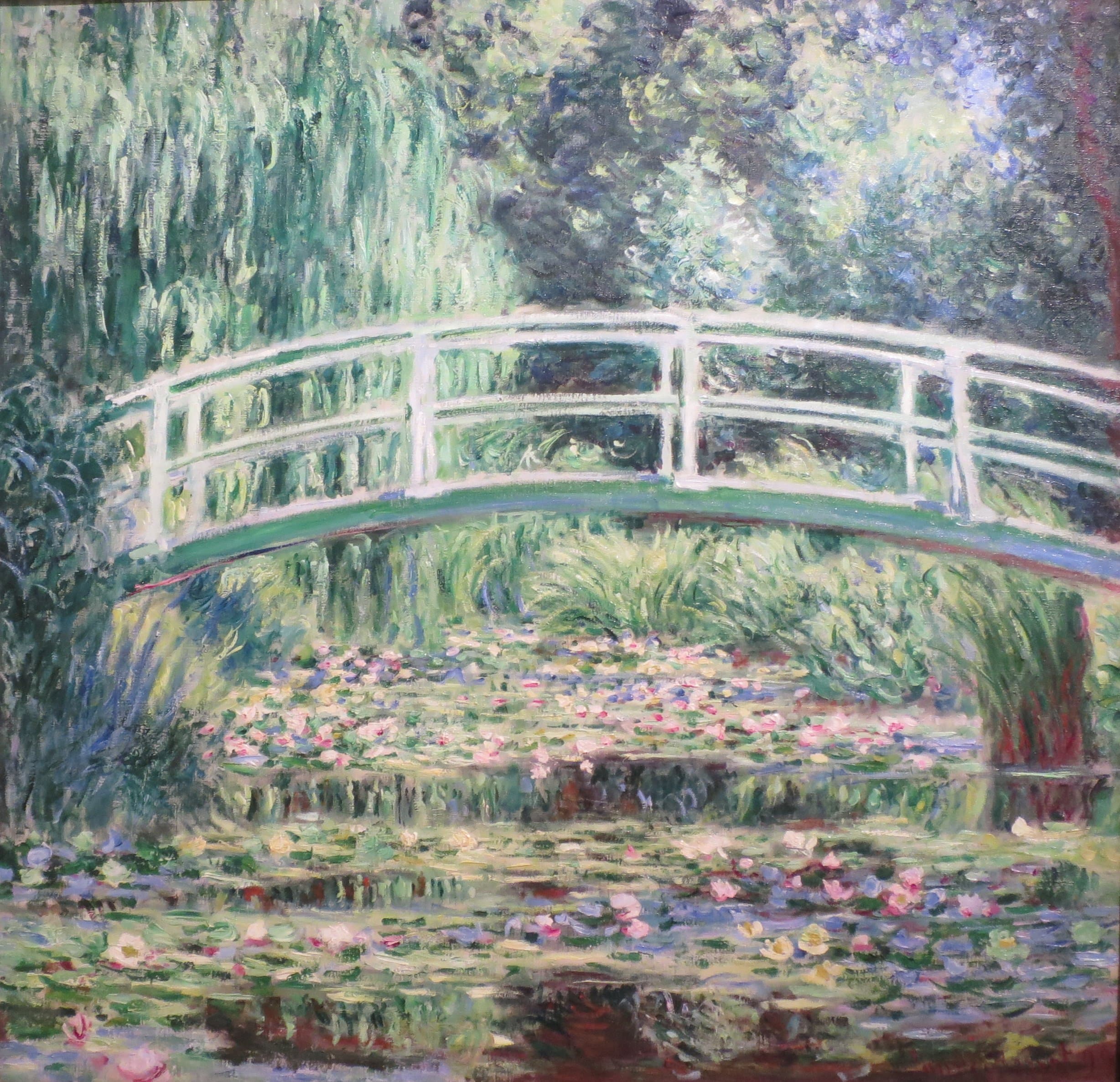
White Water Lilies
Claude Monet · 1899
The Water-Lily Pond (National Gallery, London)
Claude Monet · 1899
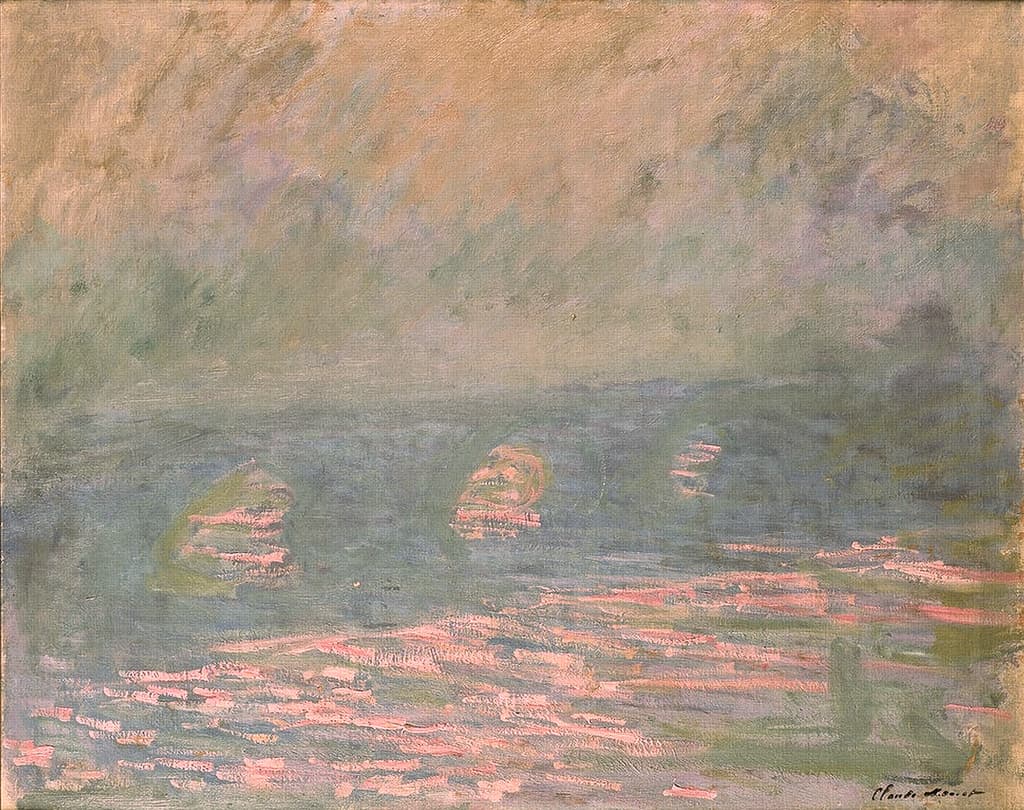
Waterloo Bridge (Matsushita Museum of Art)
Claude Monet · 1899–1901
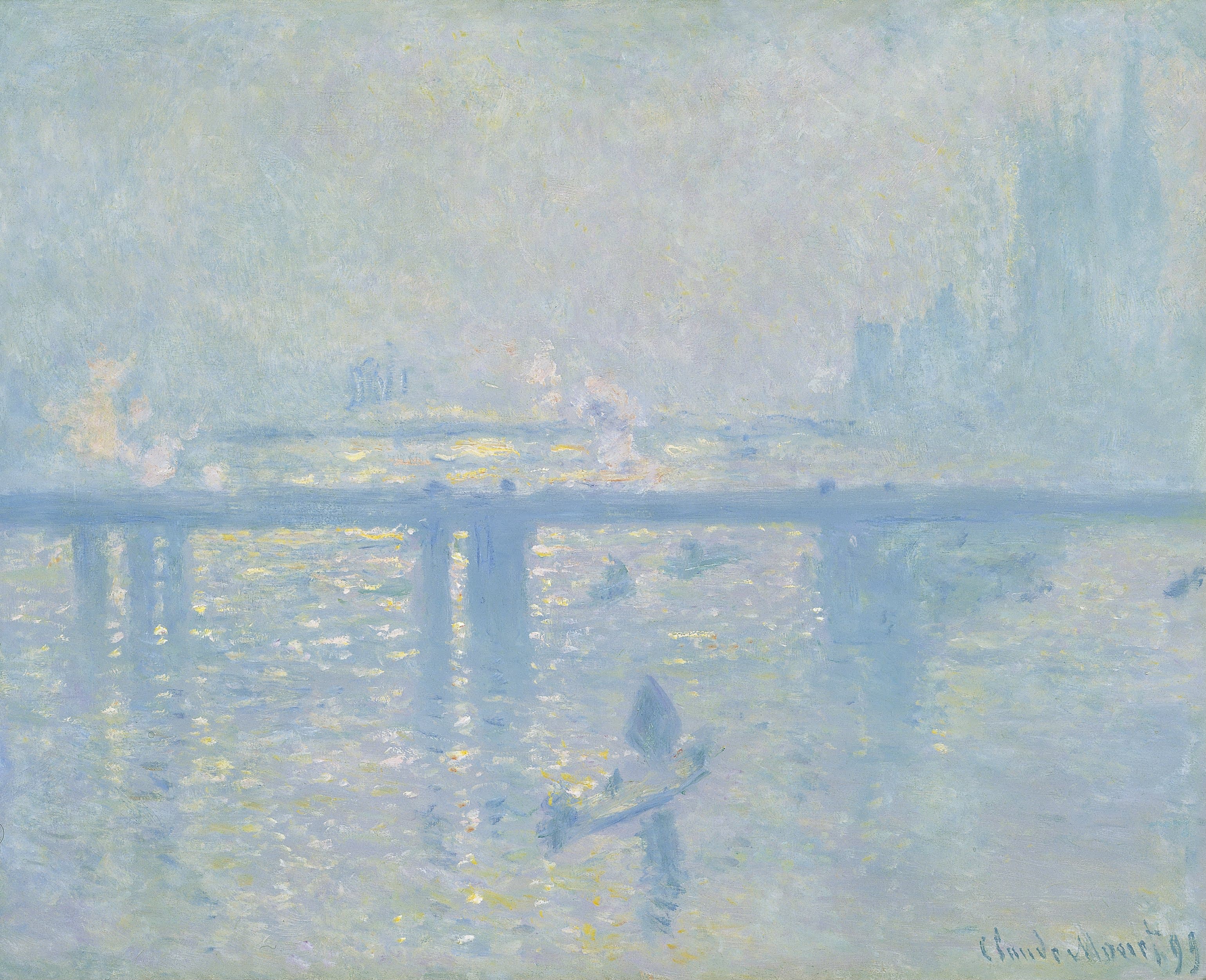
Charing Cross Bridge
Claude Monet · 1899
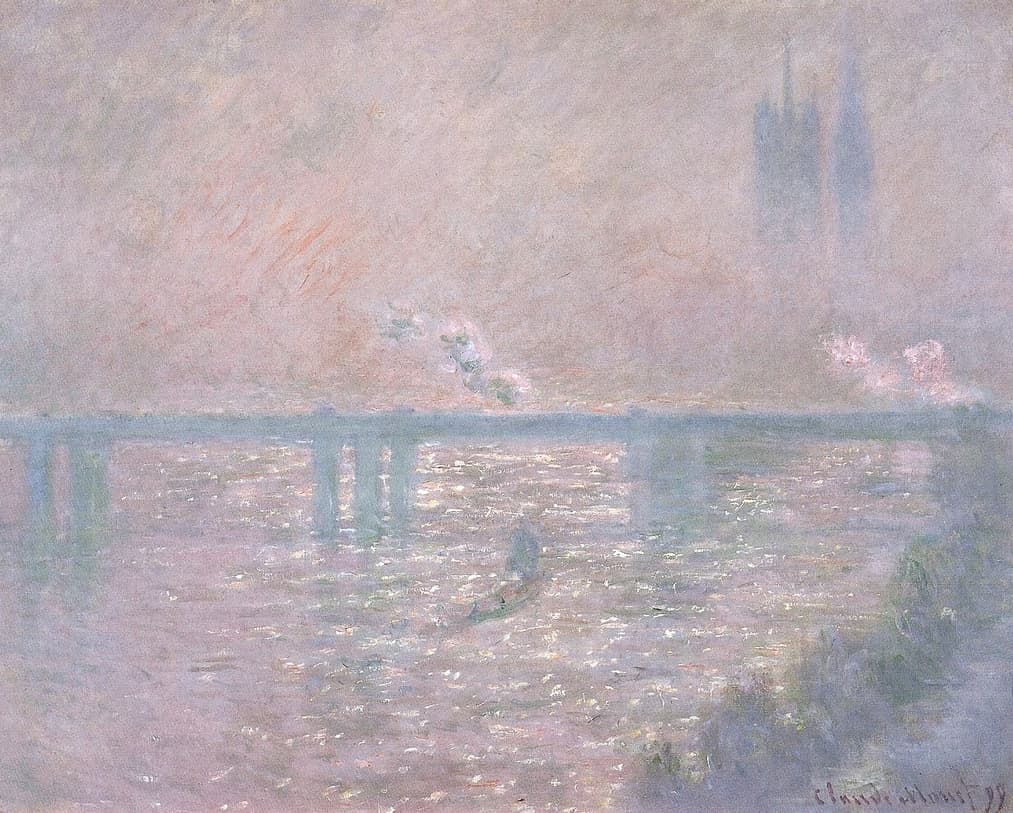
Charing Cross Bridge
Claude Monet · 1899
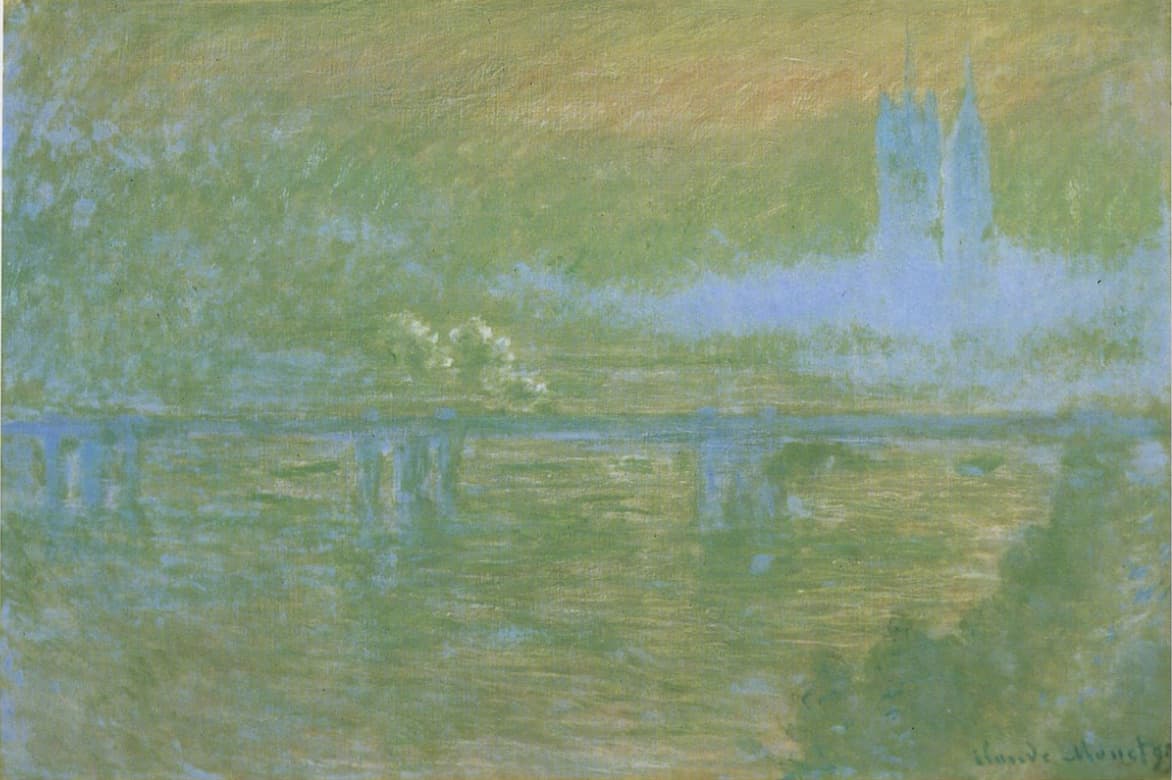
Charing Cross Bridge
Claude Monet · c. 1899
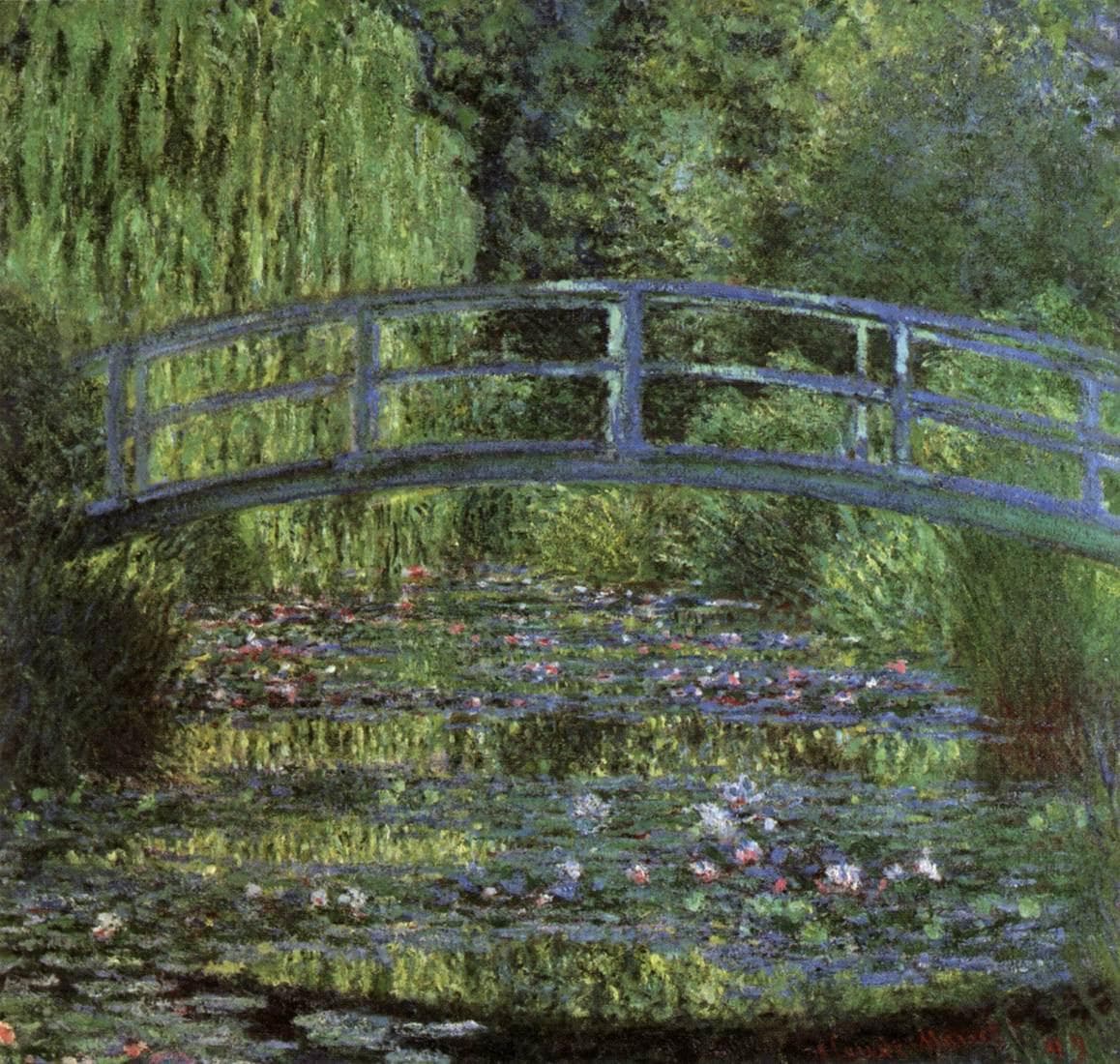
Water Lily Pond, Green Harmony
Claude Monet · 1899
Kindred works
You may also study
The Water-Lily Pond (National Gallery, London)
Claude Monet · 1899
White Water Lilies
Claude Monet · 1899
Water Lily Pond, Green Harmony
Claude Monet · 1899
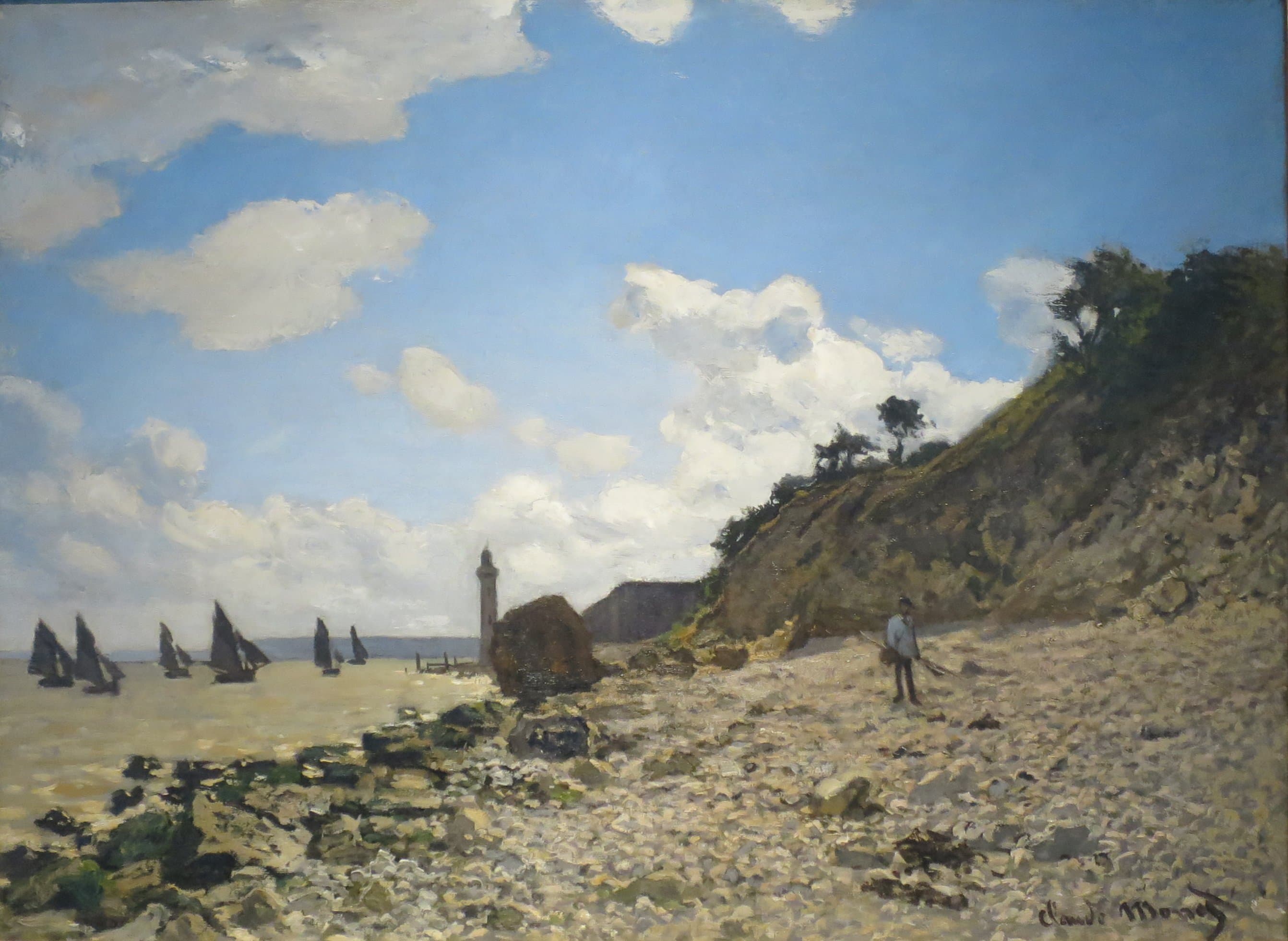
The Beach at Honfleur
Claude Monet · 1864–66
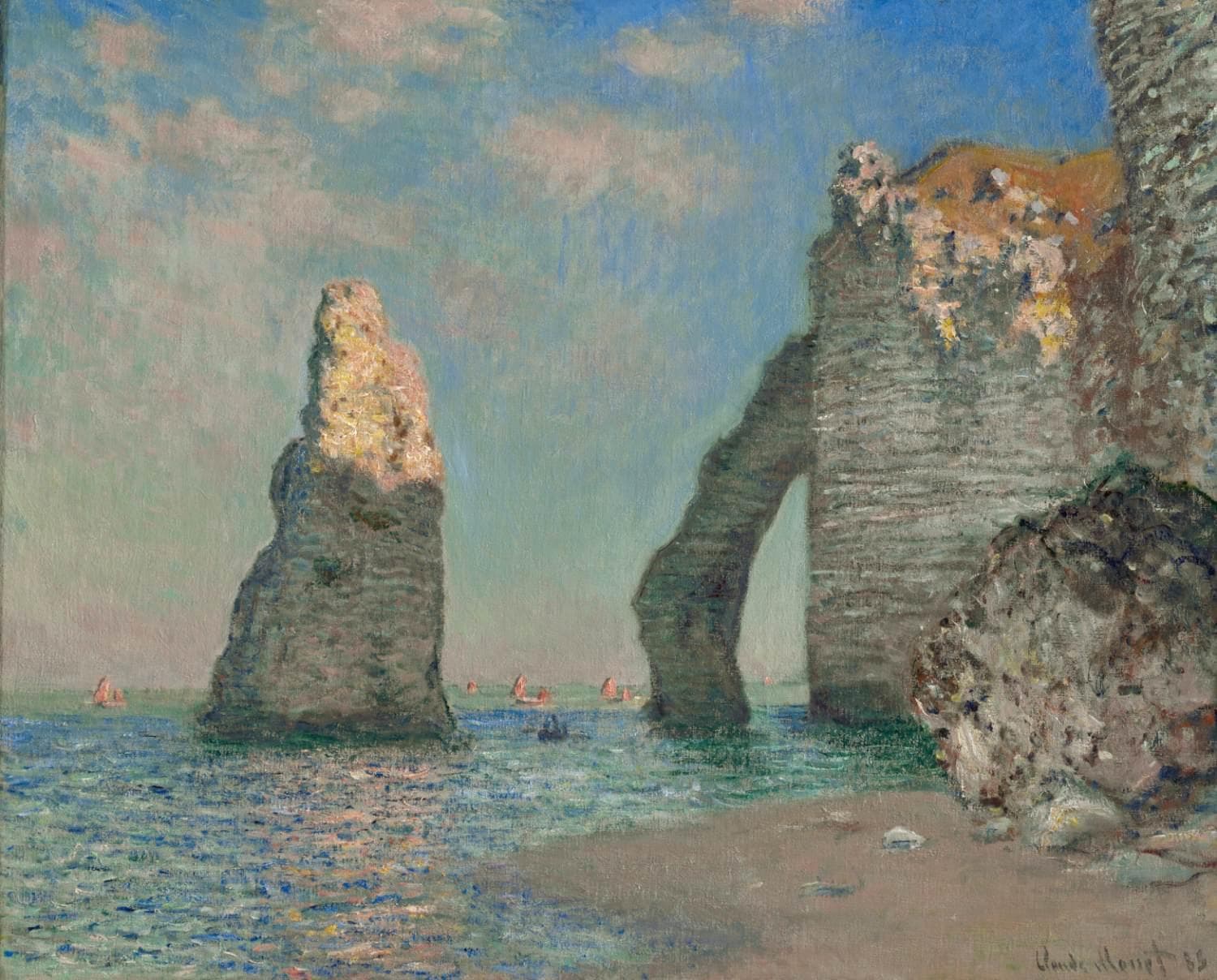
The Cliffs at Étretat
Claude Monet · 1885
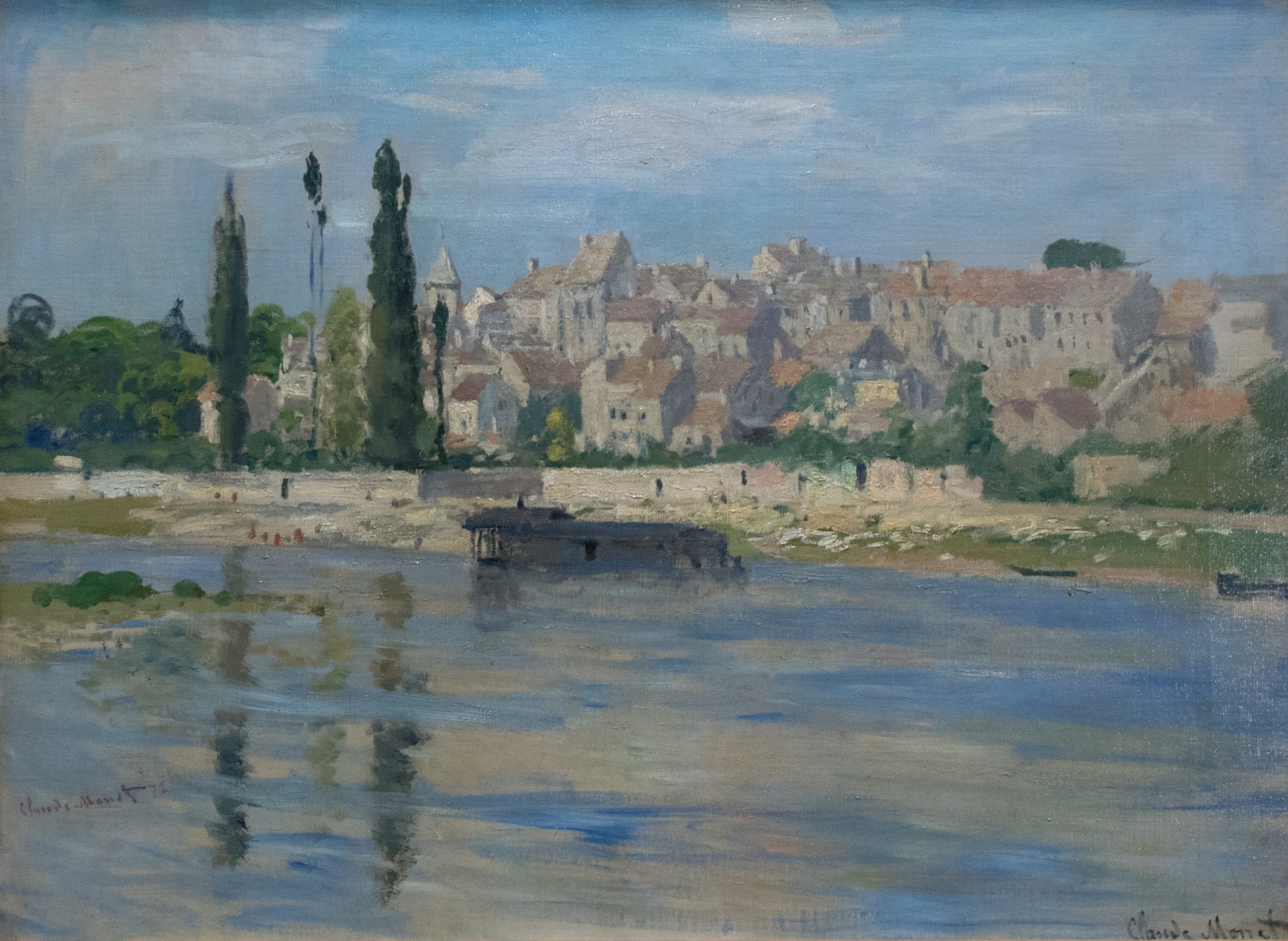
Carrières-Saint-Denis
Claude Monet · 1872
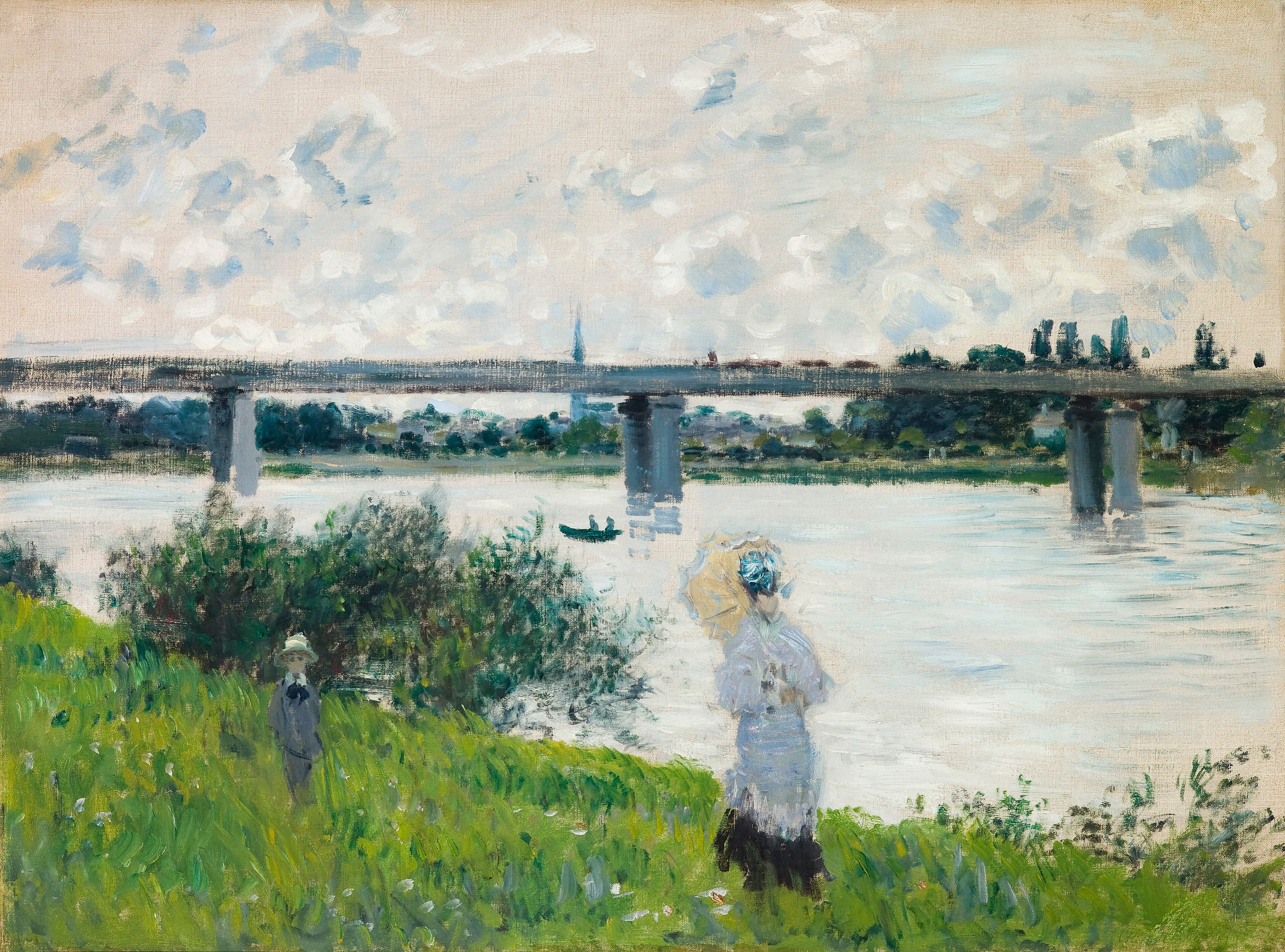
The Promenade with the Railroad Bridge, Argenteuil
Claude Monet · 1874
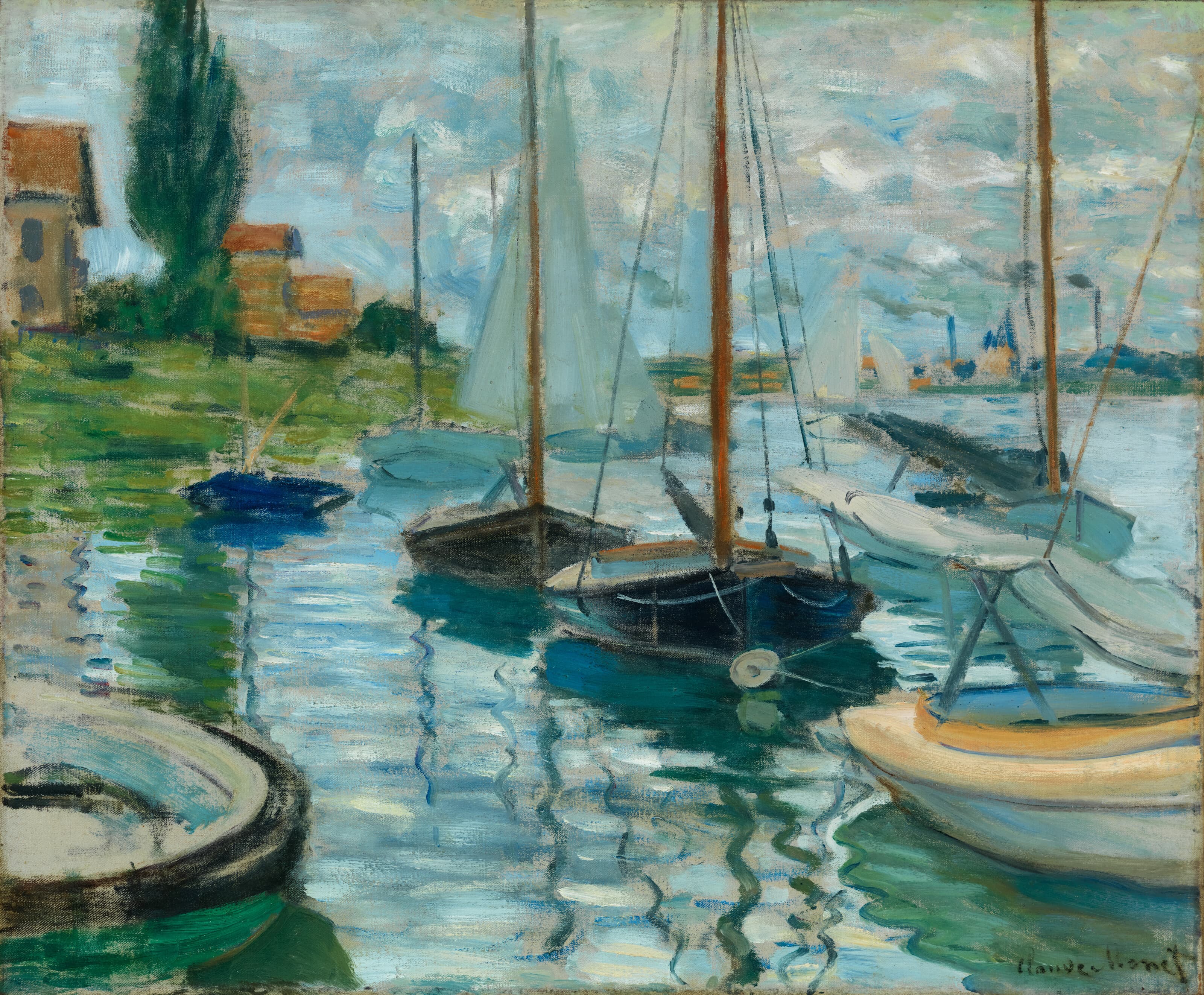
Sailboats on the Seine at Petit-Gennevilliers
Claude Monet · 1874