Image: Flickr (as stated on Commons) · Public domain · via Wikimedia Commons
The Water-Lily Pond and Bridge
Claude Monet, 1905
The Water-Lily Pond and Bridge is a 1905 painting by Claude Monet of his Giverny pond seen from a distance, the footbridge half-hidden under trees and willow above a surface of lilies. It is in a private collection.
- Artist
- Claude Monet
- Date
- 1905
- Medium
- Oil on canvas
- Dimensions
- 86 × 100 cm
- Collection
- Private collection
- Movement
- Impressionism
- Catalogue
- Wildenstein 1670
- Nature & Landscape
- Water & Sea
The Water-Lily Pond and Bridge is a painting by Claude Monet signed and dated "Claude Monet 1905" at lower left. It shows the water-lily pond in his garden at Giverny from farther back than his earlier bridge pictures, with the wooden footbridge half-hidden in shade beneath trees and a weeping willow. Public catalogue data give it the Wildenstein number 1670 and a size of about 86 by 100 centimeters. It is in a private collection.
What you're looking at
The bridge is set back in the middle distance, a soft, blue-green arch spanning the pond from left to right. It is shadowed by the trees that rise behind it, and its rails are suggested with a few pale strokes rather than drawn.
The trees dominate the upper half. At right, a weeping willow pours down in long, vertical strokes of yellow-green, blue and violet that almost reach the water. At left, a mass of foliage in green, blue and gold rises toward a gap of pale sky at top center, where a burst of white light breaks through the leaves.
The pond fills the lower half. Its surface is covered with lily pads in green, yellow and blue, painted in short horizontal dabs, with a few pink and white flowers at the bottom center. Between the pads, open water reflects the sky in pale blue and the trees in dark green and brown, especially at right under the willow. A band of reeds and grasses lines the bank at left.
Bridge in the distance: what makes this version distinct
In 1899 Monet painted the footbridge close up, filling the canvas with its arch, as in the Met's Bridge over a Pond of Water Lilies. By 1905 his attention was shifting from the bridge to the water surface itself, the subject of the great Water Lilies series. This canvas sits at that turning point. The bridge is still there, but it has moved back and become one element in a larger scene, while the pond, its lilies and its reflections take up half the picture.
The light is also softer and cooler than in the 1900 bridges, such as The Japanese Bridge or The Lily Pond, with its reds and purples. Here the palette is green, blue and gold, with the sky glimpsed only at the top.
How it was painted
Monet painted in the garden, often in the morning, and the flecked, broken surface suggests changing light filtering through the leaves. The willow is laid in long, loaded strokes, the lily pads in quick, flat touches, the reflections in vertical and horizontal strokes that cross each other. The paint is fairly thick, with the canvas texture visible in the pale sky.
The garden around 1905
By 1905 Monet's water garden had matured. He had enlarged the pond in 1901, and the willows, bamboo and irises around it had grown dense. He employed gardeners to tend it and one to keep the lily surface clean. In 1909 Durand-Ruel exhibited forty-eight of his water-lily canvases of 1903–08 under the title Les Nymphéas, séries de paysages d'eau; this canvas belongs to the same years of intense work on the pond.
Where to see it
The painting is in a private collection and not on public view. See our Japanese Footbridge series hub, Giverny, Where to See Monet and Claude Monet.
Questions & answers
Where is Monet's The Water-Lily Pond and Bridge (1905)?
It is in a private collection and is not on public view. Many of Monet's footbridge and water-lily paintings from the same years are in museums, including the Musée Marmottan Monet, the Musée d'Orsay and the Metropolitan Museum of Art.
When and where was it painted?
Monet signed and dated it 1905. He painted it in the water garden he created at Giverny, across the road from his house, during years of intensive work on the pond and its lilies.
What does the painting show?
The water-lily pond seen from a distance, with the footbridge half-hidden in shade beneath trees, a weeping willow pouring down at right, light breaking through the leaves at top, and lily pads covering the water below.
How does it differ from Monet's 1899 bridge paintings?
In 1899 the bridge fills the canvas. By 1905 Monet has stepped back: the bridge is smaller and shadowed, and the pond surface, with its lilies and reflections, takes up half the picture, anticipating the Water Lilies series.
More by the artist
Claude Monet
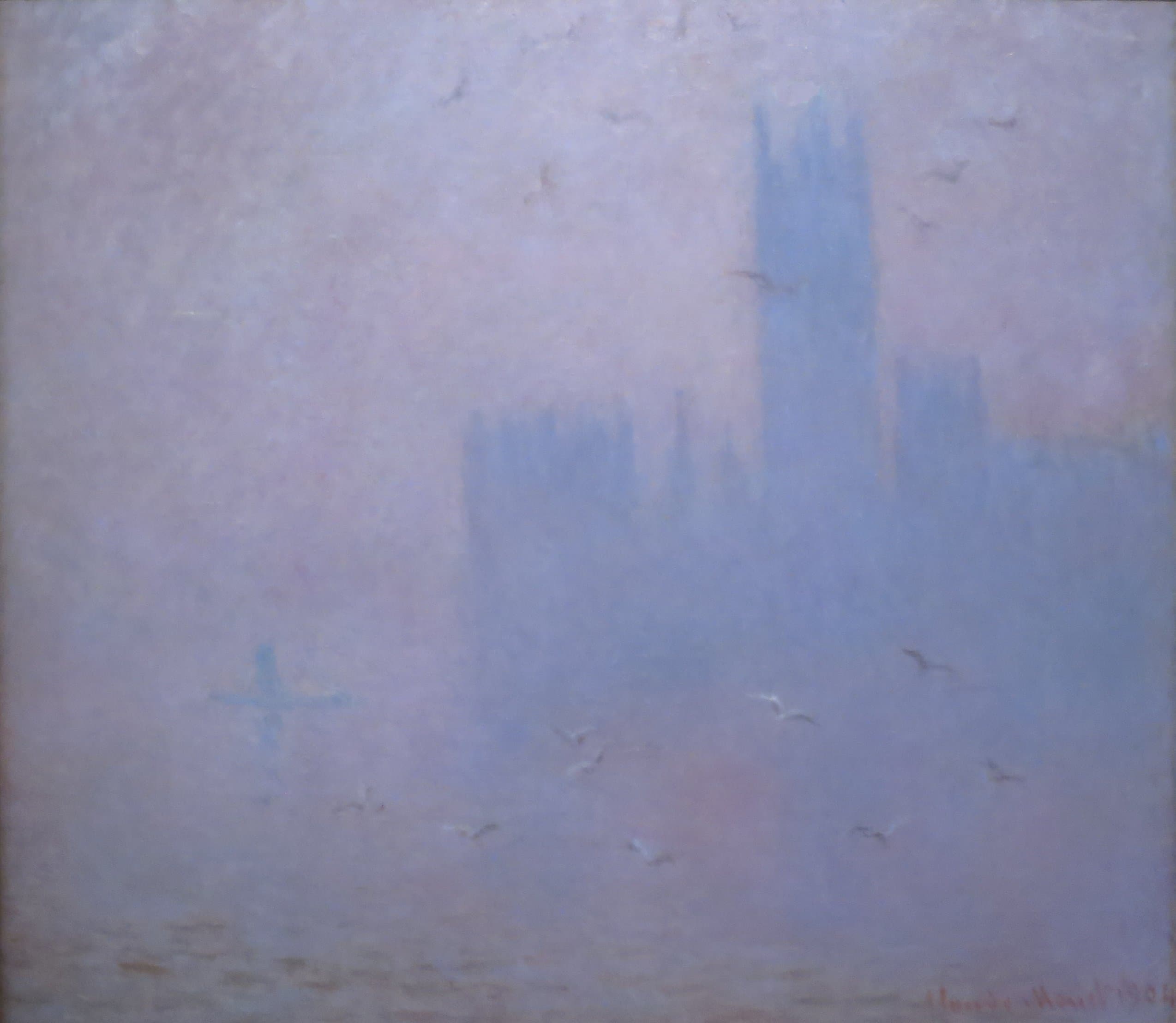
Seagulls, the River Thames and the Houses of Parliament
Claude Monet · 1904
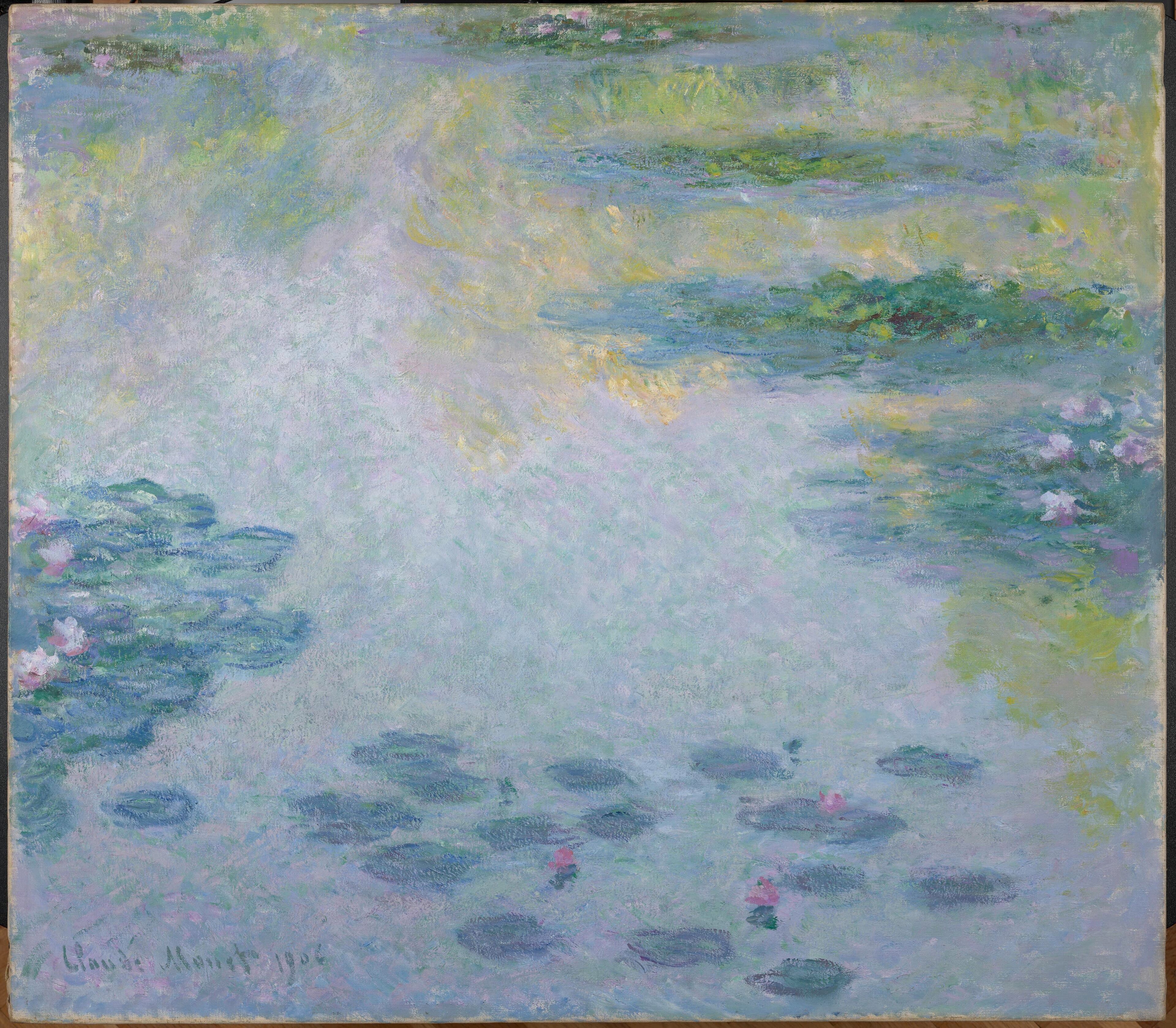
Waterlilies (1906, National Museum Cardiff)
Claude Monet · 1906
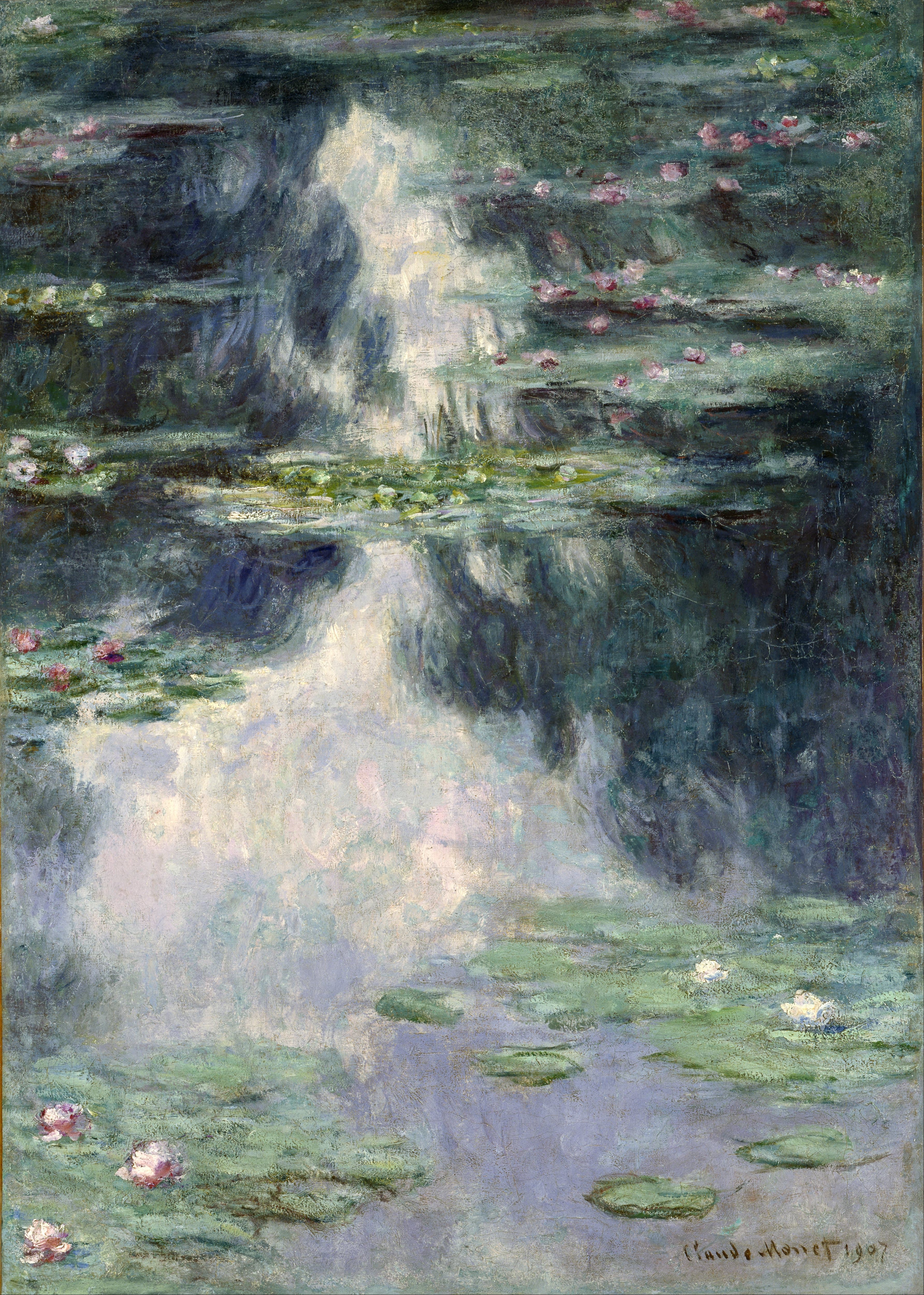
Pond with Water Lilies (Israel Museum)
Claude Monet · 1907
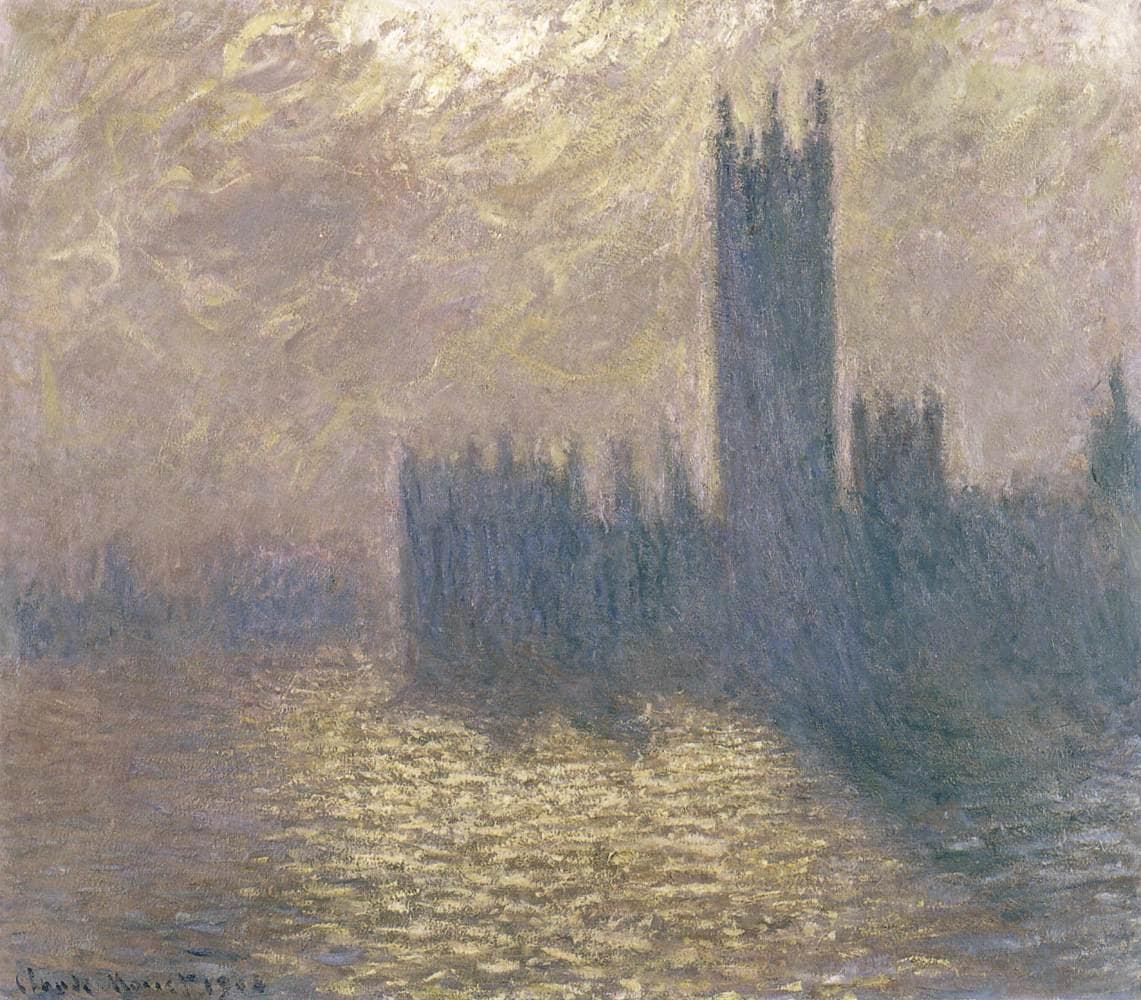
The Houses of Parliament, London
Claude Monet · 1904
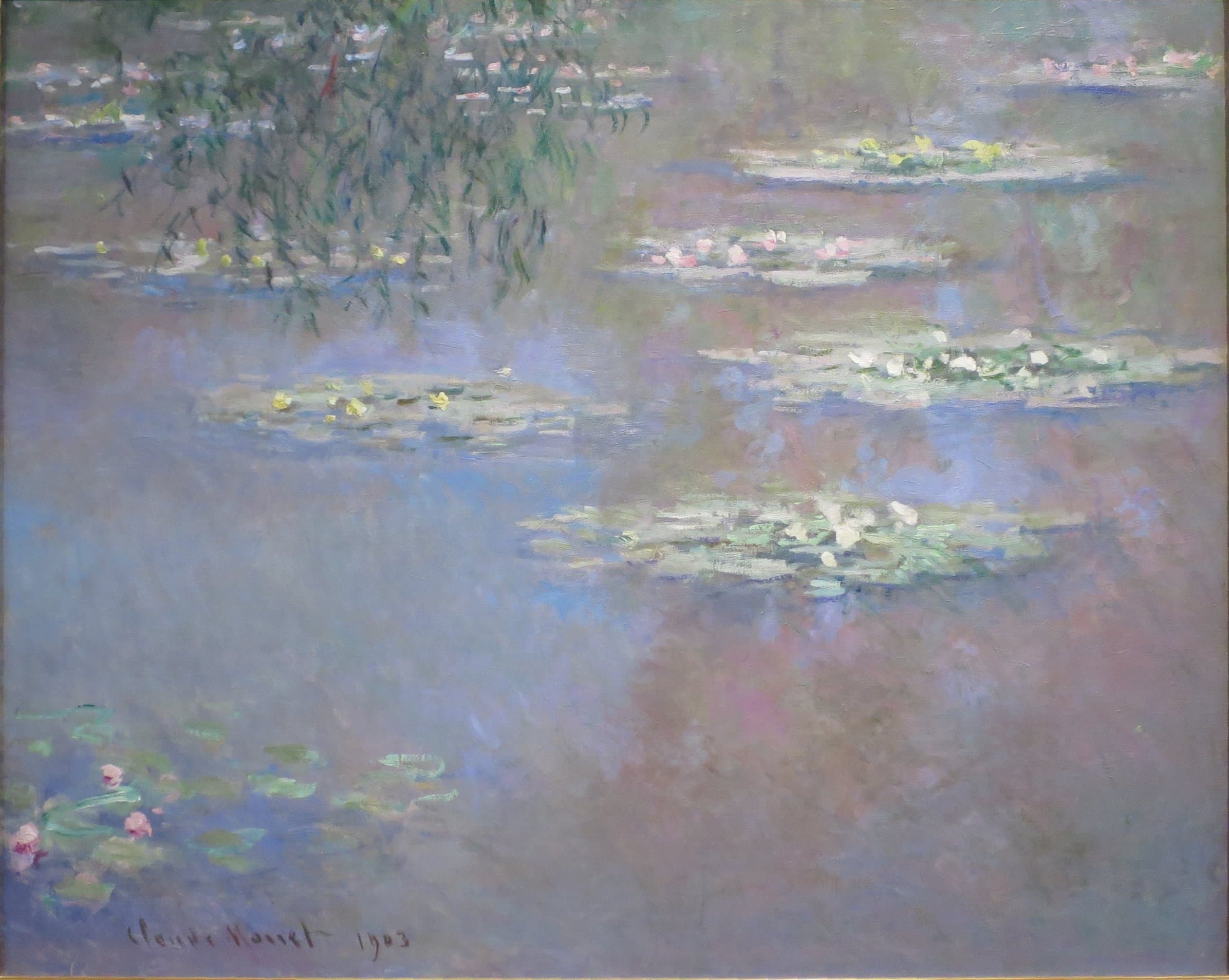
Waterlilies (1903, Dayton Art Institute)
Claude Monet · 1903
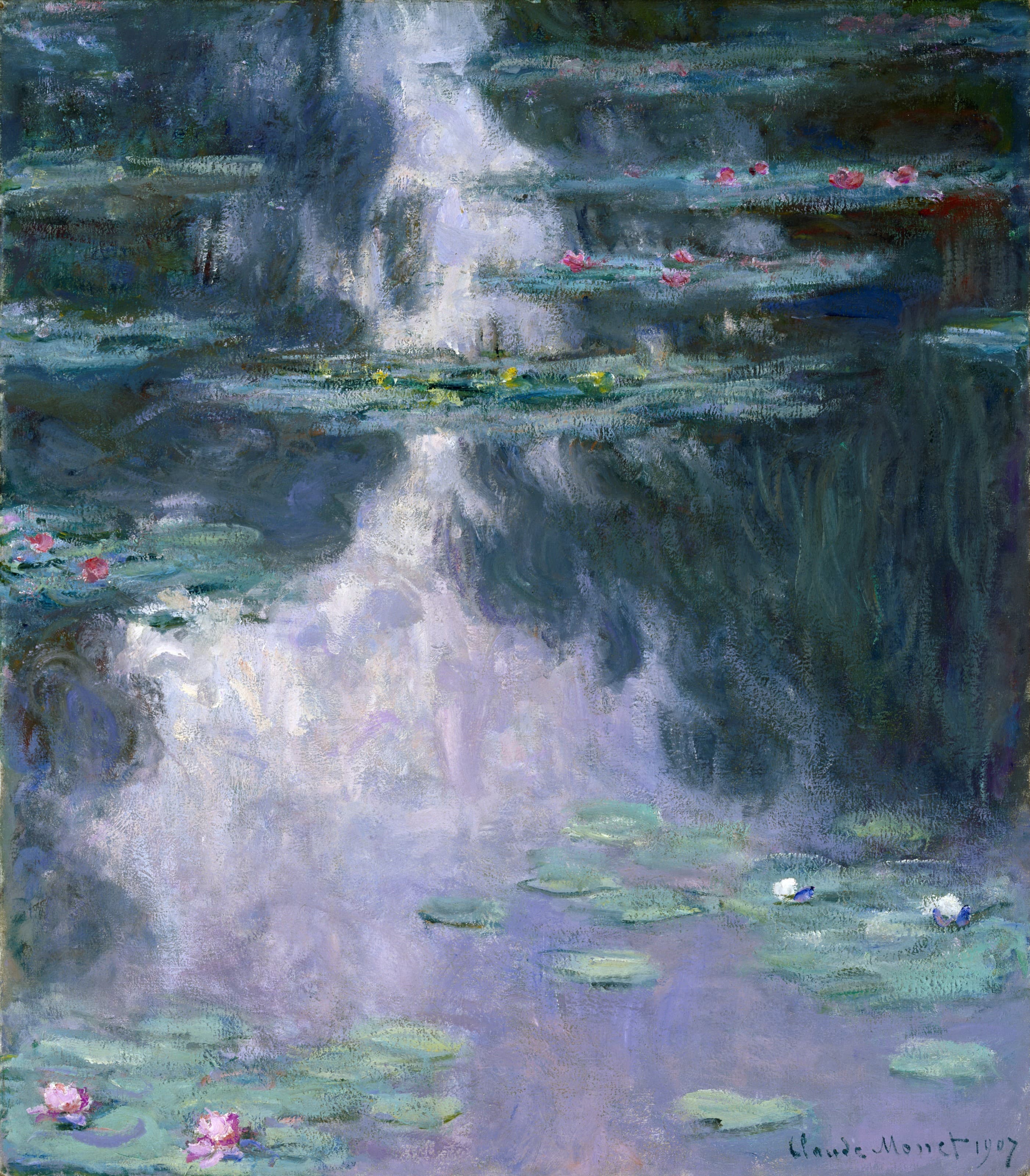
Water Lilies (Nymphéas), 1907 (Houston)
Claude Monet · 1907
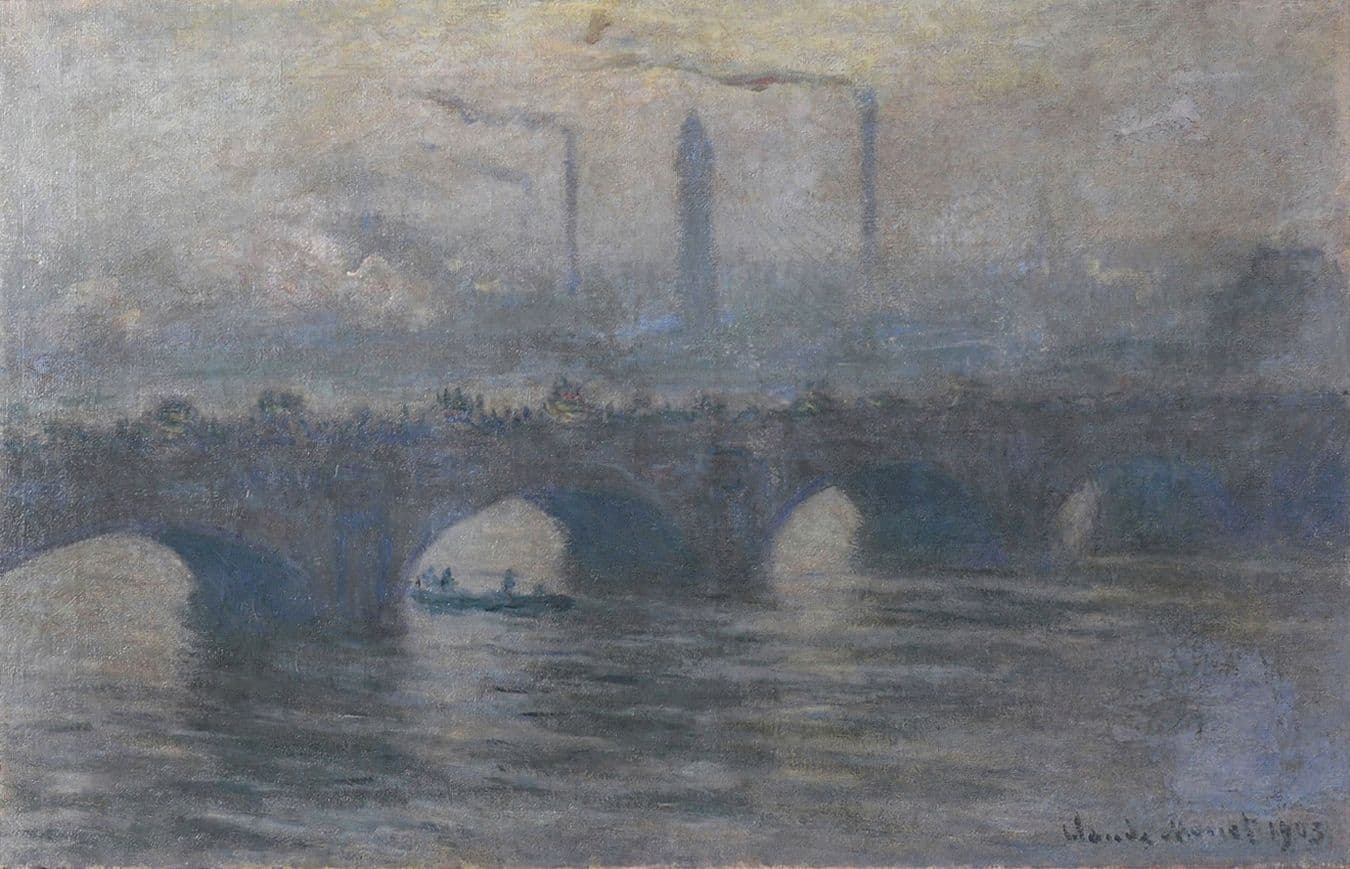
Waterloo Bridge, Gray Weather (Gurlitt Bequest)
Claude Monet · 1903
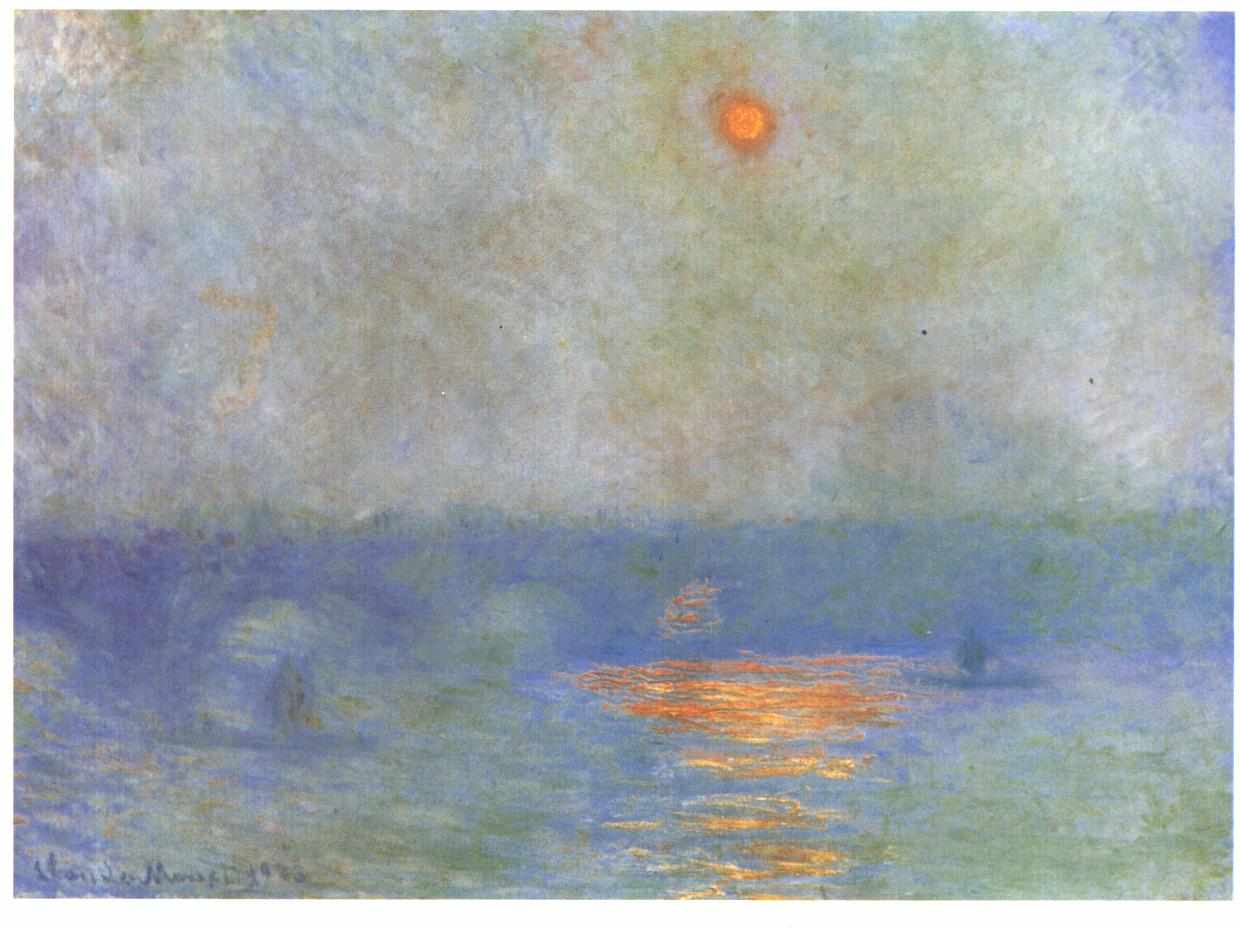
Waterloo Bridge: the Sun in a Fog
Claude Monet · 1903
Also painted in 1905
The same year
Kindred works
You may also study
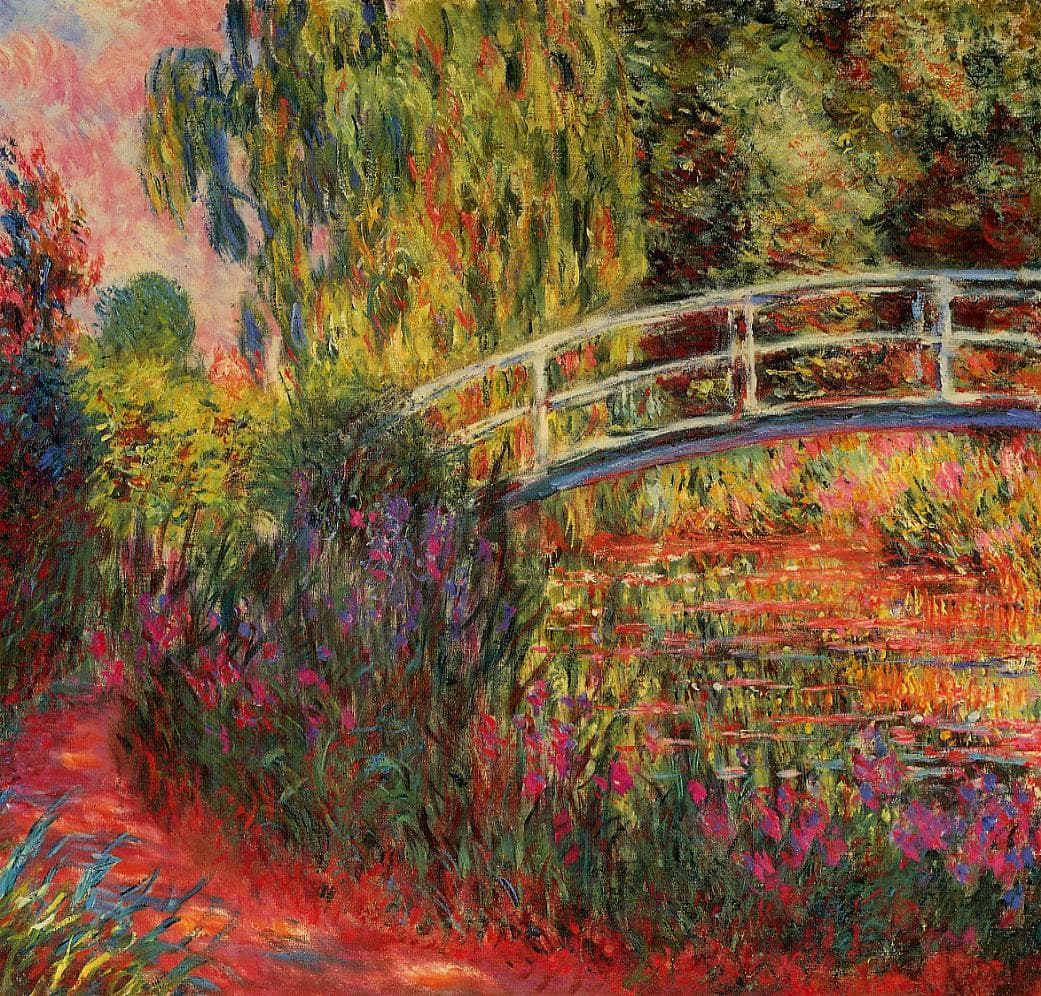
The Japanese Bridge or The Lily Pond
Claude Monet · 1900

Bridge over a Pond of Water Lilies
Claude Monet · 1899
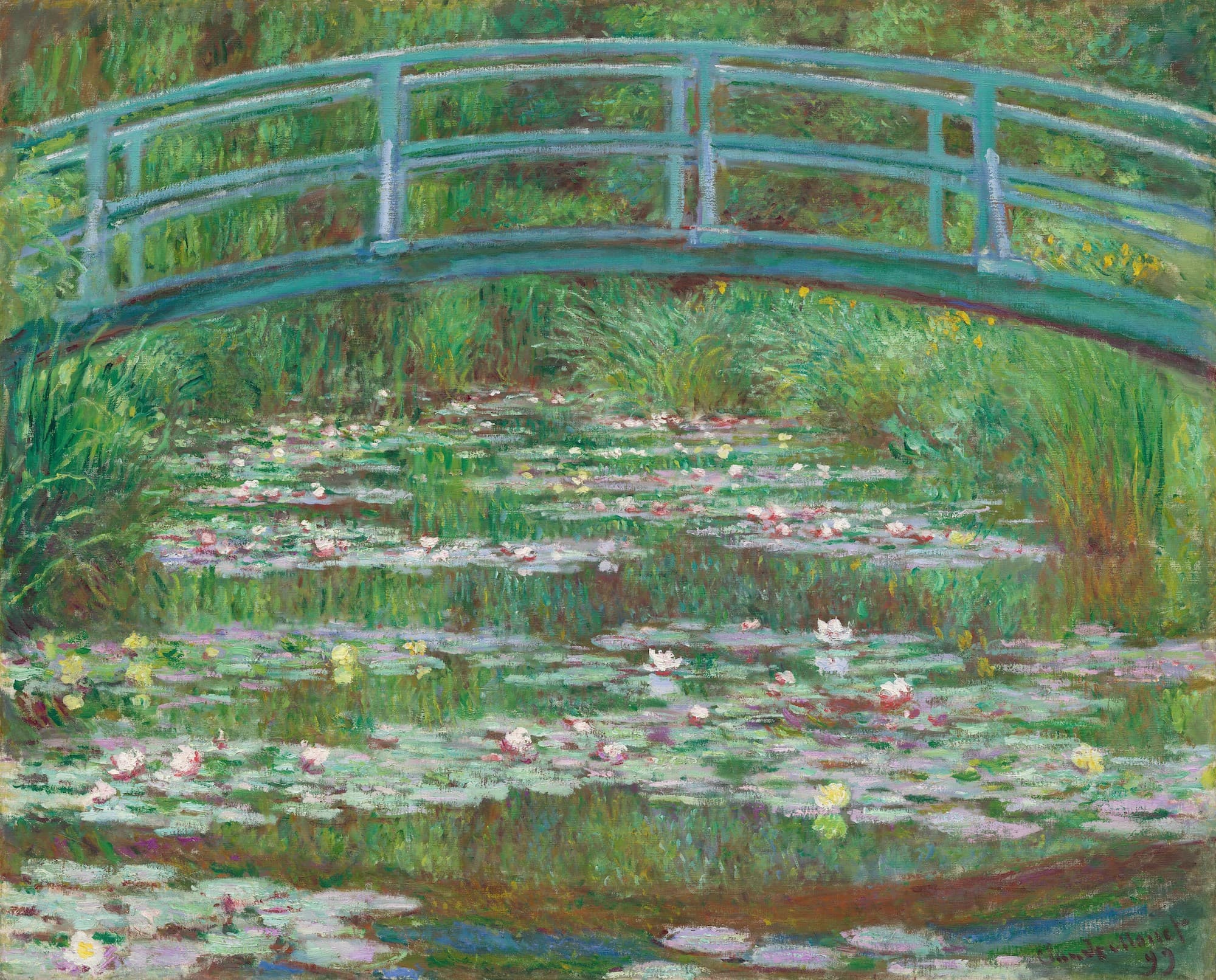
The Japanese Footbridge
Claude Monet · 1899
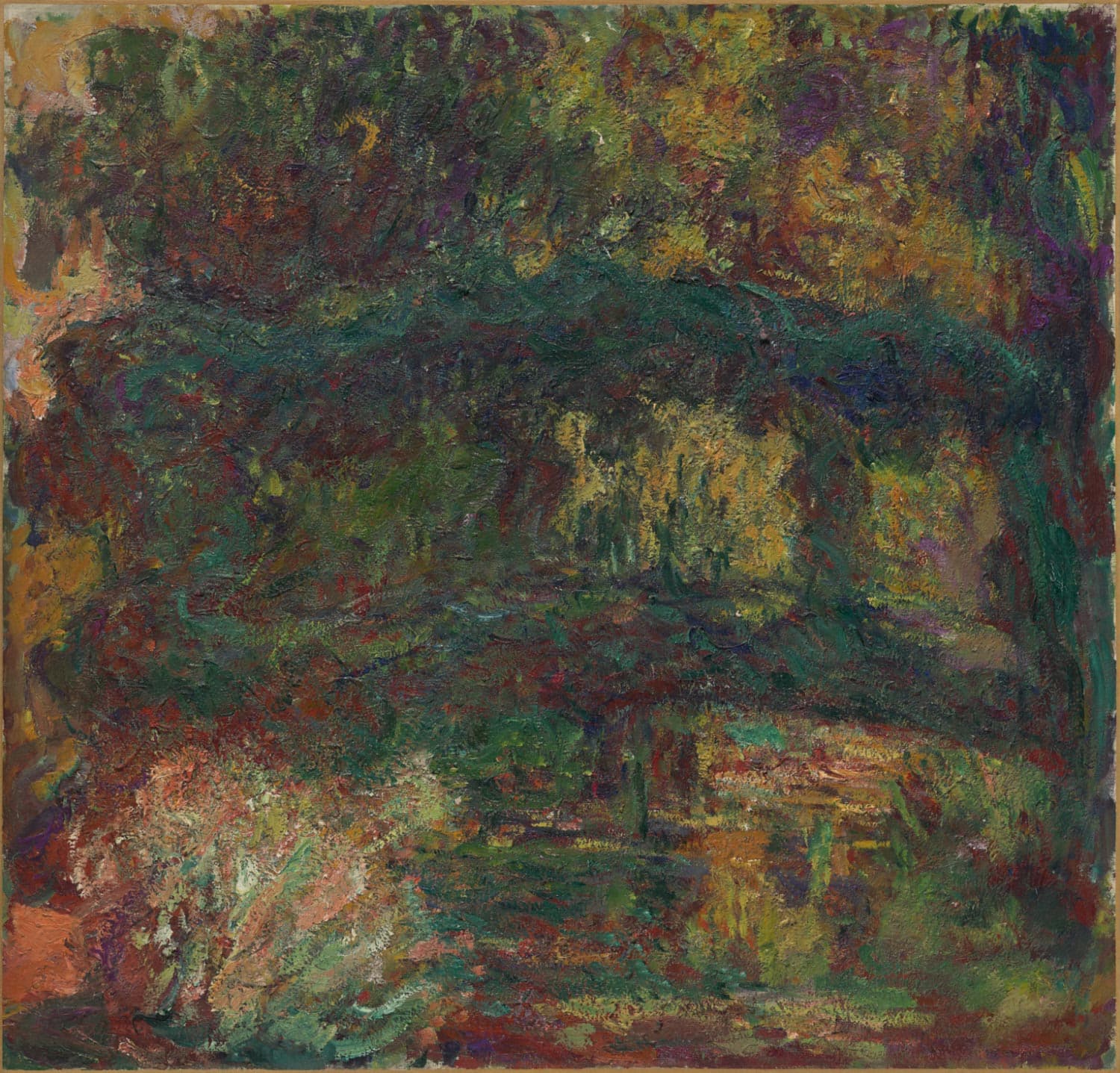
Nymphéas, Japanese Bridge
Claude Monet · 1918–26
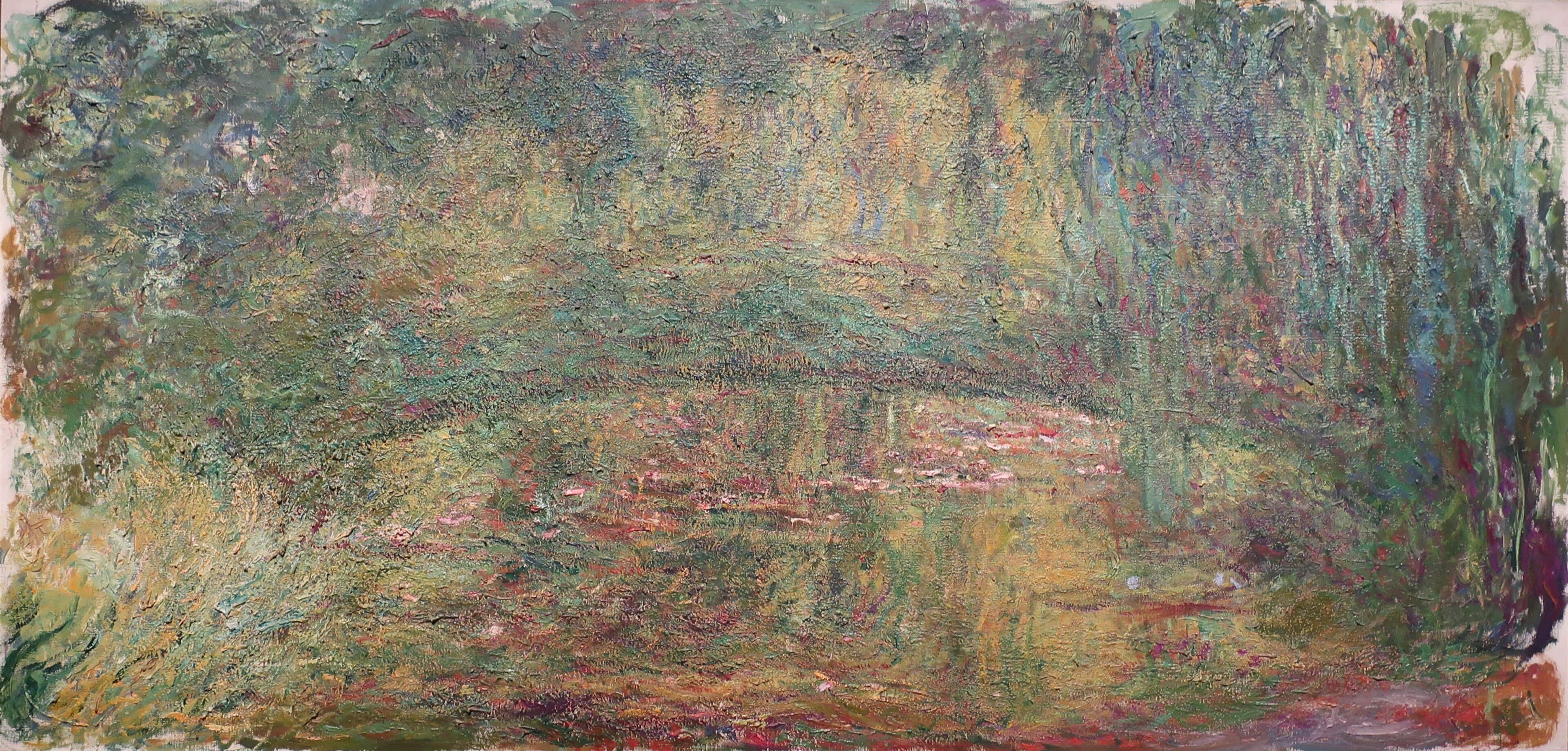
The Japanese Bridge
Claude Monet · 1918
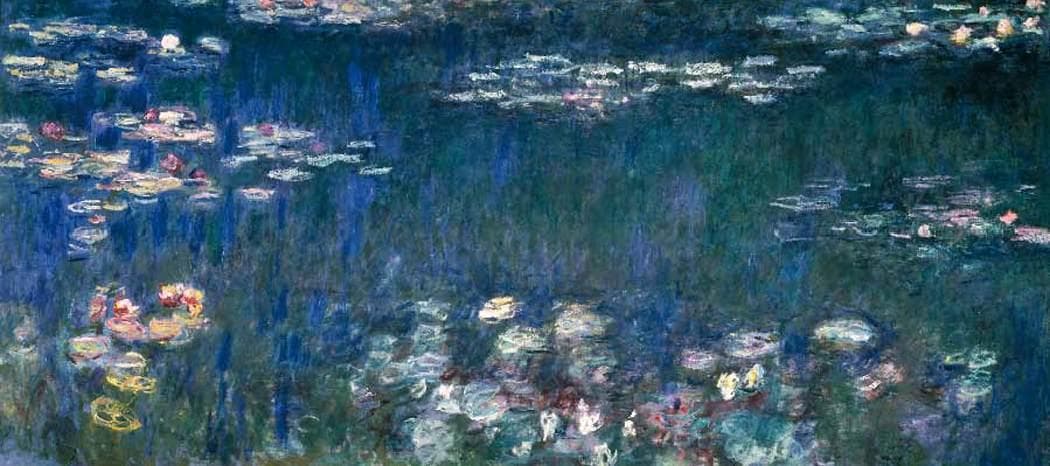
Water Lilies: Green Reflections
Claude Monet · 1914–26
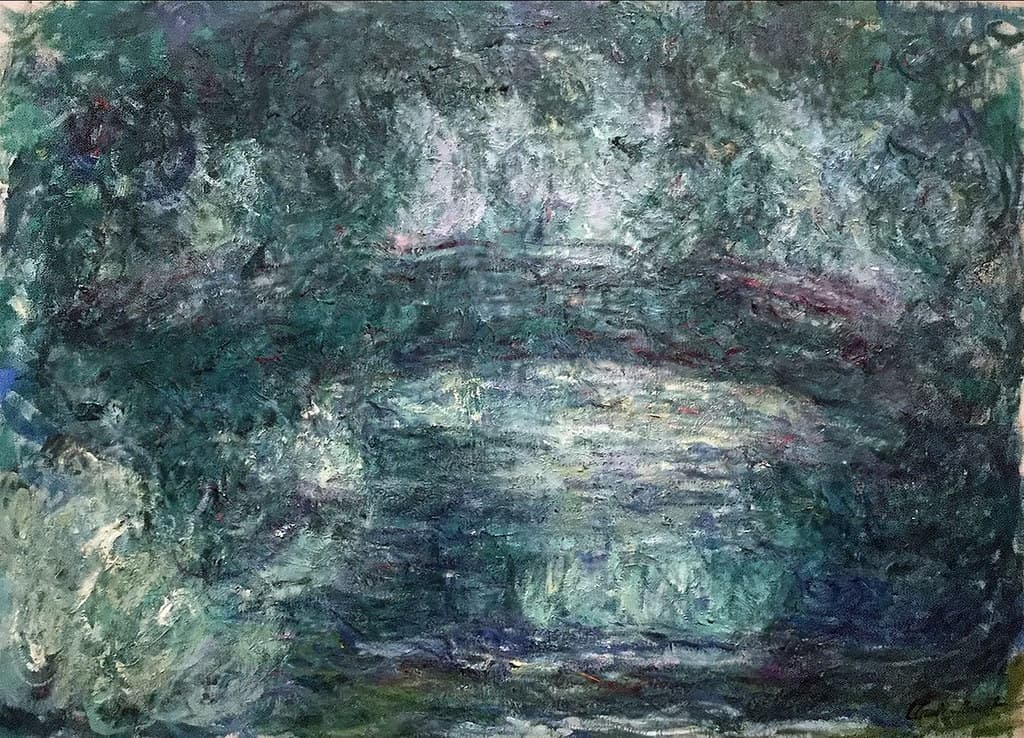
Japanese Bridge
Claude Monet · 1918–19
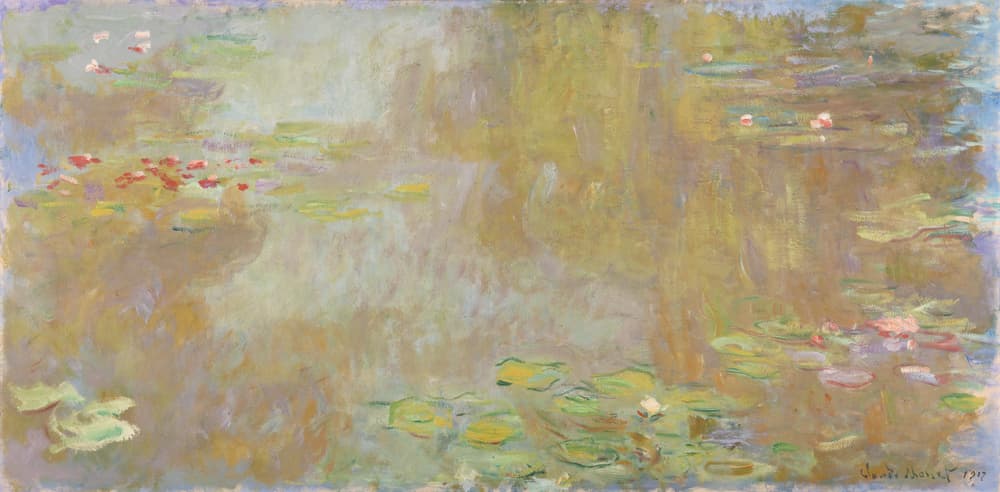
Water Lilies in Giverny
Claude Monet · 1917