Image: Art Institute of Chicago · CC BY-SA 4.0 · via Wikimedia Commons
Waterloo Bridge, Gray Weather
Claude Monet, 1900
Waterloo Bridge, Gray Weather is an 1900 Claude Monet painting of the Thames on an overcast day: a blue-green bridge, factory chimneys and drifting smoke under a soft grey sky. It is in the Art Institute of Chicago, Gallery 243.
- Artist
- Claude Monet
- Date
- 1900
- Medium
- Oil on canvas
- Dimensions
- 65.4 × 92.6 cm
- Collection
- Art Institute of Chicago, Chicago, United States
- Movement
- Impressionism
- Catalogue
- Wildenstein 1557
- The City
- Water & Sea
Waterloo Bridge, Gray Weather is one of Claude Monet's London views, painted from his room at the Savoy Hotel and signed and dated 1900 at lower left. It measures 65.4 × 92.6 cm, is number 1557 in the Wildenstein catalogue raisonné, and was given to the Art Institute of Chicago by Mrs. Mortimer B. Harris in 1984. It hangs in Gallery 243, near the museum's other Waterloo Bridge, Sunlight Effect.
What you're looking at
This is the most legible of the Waterloo Bridge pictures. The bridge spans the canvas in a solid band of blue-green, its round arches clearly drawn, each opening framing a patch of lighter water. Along the top runs a broken line of darker touches, the carts and pedestrians on the deck.
Beyond it, the south bank is fully present. Tall chimneys and a shot tower rise in grey-blue, and from them smoke drifts across the sky in soft, curling clouds of white and grey. A pale yellow-pink glow at the upper right suggests the sun struggling through cloud.
The Thames below is a cool sea-green, its surface broken into short horizontal strokes that catch a little of that warm light. At the right edge a small white puff, a steamboat's exhaust, rises from the water. The whole palette is restrained, built from greens, blue-greys and creams, with only the faintest warmth. The weather is exactly what the title says: an overcast London morning, without sun or heavy fog.
Where and when it was painted
In his London campaigns of 1899–1901, Monet rose early each day to paint Waterloo Bridge in the morning, then turned to Charing Cross Bridge at midday and in the afternoon, both seen from his fifth-floor window at the Savoy. As the Art Institute notes, its two Waterloo Bridge paintings, dated 1900 and 1903, were probably both begun in 1900 and dated only when Monet judged them finished. He worked on the whole group in his Giverny studio and refused to release any until he was satisfied with them as an ensemble.
How it was painted
The brushwork is dense and controlled. Monet lays the bridge in long horizontal strokes, the chimneys in short verticals, the smoke in looping, softer touches. The water is a mosaic of small dashes, laid in several layers so that warmer tones flicker through the cool green. Compared with the sunlit versions, there is far less impasto; the surface is even and matte, like the light.
How this version differs
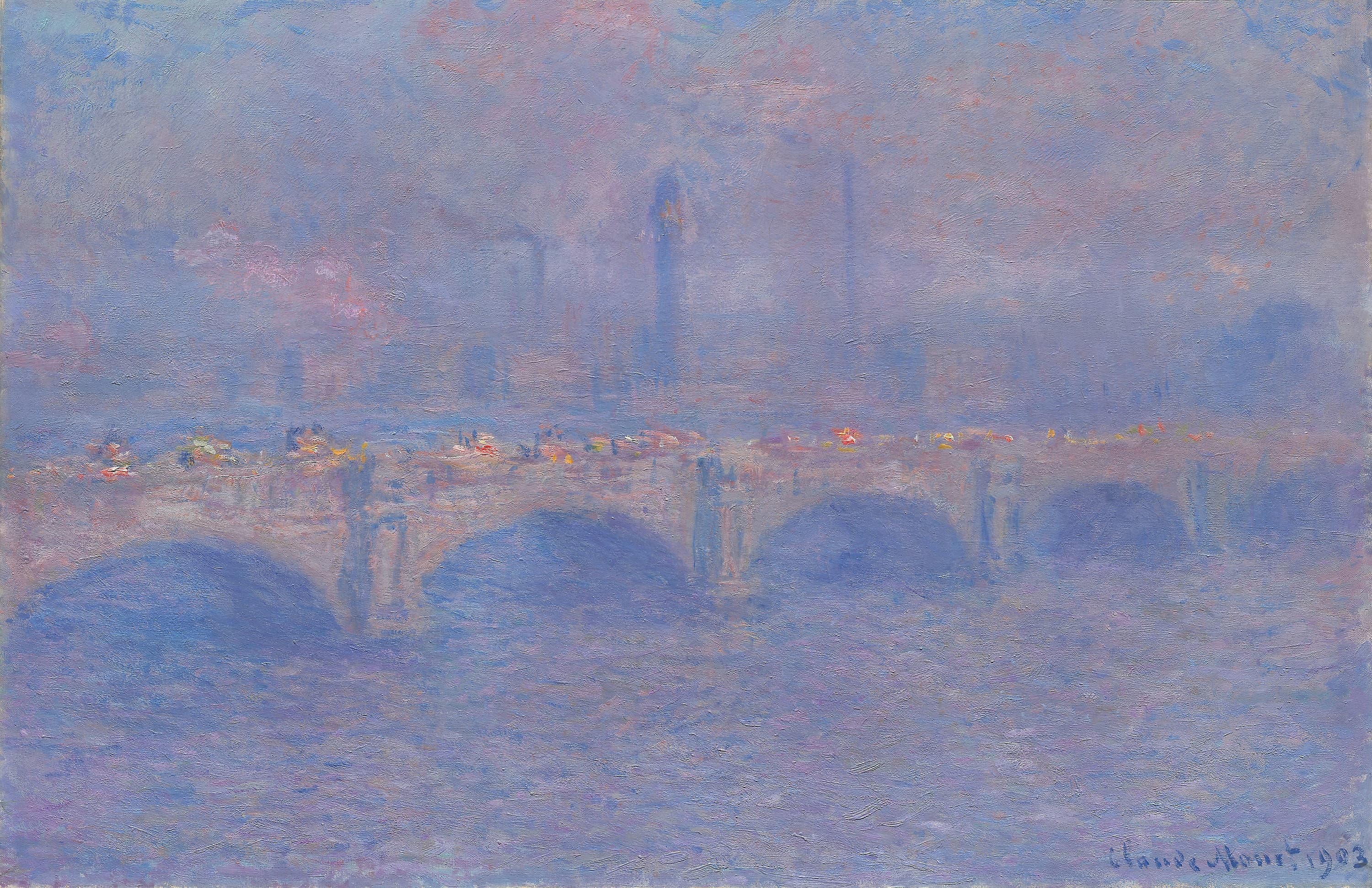
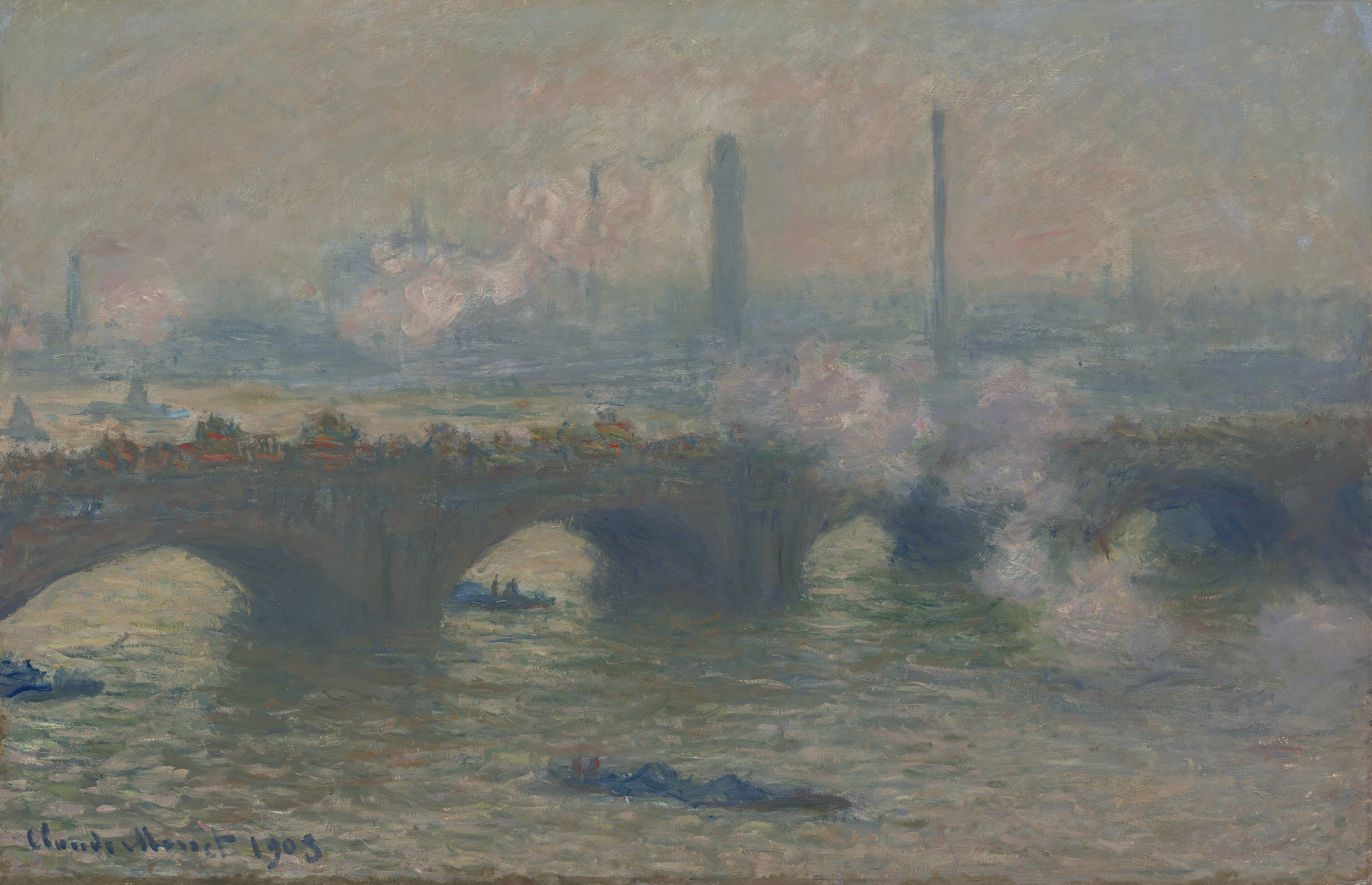
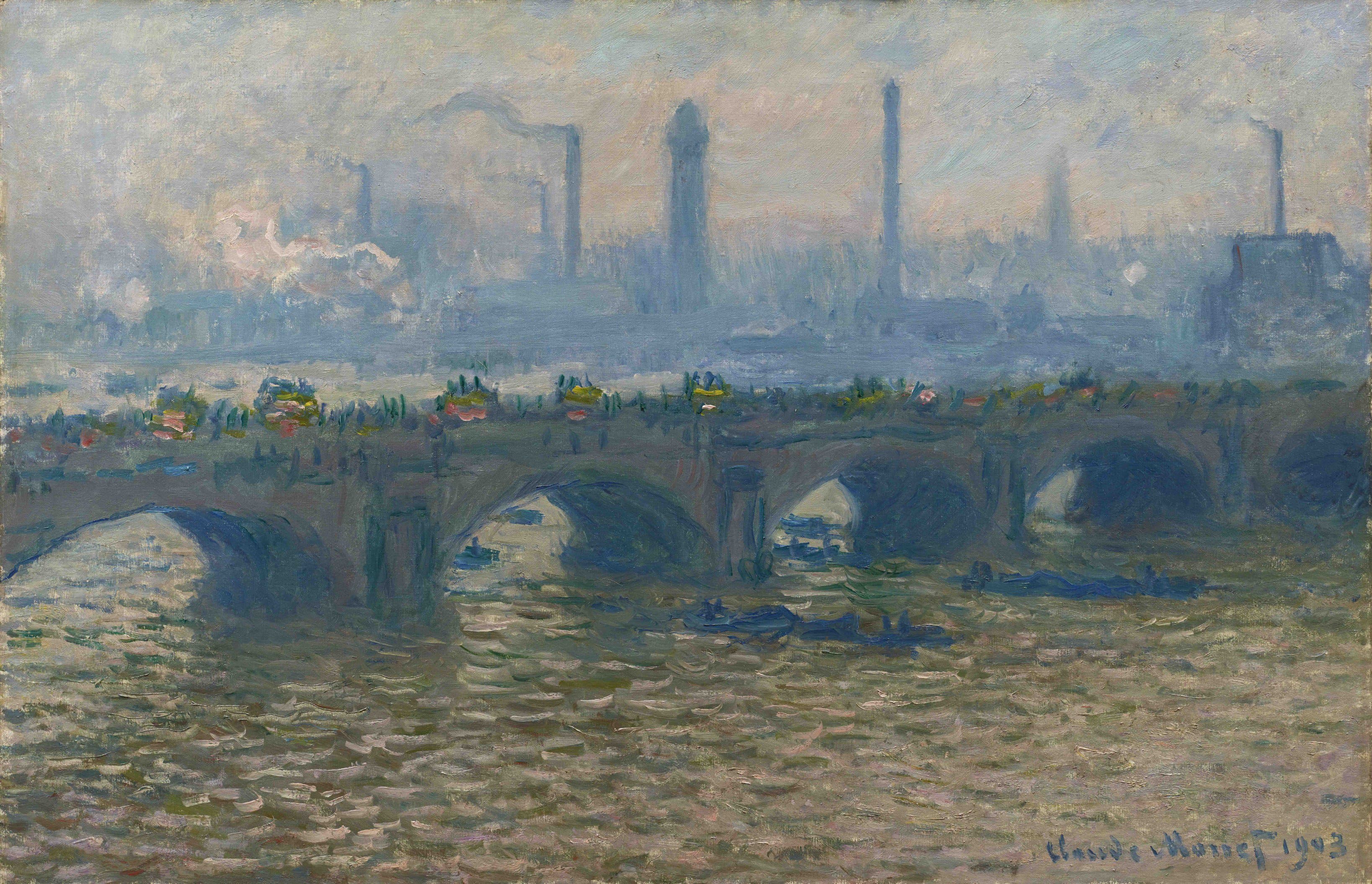
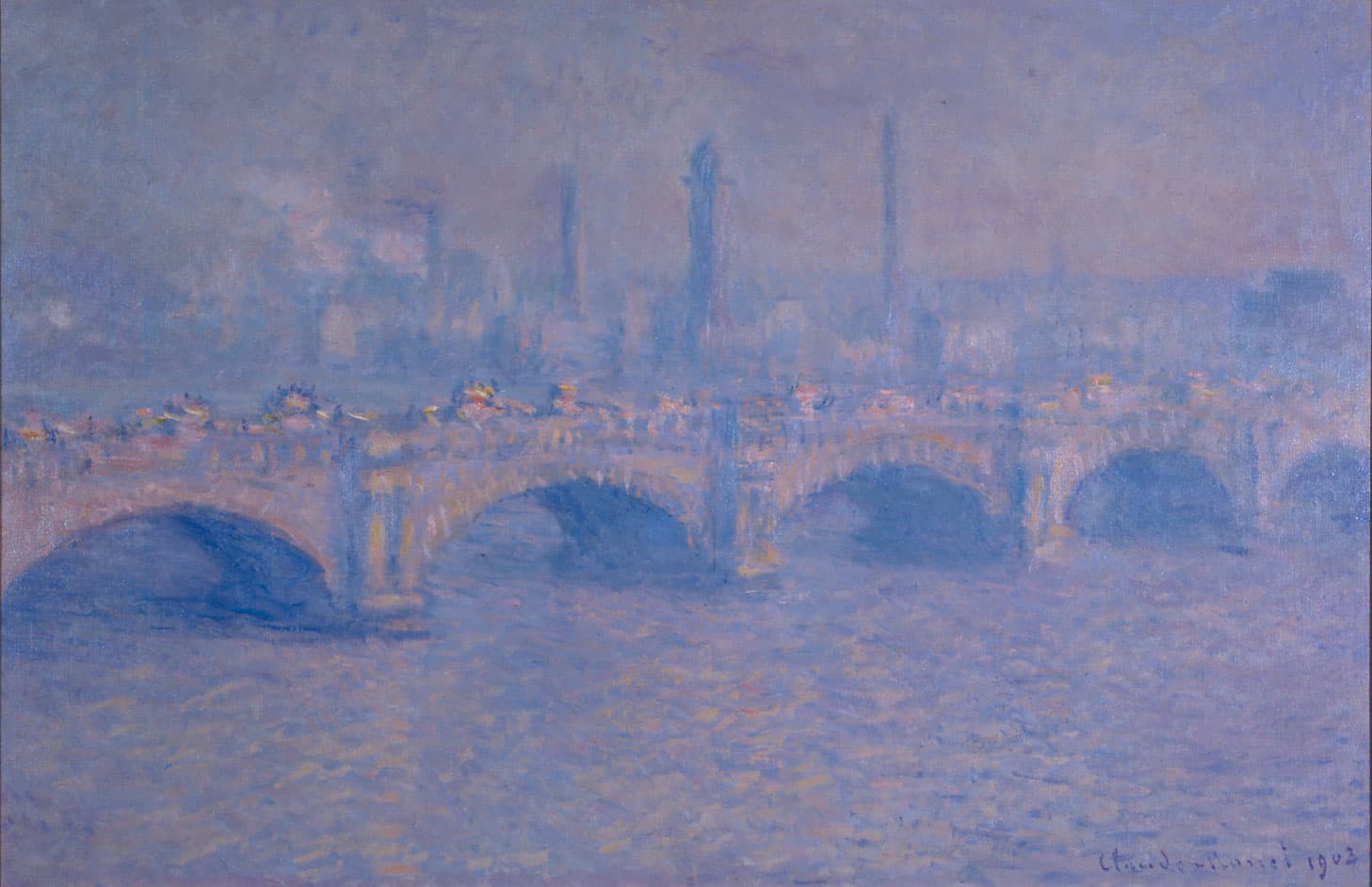
In the Waterloo Bridge series there are several "gray day" canvases. The National Gallery of Art's Waterloo Bridge, Gray Day of 1903 is warmer and browner; Ordrupgaard's Waterloo Bridge, Gray Day adds colored touches of traffic and a darker river. Chicago's version is the coolest and greenest. Its companion in the same room, Waterloo Bridge, Sunlight Effect, shows the bridge dissolved in lilac light.
The 1904 exhibition
Monet held back the London pictures for years, refusing to deliver any until the series was ready. When Durand-Ruel finally opened Claude Monet: vues de la Tamise à Londres in Paris in May 1904, it showed thirty-seven canvases of Waterloo Bridge, Charing Cross Bridge and the Houses of Parliament. The exhibition was a critical and commercial success, and many canvases sold within months, to collectors in Paris, Berlin, Moscow and the United States. Chicago's Gray Weather followed that route, through Berlin to Chicago. Read together, the provenance records of the series map the international market for Impressionism at the start of the twentieth century.
Ownership and where to see it
Durand-Ruel bought the painting from Monet in 1904, recording it as La Tamise, Waterloo Bridge, temps couvert. It passed to Paul Cassirer in Berlin and the Berlin collector Albrecht Guttmann, was sold at auction in 1917, and reached Chicago by the late 1920s, where William Redfield gave it to his sister, Ethel Harris, who gave it to the museum. It was lent to the Courtauld's Monet and London: Views of the Thames in 2024–25. See Monet at the Art Institute of Chicago, Monet in London and Claude Monet.
Questions & answers
Where is Waterloo Bridge, Gray Weather?
It is in the Art Institute of Chicago (1984.1173), usually in Gallery 243. It was given by Mrs. Mortimer B. Harris (Ethel Harris) and hangs near the museum's second Waterloo Bridge painting, Sunlight Effect.
When was it painted?
It is signed and dated 1900. Monet painted it from the Savoy Hotel in London; the Art Institute thinks it was begun in 1900 and finished in his studio at Giverny before he sold it to Durand-Ruel in 1904.
What does the painting show?
Waterloo Bridge on an overcast morning, its arches clearly drawn in blue-green, with factory chimneys and drifting smoke on the south bank beyond and a cool green Thames below.
How many Waterloo Bridge paintings are there?
Monet painted more than forty canvases of Waterloo Bridge between 1899 and 1904. They vary from clear gray-day views like this one to near-abstract studies of sun in fog.
More by the artist
Claude Monet
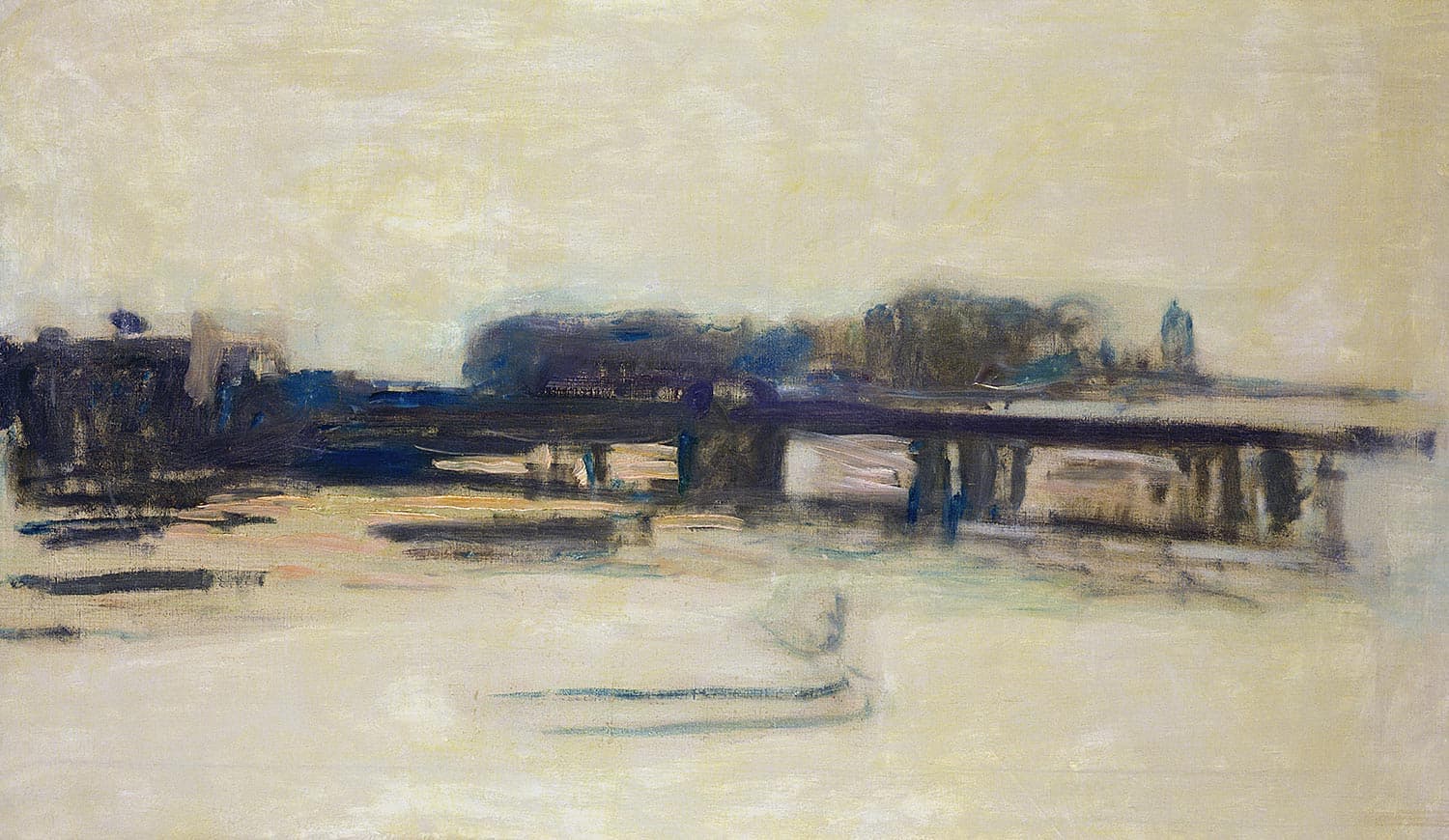
Charing Cross Bridge, London (Marmottan study)
Claude Monet · c. 1899–1901
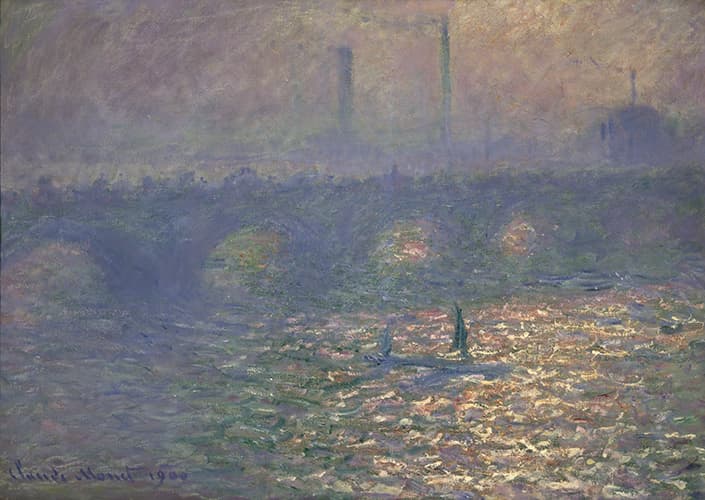
Waterloo Bridge (Santa Barbara Museum of Art)
Claude Monet · 1900
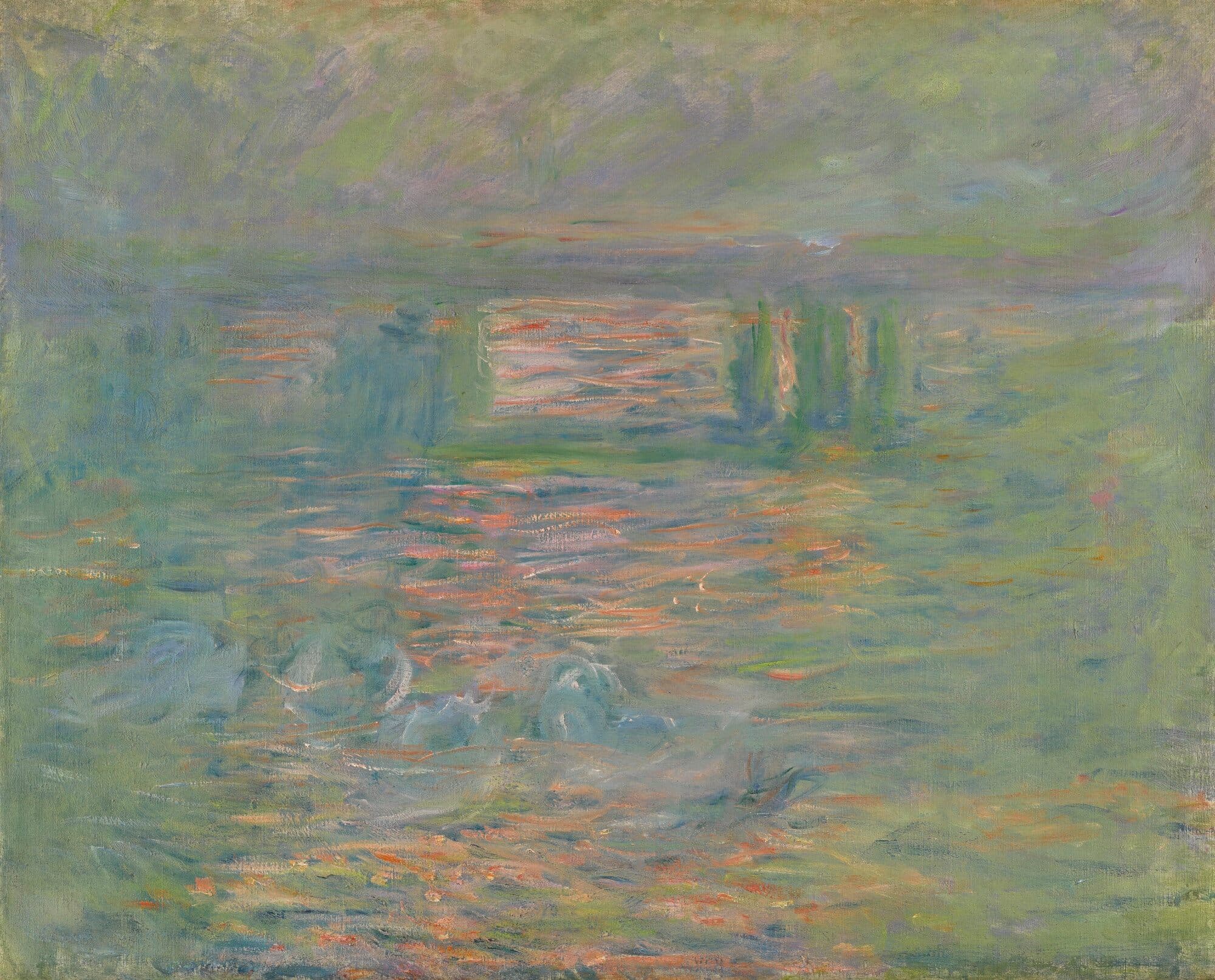
Charing Cross Bridge (private collection, c. 1900)
Claude Monet · c. 1899–1901
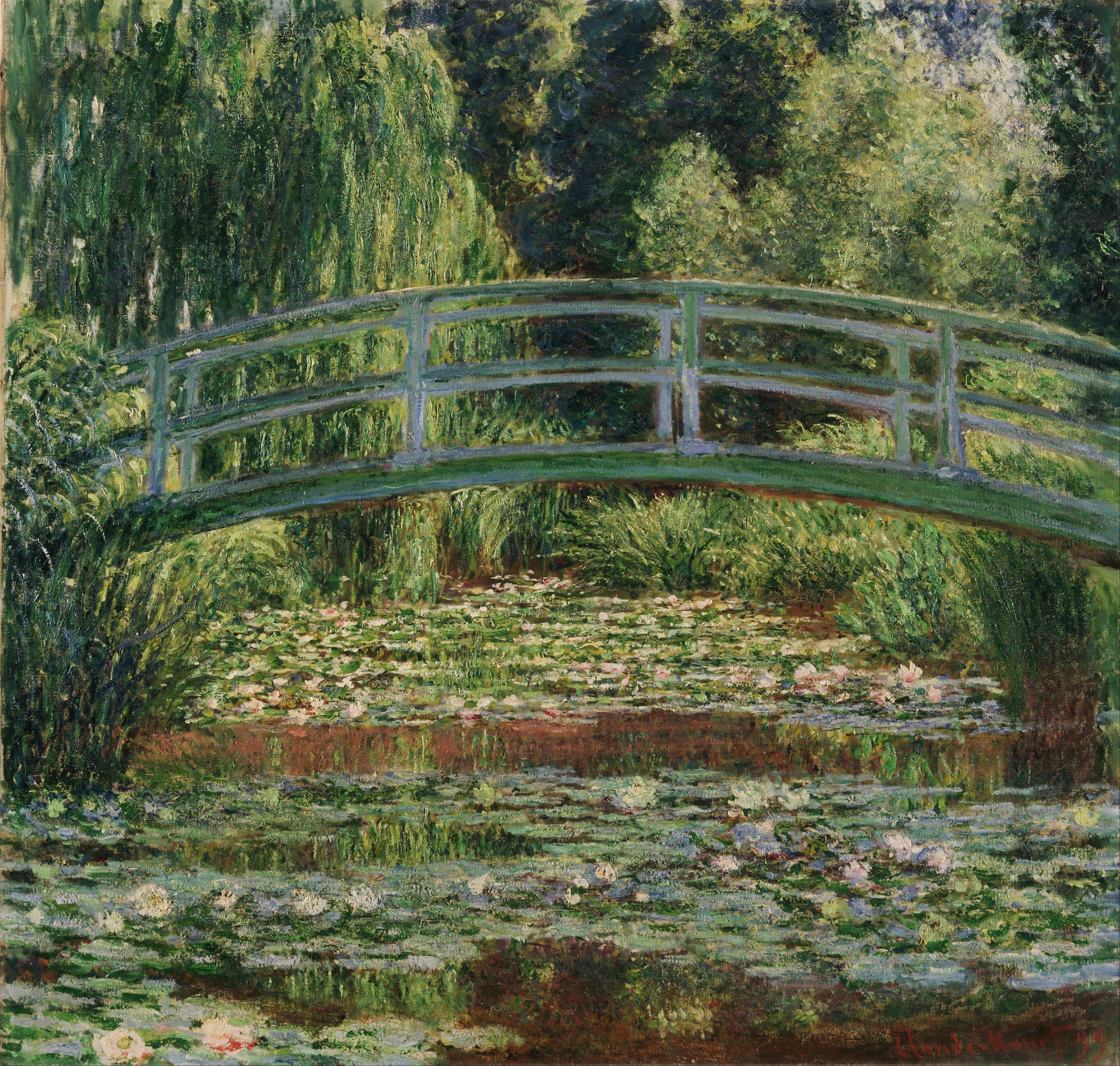
The Japanese Footbridge and the Water Lily Pool, Giverny
Claude Monet · 1899
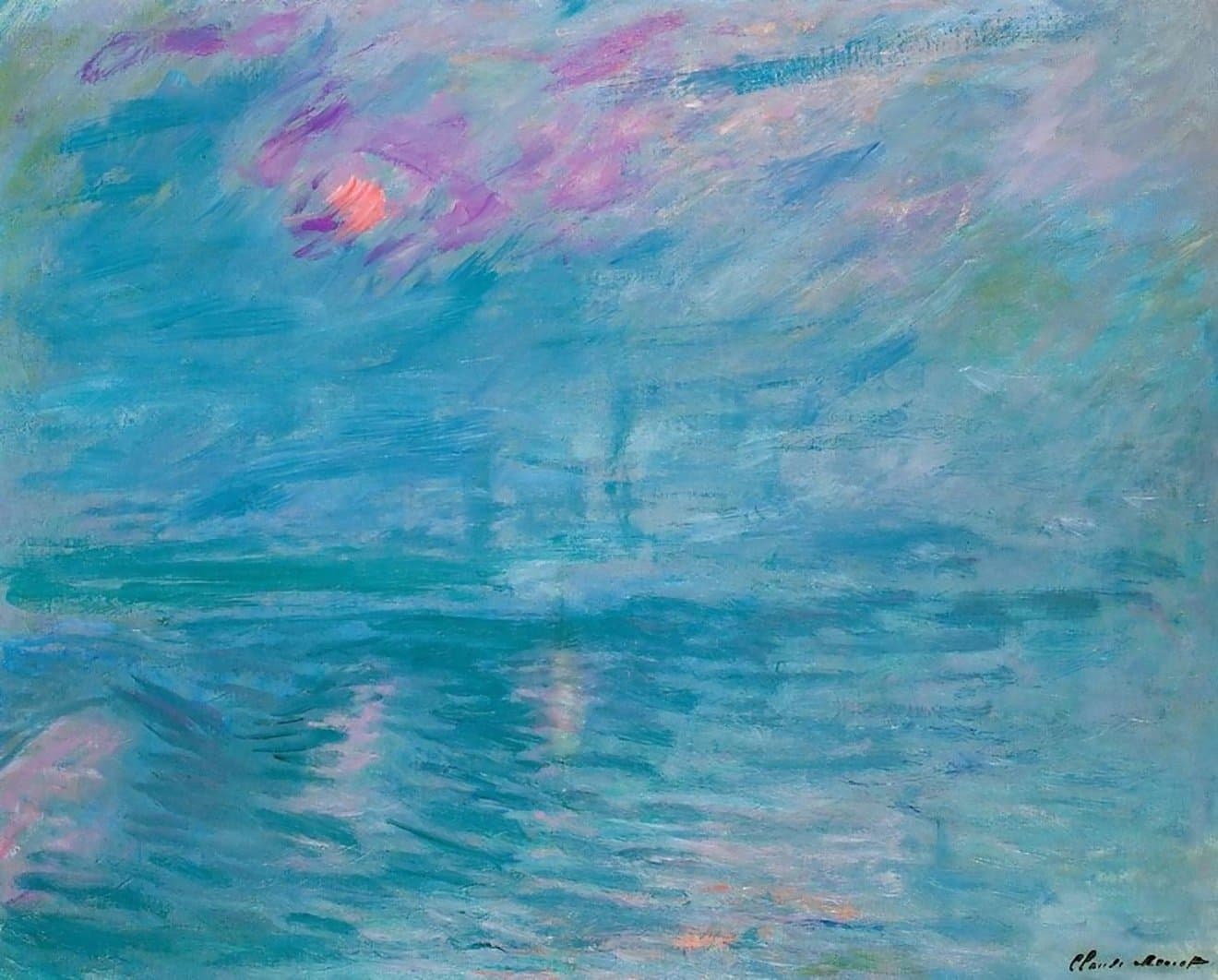
Waterloo Bridge (Davis Museum)
Claude Monet · 1899–1903
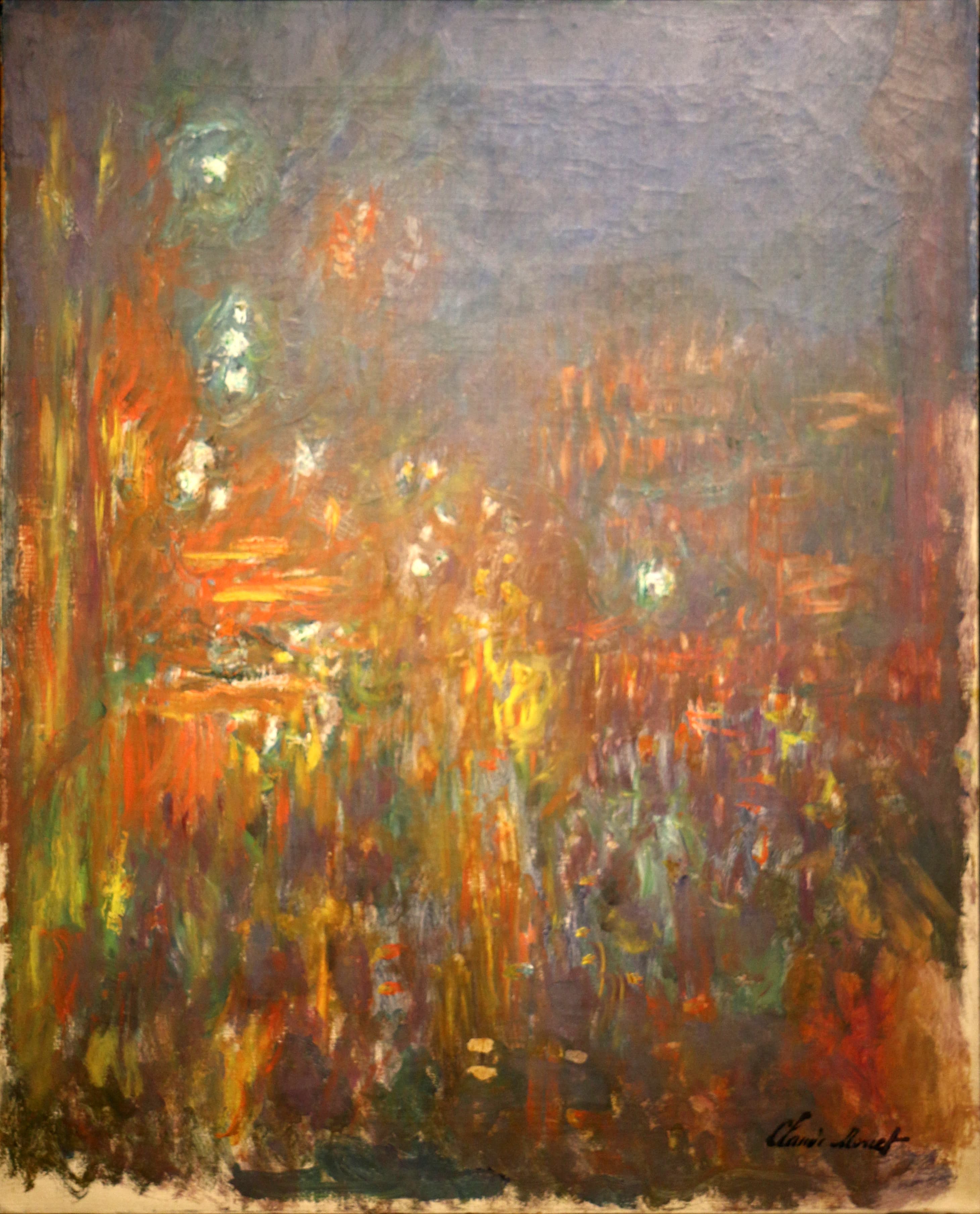
Leicester Square, by Night
Claude Monet · 1901
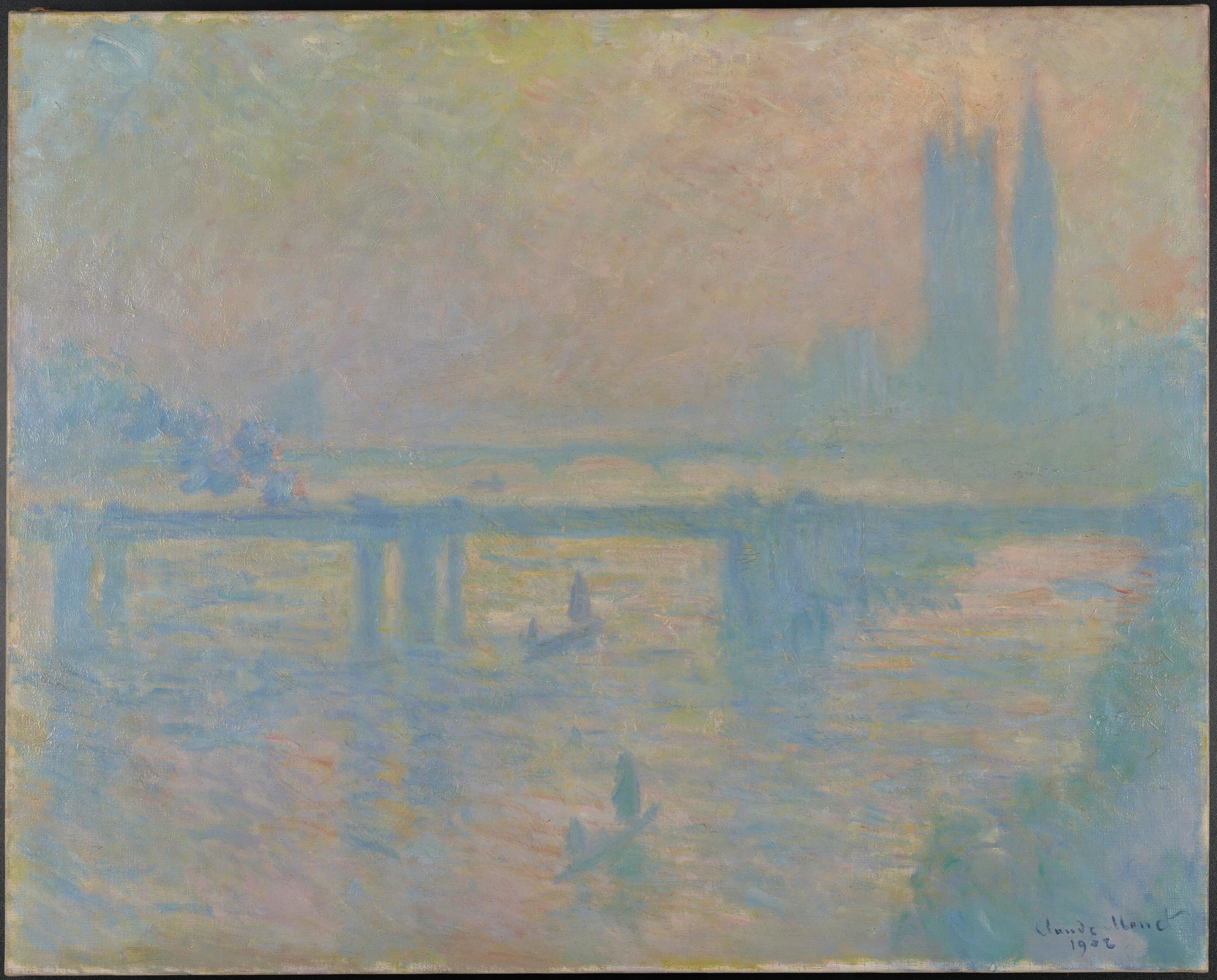
Charing Cross Bridge (Cardiff)
Claude Monet · c. 1900 (dated 1902)
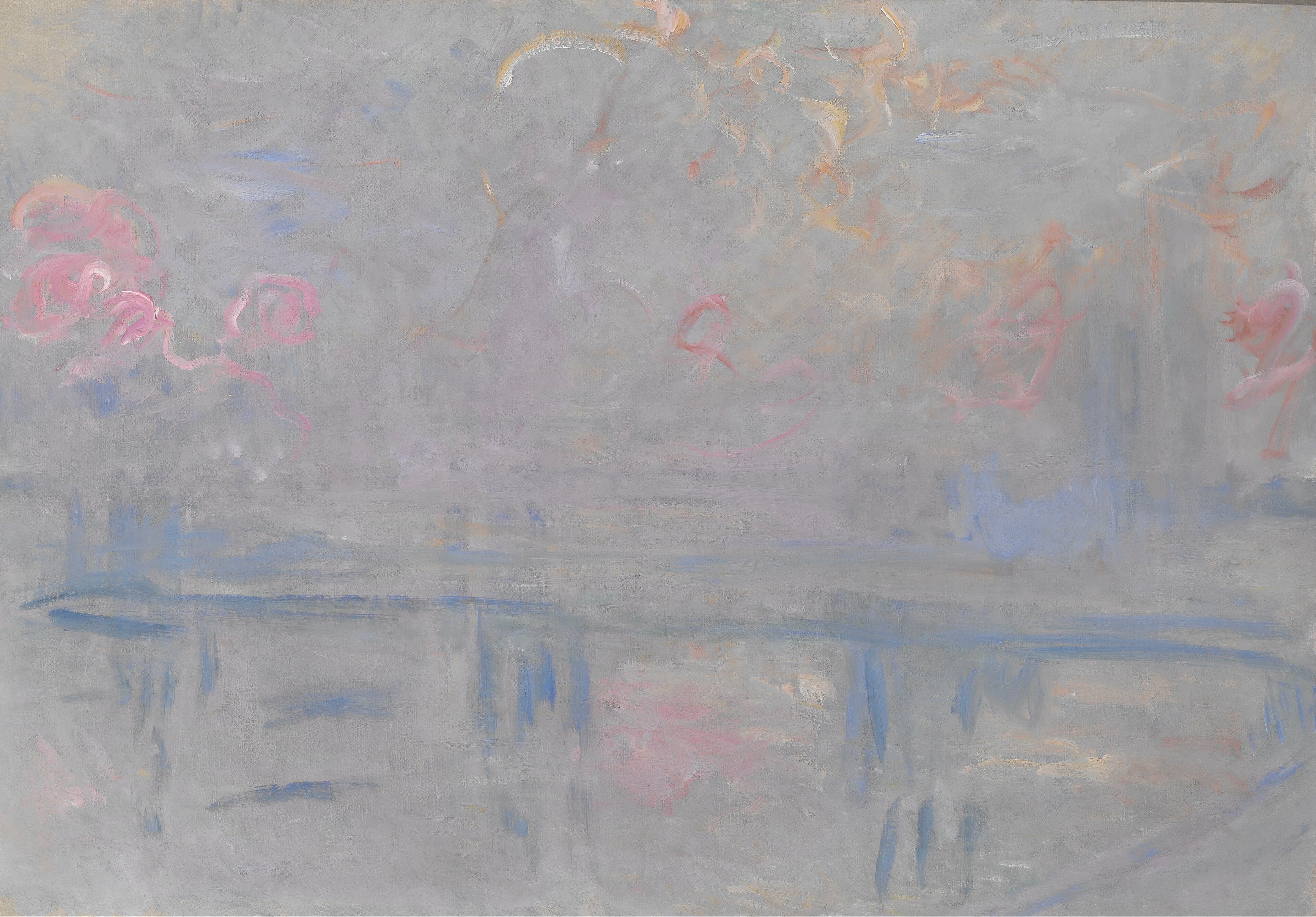
Charing Cross Bridge (Indianapolis)
Claude Monet · c. 1900
Also painted in 1900
The same year
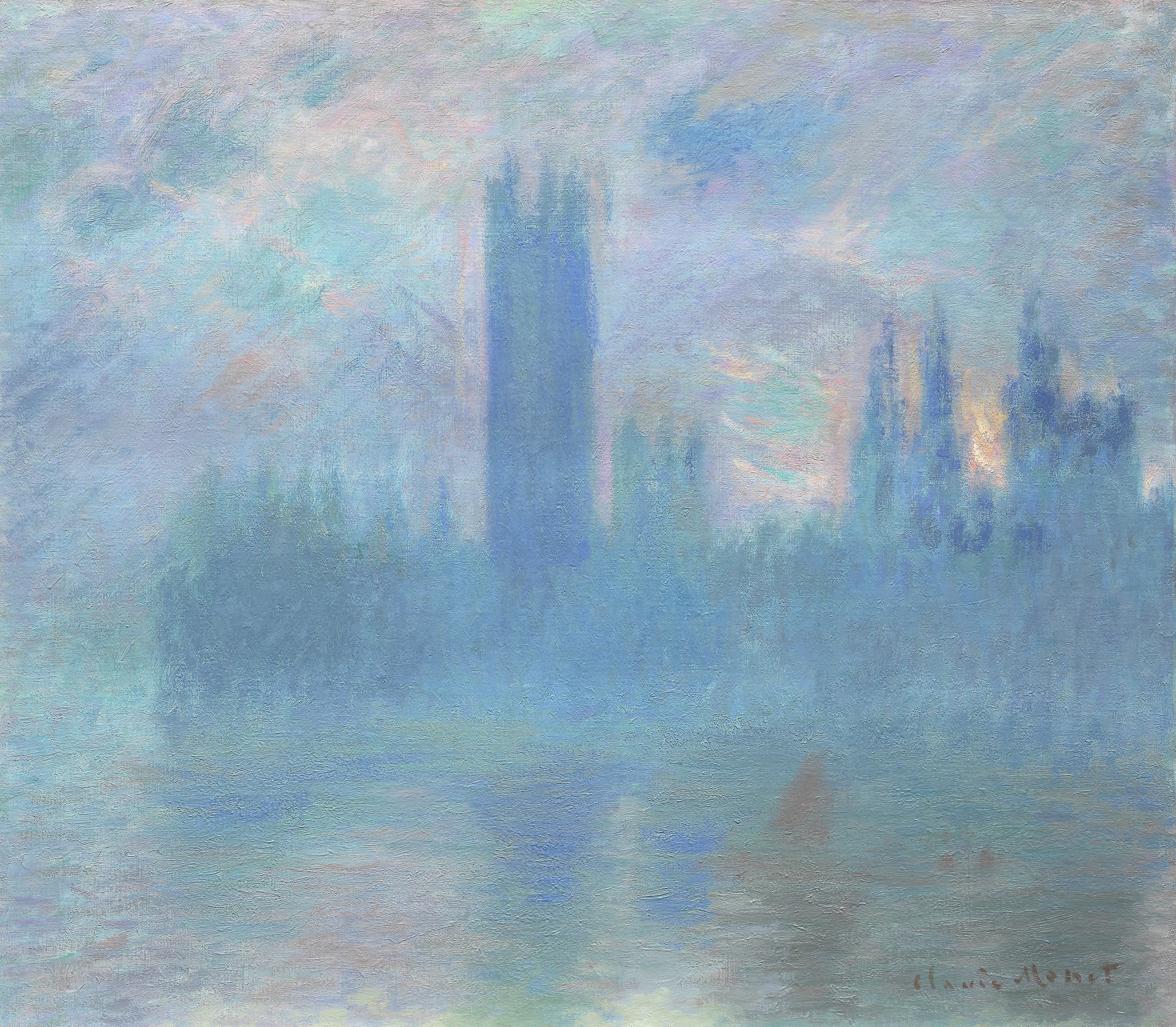
Houses of Parliament, London
Claude Monet · 1900–01
Houses of Parliament, Symphony in Rose
Claude Monet · 1900
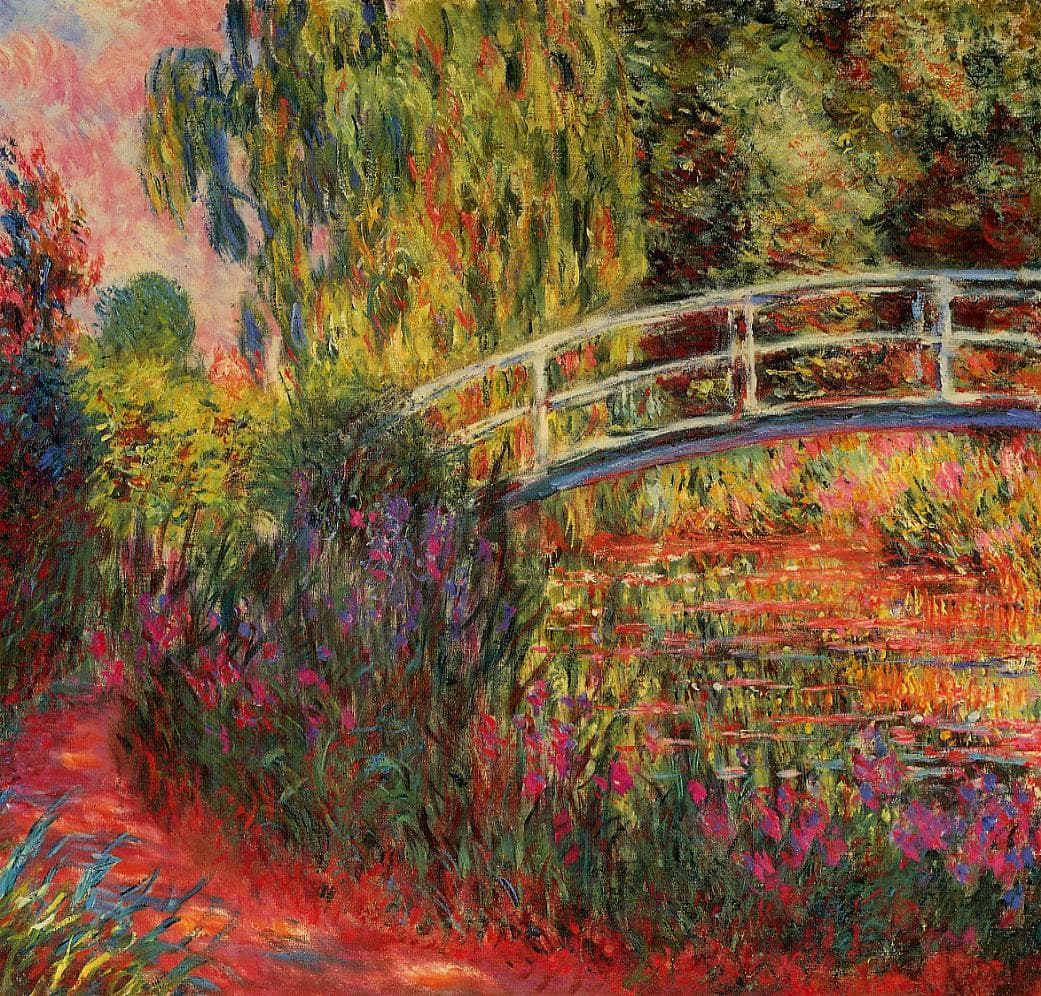
The Japanese Bridge or The Lily Pond
Claude Monet · 1900
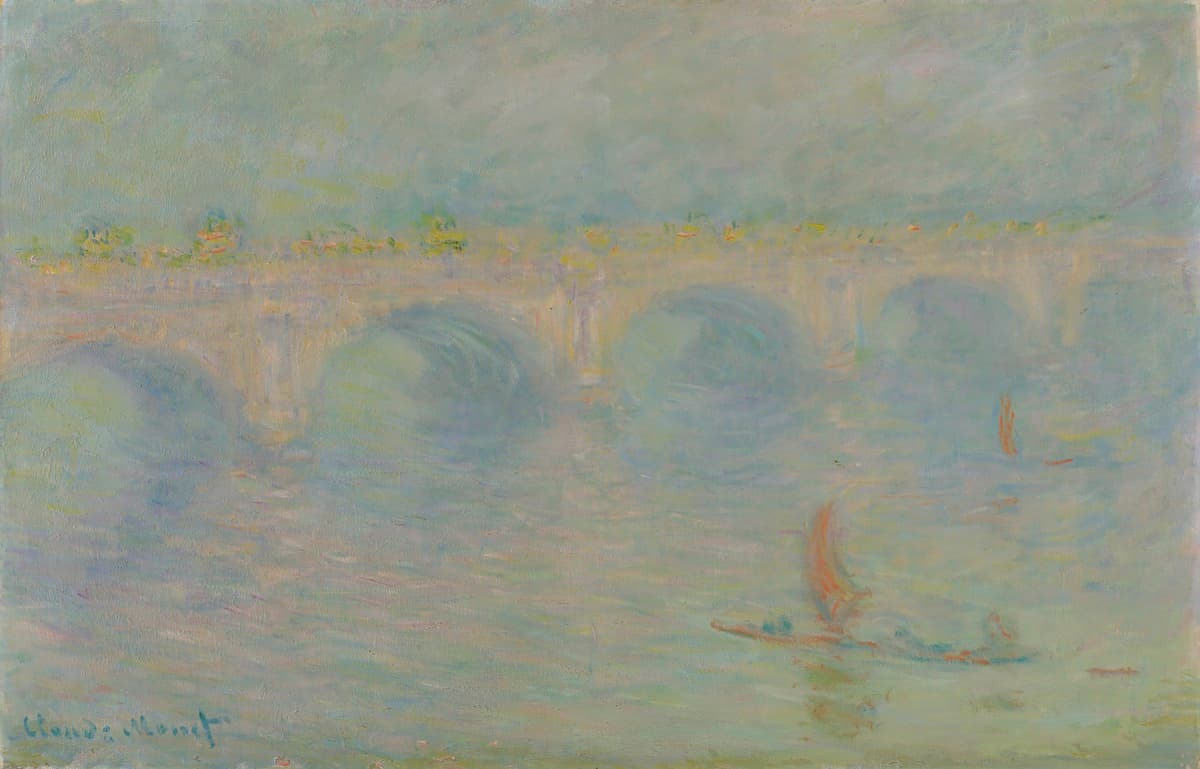
Waterloo Bridge, London, Sun Effect
Claude Monet · 1899–1901
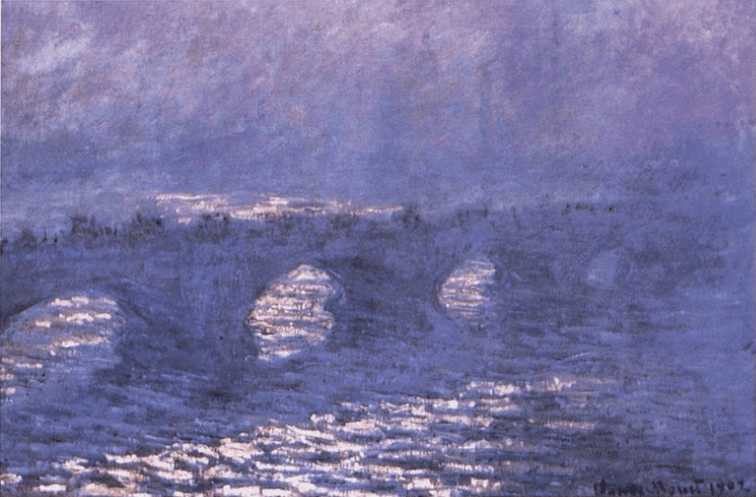
Waterloo Bridge, Effect of Sun in the Mist
Claude Monet · c. 1900–03
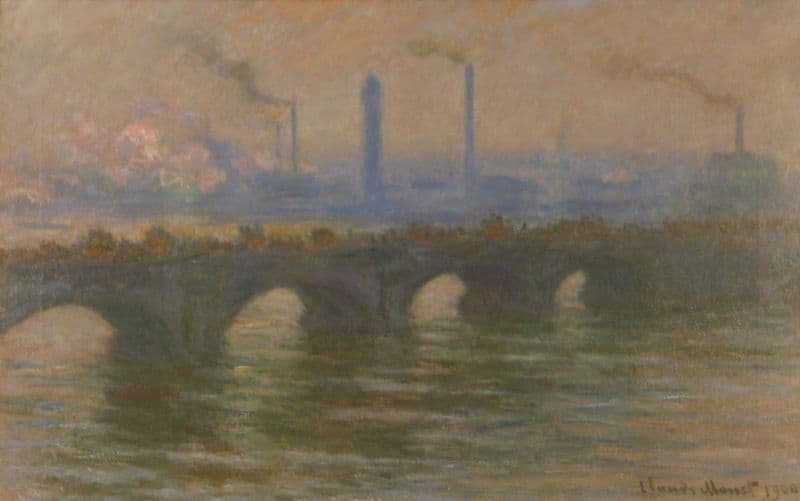
Waterloo Bridge, Overcast Weather
Claude Monet · 1900
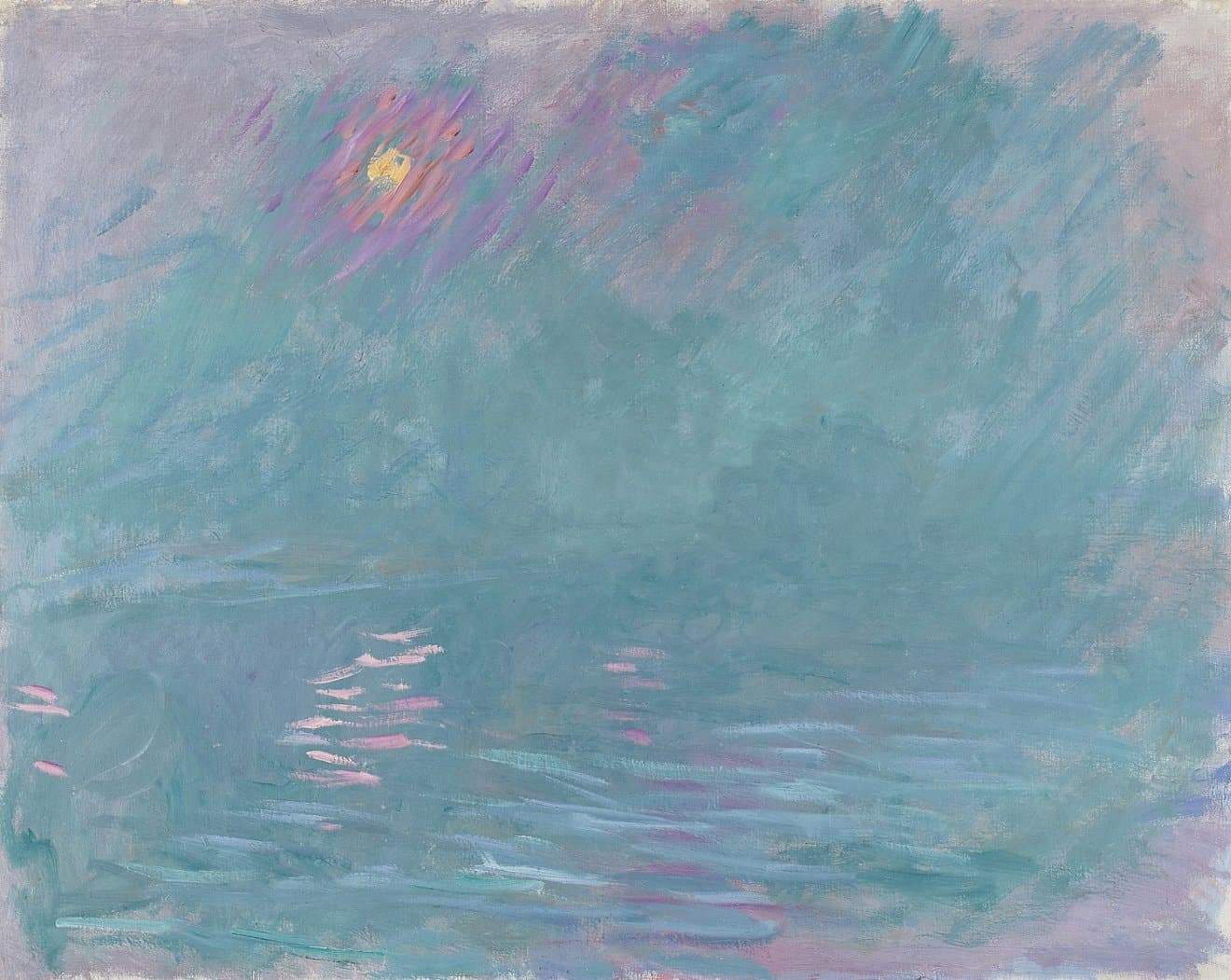
Waterloo Bridge (Kerry Stokes Collection)
Claude Monet · 1899–1901
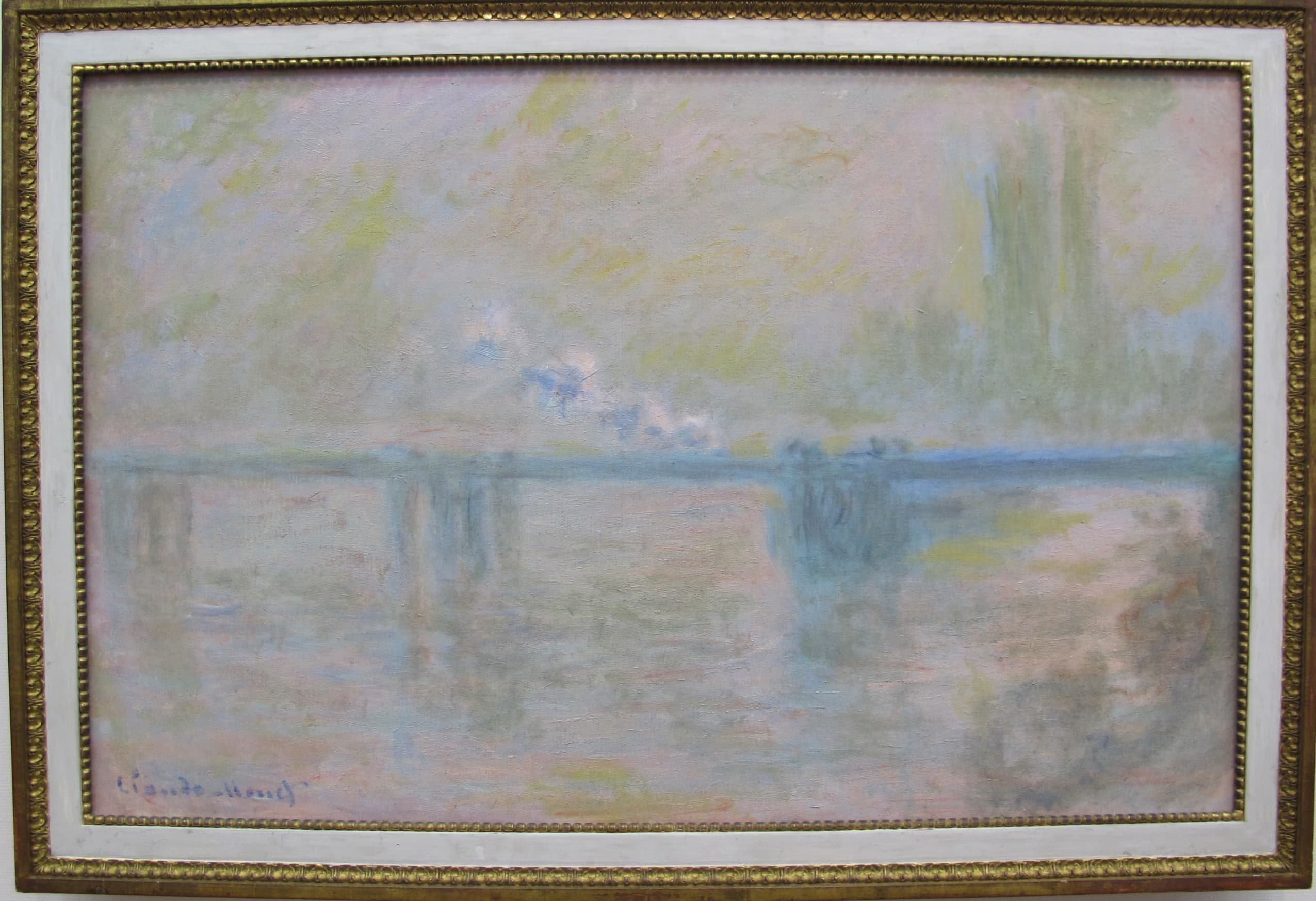
Charing Cross Bridge (Overcast Day)
Claude Monet · 1900
Kindred works
You may also study
Waterloo Bridge, Sunlight Effect
Claude Monet · 1903
Waterloo Bridge, Gray Day
Claude Monet · 1903
Waterloo Bridge, Gray Day (Ordrupgaard)
Claude Monet · 1903
Waterloo Bridge, Overcast Weather
Claude Monet · 1900
Waterloo Bridge, Sunlight Effect
Claude Monet · 1903
Waterloo Bridge (Kunsthaus Zürich, 1902)
Claude Monet · 1902
The Palazzo Dario
Claude Monet · 1908
Waterloo Bridge, Gray Weather (Gurlitt Bequest)
Claude Monet · 1903