Image: Amgueddfa Cymru – Museum Wales (CC0) · CC0 · via Wikimedia Commons
Charing Cross Bridge (Cardiff)
Claude Monet, c. 1900 (dated 1902)
Charing Cross Bridge (c. 1900, signed and dated 1902) is Claude Monet's view of the Thames bridge in a peach and blue-green haze, two boats in the foreground. Margaret Davies bought it in 1913; it is now in National Museum Cardiff.
- Artist
- Claude Monet
- Date
- c. 1900 (dated 1902)
- Medium
- Oil on canvas
- Dimensions
- 65 × 81 cm
- Collection
- National Museum Cardiff (Amgueddfa Cymru – Museum Wales), Cardiff, United Kingdom
- Movement
- Impressionism
- Catalogue
- Wildenstein 1529
- The City
- Water & Sea
Charing Cross Bridge in Cardiff is a canvas Claude Monet began in London around 1900 and signed and dated Claude Monet 1902 after finishing it at Giverny. It shows the railway bridge across the Thames in a soft peach and turquoise haze, with the towers of Westminster rising at upper right and two small boats on the river below. It belongs to Amgueddfa Cymru – Museum Wales (NMW A 2483), one of eight Monets left to Wales by the collector Margaret Davies in 1963.
What you are looking at
The canvas is close to square in feeling, about 65 by 81 cm, and the composition is calm and balanced. The bridge, a pale blue-green bar, crosses the picture just below the middle. At left, where the railway runs into Charing Cross station, a dark blue-violet cloud of smoke rises from a train, with a hint of a darker structure behind it. At upper right the Victoria Tower and the clock tower stand as tall gray-blue shapes against a sky that warms from turquoise at the edges to peach and coral near the sun.
The sun itself is not shown, but its presence is felt in a soft orange glow at far right and in the long, warm reflections that streak across the river. On the water, two boats are picked out: one with a standing figure, in a pale patch of light just below the central span, and another, smaller, in the lower foreground. In the bottom right corner a dark turquoise mass suggests the Embankment trees. The signature and date sit just above them.
Where and when it was painted
Monet painted the view upriver from his window at the Savoy Hotel during his London stays of 1899, 1900 and 1901. He worked on canvases of Charing Cross Bridge in the mornings and the Houses of Parliament in the late afternoon, alternating as the light changed. Back at Giverny he spent three more years reworking them, which is why many, like this one, carry dates of 1902 or 1903. See our Monet in London hub for the chronology.
How it was painted
The surface is dense, built up in many layers of fine, interlaced strokes. The sky mixes peach, coral, lemon and turquoise in short diagonal touches, and the river picks up the same colors in horizontal flecks, so that sky and water mirror one another. Monet kept the values high and close, letting the darker accents (the smoke, the boats, the trees) do the work of structure. The reworking at Giverny shows in the smoothness of the color transitions; there is less raw, broken handling than in the sketches.
The Davies sisters
Gwendoline and Margaret Davies, granddaughters of the Welsh industrialist David Davies, were among the earliest and most important British collectors of Impressionism. Margaret bought this canvas in 1913, when Monet was still little collected in Britain. The sisters' bequests, of 1951 and 1963, transformed the national collection in Cardiff; Margaret's included eight works by Monet, among them this painting and three of his water lily pictures.
How this version differs
Compared with the cool Thyssen-Bornemisza canvas or the misty Overcast Day in Boston, the Cardiff picture is warmer and more finished, with peach and turquoise in balance. Its smoke is darker than the white puffs in most versions. It is closest in color to the Chicago canvas of 1901, which the dealer Durand-Ruel recorded as a sunset. The whole run is in our Charing Cross Bridge series page.
From Savoy window to Giverny studio
The double date of this canvas, begun around 1900 and signed 1902, is typical of the series. Monet found it impossible to finish the London pictures on the spot because the effects changed too quickly, and once home he decided to complete them from memory and by comparison with one another. He told his dealer Durand-Ruel that he needed to see them all together to finish any one of them. Critics later questioned this studio work, but it is what gives canvases like the Cardiff picture their unified, glowing color.
Where to see it
The painting is in the collection of National Museum Cardiff, which shows the Davies sisters' Impressionist pictures in its art galleries. The museum's record has listed the work as on loan at times, so check before visiting. For other collections, see where to see Monet's paintings.
Questions & answers
Where is Monet's Charing Cross Bridge in Wales?
It is in Amgueddfa Cymru – Museum Wales (NMW A 2483), shown at National Museum Cardiff. Margaret Davies bought it in 1913 and bequeathed it in 1963. The work is sometimes lent to exhibitions, so check before visiting.
When was it painted?
Monet began it in London around 1900, painting from the Savoy Hotel, and finished it at Giverny. He signed and dated it 'Claude Monet 1902' at lower right.
What does the painting show?
Charing Cross railway bridge crossing the Thames in a peach and turquoise haze, with dark smoke from a train at left, the towers of Westminster at upper right and two small boats on the river.
Who were the Davies sisters?
Gwendoline and Margaret Davies were Welsh heiresses who collected Impressionist painting from 1908 and left their collections to the National Museum of Wales in 1951 and 1963. Margaret's bequest included eight paintings by Monet.
More by the artist
Claude Monet
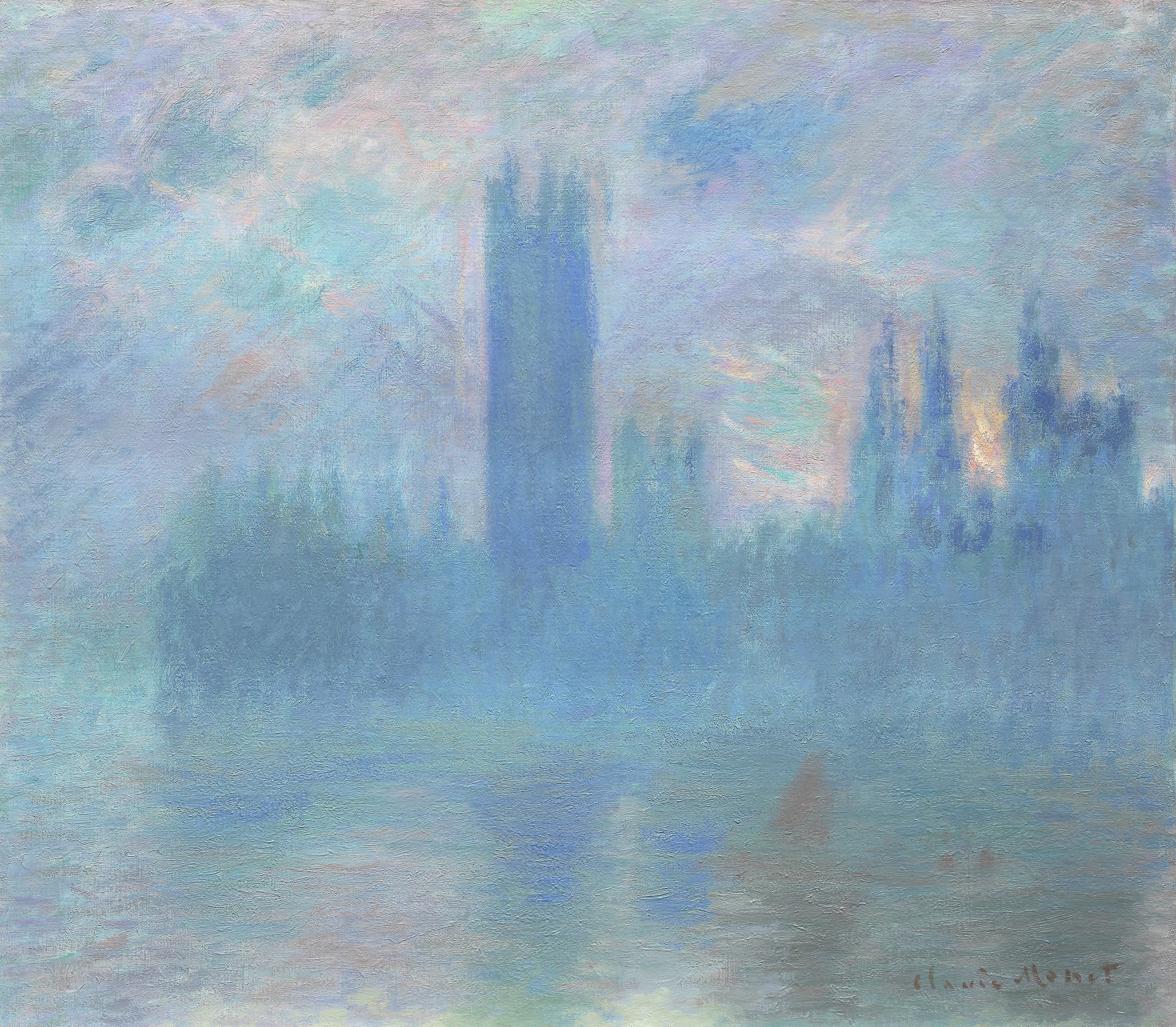
Houses of Parliament, London
Claude Monet · 1900–01
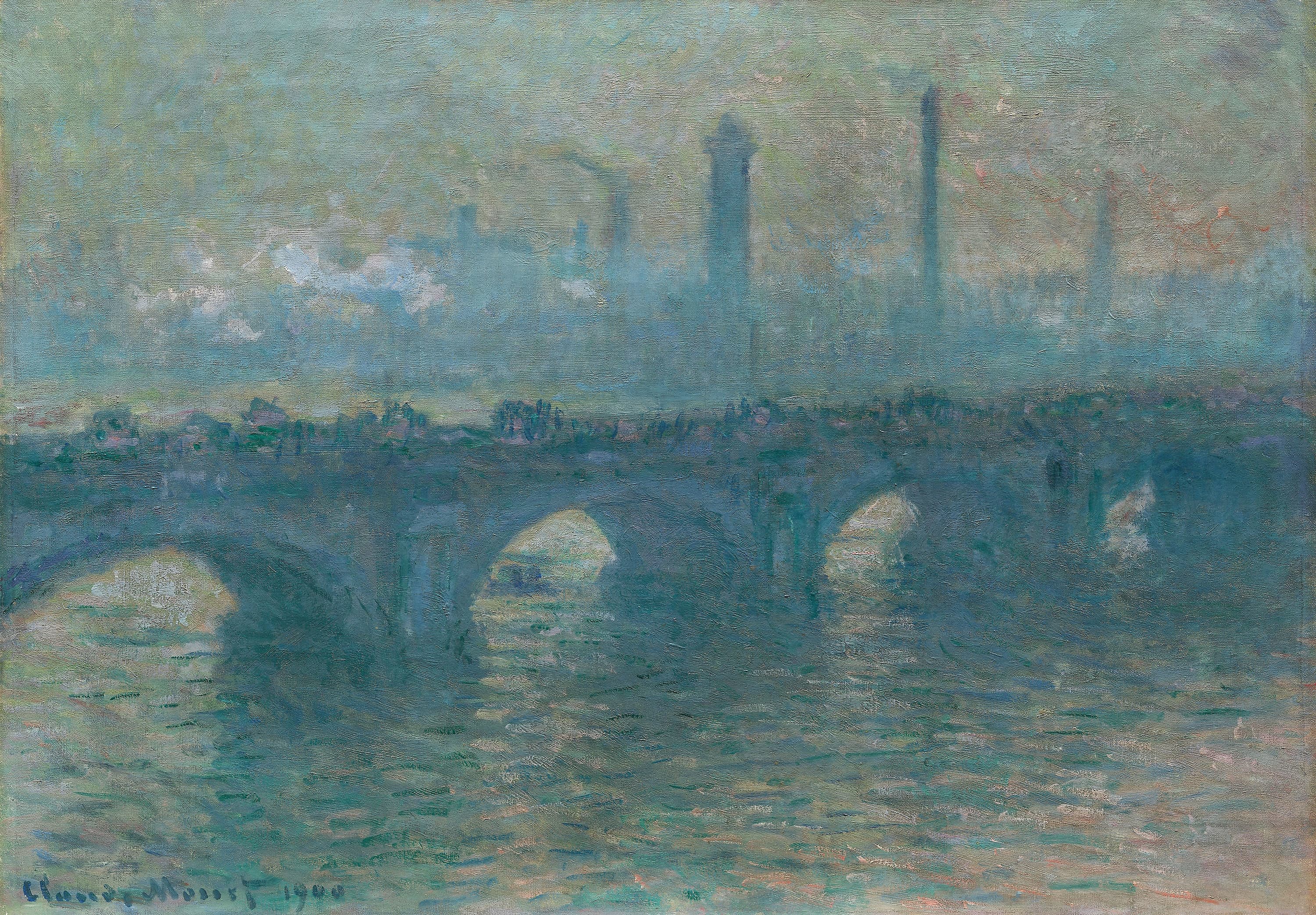
Waterloo Bridge, Gray Weather
Claude Monet · 1900
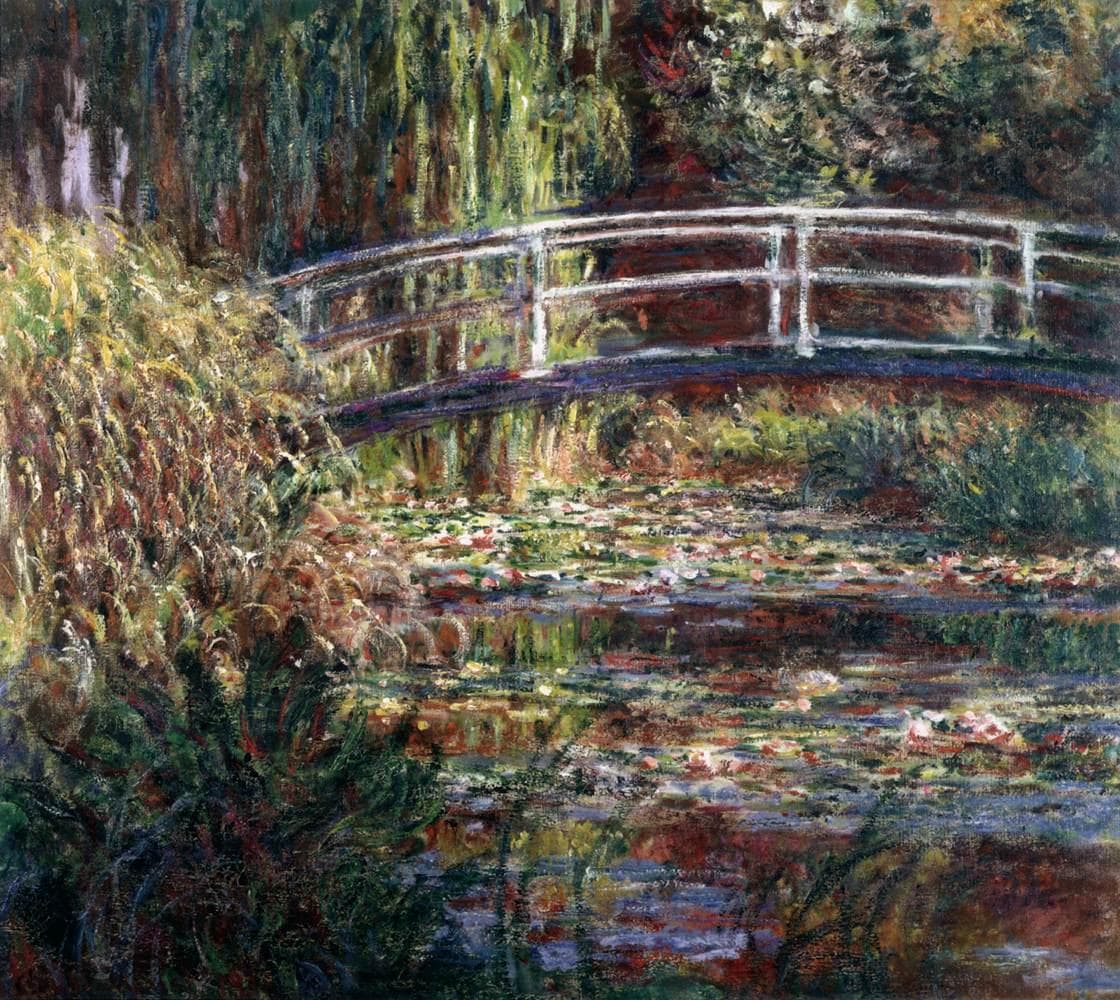
The Water Lily Pond, Harmony in Rose
Claude Monet · 1900
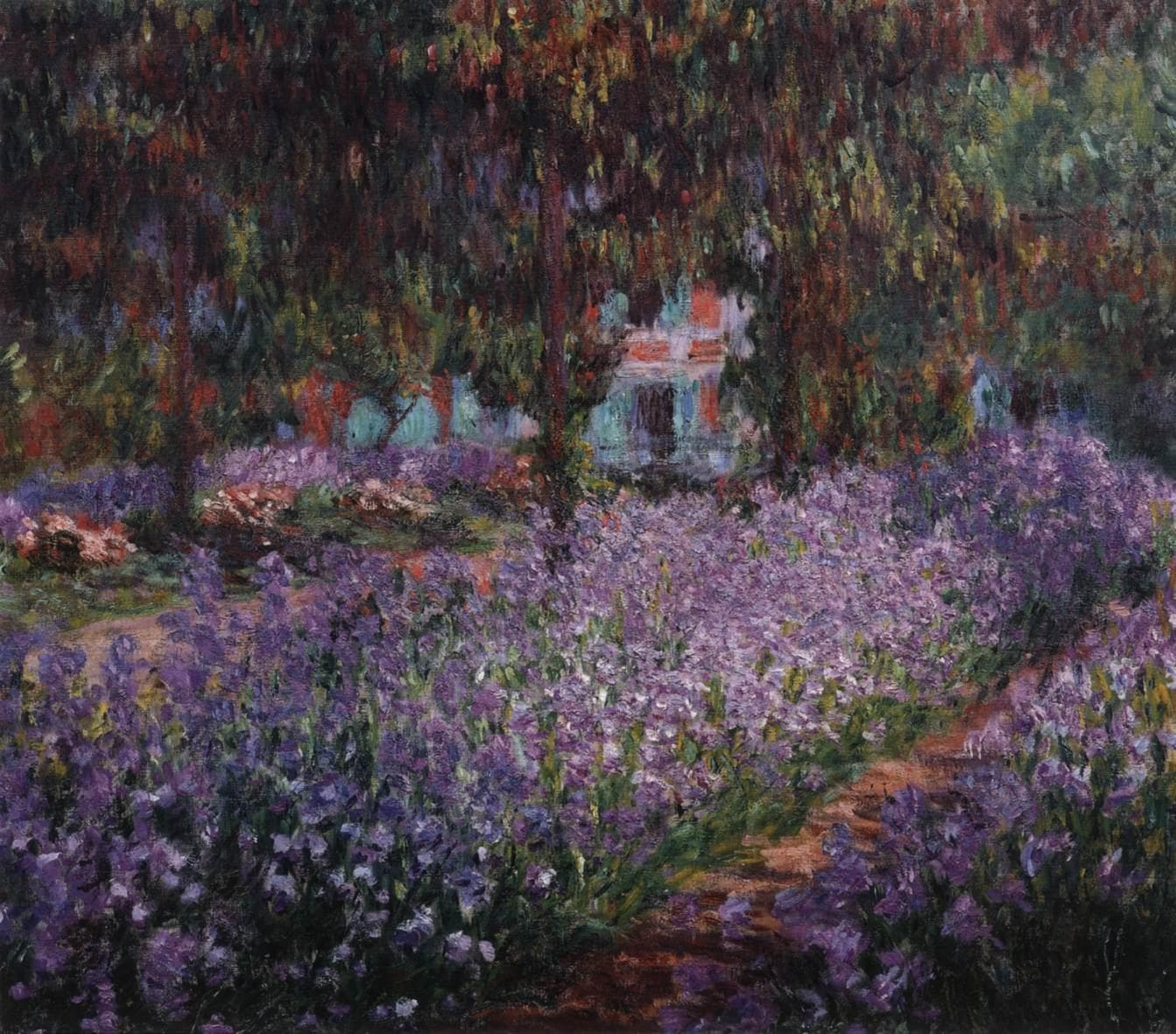
Irises in Monet's Garden at Giverny
Claude Monet · 1900
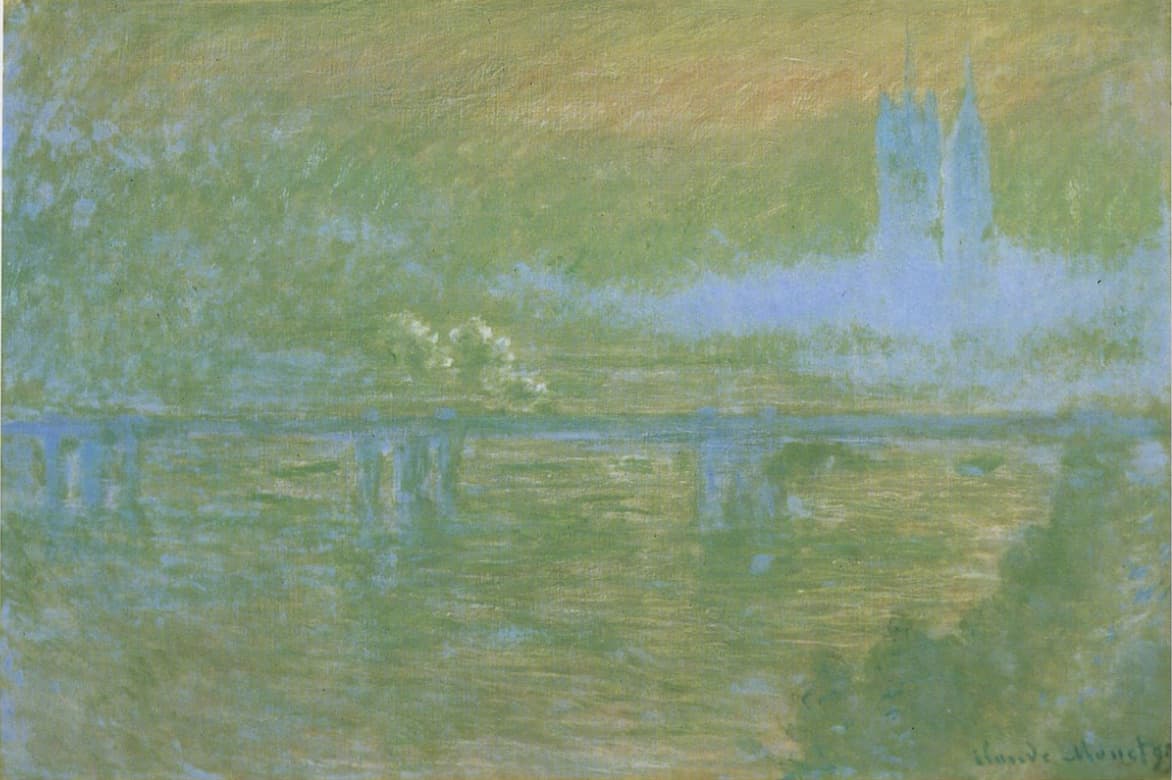
Charing Cross Bridge
Claude Monet · c. 1899
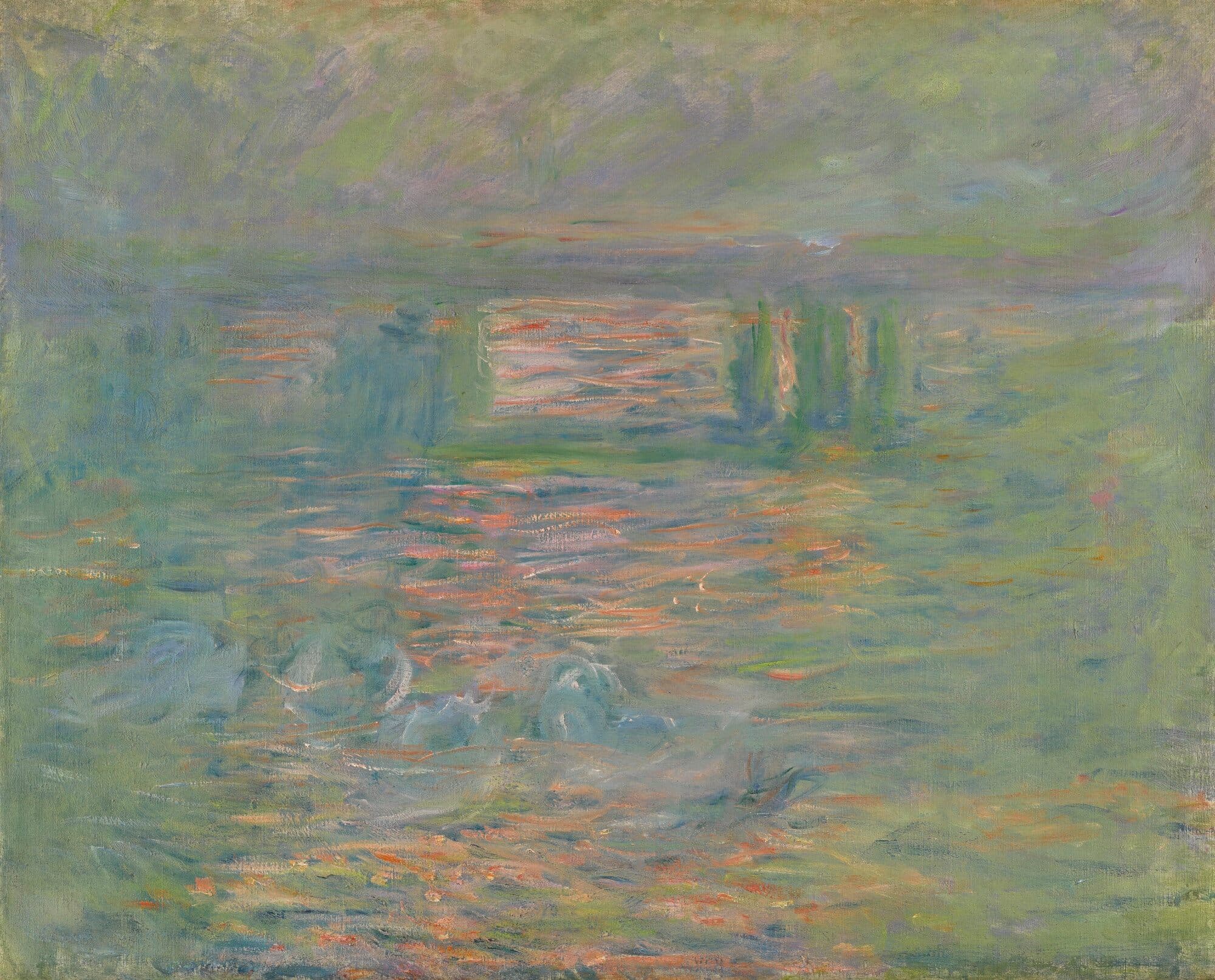
Charing Cross Bridge (private collection, c. 1900)
Claude Monet · c. 1899–1901
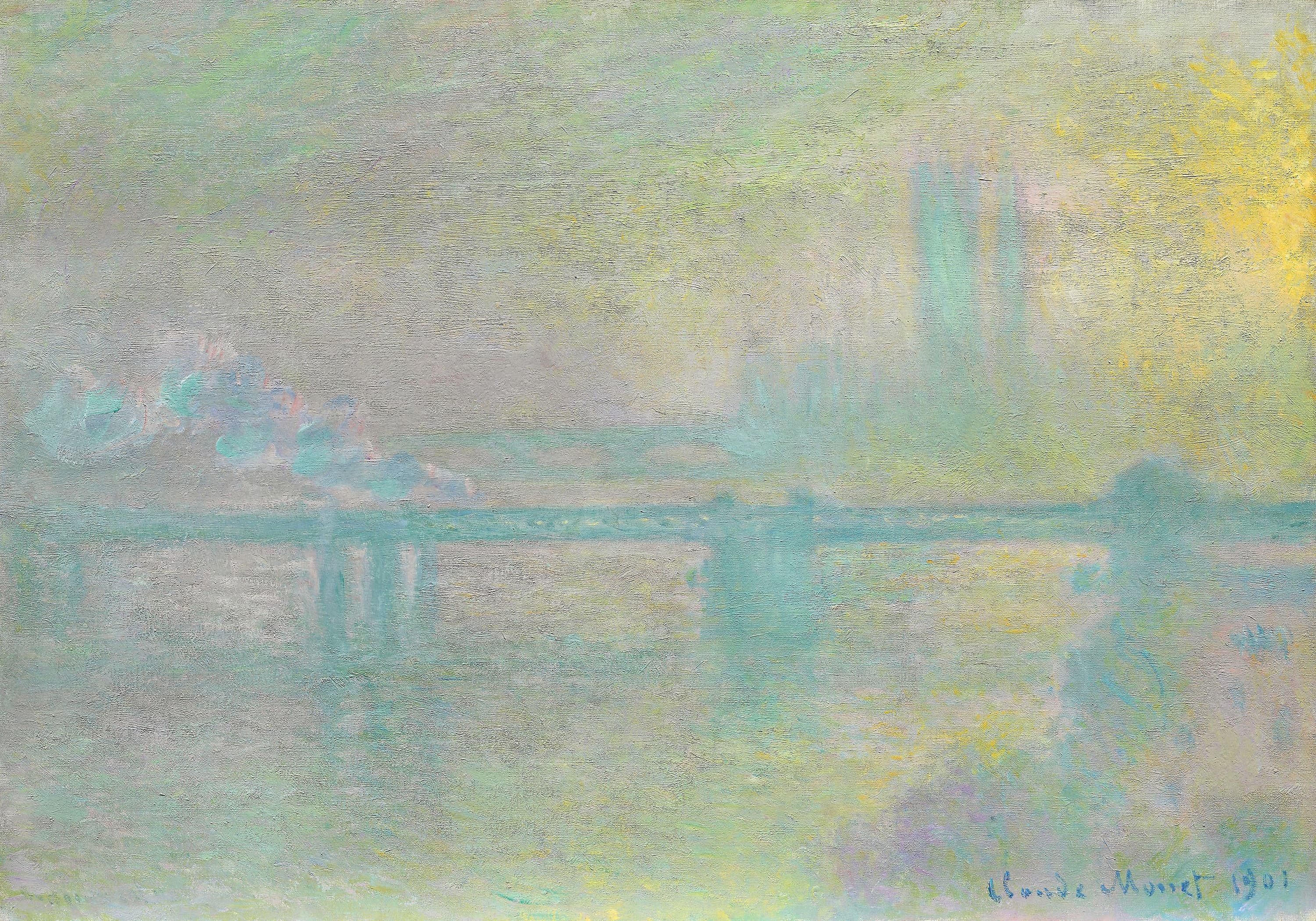
Charing Cross Bridge, London
Claude Monet · 1901
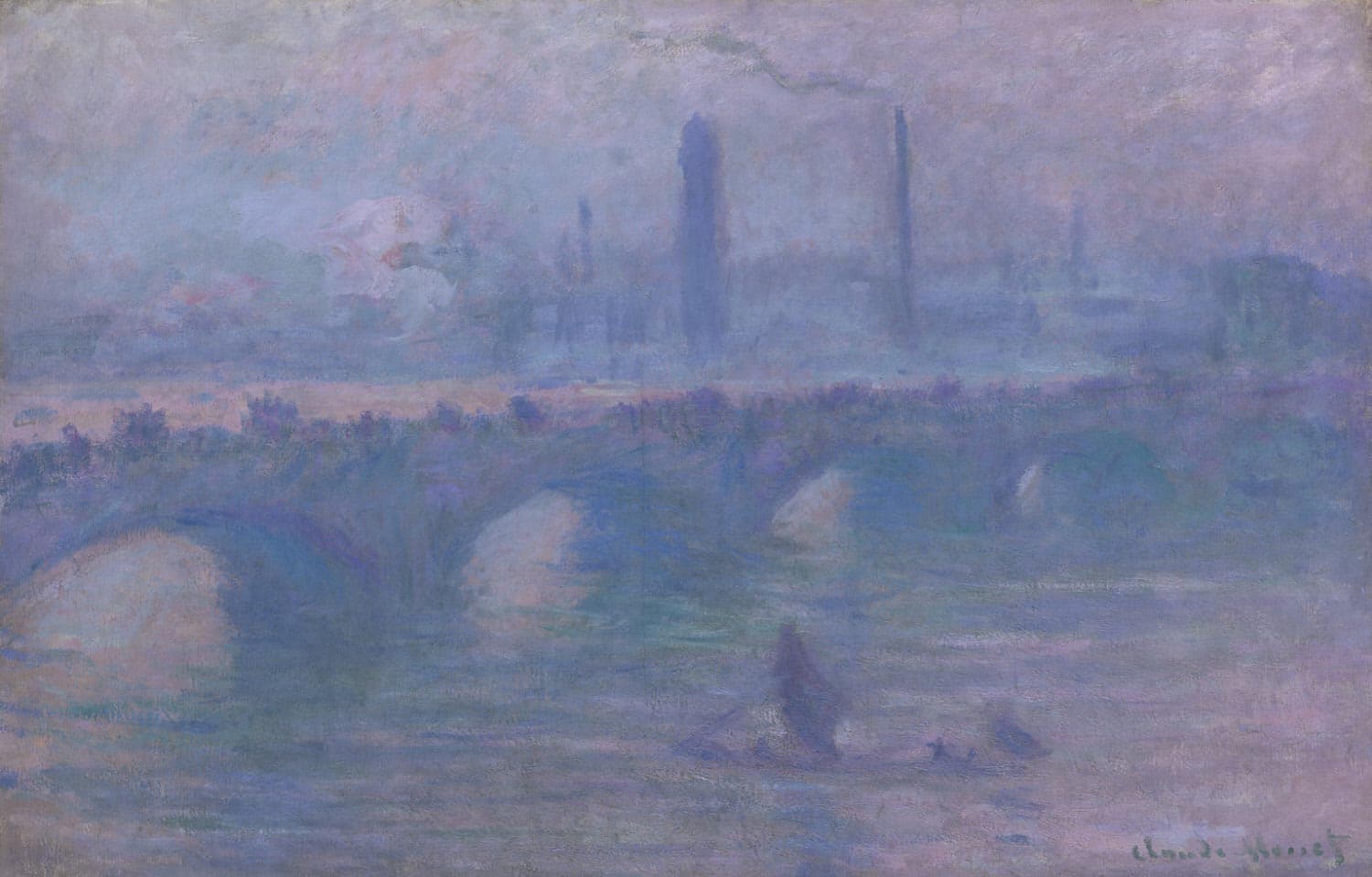
Waterloo Bridge, Morning Fog
Claude Monet · 1901
Also painted in 1900
The same year
Houses of Parliament, Symphony in Rose
Claude Monet · 1900
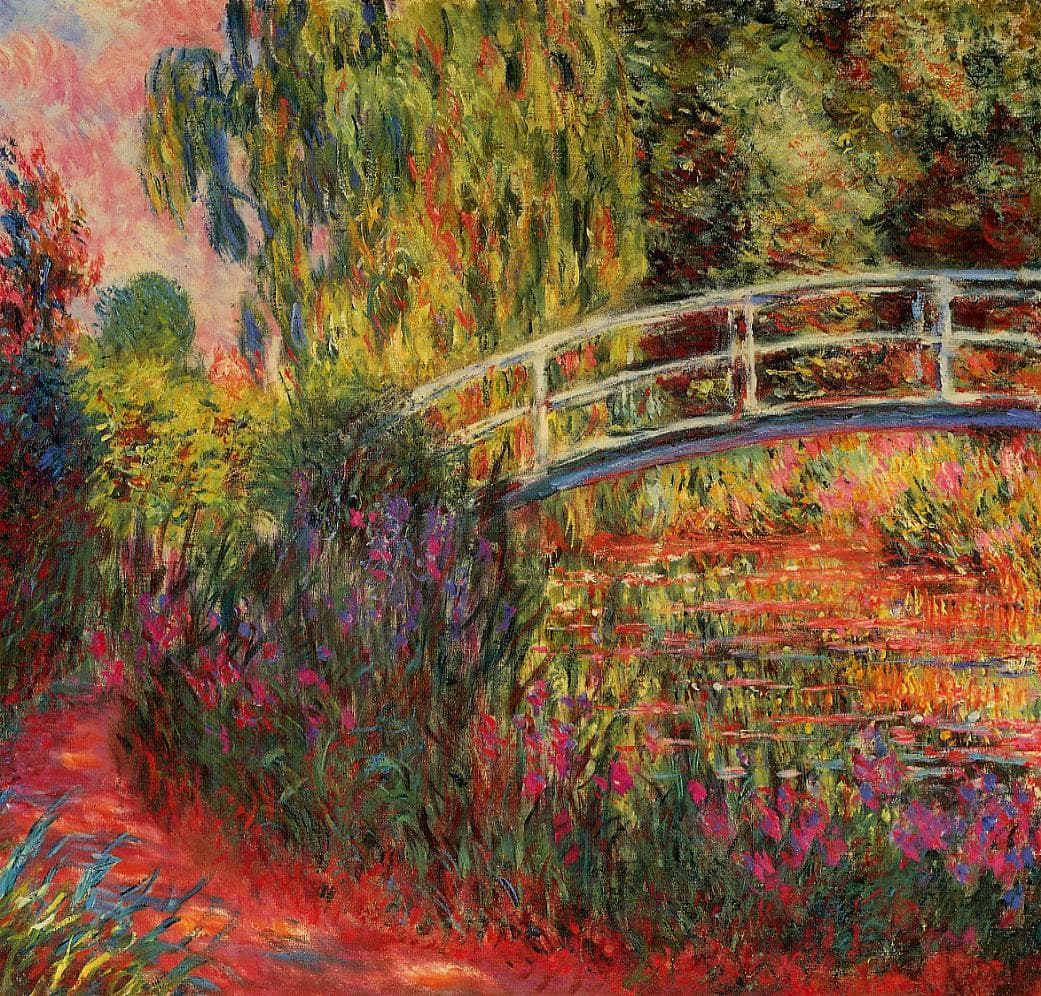
The Japanese Bridge or The Lily Pond
Claude Monet · 1900
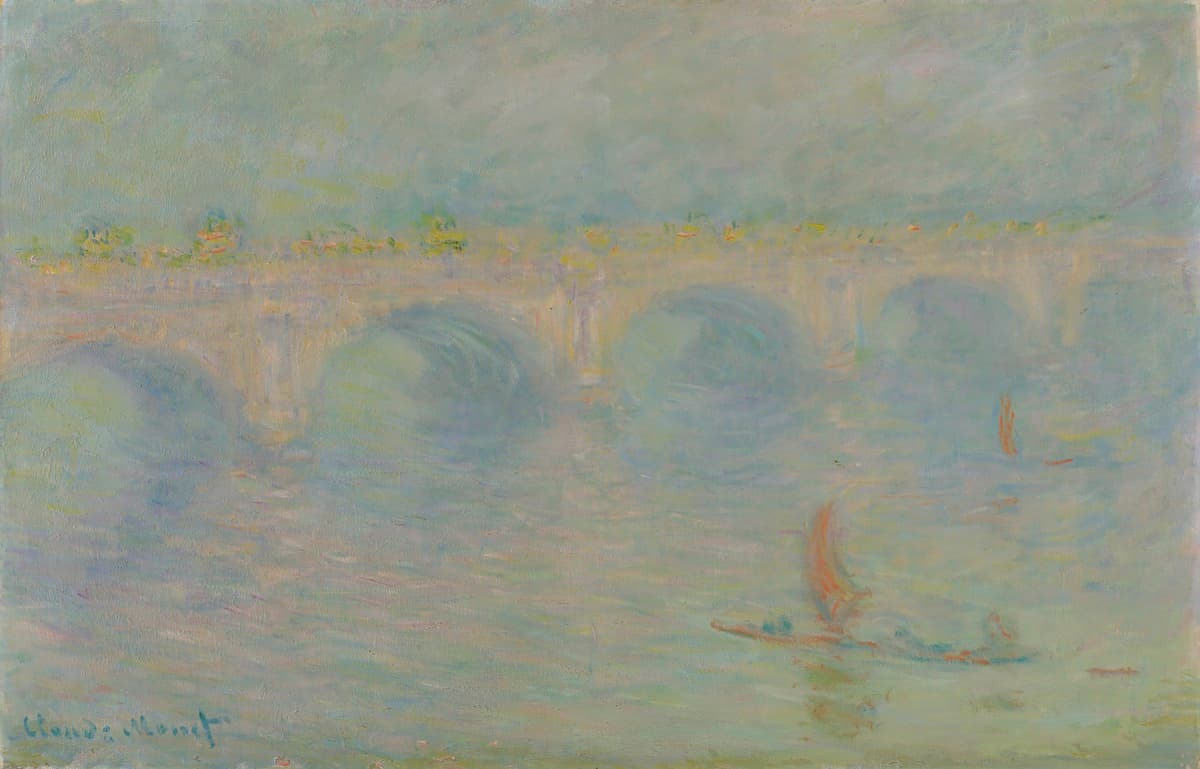
Waterloo Bridge, London, Sun Effect
Claude Monet · 1899–1901
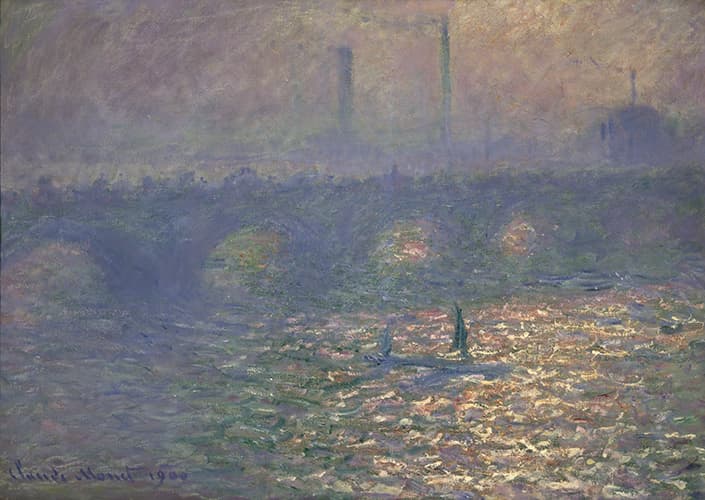
Waterloo Bridge (Santa Barbara Museum of Art)
Claude Monet · 1900
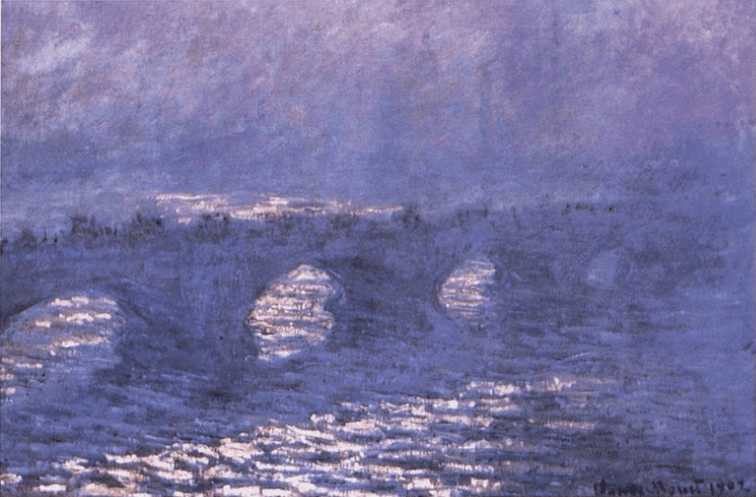
Waterloo Bridge, Effect of Sun in the Mist
Claude Monet · c. 1900–03
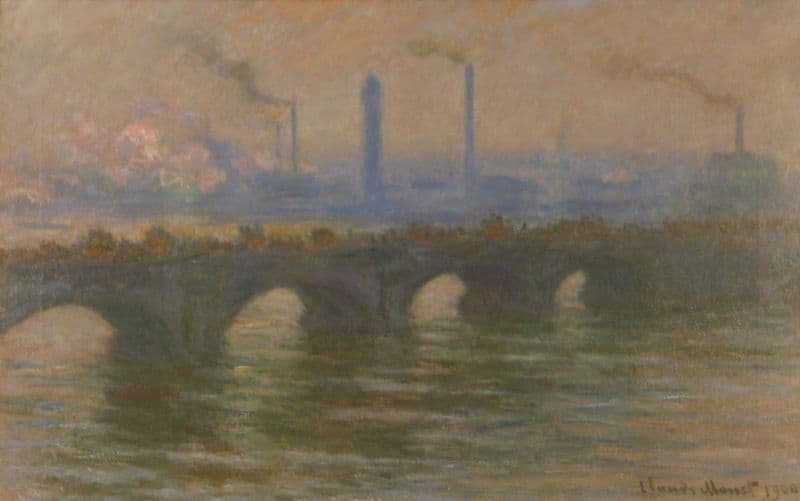
Waterloo Bridge, Overcast Weather
Claude Monet · 1900
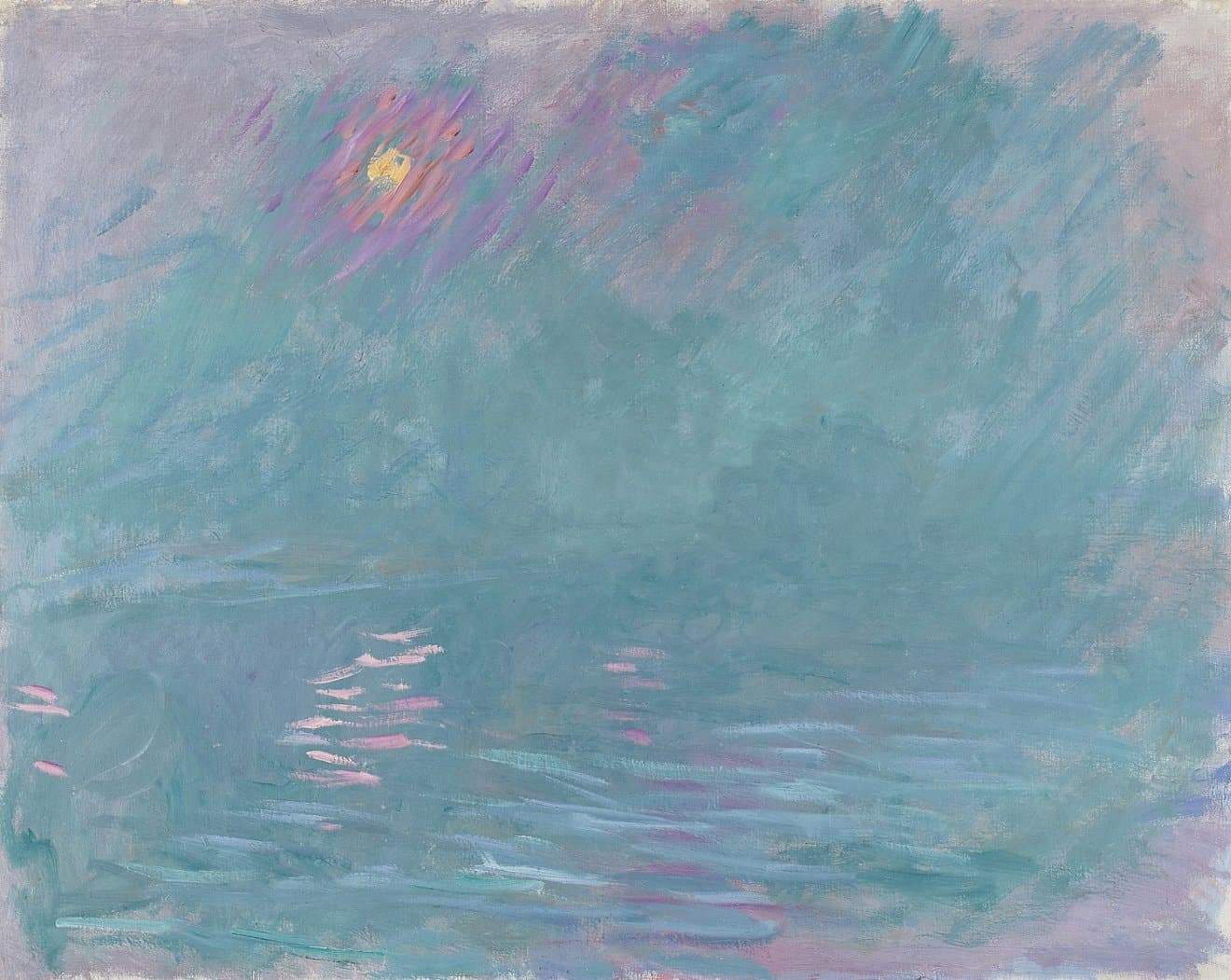
Waterloo Bridge (Kerry Stokes Collection)
Claude Monet · 1899–1901
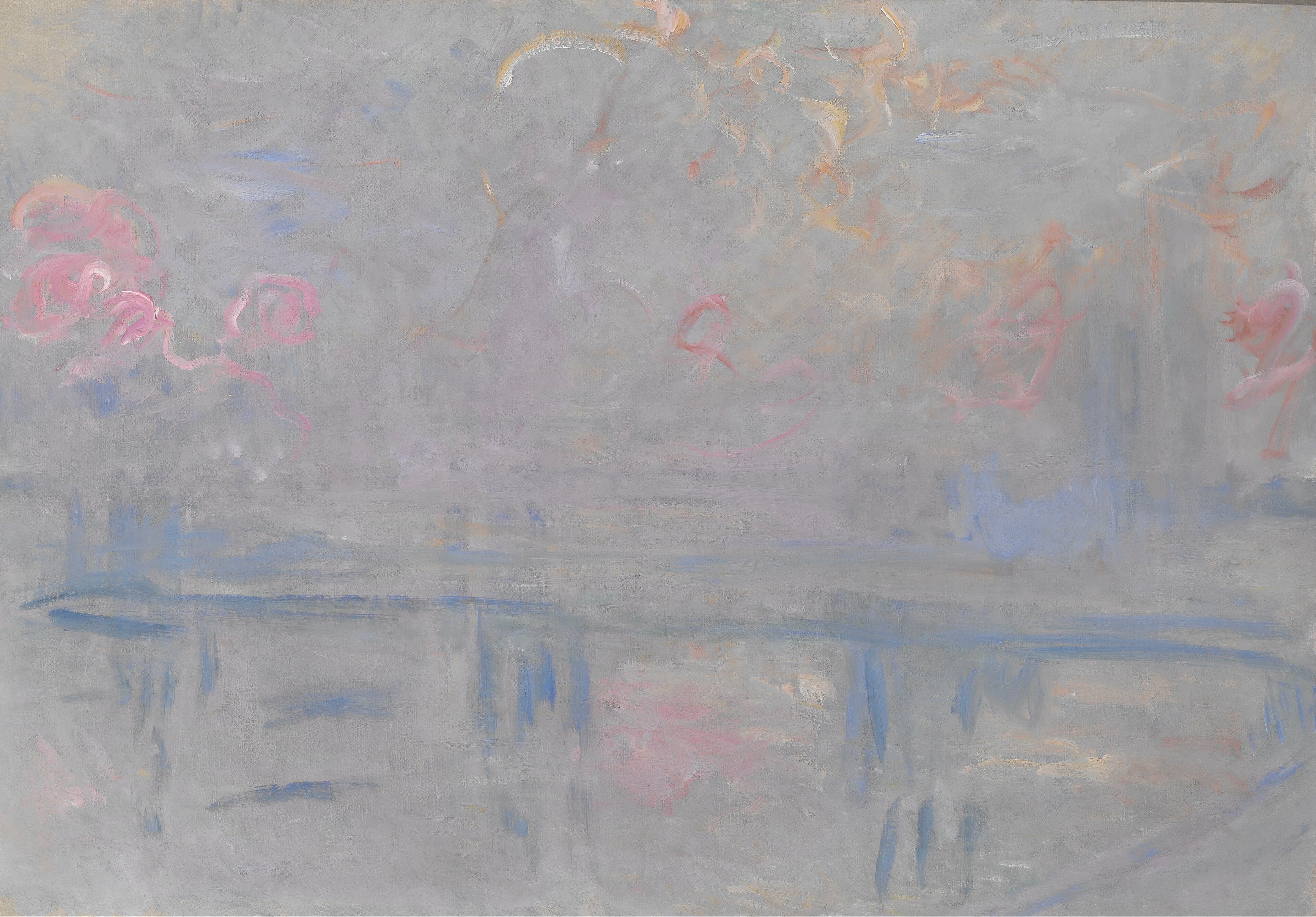
Charing Cross Bridge (Indianapolis)
Claude Monet · c. 1900
Kindred works
You may also study
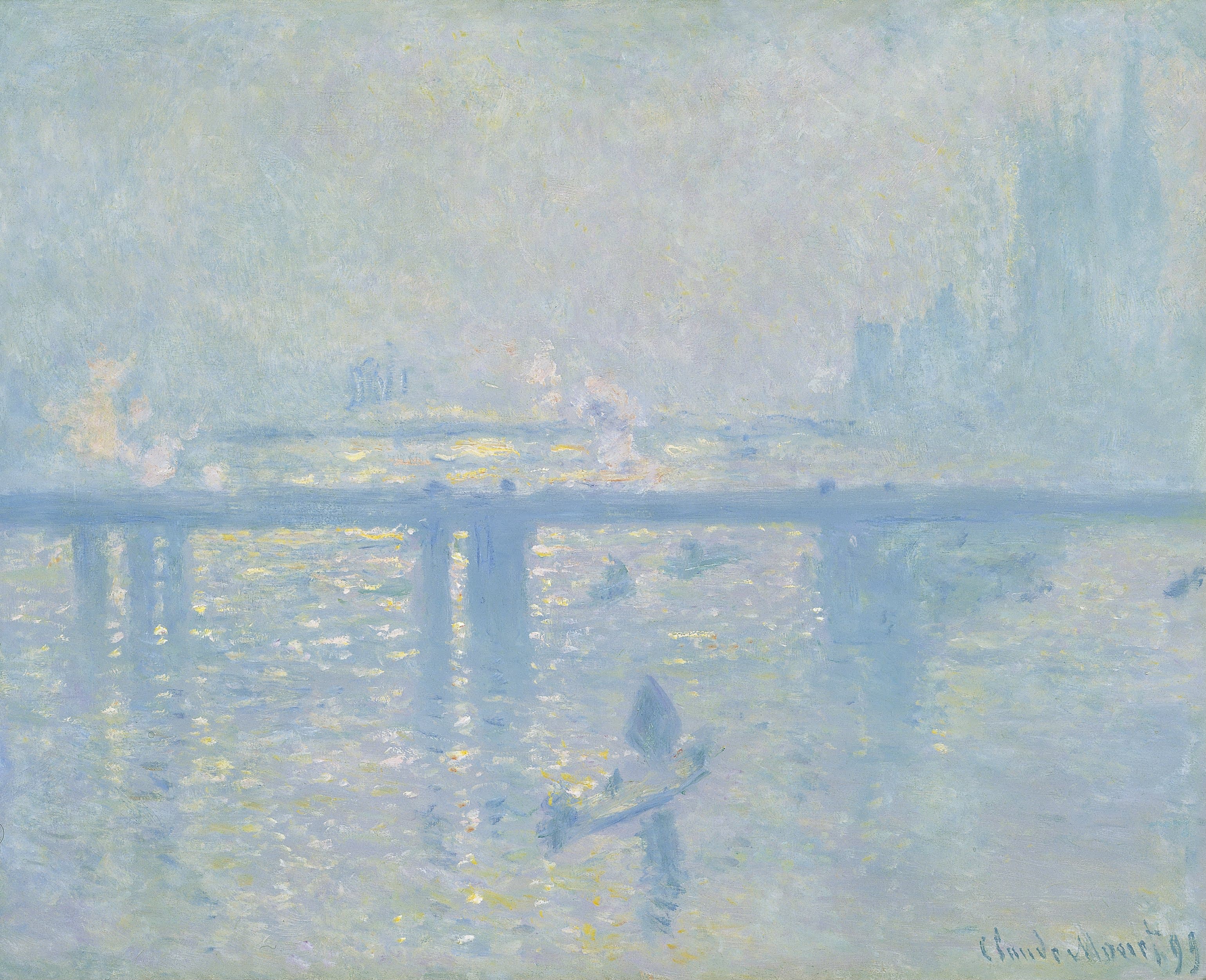
Charing Cross Bridge
Claude Monet · 1899
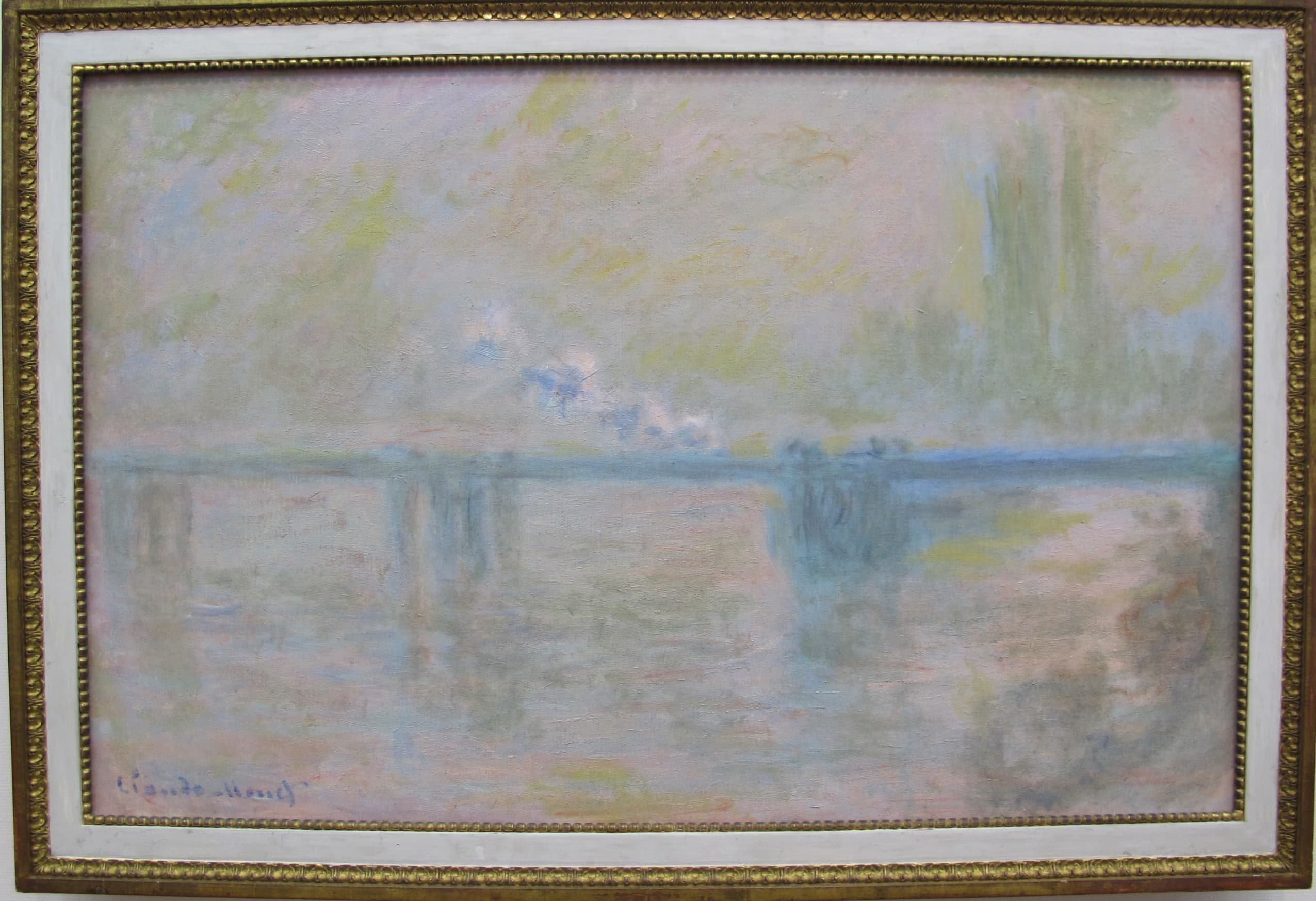
Charing Cross Bridge (Overcast Day)
Claude Monet · 1900
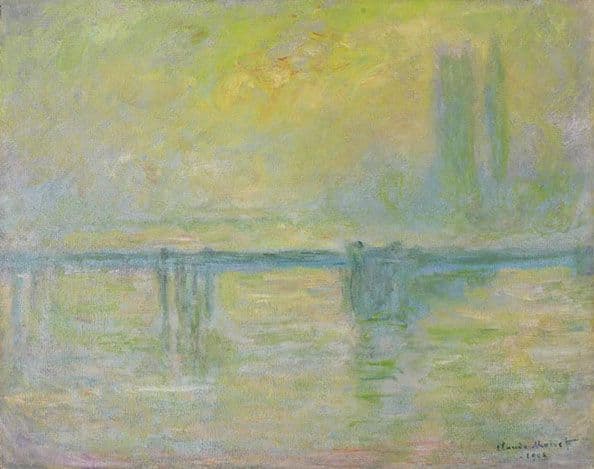
Charing Cross Bridge, Fog
Claude Monet · 1902–03
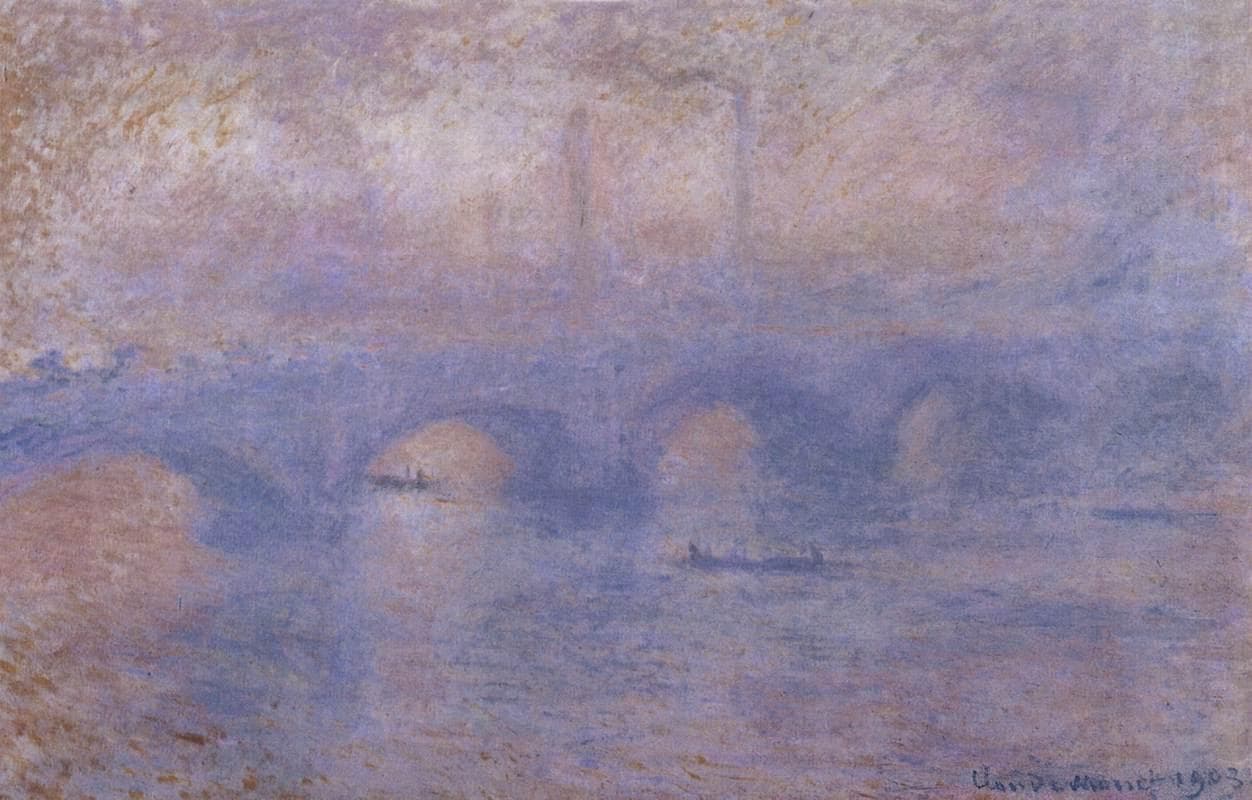
Waterloo Bridge, Effect of Fog
Claude Monet · 1903
Waterloo Bridge, London
Claude Monet · 1903
Waterloo Bridge, effet de brume
Claude Monet · 1904
Houses of Parliament, Sunlight Effect
Claude Monet · 1903
Palazzo Da Mula Morosini
Claude Monet · 1908