Image: Photograph of the painting at the Museum of Fine Arts, Boston (Wikimedia Commons user, own work) · CC BY-SA 3.0 · via Wikimedia Commons
Charing Cross Bridge (Overcast Day)
Claude Monet, 1900
Charing Cross Bridge (Overcast Day), 1900, is Claude Monet's view of the Thames railway bridge under a flat, pearly sky, painted in soft pinks, blues and pale yellows. It is in the Museum of Fine Arts, Boston.
- Artist
- Claude Monet
- Date
- 1900
- Medium
- Oil on canvas
- Dimensions
- 60.6 × 91.5 cm
- Collection
- Museum of Fine Arts, Boston, Boston, United States
- Movement
- Impressionism
- Catalogue
- Wildenstein 1526
- The City
- Water & Sea
Charing Cross Bridge (Overcast Day) is a canvas Claude Monet painted in London in 1900, and as the title says, it records a day without sun. The railway bridge crosses the Thames as a soft blue-green band, the Houses of Parliament are pale vertical smudges at right, and the whole scene is wrapped in an even, milky light of pink, lemon and powder blue. It has been in the Museum of Fine Arts, Boston, since 1978, the bequest of Janet Hubbard Stevens in memory of her mother, Janet Watson Hubbard.
What you are looking at
The picture is long and low, about 61 by 92 cm, and the bridge runs across it slightly above the middle. Its deck is a pale turquoise line; its piers are grouped in threes and fours and dissolve into reflections that hang down into the water like curtains. Above the left-center span, a small burst of white, blue and violet marks a train's smoke, the only animated note in the sky.
The light is diffused. There is no glitter on the water, no shadow, no direction to the light at all. Monet spread pinks, pale yellows and greens across sky and river with soft, interlocking strokes, so that the two halves of the picture almost merge. At upper right the towers of Westminster appear as pale yellow-green verticals. At lower right a darker cloud of blue-gray marks foliage on the Embankment. The signature, Claude Monet, is at lower left, unusually.
Where and when it was painted
Monet returned to London in February 1900 for his second stay at the Savoy Hotel, and remained until early April. He worked from his room, painting the view upriver to Charing Cross Bridge and downriver to Waterloo Bridge, and from a terrace at St Thomas' Hospital he began the Houses of Parliament canvases. His letters to Alice from these months are full of frustration at the fast-changing weather and delight at the colored fogs. Our Monet in London hub tells the story.
How it was painted
The handling is soft and even, with no heavy impasto. Monet used a light ground and built up the surface in thin, fluid strokes, keeping all the values close. The bridge is barely darker than its surroundings, and its edges are blurred. This kind of picture, a near-uniform tonal field with a single horizontal accent, came close to the limit of what painting could show in 1900; critics at the 1904 exhibition of the Thames series compared such canvases to music and to dreams.
An overcast effect was hard to hold because, as Monet complained, London's light could change minute by minute. He seems to have reserved specific canvases for gray days and returned to them whenever the weather matched.
How this version differs
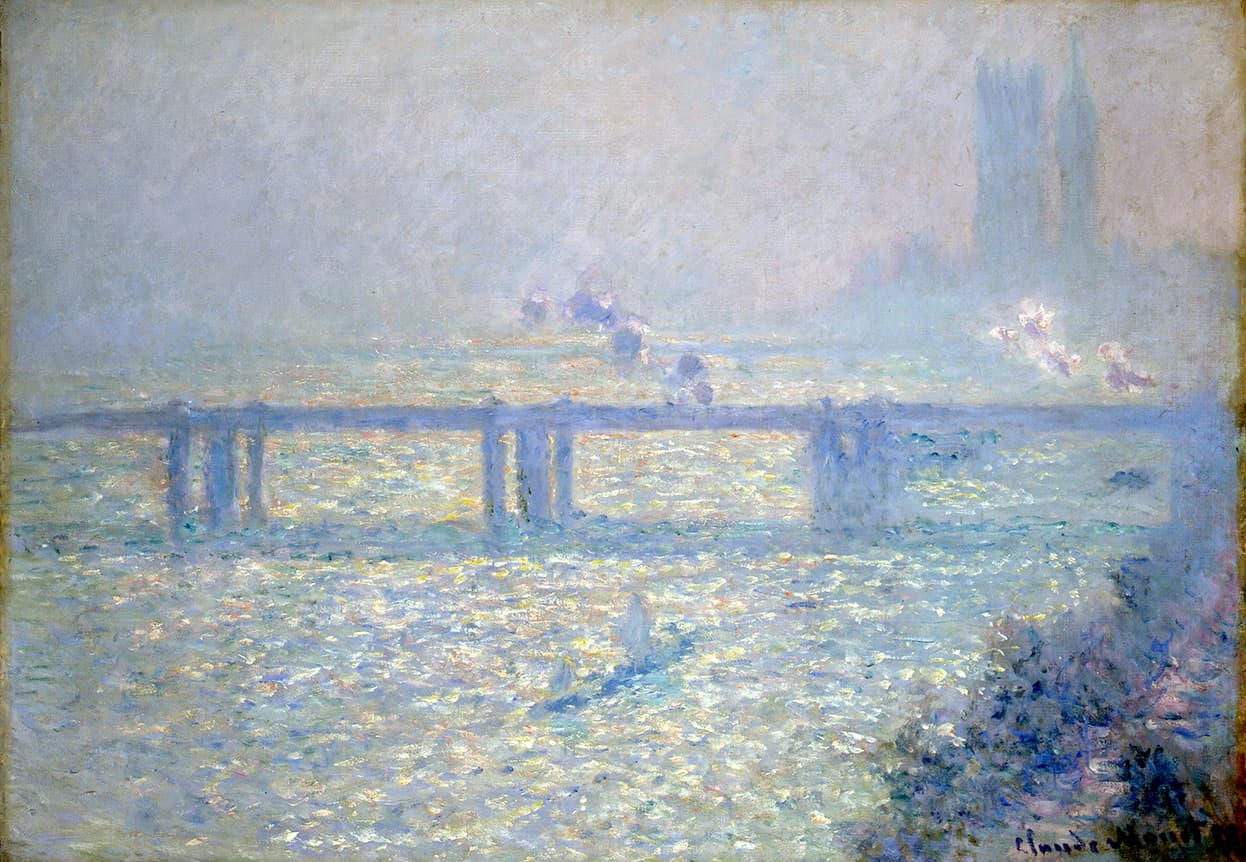
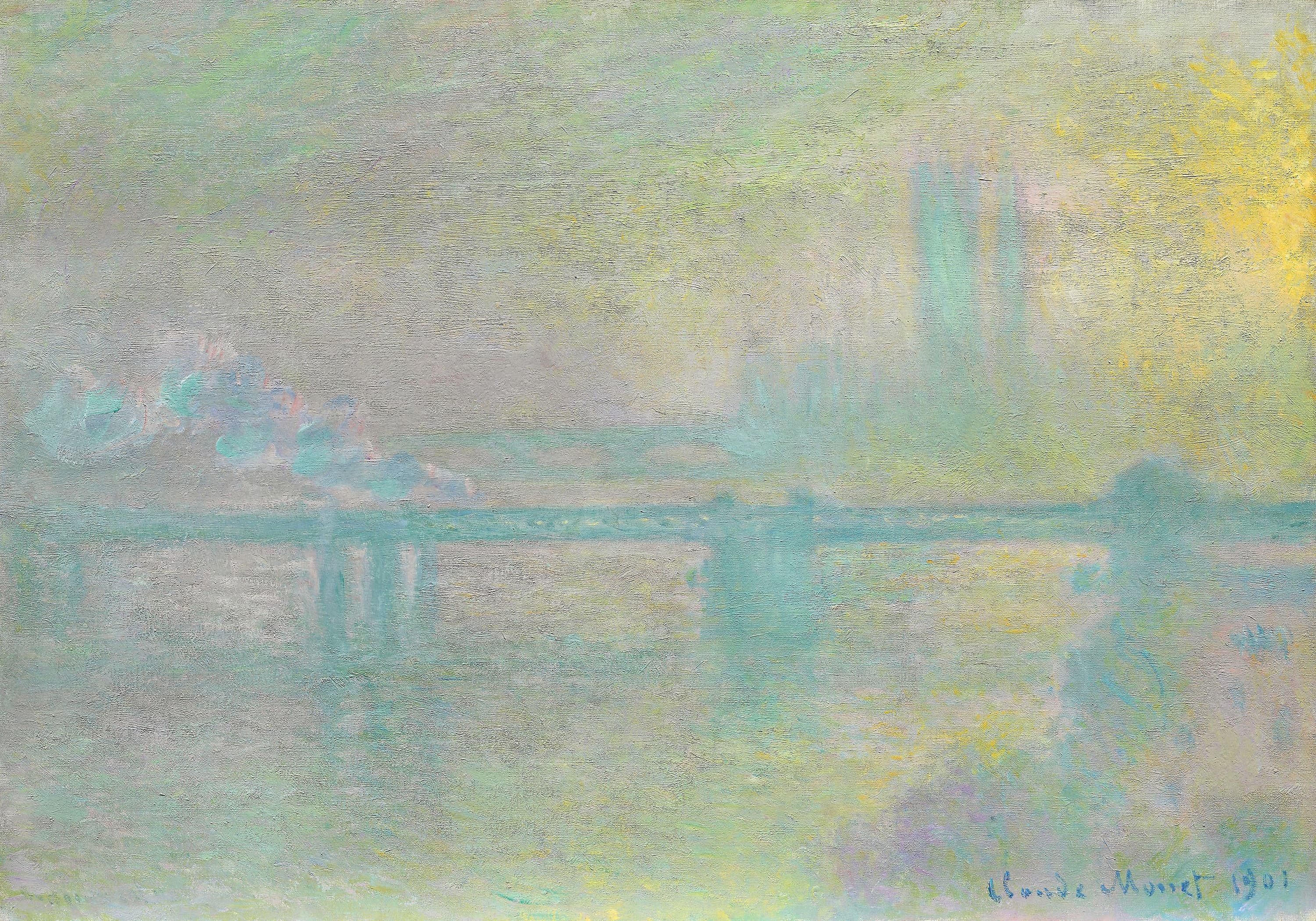
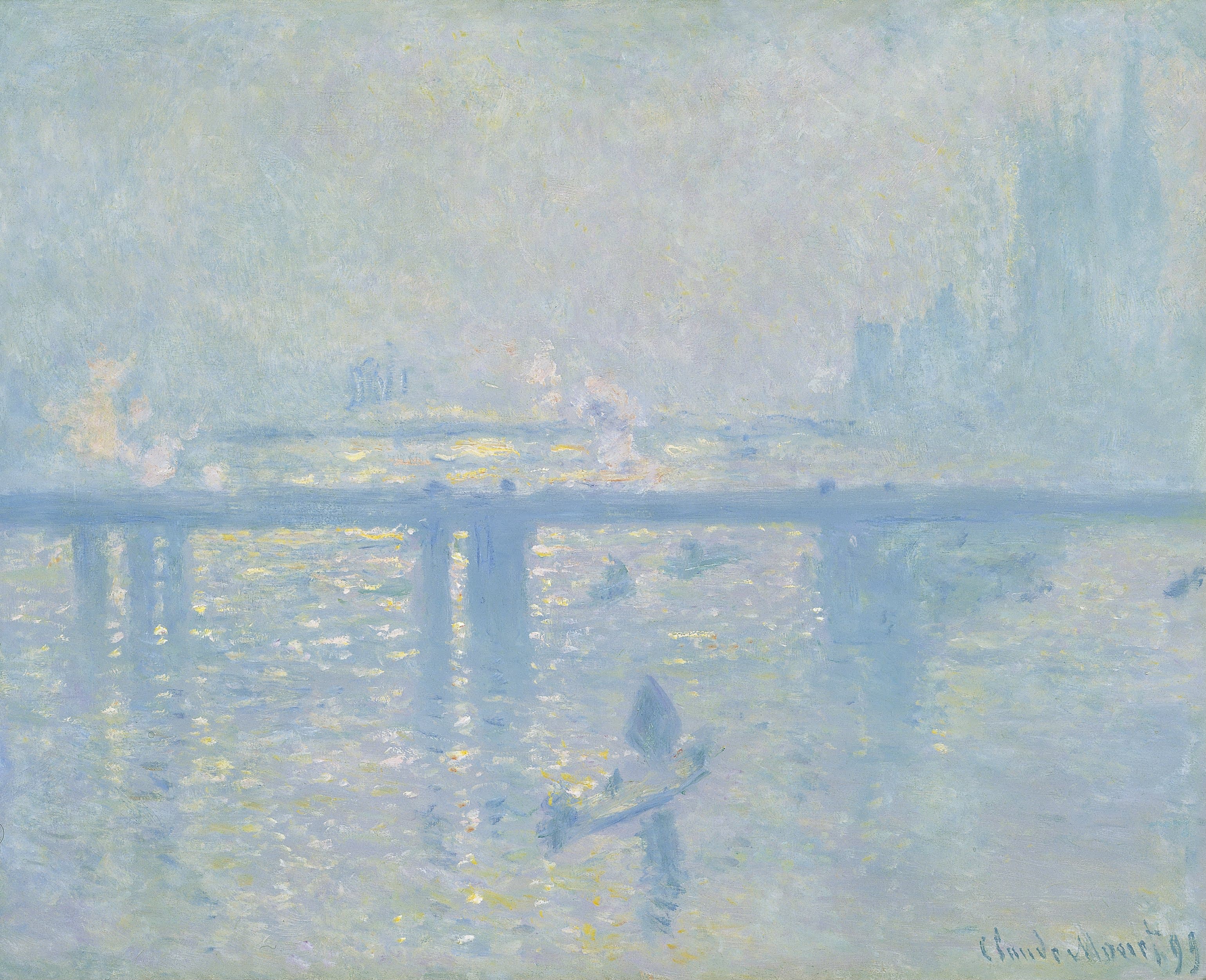
Set it beside the sun-struck Shelburne Museum version or the late-day Charing Cross Bridge, London in Chicago, and the Boston canvas is the quiet one, with no sun, no sparkle and no contrast. It is closer to the misty Thyssen-Bornemisza picture, but warmer, with pink and lemon in place of blue-gray. All the versions are gathered in our Charing Cross Bridge series page.
London weather in paint
Recent studies have compared the sun positions and light effects in the London series with weather and pollution records from 1899–1901, and concluded that, despite the reworking at Giverny, the pictures contain real observation of Victorian smogs. An overcast canvas like this one is in some ways the purest record: there is no sun to place, only the even, filtered light of a gray London day. Its soft pinks and yellows are what Monet saw when coal smoke and river mist mixed into a single luminous veil over the Thames.
Where to see it
The painting is in the Museum of Fine Arts, Boston (inv. 1978.465), one of the largest Monet collections outside France; see our Monet at the MFA Boston guide. It is not always on view, so check the museum's online collection. The image used here is a visitor's photograph of the framed canvas in the galleries; colors may differ slightly from the original.
Questions & answers
Where is Monet's Charing Cross Bridge (Overcast Day)?
In the Museum of Fine Arts, Boston (inv. 1978.465). It came to the museum in 1978 as the bequest of Janet Hubbard Stevens in memory of her mother, Janet Watson Hubbard. It is not always on display, so check the MFA's online collection.
When was it painted?
In 1900, during Monet's second stay at the Savoy Hotel in London, from February to early April. He painted the bridge from his window looking upriver toward Westminster.
What does 'overcast day' mean in the title?
It identifies the weather Monet recorded: a gray day with diffused light, no sun and no sparkle on the water. The bridge and Parliament dissolve into an even haze of pink, lemon and pale blue.
How many paintings of Charing Cross Bridge are there?
Monet made more than thirty canvases of the motif between 1899 and 1904, most begun at the Savoy and finished at Giverny. Eight were included in his 1904 Paris exhibition of Thames views.
More by the artist
Claude Monet
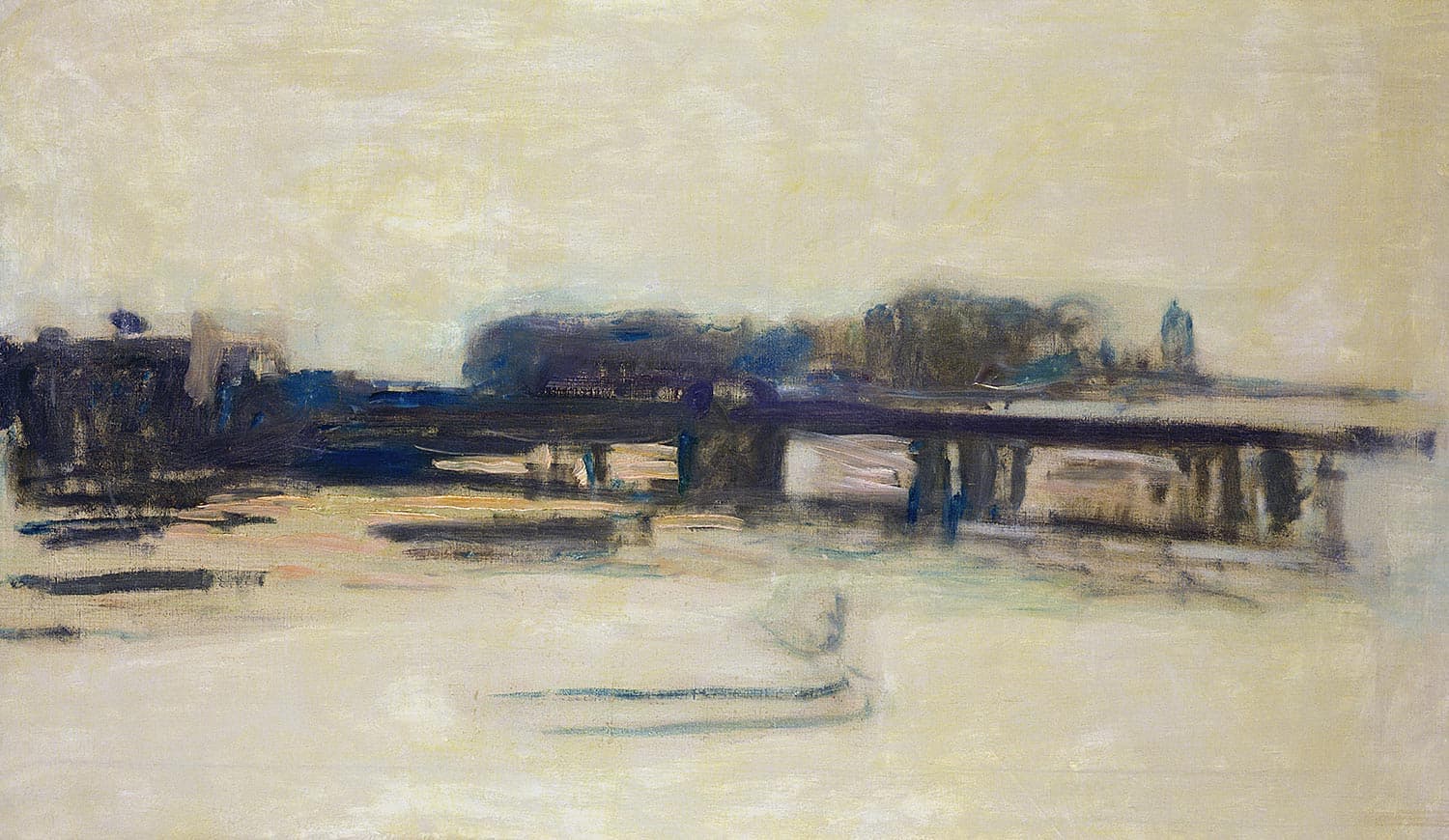
Charing Cross Bridge, London (Marmottan study)
Claude Monet · c. 1899–1901
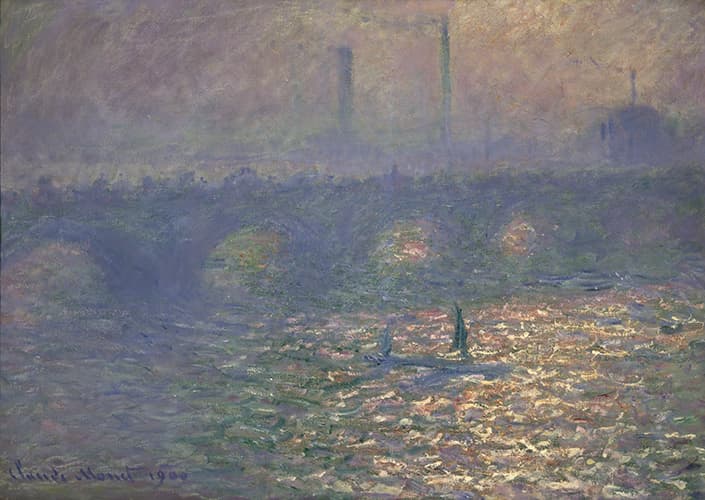
Waterloo Bridge (Santa Barbara Museum of Art)
Claude Monet · 1900
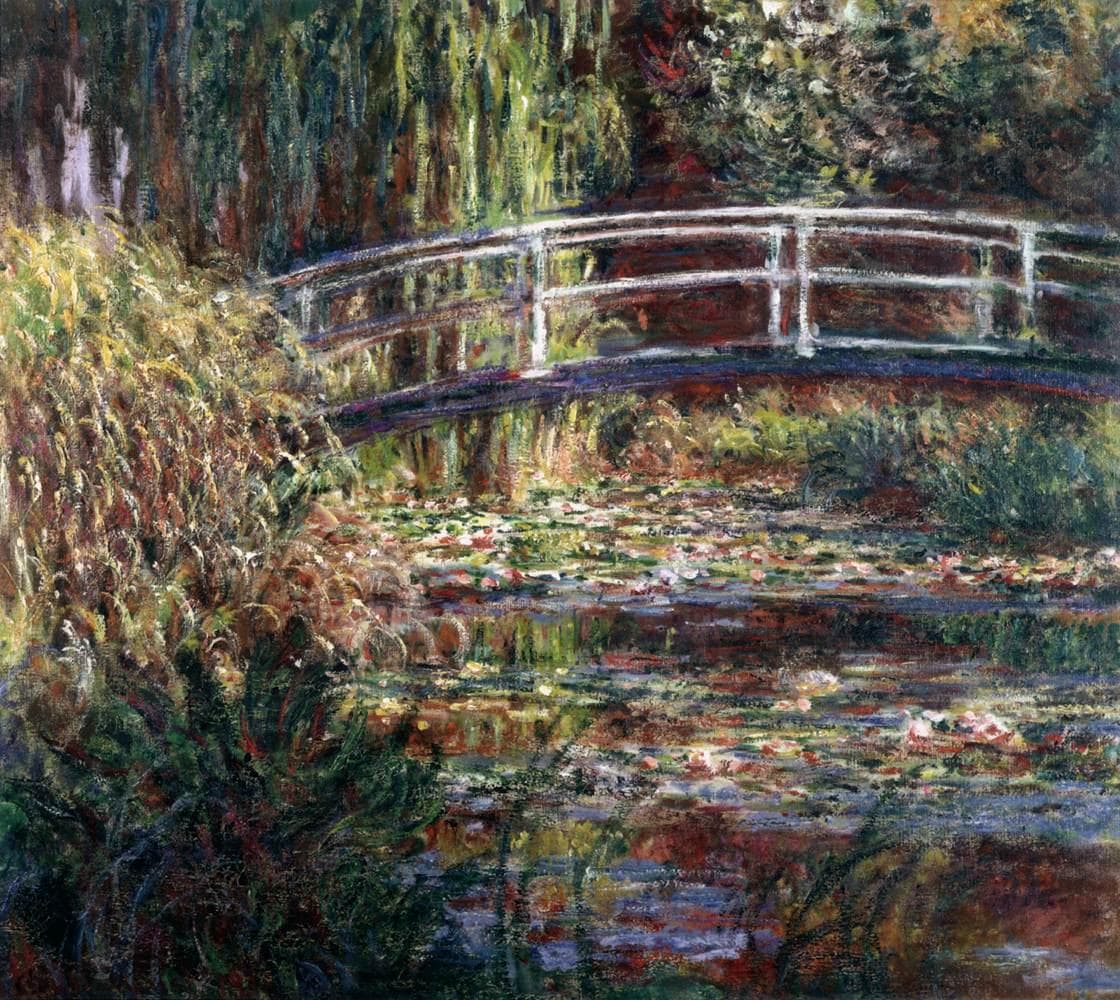
The Water Lily Pond, Harmony in Rose
Claude Monet · 1900
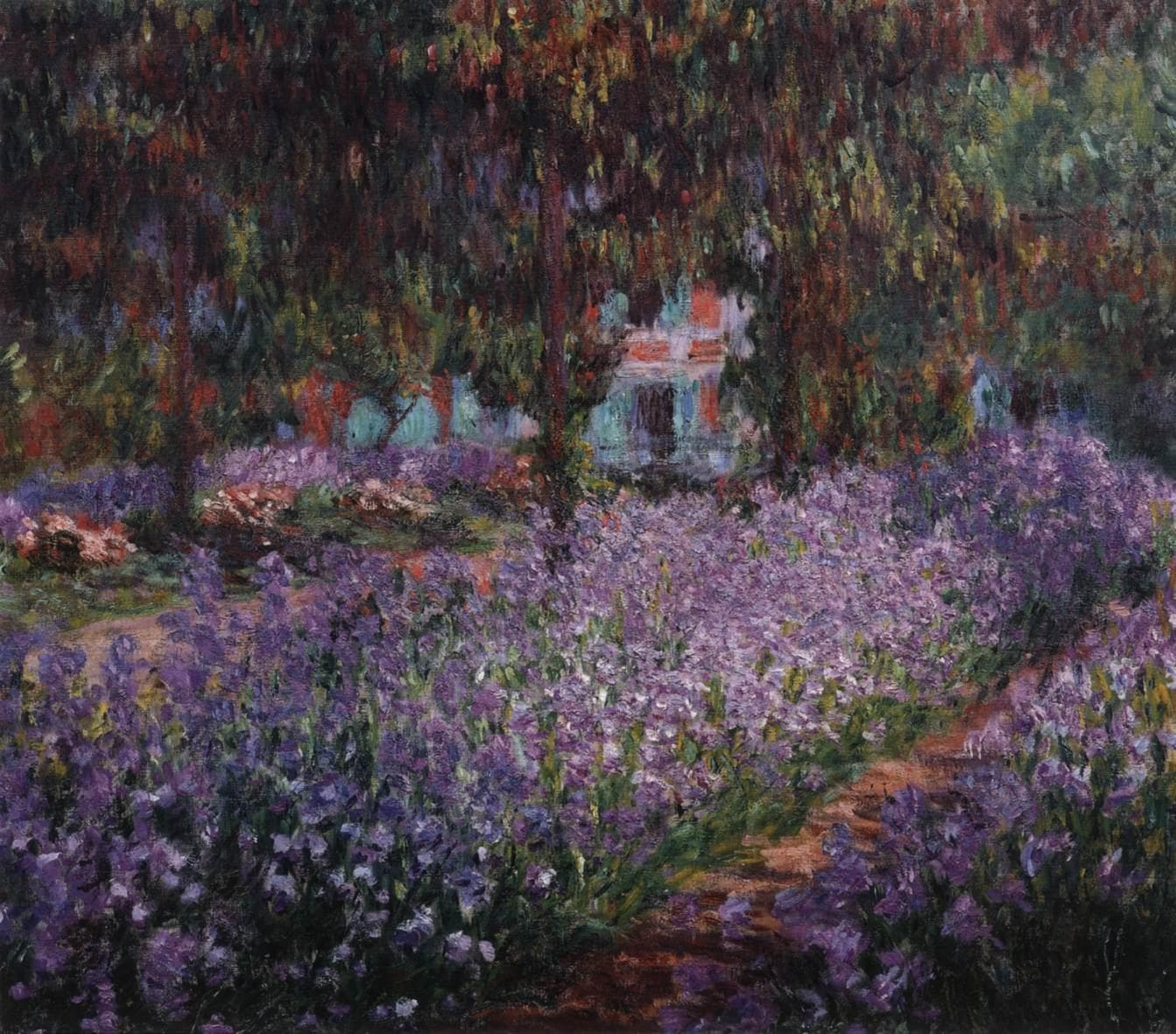
Irises in Monet's Garden at Giverny
Claude Monet · 1900
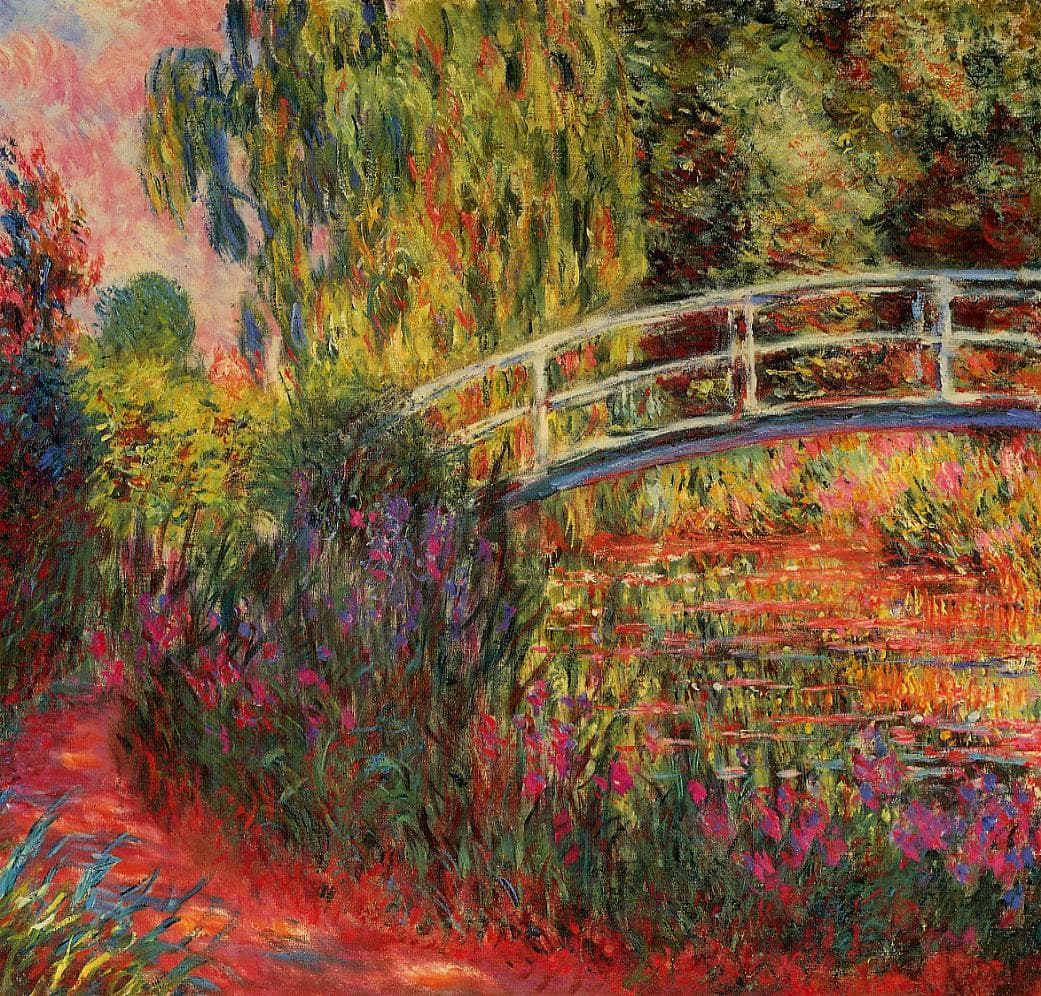
The Japanese Bridge or The Lily Pond
Claude Monet · 1900
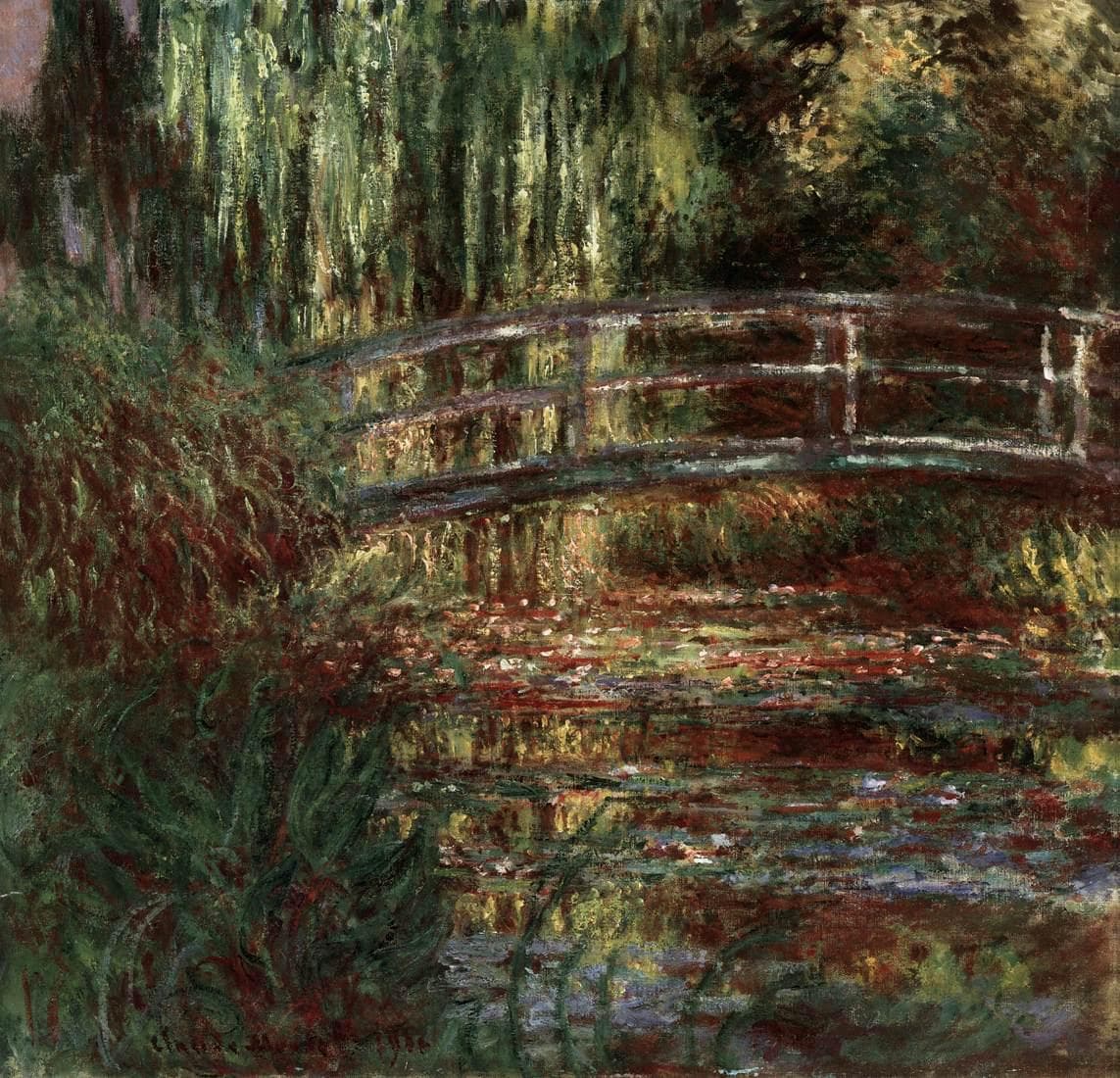
The Water Lily Pond
Claude Monet · 1900
Houses of Parliament, Symphony in Rose
Claude Monet · 1900
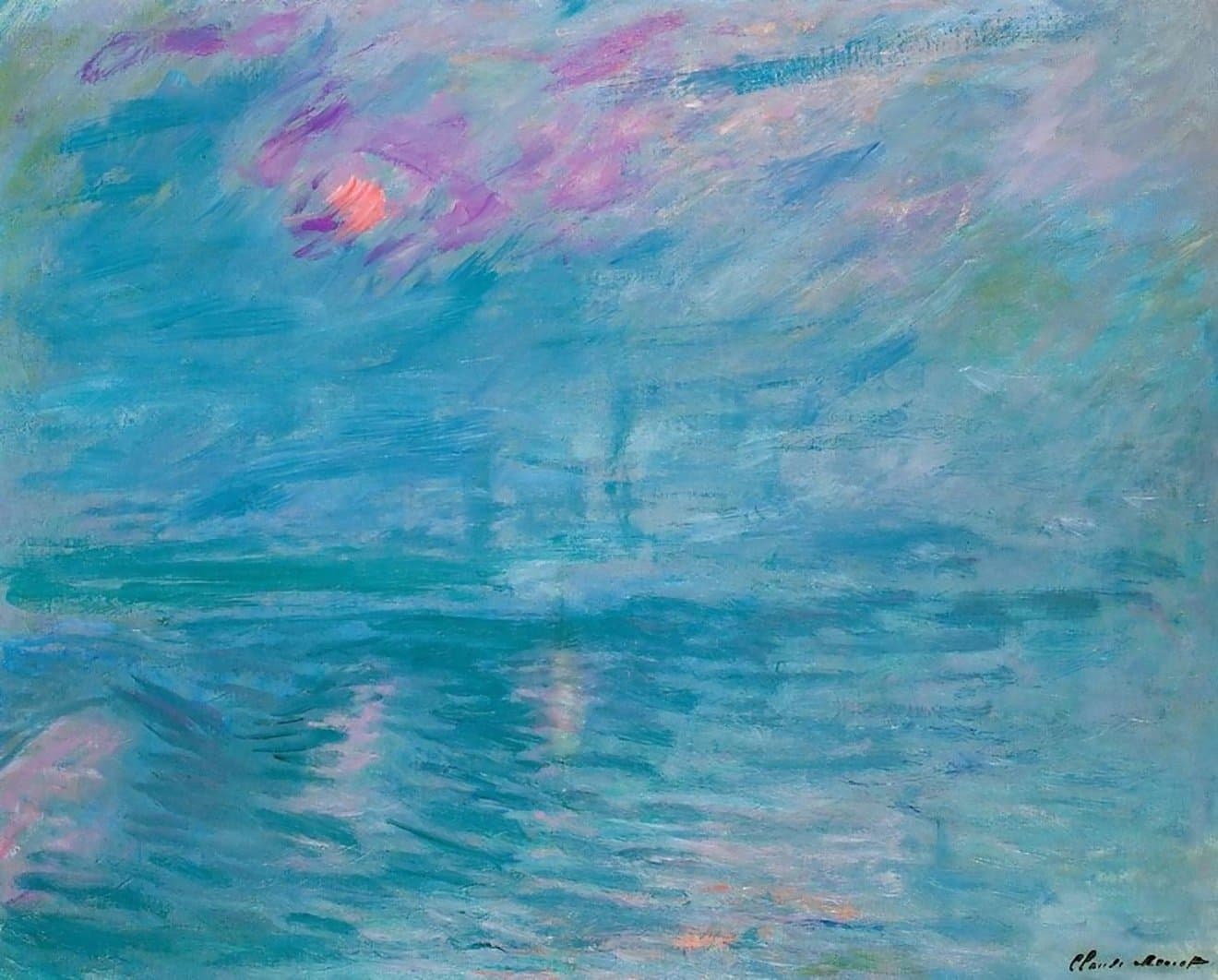
Waterloo Bridge (Davis Museum)
Claude Monet · 1899–1903
Also painted in 1900
The same year
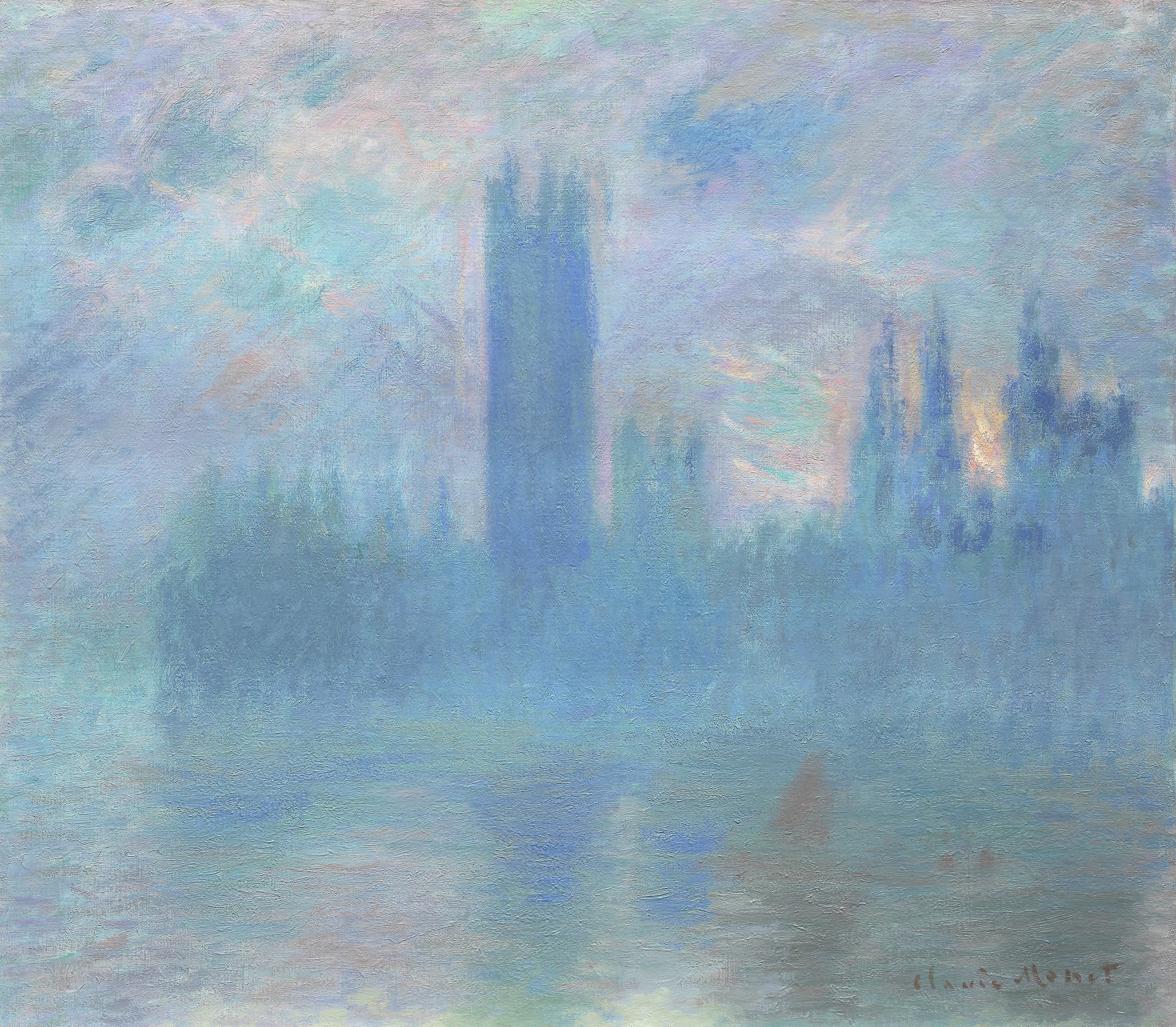
Houses of Parliament, London
Claude Monet · 1900–01
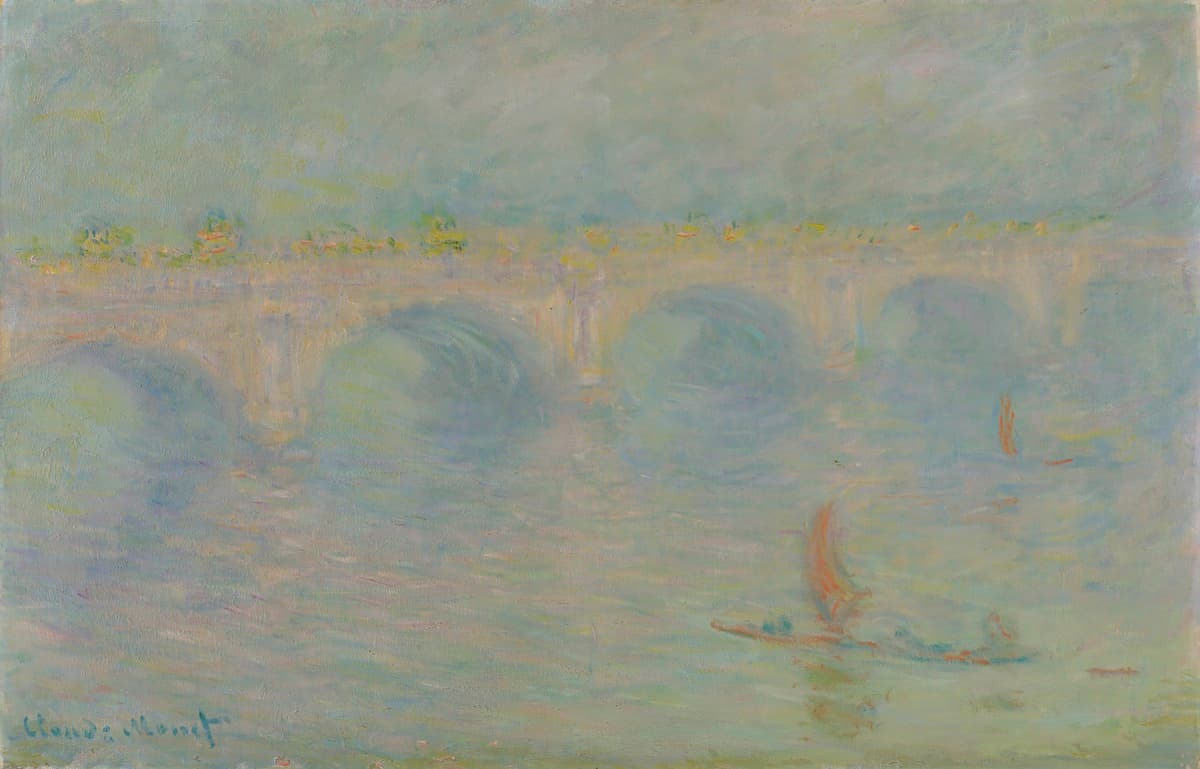
Waterloo Bridge, London, Sun Effect
Claude Monet · 1899–1901
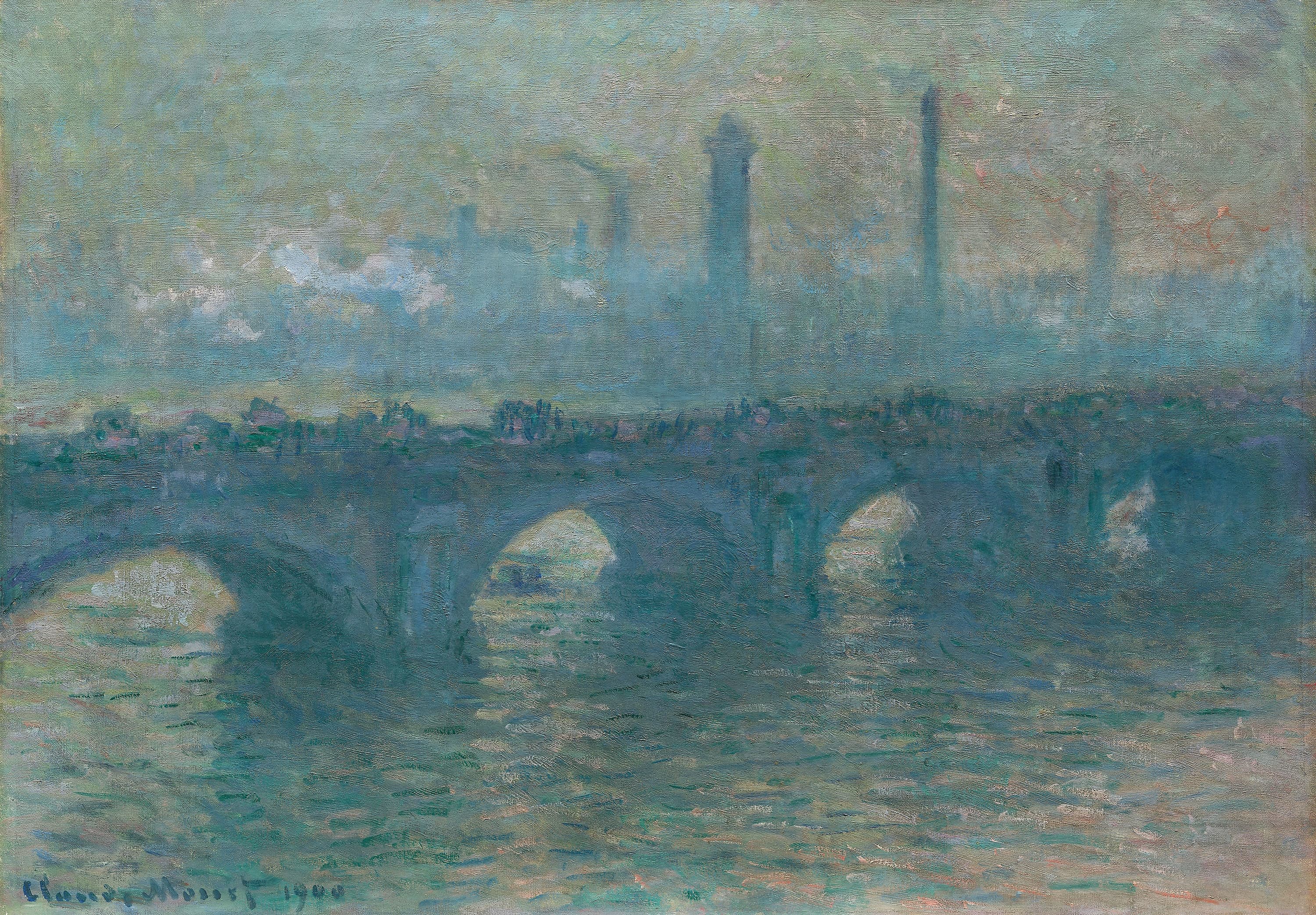
Waterloo Bridge, Gray Weather
Claude Monet · 1900
Waterloo Bridge, Effect of Sun in the Mist
Claude Monet · c. 1900–03
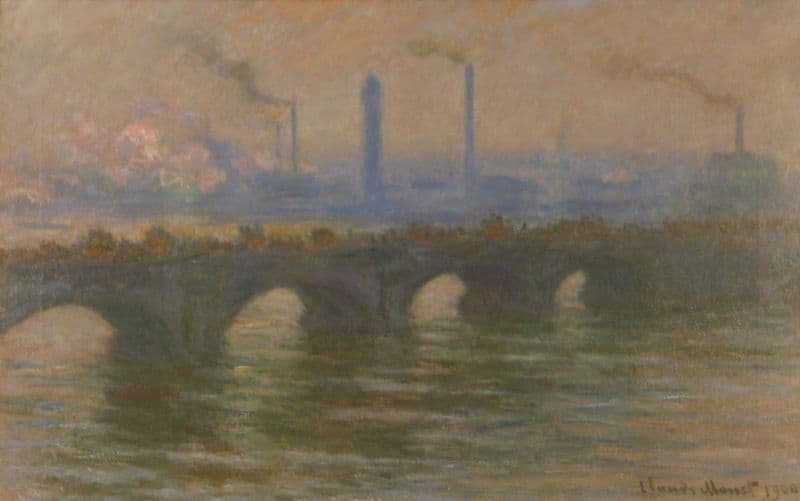
Waterloo Bridge, Overcast Weather
Claude Monet · 1900
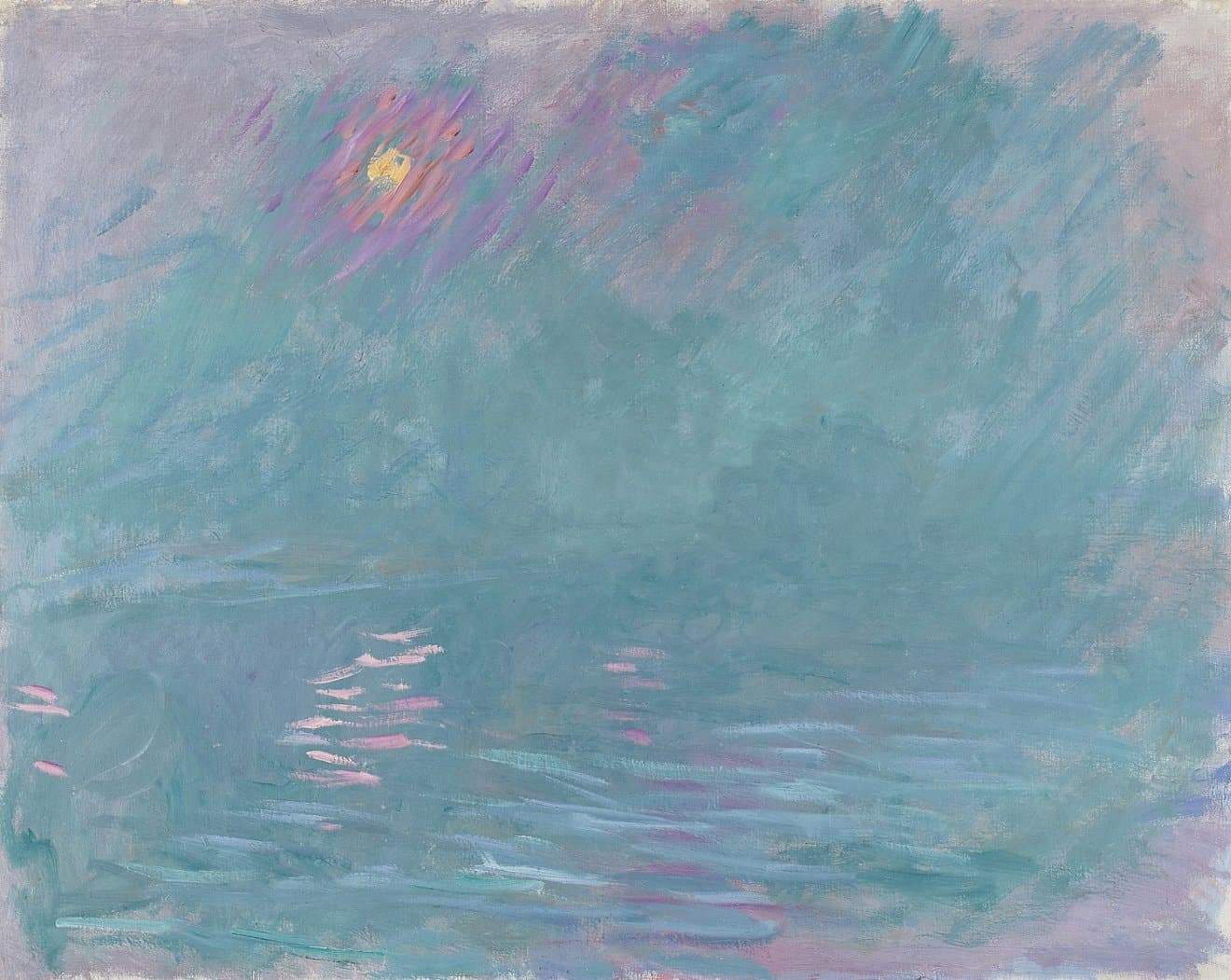
Waterloo Bridge (Kerry Stokes Collection)
Claude Monet · 1899–1901
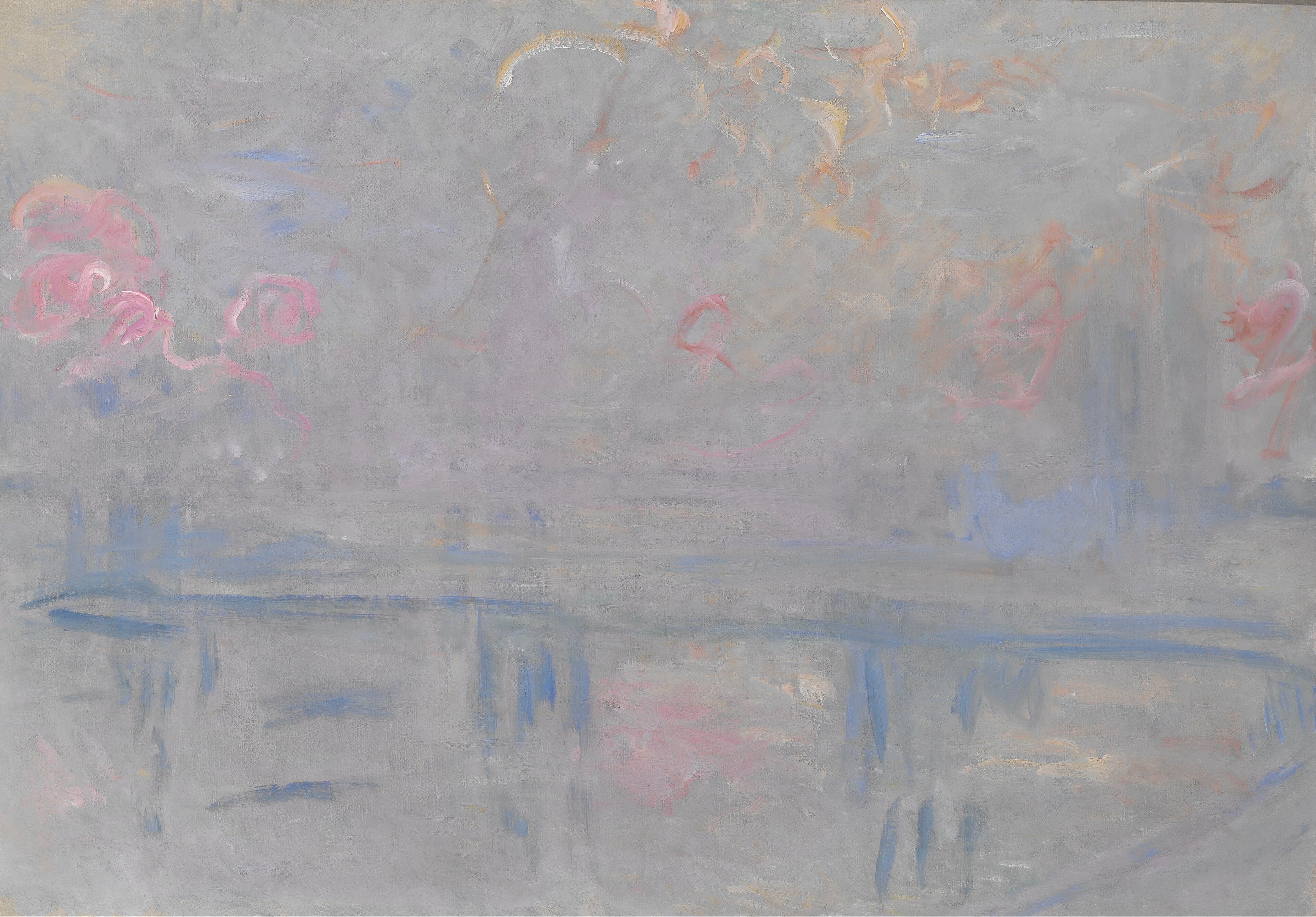
Charing Cross Bridge (Indianapolis)
Claude Monet · c. 1900
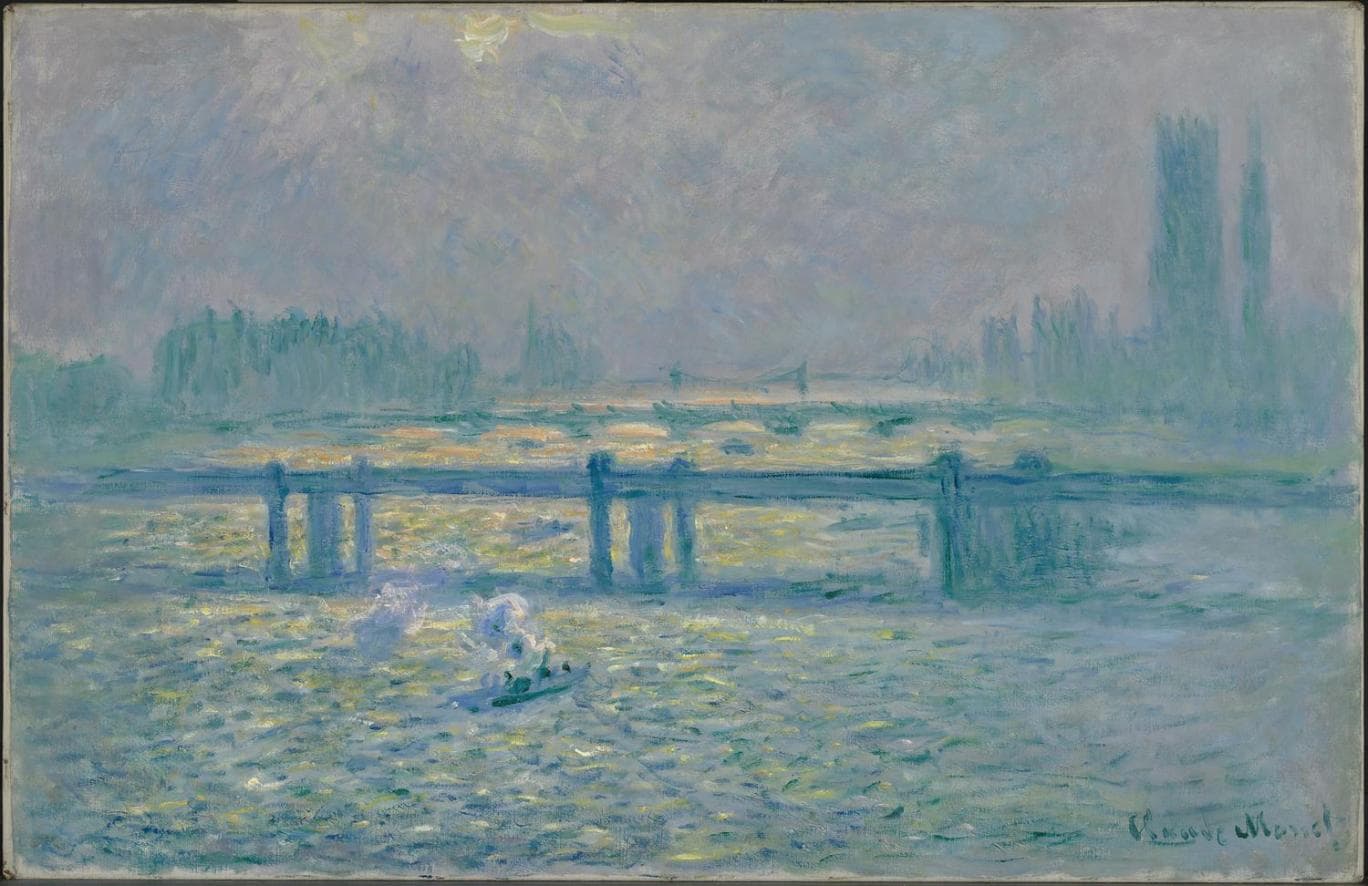
Charing Cross Bridge, Reflections on the Thames
Claude Monet · c. 1900
Kindred works
You may also study
Charing Cross Bridge (Shelburne Museum)
Claude Monet · 1899
Charing Cross Bridge, London
Claude Monet · 1901
Charing Cross Bridge
Claude Monet · 1899
Charing Cross Bridge, Reflections on the Thames
Claude Monet · c. 1900
Meadow with Haystacks near Giverny
Claude Monet · 1885
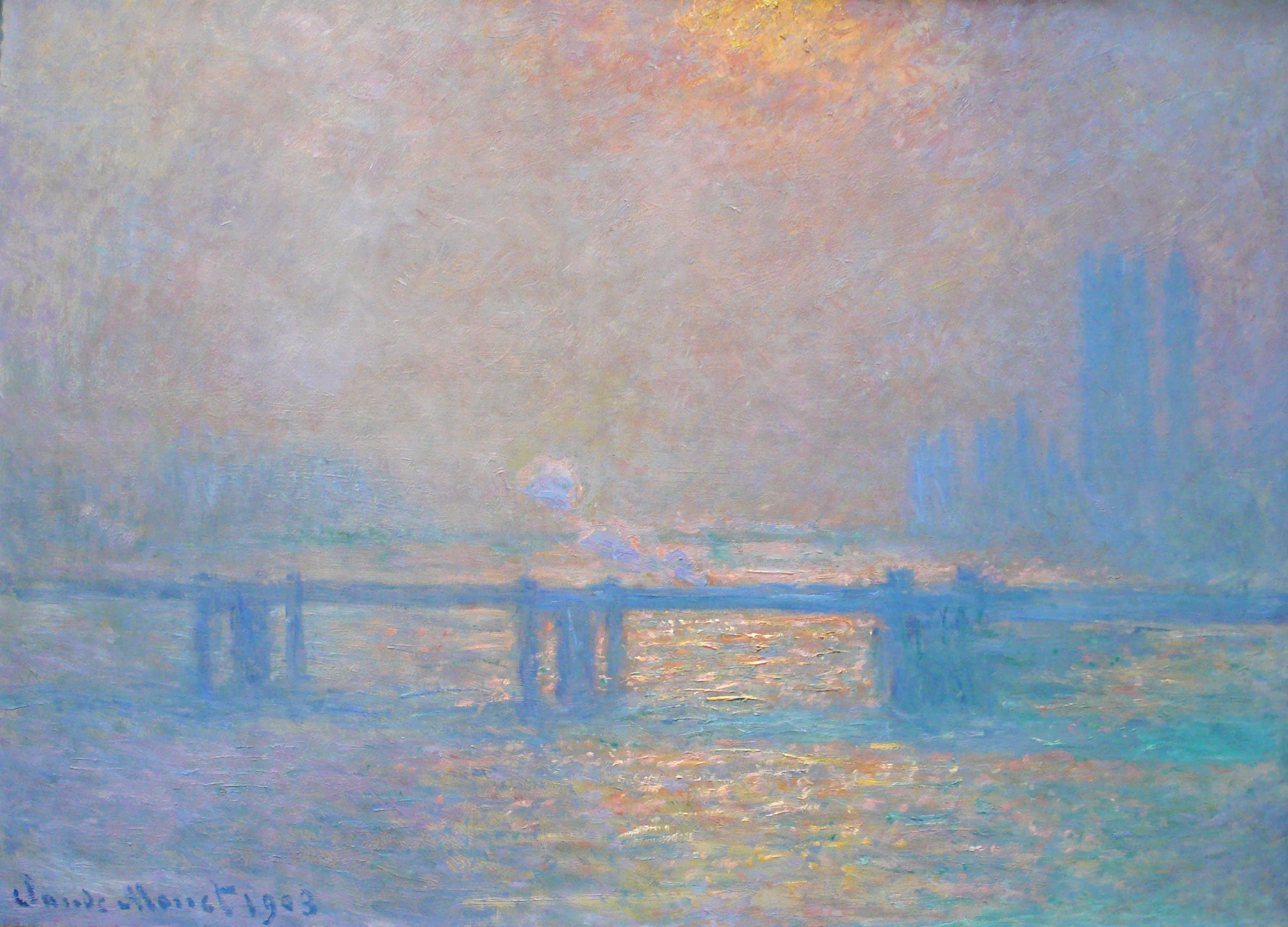
Charing Cross Bridge, The Thames
Claude Monet · 1903
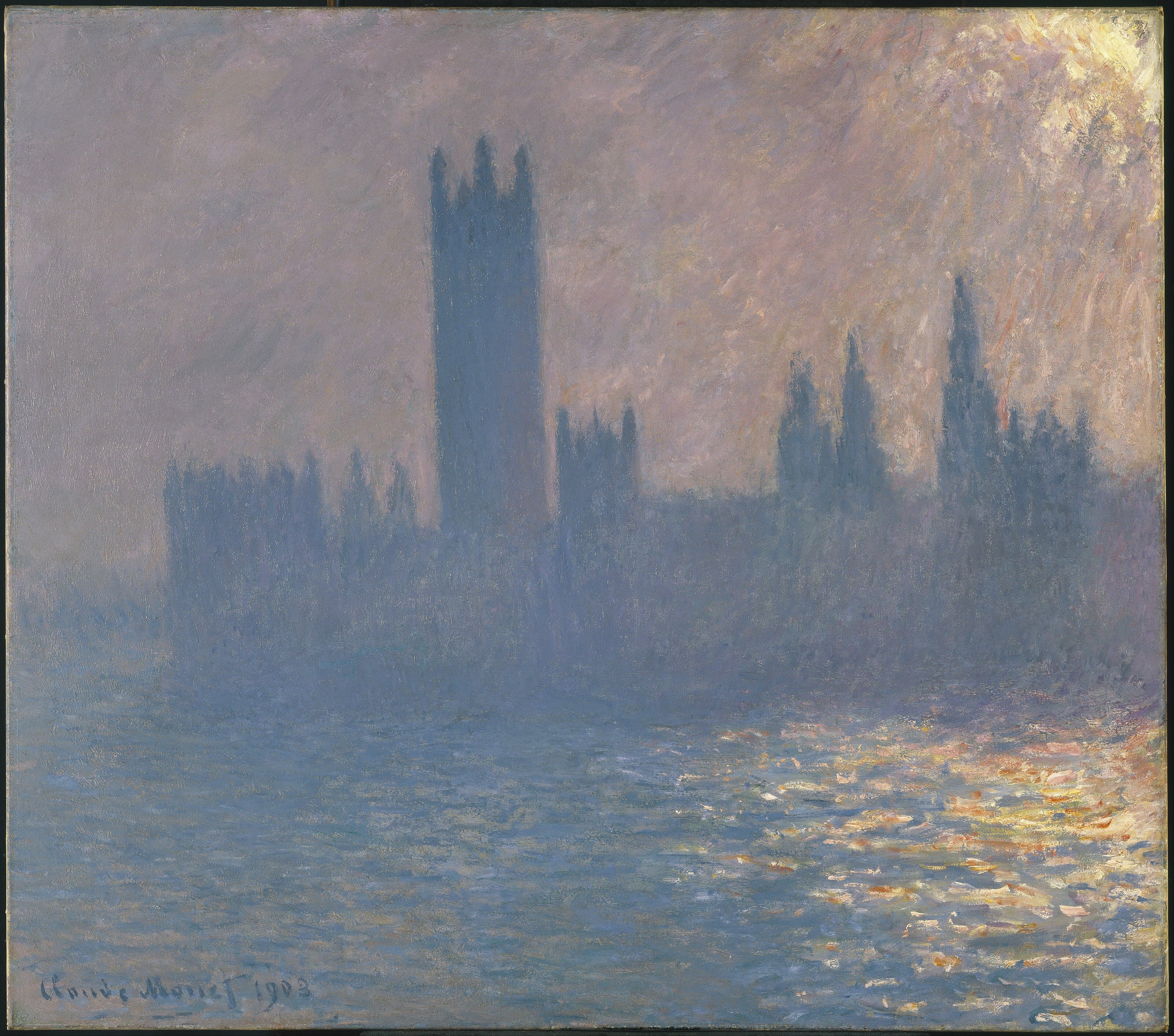
Houses of Parliament, Sunlight Effect
Claude Monet · 1903
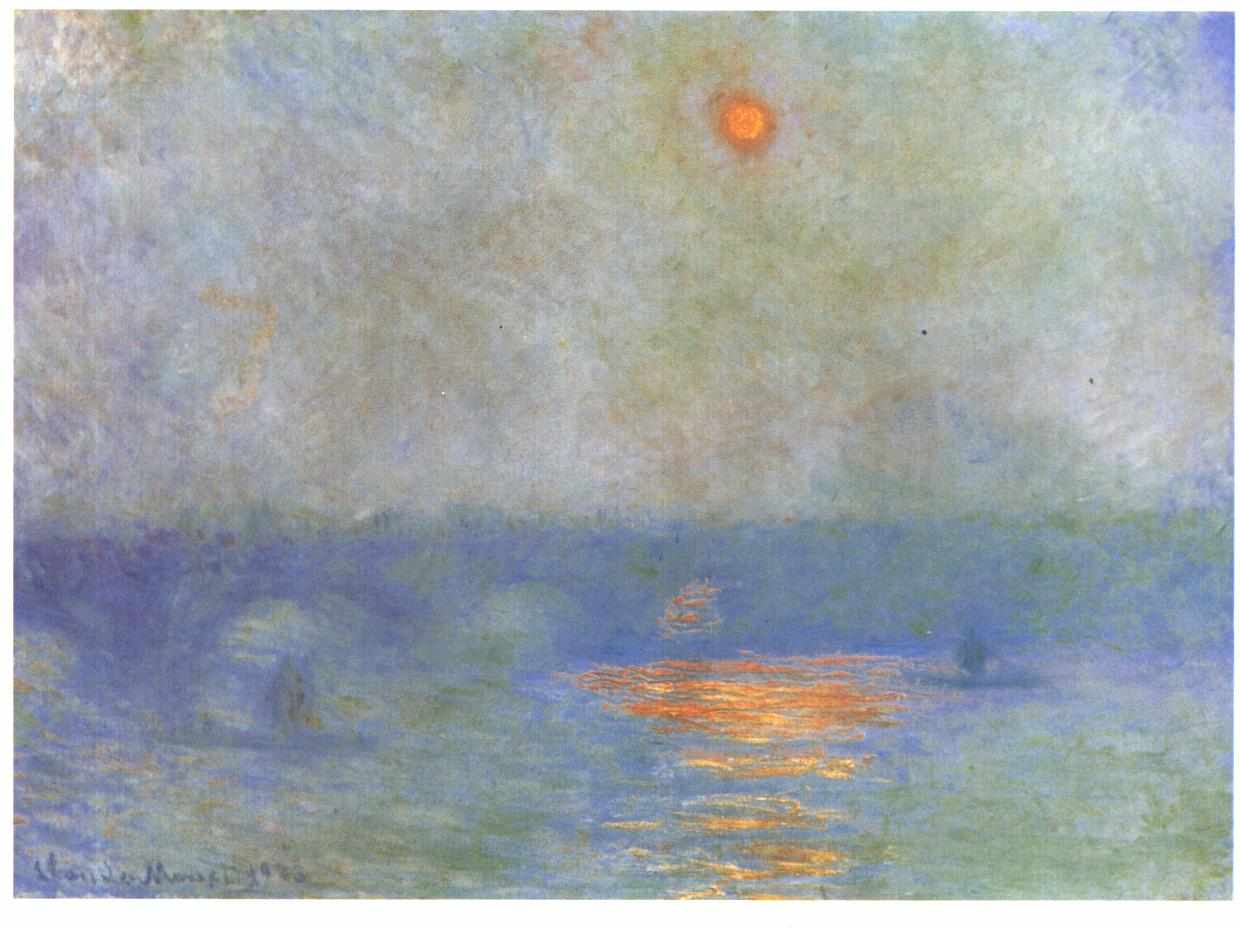
Waterloo Bridge: the Sun in a Fog
Claude Monet · 1903