Image: Ordrupgaard, Copenhagen · Public domain · via Wikimedia Commons
Waterloo Bridge, Gray Day (Ordrupgaard)
Claude Monet, 1903
Waterloo Bridge, Gray Day (Le Pont de Waterloo, temps gris) is a 1903 Claude Monet painting of the bridge bright with colored traffic against smoky chimneys on a grey morning. It is in Ordrupgaard, near Copenhagen.
- Artist
- Claude Monet
- Date
- 1903
- Medium
- Oil on canvas
- Dimensions
- 65.5 × 100.5 cm
- Collection
- Ordrupgaard, Charlottenlund (Copenhagen), Denmark
- Movement
- Impressionism
- Catalogue
- Wildenstein 1561
- The City
- Water & Sea
Waterloo Bridge, Gray Day (Le Pont de Waterloo, temps gris) is one of Claude Monet's views of the Thames from the Savoy Hotel, signed and dated 1903 at lower right. It measures 65.5 × 100.5 cm and is number 1561 in the Wildenstein catalogue raisonné. It belongs to Ordrupgaard, the museum in Charlottenlund, north of Copenhagen, built around the collection of the insurance magnate Wilhelm Hansen, whose French paintings form its core.
What you're looking at
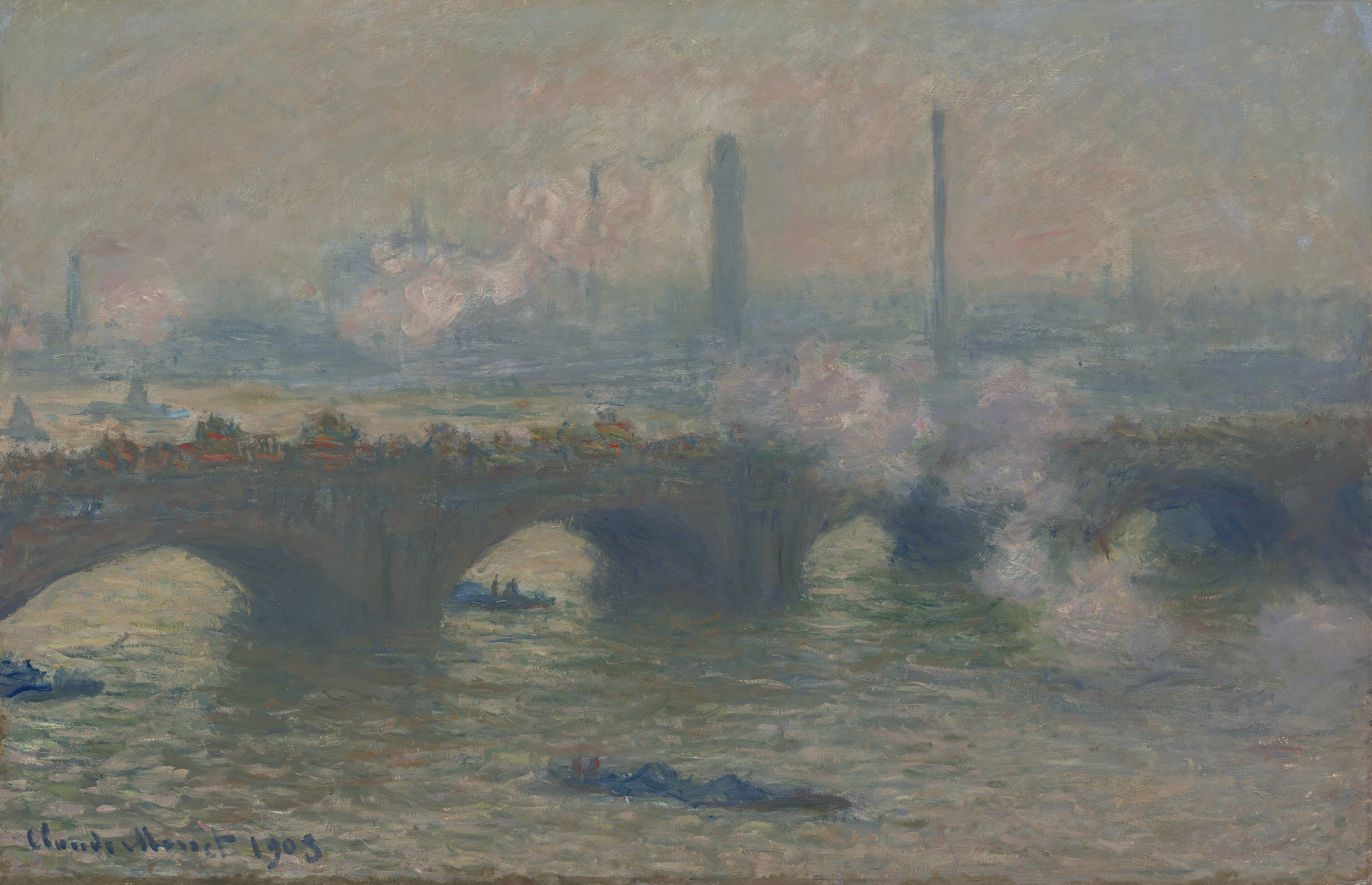
This is one of the clearest and most detailed canvases of the series. The bridge crosses in a solid band of slate blue and green-grey, its round arches sharply drawn. Along the deck is a lively row of colored touches in green, red, orange and white: carts, omnibuses and pedestrians, more legible here than in almost any other version.
Beyond, the south bank is crowded with industry. The shot tower and several tall chimneys rise in grey-blue, smoke drifts across a muted beige-pink sky, and at left a burst of white and pink smoke billows near the bank. On the right stands a large, square industrial building.
The river is grey-green, broken into rippling horizontal strokes with lighter reflections under the arches. A tug and barges cross in the middle distance, dark against the water.
What makes this version distinct is that row of colored traffic, which gives the dull day a pulse of life, and the strong structure of the bridge. It is the gray-day Waterloo Bridge at its most solid and documentary.
Where and when it was painted
Monet painted Waterloo Bridge each morning during his London visits of 1899–1901. On gray days, the light was even and the forms of bridge and chimneys stayed visible, giving canvases like this one their firmer drawing. He completed and dated it at Giverny in 1903, ahead of the 1904 Paris exhibition of his Thames views.
How it was painted
The bridge and buildings are laid in with firm strokes; the traffic is a row of thick, single dabs of bright color; the smoke is softer and more blended. The river is built from short, parallel strokes that set up a rhythm across the lower half. The muted palette lets the small accents of red and green carry the picture.
How this version differs
In the Waterloo Bridge series, it is closest to the National Gallery of Art's Waterloo Bridge, Gray Day, also dated 1903, which has steam billowing at the right and a warmer, browner tone. The Art Institute of Chicago's Waterloo Bridge, Gray Weather is cooler and greener. The Hugh Lane's Waterloo Bridge, Overcast Weather is the smokiest.
A detail to look for
On the far bank, slightly left of center, stands a tall, slender tower with a slightly broader top: the shot tower of the Lambeth riverside, where lead shot was made by dropping molten lead from a height. It appears in many of Monet's Waterloo Bridge canvases, and in this one it is especially clear. The tower was a London landmark until 1962, when it was demolished to make way for the Queen Elizabeth Hall. Spotting it helps orient the view: Monet is looking downstream and across to the south bank, where the Royal Festival Hall and the Southbank Centre stand today.
Where to see it
Ordrupgaard holds one of the finest collections of French Impressionism in Scandinavia, shown in Wilhelm Hansen's former country house and a modern extension by Zaha Hadid. The Monet hangs with works by Manet, Degas, Renoir and Gauguin. For more London views by Claude Monet, see Monet in London; for other museums, where to see Monet's paintings.
Wilhelm Hansen built his collection of French painting quickly, between 1916 and 1918, advised by the art historian Karl Madsen. Ordrupgaard opened to the public in 1918 and passed to the Danish state in 1953, after the death of his widow, Henny Hansen.
Questions & answers
Where is Monet's Waterloo Bridge, Gray Day in Denmark?
It is in Ordrupgaard, the art museum in Charlottenlund just north of Copenhagen, built around the collection of Wilhelm Hansen. It hangs with the museum's French Impressionist paintings.
When was it painted?
It is signed and dated 1903. Monet painted Waterloo Bridge from the Savoy Hotel in London during 1899–1901 and finished the canvases at Giverny. It is Wildenstein number 1561.
What does the painting show?
Waterloo Bridge on a grey morning, its arches clearly drawn, with a row of colorful traffic along the deck, chimneys and smoke on the south bank beyond, and a tug and barges on the Thames.
How is it different from the Washington Gray Day?
Both are dated 1903 and show a dull day, but Ordrupgaard's version has more colorful, legible traffic and a cooler river, while the National Gallery of Art's has steam billowing over the bridge and a warmer, browner tone.
More by the artist
Claude Monet
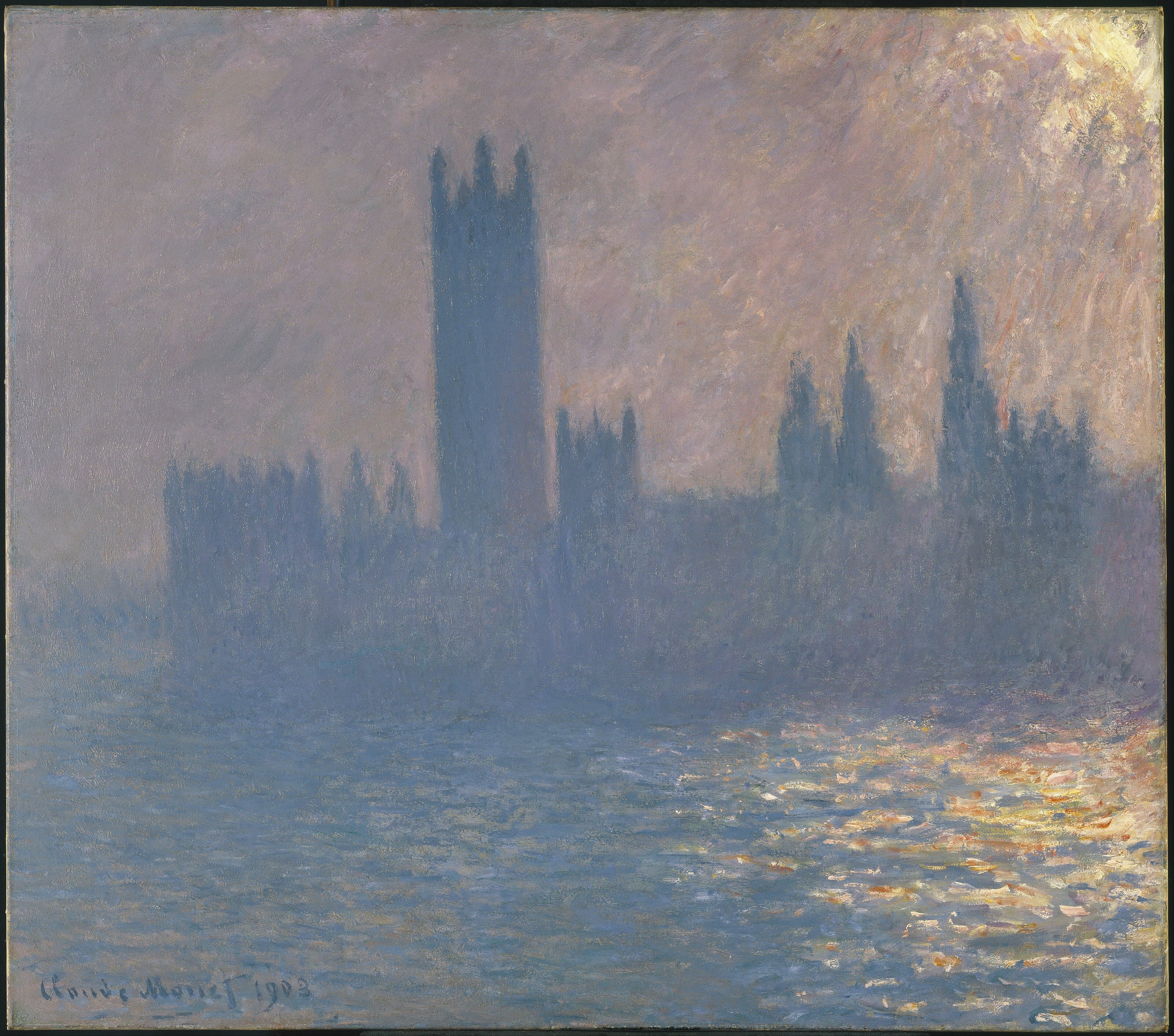
Houses of Parliament, Sunlight Effect
Claude Monet · 1903
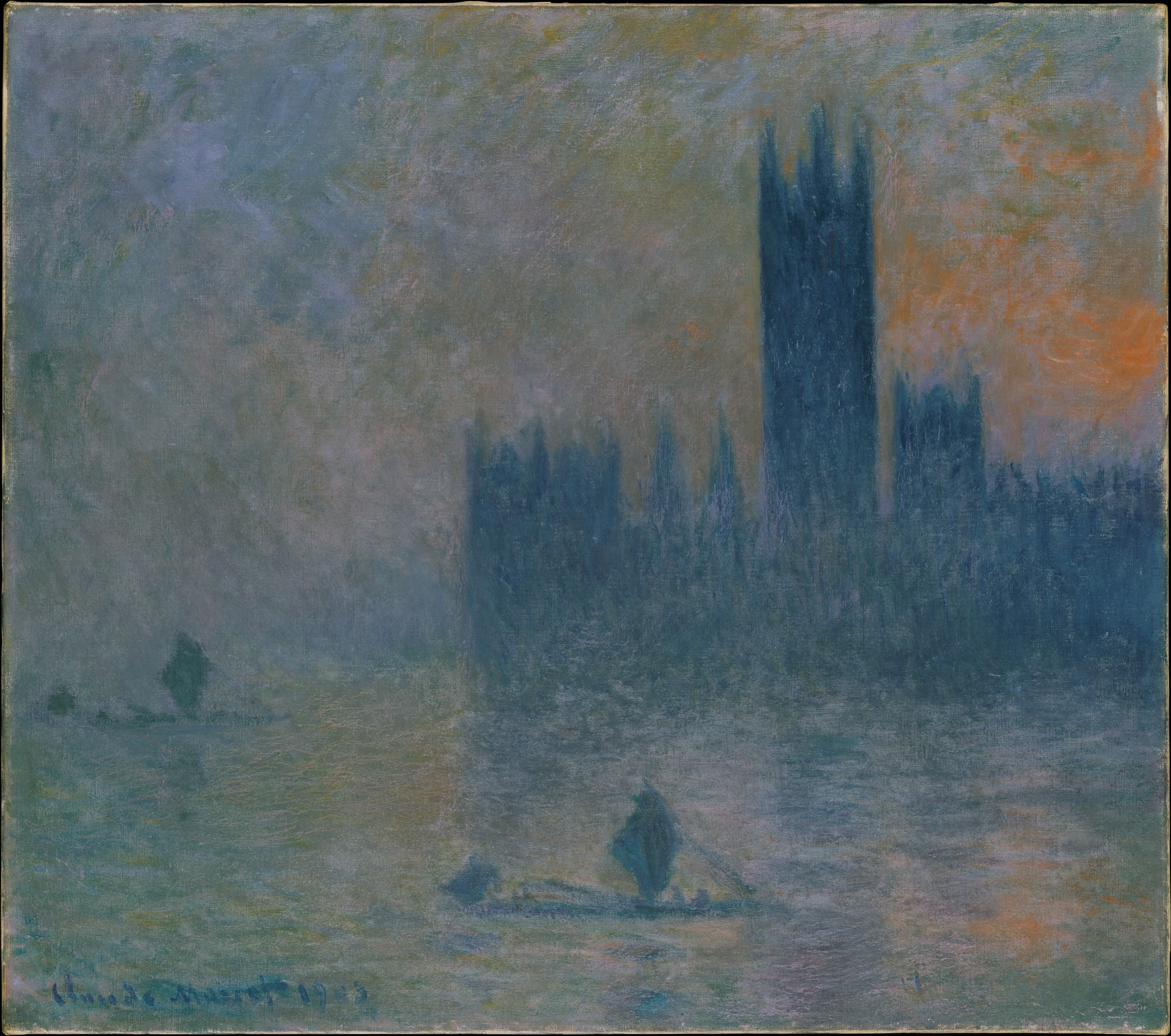
The Houses of Parliament (Effect of Fog)
Claude Monet · 1903–04
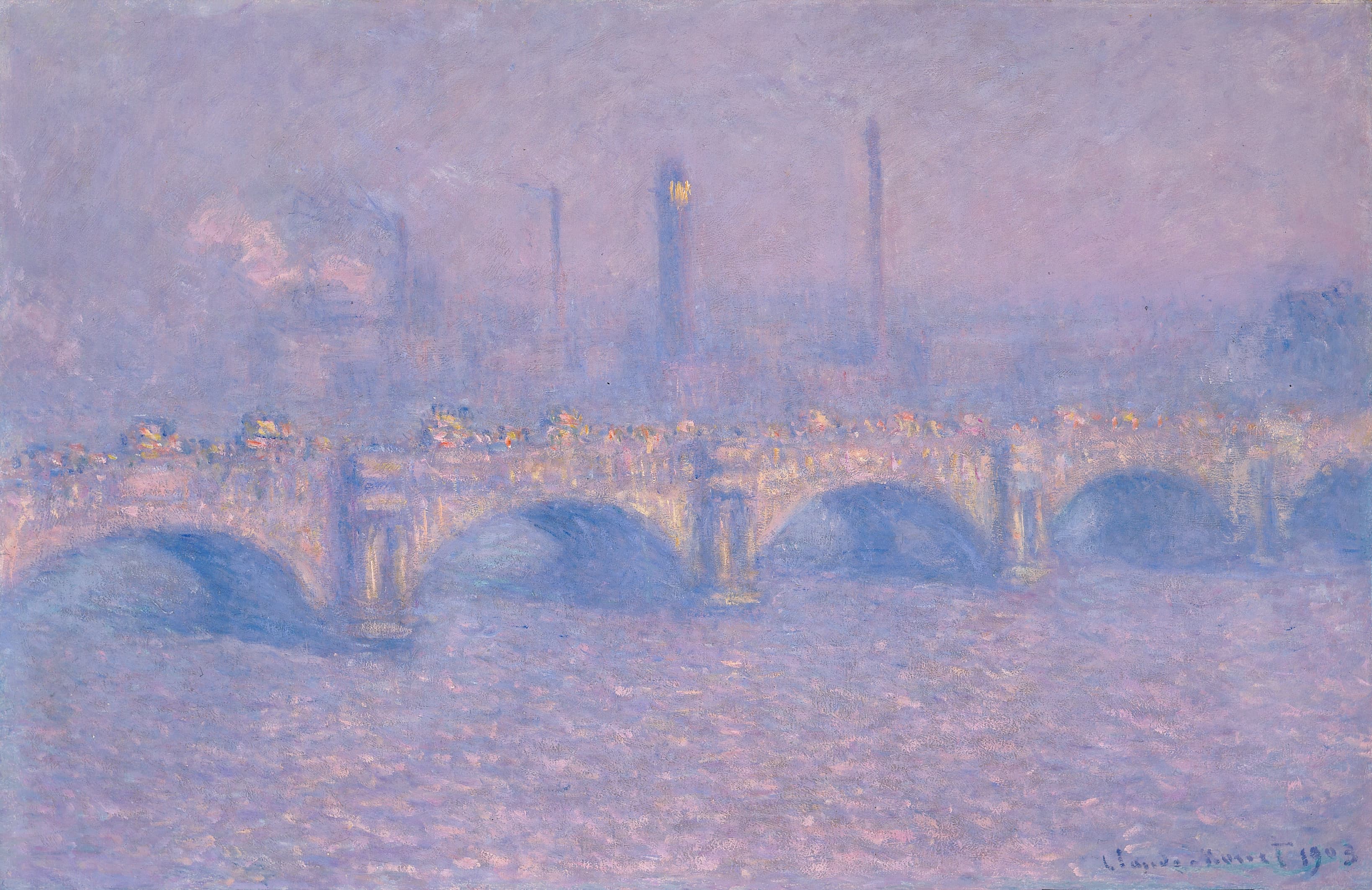
Waterloo Bridge, Veiled Sun
Claude Monet · 1903
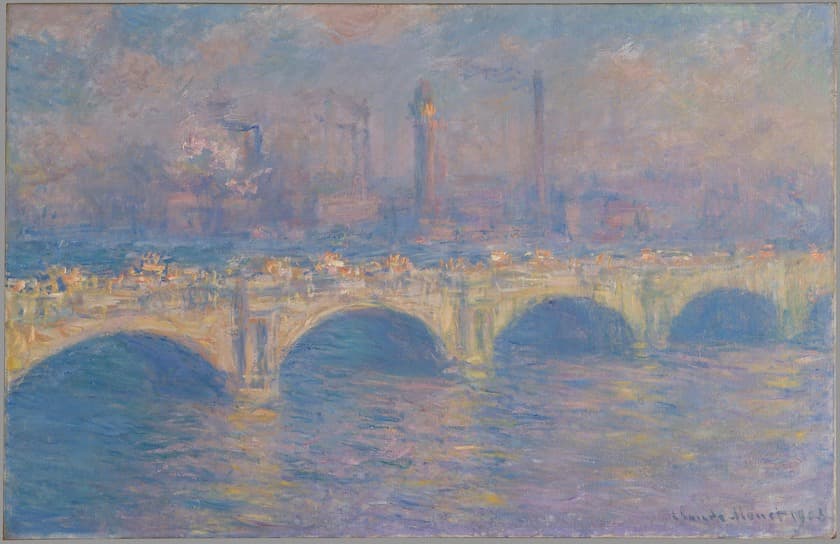
Waterloo Bridge, London
Claude Monet · 1903
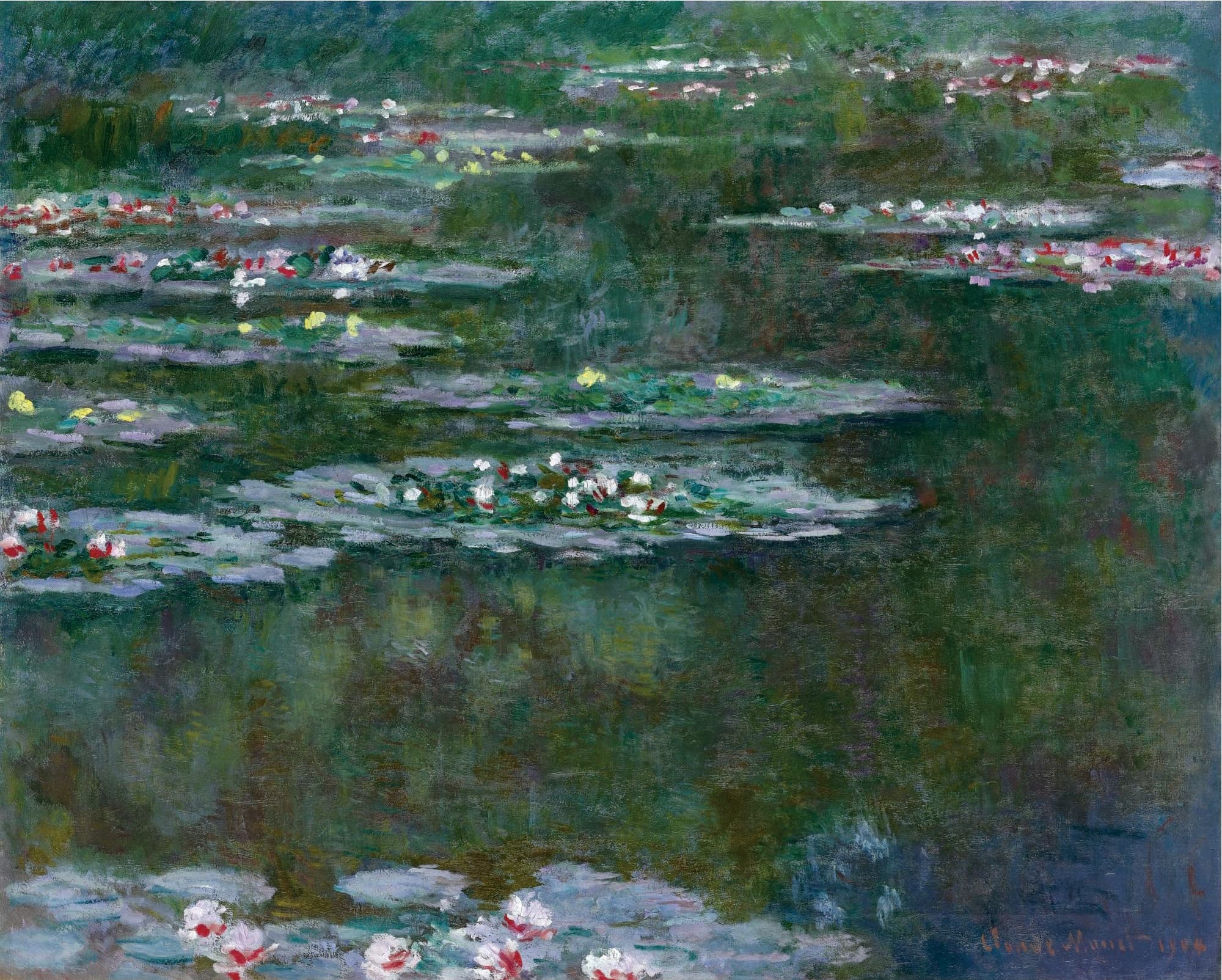
Water Lilies (1904)
Claude Monet · 1904
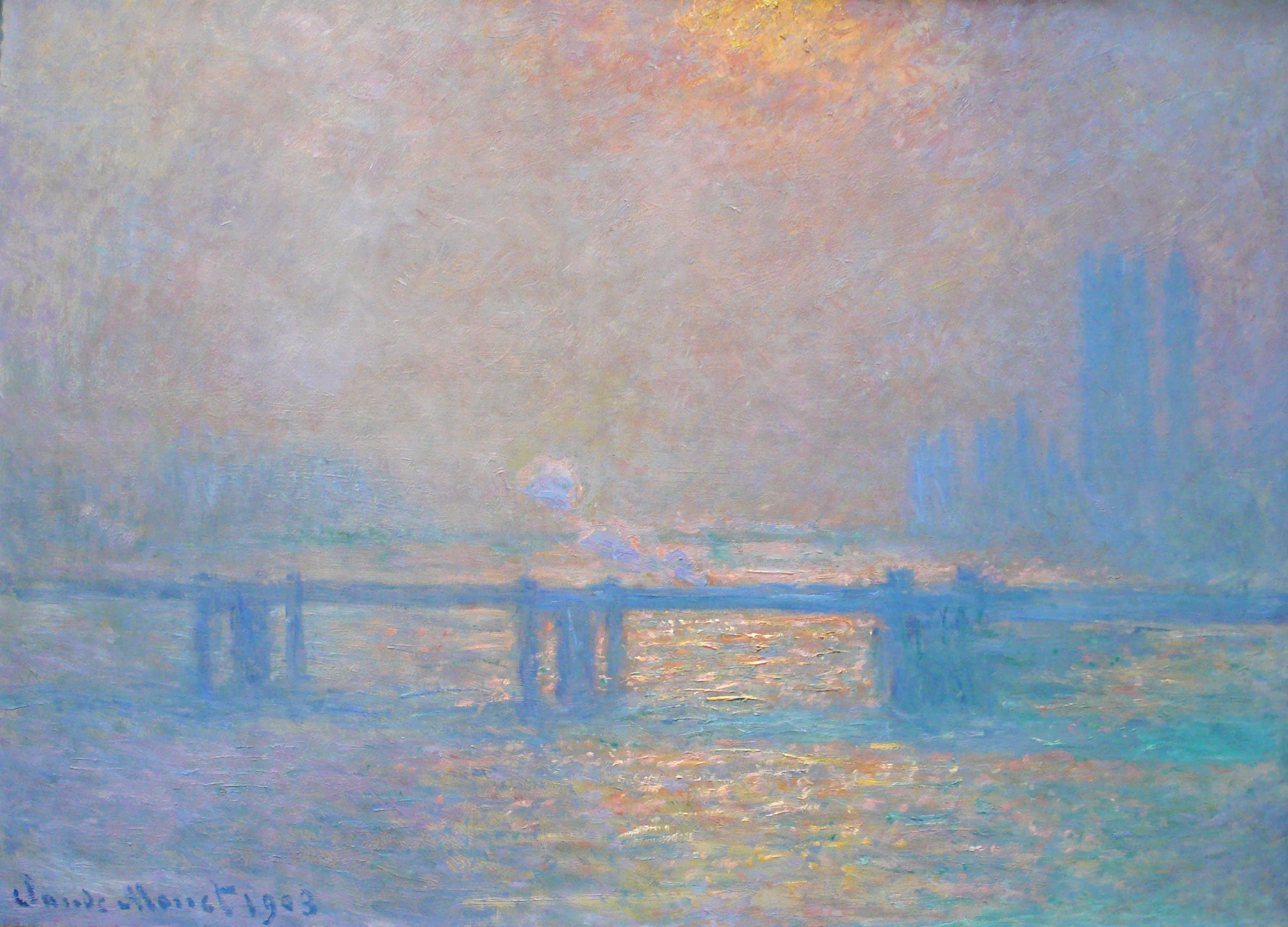
Charing Cross Bridge, The Thames
Claude Monet · 1903
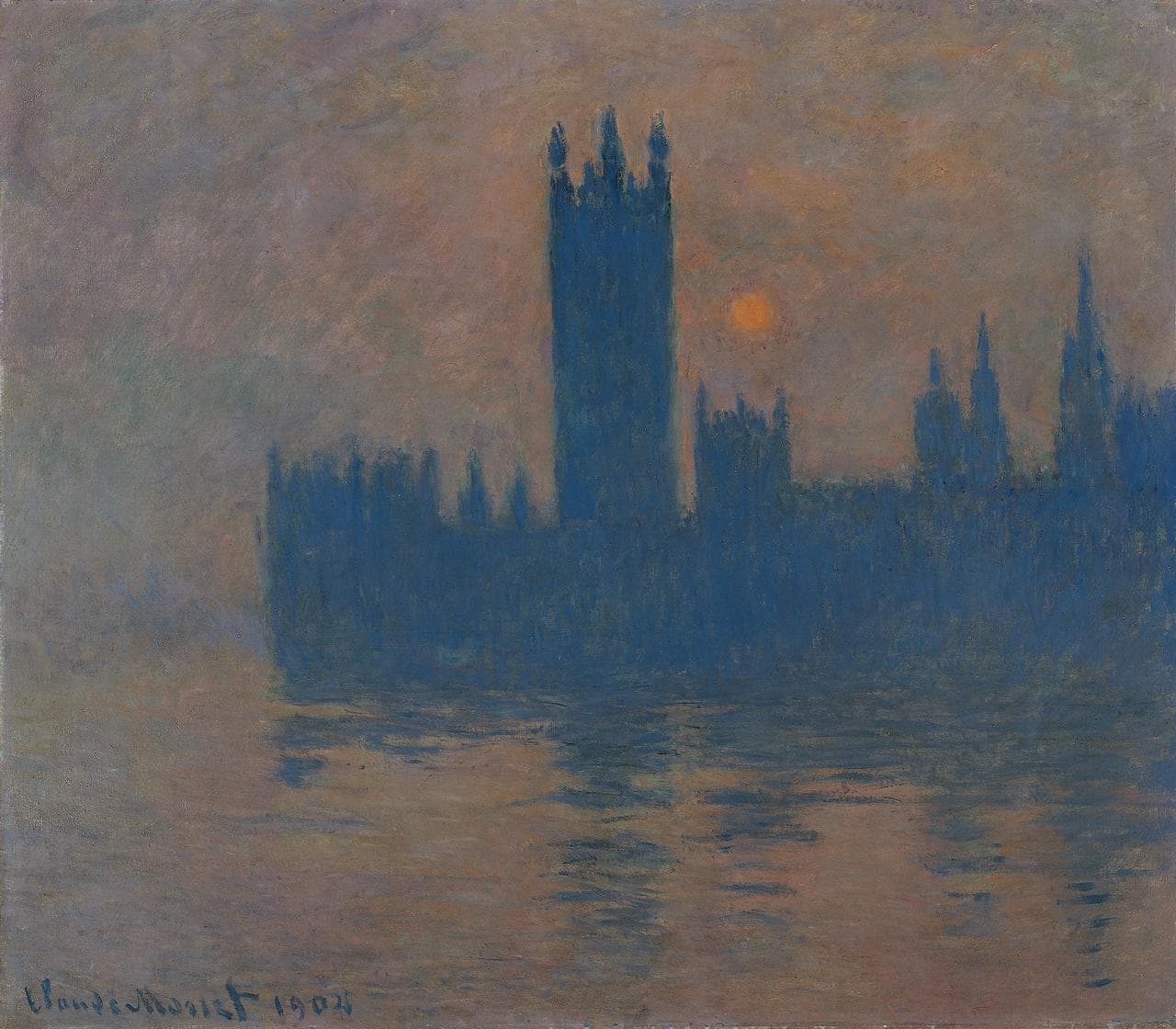
Le Parlement, coucher de soleil
Claude Monet · 1904
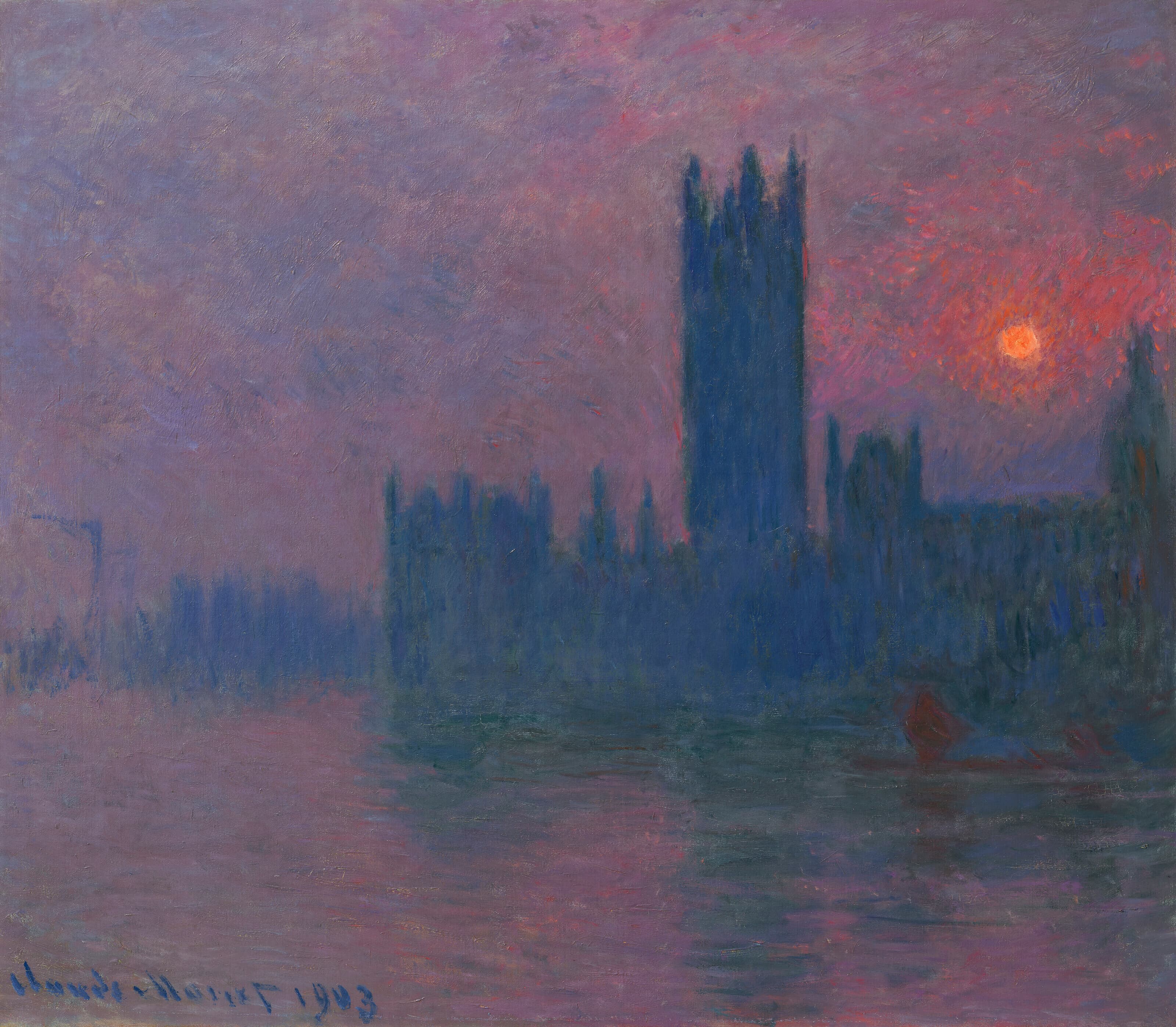
Houses of Parliament, Sunset
Claude Monet · 1903
Also painted in 1903
The same year
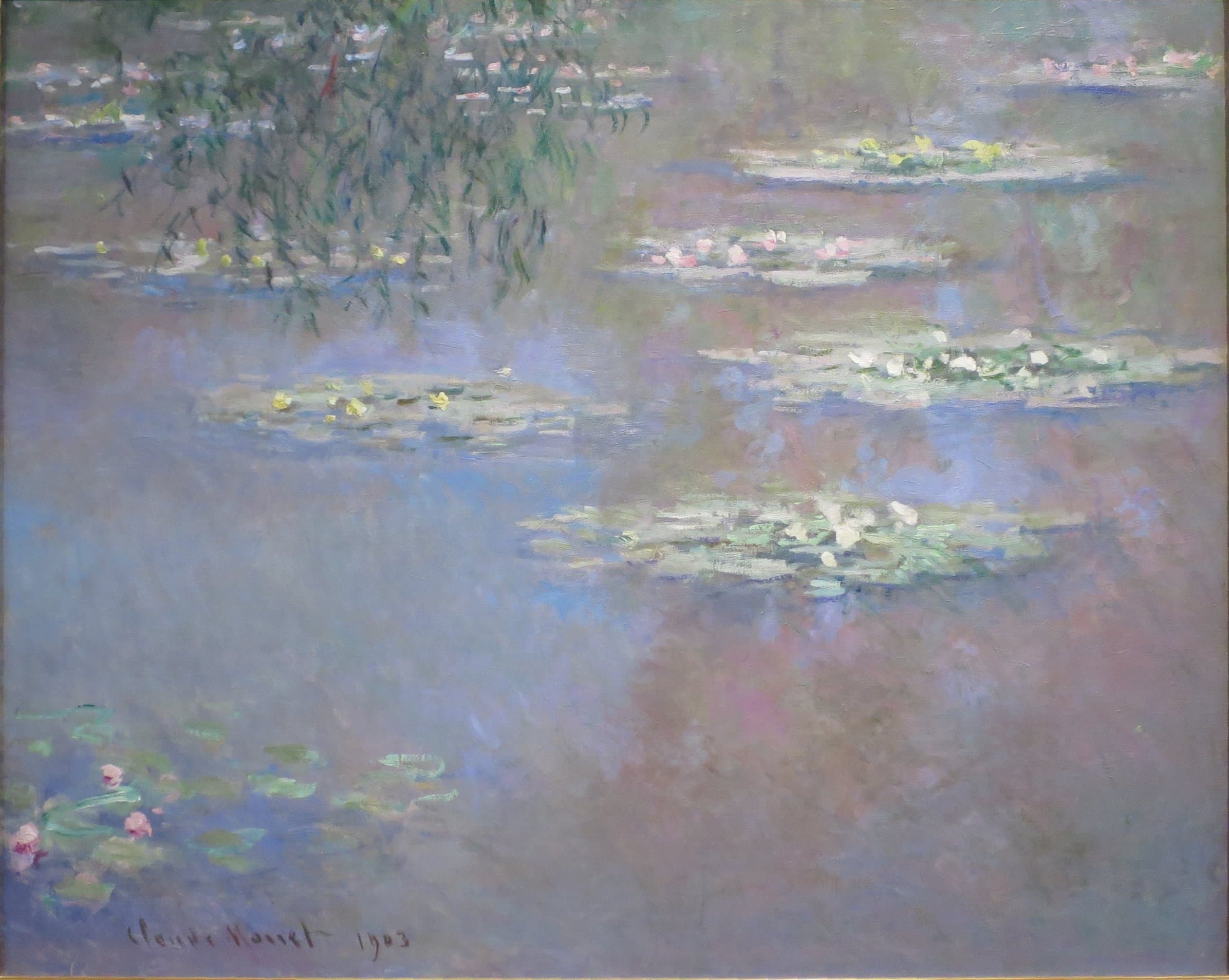
Waterlilies (1903, Dayton Art Institute)
Claude Monet · 1903
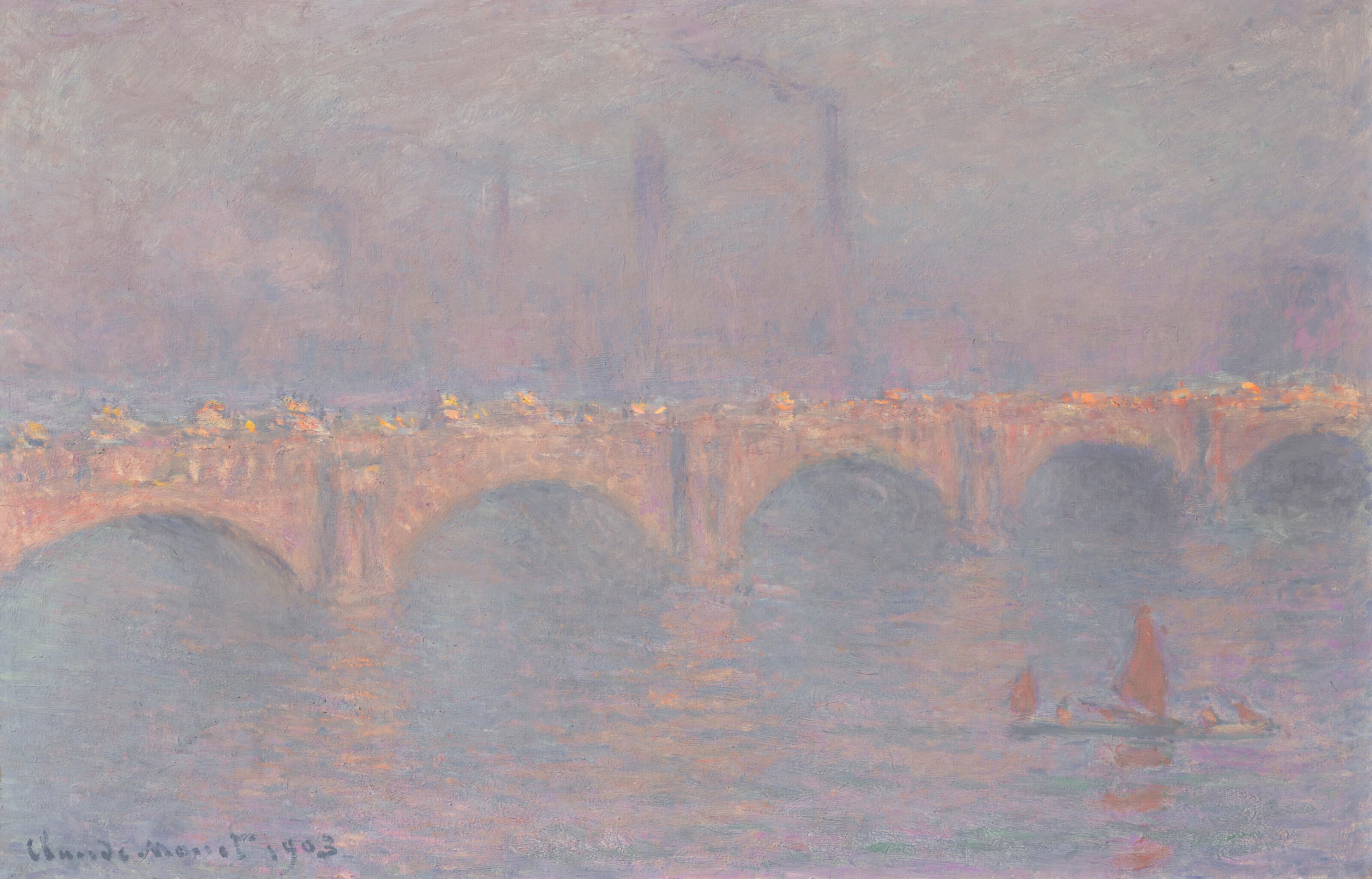
Waterloo Bridge, Hazy Sun
Claude Monet · 1903
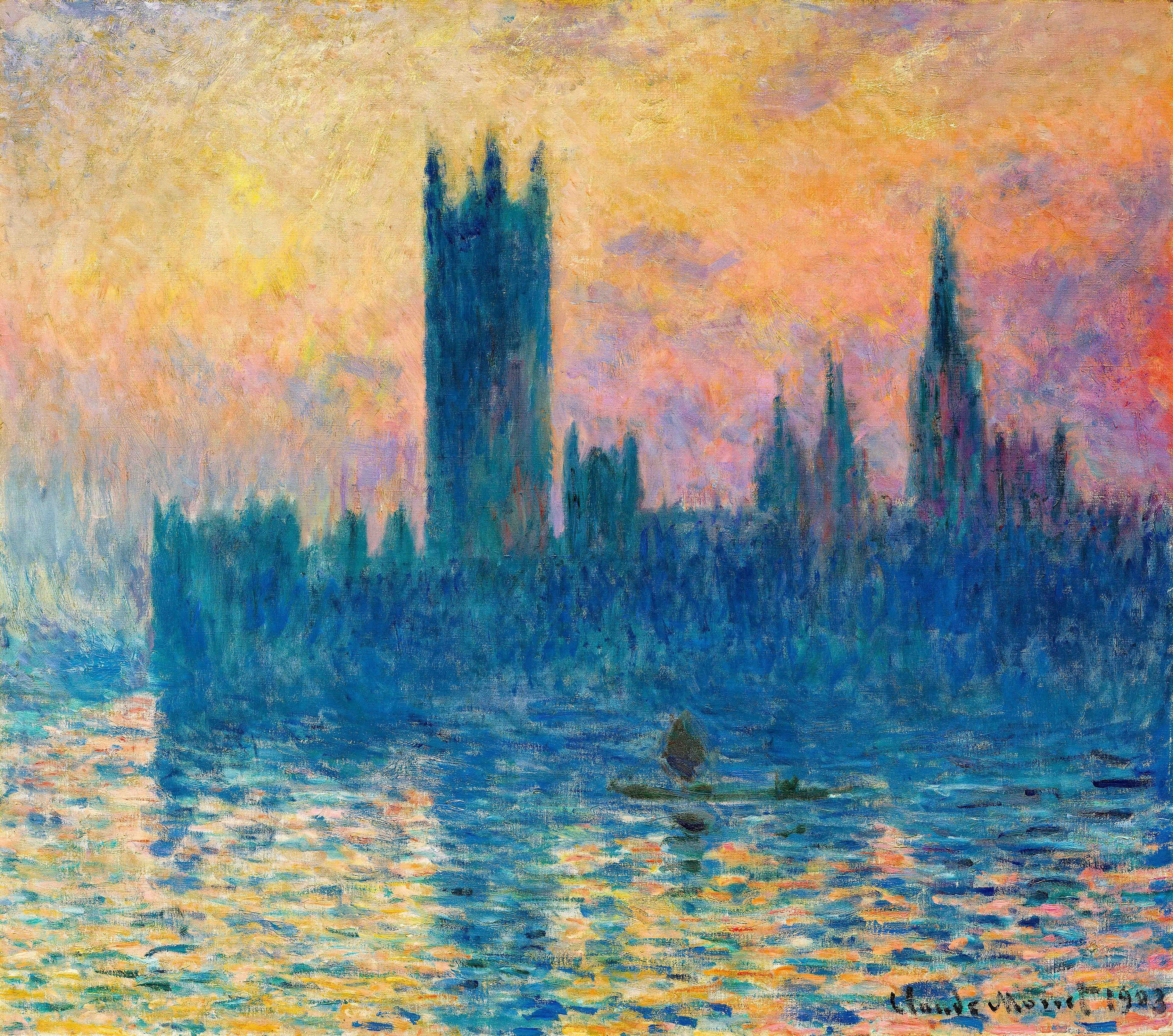
The Houses of Parliament, Sunset
Claude Monet · 1903
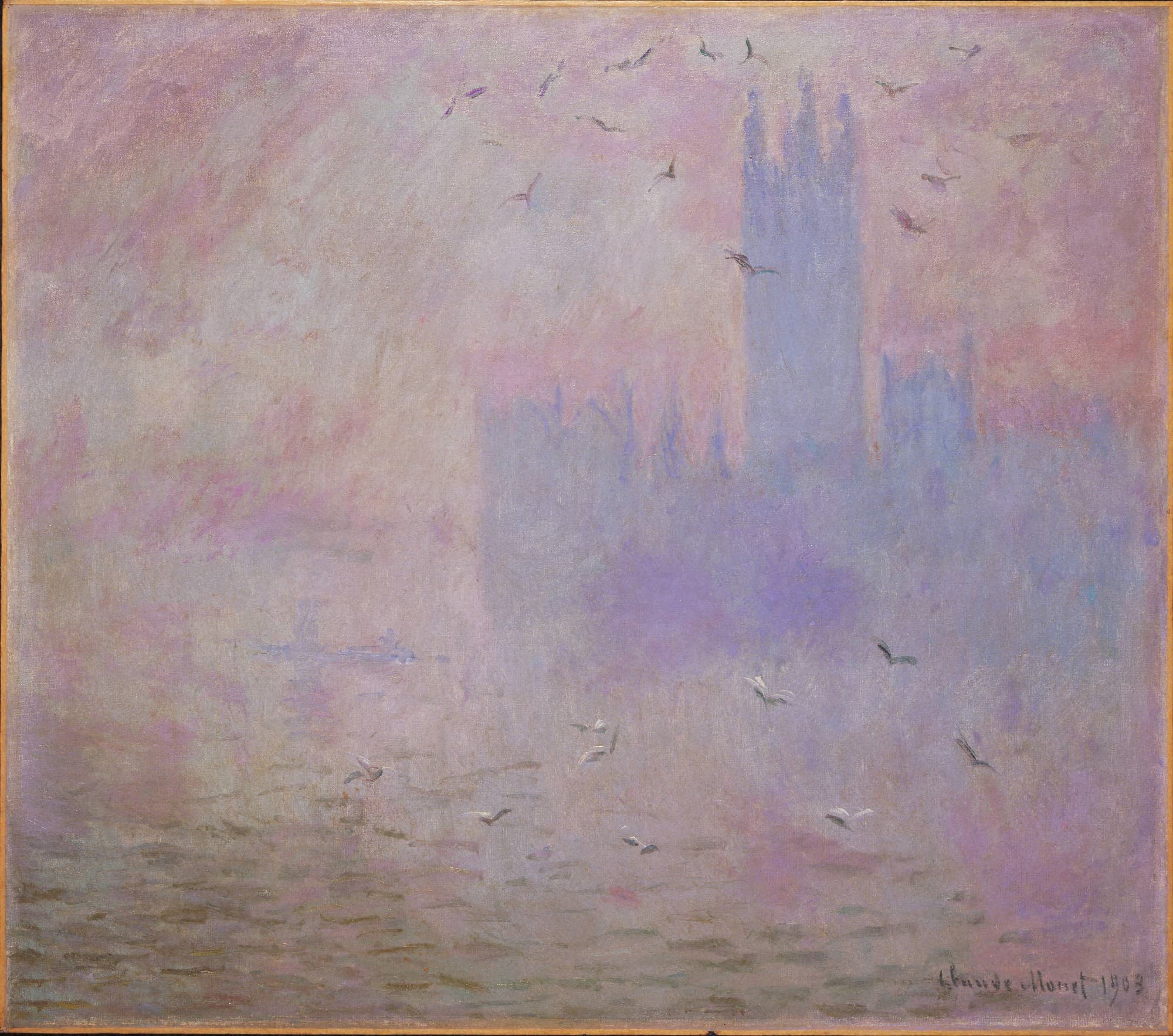
The Houses of Parliament, Seagulls
Claude Monet · 1903
Charing Cross Bridge: Fog on the Thames
Claude Monet · 1903
Le Parlement de Londres, effet de brouillard
Claude Monet · 1903
Houses of Parliament, Symphony in Blue
Claude Monet · 1903
Waterloo Bridge, Gray Day
Claude Monet · 1903
Kindred works
You may also study
Waterloo Bridge, Gray Day
Claude Monet · 1903
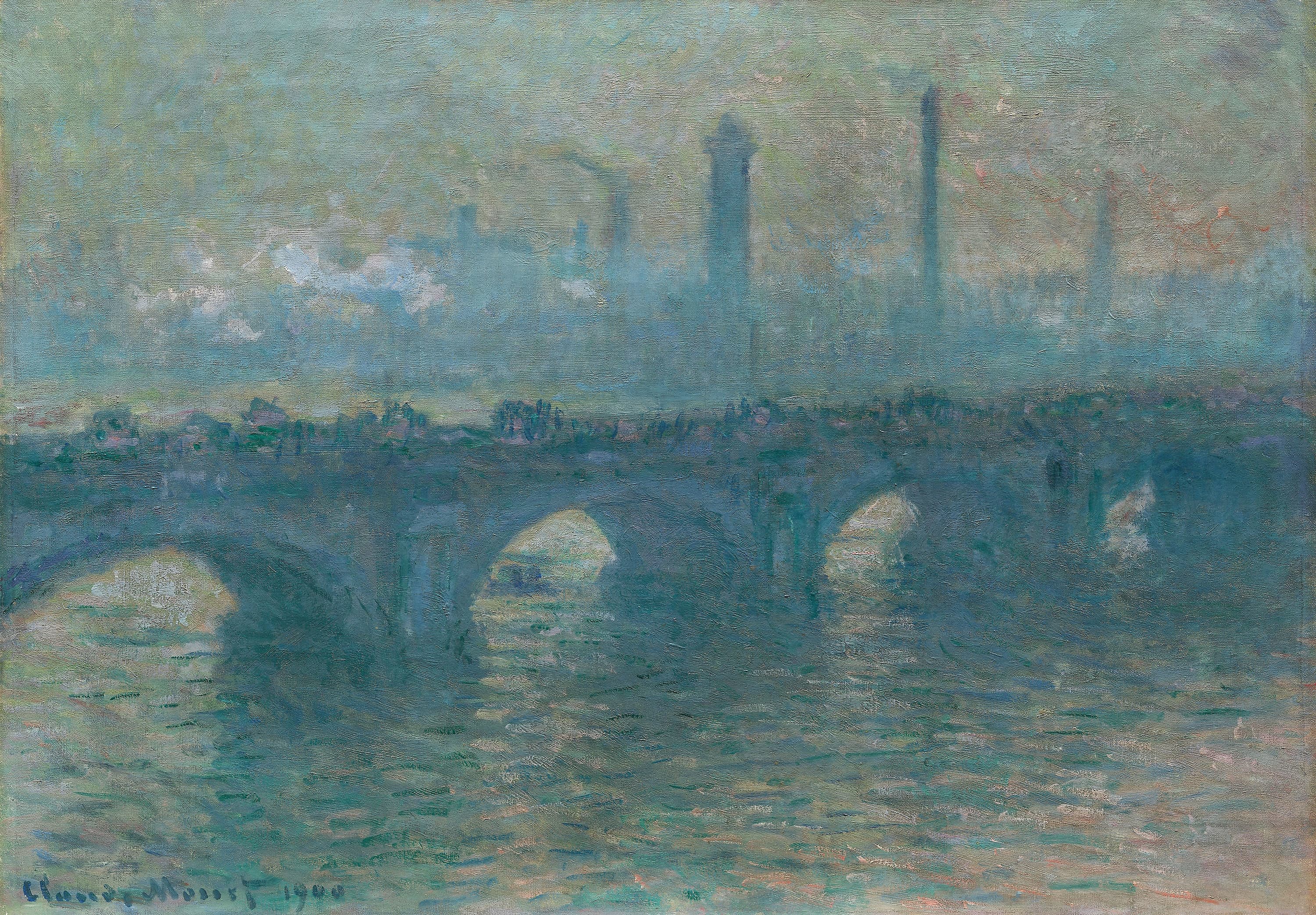
Waterloo Bridge, Gray Weather
Claude Monet · 1900
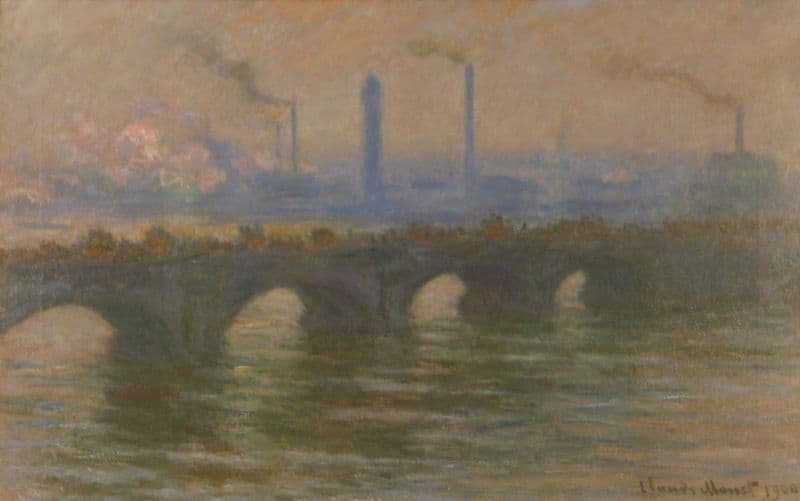
Waterloo Bridge, Overcast Weather
Claude Monet · 1900
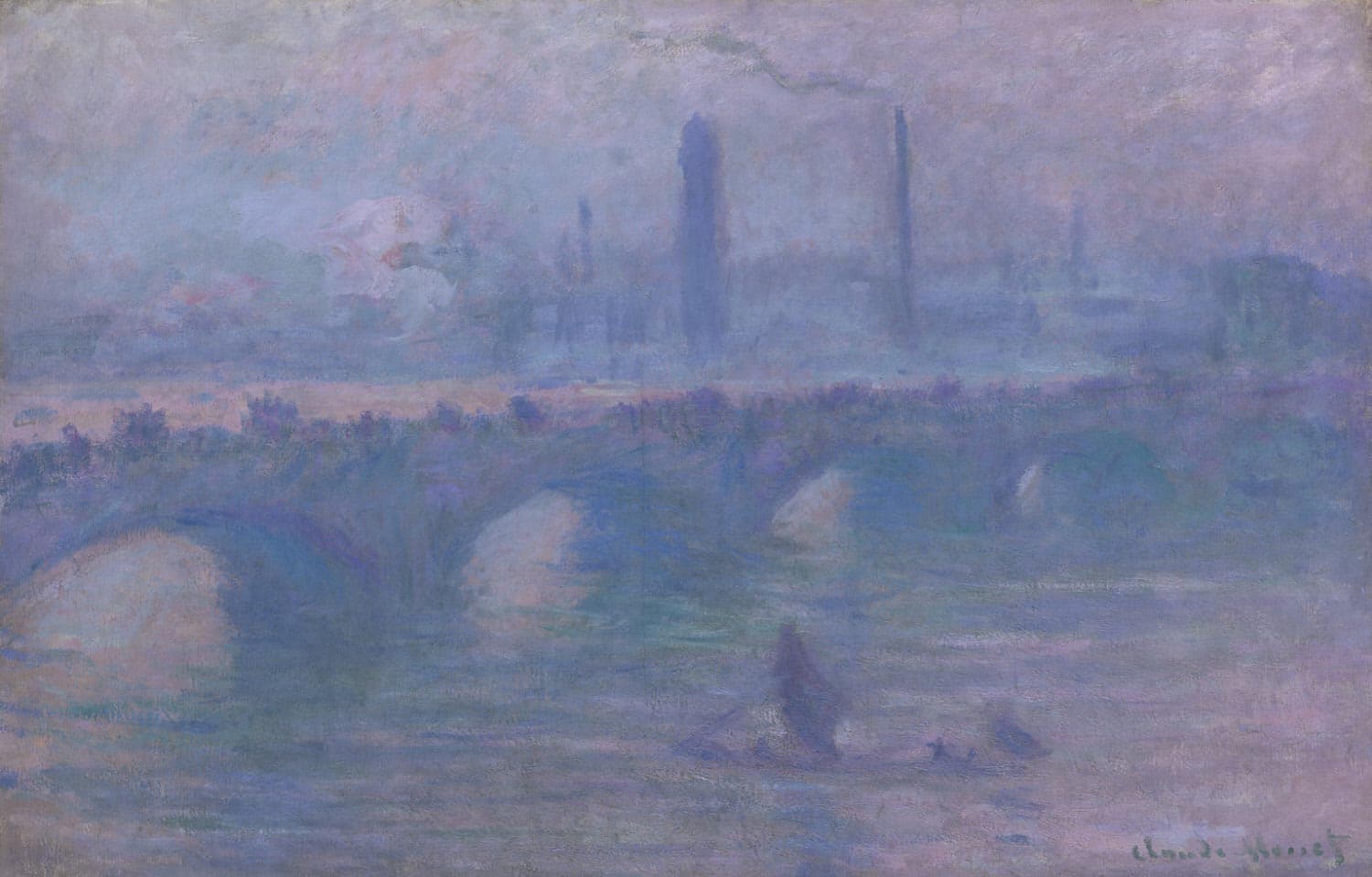
Waterloo Bridge, Morning Fog
Claude Monet · 1901
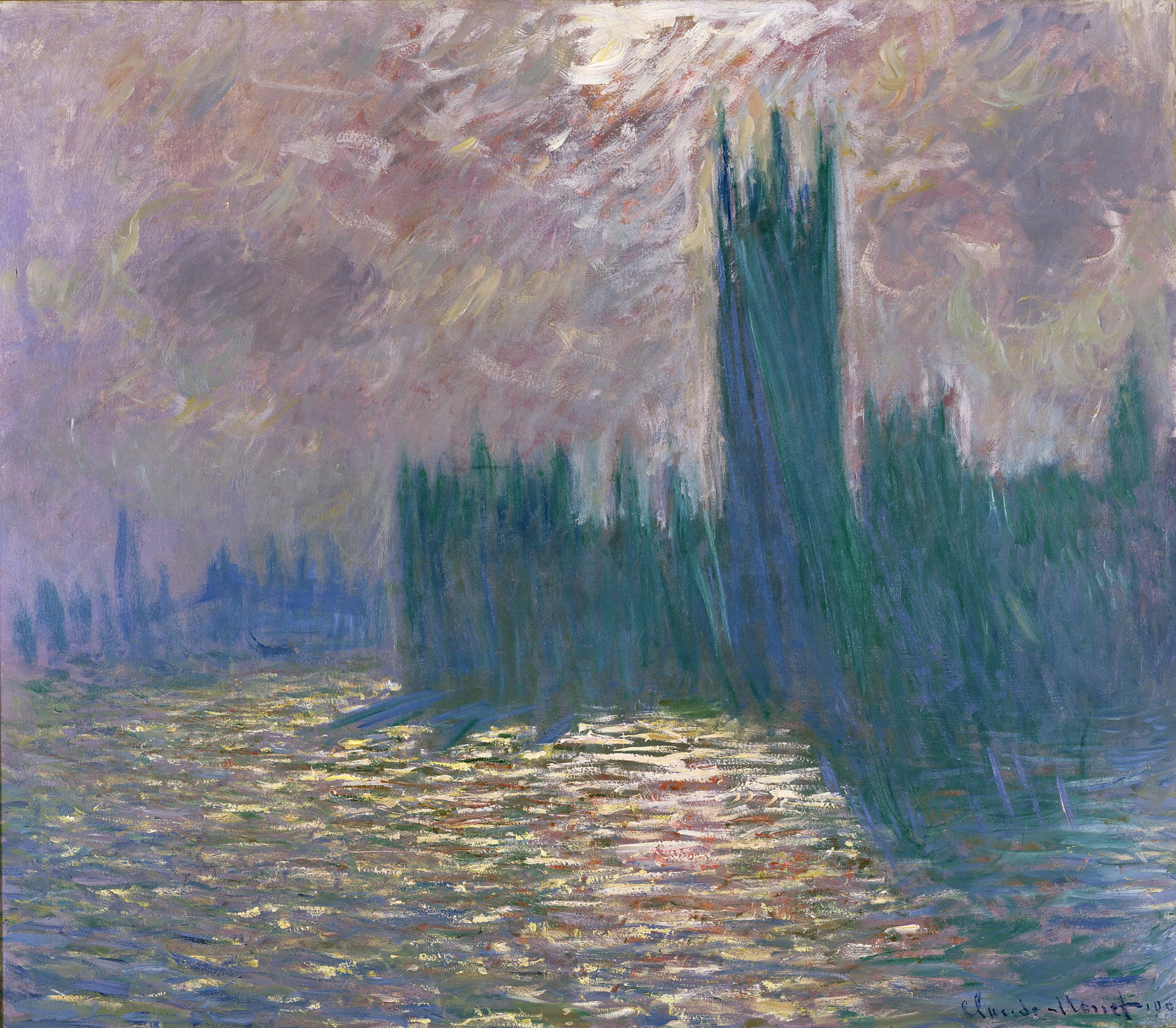
London, Parliament, Reflections on the Thames
Claude Monet · 1905
The Rio della Salute
Claude Monet · 1908
Charing Cross Bridge, London
Claude Monet · 1901
The Doge's Palace (Le Palais ducal)
Claude Monet · 1908