Image: Kunstmuseum Bern (Cornelius Gurlitt bequest); reproduction via Wikimedia Commons · Public domain · via Wikimedia Commons
Waterloo Bridge, Gray Weather (Gurlitt Bequest)
Claude Monet, 1903
Waterloo Bridge, Gray Weather (temps gris) is a 1903 Claude Monet view of London's Waterloo Bridge under smoke and cloud, found in Cornelius Gurlitt's Salzburg house in 2014. It is now in the Kunstmuseum Bern.
- Artist
- Claude Monet
- Date
- 1903
- Medium
- Oil on canvas
- Dimensions
- 65 × 101.5 cm
- Collection
- Kunstmuseum Bern (Cornelius Gurlitt bequest), Bern, Switzerland
- Movement
- Impressionism
- Catalogue
- Wildenstein 1562
- The City
- Water & Sea
- Power & History
Waterloo Bridge, temps gris (Waterloo Bridge, Gray Weather) is a Claude Monet painting of Waterloo Bridge in London, signed and dated 1903 and catalogued by Wildenstein as no. 1562. It came to light in 2014 among the works kept by the German collector Cornelius Gurlitt in his house in Salzburg, and it passed with his bequest to the Kunstmuseum Bern in Switzerland, where it is now shown.
What you're looking at
This is one of the darkest and most somber canvases of the series. The bridge is a heavy blue-gray mass running across the middle of the picture, its arches opening onto pale, almost white water where daylight comes through from beyond. Under the second and third arches small boats with figures are silhouetted against that light, the only human presence apart from the rough, broken line of traffic along the parapet.
Behind the bridge rises the industrial south bank: two tall factory chimneys trailing long plumes of smoke to the left and a tall dark tower between them, all in a smoky blue-violet. The sky above is a dense, scumbled gray with brown and cream in it, the color of London coal smoke on an overcast day. The river below is painted in long horizontal strokes of slate, gray-green and violet, with a few pale lights. The signature and date are at lower right in dark paint.
Where and when it was painted
Monet began the Waterloo Bridge canvases from his room at the Savoy Hotel during three stays in London between 1899 and 1901. Looking east, he saw the bridge with the chimneys of the south bank behind it, and painted it in fog, smoke, sun and dusk, often on many canvases in a single day. He finished the pictures at Giverny and dated most of them 1903 before Paul Durand-Ruel showed the London series in Paris in 1904. See the Waterloo Bridge series and Monet in London.
How it was painted
The paint is thicker and more worked than in the pale, misty versions, with dragged and scumbled layers in the sky that let earlier colors show through. The bright openings under the arches are the strongest contrasts in the picture, and Monet builds the whole composition around them: three or four pale shapes set into a dark band, like windows. The smoke is painted with quick, curling strokes over the wet sky.
How this version differs
Among the forty-odd Waterloo Bridge pictures, the Bern canvas belongs to the group of overcast, gray-weather effects, alongside Waterloo Bridge, Gray Day in Washington and Waterloo Bridge, Gray Weather in Chicago. It differs from them in its strong contrast between the dark bridge and the light under its arches, and in the prominence of the smoking chimneys, which are fainter in most versions. Compare it with the Worcester canvas, which has a similar layout but a warmer, pinker sky.
The Gurlitt bequest and provenance
Cornelius Gurlitt was the son of Hildebrand Gurlitt, one of the art dealers who worked for the Nazi regime. The discovery of his collection in Munich in 2012 caused an international sensation; the Monet was found later, in 2014, in his house in Salzburg, and was among the most valuable works there. Gurlitt died in May 2014 and left his collection to the Kunstmuseum Bern, which accepted it with a commitment to research the provenance of every work and return anything identified as looted.
The early history of this canvas runs through Monet's dealer Durand-Ruel and German collecting circles, but its whereabouts from about 1914 until it reached the Gurlitts have not been fully documented. A provenance report was prepared in 2017 for the German Lost Art Foundation, and the painting is registered in the Lost Art database. Readers should treat the ownership history between 1914 and 2014 as unresolved.
Where to see it
The painting is in the Kunstmuseum Bern, which has shown it in its displays of the Gurlitt bequest. It is one of very few works by Monet from the London series in Switzerland, alongside versions in Zürich. For other places to see the series, see where to see Monet's paintings.
Questions & answers
Where is the Gurlitt Monet Waterloo Bridge today?
It is in the Kunstmuseum Bern in Switzerland, which inherited Cornelius Gurlitt's collection in 2014. The museum has exhibited it in its displays of the Gurlitt bequest.
Was Monet's Waterloo Bridge in the Gurlitt collection looted?
That has not been established. The painting's ownership between about 1914 and its discovery in Gurlitt's Salzburg house in 2014 is not fully documented. A 2017 provenance report was made for the German Lost Art Foundation, and the work is registered in the Lost Art database.
When was it painted?
Monet began it from the Savoy Hotel in London between 1899 and 1901 and finished it at Giverny. It is signed and dated 1903.
What does Waterloo Bridge, Gray Weather show?
It shows a dark blue-gray Waterloo Bridge with pale light under its arches and small boats silhouetted beneath, two smoking factory chimneys and a tower behind, and a heavy gray sky over the Thames.
More by the artist
Claude Monet
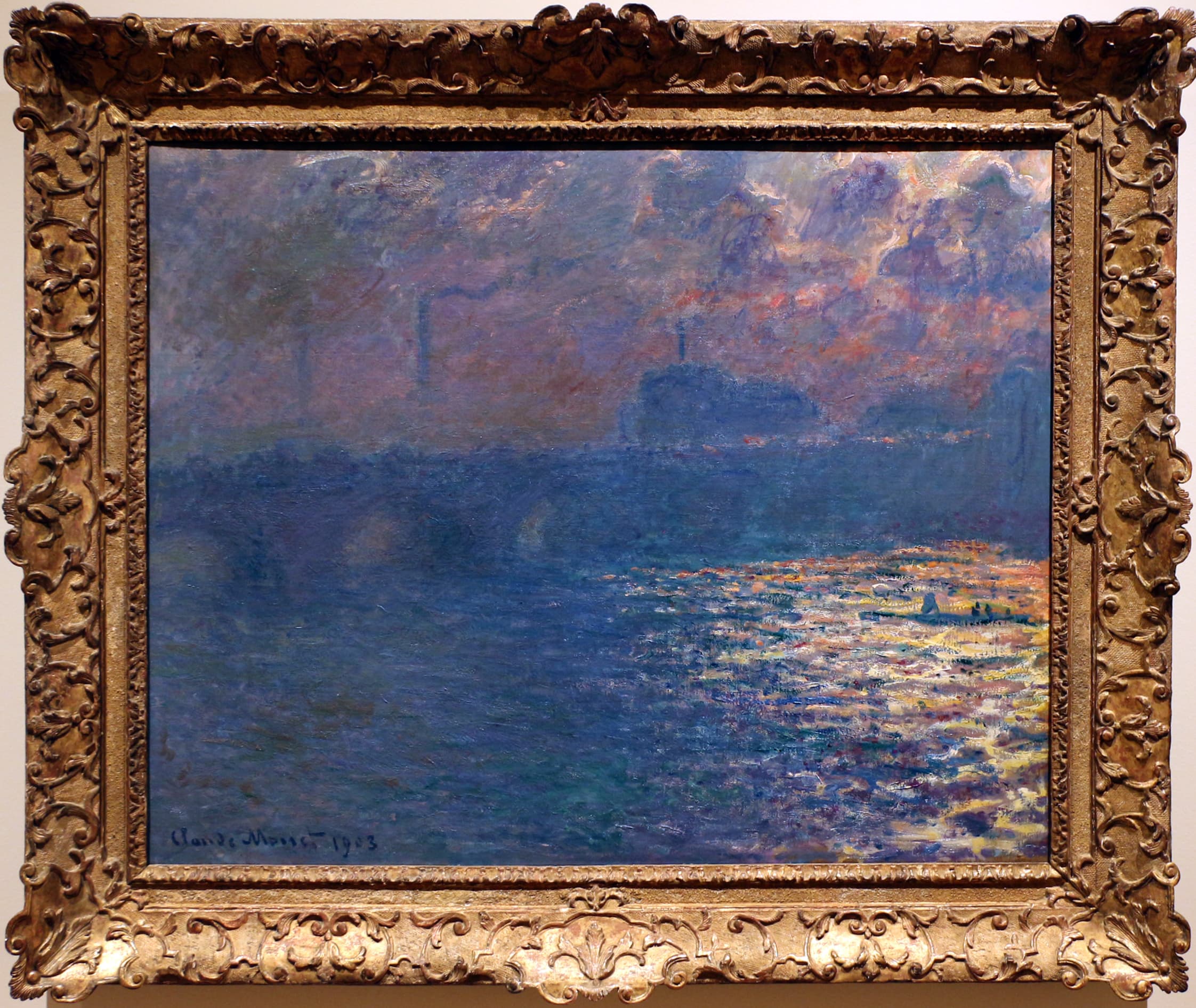
Waterloo Bridge, Sunlight Effect
Claude Monet · c. 1900 (dated 1903)
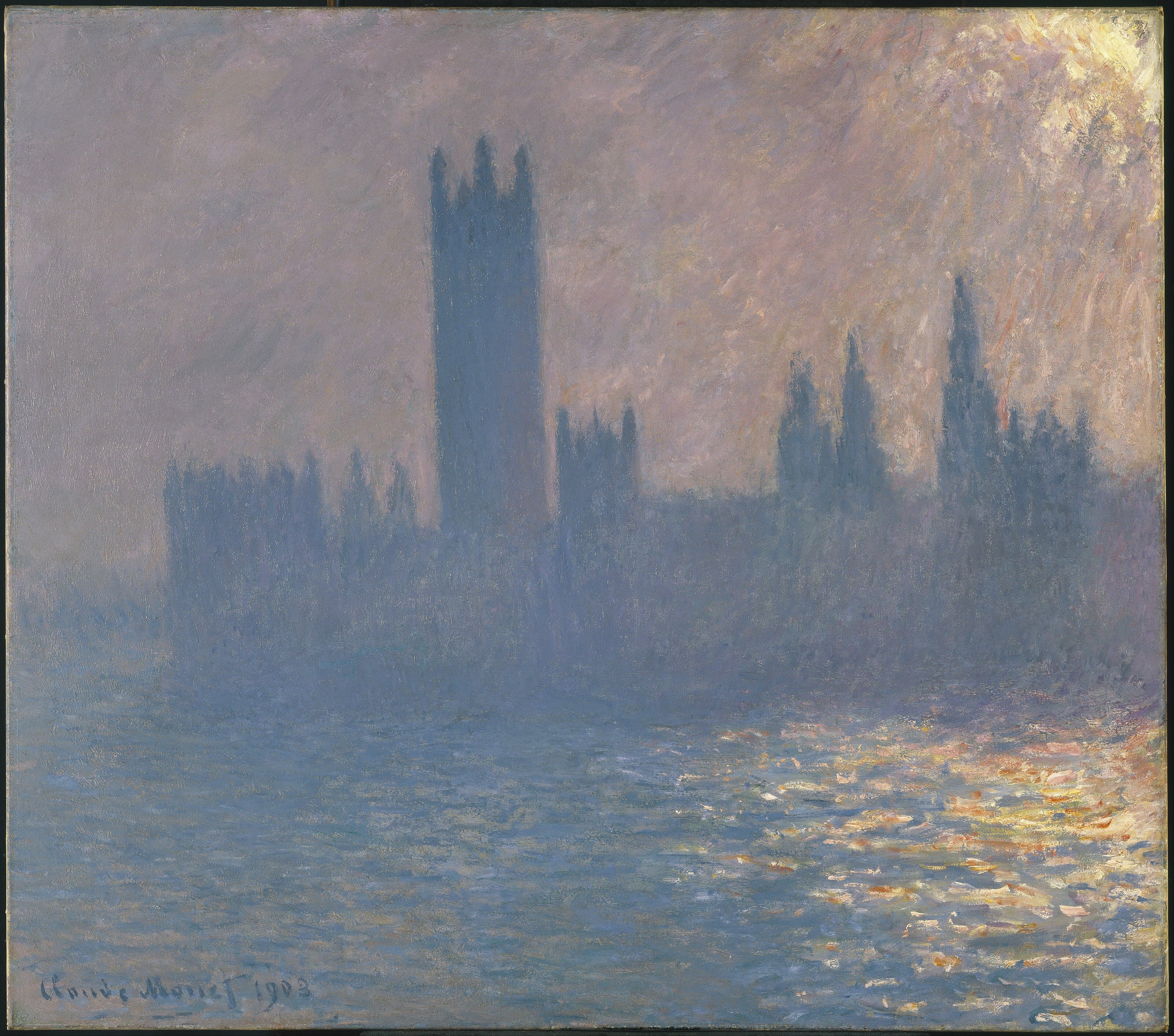
Houses of Parliament, Sunlight Effect
Claude Monet · 1903
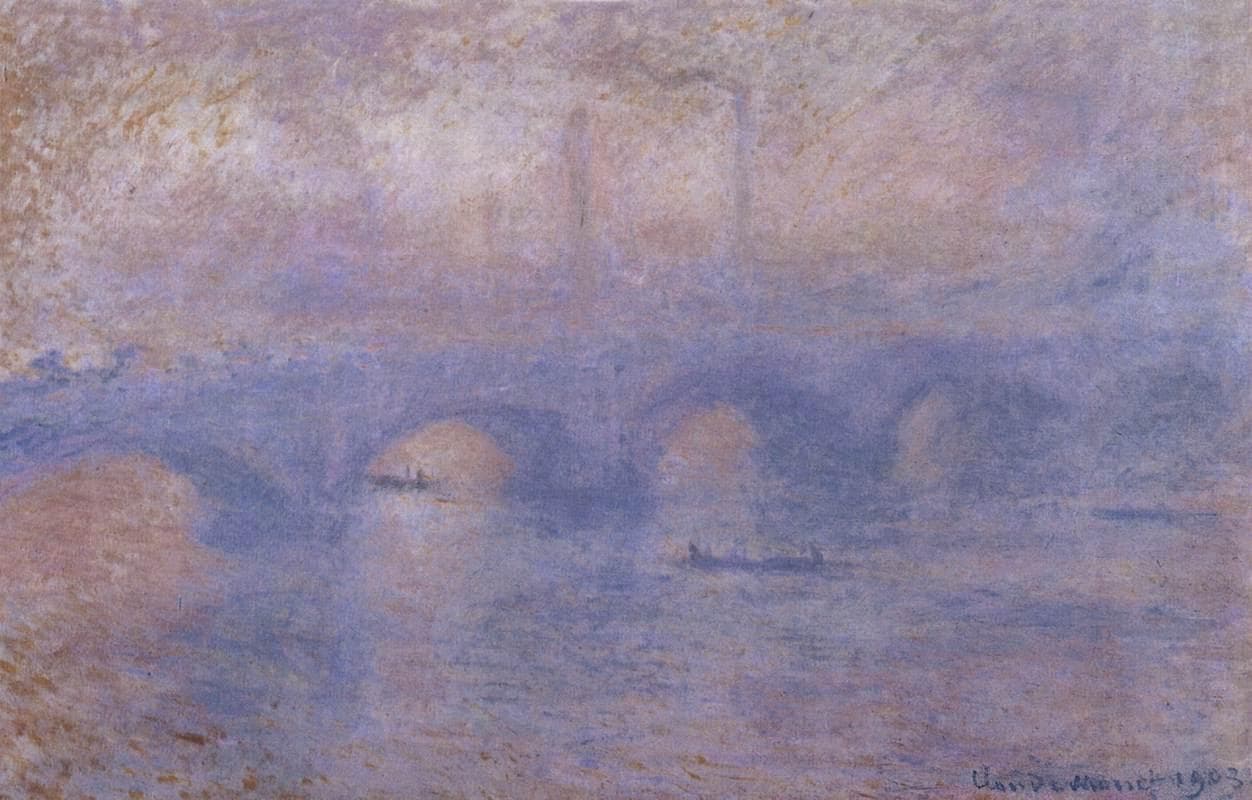
Waterloo Bridge, Effect of Fog
Claude Monet · 1903
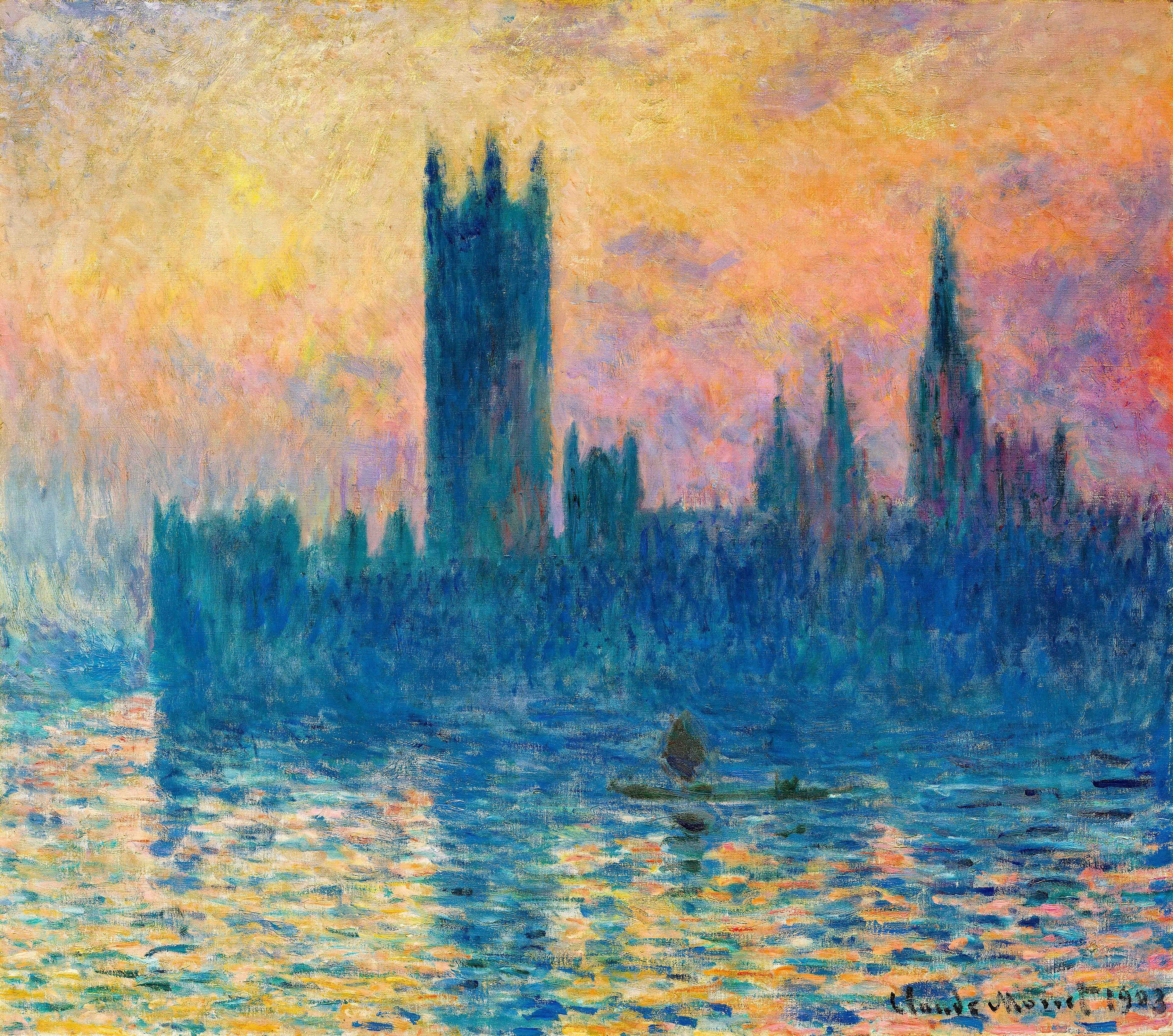
The Houses of Parliament, Sunset
Claude Monet · 1903
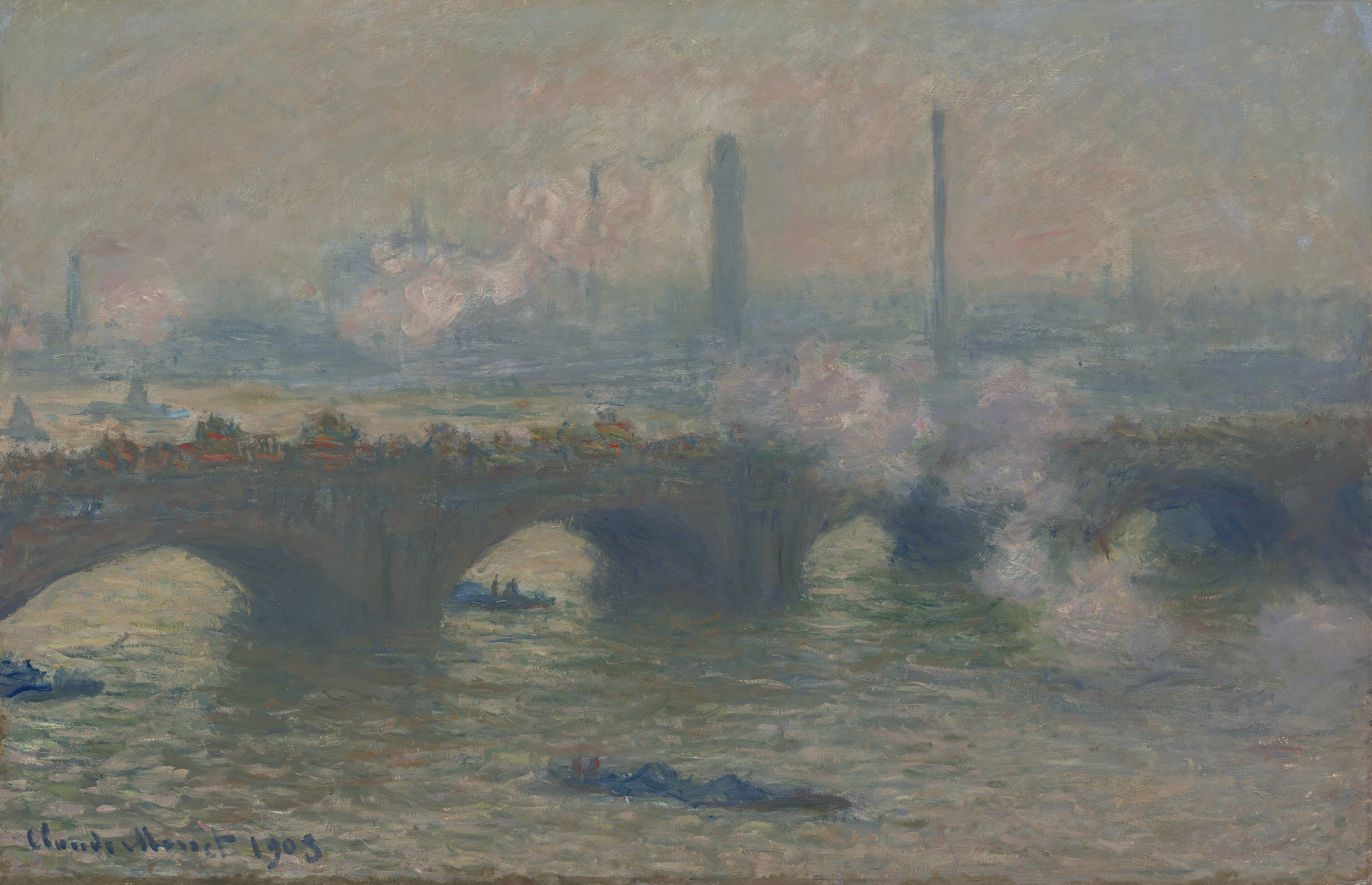
Waterloo Bridge, Gray Day
Claude Monet · 1903
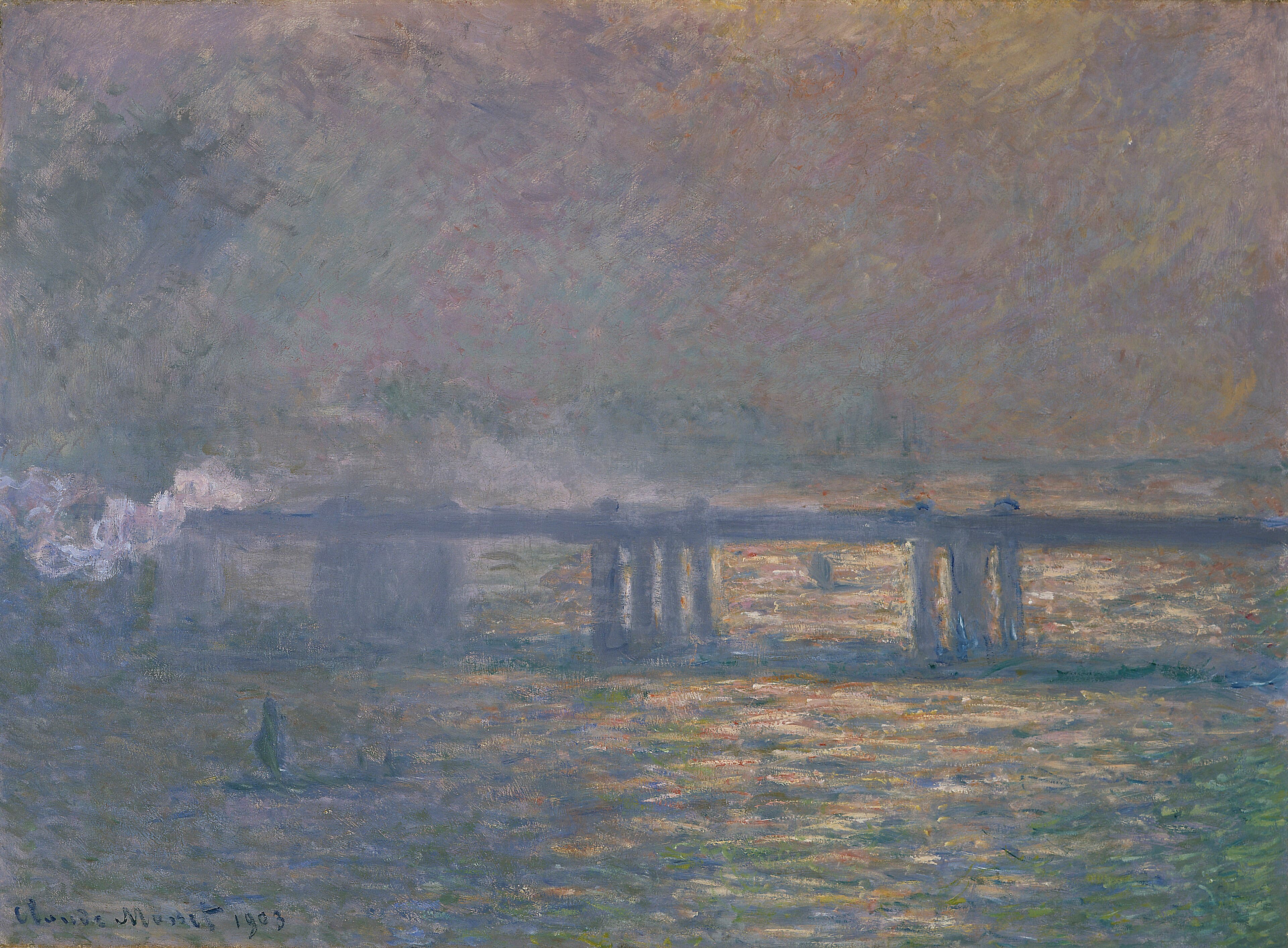
Charing Cross Bridge (Saint Louis)
Claude Monet · 1903
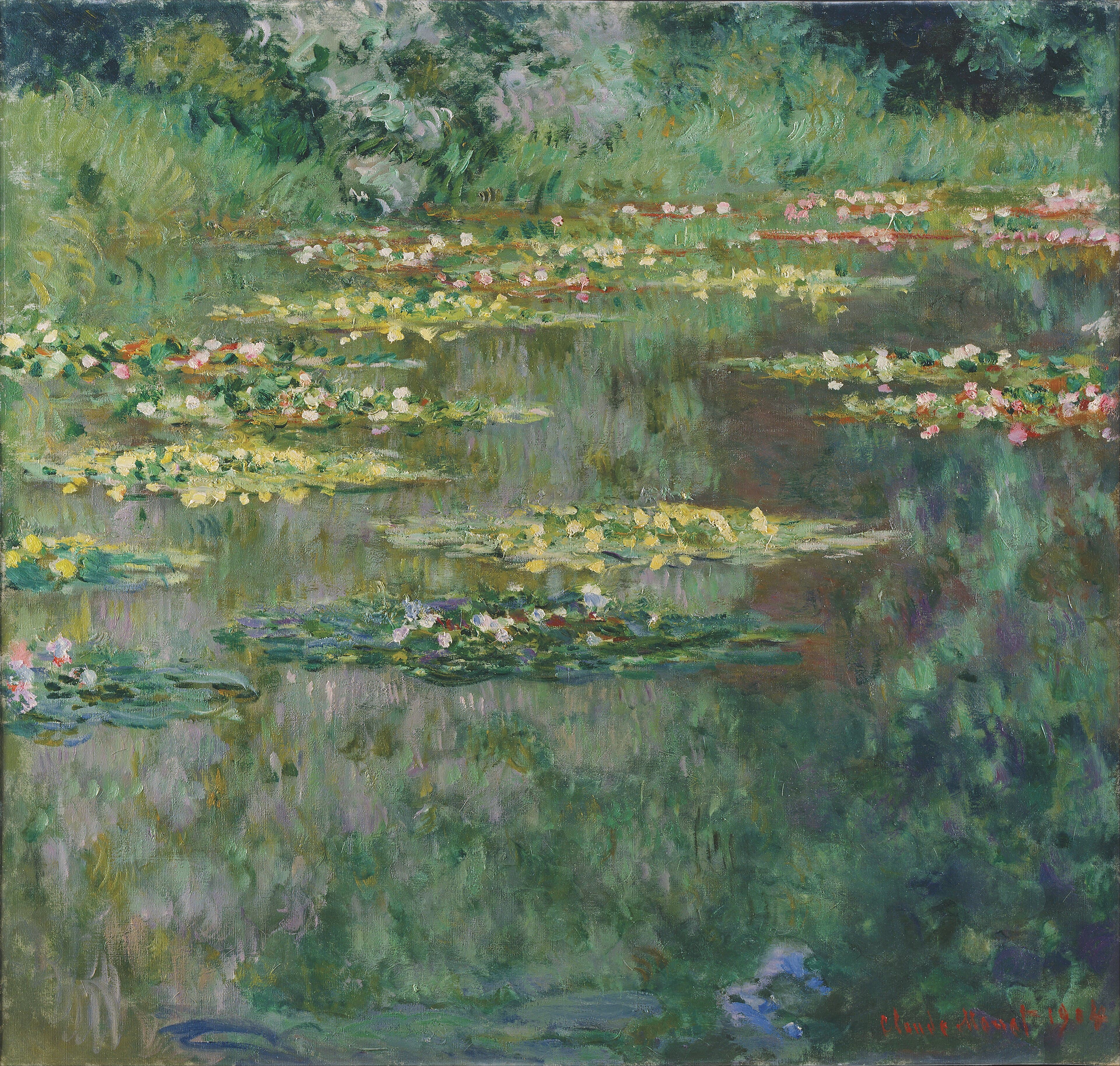
Le Bassin des Nymphéas (Denver)
Claude Monet · 1904
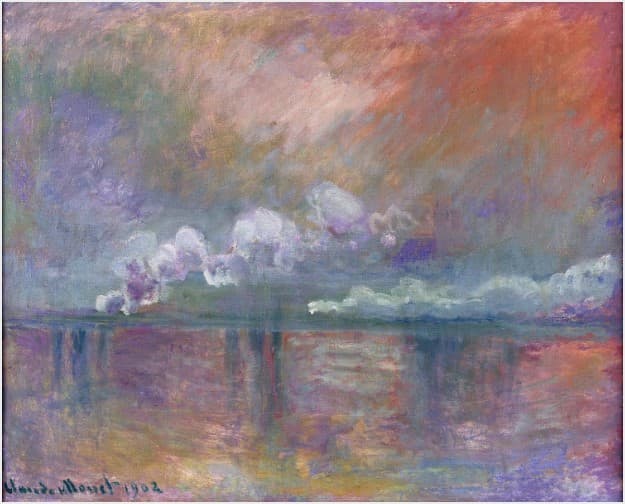
Charing Cross Bridge, Smoke in the Fog, Impression
Claude Monet · 1902
Also painted in 1903
The same year
Waterlilies (1903, Dayton Art Institute)
Claude Monet · 1903
Waterloo Bridge, Hazy Sun
Claude Monet · 1903
The Houses of Parliament, Seagulls
Claude Monet · 1903
Houses of Parliament, Sunset
Claude Monet · 1903
Charing Cross Bridge: Fog on the Thames
Claude Monet · 1903
Le Parlement de Londres, effet de brouillard
Claude Monet · 1903
The Houses of Parliament (Effect of Fog)
Claude Monet · 1903–04
Houses of Parliament, Symphony in Blue
Claude Monet · 1903
Kindred works
You may also study
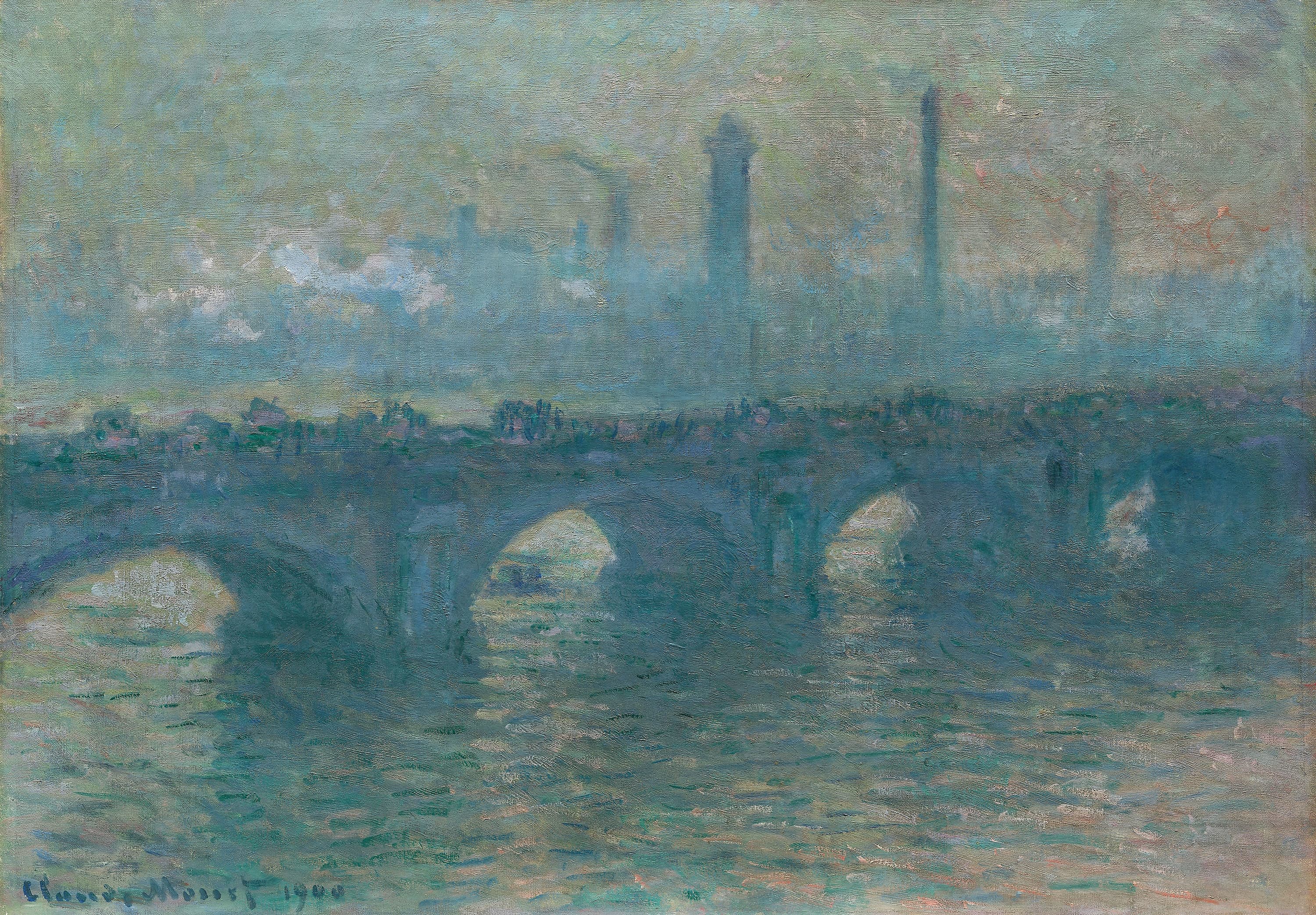
Waterloo Bridge, Gray Weather
Claude Monet · 1900
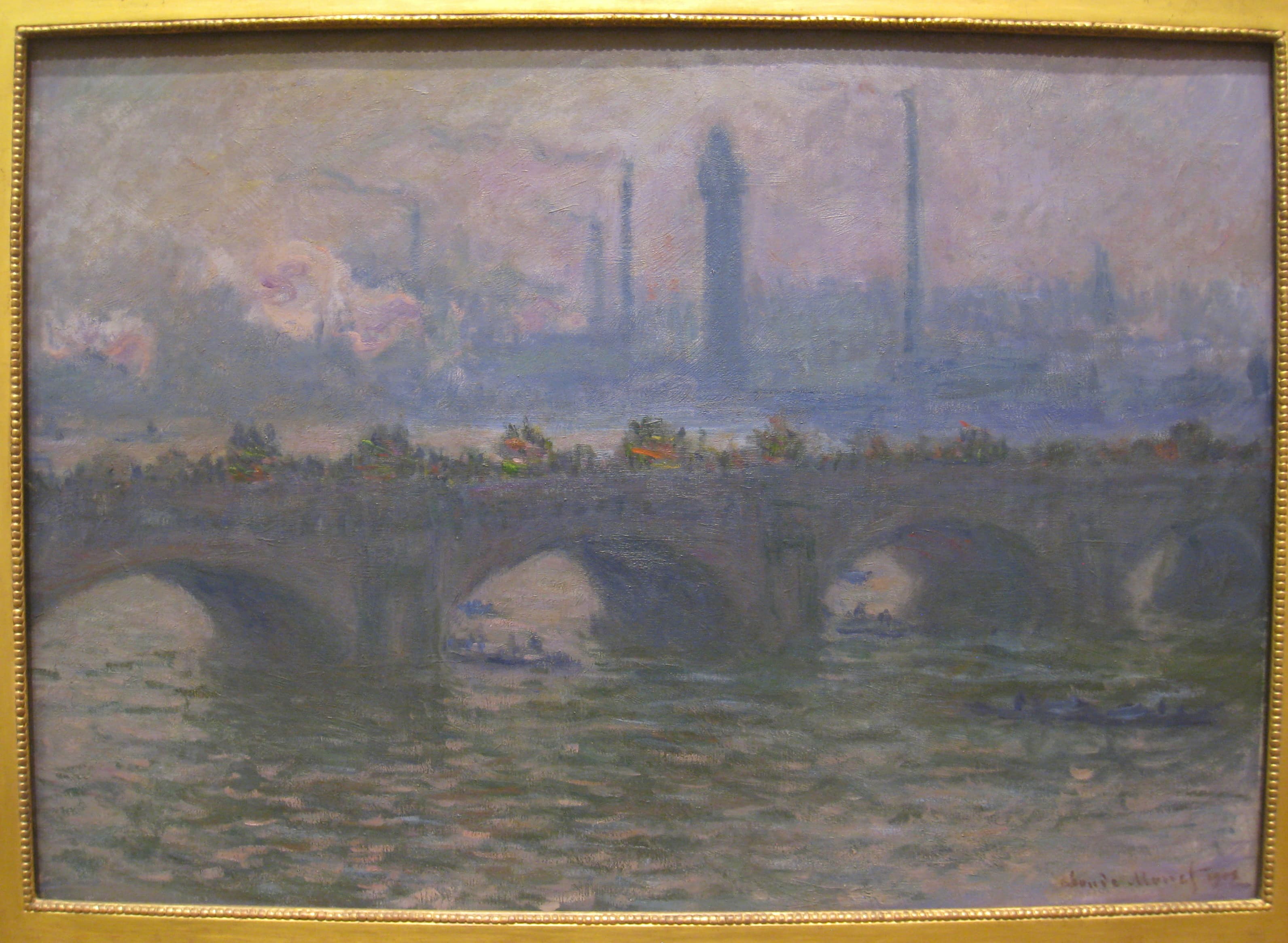
Waterloo Bridge (Worcester Art Museum)
Claude Monet · 1903
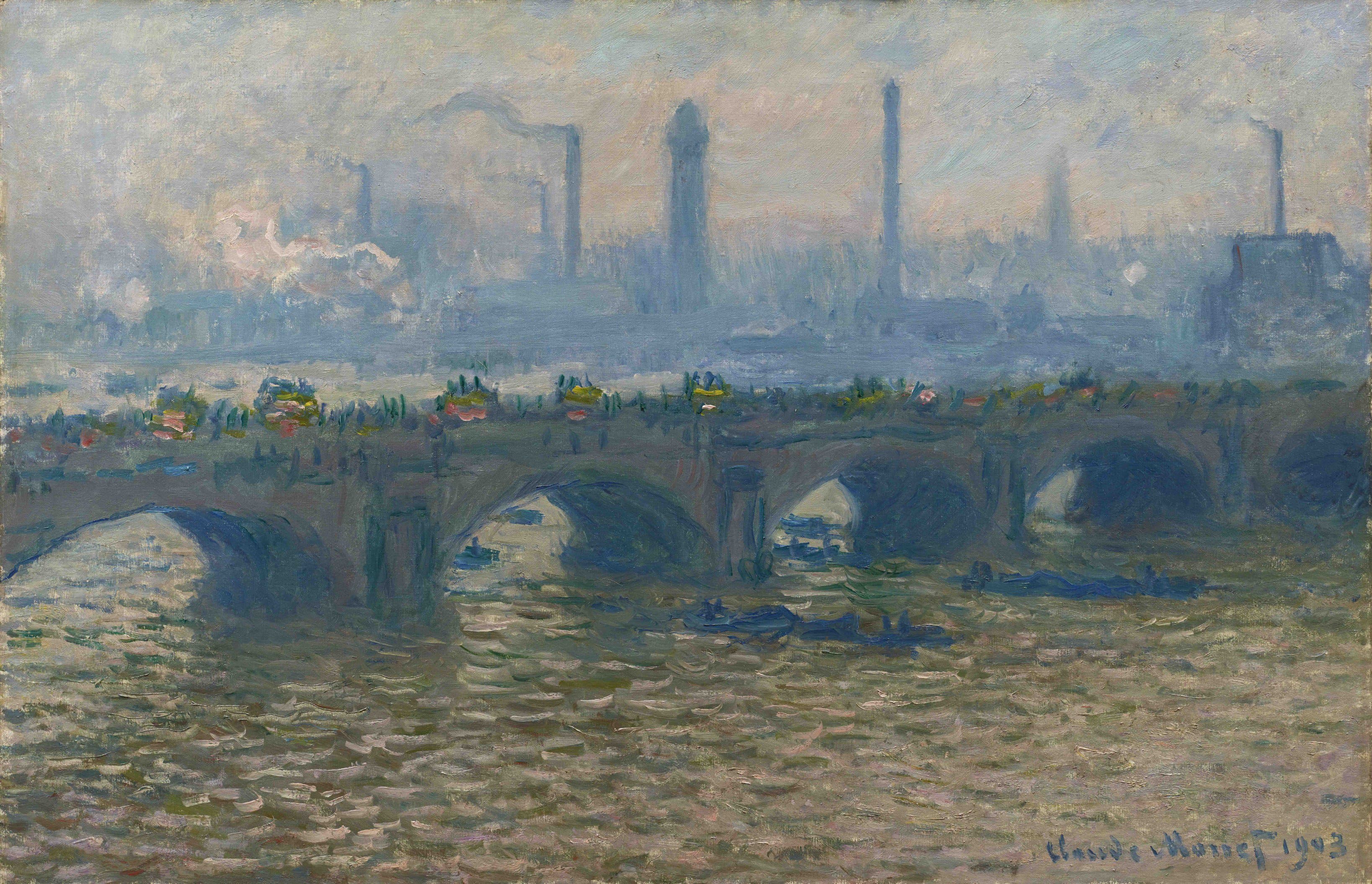
Waterloo Bridge, Gray Day (Ordrupgaard)
Claude Monet · 1903
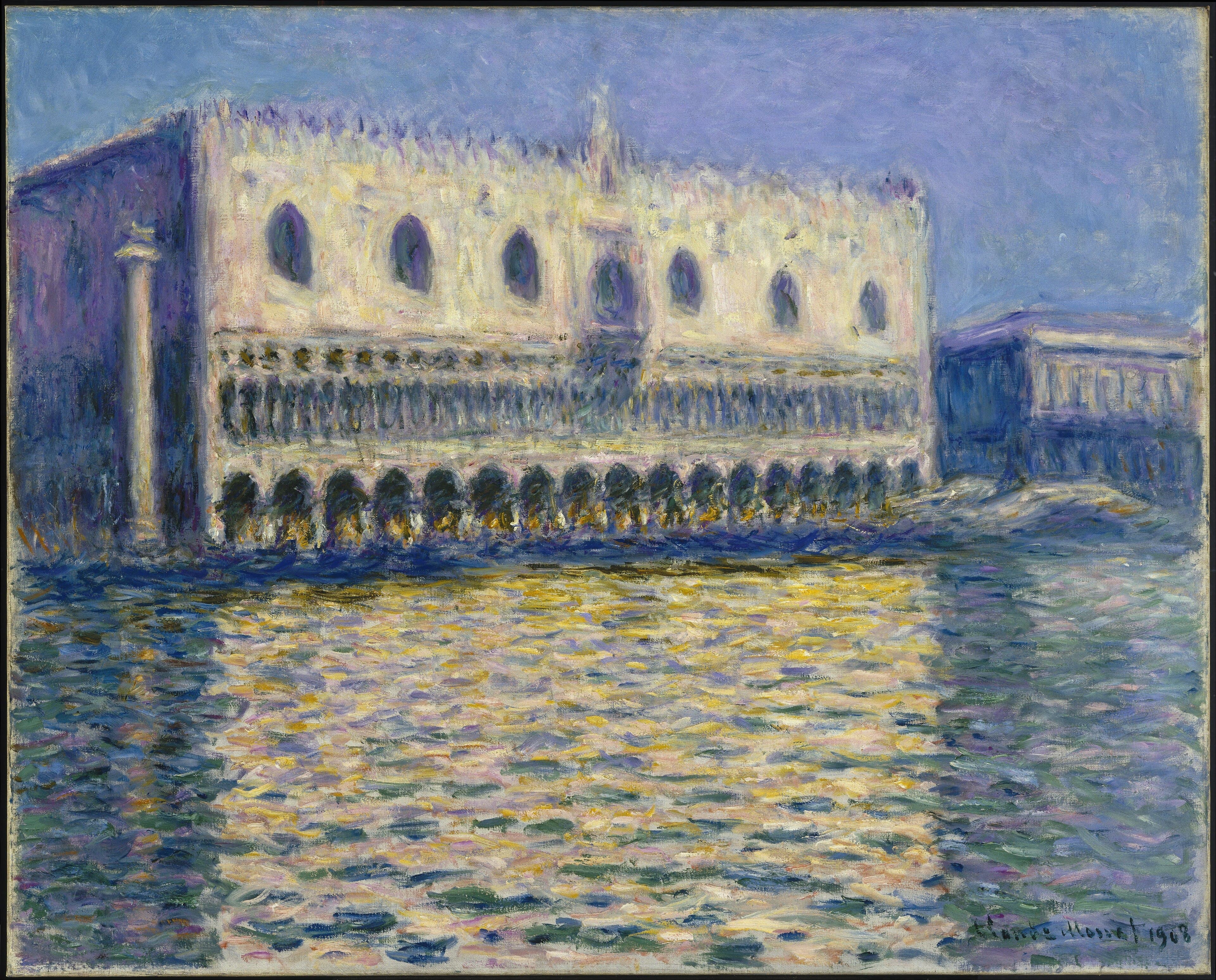
The Doge's Palace (Le Palais ducal)
Claude Monet · 1908
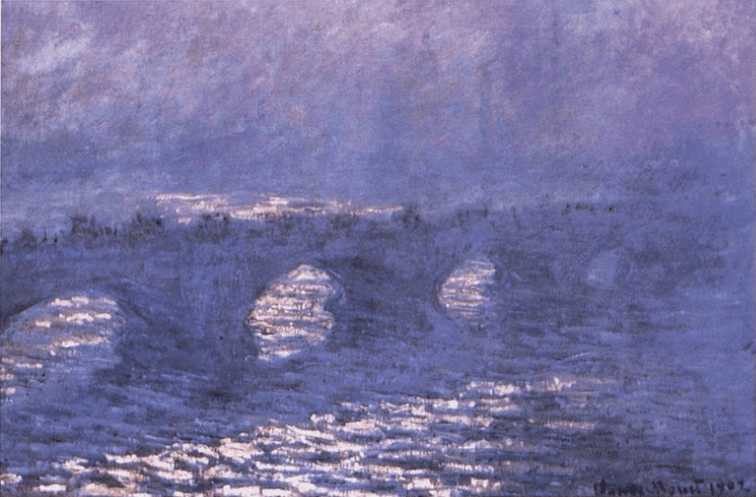
Waterloo Bridge, Effect of Sun in the Mist
Claude Monet · c. 1900–03
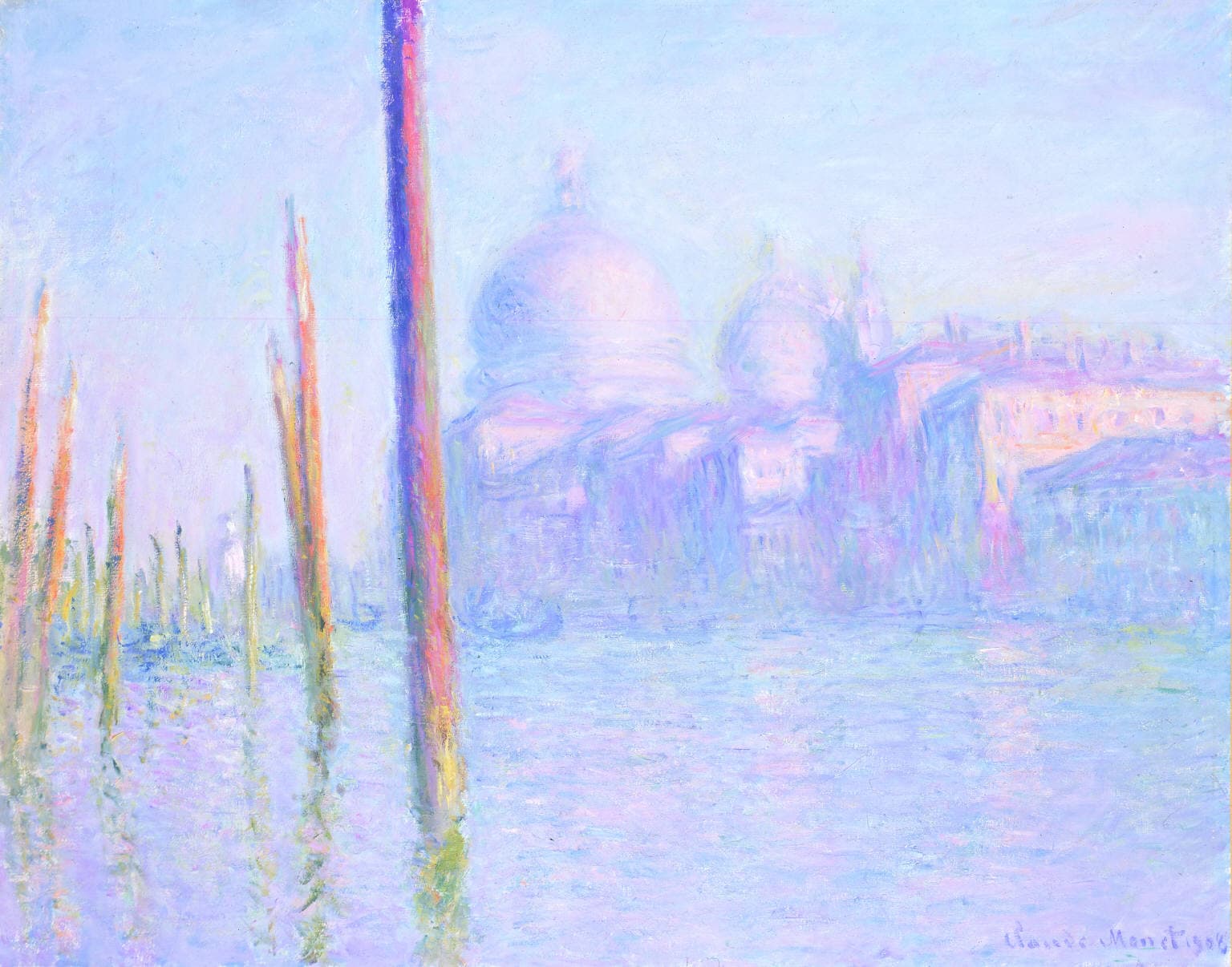
The Grand Canal, Venice
Claude Monet · 1908
Houses of Parliament, Symphony in Rose
Claude Monet · 1900
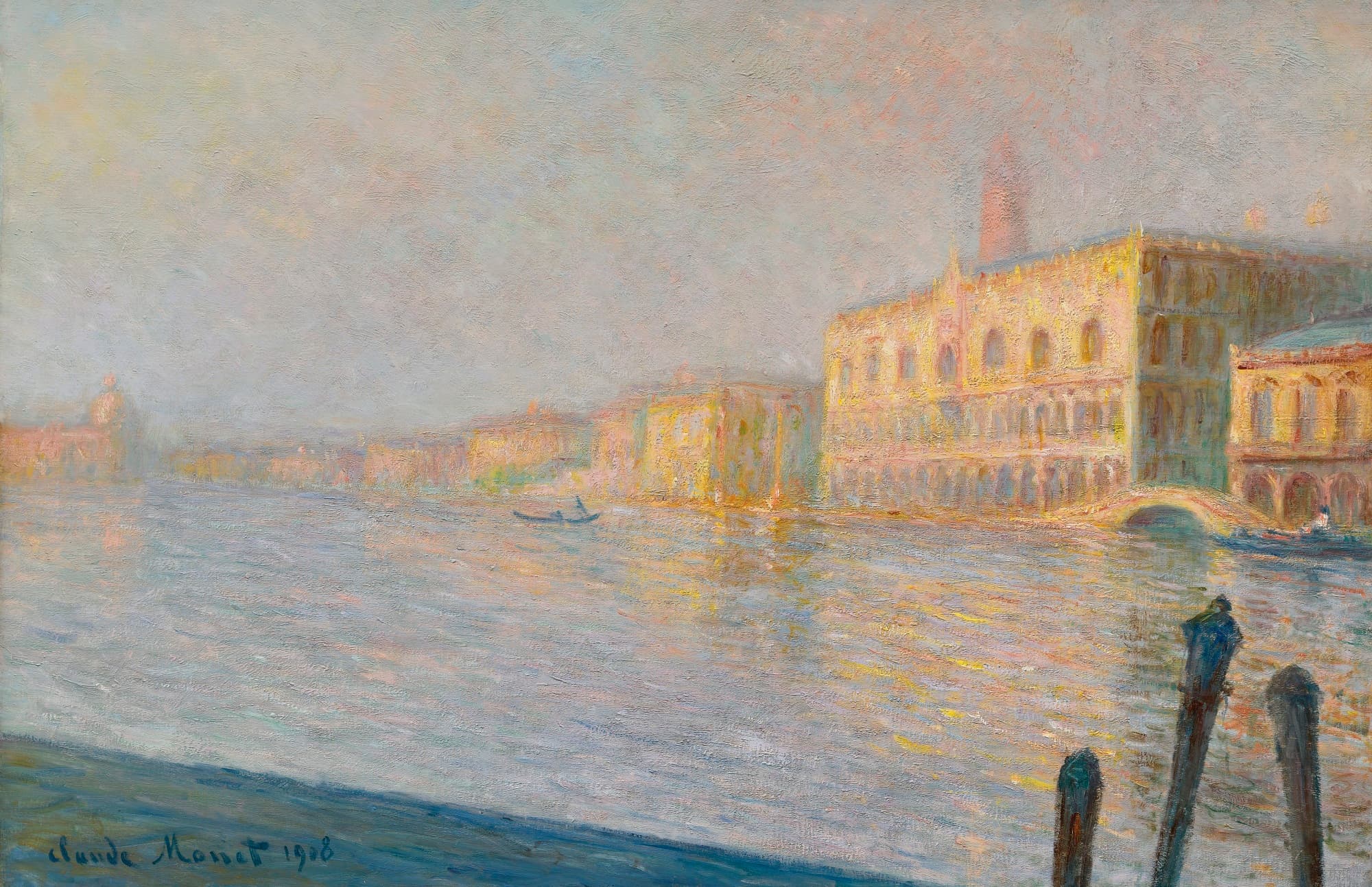
The Palazzo Ducale (Le Palais Ducal), 1908
Claude Monet · 1908