Image: Art Institute of Chicago, Mr. and Mrs. Martin A. Ryerson Collection · CC BY-SA 4.0 · via Wikimedia Commons
Waterloo Bridge, Sunlight Effect
Claude Monet, 1903
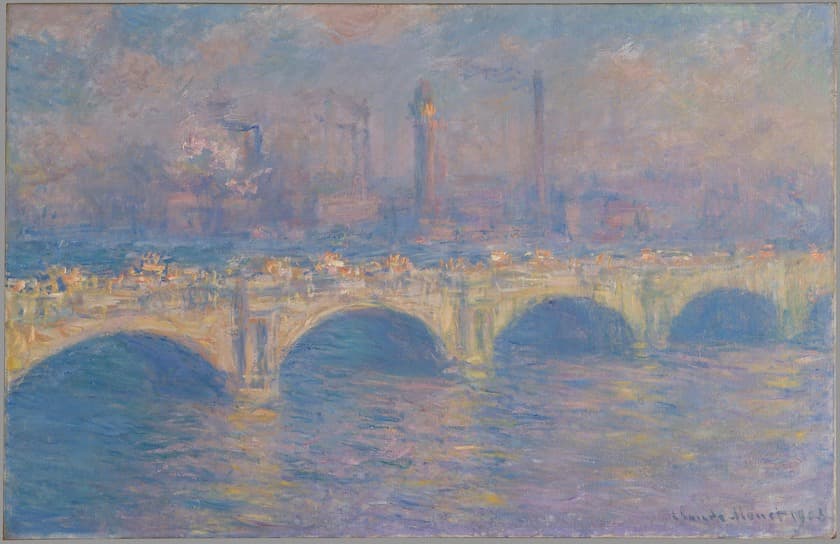
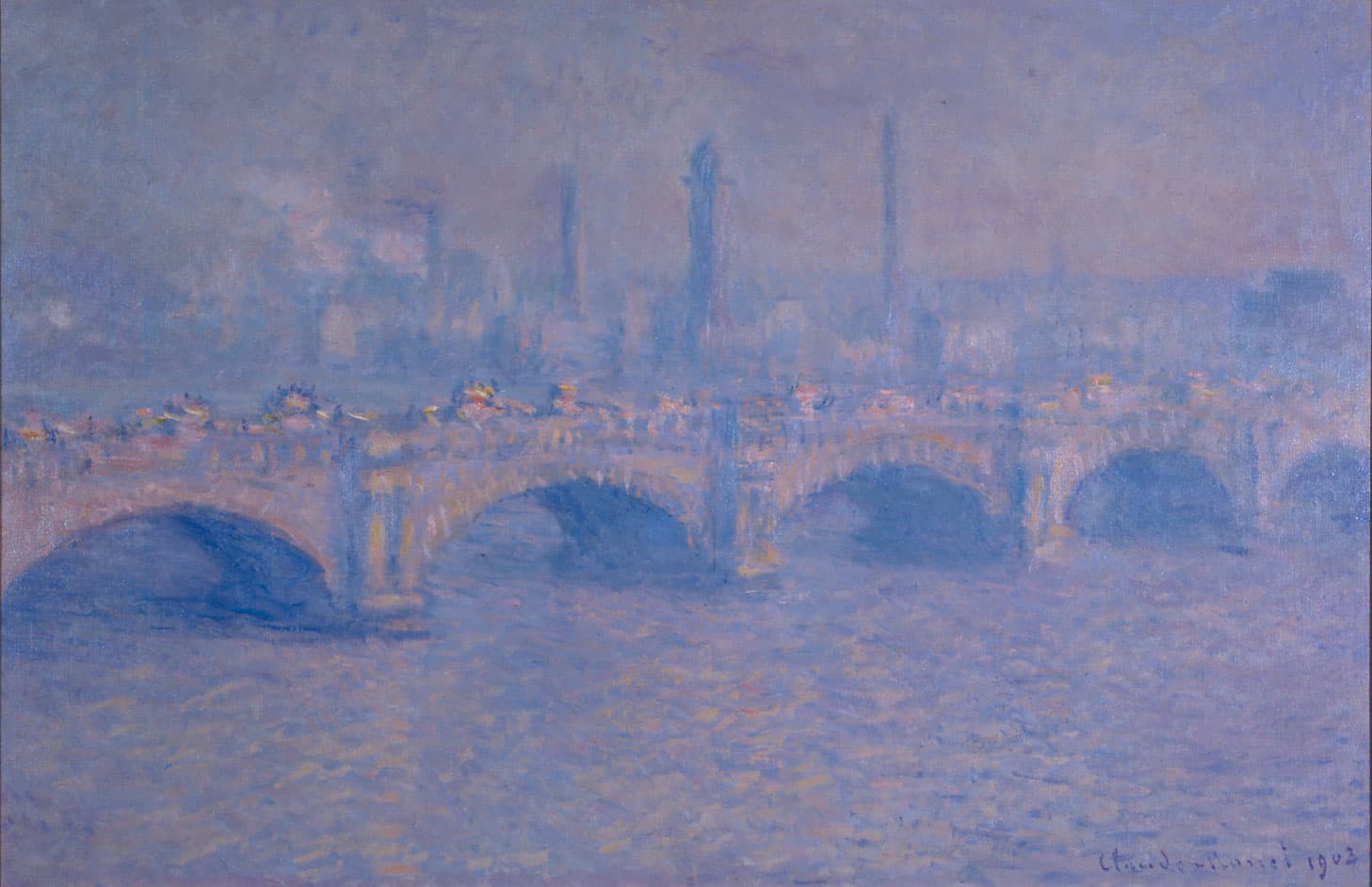
Waterloo Bridge, Sunlight Effect is a 1903 Claude Monet painting of the bridge dissolving into lilac and blue haze, with flecks of sunlit traffic along its deck. It is in the Art Institute of Chicago (Ryerson Collection), Gallery 243.
- Artist
- Claude Monet
- Date
- 1903
- Medium
- Oil on canvas
- Dimensions
- 65.7 × 101 cm
- Collection
- Art Institute of Chicago, Chicago, United States
- Movement
- Impressionism
- Catalogue
- Wildenstein 1586
- The City
- Water & Sea
Waterloo Bridge, Sunlight Effect is one of Claude Monet's views of the Thames from the Savoy Hotel, inscribed Claude Monet 1903 at lower right. It measures 65.7 × 101 cm and is number 1586 in the Wildenstein catalogue raisonné. It came to the Art Institute of Chicago in 1933 with the Mr. and Mrs. Martin A. Ryerson Collection (1933.1163) and hangs in Gallery 243 with the museum's other Waterloo Bridge, Gray Weather.
What you're looking at
Lilac and pale blue fill the canvas. The bridge spans it in a sequence of arches painted in blue-violet with pale cream highlights on the piers, so it seems to be made of tinted light rather than granite. Along its deck, a scatter of tiny touches in orange, yellow, red and green flickers: the traffic of carts and omnibuses, struck by sun.
Beyond, the chimneys and the shot tower of the south bank are faint violet shapes in a hazy sky warmed with rose at the left, where pink smoke drifts. The river is a lavender-blue sheet, with long, soft reflections under the arches and paler strokes of reflected light.
This canvas's distinction lies in how the sun is shown. There is no disc and no path of glitter on the water. Instead, the sunlight is diffused through haze into an all-over brightness, and it is concentrated only in those small, jewel-like dabs on the bridge.
Where and when it was painted
In London, Monet painted Waterloo Bridge each morning, moving to Charing Cross Bridge at midday and in the afternoon, all from his fifth-floor window at the Savoy. The Art Institute believes both of its Waterloo Bridge paintings were begun in 1900 and dated only when Monet felt they were finished. He worked on the London series together at Giverny and refused to send any to his dealer until he was satisfied with the ensemble.
How it was painted
The surface is dense and finely woven, with small, crossing strokes in close tones of violet, blue, pink and cream. The traffic touches are the thickest paint. Monet uses complementary accents, orange against blue-violet, to make the sunlit details vibrate in the haze.
How this version differs
In the Waterloo Bridge series, it is the sunlit opposite of Chicago's Waterloo Bridge, Gray Weather. It shares its title with canvases in Denver (Waterloo Bridge, Sunlight Effect), Milwaukee (Waterloo Bridge, Sunlight Effect) and Hamilton, Ontario, each with a different balance of haze and glare; Denver's includes white puffs of steam on a glittering river.
A detail to look for
Look at the piers of the bridge: each one is touched with a pale cream highlight on its upstream face, the side catching the light. These small marks give the bridge its rhythm and a sense of volume, although everything else about it is dissolved in haze. Then look beneath the arches, where the water reflects the same cream as soft vertical strokes. Between the highlights on the stone and their reflections, Monet sets up a pattern that runs right across the canvas. It is a subtle effect, best seen in person, and it explains why the bridge stays legible even in so much light.
Ownership and where to see it
Durand-Ruel bought the canvas from Monet in May 1904, recording it as La Tamise à Londres, Waterloo Bridge, effet de soleil, 1903, and sold it through its New York branch in 1905. It later came back to Durand-Ruel before reaching the Chicago collector Martin A. Ryerson, a major benefactor of the museum. See Monet at the Art Institute of Chicago, Monet in London and Claude Monet.
Martin A. Ryerson, a Chicago lumber heir and longtime trustee and president of the Art Institute, collected Impressionist paintings from the 1890s onward and bequeathed them to the museum, where they arrived in 1933. His bequest brought several Monets to Chicago, and with this canvas the museum gained its second picture from the Waterloo Bridge series.
Questions & answers
Where is Waterloo Bridge, Sunlight Effect?
It is in the Art Institute of Chicago (1933.1163), part of the Mr. and Mrs. Martin A. Ryerson Collection, and usually hangs in Gallery 243 beside Waterloo Bridge, Gray Weather.
When was it painted?
It is inscribed 1903, but the Art Institute believes Monet began it in London in 1900 and finished it at Giverny. Durand-Ruel bought it in May 1904.
What does the painting show?
Waterloo Bridge in bright, hazy sunlight: blue-violet arches with cream highlights, small orange and yellow touches of traffic along the deck, faint chimneys beyond and a lavender river below.
How many Waterloo Bridge, Sunlight Effect paintings are there?
Several canvases share the title, including ones in Chicago, Denver, Milwaukee and Hamilton, Ontario. Each records a different balance of haze and sunlight.
More by the artist
Claude Monet
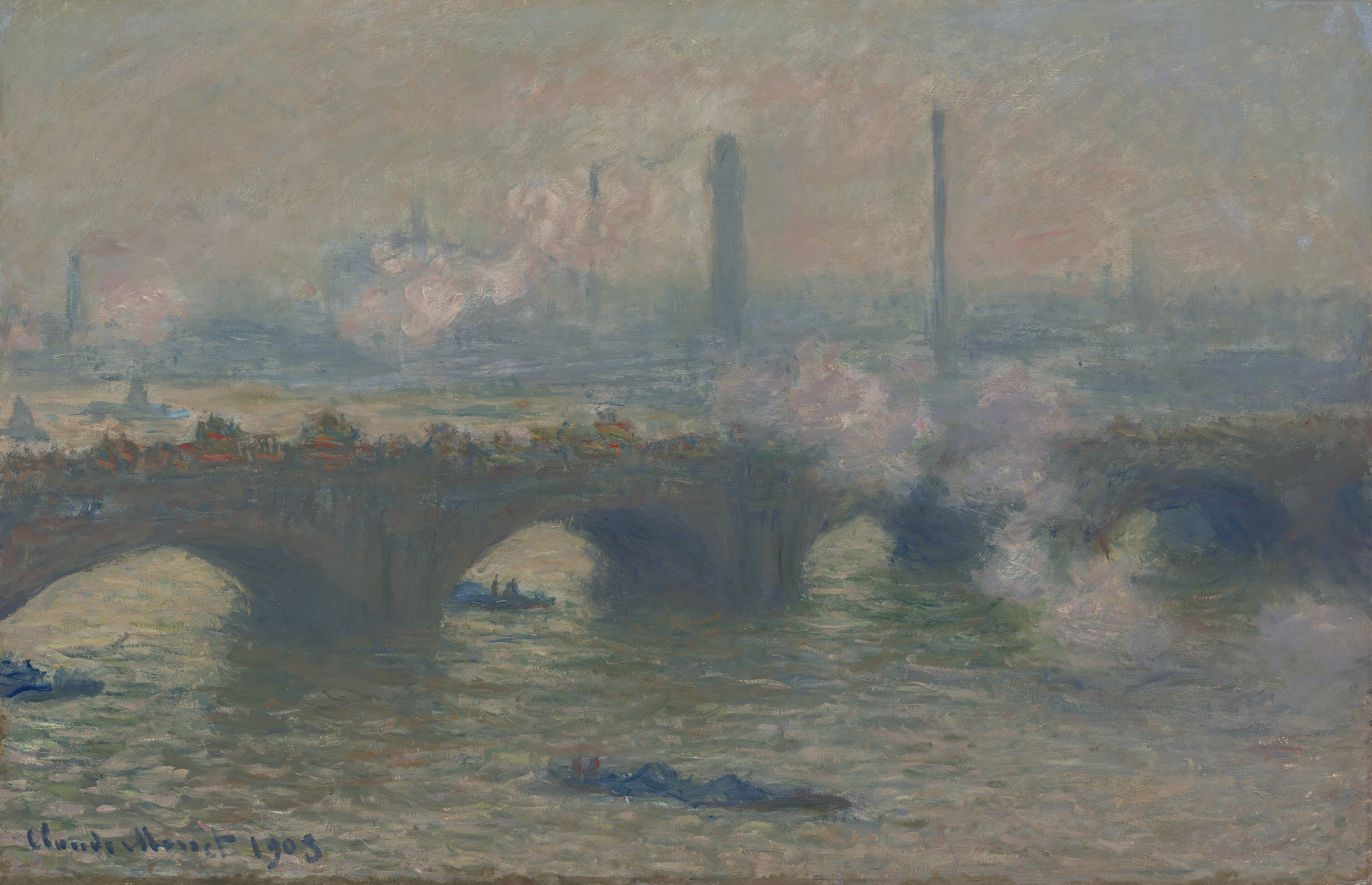
Waterloo Bridge, Gray Day
Claude Monet · 1903
Waterloo Bridge, London
Claude Monet · 1903
Waterlilies (1903, Dayton Art Institute)
Claude Monet · 1903
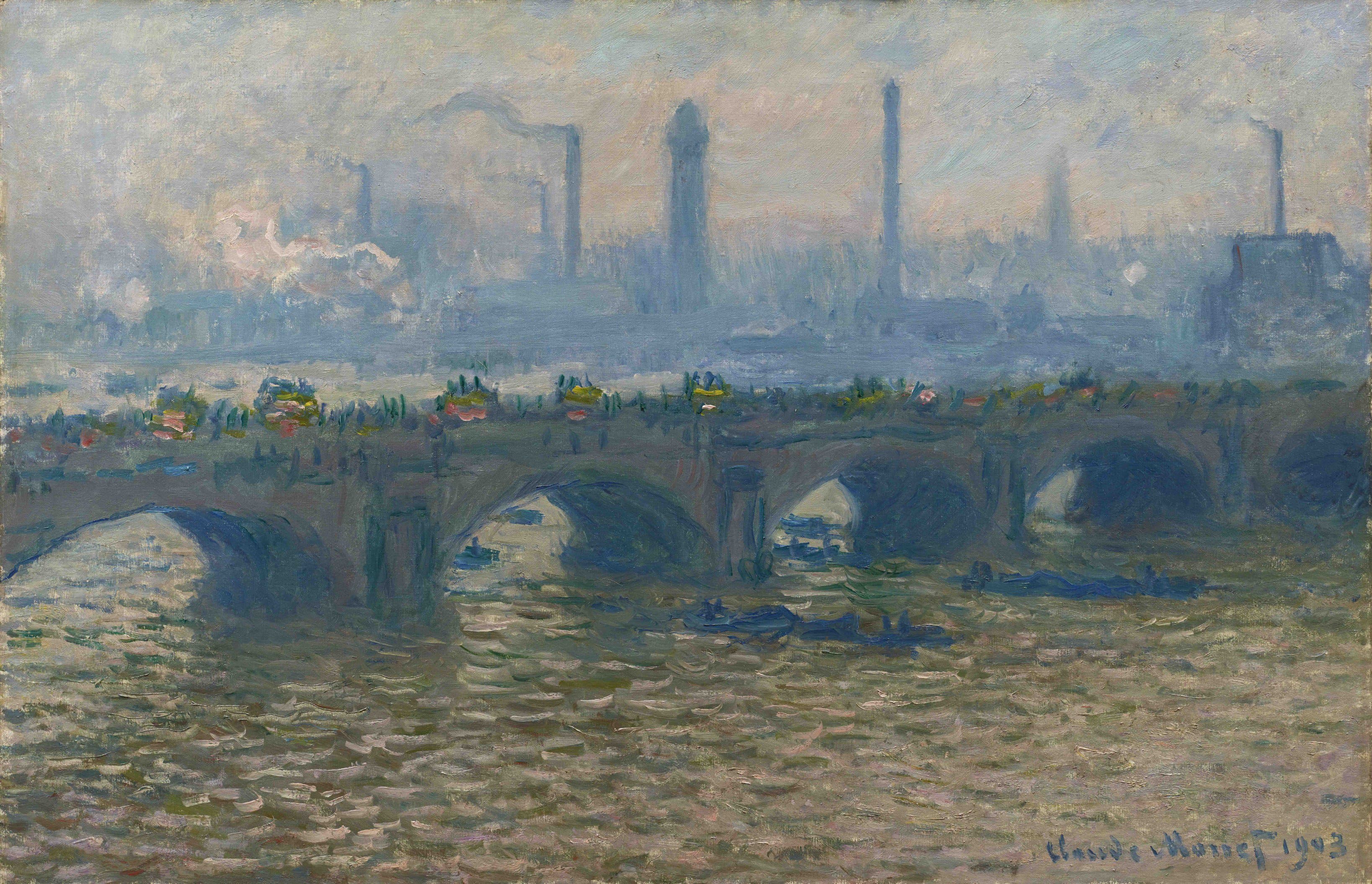
Waterloo Bridge, Gray Day (Ordrupgaard)
Claude Monet · 1903
Waterloo Bridge, Sunlight Effect
Claude Monet · 1903
The Houses of Parliament (Effect of Fog)
Claude Monet · 1903–04
Charing Cross Bridge (Saint Louis)
Claude Monet · 1903
The Houses of Parliament, London
Claude Monet · 1904
Also painted in 1903
The same year
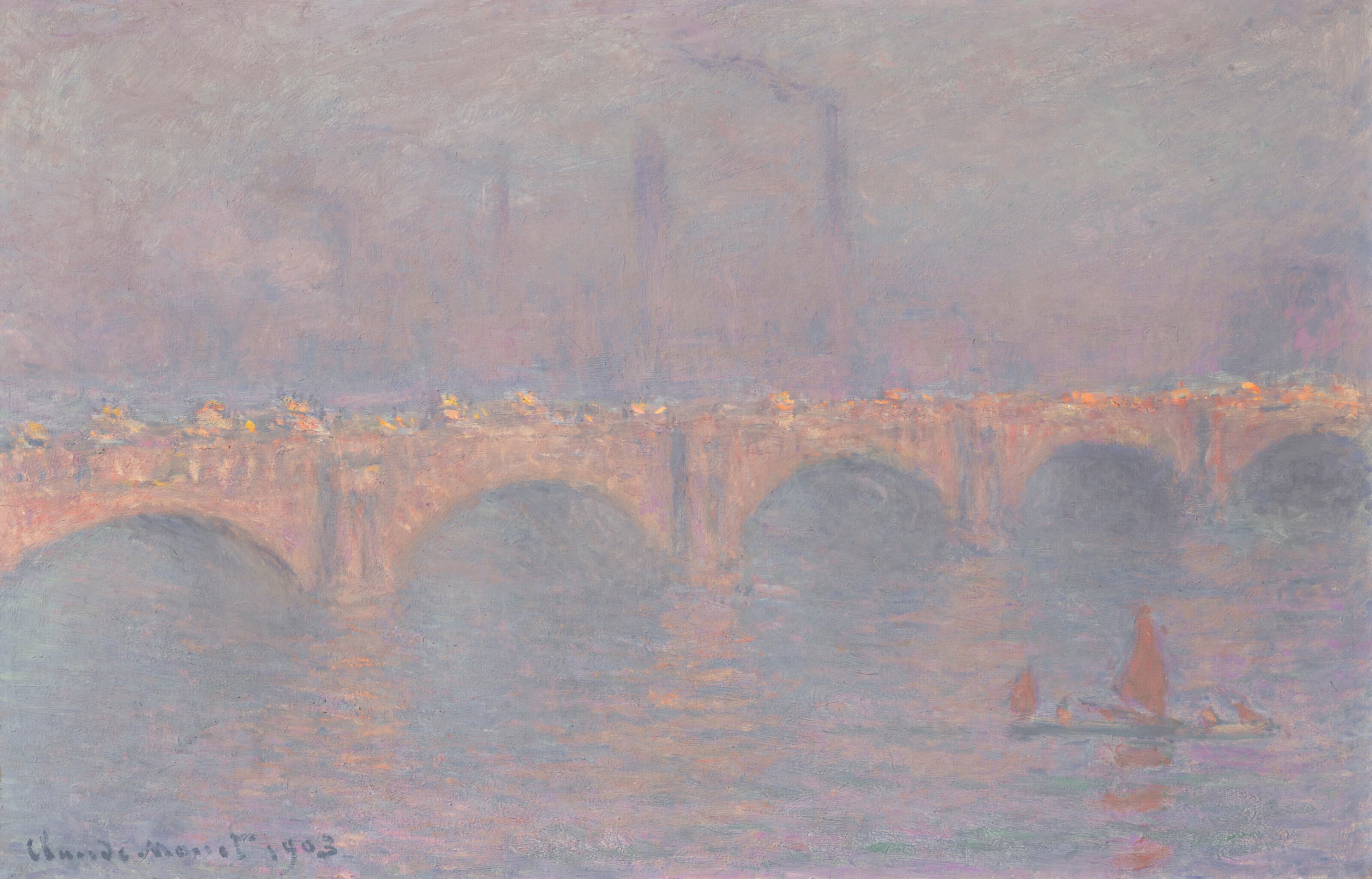
Waterloo Bridge, Hazy Sun
Claude Monet · 1903
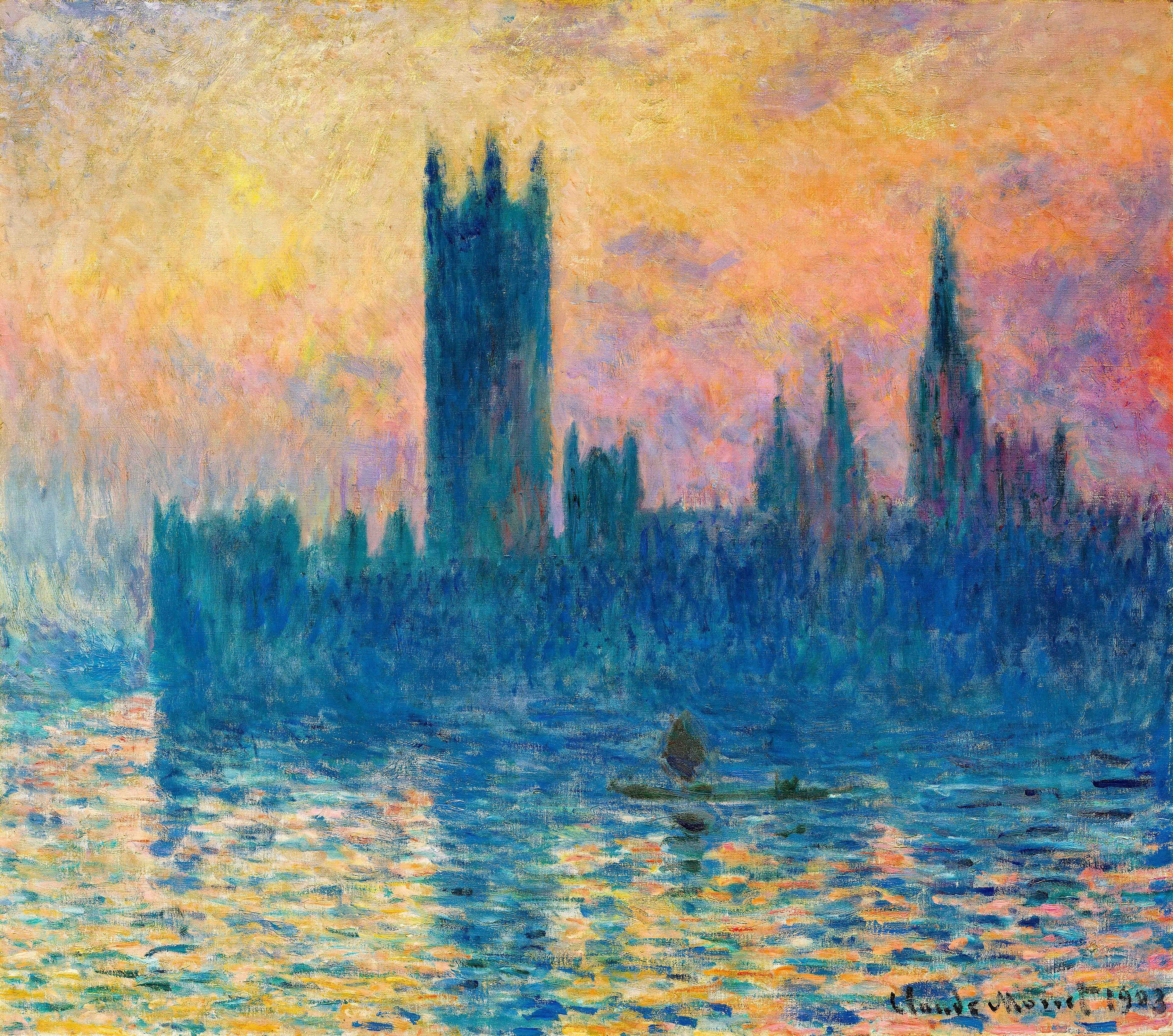
The Houses of Parliament, Sunset
Claude Monet · 1903
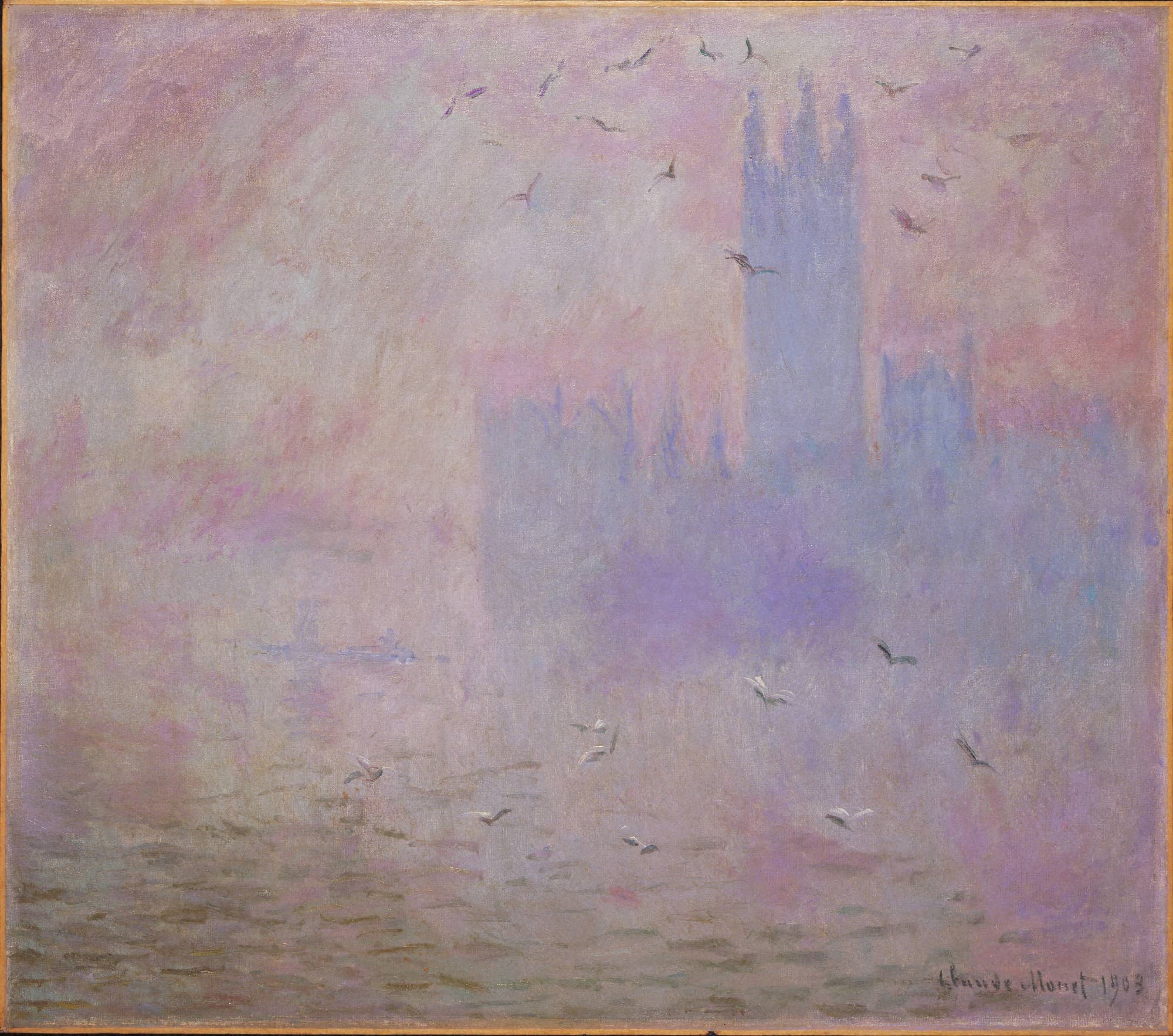
The Houses of Parliament, Seagulls
Claude Monet · 1903
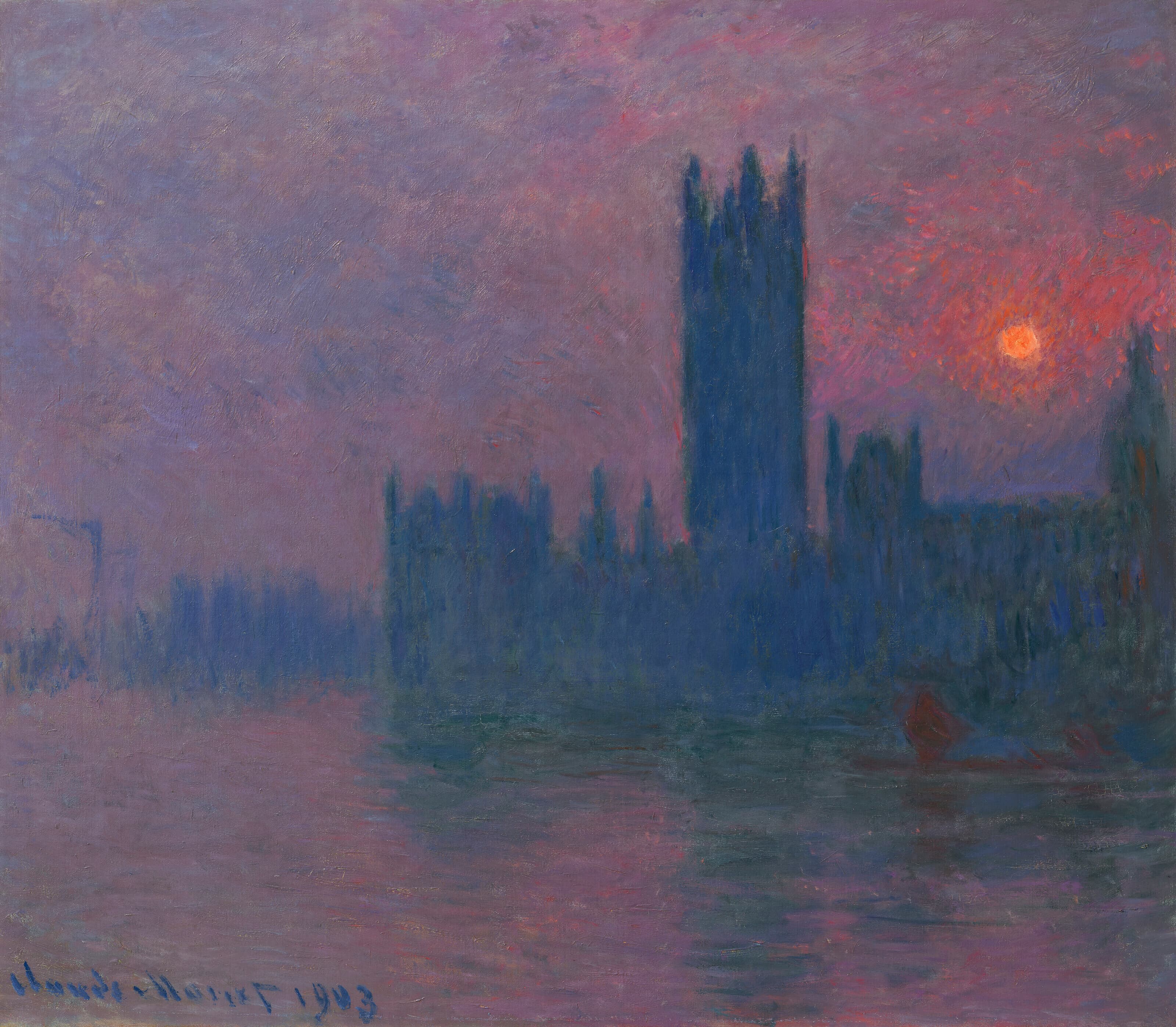
Houses of Parliament, Sunset
Claude Monet · 1903
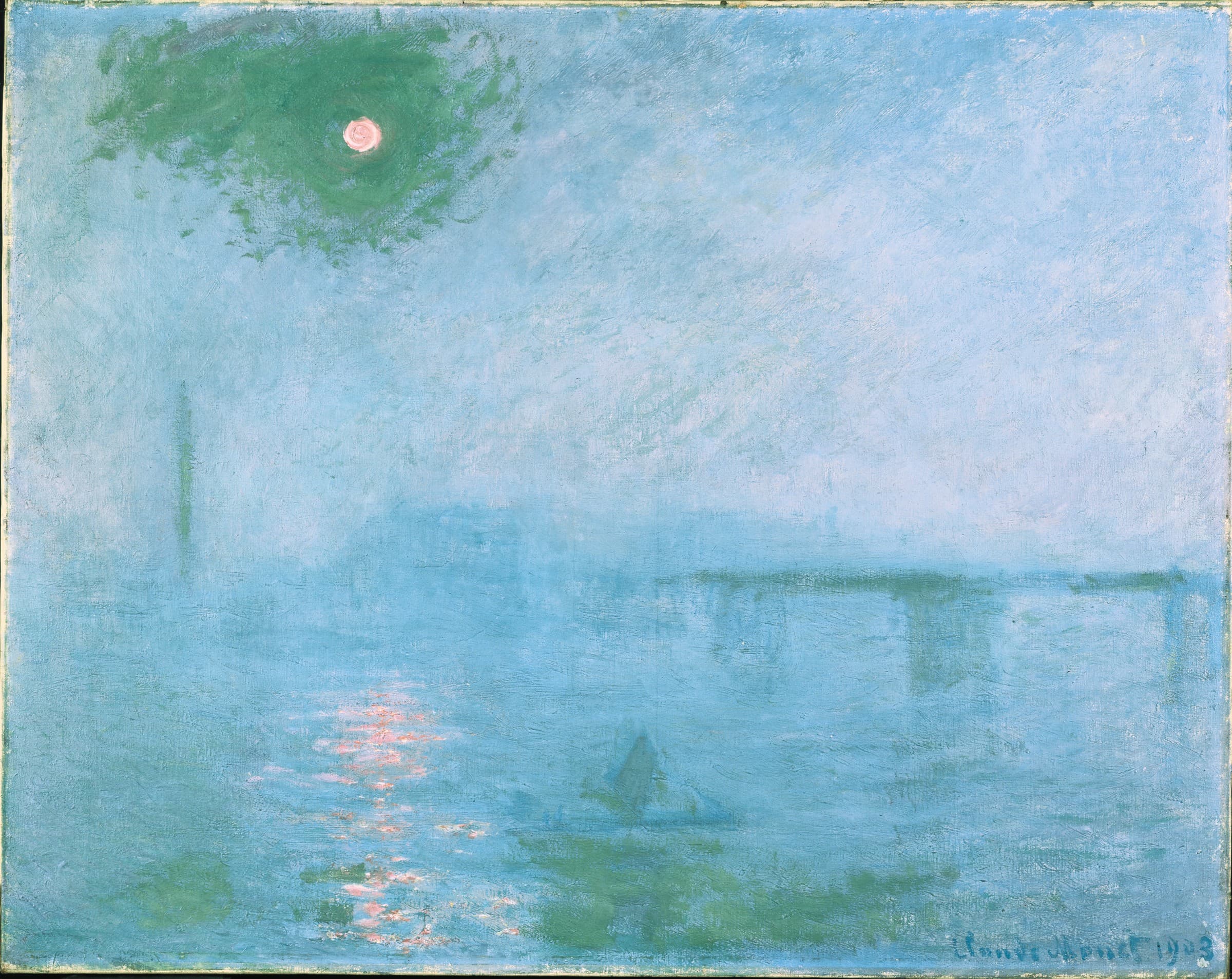
Charing Cross Bridge: Fog on the Thames
Claude Monet · 1903
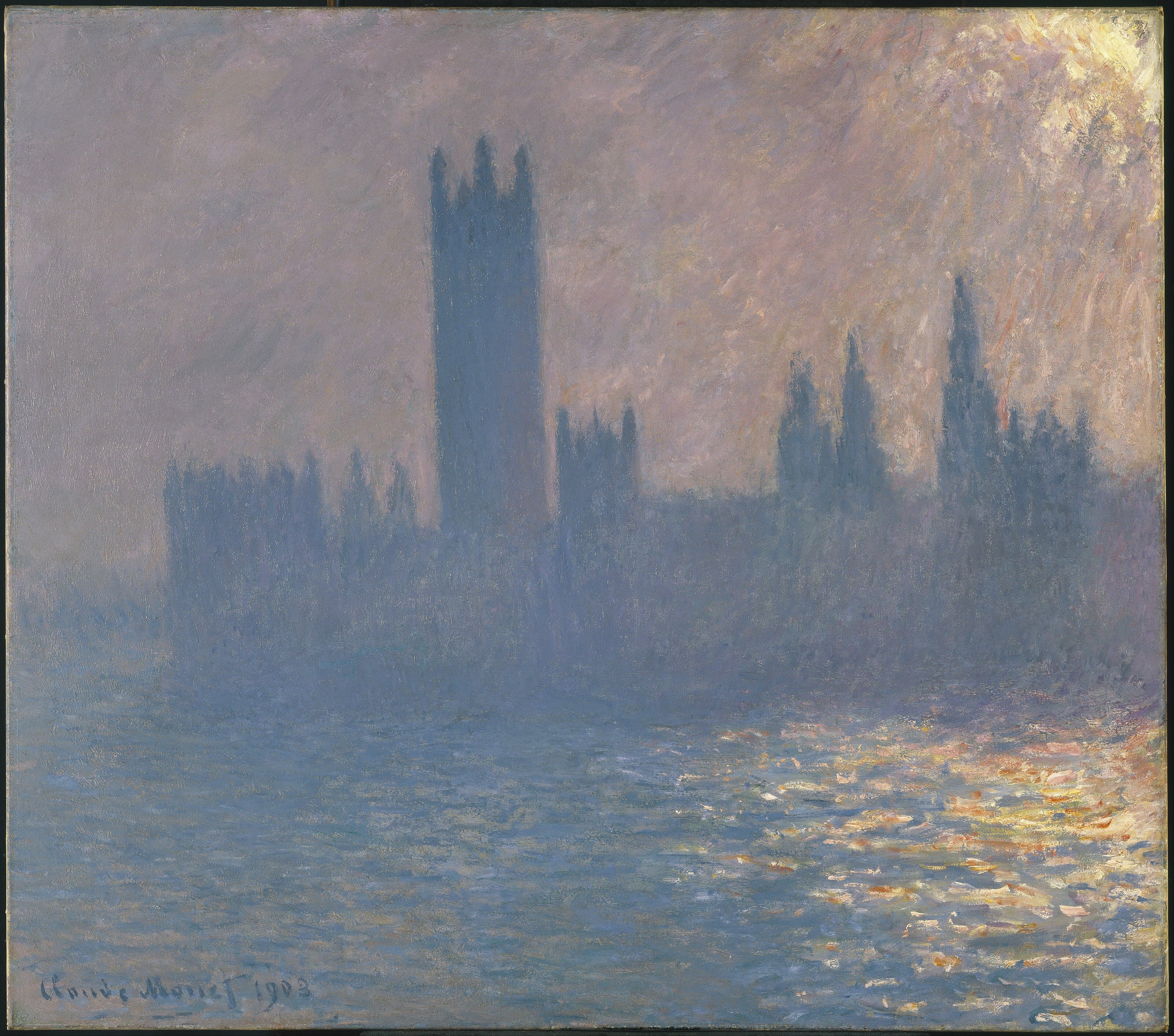
Houses of Parliament, Sunlight Effect
Claude Monet · 1903
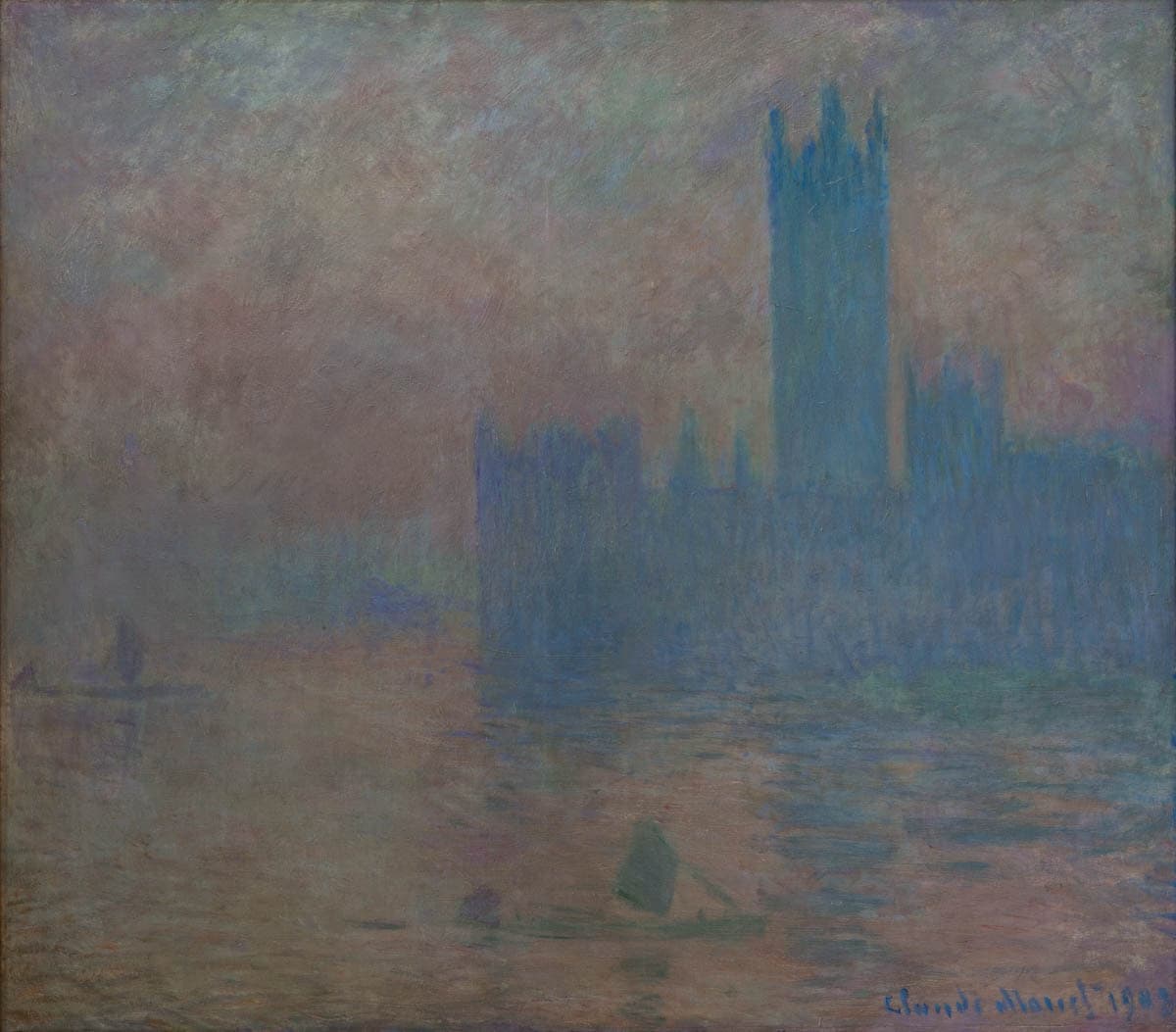
Le Parlement de Londres, effet de brouillard
Claude Monet · 1903
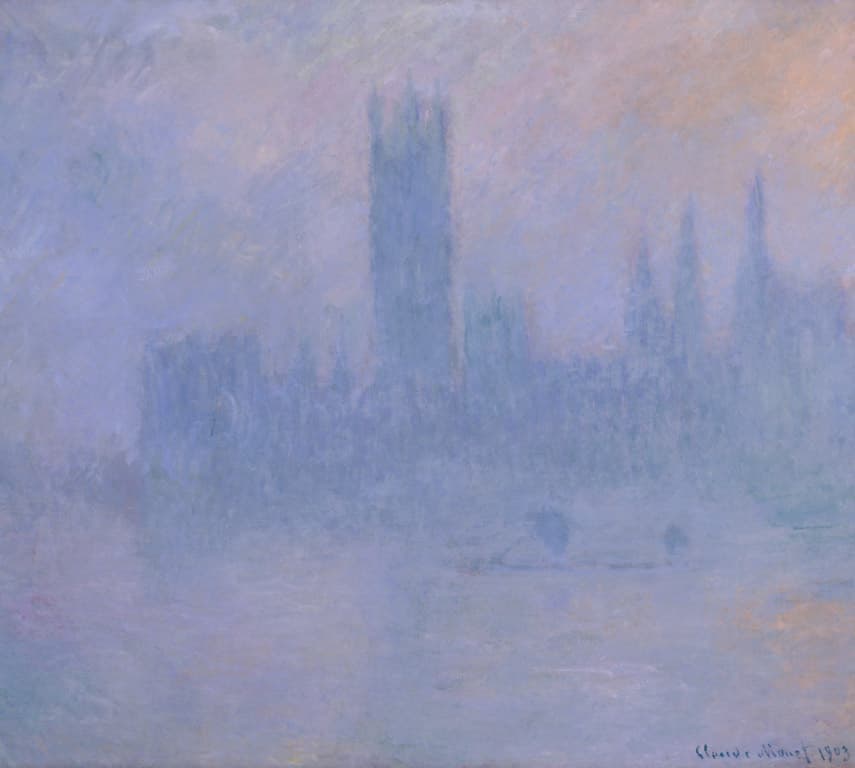
Houses of Parliament, Symphony in Blue
Claude Monet · 1903
Kindred works
You may also study
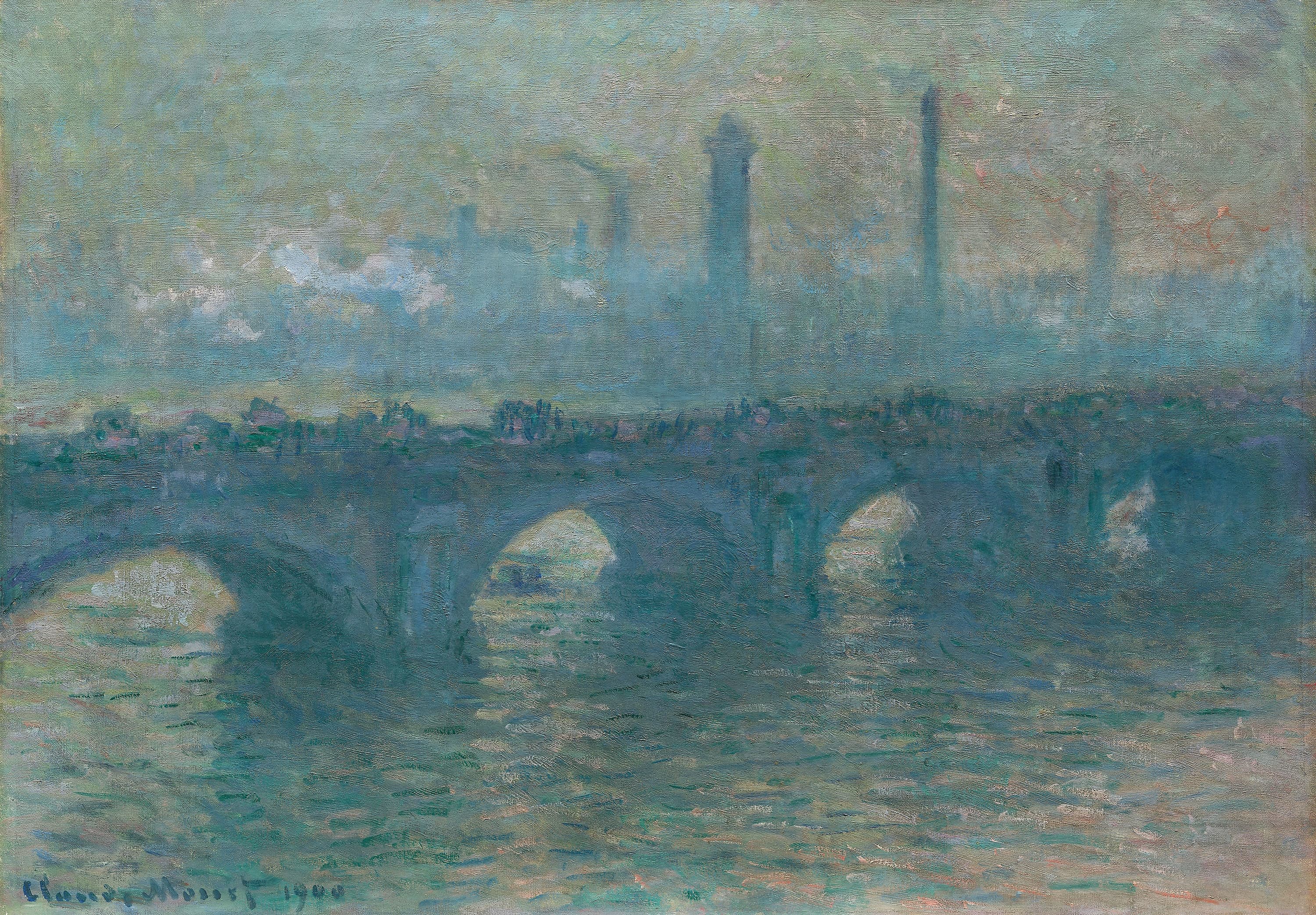
Waterloo Bridge, Gray Weather
Claude Monet · 1900
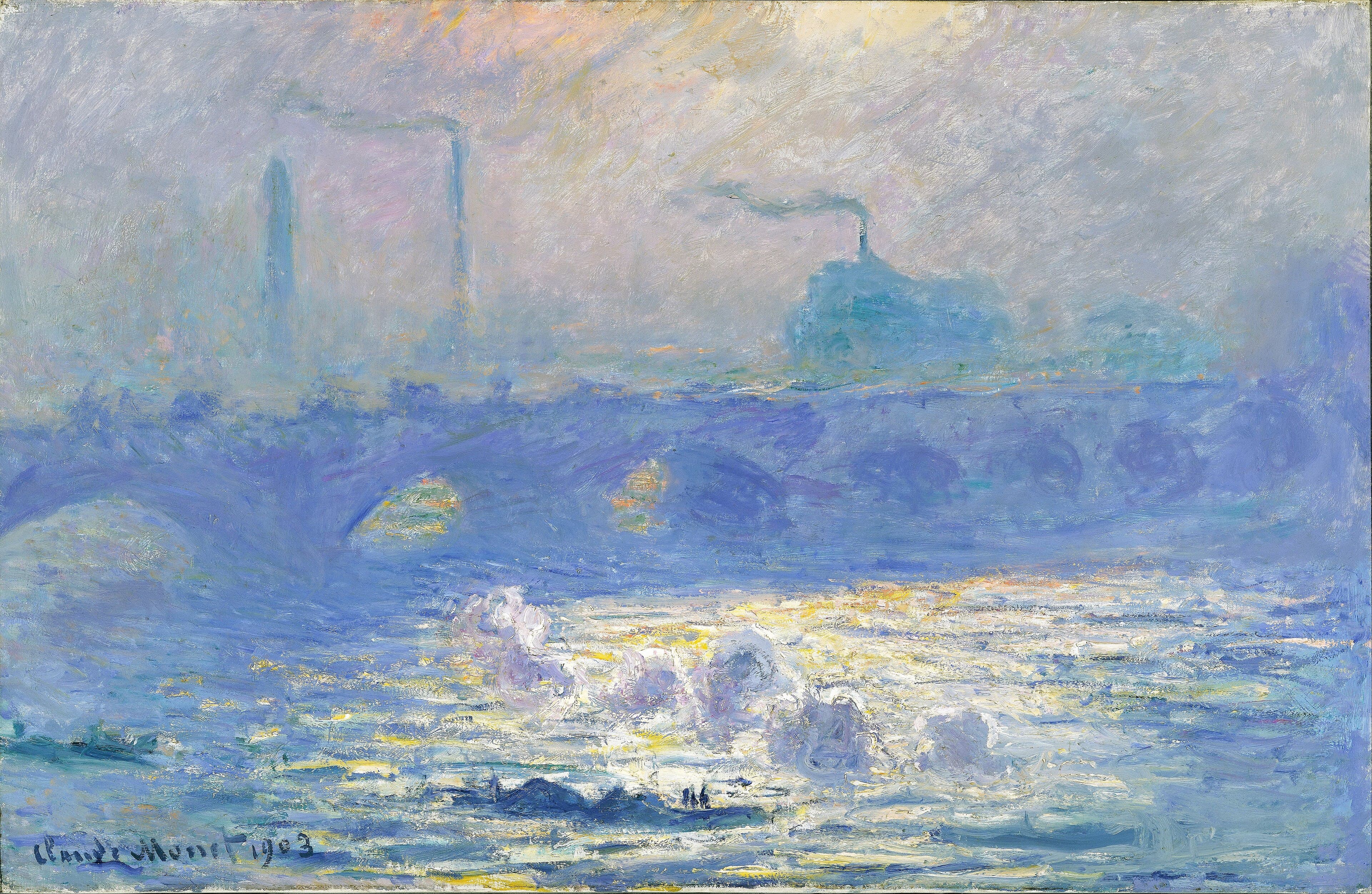
Waterloo Bridge, Sunlight Effect (Denver Art Museum)
Claude Monet · 1903
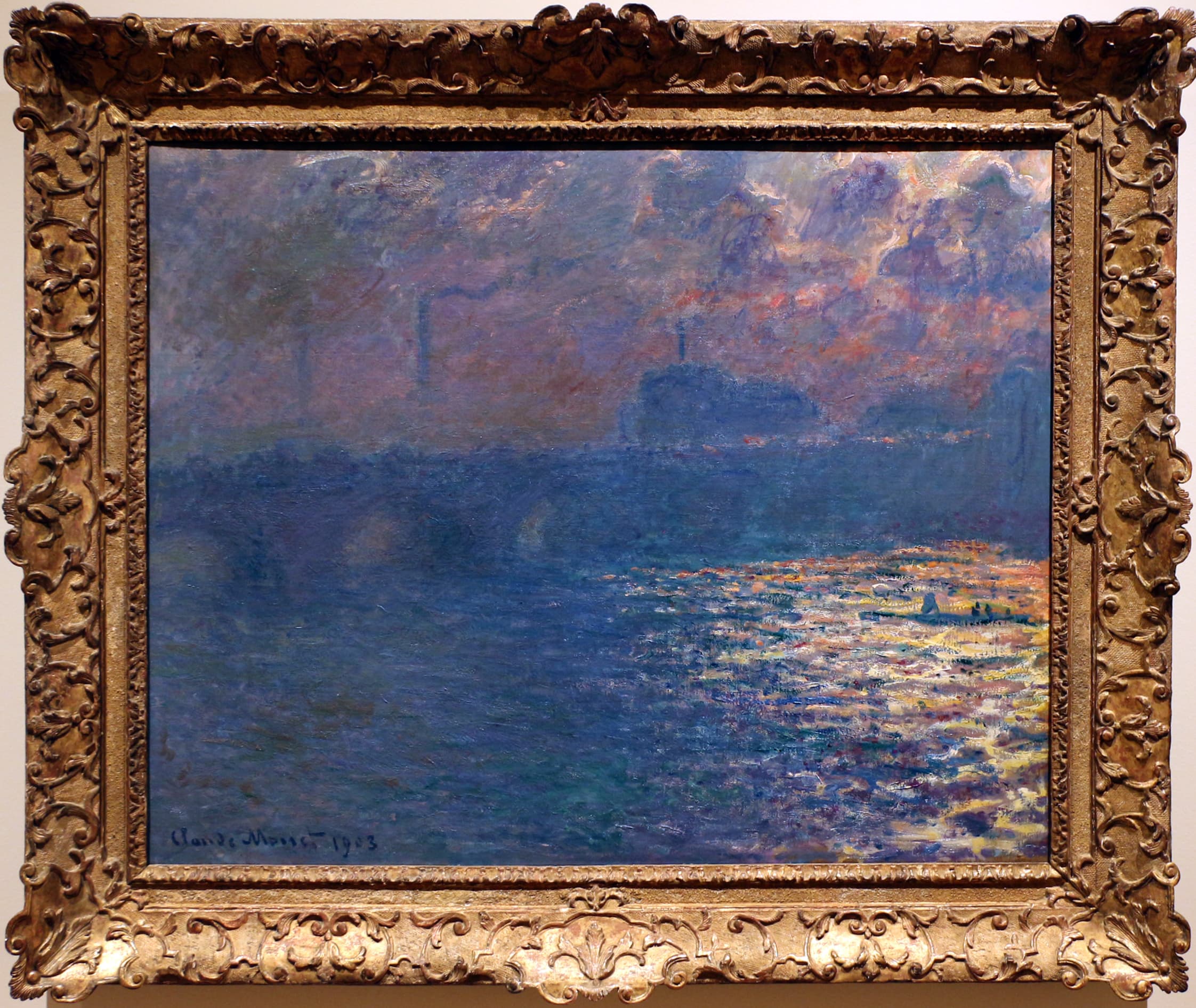
Waterloo Bridge, Sunlight Effect
Claude Monet · c. 1900 (dated 1903)
Waterloo Bridge, Hazy Sun
Claude Monet · 1903

Sunset in Venice
Claude Monet · 1908–12
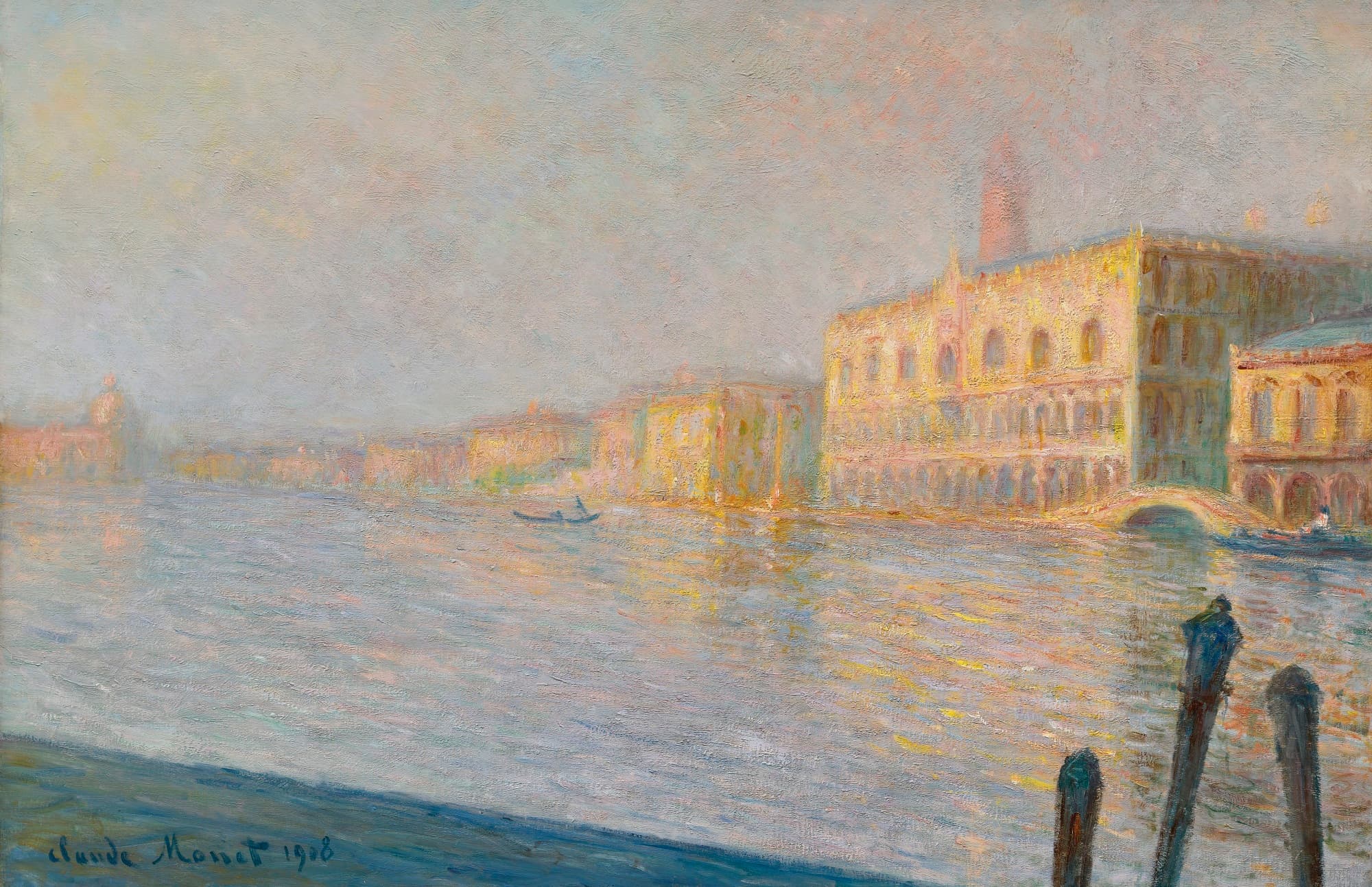
The Palazzo Ducale (Le Palais Ducal), 1908
Claude Monet · 1908
The Rio della Salute
Claude Monet · 1908
The Palazzo Ducale Seen from San Giorgio Maggiore
Claude Monet · 1908