Image: Indianapolis Museum of Art at Newfields, via Google Arts & Culture · Public domain · via Wikimedia Commons
The Church of San Giorgio Maggiore, Venice
Claude Monet, 1908
The Church of San Giorgio Maggiore, Venice is a 1908 painting by Claude Monet of Palladio's island church catching soft sunlight across a lilac and blue lagoon, with two gondolas. It is in the Indianapolis Museum of Art at Newfields.
- Artist
- Claude Monet
- Date
- 1908
- Medium
- Oil on canvas
- Dimensions
- 64.7 × 92 cm
- Collection
- Indianapolis Museum of Art at Newfields, Indianapolis, United States
- Movement
- Impressionism
- Catalogue
- Wildenstein 1749
- Water & Sea
- Architecture & Ruins
- The City
The Church of San Giorgio Maggiore, Venice is Claude Monet's daylight view of the island church across the lagoon, painted on his one trip to Venice in 1908. It is in the Indianapolis Museum of Art at Newfields (The Lockton Collection, 70.76), and it is catalogued as W. 1749 in Daniel Wildenstein's catalogue raisonné. Of the San Giorgio views, it is the one where the building is clearest.
What you're looking at
The church stands right of center on a thin line of land. Palladio's facade, with its four columns and pediment, catches the light in white and pale pink; the dome behind is a pale lavender bulge, and the campanile rises to the left, warmer, almost salmon on its sunny side. Low monastery buildings stretch away to the right in rose and apricot. To the left, a small pale shape on the water may be a sail or a distant marker.
Below, the lagoon fills more than half the canvas. Monet laid it in horizontal strokes of blue, lilac and pale green, warming to pink and gold near the island where the buildings are reflected. Two gondolas, each a curved dark stroke with a standing rower, sit on the water, one at center left and a smaller one under the buildings at right. The sky is a soft mixture of lilac, gray-green and cream, with a little blue showing through.
Signed and dated Claude Monet 1908 at the lower right, the picture is calm, open and evenly lit. It has less haze than the Cardiff San Giorgio Maggiore and none of the drama of the sunset versions.
Where and when
Monet came to Venice with his wife Alice at the start of October 1908, at the invitation of Mary Young Hunter, and stayed until early December, first at the Palazzo Barbaro and then at the Hotel Britannia on the Riva degli Schiavoni. From the Riva the island of San Giorgio lies directly across the basin of San Marco, and Monet painted it at many hours. He worked on several canvases at once, each assigned to a particular light, and then carried them back to Giverny to finish. Twenty-nine Venice canvases were shown at Bernheim-Jeune in Paris in 1912.
How this version differs
Set this canvas next to its siblings and the differences are all light. In Twilight, Venice the same church is a dark silhouette against an orange sky. In the Cardiff canvas it is almost lost in lilac mist. Here, in clear daylight, it is solid and white, its columns legible, its reflection pink in the water. The view is also taken from far enough back that the water dominates: Monet gives the lagoon about two thirds of the height, making the church a band of color along the horizon, as in Sunset in Venice.
The color scheme of lilac, blue, pink and pale green is typical of the whole Venice group. Monet was after a Venice of color and atmosphere rather than picturesque detail, and this picture shows it plainly: there is no costume, no festival, only a building and the light on the water around it.
How it was painted
The paint is applied in short, separate strokes, densest in the sky and water, with the architecture built up from slightly thicker touches of white and pink. Monet keeps the outlines soft so that the church never fully detaches from its surroundings. The gondolas are among the few places where he uses a deep, almost black blue.
Ownership and where to see it
Like most of the Venice canvases, it went from the artist to the dealers Bernheim-Jeune and Durand-Ruel in 1912. Durand-Ruel sold it to Mrs. Breckenridge Long (Christine Graham Long) in the United States. It entered the Indianapolis Museum of Art in 1970 as part of The Lockton Collection, and it was lent in 2025–26 to the Monet and Venice exhibition organized by the Brooklyn Museum and the Fine Arts Museums of San Francisco. For the full Venetian group see Monet in Venice; for other museums with work by Monet, see Where to See Monet's Paintings.
Questions & answers
Where is Monet's The Church of San Giorgio Maggiore, Venice?
It is in the Indianapolis Museum of Art at Newfields in Indiana, part of The Lockton Collection (accession 70.76), acquired in 1970. It may not always be on view, so check the museum's website before visiting.
When was it painted?
Monet began it in Venice in the autumn of 1908, during his only visit, and finished it in his Giverny studio. It is signed and dated 1908 and was among the Venice works handled by Bernheim-Jeune and Durand-Ruel in 1912.
What does it show?
Palladio's church of San Giorgio Maggiore on its island, seen across the lagoon in soft daylight, with its white columned facade, lavender dome and bell tower, and two gondolas on lilac and blue water.
How does it differ from Monet's other San Giorgio paintings?
It is the clear daylight version: the facade is white and legible. In Twilight, Venice and Sunset in Venice the church is a dark silhouette against orange, and in the Cardiff San Giorgio Maggiore it nearly disappears in mist.
More by the artist
Claude Monet
Gondola in Venice
Claude Monet · 1908
Le Palais Dario
Claude Monet · 1908
San Giorgio Maggiore
Claude Monet · 1908
Nymphéas (Oyamazaki Villa Museum)
Claude Monet · 1908
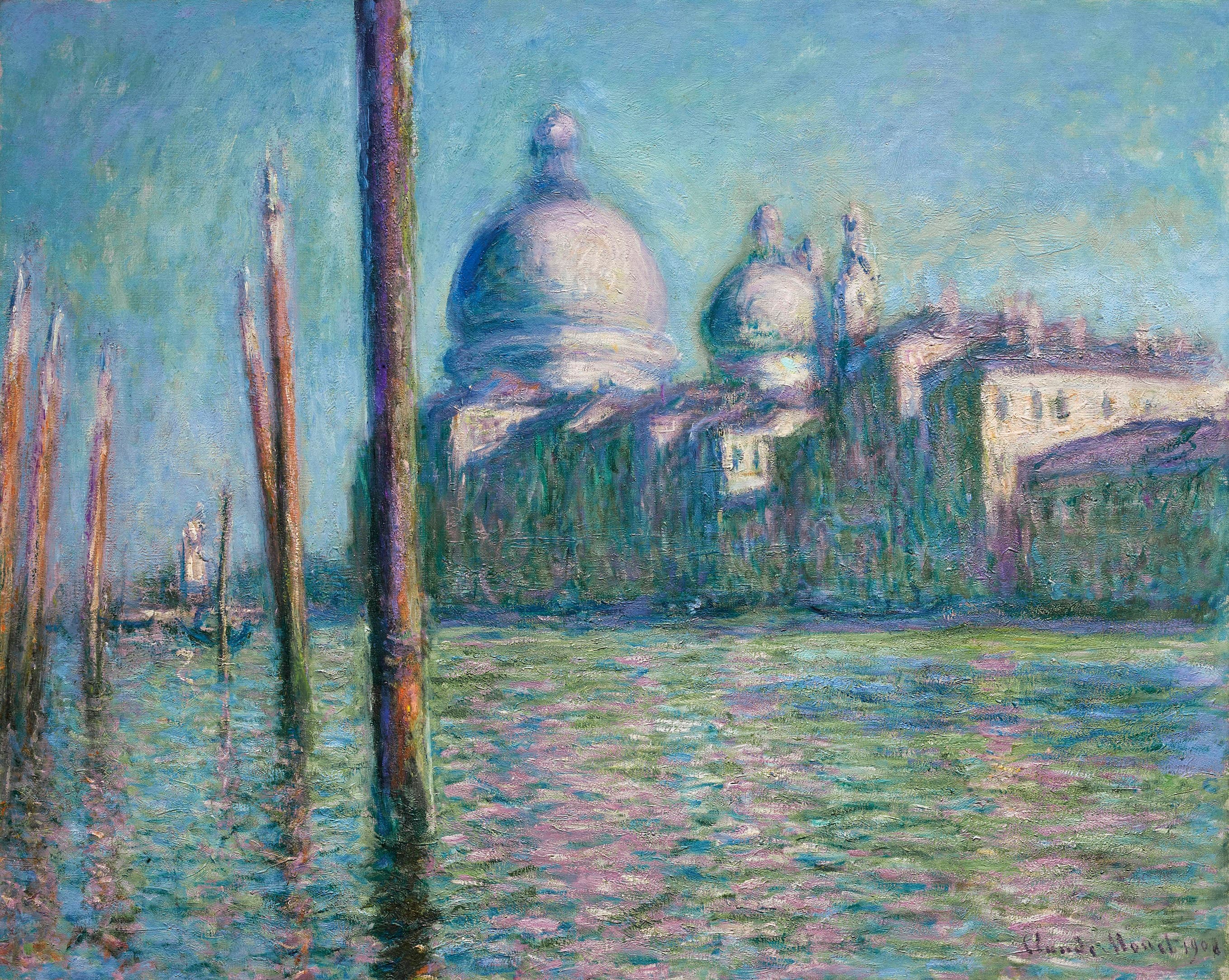
The Grand Canal, Venice
Claude Monet · 1908
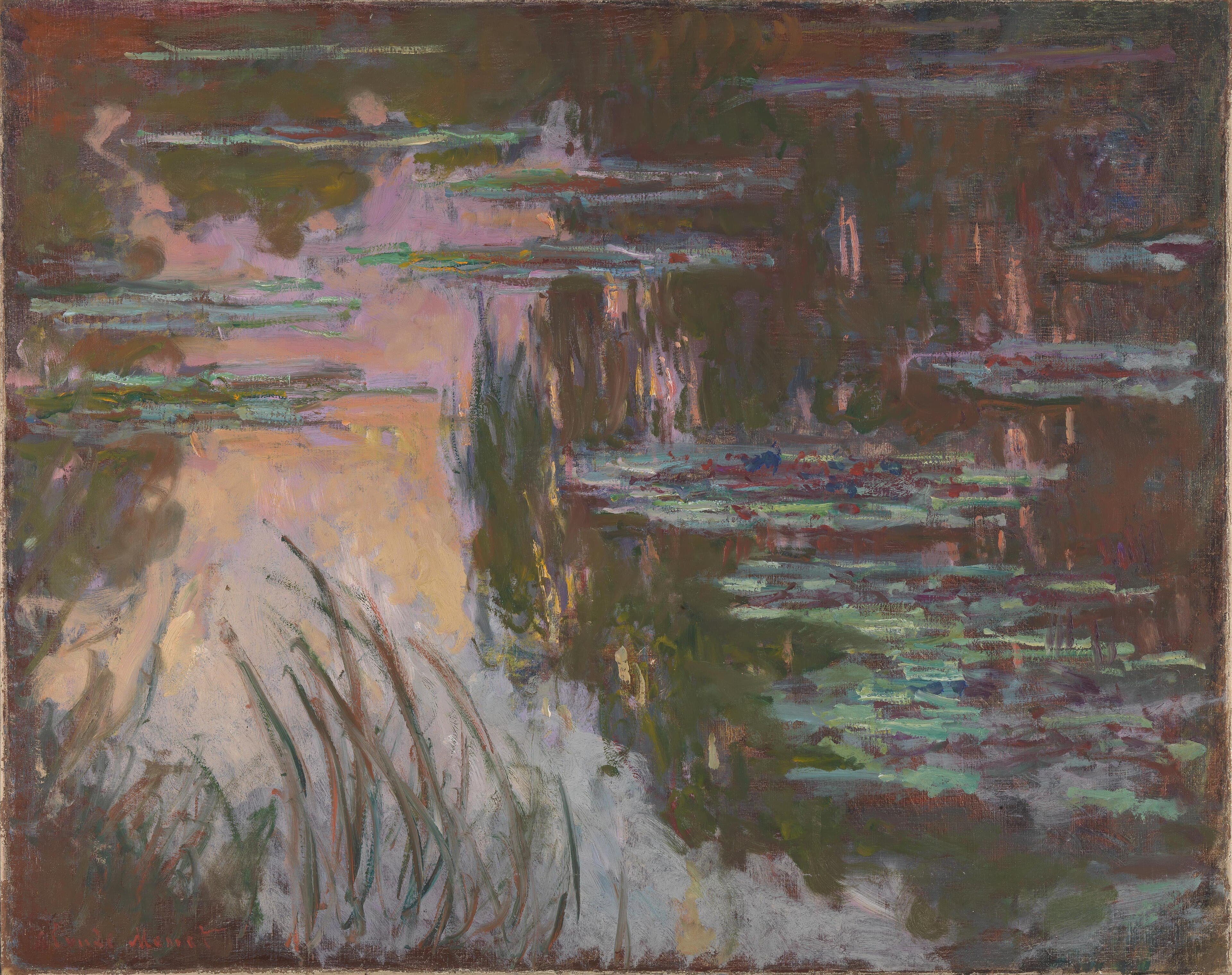
Water-Lilies, Setting Sun (National Gallery, London)
Claude Monet · c. 1907
Palazzo Da Mula Morosini
Claude Monet · 1908
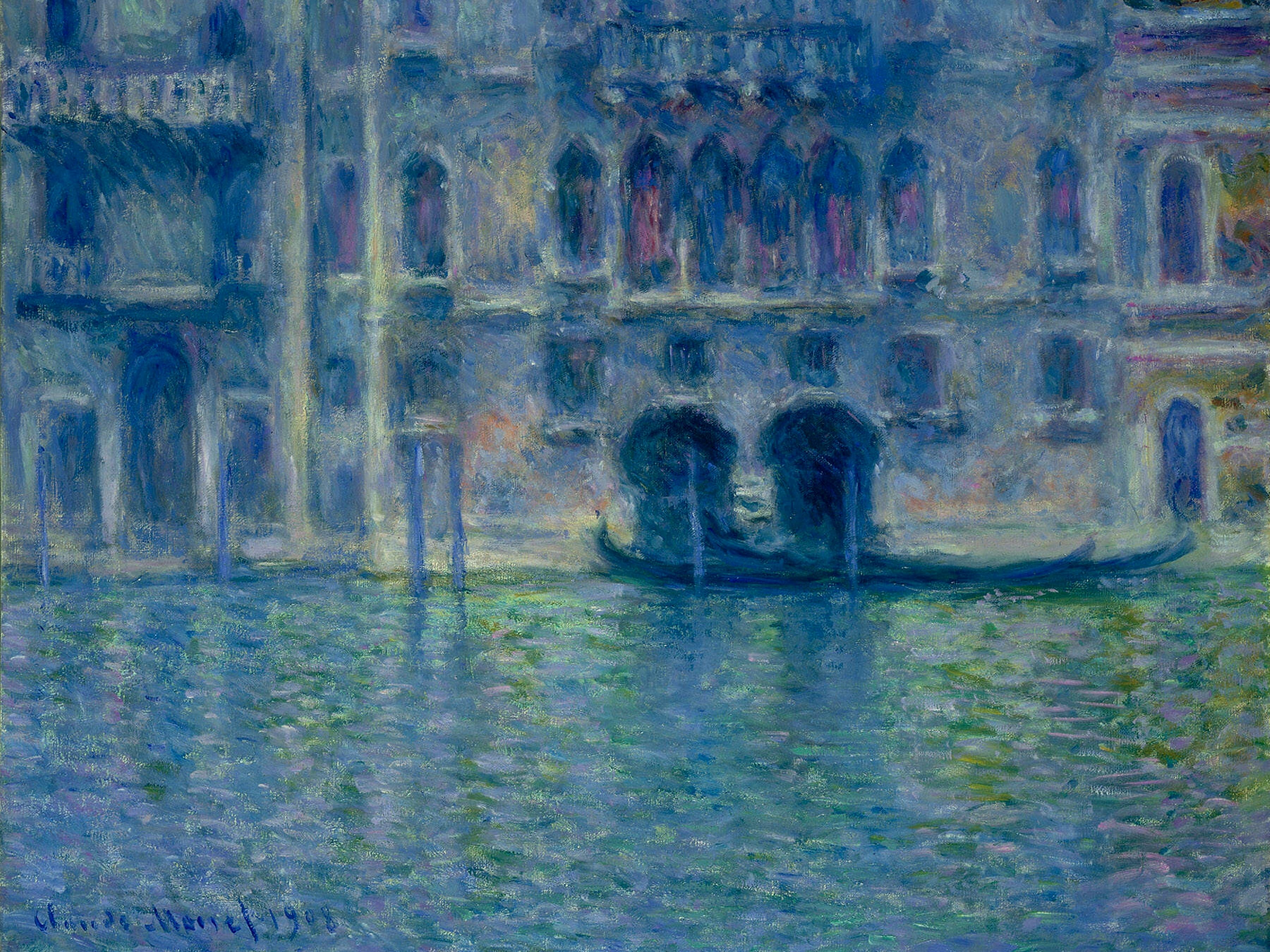
Palazzo da Mula, Venice
Claude Monet · 1908
Also painted in 1908
The same year

Sunset in Venice
Claude Monet · 1908–12
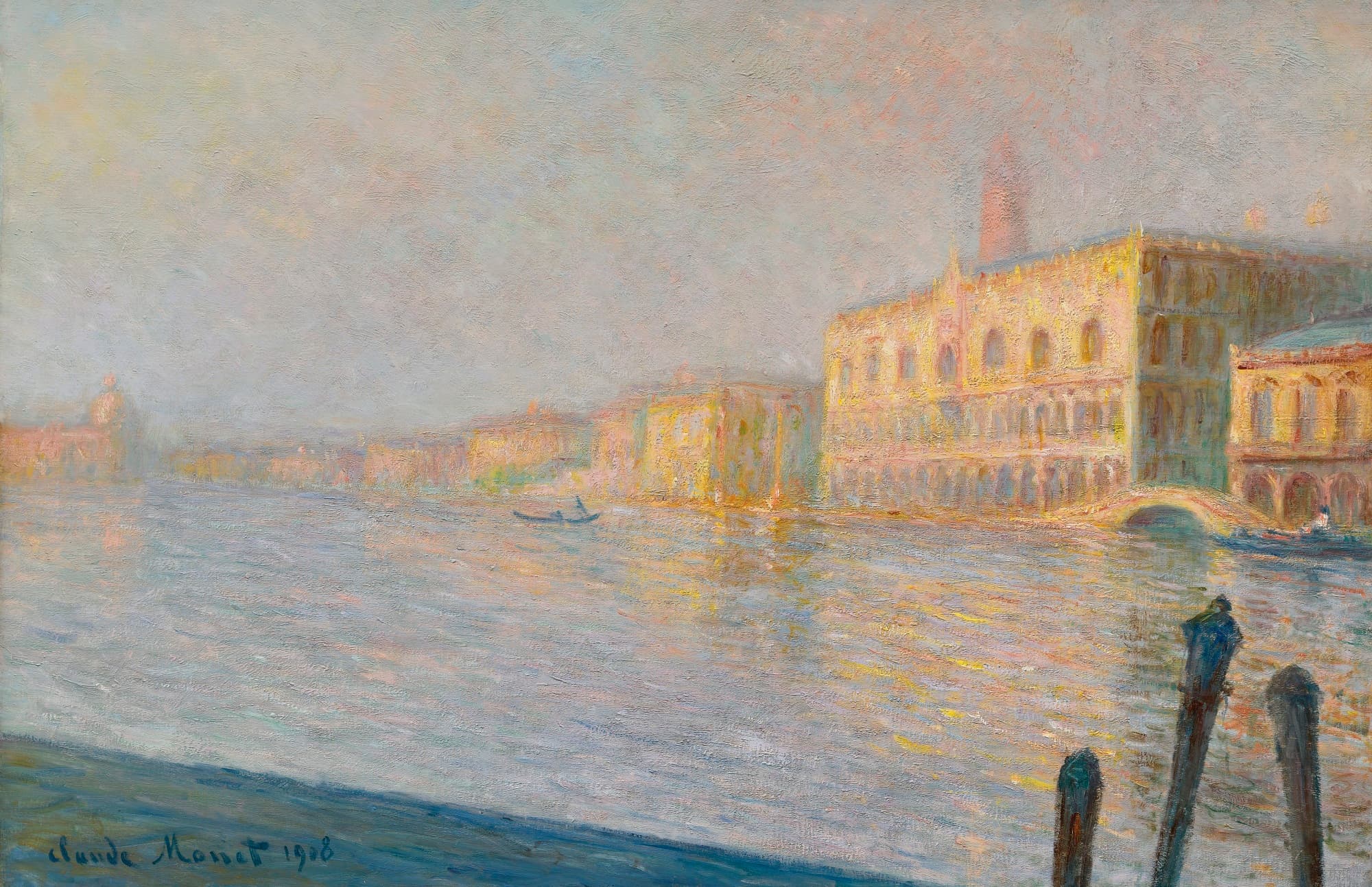
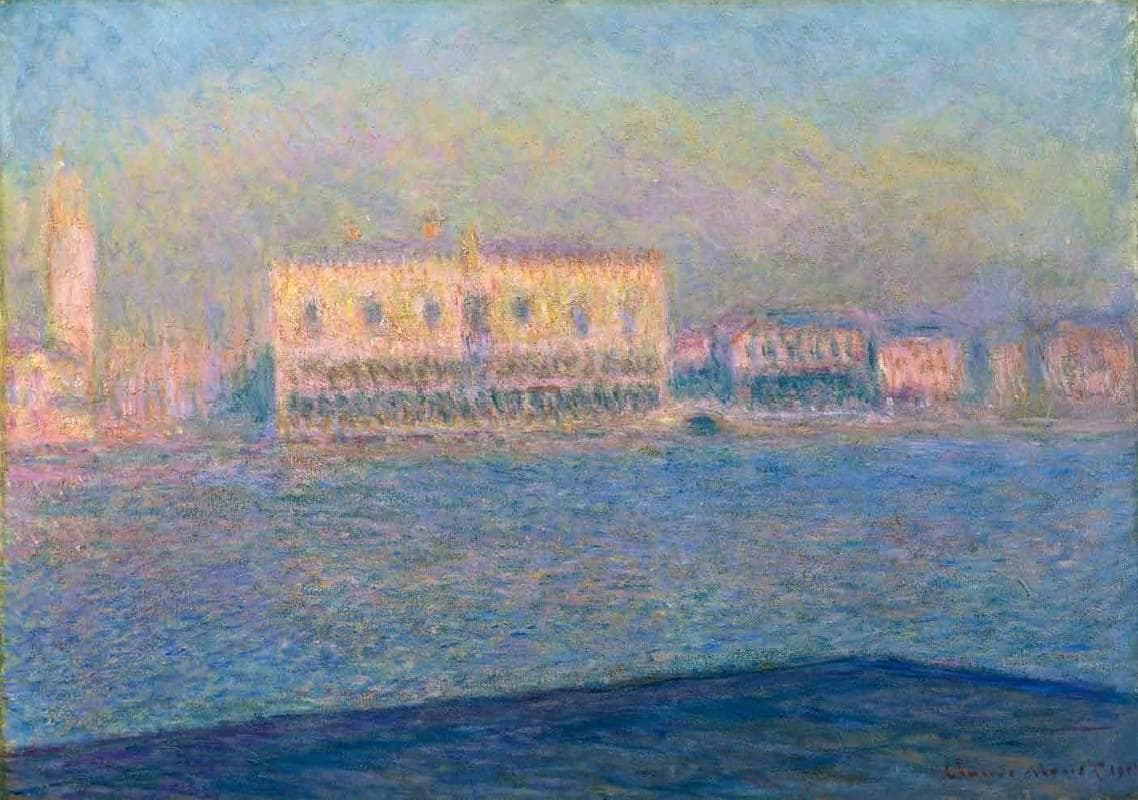
The Palazzo Ducale (Le Palais Ducal), 1908
Claude Monet · 1908
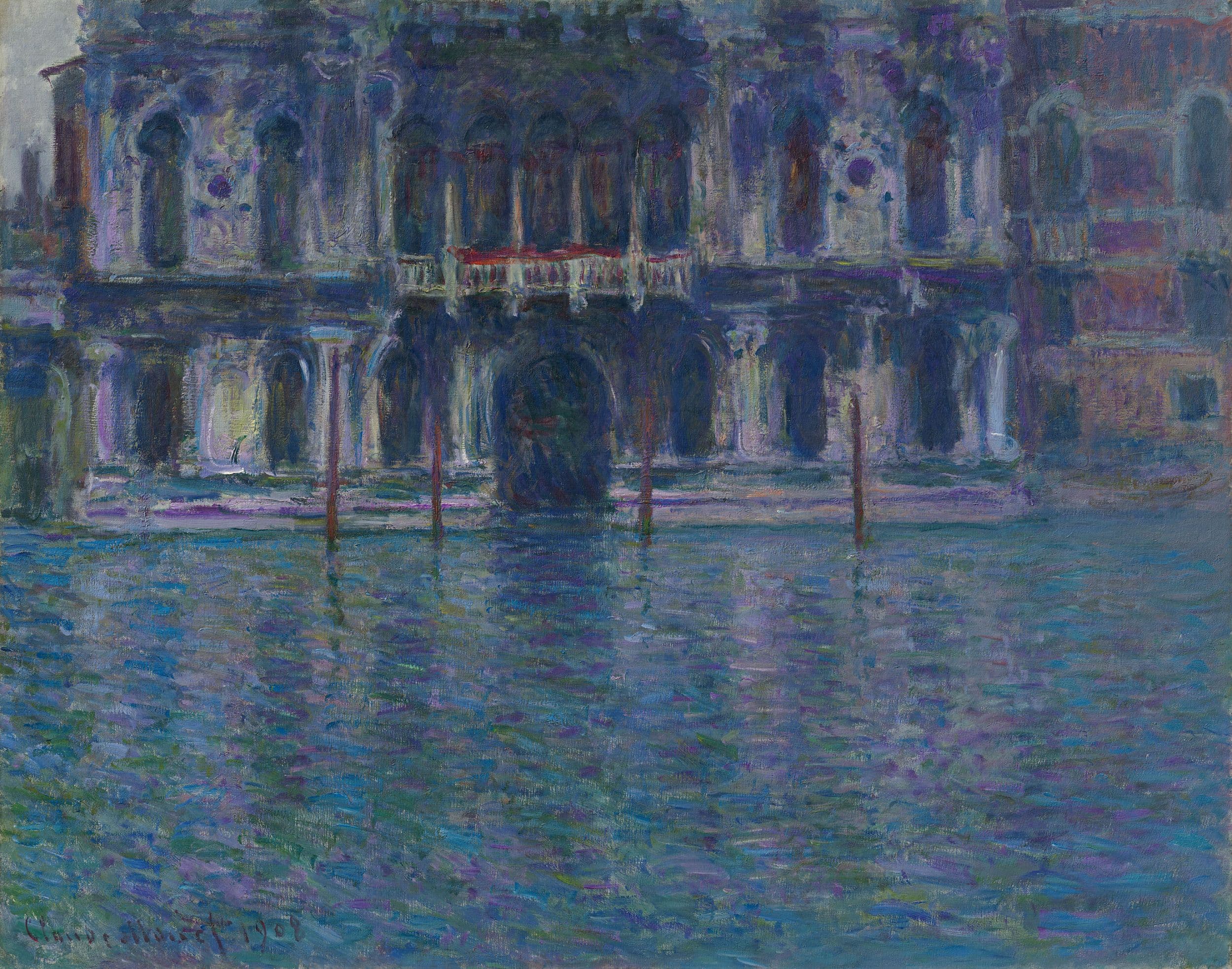
Le Palais Contarini (Potsdam)
Claude Monet · 1908
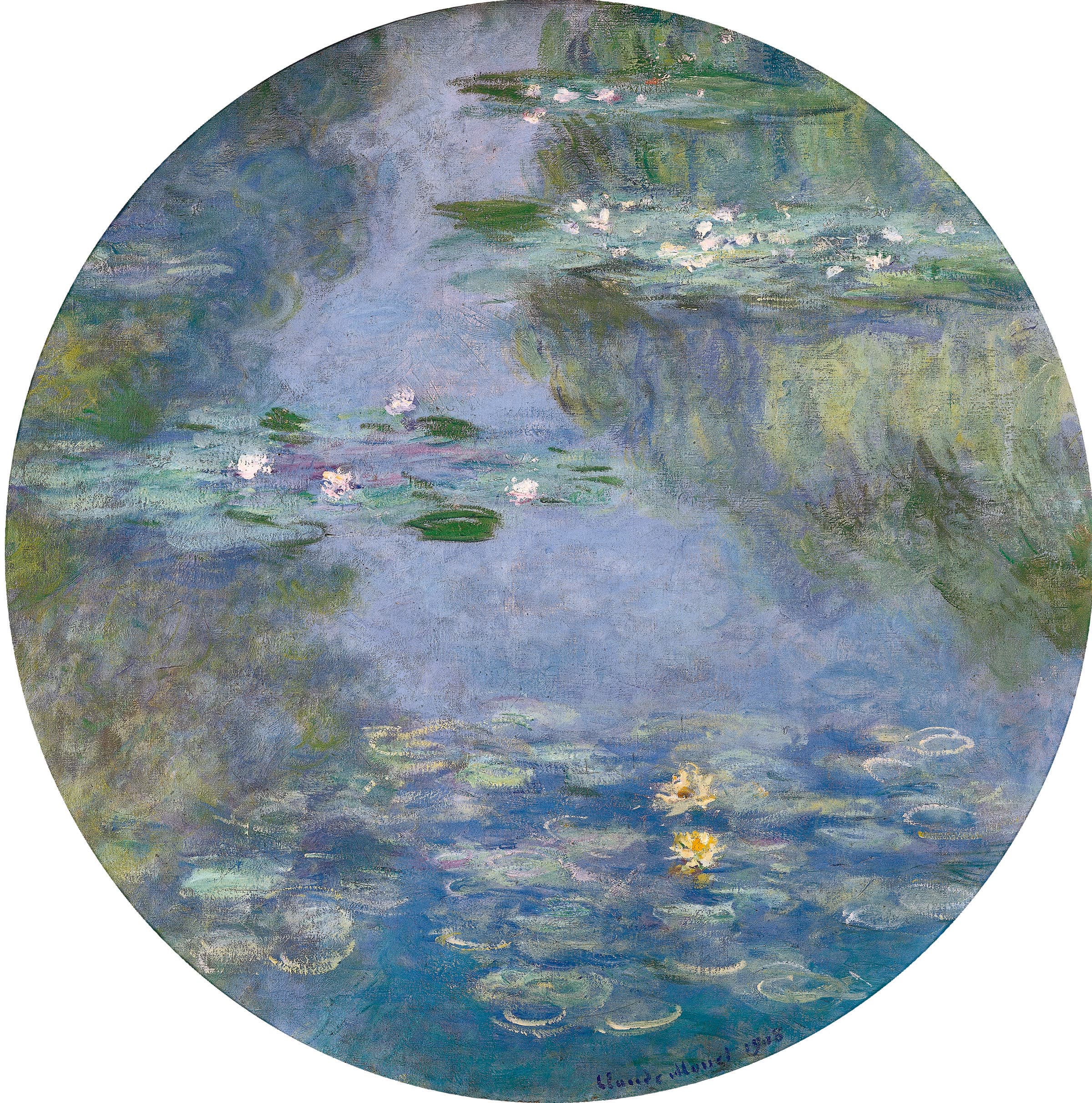
Nymphéas (1908 tondo, Vernon)
Claude Monet · 1908
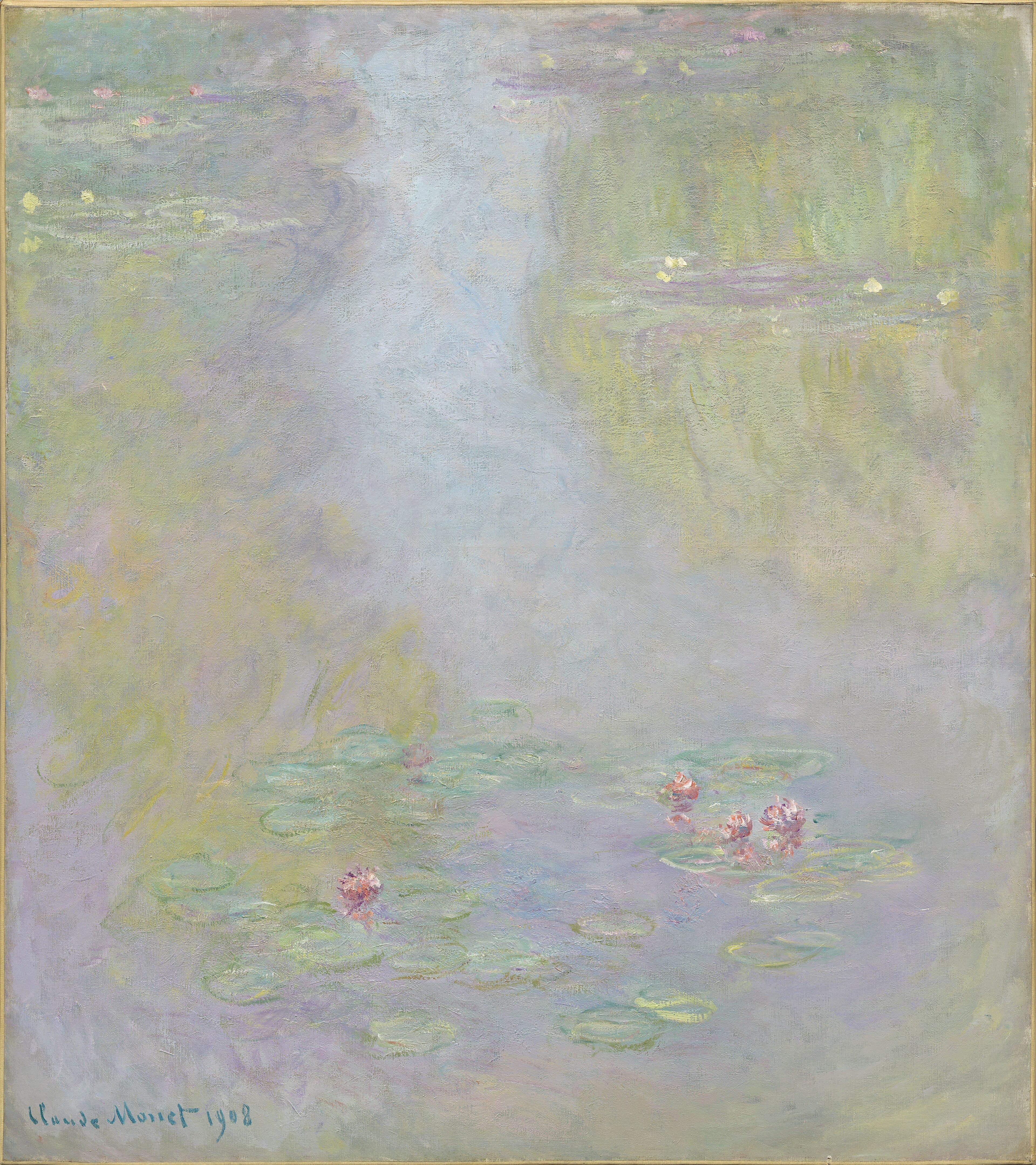
Water Lilies (1908, Tokyo Fuji Art Museum)
Claude Monet · 1908
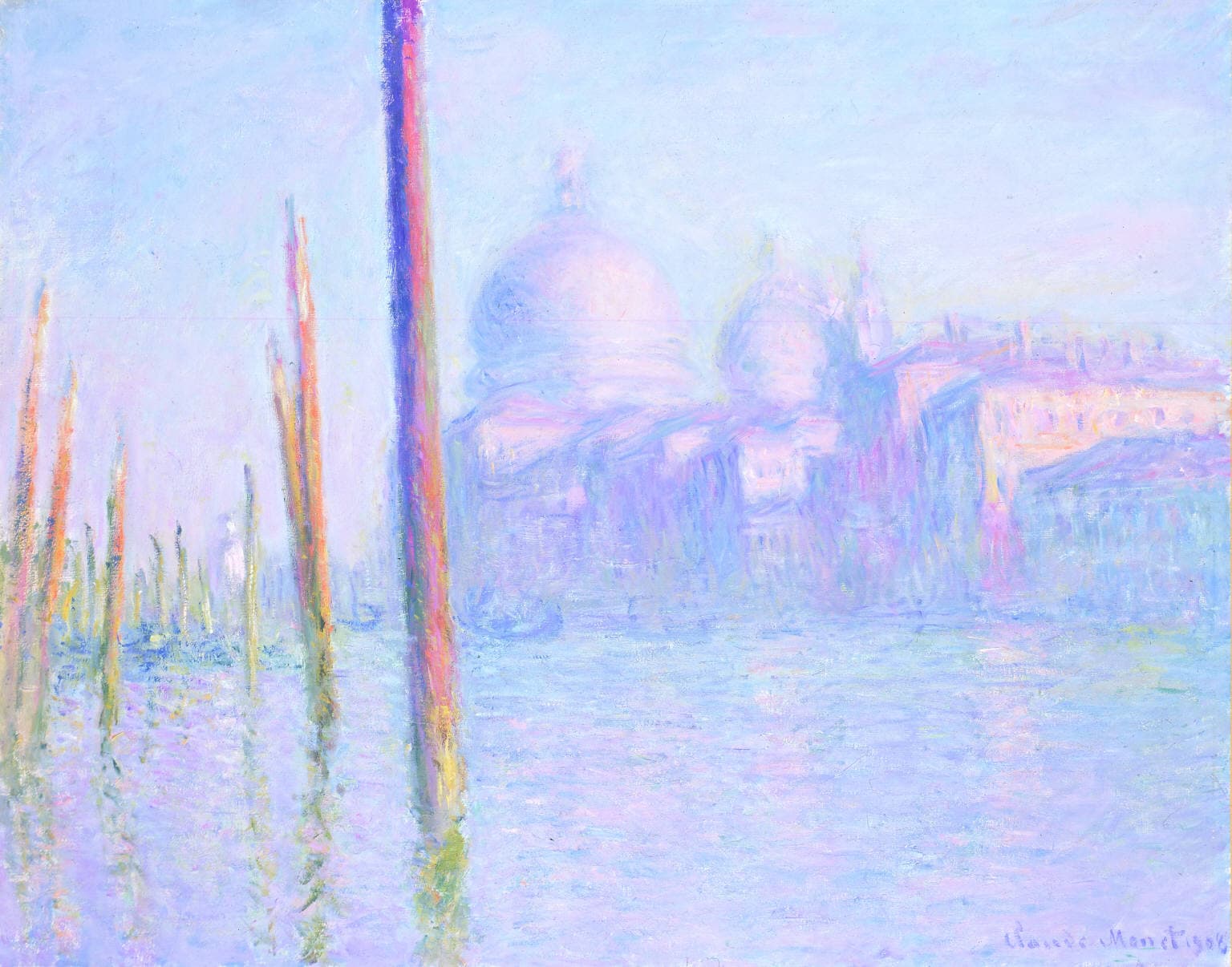
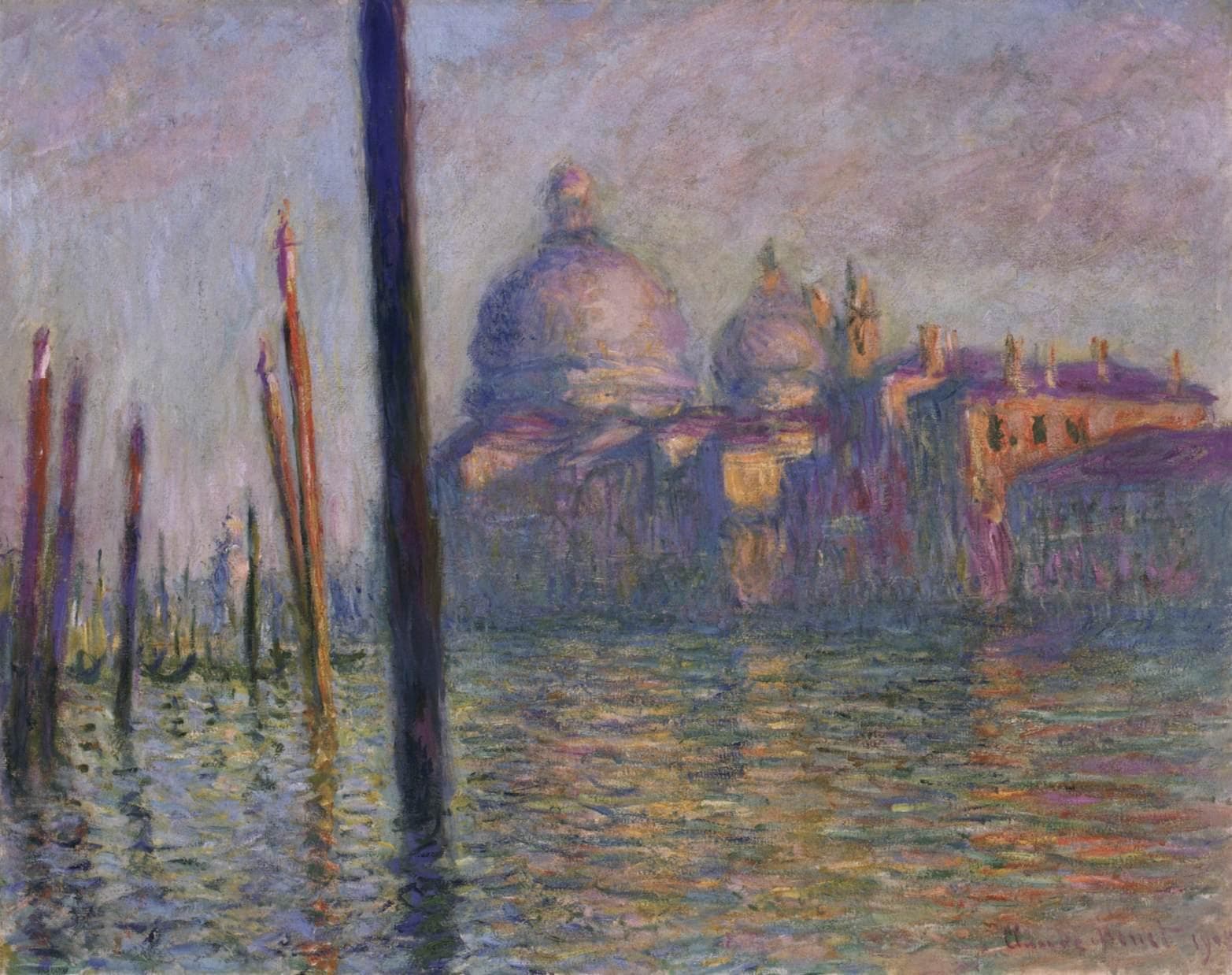
The Grand Canal, Venice
Claude Monet · 1908
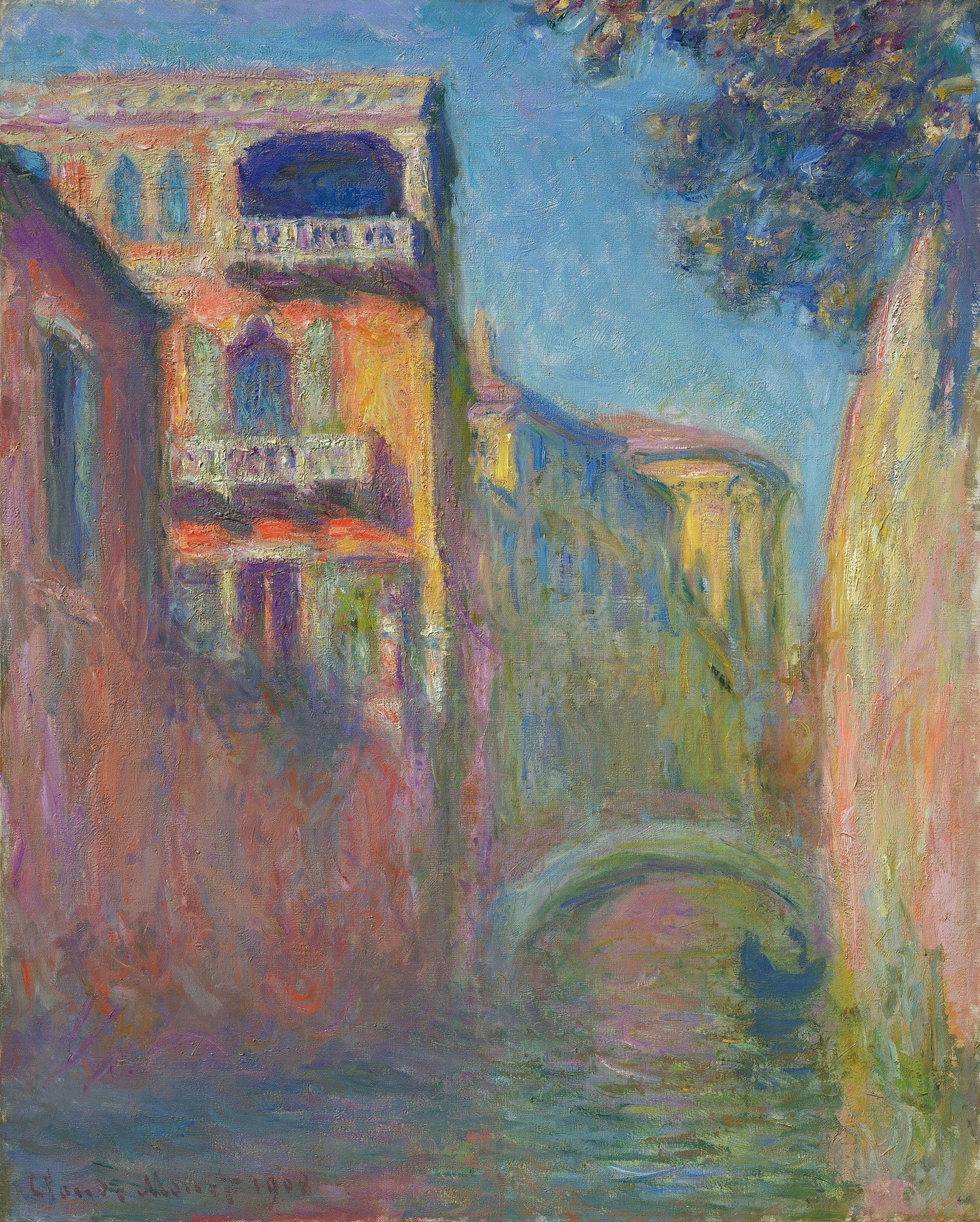
The Rio della Salute
Claude Monet · 1908
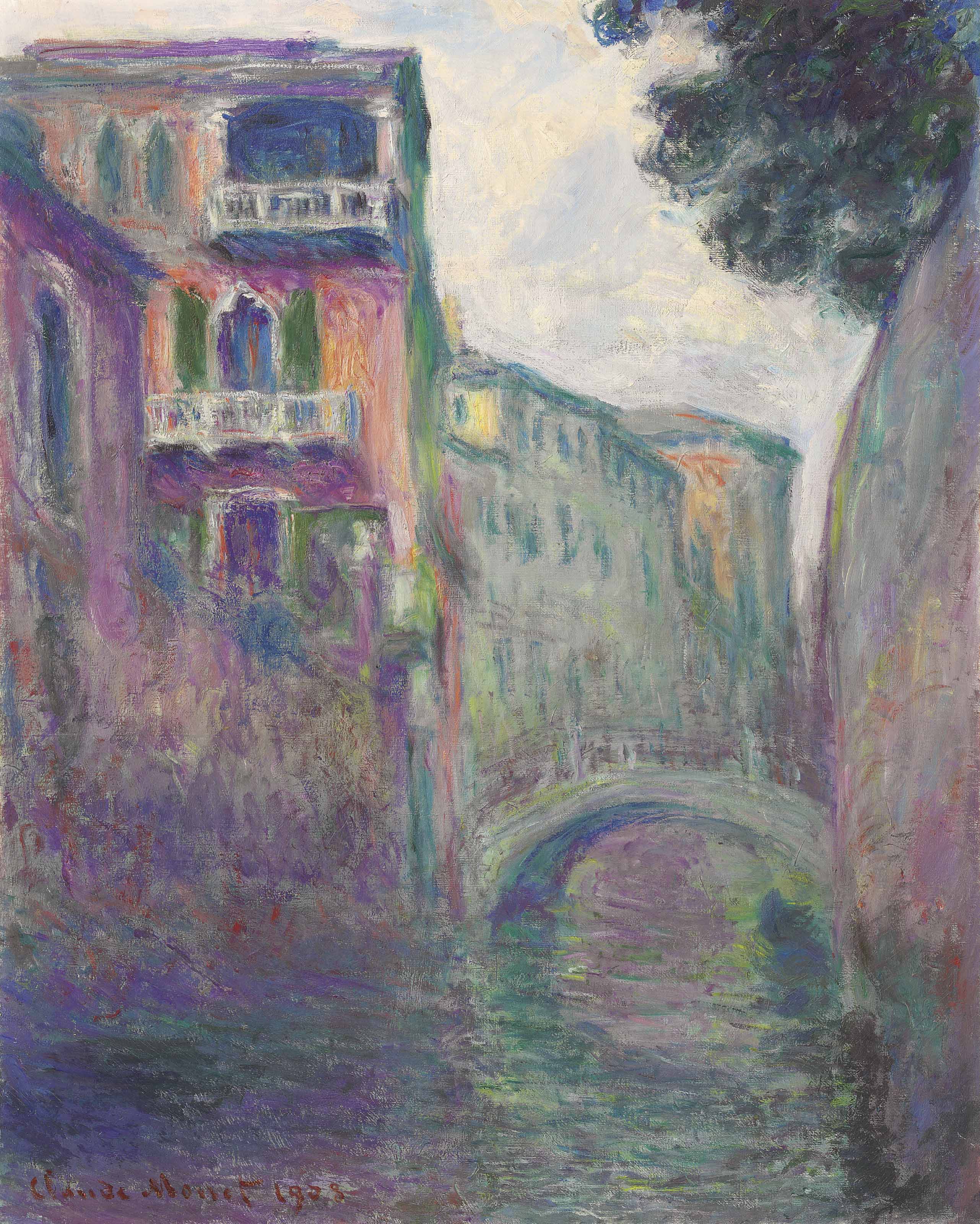
The Rio della Salute
Claude Monet · 1908
Kindred works
You may also study
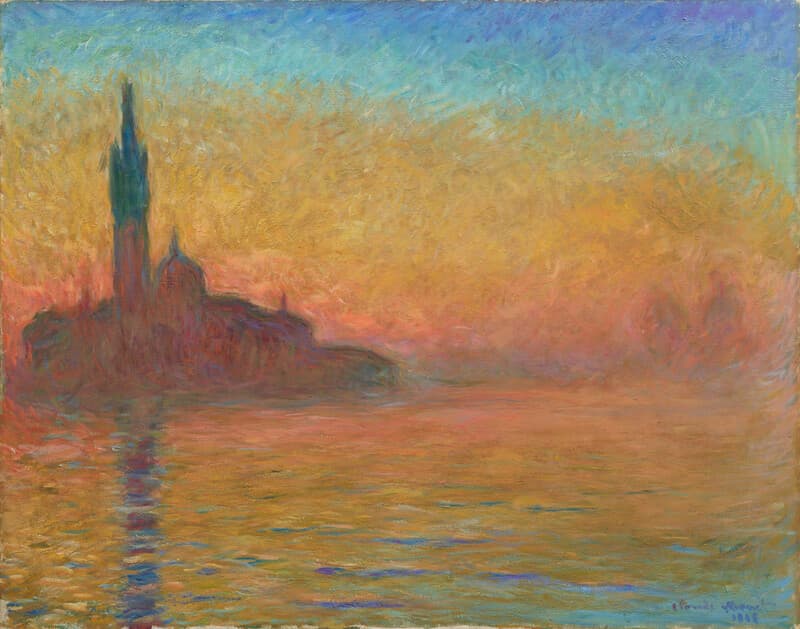
Twilight, Venice
Claude Monet · 1908
Sunset in Venice
Claude Monet · 1908–12
The Palazzo Ducale Seen from San Giorgio Maggiore
Claude Monet · 1908
The Grand Canal in Venice
Claude Monet · 1908
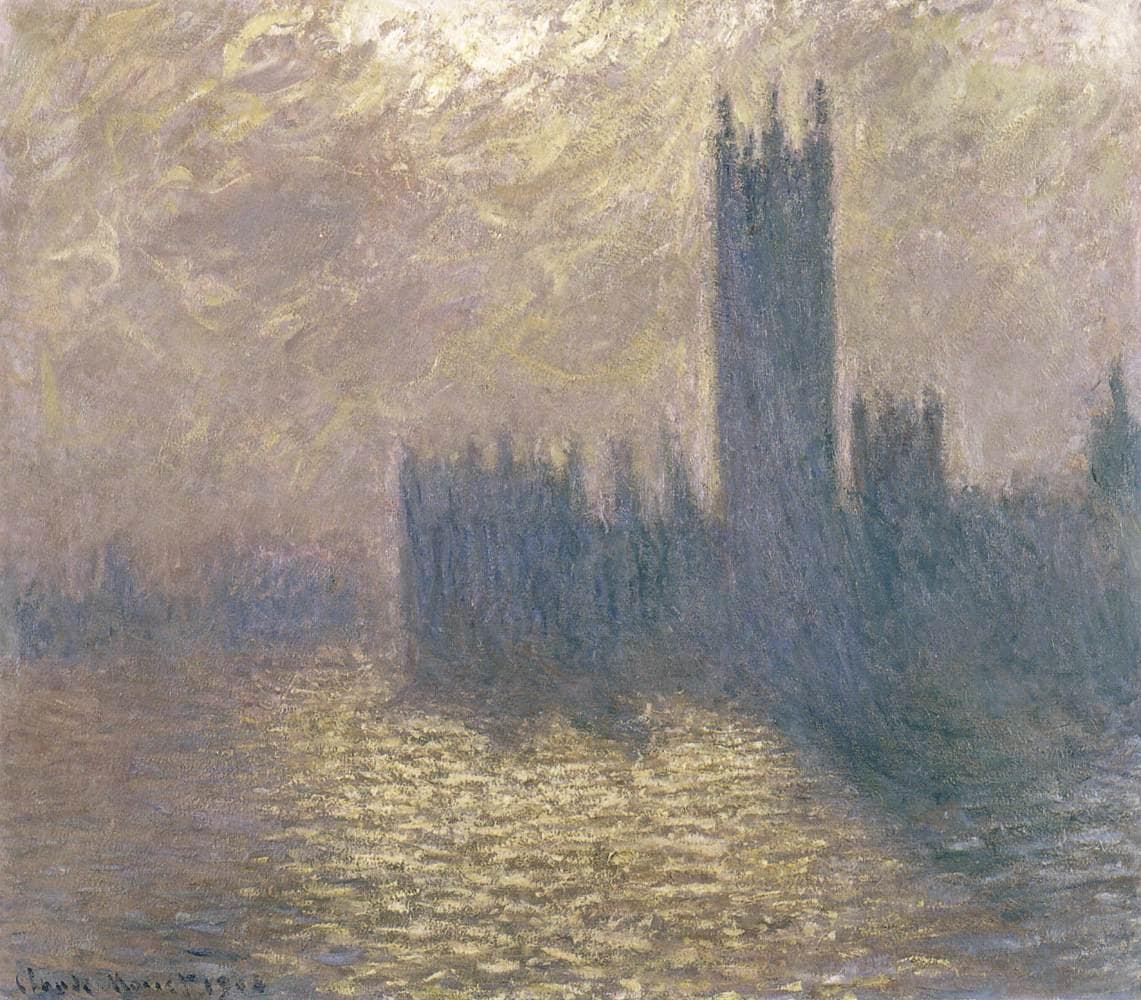
The Houses of Parliament, London
Claude Monet · 1904
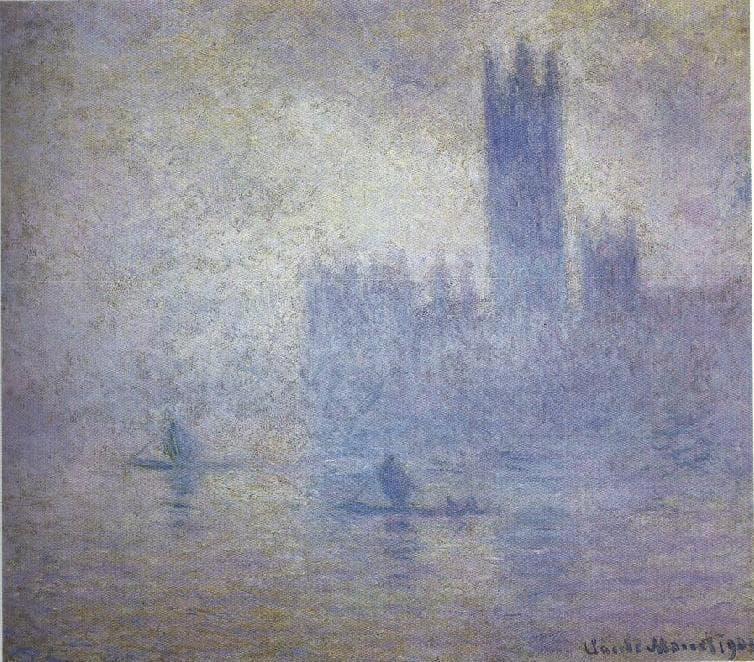
Houses of Parliament, Effect of Fog
Claude Monet · 1904
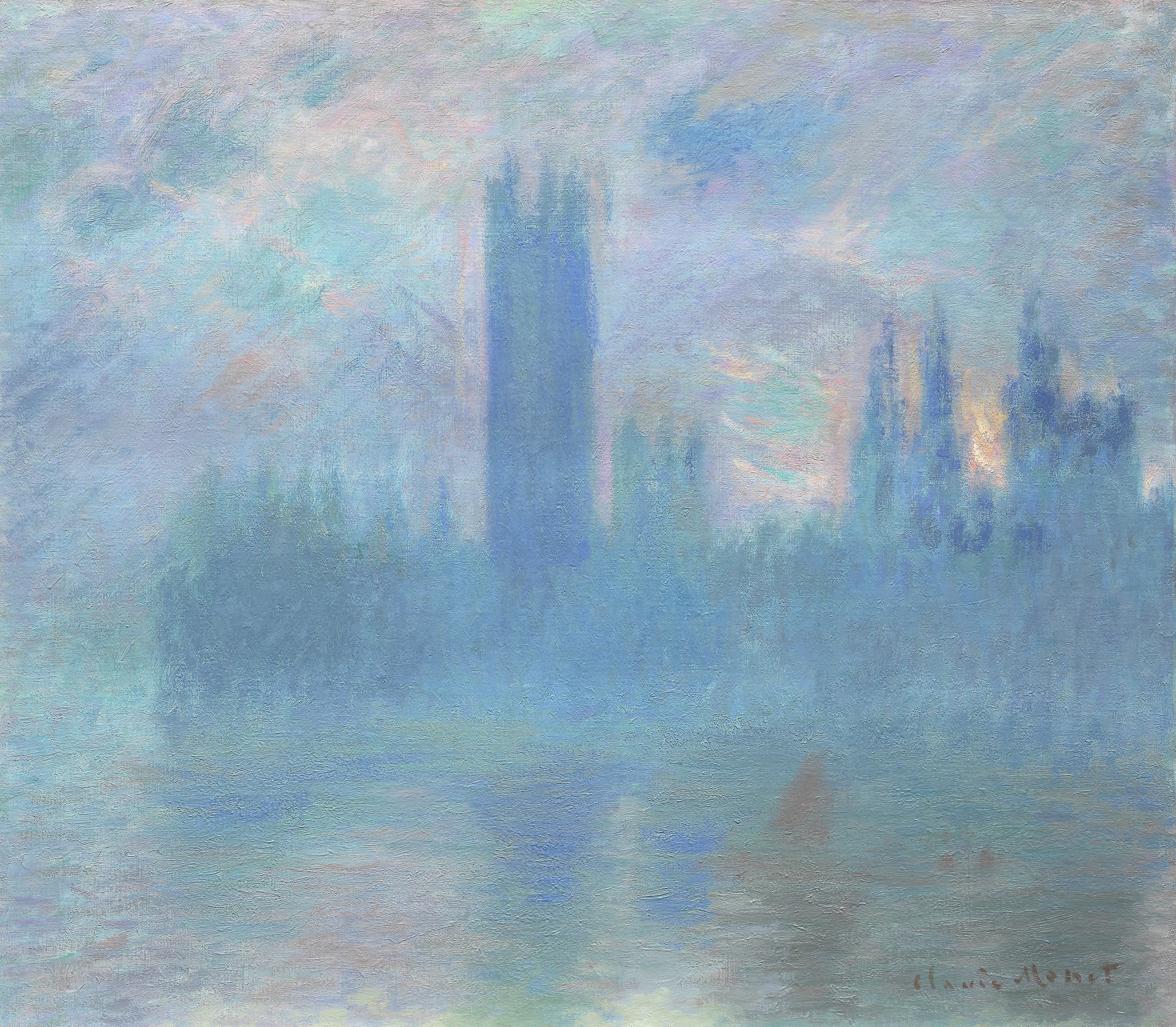
Houses of Parliament, London
Claude Monet · 1900–01
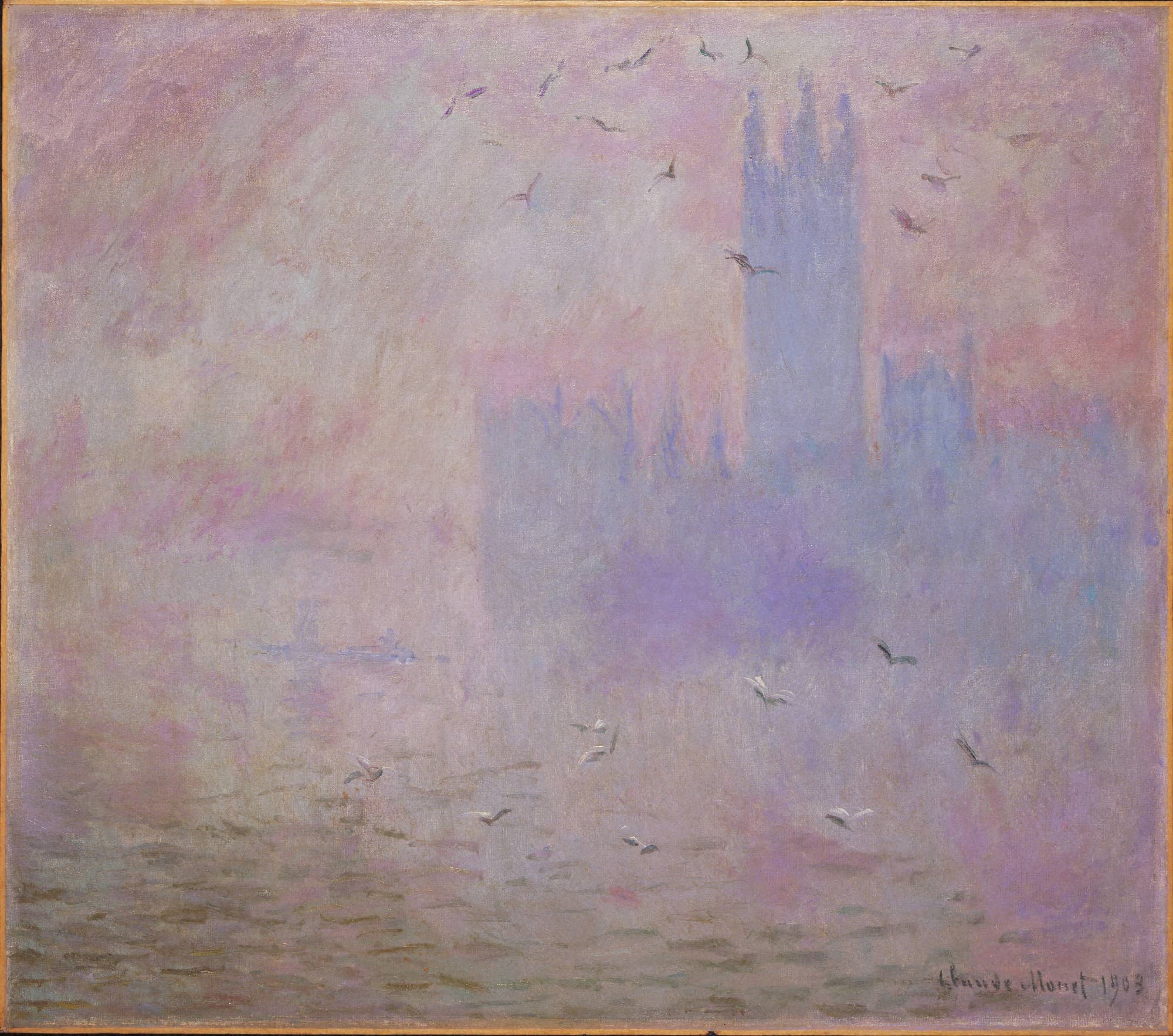
The Houses of Parliament, Seagulls
Claude Monet · 1903