Image: Pushkin State Museum of Fine Arts, Moscow; photo Wikimedia Commons · Public domain · via Wikimedia Commons
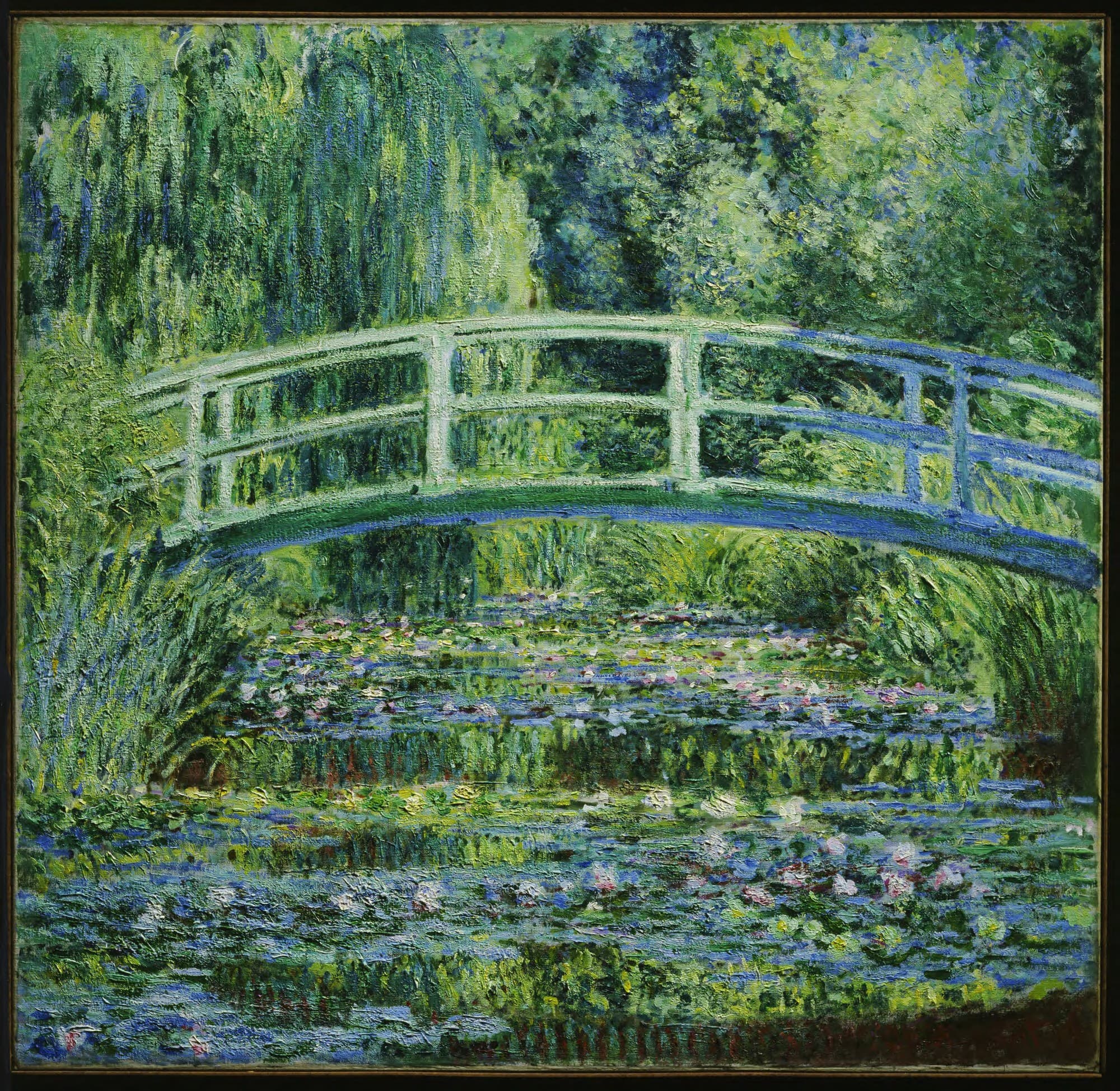
White Water Lilies
Claude Monet, 1899
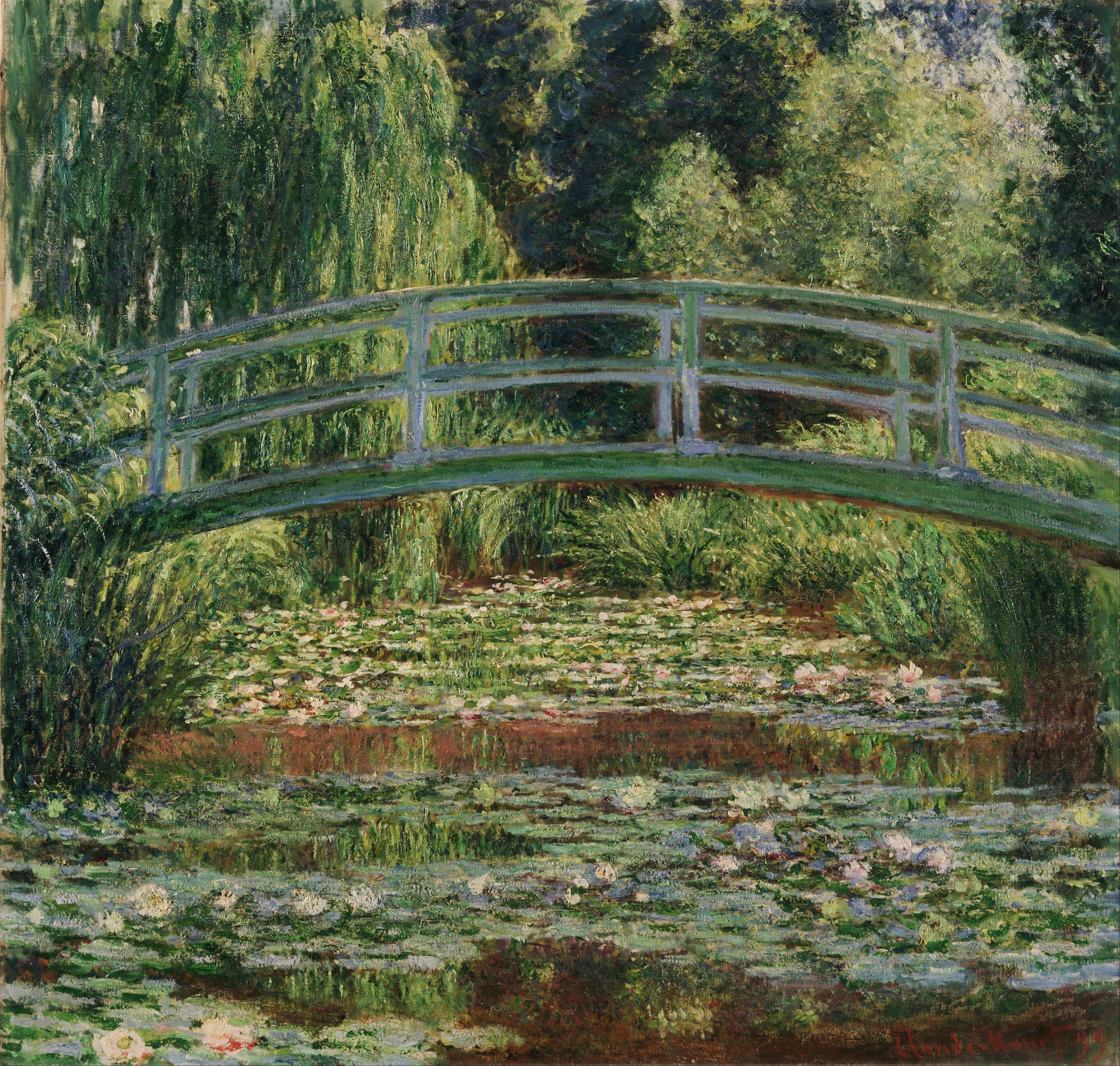
White Water Lilies is an 1899 painting by Claude Monet of the Japanese footbridge over his Giverny lily pond, the most luminous of the 1899 bridge pictures. Once owned by Sergei Shchukin, it is in the Pushkin Museum of Fine Arts, Moscow.
- Artist
- Claude Monet
- Date
- 1899
- Medium
- Oil on canvas
- Dimensions
- 89 × 93 cm
- Collection
- Pushkin State Museum of Fine Arts, Moscow, Russia
- Movement
- Impressionism
- Catalogue
- Wildenstein 1513
- Nature & Landscape
- Water & Sea
White Water Lilies (Nymphéas blancs) is Claude Monet's 1899 view of the Japanese footbridge over his water-lily pond at Giverny, one of about a dozen canvases he painted of the motif that summer. It measures 89 by 93 centimeters and is in the Pushkin State Museum of Fine Arts in Moscow (Ж-3309). It was bought by the Moscow collector Sergei Shchukin, whose Monets are among the finest outside France.
What you're looking at
A pale bridge arches across the upper third of the canvas, from the left edge to the right. Its railings are painted almost white with touches of pale green, and the walkway underneath is a darker green band. Behind it rises the garden: a weeping willow at the upper left, its fronds falling in long silver-green strokes, and beyond the bridge dense trees and shrubs in green and blue-green. In the upper right, patches of blue and lavender break through the foliage, either sky or deep shadow, and they give this version its cool, airy light.
The pond below is crowded with lilies. The pads are short horizontal touches of green and yellow-green; the flowers, despite the title, include pinks and roses as well as many whites, set as small dabs of thick paint in rows. Between the clusters, the open water reflects the trees and sky in blue, violet and dark green, and at the very bottom a few larger pads and blossoms come close. At the right, tall reeds and an iris-like clump rise from the bank, painted in violet and red-brown.
The garden in 1899
Monet had bought the Giverny house in 1890 and in 1893 added a plot of land on the far side of the road and railway, where he dug a pond fed by a diverted arm of the Epte. He planted it with water lilies and built the arched wooden bridge, painted green. By 1899 the plantings had grown in, and that summer he set up on the bank facing the bridge and painted it again and again, a series exhibited in part at Durand-Ruel in late 1900.
How this version differs
Compared with its siblings, the Pushkin picture is the brightest and coolest. The National Gallery's The Water-Lily Pond is deep green, almost shadowed, its bridge gray-blue. The Philadelphia Japanese Footbridge is fully saturated green. The Met's Bridge over a Pond of Water Lilies is close in brightness but warmer. Here the bridge is nearly white, there is more blue and lilac in both foliage and water, and the flowers are more numerous and more varied. It is the version where the pond seems most fully in flower and the day most clearly bright.
How it was painted
The foliage is a dense weave of directional strokes: long verticals in the willow, short choppy marks in the trees, and diagonal strokes in the reeds. The lily pads are laid in horizontal rows of dabs that shrink as they recede, giving depth without a horizon. The whites of the bridge and the flowers are the thickest paint on the canvas.
Ownership and where to see it
Sergei Shchukin (1854–1936), the Moscow textile merchant who also collected Matisse and Picasso, acquired the painting in the early twentieth century. After the Russian Revolution his collection was nationalized, and the painting later passed to the Pushkin Museum. For the bridge pictures as a group see The Japanese Footbridge, and for the whole lily series Monet's Water Lilies. For the garden see Giverny, and for other public Monet collections, Where to See Monet's Paintings.
Questions & answers
Where is Monet's White Water Lilies?
It is in the Pushkin State Museum of Fine Arts in Moscow (inventory Ж-3309). It came from the collection of Sergei Shchukin, which was nationalized after the 1917 Revolution.
When was it painted?
In 1899, in Monet's garden at Giverny. It is one of about a dozen paintings of the Japanese footbridge he made that summer from the same spot on the bank of the lily pond.
What does White Water Lilies show?
The pale arched footbridge over Monet's lily pond, with a weeping willow and dense trees behind and a surface of lily pads and white and pink flowers below, reflecting blue and green.
How does it differ from the other 1899 bridge paintings?
It is the brightest and coolest: the bridge is nearly white, there is more blue and lilac in the foliage and water, and the pond is thick with flowers. The London version is darker and greener.
More by the artist
Claude Monet
The Japanese Footbridge and the Water Lily Pool, Giverny
Claude Monet · 1899
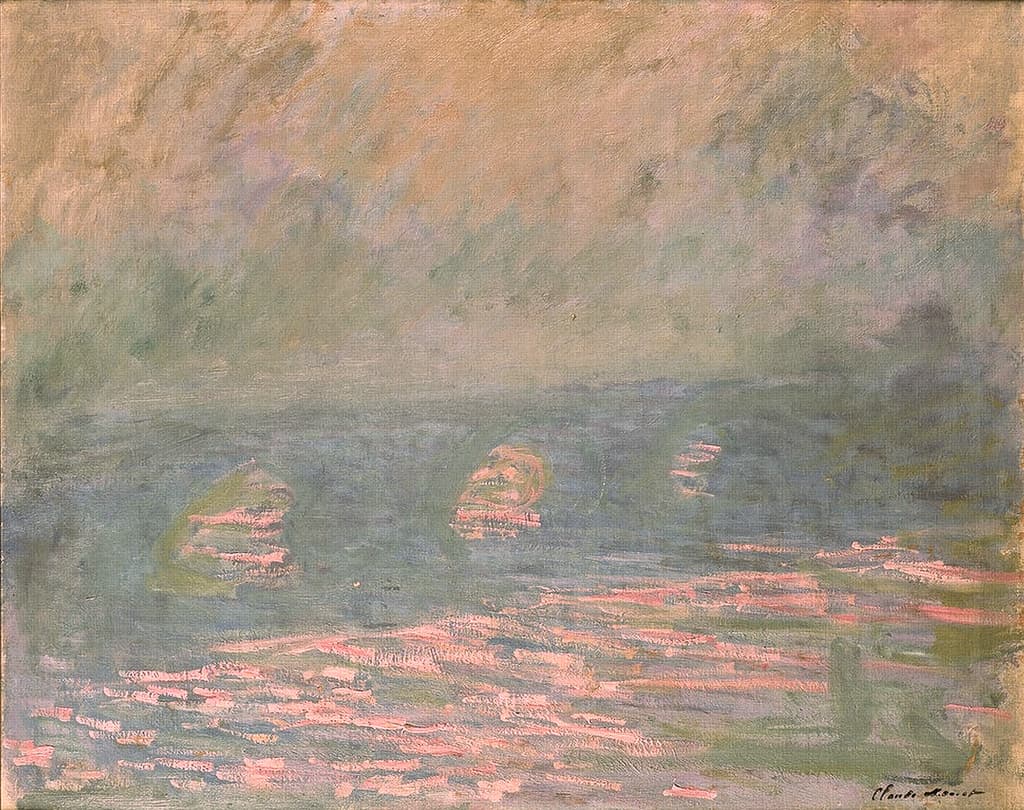
Waterloo Bridge (Matsushita Museum of Art)
Claude Monet · 1899–1901
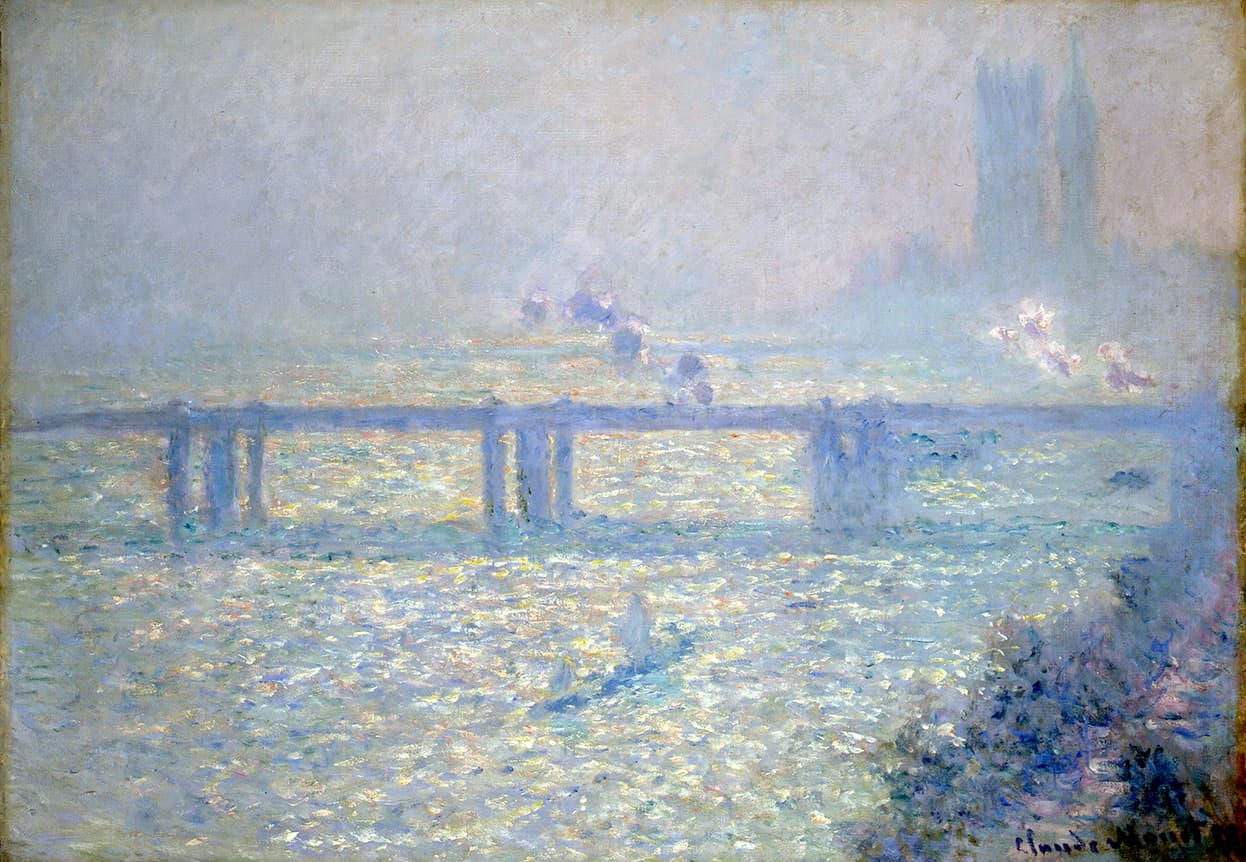
Charing Cross Bridge (Shelburne Museum)
Claude Monet · 1899

Bridge over a Pond of Water Lilies
Claude Monet · 1899
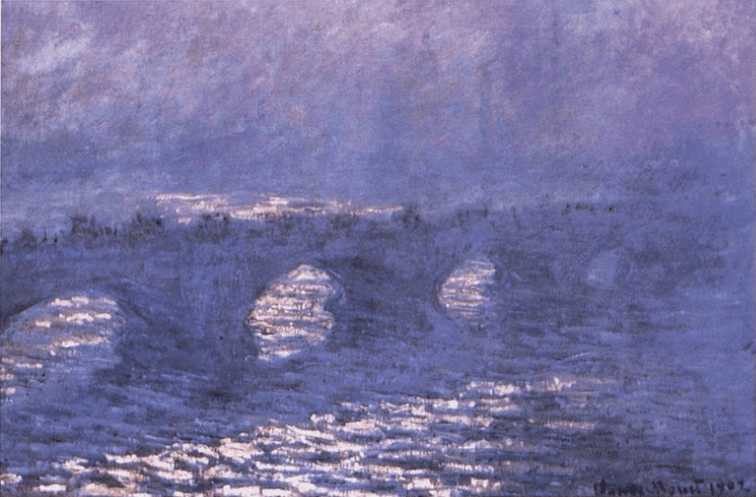
Waterloo Bridge, Effect of Sun in the Mist
Claude Monet · c. 1900–03
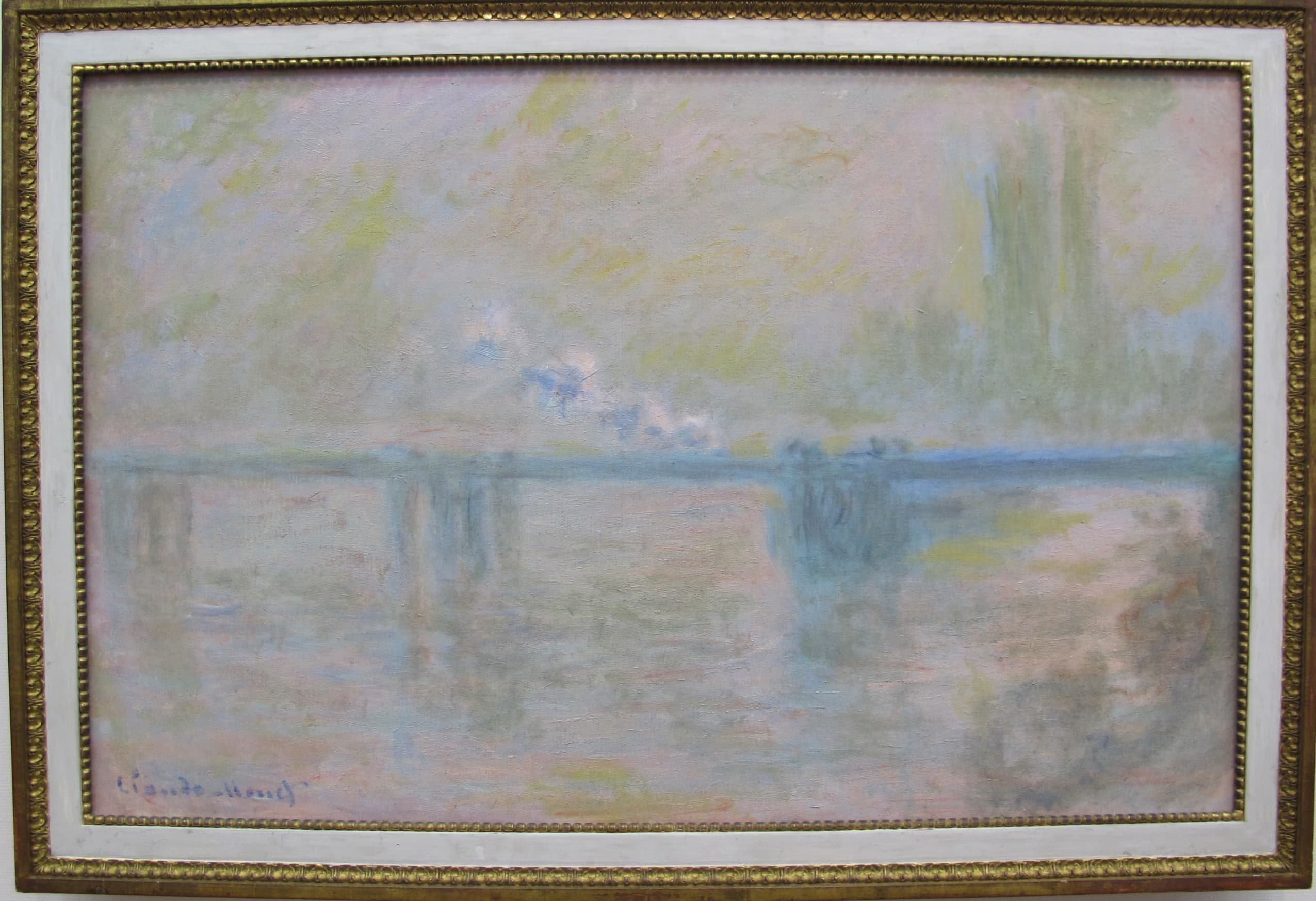
Charing Cross Bridge (Overcast Day)
Claude Monet · 1900
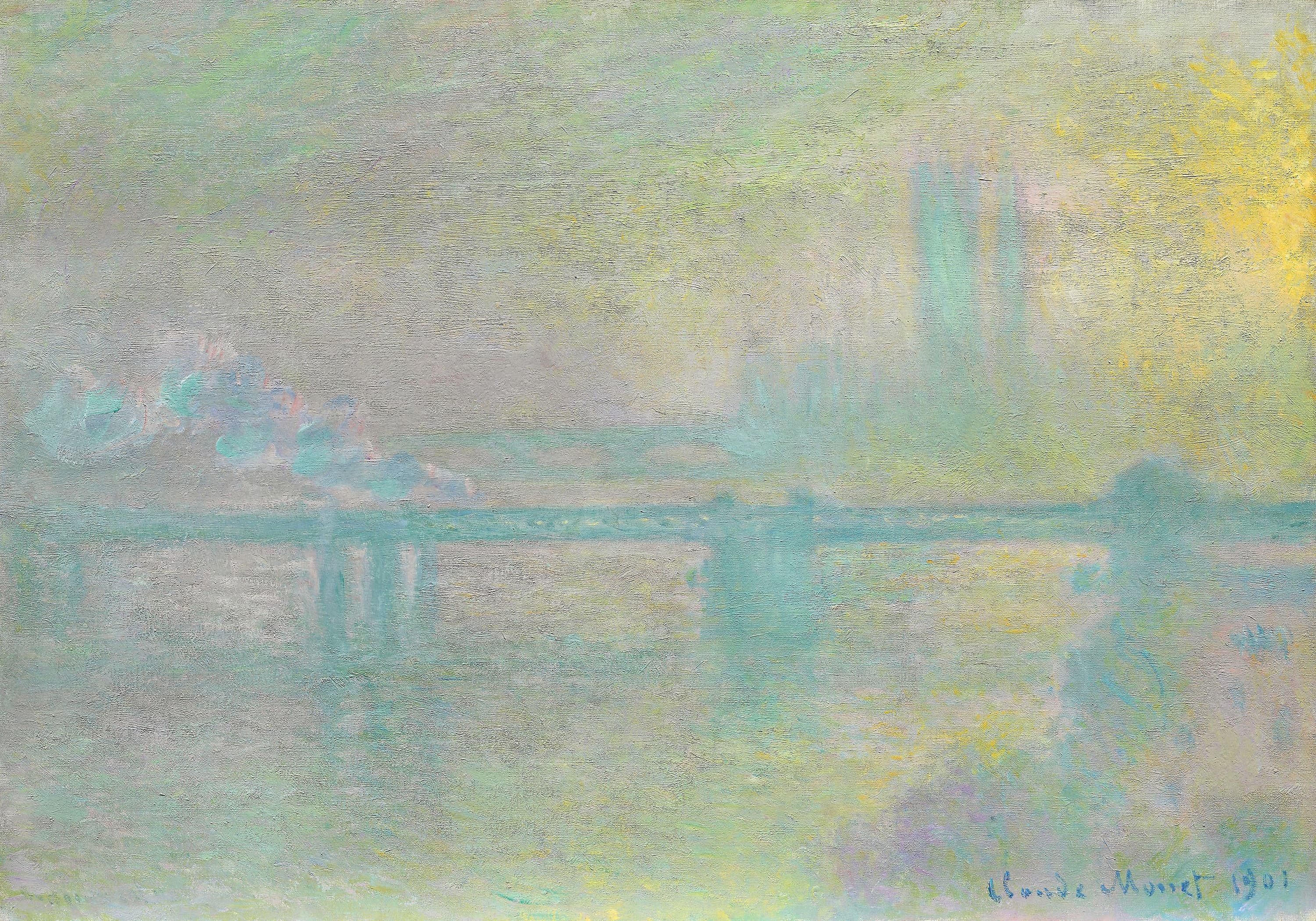
Charing Cross Bridge, London
Claude Monet · 1901
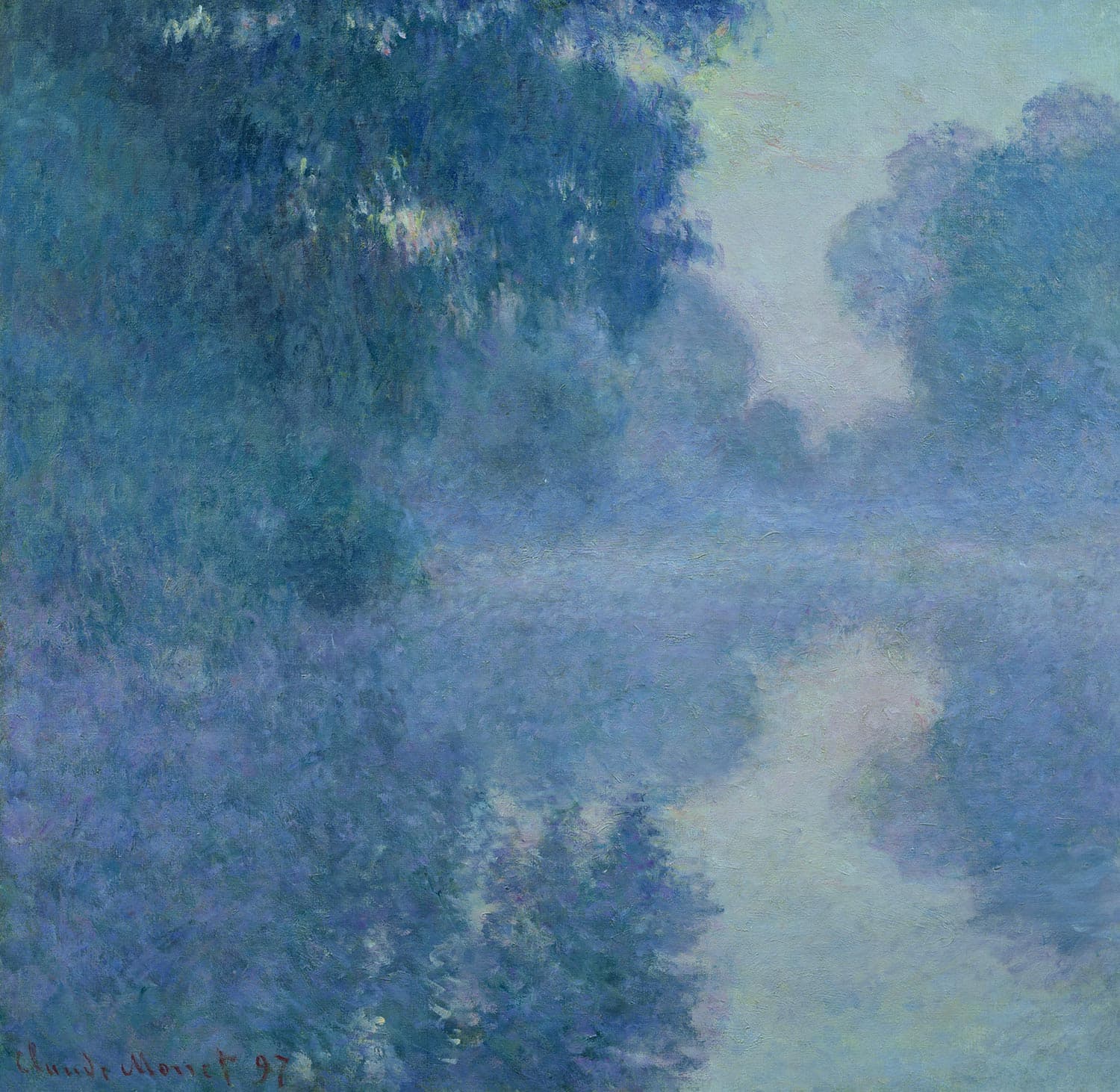
Arm of the Seine near Giverny, Rising Sun
Claude Monet · 1897
Also painted in 1899
The same year
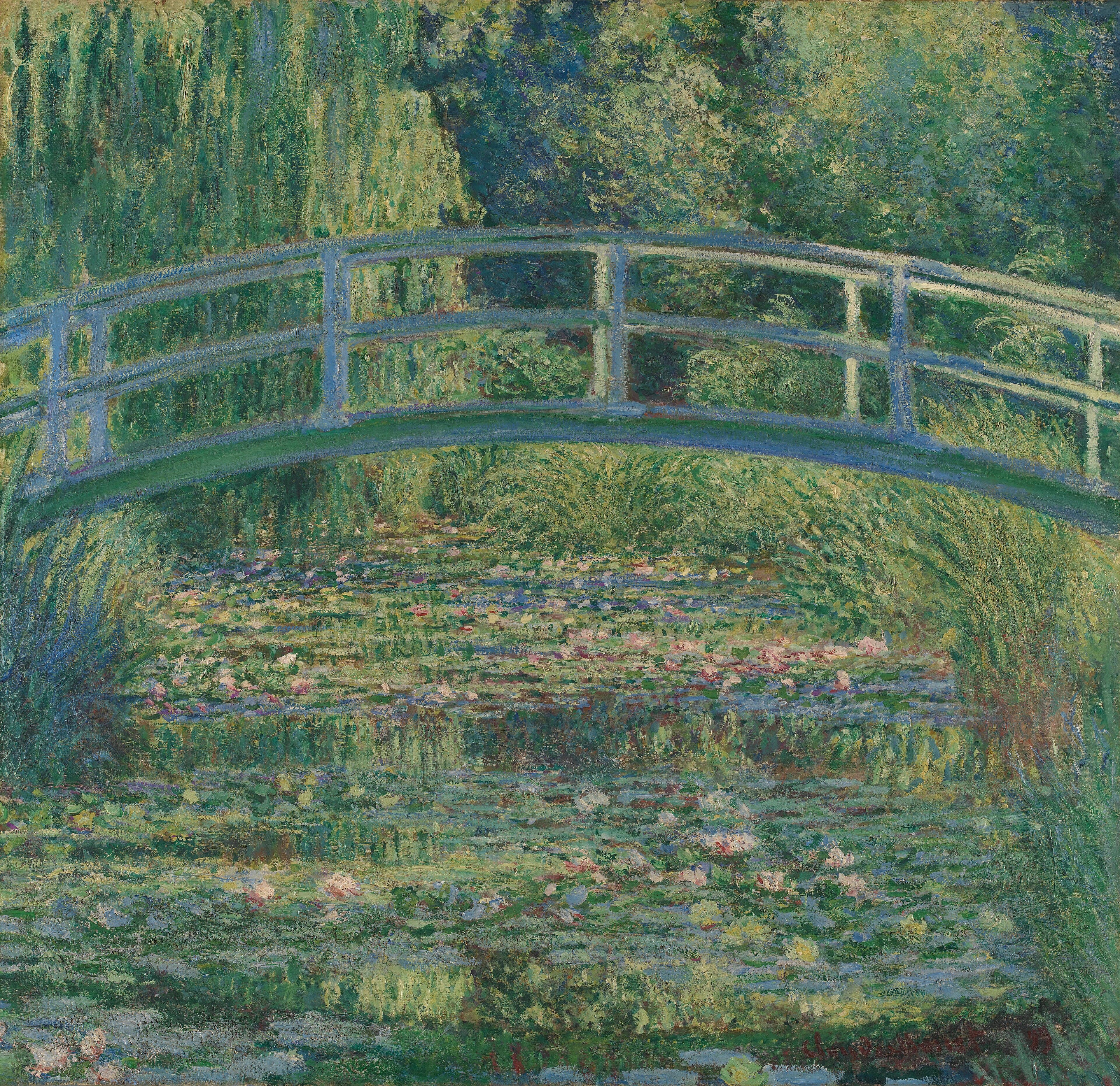
The Water-Lily Pond (National Gallery, London)
Claude Monet · 1899
Water Lilies and Japanese Bridge
Claude Monet · 1899
Charing Cross Bridge
Claude Monet · 1899
Charing Cross Bridge
Claude Monet · 1899
Charing Cross Bridge
Claude Monet · 1899
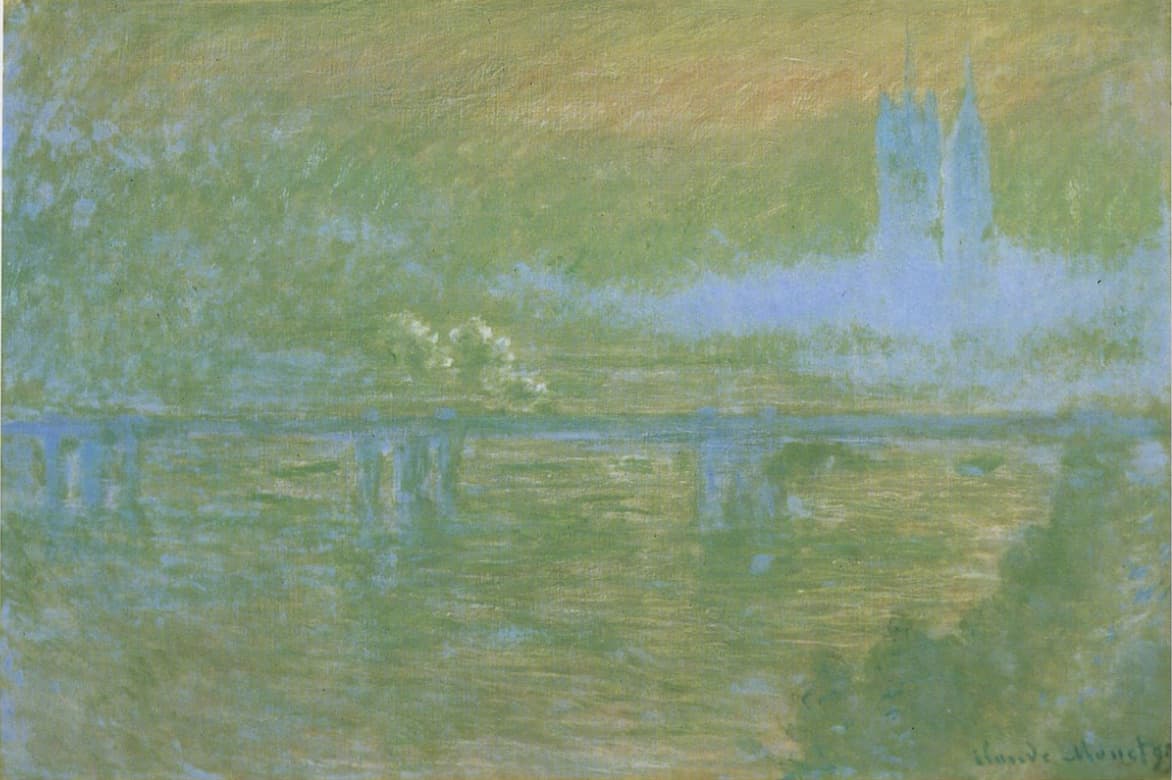
Charing Cross Bridge
Claude Monet · c. 1899
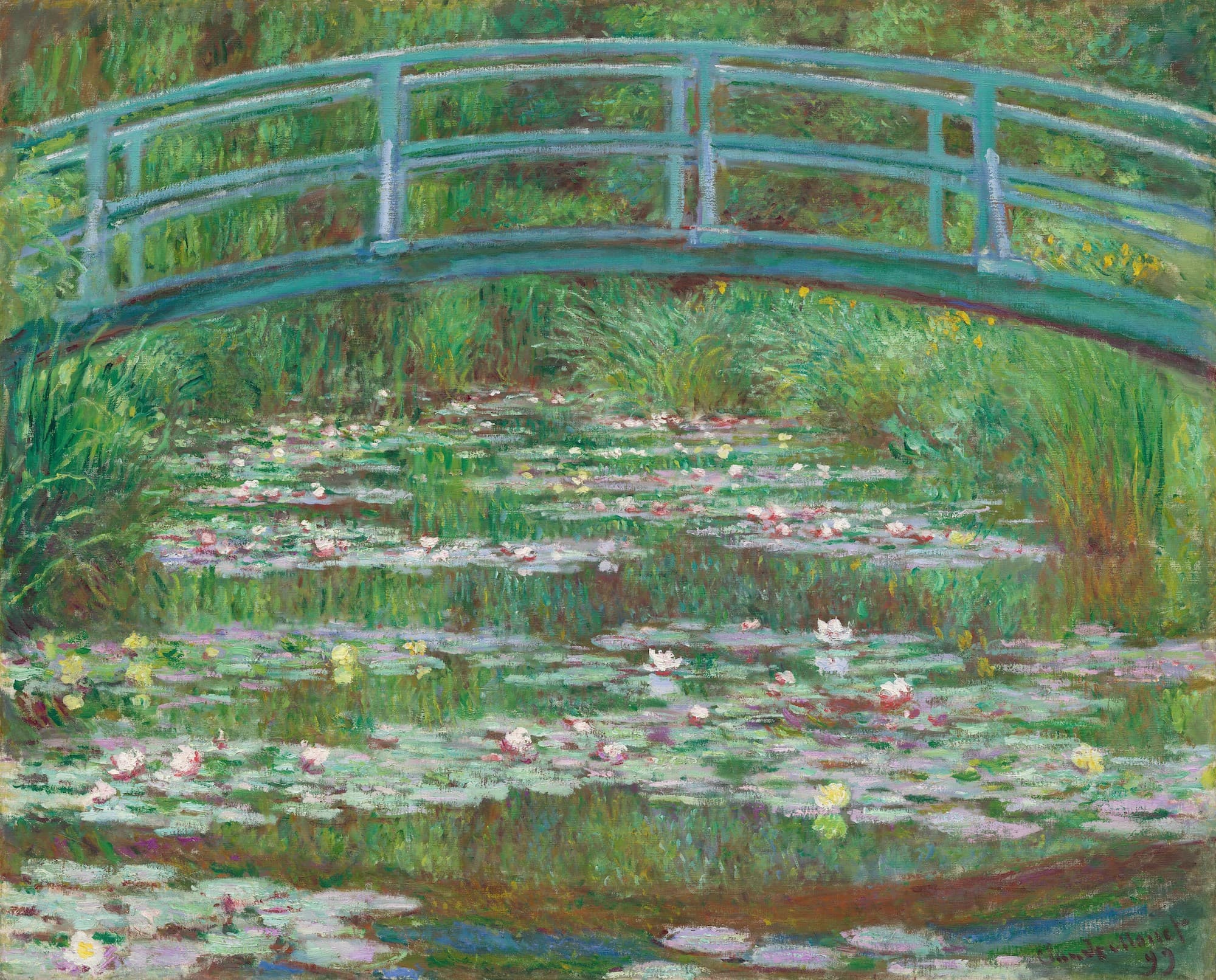
The Japanese Footbridge
Claude Monet · 1899
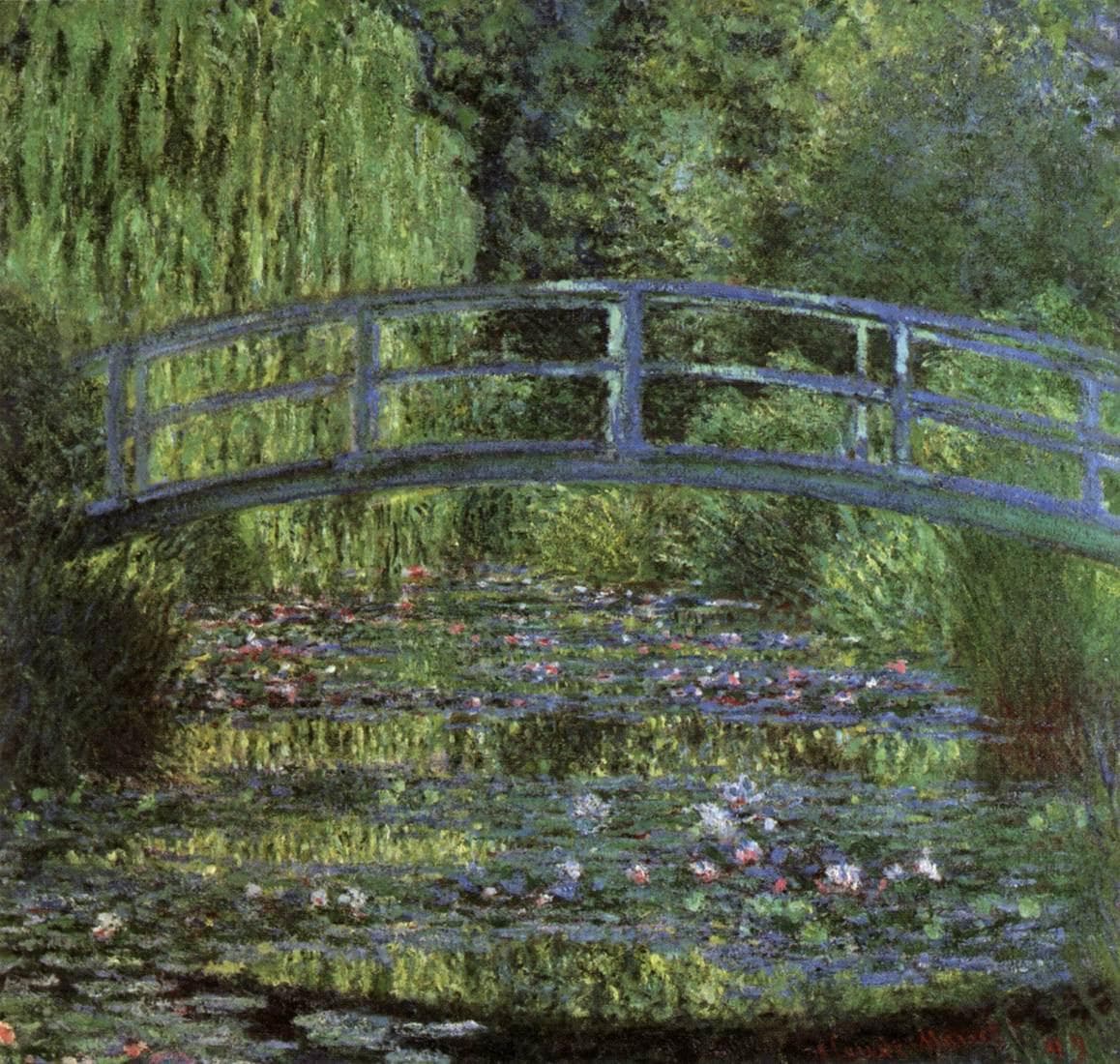
Water Lily Pond, Green Harmony
Claude Monet · 1899
Kindred works
You may also study
The Water-Lily Pond (National Gallery, London)
Claude Monet · 1899
Water Lily Pond, Green Harmony
Claude Monet · 1899
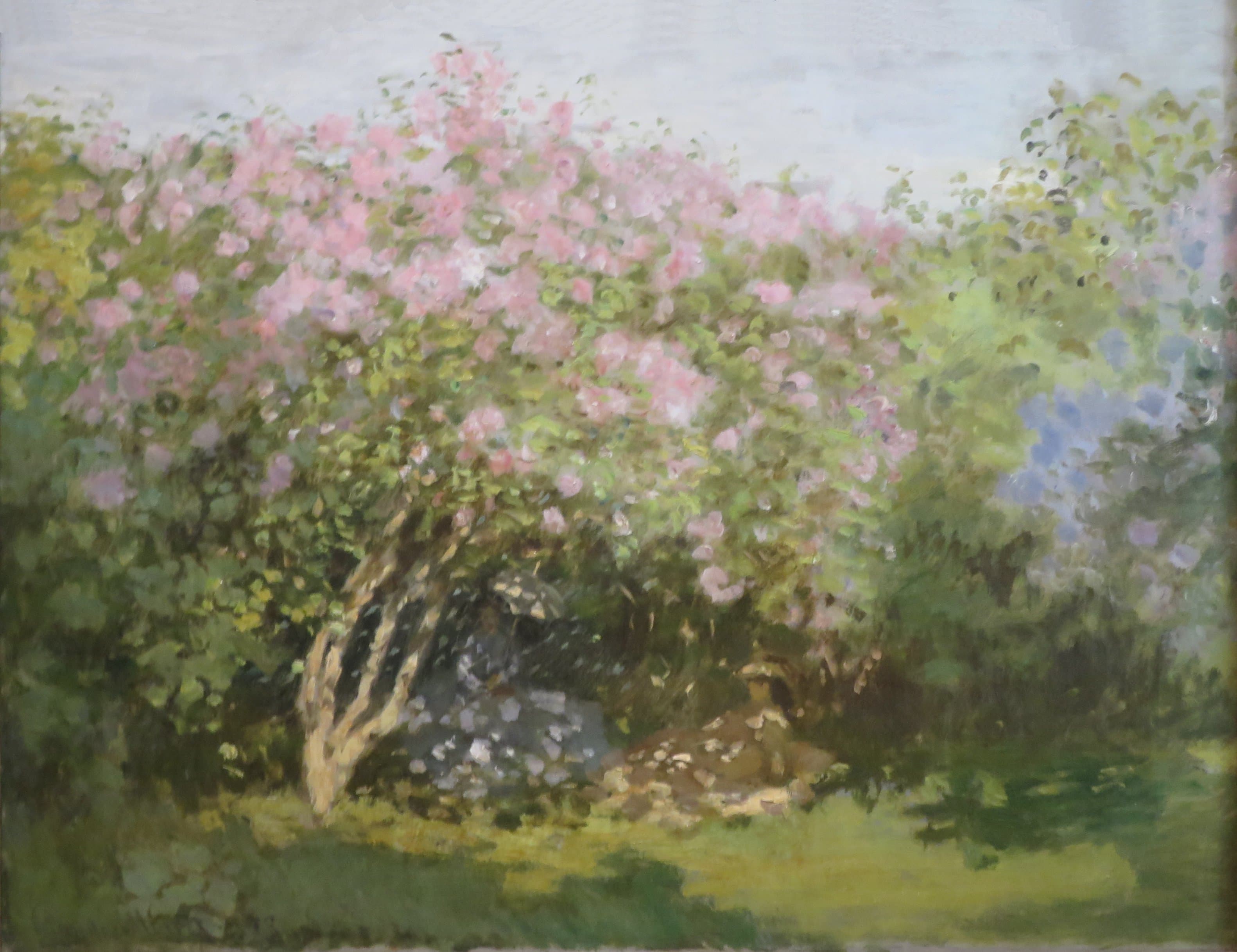
Lilac in the Sun
Claude Monet · 1873
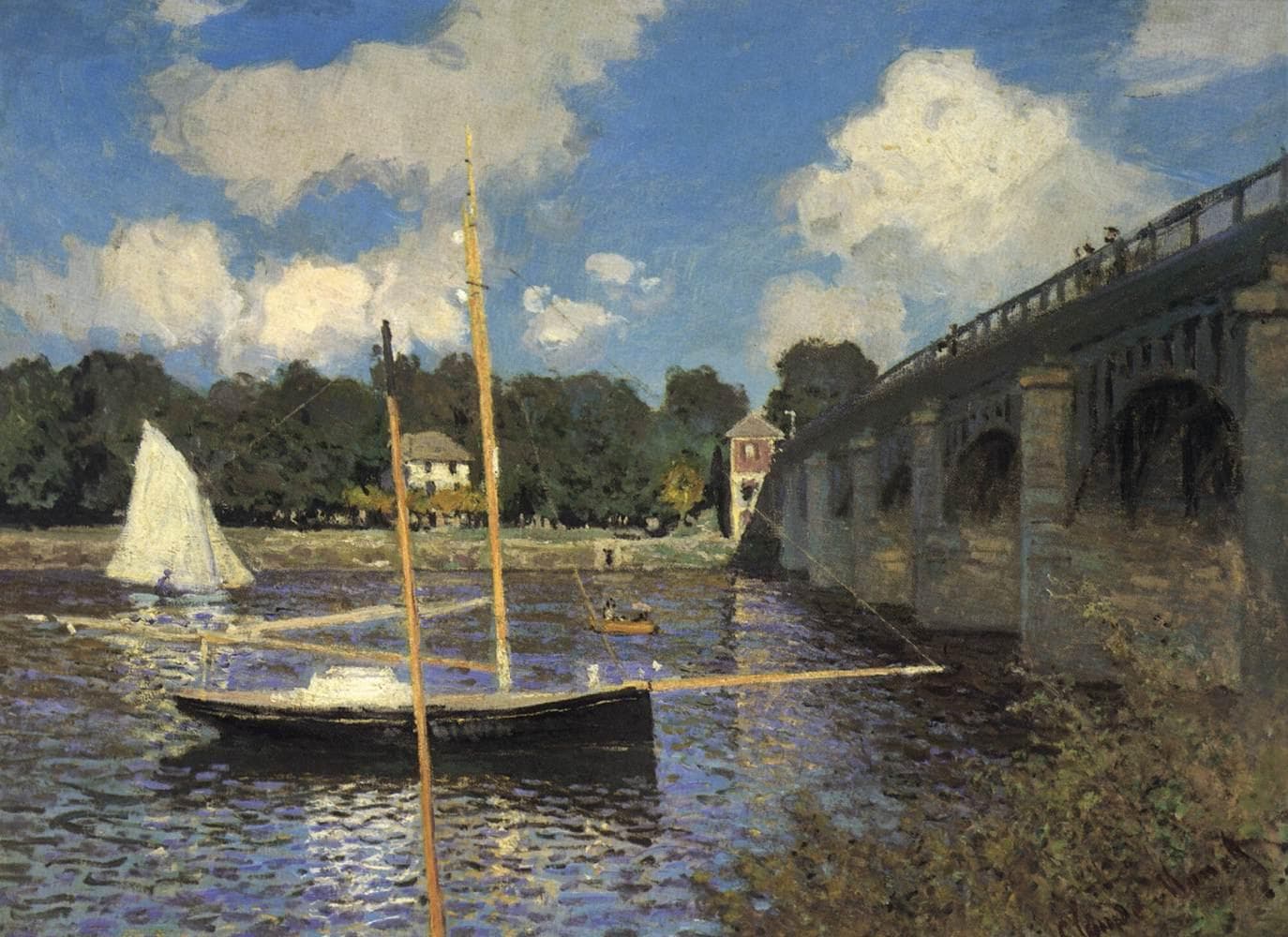
The Bridge at Argenteuil
Claude Monet · 1874
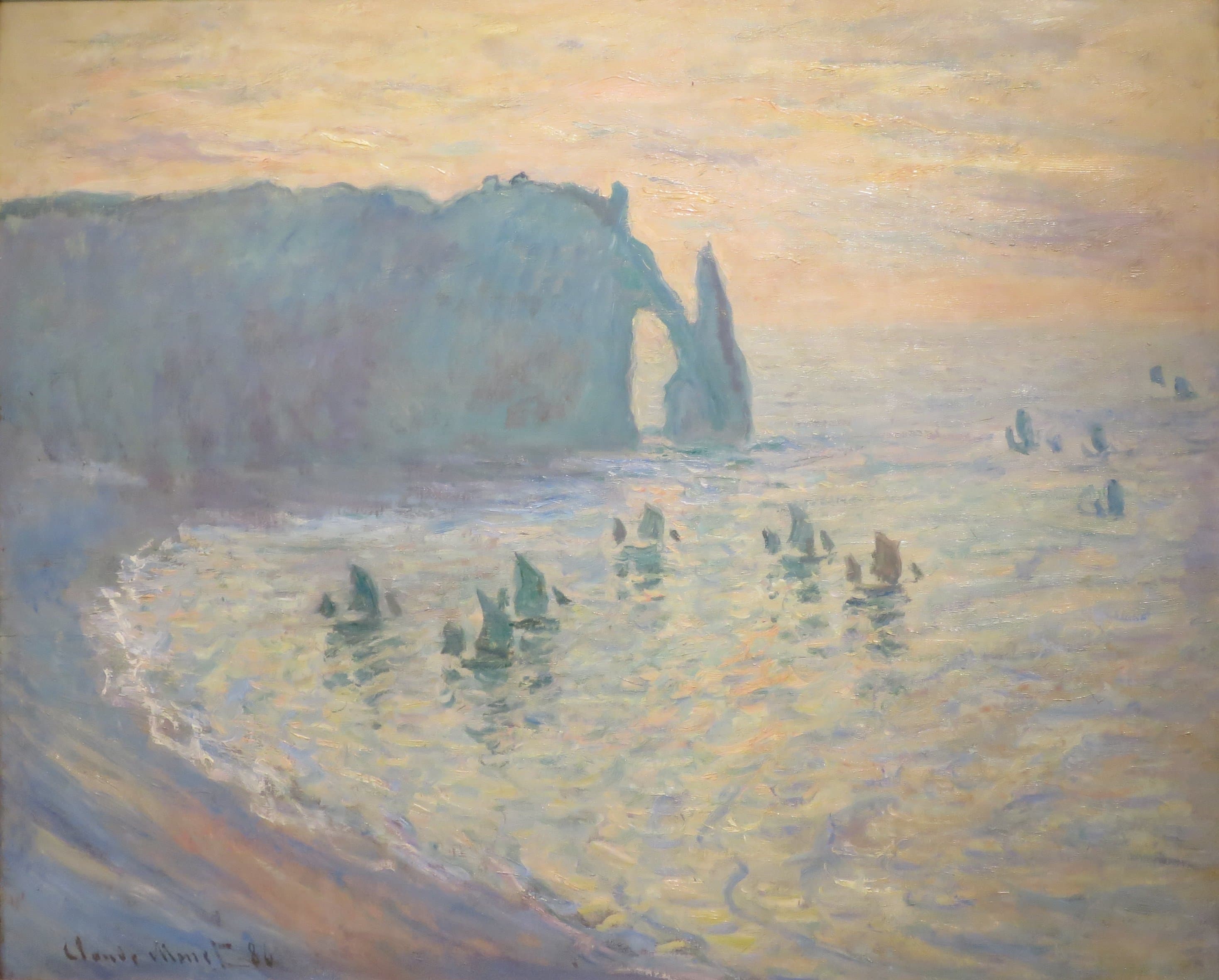
The Cliffs at Étretat
Claude Monet · 1886
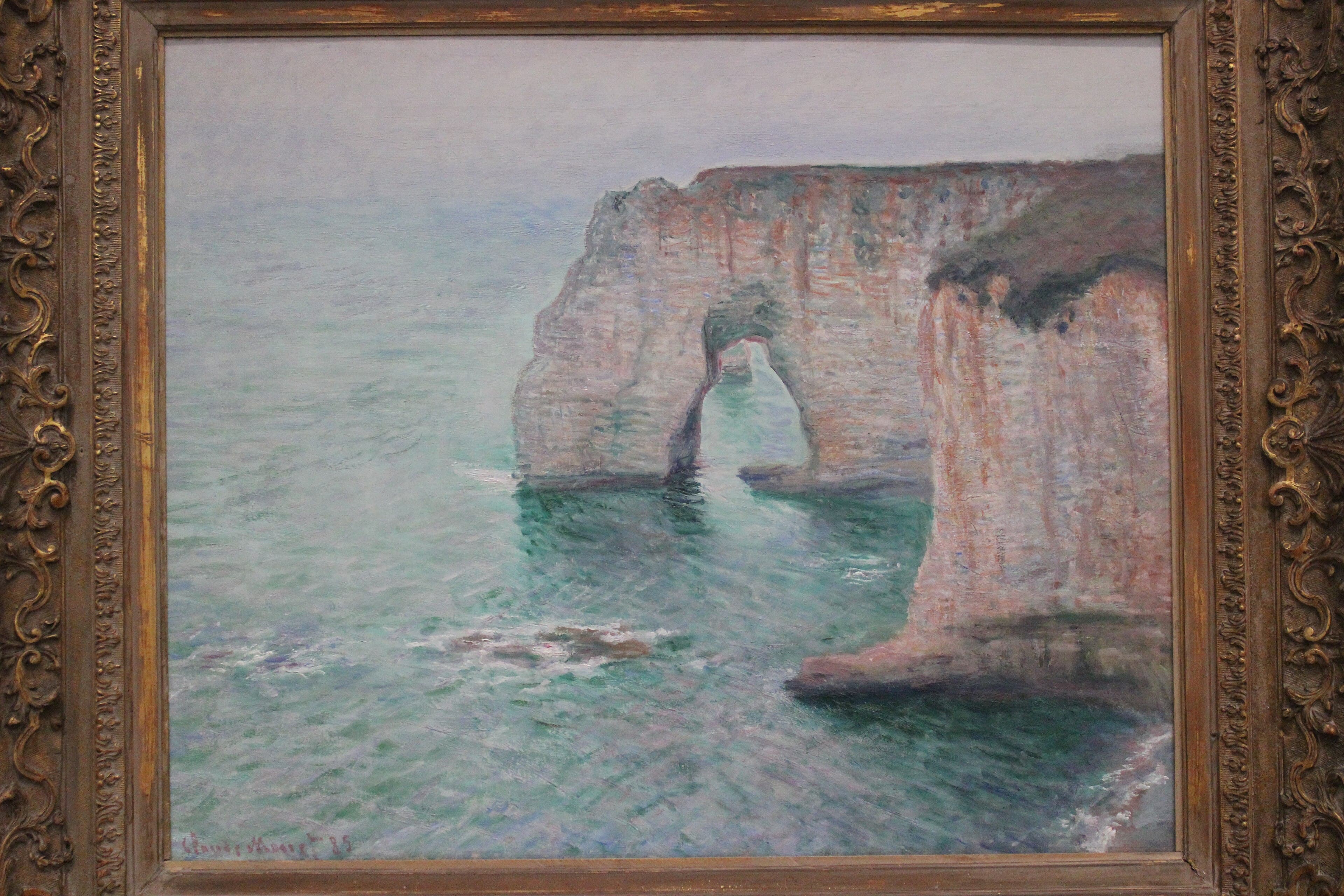
Manne-Porte, Étretat
Claude Monet · 1885
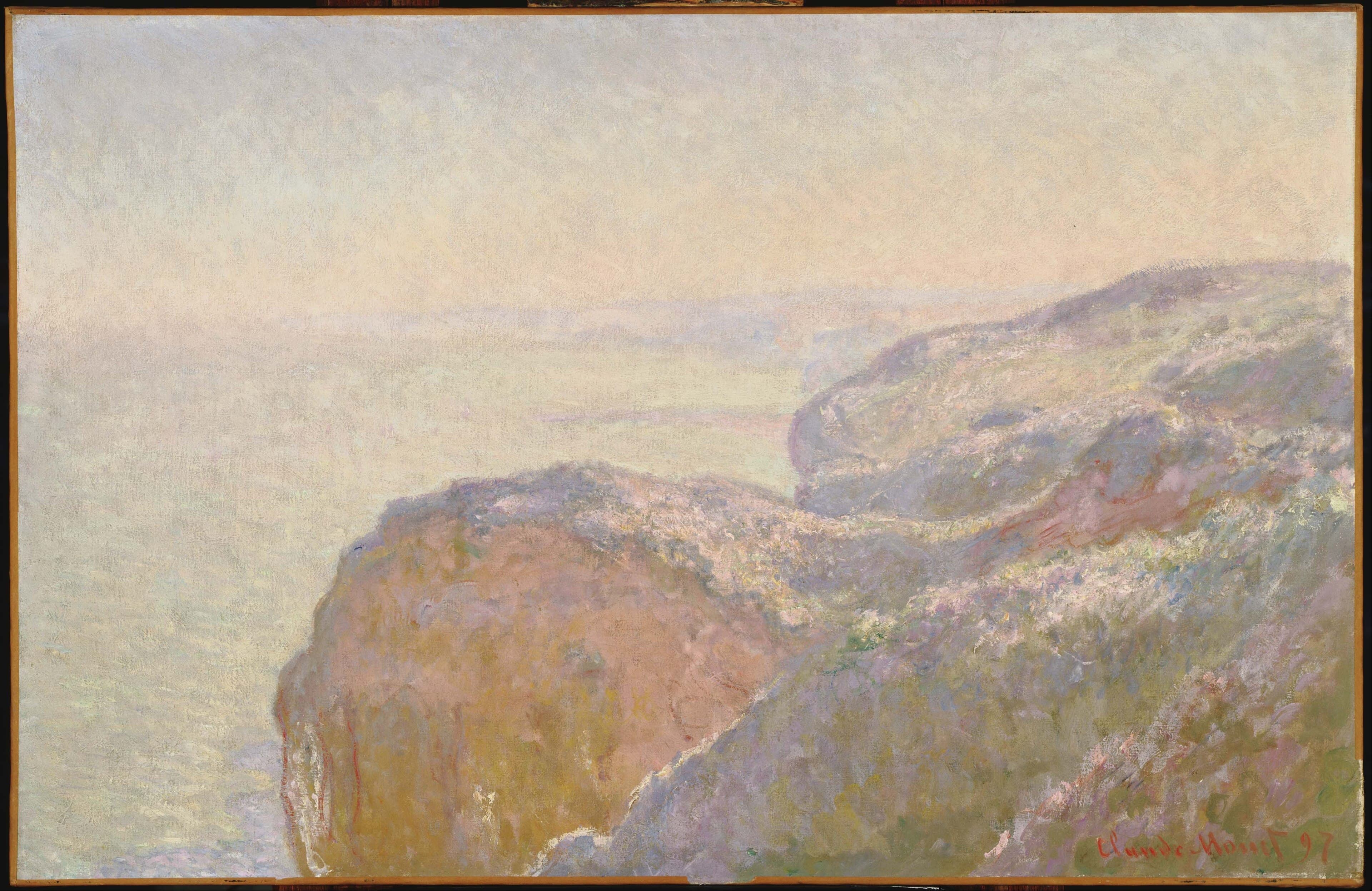
Val-Saint-Nicolas, near Dieppe (Morning)
Claude Monet · 1897
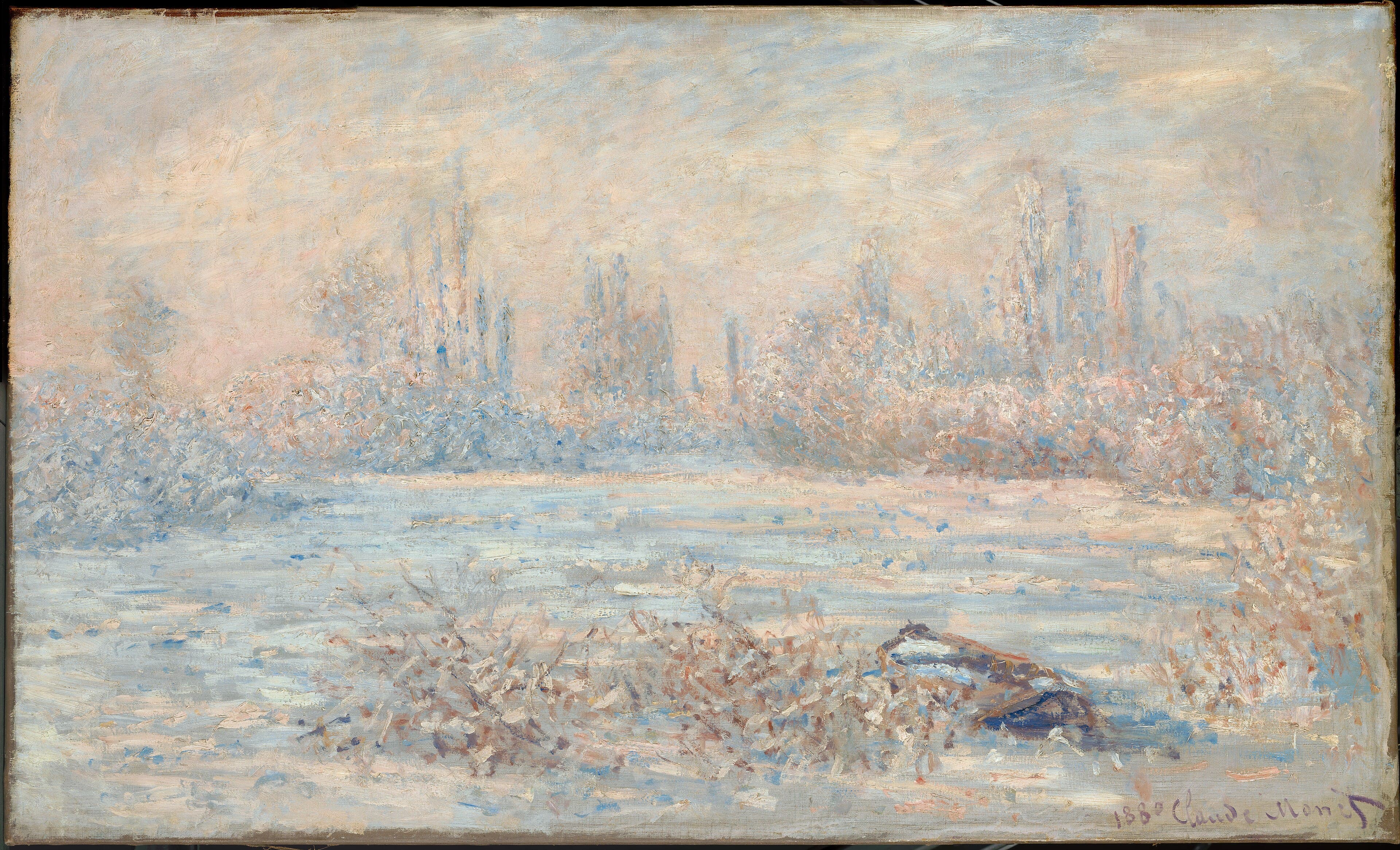
Frost (Le Givre)
Claude Monet · 1880