Image: Princeton University Art Museum · Public domain · via Wikimedia Commons
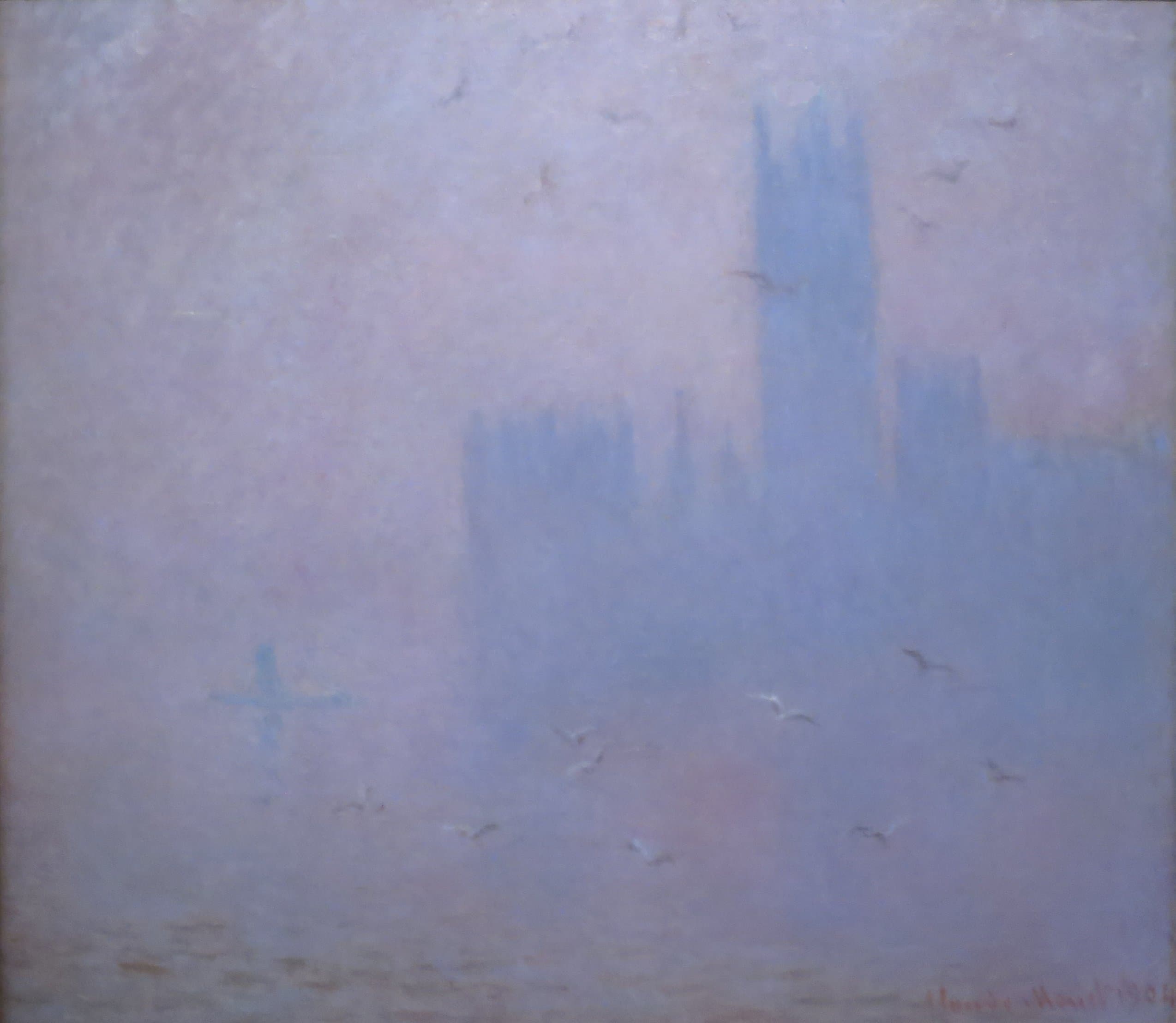
The Houses of Parliament, Seagulls
Claude Monet, 1903
The Houses of Parliament, Seagulls is a 1903 painting by Claude Monet of the Palace of Westminster in pink and lilac fog, with gulls wheeling over the Thames. It is in the Princeton University Art Museum.
- Artist
- Claude Monet
- Date
- 1903
- Medium
- Oil on canvas
- Dimensions
- 81 × 92 cm
- Collection
- Princeton University Art Museum, Princeton, New Jersey, United States
- Movement
- Impressionism
- Catalogue
- Wildenstein 1612
- The City
- Water & Sea
- Architecture & Ruins
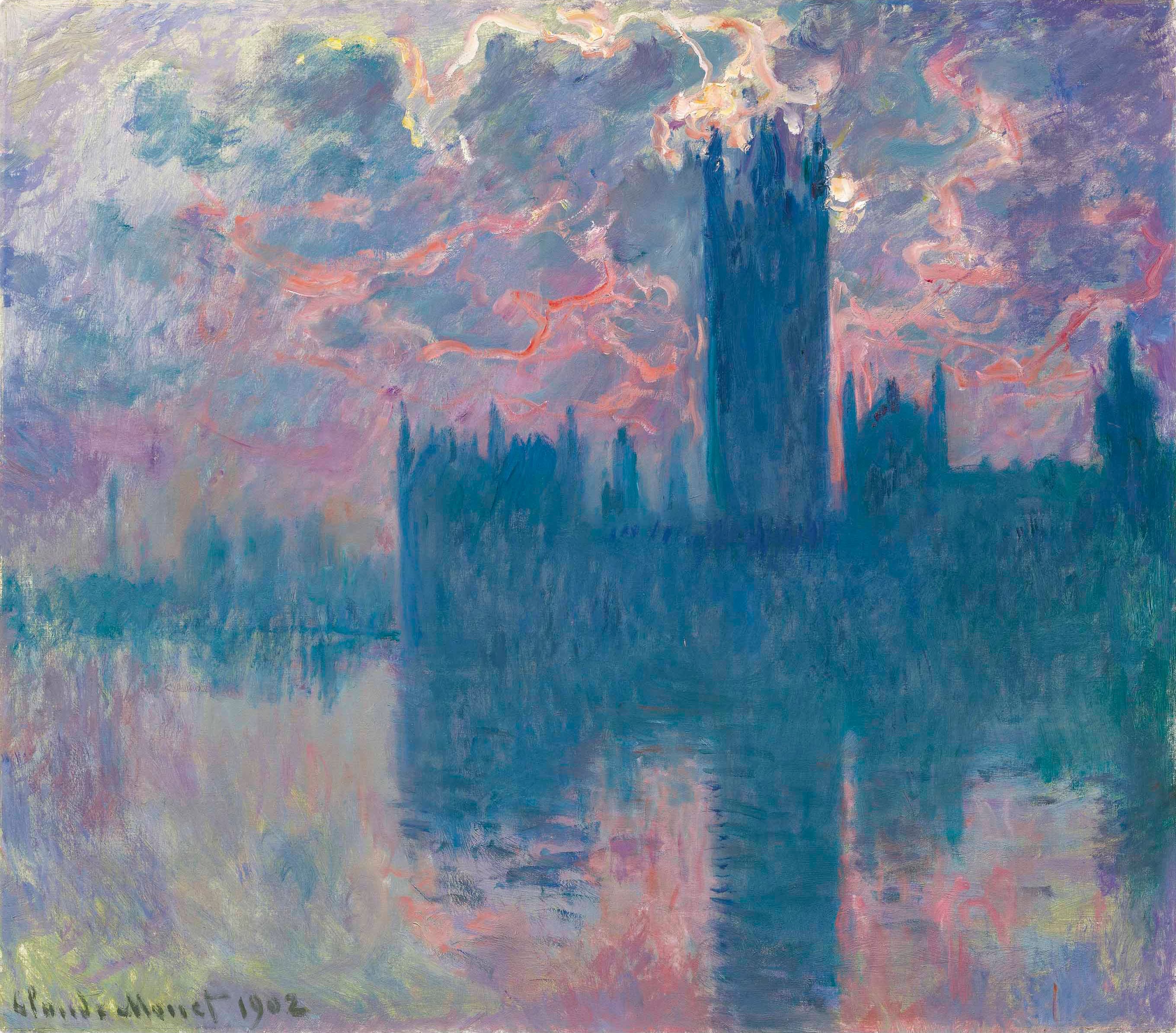
The Houses of Parliament, Seagulls (Le Parlement, les mouettes) is a painting by Claude Monet signed and dated "Claude Monet 1903" at lower right. It shows the Palace of Westminster as a lavender shadow in a pink fog, while seagulls wheel over the Thames in front of it. The canvas, 81 by 92 centimeters, is in the Princeton University Art Museum (accession y1979-54), a bequest of Aileen Osborn Vanderbilt Webb in 1979. Wildenstein lists it as number 1612. The museum calls it one of the most daring of Monet's nineteen paintings of the Houses of Parliament.
What you're looking at
Fog fills the canvas. The palace stands right of center, its great tower a narrow lilac shape that dissolves toward the top, its lower buildings a soft band of violet. To the left there is almost nothing: just pink and mauve air, with the faint outline of a boat or barge on the water.
The gulls give the picture its life and its title. About thirty birds are scattered across the canvas, some high in the sky around the tower, more low over the water. Each is a quick mark: a white or gray V, a flick of dark wing, sometimes a tiny body glinting in light. They are the only crisp shapes in the picture.
The river at the bottom is painted in horizontal strokes of gray-green, pink and white, the only part with any texture of movement. The sky above is pink, rose and lilac, laid on thinly in long, loose strokes, with the canvas weave showing through.
Seagulls in the fog: what makes this version distinct
The museum notes that the birds animate the scene while drawing attention to the picture plane. That is the daring move: the gulls float on the surface, in front of everything, and keep reminding us we are looking at paint, while the building melts away behind them. In most Parliament canvases the palace is the strongest shape; here the gulls are.
There is one close relative. The Pushkin Museum in Moscow holds Seagulls, the River Thames and the Houses of Parliament of 1904, an even paler, almost white version with gulls low over the water. The two make a pair within the series. They contrast sharply with the dark silhouettes of the sunset pictures, such as the Barberini's Houses of Parliament, Sunset.
How it was painted
Monet made three trips to London between 1899 and 1901 to paint the Thames, working on the Parliament views from St Thomas' Hospital in the late afternoon. He reworked the canvases at Giverny and in 1904 showed thirty-seven London pictures at Durand-Ruel's Paris gallery. This one, dated 1903, belongs to that final phase. The fog is built from thin, transparent layers of pink over lilac and gray, and the birds are added on top in a few quick strokes each.
Ownership
Durand-Ruel bought the painting from Monet in October 1905 and sold it in January 1906 to Henry Osborne and Louisine Havemeyer of New York, among the greatest American collectors of the period. Louisine consigned it back to the dealer in 1908, and it was sold to William Church Osborn. It passed to his daughter Aileen Osborn Vanderbilt Webb, who bequeathed it to Princeton in 1979.
Details to look for
Not all the gulls are the same. Some are white against the fog, some gray, and a few near the tower are dark, as if seen against the light. Monet varies their size so that they seem to fly at different distances. Look at the water at the bottom edge, where a few horizontal strokes of gray and olive give the only sense of the river's movement.
Where to see it
The painting belongs to the Princeton University Art Museum in Princeton, New Jersey. See our Houses of Parliament series hub, Monet in London, Where to See Monet and Claude Monet.
Questions & answers
Where is Monet's The Houses of Parliament, Seagulls?
It is in the Princeton University Art Museum in New Jersey, accession number y1979-54, bequeathed by Aileen Osborn Vanderbilt Webb in 1979. Its earlier owners included the New York collectors Henry Osborne and Louisine Havemeyer.
When was it painted?
Monet signed and dated it 1903. He had painted the Thames on three trips to London between 1899 and 1901 and finished the canvases at Giverny, showing thirty-seven London pictures in Paris in 1904.
Why are there seagulls in Monet's painting?
Gulls were a constant sight on the Thames. In this canvas they are the only crisp shapes, floating in front of the foggy palace. They bring movement to the scene and keep the viewer aware of the painted surface.
Did Monet paint more than one Parliament with seagulls?
Yes. A paler 1904 version, Seagulls, the River Thames and the Houses of Parliament, is in the Pushkin Museum in Moscow. Together the two form a small subgroup within the nineteen Parliament canvases.
More by the artist
Claude Monet
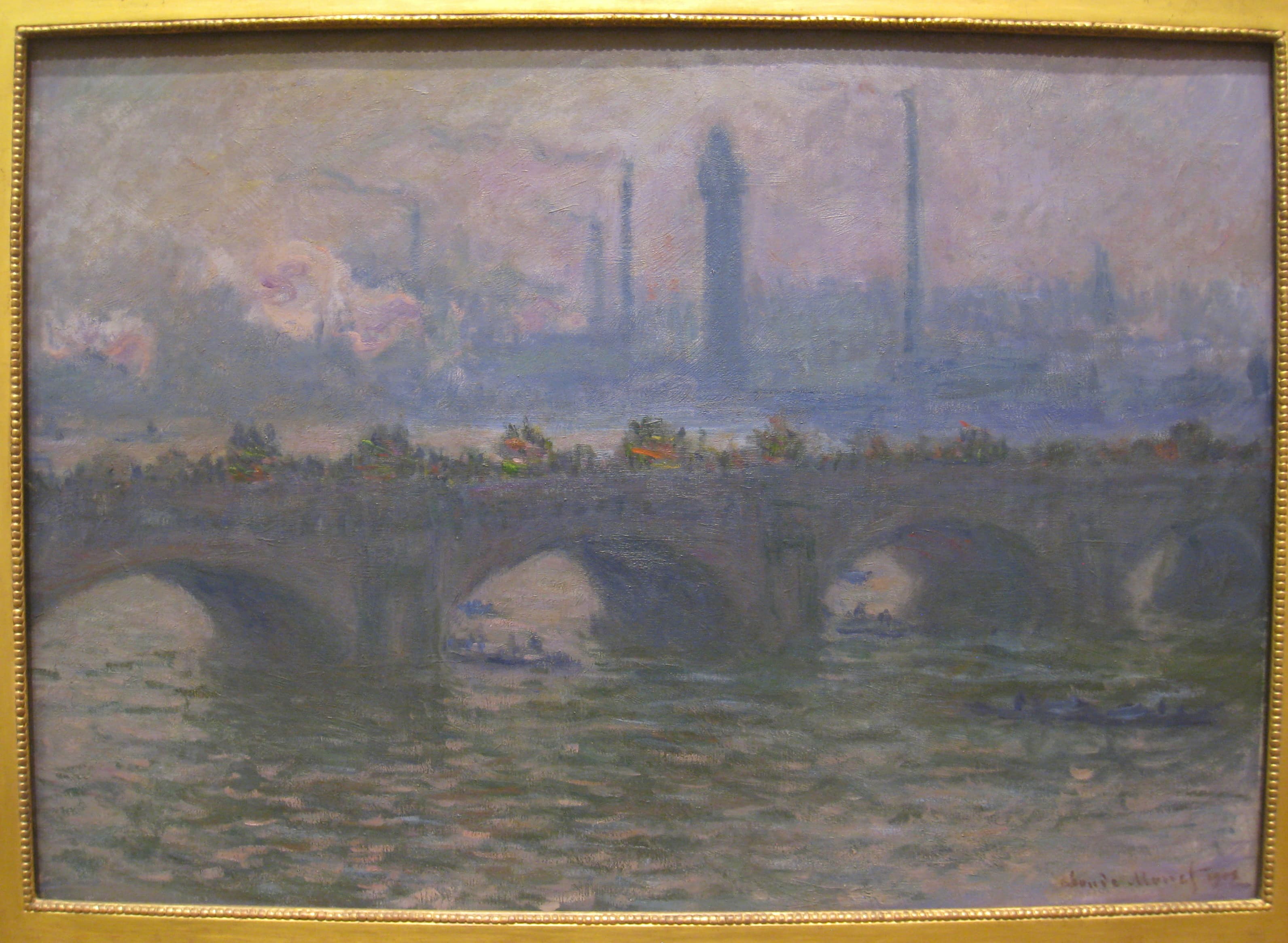
Waterloo Bridge (Worcester Art Museum)
Claude Monet · 1903
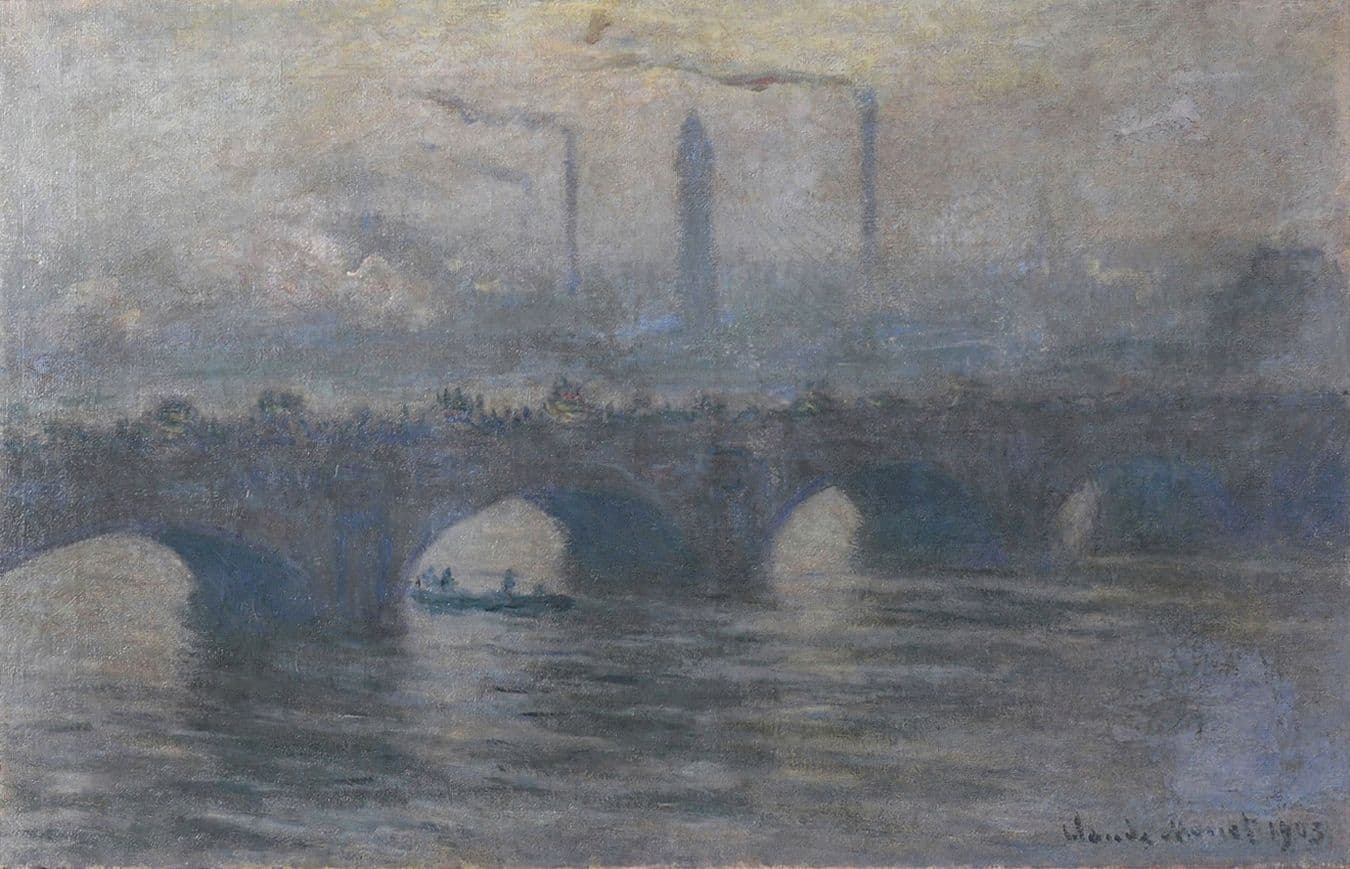
Waterloo Bridge, Gray Weather (Gurlitt Bequest)
Claude Monet · 1903
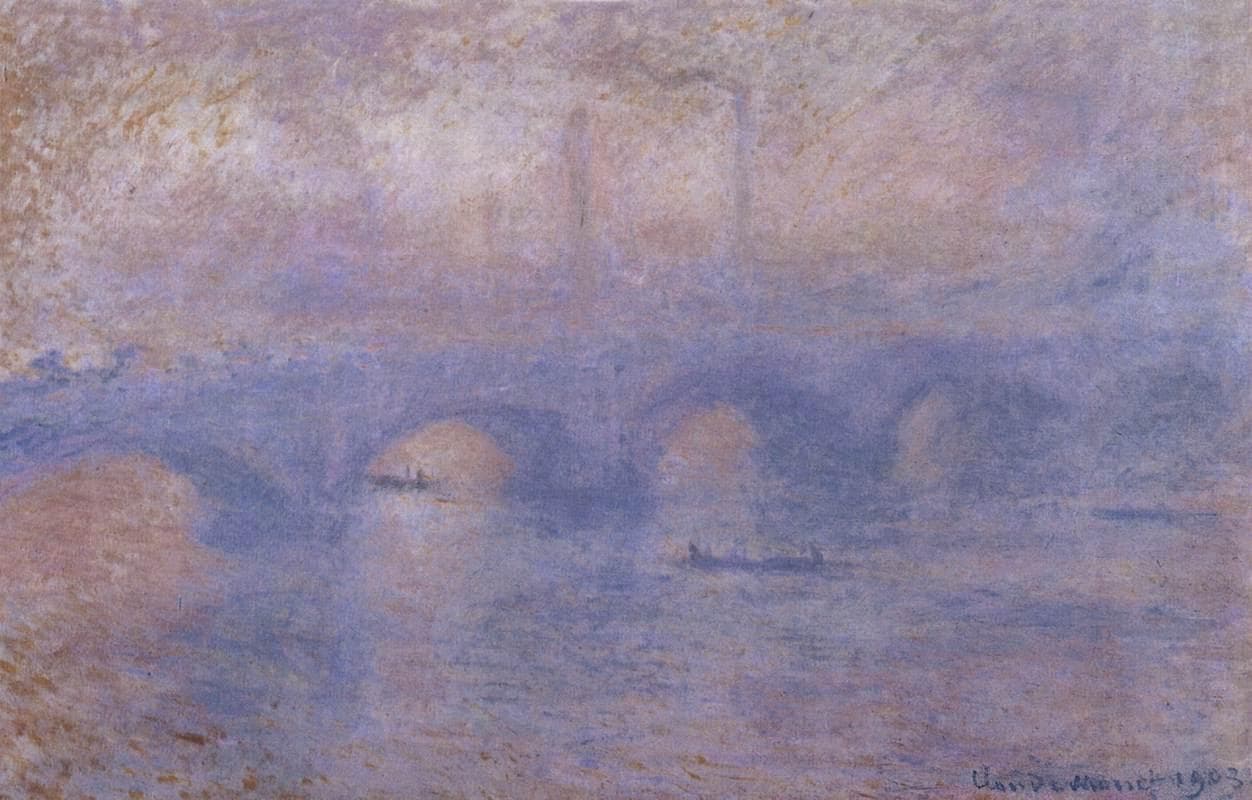
Waterloo Bridge, Effect of Fog
Claude Monet · 1903
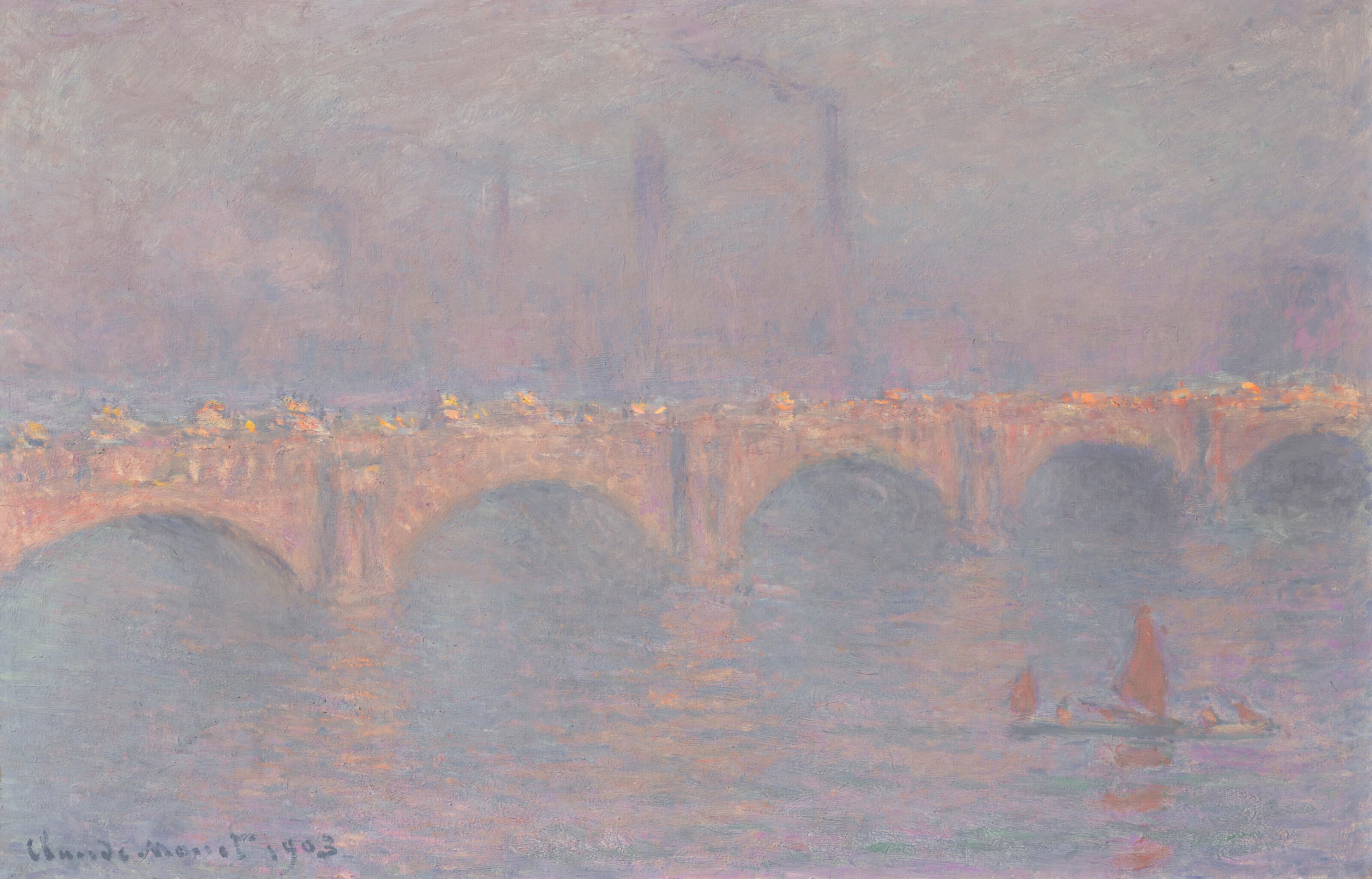
Waterloo Bridge, Hazy Sun
Claude Monet · 1903
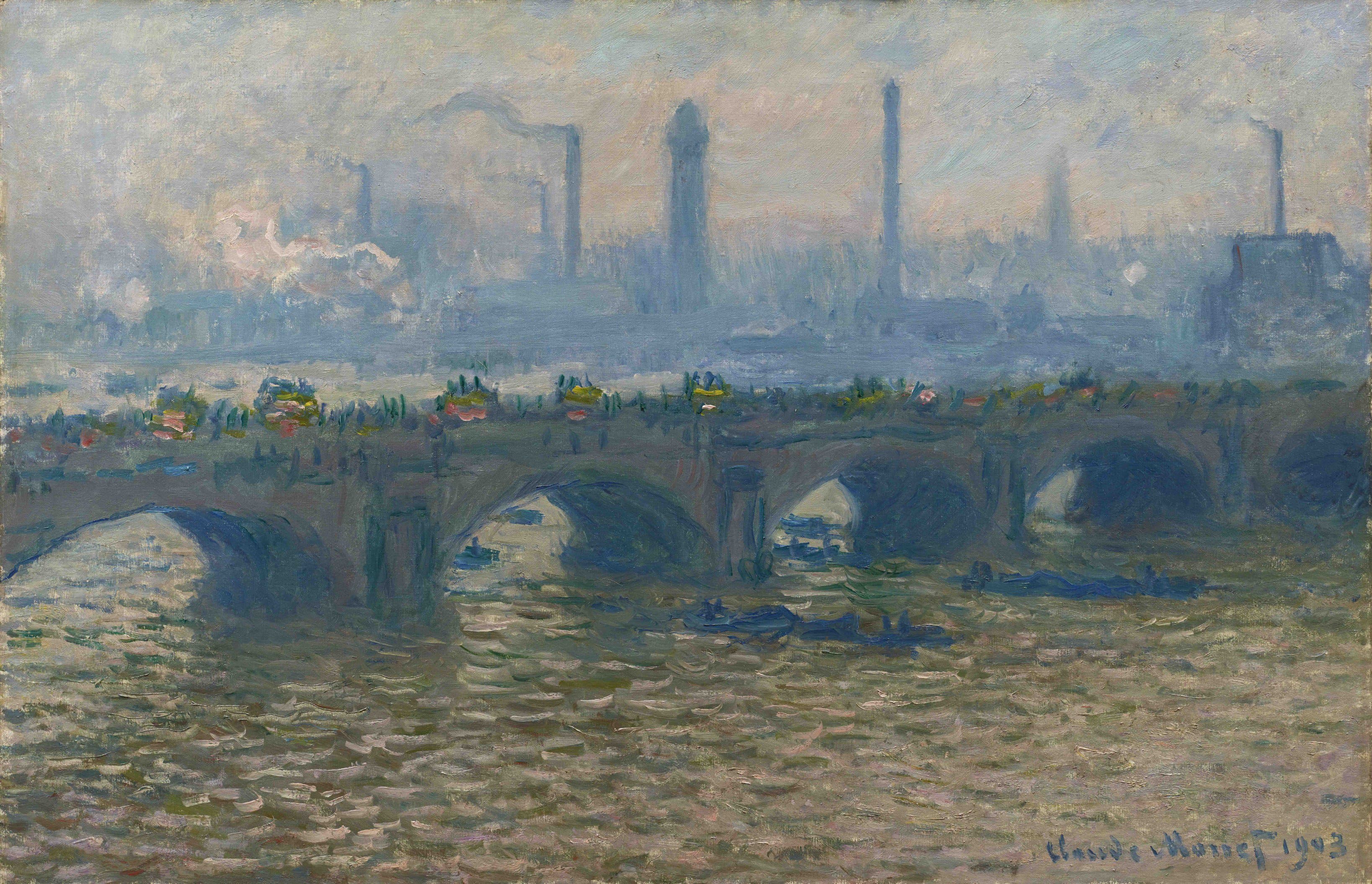
Waterloo Bridge, Gray Day (Ordrupgaard)
Claude Monet · 1903
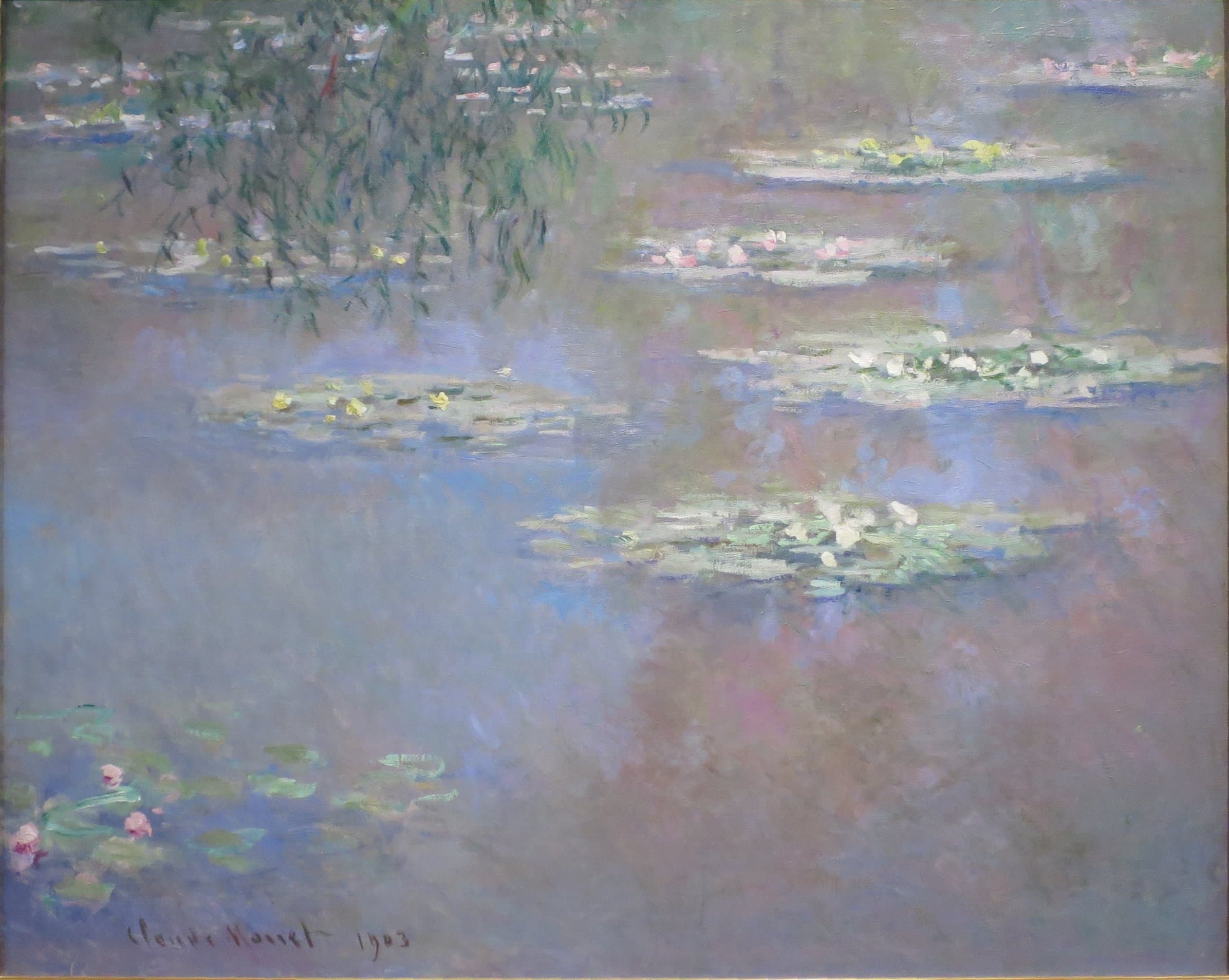
Waterlilies (1903, Dayton Art Institute)
Claude Monet · 1903
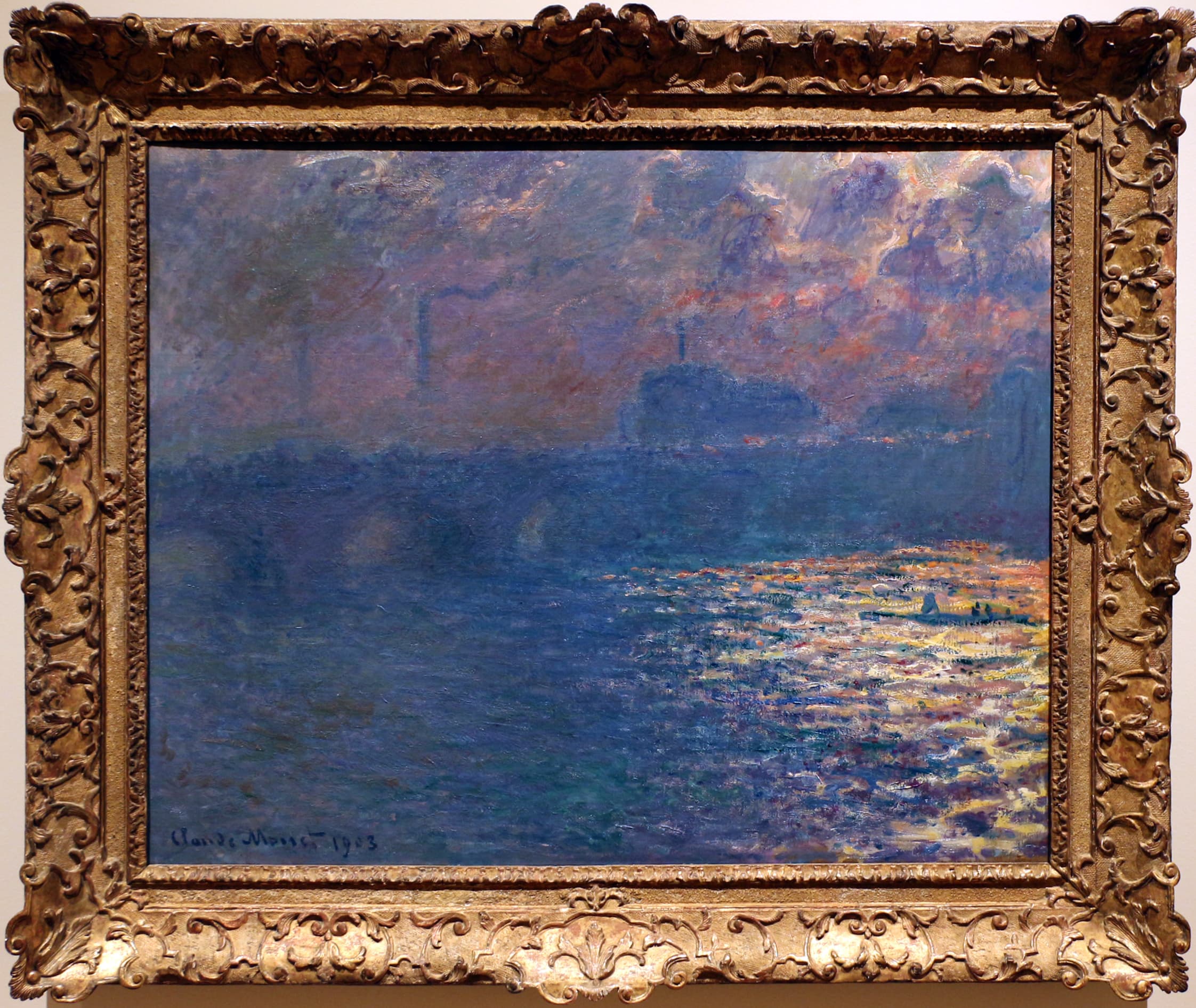
Waterloo Bridge, Sunlight Effect
Claude Monet · c. 1900 (dated 1903)
Waterloo Bridge, London
Claude Monet · 1903
Also painted in 1903
The same year
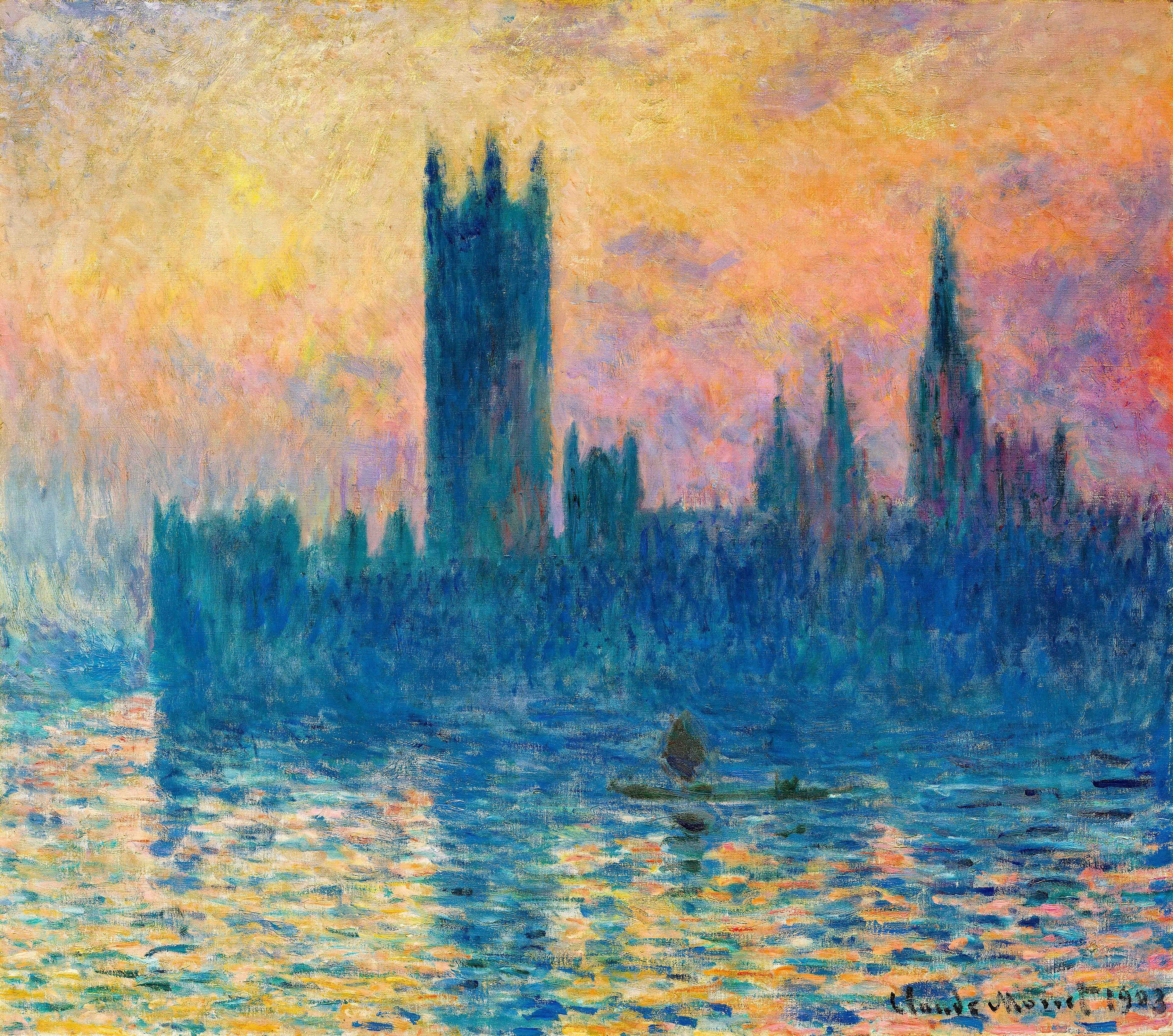
The Houses of Parliament, Sunset
Claude Monet · 1903
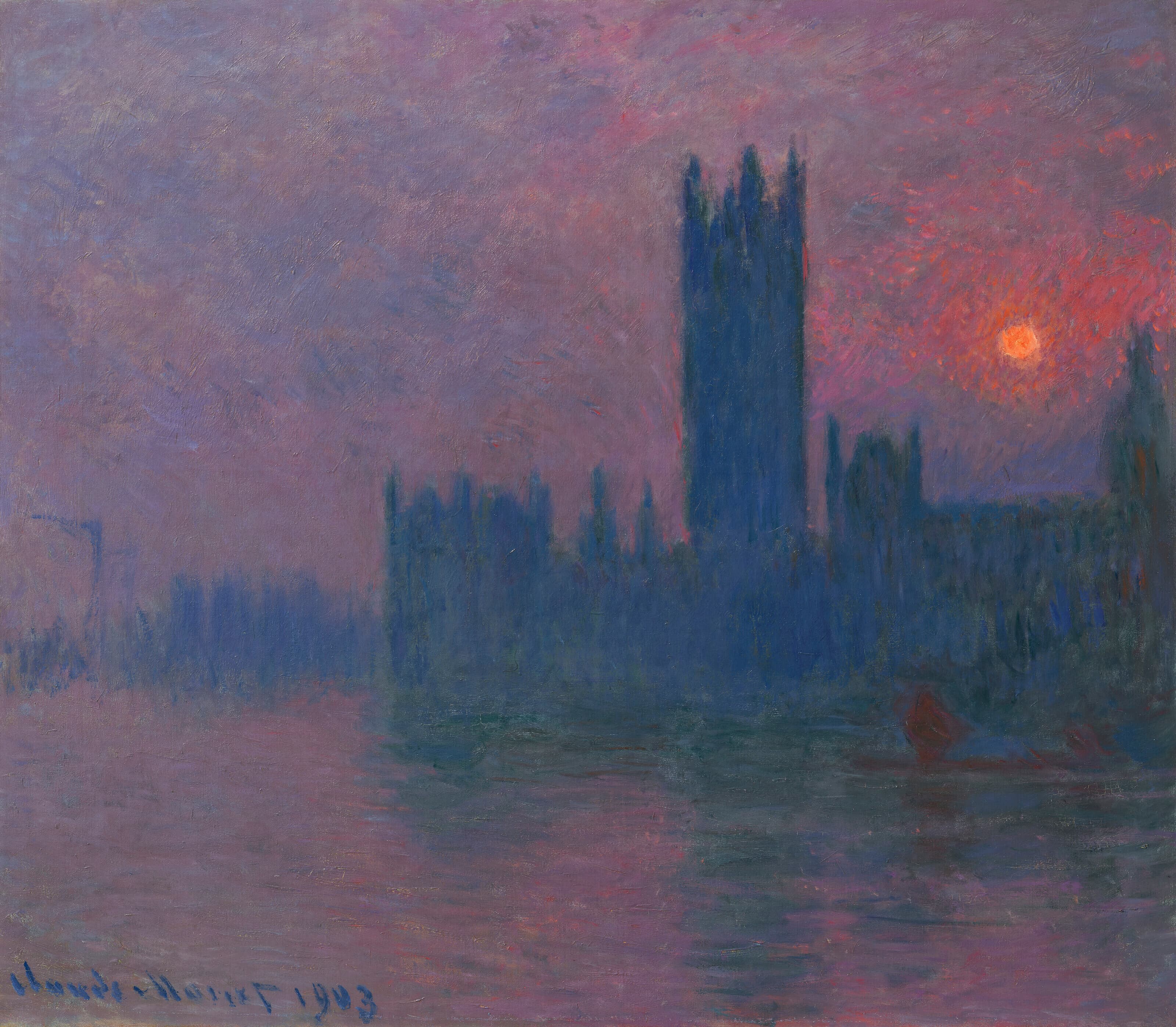
Houses of Parliament, Sunset
Claude Monet · 1903
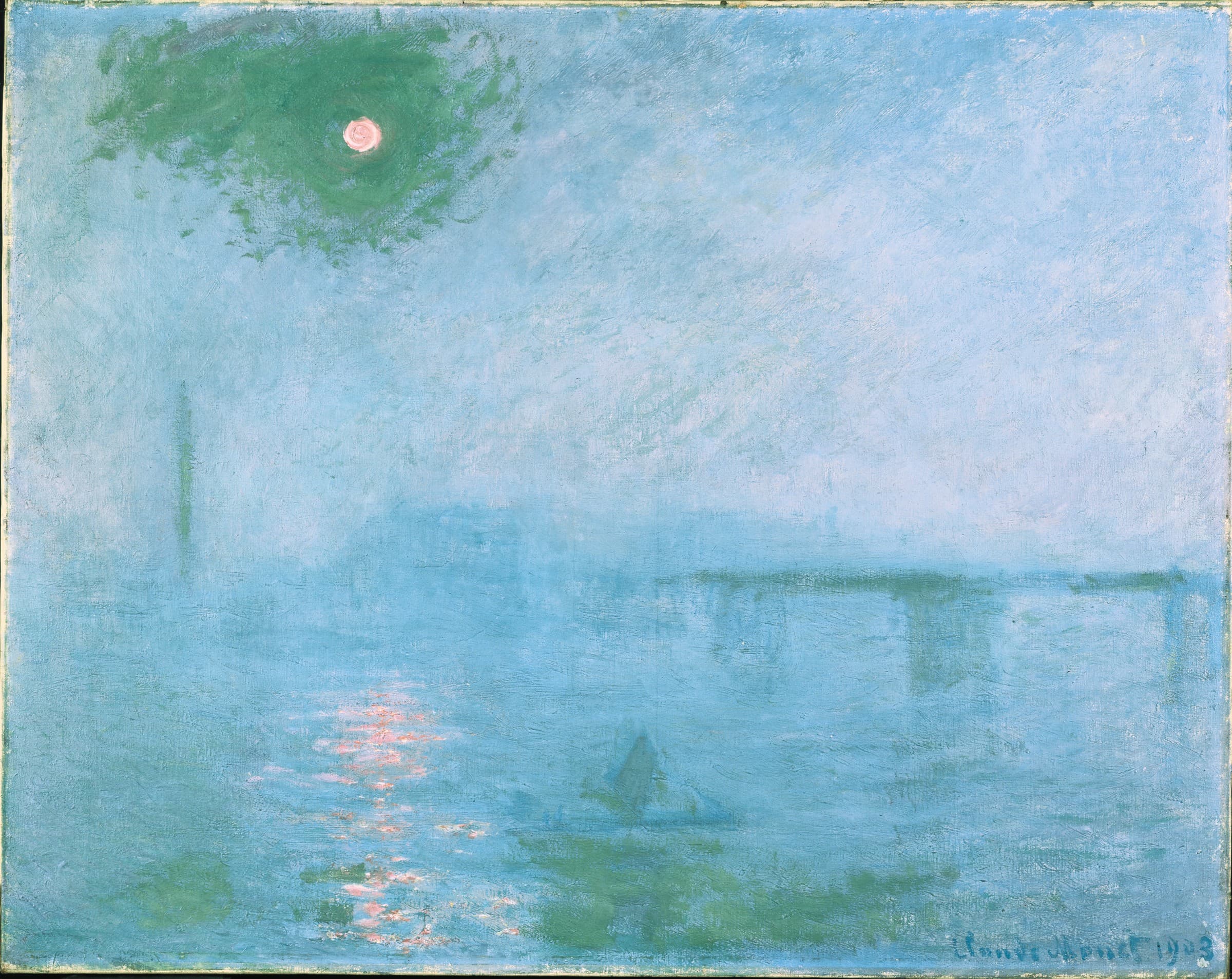
Charing Cross Bridge: Fog on the Thames
Claude Monet · 1903
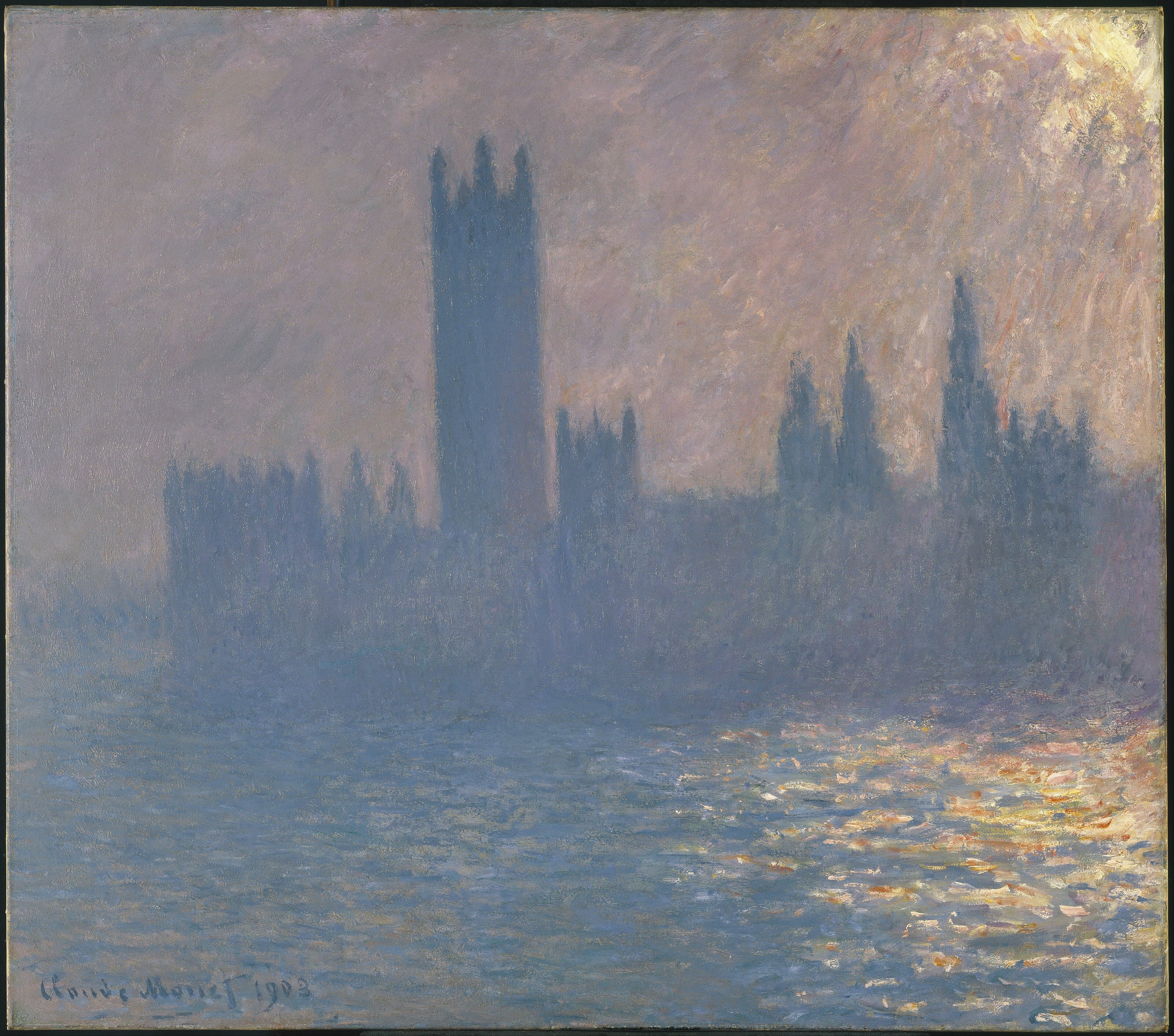
Houses of Parliament, Sunlight Effect
Claude Monet · 1903
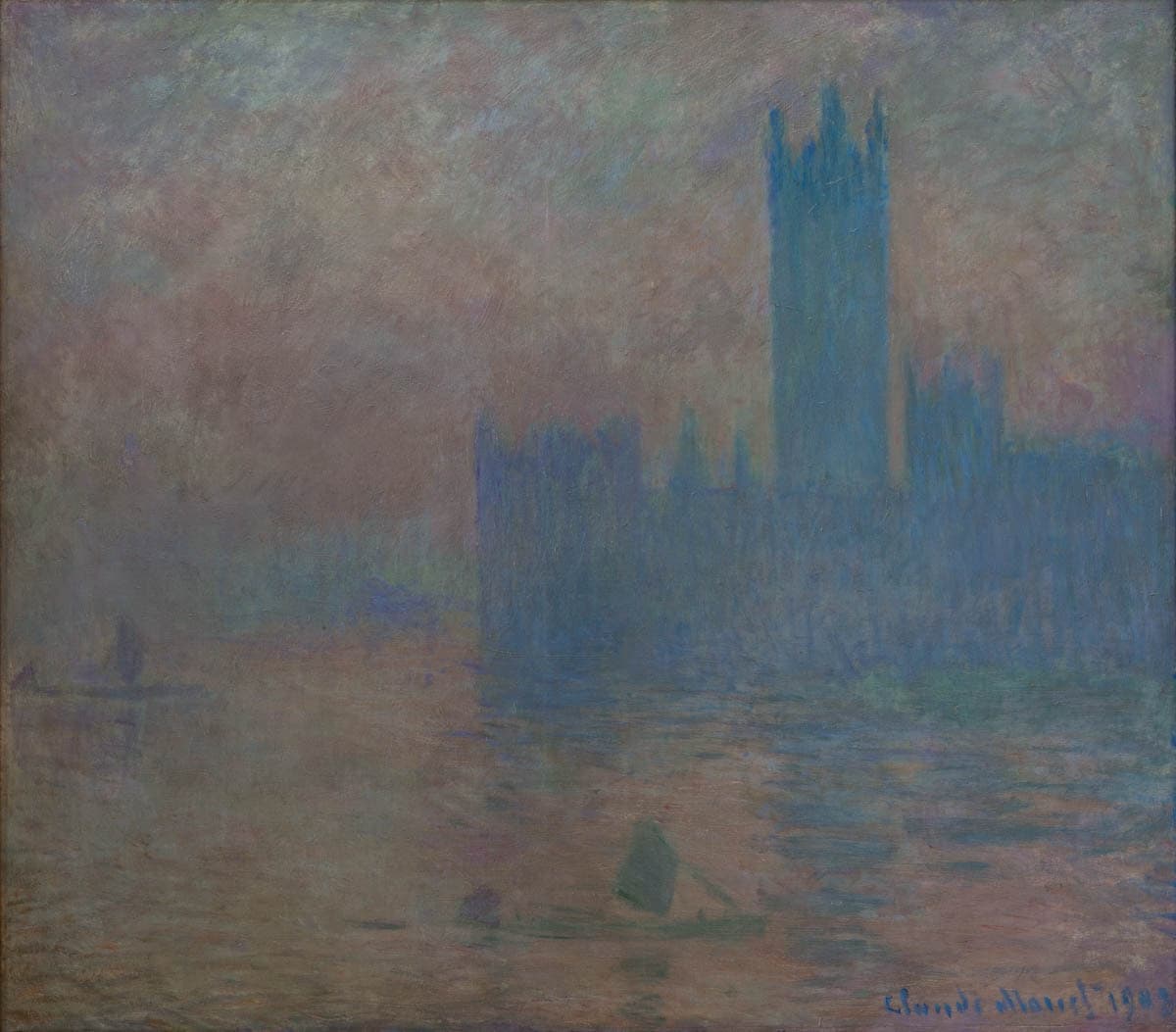
Le Parlement de Londres, effet de brouillard
Claude Monet · 1903
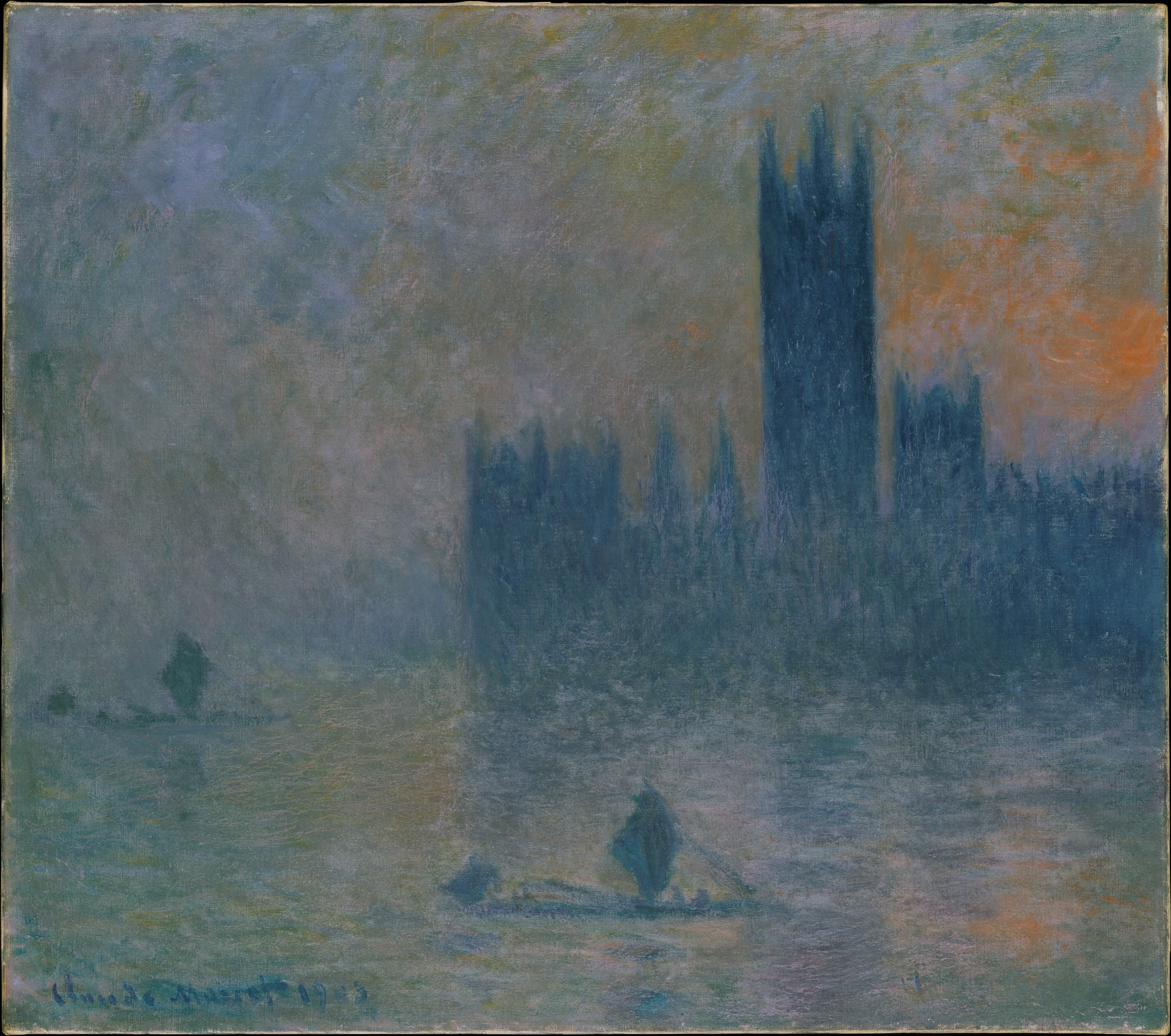
The Houses of Parliament (Effect of Fog)
Claude Monet · 1903–04
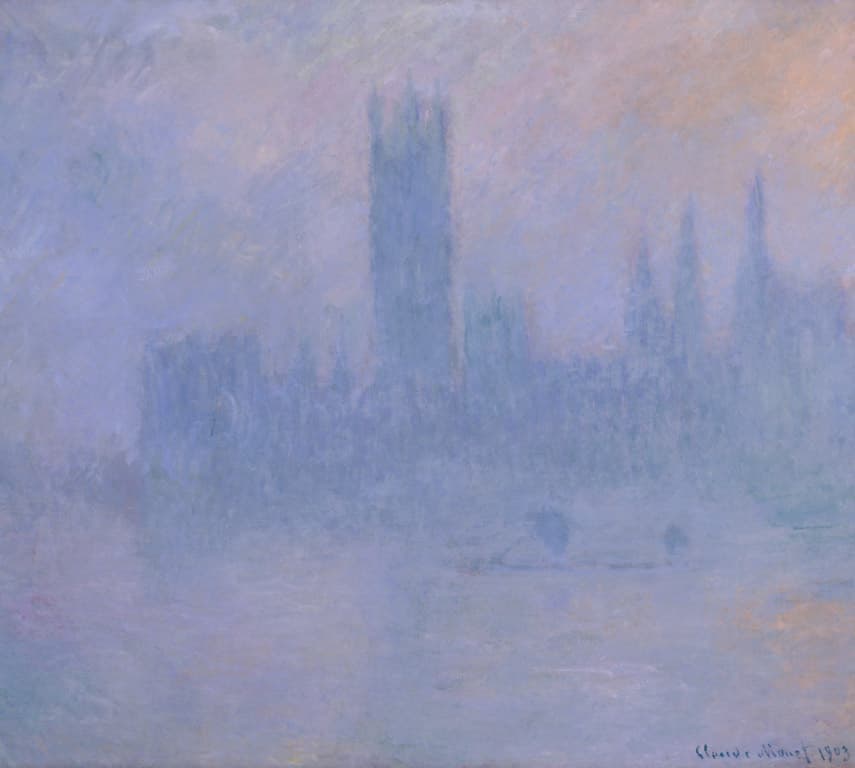
Houses of Parliament, Symphony in Blue
Claude Monet · 1903
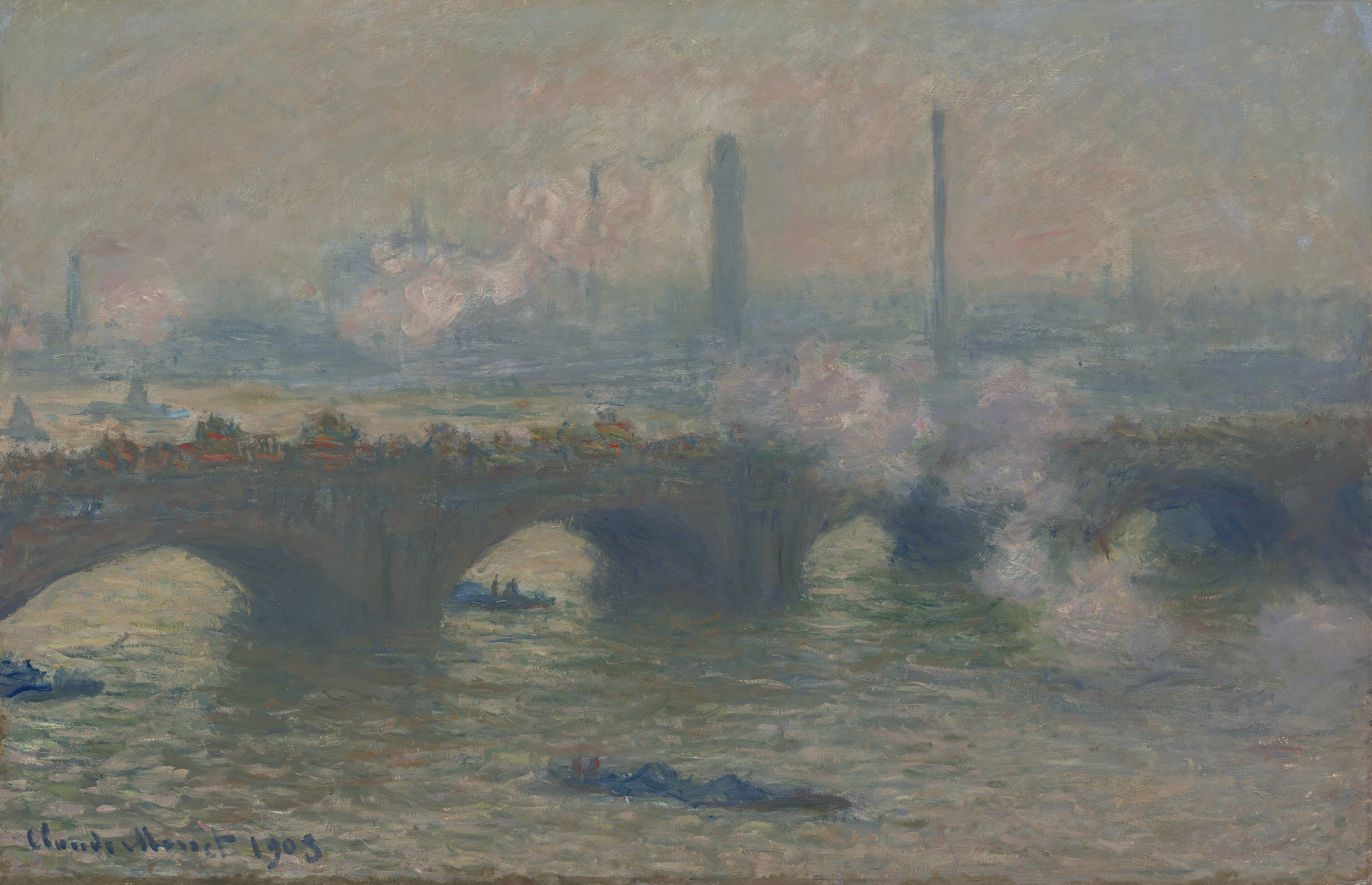
Waterloo Bridge, Gray Day
Claude Monet · 1903
Kindred works
You may also study
Seagulls, the River Thames and the Houses of Parliament
Claude Monet · 1904
Houses of Parliament, Sunset
Claude Monet · 1903
Houses of Parliament, Symphony in Blue
Claude Monet · 1903
Houses of Parliament, Effect of Fog
Claude Monet · 1904
The Houses of Parliament in London
Claude Monet · 1904
Houses of Parliament, Sunset
Claude Monet · 1904
Le Parlement, soleil couchant
Claude Monet · 1902–03
Houses of Parliament, Symphony in Rose
Claude Monet · 1900