Image: High Museum of Art, Atlanta · Public domain · via Wikimedia Commons
Houses of Parliament, Symphony in Blue
Claude Monet, 1903
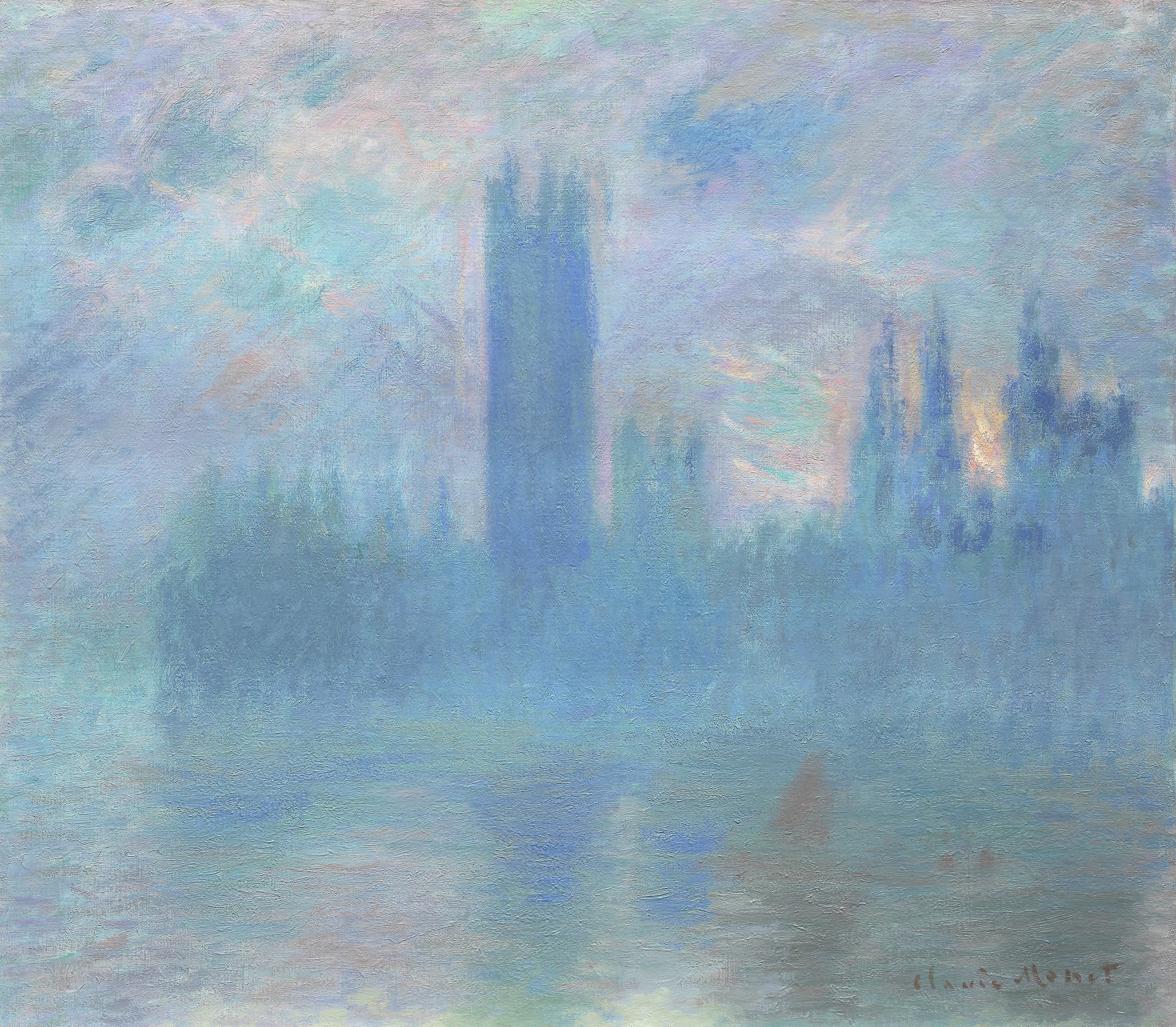
Houses of Parliament, Symphony in Blue (Le Parlement, symphonie en bleu), called Houses of Parliament in the Fog by its museum, is a 1903 painting by Claude Monet of Westminster dissolving in lavender fog. It is in the High Museum of Art, Atlanta.
- Artist
- Claude Monet
- Date
- 1903
- Medium
- Oil on canvas
- Dimensions
- 81.3 × 92.4 cm
- Collection
- High Museum of Art, Atlanta, United States
- Movement
- Impressionism
- Catalogue
- Wildenstein 1601
- The City
- Water & Sea
- Architecture & Ruins
Houses of Parliament, Symphony in Blue (Le Parlement, symphonie en bleu) is a painting by Claude Monet dated 1903, which the High Museum of Art in Atlanta catalogues as Houses of Parliament in the Fog. It shows the Palace of Westminster nearly dissolved in a lavender and blue fog over the Thames, with a few boats faint on the water. The canvas measures 81.3 by 92.4 centimeters and is in the High Museum (accession 60.5), bought in 1960 with the Great Painting Fund in honor of Sarah Belle Brodnax Hansell. Wildenstein lists it as number 1601.
What you're looking at
The palace runs across the upper middle of the canvas as a pale blue-violet shadow. Its great square tower stands left of center, the clearest shape in the picture; to the right, a row of slender spires rises into the fog, each one fading as it goes up. The long lower block of the building is barely distinguishable from the air.
Everything is blue, lilac and lavender. The sky is a soft haze with faint warmth at upper right, where a hint of pink and peach suggests the hidden sun. The water at the bottom is the same lavender, lightly streaked. At center right, two or three small boats float as darker blue shapes, the only crisp marks on the river. The signature and date are at lower right.
Symphony in blue: what makes this version distinct
The museum describes the picture as having little spatial depth and loose brushwork, and says it verges on abstraction. That is the point of its title. Like the Pola Museum's Houses of Parliament, Symphony in Rose, the name borrows from the musical titles of James McNeill Whistler, who treated paintings of the Thames as arrangements of a single color. Here the key is blue, and Monet holds to it more strictly than in almost any other Parliament canvas.
Compared with the green and orange fog of the Met's The Houses of Parliament (Effect of Fog) or the warm rose-brown of Le Havre's Le Parlement de Londres, effet de brouillard, the High canvas is cool and weightless. It is closest to Houses of Parliament, Effect of Fog in St. Petersburg, Florida, which pushes the same pale fog almost to white.
How it was painted
The museum notes that Monet worked from a balcony of St Thomas' Hospital, across the Thames from Parliament. He painted there in the late afternoons of 1900 and 1901, keeping many canvases in progress, and reworked them at Giverny in 1903–04 before Durand-Ruel showed thirty-seven London pictures in Paris in 1904. Here the paint is laid in thin, overlapping veils of blue and lilac, so that the forms appear and disappear depending on how close you stand.
Atlanta and Monet in London
The High Museum bought the painting in 1960, and it has been a centerpiece of its European collection since. In 1988–89 the museum organized the exhibition Monet in London, which brought together many of the Thames pictures, including the Art Institute of Chicago's Houses of Parliament, London, and helped renew interest in the series.
Where to see it
The painting is in the High Museum of Art in Atlanta, in its European art galleries when on view. See our Houses of Parliament series hub, Monet in London, Where to See Monet and Claude Monet.
Questions & answers
Where is Monet's Houses of Parliament, Symphony in Blue?
It is in the High Museum of Art in Atlanta, which catalogues it as Houses of Parliament in the Fog, accession number 60.5. The museum bought it in 1960 with the Great Painting Fund in honor of Sarah Belle Brodnax Hansell.
When was it painted?
Monet dated it 1903. He painted the Parliament views from a balcony of St Thomas' Hospital in London in 1900 and 1901, then reworked them at Giverny before his 1904 exhibition in Paris.
What does the painting show?
The Houses of Parliament dissolving in lavender and blue fog over the Thames, with the great tower and a row of spires just visible and a few small boats faint on the water. A hint of pink at upper right suggests the hidden sun.
Why is it called a symphony?
The musical title, like Symphony in Rose for another version, echoes James McNeill Whistler, who named his Thames paintings after musical forms. It signals that the picture is an arrangement of one color, here blue.
More by the artist
Claude Monet
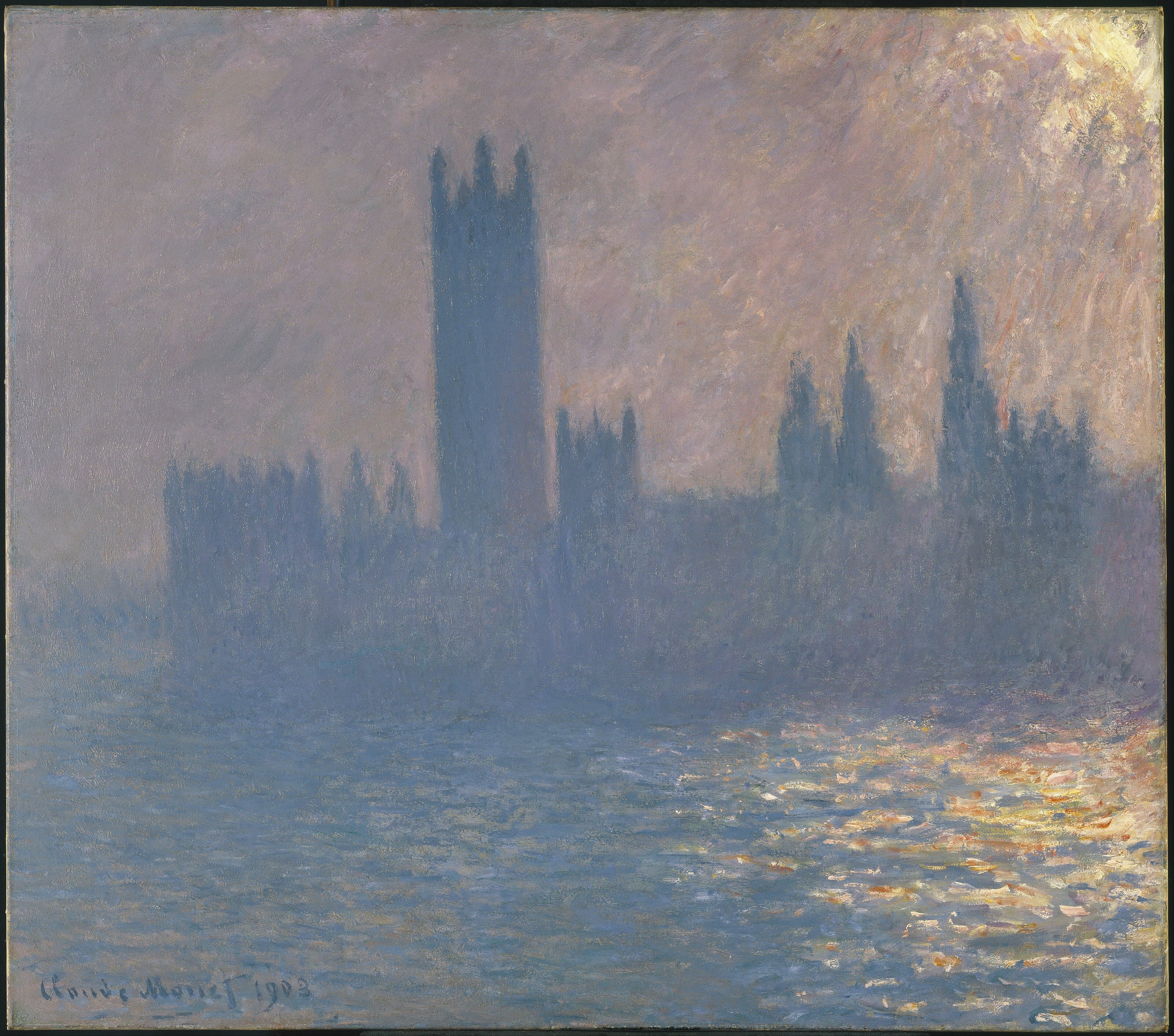
Houses of Parliament, Sunlight Effect
Claude Monet · 1903
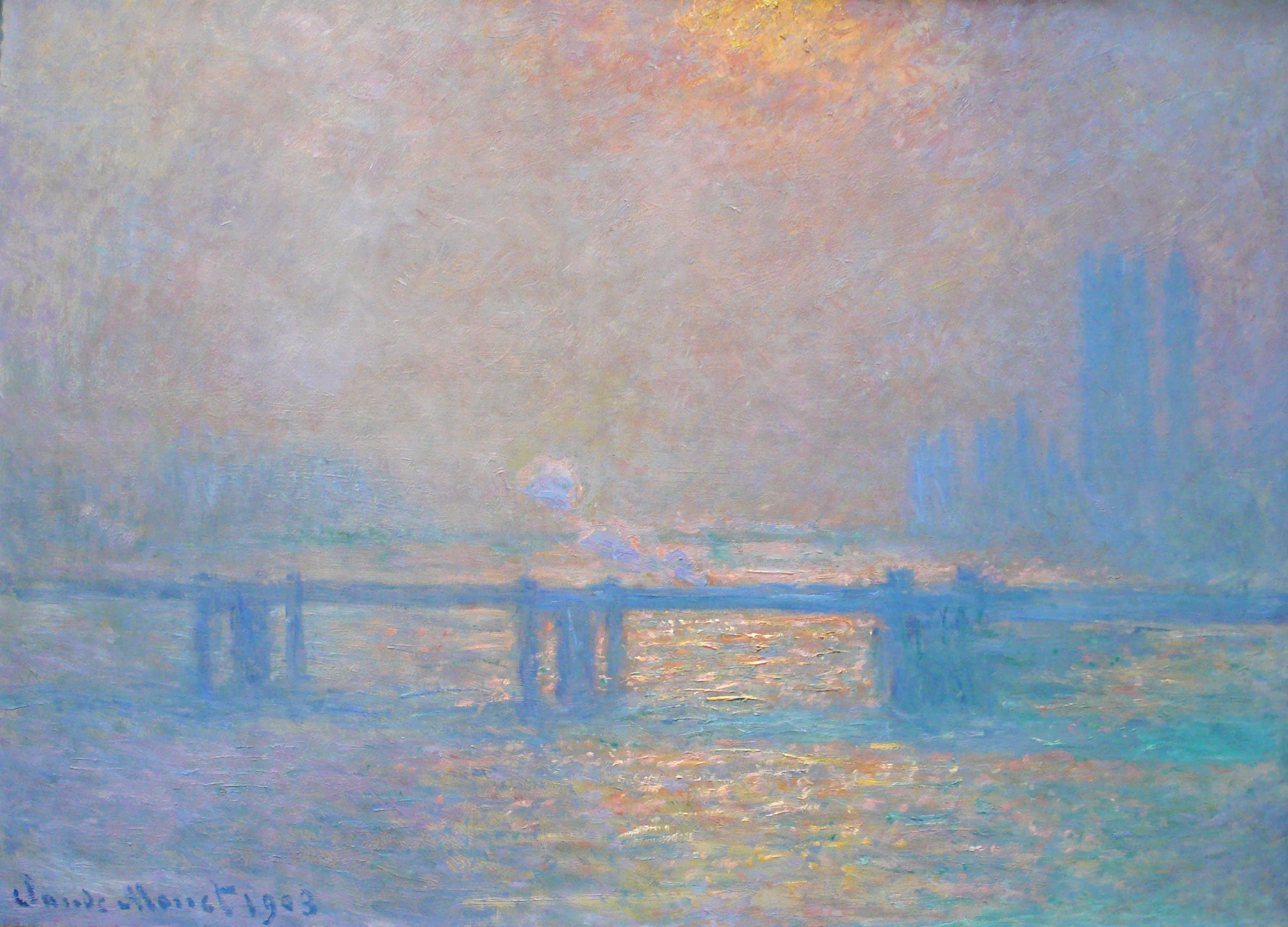
Charing Cross Bridge, The Thames
Claude Monet · 1903
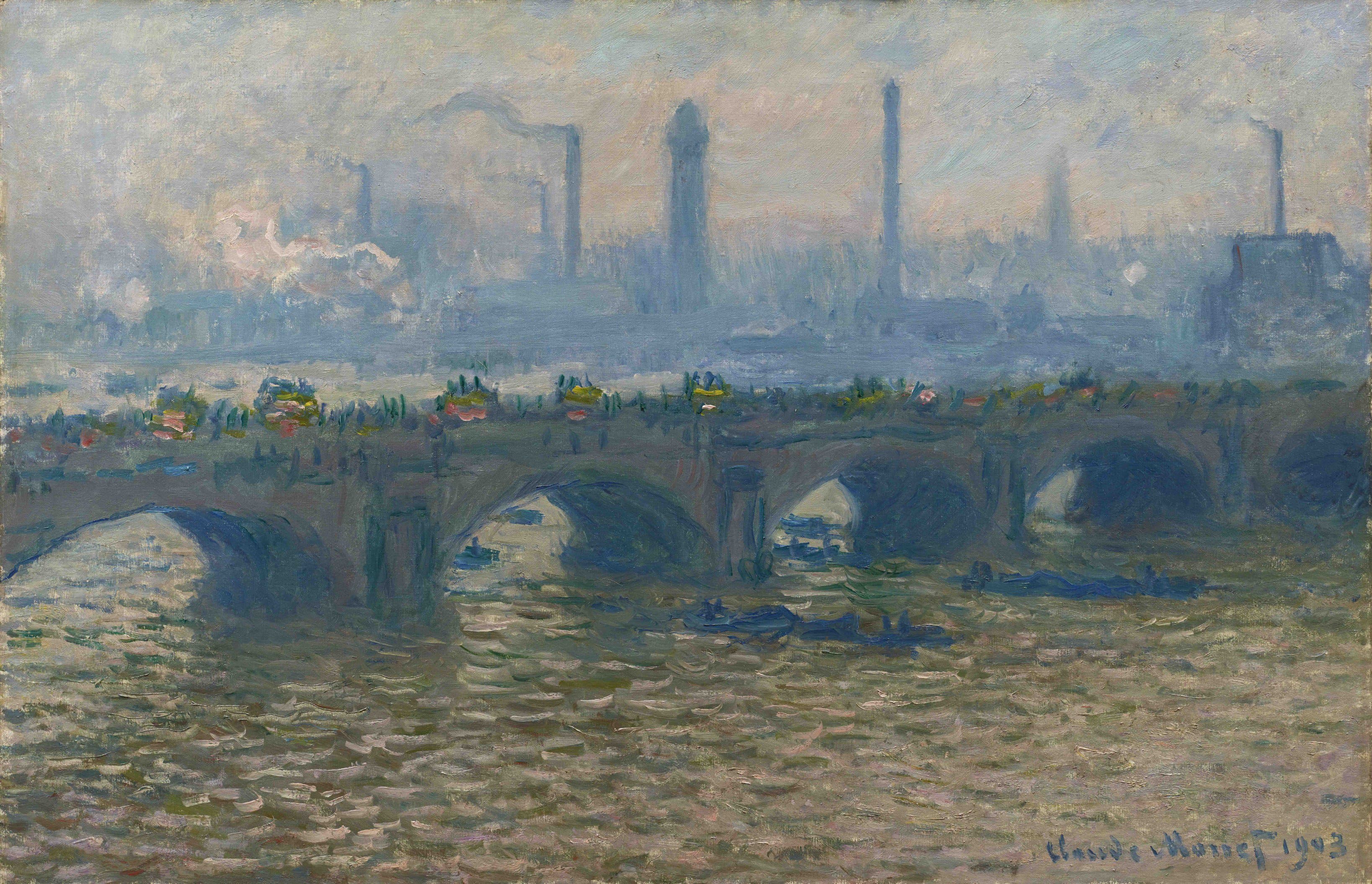
Waterloo Bridge, Gray Day (Ordrupgaard)
Claude Monet · 1903
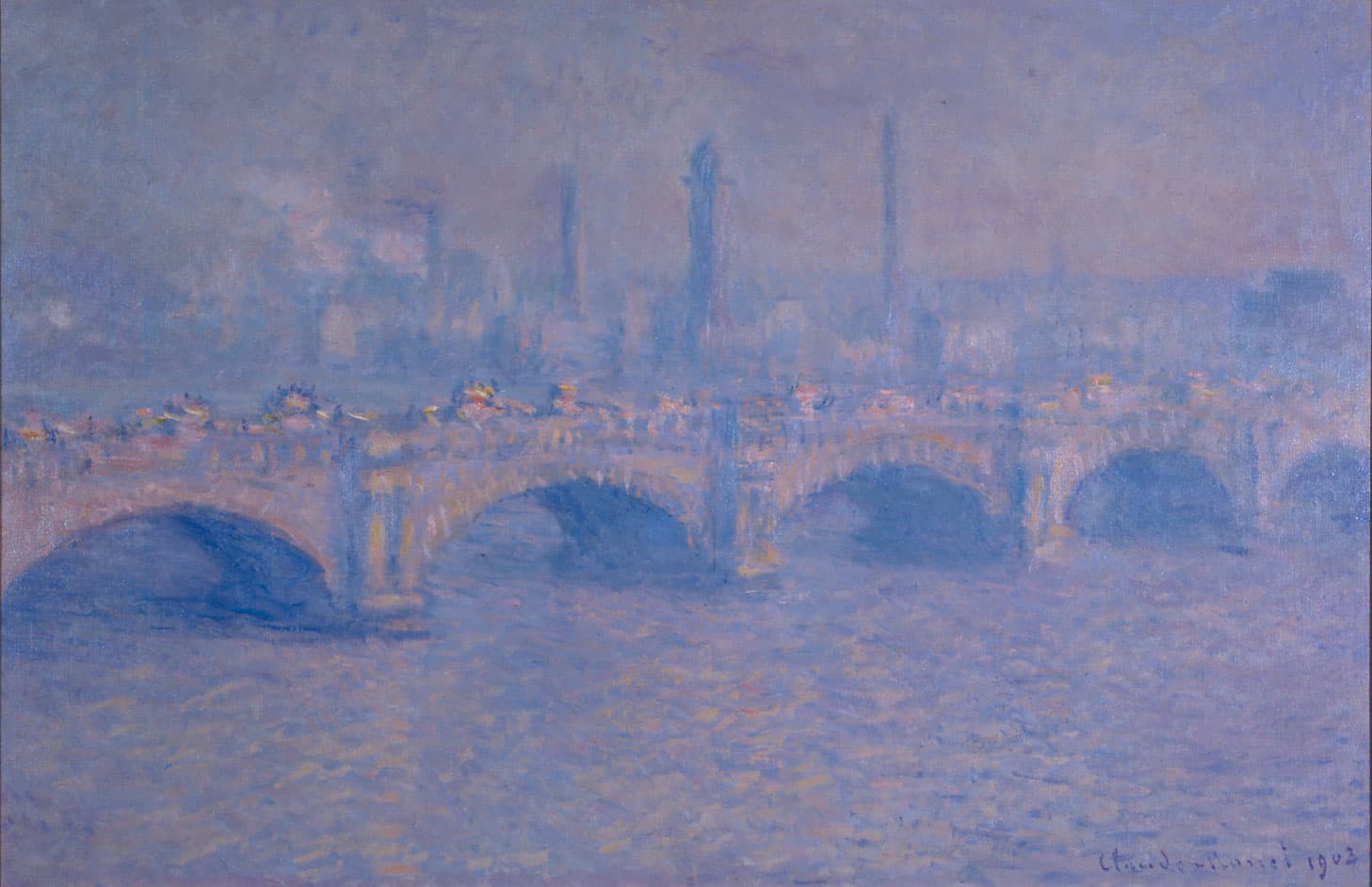
Waterloo Bridge, Sunlight Effect
Claude Monet · 1903
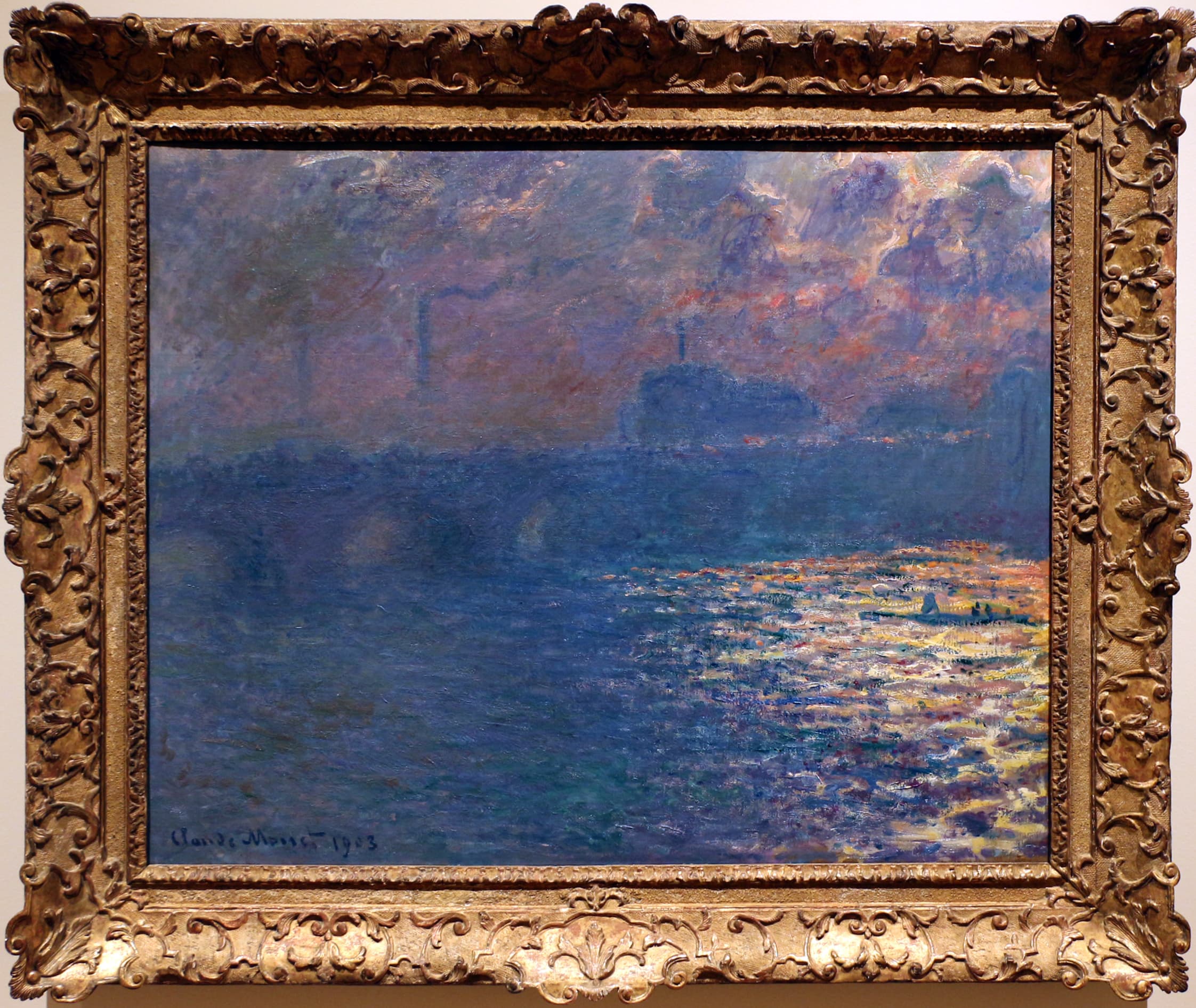
Waterloo Bridge, Sunlight Effect
Claude Monet · c. 1900 (dated 1903)
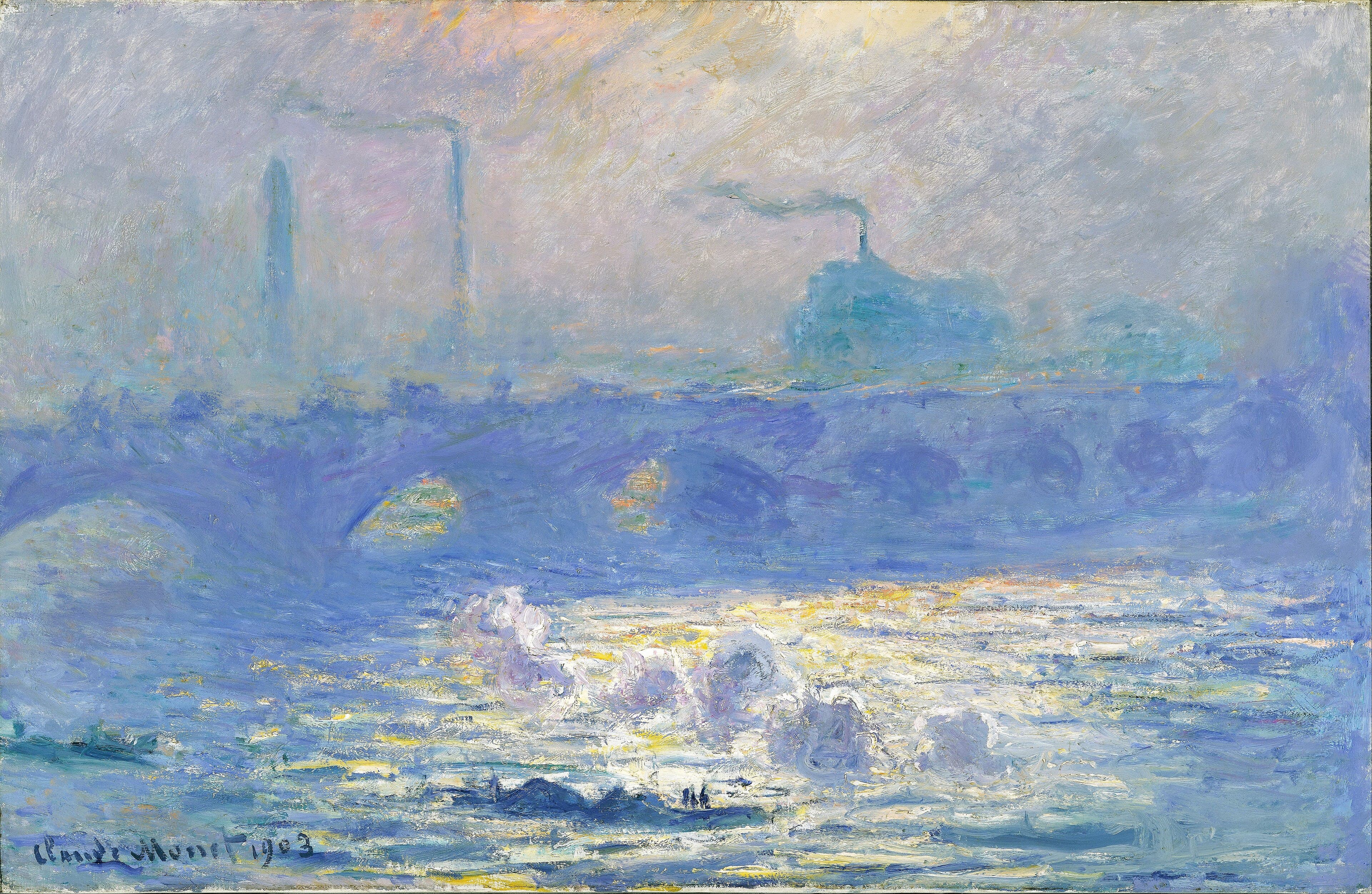
Waterloo Bridge, Sunlight Effect (Denver Art Museum)
Claude Monet · 1903
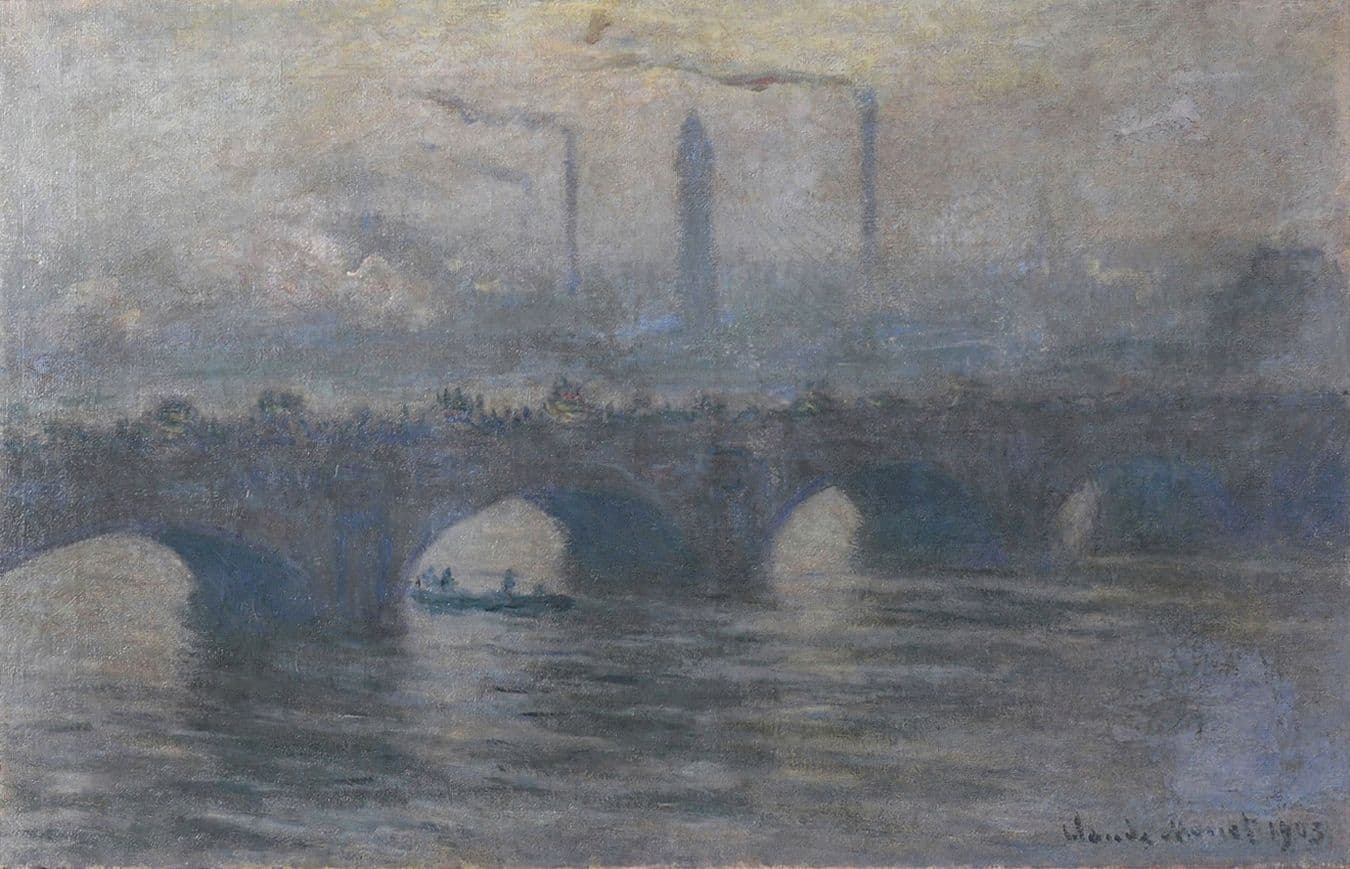
Waterloo Bridge, Gray Weather (Gurlitt Bequest)
Claude Monet · 1903
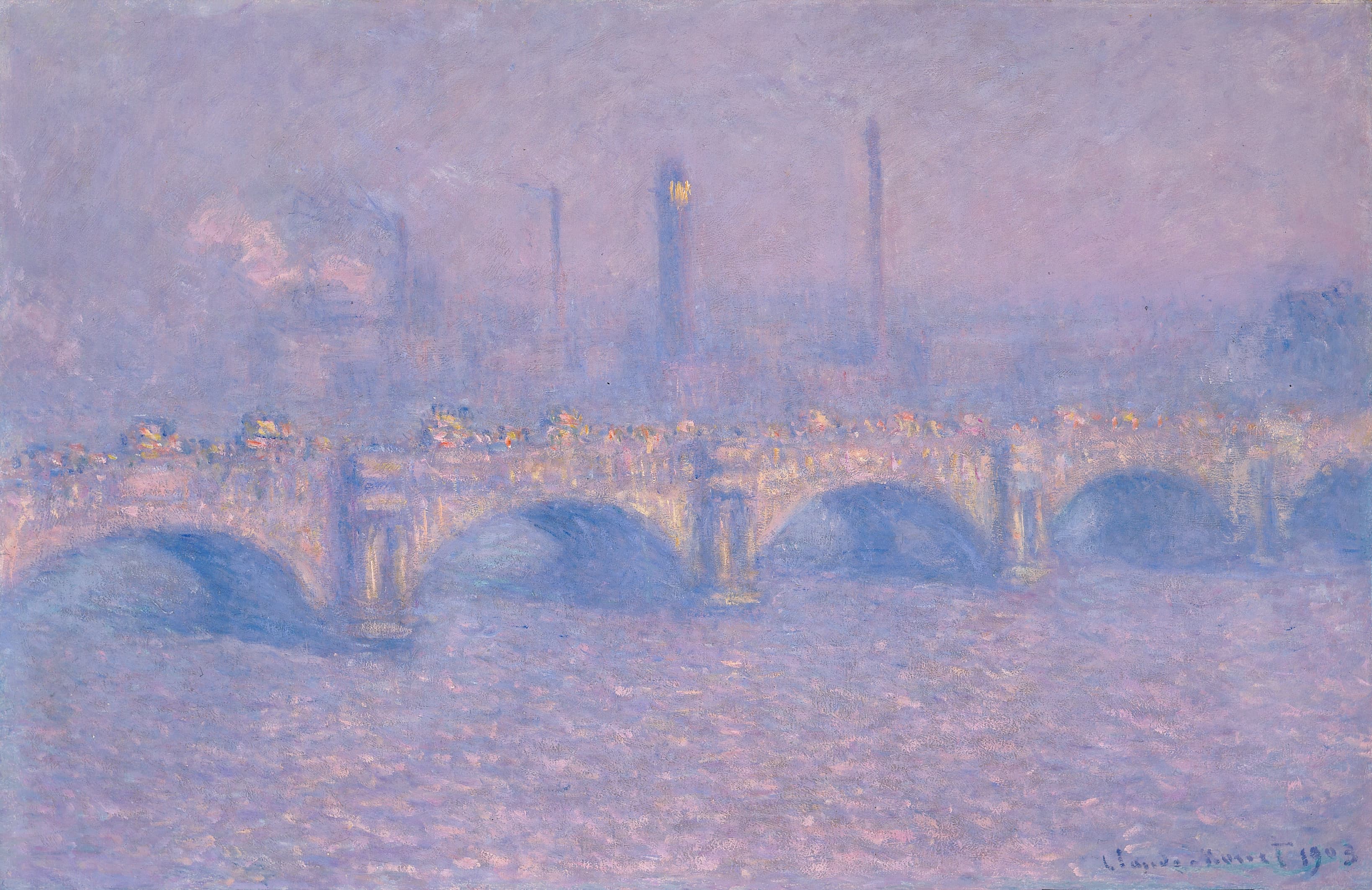
Waterloo Bridge, Veiled Sun
Claude Monet · 1903
Also painted in 1903
The same year
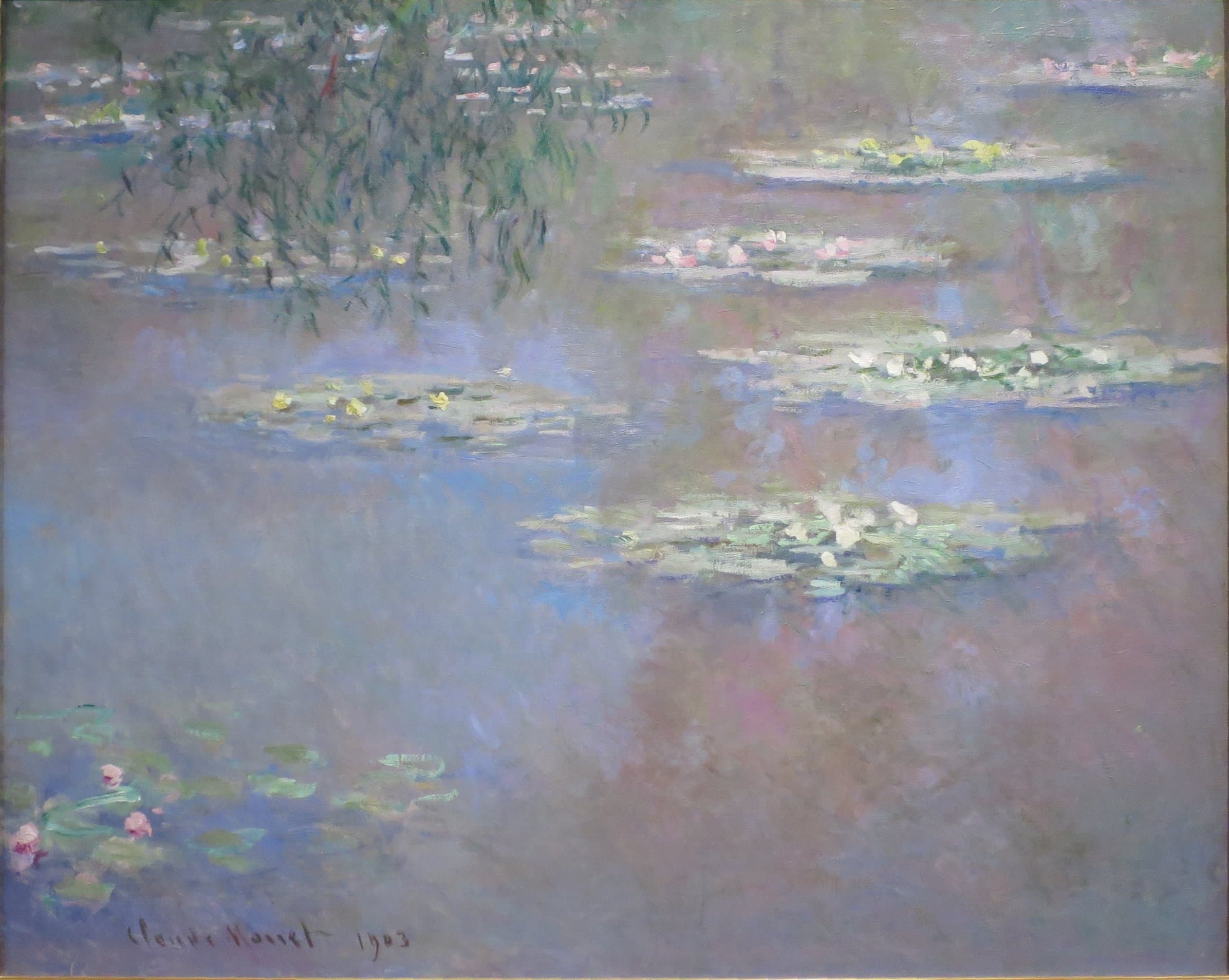
Waterlilies (1903, Dayton Art Institute)
Claude Monet · 1903
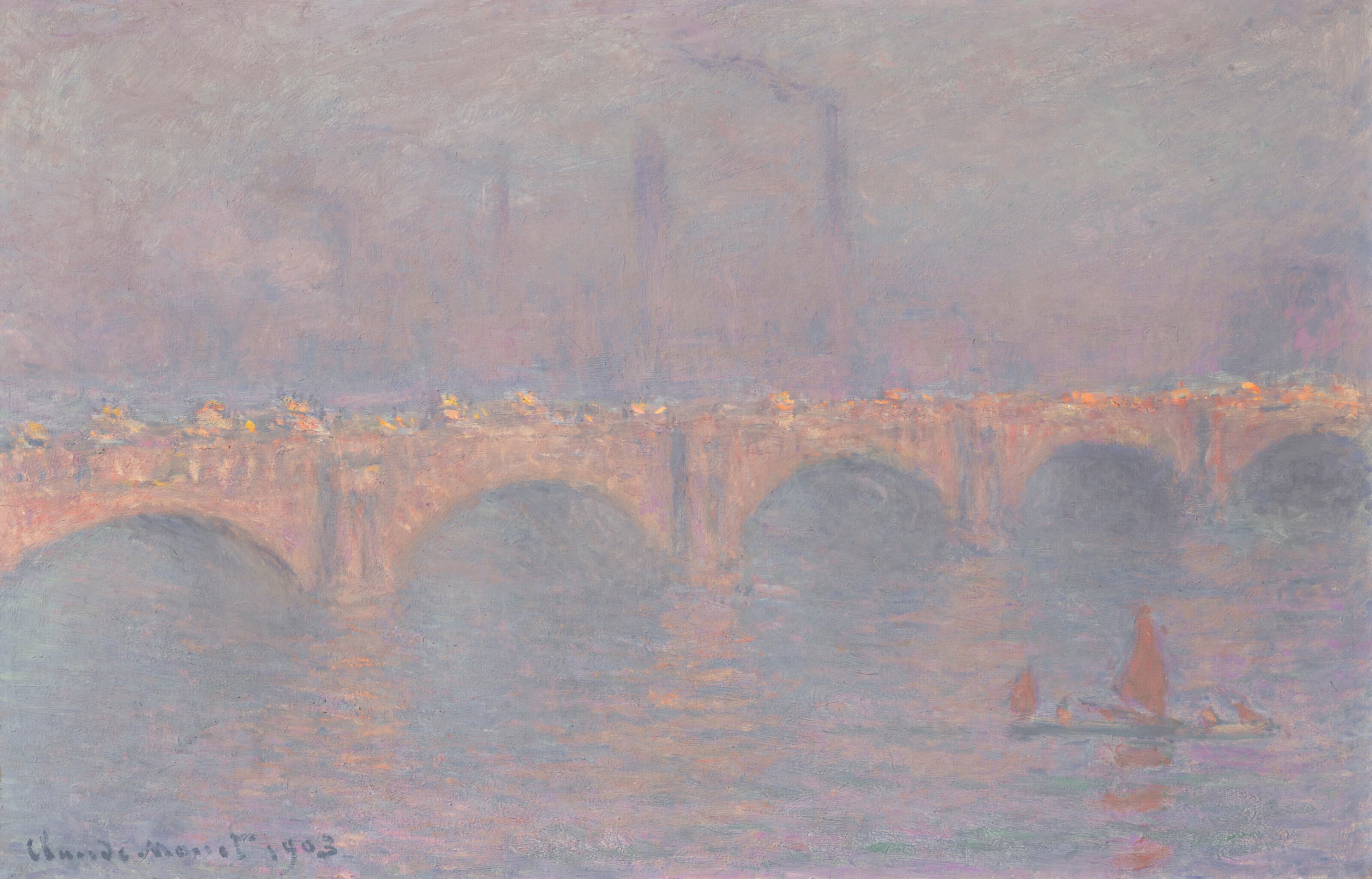
Waterloo Bridge, Hazy Sun
Claude Monet · 1903
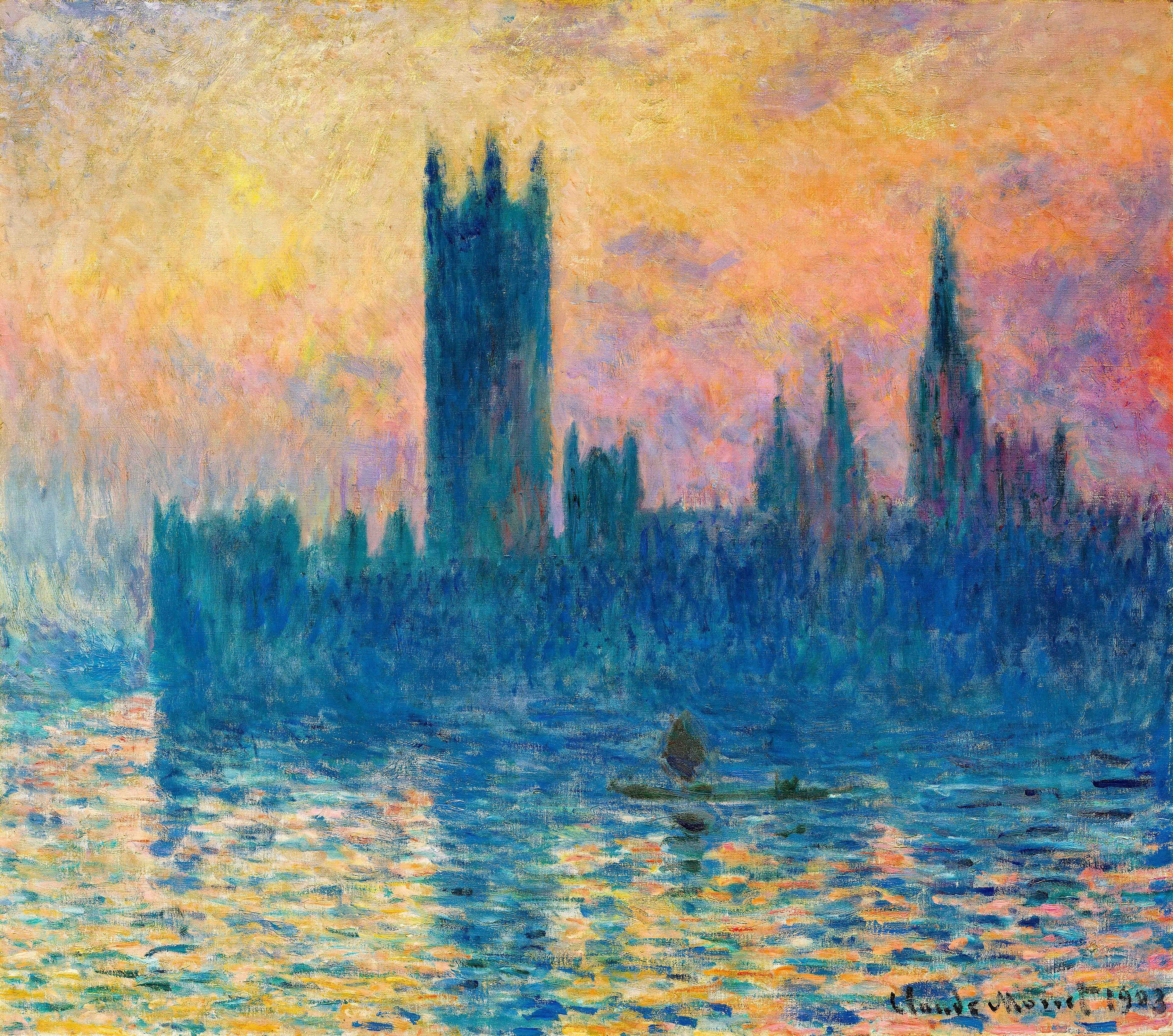
The Houses of Parliament, Sunset
Claude Monet · 1903
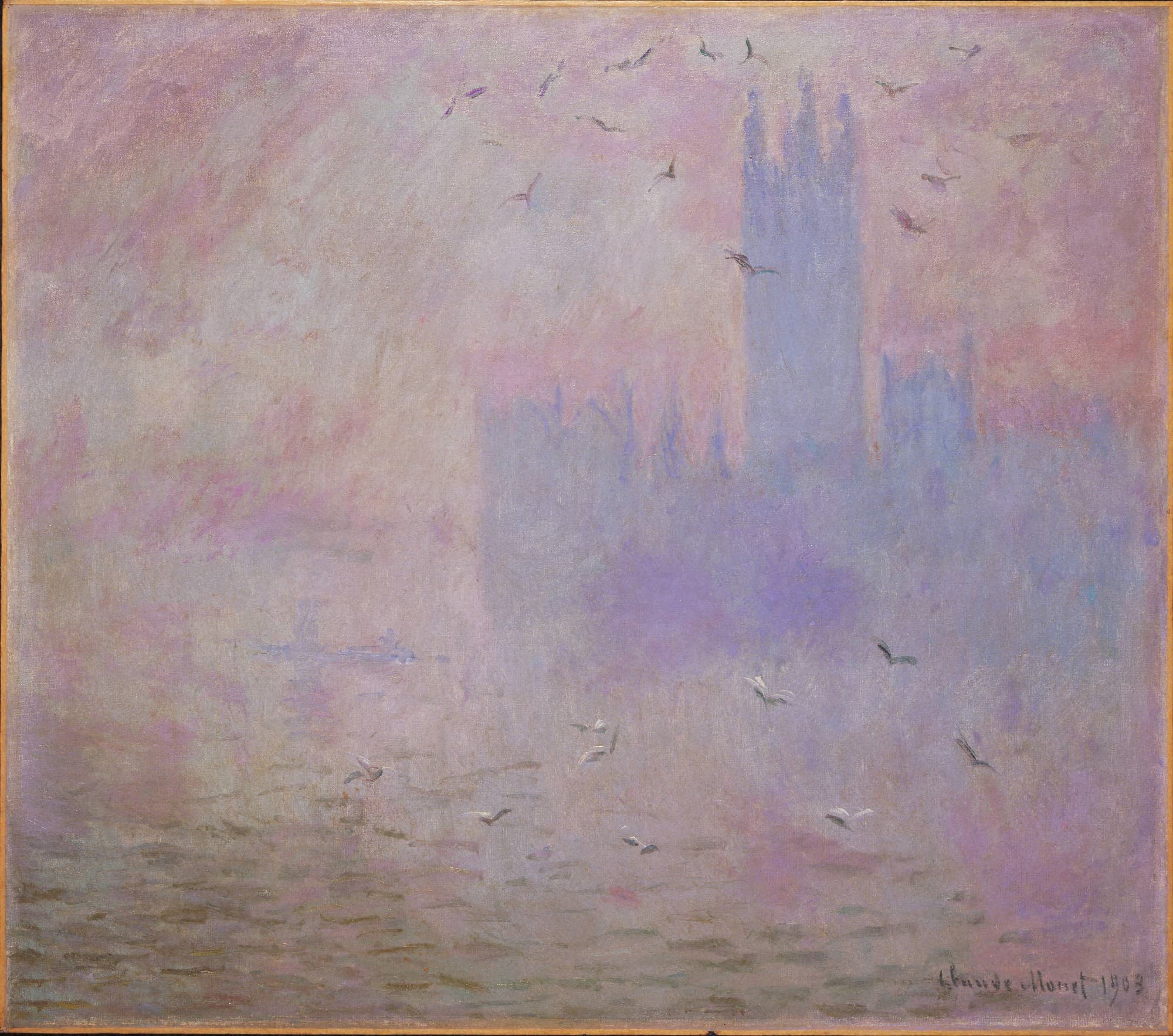
The Houses of Parliament, Seagulls
Claude Monet · 1903
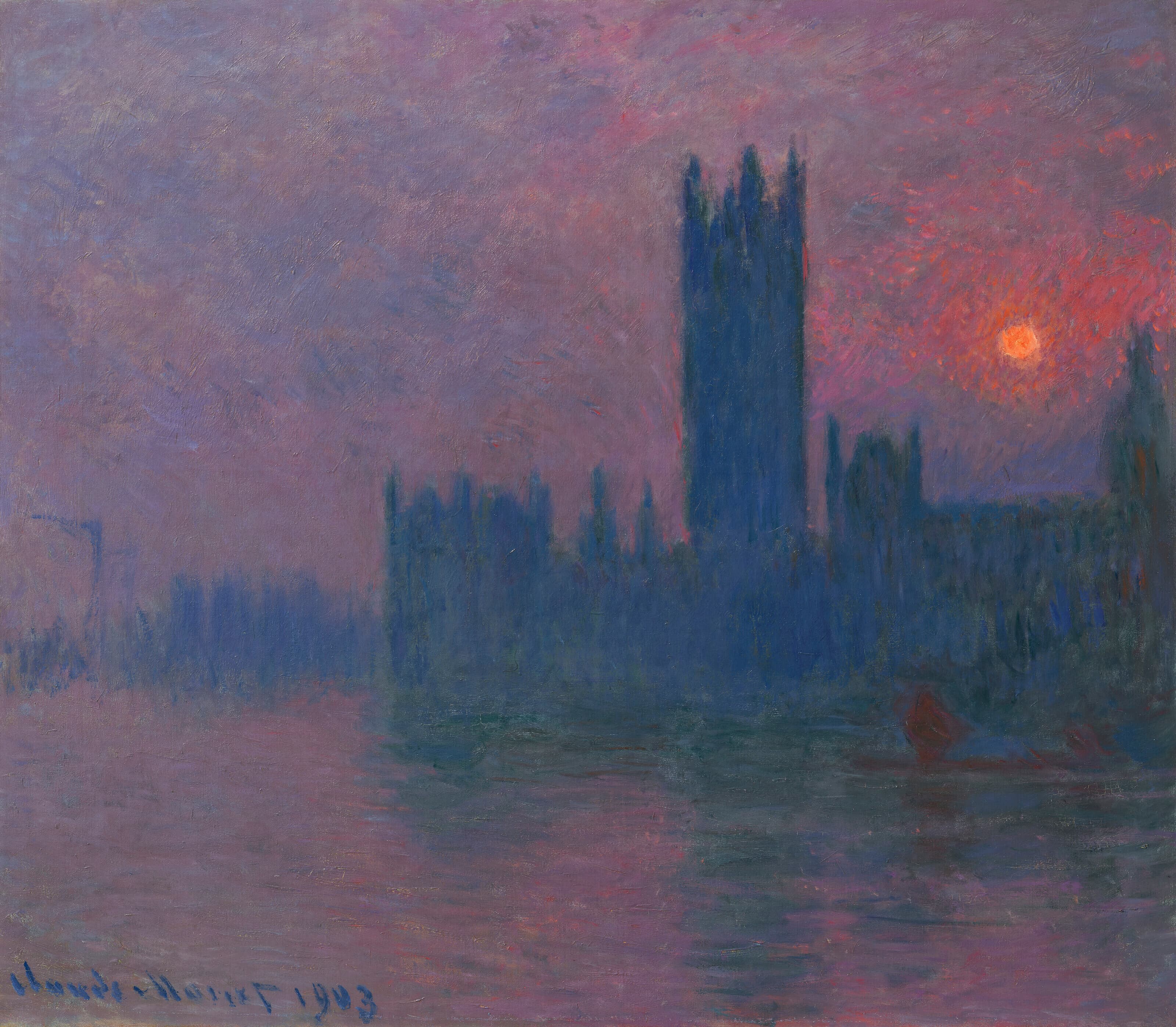
Houses of Parliament, Sunset
Claude Monet · 1903
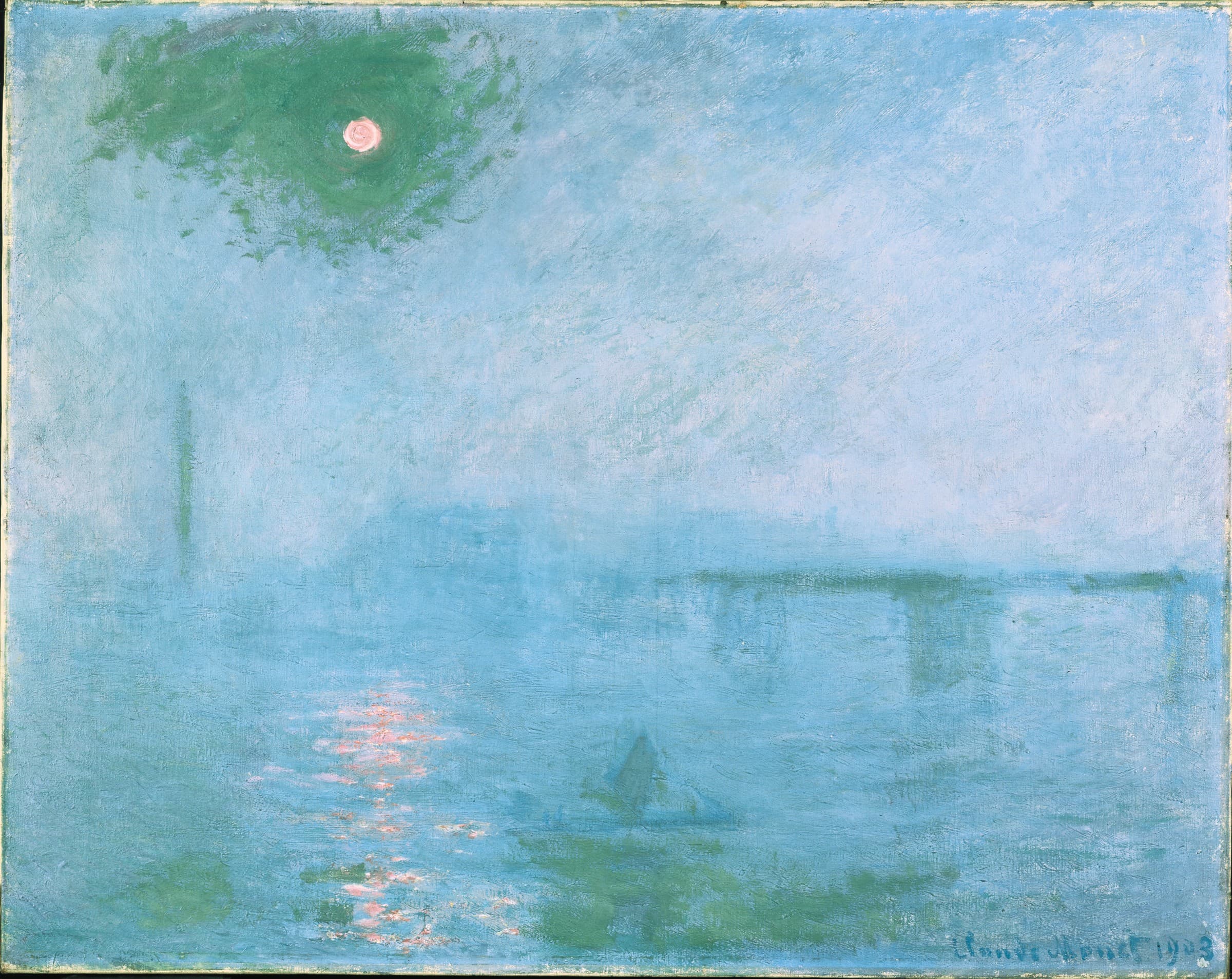
Charing Cross Bridge: Fog on the Thames
Claude Monet · 1903
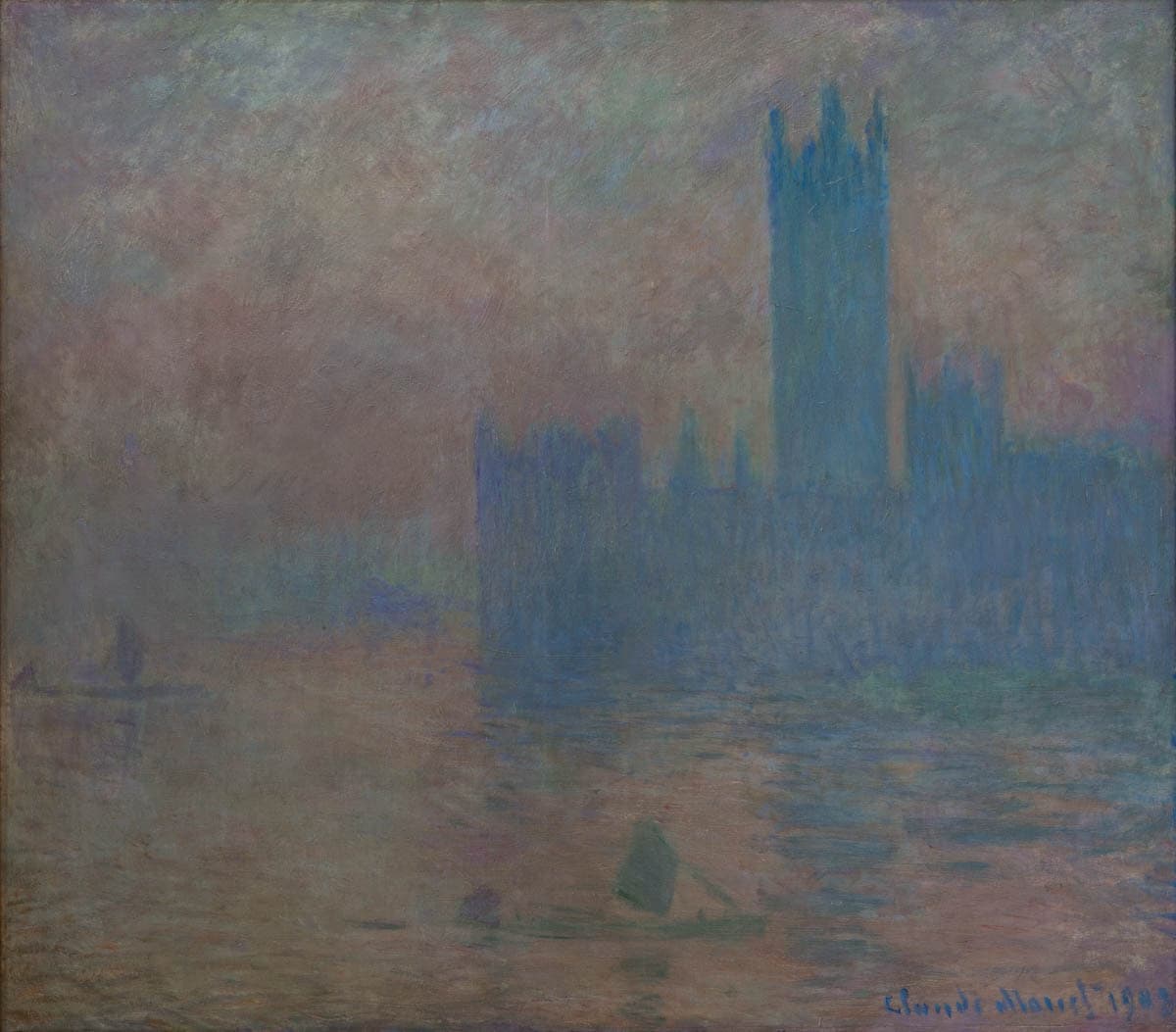
Le Parlement de Londres, effet de brouillard
Claude Monet · 1903
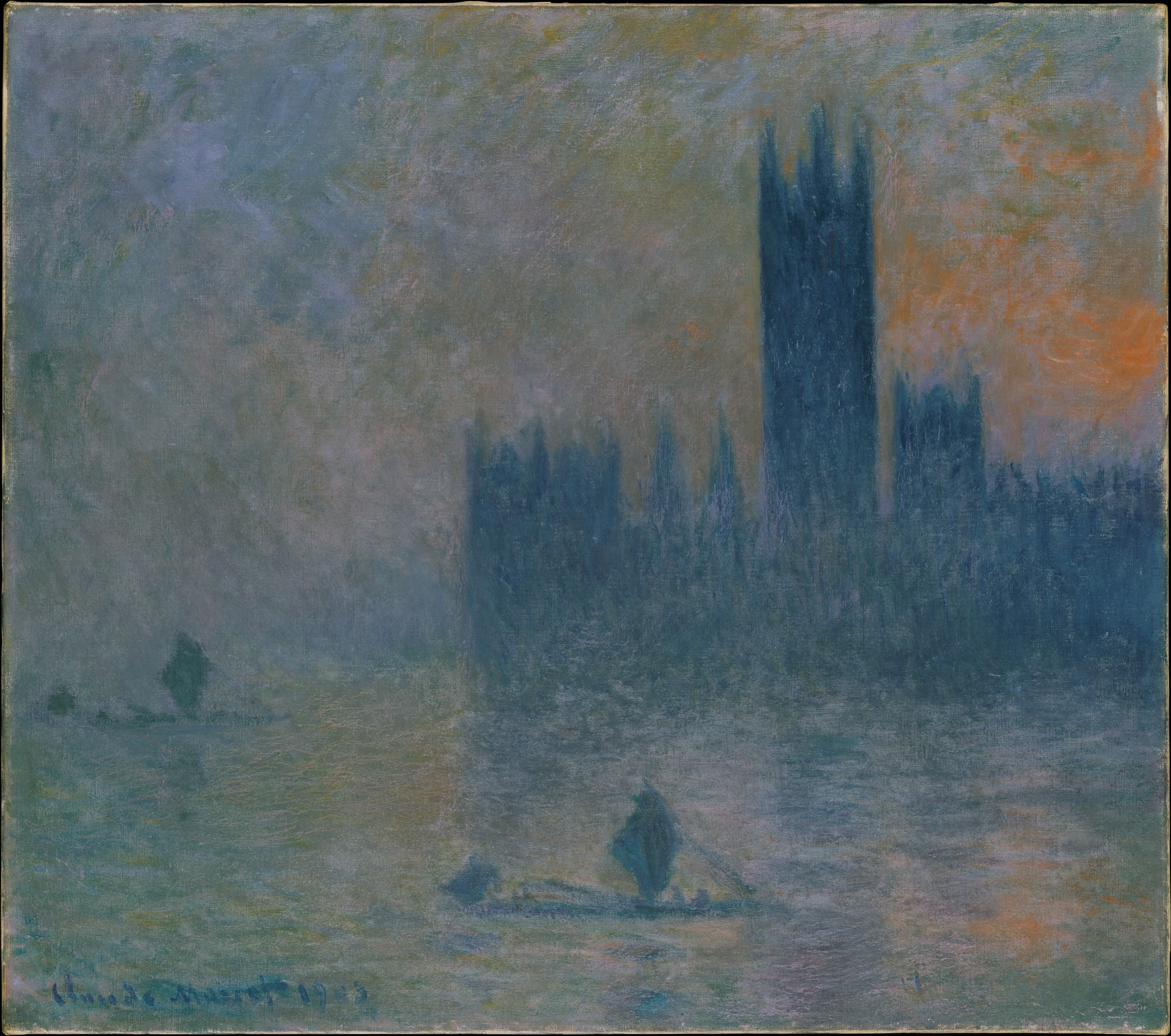
The Houses of Parliament (Effect of Fog)
Claude Monet · 1903–04
Kindred works
You may also study
Houses of Parliament, Symphony in Rose
Claude Monet · 1900
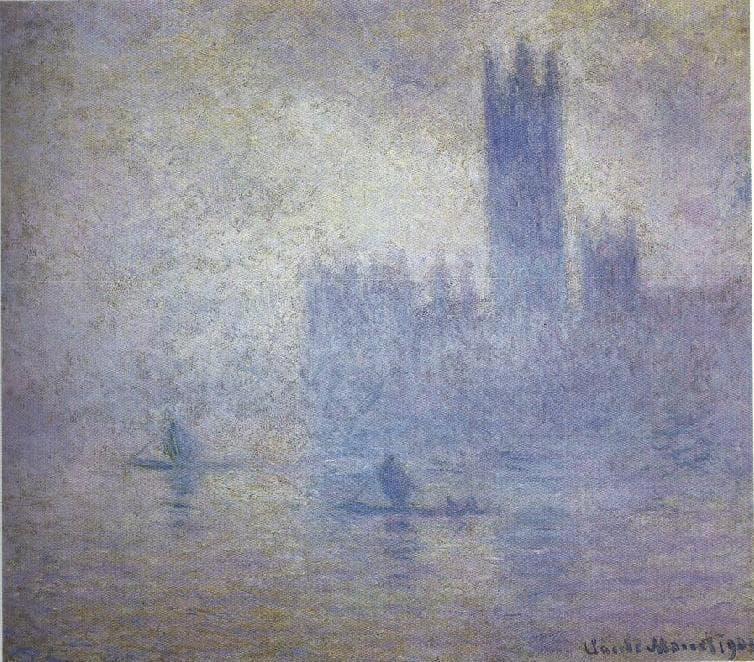
Houses of Parliament, Effect of Fog
Claude Monet · 1904
The Houses of Parliament (Effect of Fog)
Claude Monet · 1903–04
Le Parlement de Londres, effet de brouillard
Claude Monet · 1903
Houses of Parliament, London
Claude Monet · 1900–01
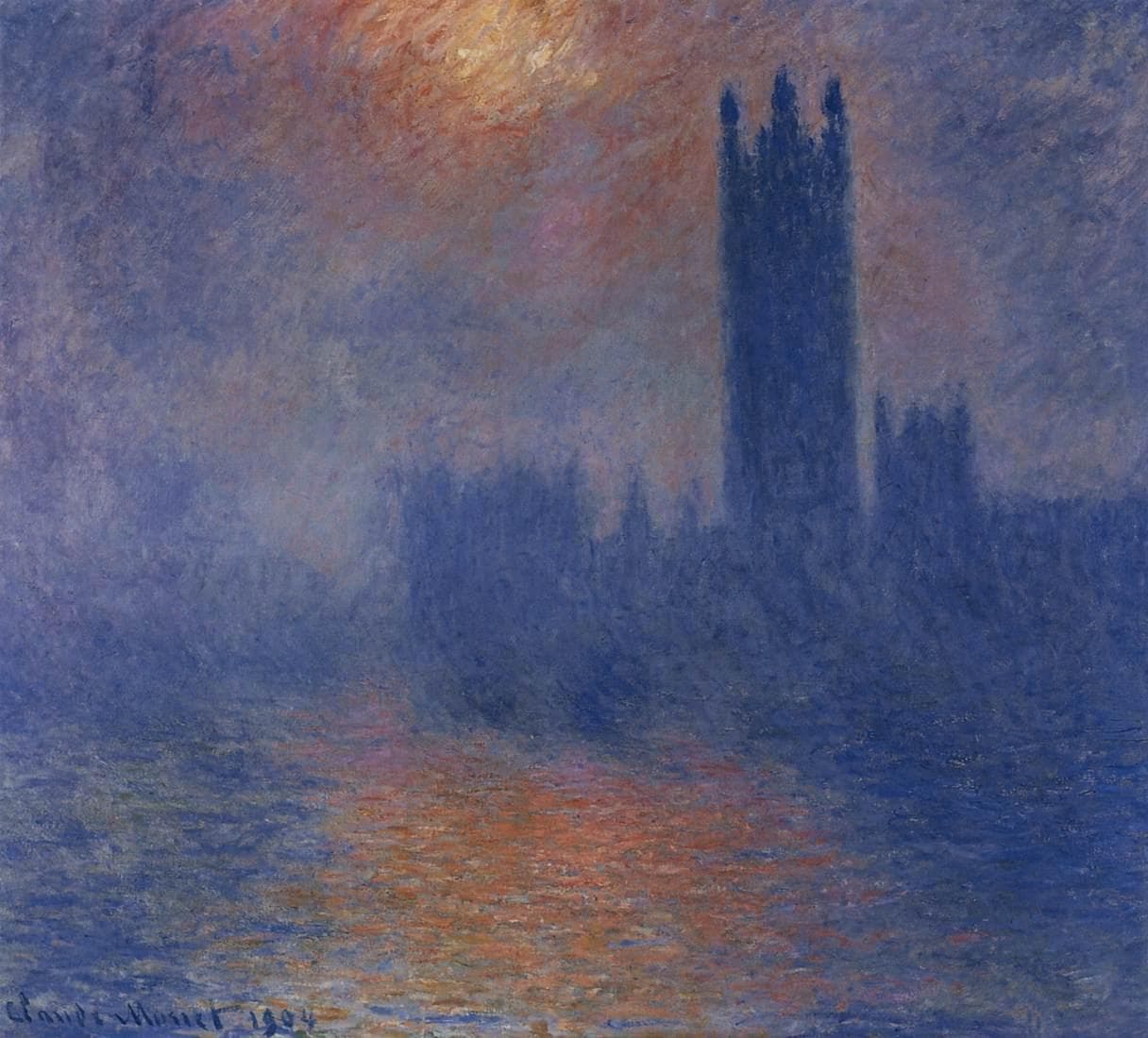
The Houses of Parliament in London
Claude Monet · 1904
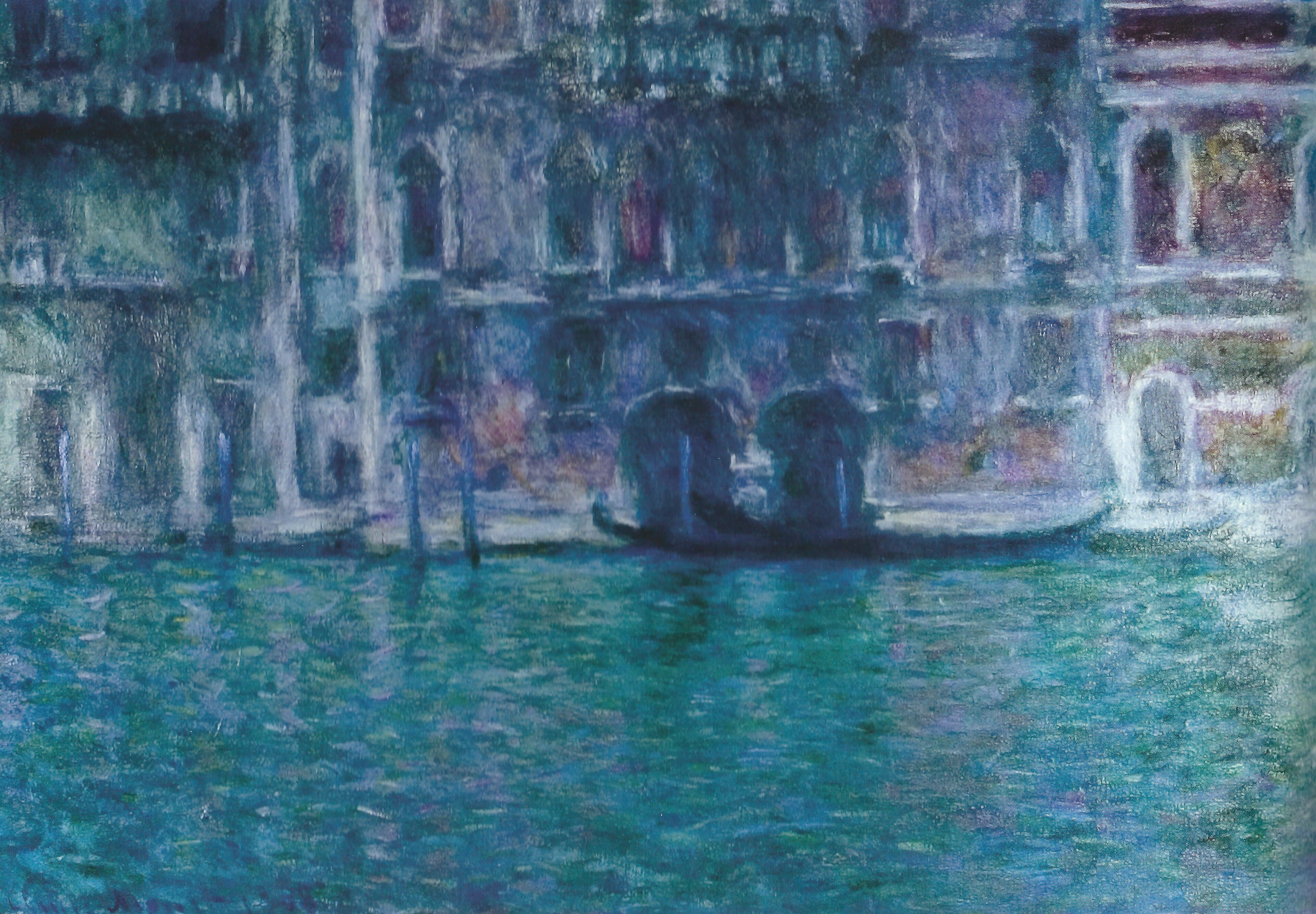
Palazzo Da Mula Morosini
Claude Monet · 1908
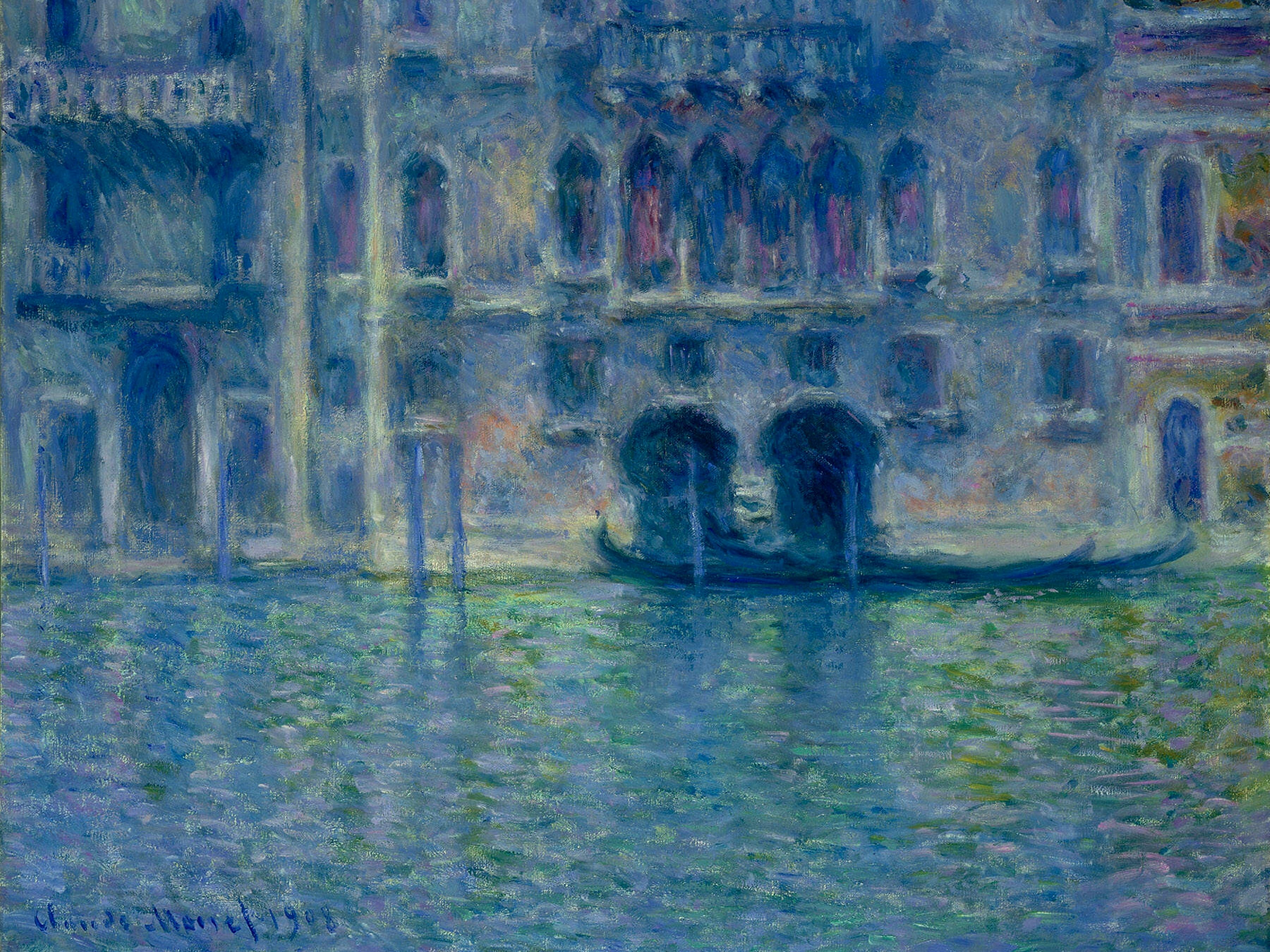
Palazzo da Mula, Venice
Claude Monet · 1908