Image: Springfield Museums, Massachusetts (photo via Flickr, as stated on Commons) · Public domain · via Wikimedia Commons
Grainstack
Claude Monet, 1893
Grainstack (Meule) is an 1893 painting by Claude Monet of a single wheat stack among trees in a sunny summer meadow at Giverny, painted two years after his famous series. It is in the D'Amour Museum of Fine Arts, Springfield, Massachusetts.
- Artist
- Claude Monet
- Date
- 1893
- Medium
- Oil on canvas
- Dimensions
- 65 × 100 cm
- Collection
- Michele and Donald D'Amour Museum of Fine Arts, Springfield, Massachusetts, United States
- Movement
- Impressionism
- Catalogue
- Wildenstein 1364
- Nature & Landscape
Grainstack (Meule), often listed simply as Haystack, is a painting by Claude Monet signed and dated "Claude Monet 93" at lower left. It shows a single stack of wheat in a green summer meadow at Giverny, framed by a row of trees with more stacks glimpsed behind. The canvas measures about 65 by 100 centimeters (26 by 40 inches) and is in the Michele and Donald D'Amour Museum of Fine Arts, one of the Springfield Museums in Springfield, Massachusetts (accession 44.06, the James Philip Gray Collection). Wildenstein lists it as number 1364.
What you're looking at
The stack stands just right of center, a rounded, almost egg-shaped mass rather than the steep cone of the 1891 pictures. It is painted in pink, coral and orange, shading to violet and blue on its right side, which is in shadow. A small heap of loose straw lies at its foot on the left.
Behind it, and this is the picture's main difference from the famous series, rises a row of trees. Their thin, dark trunks march across the canvas from left to right, and their crowns form a soft canopy of pale green, blue and silver, perhaps willows or fruit trees. Between the trunks at left, three smaller stacks glow red and orange in the distance.
The meadow in front is bright yellow-green, painted in short horizontal strokes with touches of blue and lilac in the shadows. The sky is a pale, misty white with a hint of blue, and at right the trees thicken into a blue-violet mass. The light is soft and even, the light of a hazy summer morning or midday.
Two years after the series: what makes this version distinct
The museum stresses that the canvas was painted two years after the celebrated 1890–91 series. By 1893 Monet had moved on to the Poplars and was beginning the Rouen Cathedral facades, yet he returned here to the field motif in a more relaxed, descriptive way. The stack is no longer isolated against the sky. It is part of a landscape of trees, meadow and neighboring stacks, closer in spirit to his earlier pictures such as Meadow with Haystacks near Giverny of 1885.
Compared with summer canvases from the series, such as Grainstacks, in Bright Sunlight or the Orsay's Haystacks, End of Summer, the mood is gentler: no blazing rims, no long shadows, but a cool, green shade under the trees.
How it was painted
The handling is loose and textured. The foliage is laid in with dabs and flicks of several greens, blues and whites that blur into one another, while the trunks are drawn with a few dark vertical strokes. The stack itself is built from short, curving touches of warm color, and the meadow from horizontal dashes of yellow and green. The surface is heavily worked, with paint standing up in ridges, especially in the trees.
The James Philip Gray Collection
The Springfield Museum of Fine Arts was built and stocked with funds from the estate of Dr. and Mrs. James Philip Gray, and the Gray Collection includes several important nineteenth-century French paintings. The museum, now named for Michele and Donald D'Amour, has kept the Monet on view as one of its central works.
Details to look for
Look at the shadows under the trees: Monet paints them in blue-green bands that stretch across the meadow, and the stack sits right at the edge of one, half in light and half in shade. Its sunlit left side is pink and coral; its right side, toward the shade, turns lilac and blue. The three small stacks behind are pure hot red, the brightest notes in the picture.
Where to see it
It is on view at the D'Amour Museum of Fine Arts, part of the Springfield Museums in Springfield, Massachusetts. See our Haystacks series hub, Where to See Monet, Giverny and Claude Monet.
Questions & answers
Where is Monet's Grainstack (1893)?
It is in the Michele and Donald D'Amour Museum of Fine Arts, part of the Springfield Museums in Springfield, Massachusetts. It belongs to the James Philip Gray Collection, accession number 44.06, and is usually on view.
When was this haystack painting made?
Monet signed and dated it 1893, two years after his famous stacks series of 1890–91. It was painted at Giverny, where he lived from 1883 until his death in 1926.
What does the painting show?
A single pink and orange wheat stack in a green summer meadow, with a row of thin-trunked trees behind it and three smaller stacks glimpsed between the trunks. The light is soft and hazy under a pale sky.
Is this part of Monet's Haystacks series?
Not strictly. It was painted in 1893, after the 1890–91 series, and treats the motif differently: the stack sits among trees and other stacks rather than alone against the sky. It is a later return to the same Giverny fields.
More by the artist
Claude Monet
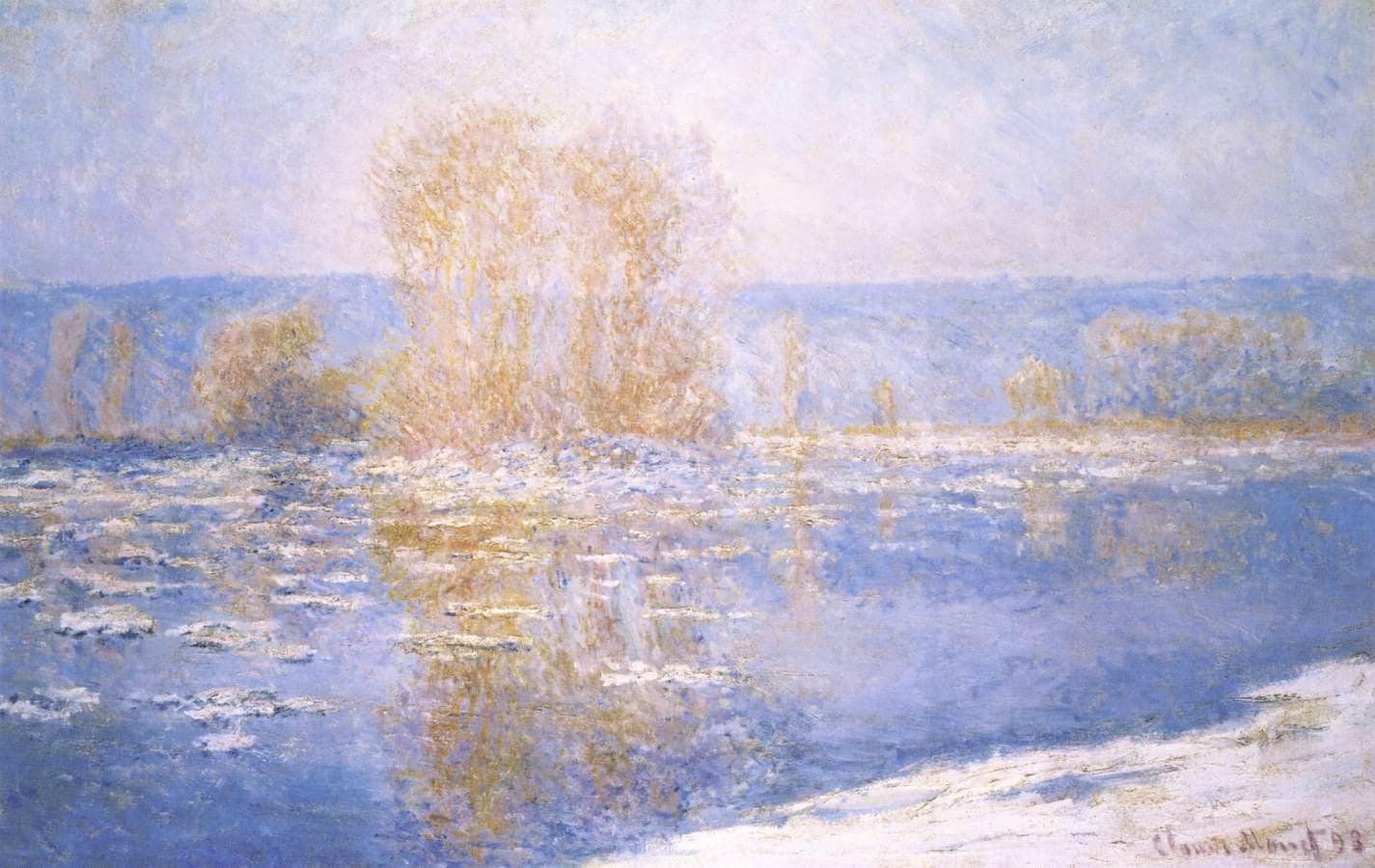
Floating Ice at Bennecourt
Claude Monet · 1893
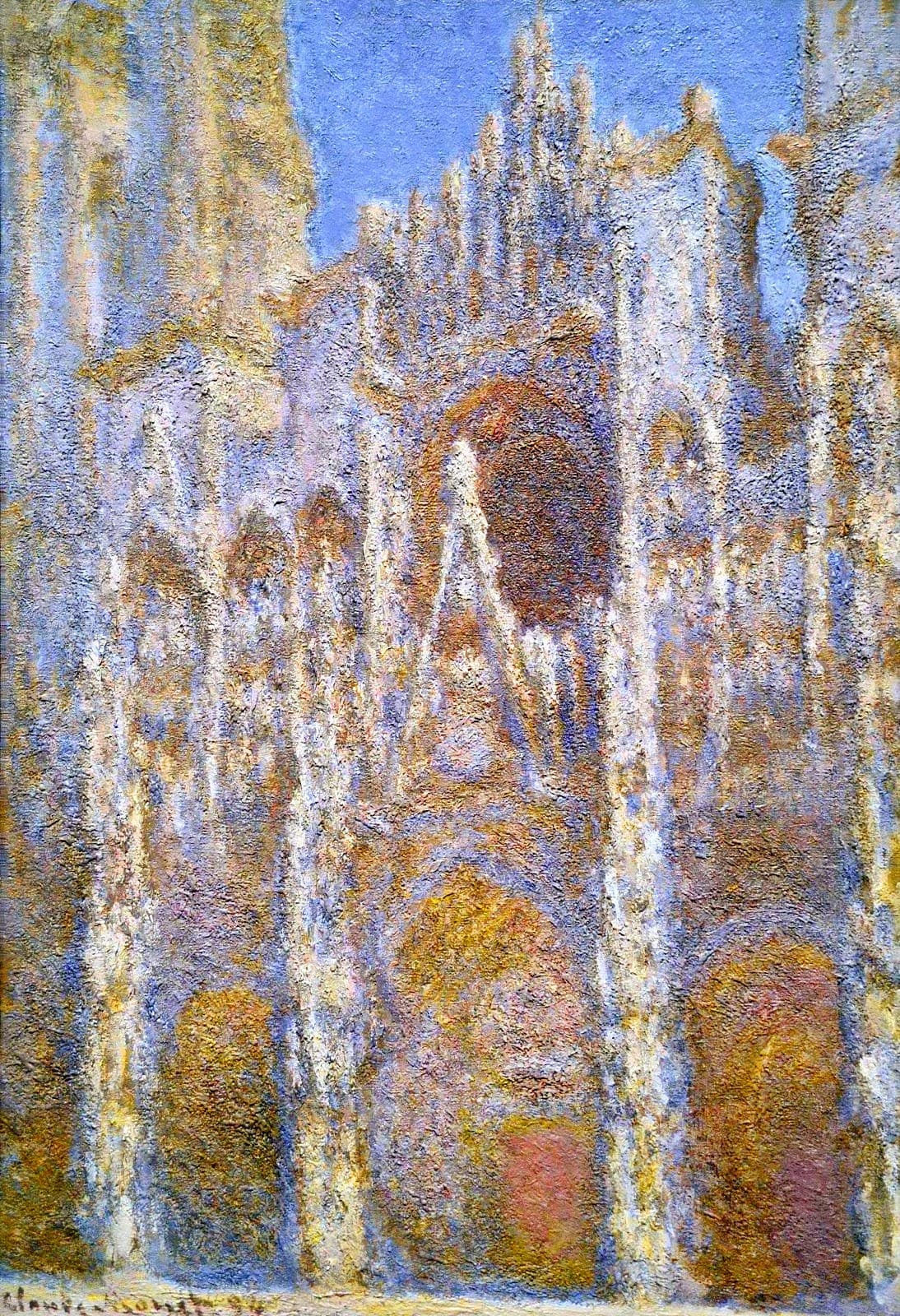
Rouen Cathedral, Façade
Claude Monet · 1893–94
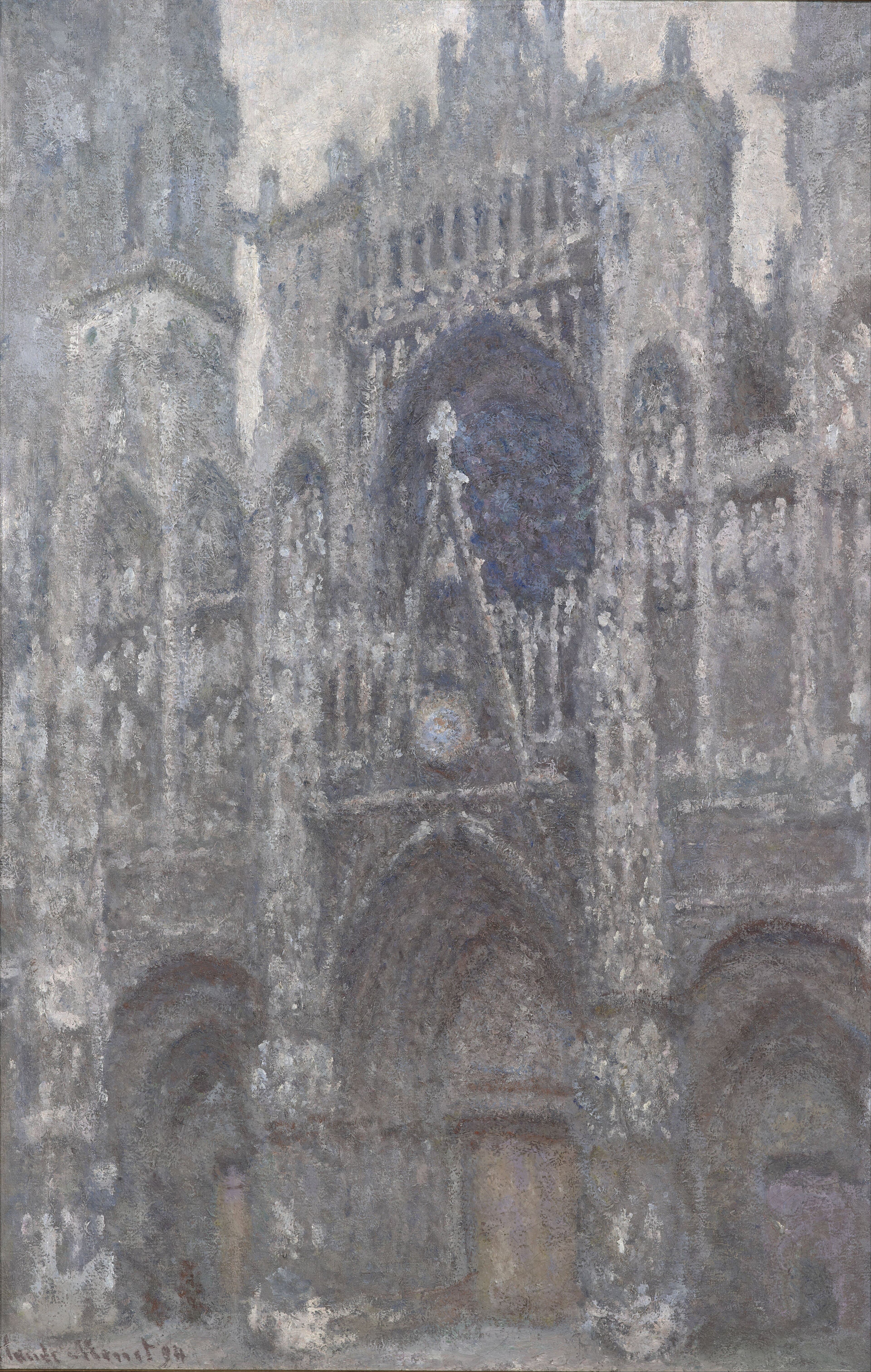
Rouen Cathedral, the Portal, Grey Weather
Claude Monet · 1892–94
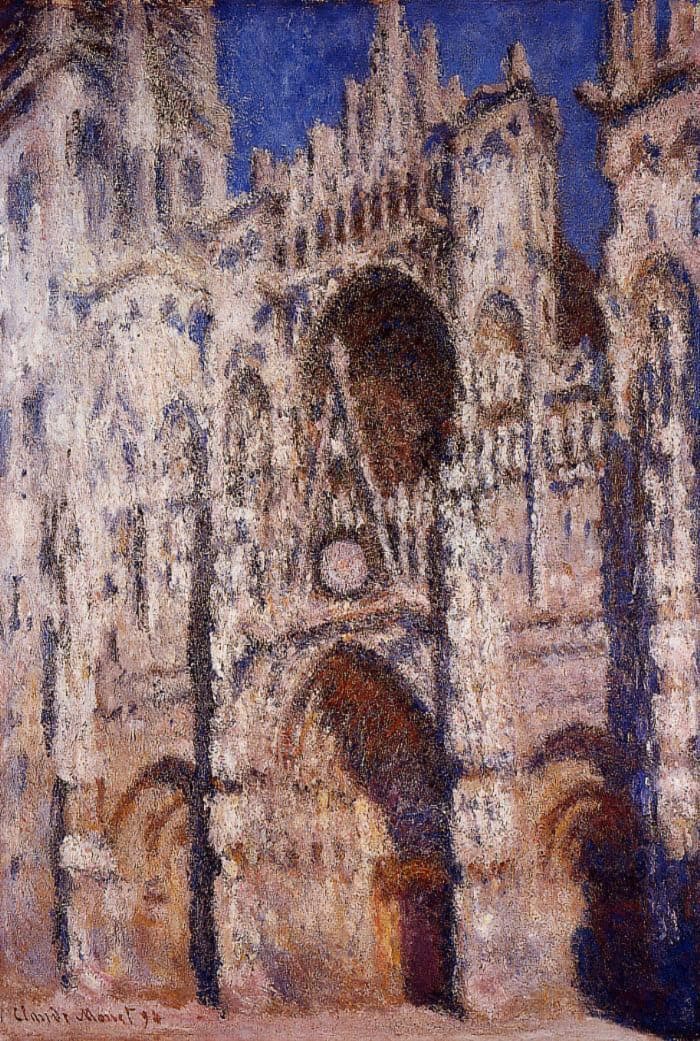
Rouen Cathedral (W 1361)
Claude Monet · 1893–94
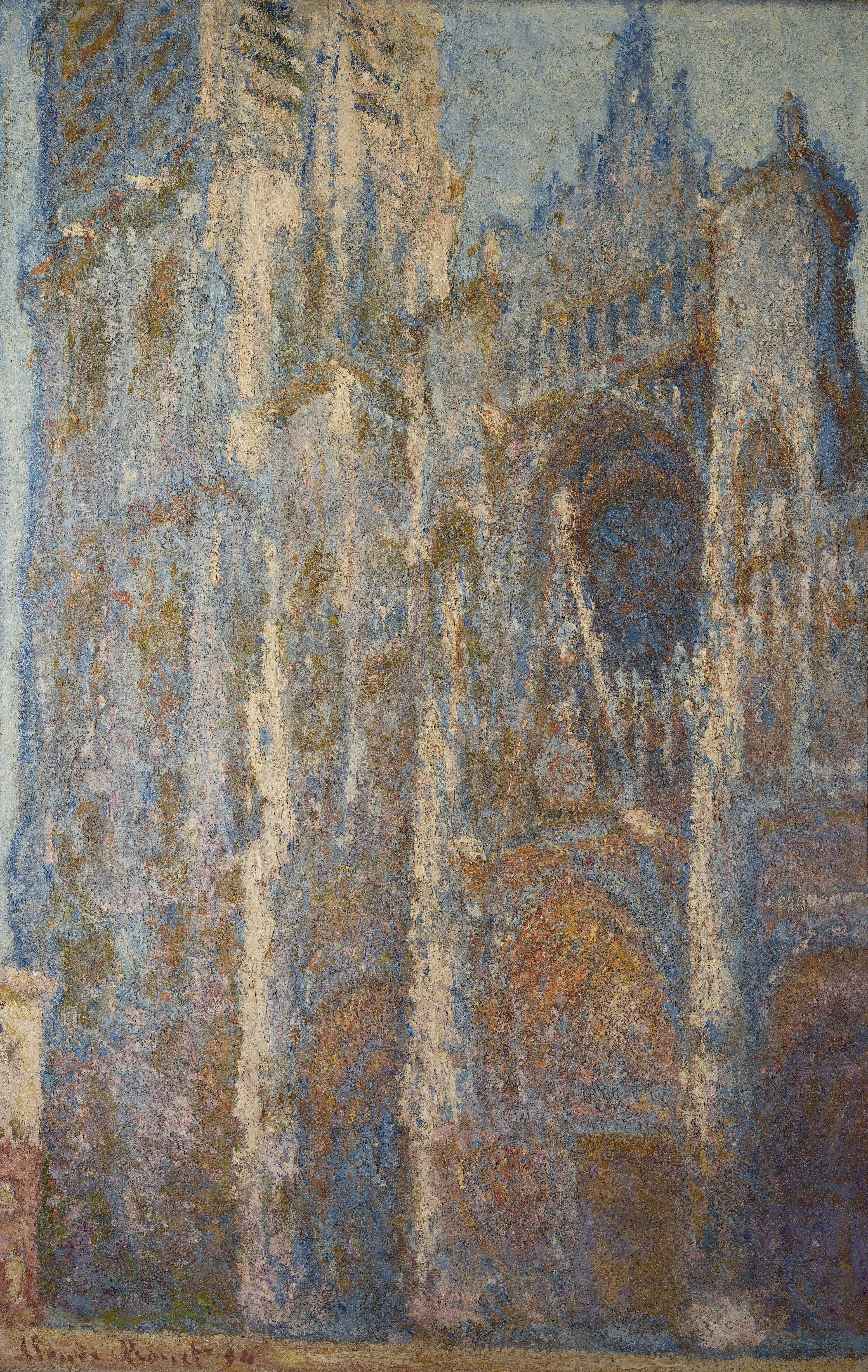
Rouen Cathedral, Portal and Tower d'Albane, Midday
Claude Monet · 1893–94
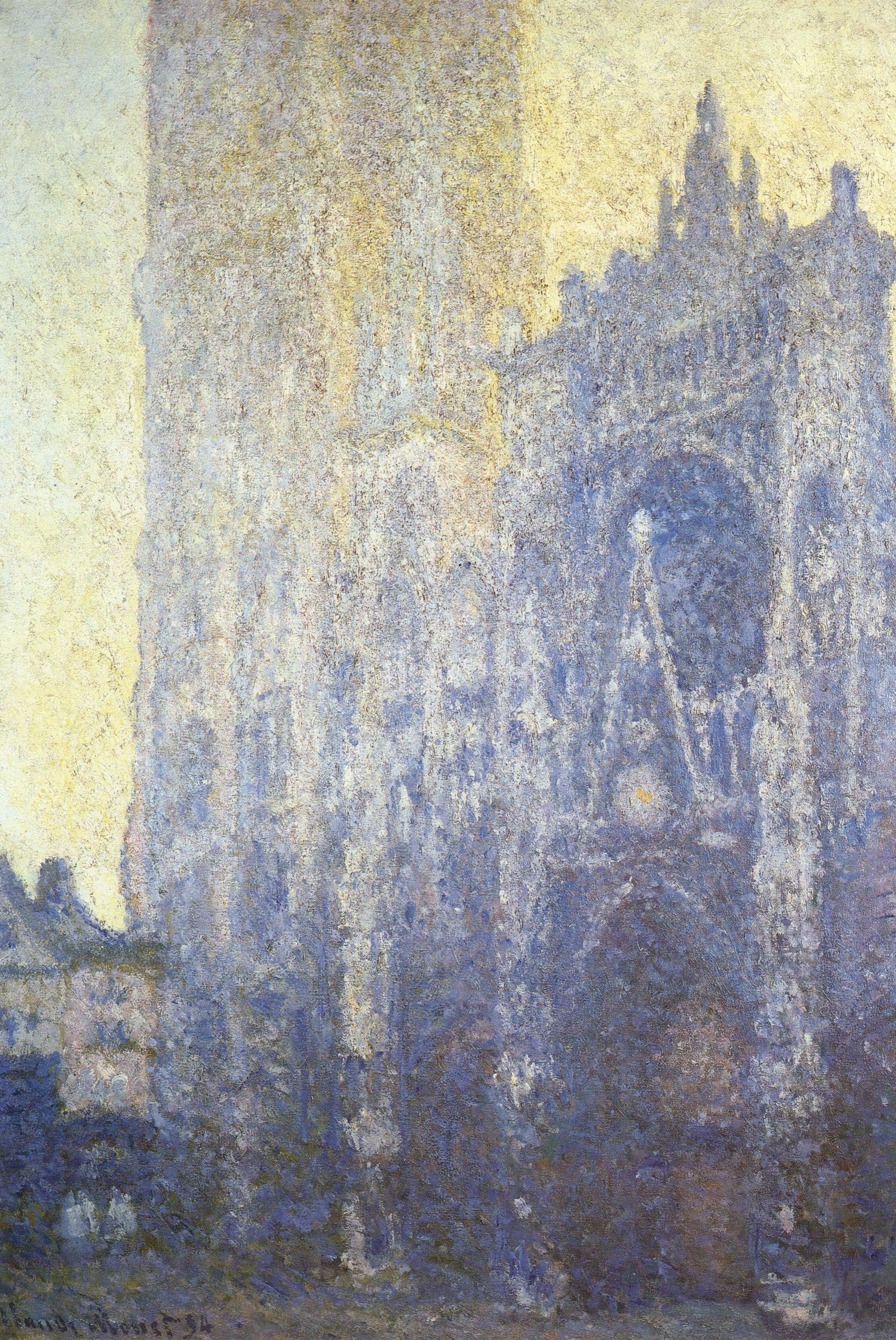
Rouen Cathedral, the Portal, Morning Effect
Claude Monet · 1893–94
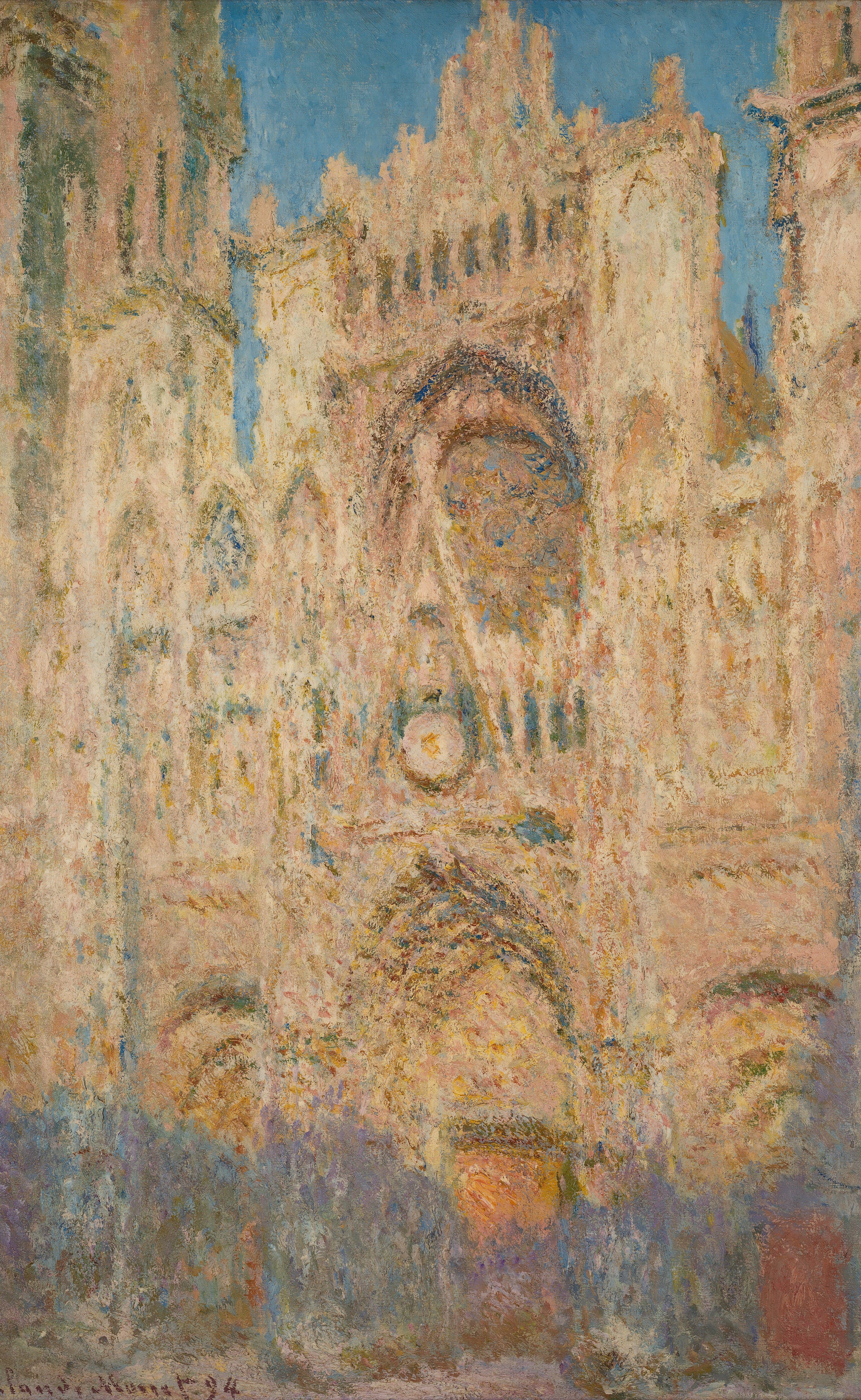
Rouen Cathedral, Evening
Claude Monet · 1894
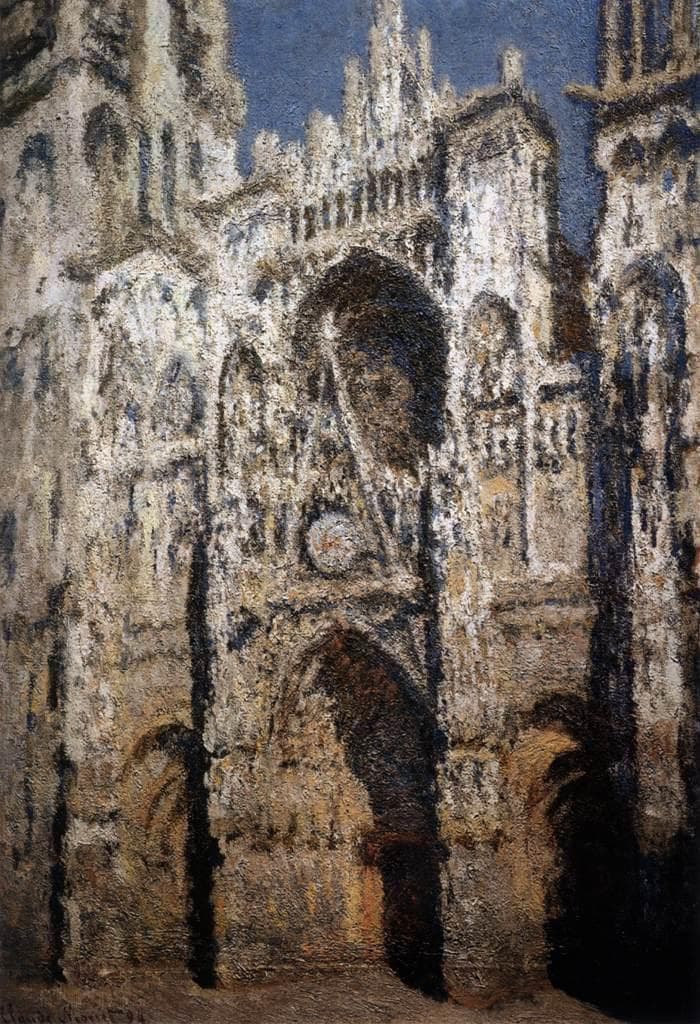
Rouen Cathedral in Full Sunlight
Claude Monet · 1893
Also painted in 1893
The same year
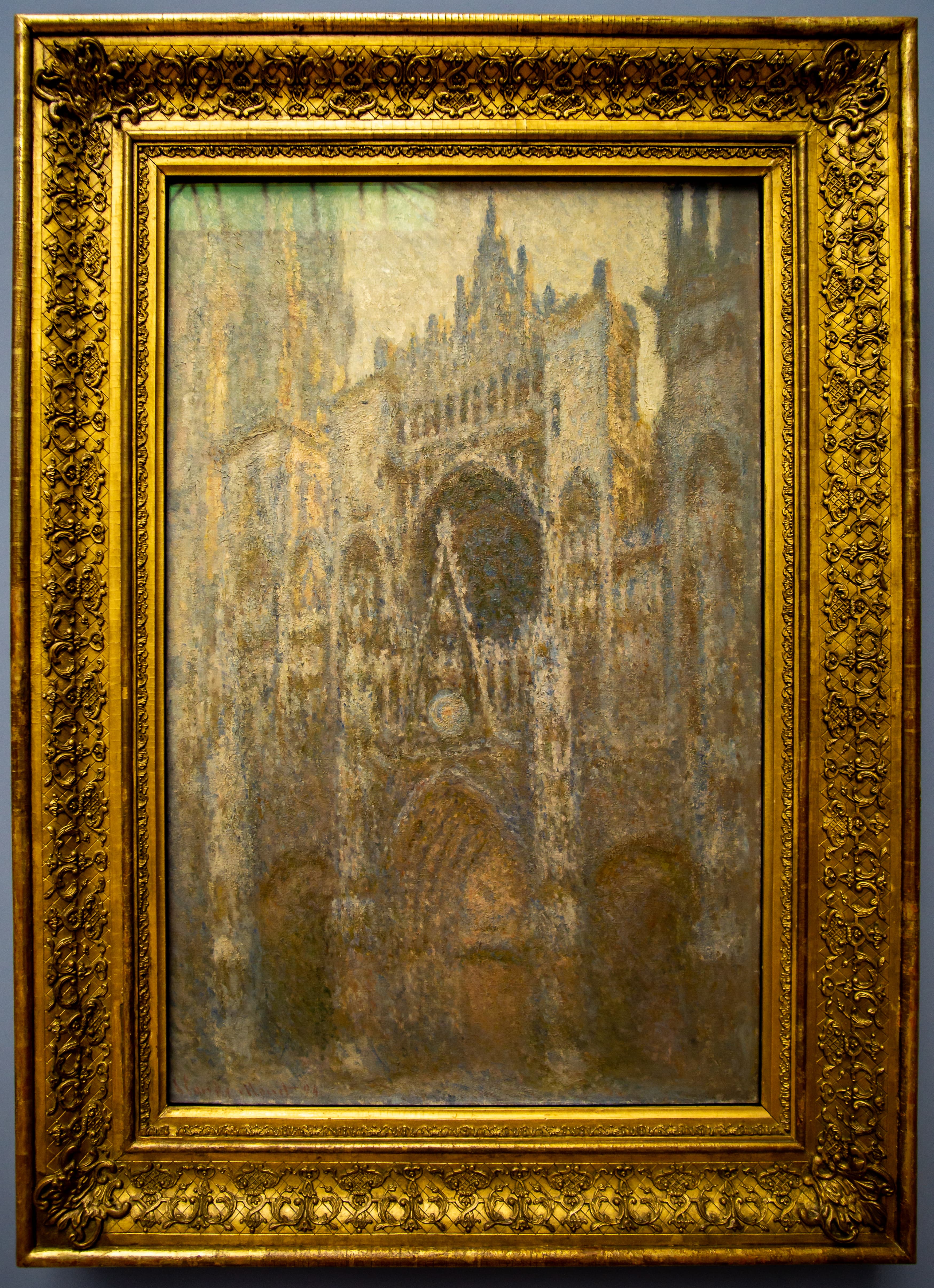
Rouen Cathedral, Portal
Claude Monet · 1893–94
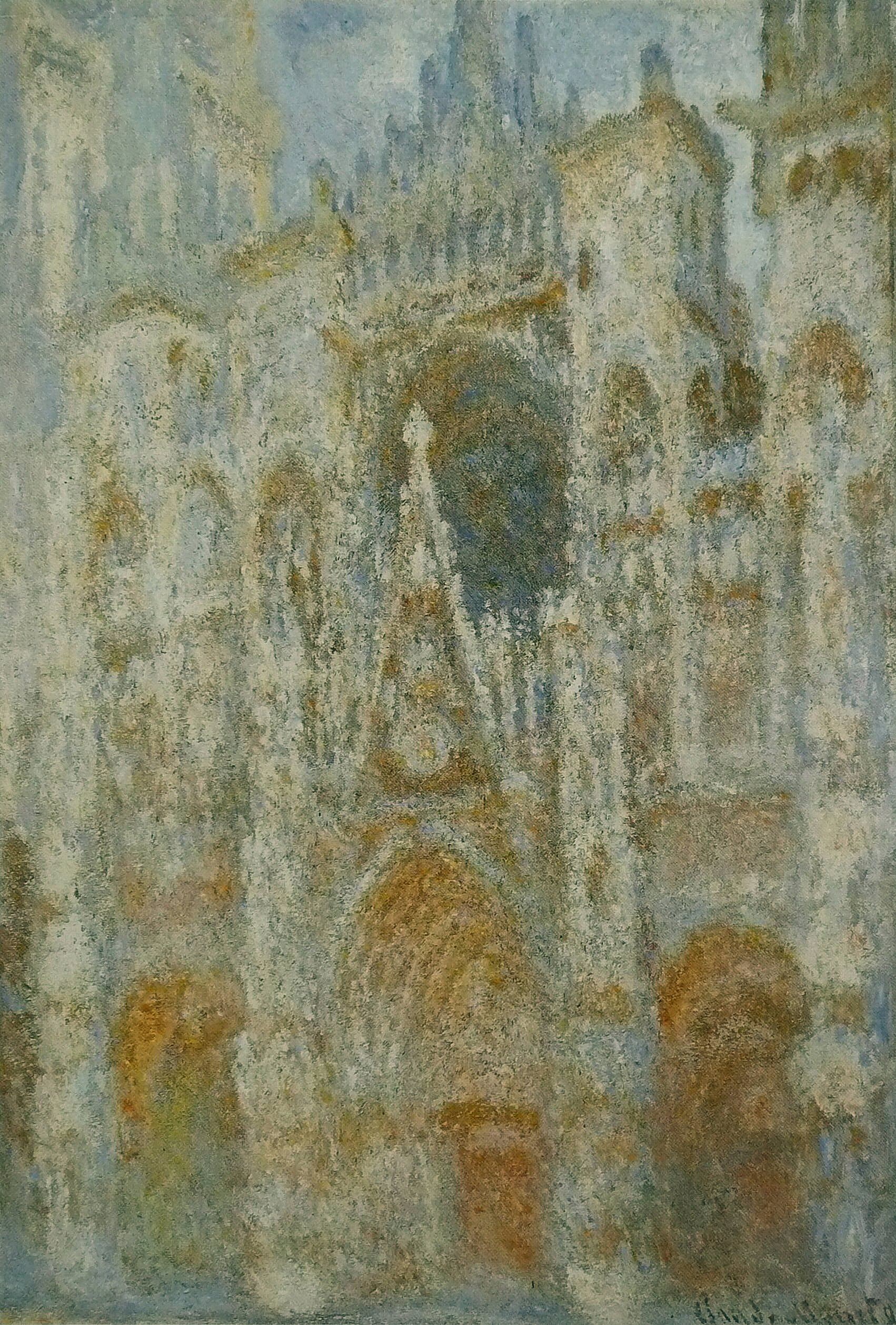
Rouen Cathedral, the Portal, Morning Sun (Harmony in Blue)
Claude Monet · 1893–94
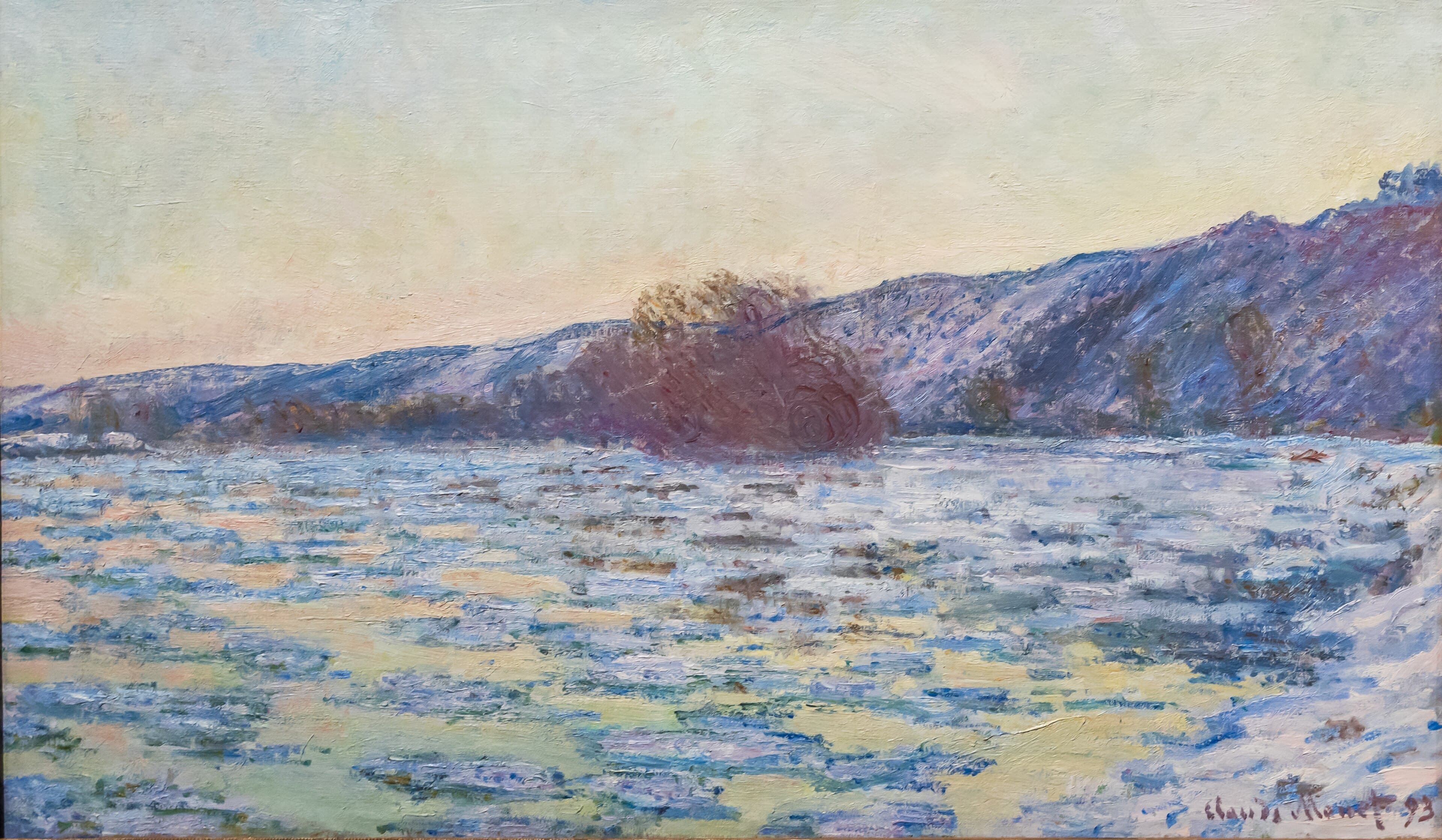
Ice Floes at Twilight
Claude Monet · 1893
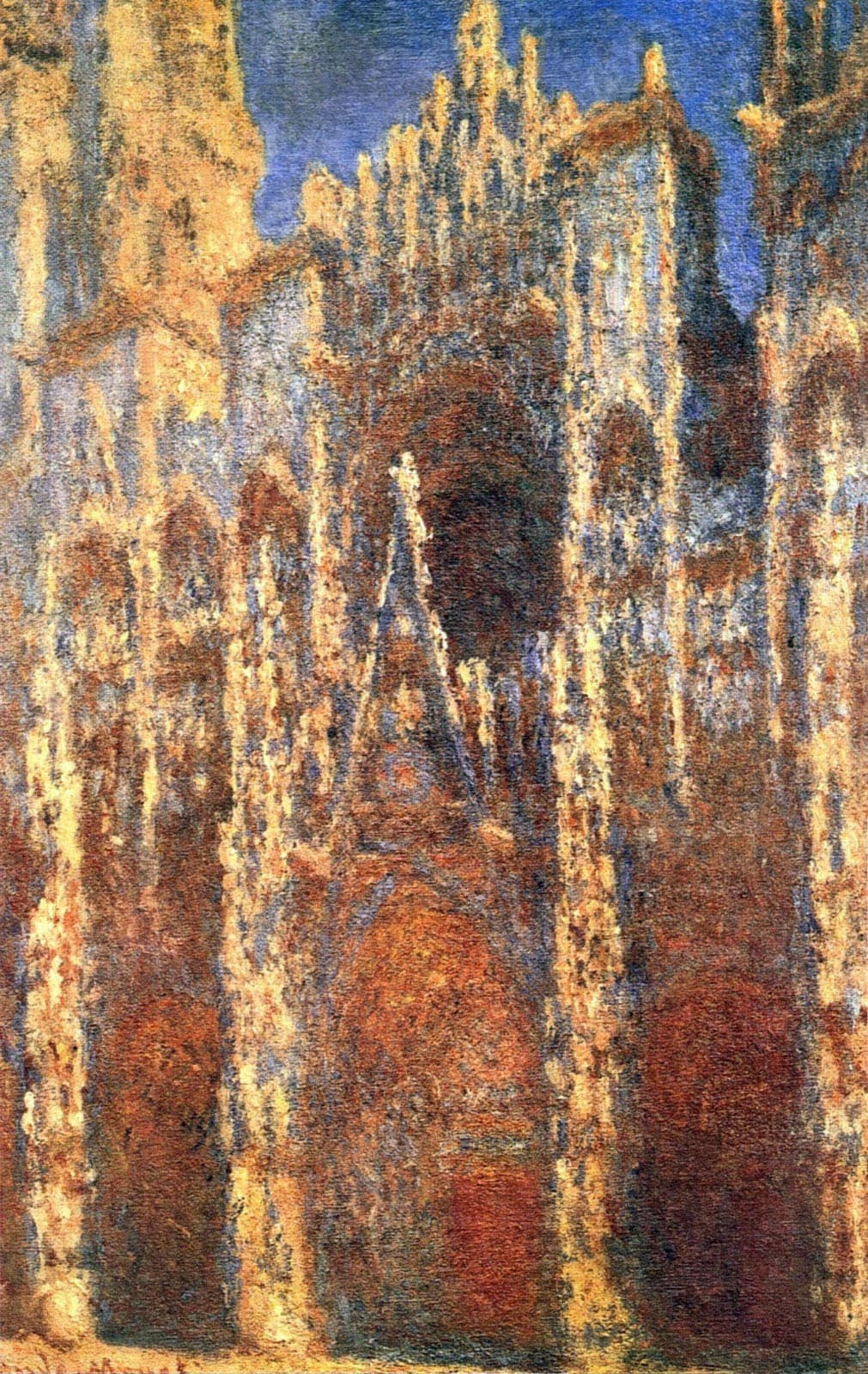
Rouen Cathedral, Portal (W 1359)
Claude Monet · 1893–94
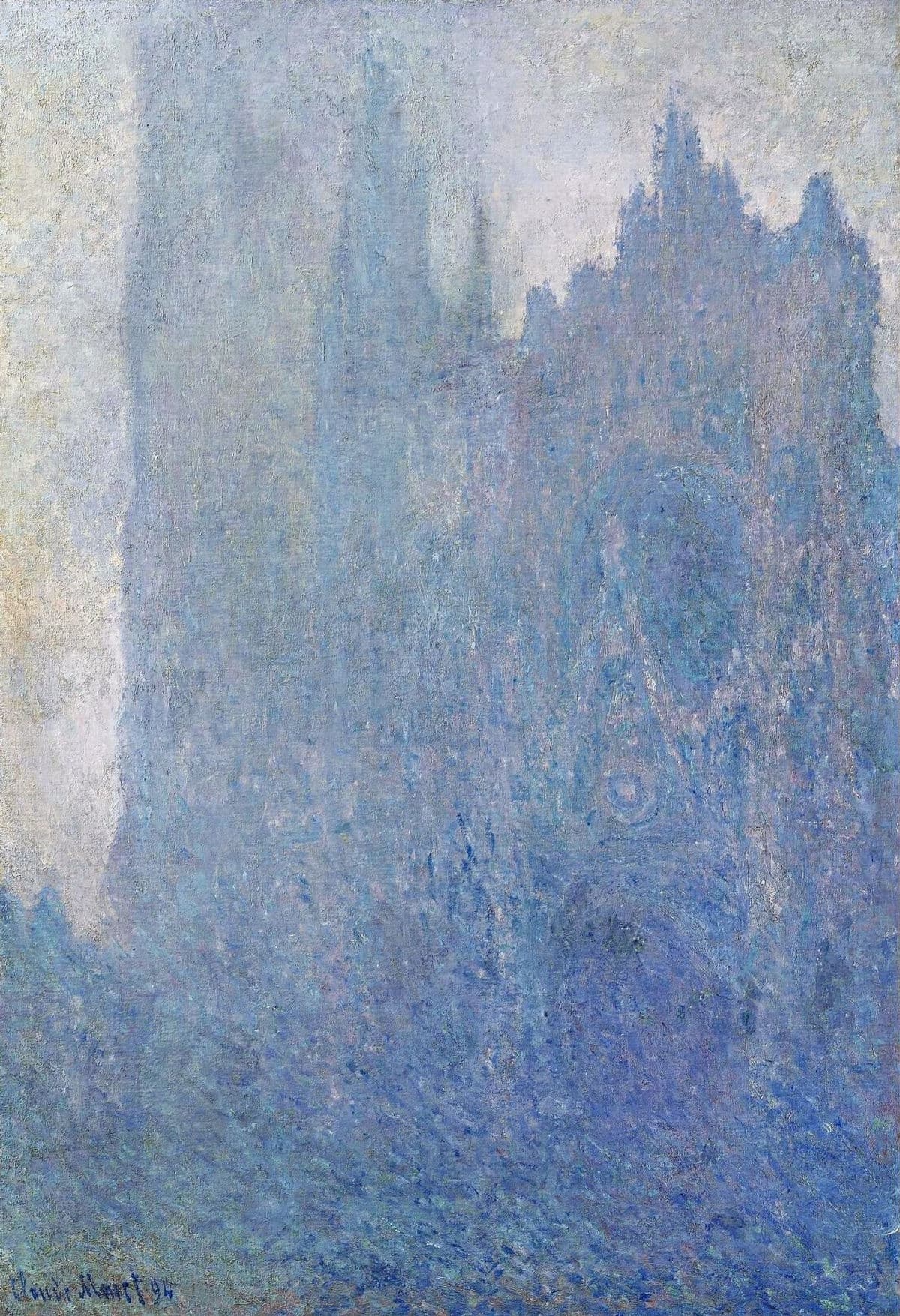
Rouen Cathedral, Fog
Claude Monet · 1893–94
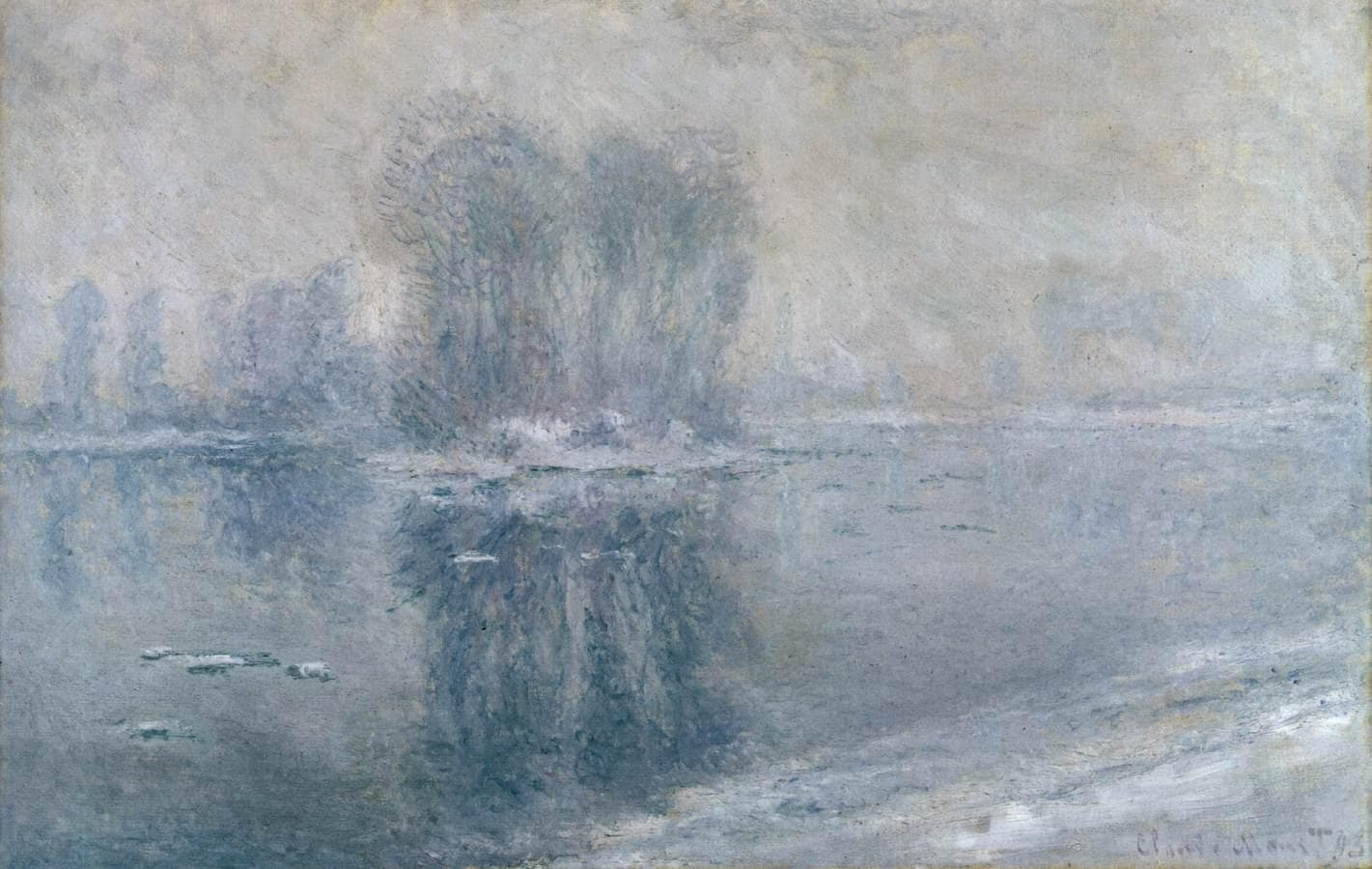
Ice Floes
Claude Monet · 1893
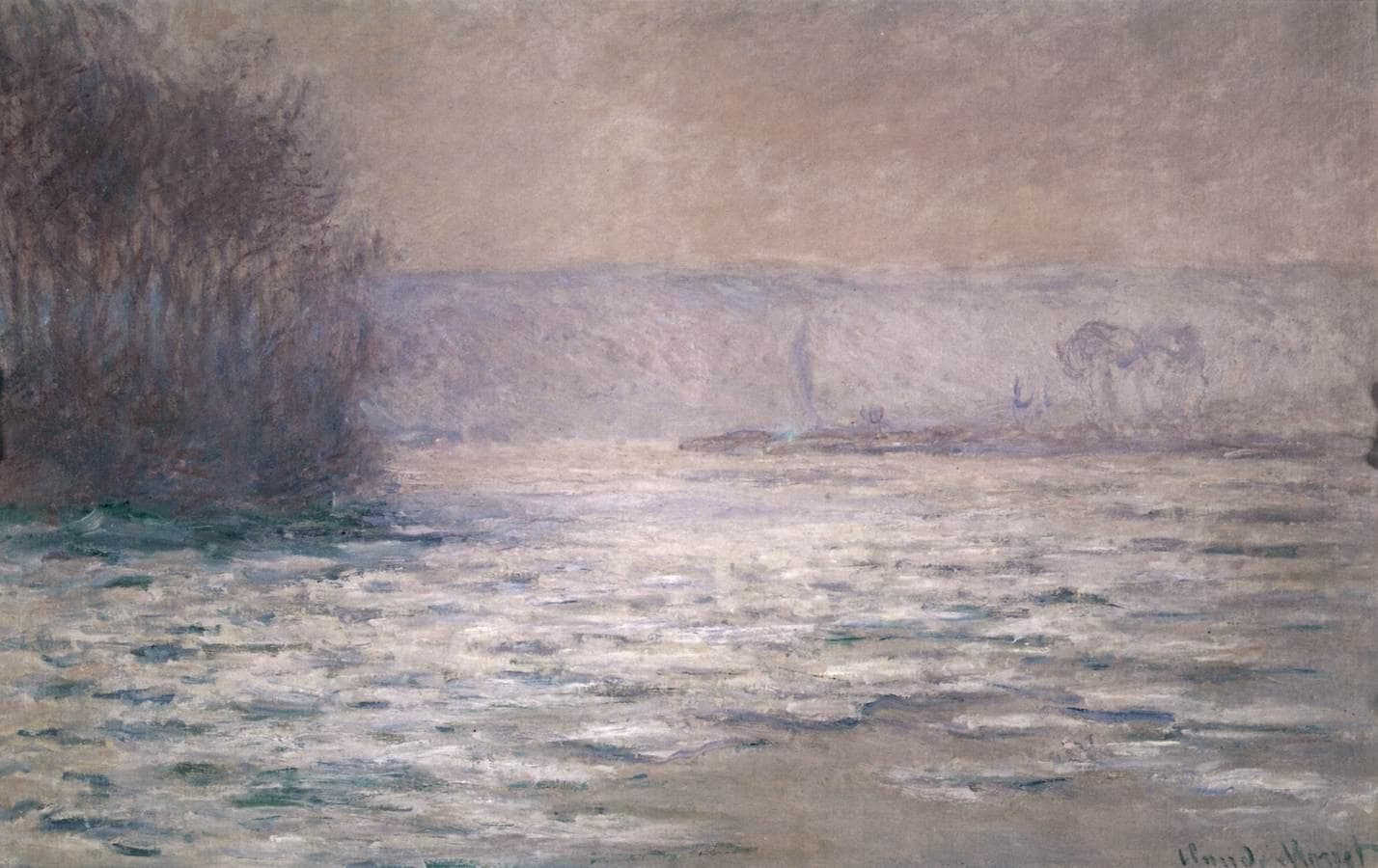
Ice Floes on the Seine near Bennecourt
Claude Monet · 1893
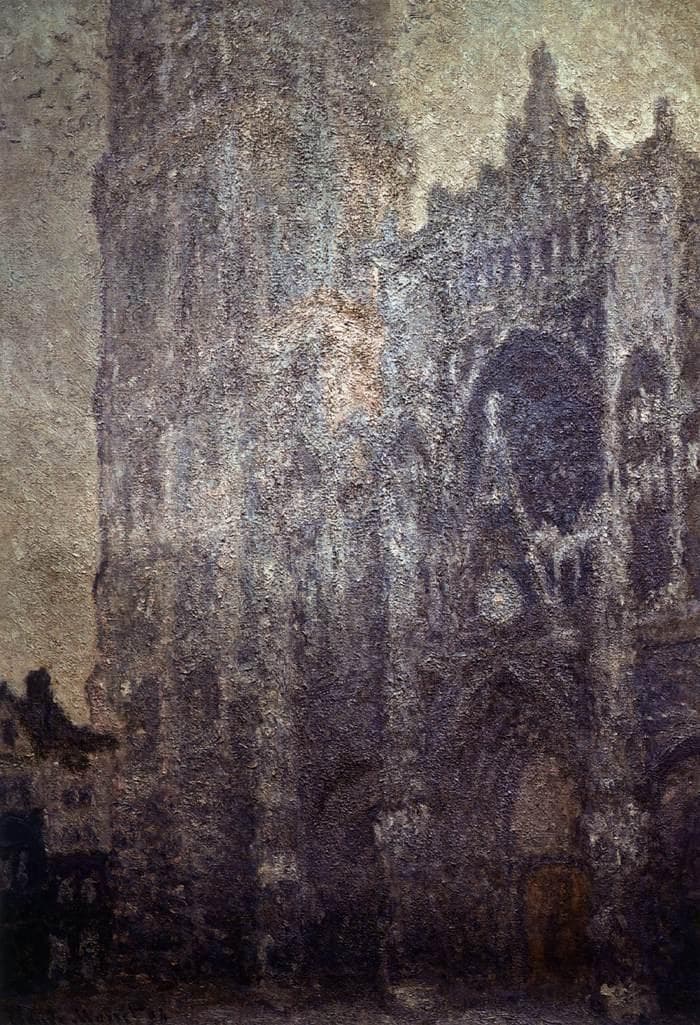
Rouen Cathedral, Effects of Morning Light
Claude Monet · 1893
Kindred works
You may also study
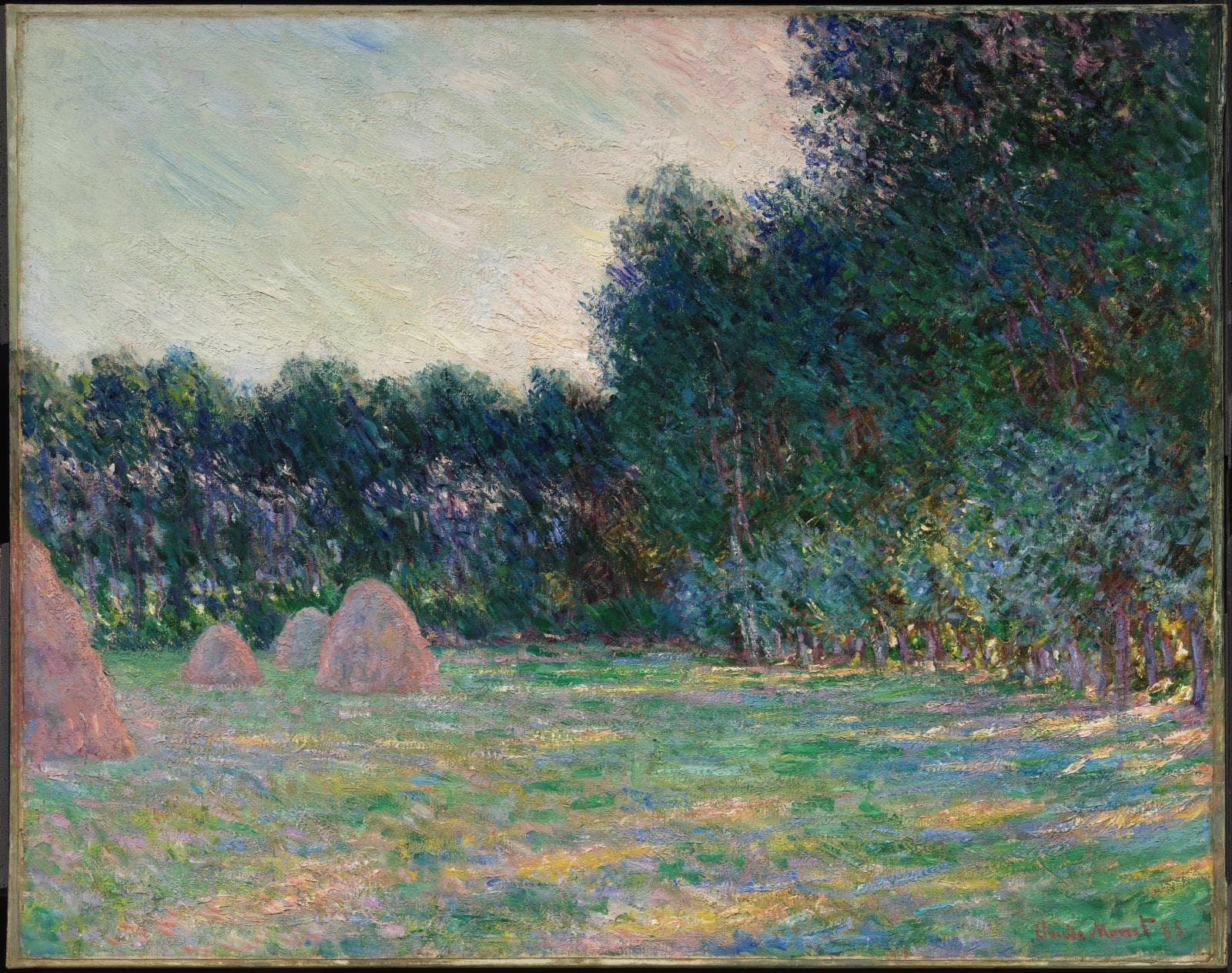
Meadow with Haystacks near Giverny
Claude Monet · 1885
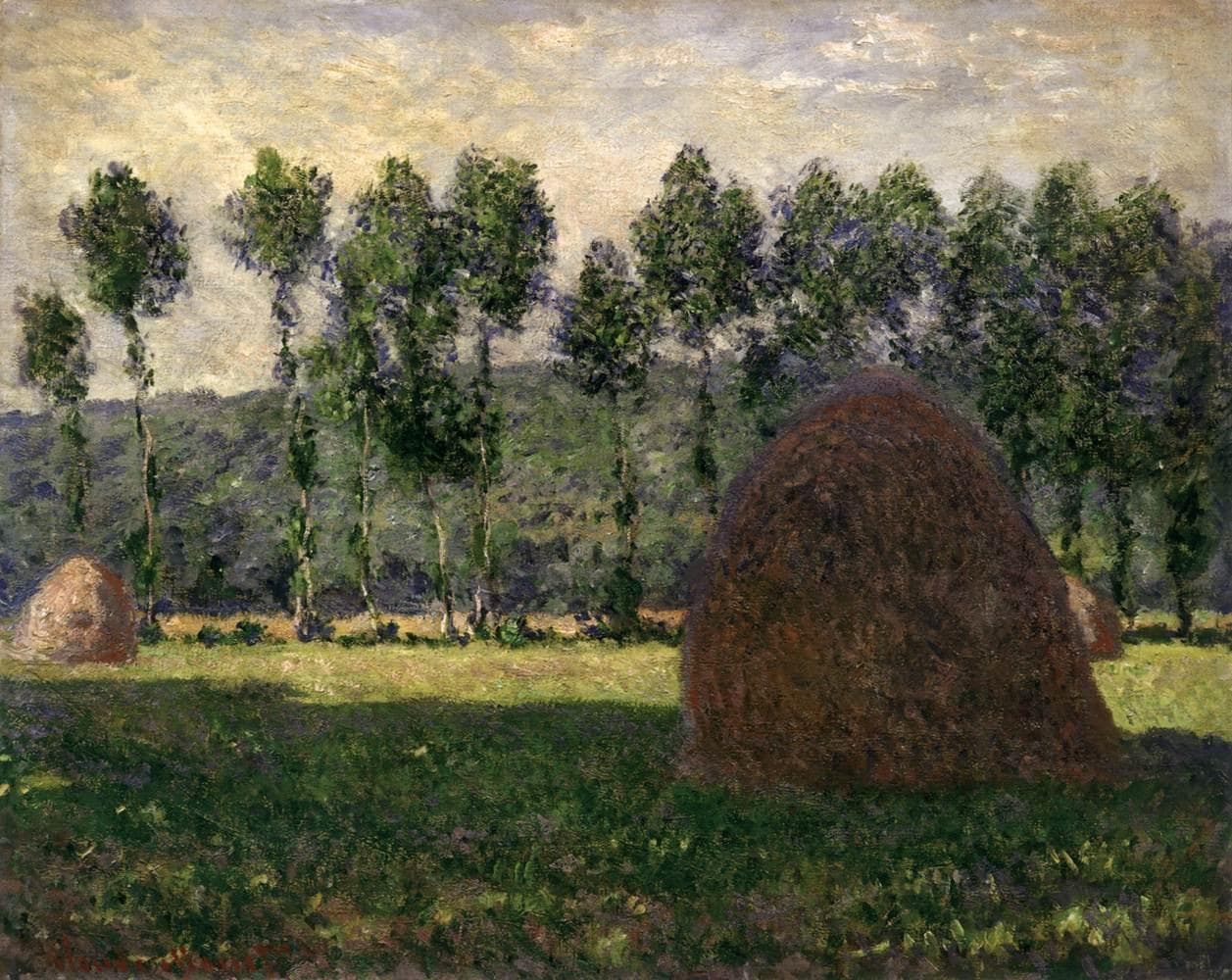
Haystack near Giverny
Claude Monet · 1884–89
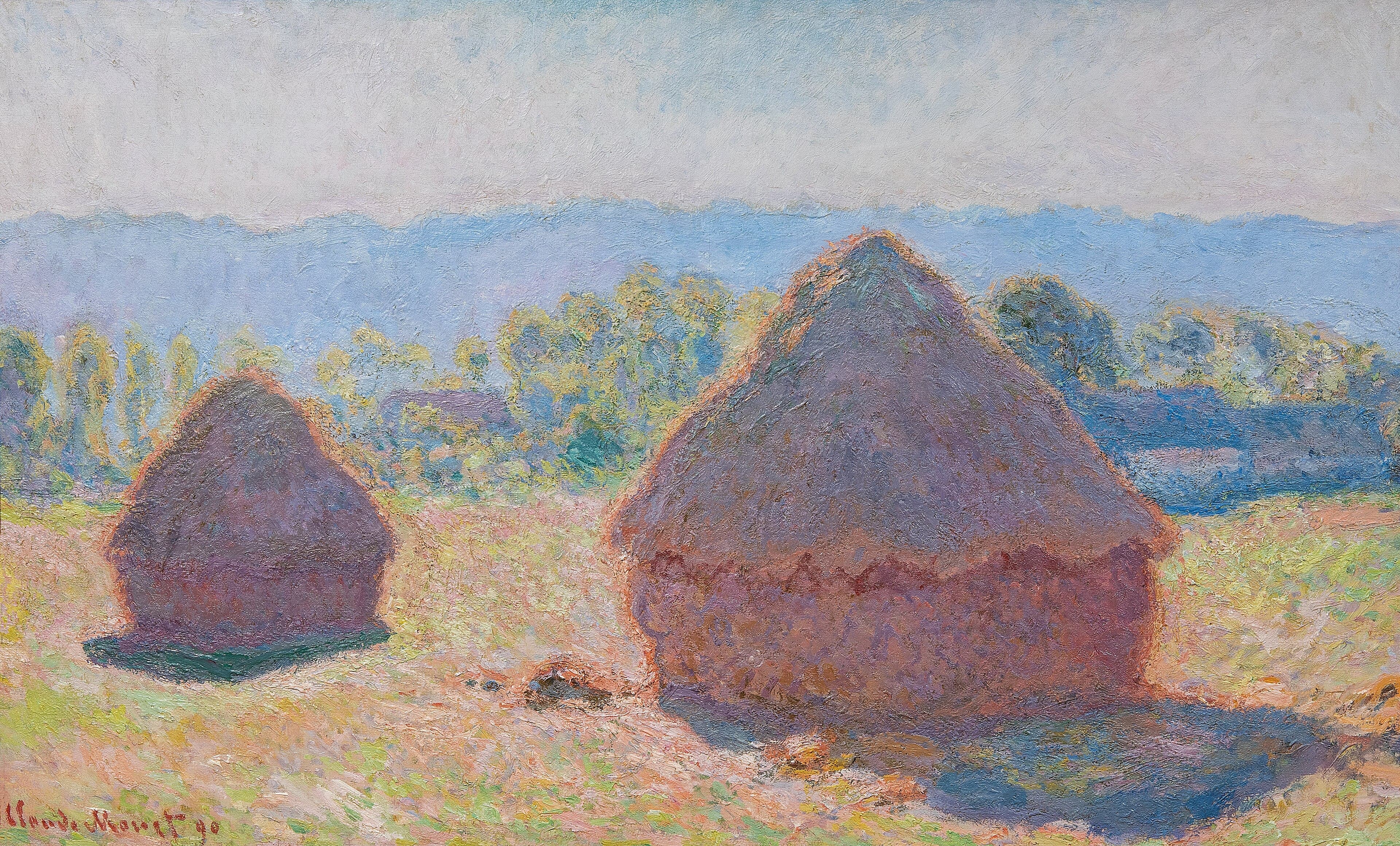
Grainstacks, in Bright Sunlight
Claude Monet · 1890
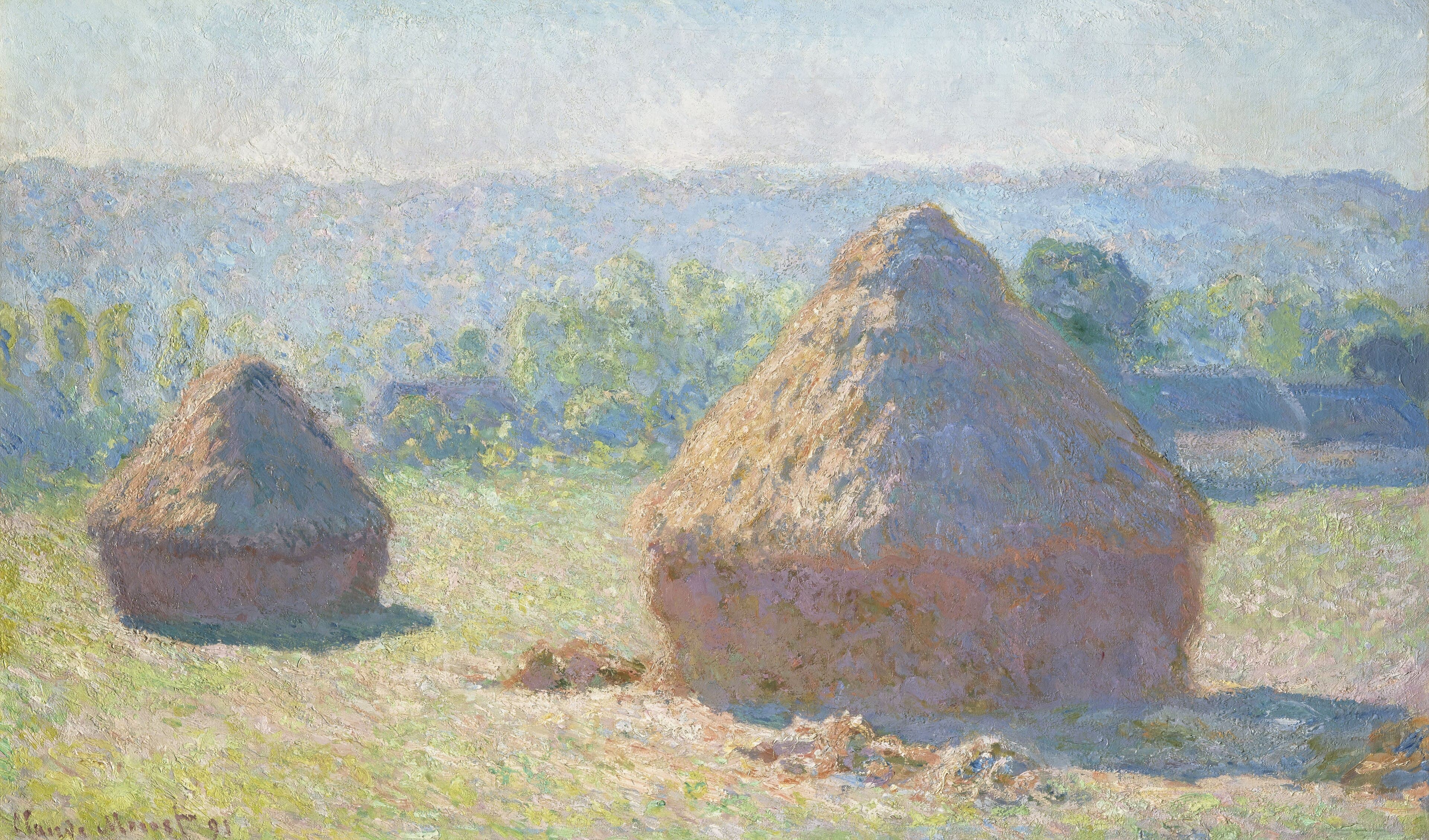
Haystacks, End of Summer
Claude Monet · 1891
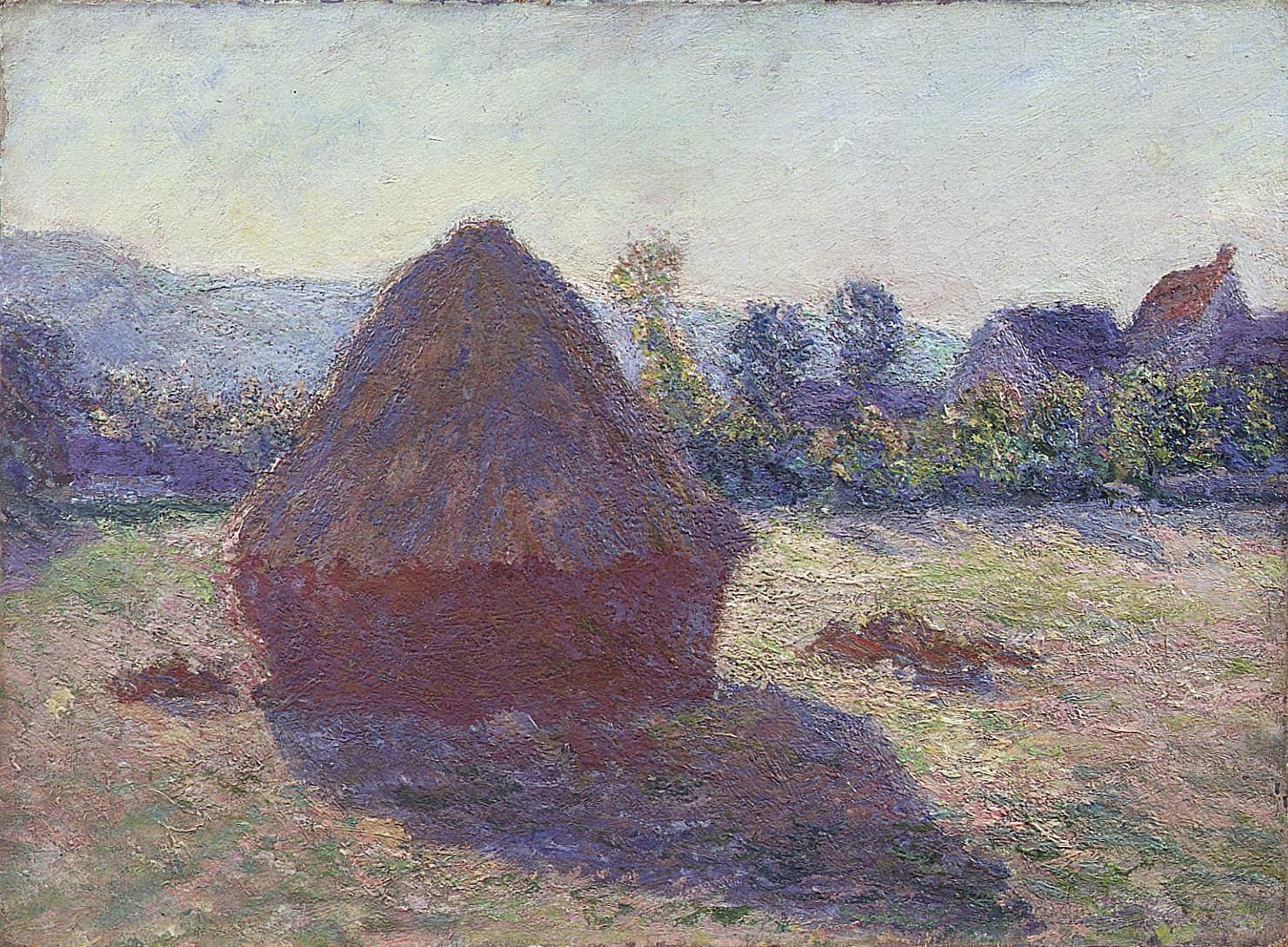
Haystack in the Evening Sun
Claude Monet · 1891
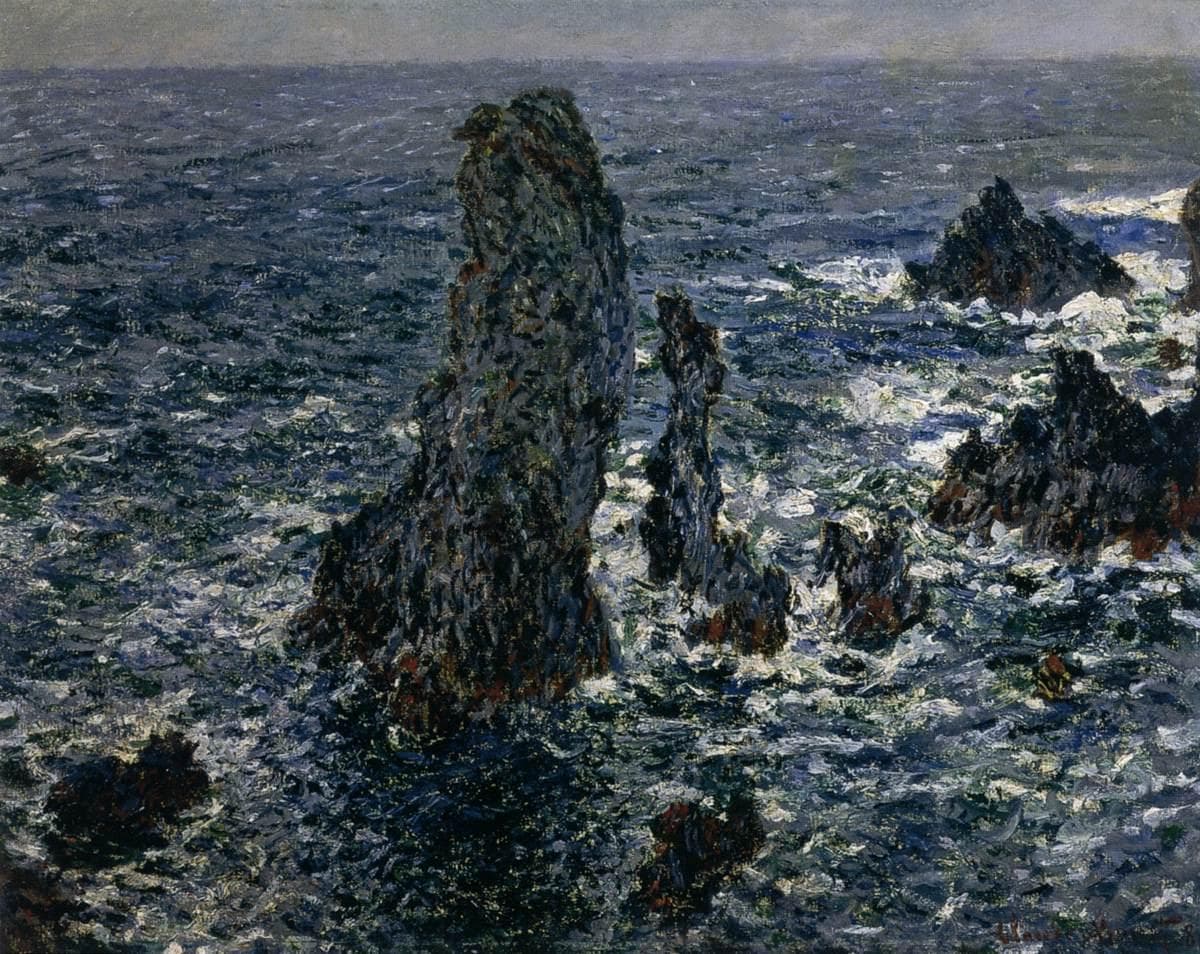
The Pyramides at Port-Coton, Rough Sea
Claude Monet · 1886
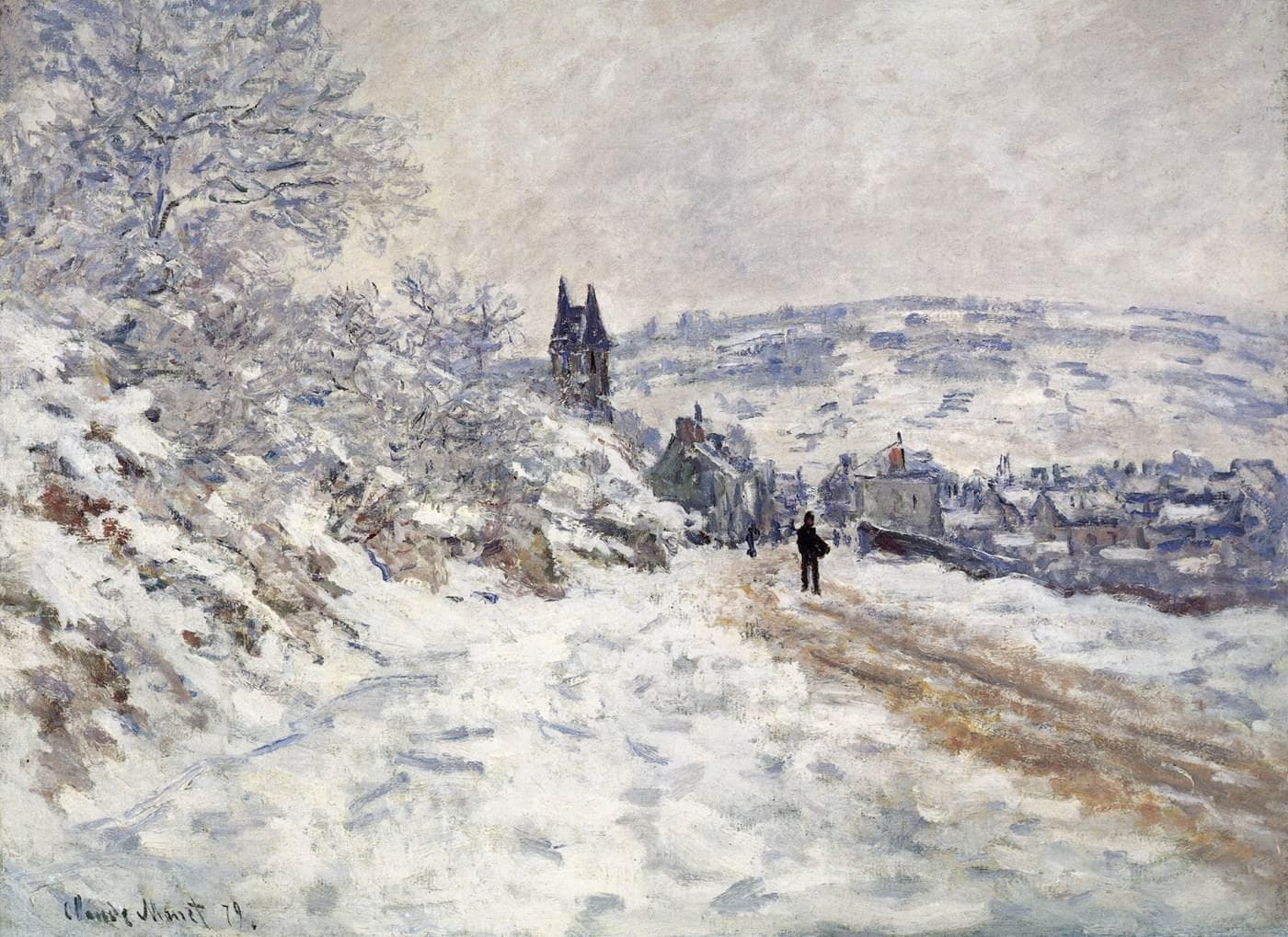
Road to Vétheuil, Snow Effect
Claude Monet · 1879
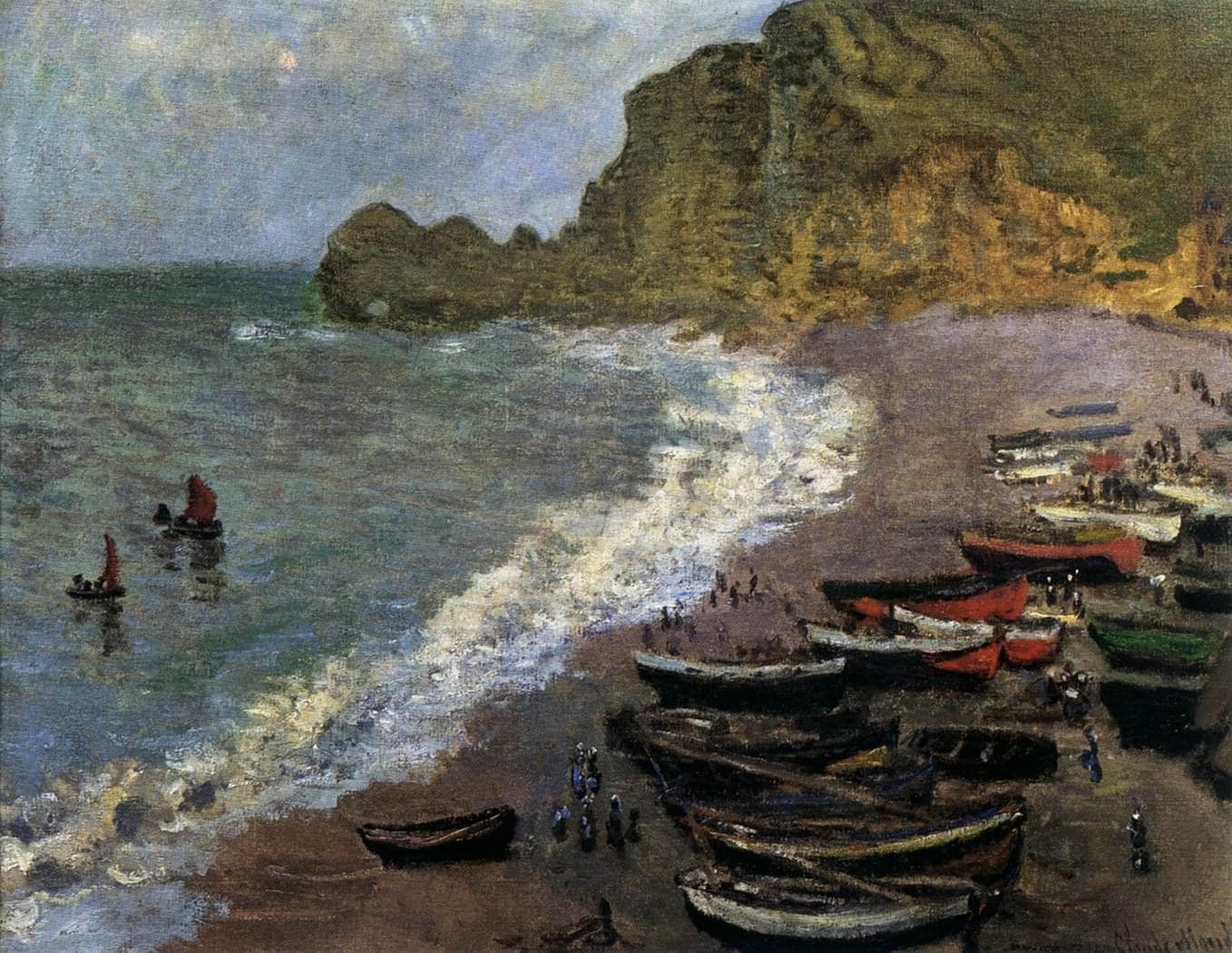
The Beach at Étretat
Claude Monet · 1883