Image: Musée d'Orsay, Paris (via Google Arts & Culture) · Public domain · via Wikimedia Commons
Haystacks, End of Summer
Claude Monet, 1891
Haystacks, End of Summer (Meules, fin de l'été) is an 1891 painting by Claude Monet of two wheat stacks at Giverny in hazy late-summer light. It is the stacks canvas in the Musée d'Orsay, Paris.
- Artist
- Claude Monet
- Date
- 1891
- Medium
- Oil on canvas
- Dimensions
- 60 × 100 cm
- Collection
- Musée d'Orsay, Paris, France
- Movement
- Impressionism
- Catalogue
- Wildenstein 1266
- Nature & Landscape
Haystacks, End of Summer (Meules, fin de l'été) is a painting by Claude Monet, signed and dated "Claude Monet 91" at lower left. It shows two stacks of wheat in the field beside his house at Giverny on a hot, hazy day at the end of summer. The canvas measures 60 by 100 centimeters and is in the Musée d'Orsay in Paris (inventory RF 1975 3), the main version of the series in a French public collection. Wildenstein lists it as number 1266.
What you're looking at
A small stack stands at left and a much bigger one right of center, with a few loose clumps of straw scattered in front of it. Both are seen against the light: the sun is high and behind them, so their fronts are in soft shadow, painted in mauve, rose and dusty blue, while their tops and edges catch a pale gold.
The shadows come toward us and are short, which fixes the time near the middle of the day. Under the small stack lies a compact pool of blue; the big stack sits on a darker, violet base that spreads to the right.
Everything else is wrapped in heat haze. Behind the field, a line of poplars and fruit trees is touched in with yellow-green, a long farm building with a blue roof stretches along the right, and the hills beyond are reduced to a band of pale blue strokes that almost merges with the sky. The sky itself is white with hints of blue and lilac, laid on so thickly that it reads as a textured wall of light.
End of summer: what makes this version distinct
Two canvases in the series share the French title Meules, fin de l'été. The other is Stacks of Wheat (End of Summer) in Chicago, which shows the pair later in the day, with long raking shadows and rosy color. The Orsay picture is cooler and paler, a study of glare more than of warmth. It is also closely related to Hill-Stead's Grainstacks, in Bright Sunlight, seen from almost the same place; there the outlines blaze orange, while here they are soft and silvery, as if the haze had absorbed the heat.
The picture shows how much a stack could change without moving. The motif is identical across these canvases; the subject is the air between the painter and the field.
How it was painted
Monet worked on the stacks in the field from late summer 1890 into the winter, keeping several canvases going and choosing the one that matched the light of the moment. He then reworked them in the studio. Here the surface is dense and dry, built up in many thin layers of small strokes. In the field the touches are short and crisscrossed; in the stacks they follow the slope of the straw. The color range is narrow, almost all pale blues, lilacs and creams, which is what gives the canvas its quiet, sun-bleached unity.
The series and the Orsay
Fifteen stacks were shown together at Durand-Ruel's gallery in Paris in May 1891 and sold quickly, many to American collectors. As a result few versions stayed in France, which makes this canvas especially important for Paris. The Orsay also holds major works from Monet's later series, including Rouen Cathedral facades and a Houses of Parliament. For the full group of stacks, see our Haystacks series hub.
Details to look for
The loose clumps of straw in front of the big stack are easy to miss. They are painted in warm brown and orange and are the darkest touches in the lower half, anchoring the stack to the ground. Look also at the line where the field meets the trees: Monet blurs it with a band of pale green and yellow, so the distance seems to shimmer in the heat.
Where to see it
The painting is in the Musée d'Orsay, in the Impressionist galleries on the upper floor when on view. See Monet at the Musée d'Orsay for the museum's other works, Giverny for the place, and Claude Monet for his life.
Questions & answers
Where is Monet's Haystacks, End of Summer?
It is in the Musée d'Orsay in Paris, inventory number RF 1975 3. It is the main canvas from Monet's 1890–91 stacks series in a French national museum, since most versions were bought by American collectors soon after the 1891 exhibition.
When and where was it painted?
Monet painted it at Giverny, in the field next to his house, and dated it 1891. He started the stacks outdoors in late summer 1890 and finished many of them in the studio before showing them in Paris in May 1891.
What does Haystacks, End of Summer show?
Two stacks of harvested wheat on a hot, hazy day. The sun is high behind them, so their fronts are in soft mauve shadow, short blue shadows fall toward the viewer, and trees, a farm building and hills melt into a pale sky.
Is the Orsay painting the same as the Chicago one?
No. Both are called Meules, fin de l'été and show the same two stacks, but the Chicago canvas is later in the day, with long shadows and rosy color. The Orsay version is paler and cooler, closer to midday glare.
More by the artist
Claude Monet
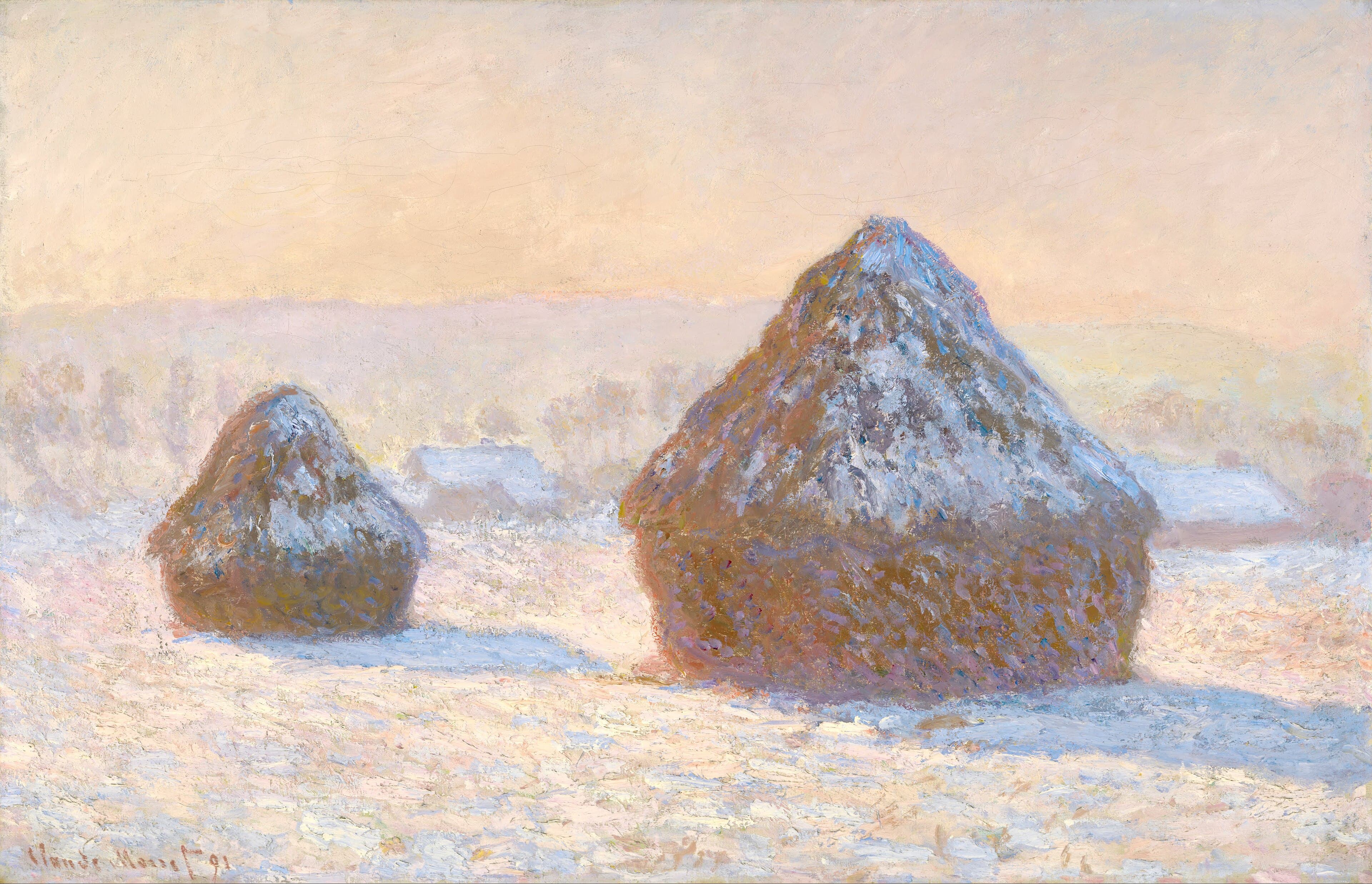
Wheatstacks, Snow Effect, Morning
Claude Monet · 1891
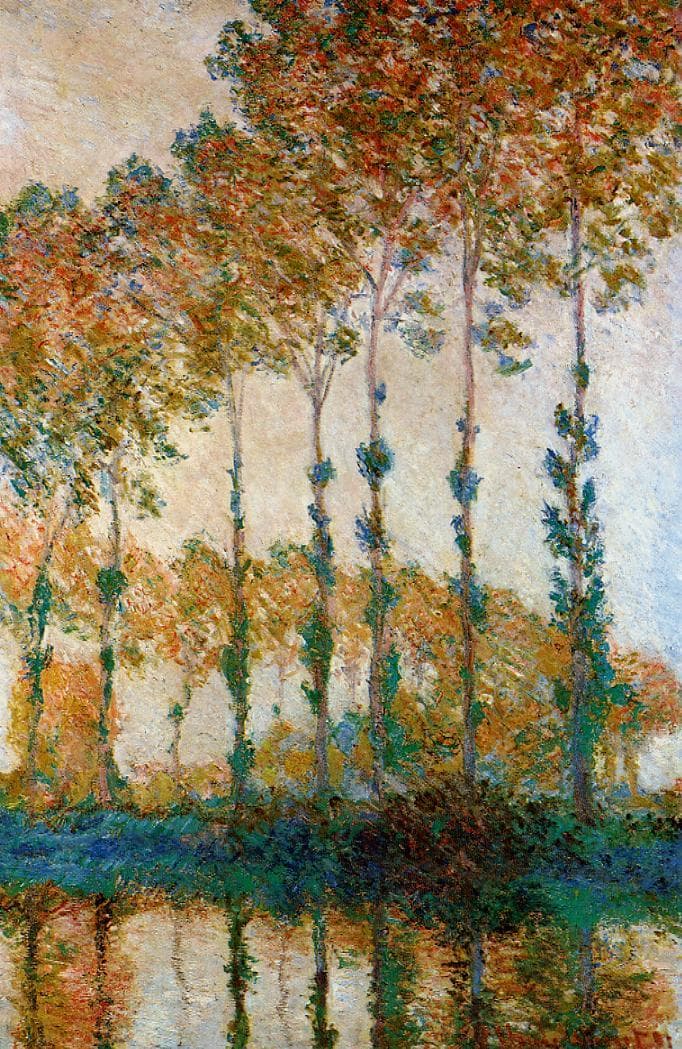
Poplars on the Banks of the Epte, Autumn
Claude Monet · 1891
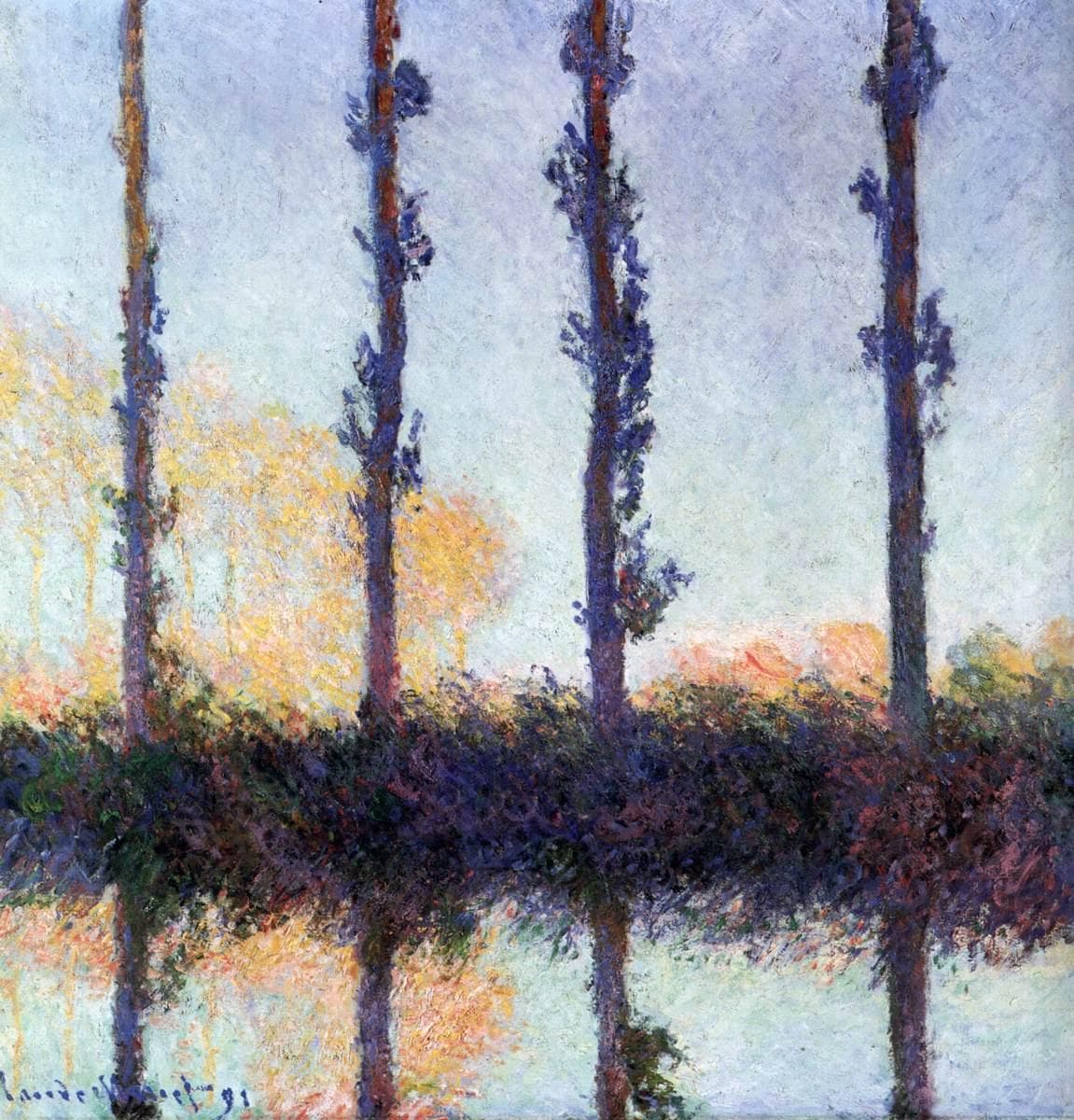
The Four Trees
Claude Monet · 1891
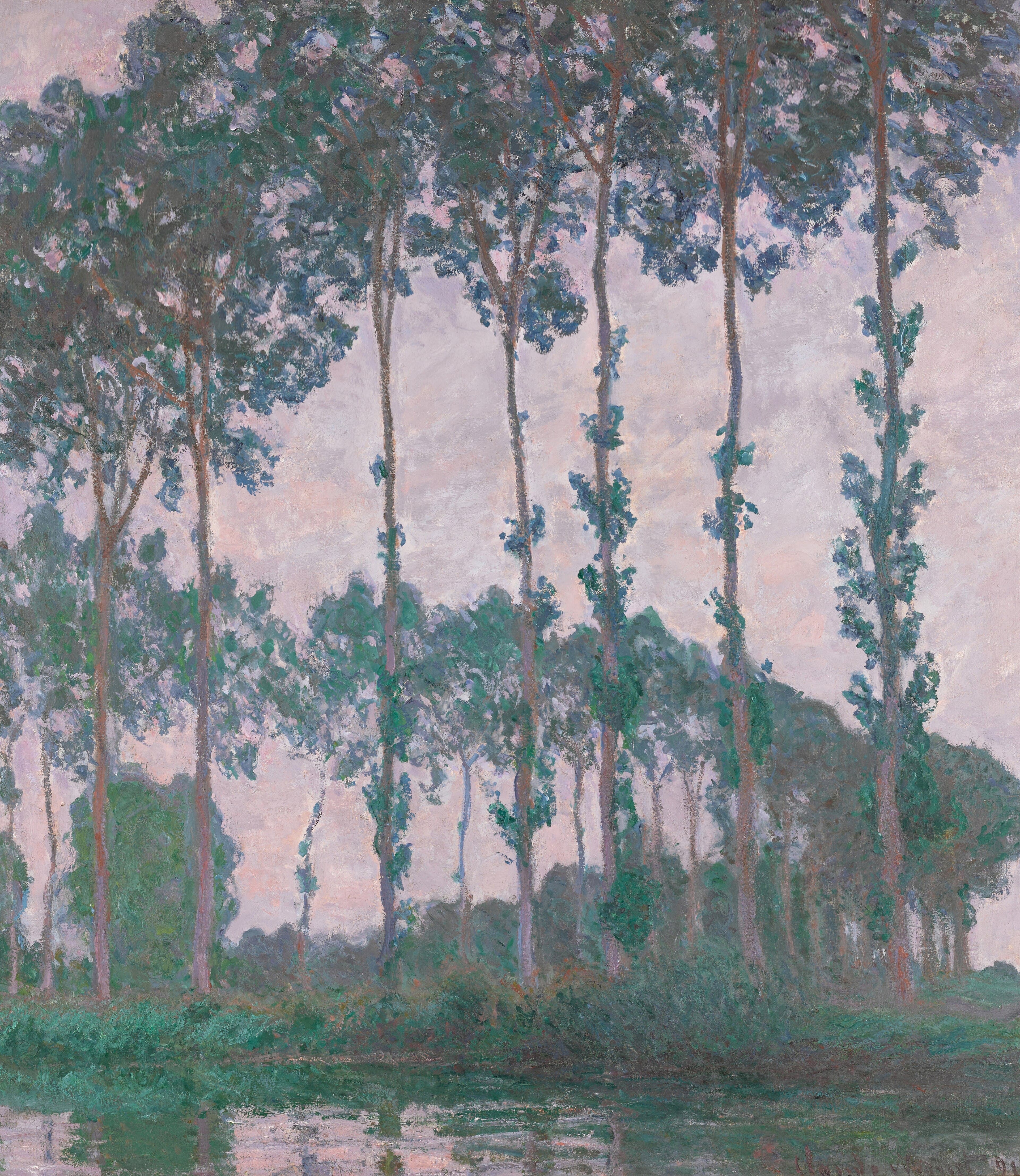
Peupliers au bord de l'Epte, temps couvert
Claude Monet · 1891
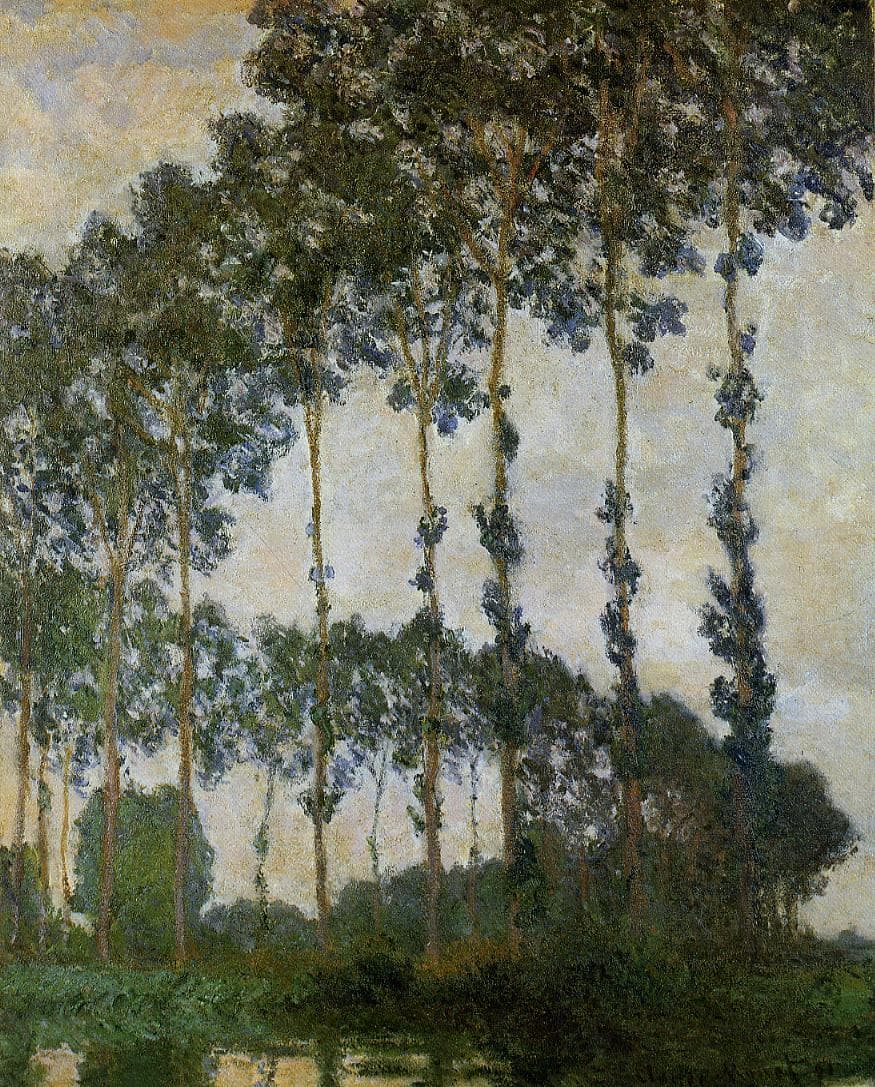
Poplars near Giverny, Overcast Weather
Claude Monet · 1891
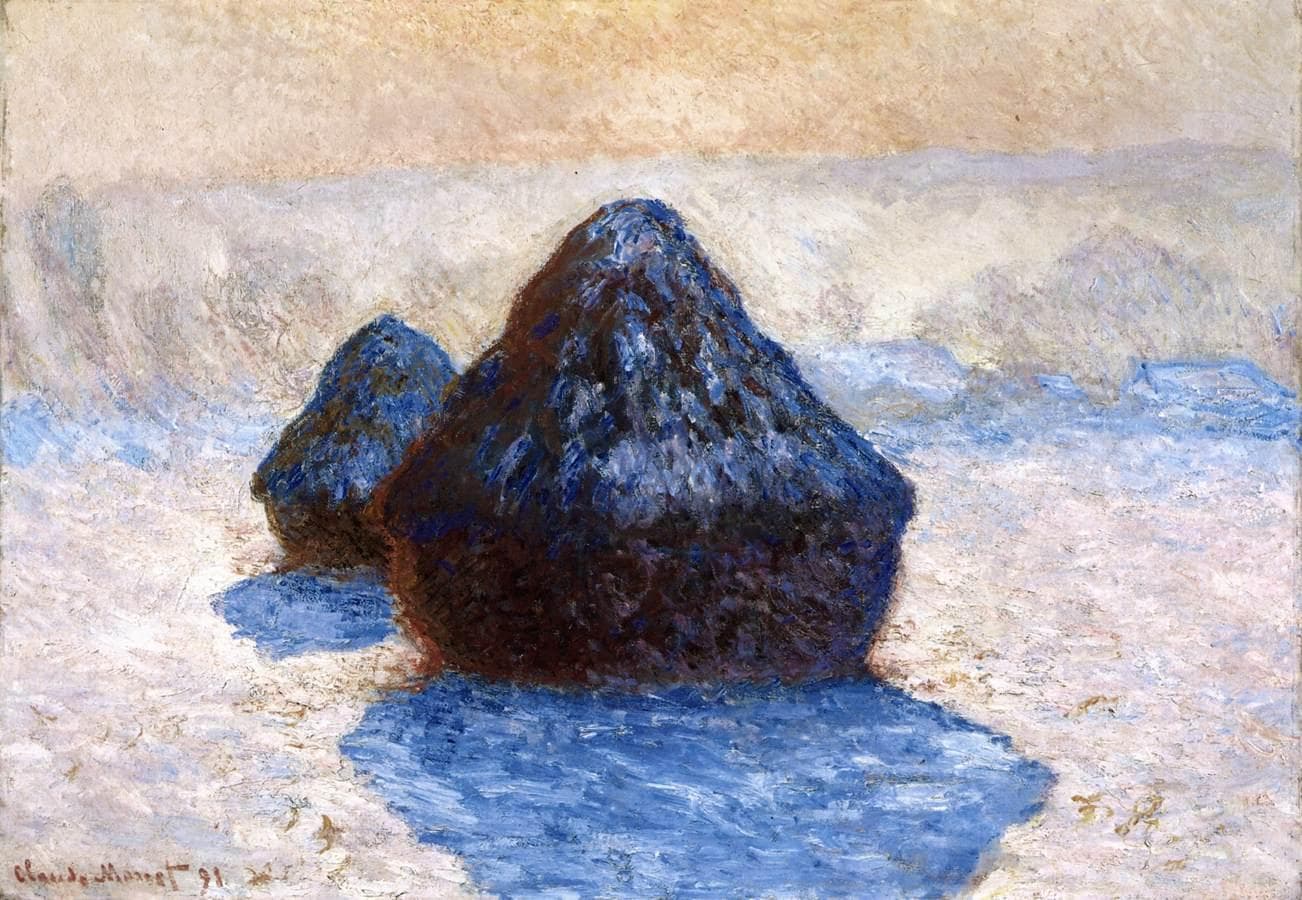
Haystacks, Snow Effect
Claude Monet · 1891
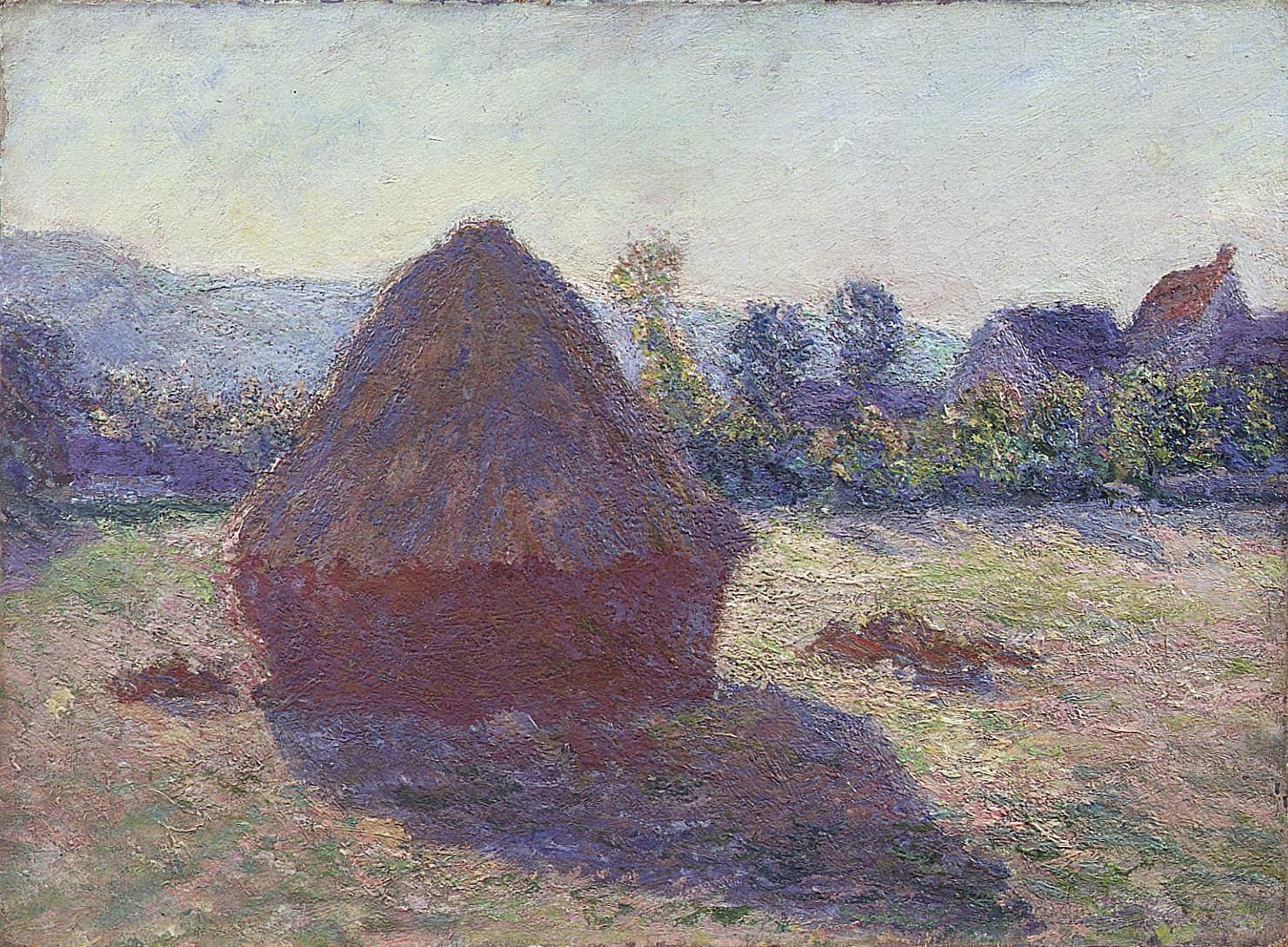
Haystack in the Evening Sun
Claude Monet · 1891
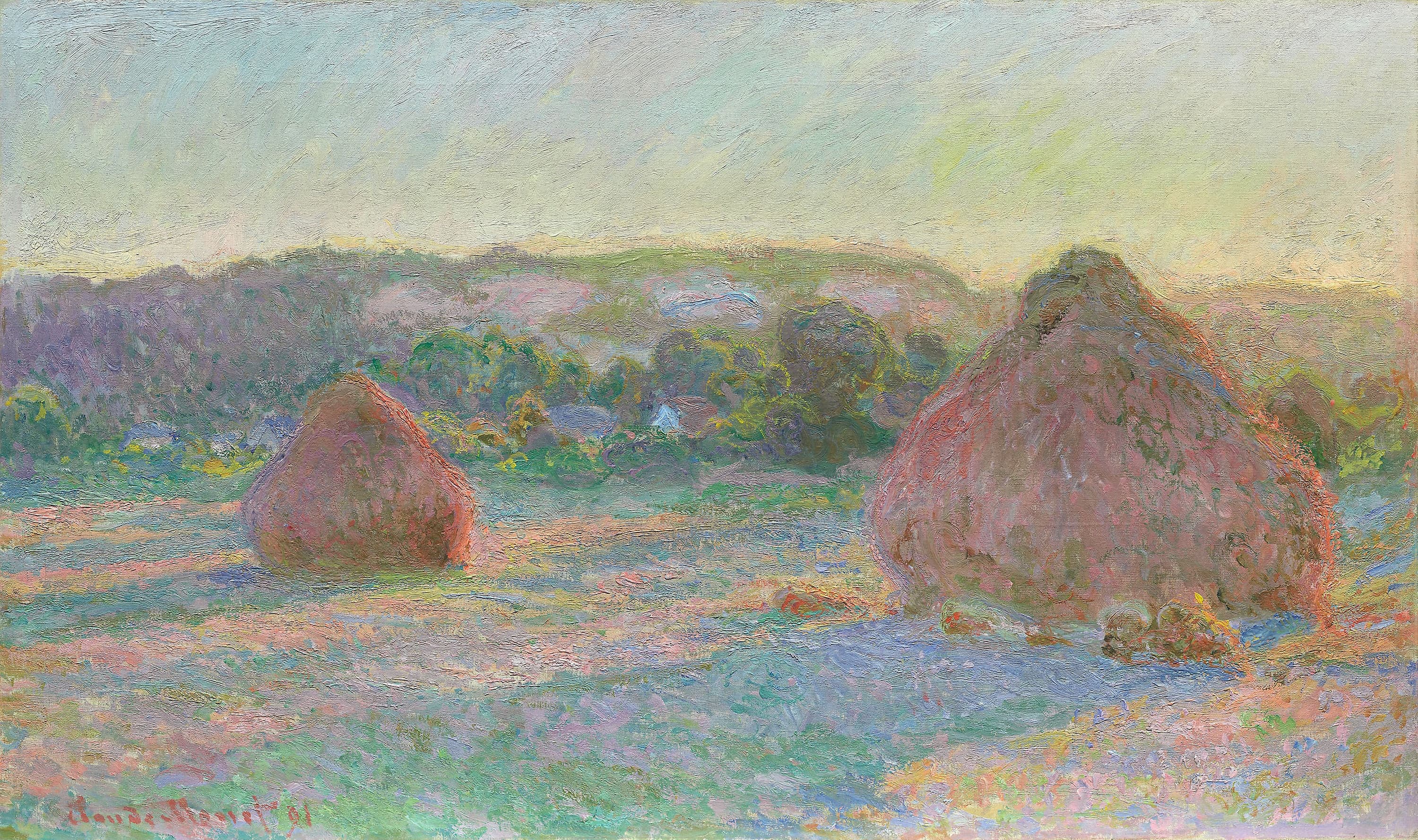
Stacks of Wheat (End of Summer)
Claude Monet · 1890–91
Also painted in 1891
The same year
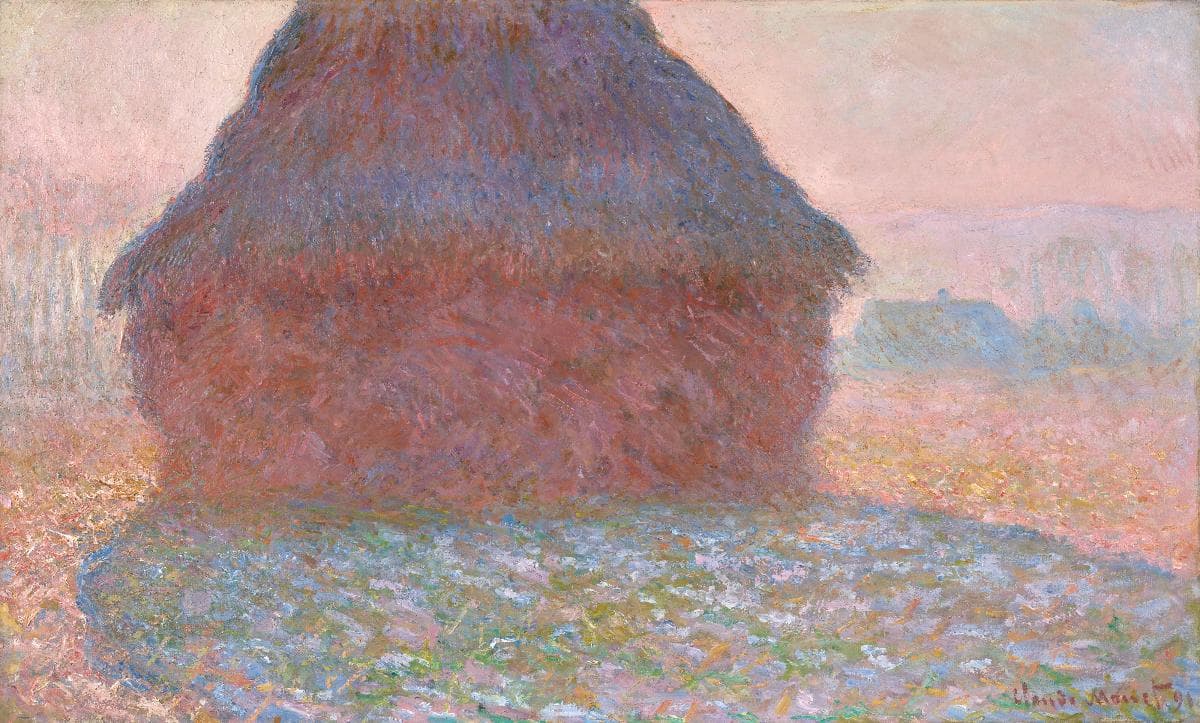
Grainstack in Sunlight
Claude Monet · 1891
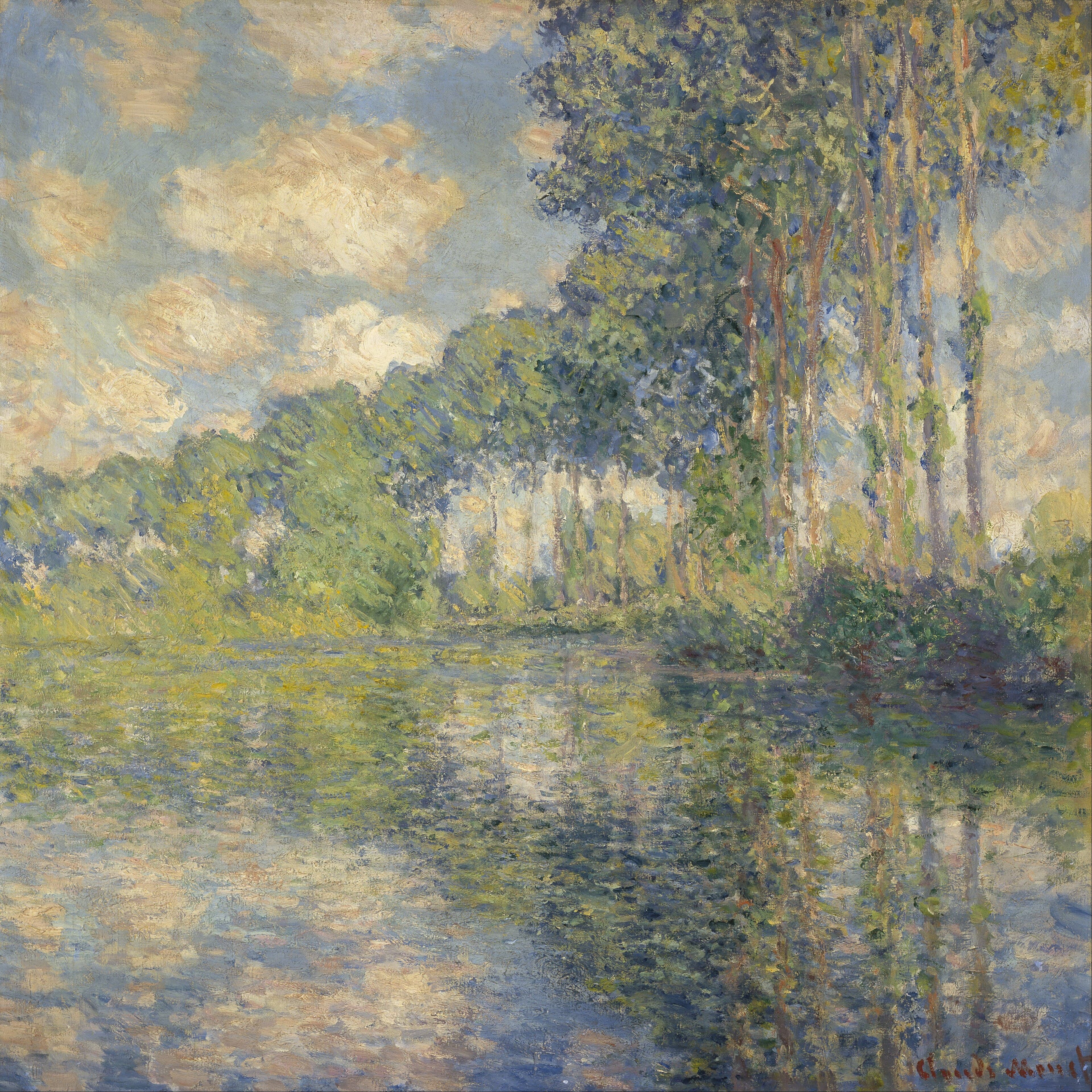
Poplars on the Epte (Edinburgh)
Claude Monet · 1891
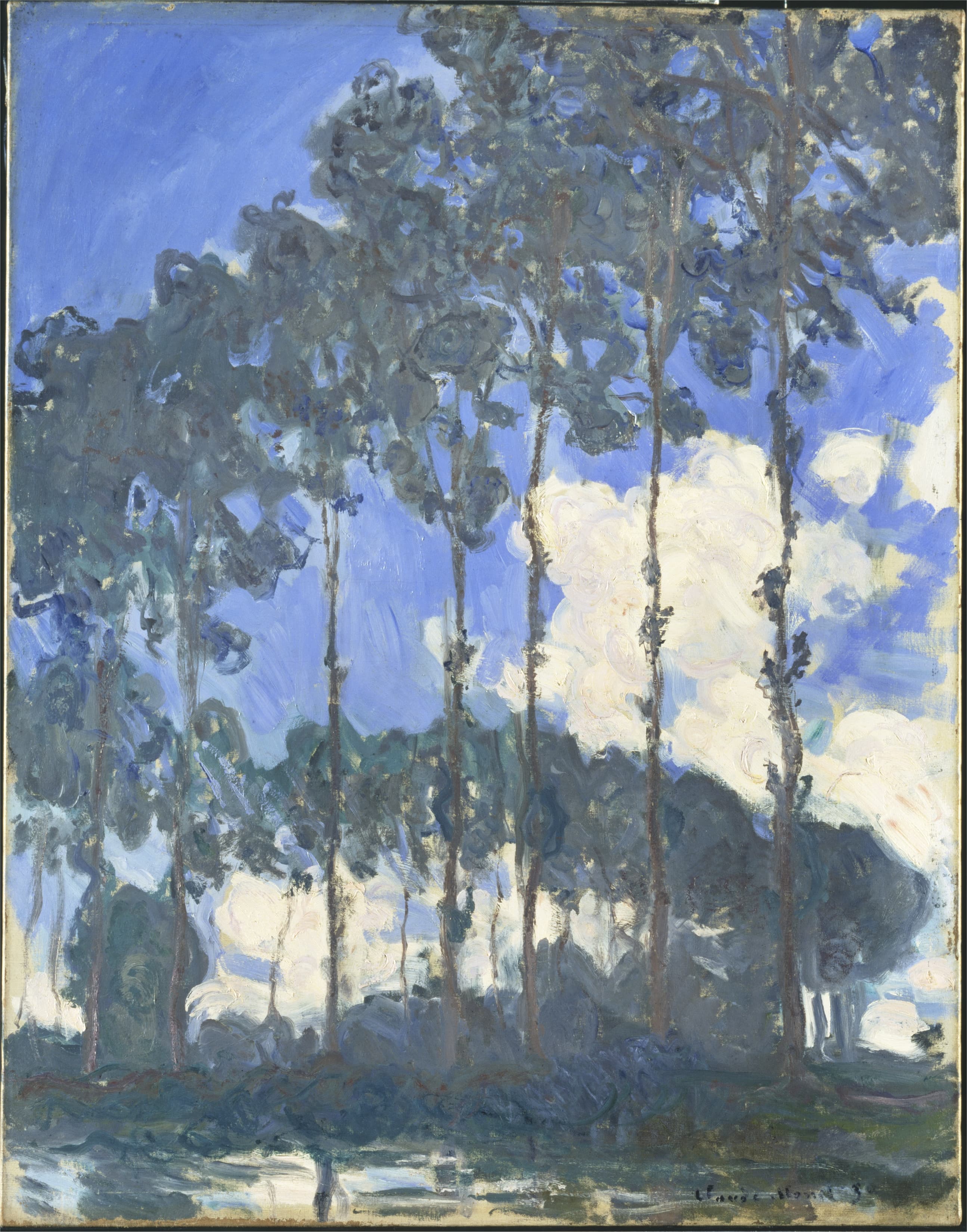
Poplars on the Epte (London)
Claude Monet · 1891
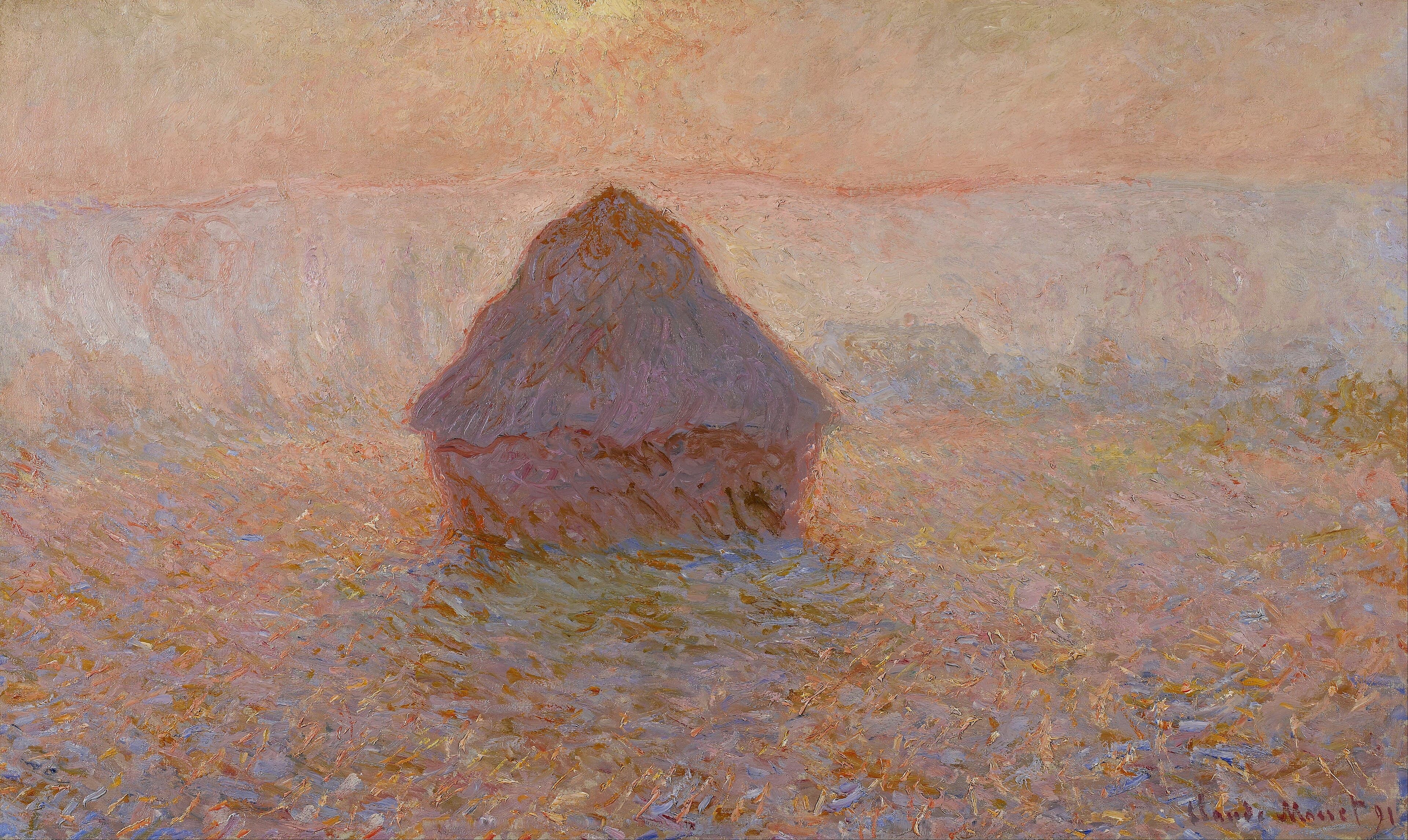
Grainstack, Sun in the Mist
Claude Monet · 1891
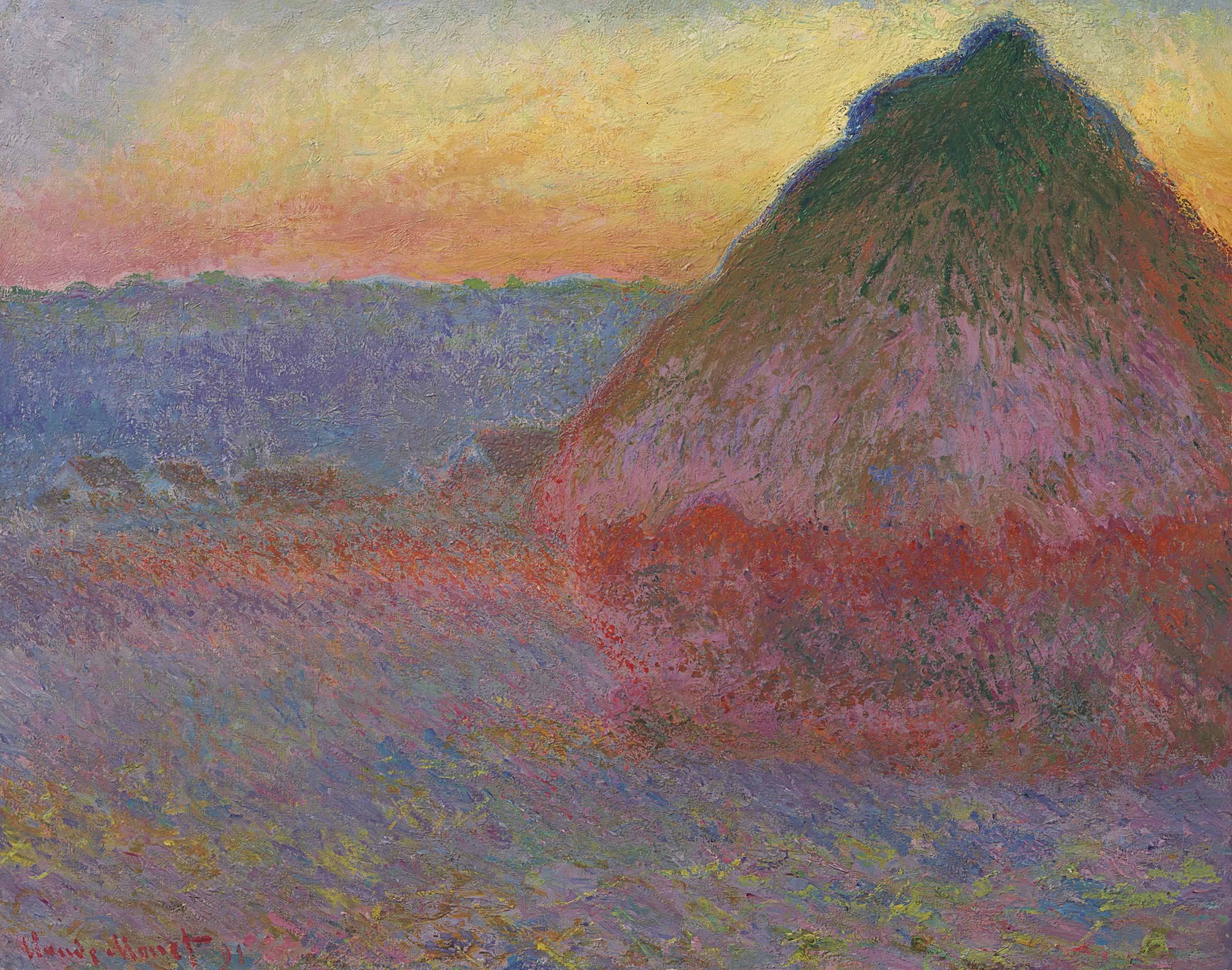
Grainstack in the Sunlight
Claude Monet · 1891
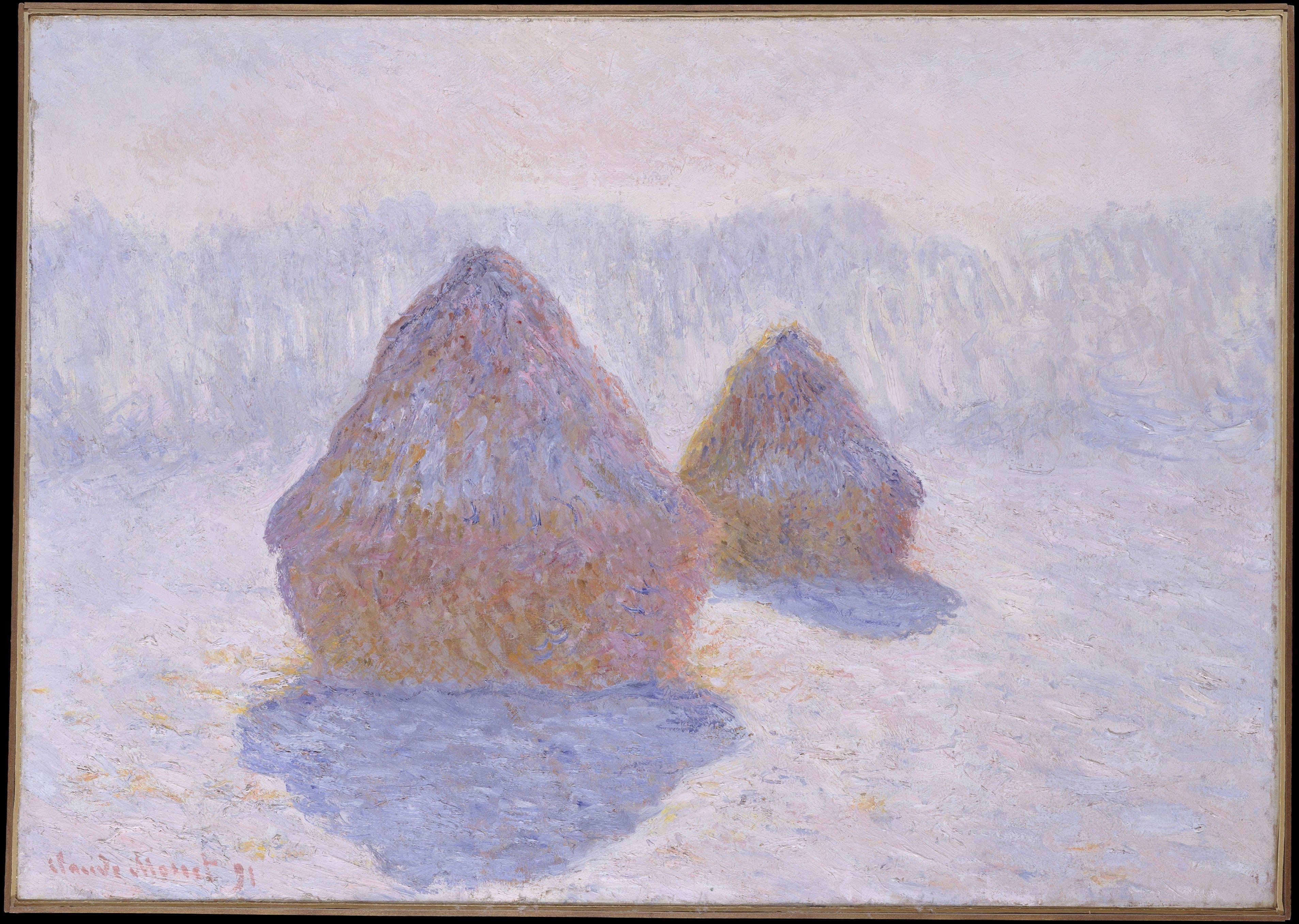
Haystacks (Effect of Snow and Sun)
Claude Monet · 1891
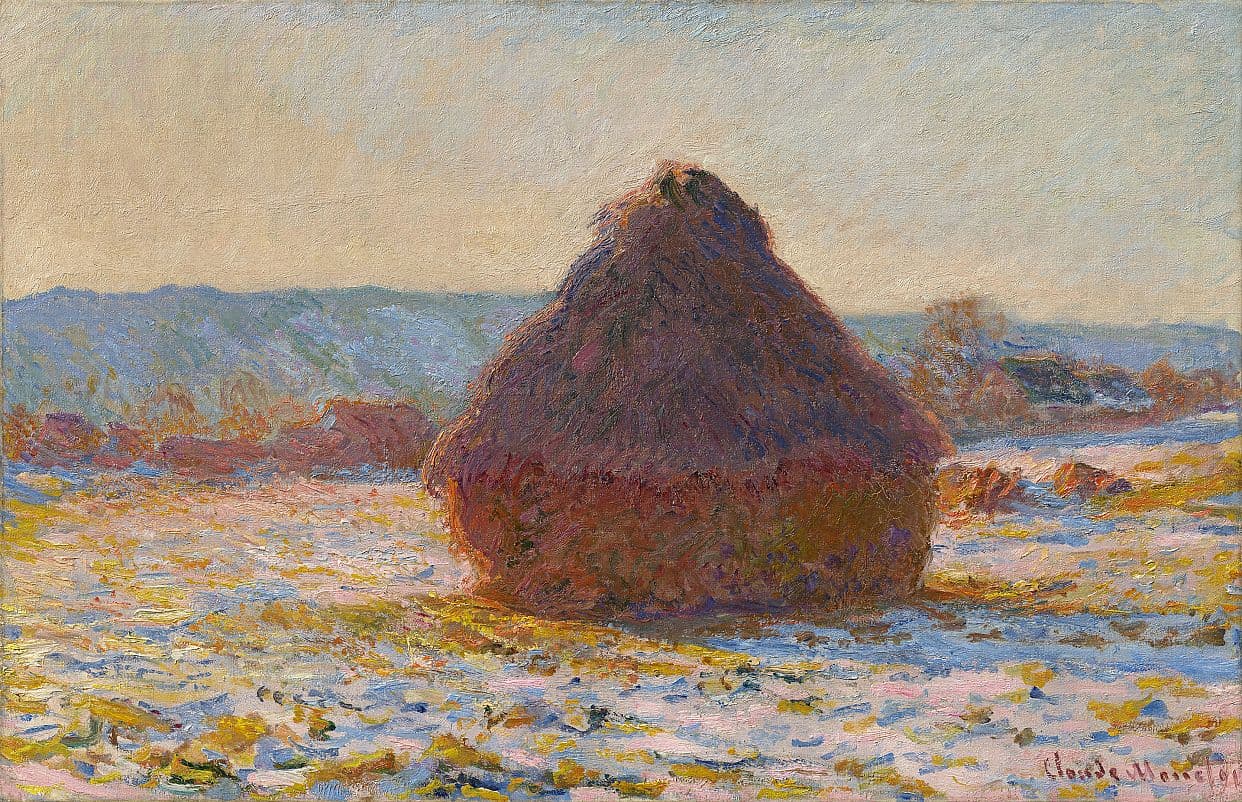
Grainstack in the Sunlight, Snow Effect
Claude Monet · 1891
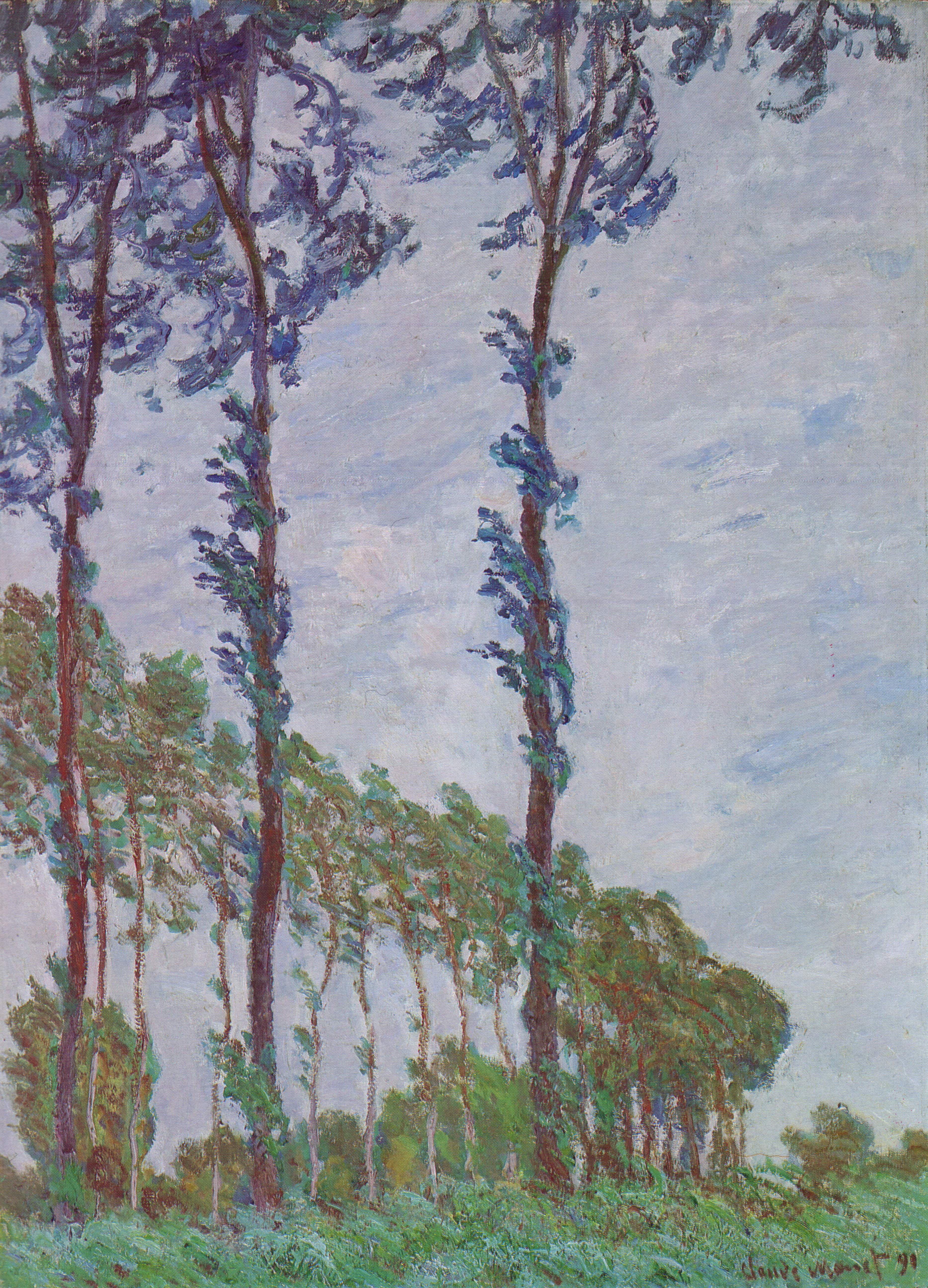
Wind Effect, Series of The Poplars
Claude Monet · 1891
Kindred works
You may also study
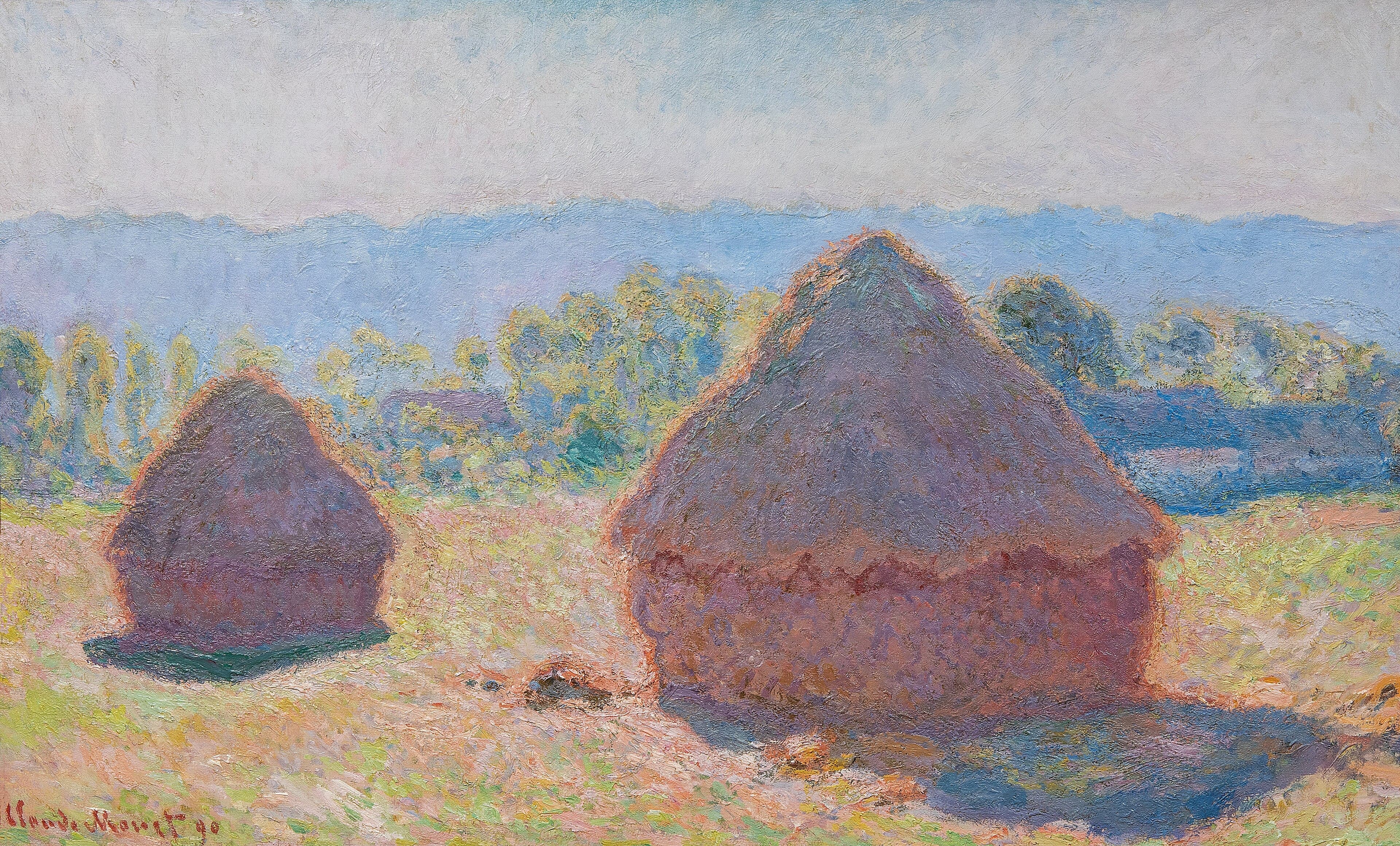
Grainstacks, in Bright Sunlight
Claude Monet · 1890
Grainstacks in the Sunlight, Morning Effect
Claude Monet · 1890
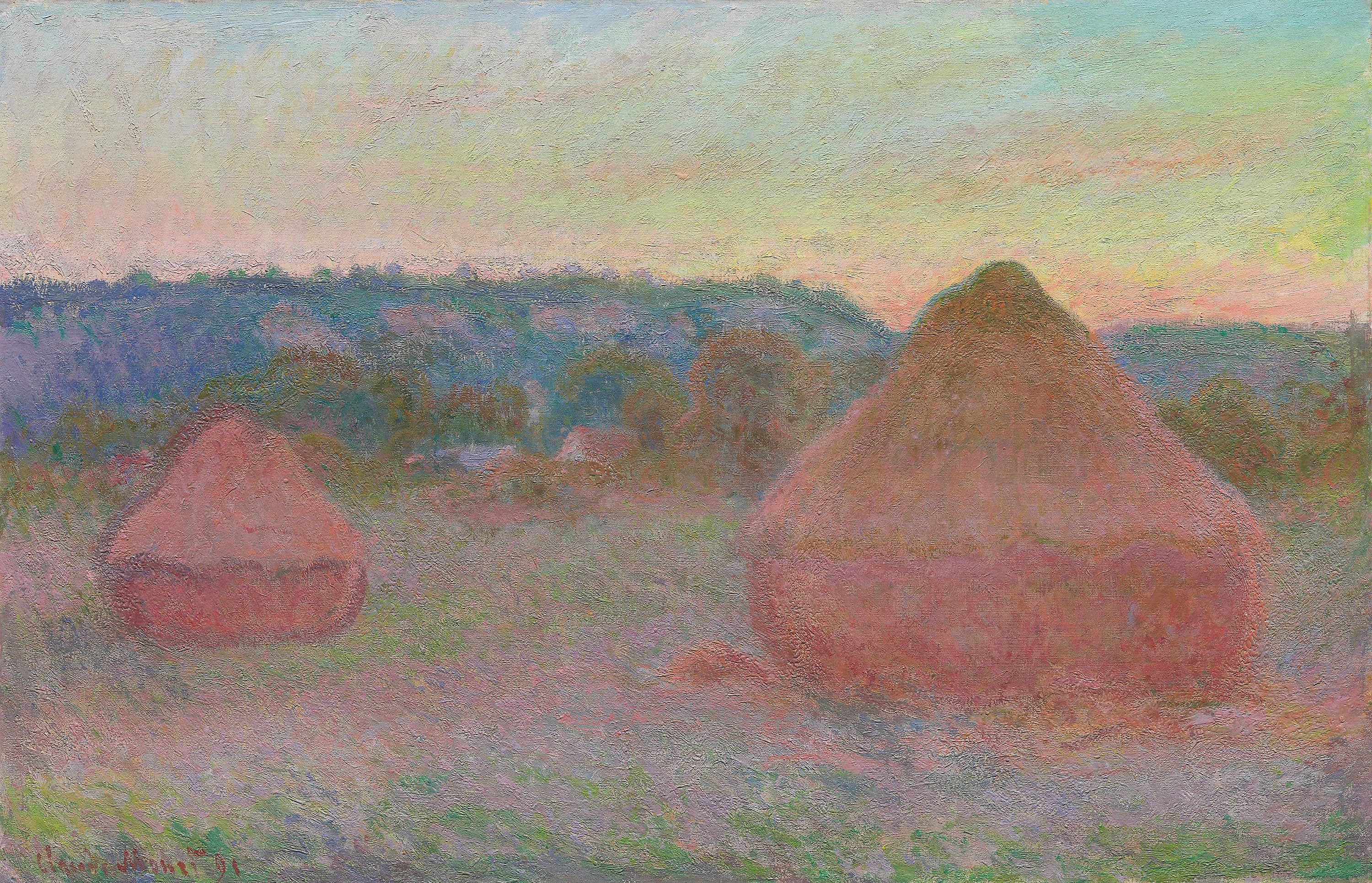
Stacks of Wheat (End of Day, Autumn)
Claude Monet · 1890–91
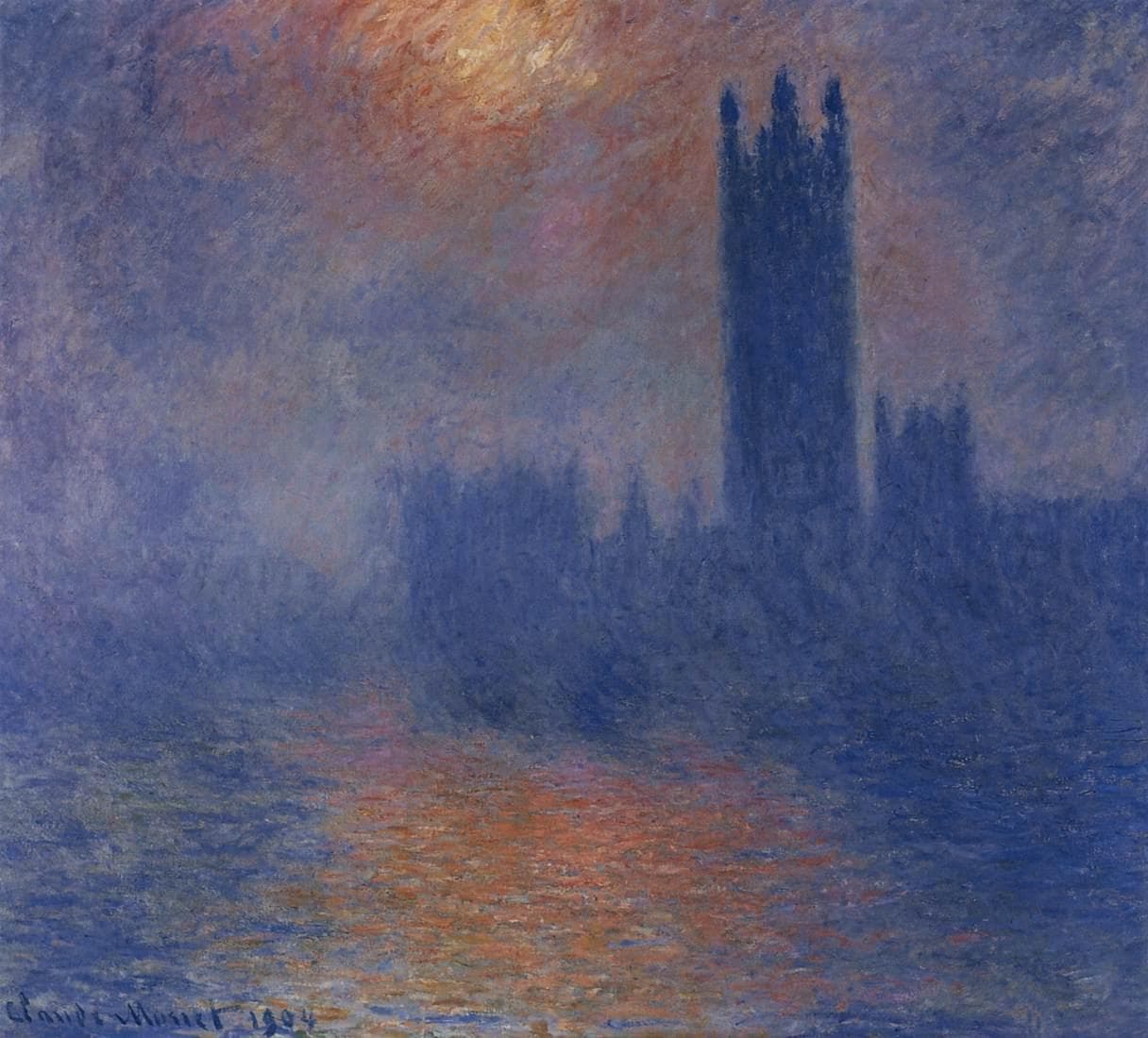
The Houses of Parliament in London
Claude Monet · 1904
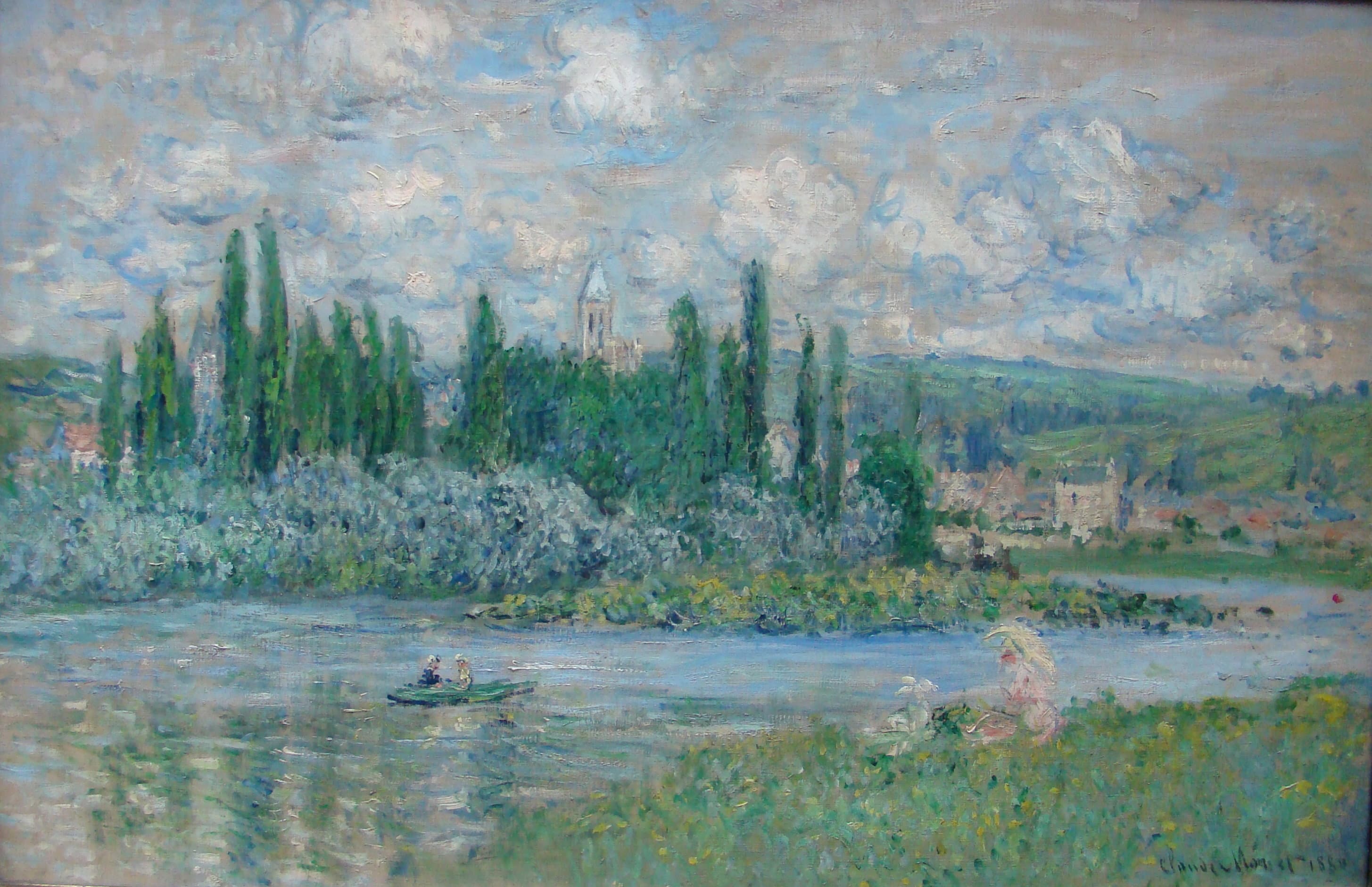
View of Vétheuil
Claude Monet · 1880
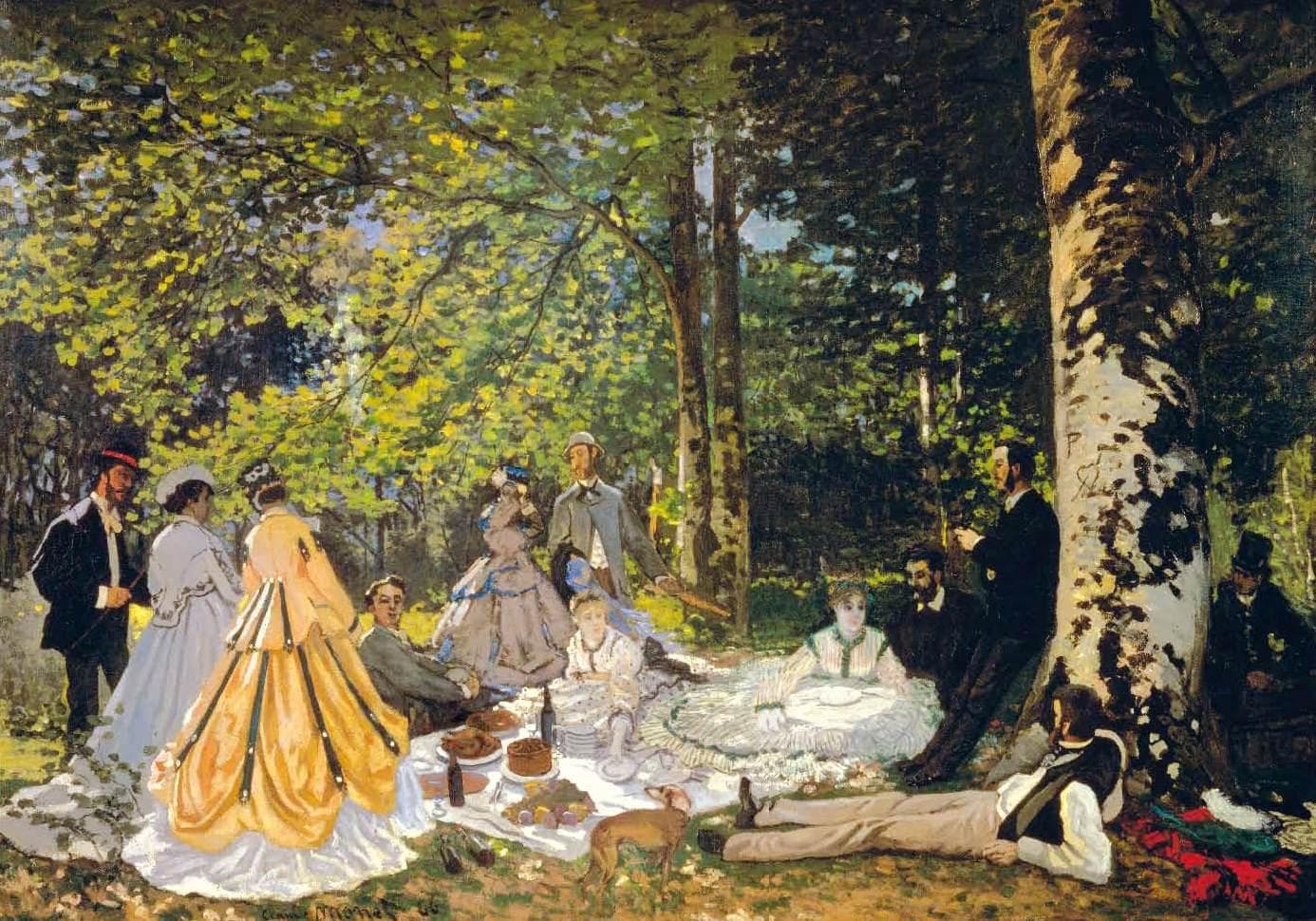
The Picnic
Claude Monet · 1865–66
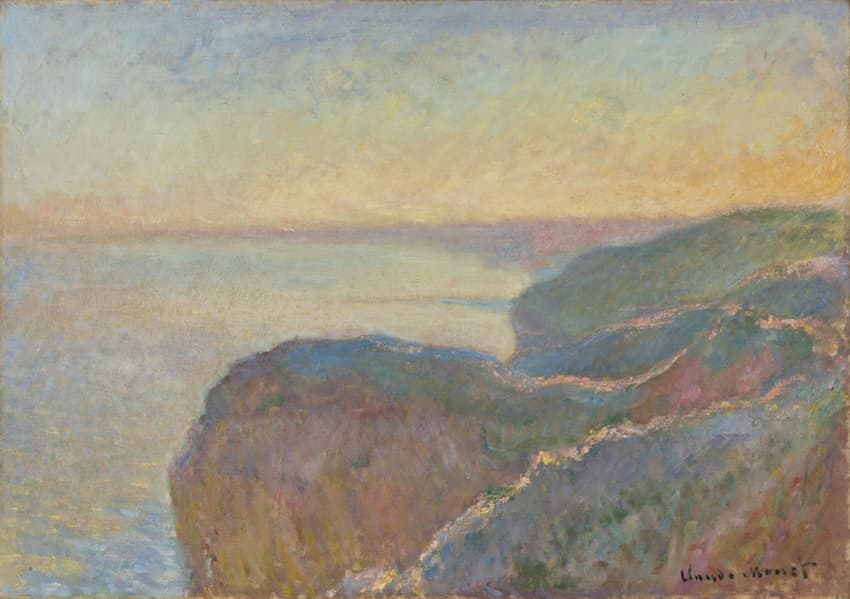
Sur la falaise de Dieppe
Claude Monet · 1897
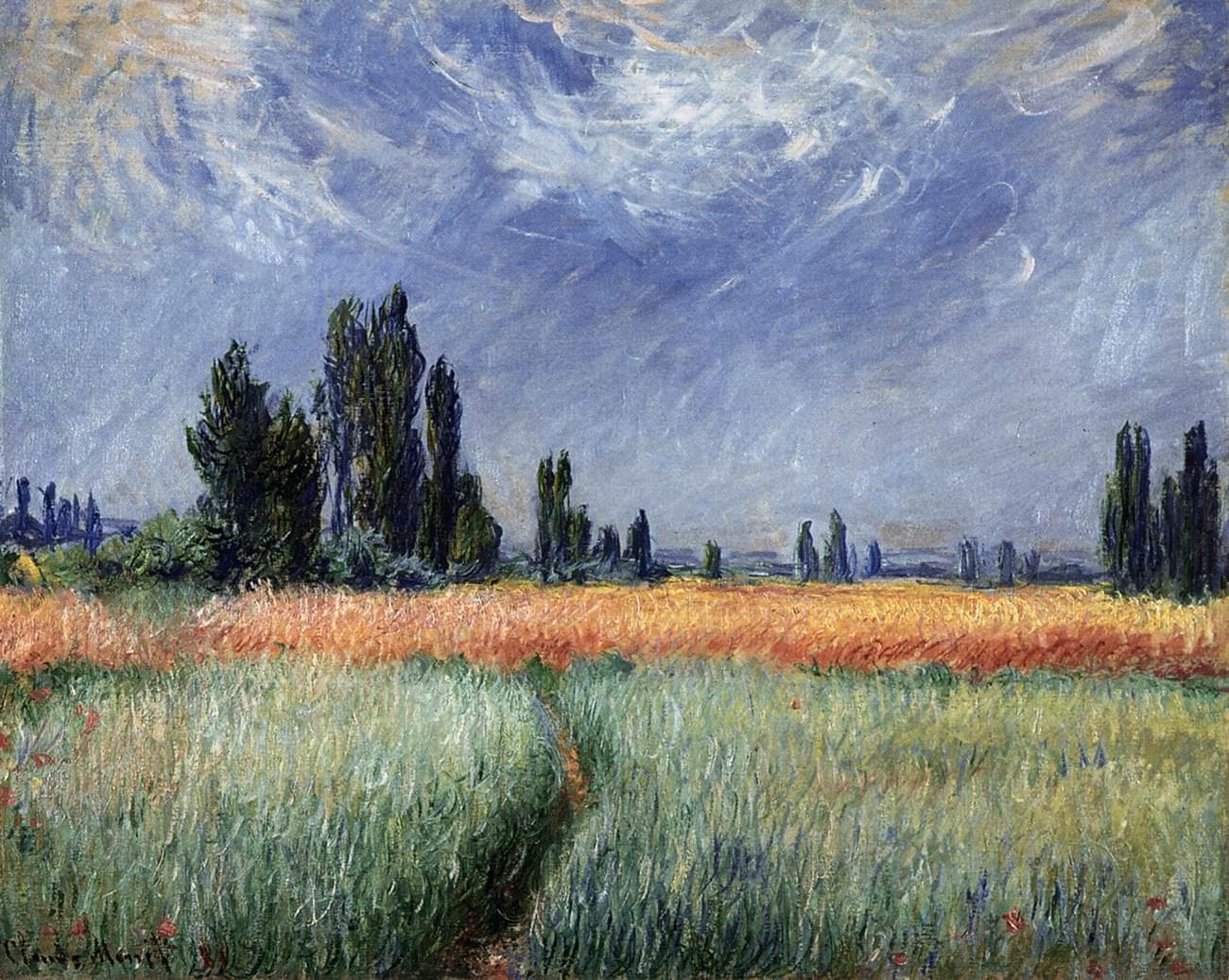
Wheat Field
Claude Monet · 1881