Image: Claude Monet (source: https://poulwebb.blogspot.fr/2013/11/claude-monet-part-20-1891-1893-1894.html) · Public domain · via Wikimedia Commons
Rouen Cathedral (W 1361)
Claude Monet, 1893–94
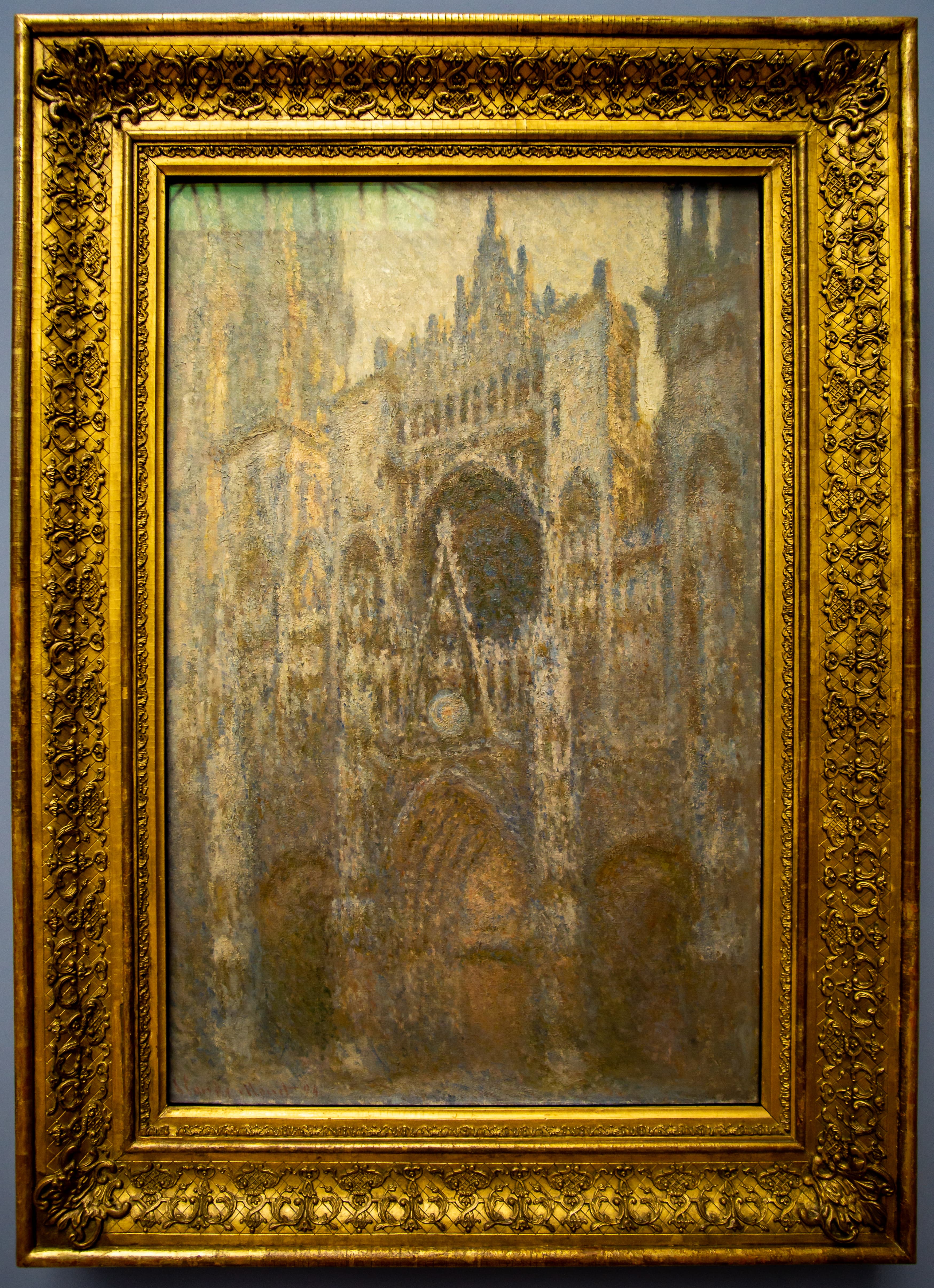
Rouen Cathedral (Wildenstein 1361) is a Claude Monet painting from the Rouen Cathedral series, begun in 1893 and dated 1894: the portal in full sun, white and pink stone cut by deep blue shadows under an ultramarine sky. It is in a private collection.
- Artist
- Claude Monet
- Date
- 1893–94
- Medium
- Oil on canvas
- Collection
- Private collection
- Movement
- Impressionism
- Catalogue
- Wildenstein 1361
- Architecture & Ruins
- Religion & Saints
What you are looking at
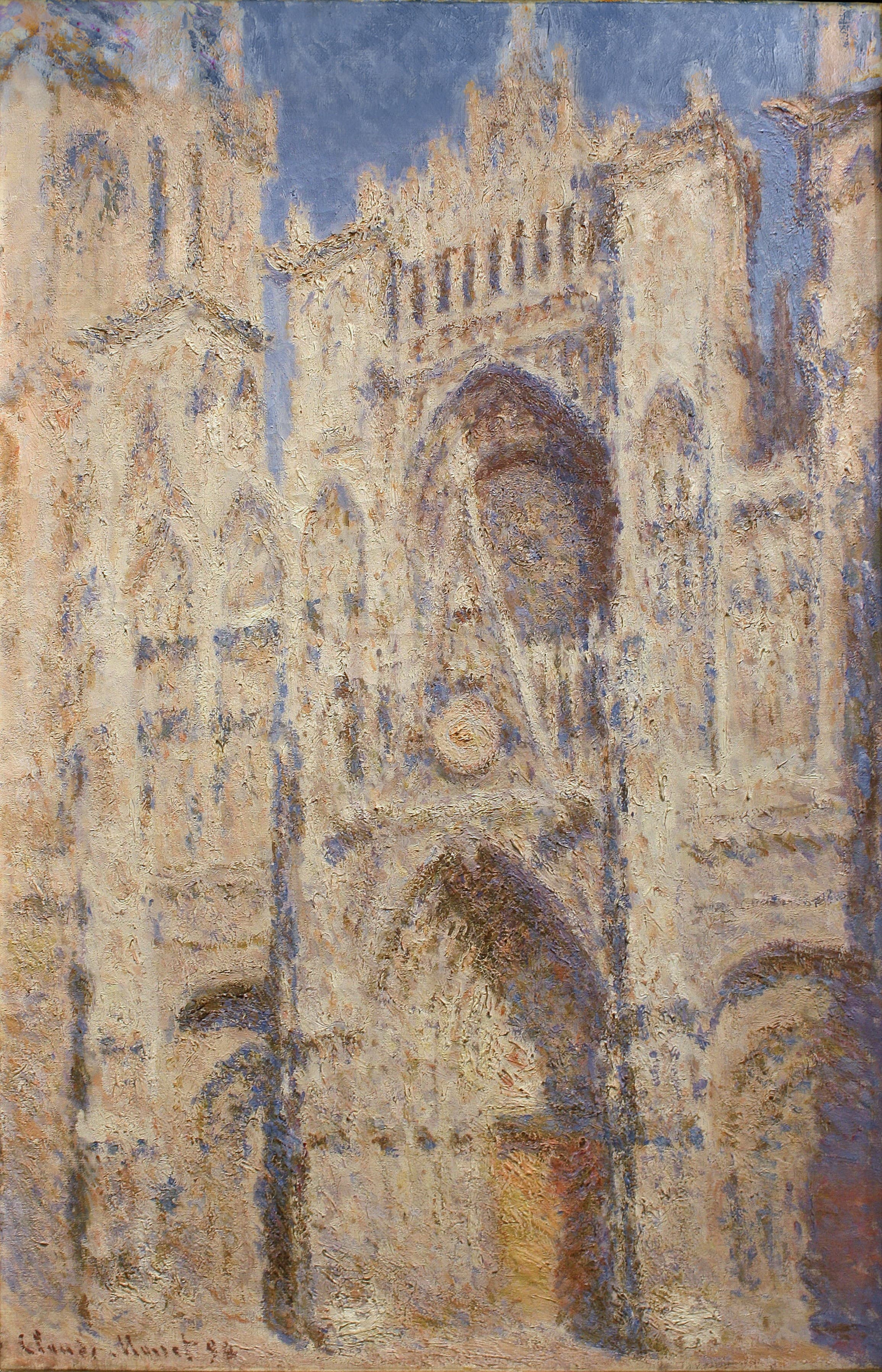
The west front of Rouen Cathedral stands frontal in hard, bright sun. Above it the sky is a deep ultramarine, the darkest and richest blue in any of the portal views, and against it the gables and openwork pinnacles flare white. The stone is painted in white, cream and pale pink, scored everywhere by strong vertical stripes of cobalt and blue-black that mark the shadows of buttresses and niches. The effect is crisp and graphic, almost like a woodcut in color.
In the center, the great rose window is a large dark oval of brown and violet, crossed by the thin white lines of the gable in front of it, and below it the clock dial is a pale ring. The portals at the bottom are deep, warm brown hollows framed by pale, sunlit arches, the central doorway the darkest. At the left and right edges the towers rise in the same white and blue stripes.
The signature and date, Claude Monet 94, are at lower left.
Rouen, 1893
Claude Monet returned to Rouen in February 1893 for his second campaign on the cathedral, working from rooms facing the façade and switching canvases as the light moved. Wikidata dates this canvas to that year. He finished the series at Giverny in 1894 and exhibited twenty of the pictures at Durand-Ruel's gallery in Paris in May 1895. See the Rouen Cathedral series.
How it was painted
The surface is thickly crusted, but the structure of the picture is unusually clear. Monet sets up a rhythm of pale verticals and blue verticals across the whole façade, so the building reads as a set of stripes. The sky is painted more smoothly in a single dense blue, which makes the white stone look even brighter by contrast. Warm color is held back for the rose window and doorways, where browns and violets give the picture its weight.
How this version differs
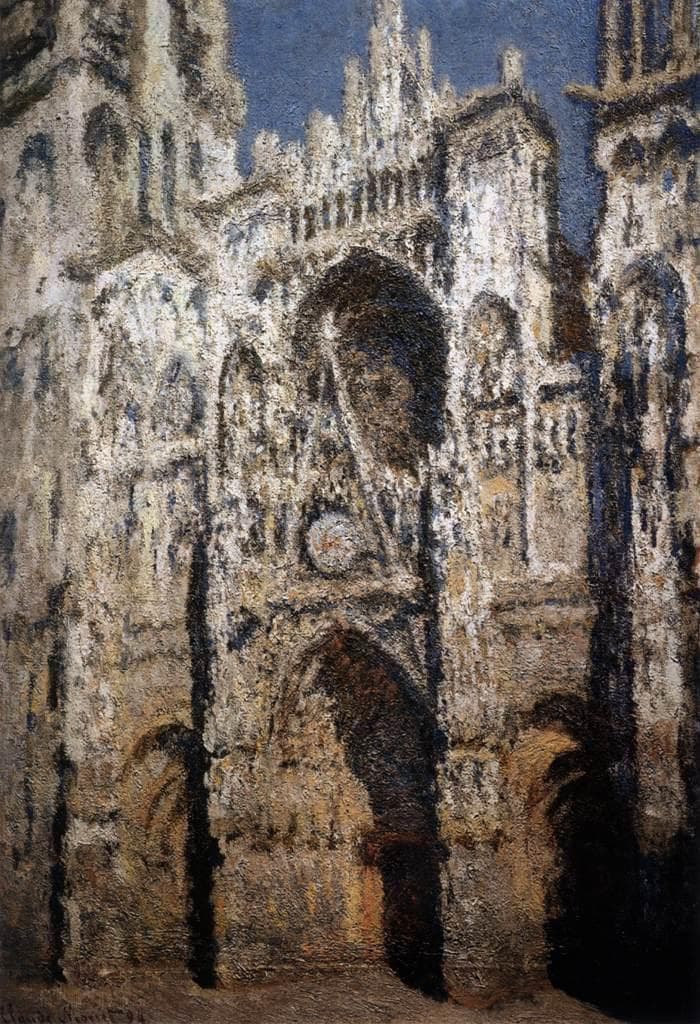
Its closest relative is the Musée d'Orsay's Rouen Cathedral in Full Sunlight (Harmonie bleue et or), which shares the deep blue sky and the strong blue shadows but takes in the tower at left and is more golden. Compared with the National Gallery of Art's West Façade, Sunlight, this canvas is harder and more contrasted, its shadows darker and its sky far deeper. Compared with the private Portal, Sunlight (W 1322), it is cooler, with blue rather than orange carrying the shadows.
Looking closely
The blue stripes of shadow are not uniform. Some are deep cobalt, others lighter and greener, and a few are almost black where the shadow is deepest, beside the projecting buttresses. In the sky, the ultramarine is laid on so densely that it seems to press forward against the pinnacles. Monet signs at lower left in dark blue.
The series as a whole
Monet conceived the cathedrals as a group and showed twenty of them together in 1895, but the series was dispersed almost at once: collectors bought single canvases, some even before the exhibition opened, and today they are scattered across three continents. Privately owned versions like this one are a reminder of how much of the series is rarely seen.
Ownership and where to see it
Catalogued as Wildenstein 1361, the painting is in a private collection, and its size and ownership history are not published in accessible sources. For full-sun cathedrals on public view, see the Musée d'Orsay in Paris and the Pushkin Museum in Moscow, which owns Portal and Tower, Midday. Our guide to where to see Monet's paintings lists more.
Questions & answers
Where is this Rouen Cathedral painting?
It is in a private collection and is not on public view. It is catalogued as Wildenstein 1361. The closest comparable canvas in a museum is the Musée d'Orsay's Rouen Cathedral in Full Sunlight (Harmonie bleue et or) in Paris.
When was it painted?
Wikidata dates it to 1893, Monet's second campaign in Rouen. He completed the canvas at Giverny and signed and dated it 'Claude Monet 94'. The cathedral series was exhibited at Durand-Ruel's gallery in Paris in 1895.
What does the painting show?
The west front of Rouen Cathedral in hard sun under a deep ultramarine sky, the stone painted white and pale pink and striped with strong blue shadows, the rose window and portals deep brown and violet.
How is it different from the other sunny versions?
It has the deepest blue sky and the hardest contrasts of the frontal sunlit portals, with blue stripes of shadow across the whole façade. Others, in Washington, New York and Boston, are paler, warmer or more golden.
More by the artist
Claude Monet
Rouen Cathedral in Full Sunlight
Claude Monet · 1893
Rouen Cathedral, Fog
Claude Monet · 1893–94
Rouen Cathedral, Portal and Tower d'Albane, Midday
Claude Monet · 1893–94
Rouen Cathedral, Portal (W 1359)
Claude Monet · 1893–94
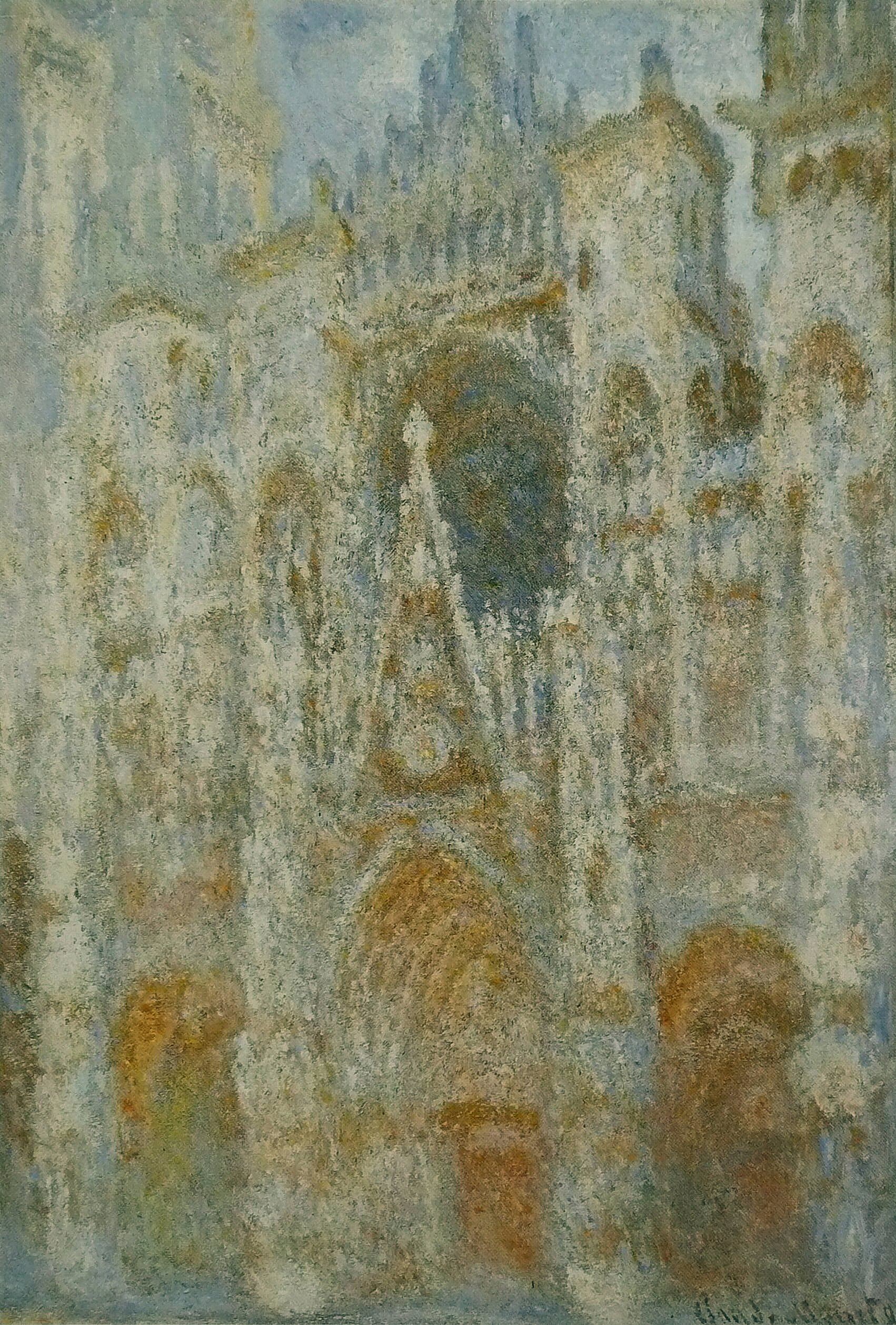
Rouen Cathedral, the Portal, Morning Sun (Harmony in Blue)
Claude Monet · 1893–94
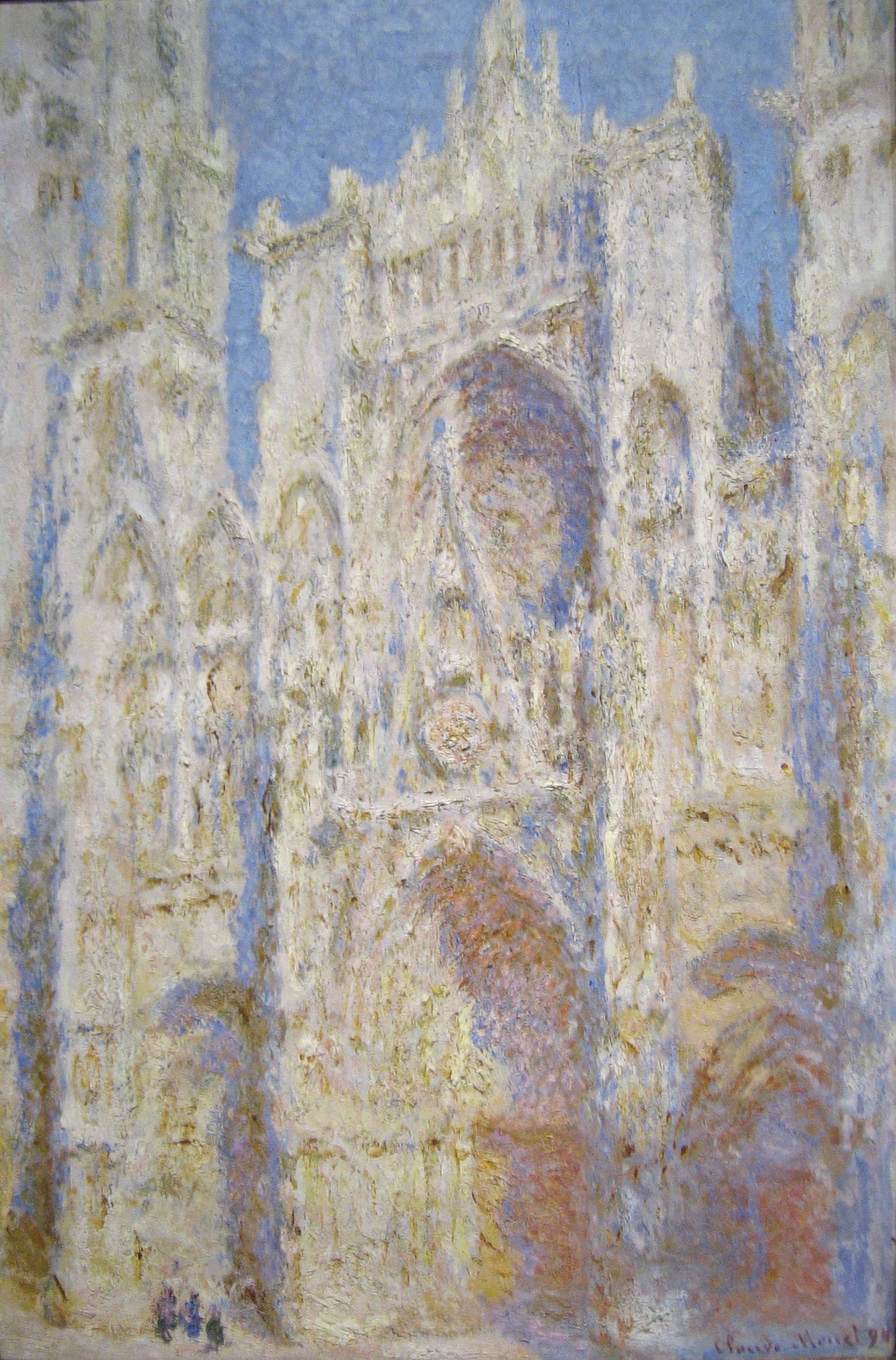
Rouen Cathedral, West Façade, Sunlight
Claude Monet · 1892–94
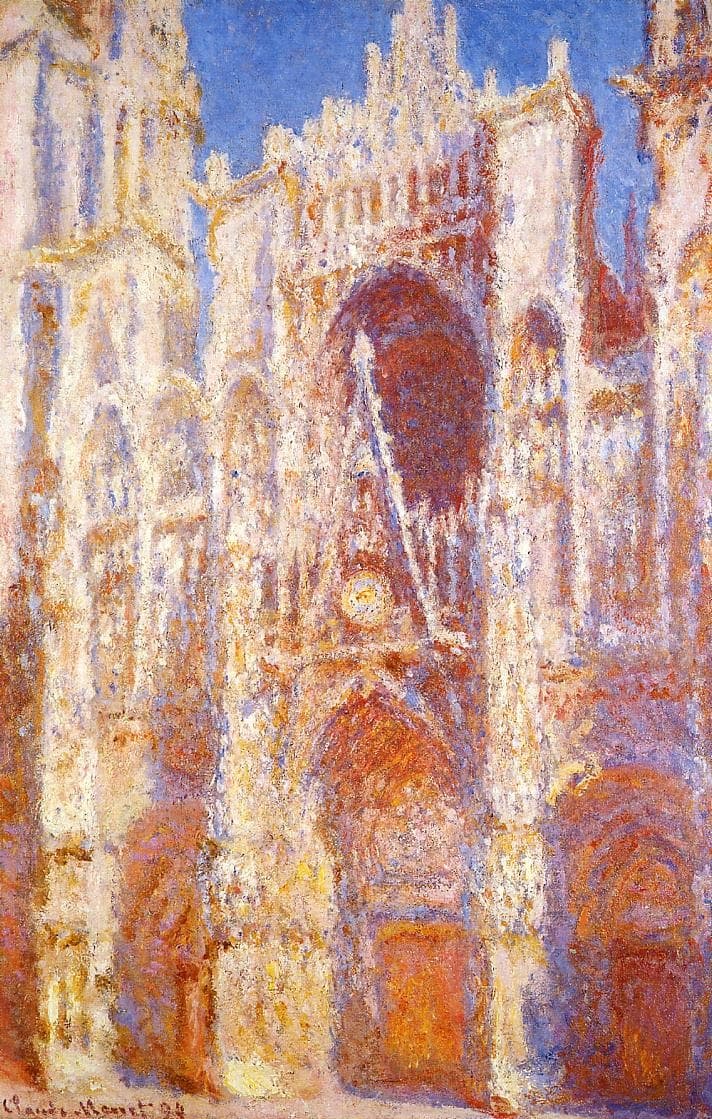
Rouen Cathedral, Portal, Sunlight (W 1322)
Claude Monet · 1892–94
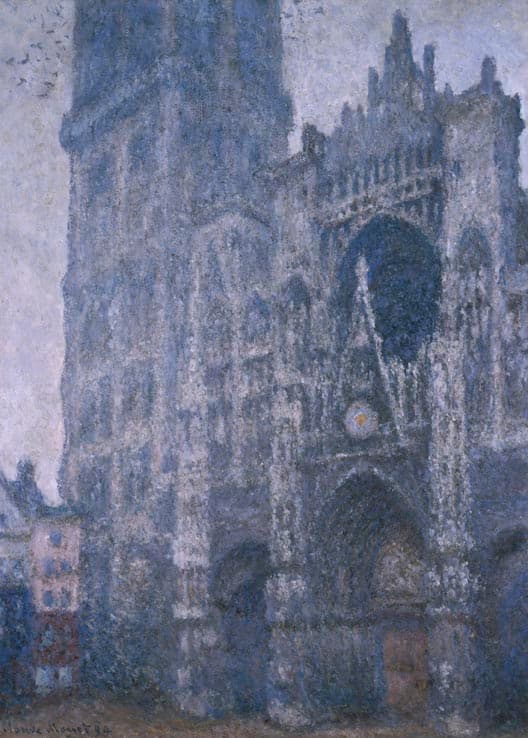
Rouen Cathedral, the Portal and the Tour d'Albane, Grey Weather
Claude Monet · 1893–94
Also painted in 1893
The same year
Rouen Cathedral, Portal
Claude Monet · 1893–94
Ice Floes at Twilight
Claude Monet · 1893
Grainstack
Claude Monet · 1893
Floating Ice at Bennecourt
Claude Monet · 1893
Ice Floes
Claude Monet · 1893
Ice Floes on the Seine near Bennecourt
Claude Monet · 1893
Rouen Cathedral, Effects of Morning Light
Claude Monet · 1893
Kindred works
You may also study
Rouen Cathedral: The Portal (Sunlight)
Claude Monet · 1892–94
The Church of Saint-Germain-l'Auxerrois
Claude Monet · 1867
Rouen Cathedral, Portal
Claude Monet · 1892–94
Rouen Cathedral, West Façade
Claude Monet · 1893–94
Rouen Cathedral, Evening
Claude Monet · 1894
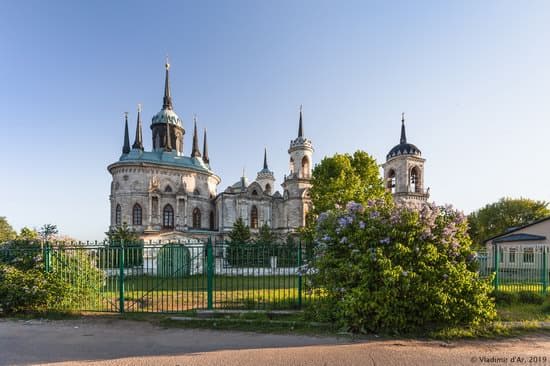
Church of the Vladimir Icon of the Mother of God, Bykovo
Vasily Bazhenov · 1788–89
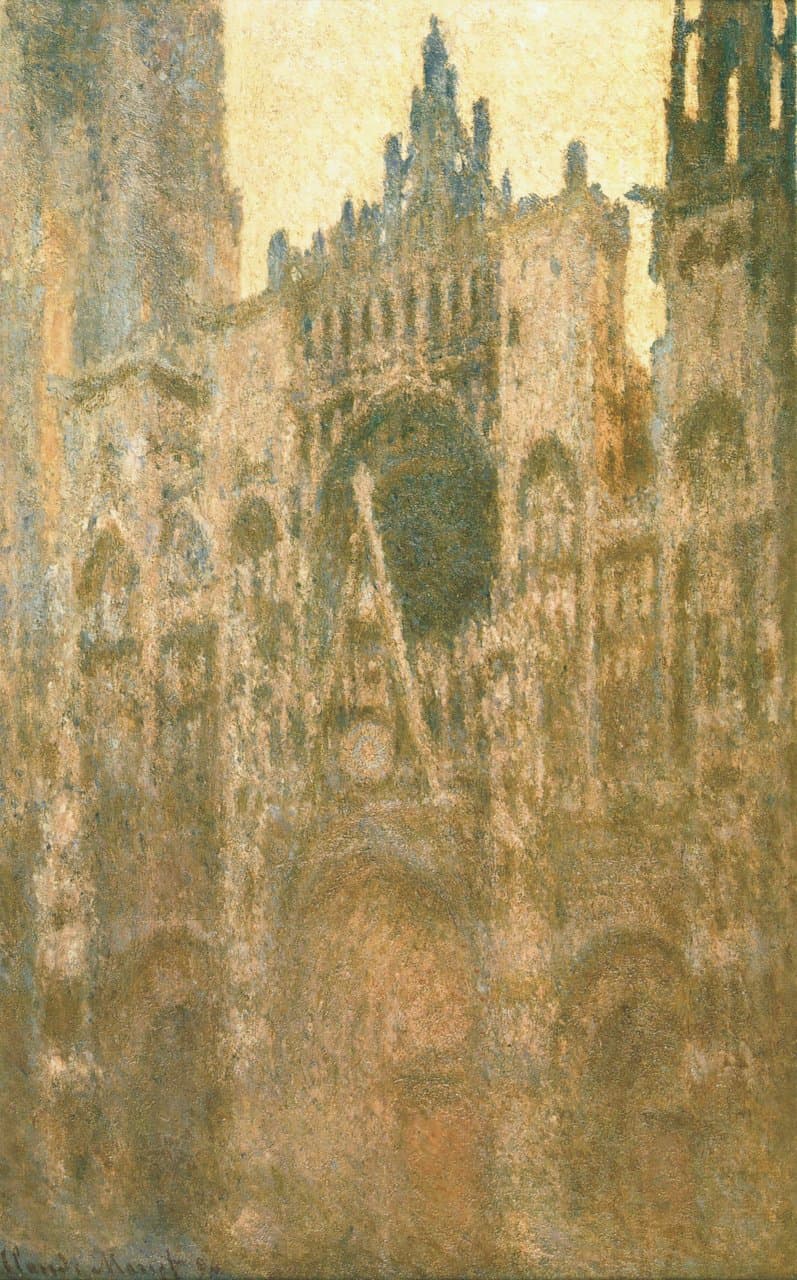
Rouen Cathedral in the Morning (Pink Dominant)
Claude Monet · 1893–94
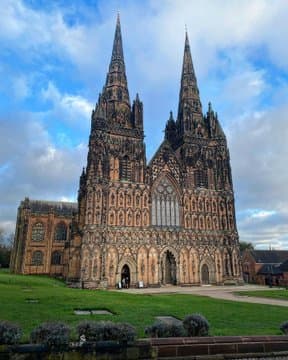
Lichfield Cathedral
Sir George Gilbert Scott · c. 1195–1340; restored 1850s–1900s